
What treatment


17+ Best Clinics for Ovarian Cancer in Turkey
Trusted Medical Tourism Platform Since 2007
What are the best ovarian cancer clinics in Turkey?
The best ovarian cancer clinics in Turkey are Medical Park Hospitals Group (Istanbul), Bayindir Healthcare Group (Ankara), Private Koru Ankara Hospital (Ankara), Istanbul Okan University Hospital (Istanbul), and Memorial Hospital Group (Istanbul).
These facilities are JCI-accredited and regulated by the Turkish Ministry of Health. They provide comprehensive gynecologic oncology treatments, including robotic-assisted cytoreductive surgery, HIPEC, targeted therapies (PARP inhibitors), and intraperitoneal chemotherapy. General oncology treatment costs range from $655 to $15,000 USD, offering international patients highly advanced, multidisciplinary medical care at a significant cost advantage compared to US pricing.

 79.83% Patient Recommend
Biruni Hospital in Istanbul Turkey


Overview
Biruni Hospital in Istanbul combines academic expertise, advanced medical technology and compassionate care, offering international patients personalized treatment and support throughout their journey
Read more details

 100.00% Patient Recommend
ACIBADEM Bayındır Hospital
Overview
As Acıbadem Bayındır Hospitals, we work together to ensure that you receive personalized, safe, and state-of-the-art healthcare services during and post your medical treatment here.
Read more details


 100.00% Patient Recommend
Istanbul Okan University Hospital
Overview
Explore comprehensive healthcare services at Istanbul Okan University Hospital, a leading multispecialty hospital in Turkey.
Read more details
Baskent University Istanbul Hospital
Overview
Explore comprehensive healthcare at Baskent University Istanbul Hospital, a leading multispecialty center in Turkey for local and international patients.
Read more details

Discover your treatment options with a free, no-obligation quote!
Get your quote now! 83.33% Patient Recommend
Emsey Hospital
Overview
Emsey Hospital is the Best Hospital in Istanbul Turkey that has won JCI International Accreditation, and has the most complete medical facilities and experienced medical staff.
Read more details
Florence Comprehensive Cancer Center
Overview
Florence Comprehensive Cancer is to be a pioneering institution that is innovative and constantly improving, offering reliable, up-to-date, and patient-centered healthcare in all services provided, continuously training and educating its staff, and putting patients’ and employees’ welfare at the forefront, as well as respect the environment and patient rights.
Read more details 90.91% Patient Recommend
Group Florence Nightingale Hospitals in Istanbul Turkey
Overview
Explore advanced healthcare at Group Florence Nightingale Hospitals, a leading multispecialty hospital in Istanbul, Turkey for global patients.
Read more details 100.00% Patient Recommend
HUMA Hospital
Overview
Experience top-notch healthcare at Huma Hospital Kayseri. Specializing in cosmetic procedures, gynecology, and IVF treatments in Turkey.
Read more detailsDiscover your treatment options with a free, no-obligation quote!
Get your quote now! 100.00% Patient Recommend
Istanbul Oncology Hospital
Overview
Istanbul Oncology Hospital in Istanbul, Turkey offers comprehensive cancer treatment options with state-of-the-art facilities and a compassionate approach. Book an appointment with our experienced on
Read more details 100.00% Patient Recommend
Medicana Health Group in Istanbul Turkey
Overview
Discover Medicana Health Group in Istanbul, Turkey, offering advanced medical care, specialized treatments, and international patient services.
Read more details 100.00% Patient Recommend
Medipol Bahcelievler Hospital
Overview
Discover premier cancer treatment & heart surgery at Medipol Bahcelievler Hospital in Istanbul, Turkey. Trust in our expertise for your healthcare needs.
Read more details 100.00% Patient Recommend
Neolife Oncology Center in Istanbul, Turkey
Overview
Explore cancer treatment in Istanbul, Turkey at Neolife Oncology Center, offering multidisciplinary cancer care, advanced diagnostics and treatment options.
Read more details 100.00% Patient Recommend
Private Koru Ankara Hospital
Overview
Experience advanced Robotic Bariatric Surgery & Heart Surgery at Private Koru Ankara Hospital in Turkey. Exceptional care and cutting-edge technology.
Read more details
Bellaten Health Ltd. Co.
Overview
Surgical Oncology can be one of the effective ways to combat malignancy. Bellaten Health Ltd. Co., in Istanbul, Turkey lead by Prof. Erkan Yıldırım can be your next European destination for a surgical cure for cancer. Read more about the medical center and its offered treatment procedures.
Read more details 100.00% Patient Recommend
Berrin Pehlivan Oncology Clinic
Overview
Berrin Pehlivan Oncology Clinic is one of the leading multidisciplinary cancer treatment and care centers in Istanbul. Prof. Dr. Berrin Pehlivan is a radiation oncology specialist who brings great experience in treatment. .The Clinic provides services in Radiation Oncology, Medical oncology, Immunotherapy, Onkologic surgery, Brachytherapy, Ozone treatment and Check-up.
Read more details
Memorial Hospital Group
Overview
Memorial, with 12 hospitals & 8000+ staffs, treats over 85,000 patients from 170 countries. As Turkeys first JCI-accredited hospital, we set the gold standard for international medical care.
Read more details
Private Medifema Hospital
Overview
Private Medifema Hospital specializes in Plastic and Bariatric Surgery in Izmir, Turkey. Discover MEDIFEMA's trusted healthcare services today.
Read more detailsInternational Multispecialty Hospital in Istanbul, Turkey
Find international multispecialty hospital care in Istanbul, Turkey, with comprehensive medical treatments and services for overseas patients.


Which are the best Ovarian Cancer clinics in Turkey for specialized treatment?
For specialized ovarian cancer treatment in Turkey, top clinics include Bayindir Healthcare Group and Istanbul Okan University Hospital in Istanbul, and Private Koru Ankara Hospital in Ankara. These facilities are recognized for their advanced gynecologic oncology departments, multidisciplinary care, and high patient satisfaction. They offer cutting-edge diagnostics and personalized treatment strategies for complex ovarian cancer cases, attracting international patients seeking high-quality care.
When seeking leading ovarian cancer clinics in Turkey, it's crucial to look for centers renowned for their expertise in gynecologic oncology. Several institutions consistently stand out for their comprehensive approach, advanced technology, and patient-centered care. Here are some of the highly-regarded options from your list:
- Bayindir Healthcare Group (Istanbul, Ankara): Known for its strong oncology departments and high patient recommendation rates. They emphasize a holistic treatment approach and modern medical facilities across multiple locations.
- Private Koru Ankara Hospital (Ankara): This hospital offers advanced surgical options and is recognized for its comprehensive care, including specialized oncology services, with excellent patient feedback.
- Istanbul Okan University Hospital (Istanbul): A prominent university hospital focusing on patient satisfaction, academic rigor, and advanced medical services, including a robust cancer treatment program.
- Group Florence Nightingale Hospitals (Istanbul): A large, well-established group committed to innovative and patient-centered healthcare, with extensive experience in various oncology fields, including ovarian cancer.
- Medipol Bahcelievler Hospital (Istanbul): This facility offers premier cancer treatment with state-of-the-art diagnostic and therapeutic capabilities, ensuring expert and compassionate care.
These clinics are often preferred by international patients due to their commitment to global healthcare standards and comprehensive support services.
How do I verify a Turkish ovarian cancer clinic's accreditation and quality standards?
To verify a Turkish ovarian cancer clinic's quality, look for international accreditations like Joint Commission International (JCI), which signifies adherence to rigorous patient safety and care standards. Also, confirm national licensing by the Turkish Ministry of Health. Many top clinics proudly display these credentials on their websites and in their international patient information.
Ensuring a clinic meets high-quality standards is paramount for effective ovarian cancer treatment. Beyond JCI, which is a gold standard for international healthcare accreditation, there are other important indicators:
- National Licensing: All legitimate clinics must be licensed and regulated by the Turkish Ministry of Health, which sets national healthcare standards. You can usually find this information on the clinic's official website.
- Professional Affiliations: Check if their specialists are members of relevant international or national professional bodies, such as the European Society of Gynaecological Oncology (ESGO) or the Turkish Society of Gynecological Oncology. Membership often implies adherence to professional guidelines and ongoing education.
- Technology Certifications: For advanced treatments like robotic surgery or specialized radiation therapy, inquire about certifications for their equipment and the training of their staff on these technologies.
- Patient Testimonials and Reviews: While not a formal accreditation, consistent positive patient feedback on independent platforms can offer valuable insights into the quality of care and patient experience.
Always request official documentation or direct links to accreditation bodies if you need further assurance.
What advanced diagnostic tests are available for ovarian cancer in Turkish clinics?
Turkish ovarian cancer clinics offer advanced diagnostic tools for precise staging and personalized treatment. These include PET-CT and MRI for detailed imaging, along with sophisticated tumor marker tests like CA-125. Genetic and molecular profiling of tumor tissue is also available to identify specific mutations, guiding targeted therapy options for enhanced effectiveness.
Accurate diagnosis is the cornerstone of successful ovarian cancer treatment. Leading clinics in Turkey invest in state-of-the-art diagnostic technologies to ensure comprehensive evaluation of each patient's condition. These typically include:
- PET-CT Scans: Positron Emission Tomography-Computed Tomography scans are crucial for detecting the extent of cancer spread, including distant metastases, which is vital for accurate staging.
- High-Resolution MRI: Magnetic Resonance Imaging provides detailed images of soft tissues in the pelvis and abdomen, helping to identify primary tumors and local spread.
- Tumor Marker Blood Tests: While not diagnostic on their own, markers like CA-125 are often monitored to assess disease progression and response to treatment. Other markers may also be used.
- Biopsy and Histopathological Analysis: Tissue samples obtained through surgery or minimally invasive procedures are meticulously examined by expert pathologists to confirm the cancer type, grade, and aggressiveness.
- Genetic and Molecular Profiling: Many clinics offer comprehensive genomic testing of tumor tissue to identify genetic mutations (e.g., BRCA1/BRCA2) or other biomarkers. This information helps predict treatment response and identifies candidates for targeted therapies.
This detailed diagnostic workup empowers oncology teams to develop the most effective, personalized treatment plans for ovarian cancer patients.
Are multidisciplinary tumor boards common in Turkish ovarian cancer treatment centers?
Yes, multidisciplinary tumor boards are a standard practice in leading Turkish ovarian cancer treatment centers. These boards consist of gynecologic oncologists, medical oncologists, radiation oncologists, radiologists, and pathologists who collaboratively review each patient's case. This ensures a comprehensive, evidence-based treatment plan tailored to the individual's specific cancer profile for optimal outcomes.
A truly advanced cancer center emphasizes a collaborative approach to patient care, and multidisciplinary tumor boards are at the heart of this philosophy. In Turkey, many reputable clinics have adopted this model for ovarian cancer treatment due to its proven benefits.
The benefits of such a board include:
- Holistic View: Each specialist brings their unique perspective, ensuring all aspects of the disease and potential treatment avenues are thoroughly considered.
- Evidence-Based Decisions: Treatment recommendations are based on the latest medical evidence, national and international guidelines, and the collective experience of the team.
- Optimized Treatment Sequencing: The board determines the most effective order of therapies, such as surgery followed by chemotherapy, or neoadjuvant chemotherapy before surgery.
- Complex Case Resolution: For challenging or rare cases, the combined expertise can lead to more innovative and effective solutions.
- Improved Patient Outcomes: Studies consistently show that patients managed by a multidisciplinary team often have better outcomes due to the thorough planning and coordinated care.
When choosing a clinic, it is advisable to inquire about their tumor board process and how your case will be reviewed.
What types of ovarian cancer treatments are offered in Turkish clinics?
Turkish ovarian cancer clinics provide a broad spectrum of advanced treatments, including precision surgical techniques like robotic-assisted cytoreductive surgery and HIPEC. They also offer personalized chemotherapy regimens (intraperitoneal and intravenous), targeted therapies, and radiation therapy. Immunotherapy is also gaining traction, ensuring patients receive comprehensive and tailored care for their specific cancer type.
Ovarian cancer treatment has evolved significantly, and Turkish clinics strive to offer the full range of modern therapeutic options. The choice of treatment depends on the stage and type of cancer, as well as the patient's overall health.
Common treatment modalities available include:
- Surgery: This is often the primary treatment, involving cytoreduction (debulking) surgery to remove as much of the tumor as possible. Many Turkish clinics utilize advanced techniques like robotic surgery for minimally invasive procedures or hyperthermic intraperitoneal chemotherapy (HIPEC) in conjunction with surgery for advanced cases.
- Chemotherapy: Systemic chemotherapy is typically administered intravenously, but some clinics also offer intraperitoneal (IP) chemotherapy, delivering drugs directly into the abdominal cavity for localized treatment.
- Targeted Therapy: These drugs specifically target cancer cells based on their genetic makeup, minimizing damage to healthy cells. Examples include PARP inhibitors for patients with BRCA mutations.
- Immunotherapy: A newer approach that harnesses the body's own immune system to fight cancer cells. It may be used in specific cases, often as part of clinical trials or for advanced disease.
- Radiation Therapy: While less common for primary ovarian cancer, it may be used to manage specific areas of recurrence or to alleviate symptoms.
Many clinics integrate these treatments into a comprehensive plan developed by a multidisciplinary team.
How do Turkish clinics ensure patient safety during ovarian cancer treatment?
Turkish clinics prioritize patient safety through stringent international accreditation, such as JCI, which mandates strict protocols for surgical procedures, infection control, and medication management. They utilize advanced monitoring systems, maintain highly trained medical staff, and implement rigorous quality assurance programs. Comprehensive patient education and clear communication further empower patients in their safety journey.
Patient safety is a non-negotiable aspect of healthcare, especially in complex treatments like ovarian cancer. Turkish clinics that cater to international patients often go above and beyond to ensure a safe environment and high-quality care.
Key measures include:
- International Accreditations: As mentioned, JCI accreditation is a strong indicator of adherence to global safety standards. This covers everything from facility management to patient identification and surgical safety checklists.
- Strict Infection Control: Hospitals implement rigorous protocols for hygiene, sterilization of equipment, and prevention of hospital-acquired infections.
- Experienced Medical Teams: Surgeons, anesthesiologists, nurses, and support staff are highly qualified and undergo continuous training to stay abreast of the latest best practices.
- Advanced Technology: Modern operating theaters, precise imaging equipment, and advanced surgical tools contribute to safer procedures and more accurate diagnoses.
- Medication Safety Systems: Hospitals employ systems to prevent medication errors, ensuring patients receive the correct drugs and dosages.
- Emergency Preparedness: Clinics have robust emergency response protocols and state-of-the-art intensive care units equipped to handle any unforeseen complications.
- Transparent Communication: Patients and their families are kept informed about their treatment plan, potential risks, and recovery expectations, fostering a sense of trust and security.
What support services are available for international patients at Turkish ovarian cancer centers?
Turkish ovarian cancer centers offer extensive support for international patients, including dedicated international patient departments providing multilingual coordinators and interpreters. They assist with travel logistics like visas and accommodation, facilitate medical appointments, and offer emotional and nutritional counseling. This comprehensive support ensures a smooth and stress-free treatment journey for global patients.
International patients often face unique challenges when seeking medical treatment abroad. Reputable Turkish ovarian cancer centers understand this and offer a wide array of services designed to make the experience as seamless and comfortable as possible.
These support services typically include:
- International Patient Department: A dedicated team that serves as a single point of contact for all non-medical needs.
- Multilingual Coordinators/Interpreters: Professionals available to assist with communication during consultations, treatments, and throughout the patient's stay, ensuring clarity and understanding.
- Travel and Accommodation Assistance: Help with visa applications, flight bookings, airport transfers, and finding suitable lodging (hotels, serviced apartments) near the hospital.
- Appointment Scheduling: Coordination of all medical appointments, tests, and procedures to optimize the patient's time.
- Financial Guidance: Clear explanations of treatment costs, payment options, and assistance with insurance claims where applicable.
- Emotional and Psychological Support: Access to counselors or support groups to help patients cope with the emotional impact of cancer treatment.
- Nutritional Counseling: Tailored dietary advice to support recovery and overall well-being during and after treatment.
- Post-Treatment Follow-up: Assistance with organizing follow-up appointments, medication refills, and coordinating care with the patient's local doctor.
This comprehensive approach ensures that patients can focus entirely on their recovery while all logistical concerns are expertly managed.
How do Turkish clinics tailor ovarian cancer treatment for individual patient needs?
Turkish clinics tailor ovarian cancer treatment by conducting thorough evaluations, including comprehensive diagnostics, genetic testing, and multidisciplinary tumor board reviews. This allows them to create personalized strategies that consider the cancer's specific characteristics, stage, and the patient's unique health profile. This individualized approach optimizes treatment effectiveness and patient outcomes.
Ovarian cancer is a complex disease, and no two cases are exactly alike. That's why leading Turkish clinics prioritize personalized medicine, ensuring each patient receives a treatment plan meticulously crafted for their individual circumstances.
The personalization process involves:
- Comprehensive Medical History and Physical Examination: A detailed assessment of the patient's overall health, medical history, and any co-existing conditions.
- Advanced Diagnostic Workup: Utilizing tools like PET-CT, MRI, and precise pathology reports to accurately stage the cancer and understand its unique characteristics.
- Genetic and Molecular Testing: Identifying specific genetic mutations within the tumor cells (e.g., BRCA1/BRCA2, homologous recombination deficiency) which can influence treatment choices, such as the use of PARP inhibitors.
- Multidisciplinary Tumor Board: As previously mentioned, a team of specialists reviews all findings to reach a consensus on the most effective and least toxic treatment sequence.
- Patient Preferences and Quality of Life: The treatment plan also considers the patient's values, preferences, and desired quality of life, balancing aggressive treatment with supportive care.
- Continuous Monitoring and Adjustment: Treatment plans are not static; they are regularly reviewed and adjusted based on the patient's response to therapy and any changes in their condition.
This highly individualized approach aims to maximize efficacy while minimizing side effects, ultimately improving the patient's chances of recovery and quality of life.
What are the post-treatment follow-up protocols for ovarian cancer patients in Turkey?
After ovarian cancer treatment in Turkey, patients receive clear, detailed follow-up protocols. This typically includes a comprehensive medical report and a personalized schedule for subsequent check-ups, tumor marker tests (like CA-125), and imaging scans. Clinics also facilitate communication with the patient's local doctors, often offering remote consultations to ensure continuous, coordinated care after they return home.
Effective follow-up care is crucial for monitoring recovery, detecting any recurrence early, and managing long-term side effects after ovarian cancer treatment. Turkish clinics are well-versed in establishing comprehensive post-treatment protocols, especially for international patients.
Key components of follow-up care include:
- Detailed Discharge Summary: Patients receive a thorough report documenting their diagnosis, all treatments received, medication regimen, and any specific post-operative instructions.
- Scheduled Clinical Visits: Regular appointments with an oncologist, typically every 3-4 months for the first few years, gradually decreasing in frequency over time.
- Tumor Marker Monitoring: Blood tests, particularly CA-125, are routinely performed to track levels and identify any potential signs of disease recurrence.
- Imaging Scans: Periodic CT or MRI scans may be recommended to monitor the treated areas and screen for new disease.
- Symptom Management: Ongoing support and management for any lingering side effects from surgery, chemotherapy, or radiation, including pain management, fatigue, and neuropathy.
- Lifestyle Guidance: Advice on nutrition, physical activity, and psychological well-being to support overall health and recovery.
- Coordination with Home Physician: The international patient department assists in transmitting all medical records and communicating with the patient's referring doctor to ensure seamless continuity of care back home.
- Telemedicine Options: Many clinics offer virtual consultations, allowing patients to consult with their Turkish oncologists remotely for follow-up questions and results review.
Do Turkish ovarian cancer clinics provide nutritional support during treatment?
Yes, leading Turkish ovarian cancer clinics typically offer comprehensive nutritional support, recognizing its critical role in treatment tolerance and recovery. Patients have access to specialized dietitians who create personalized meal plans to manage side effects, maintain strength, and optimize overall health during chemotherapy, radiation, and surgical recovery. This integrated approach supports better patient outcomes.
Proper nutrition is a vital, yet often overlooked, aspect of cancer care. Ovarian cancer and its treatments can significantly impact a patient's appetite, digestion, and ability to absorb nutrients. Recognizing this, many prominent Turkish clinics offer dedicated nutritional support services.
This support typically involves:
- Assessment by Registered Dietitians: Patients undergo a thorough nutritional assessment to identify any deficiencies or risks of malnutrition.
- Personalized Meal Plans: Dietitians work with patients to develop customized eating plans that address their specific needs, factoring in treatment side effects (like nausea, appetite loss, changes in taste), dietary restrictions, and cultural preferences.
- Management of Side Effects: Nutritional strategies are employed to help manage common treatment side effects, such as choosing easily digestible foods, recommending supplements, or advising on anti-nausea diets.
- Weight Management: Guidance is provided to help patients maintain a healthy weight, as both weight loss and gain can impact treatment efficacy and recovery.
- Hydration Strategies: Emphasis on adequate fluid intake, especially important during chemotherapy and radiation.
- Supplement Recommendations: Advising on appropriate vitamin and mineral supplements when dietary intake is insufficient.
- Ongoing Education: Providing patients and their caregivers with practical advice and resources on how to maintain good nutrition throughout their cancer journey and beyond.
This integrated approach helps patients tolerate treatments better, recover faster, and improve their overall quality of life.
How PlacidWay helps individuals access Ovarian Cancer treatment in Turkey?
PlacidWay provides detailed, up-to-date information about Ovarian Cancer treatments in Turkey, empowering you with knowledge about the benefits, potential risks, and expected outcomes of various therapeutic options available at top-tier facilities.
We help you compare treatment packages across different clinics, ensuring you find affordable options without ever compromising on the quality of care. Our platform allows you to see what's included and make a choice that fits your budget and medical needs.
PlacidWay connects you with a network of trusted, internationally accredited clinics and highly qualified medical professionals who specialize in gynecologic oncology in Turkey. We verify credentials so you can choose with confidence.
We offer complimentary, one-on-one consultations to guide you through the process. Our team helps you understand your options and make informed decisions about your treatment, ensuring the chosen path aligns perfectly with your specific health requirements.
Our commitment extends beyond your treatment. PlacidWay ensures you have continued support after your procedure, assisting with the coordination of follow-up care and recovery guidance to ensure a smooth and successful journey back to health.
Ready to explore Ovarian Cancer treatment in Turkey? Contact us today for a personalized consultation.
List of Best Ovarian Cancer Clinics in Turkey
Unlock the Best Cancer Treatment Packages Just for You
Discover the ultimate Cancer Treatment packages designed to meet your health and wellness goals. Choose the perfect fit for your journey.

Price starting from $900
PET CT SCAN + Oncology Consultation Package in Istanbul, Turkey for Overseas Patients Seeking Cancer Evaluation
International Multispecialty Hospital in Istanbul, Turkey
- Cancer Treatment
Istanbul, Turkey

Price starting from $15,500
Prostate Cancer Package at Bayindir Healthcare Group, Ankara/İstanbul , Turkey
ACIBADEM Bayındır Hospital
- Cancer Treatment
Istanbul,Ankara, Turkey
Price starting from $15,000
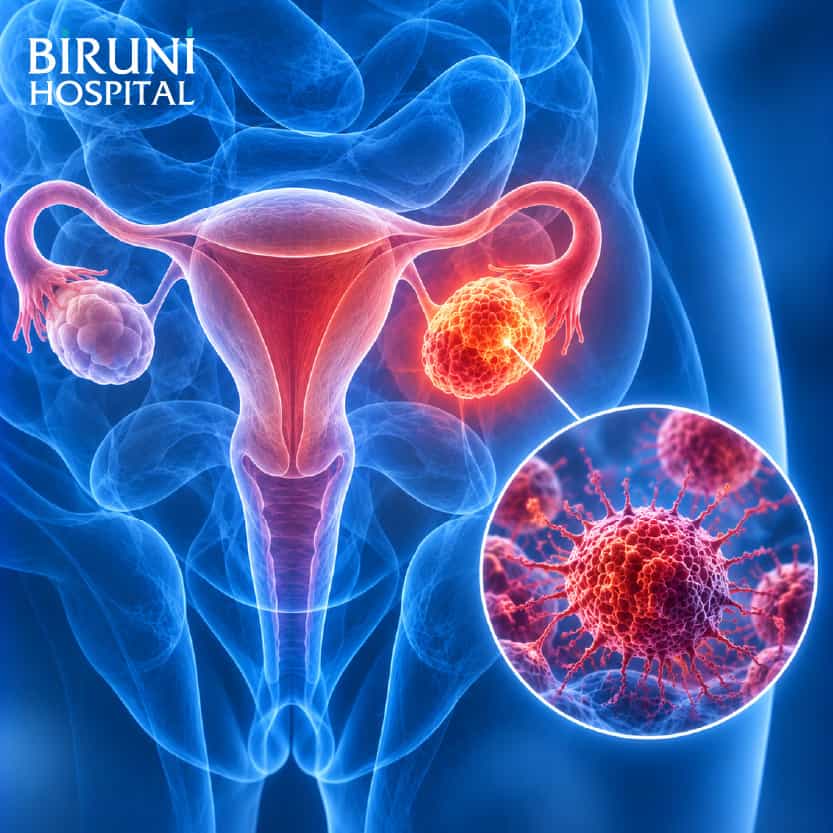
Ovarian Cancer Treatment Package in Istanbul Turkey by Biruni Hospital
Biruni Hospital in Istanbul Turkey
- Cancer Treatment
Istanbul, Turkey
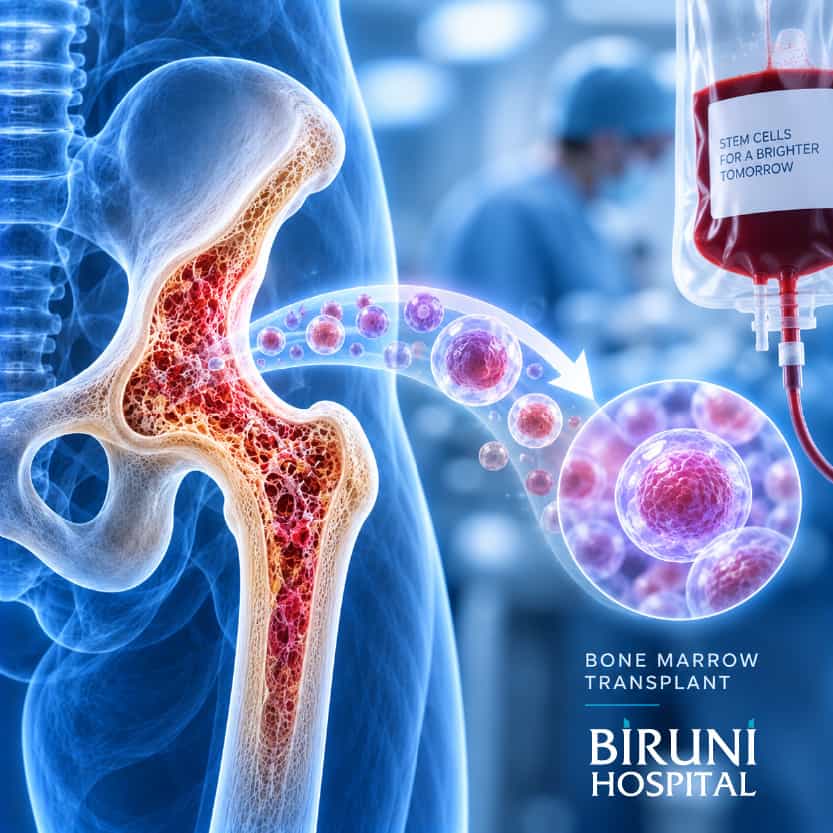
Price starting from $30,000
Bone Marrow Transplant Package in Istanbul Turkey by Biruni Hospital
Biruni Hospital in Istanbul Turkey
- Cancer Treatment
Istanbul, Turkey
Transformative Cancer Treatment Experiences: Dive into Procedure Insights
Discover the power of Cancer Treatment through compelling patient experiences. Uncover detailed insights into procedures, recovery journeys, and life-changing results.

Price starting from $180,000
Bone Marrow Transplant in Saudi Arabia
- Bone Marrow Transplant , Cancer Treatment
Saudi Arabia
.png)
Price starting from $35,000
Bone Marrow Transplantation in Istanbul, Turkey
- Bone Marrow Transplant , Cancer Treatment
Istanbul, Turkey

Price starting from $40,000
Lung Cancer Surgery in Saudi Arabia
- Lung Cancer, Cancer Treatment
Saudi Arabia
.png)
Price starting from $35,000
Bone Marrow Transplant in Turkey
- Bone Marrow Transplant , Cancer Treatment
Turkey
Explore Cancer Treatment: Stories, Testimonials, and Procedures
Watch in-depth videos covering everything from Cancer Treatment success stories to detailed procedure explanations. Learn what to expect and hear from real patients.

How PlacidWay Simplifies the Digital Marketplace for Patients and Providers
Cancer Treatment
PlacidWay Medical Tourism
Turkey

Debulking Surgery, HIPEC, and Hope – Advanced Ovarian Cancer Treatment in Istanbul, Turkey
Cancer Treatment
International Multispecialty Hospital in Istanbul, Turkey
Turkey

Pramod Goel, CEO of PlacidWay Medical Tourism Interview: How AI is Transforming Patient Journeys
Cancer Treatment
PlacidWay Medical Tourism
Turkey
Recent Treatments in Nuclear Medicine in Istanbul, Turkey by Biruni Hospital: Exploring Modern Treatment Options
Cancer Treatment
Biruni Hospital in Istanbul Turkey
Turkey
Learn More with These Cancer Treatment Articles
Take a look at these interesting articles, stories and research that will help you learn more about Cancer Treatment.
.jpg)
Cancer Treatment in Istanbul Turkey: What Patients Should Know About Oncology Care Abroad
PlacidWay Medical Tourism
- Cancer Treatment
Turkey
.jpg)
Planning a Bone Marrow Transplant in Istanbul: Costs, Safety, and Choosing the Right Clinic
PlacidWay Turkey Medical Tourism
- Cancer Treatment
Turkey
.jpg)
Evaluating Cancer Treatment in Istanbul, Turkey: Oncology Options, Costs, and Patient Safety
PlacidWay Medical Tourism
- Cancer Treatment
Turkey
.jpg)
Cancer Treatment in Istanbul, Turkey: Evaluating Oncology Clinics, Costs, and Patient Safety
PlacidWay Medical Tourism
- Cancer Treatment
Turkey
Cancer Treatment Solutions Near You: Explore Top Medical Centers
Discover how Cancer Treatment is transforming lives at leading medical centers in , Turkey. Dive into center profile, specialties, doctors, reviews, etc. and explore the best options tailored to your needs in this region.
Emsey Hospital
Istanbul, Turkey
Biruni Hospital in Istanbul Turkey
Istanbul, Turkey

ACIBADEM Bayındır Hospital
Istanbul,Ankara, Turkey
Baskent University Istanbul Hospital
Istanbul, Turkey








Birkaç hafta önce anaflaksi geçiren kızımı 1 Şubat'ta Ömer Hoca'ya getirdik,ilaç alerjilerine bakmadığı halde(muayene esnasında öğrendik)çok az hekimden gördüğümüz insanlığı gördük,kendi akrabasıymiş gibi ilgilendi,bize eğitim verdi(,hiçbir zorunluluğu yokken)yaptıramadığımız tetkikleri laboratuvarla konuşup yaptırdı,uzman hekime ulaşmamızı sağladı,(ki Türkiye'de ilaç alerjisi üzerine çalışan hekim neredeyse yok)minnettarız,müteşekkiriz,Allah ondan razı olsun???? (Translated by Google) We brought my daughter, who had anaphylaxis a few weeks ago, to Dr. Ömer on February 1st. Although he doesn't specialize in drug allergies (we learned this during the examination), we witnessed a level of humanity rarely seen in doctors. He treated her like a close relative, provided us with education (even though he wasn't obligated to), arranged for tests we couldn't get done ourselves by contacting the laboratory, and helped us reach a specialist (there are almost no doctors in Türkiye who specialize in drug allergies). We are grateful and thankful. May God bless him. ????
Read More