
What treatment


10+ Highly Rated Stem Cell Therapy for Lung Disease Clinics in South Korea
Reach Out to These Certified Stem Cell Therapy for Lung Disease Clinics List in South Korea Loved by Patients!
 100.00% Patient Recommend
Chaum Medical Center


Overview
Premium healthcare at Chaum Medical Center, Seoul. Personalized anti-aging, stem cell therapy, and advanced medical services for a youthful life.
Read more details
Yonsei BH Clinic


Overview
Yonsei BH Clinic offers advanced stem cell therapy in Seoul, South Korea, for erectile dysfunction, anti-aging, Parkinson disease, dementia, diabetes, and more.
Read more details
Allheart plastic surgery
AllHeart Plastic Surgery in Gangnam specializes in advanced cosmetic procedures, offering expert care in a modern facility for natural and safe results.


 100.00% Patient Recommend
Cell Grand Clinic - Best Stem Cell Clinic in Japan
Overview
Explore Cell Grand Clinic, the best stem cell clinic in Japan specializing in top regenerative therapies for anti-aging, chronic conditions, and wellness.
Read more details

Discover your treatment options with a free, no-obligation quote!
Get your quote now! 82.81% Patient Recommend
HELENE - Stem Cell Clinic
Overview
Japan Regenerative Medicine Leading Brand With over a decade of experience and more than 17,000 treated patients. Providing cutting-edge stem cell therapies tailored to various health concerns.
Read more details
 100.00% Patient Recommend
Vega Stem Cell Clinic in Bangkok Thailand
Overview
Vega Clinic in Bangkok, Thailand, helps people feel better with special treatments. They use new ways to heal and make sure each person gets care made just for them.
Read more details
 100.00% Patient Recommend
Azabu Skin Clinic - Dermatology and Stem Cell Therapy in Japan
Overview
Azabu Skin Clinic in Tokyo offers advanced stem cell treatments, regenerative treatments, dermatology, and aesthetic care. Book your consultation today.
Read more details
 100.00% Patient Recommend
FirstCell Malaysia
Overview
FirstCell specialize on cell-based medicine and treatments especially via MSC and NKC to enhance wellness and for targeted treatment modules. We are committed in delivering excellent treatment.
Read more details
Discover your treatment options with a free, no-obligation quote!
Get your quote now!
Dr. Ebenezer Abel Paul - Stem Cells in Malaysia
Overview
Explore Stem Cells in Malaysia with Dr. Ebenezer Abel Paul, offering cutting-edge regenerative therapies and advanced stem cell treatments.
Read more details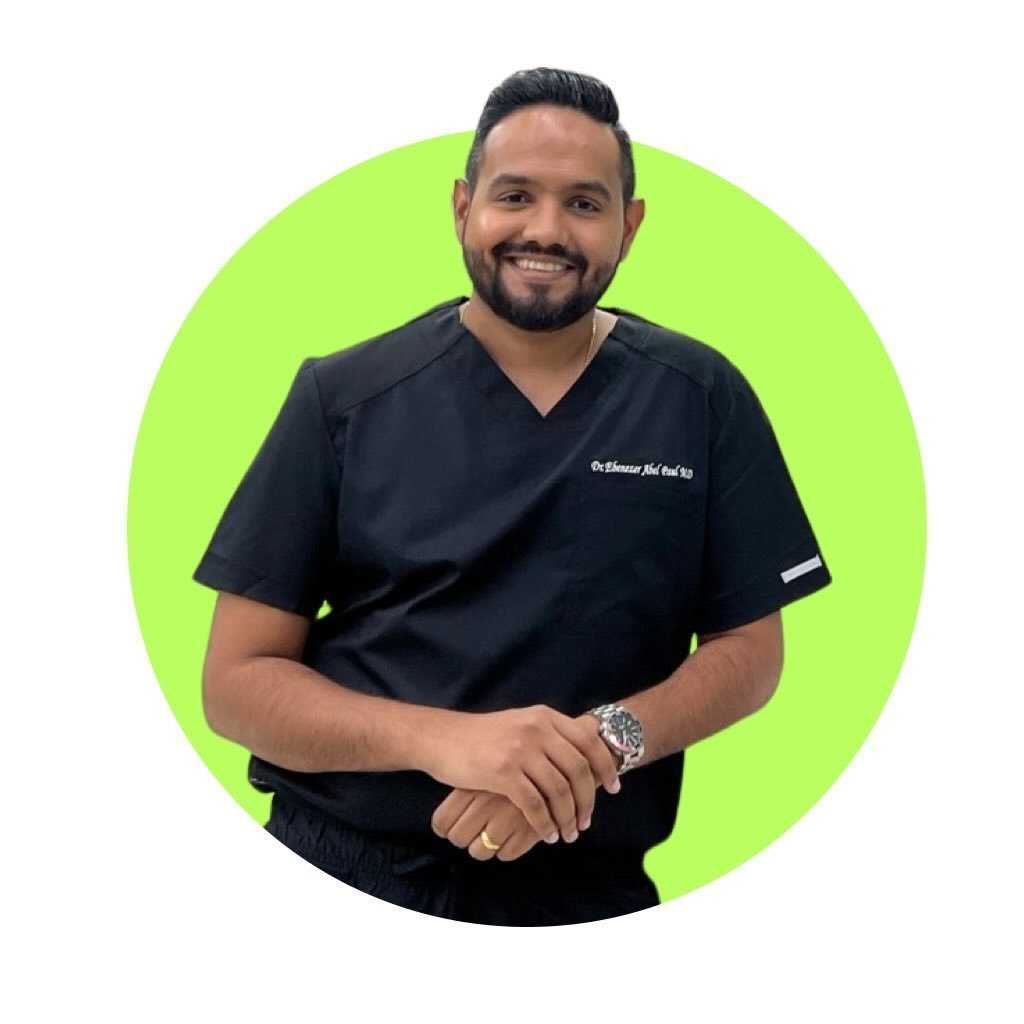
 96.00% Patient Recommend
Dr. Pravin Patels Innovative Hospital & Research Center
Overview
Dr. Pravin Patel's Innovative Hospital provides best stem cell treatment in Gujarat, India. Also offers Ozone therapy, Quantum therapy , EBOO therapy, Frequency & Laser Therapy at affordable cost.
Read more details

 100.00% Patient Recommend
GIOSTAR Hospital Bengaluru
Overview
Discover GIOSTAR Hospital in Bengaluru, India—your go-to center for advanced stem cell therapies and cutting-edge procedures for orthopaedics. Explore treatments for diabetes, stroke, SCI, and more.
Read more details
 100.00% Patient Recommend
Live Stem Cell Asia - Premier Stem Cell Clinic in Malaysia
Overview
Discover advanced stem cell Malaysia treatments at Live Stem Cell Asia, Petaling Jaya. Experience personalized care and innovative regenerative solutions.
Read more details
 100.00% Patient Recommend
StemRx Hospital and Research Centre
Overview
At StemRx Hospital & Research Centre, We specialize in advanced Regenerative Medicine & Stem Cell therapy for Autism, Cerebral Palsy, Orthopedics, Migraine, AVN & IVF providing personalized care.
Read more details
 98.04% Patient Recommend
Klinik Setia Gemilang
Overview
Klinik Setia Gemilang: Leading in stem cell therapy, orthopedic treatments, and anti -ageing solutions Malaysia . It is part of Setia Gemilang Medicare which houses a clinic and dentist
Read more details
Beijing Puhua International Hospital- Stem Cell Center
Overview
Beijing Puhua International Hospital (BPIH) features a dedicated Stem Cell Center, where a team of highly educated and experienced scientists and technicians are working on the research and development of stem cell technology to restrict the development of several degenerative diseases like Parkinson’s, ALS, Batten, Multiple Sclerosis and more.
Read more details
Beike Biotech
Overview
Beike Biotechnology offers the best stem cell therapy in Thailand, combining top-quality regenerative treatment with cutting-edge technology for optimal patient care.
Read more details
Boston Health Longevity - Anti Aging Stem Cell Therapy in Thailand
Overview
Experience advanced Anti Aging Stem Cell Therapy in Thailand at Boston Health Longevity. Improve cellular health, vitality, and longevity with expert care.
Read more details
Clinique Haru Osaka Umeda - Japan Stem Cell Treatment
Overview
Clinique Haru Osaka Umeda specializes in Japan stem cell treatments for joint and musculoskeletal conditions using advanced regenerative medicine.
Read more details
EDNA Wellness
Overview
EDNA Wellness is a surgeon-led regenerative medicine & Stem Cell center in Bangkok, specializing in orthopedic and neurological conditions using Umbilical Cord-Derived Mesenchymal Stem Cells (UC-MSCs)
Read more details
Hebei Yanda International Hospital
Overview
Hebei Yanda International Hospital in Beijing, China, addresses your healthcare needs with expert oncology, cardiology, and neurology treatments.
Read more detailsWhich are the best Stem Cell Therapy for Lung Disease clinics in South Korea?
South Korea offers several reputable clinics for Stem Cell Therapy for Lung Disease, known for their advanced research and patient care. Leading facilities in Seoul include Chaum Medical Center and Yonsei BH Clinic. These clinics are recognized for their commitment to regenerative medicine, offering specialized programs and personalized treatment plans for various respiratory conditions. When exploring options for advanced lung therapy in Korea, their experience and comprehensive approach make them strong choices.
Patients seeking advanced treatment for lung diseases often look to South Korea due to its cutting-edge medical technology and dedicated research in regenerative medicine. Both Chaum Medical Center and Yonsei BH Clinic, located in Seoul, stand out in this field. They focus on delivering personalized care using stem cell applications.
- Chaum Medical Center: This facility is renowned for its premium anti-aging and regenerative medicine, including stem cell therapies. They emphasize a holistic approach, integrating traditional and modern treatments to enhance overall well-being alongside specific disease management.
- Yonsei BH Clinic: As part of the prestigious Yonsei medical network, this clinic focuses on advanced stem cell applications for various chronic conditions, including lung diseases. Their programs are often tailored, reflecting a thorough diagnostic process to suit individual patient needs.
When considering Stem Cell Therapy for Lung Disease in South Korea, it's crucial to assess each clinic's specific accreditations, treatment protocols, and patient testimonials to ensure it aligns with your healthcare goals.
What criteria should I consider when choosing a Stem Cell Therapy for Lung Disease clinic in Seoul?
When selecting a Stem Cell Therapy for Lung Disease clinic in Seoul, prioritize accreditation, specialized medical expertise in pulmonology and regenerative medicine, and the facility's adherence to international safety standards. Look for clinics with transparent treatment protocols, robust patient support services, and strong evidence of successful outcomes for similar lung conditions. A clinic's experience with international patients and language support are also vital for a smooth medical journey.
Choosing the right clinic for advanced lung therapy in South Korea involves several key factors:
- Accreditation and Regulatory Compliance: Verify that the clinic holds national and international accreditations, ensuring it meets high standards of care and adheres to ethical guidelines for stem cell research and application. This is particularly important for newer therapies like regenerative medicine for lungs.
- Specialized Expertise: Ensure the medical team includes specialists in pulmonology and regenerative medicine with proven experience in treating lung diseases with stem cells. Inquire about their specific expertise in your particular lung condition.
- Treatment Protocols and Technology: Understand the exact type of stem cell therapy offered (e.g., autologous, allogeneic), the source of stem cells, and the scientific basis behind their methods. Advanced clinics in South Korea often use cutting-edge technology for cell processing and administration.
- Patient Support Services: For international patients, services like language translation, visa assistance, accommodation arrangements, and local transportation can significantly enhance the overall experience.
- Patient Outcomes and Testimonials: Review available data on patient outcomes, success rates, and patient testimonials to gauge the clinic's effectiveness and patient satisfaction. Look for real-life stories from individuals with similar lung conditions.
How do South Korean clinics ensure safety and quality in Stem Cell Therapy for Lung Disease?
South Korean clinics maintain stringent safety and quality standards in Stem Cell Therapy for Lung Disease through rigorous government regulations, adherence to international guidelines, and specialized accreditation processes. They employ advanced cell culturing techniques in state-of-the-art labs, follow strict aseptic protocols, and conduct thorough patient screening to minimize risks. Continuous monitoring and ethical oversight ensure patient well-being and the integrity of regenerative medicine procedures.
Patient safety is paramount in Stem Cell Therapy for Lung Disease in South Korea. Clinics employ a multi-faceted approach to ensure high standards:
- National Regulatory Frameworks: The Korean Ministry of Health and Welfare regulates medical practices, including stem cell therapies, to ensure they meet stringent safety and efficacy requirements.
- Institutional Review Boards (IRBs): All clinical trials and innovative treatments undergo approval by IRBs, ensuring ethical conduct and patient protection.
- Strict Laboratory Protocols: Stem cell processing and culturing are performed in certified Good Manufacturing Practice (GMP) facilities, minimizing contamination risks and ensuring cell viability.
- Comprehensive Patient Evaluation: Clinics conduct extensive diagnostic tests to determine patient suitability for stem cell therapy, identifying potential contraindications and tailoring treatment plans.
- Infection Control: Adherence to strict hygiene and sterilization protocols throughout the treatment process prevents infections, ensuring a safe environment for advanced lung therapy.
- Ongoing Research and Development: Many top facilities actively participate in research, integrating the latest scientific findings into clinical practice under controlled conditions.
What types of lung conditions are treated with stem cell therapy in South Korean clinics?
South Korean clinics utilize stem cell therapy for a range of chronic lung conditions, aiming to repair damaged lung tissue and reduce inflammation. Common conditions include Chronic Obstructive Pulmonary Disease (COPD), pulmonary fibrosis, asthma, and emphysema. Eligibility is determined through comprehensive diagnostic assessments, evaluating the specific lung disease, its severity, and the patient's overall health to ensure the regenerative medicine approach is appropriate and safe.
Stem Cell Therapy for Lung Disease in South Korea focuses on conditions where lung tissue damage or inflammation significantly impacts function. These often include:
- Chronic Obstructive Pulmonary Disease (COPD): Stem cells aim to reduce inflammation in the airways and potentially regenerate damaged alveolar cells.
- Pulmonary Fibrosis: This progressive scarring of the lung tissue might benefit from stem cells' anti-inflammatory and regenerative properties, aiming to slow disease progression.
- Asthma: For severe, refractory asthma, stem cell treatments explore modulating the immune response to reduce airway hyper-responsiveness and inflammation.
- Emphysema: Similar to COPD, stem cells are investigated for their potential to repair damaged air sacs and improve lung function.
- Bronchiectasis: This condition involves damaged and widened airways, where stem cells could help in tissue repair and reduce recurrent infections.
Patients undergo detailed evaluations, including high-resolution CT scans, lung function tests, and blood analyses, to confirm diagnosis and determine if they are suitable candidates for these advanced lung treatments offered by South Korean medical facilities.
What amenities and support services do Stem Cell Therapy for Lung Disease clinics in South Korea offer international patients?
South Korean Stem Cell Therapy for Lung Disease clinics excel in providing comprehensive support for international patients, ensuring a comfortable and seamless medical journey. They typically offer multilingual coordination services, including dedicated interpreters for various languages, assistance with visa applications and travel logistics, and arrangements for local transportation and accommodation. Many facilities also provide concierge services, cultural orientation, and comfortable, private patient rooms, making the entire experience focused on patient convenience and well-being.
International patients traveling to South Korea for regenerative medicine for lungs can expect a high level of hospitality and support services, designed to alleviate stress and facilitate a smooth visit. These amenities often include:
- Multilingual Staff and Interpreters: Clinics ensure seamless communication with dedicated international patient coordinators and professional medical interpreters covering English, Mandarin, Japanese, Russian, and other languages.
- Travel and Visa Assistance: Support often extends to helping patients with visa requirements, flight bookings, and ground transportation from the airport to the clinic and accommodation.
- Accommodation Arrangements: Clinics can assist in finding suitable lodging, ranging from affiliated hotels to serviced apartments, catering to different budgets and preferences.
- Cultural Sensitivity and Dietary Needs: Staff are trained to be sensitive to diverse cultural backgrounds and can arrange for specific dietary requirements during your stay.
- Telemedicine and Remote Consultations: Initial consultations and follow-up appointments can often be conducted remotely, minimizing the need for extensive travel before and after treatment.
- Personalized Concierge Services: Some premium facilities offer personalized concierge services to assist with non-medical needs, such as local excursions or shopping.
How do South Korean clinics personalize Stem Cell Therapy for Lung Disease treatments?
South Korean clinics personalize Stem Cell Therapy for Lung Disease through meticulous diagnostic assessments and tailored treatment plans. They analyze each patient's specific lung condition, overall health, and genetic factors to determine the most effective stem cell type and dosage. This individualized approach ensures maximum therapeutic benefit, optimizing the regenerative medicine strategy for each unique case of chronic lung conditions.
Personalization is a hallmark of Stem Cell Therapy for Lung Disease in South Korea. Clinics understand that each patient's condition is unique, requiring a customized approach:
- Thorough Diagnostic Evaluations: Before treatment, patients undergo extensive tests, including high-resolution imaging (CT scans), advanced pulmonary function tests, blood work (including genetic markers), and sometimes lung biopsies. This detailed assessment provides a complete picture of the lung disease's severity and characteristics.
- Individualized Treatment Protocols: Based on diagnostic findings, specialists determine the optimal type of stem cells (e.g., adipose-derived, bone marrow-derived, umbilical cord blood-derived), the number of cells needed, the delivery method (e.g., intravenous, bronchoscope-guided), and the frequency of administration.
- Integrated Care Teams: Treatment plans are often developed by a multidisciplinary team, including pulmonologists, regenerative medicine specialists, immunologists, and rehabilitation therapists, ensuring a holistic approach to care.
- Ongoing Monitoring and Adjustments: Throughout and after the therapy, patients are closely monitored for their response. The treatment plan can be adjusted based on progress and any changes in their condition, a key aspect of advanced lung therapy in Korea.
- Lifestyle and Rehabilitation Recommendations: Personalized guidance on diet, exercise, and pulmonary rehabilitation is often integrated into the treatment plan to support recovery and long-term lung health.
What are the key advantages of seeking Stem Cell Therapy for Lung Disease in South Korea?
Seeking Stem Cell Therapy for Lung Disease in South Korea offers significant advantages, including access to pioneering research, advanced medical technology, and highly skilled specialists. The country is recognized for its stringent regulatory standards and state-of-the-art facilities, ensuring high-quality and safe regenerative medicine for lungs. Additionally, South Korean clinics often provide a patient-centric approach with comprehensive support services for international patients, contributing to better treatment outcomes and overall experience.
South Korea has emerged as a global leader in medical tourism, particularly for advanced treatments like Stem Cell Therapy for Lung Disease. Key advantages include:
- Cutting-Edge Research and Innovation: South Korea is at the forefront of stem cell research, with significant investment in developing new therapies and improving existing ones for conditions like pulmonary fibrosis and COPD. This means patients have access to some of the most advanced treatments available worldwide.
- Highly Qualified Medical Professionals: South Korean medical teams specializing in regenerative medicine for lungs are renowned for their expertise, rigorous training, and experience in applying complex stem cell protocols.
- State-of-the-Art Facilities: Clinics are equipped with advanced diagnostic tools, modern surgical theaters, and specialized cell processing laboratories (GMP-certified), ensuring precision and safety.
- Strict Regulatory Oversight: The Korean government maintains strict regulations on stem cell therapies, fostering a safe environment for clinical applications and protecting patient interests.
- Integrated and Holistic Care: Many South Korean medical facilities for lungs adopt a comprehensive approach, combining stem cell therapy with complementary treatments and rehabilitation programs for optimal patient recovery.
- Efficiency and Accessibility: The healthcare system is highly organized, often allowing for quicker access to consultations and treatments compared to many Western countries, crucial for progressive conditions.
What is the typical patient journey at a Stem Cell Therapy for Lung Disease clinic in South Korea?
The patient journey for Stem Cell Therapy for Lung Disease in South Korea begins with an initial remote consultation and medical record review to determine eligibility. Upon arrival, comprehensive in-person diagnostics are conducted, followed by a personalized treatment plan and the stem cell procedure. Post-treatment care includes monitoring, medication, and lifestyle recommendations, often with remote follow-ups. Clinics prioritize clear communication and support at every stage, from initial inquiry to long-term recovery.
The patient journey at South Korean medical facilities for lungs is typically well-structured to ensure a smooth and effective treatment experience:
- Initial Inquiry and Remote Consultation: Patients usually start by contacting a clinic or a medical tourism facilitator, submitting medical records (e.g., CT scans, lung function tests). A remote consultation with a specialist determines preliminary eligibility and discusses treatment options for their chronic lung conditions.
- Travel and Arrival: Once a treatment plan is established, clinics assist with travel logistics, including visa invitations and airport transfers.
- On-site Diagnostics and Final Assessment: Upon arrival, a thorough physical examination, repeat imaging, and specialized lung function tests are performed. This final assessment confirms the diagnosis and fine-tunes the personalized stem cell treatment plan.
- Stem Cell Procurement and Preparation: If autologous stem cells are used, a minor procedure (e.g., bone marrow aspiration or adipose tissue liposuction) is performed. The cells are then processed and cultured in a certified laboratory.
- Stem Cell Administration: The prepared stem cells are administered, typically via intravenous infusion or bronchoscopic delivery, depending on the patient's condition and treatment protocol.
- Post-Treatment Monitoring and Recovery: Patients remain in South Korea for a period of observation and initial recovery. Clinics provide detailed instructions for post-treatment care, including medications and activity restrictions.
- Follow-up and Rehabilitation: Follow-up appointments and ongoing monitoring are crucial. Many clinics offer telemedicine services for remote follow-ups and may recommend pulmonary rehabilitation programs to optimize recovery.
Are there rehabilitation programs available at South Korean clinics after Stem Cell Therapy for Lung Disease?
Yes, many South Korean clinics offering Stem Cell Therapy for Lung Disease integrate comprehensive pulmonary rehabilitation programs as part of their post-treatment care. These programs are tailored to individual needs, focusing on improving lung function, increasing exercise tolerance, and enhancing overall quality of life. Rehabilitation typically includes physical therapy, breathing exercises, nutritional counseling, and patient education, ensuring robust support for recovery from chronic lung conditions after regenerative medicine procedures.
For patients undergoing Stem Cell Therapy for Lung Disease, comprehensive rehabilitation is often a critical component of achieving the best possible long-term outcomes. South Korean clinics recognize this and frequently offer integrated programs:
- Personalized Pulmonary Rehabilitation: Programs are designed based on the patient's specific lung disease, physical capabilities, and post-treatment goals. This includes a combination of exercises and therapies aimed at strengthening respiratory muscles and improving endurance.
- Physical Therapy: Guided exercises help improve muscle strength and overall physical fitness, which can indirectly support lung function.
- Breathing Exercises: Patients are taught techniques to improve breathing efficiency, reduce shortness of breath, and clear airways.
- Nutritional Counseling: Dietitians provide personalized nutritional plans to support recovery, optimize energy levels, and manage any weight-related issues impacting lung health.
- Patient Education: Extensive education is provided on managing chronic lung conditions, understanding medications, and making lifestyle adjustments to maintain lung health.
- Oxygen Therapy Management: For patients requiring supplemental oxygen, guidance on its proper use and management is included.
- Psychosocial Support: Addressing the emotional and psychological impact of chronic lung disease is also part of holistic rehabilitation, with access to counseling or support groups.
This integrated approach ensures that patients receive continuous support during their recovery from advanced lung therapy.
How can I verify the credentials of a Stem Cell Therapy for Lung Disease clinic in South Korea?
To verify the credentials of a Stem Cell Therapy for Lung Disease clinic in South Korea, check for accreditations from the Korean Ministry of Health and Welfare or international bodies like JCI. Look for affiliations with reputable medical universities and review published research by their specialists in regenerative medicine for lungs. Patient testimonials on independent platforms, medical tourism facilitator verification, and direct inquiries to the clinic about their licenses and success rates also help confirm their legitimacy and expertise in advanced lung therapy.
Verifying a clinic's credentials is crucial for ensuring a safe and effective experience when seeking Stem Cell Therapy for Lung Disease in South Korea. Here’s how you can do it:
- Korean Ministry of Health and Welfare Accreditation: Check if the clinic is officially licensed and recognized by the national health authorities, which sets the basic standard for medical practices.
- International Accreditations: Look for international accreditations such as Joint Commission International (JCI). JCI accreditation indicates that the clinic adheres to global benchmarks for patient safety and quality of care.
- Medical University Affiliations: Clinics affiliated with renowned South Korean medical universities (e.g., Yonsei University Health System) often have higher standards of research and clinical practice.
- Specialist Qualifications: Research the background and qualifications of the medical professionals, especially pulmonologists and regenerative medicine specialists. Look for board certifications and relevant experience in treating chronic lung conditions.
- Published Research and Clinical Trials: A reputable clinic will often participate in or publish research on Stem Cell Therapy for Lung Disease, demonstrating their commitment to scientific advancement.
- Patient Reviews and Testimonials: Consult independent patient review platforms and medical tourism forums to gather feedback on actual patient experiences.
- Medical Tourism Facilitators: Reputable medical tourism agencies often vet clinics thoroughly and can provide verified information and direct contacts.
- Direct Inquiry: Don't hesitate to ask the clinic directly for copies of their licenses, certifications, and information about their protocols and patient outcomes.
How do South Korean clinics assess eligibility for Stem Cell Therapy for Lung Disease?
South Korean clinics assess eligibility for Stem Cell Therapy for Lung Disease through a rigorous, multi-stage process. This includes a detailed review of medical history, extensive diagnostic imaging like HRCT scans, comprehensive pulmonary function tests, and advanced blood analyses to identify specific disease markers and rule out contraindications. Specialists evaluate lung damage severity, overall health, and potential benefits versus risks, ensuring the personalized regenerative medicine treatment is safe and optimally tailored for each patient.
Determining if a patient is a suitable candidate for Stem Cell Therapy for Lung Disease in South Korea involves a thorough evaluation process designed to ensure both safety and potential efficacy.
- Detailed Medical History and Physical Examination: Doctors review the patient's complete medical history, including previous diagnoses, treatments, medications, allergies, and family history of chronic lung conditions. A comprehensive physical exam assesses the patient's current health status.
- Advanced Diagnostic Imaging: High-resolution computed tomography (HRCT) scans of the lungs provide detailed images of lung tissue damage, scarring (fibrosis), and emphysema. These images are crucial for evaluating the extent and pattern of lung disease.
- Pulmonary Function Tests (PFTs): These tests measure how well the lungs are working, including lung volume, capacity, rates of flow, and gas exchange. PFTs help assess the severity of lung impairment and track progress.
- Blood Tests: Extensive blood analyses are conducted to check for underlying infections, autoimmune markers, inflammation levels, and overall organ function (kidney, liver). This helps identify any contraindications or co-existing conditions.
- Cardiac Evaluation: Given the close connection between heart and lung health, a cardiac assessment (e.g., EKG, echocardiogram) may be performed to ensure the patient's cardiovascular system can safely undergo the procedure.
- Lung Biopsy (if necessary): In some cases, a small tissue sample from the lung may be taken for microscopic examination to confirm diagnosis and understand cellular changes.
- Consultation with Multidisciplinary Team: The collected data is reviewed by a team of pulmonologists, regenerative medicine specialists, and other relevant experts who collectively decide on the patient's eligibility and the most appropriate personalized treatment plan.
What follow-up care is provided by South Korean clinics after Stem Cell Therapy for Lung Disease?
South Korean clinics offer comprehensive follow-up care after Stem Cell Therapy for Lung Disease, including scheduled check-ups, repeated lung function tests, and imaging to monitor progress. For international patients, this often extends to remote consultations via telemedicine, allowing continuous evaluation of lung health and adjustment of rehabilitation plans. They provide detailed guidance on lifestyle modifications, medications, and ongoing pulmonary rehabilitation, ensuring sustained support for recovery from chronic lung conditions and optimizing long-term outcomes.
Effective follow-up care is crucial for monitoring progress and ensuring the long-term benefits of Stem Cell Therapy for Lung Disease. South Korean clinics typically provide a structured post-treatment plan:
- Immediate Post-Procedure Monitoring: Patients are closely observed for a few days to a week after stem cell administration to detect any immediate side effects or reactions.
- Scheduled Follow-up Appointments: Regular check-ups are scheduled at intervals (e.g., 1, 3, 6, and 12 months post-treatment) to assess lung function, symptoms, and general health. These may involve repeat PFTs, blood tests, and imaging (e.g., chest X-rays or CT scans).
- Telemedicine for International Patients: Recognizing the challenges of international travel, many clinics offer virtual consultations. This allows patients to have remote check-ups, discuss their progress, and receive ongoing medical advice from their specialists in South Korea.
- Medication Management: Doctors will review and adjust existing medications or prescribe new ones as needed to support lung health and manage symptoms of chronic lung conditions.
- Pulmonary Rehabilitation Guidance: Patients are often advised on continuing pulmonary rehabilitation programs, either at the clinic if staying longer or with local providers in their home country, with clear instructions provided by the South Korean team.
- Lifestyle Recommendations: Clinics provide tailored advice on diet, exercise, smoking cessation, and other lifestyle modifications to maximize the benefits of the therapy and maintain improved lung health.
- Emergency Contact and Support: Patients usually have access to a support team for any urgent concerns that may arise post-treatment.
How PlacidWay helps individuals access Stem Cell Therapy for Lung Disease in South Korea?
PlacidWay provides detailed, up-to-date information about Stem Cell Therapy for Lung Disease, including benefits, risks, and expected outcomes, empowering you with knowledge. We help users compare treatment options in various accredited clinics, ensuring affordable choices without compromising on quality or safety. PlacidWay assists you in finding trusted, accredited clinics and experienced medical professionals specializing in Stem Cell Therapy for Lung Disease in South Korea. Our service includes one-on-one consultations with expert medical advisors to help you make informed decisions, ensuring your specific needs are met. We also offer continued support after the treatment, including guidance on follow-up care and recovery assistance, for a seamless medical journey. Ready to get Stem Cell Therapy for Lung Disease in South Korea? Contact us today for a personalized consultation.Share with AI
Share this page with AI assistants to get summaries and insights


List of Best Stem Cell Therapy for Lung Disease Clinics in South Korea
Unlock the Best Stem Cell Therapy for Lung Disease Packages Just for You
Discover the ultimate Stem Cell Therapy for Lung Disease packages designed to meet your health and wellness goals. Choose the perfect fit for your journey.

Price starting from $14000.0
7-Days Intraspinal and IV Stem Cell Therapy for Autism in Kuala Lumpur, Malaysia by FirstCell
FirstCell Malaysia
- Stem Cell Therapy
Kuala Lumpur, Malaysia

Price starting from $5590.0
Stem Cell Therapy for Lower Back Spine Pain Package in Mexico City, Mexico by MexStemCells
MexStemCells Clinic
- Stem Cell Therapy
Mexico City, Mexico

Price starting from $5890.0
Stem Cell Therapy for Hip Joint Pain & Mobility Package in Mexico City, Mexico by MexStemCells
MexStemCells Clinic
- Stem Cell Therapy
Mexico City, Mexico

Price starting from $5590.0
Stem Cell Therapy for Elbow Pain Relief Package in Mexico City, Mexico by MexStemCells
MexStemCells Clinic
- Stem Cell Therapy
Mexico City, Mexico
Transformative Stem Cell Therapy for Lung Disease Experiences: Dive into Procedure Insights
Discover the power of Stem Cell Therapy for Lung Disease through compelling patient experiences. Uncover detailed insights into procedures, recovery journeys, and life-changing results.

Price starting from $8100.0
Stem Cell Therapy for Stroke in Slovakia
- Stem Cell Therapy for Stroke, Stem Cell Therapy
Slovakia

Price starting from $8100.0
Stem Cell Therapy for Spinal Cord Injury in Slovakia
- Stem Cell Treatment for Spinal Cord Injury, Stem Cell Therapy
Slovakia

Price starting from $8100.0
Stem Cell Therapy for Parkinson’s Disease in Slovakia
- Stem Cell Treatment for Parkinsons Disease, Stem Cell Therapy
Slovakia
.png)
Price starting from $8700.0
Amyotrophic Lateral Sclerosis Stem Cell Therapy at CellCenter, Malacky
- Stem Cell Treatment for ALS, Stem Cell Therapy
Slovakia

Hospital attended by rich people in Cheongdam-dong, Gangnam
Read More