
What treatment


1+ Top Rated Clinics for Stem Cell Therapy for Motor Neuron Disease MND in Tokyo, Japan
Trusted Medical Tourism Platform Since 2007
What are the best stem cell therapy clinics for Motor Neuron Disease in Tokyo, Japan?
The leading stem cell therapy clinics for Motor Neuron Disease (MND) in Tokyo, Japan include HELENE - Stem Cell Clinic (Tokyo) and Azabu Skin Clinic (Tokyo).
These facilities are strictly regulated by the Japanese Ministry of Health, Labour and Welfare (MHLW) and approved by independent Institutional Review Boards (IRBs). They specialize in advanced regenerative medicine, utilizing Mesenchymal Stem Cells (MSCs) and Induced Pluripotent Stem Cells (iPSCs) to treat complex neurological conditions like MND, neuropathy, and osteoarthritis. Comprehensive stem cell treatment packages in Tokyo typically range from $8,000 to $10,000 USD.

 82.81% Patient Recommend
HELENE - Stem Cell Clinic


Overview
Japan Regenerative Medicine Leading Brand With over a decade of experience and more than 17,000 treated patients. Providing cutting-edge stem cell therapies tailored to various health concerns.
Read more details

 100.00% Patient Recommend
Azabu Skin Clinic - Dermatology and Stem Cell Therapy in Japan
Overview
Azabu Skin Clinic in Tokyo offers advanced stem cell treatments, regenerative treatments, dermatology, and aesthetic care. Book your consultation today.
Read more details
Clinique Haru Osaka Umeda - Japan Stem Cell Treatment
Overview
Clinique Haru Osaka Umeda specializes in Japan stem cell treatments for joint and musculoskeletal conditions using advanced regenerative medicine.
Read more details 100.00% Patient Recommend
Vega Stem Cell Clinic in Bangkok Thailand
Overview
Vega Clinic in Bangkok, Thailand, helps people feel better with special treatments. They use new ways to heal and make sure each person gets care made just for them.
Read more details

Discover your treatment options with a free, no-obligation quote!
Get your quote now! 100.00% Patient Recommend
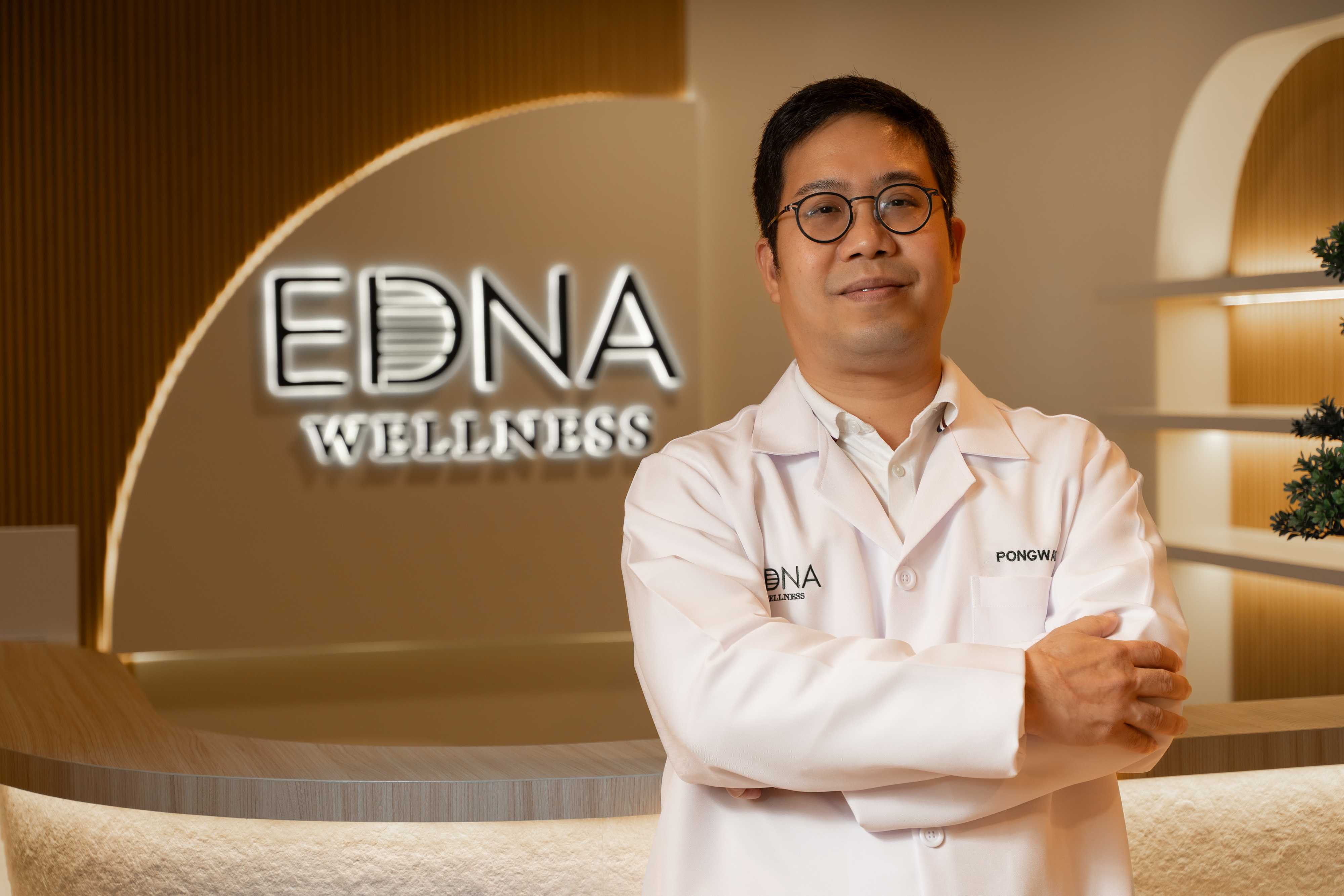
EDNA Wellness - Surgeon-Led Stem Cell Clinic in Bangkok Thailand
Overview
Surgeon-led UC-MSC Stem Cell Clinic in Bangkok, near Bangkok Hospital. Led by neurosurgeon Dr. Pongwat Polpong. GMP-certified, TISTR-collaborated, ISO 9001:2015 & ISO/IEC 17025:2017 accredited.
Read more details
 100.00% Patient Recommend
FirstCell Malaysia
Overview
FirstCell specialize on cell-based medicine and treatments especially via MSC and NKC to enhance wellness and for targeted treatment modules. We are committed in delivering excellent treatment.
Read more details


Dr. Ebenezer Abel Paul - Stem Cells in Malaysia
Overview
Explore Stem Cells in Malaysia with Dr. Ebenezer Abel Paul, offering cutting-edge regenerative therapies and advanced stem cell treatments.
Read more details
 96.00% Patient Recommend
Dr. Pravin Patels Innovative Hospital & Research Center
Overview
Dr. Pravin Patel's Innovative Hospital provides best stem cell treatment in Gujarat, India. Also offers Ozone therapy, Quantum therapy , EBOO therapy, Frequency & Laser Therapy at affordable cost.
Read more details

Discover your treatment options with a free, no-obligation quote!
Get your quote now! 100.00% Patient Recommend
GIOSTAR Hospital Bengaluru
Overview
Discover GIOSTAR Hospital in Bengaluru, India—your go-to center for advanced stem cell therapies and cutting-edge procedures for orthopaedics. Explore treatments for diabetes, stroke, SCI, and more.
Read more details
 100.00% Patient Recommend
Live Stem Cell Asia - Premier Stem Cell Clinic in Malaysia
Overview
Discover advanced stem cell Malaysia treatments at Live Stem Cell Asia, Petaling Jaya. Experience personalized care and innovative regenerative solutions.
Read more details
 100.00% Patient Recommend
StemRx Hospital and Research Centre
Overview
At StemRx Hospital & Research Centre, We specialize in advanced Regenerative Medicine & Stem Cell therapy for Autism, Cerebral Palsy, Orthopedics, Migraine, AVN & IVF providing personalized care.
Read more details
Beijing Puhua International Hospital- Stem Cell Center
Overview
Beijing Puhua International Hospital (BPIH) features a dedicated Stem Cell Center, where a team of highly educated and experienced scientists and technicians are working on the research and development of stem cell technology to restrict the development of several degenerative diseases like Parkinson’s, ALS, Batten, Multiple Sclerosis and more.
Read more details
Beike Biotech
Overview
Beike Biotechnology offers the best stem cell therapy in Thailand, combining top-quality regenerative treatment with cutting-edge technology for optimal patient care.
Read more details

Boston Health Longevity - Anti Aging Stem Cell Therapy in Thailand
Overview
Experience advanced Anti Aging Stem Cell Therapy in Thailand at Boston Health Longevity. Improve cellular health, vitality, and longevity with expert care.
Read more details 100.00% Patient Recommend
Chaum Medical Center
Overview
Premium healthcare at Chaum Medical Center, Seoul. Personalized anti-aging, stem cell therapy, and advanced medical services for a youthful life.
Read more details
Healthi Life Longevity Center in Bangkok, Thailand
Overview
Explore stem cell therapy in Bangkok, Thailand by Healthi Life Longevity Center with advanced regenerative treatments and personalized care plans.
Read more details
Hebei Yanda International Hospital
Overview
Hebei Yanda International Hospital in Beijing, China, addresses your healthcare needs with expert oncology, cardiology, and neurology treatments.
Read more details
Longevity Clinic by Medkos
Overview
Discover personalized longevity programs, stem cell therapy, NK cell therapy, and metabolic optimization at Longevity Clinic Malaysia.
Read more details
Mousai Wellness Center - Stem Cell Bangkok Thailand
Overview
Discover advanced Stem Cell treatments in Bangkok, Thailand at Mousai Wellness Center. Safe, innovative, and personalized care for lasting wellness.
Read more details
Nulook Anti-Aging & Regenerative Center
Overview
Nulook Anti-Aging & Regenerative Center in Bali, Indonesia offers Botox, Ultherapy, Dermal Fillers, Thermage, PRP, Pico Laser and more.
Read more detailscopy.png)
Authored by
Usama Ahmad
Medical content writer with 5+ years of experience specializing in stem cells and regenerative medicine content.

Reviewed by
Dr. Alejandro Fernando
Dr. Alejandro Fernando is a top stem cell specialist in Mexico City, specializing in regenerative medicine, cellular therapies, and chronic disease treatment and Medical Content Reviewer
Last updated on
Which are the leading Stem Cell Therapy for Motor Neuron Disease (MND) clinics in Tokyo, Japan?
When considering Stem Cell Therapy for Motor Neuron Disease (MND) in Tokyo, Japan, one prominent clinic identified for its regenerative medicine expertise is HELENE - Stem Cell Clinic. This facility is recognized for its advanced treatments, patient-centered approach, and commitment to cutting-edge therapies for various conditions, including neurological disorders. Patients often choose clinics like HELENE for their specialized knowledge and modern infrastructure, making it a key option in Tokyo for those seeking advanced care.
Choosing a leading clinic for a specialized treatment like Stem Cell Therapy for MND involves looking at several factors. In Tokyo, HELENE - Stem Cell Clinic stands out as a significant option. They focus on regenerative medicine and have a reputation for:
- Utilizing advanced stem cell technologies.
- Providing personalized treatment plans.
- Focusing on patient safety and ethical practices.
What should I look for in a Stem Cell Therapy clinic for MND in Tokyo?
When evaluating Stem Cell Therapy clinics for MND in Tokyo, prioritize facilities with verifiable accreditation for regenerative medicine, experienced neurologists specializing in stem cell applications, and transparent treatment protocols. Look for clinics that offer personalized care plans, use advanced diagnostic tools to assess your specific condition, and provide comprehensive follow-up support. Patient safety records, ethical guidelines, and integration of multidisciplinary care are also vital considerations for effective MND treatment.
Finding the right clinic for MND stem cell treatment in Tokyo means asking the right questions and observing key indicators:
- Expertise and Specialization: Ensure the clinic has neurologists and regenerative medicine specialists with specific experience in MND.
- Accreditation and Licensing: Verify that the clinic operates under strict Japanese regulatory guidelines for stem cell therapies.
- Treatment Protocols: Inquire about the types of stem cells used (e.g., mesenchymal stem cells, induced pluripotent stem cells) and the specific administration methods tailored for MND patients.
- Facility Standards: Look for state-of-the-art laboratories and cleanroom facilities for cell processing to ensure safety and quality.
- Patient-Centric Care: A good clinic will offer extensive pre-treatment consultations, detailed patient education, and robust post-treatment care plans.
- Transparency: Clinics should openly discuss potential risks, expected outcomes, and alternative therapies.
How are Stem Cell Therapy clinics for MND regulated in Japan?
In Japan, Stem Cell Therapy clinics, particularly for conditions like MND, operate under strict regulations governed by the Act on the Safety of Regenerative Medicine. This framework ensures treatments meet high safety and quality standards, requiring clinics to submit detailed plans to the Ministry of Health, Labour and Welfare (MHLW) for approval. Oversight covers cell processing, patient management, and ethical considerations, promoting patient safety while fostering innovation in regenerative therapies for neurological conditions.
Japan has a robust regulatory system for regenerative medicine, which includes stem cell therapies. For MND patients, this means:
- Act on the Safety of Regenerative Medicine: This key legislation mandates that all regenerative medicine procedures, including stem cell therapies, undergo stringent review and approval processes.
- MHLW Oversight: The Ministry of Health, Labour and Welfare is responsible for approving clinical research and treatments, ensuring they meet safety and ethical standards.
- Categorization of Therapies: Treatments are often categorized based on their risk level, with higher-risk interventions requiring more rigorous review.
- Institutional Review Boards (IRBs): Clinics must have strong internal review systems to monitor patient safety and treatment efficacy continuously.
- Quality Control: Regulations also cover the quality control of stem cell products, from procurement to preparation and administration, to protect patients receiving advanced therapies for motor neuron disease.
What types of stem cells are commonly used for MND treatment in Tokyo?
In Tokyo's advanced regenerative medicine centers for Motor Neuron Disease (MND), Mesenchymal Stem Cells (MSCs) are frequently utilized due to their immunomodulatory and neuroprotective properties. These cells, often derived from adipose tissue or bone marrow, are known for their ability to promote tissue repair, reduce inflammation, and support neuronal survival, offering a promising therapeutic approach for MND patients. Research is also exploring other cell types, but MSCs are a cornerstone of current clinical practice in Japanese clinics.
Tokyo's clinics investigating and offering stem cell therapy for MND often focus on specific types of cells due to their potential benefits:
- Mesenchymal Stem Cells (MSCs): These are adult stem cells found in various tissues like bone marrow, adipose (fat) tissue, and umbilical cord blood. MSCs are favored for MND treatment because they:
- Have anti-inflammatory properties.
- Can modulate the immune system.
- Secrete growth factors that support neuron health.
- Are relatively easy to harvest and expand.
- Induced Pluripotent Stem Cells (iPSCs): While more in the research phase for direct transplantation, iPSCs are extensively used in Japanese research to model MND and discover new drugs. They hold future promise for personalized cell replacement therapies for neurological conditions.
- Neural Stem Cells: These cells have the potential to differentiate into neurons and glial cells, which are crucial for nervous system repair. Clinical trials are exploring their efficacy for conditions like MND.
What patient support services do Tokyo MND stem cell clinics offer?
Tokyo's Stem Cell Therapy clinics for MND typically provide comprehensive patient support, extending beyond the medical procedure itself. These services often include detailed pre-treatment consultations, personalized patient education on the therapy and recovery, and assistance with logistics for international patients, such as accommodation and language support. During treatment, patients receive close monitoring, and post-treatment, clinics usually offer structured follow-up programs and rehabilitation guidance to maximize therapeutic benefits and enhance quality of life.
Clinics offering advanced treatments like stem cell therapy for MND in Tokyo understand that comprehensive patient support is crucial. You can often expect:
- Personalized Consultation: In-depth discussions about your specific MND condition, treatment suitability, and expected outcomes.
- Multilingual Staff: Many clinics cater to international patients, offering translators or staff fluent in English and other languages.
- Logistical Assistance: Help with travel arrangements, local accommodation, and transportation within Tokyo.
- Patient Education: Clear explanations of the stem cell therapy process, potential benefits, and any necessary pre- or post-treatment care.
- Nutritional and Lifestyle Guidance: Advice on optimizing your health and recovery through diet and appropriate activities.
- Emotional Support: Access to counseling or support networks for patients and their families dealing with MND.
What is the typical patient journey at a Stem Cell Therapy clinic for MND in Tokyo?
The patient journey for MND stem cell therapy in Tokyo usually starts with a thorough medical evaluation, including reviewing diagnostic records and conducting new assessments to confirm eligibility. This leads to a personalized treatment plan, followed by the stem cell procurement and preparation process. The cells are then administered, often intravenously or intrathecally, with close patient monitoring. Post-treatment, a structured follow-up schedule is established to track progress, manage recovery, and provide ongoing supportive care.
The patient journey through a Tokyo Stem Cell Therapy clinic for MND is typically structured and patient-focused:
- Initial Consultation and Evaluation:
- Comprehensive review of medical history and existing diagnostic reports (MRI, EMG, nerve conduction studies).
- Physical examination and neurological assessment specific to Motor Neuron Disease.
- Discussion of treatment goals, potential benefits, risks, and realistic expectations.
- Treatment Planning:
- If deemed suitable, a personalized stem cell therapy protocol is designed.
- This includes the type of stem cells, dosage, and method of administration (e.g., intravenous infusion, intrathecal injection).
- Cell Procurement and Preparation:
- For autologous therapies, cells are harvested from the patient's body (e.g., adipose tissue or bone marrow).
- Cells are then processed and expanded in a specialized laboratory to ensure purity and potency.
- Administration of Stem Cells:
- The prepared stem cells are administered according to the treatment plan.
- The procedure is performed under medical supervision, prioritizing patient comfort and safety.
- Post-Treatment Monitoring and Follow-up:
- Patients are closely monitored for a period following cell administration.
- Regular follow-up appointments are scheduled to assess progress, track neurological function, and adjust supportive therapies.
- Rehabilitation recommendations are provided to enhance overall recovery and quality of life.
Are there specific accreditations for MND stem cell clinics in Tokyo, Japan?
Yes, Stem Cell Therapy clinics for MND in Tokyo adhere to stringent national accreditations. They must obtain approval from the Japanese Ministry of Health, Labour and Welfare (MHLW) under the Act on the Safety of Regenerative Medicine. Clinics are also typically evaluated by institutional review boards (IRBs) and may hold certifications from relevant Japanese medical associations, ensuring compliance with high standards for patient safety, ethical practice, and quality in regenerative medicine for neurological conditions.
When considering MND stem cell clinics in Tokyo, it’s important to understand the regulatory landscape:
- Ministry of Health, Labour and Welfare (MHLW) Approval: Any clinic offering regenerative medicine, including stem cell therapy for MND, must submit a detailed treatment plan to the MHLW and receive approval. This ensures the therapy meets national safety and efficacy guidelines.
- Act on the Safety of Regenerative Medicine: This foundational act outlines the legal requirements for research and clinical application of regenerative medicine products and services.
- Institutional Review Boards (IRBs): Approved clinics operate with independent IRBs that oversee ethical standards and patient protection during clinical trials and treatments.
- Medical Facility Licensing: Beyond regenerative medicine-specific approvals, clinics must hold general medical licenses and accreditations applicable to all healthcare facilities in Japan.
What kind of follow-up care can I expect from an MND stem cell clinic in Tokyo?
Follow-up care at an MND stem cell clinic in Tokyo is comprehensive and tailored to monitor patient progress and manage recovery. You can typically expect regular neurological assessments, imaging studies, and functional evaluations to track treatment efficacy and disease progression. Clinics also offer ongoing symptom management, rehabilitation recommendations, and continued patient education. This sustained support is crucial for optimizing the long-term benefits of stem cell therapy for Motor Neuron Disease and ensuring holistic patient well-being.
After undergoing Stem Cell Therapy for MND in a Tokyo clinic, expect a structured and supportive follow-up program:
- Regular Neurological Assessments: Scheduled check-ups to monitor neurological function, muscle strength, and symptom progression.
- Diagnostic Testing: Follow-up MRIs, EMGs, or other relevant diagnostic tests to assess changes in nerve and muscle function.
- Functional Evaluations: Assessments of daily living activities, mobility, and overall quality of life to track functional improvements.
- Medication Management: Ongoing review and adjustment of any concomitant medications to manage MND symptoms effectively.
- Rehabilitation Guidance: Recommendations for physical therapy, occupational therapy, and speech therapy to maximize functional gains and adapt to any persistent challenges.
- Nutritional and Lifestyle Counseling: Continued advice on diet and lifestyle adjustments that can support your overall health and therapeutic outcomes.
- Patient Support: Open communication channels for addressing concerns, answering questions, and providing ongoing guidance throughout your recovery journey.
What research and development is happening in Tokyo's MND stem cell therapy clinics?
Tokyo's MND stem cell therapy clinics are at the forefront of innovative research and development, focusing on enhancing treatment efficacy and patient outcomes. Many clinics actively participate in clinical trials exploring novel stem cell sources, improved delivery methods, and combination therapies. They collaborate with leading academic institutions to advance understanding of MND pathogenesis and develop next-generation regenerative treatments, particularly utilizing induced pluripotent stem cell (iPSC) technology for personalized medicine and drug discovery efforts for neurological disorders.
Tokyo is a hub for cutting-edge medical research, and its MND stem cell therapy clinics are actively involved in:
- Clinical Trials: Many leading clinics participate in or conduct their own clinical trials, evaluating new stem cell types, delivery methods, and combination therapies for MND. This ensures access to the latest advancements.
- Induced Pluripotent Stem Cell (iPSC) Research: Japanese researchers, particularly those associated with Tokyo clinics, are global leaders in iPSC technology. This involves using a patient's own cells to create patient-specific iPSCs, which can then be used to:
- Model MND in a lab setting to understand disease mechanisms.
- Screen for new drugs tailored to individual genetic profiles.
- Potentially develop personalized cell replacement therapies in the future.
- Mechanism of Action Studies: Investigating how stem cells interact with the damaged nervous system in MND to promote repair, reduce inflammation, and protect existing neurons.
- Biomarker Discovery: Research into identifying biological markers that can predict treatment response and monitor disease progression more effectively.
What diagnostic procedures are used by MND stem cell clinics in Tokyo?
MND stem cell clinics in Tokyo employ advanced diagnostic procedures to accurately assess a patient's condition and tailor treatment plans. These typically include detailed neurological examinations, Electromyography (EMG) and Nerve Conduction Studies (NCS) to evaluate nerve and muscle function, and Magnetic Resonance Imaging (MRI) of the brain and spine to rule out other conditions. Genetic testing and advanced blood work may also be performed to identify specific disease markers and provide a comprehensive understanding of the individual's Motor Neuron Disease.
To accurately diagnose and assess the progression of MND, and to determine suitability for stem cell therapy, Tokyo clinics utilize a range of sophisticated diagnostic procedures:
- Neurological Examination: A comprehensive physical assessment to evaluate muscle strength, reflexes, coordination, and sensory function.
- Electromyography (EMG) and Nerve Conduction Studies (NCS): These tests measure the electrical activity of muscles and nerves, helping to identify nerve damage characteristic of MND and differentiate it from other neurological disorders.
- Magnetic Resonance Imaging (MRI): High-resolution imaging of the brain and spinal cord is used to rule out other conditions that can mimic MND symptoms, such as tumors or spinal cord compression.
- Blood Tests: Extensive blood panels may be performed to exclude other causes of muscle weakness and to look for specific biomarkers related to MND.
- Genetic Testing: For some forms of MND, genetic testing can identify specific mutations, providing valuable information for prognosis and potentially personalized treatment approaches.
- Lumbar Puncture (Spinal Tap): Analysis of cerebrospinal fluid (CSF) can sometimes help in differentiating MND from other neurological conditions, though it's not a primary diagnostic tool for MND itself.
- Functional Rating Scales: Standardized scales, like the ALS Functional Rating Scale-Revised (ALSFRS-R), are used to quantify functional abilities and track disease progression over time.
How PlacidWay helps individuals access Stem Cell Therapy for Motor Neuron Disease (MND) in Tokyo, Japan?
PlacidWay provides detailed, up-to-date information about Stem Cell Therapy for Motor Neuron Disease (MND) in Tokyo, Japan, including benefits, risks, and expected outcomes, empowering you with knowledge. We help users compare treatment options across various clinics, ensuring you find affordable solutions without compromising on quality of care. PlacidWay assists in finding trusted, accredited clinics and medical professionals specializing in Stem Cell Therapy for MND in Tokyo, Japan, simplifying your search for expert care. We offer one-on-one consultations to help you make informed decisions about your treatment, ensuring your specific needs and preferences are met. After your treatment, PlacidWay ensures continued support, including guidance on follow-up care and recovery assistance, for a comprehensive healthcare journey. Ready to get Stem Cell Therapy for Motor Neuron Disease (MND) in Tokyo, Japan? Contact us today for a personalized consultation.Share with AI
Share this page with AI assistants to get summaries and insights


List of Best Stem Cell Therapy for Motor Neuron Disease MND Clinics in Japan
Unlock the Best Stem Cell Therapy for Motor Neuron Disease MND Packages Just for You
Discover the ultimate Stem Cell Therapy for Motor Neuron Disease MND packages designed to meet your health and wellness goals. Choose the perfect fit for your journey.

Price starting from $10,000
Stem Cell Therapy for Diabetes Package in Tokyo, Japan by Helene Clinic
HELENE - Stem Cell Clinic
- Stem Cell Therapy
Tokyo, Japan

Price starting from $68,000
Advanced Autologous Stem Cell Treatment for Diabetes Package in Tokyo, Japan by HELENE Clinic
HELENE - Stem Cell Clinic
- Stem Cell Therapy
Tokyo, Japan

Price starting from $5,500
Stem Cell Therapy for Kidney Failure Package in Puerto Vallarta, Mexico by CellsTime Clinique
CellsTime Clinique Puerto Vallarta
- Stem Cell Therapy
Puerto Vallarta, Mexico

Price starting from $17,000
Stem Cell Therapy for Cerebral Palsy in Puerto Vallarta, Mexico by Immunotherapy Regenerative Medicine
Immunotherapy Regenerative Medicine in Puerto Vallarta
- Stem Cell Therapy
Puerto Vallarta, Mexico
Transformative Stem Cell Therapy for Motor Neuron Disease MND Experiences: Dive into Procedure Insights
Discover the power of Stem Cell Therapy for Motor Neuron Disease MND through compelling patient experiences. Uncover detailed insights into procedures, recovery journeys, and life-changing results.
.png)
Price starting from $9,500
Stem Cell Therapy for Diabetes Bengaluru, India
- Stem Cell Treatment for Diabetes, Stem Cell Therapy
Bengaluru, India
.png)
Price starting from $9,800
Stem Cell Therapy for Osteoarthritis in Kuala Lumpur, Malaysia
- Stem Cell Therapy for Osteoarthritis, Stem Cell Therapy
Kuala Lumpur, Malaysia

Price starting from $10,000
Stem Cell Therapy for Spinal Cord Injury in Tokyo Japan
- Stem Cell Treatment for Spinal Cord Injury, Stem Cell Therapy
Tokyo, Japan
.png)
Price starting from $9,800
Stem Cell Therapy for Brain Injury in Kuala Lumpur, Malaysia
- Stem Cell Therapy for Brain Injury, Stem Cell Therapy
Kuala Lumpur, Malaysia

(Translated by Google) The teacher is nice, but I am bothered by the staff\'s private conversations (laughter) and their behavior. (Original) 先生はいい方なのですが、スタッフの私語(笑い声)や対応が気になります。
Read More