
What treatment


9+ Best Clinics for Stem Cell Therapy for Motor Neuron Disease MND in United States
Trusted Medical Tourism Platform Since 2007
What are the best stem cell therapy clinics for MND in the United States?
Leading options for regenerative treatment include California Wellness Institute (Los Angeles), Regenestem (Fort Lauderdale), Personalized Regenerative Medicine (San Clemente), Blatman Health and Wellness Center (Cincinnati), Victor Regenerative Medicine Centers (New York), Amira Integrative Health (East Stroudsburg), and Thrive MD (Miami).
These facilities adhere to strict FDA guidelines and GMP standards, utilizing mesenchymal stem cells (MSCs) from adipose, bone marrow, or umbilical cord sources. Alongside MND, they specialize in treating ALS, Parkinson's disease, Multiple Sclerosis, and stroke. Depending on the personalized protocol, stem cell therapy packages range from $4,500 to $25,000 USD.
 91.30% Patient Recommend
California Wellness Institute


Overview
Discover Urology and Anti Aging Regenerative Medicine at California Wellness Institute in Rancho Mirage, California, USA - CWIs expert care.
Read more details

 87.50% Patient Recommend
Regenestem Fort Lauderdale, USA


Overview
Regenestem is a leading regenerative medicine center in Fort Lauderdale, USA, specializing in treatments for neurological conditions, COPD, MS, and more.
Read more details
 100.00% Patient Recommend
Personalized Regenerative Medicine
Overview
Personalized Regenerative Medicine provides best Regenerative Medicine in Los Angeles, USA. Book online now PRP Treatment and Regenerative Injections at Personalized Regenerative Medicine.
Read more details 95.02% Patient Recommend
Blatman Health and Wellness Center
Overview
Experience advanced Regenerative Medicine at Blatman Health and Wellness Center in Cincinnati, USA. Rejuvenate your health today!
Read more detailsDiscover your treatment options with a free, no-obligation quote!
Get your quote now!
Kentuckiana Integrative Medicine in Jeffersonville, USA
Overview
Discover regenerative medicine in Jeffersonville, United States by Kentuckiana Integrative Medicine offering advanced therapies for pain relief and healing.
Read more details 89.86% Patient Recommend
PlacidWay Medical Tourism
Overview
Discover affordable, quality healthcare worldwide with PlacidWay Medical Tourism. Access trusted clinics, top doctors, and personalized treatment plans.
Read more details.jpeg)




 100.00% Patient Recommend
The Institute of Regenerative Medicine
Overview
The Institute of Regenerative Medicine provides best Regenerative Medicine in Boca Raton, Florida. Book online now Regenerative Medicine for Knee Joint, Shoulder, Hip at PlacidWay!
Read more details 100.00% Patient Recommend
Victor Regenerative Medicine Centers
Overview
Victor Regenerative Medicine Centers Dr. Steven Victor is located in New York, USA. The highly skilled medical team offers regenerative medicine therapies and aesthetic services to patients around the globe at affordable costs.
Read more detailsDiscover your treatment options with a free, no-obligation quote!
Get your quote now! 100.00% Patient Recommend
Amira Integrative Health by MJA Healthcare
Overview
Amira Integrative Health by MJA Healthcare in East Stroudsburg, PA, United States offers top regenerative therapies and holistic care for transformative health.
Read more details 100.00% Patient Recommend
Thrive MD
Overview
Thrive MD provides best Regenerative Medicine in Miami, Florida. Book online now Regenerative Medicine for Hip, Regenerative Medicine for Knee, and Regenerative Medicine for Shoulder at Thrive MD.
Read more detailscopy.png)
Authored by
Usama Ahmad
Medical content writer with 5+ years of experience specializing in stem cells and regenerative medicine content.

Reviewed by
Dr. Alejandro Fernando
Dr. Alejandro Fernando is a top stem cell specialist in Mexico City, specializing in regenerative medicine, cellular therapies, and chronic disease treatment and Medical Content Reviewer
Last updated on
Which are the best Stem Cell Therapy for Motor Neuron Disease (MND) clinics in United States?
When seeking top Stem Cell Therapy for MND clinics in the United States, several highly-rated centers stand out for their patient care and specialized regenerative treatments. These include Regenestem Fort Lauderdale (Florida), California Wellness Institute (Lancaster, Los Angeles, Riverside), Thrive MD (Miami, Florida), Personalized Regenerative Medicine (Los Angeles, San Clemente), Blatman Health and Wellness Center (Cincinnati), The Institute of Regenerative Medicine (Boca Raton, Florida), Victor Regenerative Medicine Centers (New York), and Amira Integrative Health by MJA Healthcare (East Stroudsburg, Pennsylvania). They're recognized for their patient satisfaction and dedicated programs.
Identifying the "best" clinic often depends on individual needs, but clinics with strong patient recommendations and a focus on neurological conditions are generally preferred. Based on patient feedback and reported specializations, clinics like Regenestem Fort Lauderdale and Thrive MD are frequently mentioned for their expertise in regenerative medicine which may include therapies relevant to MND. Personalized Regenerative Medicine and Blatman Health and Wellness Center also receive high praise for their patient-centered approaches. It's always advisable to consider a clinic's specific experience with MND and the types of stem cell therapies they offer, as well as their overall patient satisfaction rates.
What should I look for in a Stem Cell Therapy clinic for MND in the US?
When choosing an MND stem cell therapy clinic, prioritize those with specific experience in neurological regenerative treatments. Look for transparent information on their procedures, safety protocols, and patient support. Key aspects include accreditation, a multidisciplinary team, ethical practices, and clear communication regarding treatment expectations and post-therapy care. Always seek detailed consultations to ensure the clinic aligns with your individual needs.
A reputable clinic for Stem Cell Therapy for MND should demonstrate a deep understanding of Motor Neuron Diseases and the specific applications of regenerative medicine for these conditions. Here’s what to focus on:
- Accreditation and Regulatory Compliance: Ensure the clinic operates under strict medical guidelines and relevant federal regulations, especially given the evolving nature of stem cell therapies.
- Specialized Expertise: The medical team should have specialists in neurology, regenerative medicine, and rehabilitation, all experienced in treating MND patients.
- Patient-Centric Approach: Look for clinics that offer personalized treatment plans, considering your unique condition and needs, rather than a one-size-fits-all approach.
- Transparency: They should provide clear, understandable information about the type of stem cells used (e.g., autologous, allogeneic mesenchymal stem cells), the source, processing, and administration methods.
- Support Services: Comprehensive care extends beyond the procedure itself, including pre-treatment evaluations, post-therapy monitoring, and access to supportive therapies like physical or occupational therapy.
How important is clinic specialization for MND stem cell treatment?
Clinic specialization is incredibly important for MND stem cell therapy. A clinic focusing specifically on neurological conditions like Motor Neuron Disease ensures deeper expertise, tailored protocols, and a comprehensive understanding of patient needs. Specialized clinics often have advanced equipment and multidisciplinary teams, leading to more precise diagnosis, treatment, and integrated post-care support, which can significantly impact outcomes for complex conditions.
Choosing a clinic with a strong specialization in neurological disorders, particularly MND, offers several advantages:
- In-depth Knowledge: Specialized clinics possess a profound understanding of MND's progression and specific challenges, enabling them to apply stem cell therapies most effectively.
- Tailored Protocols: They are more likely to offer customized treatment plans that consider the nuances of your condition, rather than generic approaches.
- Experienced Teams: These clinics typically employ medical professionals who have extensive experience with MND patients, from initial assessment to post-treatment follow-up.
- Advanced Technology: They often invest in cutting-edge diagnostic tools and therapeutic technologies specifically designed for neurological regenerative treatments.
- Integrated Care: A specialized center can provide better coordinated care, including access to neurologists, physical therapists, occupational therapists, and nutritionists, all working together for your well-being.
What can I expect during an initial consultation at an MND stem cell clinic?
During an initial consultation for MND stem cell therapy, you can expect a thorough review of your medical history, current symptoms, and previous treatments. The clinic team will explain the proposed stem cell therapy, including the type of cells, procedure, potential benefits, and risks. This is your opportunity to ask questions, understand the treatment plan, and discuss personalized care options to ensure it aligns with your expectations.
The initial consultation is a critical step in your treatment journey. Here's a breakdown of what typically occurs:
- Comprehensive Medical Review: The medical team will meticulously go over your complete medical history, including your MND diagnosis, disease progression, current medications, and any prior therapies. They might request additional diagnostic tests like MRI, EMG, or nerve conduction studies if needed.
- Detailed Treatment Explanation: You'll receive a thorough explanation of the specific stem cell therapy proposed. This includes information on the source of stem cells (e.g., adipose, bone marrow, umbilical cord), how they are prepared, and the method of administration (e.g., intravenous, intrathecal).
- Assessment of Eligibility: The specialists will evaluate if you are a suitable candidate for the therapy based on your health status, MND stage, and other individual factors.
- Opportunity for Questions: This is your chance to ask any questions or voice concerns you have about the procedure, recovery, potential outcomes, and ethical considerations. A good clinic will encourage open dialogue.
- Discussion of Expectations: Realistic expectations will be set regarding the therapy's potential to manage symptoms, slow progression, or improve quality of life.
How do clinics ensure patient safety in MND stem cell procedures?
Clinics ensure patient safety in MND stem cell procedures through strict adherence to regulatory guidelines, comprehensive patient screening, and rigorous quality control for cell processing. They employ experienced medical teams, use sterile environments, and provide meticulous post-procedure monitoring. Transparent communication about potential risks and robust emergency protocols are also vital to safeguarding patient well-being throughout the treatment process.
Ensuring patient safety is paramount for any medical procedure, especially for complex and evolving treatments like stem cell therapy for MND. Clinics achieve this through several layers of protective measures:
- Strict Regulatory Compliance: Adhering to guidelines set by regulatory bodies like the FDA (for clinics in the US) is crucial. This includes proper licensing, ethical review board approvals, and compliance with Good Manufacturing Practices (GMP) for cell preparation.
- Thorough Patient Screening: Before treatment, patients undergo extensive evaluations to determine their suitability and minimize risks. This includes reviewing medical history, current health status, and any contraindications.
- Quality Control in Cell Processing: If autologous cells (from the patient's own body) are used, rigorous laboratory protocols ensure the cells are safely harvested, processed, and expanded. For allogeneic cells (from donors), donor screening and cell purity are meticulously checked to prevent contamination or adverse reactions.
- Sterile Environment: All procedures are conducted in certified sterile environments to prevent infections.
- Experienced Medical Team: Procedures are performed by highly trained and experienced specialists, including neurologists, regenerative medicine physicians, and support staff.
- Post-Procedure Monitoring: Patients are closely monitored for a period after the procedure to detect and manage any immediate side effects or complications. Comprehensive follow-up plans are put in place for long-term care.
What types of stem cells are commonly used in MND therapy by US clinics?
US clinics commonly use mesenchymal stem cells (MSCs) for MND therapy, often derived from the patient's own adipose tissue (fat), bone marrow, or umbilical cord blood/tissue. MSCs are favored for their immunomodulatory properties and ability to secrete neurotrophic factors, which can help reduce inflammation and promote nerve cell health, offering potential benefits in managing MND symptoms and progression.
The choice of stem cell type can influence the therapy's approach and potential outcomes. For Motor Neuron Disease, the primary focus is on cells that can protect existing neurons, reduce inflammation, and potentially support regeneration.
- Mesenchymal Stem Cells (MSCs): These are the most widely studied and used type of stem cells for neurological conditions. They can be harvested from:
- Adipose Tissue (Fat): Easily accessible and yields a good quantity of MSCs.
- Bone Marrow: A traditional source of MSCs, known for their regenerative potential.
- Umbilical Cord Tissue/Blood: These allogeneic (donor) sources are often considered "younger" cells with strong growth factors and immunomodulatory properties, avoiding the need for patient harvesting.
- Neural Stem Cells (NSCs): While less common in widespread clinical application for MND, research is ongoing into NSCs for their potential to differentiate into various neural cell types and replace damaged neurons.
- Induced Pluripotent Stem Cells (iPSCs): These are adult cells reprogrammed to an embryonic-like state, offering great potential for patient-specific therapies and modeling the disease; however, their clinical use for MND is primarily in research settings.
How do MND stem cell clinics integrate rehabilitation post-treatment?
MND stem cell clinics often integrate rehabilitation as a crucial part of post-treatment care to maximize functional gains. This typically involves personalized programs combining physical, occupational, and speech therapy, tailored to each patient's evolving needs. This integrated approach aims to support the regenerative effects of stem cells, improve mobility, maintain muscle function, and enhance overall quality of life.
Effective post-treatment rehabilitation is essential for optimizing the potential benefits of stem cell therapy in MND patients. Clinics dedicated to MND care usually have robust programs for this:
- Personalized Rehabilitation Plans: Rehabilitation is not a generic program but is tailored to the individual patient's current physical capabilities, disease progression, and specific goals.
- Multidisciplinary Team Approach: Patients work with a team of specialists, including physical therapists (to maintain muscle strength and mobility), occupational therapists (to adapt daily activities and improve independence), and speech-language pathologists (to address swallowing and communication difficulties).
- Supportive Therapies: This may also include nutritional counseling to maintain body mass and energy, and psychological support to help patients and families cope with the challenges of MND.
- Monitoring Progress: Regular assessments track neurological function, motor skills, and overall well-being to adjust rehabilitation strategies as needed.
- Home Exercise Programs: Patients are often provided with guidance and resources for continuing exercises and adaptive strategies at home to sustain progress.
Are MND stem cell clinics in the US involved in clinical trials?
Many reputable MND stem cell clinics in the US are actively involved in or closely monitor ongoing clinical trials sanctioned by regulatory bodies like the FDA. Their participation often reflects a commitment to advancing treatment options and provides patients with access to experimental therapies under controlled research environments. It's crucial to distinguish between FDA-approved commercial treatments and those offered as part of a trial.
The landscape of stem cell therapy for MND is rapidly evolving, with ongoing research and clinical trials playing a pivotal role.
- Research Focus: Clinics committed to advancing MND treatment often participate in or collaborate with academic institutions and research organizations on clinical trials. These trials investigate new stem cell types, delivery methods, or combined therapies to improve efficacy and safety.
- Access to Innovative Treatments: For patients, involvement in a clinical trial might offer access to therapies not yet widely available. However, participation comes with strict eligibility criteria and the understanding that outcomes are not guaranteed, as these are experimental treatments.
- Regulatory Oversight: Clinical trials in the US are rigorously regulated by the FDA to ensure patient safety and ethical conduct. This oversight provides a structured pathway for new treatments to be evaluated.
- Informed Decision-Making: If a clinic mentions clinical trial involvement, inquire about the specifics: the trial phase, expected duration, potential risks, and data collection methods. It's important to understand if you are receiving an established treatment or participating in research.
What patient support services do specialized MND stem cell clinics offer?
Specialized MND stem cell clinics typically offer a range of patient support services designed to provide holistic care. These include personalized treatment coordination, nutritional guidance, psychological support, access to patient communities, and travel assistance for those coming from a distance. The aim is to alleviate logistical and emotional burdens, ensuring a supportive environment throughout the entire patient journey.
Beyond the medical procedure, comprehensive support services play a significant role in the overall patient experience and well-being.
- Dedicated Patient Coordinators: These professionals assist with scheduling, medical records, logistical planning, and answer non-medical questions, making the process smoother for patients and their families.
- Nutritional Counseling: MND can impact swallowing and dietary needs. Clinics often provide specialized nutritional guidance to ensure patients maintain optimal health.
- Psychological Support: Dealing with a condition like MND is emotionally challenging. Many clinics offer access to counselors, support groups, or mental health resources to help patients cope.
- Educational Resources: Providing patients and caregivers with reliable information about MND, stem cell therapy, and self-care strategies empowers them to make informed decisions and manage their condition effectively.
- Travel and Accommodation Assistance: For patients traveling from other states or countries, clinics might offer assistance with travel arrangements, lodging, and local transportation to reduce stress.
- Community and Peer Support: Connecting patients with others undergoing similar treatments can provide valuable emotional support and shared experiences.
How important are follow-up care and long-term monitoring at these clinics?
Follow-up care and long-term monitoring are absolutely crucial after MND stem cell therapy. They allow clinics to assess treatment efficacy, monitor for any potential side effects, and make necessary adjustments to ongoing care plans. This continuous evaluation ensures patient safety and helps optimize long-term outcomes, adapting to the progressive nature of MND and maximizing the benefits of regenerative medicine.
Given the progressive nature of MND and the innovative aspect of stem cell therapies, continuous follow-up and monitoring are indispensable:
- Assessing Efficacy: Regular check-ups enable the medical team to meticulously track the patient's neurological function, motor skills, quality of life, and any changes in disease progression. This data is vital for evaluating the therapy's impact.
- Monitoring Safety: Long-term monitoring helps identify any delayed side effects or complications related to the stem cell therapy, ensuring prompt intervention if needed.
- Adjusting Care Plans: Based on ongoing assessments, the multidisciplinary team can modify rehabilitation programs, medication regimens, or supportive therapies to adapt to the patient's evolving condition and maximize benefits.
- Collecting Data for Research: Patient data collected during follow-up is invaluable for further research into MND and stem cell therapies, contributing to the development of even more effective future treatments.
- Providing Ongoing Support: Follow-up visits also serve as an opportunity for patients and their families to receive continued emotional support, address new concerns, and access updated resources.
How PlacidWay helps individuals access Stem Cell Therapy for Motor Neuron Disease (MND) in United States?
PlacidWay provides detailed, up-to-date information about Stem Cell Therapy for Motor Neuron Disease (MND), including benefits, risks, and expected outcomes. PlacidWay helps users compare treatment in various clinics, ensuring affordable options without compromising on quality. Explain how PlacidWay assists users in finding trusted, accredited clinics and medical professionals specializing in Stem Cell Therapy for Motor Neuron Disease (MND) in United States. Showcase how PlacidWay offers one-on-one consultations to help users make informed decisions about their treatment, ensuring their specific needs are met. Highlight how PlacidWay ensures continued support after the treatment, including follow-up care and recovery assistance. Ready to get Stem Cell Therapy for Motor Neuron Disease (MND) in United States? Contact us today for a personalized consultation.Share with AI
Share this page with AI assistants to get summaries and insights


List of Best Stem Cell Therapy for Motor Neuron Disease MND Clinics in United States
Explore Stem Cell Therapy for Motor Neuron Disease MND: Stories, Testimonials, and Procedures
Watch in-depth videos covering everything from Stem Cell Therapy for Motor Neuron Disease MND success stories to detailed procedure explanations. Learn what to expect and hear from real patients.
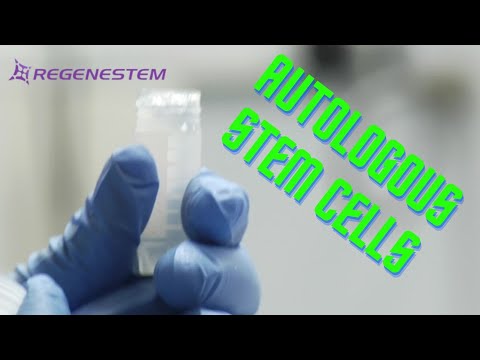
Comprehensive Autologous Stem Cell Therapy Procedure in USA
Stem Cell Therapy
Regenestem Fort Lauderdale, USA
Fort Lauderdale, United States
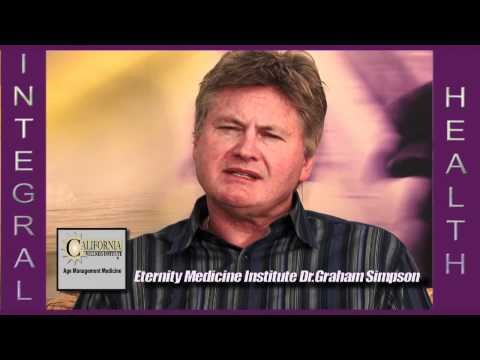
Silent Inflammation Control & Age Management: The US Treatment Revolution
Stem Cell Therapy
California Wellness Institute
Lancaster,Los Angeles,Riverside, United States

Regenerative Exosome Therapy in Mexico: The Future of Cellular Healing
Stem Cell Therapy
Regenestem Fort Lauderdale, USA
Fort Lauderdale, United States
Age Management Medicine Decoded: Inflammation Control Procedures in the USA
Stem Cell Therapy
California Wellness Institute
Lancaster,Los Angeles,Riverside, United States
Unlock the Best Stem Cell Therapy for Motor Neuron Disease MND Packages Just for You
Discover the ultimate Stem Cell Therapy for Motor Neuron Disease MND packages designed to meet your health and wellness goals. Choose the perfect fit for your journey.
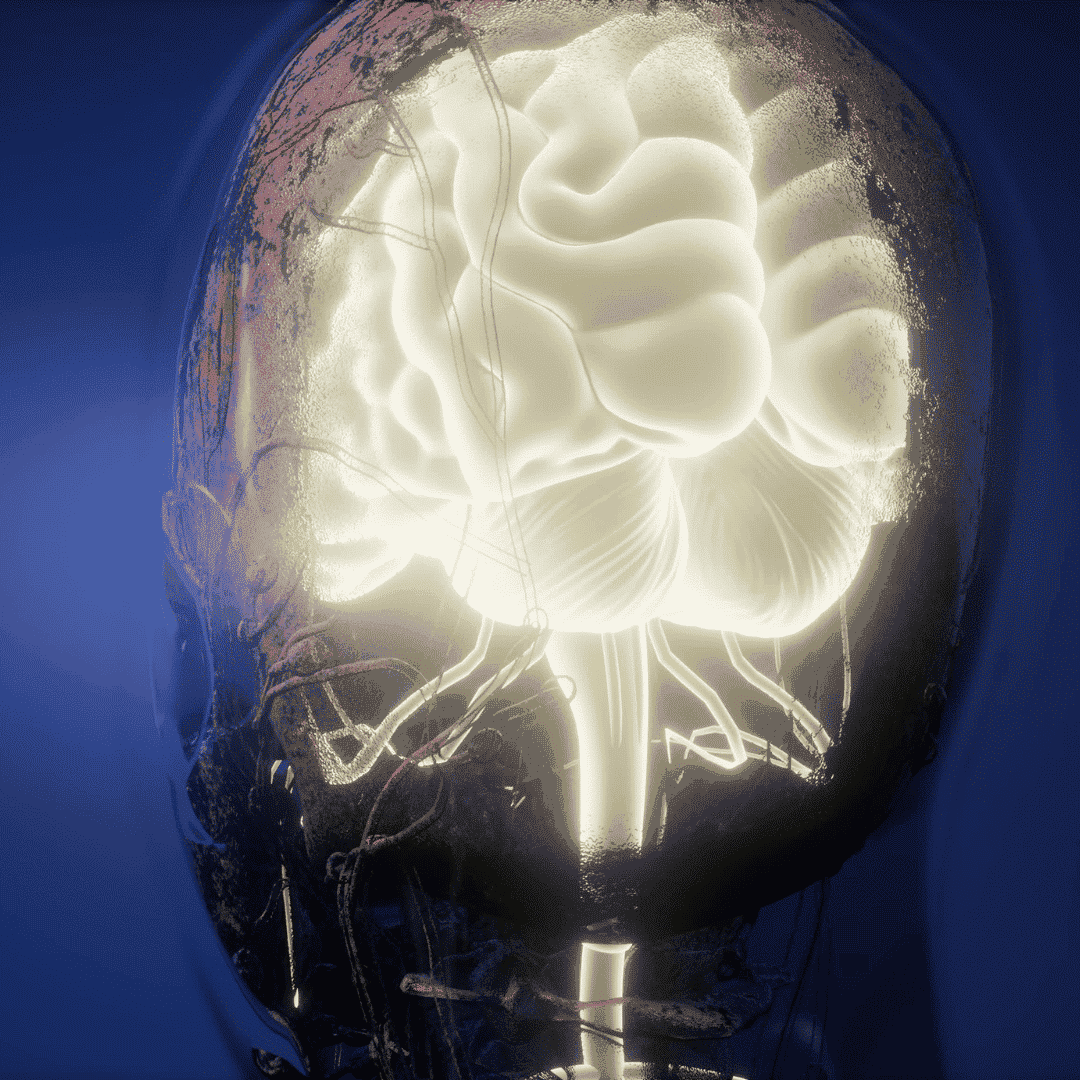
Price starting from $25,000
Dr. Victor Regenerative Medicine for Stroke Package in New York, USA
Victor Regenerative Medicine Centers
- Stem Cell Therapy
New York, United States
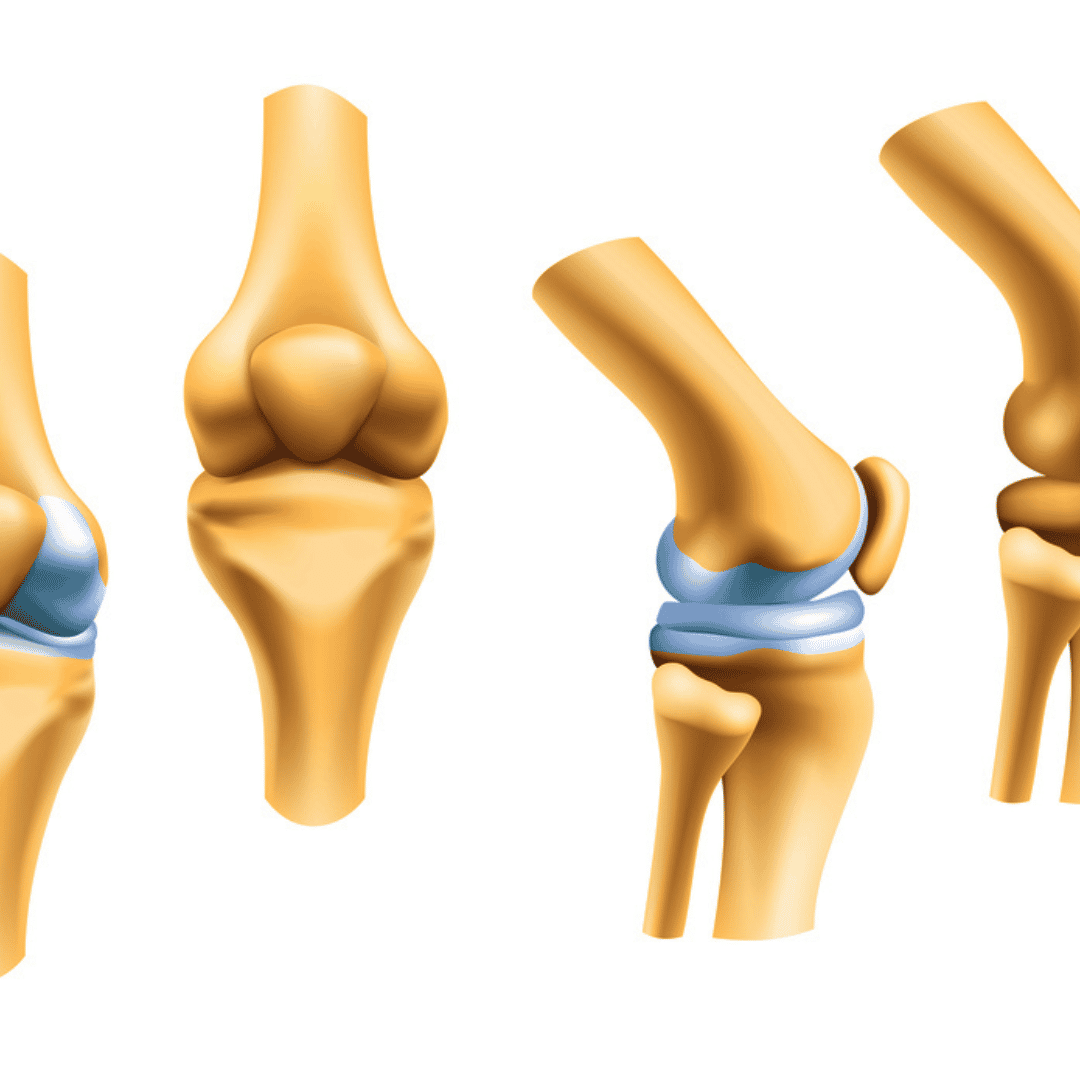
Price starting from $2,500
Orthopedics Regenerative Medicine in Florida Plantation, USA
PlacidWay US Medical Tourism
- Stem Cell Therapy
Denver, United States

Price starting from $25,000
Regenerative Medicine for Knee Arthritis Package by Dr. Victor in New York, USA
Victor Regenerative Medicine Centers
- Stem Cell Therapy
New York, United States

Price starting from $12,500
Stem Cell Therapy for COPD in Fort Lauderdale, United States by Regenestem
Regenestem Fort Lauderdale, USA
- Stem Cell Therapy
Fort Lauderdale, United States
Transformative Stem Cell Therapy for Motor Neuron Disease MND Experiences: Dive into Procedure Insights
Discover the power of Stem Cell Therapy for Motor Neuron Disease MND through compelling patient experiences. Uncover detailed insights into procedures, recovery journeys, and life-changing results.
.png)
Regenerative Medicine for COPD in Florida, USA
- Stem Cell Treatment for COPD, Stem Cell Therapy
United States
.png)
Price starting from $25,000
Regenerative Medicine for Stroke in United States
- Stem Cell Therapy for Stroke, Stem Cell Therapy
United States
.png)
Price starting from $10,500
Regenerative Medicines for Parkinsons Disease in United States
- Stem Cell Treatment for Parkinsons Disease, Stem Cell Therapy
United States

Regenerative Medicine for Alzheimer's Disease in United States
- Stem Cell Treatment for Alzheimers Disease, Stem Cell Therapy
United States








What kind of treatment does your institute do for multiple sclerosis
Read More