
What treatment


10+ Highly Rated Thoracic Spine Surgery Procedures Clinics in Mexico
Reach Out to These Certified Thoracic Spine Surgery Procedures Clinics List in Mexico Loved by Patients!

 96.36% Patient Recommend
CICOVE - Spine and Neurosurgery Center in Mexico City


Overview
CICOVE in Mexico City offers expert neurosurgery and spine surgery. Trusted neurosurgeons provide minimally invasive treatments for all spine conditions.
Read more details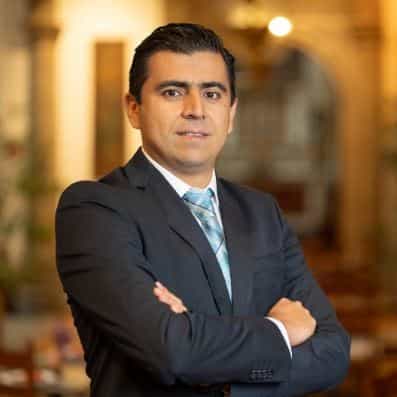


 100.00% Patient Recommend
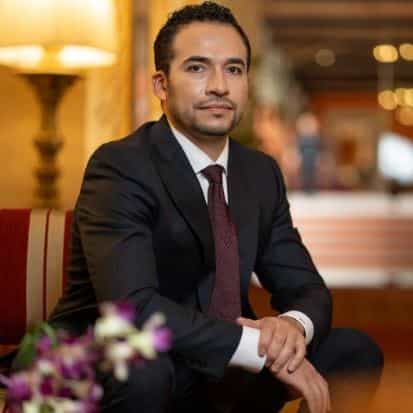
Dra. Brenda Delangel

Overview
Revitalize your health at Tijuana premier orthopedic and stem cell therapy clinic led by Dra Brenda Delangel. Discover healing with expertise.
Read more details

 50.00% Patient Recommend
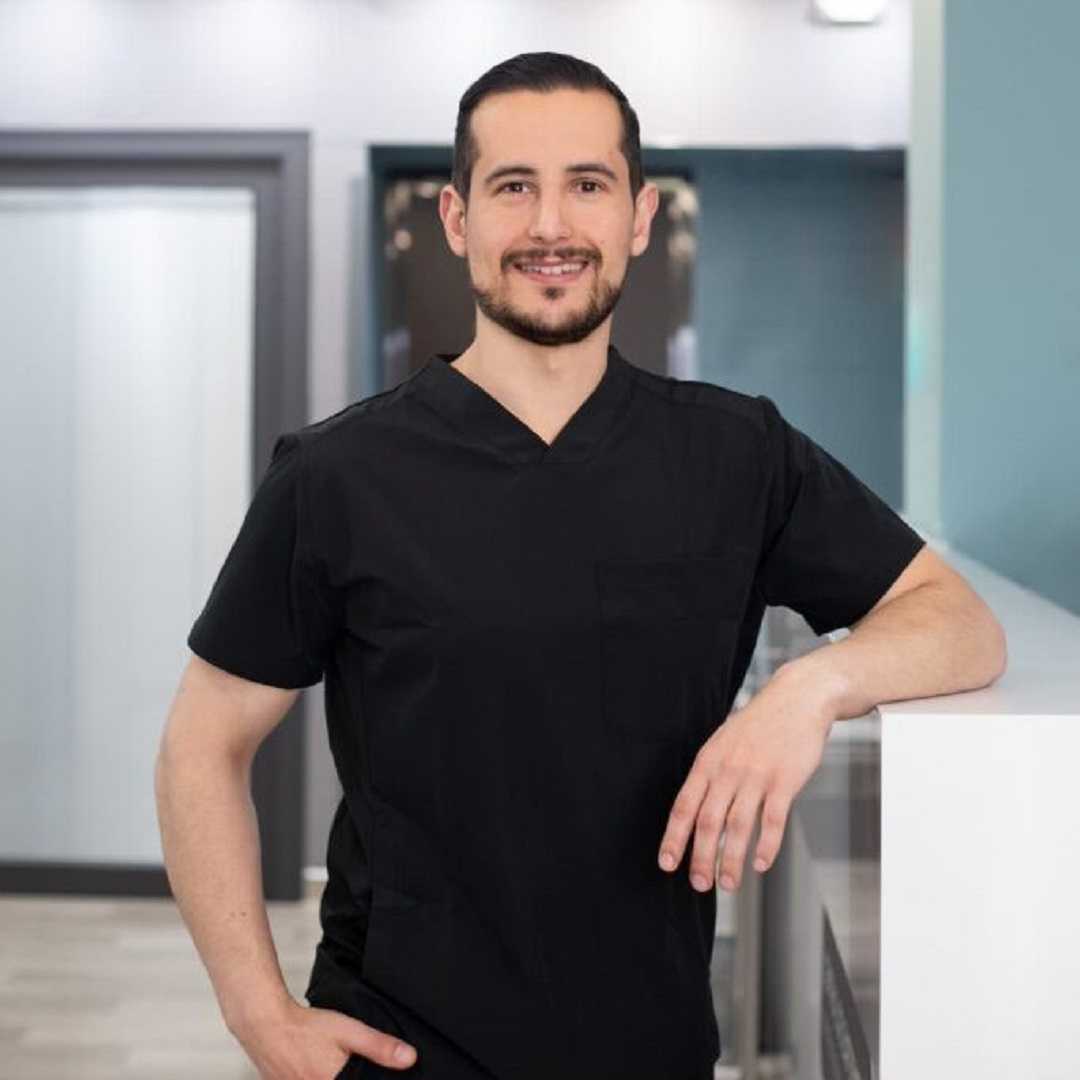
Spine Clinic Vallarta
Overview
Spine Clinic Vallarta in Mexico offers advanced spine surgeries, including spinal fusion, disc replacement and scoliosis treatment, led by Dr. Gustavo Navarro.
Read more details
.png) 100.00% Patient Recommend
100.00% Patient Recommend
Dr. Gustavo Ramirez | Orthopedic Surgeon
Overview
Dr. Gustavo Ramirez's clinic, located in Jalisco, Mexico, is a modern orthopedic clinic which provides high quality medical care to both local and international patients. The clinic is in constant training and development of technological advances applied to medicine in the quest to provide the perfect service to customers. The specialized group is comprised of medical professionals concerned abou
Read more details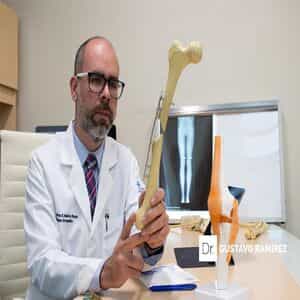
Discover your treatment options with a free, no-obligation quote!
Get your quote now! 100.00% Patient Recommend
Dr. Jose Orlando Guinto Nava
Overview
Discover top-notch neurosurgery and spine surgery at Dr. Jose Guinto Nava's clinic in Cuauhtemoc, Mexico. Experience expert care and personalized treatment.
Read more details 89.47% Patient Recommend
Dr. Maximilian A. Greig | Orthopaedic Surgeon
Overview
Consider traveling abroad for your Orthopedic procedure. Dr. Max Greig specializes in Orthopedic Surgery in beautiful Puerto Vallarta, Mexico.
Read more details

 100.00% Patient Recommend
Prothesium Medical Devices
Overview
PROTHESIUM MEDICAL DEVICES Philosophy A patient who leaves because of a low price will return for good service! While a patient who leaves because of poor service will not return for any price!
Read more detailsHospital de la Familia | Spanish Patient Center
Un hospital donde podrá disfrutar de las instalaciones y servicios de calidad juntos, y donde se puede encontrar la disposición y calidez que nos permiten llevar a cabo completamente por su bienestar máximo, así como, el de su familia durante su estadía en el hospital. Experimente Cirugía Estética, Cirugía Bariátrica y Cirugía Ortopedia Asequibles en México.


Discover your treatment options with a free, no-obligation quote!
Get your quote now!Advance Health Medical Center
Advance Health Medical Center provides specialized treatments in General Surgery, Bariatric Surgery, Plastic Surgery, Gynecology, Urology, Otorhinolaryngology, etc. in Tijuana, Mexico.

Clinica CES - Multispecialty Hospital in Medellin Colombia
Overview
Clinica CES is the best hospital in Medellin, offering multispecialty care, advanced treatments, and patient-centered high-complexity healthcare.
Read more details 100.00% Patient Recommend
Instituto Roosevelt
Overview
Instituto Roosevelt is located in Bogota, Colombia and provides comprehensive orthopedic, mental health, dentistry and pediatric treatment for their patients.
Read more detailsWhich are the best thoracic spine surgery clinics in Mexico?
Top-rated thoracic spine surgery clinics in Mexico, recognized for patient satisfaction and specialized care, include Dra. Brenda Delangel (Tijuana), Dr. Maximilian A. Greig (Puerto Vallarta), Dr. Gustavo Ramirez (Guadalajara), Dr. Jose Orlando Guinto Nava (Cuauhtemoc), Hospital Excel (Tijuana), and Prothesium Medical Devices (Ciudad de Mexico). These facilities offer advanced procedures and excellent patient experiences, focusing on comprehensive spine care.
When searching for premier thoracic spine surgery clinics in Mexico, selecting facilities with strong patient recommendations and a solid reputation for specialized care is paramount. Based on available patient feedback and their areas of expertise, several clinics consistently receive high marks. These include:
- Dra. Brenda Delangel's clinic in Tijuana: Known for orthopedic and stem cell therapy, with a high patient recommendation rate.
- Dr. Maximilian A. Greig's practice in Puerto Vallarta: A highly recommended orthopaedic surgeon recognized for a broad spectrum of orthopedic and spinal procedures.
- Dr. Gustavo Ramirez's orthopedic clinic in Guadalajara: Offers quality medical care with a focus on advanced orthopedic solutions.
- Dr. Jose Orlando Guinto Nava in Cuauhtemoc: Specializes in both neurosurgery and comprehensive spine surgery.
- Hospital Excel in Tijuana: A long-standing institution providing top-notch orthopedic surgery services.
- Prothesium Medical Devices in Ciudad de Mexico: Emphasizes patient service and high standards for various medical devices and procedures.
What procedures are commonly performed at thoracic spine surgery clinics in Mexico?
Thoracic spine clinics in Mexico offer a comprehensive range of procedures such as spinal fusion, discectomy, laminectomy, vertebroplasty, and kyphoplasty. They also provide specialized treatments for conditions like scoliosis, herniated discs, and spinal stenosis, all aimed at alleviating pain and restoring spinal function effectively.
Patients seeking treatment for thoracic spine conditions in Mexico have access to a wide array of advanced surgical procedures. These interventions are meticulously designed to address various issues affecting the mid-back, from degenerative conditions to traumatic injuries. Common procedures include:
- Spinal Fusion: This procedure joins two or more vertebrae permanently to eliminate motion between them, often used to stabilize the spine, correct deformities, or reduce pain from severe instability.
- Discectomy: Specifically, thoracic discectomy involves the removal of a herniated or damaged intervertebral disc that is pressing on nerves or the spinal cord, thereby relieving pain and neurological symptoms.
- Laminectomy: This surgical procedure removes part of the vertebral bone (lamina) to enlarge the spinal canal, alleviating pressure on the spinal cord or nerves, particularly in cases of spinal stenosis.
- Vertebroplasty and Kyphoplasty: These minimally invasive procedures treat vertebral compression fractures, commonly due to osteoporosis. Bone cement is injected into the fractured vertebra to stabilize it, reduce pain, and sometimes restore vertebral height.
- Scoliosis Correction Surgery: For significant thoracic spine curvature (scoliosis), surgical intervention may involve correcting the deformity and stabilizing the spine using rods, screws, and other implants.
- Minimally Invasive Spine Surgery (MISS): Many clinics prioritize MISS techniques which use smaller incisions, leading to less post-operative pain, reduced blood loss, and quicker recovery times for various thoracic conditions.
How can I prepare for thoracic spine surgery at a Mexican clinic?
Preparing for thoracic spine surgery in Mexico involves several crucial steps: comprehensive medical evaluations, accurately disclosing your full medical history, and strictly adhering to all pre-operative instructions from your chosen clinic. This includes dietary adjustments, managing current medications, and adopting healthy lifestyle practices to optimize your body for surgery and ensure a smooth recovery.
Proper preparation is crucial for a successful thoracic spine surgery outcome and a smoother recovery journey. Here’s a detailed look at what to expect:
- Thorough Medical Assessment: Your chosen clinic will conduct extensive diagnostic tests, such as MRI, CT scans, X-rays, and blood tests, to gain a precise understanding of your spinal condition and overall health status.
- Complete Medical History: It is vital to provide your surgical team with a comprehensive and honest account of your medical history, including any existing health conditions (e.g., diabetes, heart disease), allergies, and all medications you are currently taking (prescriptions, over-the-counter drugs, herbal supplements).
- Medication Management: You will likely receive specific instructions on which medications to stop before surgery, especially blood thinners, to minimize the risk of bleeding complications. Always follow your surgeon’s advice precisely.
- Lifestyle Modifications: If you smoke, you will be strongly advised to quit several weeks before surgery, as smoking significantly impairs healing. Limiting alcohol consumption and maintaining a healthy diet are also important for optimizing your body’s healing capacity.
- Physical Conditioning: Your surgeon or physical therapist might recommend specific exercises to strengthen your core and back muscles. A stronger core can support your spine post-surgery and aid in rehabilitation.
- Logistical Planning: For international patients, planning travel, accommodation, and post-operative care is essential. Many Mexican clinics offer comprehensive assistance with these arrangements, from airport transfers to recovery lodging.
What are the qualifications of spine surgeons in reputable Mexican clinics?
Spine surgeons at leading Mexican clinics typically possess extensive qualifications, including medical degrees, specialized residencies in neurosurgery or orthopedic surgery, and often advanced fellowship training. Many are board-certified by Mexican medical councils and may also hold international certifications, demonstrating their high level of expertise and dedication to the latest spinal techniques.
When considering thoracic spine surgery, verifying the qualifications of your surgeon is paramount for ensuring quality care. Reputable Mexican clinics employ highly trained and experienced specialists who meet rigorous standards:
- Medical Degree: All spine surgeons complete a Doctor of Medicine (MD) degree from accredited universities.
- Specialized Residency Training: Following medical school, they undergo several years of residency training in either Orthopedic Surgery (focusing on bones, joints, ligaments, and tendons) or Neurosurgery (focusing on the brain, spinal cord, and nerves). Both specialties include extensive training in spinal conditions.
- Fellowship Programs: Many leading spine surgeons further hone their expertise by completing specialized fellowship training. These programs concentrate on specific areas of spine surgery, such as complex spine reconstruction, scoliosis, or minimally invasive techniques, often undertaken at prestigious institutions both within Mexico and internationally.
- Board Certification: Look for surgeons who are board-certified by recognized medical boards in Mexico, such as the Mexican Council of Orthopedics and Traumatology (Consejo Mexicano de Ortopedia y Traumatología) or the Mexican Council of Neurological Surgery (Consejo Mexicano de Cirugía Neurológica). This certification signifies that a surgeon has met the highest standards of knowledge and clinical practice.
- Continuous Professional Development: Top surgeons are committed to ongoing education, regularly participating in national and international conferences, workshops, and training courses to stay abreast of the latest advancements, technologies, and best practices in spinal surgery.
What should I expect during recovery from thoracic spine surgery in Mexico?
Recovery from thoracic spine surgery in Mexico begins with a hospital stay for pain management and early mobilization, progressively transitioning to a personalized physical therapy regimen. Patients are guided through increasing activity levels, with continuous medical team support to regain strength, flexibility, and function, ensuring a safe and effective rehabilitation process.
The recovery period following thoracic spine surgery is a carefully managed process designed to promote healing and restore mobility. Here’s a general overview of what patients can typically expect:
- Immediate Post-Operative Care: You will initially recover in the hospital for a few days, where your medical team will closely monitor your vital signs, manage your pain with prescribed medications, and ensure you are comfortable. Early mobilization, such as getting out of bed and walking short distances with assistance, is often encouraged to prevent complications like blood clots.
- Pain Management: An effective pain management plan will be in place, often involving a combination of oral or intravenous medications, which will be adjusted as your recovery progresses and discomfort subsides.
- Physical Therapy Initiation: Physical therapy usually begins shortly after surgery, often while you are still in the hospital. Therapists will guide you through gentle exercises to improve circulation, prevent stiffness, and gradually increase your strength and range of motion.
- Activity Restrictions: You will receive clear instructions regarding activities to avoid, such as heavy lifting, twisting, bending, or prolonged sitting, to protect the surgical site and facilitate proper healing. Adhering strictly to these guidelines is crucial.
- Follow-up Appointments: Regular follow-up visits with your surgeon and physical therapist will be scheduled to assess your healing progress, remove sutures or staples, and adjust your rehabilitation program as needed.
- Gradual Return to Activities: The timeline for returning to normal daily activities, work, and recreational pursuits varies significantly depending on the type of surgery performed, your overall health, and how diligently you follow your rehabilitation plan. It can range from several weeks to several months.
Are there specific accreditations to look for in Mexican spine clinics?
When selecting a thoracic spine clinic in Mexico, it's wise to prioritize facilities with recognized accreditations like the Mexican General Health Council (Consejo de Salubridad General) for national standards, or international accreditations such as JCI (Joint Commission International). These certifications assure high levels of patient safety, quality of care, and adherence to established medical protocols.
Accreditations play a crucial role in assuring the quality and safety of medical care, especially for complex procedures like thoracic spine surgery. When you're evaluating clinics in Mexico, looking for certain accreditations can provide peace of mind:
- Mexican General Health Council (Consejo de Salubridad General - CSG): This is the highest national accreditation body in Mexico. Clinics accredited by the CSG have demonstrated adherence to rigorous national healthcare standards for patient safety, facility management, and medical quality. It signifies a strong commitment to regulatory compliance and excellence within Mexico's healthcare system.
- Joint Commission International (JCI): JCI is an internationally recognized accreditation that assesses and certifies healthcare organizations worldwide based on global benchmarks for quality and patient safety. A JCI-accredited thoracic spine clinic means it meets some of the most stringent international standards for clinical care, patient rights, infection control, and facility operations. This is often a gold standard for international patients.
- ISO Certification: While not specific to medical procedures, ISO (International Organization for Standardization) certifications, such as ISO 9001, indicate that a clinic has a robust quality management system in place for its services. This reflects a commitment to consistent quality and continuous improvement.
- Specialty-Specific Affiliations: Some clinics or their surgeons may also hold affiliations or memberships with renowned international orthopedic or neurosurgical societies. While not an accreditation, these affiliations can further validate their expertise and commitment to specialized spine care.
How do Mexican clinics ensure patient safety during spinal procedures?
Mexican spine clinics prioritize patient safety through comprehensive pre-operative assessments, utilizing advanced surgical technologies, maintaining strict infection control protocols, and employing continuous monitoring during and after surgery. Their experienced medical teams and adherence to international safety standards minimize risks and work towards optimal outcomes for all spinal procedures.
Ensuring patient safety is a top priority for thoracic spine surgery clinics in Mexico, which implement a rigorous, multi-layered approach to minimize risks and deliver high-quality care:
- Thorough Pre-operative Assessment: Before any procedure, patients undergo extensive medical evaluations, including detailed imaging (MRI, CT scans), laboratory tests, and consultations with specialists. This helps identify any pre-existing conditions or potential risks that could affect surgical outcomes.
- Advanced Surgical Technology: Modern clinics utilize state-of-the-art equipment such as intraoperative navigation systems for enhanced precision, specialized surgical microscopes for intricate procedures, and advanced anesthesia monitoring equipment. These technologies reduce human error and improve surgical accuracy.
- Strict Infection Control: Adherence to stringent sterilization protocols and infection prevention measures in operating rooms and patient care areas is paramount. This includes comprehensive sanitization, use of sterile instruments, and proper aseptic techniques to prevent healthcare-associated infections.
- Experienced Surgical Teams: Thoracic spine procedures are performed by highly qualified surgeons, anesthesiologists, and support staff who possess extensive experience and specialized training in spinal surgery. The team works collaboratively to ensure coordinated and expert care throughout the entire surgical process.
- Continuous Intraoperative Monitoring: During surgery, advanced neuromonitoring techniques (e.g., IONM) are often employed to continuously assess nerve function. This alerts the surgical team to any potential nerve irritation or damage, allowing for immediate adjustments to protect the spinal cord and peripheral nerves.
- Comprehensive Post-operative Care: Following surgery, patients receive close monitoring in dedicated recovery units. Nurses track vital signs, manage pain effectively, and assist with early mobilization under strict protocols to prevent complications and support initial healing.
- Emergency Preparedness: Reputable clinics have robust emergency response systems, including fully equipped resuscitation rooms and trained personnel, to handle any unexpected complications swiftly and effectively.
What support services do thoracic spine clinics in Mexico offer international patients?
Mexican thoracic spine clinics often provide extensive support for international patients, including multilingual staff, assistance with travel and lodging arrangements, visa guidance, and dedicated patient coordinators. These services aim to simplify the medical travel experience, ensuring patients feel comfortable and supported throughout their entire treatment journey, from arrival to departure.
For international patients traveling to Mexico for thoracic spine surgery, clinics often go above and beyond to provide comprehensive support services that make the experience as smooth and stress-free as possible:
- Dedicated Patient Coordinators: Many clinics assign a dedicated international patient coordinator. This individual serves as your primary point of contact, helping with everything from initial inquiries and scheduling appointments to coordinating medical records and facilitating communication between you and your medical team.
- Multilingual Staff and Interpreters: To bridge any language barriers, a significant number of clinics employ multilingual staff or provide professional medical interpreters. This ensures that you can fully understand your diagnosis, treatment plan, and post-operative instructions.
- Travel and Accommodation Assistance: Clinics frequently offer assistance with logistical arrangements, such as airport transfers, local transportation, and recommendations for nearby hotels or specialized recovery accommodations that cater to post-operative needs.
- Visa and Immigration Guidance: For patients requiring visas to enter Mexico for medical treatment, clinics can often provide necessary documentation and guidance to help navigate the application process.
- Teleconsultations: Initial consultations may be offered remotely via video conference. This allows international patients to discuss their condition, review treatment options, and get to know their surgeon before committing to travel.
- Post-Treatment Follow-up: Support often extends beyond the surgical stay. Clinics may coordinate follow-up care plans, which could include remote consultations once you return home, ensuring continuity of care and a successful long-term recovery.
- Concierge Services: Some facilities offer additional concierge services, helping with local excursions, dining recommendations, or other personal needs during your stay.
What technologies are used in thoracic spine surgery procedures in Mexico?
Thoracic spine surgery in Mexico employs advanced technologies like minimally invasive endoscopic systems, intraoperative navigation for enhanced precision, and real-time neuro-monitoring to safeguard nerves. Additionally, sophisticated imaging tools such as 3D CT scans and robotics are often utilized, collectively improving surgical accuracy, reducing recovery times, and optimizing patient safety and outcomes for complex spinal conditions.
Modern thoracic spine surgery clinics in Mexico are equipped with state-of-the-art technologies that enhance precision, safety, and effectiveness of procedures:
- Minimally Invasive Endoscopic Systems: These systems allow surgeons to perform complex procedures through small incisions using specialized cameras and instruments. This approach leads to less muscle disruption, reduced post-operative pain, minimal scarring, and often quicker recovery times compared to traditional open surgery.
- Intraoperative Navigation Systems: Often referred to as "GPS for the spine," these advanced systems provide real-time, highly detailed 3D imaging during surgery. They guide the surgeon with exceptional accuracy for implant placement (like screws and rods) and decompression, significantly improving precision and reducing risks.
- Neuromonitoring (IONM): Intraoperative neuro-monitoring continuously monitors the function of the spinal cord and surrounding nerves throughout the surgery. This vital technology provides immediate feedback to the surgical team about nerve integrity, allowing for prompt adjustments to prevent potential nerve damage.
- Advanced Imaging Technologies: Pre-operative and intraoperative imaging such as high-resolution MRI, multi-slice CT scans, and 3D reconstruction techniques are extensively used. These tools provide surgeons with a detailed anatomical roadmap, aiding in meticulous surgical planning and execution.
- Robotic-Assisted Surgery: Some highly advanced clinics are incorporating robotic systems to assist with certain aspects of spine surgery. These robots can enhance a surgeon's dexterity and precision, particularly for repetitive tasks or complex spinal alignments.
- Specialized Surgical Microscopes: High-powered operating microscopes offer magnified, illuminated views of the delicate spinal structures. This allows surgeons to perform intricate maneuvers with greater clarity and precision, crucial for working around nerves and blood vessels.
How do Mexican clinics manage post-operative pain after thoracic spine surgery?
Mexican thoracic spine clinics implement a comprehensive, multimodal pain management strategy after surgery, combining oral and intravenous medications, nerve blocks, and patient-controlled analgesia (PCA) pumps. They customize these plans for each patient to minimize discomfort, facilitating faster recovery and improving overall well-being during the critical healing phase.
Effective post-operative pain management is a crucial component of recovery after thoracic spine surgery, and Mexican clinics are highly proficient in delivering comprehensive strategies:
- Multimodal Analgesia: Clinics employ a multimodal approach, meaning they use a combination of different types of pain medications to target pain through various mechanisms. This often includes a blend of opioid and non-opioid pain relievers (like NSAIDs), nerve pain medications, and muscle relaxants. This approach maximizes pain relief while minimizing side effects.
- Patient-Controlled Analgesia (PCA): Many patients receive PCA pumps, which allow them to self-administer small, controlled doses of intravenous pain medication as needed. This gives patients more control over their pain relief and provides prompt alleviation of discomfort.
- Regional Anesthesia and Nerve Blocks: In some cases, local anesthetics or nerve blocks may be administered during or immediately after surgery. These targeted interventions can provide significant pain relief to the surgical area, reducing the overall need for systemic pain medications.
- Oral Pain Medications: As patients progress in their recovery, intravenous medications are gradually transitioned to oral pain relievers. These medications are carefully chosen and prescribed based on the patient's specific pain levels and tolerance.
- Early Mobilization and Physical Therapy: While seemingly counterintuitive, encouraging gentle movement and early ambulation (walking) under supervision can actually help reduce pain by preventing stiffness, improving circulation, and releasing natural pain-relieving endorphins. Physical therapy is integrated early to support this.
- Continuous Assessment and Adjustment: The medical and nursing staff continuously monitor the patient's pain levels using standardized scales. They are adept at adjusting the pain management plan as needed to ensure that pain remains well-controlled throughout the hospital stay and during the initial stages of home recovery.
What considerations are important when choosing a clinic for a thoracic spinal condition?
When choosing a clinic for a thoracic spinal condition, prioritize factors such as the surgeon's specialized experience, clinic accreditation, modern equipment, comprehensive care team, and clear communication. Consider patient testimonials and a facility's commitment to personalized treatment plans and post-operative support for optimal outcomes and peace of mind during your treatment journey.
Selecting the right clinic for a thoracic spinal condition is a critical decision that impacts your health and recovery. Several key considerations should guide your choice:
- Surgeon's Specialization and Experience: Ensure the surgeon has extensive experience and a proven track record specifically in thoracic spine surgery. Look for specialization in orthopedic spine surgery or neurosurgery with a focus on complex spinal conditions.
- Clinic Accreditations: Verify that the clinic holds national accreditations (like Mexico's Consejo de Salubridad General) and ideally international accreditations (like Joint Commission International - JCI), which signify adherence to high standards of care and patient safety.
- Advanced Technology and Equipment: A top-tier clinic will utilize modern diagnostic and surgical technologies, including advanced imaging (MRI, CT), intraoperative navigation, and minimally invasive tools, to ensure precise and effective treatment.
- Comprehensive Care Team: Look for a multidisciplinary team that includes not just surgeons but also anesthesiologists, neurologists, pain management specialists, and physical therapists, ensuring holistic care.
- Patient-Centered Communication: The clinic should demonstrate a commitment to clear, transparent communication. This includes providing detailed information about your condition, treatment options, potential risks, and expected outcomes, as well as being responsive to your questions.
- Personalized Treatment Plans: Each spinal condition is unique. The clinic should offer individualized treatment plans tailored to your specific diagnosis, medical history, and personal goals.
- Rehabilitation and Post-Operative Support: Inquire about their rehabilitation programs and long-term follow-up care. A strong support system during recovery is vital for successful outcomes.
- Patient Testimonials and Reviews: Reading reviews and testimonials from previous patients can offer valuable insights into their experiences with the clinic's care, staff, and overall environment.
Can minimally invasive thoracic spine surgery be performed in Mexico?
Yes, many leading thoracic spine clinics in Mexico are well-equipped to perform minimally invasive spine surgery (MISS). These advanced procedures, using specialized instruments and techniques, result in smaller incisions, reduced muscle damage, less post-operative pain, and quicker recovery times compared to traditional open surgery, offering significant benefits for patients.
Absolutely. Minimally invasive thoracic spine surgery (MISS) is a widely available and increasingly preferred option in many advanced clinics across Mexico. These procedures are highly specialized and offer several advantages over traditional open surgery:
- Smaller Incisions: MISS involves small incisions, often just a few centimeters long, compared to the larger incisions required for open surgery.
- Reduced Muscle Damage: Instead of cutting through muscles, specialized instruments are used to separate muscle fibers, minimizing trauma to surrounding tissues.
- Less Blood Loss: The smaller incisions and reduced tissue disruption typically lead to less blood loss during surgery.
- Less Post-Operative Pain: With less tissue damage, patients often experience significantly less pain after MISS, reducing the need for strong pain medications.
- Faster Recovery Time: The quicker healing of tissues generally allows for a faster return to normal activities and a shorter hospital stay.
- Lower Infection Risk: Smaller incisions can also contribute to a lower risk of infection.
- Endoscopic systems: Allowing surgeons to visualize the surgical field with high precision through a small camera.
- Tubular retractors: Creating a narrow tunnel to the spine without extensive muscle dissection.
- Intraoperative imaging and navigation: Providing real-time guidance for precise instrument placement.
How do clinics in Mexico ensure cultural sensitivity for international spine patients?
Clinics in Mexico serving international spine patients prioritize cultural sensitivity through multilingual staff, dedicated patient coordinators, and tailored services like dietary options and religious accommodations. They aim to create a welcoming and understanding environment that respects diverse backgrounds, ensuring comfort and clear communication throughout the thoracic spine treatment journey.
Mexican clinics, especially those experienced with medical tourism, are highly attuned to the diverse needs of international patients. They implement various strategies to ensure cultural sensitivity and provide a comfortable experience:
- Multilingual Staff and Interpreters: A cornerstone of cultural sensitivity is effective communication. Many clinics employ staff who are fluent in English and other common languages, or they provide professional medical interpreters to ensure that patients understand every aspect of their care, from consultations to post-operative instructions.
- Dedicated International Patient Coordinators: These coordinators are specifically trained to understand and address the unique needs of international patients. They act as a cultural liaison, helping to navigate any differences in healthcare expectations or practices.
- Dietary Accommodations: Recognizing varied dietary preferences and restrictions, clinics often offer flexible meal options that cater to different cultural or religious requirements.
- Religious and Spiritual Support: Provisions for prayer spaces, access to spiritual advisors, or respect for religious holidays can be made upon request to support patients' spiritual well-being.
- Respect for Privacy and Customs: Clinic staff are generally trained to respect diverse cultural norms regarding personal space, modesty, and family involvement in decision-making.
- Information in Multiple Formats: Patient education materials may be available in various languages and formats to ensure understanding regardless of literacy levels or learning styles.
- Personalized Care Planning: The approach to care is individualized, taking into account not just medical needs but also cultural context and personal preferences, to make the patient feel heard and valued.
What is the typical timeframe for initial consultation to thoracic spine surgery in Mexico?
The timeframe from initial consultation to thoracic spine surgery in Mexico can vary, typically ranging from a few days to several weeks. This depends on factors like urgent medical need, diagnostic test completion, pre-operative clearances, and scheduling availability. Efficient clinics prioritize prompt assessments, especially for international patients, to expedite the process while ensuring thorough preparation.
The duration from your initial consultation to undergoing thoracic spine surgery in Mexico can vary based on several factors. However, many clinics that cater to international patients are structured to facilitate a relatively efficient process:
- Urgency of Condition: For urgent cases, such as severe neurological deficits, clinics can often fast-track the process, potentially scheduling surgery within a few days of a comprehensive evaluation.
- Diagnostic Test Completion: If you arrive with all necessary diagnostic imaging (MRI, CT scans, X-rays) and medical reports, the pre-operative assessment phase can be significantly shortened. If these tests need to be performed in Mexico, it might add a few days to a week.
- Pre-operative Clearances: All patients require medical clearance from an anesthesiologist and other specialists to ensure they are fit for surgery. This typically involves blood tests, cardiac evaluations, and other assessments, which can take a few days.
- Surgeon and Operating Room Availability: While clinics aim for efficiency, the scheduling of highly specialized surgeons and operating rooms can sometimes lead to a brief waiting period, especially for non-urgent cases.
- Patient's Schedule and Travel Arrangements: For international patients, coordinating personal travel schedules and recovery time also plays a role in the overall timeline. Clinics often work with patients to find dates that accommodate their needs.
- Clinic Efficiency: Many Mexican medical tourism clinics pride themselves on streamlined processes and dedicated international patient departments that can help expedite appointments and procedures compared to wait times in some other countries.
How PlacidWay helps individuals access Thoracic Spine Surgery Procedures in Mexico?
PlacidWay is your dedicated partner in navigating the complexities of medical travel, especially when it comes to specialized treatments like Thoracic Spine Surgery Procedures in Mexico. We provide detailed, up-to-date information about Thoracic Spine Surgery Procedures, including the associated benefits, potential risks, and expected outcomes, empowering you with the knowledge to make informed decisions.
Our platform helps users effortlessly compare Thoracic Spine Surgery Procedures treatments across various clinics in Mexico. We focus on ensuring you find affordable options without compromising on the high quality of care, scrutinizing clinic credentials, surgeon expertise, and patient testimonials to match you with the best fit for your needs.
PlacidWay assists you in finding trusted, accredited clinics and highly experienced medical professionals specializing in Thoracic Spine Surgery Procedures in Mexico. We connect you with facilities that meet international standards of safety and quality, ensuring you receive exceptional care.
We offer personalized one-on-one consultations, allowing you to discuss your specific medical condition and treatment preferences with expert advisors. This ensures that your individual needs are met and helps you make confident decisions about your thoracic spine treatment journey.
Our commitment extends beyond your treatment. PlacidWay ensures continued support after your Thoracic Spine Surgery Procedures, including facilitating follow-up care and providing assistance during your recovery phase, ensuring a smooth transition back to your daily life.
Ready to get Thoracic Spine Surgery Procedures in Mexico? Contact us today for a personalized consultation.
Share with AI
Share this page with AI assistants to get summaries and insights


List of Best Thoracic Spine Surgery Procedures Clinics in Mexico
Unlock the Best Thoracic Spine Surgery Procedures Packages Just for You
Discover the ultimate Thoracic Spine Surgery Procedures packages designed to meet your health and wellness goals. Choose the perfect fit for your journey.

Price starting from $9,000
All-Inclusive Spine Surgery Package in Mexico City, Mexico by CICOVE
CICOVE - Spine and Neurosurgery Center in Mexico City
- Spine Care/Surgery
Mexico City, Mexico

Price starting from $10,000
Disc Replacement Surgery Package in Puerto Vallarta, Mexico by Spine Clinic Vallarta
Spine Clinic Vallarta
- Spine Care/Surgery
Puerto Vallarta, Mexico
Price starting from $9,000
Exclusive Treatment Package for Spinal Stenosis in Puerto Vallarta, Mexico
PlacidWay Mexico Medical Tourism
- Spine Care/Surgery
Tijuana,Mexicali, Mexico
Price starting from $6,500
Best Laminectomy Surgery Package in Tijuana, Mexico
PlacidWay Mexico Medical Tourism
- Orthopedic/Knee Surgery
Tijuana,Mexicali, Mexico
Transformative Thoracic Spine Surgery Procedures Experiences: Dive into Procedure Insights
Discover the power of Thoracic Spine Surgery Procedures through compelling patient experiences. Uncover detailed insights into procedures, recovery journeys, and life-changing results.
.png)
Price starting from $8,000
Spine Surgery in Mexico - Your Relief from Back Pain!
- Spine Care/Surgery
Mexico
.png)
.png)


Read More