What treatment

What treatment
.png)
Yes, hip replacement surgery in Mexico is considered safe when performed by board-certified orthopedic surgeons at internationally accredited hospitals. Thousands of patients travel annually for high-quality care using FDA-approved implants at a fraction of US costs. Deciding to travel to another country for a major medical procedure is a significant choice. If you are struggling with chronic hip pain and finding that the costs at home are prohibitive, or the waiting lists are simply too long, looking south of the border is a logical step. The primary question on everyone's mind is simple: Is hip replacement surgery in Mexico safe? The short answer is that it certainly can be, provided you do your homework. Mexico has established itself as a global hub for medical tourism, particularly for orthopedic procedures like hip and knee replacements. We aren't just talking about cost savings here; we are talking about access to world-class facilities and highly trained specialists. Many hospitals in major medical hubs like Tijuana, Guadalajara, and Monterrey are equipped with the same advanced technology found in the United States and Canada. However, safety isn't just about the country; it is about the specific provider you choose. It involves looking at the surgeon's credentials, the hospital's accreditations, and the quality of the implants used. In this guide, we will break down everything you need to know about hip replacement surgery in Mexico. We will look at surgeon qualifications, hospital standards, and exactly how much you can expect to save, ensuring you have the full picture to make an informed decision about your health. Are Mexican orthopedic surgeons properly qualified? Most renowned orthopedic surgeons in Mexico hold board certifications and have undergone rigorous training, often including fellowships in the USA or Europe, ensuring they meet international medical standards. One of the biggest misconceptions about medical tourism is that doctors abroad are less qualified than their counterparts in the US or Canada. In reality, many of the top orthopedic surgeons in Mexico have highly impressive resumes. It is common for these specialists to complete a portion of their training or specific fellowships in joint replacement in the United States, Europe, or other medically advanced regions. This international exposure ensures they are fluent in the latest surgical techniques and safety protocols. To ensure safety, you should always look for surgeons who are board-certified by the Mexican Council of Orthopedics and Traumatology (CMCOT). Additionally, many top-tier surgeons hold memberships in prestigious international organizations such as the American Academy of Orthopaedic Surgeons (AAOS). This affiliation demonstrates a commitment to continuous education and adherence to global ethical and medical standards. When vetting a surgeon, do not hesitate to ask for their CV. You want to see a high volume of hip replacement surgeries performed annually. A surgeon who performs hundreds of these procedures a year often has better outcomes than one who only does them occasionally. Experience is a key indicator of safety and success in orthopedic surgery. What is the cost of hip replacement in Mexico compared to the US? The average cost of a total hip replacement in Mexico ranges from $11,000 to $15,000, whereas the same procedure in the US can cost between $30,000 and $50,000 out-of-pocket. Cost is the primary driver for medical tourism, and the savings for hip replacement surgery are substantial. In the United States, the price of a hip replacement can vary wildly depending on the hospital and region, often leaving uninsured or underinsured patients with a bill exceeding $40,000. Even with insurance, deductibles and co-pays can remain high. In contrast, Mexico offers transparent, all-inclusive pricing packages. These packages typically include the surgeon's fees, anesthesiologist fees, hospital stay, nursing care, pre-operative tests, and medication. The lower cost is not a reflection of lower quality; rather, it reflects the lower cost of living, lower malpractice insurance rates for doctors, and lower administrative overhead in Mexico. Below is a comparison table to highlight the potential savings. Country Average Cost (USD) Estimated Savings United States $32,000 - $50,000+ - Canada $20,000 - $25,000 (Private) 50% Mexico $11,500 - $15,000 65% - 75% It is important to note that while the savings are significant, you should never choose the absolute cheapest option without verifying quality. The "sweet spot" for pricing usually ensures you are in a top-rated hospital with a certified surgeon using premium implants. Do hospitals in Mexico have international accreditation? Yes, many top hospitals in Mexico are accredited by the Joint Commission International (JCI) or the General Health Council of Mexico, ensuring they meet rigorous global hygiene and safety standards. Accreditation is your safety net. The gold standard in global healthcare is the Joint Commission International (JCI) accreditation. Hospitals that earn this seal have demonstrated that they meet the highest standards of patient safety, hygiene, and facility management—standards that are identical to those in US hospitals. Mexico boasts several JCI-accredited hospitals, particularly in major cities serving medical tourists. Even hospitals without JCI accreditation often hold certification from the General Health Council of Mexico (CSG). The CSG standards are closely modeled after JCI protocols. These facilities feature modern operating theaters, HEPA filtration systems to prevent infection, and advanced ICU units. When researching, always prioritize facilities with these certifications over smaller, unaccredited clinics. These hospitals are designed with international patients in mind. They usually have English-speaking staff, private recovery suites that feel more like hotel rooms, and dedicated international patient coordinators to handle logistics. This infrastructure significantly lowers the stress and risk associated with surgery abroad. Are the hip implants used in Mexico the same quality as in the US? Reputable Mexican surgeons use the exact same FDA-approved implants from top global brands like Zimmer Biomet, Stryker, and Johnson & Johnson as US doctors do. A common fear is that foreign hospitals use "cheap" or generic implants. This is generally not the case in the reputable sector of Mexico's medical tourism industry. Top orthopedic surgeons understand that their reputation depends on the longevity and success of the surgery, which relies heavily on the quality of the prosthesis. You will find that surgeons primarily use implants from major global manufacturers such as Zimmer Biomet, Stryker, and Smith & Nephew. These are the exact same devices implanted in patients in New York or London. Before your surgery, you can—and should—ask your surgeon specifically which brand and model of implant they intend to use. Reputable clinics in Mexico will provide you with the device's serial number and warranty information after the procedure. This transparency ensures that if you ever need a revision or check-up back home, your local doctor will know exactly what hardware was used. Never settle for an unknown brand to save a few hundred dollars. What is the risk of infection in Mexican hospitals? In accredited Mexican hospitals, infection rates are comparable to those in the US, thanks to strict sterilization protocols and modern surgical environments. Infection is a risk with any surgery, anywhere in the world. However, top-tier Mexican hospitals take this risk very seriously. Because they cater to international patients, they operate under strict scrutiny. JCI and CSG-accredited hospitals adhere to rigid sterilization protocols for instruments, operating rooms, and staff. Many surgeons also prescribe prophylactic antibiotics prior to and immediately after the surgery to further minimize risk. The use of laminar flow operating rooms, which circulate filtered air to keep the surgical field sterile, is standard in high-quality facilities. To protect yourself, ask about the hospital's specific infection rates and their protocols. A transparent clinic will be happy to share this data. Furthermore, following your surgeon's pre-operative instructions—such as quitting smoking and managing blood sugar levels—is crucial for your own defense against infection. Is there a language barrier with medical staff? Major medical tourism hospitals in Mexico have bilingual doctors and nursing staff, and often provide dedicated translators to ensuring clear communication throughout your stay. Communication is vital for safety. You need to be able to describe your pain levels and understand discharge instructions clearly. Fortunately, English is the medical language of the world. Most top surgeons in Mexico speak fluent English, especially those who trained abroad. In hospitals catering to tourists, the nursing staff and administrative personnel are often bilingual as well. If a specific nurse does not speak English fluently, these hospitals typically have translators on call 24/7. During your consultation, pay attention to how well the doctor communicates. If you feel there is a struggle to understand each other, it might be a sign to look for a different provider. How long do I need to stay in Mexico after surgery? Patients typically stay in the hospital for 2-3 days, followed by an additional 7-10 days in a local hotel for initial recovery and follow-up checks before flying home. Unlike minor surgeries where you can fly home the next day, a hip replacement requires a committed recovery period before travel. Your surgeon will want to monitor your incision and ensure there are no immediate complications like blood clots or dislocation. The standard protocol involves a few nights in the hospital for pain management and physical therapy initiation. After discharge, you will move to a hotel. Many clinics have partnerships with local hotels that are equipped for recovering patients (think shower chairs and accessible rooms). You will usually have a final check-up to remove stitches or staples about a week after surgery. Only after the surgeon clears you—usually around day 10—is it safe to board a plane. Is it safe to fly after hip replacement surgery? Flying is safe after about 10 days if precautions are taken to prevent Deep Vein Thrombosis (DVT), such as wearing compression stockings and walking the cabin aisle. The main concern with flying after orthopedic surgery is the risk of blood clots, known as Deep Vein Thrombosis (DVT). Because you will be sitting for an extended period, circulation can be restricted. However, this risk is manageable. Your surgeon will likely prescribe blood thinners for you to take during this period. When you do fly, it is recommended to request a seat with extra legroom or an aisle seat so you can get up and move every hour. Staying hydrated and wearing medical-grade compression stockings are also standard recommendations. Some patients choose to upgrade to business class for the return trip to allow for leg elevation, which significantly increases comfort and safety. Do I need a companion to travel with me? While not strictly mandatory, it is highly recommended to bring a companion to assist with mobility, luggage, and emotional support during the first week of recovery. Recovering from hip surgery limits your mobility significantly in the first few days. While hospital staff will help you while admitted, having a friend, spouse, or family member with you at the hotel is invaluable. They can help you get food, assist you in moving to the bathroom, and manage your luggage at the airport. If you absolutely must travel alone, inform your medical facilitator. Many clinics offer "medical concierge" services where a nurse or assistant visits you at your hotel to help with medication and dressing changes. However, having a familiar face provides a layer of emotional comfort and safety that is hard to replicate with hired help. What happens if there is a complication after I return home? Before leaving, ensure your local doctor is willing to handle follow-up care; reputable Mexican surgeons will also provide digital support and coordinate with your local provider if issues arise. This is a critical aspect of your safety planning. Before you leave for Mexico, you should speak with your local General Practitioner or an orthopedist to ensure they are willing to provide post-operative care, such as removing stitches (if not done in Mexico) or monitoring recovery. Do not wait until you have a problem to find a doctor at home. Reputable Mexican surgeons stand by their work. If a complication arises, they are usually available via video call or email to assess the situation and consult with your local doctor. In the rare event of a revision being needed due to surgical error, many medical tourism packages include "medical complication insurance" which covers the cost of returning for corrective treatment. How is pain managed after surgery in Mexico? Pain management is a priority, utilizing a combination of IV medications in the hospital and oral prescriptions for the hotel stay to ensure you can perform necessary physical therapy. Mexican anesthesiologists are highly skilled in pain management. You will likely receive a regional nerve block during surgery, which helps minimize pain immediately upon waking. During your hospital stay, pain is managed through IV medications. Upon discharge, you will be given a prescription for oral pain relievers. It is important to note that regulations on narcotics vary between countries, but surgeons will ensure you have adequate relief to be comfortable and, crucially, to participate in the required physical therapy exercises. Mobility is key to a good recovery, and pain control makes that possible. Is the anterior approach for hip replacement available in Mexico? Yes, many specialized surgeons in Mexico are trained in the minimally invasive anterior approach, which often results in faster recovery and less muscle damage. The anterior approach to hip replacement is popular because it involves separating the muscles rather than cutting them, leading to less pain and a quicker return to normal activities. Not all surgeons perform this technique as it requires specialized training and equipment, like the HANA table. However, because Mexico's private healthcare sector is competitive, many surgeons have adopted this technique to attract international patients. If you prefer the anterior approach, specifically ask for a surgeon who specializes in it and ask how many they have performed. This is a great way to filter for the most skilled specialists. Are blood transfusions safe in Mexico? Yes, Mexico has strict federal laws regulating blood banks, and accredited hospitals adhere to rigorous screening protocols for HIV, Hepatitis, and other pathogens. While blood transfusions are becoming less common in standard hip replacements due to improved surgical techniques that minimize blood loss, the safety of the blood supply is still a valid concern. The Mexican government strictly regulates blood banks (Banco de Sangre). Accredited hospitals conduct thorough screening of all donated blood. Additionally, many surgeons use "cell saver" technology during surgery, which collects, filters, and re-infuses your own blood, negating the need for donor blood entirely. Asking about cell saver technology is a great question for your consultation. What pre-op testing is required? You will need a full cardiac evaluation, blood work, and X-rays, often coordinated remotely before you travel to ensure you are a safe candidate for surgery. Safety starts before you even board the plane. Responsible clinics will not just book you for surgery without vetting your health. You will likely be asked to email recent X-rays and a medical history form. Once you arrive, typically the day before surgery, you will undergo a comprehensive pre-op evaluation. This includes blood tests (to check for anemia or clotting issues), an EKG, and a chest X-ray. If you have pre-existing conditions like diabetes or high blood pressure, an internal medicine specialist will usually consult to clear you for anesthesia. This multi-step process prevents last-minute cancellations and ensures your body can handle the procedure. Can I use my US health insurance? Most standard US Medicare and domestic policies do not cover surgery abroad, but some PPO plans and specialized international insurance policies may offer partial reimbursement. Generally, you should expect to pay out-of-pocket. Medicare strictly does not cover care outside the 50 states. However, some large employer PPO plans have started to recognize the cost savings of medical tourism and may have specific provisions for it. It is worth calling your provider to check. Even if you pay cash, the total cost (surgery + travel) is often less than the deductible and co-pay combined for a surgery in the US. Financing options are also available through third-party medical lenders who work specifically with medical tourism patients, allowing you to pay for the procedure in monthly installments. Ready to Restore Your Mobility? Don't let pain dictate your life any longer. Explore top-rated orthopedic surgeons and accredited hospitals in Mexico. Explore Options with PlacidWay...
Read more details
Yes, orthopedic surgery in Mexico significantly reduces waiting times, allowing patients to schedule procedures like knee and hip replacements within weeks rather than waiting months or years in their home countries. Living with chronic joint pain is exhausting. For many people in countries like Canada, the UK, and even the US, the physical pain is often compounded by the frustration of waiting. You sit on a waiting list for months, sometimes years, watching your quality of life decline while you wait for a "slot" to open up for a knee or hip replacement. It feels like your life is on pause. This is where orthopedic surgery in Mexico has become a vital solution for thousands of patients. The answer to the main question is a resounding yes: heading to Mexico can dramatically slash your wait time. Instead of marking days off a calendar for a surgery date that keeps moving, you could be recovering and starting physical therapy in a matter of weeks. But it isn't just about speed. It is about accessing world-class healthcare without draining your life savings. Mexico has built a robust infrastructure for medical tourism, specifically catering to North Americans who need joint care now, not later. We aren't talking about cutting corners; we are talking about board-certified surgeons, modern hospitals, and personalized care that treats you like a VIP, not a number in a queue. In this guide, we will look at how this process works, the costs involved, and safety standards, so you can make an informed decision about getting your mobility back. Why are waiting times for joint surgery so long in the US and Canada? Waiting times in Canada and the UK are often caused by overwhelmed public health systems and staffing shortages, while in the US, delays can stem from insurance approval processes and scheduling backlogs. In countries with public healthcare systems like Canada and the UK, the demand for orthopedic surgery far outstrips the supply of operating rooms and available surgeons. This creates a bottleneck where non-emergency procedures, such as joint replacements, are pushed to the back of the line. Patients often suffer in pain for 12 to 24 months before they ever see the inside of an operating theater. Even in the US, where care is private, scheduling conflicts and insurance red tape can cause delays. You might find a surgeon you trust, only to learn they are booked out for six months. By choosing medical tourism in Mexico, you bypass these systemic bottlenecks entirely. Private hospitals in Mexico operate with flexibility and capacity designed to accommodate international patients immediately. How quickly can I schedule orthopedic surgery in Mexico? You can typically schedule orthopedic surgery in Mexico within 2 to 4 weeks after your initial consultation and medical clearance. Speed is one of the biggest advantages of choosing Mexico. Once you decide to move forward, the process moves very fast. After you submit your medical history and X-rays for review, surgeons can usually provide a treatment plan within 48 hours. Once you approve the plan, securing a surgery date is just a matter of matching your travel schedule with the surgeon's calendar. Unlike the rigid schedules at home, Mexican clinics prioritize medical tourists. They understand you are traveling specifically for this procedure, so they work to accommodate your timeframe. It is not uncommon for a patient to contact a clinic on the first of the month and have their new knee or hip by the end of the month. How much does orthopedic surgery cost in Mexico compared to the US? Orthopedic surgery in Mexico costs approximately 50% to 70% less than in the US, with knee replacements averaging $12,000 in Mexico compared to $35,000+ in the US. The cost difference is staggering and is often the primary driver for patients without comprehensive insurance. In the US, the price of a joint replacement can vary wildly depending on the hospital and region, often leaving patients with huge out-of-pocket bills. In Mexico, the pricing is transparent and usually bundled into a package that includes the surgery, hospital stay, anesthesia, and sometimes even ground transportation. Cost Comparison Table (Estimated Averages) Procedure Avg. Cost in USA Avg. Cost in Mexico Potential Savings Total Knee Replacement $35,000 - $50,000 $11,000 - $14,000 65% - 70% Total Hip Replacement $40,000 - $60,000 $12,000 - $15,000 60% - 75% Rotator Cuff Repair $15,000 - $25,000 $5,000 - $7,000 65% - 70% ACL Reconstruction $20,000 - $30,000 $4,500 - $6,500 70% - 80% These savings allow you to access premium healthcare services without going into debt. The lower cost is due to lower living costs and overhead in Mexico, not a lack of quality. Are orthopedic surgeons in Mexico qualified and board-certified? Yes, many orthopedic surgeons in Mexico are board-certified, have trained internationally in the US or Europe, and hold memberships in global orthopedic associations. A common misconception is that doctors in Mexico are less trained. The reality is quite the opposite. Many top specialists in cities like Tijuana, Guadalajara, and Puerto Vallarta have completed fellowships in the US or Europe. They often speak fluent English and are accustomed to treating international patients. You should always look for surgeons who are certified by the Mexican Council of Orthopedics and Traumatology. Additionally, many are members of the American Academy of Orthopaedic Surgeons (AAOS). They use the same surgical techniques and protocols you would expect at home, ensuring high standards of safety and efficacy. What types of joint surgeries are available in Mexico? Mexico offers a full range of orthopedic surgeries, including total knee and hip replacements, shoulder arthroscopy, spinal surgery, and ankle repairs. Whether you need a total joint replacement or a minimally invasive arthroscopy, Mexican hospitals are equipped to handle it. The most common procedures sought by medical tourists are knee and hip replacements because these have the longest wait times at home and offer the highest cost savings. However, you can also find specialists for complex spinal surgeries, hand and wrist surgery, and sports medicine injuries. The availability of advanced MRI and CT imaging allows these surgeons to diagnose and treat a wide spectrum of musculoskeletal issues effectively. Do Mexican hospitals use high-quality implants? Yes, reputable Mexican hospitals use top-tier, FDA-approved implants from major global brands like Zimmer Biomet, Stryker, and Johnson & Johnson. Patients often worry that a lower price means cheaper materials. This is not the case with reputable clinics catering to international patients. They know that you want durability and safety. Therefore, they utilize the same FDA-approved implants that your surgeon in the US would use. Before you book your surgery, you can ask the clinic specifically which brand and model of implant they intend to use. They are usually very transparent about this. Using global brands ensures that if you ever need a revision or check-up back home, your local doctor will be familiar with the device. Is it safe to travel to Mexico for surgery? Yes, medical tourism in Mexico is safe when you choose accredited hospitals in established medical zones and utilize clinic-provided transportation services. Safety is a valid concern for anyone traveling abroad. However, the medical tourism industry relies on a reputation for safety. Clinics usually provide shuttle services that pick you up from the airport (often San Diego for Tijuana clinics) and take you directly to the hospital or hotel. You are rarely left to navigate the city alone. The hospitals themselves often maintain JCI accreditation or equivalent Mexican certifications, ensuring strict hygiene and safety protocols. By staying within the "medical zones" and following the guidance of your patient coordinator, the experience is secure and focused entirely on your recovery. What happens during the initial consultation? The initial consultation is usually done virtually, where you share X-rays and medical history with the surgeon to confirm candidacy and receive a quote. You don't have to fly to Mexico just to find out if you are a candidate. The process starts at home. You will send digital copies of your X-rays, MRI scans, and a brief medical history to the clinic. The orthopedic surgeon reviews these files to determine the best surgical approach. Once reviewed, you will likely have a video call or a phone consultation. This is your chance to ask specific questions about the procedure, the recovery, and the risks. This virtual assessment ensures that you are medically cleared for travel and surgery before you spend money on a plane ticket. How long will I need to stay in Mexico? For major joint replacements, patients typically stay in Mexico for 7 to 10 days, including hospital recovery and initial physical therapy. Recovery timelines vary, but for a knee or hip replacement, you won't be flying home the next day. Typically, you will spend 2 to 3 nights in the hospital for close monitoring and pain management. After discharge, you will move to a hotel or a specialized recovery house for another 5 to 7 days. During this time, you will return to the clinic for check-ups, wound cleaning, and possibly removal of drains. The surgeon wants to ensure you are fit to fly and that there are no signs of infection or complications like blood clots before giving you the "all clear" to return home. Will there be a language barrier? No, major medical tourism hospitals have bilingual staff, and surgeons are typically fluent in English to ensure clear communication with patients. Communication is critical in healthcare. Top-tier clinics in Mexico hire staff specifically for their English proficiency. From the driver who picks you up to the nurses and the lead surgeon, English is widely spoken in the medical tourism sector. If you are worried, ask to speak with the patient coordinator or the surgeon on the phone before booking. This will give you confidence in their ability to communicate complex medical terms and instructions clearly. You should feel completely understood at every step of your joint care journey. Can I bring a companion with me? Yes, bringing a companion is highly recommended and often accommodated by hospitals, with many offering guest beds in patient rooms or nearby hotel deals. Having a support system is incredibly helpful after surgery. Most hospitals encourage you to bring a friend, spouse, or family member. In many private rooms in Mexican hospitals, there is a pull-out sofa or extra bed specifically for your companion to stay with you overnight. Your companion can help you with simple things like getting dressed, moving around, and keeping track of medication schedules once you leave the hospital. It also makes the travel experience less stressful. Check with your medical facilitator about accommodation packages that include your guest. What pre-op testing is required? Standard pre-op testing includes blood work, EKGs, and chest X-rays, which are usually performed at the clinic in Mexico the day before surgery. To ensure you are safe for anesthesia, you will need a battery of tests. While you might send some records from home, the clinic will almost always run their own tests upon your arrival. This typically happens the day before your scheduled surgery. These tests check your heart health, blood clotting ability, and general immune status. If any significant issues arise, surgery might be postponed, but this is rare if you have been honest about your medical history during the virtual consultation phase. How is pain managed after surgery? Pain is managed aggressively with IV medications in the hospital and oral painkillers upon discharge, ensuring you are comfortable enough to start moving. Fear of pain is natural. Mexican surgeons use modern pain management protocols. Immediately after surgery, you will likely have IV pain relief. As you transition to recovery, you will be given oral medications to keep you comfortable. The goal is not just to numb you, but to manage pain well enough that you can stand and walk. Early movement is crucial for joint replacement success. You will receive a prescription for pain medication to take with you during your hotel recovery and for your travel home. What happens if there is a complication? Reputable clinics have protocols for complications, including emergency re-admission or partnerships with larger hospitals if higher-level care is needed. While rare, complications can happen in any country. Before you book, ask the clinic about their policy for revisions or complications. Many reputable surgeons offer a guarantee where they will perform revision surgery for free if the issue is related to the implant or surgical technique (though you may still pay for hospital fees). Being in a hospital setting rather than a small clinic is safer because they have ICUs and emergency equipment on standby. It is vital to discuss "what if" scenarios with your provider so you understand your financial and medical protections. Will my US insurance cover surgery in Mexico? Most standard US health insurance plans do not cover surgery abroad, but some specialized plans or self-insured employer plans may offer international coverage. Generally, Medicare and standard domestic health insurance policies do not cover treatments outside the US. You should expect to pay out-of-pocket. However, because the cost is so low—often less than the deductible and co-pay for US surgery—it still makes financial sense for many. There are some exceptions. Some progressive companies and self-funded insurance plans have started partnering with medical tourism facilitators to cover these costs because it saves them money, too. Always check with your provider, but plan on paying cash or using medical financing options. How do I prepare for the flight home? You should request wheelchair assistance at the airport, book a seat with extra legroom, and plan to get up and move frequently to prevent blood clots. Flying after orthopedic surgery in Mexico requires planning. You will be at a higher risk for Deep Vein Thrombosis (DVT), so your doctor will likely prescribe blood thinners and compression stockings. You must get up and walk the aisle every hour. Do not try to be a hero at the airport. Request wheelchair service from the curb to the plane. This saves your energy and protects your new joint from crowded concourses. Booking an aisle seat with extra legroom or upgrading to business class can also make a significant difference in your comfort level. What is the recovery process like back home? You will need to continue physical therapy at home, keep the incision clean, and maintain remote communication with your Mexican surgeon for follow-ups. Surgery is just step one. Rehabilitation is where the magic happens. Before you leave for Mexico, you should research local physical therapists who can work with you upon your return. You will need to bring your surgical notes and rehab protocol from your Mexican doctor to give to your local therapist. Most Mexican clinics will schedule follow-up video calls to check your incision and range of motion. You are not cut off once you cross the border; modern technology allows for excellent continuity of care. Dedication to your physical therapy exercises is the single biggest factor in how well your new joint functions. Ready to restore your mobility? Explore Orthopedic Solutions with PlacidWay...
Read more details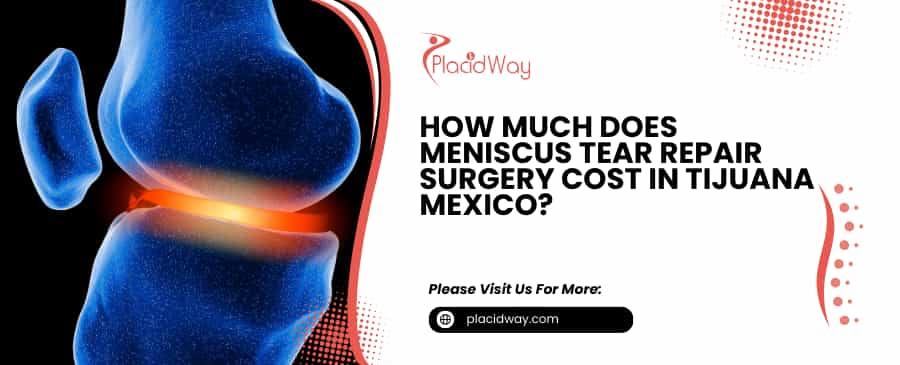
Meniscus tear repair surgery in Tijuana, Mexico, typically costs between $3,500 and $6,000, offering a significantly more affordable option compared to prices in the United States. This range often includes surgeon fees, anesthesia, and facility use. Having a meniscus tear can be a real pain, literally. It can limit your mobility, cause swelling, and generally make daily life uncomfortable. When surgery becomes a necessary option, one of the first questions that often comes to mind is, "How much will this cost?" If you're in the United States, especially near the southern border, you might be considering Tijuana, Mexico, as a viable option for affordable medical procedures, including meniscus tear repair surgery. Tijuana has emerged as a popular destination for medical tourism, offering advanced healthcare services at a fraction of the cost found in countries like the U.S. For meniscus tear repair surgery, patients can often expect prices significantly lower than domestic options, without compromising on quality of care. We're here to walk you through the costs, what's usually included, and why Tijuana might be the right choice for your knee surgery needs. How much does meniscus tear repair surgery cost in Tijuana, Mexico? Meniscus tear repair surgery in Tijuana, Mexico, generally ranges from $3,500 to $6,000. This represents a significant cost saving when compared to prices in the United States, which can often exceed $10,000 to $20,000 for the same procedure. The cost of meniscus tear repair surgery in Tijuana is one of its most compelling aspects for patients seeking treatment. This price point typically includes essential components of the surgical process, making it a comprehensive and attractive package. The lower operational costs for clinics in Mexico, combined with favorable exchange rates, contribute significantly to these reduced prices. When you're comparing costs, it's important to look beyond just the numerical value. Many clinics in Tijuana operate with state-of-the-art equipment and employ highly qualified, often internationally trained, orthopedic surgeons. The affordability doesn't necessarily mean a compromise on the quality of medical care or the expertise of the professionals involved. Patients often find the overall value proposition in Tijuana to be exceptionally high. What is typically included in the cost of meniscus repair surgery in Tijuana? The cost of meniscus repair surgery in Tijuana typically includes the surgeon's fees, anesthesia, hospital or surgical facility use, and sometimes pre-operative consultations and basic post-operative care. However, it's crucial to confirm specifics with your chosen clinic. Understanding what's covered in the quoted price is essential for proper budgeting. Most reputable clinics offering meniscus tear repair surgery packages in Tijuana aim to provide an all-inclusive price for the core medical services. This usually encompasses the professional fees for the orthopedic surgeon, the cost of the anesthesiologist's services, and the charges for using the operating room and hospital facilities. Additionally, some packages might include initial diagnostic tests, such as X-rays, and follow-up appointments directly related to the surgery. It's important to clarify if medications, physical therapy sessions, accommodation, and transportation are included, as these are often separate expenses. Always ask for a detailed breakdown of services to avoid any surprises. What factors influence the final cost of meniscus surgery in Tijuana? The final cost of meniscus surgery in Tijuana can vary based on the type and complexity of the meniscus tear, the specific surgical method chosen (repair vs. meniscectomy), the clinic's reputation, and the surgeon's experience and qualifications. Not all meniscus tears are the same, and their differences directly impact the surgical approach and, consequently, the cost. A small, simple tear might require a straightforward arthroscopic partial meniscectomy, while a larger, more complex tear (like a bucket-handle tear) could necessitate a more involved repair procedure with specialized sutures or techniques. Repair procedures are often more expensive than removal procedures due to increased surgical time and materials. The choice of clinic also plays a significant role. Highly accredited meniscus surgery hospitals in Tijuana with cutting-edge technology and a long track record of successful orthopedic surgeries may command higher prices than smaller facilities. Similarly, surgeons with extensive experience, specialized training, or international certifications might have higher professional fees. It's always a good idea to research both the facility and the surgeon to ensure you're comfortable with your choice. Why should I consider Tijuana, Mexico, for meniscus tear repair surgery? Tijuana is an excellent option for meniscus tear repair surgery due to its significantly lower costs compared to the US, its close proximity for US patients (especially those in Southern California), and the presence of experienced, often US-trained surgeons and modern, internationally accredited medical facilities. Medical tourism to Tijuana has grown exponentially, and for good reason. For individuals living in the southwestern United States, the convenience of driving across the border makes it an easily accessible option. This eliminates the need for expensive flights and extensive travel planning often associated with medical care in other countries. The short travel time allows for quicker consultation and treatment. Beyond convenience, the quality of care is a major draw. Many hospitals and clinics in Tijuana adhere to international standards and possess accreditations that speak to their commitment to patient safety and quality outcomes. You'll find orthopedic specialists who have trained in the US or Europe, bringing a high level of expertise to their practice. The combination of affordability, accessibility, and quality makes Tijuana a compelling choice for your meniscus tear repair. Is the quality of meniscus tear repair surgery in Tijuana comparable to procedures in the US? Yes, the quality of meniscus tear repair surgery in many Tijuana clinics is often comparable to procedures in the US. Many facilities are internationally accredited, use modern technology, and employ highly skilled, board-certified surgeons, some with US training. It's natural to have concerns about quality when considering medical treatment abroad. However, Tijuana has a robust medical tourism infrastructure designed to meet international standards. Many hospitals are accredited by organizations like the Joint Commission International (JCI), which signifies adherence to rigorous quality and patient safety criteria. These facilities often invest in the latest surgical equipment and technologies, ensuring that patients receive advanced care. Furthermore, a significant number of orthopedic surgeons practicing in Tijuana have received their training and certifications in the United States or other highly regarded medical systems. They are proficient in the latest surgical techniques for meniscus tear repair and regularly treat international patients. It is always recommended to research the specific clinic and surgeon, reviewing their credentials and patient testimonials to ensure peace of mind. What is the typical recovery period after meniscus tear repair surgery? The initial recovery period after meniscus tear repair surgery typically ranges from 4 to 6 weeks, during which activity is restricted. Full return to normal activities and sports can take anywhere from 3 to 6 months, depending on the tear's severity and the surgical method. The recovery timeline after meniscus surgery is highly individual and depends on several factors, including the type of tear, the surgical technique used (repair versus partial removal), and the patient's adherence to post-operative instructions and physical therapy. For a meniscus repair, the healing process for the tissue itself takes time, often requiring limited weight-bearing and bracing for several weeks to protect the repair. Physical therapy is a critical component of rehabilitation, beginning shortly after surgery to restore range of motion, strength, and stability to the knee. Patients should expect a gradual progression of exercises. While a full return to strenuous activities or sports may take several months, many individuals can resume light daily activities much sooner. Your surgeon and physical therapist will provide a personalized recovery plan. What are the different types of meniscus repair procedures available? The primary types of meniscus tear repair procedures include arthroscopic repair (suturing the torn meniscus), partial meniscectomy (removing the damaged portion), and, less commonly, total meniscectomy (removing the entire meniscus). The choice of procedure depends on several factors, including the location, size, and pattern of the tear, the patient's age, activity level, and the overall condition of the knee. Arthroscopic surgery is the standard approach for all these procedures, meaning small incisions are made and a camera is used to visualize and perform the surgery. Meniscus Repair: This involves stitching the torn edges of the meniscus together, aiming to preserve as much of the natural meniscus tissue as possible. It is typically performed for tears in the "red zone" (outer, blood-rich area) where healing potential is higher. Recovery is generally longer, but it offers the best long-term outcomes for knee health. Partial Meniscectomy: If the tear is in an area with poor blood supply (the "white zone") or is too complex to repair, the damaged portion of the meniscus is carefully trimmed away. This procedure often results in a faster recovery but may increase the long-term risk of arthritis. Total Meniscectomy: This is rarely performed today due to its association with early onset arthritis. It involves removing the entire meniscus and is typically reserved for severe, irreparable damage where no other options are viable. What preparation is required for meniscus surgery if I travel to Tijuana? Preparation for meniscus surgery in Tijuana typically involves a thorough medical evaluation with your local doctor, obtaining a valid passport, arranging travel and accommodation, and coordinating all pre-operative instructions directly with your chosen clinic in Tijuana. When planning for meniscus tear repair surgery in Tijuana, careful preparation is key to a smooth experience. You should first consult with your primary care physician at home to ensure you are medically fit for surgery and international travel. They may perform pre-operative tests such as blood work or an EKG. Providing these results to your Tijuana surgeon in advance will help them plan your care effectively. Logistically, ensure your passport is valid, and be aware of any border crossing requirements. It's advisable to arrange for travel insurance that covers medical complications, just in case. Your chosen clinic will likely have a dedicated patient coordinator who can assist with scheduling appointments, providing pre-operative instructions (like fasting guidelines), and even recommending local accommodation and transportation options to make your trip as comfortable as possible. Plan to arrive a day or two before your surgery to settle in and attend any last-minute consultations. Are there financing options or payment plans for meniscus surgery in Mexico? While direct financing options from Tijuana clinics vary, many operate on an upfront cash payment basis. However, patients may explore medical financing companies, personal loans, or credit cards from their home country to help cover the cost of meniscus tear repair surgery in Mexico. Most medical tourism clinics in Tijuana prefer upfront payment, typically in US dollars, for the services rendered. This helps keep their administrative costs down, contributing to the overall affordability. While some larger facilities might offer their own limited payment plans or work with specific medical financing partners, it's not a universal practice. For patients needing financial assistance, several options can be explored from your home country. Medical financing companies specialize in loans for healthcare procedures, offering various repayment terms. Personal loans from banks or credit unions are another route, as are using credit cards with favorable interest rates. It's crucial to research these options thoroughly and understand all terms and conditions before committing to ensure you can comfortably manage the repayment. What are the potential risks and benefits of meniscus tear repair surgery? The benefits of meniscus tear repair surgery include pain relief, improved knee function and stability, and prevention of further knee damage. Potential risks, though rare, can include infection, stiffness, nerve or blood vessel damage, re-tear of the meniscus, or complications from anesthesia. Like any surgical procedure, meniscus tear repair comes with both potential benefits and risks that patients should be fully aware of. The primary benefits are significant: alleviating the pain and discomfort caused by the tear, restoring the full range of motion in the knee, and improving overall stability. Repairing a torn meniscus can also help prevent the long-term progression of arthritis, as the meniscus plays a crucial role in shock absorption and joint protection. While generally safe, potential risks need to be considered. These typically align with those of any arthroscopic knee surgery. Serious complications are infrequent but can include infection at the surgical site, persistent knee stiffness, or, in some cases, the meniscus re-tearing. There's also a small risk associated with anesthesia, such as adverse reactions. Your surgeon will thoroughly discuss these risks with you and take all necessary precautions to minimize them. Ready to explore affordable and high-quality meniscus tear repair options? Visit PlacidWay to connect with top-rated clinics in Tijuana, Mexico, and get a personalized quote for your knee surgery needs....
Read more detailsDiscover your treatment options with a free, no-obligation quote!
Get your quote now!
Finding the "best" orthopedic surgeons for meniscus repair in Tijuana, Mexico, involves looking for highly experienced, board-certified specialists with excellent patient outcomes and modern facility affiliations. Patients should prioritize surgeons known for their expertise in arthroscopic knee procedures. Welcome to our guide on navigating meniscus repair in Tijuana, Mexico. If you're experiencing knee pain and suspect a meniscus tear, you're likely searching for effective and accessible treatment. Many individuals from around the world are now considering Tijuana as a premier destination for orthopedic care, particularly for procedures like meniscus repair, due to its combination of advanced medical facilities, experienced surgeons, and cost-effective solutions. This guide aims to provide you with all the essential information to make an informed decision about seeking meniscus repair in this vibrant border city. The quest for the right surgeon and clinic can be daunting, but understanding what to look for can simplify the process significantly. While we won't name specific practitioners, we will equip you with the knowledge to identify highly qualified orthopedic surgeons and reputable medical centers in Tijuana specializing in meniscus repair. We'll delve into everything from the criteria for selecting a surgeon to the recovery process and the overall benefits of choosing medical tourism for your knee health. Let's explore how Tijuana can offer a viable and excellent path to regaining your knee function and alleviating discomfort. What is a meniscus tear and how is it repaired? A meniscus tear is a common knee injury involving damage to the C-shaped cartilage in the knee, often repaired through arthroscopic surgery to either stitch the tear or trim the damaged portion. The meniscus refers to two C-shaped pieces of cartilage that act as shock absorbers between your shinbone and thighbone. Each knee has two menisci, one on the inner side (medial meniscus) and one on the outer side (lateral meniscus). These crucial structures help stabilize the knee joint and evenly distribute weight across the joint. A meniscus tear often occurs during activities that involve forceful twisting or rotation of the knee, especially when bearing weight. It can also happen due to degenerative changes over time, particularly in older adults. When a meniscus tears, it can cause pain, swelling, stiffness, and difficulty extending or bending the knee. Sometimes, you might feel a "pop" at the time of injury. The repair method depends on the tear's location, size, and pattern, as well as your age and activity level. Orthopedic surgeons typically perform meniscus repair using arthroscopic surgery, a minimally invasive procedure. During arthroscopy, a small incision is made, and a tiny camera (arthroscope) is inserted to visualize the inside of the knee. The surgeon then uses small instruments to either stitch the torn edges of the meniscus back together (meniscus repair) or remove the damaged, frayed tissue (partial meniscectomy). The goal of repair is to preserve as much of the meniscus as possible to maintain knee function and prevent future arthritis. Why should I consider Tijuana, Mexico, for meniscus repair surgery? Tijuana, Mexico, is increasingly chosen for meniscus repair due to its significantly lower costs compared to the U.S. and Canada, combined with access to highly qualified, often U.S.-trained, orthopedic surgeons and modern medical facilities. Tijuana has emerged as a prominent destination for medical tourism, attracting patients seeking high-quality healthcare services at more affordable prices. For meniscus repair surgery, this city offers several compelling advantages. The primary draw is often the cost savings, which can be substantial compared to procedures in the United States or Canada. Patients can often save anywhere from 50% to 70% on the total cost of surgery, including consultations, the procedure itself, and post-operative care, without compromising on quality. Beyond cost, Tijuana boasts a growing number of state-of-the-art medical facilities equipped with modern technology and adhering to international safety and hygiene standards. Many orthopedic surgeons practicing in Tijuana have received training in the U.S. or Europe, hold international certifications, and possess extensive experience in complex knee procedures like meniscus repair. The proximity to the U.S. border also makes it an accessible option for many, reducing travel time and expenses. Furthermore, the efficiency of the medical system in Tijuana often means shorter waiting times for appointments and surgeries, allowing patients to receive timely care. How do I choose a qualified orthopedic surgeon for meniscus repair in Tijuana? To choose a qualified orthopedic surgeon for meniscus repair in Tijuana, look for board certification, extensive experience specifically in arthroscopic knee surgery, affiliations with accredited hospitals, and positive patient testimonials. Selecting the right surgeon is crucial for a successful meniscus repair. Here are key factors to consider when evaluating orthopedic surgeons in Tijuana: Board Certification and Credentials: Ensure the surgeon is board-certified, preferably by recognized national or international orthopedic boards. Look for membership in professional organizations such as the Mexican Council of Orthopedics and Traumatology (CMOT) or international associations. Experience with Arthroscopic Knee Surgery: Inquire about their specific experience and success rates with arthroscopic meniscus repair and meniscectomy procedures. A surgeon who performs these surgeries frequently is likely more skilled. Hospital Affiliations: Verify that the surgeon operates in reputable, accredited hospitals or clinics that meet international standards for patient safety and care. Patient Testimonials and Reviews: Seek out reviews and testimonials from previous patients. While individual experiences vary, a consistent pattern of positive feedback can be reassuring. Communication and Language Skills: Good communication is vital. Ensure the surgeon and their team can communicate effectively with you, ideally in English, to discuss your condition, treatment plan, and post-operative care. It's also advisable to ask for a virtual consultation before traveling to discuss your case, review imaging, and get a feel for the surgeon's approach and communication style. This initial interaction can help build trust and confidence in your choice. What is the average cost of meniscus repair in Tijuana, Mexico? The average cost of meniscus repair in Tijuana, Mexico, typically ranges from $3,000 to $6,000 USD, which includes surgeon fees, anesthesia, and facility costs, making it significantly more affordable than in the U.S. One of the most compelling reasons patients choose Tijuana for meniscus repair is the considerable cost savings. The exact price can vary depending on several factors, including the complexity of the tear, the type of procedure (repair vs. meniscectomy), the surgeon's fees, the hospital or clinic chosen, and whether additional services like physical therapy are included in a package. Here’s a general comparison table: Location Estimated Cost (USD) Tijuana, Mexico $3,000 - $6,000 United States $8,000 - $15,000+ Canada $7,000 - $12,000+ (for private care) These prices generally cover the surgeon's fees, anesthesia, operating room costs, and typically a follow-up consultation. It's important to request a detailed quote from any clinic you consider to understand exactly what is included and to avoid unexpected expenses. Many clinics offer all-inclusive packages designed for international patients, which can simplify financial planning. What are the benefits of undergoing meniscus repair surgery? Meniscus repair surgery alleviates knee pain, restores stability and range of motion, and can prevent future knee degeneration, helping patients return to their desired activity levels. Undergoing meniscus repair surgery, when indicated, offers several significant benefits that can greatly improve your quality of life and long-term knee health. Pain Relief: The most immediate and desired benefit is the reduction or elimination of pain caused by the torn meniscus. Restored Knee Function: Repairing the meniscus helps restore the knee's normal mechanics, allowing for better stability, range of motion, and ability to perform daily activities without clicking, locking, or giving way. Prevention of Future Damage: By preserving the meniscus, the surgery helps maintain the natural cushioning and shock-absorbing properties of the knee, which can significantly reduce the risk of developing early-onset osteoarthritis. Return to Activity: For many, the goal of surgery is to return to sports, work, or hobbies they enjoyed before the injury, without limitations. The long-term benefits often outweigh the temporary discomfort and recovery period, especially for active individuals who want to maintain a healthy lifestyle. Discussing these benefits and your personal goals with your orthopedic surgeon will help ensure the best possible outcome for your specific situation. What are the risks associated with meniscus repair surgery? Like all surgeries, meniscus repair carries risks including infection, blood clots, nerve damage, persistent pain, and the possibility of re-tearing the meniscus, although these complications are generally rare. While meniscus repair surgery is generally safe and effective, it's important to be aware of potential risks and complications, as with any surgical procedure. Your surgeon will discuss these with you in detail. Infection: Any surgery carries a risk of infection at the surgical site. This is typically managed with antibiotics. Blood Clots: There's a small risk of developing blood clots in the leg (deep vein thrombosis) or, rarely, in the lungs (pulmonary embolism). Nerve or Blood Vessel Damage: Although uncommon, there's a slight risk of injury to nerves or blood vessels around the knee during surgery. Persistent Pain or Stiffness: Some patients may experience ongoing knee pain, stiffness, or limited range of motion even after successful surgery. Re-tear of the Meniscus: While the goal is to repair, there's a chance the repaired meniscus could tear again, especially if proper rehabilitation protocols are not followed or if there's a new injury. Anesthesia Risks: Risks related to general anesthesia, such as adverse reactions, are also possible. Choosing an experienced surgeon and following all pre and post-operative instructions significantly minimizes these risks. Open communication with your medical team is essential to address any concerns. What is the typical recovery time after meniscus repair surgery? Typical recovery time after meniscus repair surgery ranges from 4 to 6 weeks for basic activities, with a full return to sports or strenuous activity usually taking 4 to 6 months, depending on the tear and rehabilitation. The recovery timeline for meniscus repair can vary widely depending on the type and severity of the tear, the specific repair technique used, and the individual's adherence to the rehabilitation program. Generally, the recovery process involves several phases: Initially, you'll likely need to use crutches to avoid putting weight on the knee, and a brace might be prescribed to protect the repair. Physical therapy usually begins shortly after surgery and is crucial for a successful recovery. The early phase focuses on reducing swelling, restoring gentle range of motion, and light strengthening exercises. Over the next few months, physical therapy will progress to more intensive strengthening, balance, and proprioception exercises. A gradual return to full weight-bearing and activity is carefully managed. First 2-4 weeks: Non-weight bearing or partial weight-bearing with crutches, brace, gentle range of motion exercises. 4-12 weeks: Gradual increase in weight-bearing, more intense strengthening, and flexibility exercises. 3-6 months: Return to light activities, then a progressive return to sports-specific training, depending on surgeon's clearance and physical therapist's assessment. It's vital to be patient and diligent with your rehabilitation. Pushing too hard too soon can jeopardize the repair and lead to a re-tear. Your orthopedic surgeon and physical therapist will guide you through each stage of recovery. Are orthopedic clinics and hospitals in Tijuana accredited to international standards? Many orthopedic clinics and hospitals in Tijuana hold international accreditations, such as from the Joint Commission International (JCI), demonstrating adherence to high global standards for patient safety and quality of care. Tijuana has invested significantly in improving its healthcare infrastructure, with many facilities striving for and achieving international accreditation. For patients seeking orthopedic care, especially from abroad, it's essential to look for clinics and hospitals that have certifications from reputable international organizations. Joint Commission International (JCI): JCI accreditation is a gold standard for healthcare quality and patient safety worldwide. Many hospitals in Tijuana have pursued and obtained JCI accreditation, indicating they meet rigorous global benchmarks. Mexican Council of Orthopedics and Traumatology (CMOT): This national body ensures that orthopedic specialists meet professional standards within Mexico. Other International Certifications: Some clinics may also have certifications from ISO (International Organization for Standardization) or other country-specific accreditations that are recognized globally. When researching facilities for your meniscus repair, always inquire about their accreditations and certifications. This provides an additional layer of assurance regarding the quality of care, safety protocols, and overall patient experience you can expect. Reputable medical tourism facilitators can also help you verify these credentials. What should I prepare for medical travel to Tijuana for meniscus repair? For medical travel to Tijuana, prepare by obtaining a passport, organizing transportation and lodging, securing medical records and imaging, understanding payment methods, and arranging for a companion for support. Planning for medical travel requires careful preparation to ensure a smooth and stress-free experience. Here's a checklist of what to consider when traveling to Tijuana for meniscus repair: Passport and Travel Documents: Ensure your passport is valid, and check if you need any specific visas or travel permits for Mexico. Medical Records: Gather all relevant medical records, including MRI scans, X-rays, doctor's notes, and any previous surgical reports related to your knee injury. Your chosen surgeon will need to review these. Transportation and Accommodation: Plan your travel to Tijuana (e.g., flying into San Diego and crossing the border, or flying directly to Tijuana) and arrange for lodging close to your chosen clinic or hospital. Many clinics can assist with these arrangements. Financial Arrangements: Confirm the total cost of the procedure and understand the accepted payment methods. It's wise to have some local currency (Mexican Pesos) for small expenses. Companion: It's highly recommended to travel with a companion who can provide support, help with logistics, and assist you during your recovery period immediately after surgery. Post-operative Care Plan: Discuss your post-operative care and physical therapy plan with your surgeon before your trip. Understand what you'll need to do once you return home. Pre-booking appointments, consultations, and travel arrangements well in advance can alleviate much of the stress associated with medical travel. What types of meniscus tears are typically suitable for surgical repair? Meniscus tears suitable for surgical repair are often located in the "red-red" or "red-white" zone (areas with good blood supply), typically include longitudinal or bucket-handle tears, and are common in younger, active individuals. Not all meniscus tears are candidates for surgical repair; some may heal on their own with conservative treatment, while others are better treated with a partial meniscectomy (removal of the damaged part). The decision to repair depends on several factors: Location of the Tear: The meniscus has different zones based on blood supply. Tears in the "red-red" zone (outermost part) or "red-white" zone (middle part) have a better chance of healing after repair because these areas have a good blood supply. Tears in the "white-white" zone (innermost part) often lack sufficient blood supply to heal and are usually treated with meniscectomy. Type and Pattern of the Tear: Longitudinal tears, bucket-handle tears, and radial tears (if small) are often suitable for repair. Complex, degenerative, or comminuted (many small fragments) tears are typically not reparable. Patient's Age and Activity Level: Younger, more active individuals are generally better candidates for repair as they have a higher potential for healing and a greater need to preserve meniscus tissue to prevent future arthritis. Older patients with degenerative tears might benefit more from meniscectomy. Stability of the Tear: Tears that are stable and can be re-approximated effectively by sutures are more likely to be repaired. Your orthopedic surgeon will evaluate your MRI scans, perform a physical examination, and discuss your lifestyle to determine the most appropriate treatment plan for your specific meniscus tear. The goal is always to preserve meniscus tissue whenever possible to maintain long-term knee health. Ready to explore your options for meniscus repair? Visit PlacidWay to connect with top-rated orthopedic specialists and facilities in Tijuana, Mexico, and get personalized assistance for your medical journey....
Read more details
The average price for rotator cuff repair in Ensenada, Mexico, typically ranges from $4,000 to $8,000. This is significantly more affordable than in the United States, making it an attractive option for many patients seeking high-quality care. Experiencing shoulder pain can be incredibly disruptive, limiting your daily activities and even impacting your sleep. If you've been diagnosed with a rotator cuff tear, you're likely exploring all your treatment options, and for many, surgery becomes a necessary step to restore mobility and alleviate discomfort. However, the cost of such a procedure can be a major concern, especially in countries like the United States where healthcare expenses are notoriously high. This is where medical tourism, particularly to nearby destinations like Ensenada, Mexico, comes into play. Ensenada has emerged as a popular choice for individuals seeking high-quality, affordable medical care, including specialized orthopedic procedures like rotator cuff repair. In this comprehensive guide, we'll dive deep into what you can expect regarding the average price for rotator cuff repair in Ensenada, Mexico, explore the factors influencing these costs, and answer all the important questions that come with considering medical treatment abroad. What is the average price for rotator cuff repair in Ensenada, Mexico? "The average cost for rotator cuff repair in Ensenada, Mexico, typically ranges from $4,000 to $8,000. This cost can vary based on several factors, including the complexity of the tear and the specific clinic chosen." When considering rotator cuff repair in Ensenada, Mexico, one of the most compelling aspects is the significant cost savings compared to countries like the United States. While precise figures can fluctuate, the general consensus places the average price for this procedure between $4,000 and $8,000. This range typically encompasses the surgeon's fees, anesthesia, and the use of the surgical facility. It's important to understand that this is an average, and your individual cost could be slightly higher or lower depending on the specifics of your case. Factors such as whether the tear is partial or full, the number of tendons involved, and the surgical method chosen (e.g., arthroscopic versus open surgery) will all play a role in the final price. Many clinics in Ensenada offer transparent pricing, often providing package deals that help patients budget effectively for their procedure. Why is rotator cuff repair more affordable in Ensenada compared to the US? "Lower overhead costs, labor expenses, and medical malpractice insurance contribute to significantly reduced prices for rotator cuff repair in Ensenada compared to the US, without necessarily compromising quality." The affordability of rotator cuff repair in Ensenada, Mexico, is a result of several economic and systemic differences between the two countries. One primary driver is the lower cost of living and operational expenses in Mexico. This directly translates to reduced overhead for medical facilities, including lower wages for staff, cheaper real estate, and more affordable utilities. Furthermore, the medical liability and insurance landscape in Mexico is less costly than in the United States. Physicians and hospitals face lower malpractice insurance premiums, which in turn allows them to offer services at a more competitive price point. Unlike the complex, multi-payer system in the U.S., Mexico often has a more streamlined approach to healthcare costs, reducing administrative burdens that often get passed on to patients. These combined factors enable clinics in Ensenada to provide high-quality orthopedic procedures at a fraction of the cost found north of the border, making it an attractive destination for medical tourists. What factors influence the total cost of rotator cuff surgery in Mexico? "Factors influencing the total cost of rotator cuff surgery in Mexico include the severity of the tear, surgical technique (arthroscopic vs. open), facility fees, surgeon's experience, anesthesia type, and any required rehabilitation." The total cost of rotator cuff surgery is not a one-size-fits-all figure and can be influenced by several key variables. Understanding these factors will help you get a clearer picture of what to expect for your specific situation. The complexity and extent of the rotator cuff tear are paramount; a small, simple tear might require less invasive surgery and thus be less expensive than a large, complex, or re-tear requiring more extensive reconstruction. The choice of surgical technique also plays a significant role. Arthroscopic repair, which uses small incisions and a camera, is often preferred for its minimally invasive nature and quicker recovery, but it can sometimes be slightly more expensive due to specialized equipment. Open surgery, while more invasive, might be necessary for very large or complex tears. Additionally, the reputation and experience of the surgeon, the accreditation and amenities of the surgical facility, the type of anesthesia used, and any pre-operative diagnostic imaging (like MRI) or post-operative physical therapy sessions will all contribute to the final cost. It's always advisable to get a detailed quote that outlines all these components. Is the quality of rotator cuff repair in Ensenada, Mexico, comparable to the United States? "Many facilities in Ensenada offer high-quality rotator cuff repair, often with US-trained surgeons and modern equipment, meeting international standards of care." A common and valid concern for anyone considering medical tourism is the quality of care. Rest assured, many medical facilities in Ensenada, Mexico, uphold very high standards for orthopedic procedures, including rotator cuff repair. A significant number of orthopedic surgeons practicing in Ensenada have received training in the United States, Europe, or other highly developed nations. They are often board-certified and have extensive experience in advanced surgical techniques. Furthermore, many modern rotator cuff repair hospitals in Ensenada are equipped with state-of-the-art medical technology, comparable to what you would find in leading facilities elsewhere. They follow strict protocols for patient safety, hygiene, and surgical procedures. It is always recommended to research the specific facility and surgeon you are considering, look for international accreditations (like those from Joint Commission International), and read patient testimonials to ensure peace of mind regarding the quality of your rotator cuff repair. What does the typical package price for rotator cuff repair in Ensenada usually include? "A typical package price for rotator cuff repair in Ensenada often includes the surgeon's fees, anesthesia, facility costs, and sometimes initial post-operative consultations and basic medications." To help patients manage costs, many medical providers in Ensenada offer comprehensive package deals for rotator cuff repair. These packages are designed to cover the core components of the surgical process, providing a more predictable financial outlook. Typically, a package will include: Surgeon's Fees: The cost for the orthopedic surgeon performing the repair. Anesthesia Fees: The cost for the anesthesiologist and the anesthetic agents used during the procedure. Surgical Facility/Hospital Fees: This covers the use of the operating room, recovery room, and nursing staff during your stay. Initial Consultations: Pre-operative assessment and sometimes a follow-up consultation before you leave Ensenada. Basic Medications: Pain management medication and antibiotics administered during your hospital stay. It's crucial to clarify what is explicitly included and what might be an additional expense. Items often not included in standard packages can be extended hospital stays, extensive post-operative physical therapy beyond initial guidance, travel and accommodation costs, and personal incidentals. Always request a detailed breakdown of services to avoid any surprises. How do I choose a reputable facility for rotator cuff surgery in Ensenada? "To choose a reputable facility for rotator cuff surgery in Ensenada, look for international accreditations, board-certified orthopedic surgeons, positive patient reviews, and transparent pricing policies." Selecting the right facility for your rotator cuff repair is a critical step in your medical tourism journey. While Ensenada offers many excellent options, due diligence is key. Start by verifying the credentials of the orthopedic surgeons; look for board certifications and affiliations with reputable medical associations. Many surgeons who cater to international patients will highlight their training and experience in the US or other developed countries. Next, investigate the facility itself. Seek out hospitals or clinics that hold international accreditations, such as those from Joint Commission International (JCI) or other recognized bodies, as these indicate adherence to global standards of patient safety and quality of care. Online reviews and patient testimonials can offer valuable insights into other patients' experiences, helping you gauge the level of service and care. Finally, ensure the clinic provides clear, transparent pricing and is willing to answer all your questions thoroughly, demonstrating a commitment to patient satisfaction and trust. What are the potential savings for rotator cuff surgery in Ensenada? "Patients can potentially save 50-70% or more on rotator cuff surgery costs in Ensenada compared to prices in the United States, making advanced orthopedic care much more accessible." The primary motivation for many patients considering rotator cuff repair in Ensenada is the substantial cost savings. When you compare the average price range of $4,000 to $8,000 in Ensenada with typical costs in the United States, the difference is striking. In the U.S., a rotator cuff repair can easily range from $15,000 to $30,000, and often even higher, depending on the hospital, surgeon, and insurance coverage. This means that patients can expect to save anywhere from 50% to over 70% on the total cost of their surgery by choosing Ensenada. These savings can make a life-changing procedure affordable for those without adequate insurance coverage or with high deductibles. Even after factoring in travel and accommodation expenses, the overall financial benefit often remains significant, allowing individuals to access necessary medical care without facing crippling debt. What are the recovery expectations after rotator cuff repair in Mexico? "Recovery after rotator cuff repair typically involves an initial immobilization period of 4-6 weeks, followed by physical therapy for several months to regain strength and mobility, with full recovery taking 6-12 months." The recovery process after rotator cuff repair, whether performed in Mexico or elsewhere, follows a generally predictable timeline, though individual healing rates vary. Immediately after surgery, your arm will likely be immobilized in a sling for about 4 to 6 weeks to protect the repaired tendons and allow initial healing. During this phase, passive range-of-motion exercises might be initiated under the guidance of a therapist. Following the immobilization period, active physical therapy becomes crucial. This phase focuses on gradually restoring range of motion, strength, and function to the shoulder. This intensive rehabilitation typically continues for several months. While many patients see significant improvement within 3-6 months, full recovery and the return to strenuous activities can take anywhere from 6 to 12 months. Adhering strictly to your physical therapy regimen is vital for a successful outcome and long-term shoulder health. Are there any hidden costs I should be aware of when planning rotator cuff surgery in Ensenada? "Potential hidden costs for rotator cuff surgery in Ensenada can include extended hospital stays, unexpected complications, additional physical therapy sessions, and travel-related expenses like accommodation, transportation, and travel insurance." While medical tourism to Ensenada offers significant cost savings, it's essential to be aware of potential hidden costs that could impact your overall budget. Thorough planning and clear communication with your chosen clinic can help minimize these surprises. Here are a few things to consider: Extended Hospital Stay: While packages often include a standard overnight stay, if complications arise or your recovery takes longer than anticipated, additional nights in the hospital will incur extra charges. Unexpected Complications: Though rare, surgical complications can happen. Costs associated with treating infections, additional procedures, or managing unforeseen issues might not be covered in the initial package. Additional Physical Therapy: While your package might include initial post-op guidance, extensive or long-term physical therapy once you return home will be an ongoing expense. Travel and Accommodation: Don't forget the costs for flights, local transportation (taxis, shuttles), accommodation for yourself and any companions, and meals. These can add up quickly. Travel Insurance: Consider purchasing medical travel insurance that covers emergency medical evacuation or unexpected health issues during your trip. Medications: While initial medications might be included, prescriptions for extended use after you leave the clinic could be an extra cost. Always ask for a detailed, itemized quote and inquire about policies regarding unforeseen circumstances to ensure you have a complete financial picture before traveling. How long should I plan to stay in Ensenada for rotator cuff repair and initial recovery? "For rotator cuff repair in Ensenada, patients should typically plan to stay for 7-10 days to allow for the procedure, initial recovery, and a crucial follow-up visit before returning home." Planning the duration of your stay in Ensenada is an important logistical consideration for your rotator cuff repair. While the surgery itself might only take a few hours, allowing adequate time for immediate post-operative observation and an initial follow-up is crucial for your safety and recovery. Most patients find that a stay of 7 to 10 days is ideal. This timeline typically includes: Pre-operative Consultation: A day or two before surgery for final assessments and discussions. Surgery Day: The day of the procedure, including recovery from anesthesia. Immediate Post-operative Observation: Often an overnight stay in the hospital or clinic. Initial Recovery and Follow-up: Several days for resting, managing pain, and attending a vital follow-up appointment with your surgeon to ensure everything is healing correctly and to receive specific instructions for your journey home and ongoing recovery. Having this buffer allows for any minor adjustments to your care and ensures you are medically stable and confident before undertaking travel back to your home country. This also allows you to comfortably transition into the first phase of your recovery. Considering medical solutions and exploring options like rotator cuff repair in Ensenada, Mexico? PlacidWay can help you connect with reputable clinics and experienced specialists to make informed decisions about your healthcare journey. Explore PlacidWay for solutions related to medical tourism and healthcare services tailored to your needs....
Read more details
The best hospitals for rotator cuff surgery in Tijuana, Mexico, are generally those with international accreditations, highly experienced orthopedic surgeons specializing in shoulder procedures, state-of-the-art diagnostic and surgical equipment, and comprehensive patient care services, including post-operative rehabilitation. Tijuana offers excellent options for rotator cuff surgery, focusing on facilities that boast international quality standards, board-certified orthopedic surgeons, and advanced medical technology, often at a significant cost saving compared to other countries. If you're dealing with the persistent pain and limited mobility of a rotator cuff injury, you've likely considered all your treatment options. For many, seeking high-quality, affordable healthcare abroad has become an increasingly popular and viable solution. Tijuana, Mexico, situated just across the border from San Diego, California, has emerged as a leading destination for medical tourism, particularly for orthopedic procedures like rotator cuff surgery. Choosing to have surgery in a foreign country can feel like a big decision, but with the right information, it can lead to excellent outcomes and significant savings. Tijuana's medical facilities are equipped with modern technology and staffed by skilled professionals who are often trained internationally. This guide will help you understand what makes a hospital ideal for rotator cuff repair in Tijuana and what to consider when planning your medical journey. What makes a hospital "best" for rotator cuff surgery in Tijuana? A hospital is considered "best" for rotator cuff surgery in Tijuana if it possesses international accreditations, employs highly experienced orthopedic surgeons specializing in shoulder procedures, utilizes state-of-the-art equipment, and provides comprehensive patient-centered care. When evaluating hospitals for rotator cuff surgery in Tijuana, several key factors stand out as indicators of quality and reliability. Foremost among these are international accreditations, such as those from the Joint Commission International (JCI), which signify adherence to global standards for patient safety and quality of care. While not all excellent facilities may have this specific accreditation, a hospital's commitment to rigorous quality control is paramount. Beyond accreditation, the expertise of the surgical team is critical. Look for facilities that employ orthopedic surgeons with specialized training in shoulder arthroscopy and a proven track record of successful rotator cuff repairs. Advanced diagnostic imaging (like MRI and ultrasound) and surgical technology (such as high-definition arthroscopic equipment) are also essential for accurate diagnosis and minimally invasive procedures, leading to better outcomes and faster recovery. Finally, the "best" hospitals also prioritize a holistic patient experience. This includes excellent pre-operative consultations, clear communication in your preferred language, comfortable recovery environments, and access to post-operative physical therapy and pain management protocols. A facility that supports you through every step of your surgical journey demonstrates a true commitment to your well-being. What is the typical cost of rotator cuff surgery in Tijuana compared to the US? Rotator cuff surgery in Tijuana typically costs between $4,000 and $8,000, representing a saving of 50% to 70% compared to average prices in the United States, which can range from $15,000 to $30,000 or more. One of the primary motivations for choosing Tijuana for medical procedures is the significant cost savings without compromising on quality. The cost of rotator cuff surgery in the United States can be a substantial financial burden, often running into tens of thousands of dollars, even with insurance. These costs can include surgeon fees, anesthesia, facility charges, and post-operative care. In Tijuana, the same high-quality procedure is available at a fraction of the cost. The exact price can vary depending on the complexity of the tear, the type of surgery required (arthroscopic vs. open), the length of hospital stay, and the specific medical facility. However, most patients report savings of 50% to 70% or even more. This makes essential surgeries much more accessible for those without adequate insurance coverage or facing high deductibles. When inquiring about the cost of rotator cuff surgery in Tijuana, ensure the quoted price includes all necessary components: surgeon's fees, anesthesiologist's fees, operating room charges, hospital stay, medications during your stay, and initial post-operative follow-up appointments. Transparent pricing is a hallmark of reputable medical tourism providers. How can I ensure the quality and safety of rotator cuff surgery in Tijuana? To ensure quality and safety for rotator cuff surgery in Tijuana, thoroughly research hospital accreditations, verify your surgeon's board certifications and experience, read patient testimonials, and arrange a detailed pre-operative consultation. Ensuring the quality and safety of any surgical procedure, especially when traveling abroad, is naturally a top concern. The key lies in diligent research and communication. Start by looking for hospitals that are officially licensed and regulated by Mexican health authorities. Beyond that, international accreditations like JCI or ISO certifications offer an additional layer of assurance regarding quality standards. Equally important is the vetting of your surgeon. Confirm that they are board-certified in orthopedic surgery, preferably with a sub-specialty in shoulder or sports medicine. Inquire about their experience specifically with rotator cuff repairs, asking about the number of procedures performed and their success rates. Many reputable Mexican surgeons have received training in the US, Europe, or other medically advanced countries. Finally, leverage available resources. Read reviews and testimonials from previous patients, particularly those who underwent similar procedures. Don't hesitate to ask for a virtual consultation with your prospective surgeon before traveling. This allows you to ask detailed questions, assess their communication style, and gain confidence in their expertise and the facility's procedures. A good medical tourism facilitator can assist significantly with this vetting process. What types of rotator cuff tears can be treated in Tijuana? Hospitals in Tijuana are equipped to treat various types of rotator cuff tears, including partial-thickness tears, full-thickness tears (small to massive), and acute or degenerative tears, often using arthroscopic or open surgical techniques. The sophisticated orthopedic centers in Tijuana are capable of addressing a wide spectrum of rotator cuff injuries. Whether you're suffering from a small partial-thickness tear, where the tendon is only partially disrupted, or a more significant full-thickness tear, where the tendon completely separates from the bone, these facilities can offer appropriate surgical solutions. Surgeons in Tijuana routinely perform both arthroscopic (minimally invasive) and traditional open repair surgeries. Arthroscopic surgery is often preferred due to smaller incisions, less pain, and quicker recovery, especially for smaller to medium-sized tears. However, for very large or complex tears, or for revision surgeries, an open approach might be necessary. The choice of technique will always depend on the individual patient's condition, the size and location of the tear, and the surgeon's recommendation. Beyond acute injuries from accidents or sports, many patients seek treatment for degenerative tears that develop over time due to wear and tear. Tijuana's orthopedic specialists have experience with both, focusing on restoring function and alleviating pain through tailored treatment plans. This comprehensive capability ensures that most rotator cuff conditions can be effectively managed. What is the recovery process like after rotator cuff surgery in Tijuana? The recovery process after rotator cuff surgery in Tijuana involves an initial hospital stay, strict arm immobilization in a sling, pain management, and a comprehensive physical therapy program lasting several months to regain strength and mobility. The recovery journey after rotator cuff surgery is a critical component of successful outcomes, regardless of where the surgery is performed. Immediately after your procedure in Tijuana, you can expect a short hospital stay, usually one night, where your medical team will monitor your condition and manage any post-operative pain. You'll typically be sent home with your arm immobilized in a sling to protect the repair. The initial phase of recovery, lasting several weeks, focuses on protecting the surgical repair and controlling pain and swelling. During this time, your arm will remain in a sling for most of the day and night. Gentle passive range-of-motion exercises, often guided by a physical therapist, may begin shortly after surgery to prevent stiffness without stressing the repair. As healing progresses, typically after 4-6 weeks, you will gradually advance to active range-of-motion exercises, followed by strengthening exercises. The entire physical therapy program can last anywhere from 4 to 12 months, depending on the severity of the tear and your individual healing capacity. Many hospitals in Tijuana offer excellent rehabilitation services, or you can coordinate with your surgeon to continue therapy back home. Do Tijuana hospitals offer advanced diagnostic imaging for rotator cuff issues? Yes, leading hospitals in Tijuana typically offer advanced diagnostic imaging services for rotator cuff issues, including high-resolution MRI, ultrasound, and X-rays, which are essential for accurate diagnosis and surgical planning. Accurate diagnosis is the cornerstone of effective treatment for rotator cuff tears. Reputable hospitals in Tijuana understand this and are equipped with modern diagnostic imaging technologies comparable to those found in leading medical centers worldwide. This includes state-of-the-art MRI (Magnetic Resonance Imaging) machines, which provide detailed images of soft tissues, allowing surgeons to precisely assess the extent and nature of a rotator cuff tear. In addition to MRI, many facilities offer high-resolution ultrasound, which can be particularly useful for dynamic evaluation of the rotator cuff and is often used for guided injections. X-rays are also routinely performed to rule out other bone-related issues, such as fractures or arthritis, that might contribute to shoulder pain. Having access to these advanced diagnostic tools ensures that your surgeon has a comprehensive understanding of your injury before recommending and performing surgery. This precision in diagnosis translates directly to more effective surgical planning and better patient outcomes, reinforcing the quality of care available in Tijuana for rotator cuff repair. How do I choose a qualified surgeon for rotator cuff repair in Tijuana? Choose a qualified surgeon for rotator cuff repair in Tijuana by verifying their board certification in orthopedic surgery, confirming their specific experience and fellowship training in shoulder arthroscopy, and assessing their communication skills and patient approach during a consultation. Selecting the right surgeon is arguably the most crucial step in your rotator cuff surgery journey. In Tijuana, as anywhere else, the surgeon's qualifications and experience directly impact your outcome. Start by confirming their board certification in orthopedic surgery through official medical registries. Look for surgeons who have undergone additional fellowship training specifically in shoulder surgery or sports medicine, indicating a higher level of specialization. Experience matters greatly. Inquire about the number of rotator cuff repair surgeries they perform annually and their preferred surgical techniques. A surgeon who regularly performs these procedures is likely to have refined their skills and techniques, leading to more predictable and successful results. Don't be shy about asking about their success rates and complication rates. Finally, consider the surgeon's communication style. During a virtual or in-person consultation, evaluate if they explain your condition and treatment options clearly, patiently answer your questions, and make you feel comfortable. A surgeon who listens attentively and communicates effectively in a language you understand fosters trust and confidence, which are vital for a positive surgical experience. What should I consider regarding medical tourism logistics for surgery in Tijuana? Key medical tourism logistics for surgery in Tijuana include planning your travel and accommodation, arranging reliable transportation, confirming language support, understanding border crossing procedures, and coordinating post-operative follow-up care. Planning the logistics for medical tourism to Tijuana requires careful consideration to ensure a smooth and stress-free experience. First, arrange your travel. Many patients fly into San Diego International Airport (SAN) and then cross the border into Tijuana, often utilizing medical tourism specific shuttle services for convenience and safety. Ensure your passport is valid and readily accessible. Accommodation is another important factor. Research hotels or recovery homes near your chosen hospital that offer comfortable stays and amenities for recovering patients. Many medical tourism agencies can recommend or book these for you. Confirm that the facility provides translation services if needed, as clear communication with your medical team is paramount. Consider how you will manage follow-up care. While you may have initial post-operative checks in Tijuana, you'll likely continue rehabilitation and follow-ups with your local doctor or physical therapist back home. Plan for how you will share medical records between your Tijuana surgeon and your home providers. A well-organized medical tourism plan will account for all these details, making your focus primarily on recovery. Are there rehabilitation services available in Tijuana post-surgery? Yes, many leading hospitals in Tijuana offer in-house or partnered rehabilitation services and physical therapy clinics, crucial for optimizing recovery and achieving successful outcomes after rotator cuff surgery. Physical therapy and rehabilitation are indispensable components of a successful rotator cuff surgery recovery. Without proper rehabilitation, the benefits of surgery can be significantly diminished. Fortunately, many of Tijuana's top medical facilities recognize this necessity and provide excellent rehabilitation services. You can often find hospitals that have dedicated physical therapy departments on-site, or they will have established partnerships with nearby, reputable rehabilitation clinics. These clinics are staffed by licensed physical therapists who are experienced in post-operative orthopedic recovery, including specific protocols for rotator cuff repair. If you plan to return home shortly after surgery, your Tijuana surgeon and physical therapist can provide you with a detailed rehabilitation program to follow with a local therapist. They can also facilitate the sharing of your surgical notes and rehabilitation progress to ensure continuity of care. This flexibility allows patients to begin their crucial rehabilitation immediately after surgery and seamlessly continue it in their home environment. What are the potential risks of rotator cuff surgery, regardless of location? Potential risks of rotator cuff surgery, regardless of location, include infection, stiffness or limited motion, re-tear of the repaired tendon, nerve or blood vessel damage, persistent pain, and complications related to anesthesia. While rotator cuff surgery is generally safe and highly effective, it is important to be aware of the potential risks, which are inherent to any surgical procedure, regardless of where it is performed. Your surgeon will discuss these in detail during your consultation. Common risks include infection at the surgical site, which is minimized through strict sterile techniques in reputable hospitals. Stiffness or limited range of motion can occur, often managed with consistent physical therapy. There's also a risk of the repaired tendon re-tearing, especially if the initial tear was very large or if post-operative rehabilitation instructions are not followed carefully. Less common but more serious risks include damage to nearby nerves or blood vessels, although this is rare with experienced surgeons. Persistent pain, even after successful surgery and rehabilitation, can sometimes occur. As with any surgery requiring general anesthesia, there are also anesthesia-related complications, such as nausea, allergic reactions, or respiratory issues. Reputable hospitals in Tijuana employ stringent protocols and highly trained staff to minimize these risks. Ready to explore your options for rotator cuff surgery in Tijuana or other medical tourism solutions? Visit PlacidWay to connect with leading facilities and expert care tailored to your needs....
Read more details
You can typically save 50% to 70% on rotator cuff surgery in Tijuana, Mexico, compared to US prices, often translating to savings of $10,000 to $25,000 or more. Rotator cuff injuries can be incredibly painful and debilitating, often requiring surgery to restore full function to your shoulder. For many in the United States, the high cost of this essential procedure can add a significant financial burden to an already challenging physical recovery. It's no wonder people are actively seeking more affordable, yet equally effective, healthcare solutions. This is where medical tourism, particularly to nearby Tijuana, Mexico, becomes a compelling option. If you're exploring ways to manage the expenses of rotator cuff surgery without compromising on quality, you've likely heard about the potential for substantial savings just across the border. This guide will delve into the financial aspects, quality considerations, and practicalities of undergoing rotator cuff surgery in Tijuana, helping you understand just how much you can save and what to expect. How much does rotator cuff surgery typically cost in Tijuana, Mexico? Rotator cuff surgery in Tijuana, Mexico, typically costs between $5,000 and $10,000, which often includes surgeon fees, anesthesia, facility costs, and sometimes initial recovery support. The cost of rotator cuff surgery in Tijuana, Mexico, presents a stark contrast to prices commonly seen in the United States. While exact figures can vary, patients often find that the total expense for a rotator cuff repair falls within the range of $5,000 to $10,000. This is a significant difference when compared to the average cost in the U.S., which can easily range from $20,000 to $40,000 or even higher, depending on the hospital, surgeon, and specific procedures involved. These Tijuana costs usually encompass the essential elements of the surgery itself, such as the surgeon's professional fees, the cost of anesthesia and the anesthesiologist, and the charges for using the operating room and surgical facility. Some packages may also include pre-operative consultations, initial post-operative care, and even some diagnostic imaging. The affordability is largely due to lower overhead costs for medical facilities, reduced malpractice insurance rates, and a different economic structure in Mexico. What is the average cost savings for rotator cuff surgery in Tijuana compared to the US? Patients can save 50% to 70% on rotator cuff surgery in Tijuana, Mexico, compared to average US costs, often amounting to $10,000 to $25,000 or even more. The financial advantage of choosing Tijuana for rotator cuff surgery is substantial. When you compare the typical cost range of $5,000 to $10,000 in Tijuana against the $20,000 to $40,000+ in the US, you can see a significant percentage reduction. This often translates to an average savings of 50% to 70%, making high-quality surgical care accessible to a broader range of individuals who might otherwise struggle with US healthcare expenses. For someone facing a $30,000 bill in the US, the option to pay $8,000 in Tijuana represents a saving of $22,000. These savings are not merely anecdotal; they are a primary driver for the growing medical tourism industry in Mexico. These cost differences are influenced by various factors: Lower Overhead: Rent, utilities, and labor costs for medical staff are generally lower in Tijuana. Reduced Administrative Costs: The complex billing and insurance infrastructure in the US adds significant administrative overhead that isn't as prevalent in Mexico's cash-pay medical tourism model. Government Regulations: Different regulatory environments contribute to overall cost structures. What factors influence the total cost of rotator cuff surgery in Tijuana? The total cost of rotator cuff surgery in Tijuana can vary based on the complexity of the tear, the type of surgical technique (arthroscopic vs. open), the surgeon's experience, and the package inclusions (e.g., physical therapy, accommodation). While Tijuana offers significant savings, the exact price for your rotator cuff surgery can still fluctuate. Several key factors play a role in determining the final cost: Severity and Type of Tear: A small, simple tear requiring minimal repair will naturally cost less than a large, complex, or re-torn rotator cuff that needs extensive reconstruction. The extent of the damage directly impacts the surgical time and resources needed. Surgical Technique: Arthroscopic Surgery: This minimally invasive technique uses a small camera and instruments through tiny incisions. It's often preferred due to quicker recovery times but can sometimes be slightly more expensive due to specialized equipment. Open Repair: Involves a larger incision, offering the surgeon a direct view. While sometimes necessary for very large tears, it might have a longer recovery but could be slightly less expensive in terms of facility fees. Surgeon's Expertise and Reputation: Highly experienced surgeons with a strong track record, especially those with international training or certifications, may command higher fees. However, even these higher fees are typically still a fraction of what you'd pay in the US. Inclusions in the Surgical Package: Some clinics offer all-inclusive packages that might cover: Pre-operative consultations and diagnostic tests (X-rays, MRI). Anesthesia fees. Operating room and facility charges. Surgeon's fees. Hospital stay (if required). Post-operative medication. Initial physical therapy sessions. Accommodation or transportation support. Make sure to clarify what is explicitly included and what might incur additional charges. Facility Type: The cost can also depend on whether the surgery is performed in a private, state-of-the-art hospital or a smaller surgical center. It's crucial to get a detailed quote that outlines all potential expenses before committing to a procedure, ensuring transparency and avoiding unexpected costs. Is the quality of rotator cuff surgery in Tijuana comparable to US standards? Many medical facilities in Tijuana offering rotator cuff surgery maintain high standards, with US-trained or certified surgeons and modern equipment, comparable to those found in the US. For many patients considering medical care abroad, the primary concern is not just cost, but the quality of care. It's a valid question to ask if the significant savings in Tijuana come at the expense of surgical quality. The good news is that many rotator cuff surgery hospitals in Tijuana have invested heavily in meeting international standards and attracting highly qualified medical professionals. You can find medical centers in Tijuana that boast: International Accreditations: Some facilities hold accreditations from international bodies, signifying adherence to rigorous quality and patient safety protocols. US-Trained or Board-Certified Surgeons: A considerable number of surgeons practicing in Tijuana have received their training in the United States, or are even board-certified by US medical boards. This ensures they adhere to similar surgical techniques and patient care philosophies. Modern Technology and Equipment: Leading medical facilities in Tijuana are equipped with state-of-the-art diagnostic and surgical technology, comparable to what you would find in modern hospitals north of the border. Specialized Orthopedic Centers: There are dedicated orthopedic centers that focus on musculoskeletal conditions, including advanced shoulder surgeries, staffed by highly specialized teams. As with any medical decision, due diligence is key. Researching specific facilities, checking surgeon credentials, and reading patient testimonials are crucial steps to ensure you select a provider that meets your quality expectations. What is included in a typical rotator cuff surgery package in Tijuana? A typical rotator cuff surgery package in Tijuana often includes the surgeon's fees, anesthesia, operating room charges, pre-operative consultations, and immediate post-operative care, with some packages also offering physical therapy or accommodation. Understanding what's covered in a medical package is vital for budgeting and peace of mind. While specifics can vary greatly from one clinic to another, a standard rotator cuff surgery package in Tijuana commonly includes the core medical services required for the procedure. This generally covers the professional fees for the orthopedic surgeon, the cost of the anesthesiologist and their services, and the charges for the use of the surgical facility and operating room. Beyond these essentials, many comprehensive packages will also incorporate: Pre-operative diagnostics: This might include necessary blood tests, X-rays, or even an MRI if not performed previously. Initial consultation: A thorough assessment with the surgeon to discuss the diagnosis, surgical plan, and expected outcomes. Hospital stay: If an overnight stay is required, it will typically be included. Post-operative care: This often covers immediate follow-up appointments, pain management medication during the hospital stay, and wound care instructions. Some premium or more extensive packages might further include elements such as a set number of post-operative physical therapy sessions, transportation from the border or airport, and even discounted rates for nearby accommodation. Always ask for a detailed breakdown of what is and isn't included in the quoted price to avoid any surprises. How long is the recovery period for rotator cuff surgery, and does Tijuana offer post-operative care? The recovery period for rotator cuff surgery typically ranges from 4 to 6 months for significant healing, with full recovery taking up to a year, and many Tijuana clinics provide initial post-operative care and referrals for ongoing physical therapy. Recovery from rotator cuff surgery is a gradual process that requires patience and dedication. Generally, patients can expect significant healing to occur within 4 to 6 months post-surgery, with a return to full activity often taking 9 to 12 months. This timeline depends on the severity of the tear, the specific surgical technique used, and adherence to physical therapy. Tijuana medical facilities are well-versed in supporting patients through the initial stages of this recovery. Most clinics provide: Immediate post-operative care: This includes pain management, wound care instructions, and guidance on sling use. Follow-up appointments: Surgeons will typically schedule one or more follow-up visits before you return home to monitor your progress and ensure proper healing. Physical therapy referrals: While extended physical therapy might not be fully included in all packages, clinics can provide referrals to local, qualified physical therapists in Tijuana, or give you a detailed therapy plan to take back to your home country. It's important to discuss the post-operative care plan with your surgeon before your procedure to understand what ongoing support is available and how to seamlessly transition to your recovery at home. What are the risks associated with undergoing rotator cuff surgery in Tijuana? Risks associated with rotator cuff surgery in Tijuana are generally similar to those anywhere, including infection, stiffness, re-tear, or nerve damage, though additional considerations like travel logistics and communication can arise. Undergoing any surgical procedure carries inherent risks, regardless of location. Rotator cuff surgery, whether performed in Tijuana or elsewhere, is no exception. Common surgical risks include: Infection: Though relatively rare, infection at the surgical site can occur. Stiffness: Some patients may experience a degree of shoulder stiffness post-surgery. Re-tear: There is a chance the repaired tendon could re-tear, especially with inadequate adherence to recovery protocols. Nerve damage: While uncommon, nearby nerves could be affected during surgery. Anesthesia complications: Risks associated with general anesthesia are present in any surgical setting. When considering surgery in Tijuana as a medical tourist, there are additional factors to consider that are not directly medical but can impact your experience: Travel Logistics: Managing travel before and after surgery, especially while recovering, can be stressful. Communication Barriers: While many medical staff in Tijuana are bilingual, ensuring clear communication with all healthcare providers is crucial. Follow-up Care: Coordinating long-term physical therapy and follow-up with your local doctors after returning home requires careful planning. Choosing a reputable facility and surgeon, and having a clear plan for your trip and recovery, can help mitigate many of these concerns. How do I choose a reputable clinic or surgeon for rotator cuff surgery in Tijuana? To choose a reputable clinic or surgeon for rotator cuff surgery in Tijuana, look for facilities with international accreditations, surgeons with board certifications or US training, transparent pricing, and positive patient reviews. Selecting the right medical provider is paramount for a successful outcome. With the growing number of options in Tijuana, thorough research is key. Here’s a checklist to guide your decision-making process: Surgeon's Credentials and Experience: Look for surgeons who are board-certified, especially those with international certifications or training from recognized institutions in the US or other developed countries. Inquire about their specific experience with rotator cuff repairs – how many procedures they perform annually, and their success rates. Ask to see their CV or professional profile. Facility Accreditation: Choose hospitals or clinics that hold international accreditations (e.g., from Joint Commission International (JCI) or similar bodies), which indicate adherence to high standards of patient care and safety. Ensure the facility is clean, modern, and well-maintained. Transparency in Pricing: Obtain a detailed, itemized quote for the entire procedure, including all pre- and post-operative care, hospital stay, and any potential hidden fees. Clarify what is and isn't included in the package. Patient Testimonials and Reviews: Seek out reviews and testimonials from previous patients who have undergone similar procedures. Reputable medical tourism facilitators often provide these. Look for consistent positive feedback regarding both the medical outcome and the overall patient experience. Communication: Assess how easily you can communicate with the clinic staff and the surgeon. Clear communication is crucial for discussing your case, understanding the procedure, and addressing any concerns. Ensure there are English-speaking staff available. By diligently vetting your options, you can make an informed choice that prioritizes both cost savings and high-quality care. What are the logistical considerations for traveling to Tijuana for rotator cuff surgery? Logistical considerations for rotator cuff surgery in Tijuana include travel arrangements, passport requirements, transportation from the border to the clinic, accommodation for recovery, and potential language barriers, all of which need planning. Planning for medical travel to Tijuana involves more than just selecting a surgeon and a date. Careful attention to logistics will ensure a smoother, less stressful experience, especially when you're recovering from surgery. Here are key considerations: Passport and Travel Documents: Ensure your passport is valid. For US citizens, a passport card or enhanced driver's license may suffice for land crossings, but a passport book is generally recommended for air travel or if there's any chance of needing to fly home. Check any specific Mexican entry requirements for your nationality. Transportation: Getting to Tijuana: Many patients fly into San Diego International Airport (SAN) and then cross the border into Tijuana. There are pedestrian crossings (PedWest or PedEast) and drive-across options. Local Transportation: Arrange transportation from the border or airport to your clinic and accommodation. Many medical facilities offer patient pick-up services, or you can use reputable taxi services or ride-sharing apps. Post-Surgery Travel: Consider how you will travel after surgery. You'll likely be in a sling and possibly experiencing some discomfort, so comfortable and safe transport is vital. Accommodation: You'll need a comfortable place to stay before and after surgery. Many clinics have partnerships with local hotels that offer medical tourism rates. Ensure the accommodation is easily accessible from the clinic and has amenities that support recovery (e.g., ground floor room, easy shower access). Language and Communication: While many medical professionals speak English, having a translation app on your phone can be helpful for general interactions. Confirm that the clinic provides English-speaking coordinators or staff to assist with your needs. Duration of Stay: Plan to stay in Tijuana for a few days to a week after surgery, depending on your surgeon's recommendations, to allow for initial recovery and post-operative checks before traveling back home. Coordinating these elements proactively will significantly reduce stress and contribute to a more positive surgical experience. Can I use my US insurance for rotator cuff surgery in Tijuana, Mexico? Generally, most US insurance plans do not cover elective medical procedures like rotator cuff surgery performed in Tijuana, Mexico, though some exceptions exist for specific international plans or out-of-network benefits, requiring direct confirmation from your provider. One of the most common questions for individuals considering medical procedures abroad is regarding insurance coverage. For the vast majority of US insurance plans, elective procedures like rotator cuff surgery performed outside the United States are not covered. Standard domestic health insurance policies are typically designed to cover care received within the US healthcare system. However, there are a few exceptions and considerations: International Insurance Plans: If you have an international health insurance policy or a specific medical travel insurance plan, it might offer some coverage for procedures performed abroad. This is rare for standard plans but worth investigating if you have a specialized policy. Out-of-Network Benefits: Some PPO plans might offer limited out-of-network benefits, but these usually come with higher deductibles and co-insurance, and the reimbursement amounts are often significantly less than the actual cost of surgery abroad. It's unlikely to cover the full expense. Emergency Coverage: Most US insurance plans will cover genuine medical emergencies that occur while traveling internationally. However, an elective surgery like rotator cuff repair does not fall under this category. For most patients seeking rotator cuff surgery in Tijuana, the procedure will be an out-of-pocket expense paid directly to the clinic. The significant cost savings are the primary draw, making it an attractive option even without insurance coverage. It is always recommended to contact your insurance provider directly and get written confirmation of your coverage, or lack thereof, before making any travel and surgical arrangements. Ready to explore affordable and high-quality healthcare options abroad? Contact PlacidWay today to discover solutions tailored to your medical needs, including rotator cuff surgery in Tijuana and beyond....
Read more detailsDiscover your treatment options with a free, no-obligation quote!
Get your quote now!
Hip replacement surgery in Tijuana, Mexico, typically costs between $10,000 and $18,000, while in the USA, it averages $30,000 to $70,000 or more, representing a significant saving. This difference is primarily due to lower overheads, reduced administrative costs, and varying medical malpractice insurance rates in Mexico. Considering a hip replacement can bring a mix of relief and financial worry. If you're struggling with hip pain and exploring your options, you've likely encountered the stark reality of healthcare costs, especially in the USA. Many individuals are now looking beyond traditional borders for affordable, high-quality medical care, and Tijuana, Mexico, has emerged as a prominent destination for procedures like hip replacement surgery. Understanding the cost difference between these two locations is crucial for making an informed decision about your health and finances. This guide will delve into the specifics of hip replacement costs in both Tijuana and the USA, outlining what contributes to these variations. We'll explore not just the sticker price but also the overall value, safety considerations, and logistical aspects of choosing medical tourism for such a vital procedure. Our aim is to provide you with a clear, comprehensive picture so you can confidently weigh your options and find the best path to regaining your mobility and improving your quality of life. What is the typical cost of hip replacement in Tijuana, Mexico? "The typical cost for hip replacement surgery in Tijuana, Mexico, ranges from approximately $10,000 to $18,000, offering substantial savings compared to procedures in the USA." The allure of Tijuana for medical procedures, particularly hip replacement, lies significantly in its affordability. Patients can expect to find comprehensive packages that include the surgery, hospital stay, anesthesia, and sometimes even pre-operative tests and post-operative physical therapy. This price range is an average and can vary slightly based on the specific hospital, the surgeon's experience, the type of prosthetic used, and the length of the hospital stay. Many medical tourism facilitators and clinics in Tijuana offer all-inclusive packages designed to simplify the process for international patients. These packages aim to cover all necessary aspects of the procedure, providing transparency and helping patients budget effectively. The lower operational costs in Mexico, including lower labor wages and malpractice insurance premiums, enable clinics to offer these services at a fraction of the price found north of the border. What is the average cost of hip replacement in the USA? "In the USA, the average cost for hip replacement surgery can range from $30,000 to $70,000, and in some urban areas, it can even exceed $100,000, varying widely by state and facility." The cost of hip replacement in the United States is notoriously high and varies considerably depending on numerous factors. These include the state where the surgery is performed, the specific hospital or surgical center, the surgeon's fees, anesthesia costs, and the duration of the hospital stay. For example, a hip replacement in a major city like New York or Los Angeles will likely be significantly more expensive than in a rural area. The total cost often encompasses multiple components: Surgeon's Fees: The charge for the surgeon's expertise and time. Anesthesia Fees: Costs associated with the anesthesiologist and the anesthesia itself. Hospital Facility Fees: Charges for the operating room, recovery room, and hospital stay. Implant Costs: The price of the prosthetic hip joint. Pre-operative Tests: X-rays, blood tests, and other diagnostic evaluations. Post-operative Care: Physical therapy, medications, and follow-up appointments. These fragmented costs contribute to the overall high expense, making it a significant financial burden for many patients, even those with insurance coverage that may still leave them with substantial out-of-pocket expenses. What factors contribute to the cost difference for hip replacement between Mexico and the USA? "The primary factors contributing to the vast hip replacement cost difference between Mexico and the USA include lower overhead costs, reduced administrative expenses, lower medical malpractice insurance premiums, and differing physician salary structures in Mexico." The substantial price gap between hip replacement surgery in Mexico and the USA is not arbitrary but rooted in fundamental economic and regulatory differences between the two countries' healthcare systems. Key factors include: Overhead and Operational Costs: Hospitals and clinics in Mexico generally face lower overhead costs, including rent, utilities, and general facility maintenance, compared to their counterparts in the USA. Labor Costs: Wages for medical staff, including nurses, technicians, and administrative personnel, are typically lower in Mexico, which translates into reduced overall service costs. Malpractice Insurance: Medical malpractice insurance premiums for doctors and hospitals are considerably lower in Mexico than in the United States, where these costs are significantly higher and often passed on to patients. Administrative Expenses: The US healthcare system is known for its complex administrative bureaucracy, which adds considerable costs related to billing, coding, and insurance processing. Mexican systems often have a more streamlined administrative approach for cash-paying medical tourists. Pharmaceutical and Supply Costs: The cost of medical supplies, including prosthetic implants and pharmaceuticals, can also be lower in Mexico due to different regulatory environments and purchasing power. These combined factors allow Mexican medical facilities to offer high-quality procedures at prices that are significantly more accessible. Does insurance cover hip replacement surgery in Mexico? "Most US health insurance plans typically do not cover elective hip replacement surgery performed in Mexico, though some exceptions might exist for specific employer-sponsored plans or international policies." For most individuals seeking hip replacement in Mexico, the expectation should be to pay out-of-pocket. Standard US health insurance policies, including Medicare and most private plans, are designed to cover medical procedures performed within the United States and its territories. They generally do not extend coverage to elective procedures undergone internationally. However, there are a few nuanced situations where some coverage might apply: Employer-Sponsored Plans: A growing number of larger employers are exploring medical tourism benefits, sometimes offering partial coverage for procedures performed abroad, especially if it results in significant cost savings for the company. International Insurance Policies: Some specialized international health insurance plans are specifically designed to cover medical treatments globally. If you have such a policy, it's essential to verify its terms and conditions regarding elective surgeries in Mexico. Emergency Care: While not for the planned surgery itself, some travel insurance policies or even standard health plans might offer limited coverage for emergency medical situations that arise during international travel. It is always crucial to contact your insurance provider directly and thoroughly understand your policy's specifics before making any arrangements for international medical care. Relying on an assumption of coverage can lead to unexpected financial burdens. What is included in the hip replacement package cost in Tijuana? "A hip replacement package in Tijuana typically includes the surgeon's fees, anesthesia, hospital stay, the prosthetic implant, pre-operative consultations, and sometimes initial post-operative physical therapy and airport transfers." One of the appealing aspects of choosing Tijuana for hip replacement is the prevalence of comprehensive "all-inclusive" packages. These packages are designed to provide transparency and peace of mind for medical tourists by bundling various services into a single, upfront cost. While specific inclusions can vary between different providers, a typical hip replacement package often covers: Surgical Fees: The primary cost for the surgeon performing the hip replacement. Anesthesiologist Fees: The cost of the anesthesia and the professional administering it. Hospital Stay: Accommodation in the hospital for the standard recovery period, usually 3-5 days. This includes nursing care, medications administered in the hospital, and basic amenities. Prosthetic Implant: The cost of the artificial hip joint itself, often from reputable international manufacturers. Pre-operative Diagnostics: Initial consultations, blood tests, X-rays, and other necessary scans to ensure you are a suitable candidate for surgery. Post-operative Care: Follow-up consultations with the surgeon, and often a few sessions of inpatient or outpatient physical therapy. Logistics: Many packages include airport pickup and drop-off, and sometimes even assistance with accommodation arrangements for accompanying family members. It is vital to get a detailed breakdown of what is included in your chosen package to avoid any hidden costs or surprises. Always clarify what is and isn't covered before committing to the procedure. How safe is it to get a hip replacement in Tijuana? "Getting a hip replacement in Tijuana can be safe, provided patients choose accredited hospitals and experienced, board-certified surgeons who adhere to international medical standards." The question of safety is paramount for anyone considering medical treatment abroad, and hip replacement in Tijuana is no exception. While general safety concerns about traveling to border cities can arise, the medical tourism sector in Tijuana operates within dedicated facilities that prioritize patient care and safety. Factors contributing to safety include: Accreditation: Many hospitals catering to international patients in Tijuana are accredited by international bodies, such as Joint Commission International (JCI) or adhere to similar rigorous standards. This ensures that facilities meet high benchmarks for patient safety, quality of care, and hygiene. Surgeon Qualifications: Reputable clinics employ surgeons who are highly trained, often US-trained or internationally certified, and have extensive experience in orthopedic surgery. It is crucial to verify the surgeon's credentials, experience, and specialization. Modern Facilities: Top medical facilities in Tijuana are equipped with modern technology, state-of-the-art operating rooms, and robust post-operative care units, comparable to those found in developed nations. Patient Reviews and Testimonials: Researching patient testimonials and reviews from previous medical tourists can offer valuable insights into the safety and quality of a particular a hip replacement hospital in Tijuana. Like any medical procedure, there are inherent risks, but choosing a well-vetted and reputable facility significantly mitigates these concerns. Due diligence in research is key. What are the qualifications of surgeons performing hip replacements in Tijuana? "Surgeons performing hip replacements in reputable Tijuana facilities are typically highly qualified, often holding international board certifications, extensive training from US or European institutions, and significant experience in orthopedic surgery." The quality of a surgeon is a critical factor in the success of any complex procedure like a hip replacement. In Tijuana, especially within the medical tourism sector, many orthopedic surgeons are exceptionally skilled and highly trained. Their qualifications often include: International Education and Training: Many surgeons have completed their medical degrees and specialized training in prestigious universities and hospitals in Mexico, the United States, or Europe. Board Certifications: Reputable surgeons will hold certifications from recognized medical boards, both national and international, signifying their expertise and adherence to high professional standards. Specialization and Experience: Look for surgeons who specialize in orthopedic surgery, particularly joint replacements, and have a high volume of successful hip replacement procedures under their belt. Experience often correlates with better outcomes. Membership in Professional Organizations: Affiliation with international orthopedic associations and societies indicates a commitment to staying current with the latest surgical techniques and best practices. Language Proficiency: Many surgeons and their teams who cater to international patients are fluent in English, facilitating clear communication throughout the treatment process. It is always recommended to request and verify a surgeon's curriculum vitae, credentials, and patient testimonials before making your decision. How long is the recovery period after hip replacement surgery in Tijuana? "The initial recovery period after hip replacement surgery in Tijuana, including hospitalization, typically lasts 3 to 5 days, followed by several weeks to months of outpatient rehabilitation for full recovery." The recovery timeline for a hip replacement in Tijuana is generally similar to what one would experience in the USA, as the surgical procedure and physiological healing process are universal. The typical recovery phases include: Hospital Stay (3-5 days): Immediately after surgery, patients will stay in the hospital where they receive pain management, begin initial mobility exercises, and are monitored for complications. Early mobilization is crucial. Early Rehabilitation (Weeks 1-6): Upon discharge, patients typically begin outpatient physical therapy. This phase focuses on strengthening muscles, improving range of motion, and learning to navigate daily activities safely. Many patients choose to remain in Tijuana for the initial weeks of rehabilitation or return home to continue therapy. Continued Recovery (Months 2-6): Full recovery can take anywhere from three to six months, or even up to a year, depending on individual factors like age, overall health, and commitment to physical therapy. During this time, pain subsides, strength increases, and normal activities are gradually resumed. Patients are often advised to have a companion with them for the initial recovery phase, especially if traveling internationally. It's important to discuss the post-operative care plan thoroughly with your surgeon and to have a clear understanding of what follow-up support is available both in Tijuana and upon your return home. What are the benefits of choosing medical tourism for hip replacement? "Choosing medical tourism for hip replacement offers significant benefits such as substantial cost savings, access to immediate care without long waiting lists, and often all-inclusive treatment packages simplifying the process." Medical tourism has grown exponentially as more people discover the advantages of seeking healthcare across borders. For a major procedure like hip replacement, these benefits can be particularly compelling. Key benefits include: Cost-Effectiveness: As highlighted, the most significant advantage is the drastic reduction in cost, making life-changing surgeries accessible to those who might otherwise be unable to afford them in their home country. No Waiting Lists: In many healthcare systems, including some developed nations, patients might face long waiting lists for elective surgeries. Medical tourism often provides immediate access to treatment, allowing patients to address their condition sooner. All-Inclusive Packages: Many medical tourism providers offer comprehensive packages that cover not only the medical procedure but also aspects like accommodation, airport transfers, and interpreter services, streamlining the patient experience. High-Quality Care: Top medical tourism destinations, including Tijuana, boast internationally accredited facilities, modern equipment, and highly skilled medical professionals, ensuring a high standard of care. Privacy and Anonymity: For some, undergoing a medical procedure away from their home community offers a sense of privacy during their recovery. Opportunity for Travel: While the primary purpose is medical, some patients combine their treatment with a travel experience, exploring a new culture and environment before or after their recovery period. These benefits collectively make medical tourism an attractive option for many seeking hip replacement surgery. What should I consider before traveling to Tijuana for hip replacement? "Before traveling to Tijuana for hip replacement, carefully consider the clinic's accreditation, the surgeon's credentials, what's included in the package, post-operative care plans, travel logistics, and valid identification." Embarking on a medical journey to another country requires thorough preparation and careful consideration. To ensure a smooth and successful hip replacement experience in Tijuana, several factors should be meticulously reviewed. Important considerations include: Research and Due Diligence: Thoroughly research potential hospitals and surgeons. Look for international accreditations (like JCI), read patient reviews, and verify the surgeon's qualifications and experience. Package Inclusions: Get a detailed breakdown of everything included in your treatment package. Clarify what is and isn't covered to avoid unexpected costs. Post-operative Care: Understand the plan for post-operative care, including physical therapy. Discuss how follow-up care will be managed upon your return home and what support is available if complications arise. Communication: Ensure there will be no language barrier. Many clinics catering to international patients have English-speaking staff and interpreters. Travel Logistics: Plan your travel, including flights, ground transportation, and accommodation for yourself and any companions. Ensure you have a valid passport or other required identification for crossing the border. Medical Records: Compile all relevant medical records, including X-rays, MRI scans, and a complete list of medications, to share with your chosen medical team in Tijuana. Emergency Preparedness: Understand the emergency protocols of the facility and have a contingency plan in place for unforeseen circumstances. By addressing these points proactively, you can significantly enhance the safety and success of your medical journey to Tijuana. Ready to explore your options for affordable and high-quality hip replacement surgery? Visit PlacidWay to connect with leading medical facilities and experienced specialists in destinations like Tijuana, Mexico, and find the perfect healthcare solution for your needs....
Read more details
Identifying a single "best" hip replacement surgeon in Tijuana, Mexico, is complex as it depends on individual patient needs, specific conditions, and personal preferences. Instead of a single name, it's more productive to focus on finding a highly qualified, experienced surgeon with excellent patient reviews, strong credentials, and affiliations with accredited facilities. Welcome to this comprehensive guide designed to help you navigate the process of finding exceptional hip replacement in Tijuana, Mexico. It's perfectly natural to seek out the "best" when it comes to a significant medical procedure like hip replacement surgery. Many people are increasingly looking beyond their borders for high-quality, affordable healthcare options, and Tijuana has emerged as a prominent destination for medical tourism, especially for orthopedic procedures. This guide will help you understand what makes a surgeon and a clinic outstanding, focusing on the critical factors to consider rather than pinpointing a single individual, which can be subjective and vary for each patient. Your journey to finding the right hip replacement surgeon in Tijuana involves looking at various elements such as surgeon qualifications, hospital accreditation, patient testimonials, and comprehensive care packages. We’ll delve into the specifics of what makes a surgeon trustworthy and skilled, how to assess the quality of medical facilities, and what to expect when considering hip replacement as a medical tourist. By the end of this article, you'll be equipped with the knowledge to make an informed decision, ensuring you prioritize safety, expertise, and a positive recovery experience. How do I identify a highly qualified hip replacement surgeon in Tijuana, Mexico? To identify a highly qualified hip replacement surgeon in Tijuana, look for board certification (both Mexican and international if possible), extensive experience with hip replacement procedures, affiliations with accredited hospitals, and positive patient outcomes and testimonials. Finding a qualified surgeon is paramount to a successful hip replacement surgery. When searching in Tijuana, start by verifying a surgeon's credentials. This includes confirming they are licensed to practice in Mexico and ideally, have certifications from recognized orthopedic boards. Many top surgeons in Tijuana have pursued advanced training in the United States, Europe, or other internationally recognized medical institutions, which adds another layer of assurance regarding their expertise and adherence to global medical standards. Beyond certifications, consider their practical experience. Ask about the number of hip replacement surgeries they perform annually and their specific specialization in orthopedic surgery. A surgeon who routinely performs these procedures is likely more adept and experienced in handling potential complexities. Reputable clinics and medical tourism facilitators can often provide detailed surgeon profiles, including their educational background, professional affiliations, and patient success rates, helping you make an informed choice. What is the typical cost of hip replacement surgery in Tijuana, Mexico, compared to the US? The cost of hip replacement surgery in Tijuana ranges from $10,000 to $18,000, which is significantly lower than the $30,000 to $50,000 (or more) often found in the United States, offering substantial savings for patients. One of the primary reasons many individuals consider Tijuana for hip replacement is the significant cost savings. The price difference can be quite dramatic, making life-changing surgery accessible to those who might otherwise struggle to afford it in their home country. These costs typically include the surgeon's fee, anesthesia, hospital stay, and often post-operative care and rehabilitation. It's crucial to obtain a comprehensive quote that details all inclusions to avoid unexpected expenses. Many clinics offer package deals that bundle various services, simplifying the financial aspect of your medical journey. While the cost is lower, it doesn't necessarily mean a compromise in quality. These savings are largely due to lower overheads, medical malpractice insurance, and labor costs in Mexico compared to the U.S., allowing clinics to offer competitive prices while maintaining high standards of care. Is it safe to undergo hip replacement surgery in Tijuana? Yes, it is generally safe to undergo hip replacement surgery in Tijuana, provided you choose an internationally accredited hospital and a highly experienced, board-certified surgeon. Many facilities adhere to rigorous international safety and quality standards. Safety is a top concern for anyone considering surgery abroad. Tijuana has many modern medical facilities that meet or exceed international standards, particularly those catering to medical tourists. These hospitals often boast state-of-the-art equipment, advanced operating rooms, and highly trained medical staff, including nurses and anesthesiologists. To ensure safety, always look for hospitals that have international accreditations from organizations like the Joint Commission International (JCI). These accreditations signify that the facility meets strict global benchmarks for patient care and safety. Additionally, thorough pre-operative assessments and clear communication channels with your medical team are vital to a safe surgical experience. Reputable medical tourism providers can help connect you with facilities that prioritize patient safety and adhere to stringent protocols. What should I look for in a hospital facility for hip replacement in Tijuana? When choosing a hospital for hip replacement in Tijuana, prioritize facilities with international accreditations, modern surgical equipment, dedicated orthopedic units, high standards of hygiene, English-speaking staff, and comprehensive post-operative care options. The quality of the hospital facility plays a crucial role in your hip replacement journey. Beyond surgeon expertise, the environment where the surgery takes place significantly impacts safety, recovery, and overall experience. Here are key aspects to evaluate: Accreditation: Look for international accreditations such as JCI or similar reputable bodies, which indicate adherence to global safety and quality standards. Technology and Equipment: Ensure the hospital uses modern surgical equipment and technology, essential for precision and successful outcomes in orthopedic surgery. Specialized Orthopedic Unit: A hospital with a dedicated orthopedic department or unit often means specialized staff and resources focused on joint replacement. Hygiene and Infection Control: Inquire about their infection control protocols. High standards of cleanliness are critical to prevent complications. Staff Proficiency: Confirm the availability of English-speaking staff, especially nurses and rehabilitation therapists, to ensure clear communication throughout your stay. Rehabilitation Services: Access to immediate post-operative physical therapy and rehabilitation services within the hospital or nearby is a significant advantage for recovery. Many leading hospitals in Tijuana that cater to international patients often have virtual tours, detailed brochures, and patient coordinators who can provide extensive information about their facilities. Taking the time to research these aspects will help you feel more confident in your choice. What are the typical qualifications for hip replacement surgeons in Mexico? Hip replacement surgeons in Mexico are typically medical school graduates, followed by a residency in orthopedic surgery, and often further specialized fellowships in joint replacement. Many also hold certifications from the Mexican Board of Orthopedics and may have international training or affiliations. The pathway to becoming a qualified hip replacement surgeon in Mexico is rigorous and comparable to standards in many developed countries. It begins with completing medical school, followed by a demanding residency program focused on orthopedic surgery, which typically lasts several years. During this residency, surgeons gain hands-on experience in various musculoskeletal procedures, including joint replacements. Many highly skilled surgeons further specialize by completing fellowships in joint replacement or arthroplasty, which provides in-depth training specifically for hip and knee surgeries. Additionally, a significant number of top Mexican orthopedic surgeons have sought training, certifications, or professional experience in the United States, Canada, or Europe. This international exposure often means they are familiar with the latest surgical techniques, technologies, and patient care protocols, aligning their practice with global best practices in hip replacement surgery. Always verify a surgeon's specific qualifications and training before making a decision. What is the recovery process like after hip replacement in Tijuana? The recovery process after hip replacement in Tijuana typically involves an initial hospital stay of 3-5 days, followed by inpatient or outpatient physical therapy for several weeks, focusing on mobility and strength. Full recovery can take 3-6 months. Recovery from hip replacement surgery is a gradual process that begins almost immediately after the procedure. In Tijuana, hospitals catering to international patients are well-versed in managing post-operative care for medical tourists. Your initial recovery will typically involve: Hospital Stay: 3 to 5 days, where medical staff will monitor your pain, manage medication, and help you begin gentle movements. Early Mobilization: You'll be encouraged to stand and walk with assistance within 24 hours of surgery to prevent complications and promote healing. Physical Therapy: Intensive physical therapy usually starts within the hospital, focusing on regaining strength, flexibility, and range of motion. Many clinics offer comprehensive rehabilitation plans tailored for medical tourists. After discharge, you might choose to stay in Tijuana for a few extra weeks for continued outpatient physical therapy, or your medical tourism facilitator can help arrange for post-operative care closer to home. Long-term recovery involves continued exercises and adherence to your surgeon's instructions, with significant improvements typically seen over 3 to 6 months. How long should I plan to stay in Tijuana for hip replacement surgery? Patients typically need to plan a stay of 7 to 14 days in Tijuana for hip replacement surgery, including the hospital stay and initial post-operative recovery and physical therapy, before it is safe to travel home. The duration of your stay in Tijuana for hip replacement surgery will depend on your individual recovery rate and the specific recommendations of your surgeon. Generally, a planned stay of 1 to 2 weeks is advisable. This period allows for: Pre-operative Consultations: Any final assessments or meetings with your surgeon before the procedure. Hospitalization: The typical 3-5 day stay immediately following surgery. Initial Rehabilitation: A few days to a week of initial physical therapy and recovery in a local hotel or recovery facility, ensuring you are stable and mobile enough for travel. Traveling too soon after major surgery can pose risks. Your surgeon will provide clear guidelines on when it is safe for you to fly or undertake other forms of travel. Many patients opt to extend their stay slightly to take advantage of the more affordable and accessible post-operative physical therapy services available in Tijuana, contributing to a smoother and more comfortable recovery before returning home. What are the benefits of choosing Tijuana for hip replacement as a medical tourist? The benefits of choosing Tijuana for hip replacement as a medical tourist include significantly lower costs, access to highly skilled surgeons and modern facilities, reduced waiting times, and proximity for many North American patients, making travel convenient. Tijuana has become a leading destination for medical tourism, particularly for orthopedic procedures like hip replacement, due to a compelling combination of factors: Cost-Effectiveness: The most significant draw is often the dramatic cost savings compared to procedures in the United States, making high-quality care financially feasible for many. Expert Surgeons and Modern Facilities: Tijuana boasts a growing number of board-certified, often internationally trained, surgeons and state-of-the-art hospitals equipped with advanced medical technology. Accessibility: Its proximity to the U.S. border makes it an easy and convenient travel destination for patients from the United States and Canada, often reachable by car or short flight. Reduced Waiting Times: Unlike some healthcare systems with long waiting lists, patients in Tijuana can often schedule their surgery much sooner, which is crucial for those suffering from chronic pain. Comprehensive Care Packages: Many clinics and medical tourism facilitators offer all-inclusive packages that cover surgery, hospital stay, medication, initial physical therapy, and even accommodation and transportation, streamlining the entire process. These advantages collectively offer a strong incentive for individuals seeking excellent orthopedic care without the prohibitive costs often associated with it in other countries. Are there any potential risks or challenges of getting hip replacement surgery abroad? Potential risks of getting hip replacement surgery abroad include challenges with follow-up care upon returning home, communication barriers if staff are not English-speaking, and the need for thorough vetting of clinics and surgeons to ensure quality and safety standards. While the benefits of medical tourism for hip replacement in Tijuana are numerous, it's essential to be aware of potential challenges and mitigate them effectively: Follow-up Care: Coordinating follow-up care and rehabilitation once you return home can sometimes be a challenge. It's important to discuss this with your local doctor and the Tijuana medical team beforehand. Communication Barriers: While many medical staff in Tijuana's top clinics speak English, ensuring clear communication with all members of your care team is crucial. Confirm interpreters are available if needed. Quality Assurance: The responsibility for thoroughly vetting clinics and surgeons often falls on the patient. This underscores the importance of choosing accredited facilities and experienced professionals. Travel Complications: Traveling shortly after surgery can have risks. Ensure you have clear medical clearance for travel and understand any precautions to take during your journey home. Legal Recourse: Understanding the legal framework for medical services in a foreign country can be complex if unforeseen issues arise. Working with a reputable medical tourism facilitator can significantly help in navigating these potential challenges, ensuring a smoother and safer experience for your hip replacement surgery abroad. They can assist with vetting providers, arranging logistics, and facilitating communication. How can PlacidWay assist in finding a hip replacement surgeon in Tijuana? PlacidWay can assist in finding a hip replacement surgeon in Tijuana by connecting patients with pre-vetted, highly qualified surgeons and internationally accredited clinics, providing comprehensive information, and helping coordinate all aspects of medical travel and care. PlacidWay acts as a bridge, simplifying the process of finding and accessing world-class hip replacement surgery in Tijuana. We understand that navigating international healthcare can be daunting, and our goal is to provide peace of mind through informed choices and seamless coordination. Our services include: Vetted Network: Access to a curated network of reputable surgeons and accredited medical facilities in Tijuana known for their expertise in orthopedic procedures. Detailed Information: Comprehensive profiles of surgeons and clinics, including credentials, experience, patient testimonials, and facility accreditations. Cost Transparency: Assistance in obtaining transparent, all-inclusive cost estimates for hip replacement packages. Logistical Support: Help with travel arrangements, accommodation, and ground transportation in Tijuana. Personalized Guidance: Dedicated support throughout your medical journey, from initial inquiry to post-operative follow-up planning. By partnering with PlacidWay, you gain a trusted advisor who can help ensure you receive high-quality hip replacement care tailored to your needs in Tijuana. Our expertise makes the complex process of medical tourism simple and secure, allowing you to focus on your recovery and well-being. Ready to explore your options for hip replacement surgery in Tijuana? Contact PlacidWay today to connect with top-tier medical professionals and facilities, and begin your journey toward a pain-free life....
Read more details
Yes, same-day knee arthroscopy is often available in Tijuana, Mexico, for suitable candidates. Many clinics cater to medical tourists, offering efficient procedures designed for quick turnaround, allowing patients to potentially return home the same day or shortly after. Thinking about a knee arthroscopy? It's a common procedure for diagnosing and treating various knee joint problems, and for many, the idea of having it done efficiently and affordably is very appealing. If you're exploring options outside your home country, particularly in a location known for medical tourism, you might be wondering about places like Tijuana, Mexico. It's a valid question, especially when considering the possibility of a "same-day" procedure. The good news is that same-day knee arthroscopy in Tijuana, Mexico, is indeed a possibility for many individuals. Clinics in Tijuana have increasingly become destinations for patients seeking high-quality care at a more accessible cost. These facilities are often well-equipped, staffed by experienced surgeons, and designed to streamline the patient experience, including pre-operative assessments and post-operative recovery, to facilitate a prompt return home. This comprehensive guide will walk you through everything you need to know about pursuing this option. Is Same-Day Knee Arthroscopy in Tijuana, Mexico Possible? Yes, same-day knee arthroscopy is possible in Tijuana, Mexico, for patients who meet specific health and procedure criteria, with many clinics offering efficient care tailored for a quick recovery and departure. For many individuals, undergoing knee arthroscopy and returning home the same day is a realistic goal, especially when planned carefully with a medical provider in Tijuana. The concept of "same-day" surgery, also known as outpatient surgery, means that you have your procedure and are discharged to recover at home within the same calendar day. This model is highly efficient and preferred by many patients due to its convenience and reduced overnight hospital stay costs. Tijuana's medical facilities often focus on providing streamlined surgical experiences for medical tourists. This includes thorough pre-operative assessments to ensure you are a suitable candidate for an outpatient procedure, efficient surgical processes, and clear post-operative instructions for at-home care. However, eligibility for same-day discharge depends heavily on the specific knee condition being treated, your overall health, and the surgeon's assessment. What is the Cost of Knee Arthroscopy in Tijuana Compared to the US? The cost of knee arthroscopy in Tijuana is significantly lower than in the United States, often ranging from 50% to 70% less, making it a cost-effective option for many patients. One of the primary drivers for seeking medical care, including knee arthroscopy, in Tijuana is the substantial cost savings compared to prices in the United States. While exact figures can vary widely based on the specific procedure (e.g., meniscus repair, ligament reconstruction, cartilage debridement), the facility, the surgeon's fees, and included services, the difference is often quite significant. Patients can typically expect to pay a fraction of the cost in Tijuana. This difference often covers not only the surgical procedure itself but sometimes also pre-operative consultations, anesthesia, facility fees, and initial post-operative care. It's crucial to obtain a detailed quote that outlines all expenses to avoid surprises. Here's a general comparison: Procedure Estimated Cost in US Estimated Cost in Tijuana, Mexico Standard Knee Arthroscopy $5,000 - $15,000+ $2,000 - $6,000+ (e.g., meniscus repair) (Without insurance) (All-inclusive packages often available) These are general estimates, and actual costs will depend on individual circumstances. The lower operational costs, combined with a competitive healthcare market in Mexico, allow for these more affordable prices without necessarily compromising on quality. How Safe is it to Get Knee Arthroscopy in Tijuana, Mexico? Getting knee arthroscopy in Tijuana can be safe, provided you choose an accredited facility with experienced, board-certified surgeons and conduct thorough research into patient reviews and clinic standards. Safety is a paramount concern for anyone considering medical treatment abroad, and knee arthroscopy in Tijuana is no exception. Many clinics in Tijuana adhere to international standards of care and employ highly qualified medical professionals. The key to a safe experience lies in diligent research and selecting a reputable provider. Look for facilities that are internationally accredited, as this indicates they meet specific benchmarks for quality and patient safety. Additionally, verify the credentials of your surgeon, ensuring they are board-certified and have extensive experience in arthroscopic knee procedures. Transparency about success rates, complication rates, and patient testimonials can also offer insights into a clinic's safety record. What are the Qualifications for Same-Day Knee Arthroscopy? To qualify for same-day knee arthroscopy, patients generally need to be in good overall health, have no severe pre-existing medical conditions, and have a knee issue suitable for an outpatient procedure. Not every patient or every knee condition is suitable for same-day arthroscopy. Surgeons carefully evaluate candidates to ensure the best possible outcomes and patient safety. The primary qualifications often include: Good General Health: Patients should be in relatively good health with no uncontrolled chronic conditions like severe heart disease, lung disease, or diabetes. Appropriate BMI: While not a strict cutoff, a healthy body mass index (BMI) can reduce surgical risks and improve recovery. Specific Knee Condition: The knee issue itself must be amenable to an outpatient arthroscopic procedure. Minor meniscal tears, cartilage defects, or removal of loose bodies are common indications. Complex ligament reconstructions, for example, might require an overnight stay. Support System: Patients must have a responsible adult available to pick them up after surgery and assist them during the initial recovery period at home. A thorough pre-operative medical evaluation, including a review of your medical history, current medications, and diagnostic imaging (like MRI), will be conducted to confirm your eligibility. How Do I Choose a Reputable Clinic for Knee Arthroscopy in Tijuana? Choosing a reputable clinic for knee arthroscopy in Tijuana involves verifying international accreditations, researching surgeon credentials, reading patient reviews, and assessing facility cleanliness and communication. Selecting the right clinic is perhaps the most critical step in ensuring a successful and safe medical tourism experience. Here’s a checklist of factors to consider: Accreditation: Look for clinics with international accreditations. While not all Mexican clinics have these, those that do often signify a commitment to high standards. Surgeon’s Qualifications and Experience: Verify that the orthopedic surgeon is board-certified and has extensive experience specifically in knee arthroscopy. Ask about their training, how many procedures they perform annually, and their success rates. Patient Testimonials and Reviews: Seek out genuine patient reviews and testimonials on independent platforms. These can offer valuable insights into the patient experience, quality of care, and post-operative support. Facility Standards: Research the clinic's facilities. Do they appear modern and well-maintained? What equipment do they use? High standards of hygiene and technology are important indicators. Communication: Effective communication is vital. Ensure the clinic staff and surgeon can communicate clearly with you in English, or arrange for a translator if needed. Transparency in Pricing: A reputable clinic will provide a clear, detailed breakdown of all costs upfront, with no hidden fees. Don't hesitate to ask many questions during your initial consultations. A good clinic will be transparent and willing to provide all the information you need to feel comfortable and confident in your choice. What Does Recovery After Same-Day Knee Arthroscopy Entail? Recovery after same-day knee arthroscopy involves managing pain, following R.I.C.E. protocols (rest, ice, compression, elevation), and starting prescribed physical therapy exercises to regain strength and mobility. Even though it's a "same-day" procedure, recovery is a process that begins immediately after surgery and continues for weeks or even months. Here’s what you can generally expect: Immediate Post-Op Care (First 24-48 hours): Pain Management: You will be given pain medication to manage discomfort. It's normal to feel some pain and swelling. R.I.C.E. Protocol: Following the R.I.C.E. principle is crucial: Rest: Avoid putting full weight on your knee initially. Ice: Apply ice packs to the knee for 20 minutes at a time, several times a day, to reduce swelling. Compression: A compression bandage will help control swelling. Elevation: Keep your leg elevated above your heart as much as possible to minimize swelling. Wound Care: Keep the incision sites clean and dry. You’ll receive instructions on changing dressings. Weeks 1-6 and Beyond: Physical therapy is a cornerstone of recovery. You'll likely start with gentle exercises to restore range of motion and strength, gradually progressing under the guidance of a physical therapist. The timeline for returning to normal activities varies greatly depending on the extent of the surgery and individual healing, but most people can resume light activities within a few weeks and more strenuous ones over several months. What Preparations Are Needed Before Traveling for Knee Surgery in Tijuana? Before traveling for knee surgery in Tijuana, you need to gather medical records, secure travel documents, arrange transportation and accommodation, and complete all necessary pre-operative consultations. Careful preparation is essential for a smooth medical tourism experience. Here’s a checklist to help you get ready: Medical Records: Compile all relevant medical documents, including X-rays, MRI scans, physician notes, and a list of current medications and allergies. Share these with your chosen clinic in Tijuana well in advance. Passport and Travel Documents: Ensure your passport is valid, and check any visa requirements if applicable (US citizens typically only need a passport to enter Mexico). Transportation and Accommodation: Plan your travel to and from Tijuana, including border crossing logistics. Book suitable accommodation for at least a night or two, even for a "same-day" procedure, especially if traveling alone or from a long distance. Pre-Operative Consultations: Complete all required pre-operative appointments, which may include blood tests, physical exams, and discussions with the anesthesiologist. Many clinics offer telemedicine consultations prior to your arrival. Post-Op Support: Arrange for a companion to travel with you or to meet you in Tijuana to assist with immediate post-operative care and travel back home. Finances: Confirm payment methods and ensure you have access to funds for medical expenses and any incidental costs. Consider travel insurance that includes medical evacuation or complications coverage, although some standard travel insurance policies may exclude medical tourism. What are the Potential Risks of Undergoing Knee Arthroscopy in Mexico? Potential risks of knee arthroscopy in Mexico include standard surgical complications like infection, bleeding, or nerve damage, alongside unique medical tourism challenges such as communication barriers or difficulties with follow-up care. Like any surgical procedure, knee arthroscopy carries inherent risks, regardless of where it's performed. These include: Infection: Though rare, infection at the surgical site can occur. Bleeding and Blood Clots: Excessive bleeding or the formation of blood clots (DVT) are possible, though preventive measures are usually taken. Nerve or Blood Vessel Damage: Injury to surrounding nerves or blood vessels is a rare but serious complication. Anesthesia Risks: Reactions to anesthesia can range from mild (nausea) to severe. Persistent Pain or Stiffness: Some patients may experience ongoing discomfort or limited range of motion. When undergoing the procedure as a medical tourist in Mexico, additional considerations arise: Communication Barriers: Language differences could lead to misunderstandings regarding pre- or post-operative instructions. Travel Complications: Traveling shortly after surgery can increase the risk of complications, such as blood clots from prolonged sitting. Legal Recourse: Navigating legal channels in a foreign country in the event of a complication can be challenging. Follow-Up Care: Coordinating follow-up care with your home doctor after returning can sometimes be complex. Mitigating these risks involves thorough research of the clinic and surgeon, clear communication, and careful planning for your travel and post-operative recovery. How Long Do I Need to Stay in Tijuana for Same-Day Knee Arthroscopy? For same-day knee arthroscopy in Tijuana, you may only need to be in the city for one day for the procedure, though staying for at least one night post-surgery is often recommended for initial recovery and monitoring. The term "same-day" implies a rapid turnaround, where you arrive, have the surgery, and are discharged within hours. This is often achievable for suitable candidates for knee arthroscopy in Tijuana. Many patients residing close to the border might drive down for the day, undergo the procedure, and return home in the evening. However, for those traveling longer distances or who prefer extra caution, it is generally advisable to plan for at least one overnight stay in Tijuana or nearby. This allows for a period of initial recovery in a comfortable setting, under the close watch of a companion, without the immediate stress of travel. It also provides a buffer should there be any immediate post-operative questions or minor concerns that the clinic can address before your departure. Always discuss the recommended length of stay with your surgeon and clinic coordinator. What Kind of Follow-Up Care is Available After Surgery in Tijuana? Follow-up care after knee arthroscopy in Tijuana typically includes detailed discharge instructions, prescribed medications, and often telemedicine consultations, with subsequent physical therapy and monitoring coordinated with your local healthcare providers. Effective follow-up care is crucial for optimal recovery, especially after a medical tourism procedure. When you undergo knee arthroscopy in Tijuana, the clinic should provide you with comprehensive post-operative instructions before you leave. These instructions typically cover wound care, pain management, activity restrictions, and initial rehabilitation exercises. Many clinics that cater to international patients also offer various forms of remote follow-up. This can include: Telemedicine Consultations: Virtual appointments with your surgeon or a nurse to discuss your progress, address concerns, and review recovery milestones. Email or Phone Support: Direct contact channels for urgent questions or non-emergency inquiries during your recovery period. Referrals: Guidance on finding qualified physical therapists or orthopedic specialists in your home area who can continue your rehabilitation program. It is important to establish a clear plan for your post-operative care with both your Tijuana provider and your local healthcare team before your surgery. This ensures a seamless transition of care and supports a successful, long-term recovery. Ready to explore your options for knee arthroscopy or other medical procedures? Visit PlacidWay today to connect with top-tier global healthcare providers and find solutions tailored to your needs....
Read more details
To choose a surgeon for shoulder arthroscopy in Mexico, focus on verifying their board certification, specialized training, and extensive experience with arthroscopic procedures. Also, consider the facility's accreditation, communication support, and comprehensive post-operative care plans. Considering shoulder arthroscopy can be a big decision, and seeking care in Mexico has become a popular option for many due to its combination of quality healthcare and often more affordable costs. When you're looking into medical procedures outside your home country, especially something as precise as shoulder arthroscopy, choosing the right surgeon is absolutely paramount. It’s not just about finding someone who can perform the surgery; it's about finding a highly skilled professional who instills confidence and provides exceptional care. This guide is designed to help you navigate the process of selecting a surgeon for your shoulder arthroscopy in Mexico. We'll walk you through the essential factors, from verifying credentials and assessing experience to understanding facility standards and ensuring robust post-operative support. Our aim is to equip you with the knowledge needed to make an informed decision, ensuring your journey toward recovery is as smooth and successful as possible. What are the key qualifications to look for in a shoulder arthroscopy surgeon in Mexico? Key qualifications for a shoulder arthroscopy surgeon in Mexico include board certification, specialized training in orthopedics with a focus on arthroscopy, and extensive experience performing these specific procedures. When researching surgeons for shoulder arthroscopy in Mexico, verifying their qualifications is your first and most crucial step. A surgeon should ideally be board-certified by the Mexican Council of Orthopedics and Traumatology (Consejo Mexicano de Ortopedia y Traumatología, CMOT). This certification indicates that they have met rigorous standards of education, training, and ethical practice within the country. It's a fundamental benchmark of their professional competence and commitment to patient safety. Beyond general orthopedic certification, look for surgeons who have specific fellowship training in arthroscopy or sports medicine. This specialized training means they have dedicated additional years to mastering minimally invasive surgical techniques, particularly those relevant to the shoulder joint. A surgeon with this focused expertise is more likely to be up-to-date on the latest advancements and best practices in shoulder arthroscopy, which can significantly impact your surgical outcome and recovery. How can I verify a surgeon's experience with shoulder arthroscopy procedures? You can verify a surgeon's experience by inquiring about their specific case volume for shoulder arthroscopy, asking for details on their training background, and reviewing any available patient testimonials or professional affiliations. A surgeon’s experience level is a strong indicator of their skill and proficiency. Don't hesitate to ask direct questions about their experience during your initial consultations. Specifically, inquire about: Number of Shoulder Arthroscopy Procedures: Ask how many shoulder arthroscopies they perform annually and over their career. A higher volume generally correlates with greater expertise. Types of Shoulder Arthroscopy Cases: Inquire about their experience with cases similar to yours (e.g., rotator cuff repair, labral tear repair, impingement surgery). Training and Fellowships: Reconfirm their specialized training in arthroscopy or sports medicine. Beyond direct questions, look for signs of their professional engagement. Membership in professional organizations, such as the Mexican Association of Orthopedics and Traumatology (AMOT) or international arthroscopy societies, can demonstrate a commitment to staying current in their field. While patient testimonials can offer valuable insights into a surgeon's bedside manner and patient care experience, always prioritize verified professional credentials and extensive surgical practice. What questions should I ask a potential shoulder arthroscopy surgeon in Mexico? Key questions for a potential shoulder arthroscopy surgeon in Mexico include their specific experience with your condition, success rates, potential complications, the proposed surgical technique, and details about post-operative care and rehabilitation. A thorough consultation is your opportunity to gather critical information and assess your comfort level with the surgeon. Prepare a list of questions to ensure you cover all important aspects. Here are some essential questions to ask: What is your experience with my specific shoulder condition (e.g., rotator cuff tear, labral tear)? What surgical approach will you use, and why is it best for my case? What are the potential risks and complications associated with this procedure, and how do you mitigate them? What is your typical success rate for shoulder arthroscopy procedures? What does the recovery process involve, and what kind of physical therapy will be needed? How long will I need to stay in Mexico for the initial recovery phase? What kind of follow-up care is provided after I return home? Who will be part of the surgical team (anesthesiologist, nurses), and what are their qualifications? Is the surgical facility accredited, and what safety protocols are in place? Pay attention to how the surgeon answers these questions. A good surgeon will provide clear, comprehensive, and patient-friendly explanations, making you feel heard and understood. Their willingness to discuss potential challenges and provide a realistic outlook is a sign of honesty and expertise. How important is the facility's accreditation when choosing a surgeon for shoulder arthroscopy? The facility's accreditation is extremely important when choosing a surgeon for shoulder arthroscopy, as it ensures adherence to high international safety standards, quality equipment, and robust patient care protocols, significantly enhancing your safety and outcome. While the surgeon's skill is vital, the environment in which the surgery is performed is equally critical. A highly accredited surgical facility indicates that the hospital or clinic adheres to stringent quality and safety standards, comparable to those in top medical centers globally. Look for facilities that have international accreditations, such as those from the Joint Commission International (JCI). Accreditation means the facility has undergone rigorous evaluations of its infrastructure, equipment, staff qualifications, infection control measures, emergency preparedness, and overall patient safety protocols. This ensures that you will receive care in a clean, modern, and safe environment, minimizing the risks associated with surgery and promoting a smoother recovery. Always inquire about the facility’s specific accreditations and certifications. What is the typical cost range for shoulder arthroscopy in Mexico, and what does it include? The typical cost for shoulder arthroscopy in Mexico ranges from $5,000 to $12,000 USD. This generally includes the surgeon's fees, anesthesia, facility charges, basic medical supplies, and initial post-operative care, but can vary based on complexity and location. One of the primary reasons individuals consider medical tourism to Mexico is the potential for significant cost savings without compromising quality. The cost of shoulder arthroscopy can vary widely based on the complexity of the procedure (e.g., simple diagnostic arthroscopy versus extensive rotator cuff repair), the surgeon's experience, the facility's location and accreditation, and the duration of your stay. Typically, the quoted price for shoulder arthroscopy in Mexico often encompasses a package that includes: Surgeon's fees Anesthesiologist's fees Operating room charges Hospital stay (if required, usually 1 night) Medical supplies and medications used during the procedure Initial follow-up consultations It's crucial to get a detailed breakdown of all costs and understand what is explicitly included and excluded. Additional expenses like pre-operative tests, physical therapy sessions, travel, accommodation, and personal expenses are usually separate. Always ask for a comprehensive quote to avoid unexpected charges. What should I consider regarding post-operative care and rehabilitation in Mexico? When considering post-operative care for shoulder arthroscopy in Mexico, prioritize a clear rehabilitation plan, ensure access to qualified physical therapists, and establish communication channels with your surgical team for follow-up once you return home. The success of your shoulder arthroscopy depends heavily on effective post-operative care and rehabilitation. Before committing to a surgeon, discuss the entire recovery process in detail. Key considerations include: Rehabilitation Plan: The surgeon should provide a structured rehabilitation plan, including exercises and milestones. Understand if this plan can be easily transferred to a physical therapist in your home country. Local Physical Therapy: If you plan to stay in Mexico for an extended period, inquire about reputable physical therapy clinics and their collaboration with your chosen surgeon. Remote Follow-up: Discuss options for virtual follow-up appointments, email communication, or other methods to stay in touch with your surgical team once you are back home, especially for any concerns or questions that may arise during your recovery. Ensure you feel comfortable with the proposed post-operative support. A well-defined plan for rehabilitation, both immediately after surgery and long-term, is crucial for regaining full function and avoiding complications. How do I evaluate communication and language support with a Mexican surgeon? To evaluate communication and language support with a Mexican surgeon, assess their English proficiency and the availability of professional medical interpreters or bilingual staff within the clinic or hospital to ensure clear understanding and effective care. Clear communication is vital in any medical setting, even more so when undergoing surgery in a foreign country. During your initial interactions, evaluate the surgeon’s and their staff’s ability to communicate effectively in a language you understand. Many Mexican surgeons who cater to international patients are fluent in English, but it’s always important to confirm. If the surgeon is not perfectly fluent, inquire if the clinic provides professional medical interpreters who can facilitate communication. Relying on basic English or a family member to interpret complex medical information can lead to misunderstandings and impact your care. A reliable medical facility will prioritize clear communication by offering dedicated language support, ensuring all your questions are answered and you fully understand your treatment plan, risks, and post-operative instructions. Are there specific risks associated with medical tourism for shoulder arthroscopy in Mexico? Specific risks associated with medical tourism for shoulder arthroscopy in Mexico include potential communication barriers, challenges with follow-up care upon returning home, and navigating a foreign healthcare system without local support or understanding. While medical tourism offers numerous benefits, it's essential to be aware of the specific risks involved, especially when undergoing a procedure like shoulder arthroscopy. These risks are generally manageable with careful planning but require your attention: Communication Barriers: As mentioned, language differences can lead to misunderstandings regarding your condition, treatment, or aftercare instructions. Continuity of Care: Ensuring seamless follow-up care upon your return home can be challenging. Your local physician might not be familiar with the specifics of your surgery performed abroad, which could impact subsequent treatment. Legal Recourse: In the rare event of a medical complication or malpractice, seeking legal recourse in a foreign country can be complex and expensive. Travel and Recovery: Traveling too soon after surgery can pose risks. Consider the duration of your stay in Mexico for initial recovery before flying home. Mitigating these risks involves thorough research, choosing accredited facilities, securing travel insurance that covers medical complications abroad, and establishing clear communication plans with both your Mexican surgeon and your local healthcare providers. What is the process for initial consultation and remote evaluation for shoulder arthroscopy in Mexico? The initial consultation and remote evaluation for shoulder arthroscopy in Mexico typically involves submitting medical records, X-rays, and MRI scans, followed by a virtual consultation with the surgeon to discuss your diagnosis, treatment options, and receive a preliminary cost estimate. Thanks to advancements in technology, you don't necessarily need to travel to Mexico for your first consultation. Most reputable surgeons and clinics catering to international patients offer remote evaluation processes. This usually involves several steps: Medical Record Submission: You will be asked to send your relevant medical history, including diagnostic images like MRI scans, X-rays, and reports from your local doctors. Virtual Consultation: After reviewing your records, the surgeon will typically schedule a video call. This is your opportunity to discuss your condition, ask questions, and understand their proposed treatment plan. Personalized Treatment Plan & Quote: Based on the remote evaluation, the surgeon will provide a personalized treatment plan, including the recommended surgical procedure, expected outcomes, and a detailed cost estimate. This remote process allows you to thoroughly vet potential surgeons and facilities from the comfort of your home, making an informed decision before making any travel commitments. It's a convenient way to compare options and build trust with your chosen medical team. How do patient testimonials and reviews help in choosing a surgeon for shoulder arthroscopy in Mexico? Patient testimonials and reviews offer valuable insights into a surgeon's communication style, post-operative support, surgical outcomes, and overall patient experience, helping to build confidence and complement professional credentials when choosing a shoulder arthroscopy surgeon in Mexico. While professional credentials and experience are non-negotiable, patient testimonials and reviews provide a qualitative perspective that can be very helpful. They offer a glimpse into the actual patient experience, shedding light on aspects that aren't typically covered by a surgeon's resume. When reviewing testimonials, look for: Consistent Themes: Do multiple reviews highlight similar positive experiences, such as excellent communication, thorough explanations, or effective pain management? Specific Details: Reviews that include specific details about the procedure, recovery, or interaction with staff are often more credible and informative. Post-Operative Support: Pay attention to comments about the quality of post-operative care and how well patients felt supported during their recovery, both in Mexico and after returning home. Patient Satisfaction: Ultimately, positive reviews about overall satisfaction, the surgeon’s bedside manner, and the success of the procedure can provide reassurance. Remember to approach reviews with a critical eye, considering the source and looking for a balanced perspective. They should supplement, not replace, your due diligence regarding professional qualifications and direct communication with the surgical team. Ready to explore your options for shoulder arthroscopy and other medical solutions? Discover how PlacidWay can connect you with trusted healthcare providers and comprehensive medical tourism solutions worldwide....
Read more details
ACL surgery in Mexicali, Mexico, typically costs significantly less than in the US, often ranging from $4,000 to $8,000, compared to $15,000 to $50,000 or more in the United States, offering substantial savings for patients seeking quality care. When an anterior cruciate ligament (ACL) tear occurs, it can be a painful and debilitating injury, often requiring surgical intervention to restore stability and function to the knee. The decision to undergo surgery involves many considerations, and for many, the cost is a primary concern. Healthcare expenses in the United States have steadily risen, making procedures like ACL reconstruction a significant financial burden, even for those with insurance. This reality has led many individuals to explore options beyond their national borders, with medical tourism gaining traction. Mexicali, a city just across the US border in Mexico, has emerged as a prominent destination for various medical procedures, including orthopedic surgeries like ACL repair. The appeal largely stems from the stark contrast in pricing while often maintaining comparable standards of care and access to experienced medical professionals. Understanding this cost difference is crucial for anyone weighing their options for this important surgery. What is the average cost of ACL surgery in Mexicali, Mexico? The average cost for ACL surgery in Mexicali, Mexico, typically ranges from $4,000 to $8,000, which often includes surgeon fees, anesthesia, hospital stay, and basic post-operative care. The cost of ACL surgery in Mexicali is notably more affordable than in the United States. This price range generally covers a comprehensive package that can include the surgeon's fees, the cost of anesthesia, the operating room fees, hospital stay for a night or two if required, and initial post-operative consultations. However, it is essential for patients to clarify exactly what their chosen package entails with the medical provider beforehand. Several factors can influence the exact price within this range, such as the specific surgeon's experience, the type of graft used (autograft or allograft), and the particular medical facility. Many clinics in Mexicali cater specifically to international patients, offering transparent pricing structures and often including services like airport transfers or assistance with accommodations to enhance the overall patient experience. How much does ACL surgery cost in the United States? In the United States, ACL surgery costs can range widely, from $15,000 to over $50,000, depending on the state, facility, surgeon, and whether complications arise or physical therapy is included. In contrast to Mexico, the cost of ACL surgery in the United States is considerably higher. The price can vary dramatically based on geographical location, with urban centers and coastal regions generally having higher costs. The type of medical facility also plays a significant role; surgery performed in a large hospital system often costs more than in an outpatient surgical center. Insurance coverage is a major factor in the US. While most insurance plans cover a portion of ACL surgery as it's medically necessary, patients are still responsible for deductibles, co-pays, and co-insurance, which can amount to thousands of dollars out-of-pocket. Without insurance, or with high-deductible plans, the full cost of the surgery, along with pre-operative evaluations and extensive post-operative physical therapy, can become a daunting financial burden for many individuals. What factors contribute to the lower cost of ACL surgery in Mexico? Lower operational costs, reduced malpractice insurance premiums, more affordable labor, and government regulations that keep healthcare prices competitive are key factors contributing to the significantly lower cost of ACL surgery in Mexico. The primary reason for the substantial cost difference in ACL surgery between Mexico and the US lies in the overall economic structure and healthcare system. Operational costs for medical facilities in Mexico, including rent, utilities, and administrative expenses, are generally much lower. This allows clinics to offer services at a fraction of the price found north of the border. Furthermore, labor costs for medical staff, from nurses to surgeons, are typically lower in Mexico, which directly impacts the final price of procedures. The cost of medical malpractice insurance, a significant overhead for US doctors, is also considerably less in Mexico. These combined factors create an environment where high-quality medical care, including complex surgeries like ACL reconstruction, can be provided at a much more accessible price point for patients. Is the quality of ACL surgery in Mexicali comparable to the US? Yes, many facilities in Mexicali offering ACL surgery meet international standards, with highly trained surgeons, modern equipment, and a focus on patient safety, making the quality often comparable to US standards. It's a common misconception that lower cost equates to lower quality. In the case of medical tourism destinations like Mexicali, this is often not true. Many hospitals and clinics in Mexicali are equipped with state-of-the-art technology and adhere to international medical standards. Surgeons often receive training in both Mexico and the US, and some are even board-certified in both countries, bringing a wealth of experience and expertise. Patients considering surgery in Mexicali are encouraged to research clinics thoroughly, looking for international accreditations, surgeon credentials, and patient testimonials. Reputable facilities prioritize patient safety, cleanliness, and positive outcomes, understanding that their success relies on providing excellent care to attract and retain international patients. What is typically included in an ACL surgery package in Mexicali? An ACL surgery package in Mexicali often includes the surgeon's fee, anesthesia, hospital stay, medications during the stay, and initial post-operative consultations, though specific inclusions vary by clinic. When considering an ACL surgery package in Mexicali, understanding the inclusions is vital. Most packages are designed to be comprehensive, covering the core elements of the surgical procedure. These typically include: Surgeon's Fee: Compensation for the orthopedic surgeon performing the procedure. Anesthesia Costs: Fees for the anesthesiologist and the anesthetic medications used. Hospital/Clinic Stay: The cost of using the operating room and a recovery room or an overnight hospital stay, if necessary. Medications: Pain management and other necessary medications administered during the hospital stay. Initial Post-operative Consultations: Follow-up appointments with the surgeon before the patient returns home. It's important to clarify if pre-operative diagnostic tests, the specific type of graft, physical therapy sessions, or accommodation/transportation services are included or are additional costs. Always request a detailed quote to avoid any surprises. How can I ensure I choose a reputable clinic for ACL surgery in Mexicali? To choose a reputable clinic for ACL surgery in Mexicali, research accreditations, read patient reviews, verify surgeon credentials, and ideally, consult with a medical tourism facilitator who can vet options. Selecting the right clinic for ACL surgery in Mexicali requires thorough due diligence to ensure a safe and effective experience. Here are key steps to consider: Check for Accreditations: Look for clinics or hospitals that have international accreditations, such as those from the Joint Commission International (JCI), which signifies adherence to global healthcare standards. Research Surgeon Credentials: Verify the surgeon's qualifications, experience, and any board certifications. Many reputable surgeons will have profiles detailing their education and specializations. Read Patient Reviews and Testimonials: Online forums and independent review sites can offer insights into other patients' experiences with specific clinics and surgeons. Consult a Medical Tourism Facilitator: Companies specializing in medical tourism can connect you with vetted clinics, assist with travel arrangements, and provide support throughout your journey. They often have established relationships with trusted providers. Direct Communication: Engage directly with the clinic, asking questions about their procedures, safety protocols, and what to expect before, during, and after surgery. Clear and prompt communication is a good sign of professionalism. What are the risks of having ACL surgery abroad in Mexicali? Risks of having ACL surgery abroad in Mexicali can include communication barriers, potential complications requiring follow-up care back home, and varying legal protections, though reputable clinics mitigate many concerns. While the benefits of affordable ACL surgery in Mexicali are appealing, it's important to be aware of potential risks associated with any medical procedure performed abroad. One common concern is communication barriers, though many clinics catering to international patients have English-speaking staff. It's crucial to ensure clear understanding between patient and medical team. Another consideration is the logistics of follow-up care. If complications arise after returning home, accessing immediate care or having your primary doctor understand the details of the procedure performed abroad can sometimes be challenging. Additionally, legal and ethical frameworks might differ from your home country, potentially impacting recourse in case of adverse events. However, choosing an accredited clinic with a strong track record and clear patient care guidelines can significantly mitigate these risks. Will my US insurance cover ACL surgery in Mexicali? Most US health insurance plans typically do not cover elective procedures performed outside the United States, including ACL surgery in Mexicali, though some rare exceptions or travel insurance might apply. For most US patients, their domestic health insurance policy will generally not cover medical procedures performed outside the United States. This is a crucial point for anyone considering ACL surgery in Mexicali or other international destinations. Insurance companies usually have strict geographical limitations on where they will cover services, often requiring treatment to be rendered by in-network providers within the US. There might be very rare exceptions for emergency situations or if a specific policy includes international coverage, but these are uncommon for elective surgeries like ACL reconstruction. It is absolutely essential to contact your insurance provider directly and confirm your coverage before making any arrangements. Some patients opt for specialized medical travel insurance, which can offer some protection, but it's vital to understand its specific terms and limitations regarding pre-existing conditions and elective procedures. What is the recovery time and post-operative care like after ACL surgery in Mexico? Recovery time after ACL surgery in Mexico is similar to that in the US, typically requiring 6-9 months for full return to activity, with initial post-operative care provided by the clinic and follow-up physical therapy planned back home. The biological process of healing an ACL reconstruction is universal, regardless of where the surgery is performed. Therefore, the recovery timeline for ACL surgery in Mexico is generally the same as in the US, typically ranging from 6 to 9 months before a full return to high-impact activities. The immediate post-operative care in Mexicali will be managed by the surgical team, which includes pain management and initial mobility exercises. However, the bulk of recovery and rehabilitation, particularly physical therapy, will need to be arranged back home. Patients must have a clear plan for ongoing physical therapy with a qualified therapist in their home country. Clinics in Mexicali often provide detailed post-operative instructions and may recommend specific exercises or rehabilitation protocols to share with your local physical therapist to ensure a smooth and effective recovery process. Is medical tourism for orthopedic surgery growing in popularity? Yes, medical tourism for orthopedic surgery, including ACL procedures, is significantly growing due to rising healthcare costs in many developed countries, offering patients affordable, high-quality alternatives abroad. Absolutely, medical tourism, especially for specialized procedures like orthopedic surgery, is experiencing a significant surge in popularity worldwide. This trend is driven by several key factors. The escalating costs of healthcare in countries like the United States make procedures, even common ones, prohibitively expensive for many. Patients are actively seeking ways to access quality care without facing financial ruin. Destinations such as Mexico have invested heavily in their medical infrastructure, developing modern facilities and attracting highly skilled medical professionals. This combination of affordability and quality creates a compelling proposition for patients. The ease of travel, improved communication technologies, and the growing accessibility of information about international healthcare providers also contribute to this rise, empowering patients to make informed choices for their health journey beyond traditional borders. Considering your options for ACL surgery or other healthcare needs? Explore PlacidWay's comprehensive resources to connect with trusted international medical providers and find the best solutions for your health journey....
Read more details
Yes, Guadalajara, Mexico, offers various ACL reconstruction surgery packages for international patients seeking high-quality and cost-effective orthopedic care. These packages often bundle surgical procedures, hospital stays, and some post-operative services. Considering ACL reconstruction surgery can be a significant decision, especially when exploring options beyond your home country. Many individuals facing an anterior cruciate ligament (ACL) injury are increasingly looking towards medical tourism destinations like Guadalajara, Mexico, for high-quality, yet more affordable, healthcare solutions. It's a natural concern to wonder if comprehensive surgery packages are readily available in such locations, and we're here to confirm that yes, Guadalajara has indeed emerged as a prominent hub for orthopedic procedures, including advanced ACL reconstruction. This vibrant Mexican city is home to modern medical facilities and experienced orthopedic surgeons who cater to an international clientele. Patients are often drawn by the significant cost savings without compromising on the standard of care. Throughout this guide, we'll delve into the specifics of what makes Guadalajara an attractive option, detailing the types of packages you can expect, typical costs, how to choose the right provider, and what to anticipate regarding your recovery journey for ACL reconstruction surgery. Are ACL Reconstruction Surgery Packages Available in Guadalajara, Mexico? "Yes, comprehensive ACL reconstruction surgery packages are widely available in Guadalajara, Mexico, designed to cater to the needs of international patients." Guadalajara, Mexico, has firmly established itself as a leading destination for medical tourism, and ACL reconstruction surgery is among the most sought-after orthopedic procedures. Numerous hospitals and clinics in the city specifically tailor packages for individuals traveling from the United States, Canada, and other countries. These packages aim to simplify the process for patients by bundling various services into a single, transparent cost. The availability of these packages reflects a growing demand for affordable, high-quality healthcare alternatives. Providers in Guadalajara understand the unique requirements of medical tourists, often offering assistance with aspects beyond the medical procedure itself. This focus on patient convenience contributes significantly to the appeal of choosing Guadalajara for ACL surgery. What Does an ACL Reconstruction Surgery Package in Guadalajara Typically Include? "An ACL reconstruction surgery package in Guadalajara commonly includes the surgical procedure, anesthesia, hospital stay, surgeon's fees, pre-operative consultations, and initial post-operative care." The contents of an ACL reconstruction surgery package can vary slightly between different providers in Guadalajara, but generally, they are quite comprehensive. The primary goal is to cover all essential aspects of the surgical journey, making it easier for patients to plan and budget. Typical inclusions often feature: Surgeon's Fees: The cost for the orthopedic surgeon performing the ACL reconstruction. Anesthesiologist's Fees: The charges for the anesthesia administered during the procedure. Hospital Facilities: Use of the operating room, recovery room, and necessary medical equipment. Hospital Stay: Typically one to two nights in a private room, including nursing care. Pre-operative Consultations: Initial evaluations, physical examinations, and necessary diagnostic tests (e.g., MRI review, blood tests). Post-operative Care: Initial follow-up appointments with the surgeon, removal of stitches, and wound care. Medication: Necessary medications administered during the hospital stay and sometimes a prescription for initial take-home pain relief. Some premium packages might also include airport transfers, accommodation assistance, or initial physical therapy sessions. It is always important to confirm the exact inclusions with the chosen provider before committing. How Much Does ACL Reconstruction Surgery Cost in Guadalajara, Mexico? "ACL reconstruction surgery in Guadalajara, Mexico, typically ranges from $5,000 to $12,000, which is significantly lower than costs in the US or Canada, often exceeding $20,000." One of the most compelling reasons individuals choose Guadalajara for ACL reconstruction is the substantial cost savings. The price of the surgery in Mexico can be a fraction of what it would cost in many Western countries, even when factoring in travel and accommodation expenses. Here’s a general comparison of estimated costs: Procedure USA (Estimated) Canada (Estimated) Guadalajara, Mexico (Estimated) ACL Reconstruction Surgery (Package) $20,000 - $50,000+ $15,000 - $30,000 $5,000 - $12,000 These figures are estimates and can fluctuate based on several factors, including the specific hospital, the surgeon's experience, the type of graft used (autograft vs. allograft), and the exact services included in the package. It's crucial to request a detailed quote that outlines all costs to avoid any surprises. How Can I Find a Reputable Orthopedic Surgeon and Hospital in Guadalajara? "Finding a reputable orthopedic surgeon and hospital in Guadalajara for ACL reconstruction involves checking for international accreditations, surgeon qualifications, patient reviews, and seeking assistance from medical tourism facilitators." Selecting the right medical professionals and facility is paramount for a successful ACL reconstruction. When seeking care in Guadalajara, it's important to conduct thorough research, just as you would for any major medical procedure. Key steps to ensure you choose a reputable provider: Check for International Accreditations: Look for hospitals with certifications from recognized international bodies, which indicate adherence to high standards of patient care and safety. Surgeon Credentials: Verify the surgeon's experience, qualifications, and specialization in orthopedic surgery, particularly knee procedures. Many top surgeons will have training from institutions in the US or Europe. Patient Testimonials and Reviews: Read feedback from previous international patients. Online forums and medical tourism platforms can be good resources. Medical Tourism Facilitators: Consider working with a reputable medical tourism company that can connect you with vetted surgeons and hospitals, handle logistics, and provide transparent information. Direct Consultation: Arrange for virtual consultations with potential surgeons to discuss your case, ask questions, and gauge their communication style and expertise. Don't hesitate to ask for detailed information about the surgical team, the facility's safety protocols, and the types of grafts they typically use for ACL reconstruction. What are the Advantages of Medical Tourism for ACL Surgery in Guadalajara? "The advantages of medical tourism for ACL surgery in Guadalajara include significant cost savings, access to experienced surgeons and modern facilities, reduced waiting times, and the opportunity for recovery in a pleasant environment." Choosing Guadalajara for your ACL reconstruction offers a variety of benefits that extend beyond just the financial aspect. These advantages collectively make it an appealing option for many patients. Key advantages include: Affordability: As mentioned, the cost savings are a primary driver, making high-quality surgery accessible without straining finances. High-Quality Care: Many hospitals in Guadalajara are equipped with state-of-the-art technology and adhere to international healthcare standards. Surgeons are often highly trained and experienced, with some having international experience. Reduced Waiting Times: In countries with universal healthcare systems, long waiting lists for elective surgeries like ACL reconstruction can delay treatment and potentially worsen the injury. Guadalajara offers prompt scheduling. Cultural Experience: Patients have the opportunity to experience Mexican culture, which can contribute to a more positive overall experience during their recovery period. Accessibility: Guadalajara is easily accessible from major North American cities, with numerous direct flights available. These factors combine to provide a compelling argument for considering Guadalajara as a medical tourism destination for your ACL reconstruction needs. What is the Typical Recovery Timeline After ACL Reconstruction in Mexico? "The typical recovery timeline after ACL reconstruction in Mexico mirrors international standards, involving initial healing for 2-4 weeks, followed by physical therapy for 6-9 months, with a full return to strenuous activity usually taking 9-12 months." The recovery process for ACL reconstruction surgery is largely universal, regardless of where the procedure is performed. It's a gradual journey that requires patience, dedication to physical therapy, and strict adherence to post-operative instructions. A general timeline for ACL recovery includes: Immediate Post-Op (Days 1-7): Focus on pain management, swelling reduction, and gentle range-of-motion exercises. Patients will typically be discharged from the hospital within a couple of days. Early Recovery (Weeks 2-4): Continued focus on reducing swelling, restoring full knee extension, and beginning light weight-bearing exercises as tolerated. You will likely be able to travel back home around this time if cleared by your surgeon. Intermediate Recovery (Months 2-6): Progressive strengthening exercises, improving balance, and gradually increasing activity levels. Physical therapy is crucial during this phase. Advanced Recovery (Months 6-9): Sport-specific drills, agility training, and preparing for a gradual return to higher-impact activities. Full Return to Activity (Months 9-12+): Return to sports and demanding physical activities, usually only after clearance from the surgeon and physical therapist, ensuring strength, stability, and confidence are fully restored. It's important to remember that individual recovery times can vary based on factors like age, overall health, adherence to physical therapy, and the presence of any other knee injuries. Is the Quality of Orthopedic Care in Guadalajara Comparable to Western Standards? "Yes, the quality of orthopedic care, including ACL reconstruction, in many Guadalajara hospitals is comparable to Western standards, with modern facilities, advanced technology, and highly trained surgeons." Concerns about the quality of care when seeking treatment abroad are valid. However, Guadalajara has invested significantly in its medical infrastructure to meet international patient expectations. Many hospitals are private institutions that cater to a global clientele, meaning they adhere to stringent quality and safety protocols. Several factors contribute to the high standard of care: Modern Facilities: Many hospitals feature contemporary operating rooms, advanced diagnostic imaging, and comfortable patient rooms. Skilled Professionals: Orthopedic surgeons often have specialized training, sometimes from internationally renowned institutions, and possess extensive experience in complex knee surgeries. Technology: Access to cutting-edge surgical techniques and equipment ensures procedures like arthroscopic ACL reconstruction are performed with precision. Accreditations: As mentioned earlier, seeking out hospitals with international accreditations provides an assurance of quality and safety. The commitment to excellence in patient care is a cornerstone of Guadalajara's medical tourism industry, ensuring that patients receive treatment on par with or exceeding what they might find closer to home. What Pre-Operative Preparations are Necessary for ACL Surgery Abroad? "Pre-operative preparations for ACL surgery abroad include obtaining medical records, undergoing pre-op tests, arranging travel and accommodation, and discussing post-operative care plans with your surgeon." Proper preparation is essential for a smooth and successful ACL reconstruction experience, especially when traveling for surgery. It helps minimize stress and ensures all medical and logistical aspects are covered. Key preparations include: Medical Records: Compile all relevant medical history, imaging (MRI, X-rays), and previous doctor's notes to share with your chosen surgeon in Guadalajara. This allows them to fully understand your condition. Pre-operative Tests: Be prepared to undergo blood tests, an electrocardiogram (ECG), and other evaluations to ensure you are fit for surgery. These might be done in your home country or upon arrival in Guadalajara. Travel Arrangements: Book flights, ensure you have a valid passport, and understand any visa requirements. Plan for an adequate stay to allow for initial recovery before flying home. Accommodation: Arrange for suitable accommodation for your stay, both before and after the surgery, preferably close to the hospital. Communication: Establish clear communication channels with your medical team. Ensure you understand all pre- and post-operative instructions. Support System: Consider traveling with a companion who can assist you during your recovery period in Mexico. Addressing these preparations well in advance will significantly contribute to a stress-free medical journey for your ACL reconstruction. Are Post-Operative Physical Therapy Options Available in Guadalajara? "Yes, post-operative physical therapy options are readily available in Guadalajara, with many clinics offering specialized rehabilitation programs for ACL reconstruction patients, often as part of comprehensive surgery packages or as separate services." Physical therapy is an absolutely critical component of successful ACL reconstruction recovery. Without it, the benefits of surgery can be significantly diminished. Guadalajara recognizes this importance and provides ample resources for rehabilitation. Patients have several options for post-operative physical therapy: Integrated Packages: Some ACL surgery packages in Guadalajara may include a few initial physical therapy sessions within the hospital or at an affiliated clinic. This is ideal for getting started immediately after surgery. Specialized Rehab Centers: The city hosts numerous independent physical therapy clinics with therapists experienced in sports medicine and post-surgical knee rehabilitation. Home-based Exercises: Your surgeon and therapist will provide a detailed exercise program that you can continue in your home country. It is important to find a qualified physical therapist at home to continue your long-term rehabilitation. Discussing your post-operative physical therapy plan with your surgeon before your trip is vital. They can recommend reputable clinics in Guadalajara and advise on the best approach for continuing your rehabilitation once you return home. What are the Potential Risks of Undergoing ACL Reconstruction Surgery? "Potential risks of ACL reconstruction surgery include infection, stiffness, persistent pain, graft failure, numbness, and complications from anesthesia, though these are relatively uncommon with experienced surgical teams." Like any surgical procedure, ACL reconstruction carries inherent risks, regardless of where it's performed. While surgeons take every precaution to minimize these, patients should be aware of the potential complications. Common potential risks include: Infection: Though rare, infection at the surgical site can occur, requiring antibiotic treatment or further intervention. Knee Stiffness or Loss of Motion: Inadequate physical therapy or scar tissue formation can lead to reduced range of motion. Persistent Pain: Some patients may experience chronic knee pain even after successful surgery. Graft Failure: The new ACL graft can re-tear, especially with a premature return to strenuous activities, or it may stretch out, leading to instability. Numbness: Temporary or permanent numbness around the incision site can occur due to nerve irritation. Complications from Anesthesia: Risks associated with general or regional anesthesia, though rare, include allergic reactions, breathing problems, or blood pressure changes. Blood Clots: Deep vein thrombosis (DVT) is a risk after any surgery, but measures are taken to prevent it. Choosing an experienced surgeon and diligently following post-operative care instructions are the best ways to mitigate these risks and optimize your outcome from ACL reconstruction surgery. Why is Medical Tourism for Specific Diseases Gaining Popularity? "Medical tourism for specific diseases is gaining popularity due to factors like lower treatment costs, shorter waiting times, access to specialized treatments or technologies not available locally, and the opportunity to combine recovery with travel." The trend of traveling abroad for medical procedures, including complex orthopedic surgeries like ACL reconstruction, has seen a significant rise globally. This phenomenon, known as medical tourism, is driven by a confluence of economic and healthcare-related factors that make international options increasingly attractive. Key reasons for its growing popularity: Cost-Effectiveness: This is arguably the biggest driver. Procedures that are prohibitively expensive in one's home country can be significantly more affordable elsewhere, even when factoring in travel. Accessibility and Reduced Waiting Times: In many countries, long waiting lists for elective surgeries can delay necessary treatment. Medical tourism offers the ability to schedule procedures more promptly. Access to Specialized Care: Some destinations offer highly specialized medical expertise or access to technologies that might not be readily available or covered by insurance in the patient's home country. Privacy and Anonymity: For some, undergoing sensitive medical procedures away from home offers a greater sense of privacy. Quality of Care: Many medical tourism hubs boast world-class facilities, internationally trained doctors, and accreditations that assure high standards of care. This blend of quality, affordability, and accessibility positions medical tourism as a viable and often preferable alternative for a growing number of patients seeking specific disease treatments. Are you exploring options for ACL reconstruction surgery or other medical procedures abroad? PlacidWay can connect you with trusted healthcare providers and comprehensive medical tourism solutions worldwide. Explore your possibilities for quality, affordable care today. ...
Read more details
Yes, getting a knee replacement in Mexico can be safe, particularly when you choose internationally accredited facilities with highly experienced orthopedic surgeons. Many patients find excellent quality care at a significantly lower cost, making it an appealing option. Thinking about a knee replacement can bring up many questions, especially if you're considering having the procedure done outside your home country. For many, Mexico has emerged as a popular destination for medical tourism, offering advanced healthcare at a fraction of the cost found in places like the United States or Canada. But the big question on most people's minds is: "Is it safe to get a knee replacement in Mexico?" This is a perfectly valid concern, and it's important to approach such a significant decision with all the facts. The good news is that for many individuals, the answer is a resounding yes, provided you do your homework. Mexico boasts a growing number of modern hospitals and clinics equipped with state-of-the-art technology and staffed by highly trained medical professionals, including world-class orthopedic surgeons. The key lies in understanding how to navigate this landscape, identify reputable providers, and ensure you're making an informed choice that prioritizes your health and safety. This guide will walk you through everything you need to know about knee replacement in Mexico, addressing common concerns and helping you make the best decision for your well-being. Is it safe to get a knee replacement in Mexico? Yes, getting a knee replacement in Mexico is generally safe when you select internationally accredited hospitals and board-certified orthopedic surgeons with a proven track record. Many facilities adhere to global standards of care. The safety of a knee replacement in Mexico largely depends on the choices you make regarding your healthcare provider. Mexico has invested significantly in its medical infrastructure, particularly in cities that cater to medical tourism. This means you can find hospitals that rival those in developed nations, offering cutting-edge technology, rigorous hygiene protocols, and highly skilled medical teams. To ensure safety, it's crucial to look for hospitals with international accreditations, such as those from the Joint Commission International (JCI). These accreditations signify that the facility meets stringent global standards for patient safety and quality of care. Furthermore, researching your surgeon's credentials, experience, and specialization in orthopedic surgery is paramount. Many Mexican surgeons receive training in the US, Europe, or Canada and are members of international professional organizations. What are the benefits of choosing Mexico for knee replacement surgery? Primary benefits of choosing Mexico for knee replacement include significantly lower costs, shorter wait times, access to highly skilled surgeons, and often a more personalized patient experience. The allure of medical tourism to Mexico for a knee replacement stems from several compelling advantages. The most significant is undoubtedly the cost savings. For many patients without adequate insurance coverage or facing high deductibles, the financial burden of surgery in their home country can be prohibitive. Mexico offers an affordable alternative without necessarily compromising on quality. Beyond cost, other benefits include: Reduced Wait Times: In some countries, patients can wait months or even years for elective surgeries like knee replacement. Mexico often provides immediate access to care, allowing patients to schedule their procedure much sooner. Access to Specialists: Mexico has a growing number of highly qualified orthopedic surgeons, many with international training and experience. Modern Facilities: Many hospitals catering to international patients are state-of-the-art, equipped with advanced diagnostic and surgical technologies. Comprehensive Packages: Some medical tourism providers or hospitals offer all-inclusive packages that cover surgery, hospital stay, medication, and even accommodation, simplifying the process for international patients. What is the average cost of a knee replacement in Mexico compared to the US? Knee replacement in Mexico typically costs between $8,000 and $15,000, which is significantly less than the $30,000 to $50,000+ often seen in the United States, including hospital fees and surgeon charges. The cost difference for a knee replacement in Mexico versus the United States is one of the primary drivers for medical tourism. Patients can often save 50% to 70% on the total cost of knee replacement without sacrificing quality or safety. This substantial saving makes a life-changing surgery accessible to many who might otherwise be unable to afford it. Here's a general comparison: Procedure Component Average Cost in US (USD) Average Cost in Mexico (USD) Surgeon's Fee $5,000 - $10,000 $2,000 - $5,000 Hospital Stay (2-4 days) $15,000 - $30,000 $4,000 - $8,000 Anesthesia, Implants, Medication $10,000 - $20,000 $2,000 - $7,000 Total Estimated Cost $30,000 - $50,000+ $8,000 - $15,000 These figures are estimates and can vary based on the specific hospital, surgeon, type of implant, and duration of stay. It's always essential to get a detailed quote that includes all potential costs. How can I verify the quality and accreditation of Mexican hospitals? To verify quality, look for international accreditations like JCI (Joint Commission International) or AAAHC (Accreditation Association for Ambulatory Health Care), and local certifications from the Consejo de Salubridad General. Verifying the quality and accreditation of orthopedic hospital in Mexico is a critical step in ensuring a safe and successful knee replacement. International accreditations are a gold standard, indicating that a facility meets rigorous global benchmarks for patient care, safety, and operational excellence. Key accreditations to look for include: Joint Commission International (JCI): This is one of the most prestigious international accreditations, signaling a commitment to high-quality patient care and safety. JCI-accredited hospitals undergo extensive evaluations to ensure they meet over 1,300 measurable elements of performance. Accreditation Association for Ambulatory Health Care (AAAHC): While often associated with outpatient facilities, some hospitals also hold this accreditation, which focuses on high standards of care. Beyond international bodies, check for certifications from Mexico's own regulatory bodies, such as the Consejo de Salubridad General (General Health Council). This council grants national accreditation to healthcare facilities, ensuring they meet specific quality and safety standards within Mexico. Always cross-reference these accreditations directly with the accrediting body's website, not just the hospital's claims, to confirm their validity and current status. What qualifications should I look for in a knee replacement surgeon in Mexico? Seek a knee replacement surgeon in Mexico who is board-certified in orthopedic surgery, has extensive experience specifically with knee replacements, and is a member of reputable international orthopedic associations. The surgeon's expertise is paramount to the success and safety of your knee replacement. When researching potential surgeons in Mexico, look for specific qualifications and experience that demonstrate their proficiency and commitment to high standards of care. Here’s what to prioritize: Board Certification: Ensure the surgeon is board-certified in orthopedic surgery by a recognized medical board in Mexico. This confirms they have met national standards for training, knowledge, and skills. Experience and Specialization: Inquire about their specific experience with knee replacement surgeries. How many have they performed? Do they specialize in joint replacements? A surgeon who performs many knee replacements annually is generally more skilled. International Affiliations: Many top Mexican surgeons hold memberships in international professional organizations, such as the American Academy of Orthopaedic Surgeons (AAOS) or similar European associations. These memberships often indicate a commitment to continuous learning and adherence to global best practices. Training and Education: Ask about their medical school, residency, and any fellowship training, especially if it was completed in the US, Canada, or Europe. Don't hesitate to request their CV or resume, and read patient testimonials or reviews, though always with a critical eye. A reputable surgeon and clinic will be transparent about their qualifications. What are the potential risks of having surgery in another country like Mexico? Potential risks of international surgery include communication barriers, limited legal recourse, travel complications, and challenges with continuity of post-operative care upon returning home. While medical tourism offers numerous advantages, it's important to be aware of the potential risks associated with having a knee replacement in a foreign country. Understanding these risks allows you to take proactive steps to mitigate them. Common concerns include: Communication Barriers: While many medical staff in hospitals catering to international patients speak English, misunderstandings can still occur, especially with non-medical personnel or during nuanced discussions about your care. Consider a medical tourism facilitator or a reliable translator. Legal Recourse: If something goes wrong, seeking legal action or compensation in a foreign country can be complex and expensive, with different laws and regulations applying. Travel Complications: Traveling shortly after a major surgery like a knee replacement can increase risks such as blood clots (deep vein thrombosis). Long flights can be particularly challenging during recovery. Continuity of Care: Ensuring seamless post-operative care and rehabilitation once you return home can be a challenge. It's crucial to have a plan in place with your local doctor or physical therapist. Infection Control: While accredited hospitals have excellent protocols, the general environment can differ. Research the hospital's infection rates if possible. Planning thoroughly and choosing a highly reputable facility can significantly reduce these risks. What about post-operative care and rehabilitation after a knee replacement in Mexico? Post-operative care for a knee replacement in Mexico can include extended stays for initial rehabilitation or a coordinated plan for recovery back in your home country. Effective post-operative care and rehabilitation are as crucial as the surgery itself for a successful knee replacement outcome. When planning your procedure in Mexico, consider how you will manage your recovery phase. Many reputable Mexican hospitals that cater to international patients offer comprehensive post-operative care options: Extended Stays: Some facilities provide arrangements for patients to stay in Mexico for a longer period, often 1-3 weeks, to begin initial rehabilitation with dedicated physical therapists. This can be beneficial for those who prefer to recover in a supportive environment before traveling home. Rehabilitation Centers: There are specialized rehabilitation centers affiliated with or recommended by hospitals where you can continue your recovery with expert guidance. Coordination with Home Care: Before your surgery, discuss with your Mexican medical team how they will communicate your post-operative instructions and progress to your doctor or physical therapist back home. Request detailed medical records, imaging, and rehabilitation plans to ensure a smooth transition of care. It is vital to have a clear plan for your rehabilitation, whether it's fully managed in Mexico or coordinated with healthcare providers in your home country, to achieve optimal mobility and function. How do I handle travel and logistics for medical tourism to Mexico? Handling travel and logistics for medical tourism to Mexico involves planning for passports/visas, flights, airport transfers, accommodation, and potentially engaging a medical tourism facilitator for support. Navigating the logistics of international travel for a major surgery like a knee replacement requires careful planning. A well-organized trip can reduce stress and allow you to focus on your recovery. Consider the following aspects: Travel Documents: Ensure your passport is valid for at least six months beyond your planned return date. Check if you require a visa for Mexico, although many nationalities (including US and Canadian citizens) do not need one for short tourist stays. Flights and Accommodation: Book flexible flights that allow for potential changes. Research accommodation options close to the hospital or choose facilities that offer patient housing. Some medical tourism packages include these arrangements. Transportation: Arrange for reliable airport transfers and local transportation to and from the hospital for appointments. Many clinics offer this service, or you can use reputable taxi services or ride-sharing apps. Communication: Plan for international phone service or a local SIM card. Have a translator arranged if you are not fluent in Spanish, especially for non-medical interactions. Medical Tourism Facilitator: For a streamlined experience, consider working with a medical tourism facilitator. These companies specialize in coordinating all aspects of your trip, from connecting you with accredited hospitals and surgeons to arranging travel, accommodation, and sometimes even post-operative care. Having a companion travel with you is also highly recommended, especially for the initial recovery period. Are the implants used in Mexico the same quality as those in the US? Many reputable Mexican hospitals utilize FDA-approved knee implants from major global manufacturers, identical to those used in the United States, ensuring comparable quality and safety standards. A common and valid concern for patients considering knee replacement in Mexico is the quality of the orthopedic implants used. Rest assured, many top-tier Mexican hospitals and surgeons understand the importance of using high-quality, reliable components for successful long-term outcomes. Here's what you should know: Global Manufacturers: Most reputable facilities in Mexico source their knee implants from the same major international manufacturers that supply hospitals in the United States, Canada, and Europe. These include well-known companies that produce FDA-approved devices. FDA Approval: Inquire if the implants intended for your surgery are FDA-approved. This approval indicates they have met stringent safety and efficacy standards. Implant Tracking: High-quality hospitals will provide documentation for the implant used, including its brand, model, and serial number. This information is crucial for any future medical needs or if a recall ever occurs. Always discuss the type of implant that will be used with your surgeon during your consultation. A transparent and ethical surgeon will readily provide this information and explain why a particular implant is chosen for your specific needs. What diseases are commonly treated through medical tourism in Mexico? Beyond knee replacement, Mexico is a leading destination for dental procedures, bariatric surgery, cosmetic surgery, ophthalmology, and cardiovascular treatments, driven by cost savings and quality care. Medical tourism to Mexico extends far beyond just knee replacement surgery. The country has developed a robust healthcare infrastructure that attracts international patients seeking a wide range of procedures. This diversity highlights the broad capabilities and specialized expertise available. Common medical procedures and conditions treated through medical tourism in Mexico include: Dental Procedures: This is perhaps the most popular segment, including dental implants, crowns, veneers, and full mouth restorations, often at a fraction of US prices. Bariatric Surgery: Gastric bypass, sleeve gastrectomy, and other weight-loss surgeries are frequently sought after due to lower costs and shorter wait times. Cosmetic Surgery: Procedures like facelifts, breast augmentation, tummy tucks, and rhinoplasty are popular choices. Ophthalmology: Cataract surgery, LASIK, and other eye care procedures are also commonly performed. Cardiovascular Treatments: Certain heart surgeries and treatments are available in advanced cardiac centers. Stem Cell Therapy: While regulatory landscapes vary, some clinics offer regenerative medicine treatments. This wide array of services underscores Mexico's position as a versatile and competitive destination for international patients seeking quality and affordable healthcare solutions.Considering medical care abroad? PlacidWay helps you navigate global healthcare options, connecting you with trusted providers for knee replacement and many other medical services. Explore your possibilities today....
Read more details
No, generally there isn't a significant waiting list for hip replacement surgery in Mexico, especially for international patients. Many clinics and hospitals cater to medical tourists, offering prompt scheduling for essential orthopedic procedures. If you're facing hip pain that limits your daily activities and your doctor has suggested a hip replacement, you might be concerned about the potential waiting times in your home country. It's a common worry for many seeking this life-changing surgery. The good news is that when considering a hip replacement in Mexico, patients typically find a refreshing absence of the long queues often experienced in public healthcare systems elsewhere. This immediate accessibility, combined with high-quality care, makes Mexico an increasingly attractive option for those looking to regain their mobility sooner. Many individuals from the United States and Canada are turning to Mexico for their orthopedic needs, specifically hip replacement surgery, due to the compelling combination of affordability, advanced medical facilities, and the efficient scheduling available. The Mexican healthcare system, particularly clinics specializing in medical tourism, is well-equipped to manage international patients with streamlined processes, ensuring that your path to a new, pain-free hip is as smooth and timely as possible. Let's delve deeper into what makes Mexico a prime destination for this crucial surgery. Are there waiting lists for hip replacement in Mexico? No, generally there are no significant waiting lists for hip replacement surgery in Mexico, particularly for international patients seeking treatment through private hospitals and medical tourism facilitators. One of the most compelling reasons for patients to consider hip replacement in Mexico is the ability to bypass lengthy waiting lists. In many countries, particularly those with public healthcare systems, patients can wait months, or even over a year, for elective surgeries like a hip replacement. This delay can lead to prolonged pain, reduced quality of life, and further degeneration of the joint. In contrast, medical facilities in Mexico that cater to international patients are designed to offer prompt scheduling. Once a patient's medical records are reviewed and approved, surgery can often be scheduled within a few weeks, sometimes even sooner. This efficiency is a cornerstone of the medical tourism model, ensuring that patients can access necessary treatment without unnecessary delays, allowing them to recover and return to their normal lives much faster. How much does a hip replacement cost in Mexico? The cost of a hip replacement in Mexico typically ranges from $12,000 to $20,000 USD, offering significant savings compared to prices in the United States or Canada. The affordability of hip replacement surgery is a major draw for medical tourists heading to Mexico. The price can vary depending on the specific hospital, the surgeon's fees, the type of implant used, and the length of the hospital stay. However, even at the higher end of the spectrum, the cost is often a fraction of what patients would pay in their home countries. For example, a hip replacement in the United States can easily exceed $30,000 to $70,000 USD, and in Canada, while covered by public healthcare, waiting times are a significant factor. Mexico provides a high-quality, cost-effective alternative. Many packages include not only the surgery itself but also hospital stays, anesthesia, surgeon and medical team fees, initial physical therapy, and sometimes even pre-operative consultations and post-operative follow-up appointments. Here's a general cost comparison: Country Estimated Hip Replacement Cost (USD) United States $30,000 - $70,000+ Canada Publicly funded (long waits) Mexico $12,000 - $20,000 Is hip replacement surgery safe in Mexico? Yes, many internationally accredited medical facilities in Mexico uphold high standards of patient safety and care for hip replacement surgery, similar to those found in other developed countries. Safety is a paramount concern for anyone considering surgery abroad. Mexico has numerous modern hospitals, particularly in major cities and border regions, that are equipped with state-of-the-art technology and adhere to international medical standards. Many of these facilities seek and obtain international accreditations, such as those from the Joint Commission International (JCI), which signifies a commitment to rigorous safety and quality benchmarks. Surgeons performing hip replacements in Mexico are often highly experienced, board-certified, and may have received training in the United States or Europe. They work with dedicated surgical teams and utilize advanced techniques. While any surgery carries inherent risks, choosing a reputable, accredited facility with experienced surgeons significantly mitigates these concerns, making hip replacement in Mexico a safe option for many patients. What are the benefits of choosing Mexico for hip replacement? Key benefits of choosing Mexico for hip replacement include substantial cost savings, minimal to no waiting times, access to highly skilled surgeons and modern facilities, and often comprehensive, personalized care packages. The advantages of undergoing a hip replacement in Mexico extend beyond just cost and availability. Here are some primary benefits: Cost-Effectiveness: As mentioned, the financial savings are significant, making life-changing surgery accessible to more people. No Waiting Lists: Patients can schedule their surgery quickly, avoiding prolonged pain and disability. Quality of Care: Many Mexican hospitals boast modern infrastructure, advanced equipment, and highly qualified medical professionals. Experienced Surgeons: A large number of orthopedic surgeons in Mexico specialize in hip replacement and have extensive experience, often with international training. Comprehensive Packages: Many medical tourism providers offer all-inclusive packages that cover surgery, hospital stay, medication, and rehabilitation, simplifying the process for international patients. Geographic Proximity: For patients from the US and Canada, Mexico is easily accessible, reducing travel time and cost compared to other medical tourism destinations. How long is the recovery period for hip replacement in Mexico? The initial recovery period for hip replacement in Mexico, including hospital stay and early mobility, typically lasts 2-4 weeks, with full recovery and return to normal activities extending up to 6 months to a year. The recovery process after a hip replacement in Mexico is similar to that in any other country. Patients typically spend 3-5 days in the hospital following surgery, where they begin immediate physical therapy to encourage early mobility. The medical team will guide you through exercises and precautions to protect your new hip. After discharge, patients often remain in Mexico for an additional 1-2 weeks for initial outpatient physical therapy sessions and follow-up with the surgeon before traveling home. This allows for supervised rehabilitation and ensures the immediate post-operative phase is managed effectively. Full recovery, involving a gradual increase in activity and ongoing physical therapy, can take several months. Most patients can return to light activities within 6 weeks and resume more strenuous activities within 3-6 months, with complete healing sometimes taking up to a year. What types of hip implants are used in Mexico? Hospitals in Mexico performing hip replacements typically use high-quality, internationally recognized hip implants from leading global manufacturers, offering various material and design options tailored to patient needs. Mexican orthopedic surgeons have access to and utilize the same advanced hip implant technologies found in leading hospitals worldwide. The choice of implant depends on several factors, including the patient's age, activity level, bone quality, and the surgeon's preference. Common types of implants and materials include: Metal-on-polyethylene: A metal ball articulates with a polyethylene (plastic) socket. This is a very common and time-tested option. Ceramic-on-polyethylene: A ceramic ball articulates with a polyethylene socket, offering good wear properties. Ceramic-on-ceramic: Both the ball and socket lining are ceramic, known for excellent wear resistance but with a small risk of squeaking. Ceramic-on-metal: Less common, involves a ceramic ball and metal socket. Your surgeon in Mexico will discuss the best implant type for your specific case during your pre-operative consultation, ensuring that the chosen implant is appropriate for your long-term health and mobility goals. How do I choose a reputable hospital or clinic for hip replacement in Mexico? To choose a reputable facility for hip replacement in Mexico, look for international accreditations, verify surgeon credentials, review patient testimonials, inquire about comprehensive package inclusions, and ensure transparent communication. Selecting the right medical facility is crucial for a successful medical journey. When looking for a hospital or clinic for hip replacement in Mexico, consider these key factors: Accreditation: Prioritize hospitals with international accreditations (like JCI) or strong national accreditations. Surgeon's Qualifications: Ensure your orthopedic surgeon is board-certified, specializes in hip replacement, and has extensive experience. Inquire about their training and professional affiliations. Technology and Facilities: Check that the hospital has modern operating rooms, advanced diagnostic equipment, and robust post-operative care facilities. Patient Reviews and Testimonials: Read reviews from previous international patients to gauge their experiences regarding care quality, communication, and overall satisfaction. Transparent Pricing and Packages: A reputable provider will offer clear, detailed pricing with no hidden fees, often in comprehensive packages that cover all aspects of your treatment. Communication: Ensure there are clear communication channels, including English-speaking staff or interpreters, to facilitate your medical consultations and recovery. What should I consider when planning medical travel for hip replacement? When planning medical travel for hip replacement, consider your travel logistics, ensure comprehensive medical and travel insurance, arrange for comfortable accommodation, understand post-operative care plans, and confirm all communication details with your medical team. Planning medical travel requires careful consideration to ensure a smooth and stress-free experience. Here are essential points to keep in mind: Medical Records: Have all your relevant medical records, X-rays, and MRI scans ready to share with the Mexican medical team for a thorough pre-assessment. Travel Documents: Ensure your passport is valid, and check if you need a visa for entry into Mexico. Travel Insurance: Obtain comprehensive travel insurance that includes medical emergencies and, ideally, medical evacuation coverage. Accommodation: Plan for both pre-operative and post-operative accommodation. Many facilities offer assistance with nearby hotels or recovery centers. Support Person: Consider traveling with a companion who can assist you during your recovery, especially in the initial days post-surgery. Follow-up Care: Discuss with your surgeon the plan for post-operative follow-up once you return home and ensure your local physician is informed. Communication: Establish clear communication with the medical facility and your designated patient coordinator before, during, and after your trip. What are the risks associated with hip replacement surgery? Like any major surgery, hip replacement carries potential risks including infection, blood clots, dislocation, nerve damage, and implant loosening, though these complications are relatively rare with modern techniques. While hip replacement surgery is generally safe and highly successful, it's important to be aware of the potential risks, regardless of where the surgery is performed. Your medical team in Mexico will discuss these with you during your consultations. Common potential risks include: Infection: Though measures are taken to prevent it, infection can occur at the surgical site. Blood Clots: Clots can form in the leg veins (DVT) and potentially travel to the lungs (pulmonary embolism), though preventative measures like blood thinners are used. Dislocation: The new hip joint can sometimes dislocate, especially in the early recovery period. Leg Length Discrepancy: One leg may feel slightly longer or shorter than the other after surgery. Nerve Damage: Nerves around the hip can be injured during surgery, leading to weakness or numbness. Implant Loosening or Wear: Over time, the artificial joint components can loosen or wear out, potentially requiring revision surgery. Allergic Reaction: Patients can have an adverse reaction to anesthesia or implant materials. Your medical team will take every precaution to minimize these risks and provide clear instructions for your recovery to ensure the best possible outcome. Can I combine a hip replacement with a vacation in Mexico? While it is common to extend your stay in Mexico for recovery, it's crucial to prioritize a restful healing period rather than an active vacation immediately after hip replacement surgery. Many medical tourists are drawn to Mexico not just for the medical care, but also for its beautiful destinations and culture. However, it's vital to approach the idea of combining hip replacement with a vacation with caution. Hip replacement is a major surgery requiring significant recovery time and strict adherence to post-operative instructions. Immediately after surgery, your focus should be entirely on rest, rehabilitation, and following your surgeon's advice. Strenuous activities, prolonged walking, and even extensive sightseeing can jeopardize your recovery and potentially lead to complications. It's advisable to plan for a relaxed, recuperative stay rather than an active tourist adventure. Many patients find a comfortable, quiet hotel or recovery center ideal for the initial weeks post-surgery. Once you've significantly recovered and your surgeon gives the go-ahead, you might consider extending your stay for a more relaxed, low-impact exploration of local attractions. Ready to explore hip replacement options without the wait? Contact PlacidWay today to connect with top-tier international healthcare providers and begin your journey to better mobility....
Read more details
The price for total knee replacement in Cabo San Lucas, Mexico, typically ranges from $12,000 to $20,000 USD, offering significant savings compared to procedures in the United States or Canada. This cost usually includes surgery, anesthesia, hospital stay, and initial recovery support. If you're considering a total knee replacement and exploring options beyond your home country, you've likely encountered the buzz about medical tourism, especially to places like Cabo San Lucas, Mexico. Many people are discovering that high-quality medical care, including complex procedures like knee replacement, is available at a fraction of the cost found in countries like the United States or Canada. This growing trend is driven by rising healthcare expenses and extended wait times, making international destinations increasingly attractive for those seeking prompt and affordable treatment. Cabo San Lucas, known for its beautiful beaches and vibrant resorts, has also emerged as a reputable hub for medical tourism. Patients can often find state-of-the-art facilities and experienced surgeons, many of whom have international training and affiliations. This combination of quality, affordability, and the opportunity for a relaxing recovery environment makes Cabo a compelling choice for individuals needing a total knee replacement. In the following sections, we will delve into the specifics of what you can expect regarding costs, inclusions, and the overall experience of undergoing this life-changing surgery in Mexico. What is the average price for total knee replacement in Cabo San Lucas, Mexico? The average price for total knee replacement in Cabo San Lucas, Mexico, generally falls between $12,000 and $20,000 USD. This range can vary based on the specific hospital, surgeon's fees, implant type, and the duration of your hospital stay. The cost of a total knee replacement in Cabo San Lucas presents a compelling alternative for many patients. This price point often includes a comprehensive package, designed to cover most aspects of your medical journey. When you consider the average cost of the same procedure in the United States can exceed $30,000 to $50,000, and often much more, the savings are substantial. Several factors contribute to the variation within this price range. For instance, some clinics might offer different tiers of prosthetic implants, which can influence the overall cost. The surgeon's experience and reputation, as well as the hospital's accreditations and amenities, can also play a role. It's important to obtain a detailed quote that outlines all expected expenses to avoid any surprises. What does the total knee replacement package in Cabo San Lucas typically include? A total knee replacement package in Cabo San Lucas typically includes surgical fees, anesthesia, hospital stay, pre-operative diagnostic tests, and initial post-operative care. Some packages may also incorporate rehabilitation sessions and local transportation. When you opt for a total knee replacement package in Cabo San Lucas, you're usually looking at a bundle of services designed to provide a smooth experience. These packages are often all-inclusive from a medical perspective, meaning they cover the core elements required for a successful surgery and initial recovery. Understanding what's included is crucial for budgeting and planning your trip. Common inclusions are: Surgeon's fees: Compensation for the orthopedic surgeon performing the procedure. Anesthesia fees: Costs associated with the anesthesiologist and anesthetic medications. Hospital stay: This typically covers a few nights in the hospital, including nursing care, meals, and necessary medical supplies. Pre-operative diagnostics: Such as blood tests, X-rays, and possibly an MRI to assess your knee condition. Implant costs: The price of the prosthetic knee joint. Post-operative medications: Pain management and antibiotics administered during your hospital stay. Initial physical therapy: A few sessions of rehabilitation while you are still in Cabo. What might not be included are flights, accommodation outside the hospital stay, extended physical therapy once you return home, or personal expenses. Always confirm a detailed list of inclusions and exclusions before committing to a package. How does the cost of knee replacement in Cabo compare to the USA or Canada? The cost of total knee replacement in Cabo San Lucas, Mexico, is significantly lower, often 50-70% less than in the USA or Canada, where prices can range from $30,000 to over $60,000 USD. The stark contrast in pricing is one of the primary drivers for patients seeking total knee replacement surgery abroad. In the United States, an uncomplicated knee replacement can cost anywhere from $30,000 to $50,000, and complex cases or prestigious hospitals might push that figure much higher. Canadian patients, while having universal healthcare, often face lengthy wait times for elective procedures like knee replacement, prompting some to explore private options or medical tourism for faster access to care. This substantial difference is primarily due to lower operating costs in Mexico, including hospital overhead, surgeon's professional liability insurance, and staff wages. The quality of care, however, is often comparable, especially in facilities that cater to international patients and adhere to global medical standards. This makes Cabo San Lucas an economically sound choice without necessarily compromising on the medical outcome. What are the qualifications of orthopedic surgeons in Cabo San Lucas for knee replacement? Many orthopedic surgeons performing total knee replacement in Cabo San Lucas possess extensive training, often with international certifications or fellowships in the U.S. or Europe, ensuring high standards of expertise. The medical tourism sector in Cabo San Lucas attracts highly qualified medical professionals. Many orthopedic surgeons practicing there have received their medical degrees from reputable universities and completed specialized training in orthopedics. It is common to find surgeons who have pursued additional fellowships in joint replacement surgery, often in technologically advanced countries like the United States or within European medical systems. When considering a surgeon for total knee replacement, it's always advisable to inquire about their credentials, experience, and the number of knee replacement procedures they perform annually. Look for affiliations with international medical boards or associations, which can be an indicator of adherence to global best practices. Reputable medical tourism facilitators can provide detailed profiles of surgeons and facilities, helping you make an informed decision. What is the typical recovery time after a total knee replacement in Cabo? The typical recovery time after a total knee replacement in Cabo includes an initial hospital stay of 2-5 days, followed by several weeks of focused physical therapy. Full functional recovery usually takes 3-6 months. The immediate recovery phase following total knee replacement surgery begins in the hospital. During this time, medical staff will manage your pain, monitor your vital signs, and help you start with initial movements. Physical therapists will guide you through gentle exercises to begin restoring mobility and strength in your new knee. It's crucial to follow their instructions carefully to prevent complications and promote healing. Upon discharge, you'll likely need continued physical therapy, whether at a local facility in Cabo before returning home, or by arranging for therapy once you are back in your own country. The commitment to consistent physical therapy is paramount for achieving the best long-term results, including improved range of motion and reduced pain. While significant improvement is seen within the first few months, the knee continues to heal and strengthen over a full year or more. Is Cabo San Lucas a safe destination for medical tourism, specifically for knee replacement? Yes, Cabo San Lucas is generally considered a safe and popular destination for medical tourism, particularly for procedures like total knee replacement, due to its established infrastructure and focus on international patient care. Cabo San Lucas has a well-developed tourism industry, which naturally extends to medical tourism. The area is accustomed to catering to international visitors, and many medical facilities prioritize patient safety, cleanliness, and adherence to international medical protocols. The hospitals and clinics that serve medical tourists often have staff proficient in English, reducing potential communication barriers that can arise in other foreign medical settings. Like any travel destination, it's always wise to exercise standard travel precautions. However, the areas frequented by medical tourists in Cabo are typically secure. Choosing accredited facilities and using reputable medical tourism facilitators can further enhance your safety and peace of mind. These facilitators often vet hospitals and surgeons, ensuring they meet specific quality and safety standards. What are the benefits of choosing Mexico for total knee replacement surgery? Benefits of choosing Mexico for total knee replacement surgery include lower costs, reduced wait times, access to advanced medical technology, highly qualified surgeons, and the opportunity for recovery in a pleasant environment. The decision to seek medical care outside one's home country often boils down to a blend of practical and personal advantages. For total knee replacement, Mexico, and specifically Cabo San Lucas, offers a compelling package of benefits that address common concerns patients face in other healthcare systems. Key advantages include: Cost Savings: The most apparent benefit is the significant reduction in expenses, making life-changing surgery accessible to a broader range of individuals. Reduced Wait Times: Patients in countries with public healthcare systems, like Canada or the UK, often experience long waiting lists for elective surgeries, which can lead to prolonged pain and reduced quality of life. Mexico offers quicker access to care. High-Quality Care: Many Mexican hospitals and clinics catering to international patients are equipped with modern technology and follow rigorous quality standards. Surgeons are often internationally trained and highly experienced. Proximity and Convenience: For patients from the United States and Canada, Mexico is geographically close, making travel less arduous and more affordable. Recovery Environment: Cabo San Lucas provides a tranquil setting that can contribute positively to the psychological aspect of recovery, allowing patients to recuperate in a beautiful location. These benefits collectively make Mexico an attractive destination for total knee replacement, providing a viable solution for those seeking affordable and timely treatment. What are the potential risks or challenges of having knee replacement surgery abroad? Potential risks or challenges of having knee replacement surgery abroad include travel complications, communication barriers, potential differences in post-operative follow-up care, and the need for thorough pre-trip planning. While the benefits of medical tourism are clear, it's important to be aware of potential challenges. One primary concern can be the logistics of travel, especially when recovering from a major surgery. Long flights or travel can increase the risk of complications such as deep vein thrombosis. Additionally, while many facilities cater to English speakers, there might still be subtle communication differences with some staff or during non-medical interactions, which can sometimes lead to misunderstandings. Another crucial aspect is the continuity of care once you return home. Your local doctor or physical therapist will need to be fully informed about the surgery and your post-operative instructions. It’s essential to plan how this information will be shared and how your follow-up care will be managed. Proper planning, including having all medical records and post-op instructions translated and ready, can mitigate many of these potential issues. What should I consider when planning for post-operative care and physical therapy after returning home? When planning post-operative care and physical therapy after returning home, consider pre-arranging a local physical therapist, ensuring seamless transfer of medical records, and understanding your insurance coverage for home-based rehabilitation. Successful total knee replacement outcomes depend heavily on consistent and appropriate post-operative physical therapy. Before you even travel for surgery, it's highly recommended to identify and connect with a physical therapist in your home town. Discuss your plans with them and ensure they are comfortable taking over your rehabilitation program after you return. This proactive step helps create a smooth transition in your recovery journey. You should also confirm with your surgeon in Cabo San Lucas that you will receive all necessary medical records, imaging results, and detailed post-operative instructions. These documents are vital for your local healthcare providers to understand the specifics of your surgery and tailor your ongoing care effectively. Additionally, review your health insurance policy to understand what, if any, coverage you have for physical therapy and follow-up appointments once back in your home country. Are there financing options available for total knee replacement in Cabo San Lucas? Some medical tourism facilitators or clinics in Cabo San Lucas may offer financing plans or connect patients with third-party medical loan providers, while others require upfront payment. It's essential to inquire directly about payment options. Even with the significant cost savings, paying for a total knee replacement can still be a substantial expense for many individuals. It's worth exploring the various payment options available. Some larger medical facilities or medical tourism agencies in Cabo San Lucas understand this and may have partnerships with financial institutions that offer medical loans or payment plans. These plans can help spread the cost over a manageable period, making the surgery more financially accessible. However, many clinics operate on an upfront payment model, requiring the full cost to be paid before the procedure. Therefore, it's crucial to clarify the payment structure and any potential financing arrangements during your initial consultations. Consider personal loans, medical credit cards, or even tapping into personal savings as alternative ways to fund your total knee replacement. Always compare interest rates and terms carefully before committing to any financing option. Ready to explore your options for affordable and high-quality total knee replacement? PlacidWay can connect you with trusted healthcare providers in Cabo San Lucas and other top medical tourism destinations, offering transparent pricing and personalized assistance for your medical journey. Take the first step towards a healthier, pain-free life by contacting PlacidWay today....
Read more details
Yes, meniscus repair surgery in Mexico can be safe and effective, provided patients choose accredited facilities with experienced orthopedic surgeons and a comprehensive care plan. Considering meniscus repair surgery can be a big decision, and when you factor in traveling abroad for the procedure, it's natural to have questions about safety and quality. Many people are increasingly looking beyond their home borders for medical care, and Mexico has emerged as a prominent destination for various surgeries, including orthopedic procedures like meniscus repair. The question "Is meniscus repair surgery safe in Mexico?" is a common one, and understanding the nuances of medical tourism in the region is key to making an informed choice. The good news is that for many individuals, meniscus repair surgery in Mexico can be a safe and high-quality option. Mexico boasts a growing number of modern medical facilities, many of which are internationally accredited and staffed by highly trained surgeons. These facilities often provide care that meets or exceeds international standards, especially those catering to medical tourists. However, like any medical decision, it requires careful research and selection to ensure you receive the best possible treatment. This guide aims to answer your most pressing questions about getting your meniscus repaired in Mexico, offering detailed insights to help you navigate your options with confidence. Is meniscus repair surgery safe in Mexico? Yes, meniscus repair surgery in Mexico can be safe and effective when performed at reputable, internationally accredited facilities by qualified orthopedic surgeons. The safety of meniscus repair surgery in Mexico largely depends on the choices you make as a patient. Mexico has a dual healthcare system: a public sector and a thriving private sector. The private hospitals and clinics that cater to medical tourists often operate at a very high standard, equipped with state-of-the-art technology and adhering to rigorous safety protocols. These facilities understand the expectations of international patients and strive to provide excellent care to maintain their reputation in the global medical tourism market. Key factors contributing to safety include the surgeon's expertise, the hospital's accreditation, and the quality of post-operative care. Many Mexican orthopedic surgeons have received training in the United States, Europe, or other developed countries and are board-certified, ensuring they possess the necessary skills and knowledge for complex procedures like meniscus repair. When proper research is done to identify accredited hospitals and experienced surgeons, the risks associated with the surgery are comparable to those in other leading medical destinations. How does the cost of meniscus repair in Mexico compare to the US or Canada? Meniscus repair surgery in Mexico is significantly more affordable, often 50-70% less than in the US or Canada, without compromising quality at leading facilities. One of the primary drivers for medical tourism to Mexico is the substantial cost savings. Meniscus repair surgery, which can be quite expensive in countries like the United States or Canada, becomes much more accessible south of the border. These savings are not typically due to lower quality of care or materials but rather a combination of factors, including lower overhead costs for hospitals, reduced malpractice insurance premiums for doctors, and a different economic structure that allows for more competitive pricing. Patients can often save thousands of dollars, even after factoring in travel and accommodation expenses. For example, a meniscus repair that might cost $10,000-$15,000 or more in the US could range from $3,000-$7,000 in a reputable Mexican facility. This makes it a viable option for those without comprehensive insurance coverage or those facing high deductibles and out-of-pocket maximums. It's important to get a detailed quote that includes all aspects of the surgery, from surgeon fees and anesthesia to hospital stay and post-operative care, to ensure there are no hidden costs. Country Estimated Cost Range (USD) United States $10,000 - $20,000+ Canada $8,000 - $15,000+ (if private) Mexico $3,000 - $7,000 What accreditations should I look for in Mexican hospitals for orthopedic surgery? Look for international accreditations like JCI (Joint Commission International) or local accreditations from the Mexican General Health Council (Consejo de Salubridad General) to ensure high standards. Accreditation is a critical indicator of a hospital's commitment to patient safety and quality care. When seeking meniscus repair surgery in Mexico, it's highly recommended to choose facilities that have undergone rigorous external evaluations. The most recognized international accreditation is from the Joint Commission International (JCI). JCI accreditation signifies that a hospital meets stringent global healthcare standards in areas like patient safety, infection control, and quality of care, often mirroring or even exceeding those in the US. In addition to JCI, you should also consider hospitals accredited by Mexico's own Consejo de Salubridad General (CSG). This national body ensures that healthcare facilities meet specific quality and safety benchmarks set within Mexico. While international accreditations like JCI are excellent indicators for international patients, strong national accreditation also speaks volumes about a facility's dedication to high standards. Always verify the current accreditation status directly on the accrediting body's website for peace of mind. What are the qualifications of orthopedic surgeons in Mexico? Many orthopedic surgeons in Mexico are board-certified, trained internationally, and have extensive experience in specialized procedures like meniscus repair. The quality of a surgeon is paramount to the success of any medical procedure. Mexico has a strong medical education system, and many of its top orthopedic surgeons pursue advanced training and fellowships in leading medical centers worldwide, including the United States and Europe. These surgeons often return to Mexico with specialized expertise and integrate international best practices into their work. When researching surgeons for meniscus repair surgery in Mexico, look for individuals who are: Board-certified: This indicates they have met rigorous standards of training and examination within their specialty. Experienced: Inquire about their specific experience with meniscus repair procedures, including the volume of surgeries performed. Affiliated with professional organizations: Membership in national and international orthopedic associations (e.g., Mexican Council of Orthopedics and Traumatology, American Academy of Orthopaedic Surgeons) shows commitment to professional development. Fluent in English: For international patients, clear communication with your surgeon and medical team is essential. Verifying a surgeon's credentials through their hospital affiliation, professional organizations, and patient reviews can help ensure you are in capable hands for your meniscus repair. What is the typical recovery time for meniscus repair surgery? Recovery from meniscus repair surgery typically involves 4-6 weeks of limited weight-bearing, followed by several months of physical therapy to restore full function. The recovery time for meniscus repair surgery is a crucial consideration, regardless of where the procedure is performed. Immediately after surgery, you can expect some pain and swelling, which will be managed with medication. The initial phase often involves keeping weight off the affected leg and using crutches or a brace for support. This non-weight-bearing period typically lasts between four to six weeks, allowing the meniscus to begin healing without excessive stress. Following the initial healing, physical therapy becomes a vital component of recovery. A structured rehabilitation program, tailored to your individual needs, will focus on restoring range of motion, strength, and stability to your knee. This phase can last for several months, with gradual progression from gentle exercises to more intense strengthening and functional movements. Most patients can expect to return to light activities within 3-6 months, while full recovery for sports or high-impact activities may take 6-12 months. Adhering strictly to your surgeon's and physical therapist's instructions is essential for optimal outcomes. What are the potential risks of meniscus repair surgery in Mexico? The risks of meniscus repair surgery in Mexico are similar to those anywhere else, including infection, blood clots, nerve damage, or persistent pain, but are minimized by choosing a qualified facility. Like any surgical procedure, meniscus repair carries inherent risks, regardless of the geographic location where it is performed. These risks are not unique to Mexico but are standard considerations for any orthopedic surgery. Potential complications can include: Infection: Though rare, infection at the surgical site can occur. Blood clots: Deep vein thrombosis (DVT) is a risk, especially after lower extremity surgery. Nerve or blood vessel damage: While uncommon, damage to surrounding structures can happen. Persistent pain or stiffness: Some patients may experience ongoing discomfort or limited range of motion. Re-tear of the meniscus: The repaired meniscus can sometimes tear again, particularly with improper rehabilitation or premature return to activity. Anesthesia complications: Reactions to anesthesia are possible. Reputable medical facilities in Mexico employ strict sterilization protocols and advanced surgical techniques to minimize these risks. Choosing a facility with international accreditation and an experienced surgeon is the best way to ensure that all precautions are taken to make your meniscus repair surgery as safe as possible. Discuss all potential risks and benefits thoroughly with your surgeon before the procedure. How do I choose the right medical tourism provider for meniscus surgery in Mexico? To choose a medical tourism provider for meniscus surgery in Mexico, research their reputation, check facility accreditations, review surgeon credentials, and read patient testimonials. Selecting the right medical tourism provider for your meniscus repair surgery in Mexico is crucial for a positive experience and successful outcome. This process requires diligence and a methodical approach. Start by clearly defining your needs and budget, then begin your research. Here are key steps to consider: Research facilities: Look for hospitals with international accreditations like JCI or robust national accreditations. Ensure they specialize in orthopedic surgery. Verify surgeon qualifications: Confirm the surgeon's board certification, experience with meniscus repair, and any international training. Seek out patient reviews and testimonials specifically for that surgeon. Request detailed quotes: Obtain comprehensive cost breakdowns that include pre-operative tests, surgeon fees, anesthesia, hospital stay, medications, and post-operative follow-ups. Communication and language: Ensure the medical team, especially your surgeon, can communicate effectively in English. Logistics and support: Inquire about services for international patients, such as airport transfers, accommodation assistance, and patient coordinators who can help with planning. Consider engaging with a reputable medical tourism facilitator. These organizations specialize in connecting patients with certified facilities and qualified surgeons abroad, simplifying the planning process and providing valuable support throughout your journey. They often have established relationships with top hospitals and can offer transparent information and tailored packages. Will my insurance cover meniscus repair surgery in Mexico? Most US and Canadian private health insurance plans do not directly cover elective procedures performed in Mexico, but some may offer partial reimbursement or work with international providers. For many patients from the United States and Canada, health insurance coverage for procedures performed outside their home country is a significant concern. Generally, standard private health insurance plans in the US and Canada do not cover elective medical procedures like meniscus repair surgery performed internationally. This is often because insurers have networks of providers within their home country and specific regulations regarding where services can be rendered and reimbursed. However, there are exceptions and nuances to consider. Some employer-sponsored plans or specialized international health insurance policies might offer partial coverage or reimbursement for medical care abroad. It's imperative to contact your insurance provider directly and thoroughly understand your policy's terms regarding out-of-country medical care before making any commitments. You may need to pay for the procedure upfront and then submit a claim for potential reimbursement. Additionally, some medical tourism companies or specific hospitals in Mexico may have arrangements with certain international insurance providers, so it's worth inquiring about this possibility as well. For most patients, budgeting for the full out-of-pocket cost is the safest approach. What should I consider for post-operative care and follow-up when having surgery in Mexico? For post-operative care in Mexico, ensure a clear plan for follow-ups with your surgeon, understand medication protocols, and arrange for continued physical therapy upon returning home. Effective post-operative care and follow-up are critical for successful recovery after meniscus repair surgery, especially when traveling abroad. Before your surgery in Mexico, establish a clear plan with your surgeon regarding your immediate post-operative care. This includes understanding medication schedules, wound care instructions, and any initial physical therapy exercises. You will likely have at least one follow-up appointment with your surgeon in Mexico before you are cleared to travel back home. Upon your return home, it's essential to have a seamless transition of care. Communication with your home doctor: Share all surgical reports, discharge summaries, and post-operative instructions from your Mexican surgeon with your local primary care physician or orthopedic specialist. Physical therapy: Arrange for continued physical therapy with a qualified therapist in your home area. Your Mexican surgeon should provide a detailed rehabilitation protocol that your local therapist can follow. Emergency plan: Know what to do and who to contact if you experience complications or have urgent questions after returning home. Many medical tourism facilitators can assist in coordinating this continuity of care, bridging the gap between your surgeon in Mexico and your healthcare providers at home. Clear communication and proactive planning will significantly contribute to your overall recovery. Is it easy to travel to Mexico for medical procedures? Yes, traveling to Mexico for medical procedures is generally easy, with numerous direct flights, well-established medical tourism infrastructure, and assistance available from facilitators. Mexico's geographical proximity to the United States and Canada makes it a highly convenient destination for medical tourism. Many major cities in Mexico have international airports with frequent direct flights from North American cities, making travel relatively straightforward. Popular medical tourism hubs like Tijuana, Cancun, Guadalajara, and Mexico City have well-developed infrastructure to support international patients. For US and Canadian citizens, travel to Mexico typically only requires a valid passport, and no visa is needed for short tourist stays. The medical tourism industry in Mexico is well-established, meaning many hospitals and clinics are accustomed to assisting international patients with logistics, including airport transfers, accommodation recommendations, and navigating local transportation. Medical tourism facilitators can further streamline this process, handling travel arrangements, scheduling appointments, and providing interpreters if needed, allowing patients to focus on their health and recovery. Ready to explore safe and affordable orthopedic solutions? Visit PlacidWay to connect with top-tier medical facilities and experienced specialists for your meniscus repair surgery or other healthcare needs....
Read more details
Yes, full knee replacement packages are available in Cabo San Lucas, Mexico, offering comprehensive care for patients seeking quality and often more affordable surgical options. These packages typically combine the surgery, hospital stay, and essential post-operative services. If you're considering a full knee replacement, exploring options beyond your home country can open doors to high-quality care at potentially more accessible prices. Cabo San Lucas, Mexico, has emerged as a popular destination for medical tourism, including orthopedic procedures like total knee replacement. Many individuals are increasingly looking into whether this vibrant Mexican city offers comprehensive packages for such significant surgeries. The good news is that yes, full knee replacement packages are indeed available in Cabo San Lucas. These packages are designed to streamline the entire medical journey, often bundling the surgical procedure with hospital stays, anesthesia, initial consultations, and even some aspects of post-operative care. This approach aims to provide clarity on costs and reduce the logistical complexities for international patients, making the decision to seek treatment abroad a more manageable and appealing prospect for those in need of knee surgery. What are full knee replacement packages in Cabo San Lucas, Mexico? Full knee replacement packages in Cabo San Lucas, Mexico, typically bundle surgical procedures, hospital stays, anesthesia, pre-operative consultations, and essential post-operative care into one comprehensive price for patients seeking knee surgery. Full knee replacement packages in Cabo San Lucas are all-inclusive offerings designed to cover most aspects of your surgical journey. These packages are a key feature of medical tourism, providing transparency and convenience for patients, especially those traveling internationally. The primary goal is to simplify the process of undergoing a major surgery like a total knee replacement by consolidating various services into a single, predictable cost. What's usually included can vary slightly between providers, but generally, you can expect the core medical services to be covered. This often means the surgeon's fees, anesthesiologist's fees, hospital facility charges, the prosthetic knee implant itself, and necessary medications during your hospital stay. Some more extensive packages might also include initial diagnostic tests, physical therapy sessions post-discharge, and even assistance with local accommodation or transportation, making them a truly comprehensive solution for your knee replacement needs. How much does a knee replacement cost in Cabo San Lucas compared to the US? A knee replacement in Cabo San Lucas typically costs significantly less than in the US, often ranging from $15,000 to $25,000, while in the US, the same procedure can easily exceed $30,000 to $60,000 or more. One of the most compelling reasons individuals consider medical tourism for knee replacement is the substantial cost savings. The price difference between a full knee replacement in Cabo San Lucas and the United States can be quite dramatic. In the US, a total knee replacement can cost anywhere from $30,000 to over $60,000, and in some urban centers, it can even climb higher, depending on the hospital, surgeon, and insurance coverage. In contrast, full knee replacement packages in Cabo San Lucas often fall within the range of $15,000 to $25,000. This price typically includes the surgery, hospital stay, anesthesia, and the implant itself. These figures represent a significant reduction in out-of-pocket expenses, making it a viable option for those without adequate insurance coverage or facing high deductibles. The lower operational costs in Mexico, including labor and facility expenses, contribute to these more affordable rates without necessarily compromising on the quality of care or the expertise of the surgeons. What is typically included in a knee replacement package in Mexico? A typical knee replacement package in Mexico often includes the surgeon's fees, anesthesia, hospital stay, the prosthetic implant, pre-operative consultations, and initial post-operative care. Some packages may also add local transportation and recovery support. When you opt for a full knee replacement package in Mexico, especially in a destination like Cabo San Lucas, you're generally getting a comprehensive bundle of services. This is designed to provide a hassle-free experience for international patients. While specific inclusions can vary, here’s a common breakdown of what you can expect: Surgical Fees: Covers the orthopedic surgeon's expertise and the surgical team. Anesthesia Fees: Includes the services of the anesthesiologist and the necessary medications for the procedure. Hospital Stay: Typically covers several nights in the hospital, including nursing care and meals. Knee Implant: The cost of the prosthetic knee joint itself, often a high-quality, internationally recognized brand. Pre-operative Consultations: Initial assessments, diagnostic tests (like X-rays), and discussions with the surgeon. Post-operative Care: Initial follow-up appointments and essential medications administered during the hospital stay. Some more extensive packages might offer additional perks such as airport transfers, recovery accommodations, or a certain number of outpatient physical therapy sessions. It's always crucial to get a detailed breakdown of what is and isn't included to ensure there are no surprises. Is it safe to get a knee replacement in Cabo San Lucas, Mexico? Yes, getting a knee replacement in Cabo San Lucas, Mexico, can be safe, as many facilities adhere to international standards, employ highly trained surgeons, and use modern medical technology, similar to those found in developed countries. The safety and quality of medical care are paramount concerns for anyone considering surgery abroad. Cabo San Lucas, like other prominent medical tourism destinations in Mexico, has hospitals and clinics that cater specifically to international patients. These facilities often invest in modern equipment, maintain stringent hygiene standards, and seek international accreditations to assure patients of their commitment to safety and quality. Many orthopedic surgeons practicing in Cabo San Lucas have received training in the US, Europe, or other highly regarded medical institutions, and they are often board-certified. They are accustomed to treating international patients and frequently speak English. Researching the specific credentials of the surgeon and the accreditation status of the hospital is essential. While general safety concerns about travel in Mexico exist, medical facilities in tourist areas like Cabo are generally very secure and focused on providing a safe environment for their patients. How do I find reputable hospitals or surgeons for knee replacement in Cabo San Lucas? To find reputable hospitals or surgeons for knee replacement in Cabo San Lucas, research facilities with international accreditations (e.g., JCI), review surgeon credentials, check patient testimonials, and consider using medical tourism facilitators. Finding a reputable facility and surgeon is perhaps the most critical step in planning your full knee replacement in Cabo San Lucas. This requires diligent research and a thorough vetting process. Here are some key strategies: Check for International Accreditations: Look for hospitals that have international accreditations, such as those from the Joint Commission International (JCI). This signifies that they meet rigorous global standards for patient care and safety. Verify Surgeon Credentials: Research the surgeon's training, experience, and board certifications. Many reputable surgeons will have profiles detailing their education and specializations. Read Patient Testimonials and Reviews: Online forums, review sites, and medical tourism platforms often feature feedback from previous patients. This can provide valuable insights into their experiences. Consult Medical Tourism Facilitators: Companies specializing in medical tourism often have established networks of vetted hospitals and surgeons. They can provide guidance, arrange consultations, and help with logistics for your knee replacement in Cabo. Ask for a Virtual Consultation: Request a video call with the surgeon to discuss your case, ask questions, and get a feel for their communication style before making a decision. What is the recovery process like after knee replacement surgery in Cabo San Lucas? After knee replacement surgery in Cabo San Lucas, patients typically begin physical therapy within 24 hours. The initial recovery involves a short hospital stay, followed by outpatient therapy and rest, with full recovery taking several months. The recovery process after a full knee replacement, whether performed in Cabo San Lucas or elsewhere, follows a similar trajectory. Post-surgery, the immediate focus is on pain management and early mobilization. Patients are often encouraged to start gentle exercises and walking with assistance within 24 hours of the operation. This early movement is crucial for preventing complications and promoting healing. After a typical hospital stay of a few days, patients will usually transition to outpatient physical therapy. If your package includes it, or if you arrange it independently, you can continue therapy locally in Cabo San Lucas before returning home. It's important to understand that full recovery from a knee replacement is a journey that can take several months, involving consistent physical therapy to regain strength, flexibility, and range of motion. Many patients choose to extend their stay in Cabo for a few weeks to benefit from early, consistent therapy in a relaxed environment before traveling back. Are there language barriers for English-speaking patients seeking knee replacement in Cabo San Lucas? For English-speaking patients seeking knee replacement in Cabo San Lucas, language barriers are generally minimal, as many doctors, nurses, and hospital staff catering to medical tourists are proficient in English. One common concern for international patients is the potential for language barriers. However, in popular medical tourism destinations like Cabo San Lucas, this is typically less of an issue, especially in facilities that actively market to patients from the United States and Canada. Many medical professionals, including surgeons, anesthesiologists, and nursing staff, are fluent in English. Hospitals and clinics that attract international patients often have dedicated international patient departments with English-speaking coordinators. These staff members can assist with communication, scheduling, and any other needs throughout your stay. While it's always helpful to know a few basic Spanish phrases, you can generally expect clear and effective communication regarding your knee replacement surgery and care in Cabo San Lucas. What are the benefits of choosing Cabo San Lucas for knee replacement medical tourism? Choosing Cabo San Lucas for knee replacement medical tourism offers benefits like significant cost savings, access to highly skilled surgeons, modern medical facilities, and the opportunity for recovery in a pleasant, appealing environment. Cabo San Lucas offers a compelling array of benefits for individuals considering knee replacement surgery as part of their medical tourism journey. Beyond the obvious financial advantages, there are several other factors that make it an attractive option: Cost-Effectiveness: As mentioned, the savings on full knee replacement packages can be substantial, making quality care more accessible. High-Quality Medical Care: Many hospitals boast state-of-the-art technology and adhere to international standards, with surgeons often trained in leading global institutions. Experienced Surgeons: A growing number of highly qualified orthopedic surgeons choose to practice in medical tourism hubs, bringing their expertise to patients seeking knee replacement. Proximity and Accessibility: For North American patients, Cabo San Lucas is relatively close and easily accessible via direct flights. Conducive Recovery Environment: The beautiful scenery, warm climate, and relaxed atmosphere of Cabo can contribute positively to the mental and emotional aspects of recovery, offering a more pleasant experience than recovering at home. What travel and accommodation arrangements should I consider for knee replacement in Cabo San Lucas? For knee replacement in Cabo San Lucas, consider booking direct flights, arranging accessible accommodation near the hospital for post-op recovery, and coordinating airport transfers, ideally through a medical tourism facilitator or the hospital's international patient services. Planning for travel and accommodation is a crucial part of organizing your full knee replacement in Cabo San Lucas. Since you'll be recovering from a major surgery, making thoughtful arrangements beforehand is essential for comfort and ease. Here are key considerations: Flights: Book direct flights if possible to minimize transfers and reduce travel fatigue. Consider upgrading to seats with more legroom for added comfort, especially on your return journey. Accommodation: While your package might include a few nights in the hospital, you'll need suitable accommodation for your extended recovery period. Look for options that are: Close to the hospital or physical therapy center. Accessible, with features like elevators, walk-in showers, and minimal stairs. Comfortable and provide easy access to essentials like food and rest. Transportation: Arrange for airport transfers to and from the hospital or your accommodation. Many medical tourism providers or hospitals offer this as part of their services. Once you're recovering, taxis or ride-sharing services are readily available, but ensure they can accommodate your needs post-surgery. Travel Insurance: Consider purchasing travel insurance that covers medical emergencies and trip interruptions, although it's important to verify if it covers elective surgery abroad. How long do I need to stay in Cabo San Lucas for a full knee replacement? For a full knee replacement in Cabo San Lucas, patients typically need to stay for about 10 days to 3 weeks, including the pre-operative consultation, surgery, initial hospital recovery, and a period of outpatient rehabilitation before traveling home. The total duration of your stay in Cabo San Lucas for a full knee replacement will depend on several factors, including your individual recovery rate, the specifics of your surgical package, and your personal preferences for rehabilitation. Generally, a multi-stage stay is recommended: Pre-operative: Allow at least 1-2 days before surgery for final consultations, diagnostic tests, and preparation. Hospital Stay: Typically 3-5 days in the hospital immediately following the knee replacement surgery. Post-operative Recovery and Rehabilitation: This is where the bulk of your stay will occur. Many patients choose to remain in Cabo San Lucas for an additional 1-3 weeks after hospital discharge. This allows them to attend initial physical therapy sessions, receive follow-up care, and ensure they are stable enough to travel safely and comfortably. Therefore, a total stay of approximately 10 days to 3 weeks is a common timeframe. This extended period ensures you receive adequate initial rehabilitation and are well on your way to recovery before embarking on your journey home, minimizing potential complications from travel. Ready to explore your options for full knee replacement and other medical tourism solutions? Visit PlacidWay to connect with leading global healthcare providers and discover packages tailored to your needs....
Read more details
The cost of meniscus surgery in Jalisco, Mexico, typically ranges from $3,000 to $6,000 USD, offering a more affordable option compared to many Western countries while maintaining high standards of care. Dealing with a meniscus tear can be a painful and limiting experience, often requiring surgical intervention to restore full knee function. When facing such a diagnosis, many individuals begin to explore treatment options beyond their home country, especially when costs become a significant concern. Jalisco, Mexico, has emerged as a prominent destination for medical tourism, attracting patients seeking high-quality, yet more affordable, orthopedic procedures like meniscus surgery. Understanding the financial aspects of knee surgery is crucial for proper planning. This guide will provide a clear overview of what you can expect regarding the cost of meniscus surgery in Jalisco, Mexico, breaking down the various factors involved and addressing common questions. We aim to offer a comprehensive resource that helps you make an informed decision about seeking your knee treatment in this accessible and reputable medical hub. What is the estimated cost of meniscus surgery in Jalisco, Mexico? The estimated cost of meniscus surgery in Jalisco, Mexico, generally falls between $3,000 and $6,000 USD, which includes surgeon's fees, anesthesia, and hospital costs, making it a cost-effective choice for many patients. The cost of meniscus surgery in Jalisco, Mexico, presents a compelling alternative for patients seeking high-quality orthopedic care without the hefty price tag often found in the United States, Canada, or Europe. While prices can vary, most patients can expect to pay in the range of $3,000 to $6,000 USD for the procedure. This range typically covers the essential components of the surgery, providing a significant financial advantage. This affordability doesn't compromise the quality of care. Many hospitals and clinics in Jalisco are modern, well-equipped, and staffed by highly trained, often internationally educated, orthopedic surgeons. The lower cost is primarily due to a more favorable economic environment, reduced overhead expenses, and lower malpractice insurance rates, rather than a difference in medical standards. What factors influence the total cost of meniscus surgery in Mexico? The total cost of meniscus surgery in Mexico is influenced by factors such as the type of surgery (repair vs. meniscectomy), complexity of the tear, surgeon's fees, hospital facility charges, anesthesia fees, and the extent of pre-operative and post-operative care required. Several elements contribute to the final price tag of meniscus surgery in Mexico. Understanding these factors can help you better anticipate and budget for your treatment. These include: Type of Procedure: A meniscectomy (removal of damaged meniscus tissue) is generally less complex and thus less expensive than a meniscus repair (suturing the torn tissue back together). Repair procedures require more surgical skill and longer operating times. Surgeon's Fees: The experience, reputation, and specialization of the orthopedic surgeon can impact their professional fees. Highly sought-after surgeons may charge more. Hospital or Clinic Fees: The facility where the surgery is performed plays a role in the cost. Private hospitals with state-of-the-art equipment and luxurious amenities might have higher charges than smaller clinics. Anesthesia Fees: The cost of the anesthesiologist and the type of anesthesia used (general, regional, or local with sedation) are included. Pre-operative Consultations and Diagnostics: This includes initial assessments, physical examinations, MRI scans, X-rays, and blood tests needed to accurately diagnose the tear and plan the surgery. Post-operative Care: This can involve medications, follow-up appointments, and crucially, physical therapy sessions. While some initial follow-ups might be included, extended physical therapy is often an additional cost. Duration of Stay: If an overnight hospital stay is recommended, this will add to the overall expense. Most arthroscopic meniscus surgeries are outpatient procedures, but complications or specific patient needs might require observation. Is meniscus surgery in Jalisco, Mexico, significantly cheaper than in the US or Canada? Yes, meniscus surgery in Jalisco, Mexico, is significantly cheaper, often 50% to 70% less expensive than comparable procedures in the US or Canada, without compromising on the quality of medical care. One of the primary drivers for patients considering medical tourism for meniscus surgery in Mexico is the substantial cost savings. In the United States, meniscus surgery can easily range from $8,000 to $15,000 USD, and sometimes even higher, depending on the facility, surgeon, and insurance coverage. In Canada, while publicly funded, the waiting times can be extensive, and private options, if available, are also costly. By contrast, Jalisco offers the same high-standard procedure for a fraction of the cost, typically saving patients thousands of dollars. These savings can be attributed to several economic factors: lower operating costs for hospitals, reduced administrative expenses, a more favorable exchange rate, and lower costs for medical supplies and labor. This makes Mexico an attractive option for those who are uninsured, underinsured, or simply looking to minimize out-of-pocket expenses while still receiving excellent care. What does the typical package for meniscus surgery in Jalisco include? A typical package for meniscus surgery in Jalisco, Mexico, usually includes the surgeon's fee, anesthesia, hospital facility use, basic pre-operative tests, and immediate post-operative follow-up, though specific inclusions can vary by clinic. When you opt for meniscus surgery in Jalisco, many medical providers offer comprehensive packages designed to simplify the process for international patients. While exact inclusions can differ, a standard package often covers: Surgeon's Professional Fees: The cost for the orthopedic surgeon performing the procedure. Anesthesia Fees: Compensation for the anesthesiologist and the necessary anesthetic agents. Hospital or Clinic Charges: Use of the operating room, recovery room, and associated medical supplies. Basic Pre-operative Assessments: This might include standard blood tests and an initial consultation with the surgeon. Post-operative Check-ups: One or two follow-up visits with the surgeon shortly after the procedure to monitor healing. It's important to clarify what is explicitly included and what might be an extra cost. Patients should always ask for a detailed breakdown. Factors often excluded from basic packages are physical therapy sessions, extended hospital stays, travel and accommodation expenses, and any potential complications or additional procedures that might become necessary. How does the quality of orthopedic care in Jalisco compare to other countries? The quality of orthopedic care in Jalisco, Mexico, is highly competitive, with many hospitals boasting international accreditations, modern technology, and surgeons trained in leading global institutions, ensuring high standards of medical excellence. Jalisco, particularly its capital city Guadalajara, has invested heavily in its healthcare infrastructure, positioning itself as a leader in medical tourism. The orthopedic facilities in the region are often equipped with advanced diagnostic and surgical technology, comparable to those found in top-tier hospitals in the United States or Canada. This includes state-of-the-art MRI machines, arthroscopic equipment, and sterile operating environments. Furthermore, many orthopedic surgeons in Jalisco have received their training in internationally recognized medical schools, often completing fellowships in the US, Europe, or other developed nations. They are board-certified and adhere to international medical protocols and safety standards. Patient care is often personalized, with a strong emphasis on compassionate and attentive service, which contributes to a positive overall patient experience. What are the common types of meniscus surgery performed in Jalisco? The common types of meniscus surgery performed in Jalisco, Mexico, include arthroscopic partial meniscectomy (removing damaged tissue) and arthroscopic meniscus repair (suturing the tear), both minimally invasive procedures aimed at restoring knee function. Orthopedic surgeons in Jalisco perform various types of meniscus surgery, primarily using arthroscopic techniques, which are minimally invasive. This approach involves small incisions, reducing recovery time and scarring. The two main types of procedures are: Arthroscopic Partial Meniscectomy: This is the most common meniscus surgery. The surgeon removes only the damaged or torn part of the meniscus, leaving as much healthy tissue as possible. This helps to alleviate pain and restore smooth knee movement. Arthroscopic Meniscus Repair: If the tear is in a blood-rich area of the meniscus (the "red zone") and the tissue is healthy enough, the surgeon may opt to repair the tear by suturing the torn edges together. This aims to preserve the entire meniscus, which is beneficial for long-term knee health. This procedure often has a longer recovery period but can offer a more durable solution. The choice between these procedures depends on several factors, including the location and pattern of the tear, the patient's age, activity level, and the surgeon's assessment during the pre-operative evaluation. What are the recovery expectations and post-operative care costs for meniscus surgery in Mexico? Recovery from meniscus surgery in Mexico typically involves physical therapy for several weeks to months. Post-operative care costs may include medication, follow-up appointments, and, most significantly, a series of physical therapy sessions, which are often not fully covered in initial surgery packages. Recovery from meniscus surgery is a critical phase for successful outcomes. While the initial surgical costs might be covered, patients should budget for post-operative care. For a meniscectomy, recovery is generally quicker, often involving a few weeks of restricted activity and physical therapy. Meniscus repair, however, requires a longer and more protective recovery period, typically involving several weeks of bracing and non-weight-bearing, followed by extensive physical therapy for 3 to 6 months. Post-operative care costs can include: Medications: Pain relievers, anti-inflammatories, and possibly antibiotics. Follow-up Visits: Additional consultations with the surgeon to monitor healing, which might be covered for a short period, but extended follow-ups could incur fees. Physical Therapy: This is often the most significant post-operative cost. Intensive physical therapy is crucial for regaining strength, flexibility, and full range of motion. While some clinics might have in-house therapists, many patients arrange this separately or continue therapy once they return home. Costs for individual sessions in Mexico are generally lower than in the US or Canada. Support Devices: Crutches, knee braces, or other assistive devices may be needed. It is important to discuss a comprehensive recovery plan and associated costs with your surgeon and medical tourism facilitator before your procedure. Why consider Jalisco, Mexico, for medical tourism for orthopedic procedures? Jalisco, Mexico, is an attractive medical tourism destination for orthopedic procedures due to its significant cost savings, high-quality medical facilities, experienced surgeons, reduced waiting times, and the opportunity to combine treatment with a pleasant recovery experience in a vibrant cultural setting. Jalisco offers a compelling blend of benefits for patients considering medical tourism for orthopedic care. Beyond the substantial cost savings, the region provides a high standard of medical expertise and modern infrastructure. Hospitals in major cities like Guadalajara are often accredited by international bodies, ensuring adherence to global safety and quality standards. Patients also benefit from significantly reduced waiting times for procedures compared to many public healthcare systems, allowing for faster treatment and quicker recovery. The cultural richness and warm climate of Jalisco provide an added advantage, allowing patients to recover in a serene and pleasant environment. Many medical tourism providers also offer assistance with travel logistics, accommodation, and local transportation, making the entire experience smooth and stress-free. What are the risks associated with meniscus surgery? Like any surgical procedure, meniscus surgery carries risks including infection, bleeding, blood clots, nerve or blood vessel damage, stiffness or persistent pain, and the rare possibility of needing further surgery due to incomplete healing or retear. While meniscus surgery is generally safe and highly effective, it's essential to be aware of the potential risks, as with any surgical procedure. These risks are rare but can include: Infection: Though sterile techniques are used, there's a small risk of infection at the surgical site. Bleeding: Excessive bleeding during or after the surgery. Blood Clots: Deep vein thrombosis (DVT) in the leg, which can potentially travel to the lungs (pulmonary embolism). Nerve or Blood Vessel Damage: Injury to nerves or blood vessels around the knee, although this is uncommon. Stiffness or Persistent Pain: Some patients may experience continued knee stiffness, pain, or swelling even after the surgery. Incomplete Healing or Re-tear: Especially with meniscus repair, there's a chance the tear may not heal completely or could re-tear, potentially requiring another surgery. Anesthesia Complications: Reactions to anesthesia can occur, though modern anesthesiology is very safe. Your surgeon will discuss these risks with you in detail during your consultation, ensuring you are fully informed before proceeding with the surgery. How can I plan my trip for meniscus surgery in Jalisco, Mexico? Planning a trip for meniscus surgery in Jalisco involves selecting a reputable medical provider, obtaining a detailed cost estimate, arranging travel and accommodation, confirming necessary medical documents, and planning for post-operative recovery, including physical therapy logistics. Careful planning is key to a successful medical trip for meniscus surgery in Jalisco. Here's a general guide to help you organize your journey: Research and Select a Provider: Look for hospitals or clinics with strong reputations in orthopedics, experienced surgeons, and positive patient testimonials. Verify any international accreditations. Obtain a Detailed Quote: Request a comprehensive breakdown of all costs included in the surgical package. Clarify what is extra, such as physical therapy, medications, and extended stays. Pre-operative Consultation: Most clinics offer virtual consultations to discuss your case, review MRI scans, and determine the best course of action. Travel and Accommodation: Book flights to Guadalajara International Airport (GDL). Research and reserve suitable accommodation for your pre-operative and post-operative stay, ensuring it's comfortable and convenient for clinic visits. Many medical tourism agencies can assist with this. Logistics and Support: Consider working with a medical tourism facilitator who can help coordinate appointments, transportation, and provide local support, including translation services if needed. Recovery Plan: Discuss your post-operative care needs, including physical therapy. Decide if you will complete therapy in Mexico or continue it upon returning home. Documents: Ensure your passport is valid and check if any specific travel documents or visas are required for your stay in Mexico. By taking these steps, you can ensure a well-organized and smooth experience for your meniscus surgery in Jalisco. For individuals exploring solutions for medical tourism, healthcare services, or other relevant offerings, consider exploring PlacidWay to connect with suitable providers and packages....
Read more details
Yes, knee surgery packages are widely available in Jalisco, Mexico, offering comprehensive care for various knee conditions at competitive prices. These packages often include the procedure, hospital stay, and initial recovery support. Planning for knee surgery can bring up many questions, especially when considering options outside your home country. One increasingly popular choice for patients seeking high-quality, affordable care is Jalisco, Mexico. This vibrant state, home to Guadalajara, has become a significant hub for medical tourism, attracting individuals from across the globe looking for specialized treatments, including knee surgery. If you're wondering if knee surgery packages are available in Jalisco, Mexico, the answer is a resounding yes. Many clinics and hospitals in the region have developed comprehensive packages designed to streamline the process for international patients, ensuring a smooth experience from consultation to post-operative care. These packages aim to provide transparency in pricing and include various services, making it easier for you to focus on your recovery without unexpected financial surprises. Are there knee surgery packages available in Jalisco, Mexico? "Yes, knee surgery packages are readily available in Jalisco, Mexico, providing a structured and often more affordable option for patients seeking various knee procedures." Jalisco, particularly its capital city Guadalajara, has cultivated a reputation as a leading destination for medical tourism, and knee surgery is among its most sought-after procedures. Many hospitals and specialized orthopedic clinics offer all-inclusive packages tailored for international patients. These packages are designed to simplify the entire process, covering aspects from pre-operative consultations to post-operative rehabilitation, giving patients peace of mind. These packages are created to address the specific needs of individuals traveling for medical care, often including services that go beyond just the surgical procedure itself. They reflect Jalisco's commitment to providing accessible, high-standard healthcare. Patients can typically find options for common knee conditions, including degenerative diseases, sports injuries, and complex reconstructive surgeries, all bundled into a single, transparent cost. What types of knee surgeries are offered in Jalisco? "Jalisco offers a wide range of knee surgeries, including total knee replacement, partial knee replacement, ACL reconstruction, meniscus repair, and arthroscopic procedures for various knee conditions." Orthopedic specialists in Jalisco are highly skilled and perform a comprehensive array of knee surgeries to address different conditions, from chronic pain due to arthritis to acute injuries. The advanced medical facilities are equipped with modern technology, allowing for precise and effective surgical interventions. Common knee surgeries available include: Total Knee Replacement (Arthroplasty): A procedure to replace a damaged knee joint with artificial components, typically for severe arthritis. Partial Knee Replacement: Also known as unicompartmental knee replacement, this procedure replaces only the damaged part of the knee. ACL Reconstruction: Surgical repair of a torn anterior cruciate ligament, common in athletes. Meniscus Repair/Trimming: Addressing tears in the meniscus, the cartilage that cushions the knee. Arthroscopy: A minimally invasive procedure used to diagnose and treat various knee problems, such as removing loose bodies or repairing cartilage. Patellar Tendon Repair: Repairing a torn tendon connecting the kneecap to the shinbone. Ligament Repairs: Addressing tears in other knee ligaments like the PCL, MCL, or LCL. These procedures are performed by experienced orthopedic surgeons who often have international training and affiliations, ensuring a high standard of care comparable to many developed countries. How much does knee surgery cost in Jalisco, Mexico? "The cost of knee surgery in Jalisco, Mexico, is significantly lower than in the United States or Canada, typically ranging from $8,000 to $15,000 for a total knee replacement, which can be 50-70% less." One of the primary drivers for medical tourism to Jalisco is the substantial cost savings without compromising on quality. The price for knee surgery in Mexico is considerably less expensive compared to procedures in countries like the United States or Canada. This difference in cost allows patients to access advanced care that might otherwise be financially out of reach. For instance, a total knee replacement in the U.S. can easily exceed $30,000 to $50,000, sometimes even higher, depending on the hospital and associated fees. In Jalisco, a similar comprehensive package for a total knee replacement can range from approximately $8,000 to $15,000. This estimate generally includes the surgeon's fee, anesthesia, hospital stay, and basic post-operative care. Here's a general cost comparison for a total knee replacement: Country Estimated Cost (USD) United States $30,000 - $50,000+ Canada $20,000 - $35,000 (if self-paying) Jalisco, Mexico $8,000 - $15,000 It's important to note that these are estimates, and the exact cost will depend on the specific procedure, the chosen facility, the implant type, and any additional services required. Always obtain a detailed quote before making arrangements. What is typically included in a knee surgery package? "Knee surgery packages in Jalisco typically include the surgical procedure, anesthesia, hospital stay, pre-operative tests, post-operative medication, and initial rehabilitation sessions, with some offering accommodation and transportation." The contents of a knee surgery package can vary between clinics and hospitals, but most comprehensive packages aim to cover all essential aspects of your medical journey. This holistic approach helps patients budget effectively and minimizes unexpected expenses. Common inclusions are: Surgical Procedure: The actual knee surgery performed by a board-certified orthopedic surgeon. Anesthesia: Fees for the anesthesiologist and all necessary anesthesia during the procedure. Hospital Stay: Typically 2-4 nights in a private room, including nursing care and meals. Pre-operative Consultations and Tests: Initial assessments, lab tests (blood work, urine analysis), and imaging (X-rays, MRI if needed). Post-operative Medication: Pain management and antibiotics for the initial recovery period. Initial Rehabilitation/Physical Therapy: One or more sessions to begin your recovery process before you return home. Medical Supplies and Implants: The cost of prosthetic knees or other necessary materials used during surgery. Interpreter Services: Essential for non-Spanish speaking patients to communicate effectively with medical staff. Some premium packages may also include airport pick-up, local transportation for medical appointments, and even accommodation in a partner hotel for a certain number of days for the patient and a companion. Always clarify the exact inclusions and exclusions with the medical provider or facilitator. How do I find reputable clinics for knee surgery in Jalisco? "To find reputable knee surgery clinics in Jalisco, seek facilities with international accreditations, read patient testimonials, consult with medical tourism facilitators, and verify the orthopedic surgeons' credentials." Finding a trustworthy and high-quality medical facility is paramount when considering surgery abroad. Jalisco has many excellent hospitals and clinics, but thorough research is essential to ensure you choose the best option for your knee surgery. Look for institutions that prioritize patient safety, cleanliness, and advanced medical practices. Here are key steps to identify reputable clinics: Check for International Accreditations: Look for hospitals accredited by organizations like the Joint Commission International (JCI) or similar international bodies, which indicate adherence to global healthcare standards. Research Surgeon Credentials: Verify that orthopedic surgeons are board-certified, have extensive experience in knee procedures, and are members of recognized professional associations. Many Mexican doctors receive training in the U.S. or Europe. Read Patient Reviews and Testimonials: Online forums, medical tourism platforms, and clinic websites often feature reviews from previous patients. Pay attention to comments regarding outcomes, facility cleanliness, and staff communication. Utilize Medical Tourism Facilitators: Companies specializing in medical tourism often have established networks with vetted clinics and can provide guidance, arrange logistics, and offer personalized recommendations based on your needs. Ask for a Virtual Consultation: Many reputable clinics offer virtual consultations, allowing you to speak directly with the surgeon or medical team before traveling. This helps assess their expertise and your comfort level. By taking these steps, you can significantly increase your chances of finding a reputable and high-quality clinic for your knee surgery in Jalisco. Is Jalisco, Mexico, a safe destination for medical tourism? "Jalisco, Mexico, particularly its main medical centers like Guadalajara, is generally considered a safe destination for medical tourism, with reputable hospitals located in secure areas, though standard travel precautions should always be observed." Safety is a valid concern for anyone traveling internationally for medical treatment. While Mexico, like any country, has areas with varying safety levels, major medical tourism hubs in Jalisco, such as Guadalajara, are generally safe for visitors. Hospitals catering to international patients are typically located in secure, well-developed parts of the city. Patients traveling for knee surgery should take the same precautions they would in any unfamiliar city: be aware of your surroundings, avoid walking alone in secluded areas at night, and safeguard your valuables. It's advisable to arrange transportation through your chosen clinic or a trusted medical tourism facilitator, especially immediately after surgery. Focusing on reputable, internationally accredited hospitals and clinics also contributes to a safer overall experience. These facilities often have security measures in place and are accustomed to assisting international patients, including providing advice on local safety and logistics. Many patients report positive experiences regarding their safety and care in Jalisco. What are the advantages of choosing Jalisco for knee surgery? "Choosing Jalisco for knee surgery offers significant cost savings, access to highly skilled surgeons and modern facilities, reduced waiting times, and the opportunity for recovery in a pleasant environment." There are several compelling advantages that make Jalisco an attractive destination for individuals seeking knee surgery. These benefits extend beyond just financial savings, encompassing quality of care and convenience. Key advantages include: Cost-Effectiveness: As discussed, the primary draw is the substantial reduction in cost for high-quality procedures compared to Western countries. Access to Expert Surgeons: Many orthopedic surgeons in Jalisco are highly trained, often educated internationally, and possess extensive experience with complex knee procedures. Modern Medical Facilities: Hospitals and clinics in Jalisco that cater to medical tourists are equipped with state-of-the-art technology and adhere to international standards of care. Reduced Waiting Times: Patients can often schedule surgery much faster in Jalisco, avoiding long wait lists common in public healthcare systems elsewhere. Comprehensive Packages: The availability of all-inclusive packages simplifies planning and budgeting, providing transparency and minimizing stress. Geographic Proximity: For North American patients, Jalisco is relatively close, making travel less arduous than to more distant medical tourism destinations. Recovery Environment: Jalisco offers a warm climate and appealing cultural experiences, which can contribute positively to a patient's recovery experience. These combined factors create a strong argument for considering Jalisco as a viable and beneficial option for knee surgery. What is the recovery process like after knee surgery in Mexico? "The recovery process after knee surgery in Jalisco, Mexico, mirrors standard post-operative protocols, involving hospital care, pain management, early mobilization, and a structured physical therapy regimen, often with initial sessions included in packages." The recovery process following knee surgery in Jalisco will largely follow the same medical protocols as anywhere else. Immediately after surgery, you will be monitored in the hospital for a few days, typically 2-4 nights, depending on the complexity of the procedure and your individual recovery rate. During this time, pain management will be a priority, and nurses will assist with early mobilization to prevent complications like blood clots. Once discharged from the hospital, your surgeon will provide specific instructions for at-home care, including medication schedules, wound care, and activity restrictions. Physical therapy is a critical component of knee surgery recovery. Many packages include initial physical therapy sessions at the hospital or a partner clinic before you return home. For longer stays, outpatient physical therapy can be arranged. It is generally recommended to remain in Jalisco for at least 1-2 weeks after discharge, especially for major surgeries like knee replacement, to allow for initial healing and follow-up appointments with your surgeon. This also allows for continued supervised physical therapy. Your medical team will advise you on when it is safe to travel back home, taking into account your specific procedure and progress. Are there language barriers when getting knee surgery in Jalisco? "While Spanish is the official language, medical tourism-focused clinics and hospitals in Jalisco often employ English-speaking staff and provide professional interpreter services to minimize language barriers for international patients." A common concern for international patients is the potential for language barriers. While Spanish is the primary language spoken in Jalisco, medical facilities that cater to international patients are well-prepared to accommodate non-Spanish speakers. These clinics and hospitals often have English-speaking doctors, nurses, and administrative staff who are accustomed to communicating with patients from diverse linguistic backgrounds. Furthermore, many knee surgery packages or medical tourism facilitators specifically include professional interpreter services. These interpreters ensure clear and accurate communication between the patient and the medical team during consultations, pre-operative discussions, surgery explanations, and post-operative instructions. This ensures that patients fully understand their treatment plan, risks, and recovery guidelines. Even outside the hospital, in areas frequented by tourists, you may find English speakers. However, having an interpreter during crucial medical interactions is highly beneficial and often a standard offering in medical tourism packages to ensure a smooth and stress-free experience. How can medical tourism facilitators help with knee surgery in Jalisco? "Medical tourism facilitators can significantly assist with knee surgery in Jalisco by connecting patients with reputable clinics, arranging travel and accommodation, coordinating appointments, providing transparent package details, and offering on-the-ground support." Medical tourism facilitators play a crucial role in streamlining the entire process for patients seeking knee surgery abroad. These specialized companies act as a bridge between international patients and medical providers, handling many of the logistical and organizational complexities that can arise when seeking care in another country. Their expertise can greatly enhance the patient's experience and peace of mind. Here’s how facilitators can help: Clinic and Surgeon Selection: They have established networks and can recommend accredited clinics and experienced orthopedic surgeons based on your specific needs and budget. Package Negotiation and Transparency: Facilitators can help you understand and compare different knee surgery packages, ensuring you get transparent pricing with no hidden costs. Travel and Accommodation Arrangements: They can assist with booking flights, arranging airport transfers, and securing suitable accommodation for your stay in Jalisco. Appointment Coordination: From initial virtual consultations to pre-operative tests and post-operative follow-ups, they manage all your medical appointments. Translation and Communication: Many facilitators provide or arrange for interpreters, ensuring effective communication with the medical staff. On-the-Ground Support: Some facilitators offer local representatives who can provide assistance during your stay, addressing any concerns or unexpected issues. Post-Operative Planning: They can help with arrangements for extended recovery or physical therapy if required after your discharge from the hospital. By leveraging the services of a reputable medical tourism facilitator, patients can navigate the process of getting knee surgery in Jalisco with greater ease and confidence, allowing them to focus solely on their health and recovery. If you're considering knee surgery and exploring options in Jalisco, Mexico, PlacidWay can connect you with trusted medical facilities and comprehensive packages tailored to your needs. Explore our solutions for medical tourism and healthcare services to find the right path to your recovery....
Read more detailsShare this page with AI assistants to get summaries and insights


Discover the ultimate Orthopedic Knee Surgery packages designed to meet your health and wellness goals. Choose the perfect fit for your journey.
.png)
Price starting from $16,000
Ciudad de Mexico, Mexico
Price starting from $6,000
Guadalajara,Puerto Vallarta, Mexico

Price starting from $12,600
Tijuana, Mexico
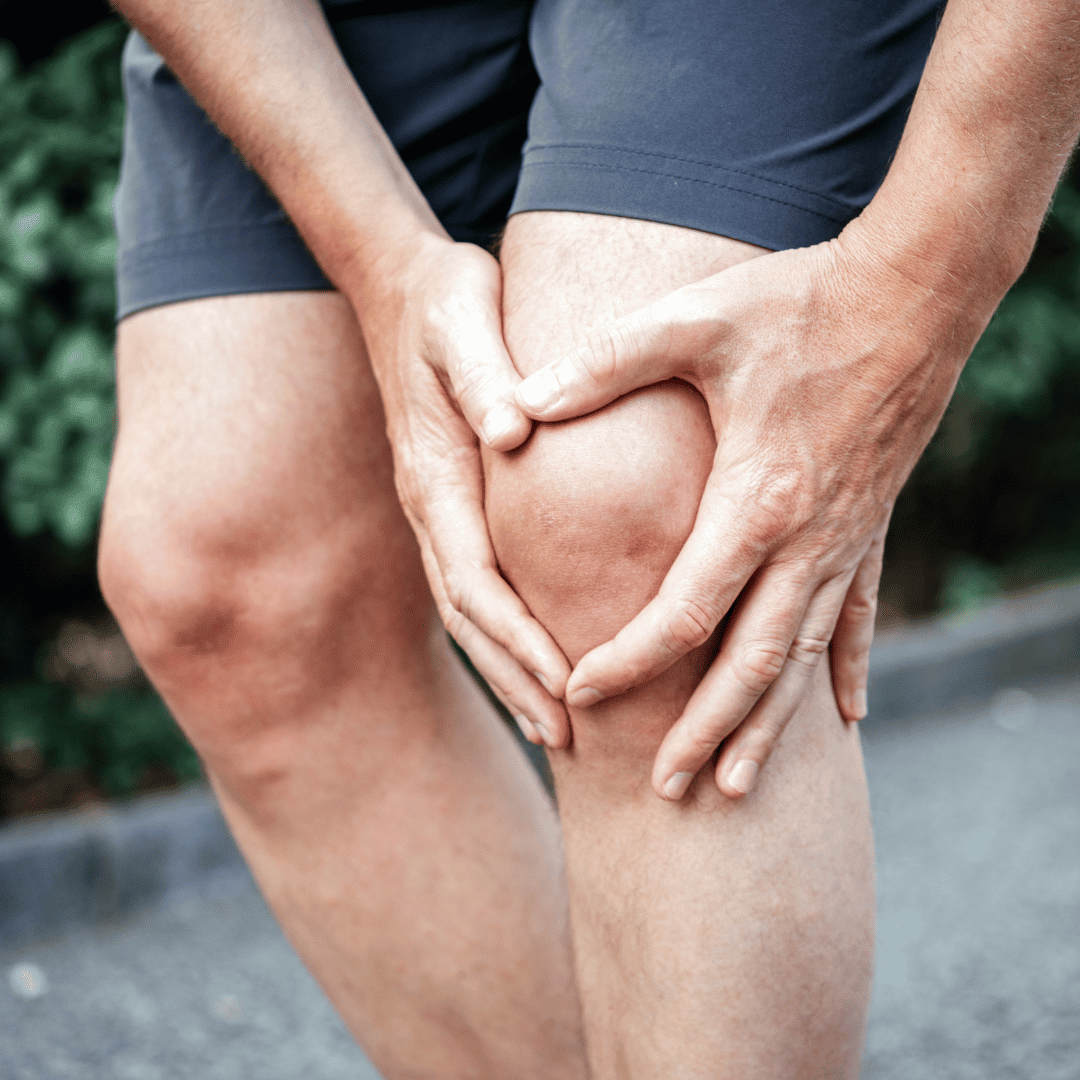
Price starting from $6,900
Tijuana, Mexico
Discover the power of Orthopedic Knee Surgery through compelling patient experiences. Uncover detailed insights into procedures, recovery journeys, and life-changing results.
.png)
Guadalajara, Mexico
.png)
Price starting from $12,499
Ensenada, Mexico
.png)
Price starting from $11,200
Tijuana, Mexico
.png)


