
What treatment


Top FAQs on Hip Replacement Surgery Partial or Total in Cabo San Lucas, Mexico
Looking Into Hip Replacement Surgery Partial or Total in Mexico? Get Experts Answers Here
Trusted Medical Tourism Platform Since 2007

How much does Hip Replacement Surgery Partial or Total cost in Los Cabos, Mexico?
?Hip replacement surgery, whether partial or total, is a significant procedure aimed at alleviating pain and restoring mobility in individuals with damaged hip joints. Los Cabos, Mexico, has emerged as a prominent destination for such surgeries, offering a blend of affordability and high-quality medical care. This comprehensive guide explores the costs, benefits, risks, and unique aspects of undergoing hip replacement surgery in Los Cabos., Mexico. Key Insights at a Glance: Affordable Care: Hip replacement surgeries in Los Cabos are significantly more affordable than in the U.S.? Expert Surgeons: Access to internationally trained orthopedic specialists ensures high-quality outcomes.? Comprehensive Packages: Many clinics offer all-inclusive packages covering surgery, hospital stay, and postoperative care.? State-of-the-Art Facilities: Hospitals in Los Cabos are equipped with modern technology and amenities.? Scenic Recovery Environment: Patients can recuperate in the tranquil and picturesque surroundings of Los Cabos.? Understanding Hip Replacement Surgery Hip replacement surgery involves replacing a damaged hip joint with an artificial one, aiming to alleviate pain and restore function. This procedure is typically recommended for individuals suffering from severe arthritis, hip fractures, or other conditions that impair hip functionality.? Types of Hip Replacement Surgeries Total Hip Replacement (THR): Both the acetabulum (hip socket) and the femoral head (thigh bone head) are replaced with prosthetic components.? Partial Hip Replacement: Only the femoral head is replaced, leaving the acetabulum intact. This option is often considered for specific fractures or localized damage.? Minimally Invasive Hip Replacement: This technique utilizes smaller incisions, potentially reducing recovery time and postoperative pain.? Revision Hip Replacement: Performed when a previous hip replacement fails or wears out, requiring replacement of the old prosthesis.? Cost of Hip Replacement Surgery in Los Cabos One of the primary reasons patients consider Los Cabos for hip replacement surgery is the cost advantage. The expenses are considerably lower than in many Western countries, without compromising the quality of care.? Cost Breakdown Table: Procedure Type Price Range (USD) Notes Total Hip Replacement (THR) $9,500 - $13,500 Standard procedure replacing both components. Partial Hip Replacement $8,900 - $13,000 Replaces only the femoral head. Minimally Invasive Hip Replacement $12,500 - $13,500 Utilizes smaller incisions for reduced recovery time. Revision Hip Replacement $18,500 - $19,500 Replacement of a failed or worn-out prosthesis. ?Note: These prices are approximate and can vary based on the clinic, surgeon's expertise, and specific patient needs.? For instance, Cabo Orthopaedics, a private clinic in Los Cabos, offers total hip replacement surgeries ranging from $9,500 to $13,500. They are affiliated with the American Academy of Orthopaedic Surgeons (AAOS) and treat over 100 foreign patients annually, primarily from the USA and Canada.? Benefits of Choosing Los Cabos for Hip Replacement Surgery Cost Savings: Patients can save up to 70% on medical expenses compared to prices in the United States.? High-Quality Care: Many surgeons in Los Cabos are internationally trained and affiliated with reputable organizations, ensuring adherence to global standards.? Comprehensive Packages: Clinics often provide all-inclusive packages that cover preoperative assessments, surgery, hospital stay, postoperative care, and sometimes even accommodation and transportation.? Shorter Wait Times: Unlike in some countries where patients may face long waiting periods, scheduling surgeries in Los Cabos is often more flexible and timely.? Recovery in a Serene Environment: The picturesque landscapes and tranquil beaches of Los Cabos offer a peaceful setting conducive to recovery.? Potential Risks and Considerations As with any surgical procedure, hip replacement surgery carries certain risks: Infection: Despite sterile environments, there's a minimal risk of postoperative infections.? Blood Clots: Formation of clots in the legs or lungs can occur, necessitating preventive measures.? Dislocation: The new joint may dislocate, especially in the initial months post-surgery.? Leg Length Discrepancy: There might be a slight difference in leg lengths after surgery.? Prosthesis Wear or Loosening: Over time, the artificial joint components may wear out or loosen, requiring revision surgery.? It's crucial to discuss these risks with your surgeon and ensure that the chosen medical facility has protocols in place to manage potential complications.? Did You Know? Fact: The new hip joint is expected to last over ten years in 90% of patients. The chance of hip replacement lasting 20 years or more is 80%.? FAQs About Hip Replacement Surgery in Los Cabos How do I choose the right surgeon in Los Cabos? Research the surgeon's credentials, affiliations (e.g., AAOS), patient reviews, and experience in performing hip replacements. Scheduling a virtual consultation can also provide insight into their approach and expertise.? What is the typical recovery time after hip replacement surgery? Recovery varies per individual. Generally, patients can resume daily activities within 4 to 6 weeks, but complete recovery may take up to 6 months. Adherence to postoperative rehabilitation is crucial for optimal outcomes.? Are there language barriers at medical facilities in Los Cabos? Many medical professionals in Los Cabos are fluent in English, especially those catering to international patients.This ensures seamless communication between patients and healthcare providers, reducing any language-related concerns during consultations, surgery, and recovery. What is included in the cost of hip replacement surgery in Los Cabos? Many medical facilities offer comprehensive packages that cover pre-surgery evaluations, surgeon and hospital fees, anesthesia, prosthetic implants, postoperative care, and physical therapy. Some packages may also include accommodation and transportation services for international patients. Will my insurance cover hip replacement surgery in Los Cabos? Coverage depends on your insurance provider and policy. Some international insurance plans offer partial reimbursement for medical treatments abroad. It’s advisable to check with your insurer beforehand to understand coverage options and required documentation. How long should I stay in Los Cabos after the surgery? Patients typically stay in Los Cabos for about two to three weeks after surgery. This allows enough time for initial recovery, follow-up appointments, and physical therapy before traveling back home. Your surgeon will provide guidance on the ideal length of stay based on your condition. What should I bring with me for hip replacement surgery in Los Cabos? It’s recommended to bring all relevant medical records, imaging scans (X-rays/MRIs), prescribed medications, comfortable clothing, mobility aids (such as a walker or cane), and necessary travel documents. Some hospitals also provide a list of pre-surgery preparation requirements. How can I prepare for a successful recovery after hip replacement? Following your surgeon’s postoperative instructions is crucial. Engage in recommended physical therapy, maintain a balanced diet to support healing, avoid strenuous activities, and arrange for assistance during the initial recovery phase. A positive mindset and adherence to rehabilitation exercises will contribute to a smoother recovery. Get Expert Consultation for Hip Replacement Surgery in Los Cabos with PlacidWay Choosing hip replacement surgery in Los Cabos is a smart decision for those seeking high-quality care at an affordable cost. With experienced orthopedic surgeons, modern hospitals, and a peaceful recovery environment, you can regain mobility and improve your quality of life.PlacidWay connects you with top medical providers in Los Cabos, offering personalized treatment plans and cost-effective solutions. Our team ensures a smooth experience, from consultation to post-surgery recovery.Take the first step toward a pain-free life! Contact PlacidWay today to explore your options and schedule a consultation with leading hip replacement specialists in Los Cabos....
Read more details


Do you want to know the top cosmetic surgeries sought after by both men and women these days?
Here are the latest trends in cosmetic surgeries: Breast augmentation Breast lift Dermabrasion Tummy tuck Botox treatments Laser skin resurfacing
.png)
How Much Does Cost of Total Hip Replacement Surgery in Mexicali, Mexico?
The total hip replacement surgery cost in Mexicali, Mexico, varies by provider, implant, hospital, and patient needs. Current listed packages can include hospital fees, surgeon charges, anesthesia, and the prosthetic implant, but exact inclusions and pricing should be confirmed with the provider. Key Takeaways: Hip Replacement in Mexicali Substantial cost savings of up to 60% to 75% compared to US healthcare rates. Transparent bundled packages often cover inpatient care, surgical fees, and initial rehabilitation. Proximity to the international border simplifies travel arrangements and cross-border logistics. Modern private facilities equipped with advanced surgical technology and bilingual staff. What factors influence total hip replacement surgery cost in Mexicali, Mexico? The total hip replacement surgery cost in Mexicali, Mexico is influenced by hospital room charges, surgeon expertise, prosthetic hardware selection, and diagnostic requirements. When evaluating orthopedic procedures abroad, understanding the individual line items that make up the final bill is essential for accurate financial planning. Private hospitals in Mexicali frequently structure their pricing into bundled packages that bundle multiple services together, minimizing unexpected billing surprises. Surgeon fees vary according to the specialist's training volume, board certifications, and clinical experience. Additionally, the choice of prosthetic implant—whether cemented or cementless, ceramic or titanium—can modify the total expenditure based on material durability and manufacturing specifications. Inpatient room duration, specialized nursing care, and pre-surgical medical clearances also contribute to the final invoice. Patients should request an itemized breakdown during their initial virtual consultation to confirm exactly which services are included in the quoted rate. Expense Component Estimated Mexicali Cost (USD) Clinical Inclusion Details Surgeon & Surgical Team Fees $2,500 – $4,500 Primary orthopedic surgeon, assistant, and surgical scrub nurses. Hospital Facility & Room $2,000 – $4,000 Operating theater usage, 2 to 4 nights inpatient recovery room stay. Prosthetic Implant Device $1,500 – $3,500 Internationally recognized titanium or ceramic hip components. Anesthesia & Medications $1,000 – $2,000 General or regional anesthesia, post-op pain management drugs. What clinical standards should patients expect at a hip replacement clinic in Mexicali, Mexico? A qualified hip replacement clinic in Mexicali, Mexico should maintain modern sterile operating theaters, advanced imaging technology, and board-certified orthopedic specialists. Selecting an appropriate medical center involves rigorous evaluation of institutional infrastructure and safety protocols. Leading hospitals in Mexicali feature laminar airflow cleanrooms, dedicated intensive care units, and advanced diagnostic imaging suites necessary for precise joint reconstruction. Patients must verify that their operating surgeon holds active specialty credentials, such as board certification in orthopedics, and maintains extensive experience executing joint arthroplasty. Reviewing documented patient outcomes and infection control statistics provides additional assurance of facility quality. Important Consideration: Always request official verification of your surgeon's professional license (cédula profesional) and specialty certification through official regulatory registries prior to confirming travel. How does medical tourism in Mexicali, Mexico support international patients? Medical tourism in Mexicali, Mexico offers structured logistical support including border crossing assistance, bilingual coordinators, and recovery hotel partnerships. The strategic border location of Mexicali makes it an accessible destination for patients traveling from the United States and Canada. Dedicated international patient departments within premier hospitals coordinate every step of the journey, reducing travel-related stress. Services typically encompass ground transportation coordination between the border or local airport, specialized accommodation arrangements for recovering guests, and continuous translation support. This comprehensive framework allows patients to focus entirely on their physical rehabilitation. What is the recovery and rehabilitation timeline after surgery? Early assisted ambulation begins within 24 hours of surgery, while complete functional recovery and return to routine activities generally span 3 to 6 months. Post-operative recovery begins immediately within the hospital setting, where physical therapists assist patients with standing and taking initial steps using a walker or crutches. This early movement is vital for promoting blood circulation and preventing thromboembolic events. Patients typically remain in Mexicali for 10 to 14 days post-surgery to allow for initial wound healing, staple removal, and medical clearance before undertaking air or vehicle travel. Establishing an outpatient physical therapy program at home is mandatory for rebuilding muscle strength around the new joint. Did You Know? Clinical studies indicate that adherence to a structured, progressive physical therapy regimen is one of the most reliable predictors of long-term joint stability and mobility restoration following hip replacement. What are the potential risks and complications of total hip replacement? Surgical risks include deep vein thrombosis, infection, dislocation, leg length discrepancy, and implant wear, which require careful clinical management. While total hip arthroplasty boasts a high success rate, all major surgical interventions carry inherent medical risks. Orthopedic surgeons mitigate these hazards through rigorous sterile techniques, prophylactic antibiotics, and post-operative anticoagulation therapy. Patients must monitor their surgical incisions closely after returning home and report symptoms such as persistent fever, abnormal redness, severe localized pain, or sudden immobility to their healthcare provider immediately. Why Choose PlacidWay? Navigating international healthcare decisions requires reliable information and structured guidance. PlacidWay connects patients with extensive resources to explore global treatment options efficiently. Comprehensive Directory Access Explore a wide database of international medical centers and specialized procedures across multiple global destinations. Transparent Treatment Details Access clear procedure breakdowns, realistic timelines, and cost considerations to make informed healthcare choices. Direct Inquiry Support Connect easily with medical facilitators to request customized quotes and clarify specific clinical requirements. Educational Patient Resources Utilize in-depth guides covering safety protocols, credential verification, and post-treatment care guidelines. Global Care Coordination Benefit from structured support structures designed to streamline your international medical research process. Frequently Asked Questions What diagnostic evaluations are required before total hip replacement surgery in Mexicali Mexico? Before undergoing a total hip replacement in Mexicali, patients typically need comprehensive blood panels, an electrocardiogram, chest radiographs, and specialized pelvic or hip computed tomography scans. These diagnostic assessments ensure that the patient is medically fit for general or regional anesthesia and allow the orthopedic team to plan the precise sizing and placement of the prosthetic components. How long is the typical hospital stay following a total hip replacement in Mexicali Mexico? Most patients remain hospitalized for two to four days following a total hip replacement procedure in Mexicali. This monitored inpatient window allows surgical teams to manage post-operative discomfort, initiate early physical therapy mobilization, monitor incision site recovery, and ensure vital signs stabilize prior to discharging the patient to local recovery lodging. What financing or payment methods do clinics accept for orthopedic procedures in Mexicali? Hospitals and specialized surgical centers in Mexicali commonly accept major international credit cards, direct wire transfers, and cash payments in US dollars. Some private medical centers also collaborate with international healthcare financing lenders or offer structured payment milestones corresponding to pre-operative and post-operative phases of care. Are prosthetic implant brands used in Mexicali comparable to those in the United States? Leading medical centers in Mexicali frequently utilize internationally recognized prosthetic implant systems sourced from global manufacturers that supply hospitals across North America and Europe. Patients should explicitly request detailed documentation regarding the specific manufacturer, material composition, and model of the prosthetic device selected for their joint reconstruction. What language barriers might international patients encounter when scheduling surgery in Mexicali? Because Mexicali is a major medical tourism destination situated directly along the international border, premier hospitals and clinics employ dedicated bilingual patient coordinators, English-fluent administrative staff, and translators. This ensures clear communication throughout consultations, surgical consents, and post-operative recovery instructions. How is post-operative physical therapy coordinated for patients returning home after surgery? Reputable surgical providers in Mexicali provide comprehensive discharge summaries, customized exercise routines, and direct digital communication channels for remote check-ins. Patients must coordinate continued outpatient physical therapy sessions with a licensed local therapist in their home country prior to traveling abroad. What seasonal weather or environmental factors should patients consider when planning travel to Mexicali? Mexicali experiences an arid desert climate with exceptionally high temperatures during the summer months. Patients scheduling orthopedic procedures should account for local climate conditions when arranging ground transportation, post-surgical comfort, and recovery lodging accessibility during peak heat periods. What credentials should patients verify when choosing an orthopedic surgeon in Mexicali? Patients should verify that their operating orthopedic surgeon holds valid specialty board certification and a verified professional license. Reviewing the surgeon's institutional affiliations, joint replacement case volume, and patient outcome records provides an objective measure of clinical experience. What emergency contingency plans do Mexicali hospitals maintain for surgical complications? Premier hospitals in Mexicali are equipped with advanced intensive care units, specialized blood bank reserves, multi-disciplinary surgical backup teams, and established protocols for managing acute post-operative events such as severe bleeding, infection, or thromboembolic complications. How does medical tourism in Mexicali accommodate companion travelers or family members? Most international patient facilities in Mexicali offer private recovery suites with accommodations for a companion. Local medical coordinators also assist with nearby hotel bookings, ground transportation logistics, and translation support to ensure family members can comfortably support the recovering patient. Explore Your Hip Replacement Options Today Compare international treatment options, review verified clinic details, and request personalized procedure information to plan your medical travel journey securely. Request Treatment Information References Why Hip Replacement in Mexico Might Be Right for You – Dr. Max Greig Total Hip Replacement – American Academy of Orthopaedic Surgeons Medical Tourism Traveler Advice – Centers for Disease Control and Prevention Accreditation Standards – Joint Commission International Total Hip Arthroplasty – National Center for Biotechnology Information (StatPearls)...
Read more detailsDiscover your treatment options with a free, no-obligation quote!
Get your quote now!.png)
What I Wish I Knew Before Hip Replacement Surgery in Mexico?
Before pursuing hip replacement in Mexico, patients should understand the complete financial scope, verify surgeon credentials via official registries, plan for a 10-14 day local recovery, and secure continuum-of-care physical therapy at home. Key Takeaways: Preparing for Joint Surgery Abroad Total Financial Scope: Evaluating the exact hip replacement cost in Mexico requires accounting for bundled surgery fees, travel logistics, and post-op rehabilitation. Credential Verification: Patient safety relies on verifying a surgeon's active medical license and specialty registration through official government databases. Local Recovery Timeline: Traveling for medical tourism in Mexico necessitates remaining near the treating facility for at least two weeks before air travel. Facility Standards: Choosing an accredited hip replacement clinic in Mexico ensures access to sterile surgical suites and advanced navigation technology. Continuity of Care: Securing a domestic physical therapist before departure is vital for successful long-term functional rehabilitation. What Should You Expect Regarding the True Financial Investment? While bundled quotes typically range from $9,500 to $16,000, patients must budget for travel, lodging, companion expenses, and outpatient physical therapy. Navigating the financial aspects of medical travel requires looking beyond the initial hospital quotation. When examining the hip replacement cost in Mexico, self-pay patients often discover that basic packages cover operating room fees, surgeon compensation, anesthesia, and standard prosthetic components. However, failing to account for ancillary expenses can create unexpected financial strain during the treatment journey. Additional budget considerations include round-trip airfare, extended hotel stays during the mandatory local recovery window, ground transportation, and specialized medical equipment like walkers or raised toilet seats. Furthermore, patients must anticipate out-of-pocket costs for outpatient physical therapy sessions once they return home, as ongoing rehabilitation is critical for achieving optimal surgical outcomes. Requesting an itemized, all-inclusive treatment estimate from your chosen medical facility helps establish a clear financial baseline. Understanding these variables ensures that your healthcare budget remains realistic and manageable throughout the entire process. Did You Know? Many international hospitals offer tiered pricing packages based on private room amenities and specific prosthetic bearing surfaces, such as ceramic-on-ceramic or oxinium joints. How Do You Properly Verify Surgeon Credentials and Facility Quality? Verification requires checking official government licensing registries, confirming subspecialty board certification, and reviewing international hospital accreditations. Prioritizing clinical safety requires looking past marketing claims to examine verifiable professional credentials. When evaluating a hip replacement clinic in Mexico, patients should independently check the orthopedic surgeon's professional license (cédula profesional) through the Secretariat of Public Education (SEP) online registry. Confirming board certification through the Mexican Council of Orthopedics and Traumatology (CMOT) provides additional assurance of specialized training. Facility standards are equally critical for preventing hospital-acquired infections and ensuring emergency preparedness. Accredited medical centers maintain international quality certifications, such as Joint Commission International (JCI) approval, which validates adherence to strict global surgical hygiene and patient safety guidelines. Patients should also inquire about the specific implant brands utilized during surgery. Reputable facilities rely on FDA-cleared or CE-certified prosthetic devices from established global manufacturers, ensuring long-term wear resistance and worldwide component compatibility. Verification Metric Standard Protocol Official Registry Source General Medical License Active state registration Secretariat of Public Education (SEP) Specialty Board Certification Orthopedic subspecialty board Mexican Council of Orthopedics and Traumatology Hospital Quality Accreditation International safety standards Joint Commission International (JCI) Prosthetic Device Compliance FDA-cleared or CE-certified Global Manufacturer Documentation What Does the Post-Operative Recovery and Travel Timeline Involve? Patients must plan to remain locally near the treating hospital for 10 to 14 days post-surgery to complete initial rehabilitation and secure fit-to-fly clearance. Managing physical recovery while away from home requires careful adherence to medical timelines. Following a hip replacement in Mexico, patients typically spend 3 to 5 days recovering in an inpatient hospital room, where nursing staff and physical therapists initiate early mobilization exercises, assisted walking, and range-of-motion routines. Upon hospital discharge, international travelers must transition to local recovery accommodations. Remaining in the destination city for a mandatory 10 to 14 day window allows the surgical team to monitor incision healing, evaluate physical therapy milestones, perform suture removals, and conduct final radiographic checks before authorizing air travel. Attempting to fly home prematurely increases the risk of deep vein thrombosis (DVT) and surgical site complications. Respecting this recovery timeline is essential for ensuring a safe transition back to your home environment. Important Consideration Always confirm airline medical clearance policies before booking return travel, as commercial airlines often require advance notification or a signed fit-to-fly certificate following major orthopedic surgery. How Should You Manage Continuity of Care Upon Returning Home? Continuity of care requires establishing contact with a domestic physical therapist and orthopedist prior to departure to oversee ongoing outpatient rehabilitation. One of the most critical lessons learned in medical travel is that surgery represents only the first phase of joint restoration. Long-term success depends heavily on structured outpatient physical therapy performed during the 8 to 12 weeks following your return home. Securing a domestic physical therapist before traveling ensures that rehabilitation progresses without interruption. Patients should obtain comprehensive medical summaries, surgical operative notes, digital X-rays, and physical therapy protocols from their international surgical team. Sharing these records with your home healthcare providers facilitates seamless post-operative monitoring and enables early detection of potential healing issues. Establishing clear communication channels between your international surgeon and domestic physician bridges any potential gaps in care, giving you peace of mind throughout your recovery journey. Why Choose PlacidWay? PlacidWay connects patients with accredited international hospitals, providing transparent cost comparisons, verified facility profiles, and direct communication channels. Navigating global healthcare options can feel complex. PlacidWay serves as a global medical information resource, helping patients explore accredited treatment centers and connect directly with experienced orthopedic specialists worldwide. Access to Broad Global Healthcare Directories Browse comprehensive profiles of accredited hospitals and specialty orthopedic clinics across international destinations. Transparent Cost Estimates Review estimated procedure pricing and package details to plan your medical travel budget effectively. Direct Medical Facility Communication Connect directly with hospital international patient offices to share medical imaging and request case evaluations. Verified Specialist Documentation Examine surgeon background details, subspecialty fellowship histories, and hospital accreditations before booking. Comprehensive Educational Resources Access detailed procedure guides, destination overviews, and planning checklists to support your healthcare journey. Frequently Asked Questions How does recovery after hip replacement surgery in Mexico differ from home? Recovery after hip replacement surgery in Mexico typically involves an initial 10 to 14 day local stay at a recovery retreat or hotel for physical therapy and suture checks before taking a return flight home. What hidden costs should patients anticipate when planning hip replacement in Mexico? Patients should anticipate potential hidden costs such as extended hotel stays, companion travel expenses, specialized post-op medical equipment, and domestic outpatient physical therapy sessions. How can foreign patients manage language barriers at a hip replacement clinic in Mexico? Foreign patients can manage language barriers by selecting internationally accredited hospitals that employ dedicated bilingual patient coordinators, medical interpreters, and English-speaking surgical teams. What type of pre-operative testing is required before hip surgery in Mexico? Pre-operative testing typically includes comprehensive blood panels, electrocardiograms, chest X-rays, and detailed high-resolution pelvic imaging to assess bone density and joint anatomy. Are prosthetic hip implants used in Mexico compatible with domestic medical devices? Yes, reputable medical centers in Mexico utilize FDA-cleared and internationally certified prosthetic components from global manufacturers, ensuring full worldwide component compatibility. What transportation logistics should be arranged prior to traveling for hip surgery? Patients should arrange private medical transport from the airport to the hospital, accessible local lodging near the facility, and comfortable return transport equipped for post-surgical mobility. How do surgeons in Mexico handle pain management during early hip recovery? Surgeons manage early recovery pain through multimodal analgesic protocols, combining oral pain medications, anti-inflammatory drugs, and regional nerve blocks during the acute hospital stay. What dietary adjustments are recommended following hip replacement surgery in Mexico? Patients are encouraged to consume high-protein foods, calcium-rich options, and adequate hydration to support bone healing, tissue repair, and overall surgical recovery. Can family members stay comfortably during a hospital stay in Mexico? Most private hospitals in Mexico provide private patient suites equipped with a sleeper sofa or guest bed to accommodate an accompanying family member or travel companion. What immediate steps should be taken upon returning home after hip surgery? Upon returning home, patients should immediately schedule their initial post-op checkup with a local physical therapist, fulfill prescribed medication regimens, and set up home safety modifications. Request Treatment Information Compare accredited medical centers, review specialist qualifications, and request personalized procedure estimates for your joint care journey. Request Treatment Information References Activities After Total Hip Replacement Guidelines – American Academy of Orthopaedic Surgeons Total Joint Arthroplasty Outcomes and Economics – National Center for Biotechnology Information Pre-Travel Consultation & Health Guidelines – Centers for Disease Control and Prevention WHO Surgical Safety Guidelines – World Health Organization International Healthcare Facility Accreditation Standards – Joint Commission International Evaluation of Orthopedic Surgery Outcomes – PubMed...
Read more details.png)
How Much Does Hip Replacement Cost in Mexico?
Hip replacement surgery in Mexico typically ranges from $8,500 to $16,715, with an average provider-listed price of approximately $12,607. Key Takeaways: Hip Replacement in Mexico Substantial Financial Savings: Choosing hip replacement in Mexico offers self-pay patients cost reductions of 60% to 70% compared to typical private healthcare prices in North America. World-Class Infrastructure: Accredited medical centers in Mexico feature advanced surgical navigation systems, laminar airflow operating suites, and dedicated international patient units. Transparent Bundled Pricing: Evaluating a hip replacement cost in Mexico involves reviewing all-inclusive packages covering surgeon fees, implants, and hospital stays. Standardized Prosthetics: Reputable hospitals utilize FDA-cleared and internationally recognized hip implant systems manufactured by leading global biomechanical firms. Structured Recovery Frameworks: Comprehensive care models integrate early post-operative physiotherapy and extended local monitoring to support successful functional rehabilitation. What Is the Average Hip Replacement Cost in Mexico for Self-Pay Patients? The out-of-pocket hip replacement cost in Mexico typically spans from $8,500 to $16,000 per hip joint depending on material selection and facility choice. Navigating healthcare finances for major orthopedic procedures requires a clear understanding of self-pay pricing models. When evaluating the hip replacement cost in Mexico, international patients find that comprehensive care packages cover operating theater utilization, surgeon compensation, anesthesia, and inpatient nursing care. Lower overall facility operational expenses and favorable administrative overhead enable hospitals in Mexico to maintain competitive pricing structures. While single-joint replacements remain standard, patients requiring bilateral interventions or specialized custom-engineered prosthetics will encounter varied pricing. Evaluating the total hip replacement clinic in Mexico ensures that self-pay individuals account for pre-operative diagnostic imaging, specialized blood panels, and required post-operative physical therapy sessions. Prices vary by hospital brand, regional location within border hubs or major cities, and individual case complexity. Accredited medical centers provide detailed itemized estimates upon reviewing patient medical records and recent diagnostic imaging files. Did You Know? Prosthetic implant materials—such as ceramic-on-polyethylene or oxinium components—play a primary role in determining baseline surgical package costs due to their long-term wear resistance. What Procedure Types Are Available at a Hip Surgery Clinic in Mexico? Available procedures at an accredited hip surgery clinic in Mexico include total hip arthroplasty, minimally invasive anterior approaches, and revision surgeries. Patients seeking joint reconstruction gain access to advanced surgical methodologies. Total hip arthroplasty replaces damaged femoral heads and acetabular sockets with durable artificial components, eliminating arthritic friction and restoring pain-free range of motion. Many orthopedic centers specialize in muscle-sparing minimally invasive approaches, such as the Direct Anterior Approach (DAA) or Direct Superior Approach (DSA). These techniques access the hip joint through natural tissue planes without cutting major supporting muscles, which can reduce post-operative discomfort and accelerate functional recovery. Additionally, specialized surgical teams perform complex revision arthroplasties for patients needing prosthetic component exchanges due to wear, loosening, or infection. Advanced computer navigation helps surgeons ensure precise component alignment and balanced limb lengths. Hip Procedure Type Estimated Self-Pay Cost (USD) Inpatient Hospital Stay Total Hip Arthroplasty (Standard) $9,500 - $14,000 3 - 5 Days Minimally Invasive Anterior Hip Replacement $11,500 - $16,000 2 - 4 Days Bilateral Total Hip Replacement $18,000 - $26,000 5 - 8 Days Complex Revision Hip Arthroplasty $15,000 - $24,000+ 6 - 9 Days Why Do International Patients Choose Medical Tourism in Mexico for Orthopedics? International patients choose medical tourism in Mexico for its world-class accredited hospitals, high-volume joint specialists, advanced technology, and geographic proximity to North America. Engaging in medical tourism in Mexico offers distinct benefits for individuals seeking specialized orthopedic care. Major hospital networks in border cities, Guadalajara, Monterrey, and Mexico City maintain international facility accreditations, ensuring compliance with strict global standards for hygiene, surgical safety, and patient care. Furthermore, Mexico has established itself as a premier global healthcare destination by combining advanced medical technology with personalized hospitality. Dedicated international patient coordination departments assist travelers with medical visa letters where applicable, airport transportation, multi-language interpretation, and lodging arrangements. High procedural volumes performed by specialized joint surgeons give clinical teams extensive experience in handling complex joint anatomies, resulting in reliable functional outcomes and high patient satisfaction rates. Important Consideration Patients should request detailed documentation regarding implant component brands and serial numbers prior to surgery to ensure long-term device traceability and worldwide compatibility. What Surgeon Qualifications and Facility Standards Apply in Mexico? Orthopedic specialists in Mexico maintain active licensing through official registries, complete formal subspecialty fellowships, and practice in accredited hospitals. Ensuring clinical safety requires rigorous evaluation of professional credentials. Orthopedic specialists performing joint arthroplasty in Mexico must hold an active medical license and specialty registration, known as a cédula profesional, through the Secretariat of Public Education (SEP) professional registry, alongside board certification from the Mexican Council of Orthopedics and Traumatology (CMOT). Many leading surgeons complete advanced fellowship training at prominent international medical institutions. Patients can verify physician credentials directly through official government registries. Professional association memberships provide insight into ongoing continuing education but should not be treated as standalone proof of active surgical licensing. Hospital facilities must hold recognized international or national health accreditations. Accredited centers maintain advanced sterile processing departments, dedicated intensive care units, and comprehensive emergency backup systems to handle unexpected medical needs. What Is the Post-Operative Rehabilitation and Recovery Timeline? Mobilization begins within 24 hours of surgery, followed by structured inpatient physical therapy and a gradual return to normal activity over 3 to 6 months. Structured physical therapy is critical for achieving optimal functional recovery after hip replacement surgery. In Mexican hospitals, supervised mobilization begins on the first day following surgery, with physical therapists guiding patients through assisted standing, walking with assistive devices, and gentle range-of-motion exercises. Following discharge from the acute care hospital, international patients are advised to remain locally in Mexico for 10 to 14 days. This extended recovery window allows the surgical team to monitor wound healing, oversee initial outpatient physical therapy sessions, remove surgical staples, and provide formal fit-to-fly clearance. Upon returning home, continuing structured outpatient physiotherapy for 8 to 12 weeks strengthens supporting hip musculature and restores natural gait mechanics. What Clinical Risks and Complications Should Patients Consider? Clinical risks include surgical site infection, joint dislocation, blood clots, leg length discrepancy, and the need for coordinated follow-up care at home. All surgical interventions involve inherent clinical risks. Potential complications of hip replacement surgery include superficial or deep wound infections, joint dislocation during early healing, nerve irritation, excessive bleeding, or leg length discrepancies. Traveling internationally introduces added health considerations, particularly regarding deep vein thrombosis (DVT) during long journeys. Mexican surgical teams mitigate DVT risks by prescribing anticoagulant medications, utilizing mechanical compression boots, and enforcing early walking protocols. Patients can minimize risks by disclosing their complete medical history during pre-op evaluations, adhering strictly to movement precautions, and establishing communication with a local physical therapist in their home country prior to departure. How Should Patients Prepare for Medical Travel to Mexico? Preparation involves gathering diagnostic imaging, securing virtual pre-consultations, verifying travel documentation, and arranging travel companion support. Proper pre-travel planning helps ensure a well-organized medical journey. Start by compiling recent high-resolution pelvic X-rays, MRI scans, and clinical notes from your home doctor. Transmitting these digital files for remote pre-consultations allows Mexican orthopedic teams to review your case and formulate a precise treatment plan. Travel-document requirements depend on citizenship and whether the patient travels by air, land, or sea. Verify passport validity and entry regulations well in advance. Traveling with a companion is strongly recommended to assist with personal mobility during early recovery. Finally, confirm all financial and logistical agreements in writing before departure. Understanding package inclusions helps prevent unexpected expenses and allows you to focus fully on your physical recovery. Why Choose PlacidWay? PlacidWay connects patients with accredited international hospitals, providing transparent cost comparisons, verified facility profiles, and direct communication channels. Navigating global healthcare options can feel complex. PlacidWay serves as a global medical information resource, helping patients explore accredited treatment centers and connect directly with experienced orthopedic specialists worldwide. 1. Access to Broad Global Healthcare Directories Browse comprehensive profiles of accredited hospitals and specialty orthopedic clinics across Mexico. 2. Transparent Cost Estimates Review estimated procedure pricing and package details to plan your medical travel budget effectively. 3. Direct Medical Facility Communication Connect directly with hospital international patient offices to share medical imaging and request case evaluations. 4. Verified Specialist Documentation Examine surgeon background details, subspecialty fellowship histories, and hospital accreditations before booking. 5. Comprehensive Educational Resources Access detailed procedure guides, destination overviews, and planning checklists to support your healthcare journey. Frequently Asked Questions What is the average hip replacement cost in Mexico for international patients? The average hip replacement cost in Mexico ranges between $9,500 and $16,000 per joint, which delivers significant savings compared to typical private healthcare prices in Western nations. Are international hip implant brands utilized in Mexico? Accredited medical centers in Mexico utilize FDA-cleared and internationally recognized prosthetic hip systems manufactured by leading global medical technology companies. How long must international patients stay in Mexico after joint surgery? Patients are generally advised to remain locally in Mexico for 10 to 14 days following hip replacement surgery to complete initial rehabilitation and receive fit-to-fly clearance. What is included in a self-pay medical package for hip replacement in Mexico? Self-pay packages generally include surgeon and anesthesia fees, operating room expenses, hospital room stays, prosthetic implants, diagnostic imaging, and early bedside physical therapy. How do patients verify the credentials of an orthopedic surgeon in Mexico? Patients can verify surgeon credentials by checking official medical licenses, known as a cédula profesional, through the Secretariat of Public Education registry and confirming board certifications. Is traveling for hip replacement surgery in Mexico safe for foreign visitors? Yes, joint replacement surgery in Mexico can be safe when performed at internationally accredited hospital facilities by board-certified specialists following strict global infection control protocols. Can patients undergo minimally invasive hip replacement procedures in Mexico? Many modern orthopedic centers in Mexico offer muscle-sparing minimally invasive surgical approaches, such as anterior or direct superior hip replacements, to support faster recovery. Does health insurance cover elective hip replacement surgery performed in Mexico? Coverage depends entirely on your specific insurance policy provider. Certain international global health insurance plans or specialized employer-sponsored travel programs offer partial reimbursement. What clinical risks should patients consider before traveling for hip surgery? Potential clinical risks include surgical site infection, joint dislocation, blood clots, leg length discrepancy, and the need for structured follow-up care after returning home. How is deep vein thrombosis managed after joint replacement surgery in Mexico? Surgeons mitigate blood clot risks by prescribing anticoagulant medications, utilizing mechanical compression devices, and initiating early walking protocols within 24 hours of surgery. Explore Hip Replacement Options in Mexico Compare accredited medical centers, review specialist qualifications, and request personalized procedure estimates for your joint care journey. Request Treatment Information References Activities After Total Hip Replacement Guidelines – American Academy of Orthopaedic Surgeons Total Joint Arthroplasty Outcomes and Economics – National Center for Biotechnology Information Pre-Travel Consultation & Health Guidelines – Centers for Disease Control and Prevention WHO Surgical Safety Guidelines – World Health Organization International Healthcare Facility Accreditation Standards – Joint Commission International Evaluation of Orthopedic Surgery Outcomes – PubMed...
Read more details
Is It Safe for US Seniors To Have Hip Replacement Surgery in Tijuana Near the San Diego Border?
Yes, it is highly safe for US seniors to undergo hip replacement surgery in Tijuana when using accredited hospitals. Top Mexican orthopedic surgeons use the exact same FDA-approved titanium implants (like Stryker or Zimmer) as US doctors. Success rates are virtually identical at 95% to 98%, while costs are up to 70% lower than in the United States. Living with severe hip pain changes everything. If you are reading this, you probably know the sharp ache that hits the moment you try to stand up. You know what it is like to skip family walks, give up golf, or avoid the stairs in your own home. Osteoarthritis does not just take away your cartilage; it slowly chips away at your independence. And when you finally decide it is time for a hip replacement, the American healthcare system often hits you with staggering deductibles, out-of-network fees, or months-long waiting lists. That is when people start looking south. The primary question on your mind is obvious: Is it safe for US seniors to have hip replacement surgery in Tijuana near the San Diego border? It is perfectly normal to feel nervous. You are considering major surgery in a different country, and your mind is naturally flooded with "what ifs." What if the facility is not clean? What if the materials are cheap? What if I get stuck at the border? I am going to walk you through exactly how this process works, handling your fears head-on. No sugarcoating, no confusing clinical jargon—just the honest, factual information you need to make the best decision for your health, your mobility, and your peace of mind. Quick Facts: Hip Replacements (US vs. Tijuana) Average Cost (US) $35,000 - $50,000+ (Without insurance) Average Cost (Tijuana) $9,500 - $14,000 10-Year Success Rate (US) 95% - 98% 10-Year Success Rate (Tijuana) 95% - 98% (with top surgeons) Average Recovery Time 3-6 months for full healing Typical Warranty Materials warranted by the manufacturer Severe Complication Rate 1% - 2% (Rare) What Exactly Is a Hip Replacement and How Does It Work? Total Hip Replacement (THR) is a procedure where damaged bone and cartilage are removed and replaced with prosthetic parts. It restores the smooth "ball and socket" joint function, immediately eliminating bone-on-bone pain. Your hip is a simple "ball and socket" joint. The ball at the top of your thigh bone (femur) fits into the socket in your pelvis. Normally, a smooth cushion of cartilage allows these bones to glide effortlessly. But as we age, osteoarthritis wears that cartilage away. Soon, you have raw bone rubbing against raw bone. No amount of pills or injections can regrow that cartilage. A hip replacement surgery swaps out those damaged parts for highly durable artificial ones. Here is how the process works in plain language: Anesthesia: You are given anesthesia so you feel absolutely no pain and sleep through the procedure. Preparation of the joint: The surgeon carefully makes an incision, moves the muscles aside, and removes the damaged ball at the top of your femur. Socket replacement: The damaged cartilage from your pelvic socket is cleared out, and a titanium cup with a smooth, durable plastic or ceramic liner is pressed into place. Femur implant: A metal stem is inserted into the hollow center of your thigh bone for stability. A smooth new ball (usually ceramic or metal) is securely attached to the top of this stem. Closing: The surgeon brings the new ball and socket together, tests the range of motion, and closes the incision. The main benefit over alternative treatments like steroid shots or physical therapy is permanence. While conservative treatments mask the pain temporarily, a joint replacement fixes the mechanical failure at the source. Why Choose Tijuana Near the San Diego Border for Senior Hip Replacement? Seniors choose Tijuana because it offers world-class orthopedic care at a 60-70% discount, zero waiting lists, specialized post-op recovery retreats, and unmatched geographical convenience right next to San Diego. Proximity and convenience: You fly into San Diego (a major, safe US airport) and simply take a 20-minute shuttle across the border. You do not have to endure a long international flight with a bad hip. Financial freedom: Paying $12,000 total instead of a surprise $45,000 bill means preserving your retirement savings. The price quoted in Mexico is almost always an all-inclusive package. Zero waiting lists: In Canada and parts of the US, you might wait 6 to 12 months in agony just to get a surgical date. In Tijuana, you can often schedule your surgery within weeks. Premium materials: Top surgeons in Tijuana refuse to cut corners. They use the same Zimmer, Stryker, and DePuy implants that your local American hospital uses. Your body will not know the difference. Dedicated recovery care: Instead of being rushed out of a US hospital 24 hours after surgery, Tijuana packages often include 5 to 7 days in a dedicated, nurse-staffed recovery hotel. This is vital for seniors who need extra care. How Do Hip Replacement Costs in Tijuana Compare to the US? You can expect to save around 60-70%. An all-inclusive hip replacement package in Tijuana costs $9,500 to $14,000. The identical procedure in the US averages $40,000. Let us look at the real numbers. US healthcare pricing is famously complicated. You get billed separately by the hospital, the surgeon, the anesthesiologist, and the physical therapist. In Mexico, medical tourism clinics use a bundled pricing model—meaning the price you are quoted is exactly what you pay for the entire experience. Procedure / Service United States Cost Tijuana Cost Estimated Savings Total Hip Replacement $35,000 - $50,000 $9,500 - $14,000 65 - 75% Surgeon & Anesthesia Fees $8,000 - $12,000 Included in package N/A Hospital Stay (2-3 days) $10,000 - $15,000 Included in package N/A Pre-Op X-rays / MRI $1,000 - $2,500 Included or ~$200 80 - 90% Post-Op Recovery Hotel (5 days) $3,000 - $5,000 (Rehab center) Included in package N/A Why is healthcare so much cheaper in Tijuana? The massive price difference has absolutely nothing to do with the quality of the titanium hip implant. A Stryker joint costs roughly the same wholesale worldwide. The savings come from lower overhead costs. Malpractice insurance, hospital administration, property rent, and labor costs are drastically lower in Mexico. You are paying for the medicine, not the bureaucracy. Are Tijuana Orthopedic Clinics Safe for US Seniors? Yes, the top medical tourism hospitals in Tijuana are incredibly safe. They cater entirely to US and Canadian patients, utilizing international sterilization protocols, US-trained staff, and pristine environments that rival American hospitals. Safety is the biggest hurdle. You read the news, and you worry about crime in Mexico, or you fear ending up in a subpar clinic. It is vital to separate the bustling border town from the highly specialized "medical tourism bubble." The clinics that perform these surgeries are heavily guarded, modern, private hospitals designed specifically for international patients. Quality Metric US Hospitals Top Tijuana Hospitals Notes Implant Materials Titanium/Ceramic (FDA Approved) Titanium/Ceramic (FDA Approved) Identical name brands used. Surgeon Training Board Certified (US) Board Certified (Mexico + US/EU Fellowships) Top Mexican doctors train internationally. Infection Rates Under 2% Under 2% High standards in sterile operating rooms. Sterilization JCAHO Standards JCI / ISO / CSG Standards Global benchmarks are strictly followed. Here is why you can breathe easy about your safety: Elite Surgeons: You are not getting a novice. Top orthopedic clinics employ chief surgeons who have performed thousands of joint replacements. Many hold memberships in the American Academy of Orthopaedic Surgeons (AAOS). Strict Protocols: Private hospitals in Tijuana serving foreign clients rely completely on their reputation. An infection outbreak would ruin their business, so their sterilization protocols are intensely rigorous. Safe Transport: You will not be wandering the streets looking for a cab. Clinics provide private, bilingual drivers to pick you up at the San Diego airport, drive you directly to the hospital, and take you back when you are healed. Dedicated Senior Care: Nurses in these clinics are exceptionally attentive. The patient-to-nurse ratio is often better than in busy American hospitals. Your next step is to research your specific surgeon's credentials. Always ask for their board certification and where they completed their medical training. What is the Timeline for Getting a Hip Replacement Near the San Diego Border? Plan for a 10 to 14-day trip to San Diego/Tijuana. This covers your pre-op tests, the surgery, hospital recovery, and physical therapy. Full healing back home takes 3 to 6 months. The beauty of medical tourism in Tijuana is the streamlined process. Because you are dealing with a private system, there are no bureaucratic delays. Here is the typical timeline for a senior patient: Day 1 - Arrival & Consultation: Fly into San Diego. The clinic's driver takes you across the border. You have your pre-op consultation, EKG, blood tests, and X-rays right there in the clinic. Day 2 - Surgery: The hip replacement procedure takes about 1.5 to 2 hours. You wake up in recovery, and the bone-on-bone pain is gone. Days 3-4 - Hospital Recovery: You stay in a private hospital room. Nurses monitor your pain and vitals. A physical therapist will have you stand and take a few steps with a walker within 24 hours. Days 5-10 - Boutique Recovery Retreat: You are moved to a specialized recovery hotel. You receive daily physical therapy, pain management, and three meals a day. You do not have to lift a finger. Day 11 - Return Home: The doctor clears you for travel. The clinic driver uses a medical "Fast Lane" pass to cross the border in minutes and drops you at the San Diego airport. Crucial considerations for your journey: The Border Crossing: Do not worry about sitting in traffic for hours. Accredited clinics issue a medical lane pass, making the crossing fast and comfortable. Flying Home: Request wheelchair assistance at the airport (both San Diego and your home airport). Do not try to walk the terminals. Follow-up Care: You will bring home an envelope with your surgical report, X-rays, and implant serial numbers to give to your local doctor or physical therapist. Are You a Good Candidate for Hip Replacement Surgery in Mexico? An ideal candidate has chronic hip pain that limits daily life, is generally healthy enough for anesthesia, and does not have severe uncontrolled health conditions. Age alone is not a barrier. Many seniors worry they are "too old" for surgery. In reality, biological health matters much more than your chronological age. Surgeons in Tijuana routinely perform hip replacements on patients in their 70s and 80s. You are likely a great candidate if you have: Severe hip pain that makes walking, bending, or sleeping difficult. Tried conservative treatments (NSAIDs, cortisone shots, canes) without success. Well-managed blood pressure and cardiovascular health. A realistic expectation of the physical therapy required after surgery. A valid passport for travel to Mexico. A support system at home to help you for the first few weeks after you return. You may need to reconsider or seek specialized clearance if you have: Uncontrolled Diabetes: High blood sugar dramatically increases infection risk and slows wound healing. Your A1C must be controlled. Severe Heart Disease: Recent heart attacks or severe arrhythmias make anesthesia risky. You will need strict cardiology clearance. Active Infections: Even a urinary tract infection or dental abscess must be fully treated before joint surgery. Extreme Obesity: A very high BMI can increase surgical complications and put too much stress on the new implant. Severe Osteoporosis: While mild bone loss is manageable, extremely brittle bones make it hard to anchor the titanium implant. Inability to travel safely: If sitting in an airplane or car for a few hours is physically impossible, travel may not be viable. Your absolute best next step is to gather your current medical records and X-rays. Top clinics in Tijuana offer free remote evaluations where the surgeon will review your file and tell you honestly if you are a safe candidate. Frequently Asked Questions When you are researching major joint surgery abroad, you naturally have a lot of specific questions. Below are the 12 most common questions we hear from seniors and their families regarding safety, logistics, and recovery. Is it safe for US seniors to have hip replacement surgery in Tijuana near the San Diego border? Yes, it is safe when you choose a reputable, accredited orthopedic hospital. Tijuana's top facilities use the same FDA-approved joint implants as US hospitals and maintain a 95-98% success rate, matching US standards. By utilizing private clinic transport from San Diego, your safety is prioritized from door to door. How much does hip replacement surgery cost in Tijuana compared to the US? A total hip replacement in Tijuana typically costs between $9,500 and $14,000. In the United States, the same procedure ranges from $35,000 to $50,000 without insurance, meaning you can save 60-70%. The Mexican price is usually an all-inclusive package covering the hospital, surgeon, anesthesia, and implants. Are orthopedic surgeons in Tijuana qualified to perform hip replacements on seniors? Absolutely. Many of the leading orthopedic surgeons in Tijuana completed fellowships in the United States or Europe and are board-certified. They specialize in senior care and age-related joint degeneration, often performing hundreds of successful joint replacements every year. What is the recovery time for a senior having a hip replacement in Mexico? You will typically stay in the hospital for 2-3 days, followed by 5-7 days in a local recovery facility. You can bear weight immediately, but full recovery and returning to all normal activities takes 3 to 6 months. Physical therapy is essential during this period to rebuild strength. What are the risks of traveling across the San Diego border after major surgery? The primary risk is discomfort from sitting in a vehicle. To mitigate this, reputable clinics provide medical passes (Fast Lane passes) that drastically reduce border wait times to just 15-30 minutes, keeping the trip quick and safe. You will travel in a spacious, climate-controlled medical shuttle. Do hospitals in Tijuana use the same hip implant materials as US hospitals? Yes. Top-tier clinics in Tijuana use premium, FDA-approved prosthetic brands like Zimmer Biomet, Stryker, and Smith & Nephew—the exact same high-quality titanium and ceramic joints used by American surgeons. There is no drop-off in material quality. What happens if I experience complications or an infection back home? Severe complications are rare (1-2%). However, reputable Mexican surgeons provide detailed medical records and implant passports so your local US doctor or urgent care can seamlessly take over if an infection or issue arises. Your local US health insurance or Medicare usually covers emergency complications treated in the States. Can Medicare or US health insurance pay for surgery in Tijuana? Traditional Medicare and most US domestic insurance policies do not cover medical care outside the US. Patients traveling to Tijuana for joint replacements typically pay out-of-pocket, utilizing savings due to the drastically lower cash prices. Some employer-based or specialized medical tourism insurance plans may offer partial coverage. How do I verify the quality and safety of a Mexican orthopedic hospital? Look for hospitals with international accreditations (like JCI), ISO 9001 certifications, US-trained doctors, and transparent patient reviews. Ask for the surgeon's credentials and verify they are members of recognized orthopedic boards. Never base your decision solely on the lowest price. Is it safe to travel to Tijuana for medical tourism alone, or do I need a companion? While medical staff provide 24/7 care in the hospital and recovery retreats, having a companion is highly recommended for seniors. A companion provides emotional support and help with luggage during the border crossing. However, if you must travel alone, the clinic's dedicated nurses and drivers will ensure you are never truly by yourself. How many trips to Tijuana will I need for a complete hip replacement process? You typically only need one trip lasting about 10 to 14 days. This single trip covers the pre-op consultation, the surgery, hospital recovery, and post-op physical therapy before crossing back into San Diego. Future follow-ups can usually be done via telehealth and with your local primary care doctor. Do I need to worry about bone loss or osteoporosis before getting a hip replacement? It is a factor your surgeon must evaluate. Mild osteoporosis is common and manageable. If you have severe bone loss, the surgeon may need to use specialized surgical techniques or bone cement to secure the new hip implant. A pre-operative bone density scan and X-ray will give the surgeon the information they need. Ready to Get Your Mobility Back? You have done the research. You know the numbers. You know it is safe. The only thing left is taking the first step. Request a free, remote consultation today to have a top surgeon review your X-rays and give you an exact price. Get My Free Quote No obligation. No pressure. Just honest answers from real specialists. References American Academy of Orthopaedic Surgeons (AAOS). "Total Hip Replacement Overview and Outcomes." PlacidWay Medical Tourism. "Hip Replacement Surgery Costs and Destinations Guide" Medical Disclaimer Important: This article is for informational purposes only and is not intended as a substitute for professional medical advice, diagnosis, or treatment. Always seek the advice of your physician or other qualified health provider with any questions you may have regarding a medical condition. Individual results vary. Seek immediate medical attention if you experience extreme pain, high fever, shortness of breath, or excessive swelling after joint replacement surgery....
Read more details.jpg)
Are FDA-Approved Joint Implants Used for Hip Surgeries in Tijuana?
Yes, reputable orthopedic clinics in Tijuana exclusively use FDA approved joint implants for hip replacement surgeries. They source premium prosthetics from globally trusted brands to ensure high quality, durability, and complete patient safety. Key Takeaways: Orthopedic Quality Standards Premium Materials: Advanced titanium, ceramic, and cross linked polyethylene are standard components. Global Manufacturers: Devices are sourced directly from top international medical suppliers. Massive Savings: Patients access these world class implants at a fraction of US hospital prices. Safety Protocols: Facilities rigorously adhere to international sterilization and surgical standards. Expert Surgeons: Operations are performed by board certified doctors with specialized global training. Which Brands Of Hip Implants Are Commonly Available In Mexico? Top facilities utilize premium medical grade implants manufactured by globally recognized industry leaders. These are the exact same high end prosthetics trusted by orthopedic specialists worldwide. Zimmer Biomet provides advanced materials known for excellent bone integration. Stryker offers highly durable components designed for active lifestyles. DePuy Synthes supplies specialized joint systems with decades of proven success. Smith and Nephew delivers innovative ceramic options resistant to long term wear. Exactech features customized joint solutions tailored to complex anatomical needs. What Materials Are Used In These High Quality Hip Prosthetics? Modern joint replacements consist of highly durable biocompatible materials designed to mimic natural bone and cartilage. Surgeons select the combination that best fits your physical anatomy. The femoral stem and base components are typically constructed from high strength titanium alloys or porous metal. These materials promote excellent bone integration, meaning your natural bone grows directly into the prosthetic surface for a permanent and highly secure fit. The artificial ball is frequently made from advanced ceramics or polished cobalt chromium. Ceramic options are incredibly smooth and highly resistant to daily wear and tear, making them highly desirable for younger or more physically active patients who need the implant to last for many decades. The socket liner usually consists of highly cross linked polyethylene, a medical grade plastic that acts as artificial cartilage. This exceptionally smooth surface allows the new joint to glide effortlessly, providing a natural range of motion and permanently eliminating the painful bone on bone friction caused by severe arthritis. How Much Does The Average Hip Surgery Cost In Tijuana? The hip surgery cost in Tijuana generally ranges between seven thousand and ten thousand dollars. This comprehensive price represents a massive financial discount compared to standard US medical billing. Patients traveling across the border routinely save up to seventy percent on major joint replacement procedures. In the United States, an uninsured patient might face hospital bills exceeding forty thousand dollars for a standard joint replacement, making the procedure entirely unaffordable for many working families. The surgical packages offered south of the border typically include the orthopedic surgeon fee, the anesthesiologist fee, the specialized FDA approved implant, and all the operating room charges. Many premium facilities also generously bundle two to three nights of inpatient hospitalization into this clear upfront price. These lower costs are strictly due to reduced administrative overhead, affordable real estate, and localized economic factors, absolutely not a reduction in medical quality. Patients receive world class healthcare and premium prosthetic materials without draining their life savings or taking on massive medical debt. How Do I Select The Best Hip Surgery Clinic In Tijuana? Finding a premier hip surgery clinic in Tijuana requires careful verification of international accreditations and medical staff credentials. Prioritize centers that demonstrate complete operational transparency. Verify the medical facility holds current and active certification from the General Health Council. Ensure the operating rooms strictly utilize advanced HEPA air filtration systems. Confirm the surgical center has a dedicated intensive care unit for handling medical emergencies. Review independent patient testimonials and research the clinics long term surgical success rates. Check that all attending medical staff are fully bilingual to ensure clear daily communication. What Are The Main Benefits Of Medical Tourism In Tijuana For Joint Pain? Choosing medical tourism in Tijuana provides rapid access to elite orthopedic care without frustrating long wait times. Patients enjoy premium medical services while saving thousands of dollars. One of the most significant advantages is the complete elimination of prolonged medical waiting lists. Patients suffering from severe joint degeneration can easily schedule their necessary procedure within weeks rather than waiting several agonizing months for domestic healthcare systems to eventually approve their operation. The geographic proximity to the US border makes the region incredibly accessible and convenient for North American patients. You can easily cross the border via dedicated medical fast lanes, receive your comprehensive treatment, and return home for your long term recovery without needing to endure a painful long haul international flight. Furthermore, the level of personalized bedside care is frequently much higher than what patients typically experience back home. Medical tourists receive dedicated undivided attention from friendly nursing staff, extended hospital stays for incredibly close monitoring, and direct personal communication with their lead surgeon throughout the entire healing process. How Long Do Modern Joint Replacements Last? Today advanced prosthetic joints are intricately engineered for exceptional longevity and durability. With proper daily care and early rehabilitation, patients can expect their new hip to function perfectly for twenty to thirty years. The ultimate lifespan of a prosthetic joint relies heavily on the structural quality of the materials used during the delicate operation. Because top clinics exclusively utilize premium cross linked plastics and hardened ceramics, the internal wear and tear on the artificial joint is incredibly minimal, even for very physically active individuals. Your personal lifestyle following the major operation also plays a crucial role in the overall longevity of the new implant. Maintaining a consistently healthy body weight significantly reduces mechanical stress on the new joint, while regularly engaging in low impact exercises like swimming or stationary cycling helps keep the surrounding support muscles strong. Routine preventative medical checkups and follow up X rays ensure the implant remains perfectly aligned and securely bonded to your natural bone. By strictly following your surgeons precise physical therapy guidelines, you effectively maximize the lifespan of your health investment and enjoy many decades of wonderful pain free mobility. What Surgical Techniques Do Mexican Orthopedic Specialists Use? Specialists performing hip surgery in Tijuana frequently utilize advanced minimally invasive surgical techniques. These highly modern approaches significantly reduce deep muscle trauma and greatly accelerate the overall healing process. The highly preferred anterior approach preserves all major muscle groups entirely. Smaller surgical incisions naturally lead to minimal post operative aesthetic scarring. Advanced computer assisted navigation guarantees incredibly precise implant alignment. Shorter overall surgical times drastically decrease the statistical risk of infection. Patients routinely experience significantly less post operative pain and discomfort. Hospital stays are notably shorter due to much faster initial physical mobility. Is It Safe To Travel Back Home Shortly After Joint Replacement? Traveling is completely safe once your lead surgeon provides official medical clearance. Patients usually rest locally for several days to stabilize before peacefully returning home via car or a short regional flight. Immediately following your complex procedure, you will remain comfortably in the hospital under close professional observation for two to three days. During this highly critical recovery window, the attentive medical staff will manage your pain levels, monitor your vital signs, and gently help you take your very first steps using a standard walker or crutches. Once officially discharged from the hospital, doctors highly recommend spending an additional five to seven days resting at a local specialized recovery center or a comfortable nearby hotel. This strategic delay allows your dedicated surgical team to easily monitor your initial tissue healing, carefully change your dressings, and assure there are absolutely no signs of early infection. Right before you finally depart, your specialist will proactively prescribe blood thinning medications to successfully prevent any blood clots during your journey. Whether you are driving comfortably across the land border or taking a quick domestic flight, you will receive highly detailed clear instructions on how to stretch and properly position your leg safely during transit. What Complications Should I Watch For After Joint Replacement? While severe complications are remarkably rare at accredited facilities, patients must monitor their surgical site carefully. Following all provided medical guidelines drastically reduces the risk of adverse health events. Watch closely for excessive unusual redness or sudden swelling directly around the main incision site. Report any persistent bodily fever or sudden physical chills to your dedicated medical team immediately. Take all prescribed blood thinners exactly as directed to safely prevent deep vein thrombosis. Attend all properly scheduled follow up appointments for routine preventative X rays. Keep the surgical wound area completely dry and clean until the doctor officially removes the sutures. Why Choose PlacidWay For Your Orthopedic Journey? PlacidWay seamlessly connects you with globally recognized specialists to ensure a profoundly safe and remarkably transparent medical journey. We provide highly comprehensive support so you can focus entirely on your physical recovery. We strictly verify the professional credentials and official board certifications of all our exclusive partner surgeons. Our expert team ensures you receive highly transparent all inclusive medical pricing with absolutely zero hidden fees. We provide direct access to elite top tier facilities that consistently maintain rigorous international hygiene standards. Dedicated bilingual patient coordinators continually offer smooth communication between you and the busy clinic staff. We eagerly assist in obtaining your detailed medical records for incredibly thorough pre operative evaluations. Our comprehensive platform features highly verified patient reviews to actively help you make truly informed medical decisions. Frequently Asked Questions About Joint Procedures Do Mexican clinics provide a medical passport for the joint implant? Yes, reputable hospitals provide an official implant identification card that lists the manufacturer, model, and serial number of your specific prosthetic device. Will airport security metal detectors be triggered by my new hip? Modern implants made of titanium or cobalt chromium can occasionally trigger sensitive airport scanners. Your medical passport serves as proof of your surgical implant for security personnel. What kind of anesthesia is administered during a hip replacement in Mexico? Anesthesiologists typically use a combination of a spinal block and deep intravenous sedation, ensuring you are completely comfortable and experience zero pain during the procedure. Can I undergo simultaneous bilateral hip replacement in Tijuana? Yes, healthy candidates without severe underlying medical conditions may qualify for replacing both hips during the same operation, which requires a specialized medical evaluation. Are there dedicated recovery retreats for medical tourists in Baja California? The region features numerous specialized recovery centers staffed by trained nurses who monitor your vital signs and assist with daily activities while you heal. How soon can I walk after receiving a new hip joint? Most patients are encouraged by physical therapists to stand and take assisted steps within twenty four hours of their operation to promote healthy blood circulation. Does Medicare cover orthopedic treatments performed outside the United States? Traditional Medicare does not cover elective medical care received internationally. Patients pay out of pocket but still save significantly due to the vastly lower facility fees. What pre operative tests are mandatory before joint surgery abroad? Surgeons require comprehensive blood panels, electrocardiograms, and updated X rays or MRI scans to ensure you are healthy enough for general or regional anesthesia. How do I communicate with nurses if I do not speak Spanish? Top medical tourism facilities employ bilingual medical professionals and dedicated patient liaisons to guarantee clear and accurate communication regarding your healthcare needs. Is physical therapy included in the total treatment package? Basic inpatient physical therapy is always included during your hospital stay, and many comprehensive packages also provide several outpatient rehabilitation sessions before you travel home. Regain Your Mobility And Walk Without Pain Stop letting debilitating joint pain control your daily life. PlacidWay seamlessly connects you with elite board certified orthopedic surgeons providing premium care at incredible prices. Explore your options safely, review transparent comprehensive pricing, and confidently take the very first step toward a totally pain free active lifestyle today. Get Your Free Quote * Responses typically within 24 hours. Privacy guaranteed. ```eof...
Read more detailsDiscover your treatment options with a free, no-obligation quote!
Get your quote now!
What types of hip replacement surgeries are available in Mexico?
Dealing with hip pain can be a daily struggle, making even simple activities feel like a monumental task. If you're considering hip replacement surgery, you might be exploring options beyond your home country, and Mexico has likely appeared on your radar. The primary reason for this is that hip replacement in Mexico offers a combination of high-quality medical care and significant cost savings. Surgeons in Mexico are skilled in a variety of advanced hip replacement techniques, ensuring you receive the best possible treatment for your specific needs. From total hip arthroplasty to minimally invasive approaches, understanding the available procedures is the first step toward a pain-free life. This guide will walk you through the different types of hip replacement surgeries available in Mexico, helping you make an informed decision about your healthcare journey. We will delve into the specifics of each procedure, who they are best suited for, and what you can expect in terms of cost and recovery. What are the main types of hip replacement surgeries offered in Mexico? "The main types of hip replacement surgeries available in Mexico include total hip replacement (THR), partial hip replacement (hemiarthroplasty), hip resurfacing, and revision hip replacement surgery." These procedures are designed to address varying degrees of hip joint damage. A total hip replacement is the most common and involves replacing both the ball (femoral head) and the socket (acetabulum) of the hip joint. A partial hip replacement is typically for specific types of hip fractures and only involves replacing the femoral head. Hip resurfacing is a bone-conserving alternative often recommended for younger, more active patients. It involves placing a metal cap on the femoral head instead of completely removing it. Finally, revision hip replacement is a more complex procedure to replace a worn-out or failed artificial hip joint from a previous surgery. What is a Total Hip Replacement (THR) and who is it for? "Total hip replacement, also known as total hip arthroplasty, is a surgical procedure where the entire damaged hip joint is replaced with artificial components. It is ideal for individuals with severe osteoarthritis, rheumatoid arthritis, or significant joint damage causing chronic pain and limited mobility." During a THR in Mexico, the surgeon removes the damaged femoral head and cartilage from the acetabulum. These are then replaced with a prosthetic ball and socket made from materials like metal, ceramic, or plastic. This procedure has a very high success rate in relieving pain and restoring function, allowing patients to return to their daily activities with greater ease. Mexican hospitals are well-equipped for this type of surgery, and surgeons often have extensive experience performing total hip replacements. The focus is on providing a durable and long-lasting solution to chronic hip problems. When is a Partial Hip Replacement (Hemiarthroplasty) recommended? "A partial hip replacement, or hemiarthroplasty, is recommended for patients who have sustained a fracture of the femoral neck, particularly in older adults with good cartilage in the hip socket." Unlike a total hip replacement, a partial hip replacement only involves the removal and replacement of the femoral head (the "ball" part of the joint). The natural acetabulum (the "socket") is left intact. This procedure is generally less invasive than a total hip replacement and can lead to a quicker recovery. This type of surgery is a common treatment for hip fractures in elderly patients where the socket is still healthy. Surgeons in Mexico will carefully evaluate your specific fracture and overall health to determine if a partial hip replacement is the most suitable option for you. What is Hip Resurfacing and is it available in Mexico? "Yes, hip resurfacing is available in Mexico. It is a surgical alternative to total hip replacement where the femoral head is trimmed and capped with a smooth metal covering, preserving more of the natural bone." Hip resurfacing is a great option for younger, more active individuals with strong bones who are suffering from hip arthritis. The primary advantage of this procedure is that it conserves more of the patient's natural bone structure. This can be beneficial if a revision surgery is needed later in life, as there is more bone to work with. During the procedure, the damaged cartilage and a small amount of bone are removed from the surface of the femoral head, which is then shaped to fit a metal cap. A metal cup is also placed in the acetabulum. Many patients who undergo hip resurfacing in Mexico report a more "natural" feeling hip and a greater range of motion post-surgery. What is a Bilateral Hip Replacement? "A bilateral hip replacement is a procedure where both hip joints are replaced during the same surgery. This option is considered for patients with severe arthritis or damage in both hips." Deciding to have a bilateral hip replacement is a significant decision. It is typically recommended for patients who are in good overall health and can tolerate a longer, more extensive surgery. The main benefit is having to go through the surgical and recovery process only once. This procedure can be more demanding on the body, so a thorough medical evaluation is necessary. Surgeons in Mexico will assess your overall health and the condition of both your hips to determine if you are a suitable candidate for a simultaneous bilateral replacement. Are Minimally Invasive Hip Replacements an Option in Mexico? "Yes, minimally invasive hip replacement techniques are widely available in Mexico. These procedures involve smaller incisions and aim to reduce muscle damage, leading to a potentially faster recovery and less post-operative pain." Surgeons in Mexico often utilize minimally invasive approaches, such as the anterior or posterior approach with smaller incisions. The anterior approach, in particular, is a muscle-sparing technique where the surgeon accesses the hip joint from the front of the body, working between the muscles rather than cutting through them. The benefits of a minimally invasive hip replacement can include a shorter hospital stay, reduced scarring, and a quicker return to normal activities. However, not all patients are candidates for these techniques, and your surgeon will discuss the best approach for your specific anatomy and condition. What about Robotic-Assisted Hip Replacement in Mexico? "Robotic-assisted hip replacement is an advanced surgical technique available in some of the top hospitals in Mexico. This technology uses a robotic arm to assist the surgeon in achieving highly precise placement of the hip implant." During a robotic-assisted hip replacement, a 3D model of the patient's hip is created from CT scans. This model is then used to plan the optimal size and position of the implant. The robotic arm provides real-time data to the surgeon, allowing for incredibly accurate execution of the surgical plan. The precision of robotic assistance can lead to better long-term outcomes, including improved implant longevity and a more natural-feeling hip. While not available in every clinic, leading orthopedic centers in Mexico are increasingly adopting this cutting-edge technology. What is Revision Hip Replacement Surgery? "Revision hip replacement surgery is a procedure to replace a previously implanted artificial hip joint that has worn out, failed, or become loose over time. It is a more complex procedure than a primary hip replacement." Artificial hip joints are not designed to last forever. Over time, the components can wear down, or the implant can become loose from the bone. Revision hip replacement surgery addresses these issues by removing the old implant and replacing it with new components. These surgeries are more challenging because there is often less bone to work with. However, experienced orthopedic surgeons in Mexico are skilled in performing complex revision procedures to restore function and relieve pain for patients with failed hip replacements. How much can I save on hip replacement in Mexico? "On average, patients can save between 50% and 70% on the cost of hip replacement in Mexico compared to prices in the United States and other Western countries, without compromising on the quality of care." The cost of hip replacement surgery in Mexico is significantly lower due to factors like a lower cost of living and operational expenses for hospitals. A total hip replacement in the US can cost upwards of $40,000, while the same procedure in Mexico may range from $12,000 to $18,000. These savings make high-quality orthopedic care accessible to a wider range of people. It's important to get a detailed quote from your chosen clinic that outlines all the inclusions, such as hospital fees, surgeon's fees, anesthesia, and the cost of the implant itself. Is it safe to get a hip replacement in Mexico? "Yes, it is generally very safe to get a hip replacement in Mexico, provided you choose a reputable hospital and a board-certified orthopedic surgeon. Many Mexican hospitals are internationally accredited and adhere to the same high standards of care as hospitals in the US and Europe." Many of the top hospitals in Mexico that cater to medical tourists are equipped with state-of-the-art technology and have highly experienced, often US-trained, surgeons. It is crucial to do your research and select a facility with a proven track record of successful orthopedic surgeries. Look for accreditations from organizations like the Joint Commission International (JCI) and read patient reviews to ensure you are choosing a safe and reliable provider. A good medical tourism facilitator can also help you connect with top-tier hospitals and surgeons. What is the recovery time for a hip replacement in Mexico? "The initial recovery period in the hospital after a hip replacement in Mexico is typically 3 to 5 days. Full recovery, including the ability to return to most normal activities, can take anywhere from 3 to 6 months." Your recovery will begin almost immediately after surgery, with physical therapists helping you to stand and walk within a day or two. You will be given a specific rehabilitation plan to follow, which will include exercises to strengthen your new hip and improve your range of motion. Most patients will need to use a walker or crutches for a few weeks after surgery. The timeline for your recovery will depend on several factors, including the type of surgery you had, your age, and your overall health. Following your surgeon's and physical therapist's instructions is key to a successful and speedy recovery. How do I choose the right surgeon and hospital in Mexico? "To choose the right surgeon and hospital for your hip replacement in Mexico, look for board-certified orthopedic surgeons with extensive experience in hip arthroplasty, and select a hospital with international accreditations and positive patient testimonials." Start by researching surgeons and their credentials. Many top surgeons in Mexico are members of international orthopedic associations and have received training in the United States or Europe. Don't hesitate to ask for their qualifications and experience with the specific type of hip replacement you are considering. When it comes to hospitals, look for modern facilities with advanced technology and a dedicated international patient department. This will ensure a smooth experience, from your initial consultation to your post-operative care and travel arrangements. At PlacidWay, we can help you connect with leading orthopedic surgeons and accredited hospitals in Mexico for your hip replacement surgery. Explore your options for a pain-free future today....
Read more details
Which Hip Replacement Surgery Centres are the best in Cancun, Mexico?
Top centres for hip replacement in Cancun provide world-class orthopedic care with advanced prosthetics. They feature highly trained specialists, modern facilities, and affordable pricing to help you regain mobility safely during a peaceful recovery. Key Takeaways: Orthopedic Excellence in Quintana Roo Exceptional Savings: Procedures run fifty to seventy percent less than North American averages without sacrificing clinical quality. Premium Implants: Surgeons utilize top-tier titanium and highly cross-linked polyethylene components from global manufacturers. Advanced Techniques: Heavy emphasis on muscle-sparing approaches to accelerate rehabilitation and reduce discomfort. Bilingual Staff: Dedicated English-speaking medical teams ensure clear communication regarding all treatment phases. Healing Environment: Recovering in a warm coastal climate provides significant psychological and physical benefits for joint health. Why should patients choose a hip replacement clinic in Mexico specifically located in Cancun? Choosing Cancun provides access to elite medical facilities combined with a serene healing environment. Patients benefit from top-tier orthopedic care while recovering near beautiful coastal landscapes away from daily stressors. Cancun has rapidly evolved from a mere vacation destination into a premier hub for complex orthopedic procedures. The local healthcare infrastructure is specifically tailored to meet the rigorous demands of international patients seeking absolute clinical excellence. Hospitals here are built with modern architectural standards, featuring state-of-the-art diagnostic imaging centers, specialized orthopedic surgical suites, and dedicated rehabilitation wings. This concentration of medical resources ensures that every phase of your joint replacement is handled with utmost precision. Beyond the impressive clinical capabilities, the geographic location offers unparalleled advantages for the immediate postoperative phase. Escaping harsh, cold climates is particularly beneficial for individuals recovering from major bone and joint surgery, as warm weather naturally reduces joint stiffness and promotes better blood circulation. Patients find that engaging in early physical therapy is significantly more comfortable in a tropical environment, leading to better compliance with movement exercises. Furthermore, the psychological benefits of recovering in a resort-style setting cannot be overstated. Major surgery induces significant bodily stress, and having the opportunity to look out over tranquil waters or enjoy a warm breeze from a private hospital suite dramatically lowers cortisol levels. This holistic approach, merging aggressive clinical rehabilitation with profound environmental relaxation, creates the optimal conditions for the body to heal efficiently and rapidly. Expert Insight Selecting a medical hub accustomed to international visitors means the entire ecosystem is optimized for your success. From specially equipped transport vehicles that accommodate postoperative mobility limitations to hotels offering medically appropriate diet plans, the entire city caters seamlessly to recovering surgical patients. What is the average hip replacement cost in Mexico compared to the United States or Canada? The overall hip replacement cost in Mexico ranges from $12,000 to $18,000, representing substantial savings. This competitive pricing includes hospital fees, surgeon costs, and the prosthetic implant. Drastic Financial Relief: In North America, uninsured or underinsured patients face bills exceeding forty thousand dollars for total joint arthroplasty. By crossing the border, patients secure the exact same surgical outcome at a fraction of that overwhelming financial burden. All-Inclusive Medical Packages: The quoted price in these medical hubs usually encompasses the surgeon fee, the anesthesiologist, operating room time, nursing care, and standard hospital medications. This bundled approach eliminates the anxiety of receiving multiple surprise bills from different medical departments months later. Implant Quality Remains High: The cost reduction does not come from using inferior materials. Facilities import identical highly durable prosthetics from leading international brands. The savings are entirely driven by lower localized labor costs and reduced administrative overhead. Included Diagnostic Imaging: Pre-operative requirements such as extensive blood panels, precise bone density scans, and multidimensional X-rays are frequently folded into the initial cost estimate. This comprehensive baseline testing ensures supreme safety without nickel-and-diming the patient. Accessible Post-Op Care: The financial advantage extends into the recovery period. Intensive inpatient physical therapy sessions, which can drain budgets rapidly back home, are remarkably affordable, allowing patients to undergo aggressive rehabilitation without financial hesitation. How do specialists perform minimally invasive hip replacement in Mexico? Orthopedic experts use advanced minimally invasive techniques for hip replacement in Mexico to reduce muscle damage. This approach leads to less post-operative pain and significantly faster rehabilitation. Modern orthopedic care has shifted away from traditional, large-incision surgeries that require detaching major muscle groups. Leading specialists performing these procedures utilize highly refined surgical pathways, predominantly the direct anterior approach. By making a smaller incision at the front of the pelvis, surgeons can gently separate the natural muscle planes rather than cutting through them. This muscle-sparing technique is a hallmark of elite joint replacement and is meticulously practiced by top local surgeons. Operating through a smaller window requires exceptional surgical skill and often involves the use of specialized intraoperative fluoroscopy. This real-time X-ray technology allows the surgical team to perfectly align the new prosthetic socket and stem with the precise natural angles of your specific anatomy. Perfect alignment is critical because it ensures leg length equality, prevents premature wear of the implant components, and virtually eliminates the risk of post-surgical dislocation. The immediate benefits for the patient are profound and highly noticeable during the first week of healing. Because the vital stabilizing muscles at the back of the joint remain completely intact, patients experience drastically reduced pain levels. They can bear full weight on the operative leg almost immediately and can confidently sit, bend, and walk without adhering to the strict, limiting movement precautions required after older, traditional posterior surgeries. Feature Traditional Approach Minimally Invasive Approach Muscle Impact Major muscles cut and reattached Muscles separated naturally, left intact Incision Size Ten to twelve inches Three to five inches Hospital Stay Three to five days One to two days (often outpatient) Movement Restrictions Strict bending precautions for weeks Minimal to no movement restrictions Which type of prosthetic implants are utilized for orthopedic surgery and medical tourism in Mexico? Reputable centers driving medical tourism in Mexico utilize premium, FDA-approved prosthetic implants. These highly durable components are sourced from globally recognized medical manufacturers. Global Manufacturers: Elite facilities exclusively procure joints from trusted industry giants known worldwide. This guarantees that the hardware installed in your body has undergone decades of rigorous bio-mechanical testing and boasts exceptional long-term survival rates. Advanced Porous Metals: The femoral stem component is typically forged from highly biocompatible titanium featuring a microscopic porous coating. This advanced texture encourages your natural living bone to grow directly into the metal, creating a permanent, incredibly strong biological fixation. Ceramic Articulation: To prevent long-term wear and tear, many modern surgeons favor a ceramic femoral head articulating against a highly cross-linked polyethylene liner. This specific pairing creates an incredibly smooth gliding surface that sheds almost zero debris over decades of active use. Customized Anatomical Sizing: Pre-surgical digital templating ensures the clinic orders multiple size variations specifically for your body. During the procedure, the surgeon meticulously trials different combinations to find the absolute perfect fit that restores your natural leg mechanics. Longevity Expectations: When placed correctly by an expert hand, these modern composite implants are clinically designed to endure tremendous stress. Current medical data suggests these advanced prosthetics can comfortably last twenty to thirty years, often serving the patient for the remainder of their lifetime. What does the recovery and rehabilitation timeline look like after joint replacement in Cancun? Rehabilitation begins immediately after surgery, with most patients walking using support within twenty-four hours. The tropical setting of Cancun offers a relaxing atmosphere that dramatically aids the initial healing phase. The modern philosophy of orthopedic rehabilitation dictates that movement is medicine. Gone are the days of lying dormant in a hospital bed for a week. Today, specialized physiotherapists will arrive at your bedside mere hours after the anesthesia wears off. They will guide you through gentle ankle pumps to promote circulation and assist you in taking your first assisted steps down the hospital corridor. This rapid mobilization is vital for preventing blood clots and waking up the stabilizing muscles surrounding your new joint. During the remainder of your stay in the medical facility, usually lasting two to three days, the focus intensifies on practical independence. Therapists will train you on navigating stairs using crutches or a walker, safe methods for entering and exiting a vehicle, and proper techniques for personal hygiene without violating any movement restrictions. Once you demonstrate confidence in these essential daily activities and your pain is well managed through oral medications, you are discharged to your local hotel or recovery retreat. The subsequent week spent locally in the city is dedicated to progressive outpatient therapy and close medical monitoring. You will attend regular physical therapy sessions to increase range of motion and strengthen the gluteal and thigh muscles. Before you are cleared to fly home, the surgical team conducts a comprehensive final evaluation, including fresh X-rays to verify perfect implant seating and an incision check to ensure total tissue healing. This structured timeline guarantees you return home fully prepared for the final stages of independent rehabilitation. Did You Know? Many high-end recovery hotels in the region remove all tripping hazards from their rooms, install specialized grab bars in the bathrooms, and elevate the seating furniture specifically to accommodate international patients recovering from major joint procedures. Are the medical facilities in Cancun internationally accredited for orthopedic procedures? A top-rated hip replacement clinic in Mexico operates under strict national and international medical standards. These accreditations guarantee stringent safety protocols and exceptional patient outcomes. Global Quality Standards: The foremost institutions actively maintain accreditations from rigorous bodies such as the Joint Commission International or equivalent national health councils. These certifications require passing exhaustive audits of everything from operating room sterilization to emergency response times. Advanced Infection Control: Total joint arthroplasty demands a sterile environment to prevent catastrophic deep tissue infections. Accredited facilities utilize positive pressure operating theaters, ultra-violet sterilization routines, and single-use surgical draping to create an impeccably clean surgical field. Highly Credentialed Surgeons: Medical tourism facilitators ensure the practicing surgeons hold active board certifications. Furthermore, many elite specialists practicing here have completed advanced orthopedic fellowships in the United States, Canada, or Europe, mastering the most complex reconstructive techniques. Comprehensive Intensive Care: While rarely needed for elective joint replacement, premier hospitals are equipped with fully staffed Adult Intensive Care Units. This level of infrastructure provides ultimate peace of mind, knowing that life-saving resources are instantly available should any unexpected medical complication arise. Continuous Nursing Education: The nursing staff on the orthopedic wards undergo specialized training specifically focused on joint recovery. They are highly adept at identifying early signs of blood clots, managing multi-modal pain regimens, and assisting patients safely during those critical first postoperative hours. How do orthopedic surgeons address bilateral joint issues during one trip? Healthy candidates requiring both joints replaced can undergo bilateral surgery during a single medical journey. This combined approach streamlines the recovery process and maximizes overall cost efficiency. Many patients suffer from severe osteoarthritis affecting both sides of their pelvis simultaneously. Subjecting oneself to two separate major surgeries, spaced months apart, means enduring double the anesthesia exposure, twice the hospital admissions, and two distinct, grueling recovery periods. To circumvent this exhaustive cycle, skilled surgical teams offer simultaneous bilateral replacement. During this procedure, the surgical team expertly replaces one diseased joint, immediately safely repositions the patient, and reconstructs the opposite side during the exact same operative session. Candidacy for this extensive procedure is exceptionally strict. The operating surgeon and the chief anesthesiologist will rigorously evaluate your cardiovascular endurance, overall lung capacity, and pre-existing medical conditions. Because repairing both joints involves greater blood loss and a longer duration under anesthesia, only highly motivated individuals in excellent overall health are approved. If a patient presents a slightly higher risk profile, the surgeon may recommend staggered procedures performed a few days apart during the same trip to ensure maximum physiological safety. Rehabilitating from bilateral surgery requires profound mental resilience and dedication. Unlike single-side procedures where the patient relies heavily on their good leg for early stability, bilateral patients must learn to balance and bear weight on two entirely new prosthetic systems simultaneously. While the initial week is undeniably more challenging and physically taxing, patients universally express immense satisfaction knowing they have definitively cured their arthritic pain completely in one consolidated effort, allowing them to return home ready to reclaim their active lives. What pre-operative tests are required before undergoing joint replacement surgery? Comprehensive medical evaluations including blood panels, electrocardiograms, and advanced imaging are mandatory before surgery. These assessments ensure you are physically prepared for general or spinal anesthesia. Extensive Blood Chemistry: A full spectrum blood test is drawn to verify your kidney function, liver health, and red blood cell count. Ensuring your hemoglobin levels are robust before entering the operating room is critical for enduring standard surgical blood loss safely. Cardiology Clearance: The internal medicine team will perform a resting electrocardiogram to evaluate your heart rhythm. Patients over a certain age or those with a history of hypertension may also require a stress test or echocardiogram to guarantee the heart can handle surgical stress. Precision Digital Imaging: High-definition weight-bearing X-rays of the entire pelvis and affected limb are mandatory. These exact images allow the orthopedic specialist to calculate the precise degree of bone deformity and digitally map out the exact cuts needed to restore perfect alignment. Urinalysis and Infection Screening: The presence of any active infection in the body, even a minor urinary tract infection, presents a severe risk as bacteria can travel through the bloodstream directly to the new implant. Strict screening ensures you are entirely infection-free prior to incision. Anesthesia Consultation: You will have a dedicated discussion with the lead anesthesiologist regarding your complete medical history, previous surgical reactions, and airway anatomy. They will determine whether a spinal epidural combined with twilight sedation or full general anesthesia is the safest route for your procedure. How can patients ensure long-term success after their orthopedic procedure abroad? Ensuring long-term success requires strict adherence to physical therapy guidelines and routine medical follow-ups. Maintaining a healthy weight and staying active protect the integrity of the new prosthetic joint. The surgical intervention represents only the first phase of achieving permanent pain-free mobility; the ultimate success heavily depends on patient dedication back home. Committing to a structured physical therapy program for several months post-operation is absolutely mandatory. These targeted exercises stretch the healing tissues, preventing painful internal scar tissue buildup, while simultaneously strengthening the surrounding musculature that actively supports and stabilizes the heavy metal components inside the bone. Furthermore, lifestyle modifications play a crucial role in extending the life of the prosthetic hardware. Excess body weight multiplies the mechanical force exerted on the polyethylene liner with every single step, accelerating microscopic wear. Maintaining an optimal body mass index ensures the artificial surfaces experience minimal friction. Patients must also pivot their fitness routines away from high-impact sports like distance running or heavy weightlifting, embracing joint-friendly activities such as swimming, cycling, and brisk walking. Finally, establishing an ongoing relationship with a local orthopedic physician in your home country is vital for continuity of care. Even if you feel absolutely perfect, you should schedule routine X-rays every few years to monitor the internal bone-to-metal fixation. Additionally, you must proactively inform your dentist and general practitioner about your artificial joint, as you will likely require prophylactic antibiotics before any invasive dental work or minor surgeries to shield the prosthesis from transient bacterial infections. Why choose PlacidWay for your orthopedic procedure in Cancun? PlacidWay serves as your dedicated medical advocate by connecting you with rigorously vetted orthopedic specialists. We simplify the complexities of international healthcare so you can focus entirely on your recovery. Strict Medical Vetting: We eliminate the guesswork by partnering exclusively with fully accredited healthcare institutions and board-certified orthopedic surgeons who possess unblemished surgical safety records and decades of clinical experience. Transparent Pricing Structures: We believe in complete financial clarity. Our team provides comprehensive, upfront cost estimates detailing every medical inclusion, ensuring you are thoroughly protected against hidden fees or surprise hospital bills. Customized Treatment Plans: We facilitate direct, secure communication channels between you and the operating surgeon long before you decide, allowing the medical team to customize an exact operative strategy based on your unique anatomical imaging. Post-Operative Support Coordination: A successful outcome relies heavily on aftercare. We ensure that your immediate rehabilitation roadmap, including daily physiotherapy schedules and necessary medical equipment, is clearly established prior to your surgical date. Dedicated Patient Advocacy: Navigating foreign healthcare systems can be complex. Our experienced coordinators act as your personal medical liaison, continuously guiding you and answering all medical-related queries throughout the entirety of your healthcare journey. Frequently Asked Questions About Joint Replacement in Quintana Roo How long do I need to stay in Cancun for joint replacement surgery? Most international patients are advised to remain in the city for approximately ten to fourteen days. This timeline allows for the initial hospital stay, which usually lasts two to three nights, followed by several days of outpatient physical therapy and a final clearance check with your orthopedic surgeon before you are deemed medically fit to fly. Is it safe to undergo orthopedic surgery in Cancun? Yes, it is highly safe when selecting accredited medical facilities. The premier hospitals in this region adhere strictly to international healthcare standards, featuring advanced operating theaters equipped with laminar airflow systems to prevent infections, alongside highly experienced surgical teams trained globally. Can I swim in the ocean after my procedure in Mexico? You must avoid submerging your surgical incision in oceans, pools, or hot tubs until it is completely healed and closed, which typically takes three to four weeks. While the coastal environment is excellent for mental relaxation and walking on even surfaces, water activities pose a severe risk of deep tissue infection during the early healing phase. Will language be a barrier during my hospital stay in Quintana Roo? Language barriers are extremely rare at top-tier facilities catering to international patients. The head surgeons, anesthesiologists, and designated patient coordinators are fully bilingual in English and Spanish. Furthermore, medical documents and consent forms are provided in English to ensure complete comprehension. Are blood transfusions safe in Mexican hospitals? Blood safety protocols in accredited private hospitals match those found in the United States and Canada. Blood banks utilize rigorous screening processes for infectious diseases. Additionally, advanced surgical techniques minimize blood loss, often eliminating the need for transfusions altogether. What happens if there is a surgical complication while abroad? Premium hospital packages often include specific medical complication insurance or guarantees covering immediate corrective care. These facilities are fully equipped full-scale hospitals with intensive care units and multi-disciplinary specialists on standby to handle any unexpected medical events promptly and effectively. How soon can I fly home after a joint replacement in Cancun? Flying is generally safe ten to fourteen days post-operation, provided you have received clearance from your surgeon. You will be instructed to take specific precautions during your flight, such as wearing compression stockings, taking prescribed blood thinners, and performing seat exercises to prevent deep vein thrombosis. Do Mexican orthopedic surgeons use the anterior or posterior approach? Surgeons in this region are highly proficient in both methods. The anterior approach is frequently preferred for eligible candidates because it avoids cutting major muscles, leading to faster initial rehabilitation. Your surgeon will determine the safest and most effective approach based on your specific anatomical needs and bone density. Can I bring a companion to stay with me in the hospital room? Yes, private hospital suites are specifically designed to accommodate international patients and usually include a comfortable sleeping area or sofa bed for one companion. Having a loved one present provides essential emotional support and assists with minor personal tasks during the immediate postoperative period. How do I transfer my medical records to the Mexican surgical team? Medical facilitators assist you in securely transmitting your digital X-rays, MRI scans, and comprehensive medical history forms directly to the surgical team weeks before your arrival. This allows the specialists to evaluate your case thoroughly, plan the exact implant size, and confirm your candidacy for surgery. Start Your Path to Pain-Free Mobility Today Don't let joint pain dictate your life any longer. PlacidWay connects you with premium, highly accredited orthopedic specialists. Secure a free, comprehensive evaluation, receive a customized surgical plan, and discover exclusive, transparently priced medical packages tailored precisely to your needs. Get Your Free Quote...
Read more details
What Is the Success Rate for Hip Replacement Surgery in Mexico?
The success rate for hip replacement surgery in Mexico is notably high, often mirroring the excellent outcomes seen in top-tier medical facilities worldwide. Patients frequently experience significant pain relief and improved mobility, contributing to a better quality of life. Thinking about hip replacement surgery can bring up many questions, especially if you're considering it in a different country. For many people, Mexico has become a compelling option for high-quality, affordable medical care, including complex procedures like hip replacements. It's completely natural to wonder about the outcomes and success rates when making such an important health decision. The good news is that facilities in Mexico have made significant strides in providing exceptional orthopedic care, attracting patients from all over the globe. You might be relieved to hear that the success rate for hip replacement surgery in Mexico is remarkably high, often comparable to what you would find in countries like the United States or Canada. Patients typically experience substantial relief from chronic hip pain, regaining much of their lost mobility and enjoying a significantly improved quality of life. This positive trend is driven by experienced surgeons, modern medical technologies, and a commitment to patient-centric care found in many accredited Mexican hospitals, making it a viable and attractive choice for those seeking relief from debilitating hip conditions. What is the success rate for hip replacement surgery in Mexico? The success rate for hip replacement surgery in Mexico is very high, with many reputable clinics reporting success rates of 95% or more, focusing on pain reduction, improved mobility, and long-term implant survival. When we talk about the success rate of hip replacement surgery, we typically consider several factors: significant pain relief, restoration of mobility and function, and the longevity of the prosthetic implant. In Mexico, medical facilities specializing in orthopedic procedures often achieve excellent outcomes that meet or even exceed international standards. Patients frequently report dramatic improvements in their daily lives, allowing them to return to activities they once enjoyed without chronic pain. These high success rates are attributed to several key elements: the proficiency of the orthopedic surgeons, who often have international training and certifications; the use of advanced surgical techniques, including minimally invasive approaches; and access to high-quality prosthetic implants. Furthermore, post-operative care and rehabilitation programs are designed to optimize recovery and ensure the best possible functional outcomes, contributing to the overall high satisfaction and long-term success of the surgery. How does the success rate of hip replacement in Mexico compare to the US or Canada? The success rates for hip replacement surgery in Mexico are often comparable to those in the US or Canada, especially in internationally accredited hospitals that adhere to rigorous quality and safety protocols. Many patients are pleasantly surprised to learn that the quality and outcomes of hip replacement surgery in leading Mexican hospitals are on par with, or very close to, what is found in the United States and Canada. This parity is not accidental; it's the result of significant investment in modern medical infrastructure, technology, and specialized training for medical professionals. Many Mexican surgeons receive training in the US or Europe and are board-certified, bringing a global standard of expertise to their practice. Furthermore, a number of hospitals in Mexico are accredited by international organizations such as the Joint Commission International (JCI), which signifies adherence to the highest international standards of patient care and safety. These accreditations provide an objective measure of quality, assuring patients that the facilities operate under strict guidelines. The commitment to maintaining these high standards directly translates into successful surgical outcomes for hip replacement patients. What factors contribute to the high success rate of hip replacement in Mexico? High success rates for hip replacement in Mexico are driven by experienced, often internationally trained surgeons, advanced medical technology, internationally accredited hospitals, high-quality prosthetic implants, and comprehensive post-operative care. Several key factors coalesce to ensure the impressive success rates for hip replacement surgery in Mexico. These elements work together to provide a robust and reliable healthcare experience for patients seeking orthopedic solutions: Expert Surgeons: Many orthopedic surgeons in Mexico possess extensive experience and have often undergone specialized training in the US, Europe, or other leading medical centers. They are skilled in the latest surgical techniques. Advanced Technology: Leading hospitals in Mexico invest in state-of-the-art diagnostic imaging, surgical instruments, and operating room technology, which aids in precise and effective procedures. High-Quality Implants: Patients benefit from access to FDA-approved, high-quality prosthetic implants, similar to those used in Western countries, ensuring durability and functional outcomes. Accredited Facilities: A growing number of Mexican hospitals hold international accreditations (like JCI), signifying their adherence to stringent global standards for patient safety and quality of care. Dedicated Post-Operative Care: Comprehensive rehabilitation programs and attentive nursing care are crucial for recovery, and many Mexican clinics provide personalized, dedicated support throughout the healing process. These combined factors create an environment conducive to excellent surgical outcomes, making Mexico a reliable choice for hip replacement surgery. Is hip replacement surgery in Mexico safe? Yes, hip replacement surgery in Mexico is generally safe, especially when performed in internationally accredited hospitals by board-certified orthopedic surgeons who follow strict hygiene and safety protocols. Patient safety is a paramount concern for any surgical procedure, and hip replacement is no exception. In Mexico, reputable medical centers have implemented rigorous safety measures to protect patients undergoing surgery. This includes meticulous pre-operative assessments to identify and mitigate risks, strict infection control protocols within operating rooms, and continuous monitoring during and after the procedure. Choosing an accredited hospital and an experienced, board-certified surgeon is key to ensuring safety. These facilities often have dedicated teams of anesthesiologists, nurses, and support staff who work together to provide a seamless and safe surgical experience. While no surgery is entirely without risk, choosing a highly-rated, transparent facility in Mexico significantly reduces potential complications and ensures a safe environment for your hip replacement. What is the typical cost of hip replacement surgery in Mexico? The typical cost of hip replacement surgery in Mexico ranges from $10,000 to $18,000, significantly lower than in the US or Canada, often including hospital stays, surgeon fees, anesthesia, and rehabilitation. One of the primary reasons patients consider Mexico for hip replacement surgery is the substantial cost savings without compromising quality. The price difference can be quite dramatic compared to what one might pay in the United States or Canada, where the same procedure can easily cost upwards of $30,000 to $50,000 or more, sometimes even exceeding $70,000. The cost in Mexico typically includes a comprehensive package that covers the surgeon's fees, anesthesiologist's fees, hospital stay, the cost of the prosthetic implant, and sometimes initial post-operative physical therapy. It's always advisable to get a detailed breakdown of what's included in the quoted price to avoid any surprises. This affordability makes quality hip replacement surgery accessible to many who might otherwise struggle with the financial burden. How long is the recovery period after hip replacement surgery in Mexico? The initial recovery period after hip replacement surgery in Mexico typically involves a 3-5 day hospital stay, followed by several weeks of focused physical therapy, with full recovery taking 3-6 months. The recovery period following hip replacement surgery, whether performed in Mexico or elsewhere, generally follows a similar timeline. Patients typically spend a few days in the hospital immediately after surgery, where they receive pain management and begin early mobilization exercises. This initial phase is crucial for preventing complications and setting the stage for effective rehabilitation. After discharge, physical therapy becomes a cornerstone of recovery. Many patients choose to stay in Mexico for an extended period, perhaps 1-2 weeks after hospital discharge, to continue outpatient physical therapy before traveling home. Full recovery, including regaining strength and optimal function, can take anywhere from three to six months, depending on individual factors like age, overall health, and adherence to the rehabilitation program. The dedication to post-operative care in Mexico contributes positively to these recovery timelines. What should I look for when choosing a hospital or surgeon for hip replacement in Mexico? When choosing a hospital or surgeon for hip replacement in Mexico, look for international accreditations (e.g., JCI), board-certified orthopedic surgeons with extensive experience in hip replacements, transparent pricing, and comprehensive patient testimonials. Selecting the right hospital and surgeon is perhaps the most critical step when planning hip replacement surgery in Mexico. Careful research and due diligence can make all the difference in ensuring a successful outcome. Here are key aspects to consider: International Accreditations: Prioritize hospitals with accreditations from recognized international bodies like Joint Commission International (JCI). This indicates adherence to global benchmarks for quality and safety. Surgeon's Credentials and Experience: Verify that your surgeon is board-certified in orthopedic surgery and has specific expertise and a high volume of successful hip replacement procedures. Inquire about their training and experience. Technology and Facilities: Ensure the hospital uses modern operating rooms, advanced diagnostic equipment, and high-quality prosthetic implants. Transparent Pricing: Choose facilities that offer clear, all-inclusive pricing packages to avoid hidden costs. Patient Testimonials and Reviews: Look for positive reviews, success stories, and, if possible, connect with former patients. Post-Operative Care Plan: Understand what rehabilitation and follow-up care are included and how they will be managed both in Mexico and upon your return home. By thoroughly investigating these points, you can make an informed decision and feel confident in your choice for hip replacement surgery in Mexico. Are Mexican hospitals accredited for hip replacement surgery? Yes, many leading Mexican hospitals are internationally accredited for hip replacement surgery, notably by organizations like Joint Commission International (JCI), ensuring they meet global healthcare standards. For those considering medical tourism, one of the most reassuring factors is hospital accreditation. Many of Mexico's top hospitals, particularly those catering to international patients, have sought and achieved prestigious international accreditations. The Joint Commission International (JCI) is a prime example, recognizing healthcare organizations for their commitment to quality and patient safety. Hospitals earning JCI accreditation undergo rigorous evaluations covering everything from patient care processes and infection control to staff qualifications and facility management. These accreditations serve as a strong indicator that the hospital maintains high standards comparable to top medical institutions worldwide. When you choose a JCI-accredited facility for your hip replacement in Mexico, you can have greater confidence in the quality of care, safety protocols, and the overall professional environment. It's a testament to their dedication to providing world-class medical services. What are the benefits of choosing Mexico for hip replacement surgery as a medical tourist? Benefits of choosing Mexico for hip replacement as a medical tourist include significant cost savings, access to high-quality care, reduced wait times, experienced surgeons, and the opportunity for recovery in a pleasant environment. Mexico has emerged as a leading destination for medical tourism, and for good reason, especially concerning orthopedic procedures like hip replacement. The advantages for international patients are numerous and compelling: Cost-Effectiveness: The most significant draw is the considerable cost savings, often 50-70% less than in the US or Canada, without sacrificing quality. Accessibility and Proximity: For North American patients, Mexico is easily accessible with short travel times, reducing the stress and expense of long-distance travel. Reduced Wait Times: Patients often face long wait lists for elective surgeries in their home countries. In Mexico, appointments and procedures can be scheduled much more quickly. High-Quality Care: Many hospitals and clinics in Mexico offer world-class facilities, state-of-the-art technology, and highly qualified medical professionals. Experienced Surgeons: A large number of Mexican orthopedic surgeons have extensive experience, often with international training, performing a high volume of hip replacements. Comprehensive Packages: Many clinics offer all-inclusive packages that simplify planning and budgeting, covering surgery, hospital stay, and sometimes initial rehabilitation. These factors make Mexico an attractive and practical choice for those seeking efficient, affordable, and high-quality hip replacement surgery. What are the potential risks or challenges of medical tourism for hip replacement in Mexico? Potential risks of medical tourism for hip replacement in Mexico include difficulty with post-operative follow-up at home, communication barriers, and the need for thorough vetting of clinics to ensure quality and safety standards. While the benefits of medical tourism to Mexico for hip replacement are clear, it's also important to be aware of potential challenges and risks. Being prepared and informed can help mitigate these issues: Follow-up Care at Home: Arranging post-operative follow-up and long-term physical therapy with your local doctors upon returning home can sometimes be a challenge. It's essential to plan this in advance. Communication Barriers: While many medical staff in leading Mexican hospitals speak English, there might still be language differences in certain situations or with ancillary staff. Vetting Facilities: The responsibility falls on the patient to thoroughly research and vet hospitals and surgeons to ensure they meet high standards of quality and safety. Relying on reputable medical tourism facilitators can help. Travel and Logistics: Coordinating travel, accommodation, and ground transportation, especially while recovering from surgery, requires careful planning. Legal Recourse: In the rare event of complications or disputes, legal recourse might be more complex when dealing with healthcare providers in another country. By conducting thorough research, utilizing medical tourism facilitators, and having a clear plan for both the surgery and post-operative recovery, many of these challenges can be effectively managed. How can medical tourism facilitators help with hip replacement in Mexico? Medical tourism facilitators assist with hip replacement in Mexico by connecting patients with accredited clinics, managing travel logistics, arranging accommodations, coordinating appointments, and providing support for a smooth experience. For many patients, navigating the process of undergoing surgery in a foreign country can seem daunting. This is where medical tourism facilitators play an invaluable role. These specialized companies act as a bridge between patients and international healthcare providers, streamlining the entire journey for hip replacement in Mexico. A reputable facilitator will: Vetting and Referrals: Connect you with pre-vetted, internationally accredited hospitals and highly qualified, board-certified surgeons specializing in hip replacement. Logistics Management: Assist with travel arrangements, including flights, airport transfers, and comfortable, accessible accommodation suitable for post-surgical recovery. Appointment Coordination: Schedule all medical appointments, from initial consultations to surgery and follow-up care, ensuring a smooth timeline. Communication Support: Provide translation services if needed and ensure clear communication between you and your medical team. Pricing and Package Negotiation: Help secure transparent, all-inclusive pricing packages and clarify what is covered in your medical tourism journey. Ongoing Support: Offer support and guidance throughout your entire experience, from the initial inquiry until your return home. By leveraging the expertise of a medical tourism facilitator, patients can significantly reduce stress and uncertainty, focusing instead on their recovery and successful hip replacement outcome. What specific medical tourism regulations should I be aware of when considering hip replacement in Mexico? When considering hip replacement in Mexico, be aware of entry visa requirements, healthcare consent forms, and ensure your chosen clinic adheres to Mexico's federal health regulations and international patient safety standards. While Mexico has a well-developed healthcare system, especially in medical tourism hubs, it's prudent to understand some general regulations. For most international patients, entry into Mexico is straightforward, often requiring just a passport. However, always check current visa requirements based on your nationality. Regarding healthcare itself, all medical procedures in Mexico are governed by federal health laws. Reputable hospitals and clinics catering to international patients will adhere to these regulations, which include obtaining informed consent for all procedures, maintaining patient confidentiality, and following established medical protocols. Additionally, many of these facilities voluntarily seek international accreditations to further affirm their commitment to global patient safety and quality. It's essential to work with a clinic that transparently provides all necessary documentation and information to ensure compliance and peace of mind. Are you ready to explore your options for high-quality, affordable hip replacement surgery? Visit PlacidWay today to connect with world-class hospitals and experienced surgeons in Mexico. Let us help you find the best solutions for your medical tourism needs and achieve a healthier, pain-free life. Discover Your Options with PlacidWay! ...
Read more details
Is there a Waiting List for Hip Replacement in Mexico?
No, generally there isn't a significant waiting list for hip replacement surgery in Mexico, especially for international patients. Many clinics and hospitals cater to medical tourists, offering prompt scheduling for essential orthopedic procedures. If you're facing hip pain that limits your daily activities and your doctor has suggested a hip replacement, you might be concerned about the potential waiting times in your home country. It's a common worry for many seeking this life-changing surgery. The good news is that when considering a hip replacement in Mexico, patients typically find a refreshing absence of the long queues often experienced in public healthcare systems elsewhere. This immediate accessibility, combined with high-quality care, makes Mexico an increasingly attractive option for those looking to regain their mobility sooner. Many individuals from the United States and Canada are turning to Mexico for their orthopedic needs, specifically hip replacement surgery, due to the compelling combination of affordability, advanced medical facilities, and the efficient scheduling available. The Mexican healthcare system, particularly clinics specializing in medical tourism, is well-equipped to manage international patients with streamlined processes, ensuring that your path to a new, pain-free hip is as smooth and timely as possible. Let's delve deeper into what makes Mexico a prime destination for this crucial surgery. Are there waiting lists for hip replacement in Mexico? No, generally there are no significant waiting lists for hip replacement surgery in Mexico, particularly for international patients seeking treatment through private hospitals and medical tourism facilitators. One of the most compelling reasons for patients to consider hip replacement in Mexico is the ability to bypass lengthy waiting lists. In many countries, particularly those with public healthcare systems, patients can wait months, or even over a year, for elective surgeries like a hip replacement. This delay can lead to prolonged pain, reduced quality of life, and further degeneration of the joint. In contrast, medical facilities in Mexico that cater to international patients are designed to offer prompt scheduling. Once a patient's medical records are reviewed and approved, surgery can often be scheduled within a few weeks, sometimes even sooner. This efficiency is a cornerstone of the medical tourism model, ensuring that patients can access necessary treatment without unnecessary delays, allowing them to recover and return to their normal lives much faster. How much does a hip replacement cost in Mexico? The cost of a hip replacement in Mexico typically ranges from $12,000 to $20,000 USD, offering significant savings compared to prices in the United States or Canada. The affordability of hip replacement surgery is a major draw for medical tourists heading to Mexico. The price can vary depending on the specific hospital, the surgeon's fees, the type of implant used, and the length of the hospital stay. However, even at the higher end of the spectrum, the cost is often a fraction of what patients would pay in their home countries. For example, a hip replacement in the United States can easily exceed $30,000 to $70,000 USD, and in Canada, while covered by public healthcare, waiting times are a significant factor. Mexico provides a high-quality, cost-effective alternative. Many packages include not only the surgery itself but also hospital stays, anesthesia, surgeon and medical team fees, initial physical therapy, and sometimes even pre-operative consultations and post-operative follow-up appointments. Here's a general cost comparison: Country Estimated Hip Replacement Cost (USD) United States $30,000 - $70,000+ Canada Publicly funded (long waits) Mexico $12,000 - $20,000 Is hip replacement surgery safe in Mexico? Yes, many internationally accredited medical facilities in Mexico uphold high standards of patient safety and care for hip replacement surgery, similar to those found in other developed countries. Safety is a paramount concern for anyone considering surgery abroad. Mexico has numerous modern hospitals, particularly in major cities and border regions, that are equipped with state-of-the-art technology and adhere to international medical standards. Many of these facilities seek and obtain international accreditations, such as those from the Joint Commission International (JCI), which signifies a commitment to rigorous safety and quality benchmarks. Surgeons performing hip replacements in Mexico are often highly experienced, board-certified, and may have received training in the United States or Europe. They work with dedicated surgical teams and utilize advanced techniques. While any surgery carries inherent risks, choosing a reputable, accredited facility with experienced surgeons significantly mitigates these concerns, making hip replacement in Mexico a safe option for many patients. What are the benefits of choosing Mexico for hip replacement? Key benefits of choosing Mexico for hip replacement include substantial cost savings, minimal to no waiting times, access to highly skilled surgeons and modern facilities, and often comprehensive, personalized care packages. The advantages of undergoing a hip replacement in Mexico extend beyond just cost and availability. Here are some primary benefits: Cost-Effectiveness: As mentioned, the financial savings are significant, making life-changing surgery accessible to more people. No Waiting Lists: Patients can schedule their surgery quickly, avoiding prolonged pain and disability. Quality of Care: Many Mexican hospitals boast modern infrastructure, advanced equipment, and highly qualified medical professionals. Experienced Surgeons: A large number of orthopedic surgeons in Mexico specialize in hip replacement and have extensive experience, often with international training. Comprehensive Packages: Many medical tourism providers offer all-inclusive packages that cover surgery, hospital stay, medication, and rehabilitation, simplifying the process for international patients. Geographic Proximity: For patients from the US and Canada, Mexico is easily accessible, reducing travel time and cost compared to other medical tourism destinations. How long is the recovery period for hip replacement in Mexico? The initial recovery period for hip replacement in Mexico, including hospital stay and early mobility, typically lasts 2-4 weeks, with full recovery and return to normal activities extending up to 6 months to a year. The recovery process after a hip replacement in Mexico is similar to that in any other country. Patients typically spend 3-5 days in the hospital following surgery, where they begin immediate physical therapy to encourage early mobility. The medical team will guide you through exercises and precautions to protect your new hip. After discharge, patients often remain in Mexico for an additional 1-2 weeks for initial outpatient physical therapy sessions and follow-up with the surgeon before traveling home. This allows for supervised rehabilitation and ensures the immediate post-operative phase is managed effectively. Full recovery, involving a gradual increase in activity and ongoing physical therapy, can take several months. Most patients can return to light activities within 6 weeks and resume more strenuous activities within 3-6 months, with complete healing sometimes taking up to a year. What types of hip implants are used in Mexico? Hospitals in Mexico performing hip replacements typically use high-quality, internationally recognized hip implants from leading global manufacturers, offering various material and design options tailored to patient needs. Mexican orthopedic surgeons have access to and utilize the same advanced hip implant technologies found in leading hospitals worldwide. The choice of implant depends on several factors, including the patient's age, activity level, bone quality, and the surgeon's preference. Common types of implants and materials include: Metal-on-polyethylene: A metal ball articulates with a polyethylene (plastic) socket. This is a very common and time-tested option. Ceramic-on-polyethylene: A ceramic ball articulates with a polyethylene socket, offering good wear properties. Ceramic-on-ceramic: Both the ball and socket lining are ceramic, known for excellent wear resistance but with a small risk of squeaking. Ceramic-on-metal: Less common, involves a ceramic ball and metal socket. Your surgeon in Mexico will discuss the best implant type for your specific case during your pre-operative consultation, ensuring that the chosen implant is appropriate for your long-term health and mobility goals. How do I choose a reputable hospital or clinic for hip replacement in Mexico? To choose a reputable facility for hip replacement in Mexico, look for international accreditations, verify surgeon credentials, review patient testimonials, inquire about comprehensive package inclusions, and ensure transparent communication. Selecting the right medical facility is crucial for a successful medical journey. When looking for a hospital or clinic for hip replacement in Mexico, consider these key factors: Accreditation: Prioritize hospitals with international accreditations (like JCI) or strong national accreditations. Surgeon's Qualifications: Ensure your orthopedic surgeon is board-certified, specializes in hip replacement, and has extensive experience. Inquire about their training and professional affiliations. Technology and Facilities: Check that the hospital has modern operating rooms, advanced diagnostic equipment, and robust post-operative care facilities. Patient Reviews and Testimonials: Read reviews from previous international patients to gauge their experiences regarding care quality, communication, and overall satisfaction. Transparent Pricing and Packages: A reputable provider will offer clear, detailed pricing with no hidden fees, often in comprehensive packages that cover all aspects of your treatment. Communication: Ensure there are clear communication channels, including English-speaking staff or interpreters, to facilitate your medical consultations and recovery. What should I consider when planning medical travel for hip replacement? When planning medical travel for hip replacement, consider your travel logistics, ensure comprehensive medical and travel insurance, arrange for comfortable accommodation, understand post-operative care plans, and confirm all communication details with your medical team. Planning medical travel requires careful consideration to ensure a smooth and stress-free experience. Here are essential points to keep in mind: Medical Records: Have all your relevant medical records, X-rays, and MRI scans ready to share with the Mexican medical team for a thorough pre-assessment. Travel Documents: Ensure your passport is valid, and check if you need a visa for entry into Mexico. Travel Insurance: Obtain comprehensive travel insurance that includes medical emergencies and, ideally, medical evacuation coverage. Accommodation: Plan for both pre-operative and post-operative accommodation. Many facilities offer assistance with nearby hotels or recovery centers. Support Person: Consider traveling with a companion who can assist you during your recovery, especially in the initial days post-surgery. Follow-up Care: Discuss with your surgeon the plan for post-operative follow-up once you return home and ensure your local physician is informed. Communication: Establish clear communication with the medical facility and your designated patient coordinator before, during, and after your trip. What are the risks associated with hip replacement surgery? Like any major surgery, hip replacement carries potential risks including infection, blood clots, dislocation, nerve damage, and implant loosening, though these complications are relatively rare with modern techniques. While hip replacement surgery is generally safe and highly successful, it's important to be aware of the potential risks, regardless of where the surgery is performed. Your medical team in Mexico will discuss these with you during your consultations. Common potential risks include: Infection: Though measures are taken to prevent it, infection can occur at the surgical site. Blood Clots: Clots can form in the leg veins (DVT) and potentially travel to the lungs (pulmonary embolism), though preventative measures like blood thinners are used. Dislocation: The new hip joint can sometimes dislocate, especially in the early recovery period. Leg Length Discrepancy: One leg may feel slightly longer or shorter than the other after surgery. Nerve Damage: Nerves around the hip can be injured during surgery, leading to weakness or numbness. Implant Loosening or Wear: Over time, the artificial joint components can loosen or wear out, potentially requiring revision surgery. Allergic Reaction: Patients can have an adverse reaction to anesthesia or implant materials. Your medical team will take every precaution to minimize these risks and provide clear instructions for your recovery to ensure the best possible outcome. Can I combine a hip replacement with a vacation in Mexico? While it is common to extend your stay in Mexico for recovery, it's crucial to prioritize a restful healing period rather than an active vacation immediately after hip replacement surgery. Many medical tourists are drawn to Mexico not just for the medical care, but also for its beautiful destinations and culture. However, it's vital to approach the idea of combining hip replacement with a vacation with caution. Hip replacement is a major surgery requiring significant recovery time and strict adherence to post-operative instructions. Immediately after surgery, your focus should be entirely on rest, rehabilitation, and following your surgeon's advice. Strenuous activities, prolonged walking, and even extensive sightseeing can jeopardize your recovery and potentially lead to complications. It's advisable to plan for a relaxed, recuperative stay rather than an active tourist adventure. Many patients find a comfortable, quiet hotel or recovery center ideal for the initial weeks post-surgery. Once you've significantly recovered and your surgeon gives the go-ahead, you might consider extending your stay for a more relaxed, low-impact exploration of local attractions. Ready to explore hip replacement options without the wait? Contact PlacidWay today to connect with top-tier international healthcare providers and begin your journey to better mobility....
Read more details
What Is the Process for Getting a Hip Replacement in Mexico as a US Citizen?
The process for US citizens getting a hip replacement in Mexico typically involves initial consultation, medical record review, travel arrangements, surgery, and post-operative care, often coordinated by medical tourism facilitators for a seamless experience. Thinking about a hip replacement can be daunting, especially when considering options outside your home country. For many US citizens, Mexico has emerged as a leading destination for medical procedures like hip replacement surgery. Why? The combination of high-quality care, experienced surgeons, state-of-the-art facilities, and significantly lower costs makes it an attractive choice. If you're a US citizen exploring hip replacement in Mexico, you're likely wondering about the exact steps involved. This comprehensive guide will walk you through the entire process, answering all your important questions to help you make an informed decision. We'll cover everything from initial consultations and choosing a hospital to travel logistics and post-operative care, ensuring you understand what to expect at every stage. What is the general process for US citizens seeking hip replacement in Mexico? The process involves initial consultation, medical record submission, travel planning, surgery at a certified facility, and a structured recovery period, often managed by a medical tourism agency. For US citizens, the journey to a hip replacement in Mexico usually begins with research and a preliminary consultation. This initial stage involves gathering your existing medical records, including X-rays and MRI scans related to your hip condition. You will then typically send these records to potential hospitals or medical tourism facilitators in Mexico for review by orthopedic surgeons. Once a Mexican surgeon evaluates your case and confirms you are a suitable candidate, a detailed treatment plan and cost estimate will be provided. The next steps involve coordinating travel, accommodation, and scheduling the surgery. Post-surgery, you'll undergo an initial recovery period in Mexico, often including early physical therapy, before returning home for continued rehabilitation. How much does a hip replacement cost in Mexico for US citizens? Hip replacement in Mexico typically costs between $10,000 and $20,000, which is significantly lower than in the US, often including surgery, hospital stay, and initial therapy. One of the primary drivers for US citizens considering hip replacement in Mexico is the substantial cost savings. In the United States, a hip replacement can cost anywhere from $30,000 to over $70,000, depending on the hospital, surgeon, and specific needs. In contrast, the same procedure in Mexico, with comparable quality and technology, generally ranges from $10,000 to $20,000. This price difference often includes the surgeon's fees, anesthesia, hospital stay, medications, and initial physical therapy sessions. It's important to clarify what exactly is included in the quoted price, as some packages might also cover flights, accommodation, or transportation within Mexico. Always request a detailed breakdown to avoid any surprises. Is getting a hip replacement in Mexico safe and reliable for US citizens? Yes, many hospitals in Mexico for hip replacement are internationally accredited and adhere to high medical standards, making hip replacement a safe option when choosing reputable facilities and surgeons. The safety and reliability of medical procedures in Mexico are a common concern for US citizens, and rightly so. However, many Mexican hospitals catering to international patients meet or even exceed Western standards of care. These facilities often hold international accreditations, such as those from the Joint Commission International (JCI), which signifies adherence to rigorous patient safety and quality benchmarks. Furthermore, many orthopedic surgeons in Mexico receive training in the US or Europe, are board-certified, and have extensive experience with hip replacement surgeries. They utilize modern surgical techniques and medical devices. By thoroughly researching and selecting accredited hospitals and experienced surgeons, US citizens can feel confident in the safety and reliability of their hip replacement procedure in Mexico. How do I choose a reputable hospital and surgeon for hip replacement in Mexico? Choosing involves verifying international accreditations like JCI, researching surgeon credentials, experience, and patient reviews, and consulting with medical tourism agencies for vetted options. Selecting the right hospital and surgeon is paramount for a successful hip replacement. Here's a guide to help you make an informed choice: Accreditation: Look for hospitals with international accreditations such as JCI (Joint Commission International) or local accreditations from the Mexican Council of General Health. Surgeon Credentials: Verify the surgeon's qualifications, board certifications, and professional affiliations. Inquire about their experience specifically with hip replacement procedures, including the number of surgeries performed annually. Patient Reviews and Testimonials: Seek out reviews from previous international patients, particularly those from the US. These can provide valuable insights into patient experience and outcomes. Technology and Facilities: Ensure the hospital uses modern equipment and surgical techniques. Many top hospitals in Mexico have state-of-the-art operating rooms and diagnostic tools. Language Proficiency: Confirm that the medical staff, especially your surgeon and nurses, are proficient in English to ensure clear communication throughout your treatment. Working with a reputable medical tourism facilitator can significantly simplify this process. These agencies often have established relationships with vetted hospitals and surgeons, helping you navigate options and ensure quality. What are the benefits of medical tourism for hip replacement in Mexico? Benefits include significant cost savings, access to advanced medical technology, reduced waiting times, and opportunities for combining recovery with a pleasant travel experience. Medical tourism to Mexico for a hip replacement offers several compelling advantages for US citizens: Cost-Effectiveness: The most significant benefit is the drastically lower cost, making high-quality hip replacement accessible without financial strain. Access to Quality Care: Many Mexican hospitals boast modern facilities, advanced technology, and highly trained medical professionals, comparable to those found in the US. Reduced Waiting Times: Unlike some healthcare systems with long waiting lists, patients can often schedule their hip replacement surgery in Mexico much more quickly, allowing for faster relief from pain and improved mobility. Proximity and Convenience: Mexico's close proximity to the US makes travel relatively easy and less time-consuming compared to destinations in other parts of the world. Integrated Travel Experience: For those who can manage it, the recovery period can be combined with a relaxing stay in a comfortable environment, offering a unique blend of medical care and travel. These benefits collectively contribute to making Mexico a preferred destination for US citizens seeking high-quality and affordable hip replacement surgery. What documents are required for US citizens traveling to Mexico for hip replacement surgery? US citizens need a valid passport, proof of medical appointment, and sometimes a temporary medical visa depending on the length of stay, though often a standard tourist entry suffices. When traveling to Mexico for a hip replacement, US citizens will need to ensure they have the correct documentation. The most crucial item is a valid US passport. Ensure your passport is current and will remain valid for at least six months beyond your planned return date. While a specific medical visa is usually not required for short medical visits (up to 180 days), it's advisable to carry documentation proving your medical appointment. This can include a letter from the Mexican hospital or clinic detailing your scheduled surgery and expected duration of stay. It's also wise to have proof of return travel (e.g., a return flight ticket) as this may be requested upon entry to Mexico. Will my US health insurance cover a hip replacement performed in Mexico? Most US health insurance plans do not directly cover elective procedures performed outside the US, though some specific PPO or medical tourism plans might offer partial coverage or reimbursement. For the vast majority of US citizens, standard health insurance plans, including Medicare and Medicaid, typically do not cover elective medical procedures performed outside the United States. This means you will likely be responsible for the full cost of your hip replacement in Mexico as an out-of-pocket expense. However, there are exceptions. Some specialized PPO plans or international health insurance policies specifically designed for medical tourism might offer partial coverage or reimbursement for procedures abroad. It's crucial to contact your insurance provider directly and thoroughly understand your policy's terms regarding international medical care. Even if your insurance doesn't cover the surgery itself, they might cover complications that arise once you return to the US, so it's vital to clarify this beforehand. What should I expect during the recovery period after hip replacement in Mexico? Recovery typically involves immediate hospital care, initial physical therapy, pain management, and a gradual return to activity, with specific instructions for post-discharge care and follow-up. After your hip replacement surgery in Mexico, your immediate recovery will begin in the hospital. You'll typically stay for a few days, during which time medical staff will monitor your condition, manage pain, and assist with early mobilization. Physical therapy usually starts almost immediately, with gentle exercises to help you regain movement and strength. You will learn how to safely move in and out of bed, walk with assistance, and perform daily tasks while protecting your new hip. Before discharge, you'll receive detailed instructions on post-operative care, including wound care, medication schedules, activity restrictions, and a personalized exercise program. Many patients choose to stay in Mexico for an additional week or two in a recovery facility or accessible accommodation to continue initial physical therapy and ensure they are stable enough for travel back to the US. This extended stay can be beneficial for a smoother transition. How do I arrange travel and accommodation for a hip replacement trip to Mexico? Travel and accommodation can be arranged independently or through a medical tourism facilitator who often provides comprehensive packages including flights, lodging, and local transportation. Arranging travel and accommodation for a hip replacement in Mexico can be done in two primary ways: independently or with the help of a medical tourism facilitator. Independent Arrangement: If you prefer to manage logistics yourself, you'll need to book flights, research and reserve accessible accommodation near your chosen hospital (considering your post-surgery mobility), and arrange ground transportation. Ensure you choose reputable airlines and hotels that can cater to your needs as a recovering patient. Medical Tourism Facilitator: This is often the preferred route for US citizens. Facilitators specialize in organizing the entire trip, including flights, airport transfers, hotel bookings (often at discounted rates and in accessible hotels), and transportation to and from the hospital for appointments and surgery. They can also arrange for a local escort or interpreter if needed, providing a stress-free experience during a vulnerable time. Many hospitals in Mexico also offer their own international patient services departments that can assist with these arrangements, providing a streamlined experience for medical travelers. What post-operative support is available after returning to the US from Mexico? Patients typically follow up with their local US physician for continued physical therapy and check-ups, often with medical records from Mexico shared for seamless care continuity. Upon returning to the US after your hip replacement in Mexico, continuity of care is crucial for a full recovery. It's highly recommended to have a local orthopedic surgeon or primary care physician aware of your procedure and willing to oversee your post-operative progress. Before you leave Mexico, ensure you obtain all your medical records, including surgical reports, imaging, and post-operative instructions. These documents are vital for your US healthcare providers to understand the specifics of your surgery and plan your ongoing care. Your post-operative support will primarily involve continued physical therapy, which is essential for regaining strength, flexibility, and full mobility. You can arrange for therapy sessions at a local clinic or with a home health therapist. Regular follow-up appointments with your US doctor will allow them to monitor your recovery, check for any complications, and manage pain. Communication between your Mexican surgical team and US providers, sometimes facilitated by telemedicine, can further ensure a seamless and effective recovery process. Ready to explore your options for a hip replacement in Mexico? PlacidWay can connect you with accredited hospitals and experienced surgeons, offering comprehensive support for your medical travel journey. Contact PlacidWay today to learn more about affordable, high-quality healthcare solutions....
Read more details.jpg)
Are Hip Replacement Packages in Mexico All-Inclusive?
While many hip replacement packages in Mexico advertise as 'all-inclusive,' they often cover the core medical procedure, hospital stay, and initial recovery. It's crucial to verify specific inclusions, as airfare, extended accommodation, and personal expenses are typically separate. Considering a hip replacement can be a significant decision, both medically and financially. For many, the idea of medical tourism, particularly to Mexico, has become an attractive option due to the promise of high-quality care at a fraction of the cost found in countries like the United States or Canada. One of the most common questions people ask when exploring this route is: "Are hip replacement packages in Mexico truly all-inclusive?" This is a crucial question, as understanding what is—and isn't—covered can make all the difference in your medical journey and budget. The term "all-inclusive" can mean different things to different providers, especially in the context of medical procedures abroad. While many clinics in Mexico offer comprehensive packages designed to simplify the process, it's vital to dive into the specifics to avoid any unexpected costs or surprises. Throughout this blog, we'll break down what you can generally expect from these packages, what hidden costs might arise, and how to ensure you're making an informed decision about your hip replacement in Mexico. Let's explore the details to help you plan your path to better mobility with confidence. Are hip replacement packages in Mexico truly all-inclusive? Hip replacement packages in Mexico are often advertised as all-inclusive, meaning they generally cover the surgery, hospital stay, and basic post-op care. However, 'all-inclusive' can vary significantly, usually excluding flights, extended recovery lodging, and personal expenditures. The truth about "all-inclusive" hip replacement packages in Mexico is that while they are designed to be comprehensive, the term's exact definition can vary greatly among clinics and hospitals. Typically, an all-inclusive package aims to cover the core medical aspects of your trip, providing a single price for what would otherwise be a series of separate bills. This often includes the surgical procedure itself, the hospital stay, and initial post-operative care. However, patients should carefully review what is explicitly listed in any package. Most "all-inclusive" medical packages do not cover international airfare to and from Mexico, nor do they typically include extended hotel stays for recovery beyond a few initial nights, or personal expenses for meals, entertainment, and a travel companion. Understanding these distinctions upfront is key to accurate budgeting and avoiding unexpected financial burdens during your medical travel. What is typically included in a hip replacement package in Mexico? Standard hip replacement packages in Mexico commonly include the surgical procedure, anesthesia, hospital room fees, basic medications, and initial physical therapy. Some may also cover airport transfers and a few nights at a recovery hotel. A typical hip replacement package in Mexico is structured to bundle the essential medical components of your surgery. When you purchase such a package, you can generally expect the following services and items to be covered: Surgeon's Fees: This includes the professional fees for the orthopedic surgeon performing your hip replacement. Anesthesia Fees: The costs associated with the anesthesiologist and the anesthesia itself are usually part of the package. Hospital Stay: Coverage for your room and board during your inpatient hospital stay, typically 3-5 days post-surgery. Implant Costs: The hip implant device itself, which is a major component of the total cost, is usually included. Reputable clinics use high-quality, internationally recognized implants. Pre-Operative Tests: Essential diagnostic tests such as blood work, X-rays, and EKG performed before surgery to ensure you are a suitable candidate. Medications: Basic medications administered during your hospital stay and often a starter supply for immediate post-discharge pain management and recovery. Initial Physical Therapy: A few sessions of physical therapy while in the hospital and immediately after discharge to begin your rehabilitation. Airport Transfers: Some packages generously include transportation from the airport to the hospital/hotel and back, adding a layer of convenience. Recovery Accommodation: A select number of packages might include a few nights at a nearby recovery hotel or guesthouse for immediate post-hospital recuperation. It is important to remember that the specific list of inclusions can vary. Always request a detailed breakdown from the provider, outlining every service and item covered by the package price. What costs are usually NOT included in Mexican hip replacement packages? Costs for hip replacement in Mexico are international airfare, pre-surgery consultations, extended recovery accommodation, post-discharge physical therapy, travel insurance, and personal expenses for companions. While hip replacement packages in Mexico offer significant value, they rarely cover every single expense associated with your medical travel. Being aware of these common exclusions is vital for accurate financial planning: International Airfare: Flights to and from Mexico are almost universally excluded from medical packages. Patients are responsible for booking and financing their travel. Extended Accommodation: Beyond the initial hospital stay and possibly a few recovery nights, any prolonged hotel or recovery home accommodation for extended rehabilitation is typically an out-of-pocket expense. Pre-Trip Consultations/Tests: While some packages include immediate pre-op tests in Mexico, any consultations or diagnostic work done in your home country before you travel are usually not covered. Long-Term Physical Therapy: While initial physical therapy is often included, extensive, ongoing rehabilitation or specialized physical therapy after you leave Mexico is usually your responsibility. Travel Insurance: This crucial protection, covering trip cancellations, medical emergencies (unrelated to the planned surgery), and lost luggage, is almost always separate. Medical tourism insurance, specifically, is highly recommended. Companion Costs: If you travel with a companion, their airfare, accommodation, meals, and any personal expenses are not covered by your medical package. Personal Expenses: Daily incidentals like meals (outside of hospital meals), souvenirs, local transportation (beyond specified transfers), and entertainment are personal expenses. Complications: While reputable clinics have low complication rates, unforeseen complications requiring extended hospital stays, additional surgeries, or extensive post-operative care may incur extra charges not covered by the initial package price. Always clarify the clinic's policy on complications. Interpreter Services: While many medical staff speak English, dedicated, round-the-clock interpreter services for all interactions might be an additional cost if not specified. Always clarify these potential exclusions directly with your chosen clinic or medical tourism facilitator before committing to a package. How much can I save on hip replacement in Mexico compared to the US or Canada? Patients can often save 50-70% on hip replacement surgery in Mexico compared to costs in the US or Canada, with prices ranging from $10,000-$20,000 for a package, depending on the clinic and type of implant. The cost savings are a primary driver for many individuals seeking hip replacement in Mexico. When compared to the prices in the United States or Canada, the difference can be quite substantial. In the US, a hip replacement can range from $30,000 to $70,000 or even higher, depending on the hospital, surgeon, and insurance coverage. In Canada, while publicly funded, private options still exist and can be costly, or wait times can be extensive. In contrast, a comprehensive hip replacement package in Mexico, which includes the surgery, hospital stay, and initial recovery, typically ranges from $10,000 to $20,000. This often represents a 50% to 70% reduction in cost. These savings are primarily due to lower overhead costs for hospitals and clinics in Mexico, reduced medical malpractice insurance premiums, and different economic structures. It is important to remember that while the cost is significantly lower, this does not necessarily equate to lower quality of care. Many Mexican hospitals catering to medical tourists boast state-of-the-art facilities, internationally trained surgeons, and adhere to high medical standards. The substantial savings allow patients to access necessary procedures that might otherwise be financially out of reach. How do I verify the quality and safety of a Mexican hospital for hip replacement? To verify hospital quality for hip replacement in Mexico, look for international accreditations like JCI (Joint Commission International), certifications from Mexican health authorities, surgeon credentials, and patient testimonials or reviews. Ensuring the quality and safety of your chosen medical facility in Mexico is paramount. Here are key steps to verify credentials and make an informed decision: Verification Aspect What to Look For International Accreditations Look for hospitals with international accreditations such as the Joint Commission International (JCI). JCI accreditation signifies that a hospital meets stringent global healthcare standards for patient safety and quality of care. National Certifications Verify the hospital's certifications from Mexican health authorities, such as the Consejo de Salubridad General (CSG), which ensures adherence to national healthcare regulations. Surgeon Credentials Confirm your surgeon's qualifications: Board certification in orthopedic surgery. Experience with hip replacement procedures (number performed, types). Membership in professional associations (e.g., American Academy of Orthopaedic Surgeons, Mexican Council of Orthopedics and Traumatology). Any specialized training or fellowships. Facility Quality Research the hospital's infrastructure: modern operating rooms, advanced medical technology, intensive care units, and adherence to sterilization protocols. Virtual tours or photos can offer insights. Patient Reviews & Testimonials Seek out reviews on independent medical tourism platforms, forums, and social media. Direct testimonials can offer valuable perspectives on patient experiences. Communication & Support Assess the ease of communication with the clinic, especially if they have English-speaking staff or offer interpreter services. Good communication indicates transparency and patient focus. By thoroughly investigating these aspects, you can build confidence in the quality and safety of your chosen Mexican medical provider for your hip replacement. What kind of implants are used in hip replacement surgery in Mexico? Mexican hospitals for hip replacement typically use internationally recognized, high-quality implants from reputable manufacturers, similar to those found in the US and Canada. Patients can often discuss implant options with their surgeon. A common concern for patients considering hip replacement abroad is the quality of the medical devices used. Rest assured, reputable hospitals and clinics in Mexico that cater to international patients generally use high-quality hip implants from well-known global manufacturers. These are often the same brands and types of implants that are utilized in leading hospitals in the United States, Canada, and Europe. These implants typically have FDA approval (U.S.) or CE marking (Europe) and come from major companies like: Zimmer Biomet Stryker DePuy Synthes (Johnson & Johnson) Smith & Nephew The choice of implant material and type (e.g., ceramic-on-ceramic, metal-on-polyethylene, ceramic-on-polyethylene) will depend on factors such as your age, activity level, bone quality, and the surgeon's preference. It is always recommended to have an open discussion with your Mexican surgeon about the specific implant they plan to use, its materials, expected longevity, and any relevant data or track record. They should be able to provide you with detailed information and answer all your questions regarding the prosthetic device. What are the travel and logistical considerations for hip replacement in Mexico? Key logistical considerations for hip replacement in Mexico include securing a passport, arranging flights, planning for pre- and post-operative accommodation, understanding local transportation, and having a plan for communication and currency exchange. Traveling for a major surgery like hip replacement requires careful planning beyond just the medical procedure itself. Here are the essential logistical considerations for your trip to Mexico: Passport and Visa: Ensure your passport is valid for at least six months beyond your planned return date. Check if your nationality requires a visa for entry into Mexico, although many countries, including the U.S. and Canada, do not require one for tourist stays up to 180 days. Flights: Book your flights well in advance. Consider direct flights to minimize travel stress. Plan your return flight keeping in mind your recovery period; you won't be cleared to fly immediately after surgery. Accommodation: Arrange accommodation for your pre-operative stay and for your post-hospital recovery. Many patients opt for a comfortable hotel or an Airbnb close to the hospital where they can rest and recover before it is safe to travel home. Local Transportation: Understand how you will get from the airport to your accommodation and hospital. Many medical tourism packages include airport transfers, but for other local trips, research reliable taxi services, ride-sharing apps (like Uber), or private car services. Language Barrier: While many medical staff in facilities catering to international patients speak English, having a translation app or hiring a local interpreter for certain situations can be beneficial, especially for personal needs outside the hospital. Currency and Payments: Mexico's currency is the Mexican Peso. Major credit cards are widely accepted in cities, but it's wise to have some local currency for smaller purchases or tips. Inform your bank of your travel plans to avoid issues with card usage. Travel Companion: It is highly recommended to travel with a companion who can assist you, advocate on your behalf, and provide emotional support during your recovery. Emergency Contacts: Provide your family and the medical facility with emergency contact information. Addressing these logistical points thoroughly will contribute to a smoother and less stressful medical tourism experience. Is post-operative care and physical therapy included in hip replacement packages? Initial post-operative care and a few sessions of physical therapy are usually included in hip replacement packages in Mexico. However, long-term or extensive physical therapy after discharge is typically an additional cost. Post-operative care and physical therapy are crucial for a successful hip replacement recovery. Most hip replacement packages in Mexico will include a foundational level of these services, typically covering: Hospital-based post-op care: This involves nursing care, pain management, and monitoring during your inpatient stay, which is always part of the surgical package. Initial physical therapy sessions: You will likely have a few sessions with a physiotherapist while still in the hospital and immediately after discharge to teach you basic mobility exercises, how to safely get out of bed, walk with aids, and manage stairs. However, it's important to differentiate this initial support from the comprehensive, long-term physical therapy often required for full recovery. Extended physical therapy, which might last for several weeks or months after you return home, is usually not part of the standard all-inclusive package. If you plan to stay in Mexico for a longer recovery period and wish to continue with intensive therapy there, these additional sessions would likely incur extra costs. Before your trip, discuss your post-operative rehabilitation plan in detail with your surgeon and the clinic. Understand exactly how many physical therapy sessions are included, what their recommendations are for your ongoing recovery, and if they can assist in arranging additional therapy either in Mexico or provide guidance for finding a therapist in your home country. Having a clear rehabilitation strategy is essential for optimizing your recovery and achieving the best possible outcome from your hip replacement surgery. What should I ask my potential surgeon and clinic in Mexico? When considering a hip replacement in Mexico, ask about the surgeon's experience, credentials, complication rates, the specific implant type used, detailed package inclusions/exclusions, and the post-operative care plan. To ensure you make an informed decision about your hip replacement in Mexico, preparing a list of questions for your potential surgeon and clinic is invaluable. Here are some critical inquiries: About the Surgeon: What are your qualifications, board certifications, and professional memberships? How many hip replacement surgeries do you perform annually? What is your complication rate for hip replacement procedures? Do you have experience with patients from my home country? What is your philosophy on pain management post-surgery? About the Clinic/Hospital: What international accreditations does the hospital hold (e.g., JCI)? What technology is used in the operating room? Are there English-speaking staff available at all times? What are the emergency protocols in place? How is patient privacy protected? About the Package & Costs: Please provide a detailed, itemized list of everything included in the "all-inclusive" package. What specific costs are NOT included (e.g., flights, extended accommodation, long-term PT, companion costs)? What is the policy for unexpected complications or extended stays? What type of hip implant will be used, and from which manufacturer? Can I see the specifications? About Post-Operative Care & Recovery: What is the typical hospital stay duration? How many physical therapy sessions are included, and what do they entail? What is the recommended recovery timeline before I can fly home? What support is available if I have questions or concerns after returning home? Will I receive a detailed discharge plan and instructions for at-home recovery? Asking these questions will help clarify expectations, ensure transparency, and provide peace of mind as you prepare for your hip replacement journey. How long should I plan to stay in Mexico for a hip replacement? For a hip replacement in Mexico, patients typically need to plan for a stay of 10-14 days. This includes pre-operative assessments, the hospital stay (3-5 days), and initial post-operative recovery before it's safe to travel. Planning your stay duration is a critical aspect of medical travel for hip replacement surgery. While the exact length can vary based on individual recovery rates and clinic recommendations, a general guideline is to plan for a stay of approximately 10 to 14 days in Mexico. This timeline typically breaks down as follows: Pre-operative appointments (1-2 days): You will need time for initial consultations, physical examinations, blood tests, X-rays, and any other necessary pre-surgical assessments. This ensures you are fully prepared and medically cleared for surgery. Hospital stay (3-5 days): Following your hip replacement surgery, you will remain in the hospital for monitoring, pain management, and initial mobilization with the help of nurses and physical therapists. Initial recovery in a hotel/recovery facility (5-7 days): After discharge from the hospital, it's highly recommended to stay in Mexico for an additional week or so in a nearby hotel or a dedicated recovery facility. This period allows for continued rest, follow-up appointments with your surgeon, and more intensive initial physical therapy sessions before you are cleared for air travel. It is generally not advisable to rush your return home immediately after a major surgery like a hip replacement. Air travel too soon after surgery carries risks, including blood clots. Your surgeon will provide specific guidelines on when it's safe for you to fly. Always factor in enough buffer time for a comfortable and safe recovery before your journey back. Ready to explore your options for hip replacement surgery and other medical travel needs? Visit PlacidWay to connect with world-class healthcare providers and discover transparent, comprehensive medical tourism solutions tailored to your journey....
Read more details
Who Is The Best Hip Replacement Surgeon In Tijuana Mexico?
Identifying a single "best" hip replacement surgeon in Tijuana, Mexico, is complex as it depends on individual patient needs, specific conditions, and personal preferences. Instead of a single name, it's more productive to focus on finding a highly qualified, experienced surgeon with excellent patient reviews, strong credentials, and affiliations with accredited facilities. Welcome to this comprehensive guide designed to help you navigate the process of finding exceptional hip replacement in Tijuana, Mexico. It's perfectly natural to seek out the "best" when it comes to a significant medical procedure like hip replacement surgery. Many people are increasingly looking beyond their borders for high-quality, affordable healthcare options, and Tijuana has emerged as a prominent destination for medical tourism, especially for orthopedic procedures. This guide will help you understand what makes a surgeon and a clinic outstanding, focusing on the critical factors to consider rather than pinpointing a single individual, which can be subjective and vary for each patient. Your journey to finding the right hip replacement surgeon in Tijuana involves looking at various elements such as surgeon qualifications, hospital accreditation, patient testimonials, and comprehensive care packages. We’ll delve into the specifics of what makes a surgeon trustworthy and skilled, how to assess the quality of medical facilities, and what to expect when considering hip replacement as a medical tourist. By the end of this article, you'll be equipped with the knowledge to make an informed decision, ensuring you prioritize safety, expertise, and a positive recovery experience. How do I identify a highly qualified hip replacement surgeon in Tijuana, Mexico? To identify a highly qualified hip replacement surgeon in Tijuana, look for board certification (both Mexican and international if possible), extensive experience with hip replacement procedures, affiliations with accredited hospitals, and positive patient outcomes and testimonials. Finding a qualified surgeon is paramount to a successful hip replacement surgery. When searching in Tijuana, start by verifying a surgeon's credentials. This includes confirming they are licensed to practice in Mexico and ideally, have certifications from recognized orthopedic boards. Many top surgeons in Tijuana have pursued advanced training in the United States, Europe, or other internationally recognized medical institutions, which adds another layer of assurance regarding their expertise and adherence to global medical standards. Beyond certifications, consider their practical experience. Ask about the number of hip replacement surgeries they perform annually and their specific specialization in orthopedic surgery. A surgeon who routinely performs these procedures is likely more adept and experienced in handling potential complexities. Reputable clinics and medical tourism facilitators can often provide detailed surgeon profiles, including their educational background, professional affiliations, and patient success rates, helping you make an informed choice. What is the typical cost of hip replacement surgery in Tijuana, Mexico, compared to the US? The cost of hip replacement surgery in Tijuana ranges from $10,000 to $18,000, which is significantly lower than the $30,000 to $50,000 (or more) often found in the United States, offering substantial savings for patients. One of the primary reasons many individuals consider Tijuana for hip replacement is the significant cost savings. The price difference can be quite dramatic, making life-changing surgery accessible to those who might otherwise struggle to afford it in their home country. These costs typically include the surgeon's fee, anesthesia, hospital stay, and often post-operative care and rehabilitation. It's crucial to obtain a comprehensive quote that details all inclusions to avoid unexpected expenses. Many clinics offer package deals that bundle various services, simplifying the financial aspect of your medical journey. While the cost is lower, it doesn't necessarily mean a compromise in quality. These savings are largely due to lower overheads, medical malpractice insurance, and labor costs in Mexico compared to the U.S., allowing clinics to offer competitive prices while maintaining high standards of care. Is it safe to undergo hip replacement surgery in Tijuana? Yes, it is generally safe to undergo hip replacement surgery in Tijuana, provided you choose an internationally accredited hospital and a highly experienced, board-certified surgeon. Many facilities adhere to rigorous international safety and quality standards. Safety is a top concern for anyone considering surgery abroad. Tijuana has many modern medical facilities that meet or exceed international standards, particularly those catering to medical tourists. These hospitals often boast state-of-the-art equipment, advanced operating rooms, and highly trained medical staff, including nurses and anesthesiologists. To ensure safety, always look for hospitals that have international accreditations from organizations like the Joint Commission International (JCI). These accreditations signify that the facility meets strict global benchmarks for patient care and safety. Additionally, thorough pre-operative assessments and clear communication channels with your medical team are vital to a safe surgical experience. Reputable medical tourism providers can help connect you with facilities that prioritize patient safety and adhere to stringent protocols. What should I look for in a hospital facility for hip replacement in Tijuana? When choosing a hospital for hip replacement in Tijuana, prioritize facilities with international accreditations, modern surgical equipment, dedicated orthopedic units, high standards of hygiene, English-speaking staff, and comprehensive post-operative care options. The quality of the hospital facility plays a crucial role in your hip replacement journey. Beyond surgeon expertise, the environment where the surgery takes place significantly impacts safety, recovery, and overall experience. Here are key aspects to evaluate: Accreditation: Look for international accreditations such as JCI or similar reputable bodies, which indicate adherence to global safety and quality standards. Technology and Equipment: Ensure the hospital uses modern surgical equipment and technology, essential for precision and successful outcomes in orthopedic surgery. Specialized Orthopedic Unit: A hospital with a dedicated orthopedic department or unit often means specialized staff and resources focused on joint replacement. Hygiene and Infection Control: Inquire about their infection control protocols. High standards of cleanliness are critical to prevent complications. Staff Proficiency: Confirm the availability of English-speaking staff, especially nurses and rehabilitation therapists, to ensure clear communication throughout your stay. Rehabilitation Services: Access to immediate post-operative physical therapy and rehabilitation services within the hospital or nearby is a significant advantage for recovery. Many leading hospitals in Tijuana that cater to international patients often have virtual tours, detailed brochures, and patient coordinators who can provide extensive information about their facilities. Taking the time to research these aspects will help you feel more confident in your choice. What are the typical qualifications for hip replacement surgeons in Mexico? Hip replacement surgeons in Mexico are typically medical school graduates, followed by a residency in orthopedic surgery, and often further specialized fellowships in joint replacement. Many also hold certifications from the Mexican Board of Orthopedics and may have international training or affiliations. The pathway to becoming a qualified hip replacement surgeon in Mexico is rigorous and comparable to standards in many developed countries. It begins with completing medical school, followed by a demanding residency program focused on orthopedic surgery, which typically lasts several years. During this residency, surgeons gain hands-on experience in various musculoskeletal procedures, including joint replacements. Many highly skilled surgeons further specialize by completing fellowships in joint replacement or arthroplasty, which provides in-depth training specifically for hip and knee surgeries. Additionally, a significant number of top Mexican orthopedic surgeons have sought training, certifications, or professional experience in the United States, Canada, or Europe. This international exposure often means they are familiar with the latest surgical techniques, technologies, and patient care protocols, aligning their practice with global best practices in hip replacement surgery. Always verify a surgeon's specific qualifications and training before making a decision. What is the recovery process like after hip replacement in Tijuana? The recovery process after hip replacement in Tijuana typically involves an initial hospital stay of 3-5 days, followed by inpatient or outpatient physical therapy for several weeks, focusing on mobility and strength. Full recovery can take 3-6 months. Recovery from hip replacement surgery is a gradual process that begins almost immediately after the procedure. In Tijuana, hospitals catering to international patients are well-versed in managing post-operative care for medical tourists. Your initial recovery will typically involve: Hospital Stay: 3 to 5 days, where medical staff will monitor your pain, manage medication, and help you begin gentle movements. Early Mobilization: You'll be encouraged to stand and walk with assistance within 24 hours of surgery to prevent complications and promote healing. Physical Therapy: Intensive physical therapy usually starts within the hospital, focusing on regaining strength, flexibility, and range of motion. Many clinics offer comprehensive rehabilitation plans tailored for medical tourists. After discharge, you might choose to stay in Tijuana for a few extra weeks for continued outpatient physical therapy, or your medical tourism facilitator can help arrange for post-operative care closer to home. Long-term recovery involves continued exercises and adherence to your surgeon's instructions, with significant improvements typically seen over 3 to 6 months. How long should I plan to stay in Tijuana for hip replacement surgery? Patients typically need to plan a stay of 7 to 14 days in Tijuana for hip replacement surgery, including the hospital stay and initial post-operative recovery and physical therapy, before it is safe to travel home. The duration of your stay in Tijuana for hip replacement surgery will depend on your individual recovery rate and the specific recommendations of your surgeon. Generally, a planned stay of 1 to 2 weeks is advisable. This period allows for: Pre-operative Consultations: Any final assessments or meetings with your surgeon before the procedure. Hospitalization: The typical 3-5 day stay immediately following surgery. Initial Rehabilitation: A few days to a week of initial physical therapy and recovery in a local hotel or recovery facility, ensuring you are stable and mobile enough for travel. Traveling too soon after major surgery can pose risks. Your surgeon will provide clear guidelines on when it is safe for you to fly or undertake other forms of travel. Many patients opt to extend their stay slightly to take advantage of the more affordable and accessible post-operative physical therapy services available in Tijuana, contributing to a smoother and more comfortable recovery before returning home. What are the benefits of choosing Tijuana for hip replacement as a medical tourist? The benefits of choosing Tijuana for hip replacement as a medical tourist include significantly lower costs, access to highly skilled surgeons and modern facilities, reduced waiting times, and proximity for many North American patients, making travel convenient. Tijuana has become a leading destination for medical tourism, particularly for orthopedic procedures like hip replacement, due to a compelling combination of factors: Cost-Effectiveness: The most significant draw is often the dramatic cost savings compared to procedures in the United States, making high-quality care financially feasible for many. Expert Surgeons and Modern Facilities: Tijuana boasts a growing number of board-certified, often internationally trained, surgeons and state-of-the-art hospitals equipped with advanced medical technology. Accessibility: Its proximity to the U.S. border makes it an easy and convenient travel destination for patients from the United States and Canada, often reachable by car or short flight. Reduced Waiting Times: Unlike some healthcare systems with long waiting lists, patients in Tijuana can often schedule their surgery much sooner, which is crucial for those suffering from chronic pain. Comprehensive Care Packages: Many clinics and medical tourism facilitators offer all-inclusive packages that cover surgery, hospital stay, medication, initial physical therapy, and even accommodation and transportation, streamlining the entire process. These advantages collectively offer a strong incentive for individuals seeking excellent orthopedic care without the prohibitive costs often associated with it in other countries. Are there any potential risks or challenges of getting hip replacement surgery abroad? Potential risks of getting hip replacement surgery abroad include challenges with follow-up care upon returning home, communication barriers if staff are not English-speaking, and the need for thorough vetting of clinics and surgeons to ensure quality and safety standards. While the benefits of medical tourism for hip replacement in Tijuana are numerous, it's essential to be aware of potential challenges and mitigate them effectively: Follow-up Care: Coordinating follow-up care and rehabilitation once you return home can sometimes be a challenge. It's important to discuss this with your local doctor and the Tijuana medical team beforehand. Communication Barriers: While many medical staff in Tijuana's top clinics speak English, ensuring clear communication with all members of your care team is crucial. Confirm interpreters are available if needed. Quality Assurance: The responsibility for thoroughly vetting clinics and surgeons often falls on the patient. This underscores the importance of choosing accredited facilities and experienced professionals. Travel Complications: Traveling shortly after surgery can have risks. Ensure you have clear medical clearance for travel and understand any precautions to take during your journey home. Legal Recourse: Understanding the legal framework for medical services in a foreign country can be complex if unforeseen issues arise. Working with a reputable medical tourism facilitator can significantly help in navigating these potential challenges, ensuring a smoother and safer experience for your hip replacement surgery abroad. They can assist with vetting providers, arranging logistics, and facilitating communication. How can PlacidWay assist in finding a hip replacement surgeon in Tijuana? PlacidWay can assist in finding a hip replacement surgeon in Tijuana by connecting patients with pre-vetted, highly qualified surgeons and internationally accredited clinics, providing comprehensive information, and helping coordinate all aspects of medical travel and care. PlacidWay acts as a bridge, simplifying the process of finding and accessing world-class hip replacement surgery in Tijuana. We understand that navigating international healthcare can be daunting, and our goal is to provide peace of mind through informed choices and seamless coordination. Our services include: Vetted Network: Access to a curated network of reputable surgeons and accredited medical facilities in Tijuana known for their expertise in orthopedic procedures. Detailed Information: Comprehensive profiles of surgeons and clinics, including credentials, experience, patient testimonials, and facility accreditations. Cost Transparency: Assistance in obtaining transparent, all-inclusive cost estimates for hip replacement packages. Logistical Support: Help with travel arrangements, accommodation, and ground transportation in Tijuana. Personalized Guidance: Dedicated support throughout your medical journey, from initial inquiry to post-operative follow-up planning. By partnering with PlacidWay, you gain a trusted advisor who can help ensure you receive high-quality hip replacement care tailored to your needs in Tijuana. Our expertise makes the complex process of medical tourism simple and secure, allowing you to focus on your recovery and well-being. Ready to explore your options for hip replacement surgery in Tijuana? Contact PlacidWay today to connect with top-tier medical professionals and facilities, and begin your journey toward a pain-free life....
Read more details
What Is The Cost Difference For Hip Replacement Between Tijuana Mexico And The Usa?
Hip replacement surgery in Tijuana, Mexico, typically costs between $10,000 and $18,000, while in the USA, it averages $30,000 to $70,000 or more, representing a significant saving. This difference is primarily due to lower overheads, reduced administrative costs, and varying medical malpractice insurance rates in Mexico. Considering a hip replacement can bring a mix of relief and financial worry. If you're struggling with hip pain and exploring your options, you've likely encountered the stark reality of healthcare costs, especially in the USA. Many individuals are now looking beyond traditional borders for affordable, high-quality medical care, and Tijuana, Mexico, has emerged as a prominent destination for procedures like hip replacement surgery. Understanding the cost difference between these two locations is crucial for making an informed decision about your health and finances. This guide will delve into the specifics of hip replacement costs in both Tijuana and the USA, outlining what contributes to these variations. We'll explore not just the sticker price but also the overall value, safety considerations, and logistical aspects of choosing medical tourism for such a vital procedure. Our aim is to provide you with a clear, comprehensive picture so you can confidently weigh your options and find the best path to regaining your mobility and improving your quality of life. What is the typical cost of hip replacement in Tijuana, Mexico? "The typical cost for hip replacement surgery in Tijuana, Mexico, ranges from approximately $10,000 to $18,000, offering substantial savings compared to procedures in the USA." The allure of Tijuana for medical procedures, particularly hip replacement, lies significantly in its affordability. Patients can expect to find comprehensive packages that include the surgery, hospital stay, anesthesia, and sometimes even pre-operative tests and post-operative physical therapy. This price range is an average and can vary slightly based on the specific hospital, the surgeon's experience, the type of prosthetic used, and the length of the hospital stay. Many medical tourism facilitators and clinics in Tijuana offer all-inclusive packages designed to simplify the process for international patients. These packages aim to cover all necessary aspects of the procedure, providing transparency and helping patients budget effectively. The lower operational costs in Mexico, including lower labor wages and malpractice insurance premiums, enable clinics to offer these services at a fraction of the price found north of the border. What is the average cost of hip replacement in the USA? "In the USA, the average cost for hip replacement surgery can range from $30,000 to $70,000, and in some urban areas, it can even exceed $100,000, varying widely by state and facility." The cost of hip replacement in the United States is notoriously high and varies considerably depending on numerous factors. These include the state where the surgery is performed, the specific hospital or surgical center, the surgeon's fees, anesthesia costs, and the duration of the hospital stay. For example, a hip replacement in a major city like New York or Los Angeles will likely be significantly more expensive than in a rural area. The total cost often encompasses multiple components: Surgeon's Fees: The charge for the surgeon's expertise and time. Anesthesia Fees: Costs associated with the anesthesiologist and the anesthesia itself. Hospital Facility Fees: Charges for the operating room, recovery room, and hospital stay. Implant Costs: The price of the prosthetic hip joint. Pre-operative Tests: X-rays, blood tests, and other diagnostic evaluations. Post-operative Care: Physical therapy, medications, and follow-up appointments. These fragmented costs contribute to the overall high expense, making it a significant financial burden for many patients, even those with insurance coverage that may still leave them with substantial out-of-pocket expenses. What factors contribute to the cost difference for hip replacement between Mexico and the USA? "The primary factors contributing to the vast hip replacement cost difference between Mexico and the USA include lower overhead costs, reduced administrative expenses, lower medical malpractice insurance premiums, and differing physician salary structures in Mexico." The substantial price gap between hip replacement surgery in Mexico and the USA is not arbitrary but rooted in fundamental economic and regulatory differences between the two countries' healthcare systems. Key factors include: Overhead and Operational Costs: Hospitals and clinics in Mexico generally face lower overhead costs, including rent, utilities, and general facility maintenance, compared to their counterparts in the USA. Labor Costs: Wages for medical staff, including nurses, technicians, and administrative personnel, are typically lower in Mexico, which translates into reduced overall service costs. Malpractice Insurance: Medical malpractice insurance premiums for doctors and hospitals are considerably lower in Mexico than in the United States, where these costs are significantly higher and often passed on to patients. Administrative Expenses: The US healthcare system is known for its complex administrative bureaucracy, which adds considerable costs related to billing, coding, and insurance processing. Mexican systems often have a more streamlined administrative approach for cash-paying medical tourists. Pharmaceutical and Supply Costs: The cost of medical supplies, including prosthetic implants and pharmaceuticals, can also be lower in Mexico due to different regulatory environments and purchasing power. These combined factors allow Mexican medical facilities to offer high-quality procedures at prices that are significantly more accessible. Does insurance cover hip replacement surgery in Mexico? "Most US health insurance plans typically do not cover elective hip replacement surgery performed in Mexico, though some exceptions might exist for specific employer-sponsored plans or international policies." For most individuals seeking hip replacement in Mexico, the expectation should be to pay out-of-pocket. Standard US health insurance policies, including Medicare and most private plans, are designed to cover medical procedures performed within the United States and its territories. They generally do not extend coverage to elective procedures undergone internationally. However, there are a few nuanced situations where some coverage might apply: Employer-Sponsored Plans: A growing number of larger employers are exploring medical tourism benefits, sometimes offering partial coverage for procedures performed abroad, especially if it results in significant cost savings for the company. International Insurance Policies: Some specialized international health insurance plans are specifically designed to cover medical treatments globally. If you have such a policy, it's essential to verify its terms and conditions regarding elective surgeries in Mexico. Emergency Care: While not for the planned surgery itself, some travel insurance policies or even standard health plans might offer limited coverage for emergency medical situations that arise during international travel. It is always crucial to contact your insurance provider directly and thoroughly understand your policy's specifics before making any arrangements for international medical care. Relying on an assumption of coverage can lead to unexpected financial burdens. What is included in the hip replacement package cost in Tijuana? "A hip replacement package in Tijuana typically includes the surgeon's fees, anesthesia, hospital stay, the prosthetic implant, pre-operative consultations, and sometimes initial post-operative physical therapy and airport transfers." One of the appealing aspects of choosing Tijuana for hip replacement is the prevalence of comprehensive "all-inclusive" packages. These packages are designed to provide transparency and peace of mind for medical tourists by bundling various services into a single, upfront cost. While specific inclusions can vary between different providers, a typical hip replacement package often covers: Surgical Fees: The primary cost for the surgeon performing the hip replacement. Anesthesiologist Fees: The cost of the anesthesia and the professional administering it. Hospital Stay: Accommodation in the hospital for the standard recovery period, usually 3-5 days. This includes nursing care, medications administered in the hospital, and basic amenities. Prosthetic Implant: The cost of the artificial hip joint itself, often from reputable international manufacturers. Pre-operative Diagnostics: Initial consultations, blood tests, X-rays, and other necessary scans to ensure you are a suitable candidate for surgery. Post-operative Care: Follow-up consultations with the surgeon, and often a few sessions of inpatient or outpatient physical therapy. Logistics: Many packages include airport pickup and drop-off, and sometimes even assistance with accommodation arrangements for accompanying family members. It is vital to get a detailed breakdown of what is included in your chosen package to avoid any hidden costs or surprises. Always clarify what is and isn't covered before committing to the procedure. How safe is it to get a hip replacement in Tijuana? "Getting a hip replacement in Tijuana can be safe, provided patients choose accredited hospitals and experienced, board-certified surgeons who adhere to international medical standards." The question of safety is paramount for anyone considering medical treatment abroad, and hip replacement in Tijuana is no exception. While general safety concerns about traveling to border cities can arise, the medical tourism sector in Tijuana operates within dedicated facilities that prioritize patient care and safety. Factors contributing to safety include: Accreditation: Many hospitals catering to international patients in Tijuana are accredited by international bodies, such as Joint Commission International (JCI) or adhere to similar rigorous standards. This ensures that facilities meet high benchmarks for patient safety, quality of care, and hygiene. Surgeon Qualifications: Reputable clinics employ surgeons who are highly trained, often US-trained or internationally certified, and have extensive experience in orthopedic surgery. It is crucial to verify the surgeon's credentials, experience, and specialization. Modern Facilities: Top medical facilities in Tijuana are equipped with modern technology, state-of-the-art operating rooms, and robust post-operative care units, comparable to those found in developed nations. Patient Reviews and Testimonials: Researching patient testimonials and reviews from previous medical tourists can offer valuable insights into the safety and quality of a particular a hip replacement hospital in Tijuana. Like any medical procedure, there are inherent risks, but choosing a well-vetted and reputable facility significantly mitigates these concerns. Due diligence in research is key. What are the qualifications of surgeons performing hip replacements in Tijuana? "Surgeons performing hip replacements in reputable Tijuana facilities are typically highly qualified, often holding international board certifications, extensive training from US or European institutions, and significant experience in orthopedic surgery." The quality of a surgeon is a critical factor in the success of any complex procedure like a hip replacement. In Tijuana, especially within the medical tourism sector, many orthopedic surgeons are exceptionally skilled and highly trained. Their qualifications often include: International Education and Training: Many surgeons have completed their medical degrees and specialized training in prestigious universities and hospitals in Mexico, the United States, or Europe. Board Certifications: Reputable surgeons will hold certifications from recognized medical boards, both national and international, signifying their expertise and adherence to high professional standards. Specialization and Experience: Look for surgeons who specialize in orthopedic surgery, particularly joint replacements, and have a high volume of successful hip replacement procedures under their belt. Experience often correlates with better outcomes. Membership in Professional Organizations: Affiliation with international orthopedic associations and societies indicates a commitment to staying current with the latest surgical techniques and best practices. Language Proficiency: Many surgeons and their teams who cater to international patients are fluent in English, facilitating clear communication throughout the treatment process. It is always recommended to request and verify a surgeon's curriculum vitae, credentials, and patient testimonials before making your decision. How long is the recovery period after hip replacement surgery in Tijuana? "The initial recovery period after hip replacement surgery in Tijuana, including hospitalization, typically lasts 3 to 5 days, followed by several weeks to months of outpatient rehabilitation for full recovery." The recovery timeline for a hip replacement in Tijuana is generally similar to what one would experience in the USA, as the surgical procedure and physiological healing process are universal. The typical recovery phases include: Hospital Stay (3-5 days): Immediately after surgery, patients will stay in the hospital where they receive pain management, begin initial mobility exercises, and are monitored for complications. Early mobilization is crucial. Early Rehabilitation (Weeks 1-6): Upon discharge, patients typically begin outpatient physical therapy. This phase focuses on strengthening muscles, improving range of motion, and learning to navigate daily activities safely. Many patients choose to remain in Tijuana for the initial weeks of rehabilitation or return home to continue therapy. Continued Recovery (Months 2-6): Full recovery can take anywhere from three to six months, or even up to a year, depending on individual factors like age, overall health, and commitment to physical therapy. During this time, pain subsides, strength increases, and normal activities are gradually resumed. Patients are often advised to have a companion with them for the initial recovery phase, especially if traveling internationally. It's important to discuss the post-operative care plan thoroughly with your surgeon and to have a clear understanding of what follow-up support is available both in Tijuana and upon your return home. What are the benefits of choosing medical tourism for hip replacement? "Choosing medical tourism for hip replacement offers significant benefits such as substantial cost savings, access to immediate care without long waiting lists, and often all-inclusive treatment packages simplifying the process." Medical tourism has grown exponentially as more people discover the advantages of seeking healthcare across borders. For a major procedure like hip replacement, these benefits can be particularly compelling. Key benefits include: Cost-Effectiveness: As highlighted, the most significant advantage is the drastic reduction in cost, making life-changing surgeries accessible to those who might otherwise be unable to afford them in their home country. No Waiting Lists: In many healthcare systems, including some developed nations, patients might face long waiting lists for elective surgeries. Medical tourism often provides immediate access to treatment, allowing patients to address their condition sooner. All-Inclusive Packages: Many medical tourism providers offer comprehensive packages that cover not only the medical procedure but also aspects like accommodation, airport transfers, and interpreter services, streamlining the patient experience. High-Quality Care: Top medical tourism destinations, including Tijuana, boast internationally accredited facilities, modern equipment, and highly skilled medical professionals, ensuring a high standard of care. Privacy and Anonymity: For some, undergoing a medical procedure away from their home community offers a sense of privacy during their recovery. Opportunity for Travel: While the primary purpose is medical, some patients combine their treatment with a travel experience, exploring a new culture and environment before or after their recovery period. These benefits collectively make medical tourism an attractive option for many seeking hip replacement surgery. What should I consider before traveling to Tijuana for hip replacement? "Before traveling to Tijuana for hip replacement, carefully consider the clinic's accreditation, the surgeon's credentials, what's included in the package, post-operative care plans, travel logistics, and valid identification." Embarking on a medical journey to another country requires thorough preparation and careful consideration. To ensure a smooth and successful hip replacement experience in Tijuana, several factors should be meticulously reviewed. Important considerations include: Research and Due Diligence: Thoroughly research potential hospitals and surgeons. Look for international accreditations (like JCI), read patient reviews, and verify the surgeon's qualifications and experience. Package Inclusions: Get a detailed breakdown of everything included in your treatment package. Clarify what is and isn't covered to avoid unexpected costs. Post-operative Care: Understand the plan for post-operative care, including physical therapy. Discuss how follow-up care will be managed upon your return home and what support is available if complications arise. Communication: Ensure there will be no language barrier. Many clinics catering to international patients have English-speaking staff and interpreters. Travel Logistics: Plan your travel, including flights, ground transportation, and accommodation for yourself and any companions. Ensure you have a valid passport or other required identification for crossing the border. Medical Records: Compile all relevant medical records, including X-rays, MRI scans, and a complete list of medications, to share with your chosen medical team in Tijuana. Emergency Preparedness: Understand the emergency protocols of the facility and have a contingency plan in place for unforeseen circumstances. By addressing these points proactively, you can significantly enhance the safety and success of your medical journey to Tijuana. Ready to explore your options for affordable and high-quality hip replacement surgery? Visit PlacidWay to connect with leading medical facilities and experienced specialists in destinations like Tijuana, Mexico, and find the perfect healthcare solution for your needs....
Read more details
Are there medical tourism packages in Cancun Mexico for hip surgery?
Yes, medical tourism packages for hip surgery are indeed available in Cancun, Mexico, often including the procedure, hospital stay, accommodation, and sometimes transport, offering a cost-effective and scenic option for patients. Planning for a significant medical procedure like hip surgery can feel overwhelming, especially when considering the costs and logistics. If you're looking for an alternative that combines high-quality care with an appealing recovery environment, you might be wondering about medical tourism. Specifically, is Cancun, Mexico, a viable option for hip surgery? The answer is a resounding yes! Cancun has emerged as a popular destination for medical tourism, offering comprehensive packages for various procedures, including hip replacement surgery. Many individuals are choosing Cancun for its blend of advanced medical facilities, experienced surgeons, and significantly more affordable prices compared to countries like the United States or Canada. This guide will explore everything you need to know about pursuing hip surgery through medical tourism packages in this vibrant Mexican city, addressing common questions and helping you make an informed decision. Are there medical tourism packages in Cancun Mexico for hip surgery? Yes, medical tourism packages for hip surgery are readily available in Cancun, Mexico, and typically encompass the surgical procedure, hospital stay, pre-operative consultations, and often post-operative care, along with travel-related services like accommodation and ground transportation. Cancun has solidified its reputation as a leading medical tourism destination, particularly for orthopedic procedures like hip surgery. These packages are designed to streamline the entire process for international patients, making it easier and less stressful to receive treatment abroad. They usually bundle together various services, offering a comprehensive solution that goes beyond just the surgery itself. These specialized packages often include: Medical Services: The hip replacement surgery, anesthesia, hospital fees, pre-operative tests, surgeon's fees, and post-operative follow-ups. Accommodation: Stays in partner hotels or recovery centers, sometimes with accessibility features. Transportation: Airport transfers, as well as transport between the hotel and the medical facility. Patient Support: Dedicated patient coordinators who can assist with scheduling, language translation, and general logistics throughout your stay. The aim is to provide a seamless experience, allowing patients to focus on their recovery while minimizing the administrative burden. These packages cater to the growing demand for affordable and accessible high-quality medical care outside of traditional healthcare systems. What is the average cost of hip replacement surgery in Cancun compared to the US? The average cost of hip replacement surgery in Cancun typically ranges from $10,000 to $20,000, which is significantly lower than in the US where it can cost between $30,000 and $70,000 or more, offering substantial savings through medical tourism packages. One of the primary drivers for patients considering medical tourism for hip surgery in Cancun is the significant cost savings. The price difference between procedures performed in Mexico versus countries like the United States or Canada can be quite substantial, even when factoring in travel and accommodation expenses. Here's a comparison to illustrate the potential savings: Procedure Location Estimated Cost (USD) United States $30,000 - $70,000+ Cancun, Mexico $10,000 - $20,000 These figures often include the surgeon's fees, anesthesia, hospital stay, and necessary medical supplies. The lower operational costs, lower malpractice insurance premiums, and a different economic structure in Mexico contribute to these more accessible prices without necessarily compromising the quality of care. Many medical tourism packages in Cancun are structured to provide these savings directly to the patient. What are the benefits of choosing Cancun for hip surgery medical tourism? Choosing Cancun for hip surgery medical tourism offers benefits such as significant cost savings, access to internationally trained orthopedic surgeons and modern facilities, reduced wait times, and the opportunity for recovery in a pleasant, vacation-like environment. Cancun's appeal as a medical tourism hub for hip surgery extends beyond just affordability. It offers a unique combination of advantages that can make the decision to travel for treatment a compelling one for many individuals. Key benefits include: Cost-Effectiveness: As mentioned, the substantial savings on the total cost of hip replacement surgery is a major draw, making treatment accessible to those without comprehensive insurance or facing high deductibles. High-Quality Medical Facilities: Many hospitals and clinics in Cancun are modern, well-equipped, and adhere to international standards. Some even hold international accreditations, ensuring a high level of patient care and safety. Experienced Surgeons: A significant number of orthopedic surgeons in Cancun have received training in the US, Europe, or other developed countries. They bring international expertise and proficiency in the latest surgical techniques to their practice. Reduced Wait Times: In some countries, patients face long waiting lists for elective surgeries like hip replacement. Cancun often provides much quicker access to necessary procedures, allowing patients to get treatment without undue delay. Attractive Recovery Environment: The beautiful climate and relaxing atmosphere of Cancun can contribute positively to the recovery process. Patients can recuperate in comfortable accommodations, often with access to amenities that aid healing and well-being. These combined factors create a robust argument for considering Cancun as a destination for your hip surgery needs, blending essential medical care with the comforts of a serene recovery location. How safe is hip replacement surgery in Cancun, Mexico? Hip replacement surgery in Cancun, Mexico, is generally safe, especially when performed in accredited orthopedic hospitals by qualified orthopedic surgeons using modern equipment and adhering to international medical standards. The safety of any medical procedure, especially when performed abroad, is a paramount concern for patients. When considering hip surgery in Cancun, it's important to understand the measures taken to ensure patient safety and positive outcomes. Many medical facilities in Cancun that cater to international patients are dedicated to maintaining high standards of care and safety. These hospitals often invest in state-of-the-art technology, follow strict sterilization protocols, and employ highly trained medical staff. It is crucial to research and choose facilities that have: International Accreditation: Look for hospitals with accreditations from organizations such as the Joint Commission International (JCI) or other recognized international bodies. These accreditations signify adherence to rigorous quality and safety standards. Board-Certified Surgeons: Ensure that the orthopedic surgeon performing your hip replacement is board-certified and has extensive experience specifically in hip joint procedures. Many Cancun surgeons have international training and affiliations. Modern Infrastructure: Reputable clinics and hospitals will have modern operating rooms, advanced diagnostic imaging equipment, and comprehensive post-operative recovery units. While no surgery is without risk, choosing a reputable medical tourism provider and an accredited facility in Cancun can significantly mitigate concerns, providing a safe environment for your hip surgery. What should I look for in a medical tourism package for hip surgery in Cancun? When selecting a medical tourism package for hip surgery in Cancun, look for comprehensive inclusions like surgeon and anesthesia fees, hospital stay, pre- and post-operative care, rehabilitation, accommodation, transportation, and dedicated patient support for a smooth experience. Choosing the right medical tourism package for your hip surgery is essential for a successful outcome and a stress-free experience. Not all packages are created equal, so careful consideration of what's included and excluded is vital. Here are key components to look for: Detailed Medical Inclusions: Surgeon's fees and assistant surgeon's fees. Anesthesia and anesthesiologist fees. Hospital stay (including ICU if necessary). Pre-operative tests and consultations. Post-operative check-ups and follow-up care. Physical therapy or rehabilitation sessions as part of the recovery process. Cost of the hip implant itself (clarify type and brand). Travel & Logistics: Accommodation for both pre- and post-surgery periods. Airport transfers and local transportation to and from the hospital/clinic. Assistance with travel documents or visas if required. Patient Support: Access to a patient coordinator who can speak your language and assist with all arrangements. Translation services during medical consultations if needed. Emergency contact and support. Always ask for a transparent breakdown of costs and services. Ensure there are no hidden fees and understand the terms and conditions, especially regarding cancellations or complications. A reputable provider will offer clear communication and comprehensive details. What is the typical recovery time and process after hip surgery in Cancun? The typical initial recovery time after hip surgery in Cancun involves 2-5 days in the hospital, followed by 1-2 weeks in a recovery facility or hotel with light physical therapy before returning home, with full recovery spanning several months. Understanding the recovery timeline is crucial when planning hip surgery as a medical tourist. While individual recovery varies, there's a general process to expect: Immediate Post-Surgery (Hospital Stay): Patients typically stay in the hospital for 2 to 5 days. Pain management will be a priority. Early mobilization is encouraged, often with the help of a physical therapist, usually starting the day after surgery. You'll learn how to move safely, get out of bed, and use crutches or a walker. Short-Term Recovery (Post-Hospital, in Cancun): After discharge from the hospital, many medical tourism packages include a stay in a dedicated recovery facility or a comfortable hotel for an additional 1 to 2 weeks. During this period, light physical therapy continues to regain strength and mobility. Medical staff will monitor your incision site and overall progress. This phase is critical for ensuring you are stable and mobile enough for travel back home. Long-Term Recovery (Back Home): Full recovery and rehabilitation will continue for several months (typically 3 to 6 months, sometimes longer). This involves consistent physical therapy exercises to strengthen muscles around the new hip and improve range of motion. Adherence to post-operative instructions from your surgeon is vital for optimal long-term results. The pleasant climate and supportive environment in Cancun can certainly aid in the initial recovery, making the experience more comfortable before you return home for the remainder of your rehabilitation. Do medical tourism packages for hip surgery include accommodation and transport? Yes, most comprehensive medical tourism packages for hip surgery in Cancun typically include accommodation and local ground transportation, such as airport transfers and rides to medical appointments, to ensure a convenient and stress-free experience for patients. A significant advantage of choosing a medical tourism package for hip surgery is the convenience of having logistics handled for you. For many patients, organizing travel, accommodation, and local transport in a foreign country can be a source of stress, especially when preparing for surgery. Reputable medical tourism providers in Cancun understand this need and structure their hip surgery packages to include these essential elements: Accommodation: Packages often include stays in comfortable, pre-arranged hotels or specialized recovery centers. These accommodations are usually selected for their proximity to the medical facility, accessibility features, and overall comfort, ensuring a suitable environment for pre- and post-operative rest. Ground Transportation: This typically covers airport pick-up and drop-off services. Additionally, transportation between your accommodation and the hospital or clinic for appointments, surgery, and follow-ups is usually included. This eliminates the need for patients to navigate unfamiliar public transport or arrange taxis, providing peace of mind. It's important to confirm the exact details of what's included in any package you consider. Some packages might offer different tiers of accommodation or transport options, so always clarify the specifics to ensure they meet your needs and expectations for your hip surgery journey in Cancun. Are the orthopedic surgeons in Cancun qualified for hip replacement? Yes, many orthopedic surgeons in Cancun are highly qualified for hip replacement surgery, possessing extensive training, often from international institutions, and are board-certified with significant experience in performing complex joint procedures. The quality and expertise of the surgical team are critical components of any successful hip replacement. Patients considering medical tourism for hip surgery in Cancun often wonder about the qualifications of the local orthopedic surgeons. The good news is that Cancun boasts a significant number of highly skilled and experienced orthopedic specialists. Here's what makes them qualified: International Training and Education: Many orthopedic surgeons practicing in Cancun have pursued their medical education and specialized training in top institutions in the United States, Canada, Europe, or other developed countries. This international exposure ensures they are familiar with global best practices and the latest surgical techniques. Board Certification: Reputable surgeons are typically board-certified in orthopedics by Mexican medical boards, equivalent to international standards. This certification signifies a high level of expertise and adherence to professional guidelines. Specialization and Experience: Many surgeons specialize in joint replacement surgery, including complex hip procedures. They perform these surgeries frequently, which contributes to their proficiency and reduces the risk of complications. Language Proficiency: A significant number of surgeons and medical staff in Cancun who cater to international patients are fluent in English, facilitating clear communication and understanding throughout the treatment process. When selecting a medical tourism package, ensure that you receive information about your surgeon's credentials, experience, and patient testimonials to feel confident in their expertise for your hip surgery. What are the potential risks of having hip surgery in Mexico? The potential risks of hip surgery in Mexico are generally similar to those anywhere, including infection, blood clots, nerve damage, or implant complications, but these are minimized by choosing accredited facilities and experienced surgeons through reputable medical tourism packages. While the benefits of medical tourism for hip surgery in Cancun are appealing, it's prudent to be aware of potential risks, which are largely similar to those associated with any major surgery, regardless of location. However, some specific considerations arise when seeking care abroad. General surgical risks for hip replacement include: Infection: Though rare, any surgery carries a risk of infection at the surgical site. Blood Clots: Deep vein thrombosis (DVT) or pulmonary embolism (PE) can occur, especially if mobility is limited post-surgery. Nerve or Blood Vessel Damage: A very small risk exists during the procedure. Implant Complications: Issues like dislocation, loosening, or wear of the prosthetic hip. Specific considerations for medical tourism in Mexico include: Post-operative Care Continuity: Ensuring a smooth transition for follow-up care once you return home is important. Discuss this with your local doctor and your medical tourism provider. Communication Barriers: While many staff are bilingual, misunderstandings can sometimes occur if not properly addressed through translation services. Legal Recourse: In the rare event of a medical error, legal recourse in a foreign country can be more complex than in your home country. To mitigate these risks, always choose internationally accredited facilities and highly experienced, board-certified surgeons through established medical tourism providers. Thorough pre-trip planning and clear communication are your best safeguards. How do I prepare for hip replacement surgery as a medical tourist in Cancun? To prepare for hip replacement surgery as a medical tourist in Cancun, gather all medical records, consult with your local doctor, arrange necessary travel documents, confirm package inclusions, and plan for post-operative recovery both in Mexico and upon returning home. Proper preparation is key to a smooth and successful hip surgery experience, especially when traveling abroad. As a medical tourist heading to Cancun, there are several steps you should take to ensure everything goes according to plan. Here’s a checklist to guide your preparation: Medical Documentation: Gather all relevant medical records, including X-rays, MRI scans, recent blood tests, and a list of all current medications and allergies. Share these documents with your chosen medical tourism provider and the surgical team in Cancun well in advance for their review. Consult with your local doctor to ensure you are medically cleared for travel and surgery. Travel Logistics: Ensure your passport is valid and check if a visa is required for Mexico (for most nationalities, a tourist visa is issued on arrival). Confirm all travel arrangements, including flights and included transportation/accommodation within your package. Purchase travel insurance that includes medical evacuation and covers complications from elective surgery abroad, if possible. Financial and Package Confirmation: Confirm the final cost and what precisely is included in your hip surgery medical tourism package in Cancun. Understand the payment schedule and accepted payment methods. Personal Preparedness: Pack light, comfortable clothing that is easy to put on and take off after surgery. Bring any personal aids you typically use, like prescription glasses or hearing aids. Inform family or friends of your travel plans and provide emergency contacts. Diligent preparation helps minimize stress and allows you to focus solely on your recovery and the successful outcome of your hip surgery in Cancun. Ready to explore your options for hip surgery in Cancun? Visit PlacidWay to connect with leading medical facilities and discover comprehensive medical tourism packages tailored to your needs....
Read more details(22).jpg)
Who Is the Best Orthopedic Surgeon for Hip Replacement in Mexico?
Identifying a single 'best' orthopedic surgeon for hip replacement in Mexico is challenging, as excellence depends on individual patient needs, surgeon's specialization, and clinic facilities. However, Mexico boasts many highly qualified, board-certified surgeons with extensive experience, particularly in cities like Tijuana, Monterrey, and Guadalajara, who offer world-class care at a fraction of the cost. Planning for a hip replacement surgery can be a significant decision, and finding the right surgeon is often the most critical step. If you're exploring options, you've likely considered Mexico, a popular destination for medical tourism, particularly for orthopedic procedures like hip replacement. Mexico has emerged as a go-to choice for many international patients seeking high-quality, affordable healthcare without compromising on expertise. When it comes to selecting the "best" orthopedic surgeon for hip replacement in Mexico, it's less about finding a single individual and more about identifying a surgeon and facility that align perfectly with your specific health needs and expectations. The country is home to numerous highly skilled, board-certified orthopedic specialists who have trained internationally and are equipped with state-of-the-art technology. They routinely perform complex hip replacement surgeries, offering excellent outcomes for patients seeking relief from chronic hip pain and improved mobility. This guide will help you navigate your options and make an informed decision. How do I find the best orthopedic surgeon for hip replacement in Mexico? To find the best orthopedic surgeon for hip replacement in Mexico, focus on board certification, extensive experience with hip replacements, positive patient testimonials, international affiliations, and transparent communication regarding their approach and outcomes. Finding the right surgeon requires careful research and due diligence. Start by looking for orthopedic surgeons who specialize specifically in hip replacement and reconstructive surgery. Many highly reputable surgeons in Mexico are affiliated with international medical organizations and have training from renowned institutions in the U.S. or Europe. Key factors to consider include the surgeon's board certification (ensure it's valid and current), their volume of hip replacement procedures performed annually, and their success rates. Patient testimonials and reviews on independent medical review platforms can offer valuable insights into a surgeon's patient care and overall surgical experience. Don't hesitate to request before-and-after photos or case studies if available, and always verify the clinic's accreditation and facilities. What are the typical costs of hip replacement surgery in Mexico? The typical cost for hip replacement surgery in Mexico ranges from $10,000 to $18,000, which often includes surgeon fees, hospital stay, anesthesia, and sometimes post-operative care, offering significant savings compared to prices in the United States or Canada. One of the primary reasons patients choose Mexico for hip replacement surgery is the substantial cost savings. In the United States, a hip replacement can easily cost upwards of $30,000 to $50,000, and often even more, without insurance. In contrast, Mexico offers the same high-quality procedure for a fraction of that price. This lower cost often includes a comprehensive package that covers the surgeon's fees, hospital stay, anesthesia, implants, and initial rehabilitation. It's important to get a detailed quote that outlines everything included in the price. Some clinics may offer all-inclusive packages that also cover accommodation and transportation, while others might provide separate billing for each service. Always clarify what is and isn't covered to avoid unexpected expenses. Remember that while cost is a major factor, it should never overshadow the importance of quality and safety. Is hip replacement surgery in Mexico safe and effective? Yes, hip replacement surgery in Mexico is generally safe and effective, with many clinics adhering to international safety standards and employing highly experienced, board-certified orthopedic surgeons who utilize modern techniques and equipment. Concerns about safety and effectiveness are natural when considering surgery abroad. However, many hospitals and clinics in Mexico that cater to international patients are equipped with modern technology and adhere to stringent international safety and hygiene standards. Many facilities are accredited by recognized bodies like the Joint Commission International (JCI), which signifies their commitment to patient safety and quality of care. The effectiveness of hip replacement surgery largely depends on the surgeon's skill, the quality of the prosthetic implants used, and proper post-operative care. Mexican orthopedic surgeons specializing in hip replacements often use FDA-approved implants identical to those used in the U.S. or Canada. With experienced surgeons and appropriate follow-up, patients can expect outcomes comparable to those achieved in other developed countries, leading to significant pain relief and improved mobility. Which cities in Mexico are known for orthopedic surgery and hip replacements? Key cities in Mexico recognized for excellent orthopedic surgery, including hip replacements, are Tijuana, Monterrey, Guadalajara, and Mexico City, each hosting state-of-the-art hospitals and highly skilled surgeons, particularly catering to medical tourists. Several Mexican cities have established themselves as prominent medical tourism hubs, attracting patients from around the globe for various procedures, including hip replacements. These cities boast a concentration of modern hospitals, specialized clinics, and a high number of experienced orthopedic surgeons. Tijuana: Located just across the U.S. border, Tijuana is a highly convenient option for many American patients, offering numerous clinics and hospitals specializing in orthopedics. Monterrey: Known for its advanced medical infrastructure, Monterrey has several internationally recognized hospitals and a strong contingent of orthopedic specialists. Guadalajara: This city is another significant medical center, featuring large, modern hospitals and a reputation for excellent surgical outcomes in orthopedics. Mexico City: As the nation's capital, it offers a wide array of top-tier medical facilities and a large pool of highly trained surgeons across all specialties, including hip replacement. These cities provide not only top medical care but also well-developed tourism infrastructure, making the overall experience smoother for international patients. What qualifications should I look for in a Mexican orthopedic surgeon? When selecting a Mexican orthopedic surgeon for hip replacement, prioritize board certification (Consejo Mexicano de Ortopedia y Traumatología), extensive experience specifically in hip joint replacements, fellowship training in arthroplasty, strong English communication skills, and affiliations with accredited hospitals. Identifying a qualified surgeon is paramount to a successful hip replacement outcome. Beyond general orthopedic training, look for specialists with additional expertise in joint replacement surgery, also known as arthroplasty. Here's a checklist of qualifications: Board Certification: Ensure the surgeon is certified by the Mexican Council of Orthopedics and Traumatology (Consejo Mexicano de Ortopedia y Traumatología). This indicates they have met rigorous standards of training and expertise. Specialization and Experience: The surgeon should have a primary focus on hip replacement surgery and a high volume of cases performed annually. Ask about their specific experience with the type of hip replacement you need (e.g., total hip replacement, resurfacing). International Training/Fellowships: Many top Mexican surgeons have pursued advanced training or fellowships in the U.S., Canada, or Europe, bringing global best practices to their practice. Hospital Affiliations: Confirm that the surgeon operates in hospitals that are well-regarded, accredited, and have specialized orthopedic departments with advanced surgical suites and intensive care units. Language Proficiency: Clear communication is vital. Ensure the surgeon and their medical team can communicate effectively in English to discuss your condition, treatment plan, and answer all your questions. What is the recovery process like after hip replacement in Mexico? The recovery process after hip replacement in Mexico typically involves 2-5 days in the hospital, followed by immediate mobilization with physical therapy, with an expected initial recovery period of 2-6 weeks before returning to light activities, and full recovery taking several months. The recovery process after hip replacement surgery in Mexico is similar to that in other countries, emphasizing early mobilization and physical therapy. Most patients will spend a few days in the hospital, typically 2 to 5 days, depending on their individual progress and the surgeon's recommendations. During this time, pain management is closely monitored, and patients are encouraged to start moving the new hip with the guidance of physical therapists. Upon discharge, patients usually transition to an outpatient physical therapy program. Many clinics in Mexico that cater to medical tourists offer integrated recovery programs or can help arrange continued physical therapy. It's crucial to follow all post-operative instructions diligently, including exercises, wound care, and medication schedules. While light activities can often be resumed within a few weeks, full recovery and return to more strenuous activities can take several months. Patients often choose to extend their stay in Mexico for a week or two post-discharge to facilitate initial recovery before traveling home. How does medical tourism work for hip replacement in Mexico? Medical tourism for hip replacement in Mexico typically involves coordinating your trip through a medical facilitator or directly with a clinic, which assists with pre-surgery consultations, travel logistics, accommodations, and post-operative care planning. Medical tourism for hip replacement in Mexico is a streamlined process designed to simplify international travel for medical procedures. It generally begins with an initial online consultation where you send your medical records, imaging (X-rays, MRI), and health history to potential clinics or surgeons. They will review your case and provide a treatment plan and cost estimate. Once you decide on a surgeon and clinic, they often assist with the logistical aspects of your trip. This can include: Travel Arrangements: Guidance on flights, visas (if needed), and local transportation from the airport to the hospital or accommodation. Accommodation: Recommendations for hotels or recovery centers near the hospital. Pre-operative Tests: Scheduling necessary blood tests, ECGs, and other evaluations upon arrival. Translation Services: Ensuring smooth communication between you and the medical staff. Post-operative Support: Arranging follow-up appointments, physical therapy, and any necessary care before your return home. Working with a reputable medical tourism facilitator or a clinic with a dedicated international patient department can make the entire experience much smoother and less stressful. What are the advantages of choosing Mexico for hip replacement over other countries? Choosing Mexico for hip replacement offers significant advantages including substantially lower costs without sacrificing quality, geographical proximity for North American patients, access to highly trained surgeons, reduced waiting times, and modern, well-equipped medical facilities. Mexico presents a compelling case for medical travelers seeking hip replacement surgery, offering several distinct advantages: Cost-Effectiveness: The most significant draw is the affordability. Patients can often save 50-70% compared to costs in the U.S. or Canada, making high-quality surgery accessible. Geographic Proximity: For patients in the United States and Canada, Mexico is an easily accessible destination, often requiring shorter travel times than other popular medical tourism locations. Quality of Care: Many Mexican hospitals and clinics are internationally accredited, boasting state-of-the-art equipment, advanced surgical techniques, and highly experienced, often internationally trained, surgeons. Reduced Waiting Times: Unlike some countries where waiting lists for orthopedic procedures can be long, Mexico generally offers much quicker access to surgery, allowing patients to get the care they need without unnecessary delays. Cultural Familiarity and Language: In tourist-heavy medical cities, English is widely spoken in medical settings, and cultural aspects can feel familiar, making the patient experience more comfortable. These combined factors make Mexico a highly attractive option for individuals needing hip replacement. What questions should I ask my potential hip replacement surgeon in Mexico? Before hip replacement in Mexico, ask your surgeon about their specific experience with total hip arthroplasty, their board certification, the type of implants used, the hospital's accreditation, expected recovery timeline, potential risks, and the comprehensive cost breakdown. Asking the right questions is crucial for peace of mind and informed decision-making. Prepare a list of questions before your consultation: Experience: "How many hip replacement surgeries do you perform annually, and what is your success rate?" "Have you treated cases similar to mine before?" Qualifications: "Are you board-certified, and by which specific boards?" "Where did you receive your medical training and specialized fellowship in arthroplasty?" Procedure Details: "What type of hip implant will you use, and why is it best for me?" "What surgical approach do you typically use (e.g., anterior, posterior)?" "What are the potential risks and complications specific to my case?" Hospital and Staff: "Is the hospital where you operate internationally accredited?" "Who will be part of my surgical team (anesthesiologist, nurses) and what are their qualifications?" Recovery and Follow-up: "What is the expected recovery timeline, and what kind of physical therapy will be involved?" "What is your protocol for post-operative pain management?" "How will follow-up care be managed once I return home?" Costs: "Please provide a detailed, all-inclusive cost breakdown. Are there any potential hidden fees?" A reputable surgeon will be happy to answer all your questions transparently and thoroughly. Are there any risks or disadvantages to getting a hip replacement in Mexico? While generally safe, potential disadvantages of hip replacement in Mexico include challenges with legal recourse, variations in post-operative follow-up quality upon returning home, and the inherent risks of any surgery combined with international travel logistics, though these can be mitigated with careful planning. While the benefits are numerous, it's important to be aware of potential risks and disadvantages, just as with any medical procedure or international travel for healthcare. Understanding these can help you plan and mitigate them effectively: Travel and Logistics: Traveling after major surgery, especially immediately post-op, can be uncomfortable and carries minor risks. Coordinating travel, accommodation, and medical appointments can be complex without assistance. Legal Recourse: In the unlikely event of a complication or medical malpractice, legal recourse in a foreign country can be more challenging and expensive than in your home country. Continuity of Care: While initial post-operative care is excellent, ensuring seamless long-term follow-up once you return home requires proactive planning with your local doctor. Sharing medical records and discussing the specifics of your care with your home physician before you leave is crucial. Communication Barriers: Although many clinics catering to medical tourists have English-speaking staff, language barriers can still arise in less formal settings or with auxiliary staff. Quality Variation: Not all clinics or surgeons in Mexico are created equal. It's essential to diligently research and choose accredited facilities and highly experienced surgeons to ensure high standards of care. By conducting thorough research, engaging with reputable medical tourism facilitators, and communicating openly with both your Mexican surgeon and your home physician, most of these potential disadvantages can be effectively managed. If you're considering hip replacement surgery in Mexico or any other medical procedure abroad, exploring platforms like PlacidWay can provide valuable resources. PlacidWay connects you with a network of world-class hospitals and specialized surgeons, helping you compare options, understand costs, and coordinate your medical journey for solutions related to medical tourism, healthcare services, or other relevant offerings. Make an informed decision about your health and future....
Read more details
What I Wish I Knew Before Hip Replacement Surgery in Mexico?
Undergoing hip replacement surgery in Mexico can be a significantly more affordable option than in the United States, offering high-quality medical care at a fraction of the cost. Proper research into hospitals, surgeons, and post-operative care is crucial for a successful outcome. Struggling with hip pain and limited mobility? Hip replacement surgery in Mexico offers significant cost savings, but it’s natural to have questions about safety and quality. This guide covers what to expect from consultation to recovery so you can make a well-informed decision with confidence. What is the average cost of hip replacement surgery in Mexico? The average cost of hip replacement surgery in Mexico typically ranges from $9,500 to $20,000. This is a significant saving compared to the United States, where the same procedure can cost upwards of $35,000. Many patients from the US and Canada choose hip replacement surgery in Mexico for its lower cost, but lower price doesn’t mean lower quality. Savings come from lower labor costs, reduced hospital expenses, and a competitive healthcare market. Some medical tourism packages even include surgery, surgeon fees, hospital stay, pre-op tests, and accommodation. Always get a detailed quote and ask what’s included. Check for any extra costs and the type of implant used, as it affects the price. While cost savings are appealing, prioritize quality of care and the reputation of the surgeon and facility to ensure a safe and successful outcome. Is it safe to get a hip replacement in Mexico? Yes, getting a hip replacement in Mexico is generally safe, provided you choose a reputable, accredited hospital and an experienced, board-certified orthopedic surgeon. Many Mexican hospitals that cater to international patients adhere to high international standards of care. Safety is a top concern when considering medical treatment abroad. To ensure a safe and successful hip replacement in Mexico: Choose hospitals with international accreditation, like Joint Commission International (JCI), to ensure high standards of care. Check the credentials and experience of your surgeon. Many top surgeons are trained in the US or Europe and belong to international orthopedic associations. Read patient reviews and testimonials for real experiences. Work with a reputable medical tourism facilitator to connect with accredited hospitals and vetted surgeons. Request virtual consultations with surgeons to discuss your case and address safety concerns. How do I choose the best hospital and surgeon in Mexico? To choose the best hospital and surgeon for your hip replacement in Mexico, look for international accreditations, verify the surgeon's credentials and experience, read patient reviews, and consider a virtual consultation to discuss your specific needs. Selecting the right medical team is the most critical step in your medical tourism journey. Here's a checklist to guide you: Hospital Accreditation: Prioritize hospitals with international accreditations like JCI. This demonstrates a commitment to global healthcare standards. Surgeon's Credentials: Verify the surgeon's qualifications, including their education, training, board certifications, and years of experience performing hip replacement surgeries. Patient Testimonials: Look for reviews and testimonials from previous international patients. These can offer a realistic perspective on the quality of care and the patient experience. Communication: Ensure the hospital has English-speaking staff or provides interpreters to facilitate clear communication throughout your medical journey. Technology and Facilities: Inquire about the technology and equipment used at the hospital. Modern facilities often correlate with better outcomes. A reputable medical tourism agency can be an invaluable resource in this process, as they often have a network of pre-screened hospitals and surgeons. They can provide you with detailed information to help you make an informed decision. What types of hip implants are used in Mexico? Hospitals in Mexico that cater to international patients typically use high-quality, FDA-approved hip implants from internationally recognized brands, the same types that are used in the United States and Europe. The quality and type of hip implant are vital for long-term success: Reputable Mexican hospitals use durable implants made from metal, ceramic, or polyethylene. Surgeons will recommend the best implant based on your age, activity level, and health. Ask for the specific brand and model to research before your surgery. Lower costs in Mexico do not mean lower-quality implants. Many hospitals use the same advanced technology and prosthetics as US facilities. Savings come from other factors, not the implant quality. What is the recovery process like after a hip replacement in Mexico? The initial recovery period in Mexico typically involves a hospital stay of 3-5 days, followed by a stay in a nearby hotel or recovery facility for another week or two for follow-up appointments and physical therapy before you are cleared to travel home. Recovery starts immediately after hip replacement surgery. Physical therapy usually begins within a day or two to improve motion and strength. Before discharge, the medical team ensures you can walk with a walker or crutches and perform basic daily activities safely. Many medical tourism packages include a stay at a hotel or recovery center for follow-ups and continued therapy. Once home, it’s important to continue your prescribed physical therapy. Full recovery can take several months to a year. Will there be a language barrier with the medical staff? Most reputable hospitals in Mexico that cater to international patients have English-speaking doctors, nurses, and administrative staff. Many also provide dedicated patient coordinators or interpreters to ensure clear and effective communication. Clear communication is key for a positive experience. Look for hospitals in Mexico that support international patients. Top facilities often have English-speaking surgeons and bilingual patient coordinators to help with appointments and questions. To be on the safe side, you can prepare a list of important questions and medical terms in both English and Spanish. However, in most major medical tourism destinations in Mexico, you'll find that the staff is well-equipped to communicate with you in English, making your experience smooth and stress-free. How should I prepare for my trip to Mexico for surgery? To prepare for your hip replacement surgery in Mexico, you'll need to gather all your medical records, arrange for a medical visa if necessary, book your flights and accommodations, and plan for your post-operative care both in Mexico and upon your return home. Proper preparation is key to a successful medical trip. Here are some essential steps to take: Medical Documentation: Gather all your relevant medical records, including X-rays, MRIs, and a list of your current medications. Consultation: Have a thorough virtual consultation with your surgeon in Mexico to discuss the procedure, risks, and expected outcomes. Travel Arrangements: Book your flights and accommodations well in advance. Consider arriving a few days before your surgery to acclimate. Financial Planning: Understand the total cost of your medical package and have a plan for payment. Inquire about accepted payment methods. Post-operative Care: Arrange for a travel companion to assist you during your recovery in Mexico and for help at home after your return. Working with a medical tourism facilitator can simplify this process, as they can assist with travel logistics, appointment scheduling, and other arrangements. What are the pros and cons of getting a hip replacement in Mexico? The primary pros of a hip replacement in Mexico are significant cost savings and access to high-quality care with shorter wait times. The cons can include travel considerations, potential language barriers if not properly addressed, and the need to arrange for follow-up care back home. Weighing the advantages and disadvantages is a crucial part of the decision-making process. Here's a breakdown to help you: Pros: Cost Savings: The most significant advantage is the potential to save thousands of dollars on your hip replacement surgery. High-Quality Care: Many Mexican hospitals offer excellent medical care with experienced surgeons and modern facilities. Shorter Wait Times: You can often schedule your surgery much sooner in Mexico compared to the long wait times in some other countries. Medical Tourism Experience: The opportunity to recover in a pleasant, vacation-like environment can be a bonus for some patients. Cons: Travel: Traveling after surgery can be uncomfortable and carries a small risk of complications like blood clots. Follow-up Care: You'll need to coordinate your follow-up care with a local doctor upon your return home. Insurance Coverage: Your domestic health insurance may not cover treatment abroad, so this is often an out-of-pocket expense. Research is Crucial: The onus is on you to thoroughly vet hospitals and surgeons to ensure you receive safe and effective care. How do I manage follow-up care after returning home? Before your trip, it's essential to find a local orthopedic surgeon or primary care physician who is willing to oversee your post-operative care, including suture removal and monitoring your recovery progress. A smooth transition to local follow-up care is vital. Before traveling to Mexico, inform your primary care physician or local orthopedic specialist. Your Mexican surgeon will provide a detailed medical report and post-op instructions to share with your doctor at home. Your follow-up care will likely include: Wound Care: This may involve suture or staple removal. Physical Therapy: Continuing with a structured physical therapy program is crucial for regaining strength and mobility. Follow-up Appointments: You'll need periodic check-ups with your local doctor to monitor your progress and address any concerns. Maintaining open communication between your surgeon in Mexico and your local healthcare provider can help ensure a smooth and successful recovery. What are the alternatives to hip replacement surgery available in Mexico? Besides traditional total hip replacement, some clinics in Mexico may offer alternatives such as hip resurfacing, partial hip replacement, or minimally invasive hip replacement, depending on your specific condition and the surgeon's expertise. While total hip replacement is a common and highly successful procedure, it's not the only option for treating severe hip pain. Depending on your individual circumstances, you may be a candidate for other treatments. Here are a few alternatives that may be available in Mexico: Hip Resurfacing: This procedure involves removing less bone than a total hip replacement and is often considered for younger, more active patients. Partial Hip Replacement: In this surgery, only the ball of the hip joint is replaced, while the socket is left intact. It's typically performed for certain types of hip fractures. Minimally Invasive Hip Replacement: This technique uses smaller incisions and may result in a quicker recovery with less pain. It's important to have a detailed discussion with your orthopedic surgeon to determine the most appropriate treatment for your specific condition. They will evaluate your X-rays, age, activity level, and overall health to recommend the best course of action. What questions should I ask my surgeon in Mexico before the surgery? Key questions to ask your surgeon include their experience with hip replacements, the type of implant they recommend and why, the specifics of the surgical technique they will use, the expected recovery timeline, and potential risks and complications. Being an informed patient is crucial for a successful surgical outcome. Prepare a list of questions to ask your surgeon during your consultation. Here are some important ones to include: How many hip replacement surgeries have you performed? What are your success and complication rates? What type of hip implant do you recommend for me, and what are its pros and cons? Will you be using a minimally invasive technique? What can I expect in terms of pain management after the surgery? What is the anticipated recovery timeline, and what activities will I be able to resume? What are the potential risks and complications associated with this surgery? Who will be my main point of contact at the hospital if I have questions or concerns? A good surgeon will welcome your questions and provide clear, comprehensive answers to help you feel comfortable and confident about your decision. What is the typical length of stay in Mexico for a hip replacement? Most patients stay in Mexico for approximately 10 to 14 days for a hip replacement. This includes the pre-operative consultations, the hospital stay, and the initial post-operative recovery and follow-up appointments. Length of stay depends on your recovery and your surgeon’s advice. It’s smart to plan a slightly longer stay than the minimum in case of delays. Extra time allows for initial healing, physical therapy, and follow-up visits before traveling home. Many medical tourism packages include accommodation for this period. Confirm the details with your provider, as a comfortable and convenient recovery stay can greatly improve your overall experience. Are there any hidden costs I should be aware of? While many medical tourism packages for hip replacement in Mexico are all-inclusive, it's crucial to get a detailed breakdown of what is covered. Potential hidden costs could include medications, additional medical supplies, or fees for unforeseen complications. To avoid any financial surprises, it's essential to have a clear understanding of what your quoted price includes. Ask for a written agreement that outlines all the services covered in your package. Some potential costs that may not be included are: Prescription Medications: Medications you need to take after you are discharged from the hospital. Mobility Aids: The cost of crutches or a walker, if not included. Additional Physical Therapy: The cost of extra physical therapy sessions beyond what is included in your package. Complications: The costs associated with treating any unexpected complications. A reputable medical provider will be transparent about their pricing and will be happy to answer all your financial questions. Having a clear financial understanding from the outset will allow you to focus on your recovery without any added stress. Can I travel alone for a hip replacement in Mexico? While it is possible to travel alone, it is highly recommended to have a companion travel with you for support. A travel companion can assist you with daily tasks during your recovery and provide emotional support. Having a friend or family member with you can be very helpful during your medical journey: Assist with mobility and daily tasks after surgery Run errands and handle logistics Provide emotional support If traveling alone: Many hospitals and medical facilitators offer support for solo travelers Arrange help with meals and transportation to follow-ups Keep a reliable way to communicate with your medical team and family back home What should I pack for my trip? In addition to your travel documents and personal items, be sure to pack comfortable, loose-fitting clothing, slip-on shoes, all your necessary medical records, and any prescription medications you are currently taking. Packing thoughtfully can make your recovery more comfortable. Here are some essentials to include: Comfortable Clothing: Loose-fitting pants, shorts, and shirts will be easier to put on and take off after your surgery. Slip-on Shoes: Avoid shoes that require you to bend over to tie them. Medical Documents: Bring copies of your passport, medical records, and contact information for your surgeon and hospital. Medications: Pack a sufficient supply of any prescription medications you take regularly, in their original containers. Personal Toiletries: While the hospital will provide basics, you may prefer to have your own personal care items. Ready to take the next step towards a pain-free life? Explore your options for high-quality, affordable hip replacement surgery in Mexico with PlacidWay. We are here to guide you through every step of your medical journey, connecting you with trusted hospitals and experienced surgeons. Contact us today for a free consultation and let us help you regain your mobility and improve your quality of life....
Read more details
How Much Does a Hip Replacement Cost in Guadalajara, Mexico?
A hip replacement in Guadalajara, Mexico, typically costs between $9,500 and $16,500. This price is significantly lower than in the United States, often resulting in savings of 50-70% without compromising on the quality of care. If persistent hip pain is diminishing your quality of life, you've likely considered hip replacement surgery. However, the staggering cost in countries like the U.S. and Canada can be a major obstacle. This is where Guadalajara, Mexico, emerges as a leading destination for high-quality, affordable medical care. But the first question on everyone's mind is: how much does a hip replacement cost in Guadalajara, Mexico? The burgeoning medical tourism industry in Guadalajara offers a compelling solution for those seeking relief from chronic hip conditions. With a combination of internationally accredited hospitals, highly skilled orthopedic surgeons, and significant cost savings, it's no surprise that thousands of international patients flock to this vibrant Mexican city for their medical needs. The welcoming and patient-centric approach of the healthcare providers in Guadalajara makes the entire process, from initial consultation to post-operative care, a seamless and positive experience. This comprehensive guide will delve into every aspect of getting a hip replacement in Guadalajara. We will explore the cost in detail, what influences the price, the quality of care you can expect, and how to navigate your medical journey. Whether you are at the initial stages of research or ready to book your procedure, this information will empower you to make an informed decision about your health. What is the average cost of a hip replacement in Guadalajara? "The average cost of a hip replacement in Guadalajara, Mexico, ranges from approximately $9,500 to $16,500. This is a fraction of the cost in the United States, where the same procedure can cost upwards of $40,000." The significant price difference is one of the primary reasons patients choose Guadalajara for their hip replacement surgery. This cost advantage does not, however, imply a compromise on quality. In fact, many hospitals in Guadalajara are equipped with state-of-the-art technology and are staffed by surgeons who have been trained internationally. The affordability of healthcare in Guadalajara can be attributed to several factors. The lower cost of living, reduced administrative and insurance overheads, and competitive pricing among healthcare providers all contribute to the final price tag being much more accessible for patients paying out-of-pocket. What factors influence the cost of a hip replacement in Guadalajara? "Several factors can influence the final cost of a hip replacement in Guadalajara, including the type of implant used, the surgeon's experience, the hospital's reputation, and the specific surgical technique employed." Understanding these variables will help you better estimate the potential cost of your procedure. Here’s a breakdown of the key factors: Type of Implant: The material and design of the hip implant play a significant role in the overall cost. Implants can be made of metal, ceramic, or polyethylene, with each having different longevity and cost implications. Your surgeon will recommend the best type of implant for your specific needs and lifestyle. Surgeon's Fees: The experience and reputation of the orthopedic surgeon will affect the cost. Highly sought-after surgeons with extensive experience in hip replacement surgery may charge higher fees. Hospital Charges: The choice of hospital is another major factor. Private hospitals with international accreditations and modern amenities will generally have higher costs than smaller, local clinics. Surgical Technique: The surgical approach, whether it's a traditional open surgery or a minimally invasive technique, can also impact the price. Minimally invasive procedures may sometimes have a higher initial cost but can lead to a quicker recovery and lower overall expenses. What is typically included in the hip replacement package price in Guadalajara? "Most hip replacement packages in Guadalajara are all-inclusive, covering the surgeon's fees, hospital stay, anesthesia, the implant, pre-operative tests, and post-operative care. However, it's crucial to confirm the specifics with your chosen provider." To avoid any surprises, it is essential to get a detailed quote that outlines everything included in the package. A typical all-inclusive package for a hip replacement in Guadalajara will often cover: Surgeon and assistant surgeon fees Anesthesiologist fees Hospital room charges for a specified number of days Cost of the hip implant Operating room and nursing fees Pre-operative laboratory tests and X-rays Post-operative medications and follow-up consultations In some cases, airport transfers and accommodation assistance Are surgeons in Guadalajara qualified to perform hip replacements? "Yes, orthopedic surgeons in Guadalajara are highly qualified, with many being board-certified by the Mexican Council of Orthopedics and Traumatology (CMOT). A significant number have also received training in the United States or Europe." When considering a hip replacement in Guadalajara, it's natural to be concerned about the qualifications of the surgeons. You can rest assured that the standards are incredibly high. Many orthopedic surgeons in Guadalajara are members of international medical associations and are committed to continuous education to stay abreast of the latest surgical techniques. Before choosing a surgeon, you can and should research their credentials, experience, and patient testimonials. Reputable medical tourism facilitators can also provide you with a curated list of top surgeons and their professional backgrounds. What types of hip implants are used in Guadalajara? "Hospitals in Guadalajara use a variety of high-quality hip implants from internationally recognized brands. The choice of implant depends on the patient's age, activity level, and the surgeon's recommendation, and will affect the overall cost of the hip replacement." The types of hip implants available in Guadalajara are comparable to those used in the United States and Europe. The most common types of implants include: Metal-on-Polyethylene: This is the most common and traditional type of implant, with a metal femoral head and a polyethylene socket. Ceramic-on-Polyethylene: This option combines a ceramic femoral head with a polyethylene socket, which can offer lower friction and wear. Ceramic-on-Ceramic: These implants have both a ceramic femoral head and socket, offering excellent durability and low wear rates, making them suitable for younger, more active patients. How do I choose a safe hospital for my hip replacement in Guadalajara? "To choose a safe hospital for your hip replacement in Guadalajara, look for international accreditations, such as from the Joint Commission International (JCI). Also, consider patient reviews and the hospital's track record with orthopedic surgeries." The quality and safety of medical facilities in Guadalajara are on par with international standards. Many of the top hospitals are specifically designed to cater to medical tourists, with English-speaking staff and a patient-centric approach. When making your decision, prioritize hospitals that can demonstrate a commitment to patient safety and quality care through their accreditations and patient outcomes. It is also advisable to work with a reputable medical tourism agency that has a network of vetted hospitals and surgeons. They can provide you with detailed information about each facility and help you make a choice that you are comfortable with. What is the patient journey like for a hip replacement in Guadalajara? "The patient journey for a hip replacement in Guadalajara is typically a well-organized process, starting with an online consultation, followed by pre-operative preparations, the surgery itself, and a structured post-operative recovery and rehabilitation plan." The process is designed to be as smooth as possible for international patients. Here's a general overview of what to expect: Initial Consultation: This is often done remotely via video call. You will discuss your medical history with the surgeon, and they will review your X-rays and other medical records. Travel and Arrival: Once you decide to proceed, you will travel to Guadalajara. Many hospitals offer assistance with travel arrangements and accommodation. Pre-Operative Assessment: Upon arrival, you will have a thorough pre-operative assessment, including blood tests and a physical examination. The Surgery: The hip replacement surgery is performed, and you will stay in the hospital for a few days for monitoring. Recovery and Rehabilitation: After discharge, you will begin a rehabilitation program, which is crucial for a successful outcome. This will involve physical therapy to regain strength and mobility in your new hip. What is the difference between a total and partial hip replacement? "A total hip replacement involves replacing both the ball and socket of the hip joint, while a partial hip replacement only replaces the ball. The choice of procedure depends on the extent of the damage to the hip joint and will affect the cost of the hip replacement in Guadalajara." A total hip replacement is the more common procedure, especially for patients with advanced arthritis that has damaged both parts of the joint. A partial hip replacement is typically recommended for patients who have suffered a hip fracture that has only damaged the femoral head (the ball). Is robotic-assisted hip replacement available in Guadalajara? "Yes, some of the more advanced hospitals in Guadalajara offer robotic-assisted hip replacement surgery. This technology can enhance surgical precision and may lead to better outcomes and a faster recovery, though it may also increase the overall cost of the hip replacement." Robotic-assisted surgery uses a robotic arm to assist the surgeon in making more precise cuts and placing the implant with greater accuracy. This can be particularly beneficial for complex cases or for patients who are candidates for a minimally invasive approach. If you are interested in this option, you should inquire about its availability and cost at the hospitals you are considering. What can I expect during my recovery in Guadalajara? "Recovery from a hip replacement in Guadalajara involves a hospital stay of a few days, followed by a period of rest and physical therapy. Many patients choose to stay in a recovery-friendly hotel or a specialized recovery center during this time." The initial phase of recovery will focus on pain management and early mobilization. You will be encouraged to start walking with the help of a walker or crutches soon after the surgery. Physical therapy will play a crucial role in your recovery, helping you to regain strength, flexibility, and a normal gait. How long should I plan to stay in Guadalajara for my hip replacement? "It is generally recommended to plan for a stay of at least two to three weeks in Guadalajara for a hip replacement. This allows for the surgery, initial recovery, and the beginning of your physical therapy program before you travel back home." The exact duration of your stay will depend on your individual recovery progress and your surgeon's recommendations. It's important not to rush your recovery and to ensure you are fit to travel before you leave. What about communication with doctors and staff? "Major hospitals in Guadalajara that cater to medical tourists have English-speaking doctors, nurses, and international patient coordinators to ensure clear and effective communication throughout your medical journey." Language barriers are a common concern for medical tourists, but reputable hospitals in Guadalajara have taken steps to address this. You can expect to have a dedicated point of contact who can assist you with any questions or concerns you may have. Are there any hidden costs I should be aware of? "While reputable providers in Guadalajara are transparent with their pricing, it's always wise to clarify what is not included in your hip replacement package. Potential additional costs could include flights, accommodation, meals, and any unforeseen medical complications." To avoid any unexpected expenses, be sure to ask for a comprehensive list of what is and is not included in the price. Having travel insurance that covers medical emergencies is also highly recommended. What is the success rate of hip replacement surgery in Guadalajara? "The success rate of hip replacement surgery in Guadalajara's top hospitals is very high and comparable to the success rates in the United States and Europe. The use of high-quality implants and experienced surgeons contributes to excellent long-term outcomes." Modern hip replacements are designed to last for many years, often 15 to 20 years or even longer. The success of your surgery will also depend on your adherence to the post-operative instructions and your commitment to the rehabilitation program. How do I get started with planning my hip replacement in Guadalajara? "The first step is to research and connect with a reputable medical tourism facilitator or directly with hospitals in Guadalajara that specialize in orthopedic surgery. They will guide you through the process of obtaining a quote, scheduling a consultation, and planning your trip." Gather your medical records, including recent X-rays of your hip, to share with the surgeon during your initial consultation. This will allow them to provide you with an accurate assessment and a personalized treatment plan. Ready to take the next step towards a pain-free life? Explore your options for affordable, high-quality hip replacement surgery in Guadalajara with PlacidWay. We connect you with a network of trusted hospitals and experienced surgeons to ensure you receive the best possible care. Contact us today to learn more and get a free quote. ...
Read more details
How Much Does Hip Replacement Surgery Cost in Cancun, Mexico?
The average cost of hip replacement surgery in Cancun, Mexico, ranges from approximately $10,000 to $15,000. This price is significantly lower than in the United States, offering potential savings of 50-70% for a high-quality procedure. If you're dealing with chronic hip pain that affects your daily life, you've likely considered hip replacement surgery. For many, the high costs of this procedure in countries like the United States or Canada can be a major roadblock. This is where a location like Cancun, Mexico, comes into the picture. Known for its beautiful beaches and vibrant culture, Cancun has also become a leading destination for medical tourism, particularly for orthopedic procedures like hip replacement surgery. The significant cost savings, combined with the presence of modern facilities and experienced surgeons, make it an attractive option. This guide will provide a detailed look at the cost of hip replacement surgery in Cancun, what those costs typically include, and other important factors to consider, so you can make an informed decision about your health and financial future. What is the average cost of hip replacement surgery in Cancun, Mexico? The average cost of hip replacement surgery in Cancun, Mexico, is between $10,000 and $15,000. This is a substantial saving compared to the United States, where the same procedure can cost upwards of $30,000 to $50,000. The cost of a hip replacement in Cancun is one of the primary reasons people choose to travel for this procedure. The prices are often all-inclusive or part of a package deal, which makes budgeting simpler and more transparent. The exact price can vary based on several factors, including the specific hospital, the surgeon's experience, and the type of implant used. However, the general range remains consistently affordable, providing a high-quality alternative without the financial burden often associated with medical care in other countries. What factors influence the cost of a hip replacement in Cancun? The cost of hip replacement surgery in Cancun is influenced by factors such as the choice of hospital, the surgeon’s fees, the type and quality of the prosthetic implant, and what is included in the package deal. Several key elements contribute to the final price of your hip replacement surgery in Cancun. Understanding these factors can help you better navigate your options and get a clear picture of your total expenses. Here's a breakdown of the most significant influences: Hospital Fees: The choice of hospital plays a major role. State-of-the-art private hospitals with modern technology and luxury amenities will have higher fees than smaller clinics. These fees cover the use of the operating room, a hospital stay, and general nursing care. Surgeon and Anesthesiologist Fees: Highly experienced and renowned orthopedic surgeons will typically charge more for their services. Similarly, the fee for the anesthesiologist is a separate component of the total cost. Prosthetic Implant: The cost of the hip implant itself can vary widely. Implants made from newer, more advanced materials like ceramic or those from a specific brand may be more expensive. Your surgeon will discuss the best type of implant for your specific needs, which will impact the overall price. Pre-operative and Post-operative Care: Some packages include pre-operative tests, consultations, and a certain number of post-operative physical therapy sessions. If these are not included, they will be additional costs you need to consider. What is typically included in an all-inclusive hip replacement package in Cancun? An all-inclusive hip replacement package in Cancun often includes the surgeon’s and anesthesiologist's fees, the prosthetic implant, a specified number of hospital nights, medications during the hospital stay, and some post-operative physical therapy. Many clinics and medical tourism facilitators in Cancun offer all-inclusive packages to simplify the process for international patients. These packages are designed to provide a transparent and stress-free experience. While the specific inclusions can vary, a typical all-inclusive package for hip replacement surgery in Cancun often covers: Surgeon and medical team fees. Anesthesia and anesthesiologist's fees. The cost of the prosthetic implant. Hospital stay for a specified number of days (usually 2-3 nights). Nursing care and necessary medications while in the hospital. Basic post-operative physical therapy sessions during your hospital stay. Ground transportation (e.g., airport to hotel, hotel to hospital). It's important to always get a detailed breakdown of what is and is not included in the package before you make a commitment. Ask about potential extra costs, such as take-home medications or additional physical therapy sessions once you are discharged. How does the cost of hip replacement in Cancun compare to the US and Canada? The cost of hip replacement surgery in Cancun is significantly lower than in the US and Canada, with savings often ranging from 50% to 70%. In the US, the procedure can cost over $30,000, while in Canada, costs can be high or come with long wait times. The cost disparity is a major driver for medical tourism. Patients from the United States and Canada can achieve substantial savings without compromising on the quality of care. Here’s a simple comparison: Location Approximate Cost (USD) Cancun, Mexico $10,000 - $15,000 United States $30,000 - $50,000+ Canada (out-of-pocket) $20,000 - $35,000 The lower operational costs, favorable currency exchange rates, and a competitive medical market in Cancun contribute to these significant savings. For many patients, the cost of the surgery, travel, and accommodation combined is still less than the cost of the procedure alone back home. Is the quality of hip replacement surgery in Cancun the same as in the US? Yes, many hospitals in Cancun offer a high standard of care for hip replacement surgery. Many facilities are internationally accredited, use modern technology, and employ highly skilled surgeons who are often trained in the US or Europe. The misconception that lower prices equal lower quality is common, but in the case of medical tourism in Cancun, it's often not true. The city has a number of hospitals and clinics that cater specifically to international patients. These facilities are often equipped with the latest surgical technology and adhere to international standards of care. Many orthopedic surgeons practicing in Cancun have extensive experience and may hold certifications from international medical boards. It is always recommended to do your research on the specific hospital and surgeon, looking for accreditations from organizations like the Joint Commission International (JCI). What types of hip replacement procedures are available in Cancun? Clinics in Cancun offer various types of hip replacement procedures, including total hip replacement (arthroplasty), partial hip replacement, and minimally invasive techniques, such as the anterior approach, often using advanced technology. The type of hip replacement surgery you need will depend on your specific condition, age, and lifestyle. Cancun's medical facilities are equipped to handle a range of procedures, ensuring patients can find a solution that fits their needs. Common types of hip replacement available include: Total Hip Replacement (THR): This is the most common type of hip replacement, where both the ball and the socket of the hip joint are replaced with prosthetic components. Partial Hip Replacement: This procedure replaces only the femoral head (the "ball" of the joint), leaving the natural socket intact. Minimally Invasive Hip Replacement: Surgeons in Cancun often use minimally invasive techniques, such as the anterior approach, which involves a smaller incision and less muscle damage, leading to a faster recovery and less pain. How do I find a reputable surgeon and clinic for hip replacement in Cancun? To find a reputable surgeon and clinic for hip replacement in Cancun, you should check for international accreditations, verify the surgeon's credentials and experience, and read patient testimonials and reviews from reliable sources. Choosing the right surgeon and clinic is the most critical step in planning your hip replacement surgery in Cancun. You want to ensure you are in expert hands. Here’s a checklist to help you with your research: Accreditations: Look for hospitals that have international accreditations, such as from the JCI. This indicates they adhere to a high standard of patient care and safety. Surgeon's Credentials: Research the surgeon's qualifications, board certifications, and experience specifically with hip replacement surgery. Many surgeons will have biographies available online or through their clinic. Patient Testimonials: Read reviews and testimonials from other international patients. Websites that specialize in medical tourism are good places to start. Communication: Ensure the clinic and the surgical team can communicate effectively with you in your language. Many clinics that cater to international patients have English-speaking staff. What are the potential hidden costs of hip replacement surgery in Cancun? While many packages are all-inclusive, potential hidden costs for hip replacement in Cancun could include extra nights in the hospital, take-home medications, post-operative physical therapy sessions, and costs for treating unforeseen complications. Even with an all-inclusive package, it's wise to be prepared for some potential extra expenses. Always ask for a detailed list of what is included and what is not. Here are some common items that might not be covered: Pre-operative tests: Some packages may not include the cost of blood tests or imaging studies. Extended hospital stay: If you need to stay in the hospital longer than the number of nights included in your package, you will be responsible for the extra charges. Take-home medications and equipment: The cost of pain medication, antibiotics, and medical equipment like crutches or walkers for use after you leave the hospital may not be covered. Additional physical therapy: While some in-hospital physical therapy is often included, any follow-up sessions needed after you return home are typically your responsibility. How long is the recovery period for hip replacement in Cancun? The initial recovery period for hip replacement in Cancun typically involves a hospital stay of 2-3 nights, with a total trip duration of around 10-15 days before a patient is cleared to fly home. Full recovery can take several months. The timeline for recovery can vary for each individual, but there are some general expectations. After your surgery, you will spend a few nights in the hospital under the care of nurses and physical therapists. They will help you begin to move your new hip and learn to walk with assistance. After you are discharged, your surgeon will likely recommend you stay in Cancun for an additional 1-2 weeks to ensure you are stable enough to travel. This period also allows for follow-up appointments and early rehabilitation. It is important to remember that while you may be cleared to travel, full recovery and the return to normal activities will continue for several months. Your doctor will provide you with a specific rehabilitation plan to follow. Ready to explore your options for a life free from hip pain? PlacidWay can connect you with top-rated hospitals and experienced surgeons in Cancun, Mexico. Contact us today to learn more about comprehensive medical tourism packages and begin your journey toward a healthier, more active life. ...
Read more detailsShare with AI
Share this page with AI assistants to get summaries and insights


Unlock the Best Orthopedic Knee Surgery Packages Just for You
Discover the ultimate Orthopedic Knee Surgery packages designed to meet your health and wellness goals. Choose the perfect fit for your journey.
.png)
Price starting from $13,500
Hip Replacement Surgery Package in Cabo San Lucas, Mexico
PlacidWay Mexico Medical Tourism
- Orthopedic/Knee Surgery
Tijuana,Mexicali, Mexico

Price starting from $12,600
Total Hip Replacement Surgery Package in Tijuana, Mexico by Dra. Brenda Delangel
Ortho Wellness
- Orthopedic/Knee Surgery
Tijuana, Mexico
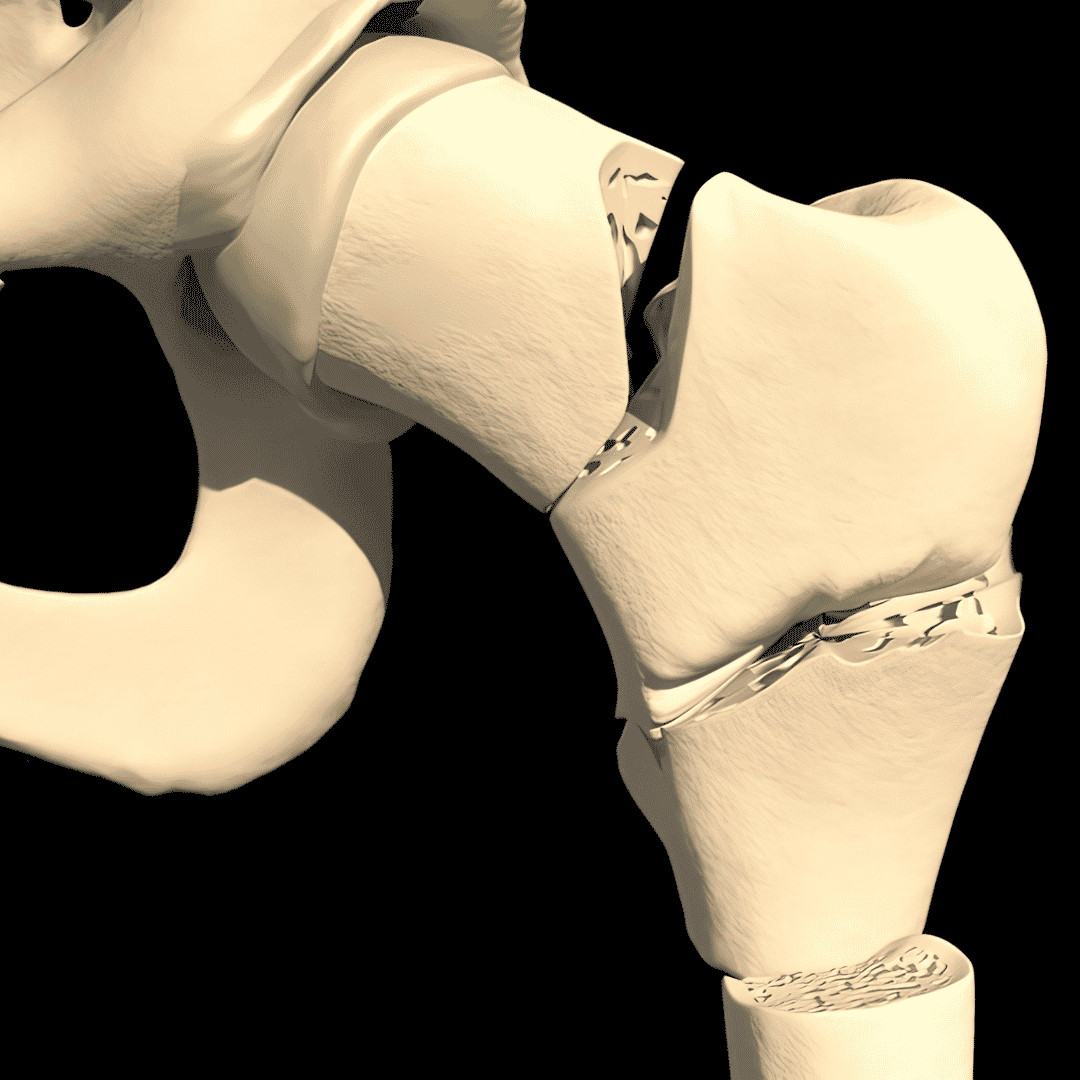
Price starting from $12,499
Hip Replacement Surgery Package by Hospital Velmar in Ensenada, Mexico
Hospital Velmar
- Orthopedic/Knee Surgery
Ensenada, Mexico
.png)
Price starting from $16,000
Hip Replacement Surgery in Cabo San Lucas Mexico
Cabo Orthopaedics Joint Replacement Clinic in Mexico
- Orthopedic/Knee Surgery
Cabo San Lucas, Mexico
Orthopedic Knee Surgery Solutions Near You: Explore Top Medical Centers
Discover how Orthopedic Knee Surgery is transforming lives at leading medical centers in Cabo San Lucas, Mexico. Dive into center profile, specialties, doctors, reviews, etc. and explore the best options tailored to your needs in this region.

Orthopaedics Art by Dr. Jesus Raul Arjona Alcocer
Cancun, Mexico

Ortho Wellness
Tijuana, Mexico

Hospital Velmar
Ensenada, Mexico

Spine Clinic Vallarta
Puerto Vallarta, Mexico
Transformative Orthopedic Knee Surgery Experiences: Dive into Procedure Insights
Discover the power of Orthopedic Knee Surgery through compelling patient experiences. Uncover detailed insights into procedures, recovery journeys, and life-changing results.
.png)
Price starting from $16,000
Hip Replacement in Cabo San Lucas, Mexico – Check Prices and Reviews!
- Hip Replacement Surgery Partial or Total, Orthopedic/Knee Surgery
Cabo San Lucas, Mexico
.png)
Price starting from $14,000
Total Hip Replacement in Mexicali Mexico - Restore Your Hips Function
- Hip Replacement Surgery Partial or Total, Orthopedic/Knee Surgery
Mexicali, Mexico
.png)
Price starting from $12,000
Total Hip Replacement in Puerto Vallarta, Mexico
- Hip Replacement Surgery Partial or Total, Orthopedic/Knee Surgery
Puerto Vallarta, Mexico
.png)
Price starting from $12,600
Hip Replacement Surgery in Tijuana, Mexico
- Hip Replacement Surgery Partial or Total, Orthopedic/Knee Surgery
Tijuana, Mexico
Explore Orthopedic Knee Surgery: Stories, Testimonials, and Procedures
Watch in-depth videos covering everything from Orthopedic Knee Surgery success stories to detailed procedure explanations. Learn what to expect and hear from real patients.

Who Are the Top Doctors for Health Tourism in Mexico?
Orthopedic Knee Surgery
PlacidWay Mexico Medical Tourism
Mexico

PlacidWay: Leading Mexico's Worldwide Medical Tourism for 17 Years
Orthopedic Knee Surgery
PlacidWay Mexico Medical Tourism
Mexico

Medical Tourism Mexico: Best Destinations for Medical Travel
Orthopedic Knee Surgery
PlacidWay Mexico Medical Tourism
Mexico

Hip Replacement Surgery in Mexico - Crossing Borders for Better Hips
Orthopedic Knee Surgery
PlacidWay Mexico Medical Tourism
Mexico
Learn More with These Orthopedic Knee Surgery Articles
Take a look at these interesting articles, stories and research that will help you learn more about Orthopedic Knee Surgery.
.png)
Best Orthopedic Doctors in Tijuana Mexico
PlacidWay Mexico Medical Tourism
- Orthopedic/Knee Surgery
Mexico
.png)
Mexico: The Best Country for Hip Replacement Surgery
PlacidWay Mexico Medical Tourism
- Orthopedic/Knee Surgery
Mexico

Vital Important Information on Hip Replacement in Cabo San Lucas, Mexico
PlacidWay Mexico Medical Tourism
- Orthopedic/Knee Surgery
Mexico
.png)
Mexico Hip Replacement: Canadians Save Big on Hip and Knee Surgery Abroad
PlacidWay Medical Tourism
- Orthopedic/Knee Surgery
Mexico







