
What treatment


14+ Best Clinics for Bile Duct Cancer in Turkey
Trusted Medical Tourism Platform Since 2007
What are the best bile duct cancer clinics in Turkey?
The leading bile duct cancer clinics in Turkey include Medical Park Hospitals Group (Istanbul), Bayindir Healthcare Group (Ankara, Istanbul), Private Koru Ankara Hospital (Ankara), Istanbul Okan University Hospital (Istanbul), Group Florence Nightingale Hospitals (Istanbul), Neolife Oncology Center (Istanbul), and Emsey Hospital (Istanbul).
Many of these top facilities are JCI-accredited and utilize multidisciplinary oncology teams. They offer advanced, customized therapies including robotic-assisted surgeries, the Whipple procedure, IMRT, SBRT, targeted therapy, immunotherapy, and chemotherapy. Specialized cancer treatment costs typically range from $655 to $10,400 USD, providing international patients with highly advanced and affordable oncology care.
 100.00% Patient Recommend
Medical Park Hospitals Group in Istanbul, Turkey


Overview
Medical Park Hospital Istanbul offers advanced healthcare services, and modern facilities for international patients seeking quality treatment in Turkey.
Read more details


 100.00% Patient Recommend
Bayindir Healthcare Group
Overview
By making a great and courageous breakthrough on 1992, Bayındır Söğütözü Hospital became a source of pride for Turkish private hospitals.
Read more details


 100.00% Patient Recommend
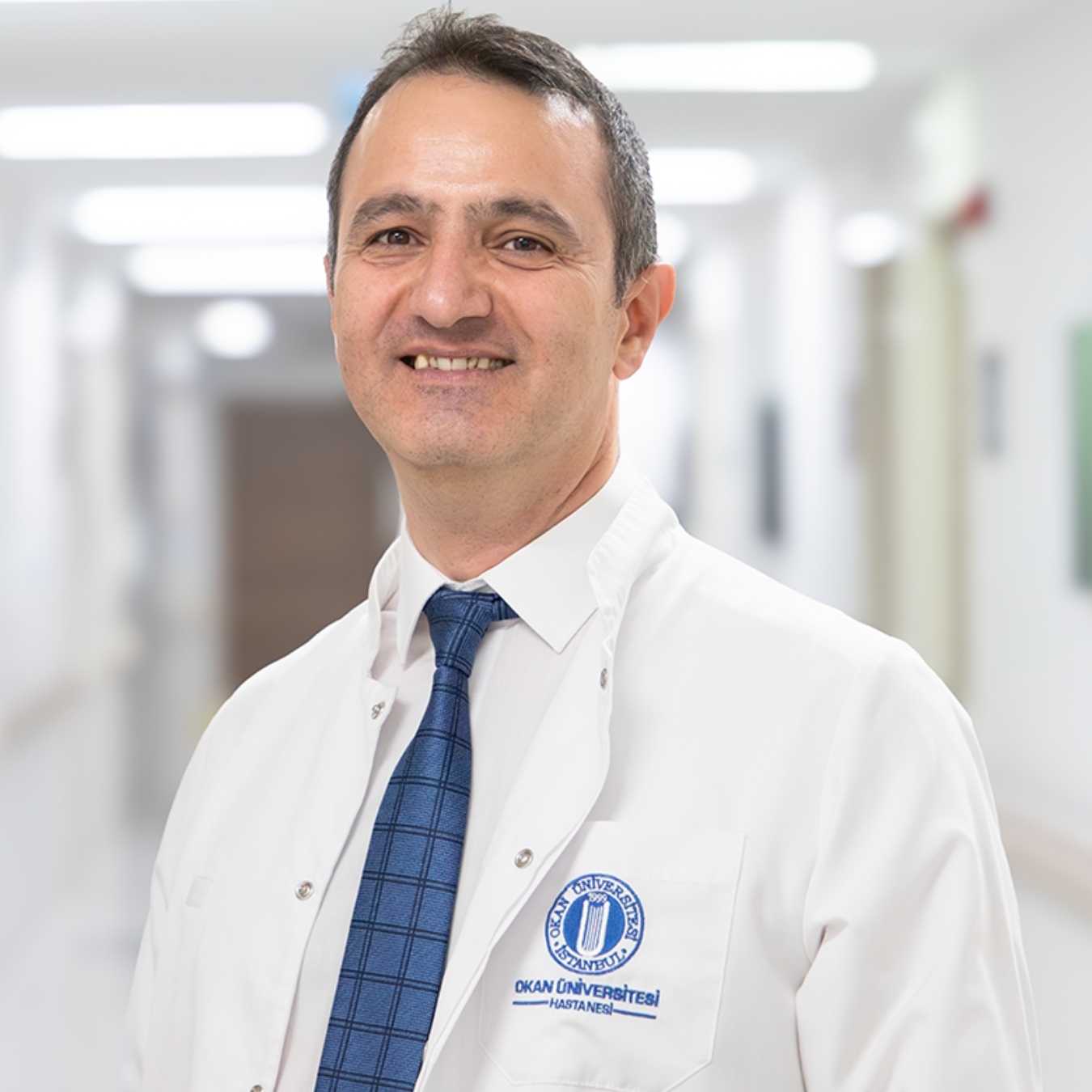
Istanbul Okan University Hospital
Overview
Explore comprehensive healthcare services at Istanbul Okan University Hospital, a leading multispecialty hospital in Turkey.
Read more details
 100.00% Patient Recommend
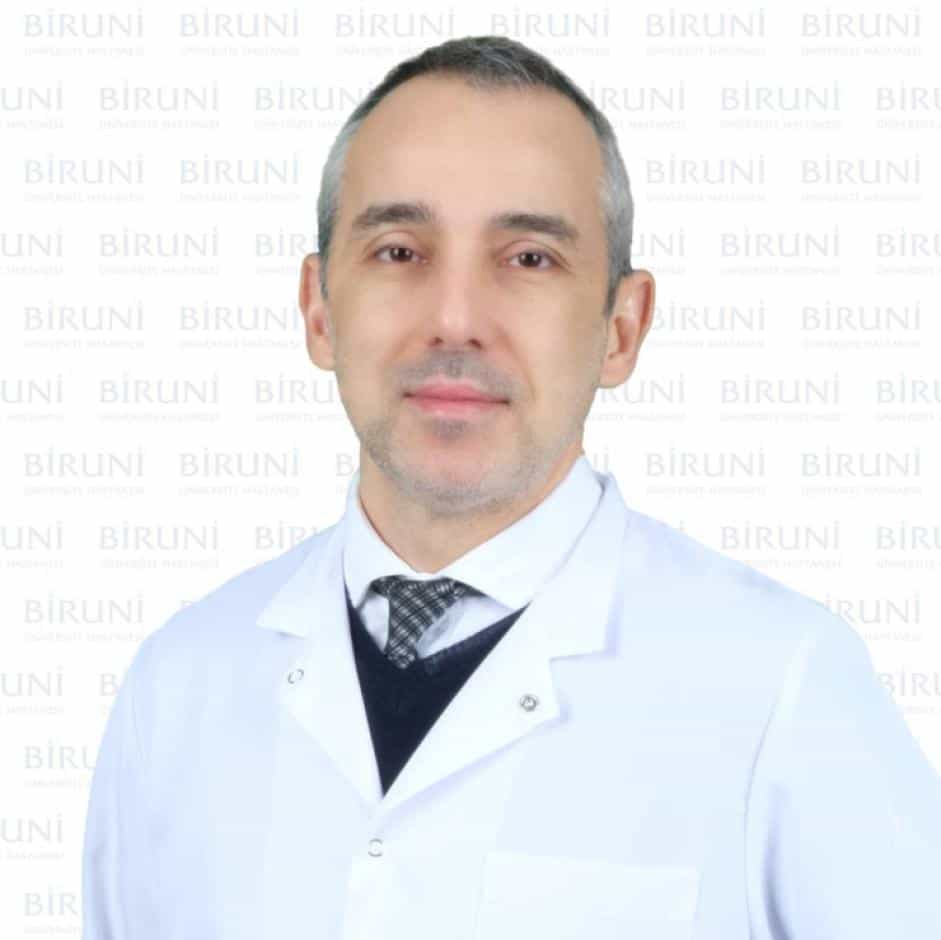
Biruni University Hospital in Istanbul Turkey
Overview
Explore advanced treatments at Biruni University Hospital, a leading multispecialty hospital in Istanbul, Turkey, serving local and international patients.
Read more details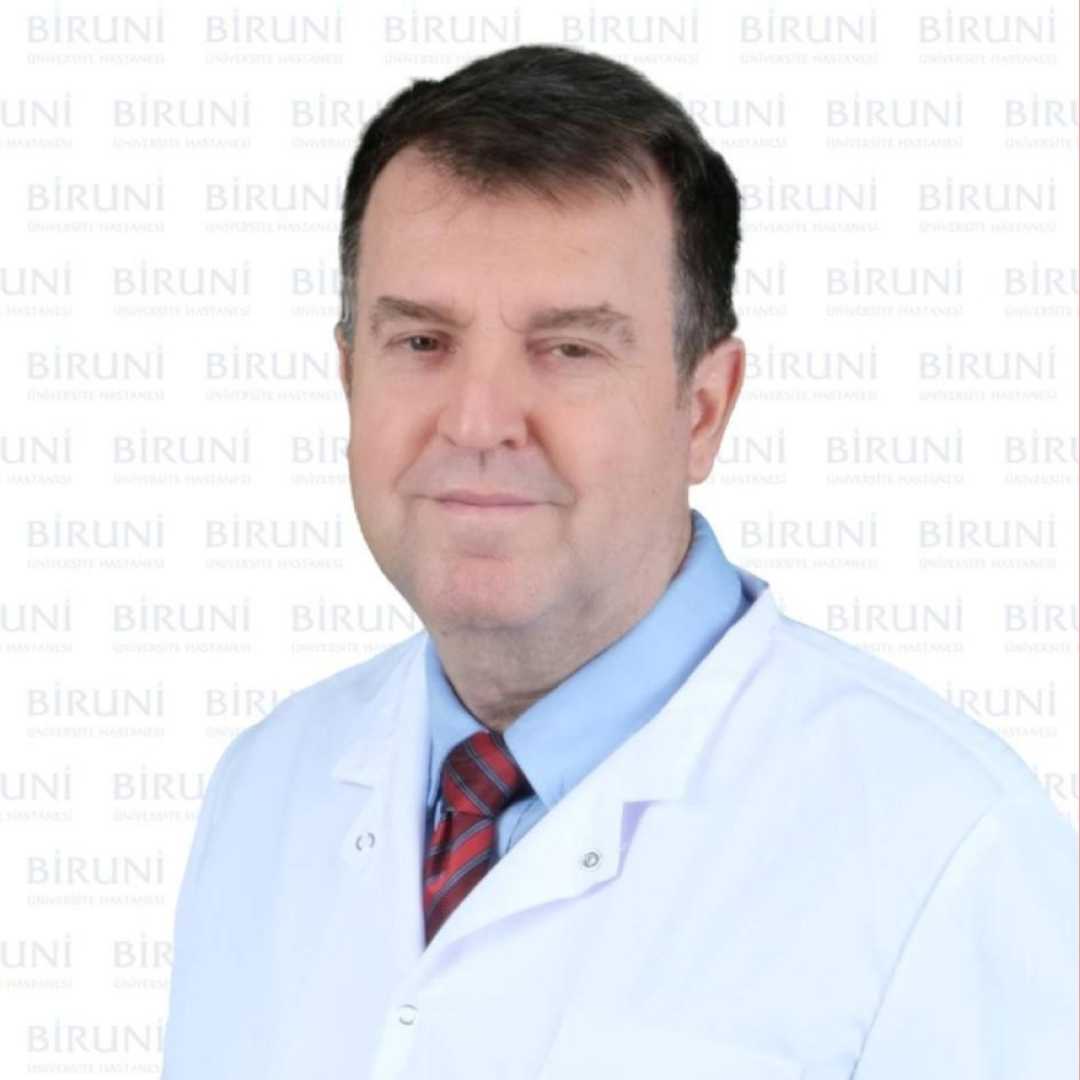
Discover your treatment options with a free, no-obligation quote!
Get your quote now! 83.33% Patient Recommend
Emsey Hospital
Overview
Emsey Hospital is the Best Hospital in Istanbul Turkey that has won JCI International Accreditation, and has the most complete medical facilities and experienced medical staff.
Read more details
Florence Comprehensive Cancer Center
Overview
Florence Comprehensive Cancer is to be a pioneering institution that is innovative and constantly improving, offering reliable, up-to-date, and patient-centered healthcare in all services provided, continuously training and educating its staff, and putting patients’ and employees’ welfare at the forefront, as well as respect the environment and patient rights.
Read more details 90.91% Patient Recommend
Group Florence Nightingale Hospitals in Istanbul Turkey
Overview
Explore advanced healthcare at Group Florence Nightingale Hospitals, a leading multispecialty hospital in Istanbul, Turkey for global patients.
Read more details 100.00% Patient Recommend
HUMA Hospital
Overview
Experience top-notch healthcare at Huma Hospital Kayseri. Specializing in cosmetic procedures, gynecology, and IVF treatments in Turkey.
Read more detailsDiscover your treatment options with a free, no-obligation quote!
Get your quote now! 100.00% Patient Recommend
Istanbul Oncology Hospital
Overview
Istanbul Oncology Hospital in Istanbul, Turkey offers comprehensive cancer treatment options with state-of-the-art facilities and a compassionate approach. Book an appointment with our experienced on
Read more details 100.00% Patient Recommend
Medipol Bahcelievler Hospital
Overview
Discover premier cancer treatment & heart surgery at Medipol Bahcelievler Hospital in Istanbul, Turkey. Trust in our expertise for your healthcare needs.
Read more details 100.00% Patient Recommend
Neolife Oncology Center in Istanbul, Turkey
Overview
Explore cancer treatment in Istanbul, Turkey at Neolife Oncology Center, offering multidisciplinary cancer care, advanced diagnostics and treatment options.
Read more details 100.00% Patient Recommend
Private Koru Ankara Hospital
Overview
Experience advanced Robotic Bariatric Surgery & Heart Surgery at Private Koru Ankara Hospital in Turkey. Exceptional care and cutting-edge technology.
Read more details
Bellaten Health Ltd. Co.
Overview
Surgical Oncology can be one of the effective ways to combat malignancy. Bellaten Health Ltd. Co., in Istanbul, Turkey lead by Prof. Erkan Yıldırım can be your next European destination for a surgical cure for cancer. Read more about the medical center and its offered treatment procedures.
Read more details 100.00% Patient Recommend
Berrin Pehlivan Oncology Clinic
Overview
Berrin Pehlivan Oncology Clinic is one of the leading multidisciplinary cancer treatment and care centers in Istanbul. Prof. Dr. Berrin Pehlivan is a radiation oncology specialist who brings great experience in treatment. .The Clinic provides services in Radiation Oncology, Medical oncology, Immunotherapy, Onkologic surgery, Brachytherapy, Ozone treatment and Check-up.
Read more details
Private Medifema Hospital
Overview
Private Medifema Hospital specializes in Plastic and Bariatric Surgery in Izmir, Turkey. Discover MEDIFEMA's trusted healthcare services today.
Read more detailsWhich are the best Bile Duct Cancer clinics in Turkey?
When seeking top-tier Bile Duct Cancer treatment in Turkey, several highly-rated clinics stand out for their comprehensive care, advanced technology, and patient satisfaction. These facilities, primarily located in Istanbul and Ankara, offer specialized oncology departments, multidisciplinary teams, and a commitment to advanced therapeutic approaches. Key considerations include patient recommendation rates and the range of services tailored to complex cancer care.
Based on patient feedback and reported service quality, some of the leading Bile Duct Cancer clinics in Turkey include:
- Bayindir Healthcare Group (Istanbul, Ankara): Highly recommended with a 100% patient recommendation rate from 6 reviews, known for its courageous breakthroughs in private hospital care.
- Private Koru Ankara Hospital (Ankara): Also boasts a 100% patient recommendation rate from 3 reviews, offering advanced robotic surgery and heart surgery, indicating high-tech capabilities.
- Istanbul Okan University Hospital (Istanbul): With a 100% patient recommendation rate from 9 reviews, this facility is recognized for its emphasis on patient satisfaction, academic expertise, and advanced medical services.
- Group Florence Nightingale Hospitals (Istanbul): Features a 90.91% patient recommendation rate from a significant 33 reviews, praised for its innovative and patient-centered healthcare.
- Guven Hospital (Ankara): Holds a 100% patient recommendation rate from 10 reviews, a long-standing private hospital with modern infrastructure and a commitment to high-quality procedures.
- HUMA Hospital (Kayseri): Achieved a 100% patient recommendation rate from 7 reviews, specializing in cosmetic procedures, gynecology, and IVF, suggesting a broader medical expertise.
- Istanbul Oncology Hospital (Istanbul): Rated 100% recommended by 3 patients, providing comprehensive cancer treatment options with state-of-the-art facilities.
- Medical Park Hospitals Group (Istanbul): Earned a 100% patient recommendation rate from 4 reviews, offering top-notch multispecialty and oncology care.
- Berrin Pehlivan Oncology Clinic (Istanbul): Boasts a 100% patient recommendation rate from 10 reviews, specializing in radiation oncology, medical oncology, immunotherapy, and other advanced treatments.
- Emsey Hospital (Istanbul): A JCI International Accredited facility with an 83.33% patient recommendation rate from 6 reviews, known for its complete medical facilities and experienced staff.
What criteria should I consider when selecting a Bile Duct Cancer clinic in Turkey?
When choosing a Bile Duct Cancer clinic in Turkey, it's crucial to prioritize several key factors to ensure optimal care. Look for clinics with specialized oncology departments, international accreditations like JCI, advanced treatment technologies, and a proven track record of patient satisfaction. The expertise of the medical team and the availability of comprehensive support services are also vital for a successful treatment journey.
Making an informed decision involves evaluating a clinic on multiple fronts:
- Accreditation and Certifications: Seek clinics with international accreditations (e.g., JCI) which indicate adherence to high global standards of care and patient safety protocols.
- Specialized Oncology Departments: Ensure the clinic has a dedicated oncology department with specific expertise in treating bile duct cancer, offering a range of therapeutic options from surgery to advanced radiation and chemotherapy.
- Advanced Technology: Modern diagnostic imaging (PET-CT, MRI) and treatment technologies (like robotic surgery, advanced radiotherapy) are critical for effective cancer management.
- Multidisciplinary Team Approach: A team comprising oncologists, surgeons, radiologists, pathologists, and supportive care specialists collaborating on your case ensures a holistic and personalized treatment plan.
- Patient Reviews and Outcomes: Look for positive patient testimonials and high patient recommendation rates. This reflects the quality of care and patient experience.
- International Patient Services: For international patients, services like language interpretation, assistance with accommodation, and travel logistics can significantly ease the process.
- Comprehensive Support Care: Access to palliative care, nutritional support, psychological counseling, and rehabilitation services can greatly enhance recovery and quality of life during and after treatment.
What types of advanced therapies are available at Bile Duct Cancer clinics in Turkey?
Turkish clinics specializing in Bile Duct Cancer offer a spectrum of advanced therapies, integrating innovative approaches with established treatments. These often include precision radiation techniques like Intensity-Modulated Radiation Therapy (IMRT) and Stereotactic Body Radiation Therapy (SBRT), targeted therapies, immunotherapy, and minimally invasive surgical options. The focus is on tailored treatments that maximize efficacy while minimizing side effects.
Patients undergoing Bile Duct Cancer treatment in Turkey can typically access cutting-edge options such as:
- Advanced Surgical Techniques: This includes laparoscopic and robotic-assisted surgeries for precise tumor removal, often leading to faster recovery and reduced complications. Complex resections like Whipple procedure (pancreaticoduodenectomy) are also performed.
- Radiation Oncology:
- IMRT (Intensity-Modulated Radiation Therapy): Delivers highly conformal radiation doses to tumors, sparing surrounding healthy tissues.
- SBRT (Stereotactic Body Radiation Therapy): A high-dose, precisely targeted radiation delivered in fewer sessions, ideal for localized tumors.
- Brachytherapy: Internal radiation therapy where radioactive sources are placed directly within or near the tumor.
- Systemic Therapies:
- Chemotherapy: Often used in combination with radiation or as a standalone treatment.
- Targeted Therapy: Drugs that specifically target cancer cells with certain genetic mutations, reducing harm to normal cells.
- Immunotherapy: Utilizes the body's own immune system to fight cancer, a promising option for certain advanced cases.
- Interventional Radiology: Procedures like transarterial chemoembolization (TACE) or radioembolization (TARE) deliver chemotherapy or radiation directly to the tumor via blood vessels, often used for unresectable tumors.
- Palliative Care: Integrated early in the treatment plan to manage symptoms, improve quality of life, and provide emotional support throughout the cancer journey.
How do Bile Duct Cancer clinics in Turkey ensure patient safety and quality of care?
Turkish Bile Duct Cancer clinics uphold rigorous standards to ensure patient safety and deliver high-quality care. Many clinics achieve international accreditations like JCI, signifying adherence to global best practices in patient safety, infection control, and clinical governance. They also implement strict protocols for advanced equipment maintenance, staff training, and continuous quality improvement programs, fostering a secure and effective treatment environment.
Patient safety and quality of care are paramount for reputable clinics:
- International Accreditations: Many leading clinics in Turkey are accredited by the Joint Commission International (JCI), an independent body that sets global benchmarks for quality and patient safety in healthcare. This involves stringent evaluations of patient care processes, facility management, and staff qualifications.
- Infection Control Protocols: Strict hygiene and infection prevention measures are in place, including regular sterilization of equipment, rigorous hand hygiene, and protective isolation for immunocompromised patients, to minimize hospital-acquired infections.
- Highly Qualified Medical Professionals: Clinics ensure their medical teams, including surgeons, oncologists, nurses, and support staff, are highly trained, experienced, and continuously update their knowledge with the latest medical advancements.
- Advanced Technology and Equipment: Regular maintenance, calibration, and upgrades of medical equipment (imaging, surgical, radiotherapy machines) are performed to ensure accuracy, safety, and optimal performance.
- Clinical Governance and Audits: Clinics maintain robust clinical governance frameworks, including internal and external audits, to monitor treatment outcomes, patient safety incidents, and overall service quality, driving continuous improvement.
- Patient-Centric Care: Emphasizing clear communication, informed consent, patient rights, and personalized treatment plans ensures that care is tailored to individual needs and preferences.
What kind of support services do Bile Duct Cancer clinics in Turkey offer for international patients?
Turkish Bile Duct Cancer clinics provide extensive support services specifically designed for international patients to ensure a smooth and comfortable experience. These services commonly include multilingual patient coordinators, assistance with travel logistics such as airport transfers and accommodation, visa support letters, and translation of medical documents. Their goal is to alleviate logistical burdens, allowing patients to focus entirely on their treatment and recovery.
International patients can expect a range of helpful services:
- Dedicated International Patient Departments: Most major clinics have dedicated teams fluent in multiple languages to assist foreign patients from initial inquiry through post-treatment care.
- Language Interpretation: Professional medical interpreters are readily available to facilitate communication between patients, their families, and the medical staff, ensuring full understanding of diagnosis, treatment plans, and recovery instructions.
- Travel and Accommodation Assistance: Clinics often help with airport pickup, hotel bookings, and sometimes even discounted rates for patient families, making the journey less stressful.
- Visa Support: Providing necessary documentation and invitation letters to support visa applications for medical treatment.
- Medical Records Translation: Assistance with translating medical reports and histories into Turkish for the medical team, and vice versa, for follow-up care back home.
- Concierge Services: Some clinics offer additional amenities like arranging local tours, SIM cards, or personal assistance for non-medical needs.
- Financial Coordination: Support in understanding treatment costs, payment options, and coordinating with insurance providers if applicable.
Are there multidisciplinary teams at Bile Duct Cancer treatment centers in Turkey?
Yes, leading Bile Duct Cancer treatment centers in Turkey widely adopt a multidisciplinary team (MDT) approach. These teams typically consist of surgical oncologists, medical oncologists, radiation oncologists, radiologists, pathologists, gastroenterologists, and supportive care specialists. This collaborative model ensures that each patient's case is thoroughly reviewed from multiple perspectives, leading to comprehensive, individualized treatment plans.
The multidisciplinary team model is a cornerstone of modern cancer care, especially for complex conditions like bile duct cancer:
- Holistic Treatment Planning: Each patient's case is discussed by specialists from various fields, ensuring a comprehensive assessment and formulation of a treatment strategy that considers all aspects of their condition.
- Optimized Outcomes: By combining expertise, MDTs can often identify the most effective and least invasive treatment pathways, leading to better patient outcomes and improved quality of life.
- Integrated Care: Patients benefit from seamlessly coordinated care, reducing the need for multiple consultations and ensuring continuity across different phases of treatment.
- Access to Diverse Expertise: The team approach brings together specialists who might uncover options or insights that a single physician might overlook, particularly beneficial for rare or complex bile duct cancer cases.
- Continuous Review: Treatment plans are often reviewed regularly by the MDT, allowing for adjustments based on the patient's response and evolving medical knowledge.
- Patient and Family Involvement: Many MDTs involve patients and their families in discussions, ensuring they are well-informed and empowered to participate in decisions about their care.
What is the typical patient journey at a Bile Duct Cancer clinic in Turkey?
The typical patient journey for Bile Duct Cancer treatment in a Turkish clinic begins with an initial consultation, followed by comprehensive diagnostics to confirm diagnosis and stage the cancer. A multidisciplinary team then devises a personalized treatment plan, which is followed by the actual treatment (surgery, chemotherapy, radiation), hospitalization, and close monitoring. Post-treatment, patients receive detailed follow-up care instructions and continued support.
Here’s a general outline of the patient journey:
- Initial Contact and Consultation: Patients usually start by contacting the international patient department. This involves sharing medical records for an initial assessment, leading to a virtual or in-person consultation with a specialist.
- Comprehensive Diagnostics: Upon arrival, extensive diagnostic tests are performed. These can include advanced imaging (MRI, CT, PET scans), endoscopic procedures (ERCP, EUS), and biopsies to accurately diagnose and stage the bile duct cancer.
- Multidisciplinary Treatment Planning: The patient's case is reviewed by an MDT. They analyze all diagnostic results to formulate a tailored treatment plan, which is then discussed transparently with the patient and family.
- Treatment Phase: This could involve:
- Surgery: If resectable, surgical removal of the tumor.
- Systemic Therapy: Chemotherapy, targeted therapy, or immunotherapy, administered before or after surgery, or as primary treatment.
- Radiation Therapy: Precise external or internal radiation treatments.
- Hospitalization and Recovery: Patients are hospitalized for their procedures and initial recovery, receiving continuous medical care and pain management.
- Discharge and Follow-up Planning: Before discharge, patients receive comprehensive instructions for post-treatment care, medication schedules, and rehabilitation exercises. A detailed follow-up schedule, including necessary check-ups back home, is established.
- Continued Support: International patient coordinators remain available for ongoing queries or assistance after the patient returns home.
How important is accreditation for Bile Duct Cancer clinics in Turkey?
Accreditation is extremely important when choosing Bile Duct Cancer clinics in Turkey, as it serves as a robust indicator of quality and safety. International accreditations, particularly from organizations like the Joint Commission International (JCI), signal that a clinic meets global benchmarks for patient care, clinical protocols, and facility management. This offers patients significant assurance regarding the reliability and trustworthiness of the healthcare provider.
The significance of accreditation cannot be overstated:
- Assurance of Quality: Accreditation ensures that the clinic adheres to internationally recognized standards for medical practice, patient care, and facility operations. This means predictable and high-quality services.
- Enhanced Patient Safety: Accredited facilities typically have robust protocols for patient safety, including infection control, medication management, and emergency preparedness, minimizing risks during treatment.
- Qualified Professionals: Accreditation often requires stringent credentialing for medical staff, assuring that doctors, surgeons, and nurses are highly qualified and experienced in their specialties.
- Transparency and Accountability: These facilities are committed to transparent reporting and continuous improvement, regularly reviewing their processes and outcomes to maintain their accredited status.
- Access to Advanced Technology: Accredited clinics are often at the forefront of medical technology, investing in state-of-the-art equipment for diagnosis and treatment.
- Facilitates Insurance: For international patients, treatment in an accredited facility can sometimes simplify processes with international health insurance providers.
- Peace of Mind: Knowing that a clinic has met rigorous external standards provides immense peace of mind for patients and their families during a challenging health journey.
What post-treatment follow-up options are common at Turkish Bile Duct Cancer clinics?
After Bile Duct Cancer treatment in Turkey, clinics typically provide comprehensive post-treatment follow-up plans. These often include scheduled imaging scans (CT/MRI), blood tests (tumor markers), and regular consultations with the oncology team. Many clinics also offer remote consultation options or coordinate with local healthcare providers in the patient's home country to ensure seamless continuity of care.
Effective post-treatment follow-up is crucial for monitoring recovery and detecting any recurrence:
- Regular Medical Check-ups: Patients are typically scheduled for routine appointments with their oncologist. The frequency of these visits often decreases over time, starting more frequently in the first few years post-treatment.
- Imaging Scans: Periodic CT, MRI, or PET scans are common to monitor the treated area and detect any signs of recurrence or new disease spread.
- Blood Tests: Regular blood tests, including liver function tests and tumor markers like CA 19-9, are vital for tracking the disease's status and overall health.
- Nutritional and Lifestyle Counseling: Given the impact of bile duct cancer and its treatment on digestion, patients often receive advice on diet and lifestyle adjustments to support recovery and overall well-being.
- Pain Management and Symptom Control: Ongoing management of any lingering pain or treatment-related side effects is addressed.
- Psychological Support: Emotional and psychological support services may be offered, recognizing the significant impact of cancer on mental health.
- Remote Consultations: For international patients, video or phone consultations with the Turkish medical team are often available to discuss results and provide guidance from their home country.
- Coordination with Home Doctors: Clinics actively support communication and transfer of medical records to the patient's primary care physician or local oncologist, ensuring informed and coordinated care.
Can Bile Duct Cancer clinics in Turkey handle complex or rare cases?
Yes, many leading Bile Duct Cancer clinics in Turkey are well-equipped to handle complex and rare cases. These specialized centers often have highly experienced surgical oncologists, advanced diagnostic tools, and state-of-the-art treatment technologies, including robotic surgery and sophisticated radiation therapies. Their multidisciplinary teams collaborate to develop tailored strategies for challenging diagnoses, offering patients viable options even for difficult presentations of the disease.
Handling complex and rare bile duct cancer cases requires specialized capabilities:
- Expert Surgical Oncologists: Clinics with surgeons who have extensive experience in complex hepatobiliary surgeries, including advanced resections and reconstructions, are crucial for challenging cases.
- Advanced Diagnostic Imaging: State-of-the-art imaging like 3T MRI, multi-detector CT, and PET-CT provide detailed anatomical and metabolic information critical for precisely assessing tumor extent and resectability in complex scenarios.
- Interventional Endoscopy and Radiology: These specialists can perform advanced procedures for diagnosis, staging, and palliation in difficult-to-reach areas, including endoscopic retrograde cholangiopancreatography (ERCP) and percutaneous transhepatic cholangiography (PTC).
- Pathology Expertise: Access to highly specialized pathologists experienced in diagnosing rare subtypes of bile duct cancer ensures accurate diagnosis, which is fundamental for effective treatment planning.
- Access to Novel Therapies: Clinics involved in clinical trials or offering the latest targeted and immunotherapies provide options for patients with rare genetic mutations or those who haven't responded to standard treatments.
- High-Volume Centers: Hospitals that treat a larger number of bile duct cancer cases tend to develop greater expertise and better outcomes, especially for complex cases.
- Collaborative MDT: The presence of an experienced multidisciplinary team ensures that even the most challenging cases are thoroughly evaluated by multiple experts, leading to innovative and optimized treatment strategies.
How do Bile Duct Cancer clinics in Turkey utilize technology for accurate diagnosis and precise treatment?
Bile Duct Cancer clinics in Turkey heavily leverage cutting-edge technology for both accurate diagnosis and precise treatment. For diagnosis, they employ advanced imaging like 3T MRI, multi-detector CT, and PET-CT, coupled with endoscopic ultrasound (EUS) and cholangioscopy for detailed visualization and biopsy. For treatment, technologies like robotic surgery, Intensity-Modulated Radiation Therapy (IMRT), and Stereotactic Body Radiation Therapy (SBRT) ensure highly targeted intervention and minimal collateral damage.
Technological advancements significantly enhance the efficacy and safety of bile duct cancer care:
- Advanced Imaging Technologies:
- 3T MRI: Provides high-resolution images of soft tissues, crucial for detecting small tumors and assessing their relationship to critical structures.
- Multi-detector CT (MDCT): Offers detailed cross-sectional images, essential for tumor staging and identifying metastatic spread.
- PET-CT Scans: Combines metabolic imaging with anatomical detail to detect cancer cells and assess their activity throughout the body.
- Endoscopic Procedures:
- Endoscopic Ultrasound (EUS): Allows for high-resolution imaging of the bile ducts and surrounding structures, facilitating precise biopsies.
- Cholangioscopy: Direct visualization inside the bile ducts enables targeted biopsies and therapeutic interventions.
- ERCP (Endoscopic Retrograde Cholangiopancreatography): Used for both diagnosis (biopsy, brush cytology) and therapeutic interventions like stent placement to relieve bile duct obstruction.
- Precision Radiation Therapy:
- IMRT/SBRT: As mentioned, these techniques deliver radiation with extreme precision, conforming to the tumor's shape and minimizing exposure to healthy surrounding tissues, particularly critical in the sensitive abdominal region.
- Image-Guided Radiation Therapy (IGRT): Uses daily imaging to verify tumor position before each treatment, allowing for adaptive radiation delivery.
- Robotic and Laparoscopic Surgery: Minimally invasive surgical systems offer enhanced visualization, dexterity, and precision, leading to smaller incisions, reduced pain, and faster recovery times for patients undergoing complex resections.
- Molecular Diagnostics: Genetic profiling of tumors helps identify specific mutations, guiding personalized targeted therapy and immunotherapy selections.
What role does personalized medicine play in Bile Duct Cancer treatment at Turkish clinics?
Personalized medicine is increasingly central to Bile Duct Cancer treatment in Turkish clinics, moving beyond a "one-size-fits-all" approach. It involves tailoring therapies based on a patient's unique genetic makeup, tumor biology, and overall health. This approach uses advanced molecular testing to identify specific mutations or biomarkers in the tumor, guiding the selection of targeted therapies, immunotherapies, and even specific chemotherapy regimens, aiming for more effective and less toxic outcomes.
Personalized medicine ensures that treatment is as effective and patient-specific as possible:
- Genomic Profiling of Tumors: Advanced molecular diagnostic tests are performed on tumor tissue to identify specific genetic mutations, gene fusions, or other biomarkers that drive cancer growth.
- Selection of Targeted Therapies: If actionable mutations are found (e.g., FGFR2 fusions, IDH1 mutations), specific targeted drugs designed to block these pathways can be prescribed, offering a more effective treatment with fewer side effects compared to traditional chemotherapy.
- Immunotherapy Decisions: Biomarkers like PD-L1 expression or microsatellite instability (MSI) status can help predict a patient's response to immunotherapy drugs, guiding treatment choices.
- Pharmacogenomics: In some cases, genetic testing can predict how a patient will metabolize certain chemotherapy drugs, allowing for dosage adjustments to optimize efficacy and reduce toxicity.
- Individualized Radiation and Surgical Planning: Advanced imaging and surgical planning software create patient-specific models of the tumor and surrounding anatomy, enabling surgeons and radiation oncologists to plan interventions with maximum precision.
- Monitoring Treatment Response: Liquid biopsies (circulating tumor DNA) and other advanced monitoring techniques can track the effectiveness of personalized treatments and detect recurrence earlier.
- Improved Patient Outcomes: By matching the right treatment to the right patient, personalized medicine aims to improve response rates, prolong survival, and enhance the patient’s quality of life.
How experienced are the surgical teams for Bile Duct Cancer at Turkish clinics?
Turkish clinics with specialized Bile Duct Cancer programs typically feature highly experienced surgical teams, often comprising surgical oncologists with significant expertise in hepatobiliary and pancreatic surgery. These surgeons perform a high volume of complex procedures, including challenging resections and reconstructions, utilizing advanced techniques like robotic and laparoscopic approaches. Their extensive experience contributes significantly to improved patient outcomes and reduced complications for bile duct cancer patients.
The experience of surgical teams is a critical factor in the successful treatment of bile duct cancer:
- Specialized Training: Many surgical oncologists in leading Turkish clinics have undergone specialized training in hepatobiliary-pancreatic surgery, focusing specifically on cancers of the liver, bile ducts, and pancreas.
- High Case Volume: High-volume centers and specialized surgeons accumulate significant experience, which is directly correlated with better surgical outcomes, lower morbidity, and improved survival rates for complex procedures like bile duct resections.
- Proficiency in Advanced Techniques: Experienced teams are proficient in advanced surgical techniques, including complex open resections, minimally invasive laparoscopic approaches, and robotic-assisted surgery, which requires specialized skills and training.
- Multidisciplinary Collaboration: Surgical teams work closely with other specialists in a multidisciplinary team, ensuring that surgical plans are integrated into a comprehensive treatment strategy, particularly important for cases requiring neo-adjuvant or adjuvant therapies.
- Continuing Education: Reputable surgeons and their teams regularly participate in international conferences, workshops, and ongoing education to stay abreast of the latest surgical innovations and evidence-based practices in oncology.
- Focus on Functional Outcomes: Beyond tumor removal, experienced teams prioritize preserving organ function and improving the patient's quality of life post-surgery through meticulous surgical planning and execution.
- Safety Records: High-performing surgical teams often have strong safety records, reflected in lower rates of surgical complications and faster patient recovery.
How PlacidWay helps individuals access Bile Duct Cancer in Turkey?
PlacidWay simplifies the complex journey of seeking Bile Duct Cancer treatment in Turkey by providing detailed, up-to-date information about various options, including benefits, risks, and expected outcomes. We help users compare treatments across numerous clinics, ensuring access to affordable options without compromising on quality or safety. PlacidWay assists individuals in finding trusted, accredited clinics and highly qualified medical professionals specializing in Bile Duct Cancer in Turkey. Furthermore, we offer one-on-one consultations to help users make informed decisions tailored to their specific needs, and ensure continued support after the treatment, including follow-up care and recovery assistance. Ready to get Bile Duct Cancer treatment in Turkey? Contact us today for a personalized consultation.Share with AI
Share this page with AI assistants to get summaries and insights


List of Best Bile Duct Cancer Clinics in Turkey
Unlock the Best Cancer Treatment Packages Just for You
Discover the ultimate Cancer Treatment packages designed to meet your health and wellness goals. Choose the perfect fit for your journey.
.png)
Price starting from $15,000
Kidney Cancer Package at Baskent University Istanbul Hospital, üsküdar, Turkey
Baskent University Istanbul Hospital
- Cancer Treatment
Istanbul, Turkey

Price starting from $35,000
Bone Marrow Transplantation Package in Istanbul, Turkey by Group Florence
Group Florence Nightingale Hospitals in Istanbul Turkey
- Cancer Treatment
Istanbul, Turkey

Price starting from $15
Prostate Cancer Package at Bayindir Healthcare Group, Ankara/İstanbul , Turkey
Bayindir Healthcare Group
- Cancer Treatment
Istanbul,Ankara, Turkey

Price starting from $900
PET-CT SCAN + Oncology Consultation Package in Istanbul, Turkey at Medical Park Hospitals
Medical Park Hospitals Group in Istanbul, Turkey
- Cancer Treatment
Istanbul, Turkey
Transformative Cancer Treatment Experiences: Dive into Procedure Insights
Discover the power of Cancer Treatment through compelling patient experiences. Uncover detailed insights into procedures, recovery journeys, and life-changing results.

Price starting from $18,995
Prostate Cancer Treatment in Tijuana, Mexico
- Prostate Cancer, Cancer Treatment
Tijuana, Mexico
.png)
Price starting from $18,000
NK Cell Therapy in China
- NK Cell Therapy (Natural Killer Cell Therapy), Cancer Treatment
China
.png)
Price starting from $35,000
Bone Marrow Transplantation in Istanbul, Turkey
- Bone Marrow Transplant , Cancer Treatment
Istanbul, Turkey
.png)
Price starting from $35,000
Bone Marrow Transplant in Turkey
- Bone Marrow Transplant , Cancer Treatment
Turkey
Explore Cancer Treatment: Stories, Testimonials, and Procedures
Watch in-depth videos covering everything from Cancer Treatment success stories to detailed procedure explanations. Learn what to expect and hear from real patients.
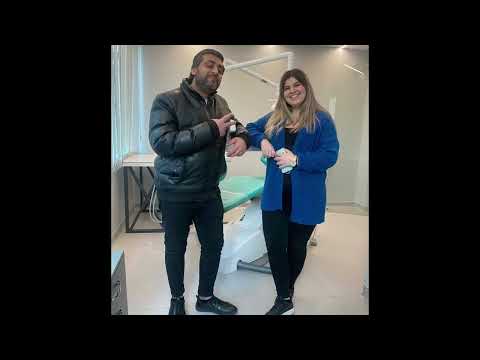
Medical Tourism in Istanbul, Turkey – Transforming Lives with Expert Healthcare
Cancer Treatment
Medical Park Hospitals Group in Istanbul, Turkey
Turkey

PlacidWay: Your All-in-One Solution for Patient Acquisition in Medical Tourism
Cancer Treatment
PlacidWay Medical Tourism
Turkey

PlacidWay Surpasses 100,000 Patient Referrals in 2024, Celebrating a Major Milestone
Cancer Treatment
PlacidWay Medical Tourism
Turkey

How PlacidWay Simplifies the Digital Marketplace for Patients and Providers
Cancer Treatment
PlacidWay Medical Tourism
Turkey
Learn More with These Cancer Treatment Articles
Take a look at these interesting articles, stories and research that will help you learn more about Cancer Treatment.

Cancer Treatment in Istanbul vs. U.S.: A 2026 Cost-Effectiveness Review
PlacidWay Medical Tourism
- Cancer Treatment
Turkey

Breast Cancer Treatment in Turkey: A Guide to Mastectomy and Lumpectomy Options for UK Women
PlacidWay Medical Tourism
- Cancer Treatment
Turkey

My Husband Has Prostate Cancer in the UK — Exploring Treatment Options in Turkey
PlacidWay Medical Tourism
- Cancer Treatment
Turkey

World Class Cancer Treatments at Anadolu Medical Center in Turkey
Anadolu Medical Center | International Hospital Istanbul
- Cancer Treatment
Turkey
Cancer Treatment Solutions Near You: Explore Top Medical Centers
Discover how Cancer Treatment is transforming lives at leading medical centers in , Turkey. Dive into center profile, specialties, doctors, reviews, etc. and explore the best options tailored to your needs in this region.
Emsey Hospital
Istanbul, Turkey
Istanbul Okan University Hospital
Istanbul, Turkey
Biruni University Hospital in Istanbul Turkey
Istanbul, Turkey
Bayindir Healthcare Group
Istanbul,Ankara, Turkey








Excellent! I can't wait for my turn. treatment.
Read More