
What treatment


1+ Top Rated Clinics for Embryonic Stem Cell Therapy in Petaling Jaya, Malaysia
Trusted Medical Tourism Platform Since 2007
What is the best Embryonic Stem Cell Therapy clinic in Petaling Jaya?
The top-rated facility for this treatment is Live Stem Cell Asia, located in Petaling Jaya, Malaysia.
This clinic provides personalized regenerative solutions, processing cells in highly controlled, GMP-certified laboratories to ensure optimum purity and patient safety. They specialize in advanced procedures, including embryonic stem cell therapy for longevity and targeted anti-aging stem cell treatments. Pricing for these comprehensive packages starts at $9,500 USD, offering international patients access to strictly regulated, world-class regenerative medicine at highly competitive rates.

 100.00% Patient Recommend
Live Stem Cell Asia - Premier Stem Cell Clinic in Malaysia


Overview
Discover advanced stem cell Malaysia treatments at Live Stem Cell Asia, Petaling Jaya. Experience personalized care and innovative regenerative solutions.
Read more details


ZELL-V Wellness Hub - Preventive & Regenerative Medicine Malaysia
Overview
ZELL-V Wellness Hub located in Kuala Lumpur, Malaysia. We offers German & Swiss advanced regenerative medicine, cellular therapy, and wellness programs for health, longevity and vitality.
Read more details
Longevity Clinic by Medkos
Overview
Discover personalized longevity programs, stem cell therapy, NK cell therapy, and metabolic optimization at Longevity Clinic Malaysia.
Read more details 100.00% Patient Recommend
FirstCell Malaysia
Overview
FirstCell specialize on cell-based medicine and treatments especially via MSC and NKC to enhance wellness and for targeted treatment modules. We are committed in delivering excellent treatment.
Read more details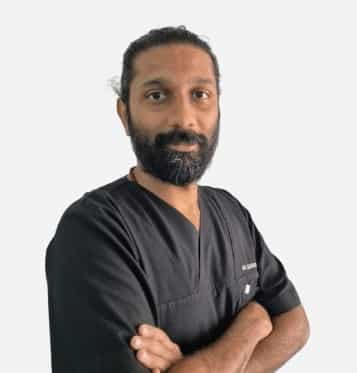
Discover your treatment options with a free, no-obligation quote!
Get your quote now!
Merkel Clinic
Overview
Merkel Clinic is a leading stem cell therapy center, specializing in innovative treatments for various medical conditions using cutting-edge regenerative medicine techniques.
Read more details
Which are the best Embryonic Stem Cell Therapy clinics in Malaysia?
When seeking top Embryonic Stem Cell Therapy clinics in Malaysia, several reputable options stand out, offering advanced regenerative treatments. These facilities are recognized for their commitment to patient care and innovative approaches. Key clinics include Live Stem Cell Asia in Petaling Jaya, Dr. Ebenezer Abel Paul - Stem Cells in Malaysia in Kuala Lumpur, and Klinik Setia Gemilang in Shah Alam. Each provides specialized therapies focusing on various health conditions, ensuring a high standard of medical expertise.
Choosing the "best" clinic often depends on individual needs and the specific condition requiring treatment. However, facilities frequently highlighted for their expertise in regenerative medicine and stem cell applications within Malaysia include:
- Live Stem Cell Asia (Petaling Jaya): Known for advanced stem cell applications and personalized regenerative solutions.
- Dr. Ebenezer Abel Paul - Stem Cells in Malaysia (Kuala Lumpur): Specializing in cutting-edge regenerative therapies and comprehensive stem cell treatments.
- Klinik Setia Gemilang (Shah Alam): A leading center offering stem cell therapy alongside orthopedic and anti-aging solutions.
What factors should I consider when choosing an Embryonic Stem Cell Therapy clinic in Petaling Jaya?
When selecting an Embryonic Stem Cell Therapy clinic in Petaling Jaya, prioritize factors like clinical expertise, facility accreditation, and patient testimonials. Ensure the clinic specializes in your specific condition and employs highly qualified specialists in regenerative medicine. Verify that their stem cell protocols adhere to stringent safety standards and that comprehensive patient support, including pre- and post-treatment care, is available.
Making an informed decision for Embryonic Stem Cell Therapy in Petaling Jaya involves careful evaluation of several crucial factors:
- Specialized Expertise: Look for clinics with a proven track record and dedicated focus on embryonic stem cell treatments. Their medical team should have extensive experience in regenerative medicine.
- Accreditation and Licensing: Verify that the clinic holds national and, ideally, international accreditations, ensuring they meet high standards of care, safety, and ethical practice for stem cell procedures.
- Treatment Protocols: Inquire about the specific therapy protocols used. A transparent clinic will openly discuss the source of stem cells, administration methods, and expected outcomes.
- Patient Support Services: Consider clinics that offer robust patient support, including detailed consultations, personalized treatment plans, language assistance, and follow-up care for international patients seeking regenerative therapies.
- Technology and Facilities: Modern clinics should be equipped with advanced diagnostic tools and state-of-the-art facilities that support complex stem cell applications.
- Patient Testimonials and Outcomes: Seek out patient reviews and documented success stories to gauge real-world outcomes and patient satisfaction with their stem cell therapy experience.
- Strict Ethical Guidelines: Clinics operate under strict ethical frameworks governing the use and procurement of embryonic stem cells, ensuring responsible and transparent practices.
- Advanced Screening and Testing: Donated embryonic stem cell lines undergo extensive screening for genetic abnormalities, infectious diseases, and other potential risks to ensure purity and viability.
- Sterile Laboratory Conditions: All cell processing and preparation are conducted in highly controlled, sterile environments, such as GMP (Good Manufacturing Practice) certified labs, to prevent contamination.
- Qualified Medical Teams: Treatments are performed by specialists with expertise in regenerative medicine and stem cell transplantation, who follow precise protocols.
- Individualized Treatment Plans: Each patient receives a tailored treatment plan, carefully assessed for suitability, potential risks, and expected benefits, minimizing adverse reactions.
- Post-Procedure Monitoring: Patients are closely monitored after treatment for any immediate side effects, and long-term follow-up ensures ongoing safety and effectiveness of the stem cell therapy.
- Neurological Disorders: Such as Parkinson's disease, Alzheimer's disease, multiple sclerosis, and spinal cord injuries, aiming to regenerate damaged neural tissue.
- Autoimmune Diseases: Including conditions like lupus and rheumatoid arthritis, where stem cells may help modulate the immune system and reduce inflammation.
- Cardiovascular Diseases: Research is ongoing for heart conditions to repair damaged heart tissue and improve cardiac function.
- Musculoskeletal Conditions: Such as severe osteoarthritis, chronic joint pain, and cartilage damage, promoting tissue repair and regeneration.
- Organ Regeneration: For conditions affecting organs like the liver (cirrhosis) and kidneys (failure), with the goal of improving organ function.
- Anti-Aging and Wellness: Some clinics also offer stem cell therapies for general rejuvenation, improved vitality, and anti-aging benefits, enhancing overall well-being.
- Medical Licensure: All physicians must be fully licensed to practice medicine in Malaysia.
- Specialization in Regenerative Medicine: Doctors should have specific training or board certification in regenerative medicine, cellular therapy, or a closely related field like hematology, neurology, or orthopedics.
- Experience in Stem Cell Applications: Significant clinical experience in administering stem cell treatments and managing patients undergoing these advanced therapies is crucial.
- Research Involvement: Many leading specialists are actively involved in stem cell research, contributing to the field's advancement and ensuring they are up-to-date with the latest scientific developments and best practices.
- Ethical Training: Given the complex ethical considerations surrounding embryonic stem cells, specialists should have training and adhere to stringent ethical guidelines.
- Multidisciplinary Team: Beyond the primary physician, a comprehensive team may include biologists, geneticists, nurses, and support staff, all trained in the specifics of stem cell therapy and patient management.
- Voluntary Accreditation: While Malaysian clinics must adhere to national health regulations, many also seek voluntary international accreditation.
- Recognized Bodies: Organizations like the Joint Commission International (JCI) are globally recognized for setting high standards in patient safety and quality of care. A clinic with JCI accreditation demonstrates a commitment to these benchmarks.
- Comprehensive Evaluation: International accreditation processes involve thorough assessments of clinical practices, patient safety protocols, facility cleanliness, staff qualifications, and ethical guidelines.
- Enhanced Patient Confidence: For international patients, accreditation by a reputable global body offers reassurance that the clinic meets world-class standards, akin to healthcare facilities in their home countries.
- Continuous Improvement: Accredited clinics are often engaged in continuous quality improvement programs, regularly updating their protocols and technologies to align with global advancements in regenerative medicine.
- Travel and Logistics Support: Many clinics offer assistance with visa applications, airport transfers, and hotel bookings, making the journey less stressful.
- Multilingual Staff: English is widely spoken in Malaysian medical facilities, and many clinics provide interpreters for other languages to ensure clear communication.
- Comprehensive Initial Assessment: Expect a thorough medical evaluation, including reviewing medical records, diagnostic tests, and detailed discussions about treatment options and expected outcomes.
- Personalized Treatment Plans: Therapies are highly individualized, tailored to the patient's specific condition and health status.
- Modern Facilities: Clinics are generally equipped with advanced medical technology and comfortable, private recovery areas.
- Cultural Sensitivity: Malaysian healthcare providers are accustomed to diverse international patients and offer culturally sensitive care.
- Post-Treatment Care and Follow-up: Patients receive instructions for post-treatment care and arrangements for follow-up appointments, either locally or remotely, to monitor progress and address any concerns.
- Detailed Patient Assessment: The process begins with an in-depth review of the patient's medical history, current health status, and specific condition. This includes extensive diagnostic tests such as blood work, imaging, and genetic screening.
- Informed Consent: Patients receive comprehensive information about the treatment, including potential benefits, risks, alternative therapies, and expected outcomes, ensuring they provide fully informed consent.
- Ethical Review and Approval: For novel or experimental treatments, proposals may undergo review by an independent ethics committee to ensure compliance with national and international ethical standards.
- Stem Cell Sourcing and Preparation: Embryonic stem cell lines are typically obtained from approved, ethically sourced banks. These cells are then expanded and cultured in state-of-the-art, sterile laboratories, adhering to Good Manufacturing Practice (GMP) standards.
- Quality Control: Before administration, the prepared stem cell batches undergo stringent quality control testing to confirm cell viability, purity, and absence of contamination (e.g., bacteria, viruses).
- Personalized Dosage and Delivery: The optimal cell dosage and delivery method (e.g., intravenous infusion, direct injection into affected tissue) are determined based on the patient's condition and the specific therapeutic goals.
- Immediate Post-Procedure Monitoring: Patients are closely observed for a period immediately following the therapy to detect and manage any acute reactions or side effects.
- Discharge Instructions: Patients receive clear, detailed instructions regarding medication regimens, wound care (if applicable), activity restrictions, and signs/symptoms to watch out for.
- Rehabilitation Programs: For conditions affecting mobility or function, a personalized rehabilitation program (e.g., physiotherapy, occupational therapy) may be prescribed to optimize recovery and integration of the regenerative effects.
- Scheduled Follow-up Appointments: Clinics schedule regular follow-up visits, which may include physical examinations, laboratory tests, and imaging studies to monitor the patient's progress and assess the long-term efficacy of the stem cell treatment.
- Remote Consultations: For international or distant patients, teleconsultations and remote monitoring options are often available, allowing specialists to continue guiding care and answering questions.
- Lifestyle Recommendations: Guidance on diet, exercise, and other lifestyle modifications may be provided to support overall health and enhance the therapeutic benefits of the stem cell therapy.
- Clinical Research and Trials: Many leading clinics actively participate in or conduct their own clinical trials, contributing to new knowledge and offering patients access to cutting-edge therapies that are still under investigation.
- International Conferences and Workshops: Specialists regularly attend international scientific conferences, symposia, and workshops focused on regenerative medicine and stem cell research, bringing back the latest insights and techniques.
- Collaborations with Academic Institutions: Partnerships with universities and research centers both locally and internationally foster knowledge exchange and collaboration on advanced research projects in stem cell biology.
- Continuous Professional Development: Medical staff undergo ongoing training and education to stay updated on new developments, refine their skills, and implement advanced protocols in embryonic stem cell applications.
- Access to Scientific Publications: Clinics subscribe to leading scientific journals and databases, ensuring their teams have access to the latest peer-reviewed research and clinical guidelines.
- Investment in Technology: Regular upgrades to laboratory equipment, diagnostic tools, and treatment delivery systems reflect their commitment to adopting technological advancements in the field of regenerative therapies.
- Condition-Specific Outcomes: Success rates are highly dependent on the underlying medical condition being treated. Some conditions may show more promising long-term results than others.
- Individual Patient Factors: Age, overall health, disease progression, and the body's response to therapy all play a significant role in determining long-term outcomes of stem cell treatments in Malaysian clinics.
- Data Collection and Research: Clinics in Malaysia, often in collaboration with research institutions, continuously collect and analyze long-term data from their patients to better understand the durability of treatment effects and potential challenges.
- Definition of "Success": Success can be defined differently, ranging from significant symptom improvement and enhanced quality of life to complete remission or tissue regeneration. It's important for patients to align their expectations with the clinical goals.
- Follow-up Studies: Ongoing follow-up studies are crucial to track patients over many years, providing valuable insights into the long-term safety and efficacy of these advanced regenerative therapies.
- Consultation with Specialists: It is always recommended to have detailed discussions with the specialists at Embryonic Stem Cell Therapy clinics in Malaysia about the expected long-term prognosis for your specific condition based on current research and their clinical experience.
How do Embryonic Stem Cell Therapy clinics in Malaysia ensure patient safety?
Embryonic Stem Cell Therapy clinics in Malaysia maintain patient safety through strict adherence to national health regulations and international medical guidelines. They employ rigorous screening processes for stem cell sources, follow standardized laboratory practices to minimize contamination risks, and ensure treatments are administered by experienced, qualified medical professionals. Continuous monitoring and comprehensive patient follow-up are also integral to their safety protocols in regenerative medicine.
Patient safety is paramount in Embryonic Stem Cell Therapy, and clinics in Malaysia prioritize it through several key measures:
What types of medical conditions do Malaysian clinics treat with Embryonic Stem Cell Therapy?
Malaysian Embryonic Stem Cell Therapy clinics focus on treating a range of complex medical conditions, often those that haven't responded well to conventional treatments. This includes neurological disorders like Parkinson's and Alzheimer's, certain autoimmune diseases, spinal cord injuries, and chronic degenerative conditions. The regenerative potential of these therapies aims to repair damaged tissues and restore function, providing new hope for patients seeking advanced therapeutic options.
Embryonic Stem Cell Therapy clinics in Malaysia are exploring regenerative solutions for a variety of conditions, with a focus on those where conventional treatments have limited success. Some of the medical conditions commonly addressed include:
What qualifications should specialists at Embryonic Stem Cell Therapy clinics in Malaysia have?
Specialists at Embryonic Stem Cell Therapy clinics in Malaysia should possess extensive qualifications in regenerative medicine, stem cell biology, or a relevant medical specialty. This often includes board certification in their primary medical field, advanced training in cellular therapies, and significant experience in clinical research or practice involving stem cells. Their expertise ensures safe and effective treatment application and patient care.
The medical professionals delivering Embryonic Stem Cell Therapy in Malaysia are highly specialized. Look for the following qualifications and expertise:
Are Embryonic Stem Cell Therapy clinics in Malaysia accredited by international standards?
Many leading Embryonic Stem Cell Therapy clinics in Malaysia pursue international accreditation to validate their commitment to high-quality patient care and safety. While national regulations govern local practice, international accreditations, such as those from Joint Commission International (JCI) or other global healthcare bodies, signify adherence to rigorous standards in clinical practice, facility management, and ethical considerations for regenerative medicine. This provides an added layer of assurance for patients seeking advanced treatments.
International accreditation is a significant indicator of quality and safety for any medical facility, including Embryonic Stem Cell Therapy clinics in Malaysia:
What can international patients expect when visiting Embryonic Stem Cell Therapy clinics in Malaysia?
International patients visiting Embryonic Stem Cell Therapy clinics in Malaysia can anticipate a structured and supportive experience. Clinics often provide comprehensive services, including assistance with travel logistics, accommodation, and language interpretation. Expect detailed consultations, personalized treatment plans, and access to modern medical facilities with advanced technology. Post-treatment follow-up and continued support are also commonly offered to ensure a smooth recovery journey.
Malaysia is a popular destination for medical tourism, and international patients seeking Embryonic Stem Cell Therapy can expect a well-organized experience:
How do Malaysian clinics prepare for Embryonic Stem Cell Therapy treatments?
Malaysian clinics preparing for Embryonic Stem Cell Therapy treatments follow a meticulous process to ensure efficacy and safety. This involves a comprehensive patient evaluation, detailed diagnostics, and obtaining informed consent. They rigorously prepare the stem cell cultures in sterile, certified laboratories, ensuring purity and viability. Each step, from cell preparation to administration, adheres to strict protocols and quality controls, minimizing risks and optimizing therapeutic outcomes for regenerative medicine.
The preparation process at Malaysian clinics for Embryonic Stem Cell Therapy is thorough and involves multiple steps:
What are the post-treatment care and follow-up protocols at Malaysian stem cell clinics?
Malaysian stem cell clinics provide structured post-treatment care and follow-up to support patient recovery and monitor progress. This includes detailed instructions for home care, medication management, and activity restrictions. Regular check-ups, follow-up diagnostics, and remote consultations are often scheduled to assess treatment efficacy and manage any concerns. This comprehensive approach ensures ongoing patient well-being after their regenerative medicine procedure.
Post-treatment care and follow-up are critical phases of Embryonic Stem Cell Therapy, and Malaysian clinics have established protocols to ensure comprehensive support:
How do Embryonic Stem Cell Therapy clinics in Malaysia stay current with research and advancements?
Embryonic Stem Cell Therapy clinics in Malaysia actively engage with research and advancements through various channels to ensure they offer the latest regenerative treatments. This involves participating in international conferences, collaborating with academic institutions, and conducting their own clinical trials. They invest in continuous professional development for their medical teams and regularly update their protocols based on new scientific evidence and evolving global best practices in stem cell research.
Staying at the forefront of such a rapidly evolving field as Embryonic Stem Cell Therapy is crucial for clinics in Malaysia:
What are the long-term success rates of Embryonic Stem Cell Therapy in Malaysia?
The long-term success rates of Embryonic Stem Cell Therapy in Malaysia vary significantly depending on the treated condition, the patient's individual health, and the specific protocols used. As a relatively new and evolving field of regenerative medicine, comprehensive long-term data is still being compiled. Clinics often discuss anticipated outcomes and documented results for specific therapies during consultations, providing realistic expectations based on available scientific evidence and clinical experience in Malaysia.
Discussing long-term success rates for Embryonic Stem Cell Therapy requires a nuanced understanding, especially in a rapidly developing field:
How PlacidWay helps individuals access Embryonic Stem Cell Therapy in Malaysia?
PlacidWay provides detailed, up-to-date information about Embryonic Stem Cell Therapy, including benefits, risks, and expected outcomes, empowering you with knowledge. We help users compare treatment options in various clinics in Malaysia, ensuring you find affordable options without compromising on quality. PlacidWay assists in identifying trusted, accredited clinics and medical professionals specializing in Embryonic Stem Cell Therapy in Malaysia. We offer one-on-one consultations to guide you through your choices, helping you make informed decisions about your treatment and ensuring your specific needs are met. Our support extends beyond treatment, ensuring continued assistance for follow-up care and recovery. Ready to get Embryonic Stem Cell Therapy in Malaysia? Contact us today for a personalized consultation.List of Best Embryonic Stem Cell Therapy Clinics in Malaysia
Unlock the Best Stem Cell Therapy Packages Just for You
Discover the ultimate Stem Cell Therapy packages designed to meet your health and wellness goals. Choose the perfect fit for your journey.
Price starting from $16,000
Stem Cell Treatment for Autism Package - Malaysia
Dr. Ebenezer Abel Paul - Stem Cells in Malaysia
- Stem Cell Therapy
Dubai,UAE

Price starting from $35,000
Stem Cell Therapy Package for Diabetes in Malaysia
Klinik Setia Gemilang
- Stem Cell Therapy
Shah Alam,Malaysia

Price starting from $16,200
Stem Cell Therapy for Brain or Neurological Disorders Package in Kuala Lumpur, Malaysia by Merkel Clinic
Merkel Clinic
- Stem Cell Therapy
Kuala Lumpur,Malaysia

Price starting from $21,000
Mesenchymal Stem Cell Therapy for Anti Aging
Vanfo Hino Clinic
- Stem Cell Therapy
Kota Iskandar,Johor Bahru
Transformative Stem Cell Therapy Experiences: Dive into Procedure Insights
Discover the power of Stem Cell Therapy through compelling patient experiences. Uncover detailed insights into procedures, recovery journeys, and life-changing results.

Price starting from $9,800
Stem Cell Therapy for Dementia in Kuala Lumpur, Malaysia
- Stem Cell Therapy
Kuala Lumpur,Malaysia

Price starting from $9,800
Stem Cell for Eye Disorders in Kuala Lumpur, Malaysia
- Stem Cell Treatment for Eye Diseases,Stem Cell Therapy
Kuala Lumpur,Malaysia

Price starting from $9,800
Stem Cell Therapy for Brain Injury in Kuala Lumpur, Malaysia
- Stem Cell Therapy for Brain Injury,Stem Cell Therapy
Kuala Lumpur,Malaysia
Price starting from $9,800
Stem Cell for Spinal Cord Injury in Kuala Lumpur, Malaysia
- Stem Cell Treatment for Spinal Cord Injury,Stem Cell Therapy
Kuala Lumpur,Malaysia
Explore Stem Cell Therapy: Stories, Testimonials, and Procedures
Watch in-depth videos covering everything from Stem Cell Therapy success stories to detailed procedure explanations. Learn what to expect and hear from real patients.

Going Beyond Medical Tourism: How PlacidWay's Cutting-Edge Technology is Transforming Healthcare Marketing and CRM for Clinics Globally
PlacidWay Medical Tourism
Malaysia
Personalized Stem Cell Therapy for Autism in Kuala Lumpur, Malaysia by FirstCell – Dr. Vignesh Sugumaran
FirstCell Malaysia
Malaysia

The Future of Medical Tourism: How PlacidWay is Innovating Patient Acquisition for Regenerative Medicine and Orthopedic Clinics
PlacidWay Medical Tourism
Malaysia

Pramod Goel, CEO of PlacidWay Medical Tourism Interview: How AI is Transforming Patient Journeys
PlacidWay Medical Tourism
Malaysia
Learn More with These Stem Cell Therapy Articles
Take a look at these interesting articles, stories and research that will help you learn more about Stem Cell Therapy.

Is Stem Cell Therapy for Parkinson's Disease in Kuala Lumpur Safe for You? Costs, Credentials, and Patient Suitability
PlacidWay Medical Tourism
- Stem Cell Therapy
Malaysia

Diabetes Treatment in Kuala Lumpur, Malaysia: A Guide to Patient Options, Safety, and Costs
PlacidWay Medical Tourism
- Stem Cell Therapy
Malaysia

Fetal vs Embryonic Stem Cells: What Patients Need to Know Before Treatment
PlacidWay Medical Tourism
- Stem Cell Therapy
China

Is Stem Cell Therapy for Hair Loss in Kuala Lumpur, Malaysia Right for You? Evaluating Costs, Safety, and Patient Eligibility
PlacidWay Medical Tourism
- stem cell therapy for longevity
Malaysia
Stem Cell Therapy Solutions Near You: Explore Top Medical Centers
Discover how Stem Cell Therapy is transforming lives at leading medical centers in Petaling Jaya, Malaysia. Dive into center profile, specialties, doctors, reviews, etc. and explore the best options tailored to your needs in this region.
ZELL-V Wellness Hub - Preventive & Regenerative Medicine Malaysia
Kuala Lumpur,Malaysia

GIOSTAR Hospital Bengaluru
Bengaluru,India
Hainan Cancer Hospital in Hainan, China
Qionghai,China
Vega Stem Cell Clinic in Bangkok Thailand
Bangkok,Thailand









bjhfjv
Read More