
What treatment


Find 10+ Stem Cell Treatment for Aid Digestive Issues Clinics in Tokyo
Find Top Stem Cell Treatment for Aid Digestive Issues Clinics in Tokyo, Offering Advanced Treatments
 82.81% Patient Recommend
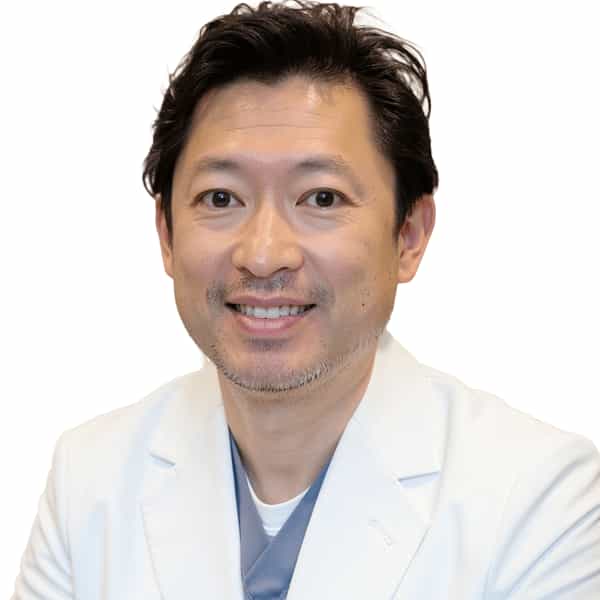
HELENE - Stem Cell Clinic


Overview
Japan Regenerative Medicine Leading Brand With over a decade of experience and more than 17,000 treated patients. Providing cutting-edge stem cell therapies tailored to various health concerns.
Read more details


 100.00% Patient Recommend
Azabu Skin Clinic - Dermatology and Stem Cell Therapy in Japan
Overview
Azabu Skin Clinic in Tokyo offers advanced stem cell treatments, regenerative treatments, dermatology, and aesthetic care. Book your consultation today.
Read more details
Riso Clinic - Japan Stem Cell Therapy
Overview
Explore Japan stem cell therapy at Riso Clinic in Tokyo. Advanced regenerative treatments for knee osteoarthritis, joint injuries, and cartilage repair.
Read more details
 100.00% Patient Recommend
Cell Grand Clinic - Best Stem Cell Clinic in Japan
Overview
Explore Cell Grand Clinic, the best stem cell clinic in Japan specializing in top regenerative therapies for anti-aging, chronic conditions, and wellness.
Read more details
Discover your treatment options with a free, no-obligation quote!
Get your quote now!
Clinique Haru Osaka Umeda - Japan Stem Cell Treatment
Overview
Clinique Haru Osaka Umeda specializes in Japan stem cell treatments for joint and musculoskeletal conditions using advanced regenerative medicine.
Read more details 100.00% Patient Recommend
Vega Stem Cell Clinic in Bangkok Thailand
Overview
Vega Clinic in Bangkok, Thailand, helps people feel better with special treatments. They use new ways to heal and make sure each person gets care made just for them.
Read more details
 100.00% Patient Recommend
GIOSTAR Hospital Bengaluru
Overview
Discover GIOSTAR Hospital in Bengaluru, India—your go-to center for advanced stem cell therapies and cutting-edge procedures for orthopaedics. Explore treatments for diabetes, stroke, SCI, and more.
Read more details

Dr. Ebenezer Abel Paul - Stem Cells in Malaysia
Overview
Explore Stem Cells in Malaysia with Dr. Ebenezer Abel Paul, offering cutting-edge regenerative therapies and advanced stem cell treatments.
Read more details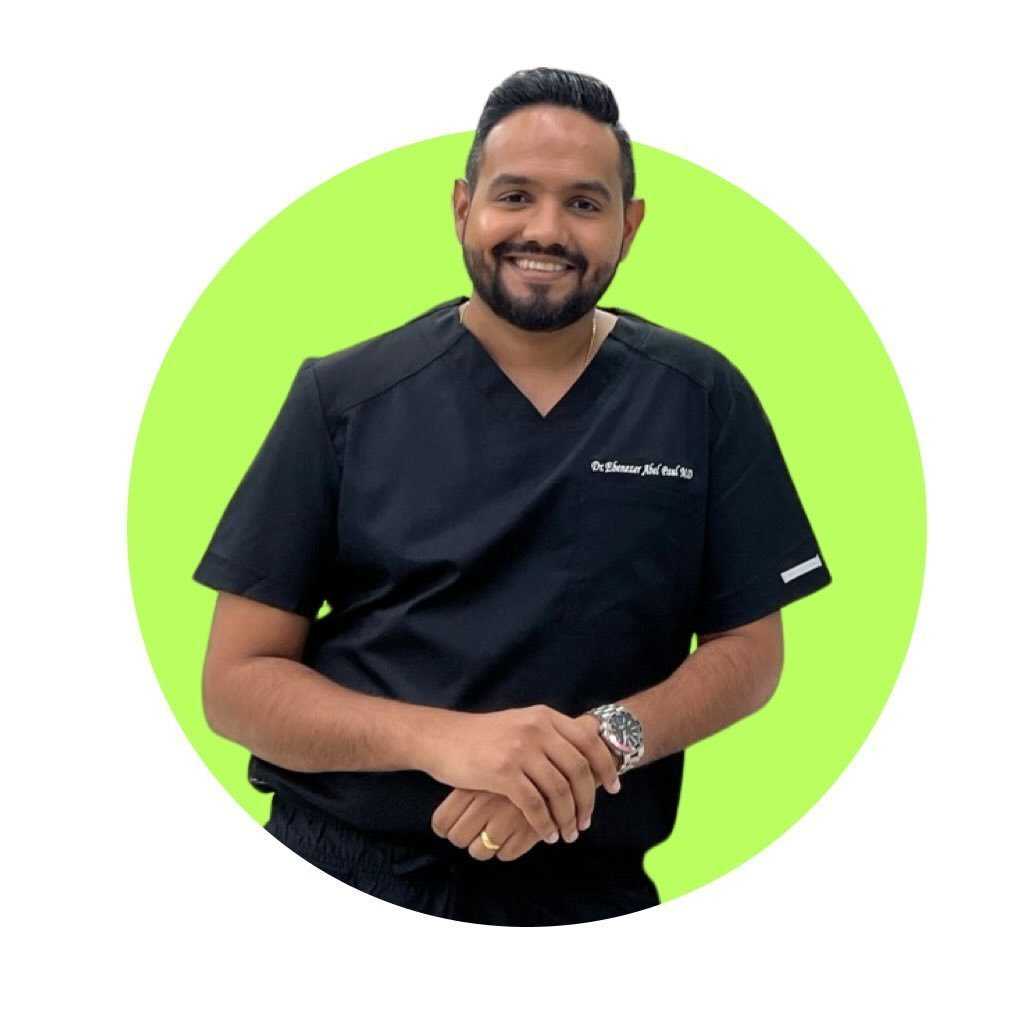
Discover your treatment options with a free, no-obligation quote!
Get your quote now! 97.30% Patient Recommend
Dr. Pravin Patels Innovative Hospital & Research Center
Overview
Dr. Pravin Patel's Innovative Hospital provides best stem cell treatment in Gujarat, India. Also offers Ozone therapy, Quantum therapy , EBOO therapy, Frequency & Laser Therapy at affordable cost.
Read more details

 100.00% Patient Recommend
FirstCell Malaysia
Overview
FirstCell specialize on cell-based medicine and treatments especially via MSC and NKC to enhance wellness and for targeted treatment modules. We are committed in delivering excellent treatment.
Read more details

 100.00% Patient Recommend
Live Stem Cell Asia - Premier Stem Cell Clinic in Malaysia
Overview
Discover advanced stem cell Malaysia treatments at Live Stem Cell Asia, Petaling Jaya. Experience personalized care and innovative regenerative solutions.
Read more details
 100.00% Patient Recommend
StemRx Hospital and Research Centre
Overview
At StemRx Hospital & Research Centre, We specialize in advanced Regenerative Medicine & Stem Cell therapy for Autism, Cerebral Palsy, Orthopedics, Migraine, AVN & IVF providing personalized care.
Read more details
 98.04% Patient Recommend
Klinik Setia Gemilang
Overview
Klinik Setia Gemilang: Leading in stem cell therapy, orthopedic treatments, and anti -ageing solutions Malaysia . It is part of Setia Gemilang Medicare which houses a clinic and dentist
Read more details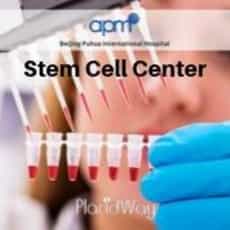
Beijing Puhua International Hospital- Stem Cell Center
Overview
Beijing Puhua International Hospital (BPIH) features a dedicated Stem Cell Center, where a team of highly educated and experienced scientists and technicians are working on the research and development of stem cell technology to restrict the development of several degenerative diseases like Parkinson’s, ALS, Batten, Multiple Sclerosis and more.
Read more details
Beike Biotech
Overview
Beike Biotechnology offers the best stem cell therapy in Thailand, combining top-quality regenerative treatment with cutting-edge technology for optimal patient care.
Read more details

Boston Health Longevity - Anti Aging Stem Cell Therapy in Thailand
Overview
Experience advanced Anti Aging Stem Cell Therapy in Thailand at Boston Health Longevity. Improve cellular health, vitality, and longevity with expert care.
Read more details 100.00% Patient Recommend
Chaum Medical Center
Overview
Premium healthcare at Chaum Medical Center, Seoul. Personalized anti-aging, stem cell therapy, and advanced medical services for a youthful life.
Read more details
Hebei Yanda International Hospital
Overview
Hebei Yanda International Hospital in Beijing, China, addresses your healthcare needs with expert oncology, cardiology, and neurology treatments.
Read more details
Krishna Institute of Medical Sciences (KIMS), Bengaluru
Overview
Krishna Institute of Medical Sciences (KIMS) Bengaluru is recognized as the best hospital in India, offering advanced multispecialty care and expert doctors.
Read more details
Mousai Wellness Center - Stem Cell Bangkok Thailand
Overview
Discover advanced Stem Cell treatments in Bangkok, Thailand at Mousai Wellness Center. Safe, innovative, and personalized care for lasting wellness.
Read more detailsWhich are the leading Stem Cell Treatment for Aid Digestive Issues clinics in Tokyo, Japan?
For advanced Stem Cell Treatment for Aid Digestive Issues in Tokyo, Japan, HELENE - Stem Cell Clinic stands out. This facility is recognized as a leading brand in Japanese regenerative medicine, boasting over a decade of experience and a strong patient satisfaction rate. They offer cutting-edge stem cell therapies customized for various health concerns, including digestive conditions, emphasizing a patient-first approach and high-quality care.
When seeking top clinics in Tokyo for digestive issues, HELENE - Stem Cell Clinic should be a primary consideration. This clinic has established itself as a significant player in Japan's regenerative medicine field, demonstrating extensive expertise accumulated over more than ten years and treating over 16,000 patients. Their focus is on delivering advanced stem cell therapies tailored to individual patient needs, which often include complex digestive disorders. Patients frequently highlight their commitment to personalized care and the modern approach to treatment. When evaluating any clinic, always consider:
- Specialization: Ensure the clinic specifically addresses digestive issues with regenerative medicine.
- Experience & Volume: Look for clinics with a long track record and a high number of successful cases.
- Patient Feedback: Online reviews and satisfaction rates offer valuable insights into patient experiences.
What types of digestive issues can Stem Cell Therapy address in Tokyo?
Stem cell therapy clinics in Tokyo, such as HELENE, may target a range of chronic inflammatory and degenerative digestive conditions. These advanced treatments aim to promote healing, reduce inflammation, and restore cellular function within the gastrointestinal tract, offering a regenerative approach for patients with complex and persistent digestive complaints. It's often considered for conditions unresponsive to conventional therapies.
Stem Cell Therapy for digestive issues focuses on leveraging the body's natural healing mechanisms to repair damaged tissues and modulate immune responses in the gut. In Tokyo, clinics offering these specialized treatments may target conditions like:
- Inflammatory Bowel Disease (IBD): This includes Crohn's disease and ulcerative colitis, where stem cells can help reduce chronic inflammation and promote mucosal healing.
- Irritable Bowel Syndrome (IBS): While more functional, stem cell research explores its potential in modulating gut-brain axis communication and reducing gut hypersensitivity.
- Gastroparesis: This condition affects stomach emptying, and stem cells may help regenerate damaged nerves or smooth muscle cells in the stomach wall.
- Liver Disorders: Although not strictly "digestive," some stem cell therapies are explored for liver regeneration in chronic liver diseases.
These therapies often aim to reduce symptoms, improve quality of life, and potentially lessen reliance on immunosuppressive medications by addressing the underlying cellular damage and dysregulation. Always consult with a regenerative medicine specialist to understand specific indications and expected outcomes.
What should I look for in a Stem Cell Therapy clinic in Tokyo for digestive problems?
When choosing a stem cell therapy clinic in Tokyo for digestive issues, prioritize accreditation, the medical team's experience, and the specific stem cell protocols offered. Look for clinics that provide transparent information about their treatment methodologies, safety measures, patient follow-up, and have a clear focus on regenerative medicine applications for gastrointestinal health.
Selecting the right clinic is crucial for effective and safe treatment. Here are key factors to evaluate:
- Accreditation and Licensing: Verify that the clinic adheres to national and international medical standards and is properly licensed by Japanese health authorities for stem cell procedures.
- Expertise of Medical Staff: Inquire about the physicians’ specialized training and experience in regenerative medicine and gastroenterology. The team should include professionals with a deep understanding of digestive diseases.
- Type of Stem Cells Used: Understand whether the clinic uses autologous (from your own body) or allogeneic (from a donor) cells, and the source (e.g., adipose-derived, bone marrow-derived, umbilical cord blood).
- Treatment Protocols: Ask for detailed explanations of their specific treatment plans for digestive issues, including the number of cell administrations, dosage, and delivery methods (e.g., intravenous, endoscopic).
- Research and Innovation: Leading clinics often participate in or follow the latest research, ensuring they offer the most current and evidence-based regenerative therapies.
- Patient Care and Follow-up: A good clinic provides comprehensive pre-treatment assessments, detailed post-treatment care instructions, and long-term follow-up to monitor progress and manage any concerns.
How do I verify the credentials of a Stem Cell Clinic in Japan?
To verify a stem cell clinic's credentials in Japan, look for registration with the Ministry of Health, Labour and Welfare (MHLW) under the Act on the Safety of Regenerative Medicine. Clinics must comply with strict regulations, including submitting treatment plans for approval and adhering to ethical guidelines. You can often find accreditation details and compliance statements on the clinic's official website or inquire directly.
Japan has a robust regulatory framework for regenerative medicine. To ensure a clinic is legitimate and safe, consider these steps:
- MHLW Registration: All medical institutions offering regenerative medicine treatments in Japan must register their plans with the Ministry of Health, Labour and Welfare (MHLW). Clinics typically display this registration or can provide documentation upon request.
- Clinical Research vs. Approved Treatment: Differentiate between clinics offering treatments under approved clinical research protocols and those providing widely available approved therapies. This impacts the level of evidence and oversight.
- Doctor's Qualifications: Ensure the medical professionals performing the procedures are licensed physicians in Japan and have specialized training or board certification relevant to regenerative medicine and gastroenterology.
- Facility Standards: Reputable clinics operate in modern, sterile facilities that meet strict Japanese healthcare standards, reducing the risk of complications.
- Transparency: A trustworthy clinic will be transparent about its accreditations, success rates, potential risks, and data privacy policies.
Don't hesitate to ask clinics for documentation and seek a second opinion if anything seems unclear.
What patient support services are available at Tokyo Stem Cell clinics for digestive treatments?
Tokyo stem cell clinics offering digestive treatments often provide comprehensive patient support, including personalized consultations, detailed treatment explanations, and multilingual assistance. Many focus on holistic wellness, integrating various therapies alongside stem cell procedures. Post-treatment care, dietary guidance, and ongoing monitoring are also key components to ensure a smooth recovery and sustained health benefits.
Patient support is a cornerstone of quality care in Tokyo's stem cell clinics, especially for complex digestive conditions. These services might include:
- Personalized Consultations: In-depth initial assessments to understand your specific digestive condition, medical history, and treatment goals. This often includes a review of previous medical records.
- Multilingual Staff: For international patients, clinics often provide English-speaking staff or translation services to ensure clear communication throughout the treatment process.
- Detailed Treatment Plans: Comprehensive explanations of the proposed stem cell therapy, including procedures, expected outcomes, potential risks, and recovery timelines.
- Nutritional Counseling: Guidance on dietary adjustments and lifestyle changes that can support gut health and enhance the effectiveness of stem cell treatment.
- Accommodation and Travel Assistance: Some clinics may offer or recommend services to help international patients with travel logistics, lodging, and local transportation.
- Post-Treatment Monitoring: Structured follow-up appointments and ongoing communication to track your recovery, assess treatment efficacy, and address any concerns.
These services aim to create a supportive environment, ensuring patients feel informed, comfortable, and well-cared for throughout their regenerative medicine journey.
What does the pre-treatment process involve for Stem Cell Therapy for digestive issues in Japan?
The pre-treatment process for stem cell therapy for digestive issues in Japan typically begins with a thorough medical evaluation, including reviewing medical history, diagnostics, and suitability assessments. This ensures patient safety and optimizes treatment outcomes. Clinics perform detailed health screenings, discuss individualized treatment plans, and provide extensive patient education about the procedure and expected recovery to prepare you mentally and physically.
Before undergoing stem cell therapy for digestive issues in a Japanese clinic, you can expect a comprehensive preparatory phase designed to ensure your safety and tailor the treatment effectively. This process usually involves:
- Initial Consultation: A thorough review of your medical history, current digestive symptoms, and previous treatments.
- Diagnostic Tests: This may include blood tests, imaging (such as MRI, CT scans, or endoscopy), and specialized gastrointestinal evaluations to accurately diagnose your condition and assess disease severity.
- Eligibility Assessment: Medical professionals will determine if you are a suitable candidate for stem cell therapy based on your health status, specific digestive issue, and any contraindications.
- Stem Cell Source Discussion: If autologous stem cells are used, the process of harvesting your cells (e.g., from adipose tissue or bone marrow) will be explained. If allogeneic cells are chosen, donor screening and safety measures will be detailed.
- Informed Consent: You will receive detailed information about the procedure, potential benefits, risks, alternative treatments, and expected recovery, ensuring you fully understand and consent to the therapy.
- Pre-Procedure Instructions: Guidance on diet, medications, and any necessary preparations leading up to the stem cell administration.
How is recovery managed after Stem Cell Treatment for digestive concerns in Tokyo?
Recovery after stem cell treatment for digestive issues in Tokyo is carefully managed with individualized post-procedure plans, focusing on rest, monitoring, and supportive care. Clinics provide detailed guidelines for medications, activity levels, and dietary adjustments. Follow-up appointments are crucial to track progress, assess treatment efficacy, and manage any potential concerns, ensuring optimal healing and long-term results for your gut health.
The recovery phase is critical for the success of stem cell therapy for digestive issues. Clinics in Tokyo prioritize a structured approach to post-treatment care:
- Immediate Post-Procedure Care: You'll typically be monitored for a few hours or days following the stem cell administration, depending on the procedure and your specific case.
- Medication Management: Instructions will be provided for any prescribed medications, including pain relief or anti-inflammatory drugs, and how to manage your existing digestive medications.
- Activity Restrictions: You may be advised to limit certain physical activities for a period to allow your body to heal and the stem cells to integrate effectively.
- Dietary Recommendations: Specific dietary guidelines, potentially including soft foods or avoiding certain irritants, will be given to support your digestive system's healing process.
- Follow-up Schedule: Regular follow-up appointments, either in person or via telehealth for international patients, are scheduled to assess your progress, monitor for any side effects, and adjust supportive therapies as needed.
- Lifestyle Guidance: Long-term advice on maintaining a healthy lifestyle, stress management, and ongoing nutritional support is often provided to optimize and sustain the treatment benefits.
Are there specific patient success stories or testimonials for digestive stem cell therapy in Japan?
Many reputable stem cell clinics in Japan, like HELENE, share patient success stories and testimonials regarding digestive stem cell therapy on their websites. These narratives often detail improvements in symptoms, quality of life, and recovery experiences, providing valuable insights for prospective patients. While individual results vary, these shared experiences highlight the potential benefits and help manage expectations for those considering regenerative treatments for gut health.
Patient experiences can be a powerful indicator of a clinic's effectiveness and approach. When researching digestive stem cell therapy in Japan:
- Clinic Websites: Many clinics feature sections dedicated to patient testimonials or case studies. These often include details about the patient's initial condition, the treatment received, and their recovery journey, sometimes with before-and-after comparisons or video interviews.
- Independent Review Platforms: Websites like Trustpilot or Google Reviews can offer unfiltered feedback from former patients, giving a broader perspective on their satisfaction and experiences with specific clinics. For example, HELENE - Stem Cell Clinic in Tokyo shows a 100% patient recommendation rate from 10 reviews.
- Patient Forums and Support Groups: Online communities and forums dedicated to digestive health or regenerative medicine can be excellent places to find peer experiences and discussions about clinics in Japan.
- Transparency is Key: Look for testimonials that provide specific details, such as the type of digestive issue treated, the stem cell source, and quantifiable improvements, rather than vague statements.
While testimonials offer encouraging insights, remember that every patient's response to therapy is unique.
What innovative approaches do leading Tokyo Stem Cell clinics use for digestive aid?
Leading Tokyo stem cell clinics utilize innovative approaches for digestive aid, often incorporating personalized regenerative therapies with advanced cell culture techniques. They might focus on specific cell types like mesenchymal stem cells (MSCs) for their anti-inflammatory properties, combined with exosome therapy, to repair damaged gastrointestinal lining and modulate immune responses, aiming for more targeted and effective treatment for complex digestive conditions.
Tokyo's advanced medical landscape means clinics are constantly exploring and implementing the latest innovations in regenerative medicine for digestive health. These may include:
- Mesenchymal Stem Cell (MSC) Therapy: Widely used for their potent immunomodulatory and anti-inflammatory properties, MSCs can help repair damaged gut lining and reduce chronic inflammation associated with conditions like IBD.
- Exosome Therapy: Exosomes, tiny vesicles released by stem cells, carry growth factors and genetic material that can stimulate cellular repair and regeneration. This targeted approach is gaining traction for its potential to deliver therapeutic effects without direct cell transplantation.
- Growth Factor Infusions: Utilizing concentrated growth factors derived from platelets (e.g., PRP) or other sources to enhance tissue healing and regeneration in localized areas of the digestive tract.
- Precision Medicine: Tailoring stem cell treatments based on a patient's genetic profile and specific disease markers to maximize efficacy and minimize adverse reactions.
- Combination Therapies: Integrating stem cell treatments with other supportive therapies like hyperbaric oxygen therapy, specialized nutrition plans, or targeted immune modulation strategies for a more holistic approach to digestive wellness.
These innovative methods reflect a commitment to pushing the boundaries of conventional digestive care and offering patients advanced options for complex conditions.
What are the key safety considerations for Stem Cell Therapy for digestive issues in Japan?
Key safety considerations for stem cell therapy for digestive issues in Japan revolve around rigorous regulatory compliance, clinic accreditation, and patient-specific evaluations. Ensure the clinic operates under the Ministry of Health, Labour and Welfare guidelines, uses ethically sourced and processed cells, and provides transparent risk assessment. Proper patient screening and sterile procedures are paramount to minimize infection, immune reactions, and other potential complications.
Patient safety is paramount in any medical procedure, especially with advanced therapies like stem cell treatment. In Japan, several factors ensure a high standard of safety:
- Regulatory Compliance: Clinics must adhere to the Act on the Safety of Regenerative Medicine, which dictates strict protocols for cell processing, quality control, and clinical application.
- Sterility and Quality Control: All procedures, from cell harvesting and processing to administration, should be performed in highly sterile environments (e.g., GMP-compliant facilities) to prevent contamination and infection.
- Cell Source and Processing: The origin of stem cells (autologous vs. allogeneic) and their processing methods are crucial. Reputable clinics ensure cells are screened for pathogens and genetic abnormalities and processed to maintain viability and purity.
- Patient Screening: Thorough pre-treatment evaluations are essential to identify any contraindications or pre-existing conditions that could increase risks during or after therapy.
- Potential Side Effects: While generally considered safe, potential side effects can include temporary fever, soreness at the injection site, or mild immune reactions. Serious complications are rare but can occur.
- Long-term Monitoring: Effective post-treatment follow-up allows for early detection and management of any delayed complications or unexpected responses to the therapy.
Always engage in open dialogue with your medical team about all safety aspects and your personal health history.
How PlacidWay helps individuals access Stem Cell Treatment for Aid Digestive Issues in Tokyo, Japan?
PlacidWay provides detailed, up-to-date information about Stem Cell Treatment for Aid Digestive Issues, including benefits, risks, and expected outcomes, empowering you with the knowledge to make informed healthcare decisions. We help users compare treatment options in various accredited clinics, ensuring you find affordable options without compromising on quality or safety. PlacidWay assists you in finding trusted, accredited clinics and highly qualified medical professionals specializing in Stem Cell Treatment for Aid Digestive Issues in Tokyo, Japan, ensuring you receive expert care. We offer one-on-one consultations to help users make informed decisions about their treatment journey, ensuring their specific medical needs and preferences are met. Beyond the treatment itself, PlacidWay ensures continued support after the procedure, including assistance with follow-up care and recovery, for a seamless and worry-free experience. Ready to get Stem Cell Treatment for Aid Digestive Issues in Tokyo, Japan? Contact us today for a personalized consultation.Share with AI
Share this page with AI assistants to get summaries and insights



List of Best Stem Cell Treatment for Aid Digestive Issues Clinics in Japan
Unlock the Best Stem Cell Treatment for Aid Digestive Issues Packages Just for You
Discover the ultimate Stem Cell Treatment for Aid Digestive Issues packages designed to meet your health and wellness goals. Choose the perfect fit for your journey.

Price starting from $10000.0
Stem Cell Therapy for Knee Osteoarthritis Package in Tokyo, Japan by HELENE Clinic
HELENE - Stem Cell Clinic
- Stem Cell Therapy
Tokyo, Japan

Price starting from $21000.0
ED (Erectile Dysfunction) Stem Cell Therapy Package in Osaka, Japan by Cell Grand Clinic
Cell Grand Clinic - Best Stem Cell Clinic in Japan
- Stem Cell Therapy
Osaka, Japan

Price starting from $10000.0
Stem Cell Therapy for Spinal Cord Injury Package in Tokyo, Japan by HELENE Clinic
HELENE - Stem Cell Clinic
- Stem Cell Therapy
Tokyo, Japan

Price starting from $368.0
Stem Cell Treatment Online Consultation Package in Osaka, Japan by Cell Grand Clinic
Cell Grand Clinic - Best Stem Cell Clinic in Japan
- Stem Cell Therapy
Osaka, Japan
Transformative Stem Cell Treatment for Aid Digestive Issues Experiences: Dive into Procedure Insights
Discover the power of Stem Cell Treatment for Aid Digestive Issues through compelling patient experiences. Uncover detailed insights into procedures, recovery journeys, and life-changing results.
.png)
Price starting from $4200.0
Stem Cell Therapy for Autism in Monterrey, Mexico
- Stem Cell Treatment for Autism, Stem Cell Therapy
Monterrey, Mexico
.png)
Stem Cell for Knee Osteoarthritis in Osaka, Japan
- Stem Cell Therapy for Osteoarthritis, Stem Cell Therapy
Osaka, Japan


Price starting from $10000.0
Stem Cell Therapy for Spinal Cord Injury in Tokyo Japan
- Stem Cell Treatment for Spinal Cord Injury, Stem Cell Therapy
Tokyo, Japan

(Translated by Google) The teacher is nice, but I am bothered by the staff\'s private conversations (laughter) and their behavior. (Original) 先生はいい方なのですが、スタッフの私語(笑い声)や対応が気になります。
Read More