What treatment
What treatment
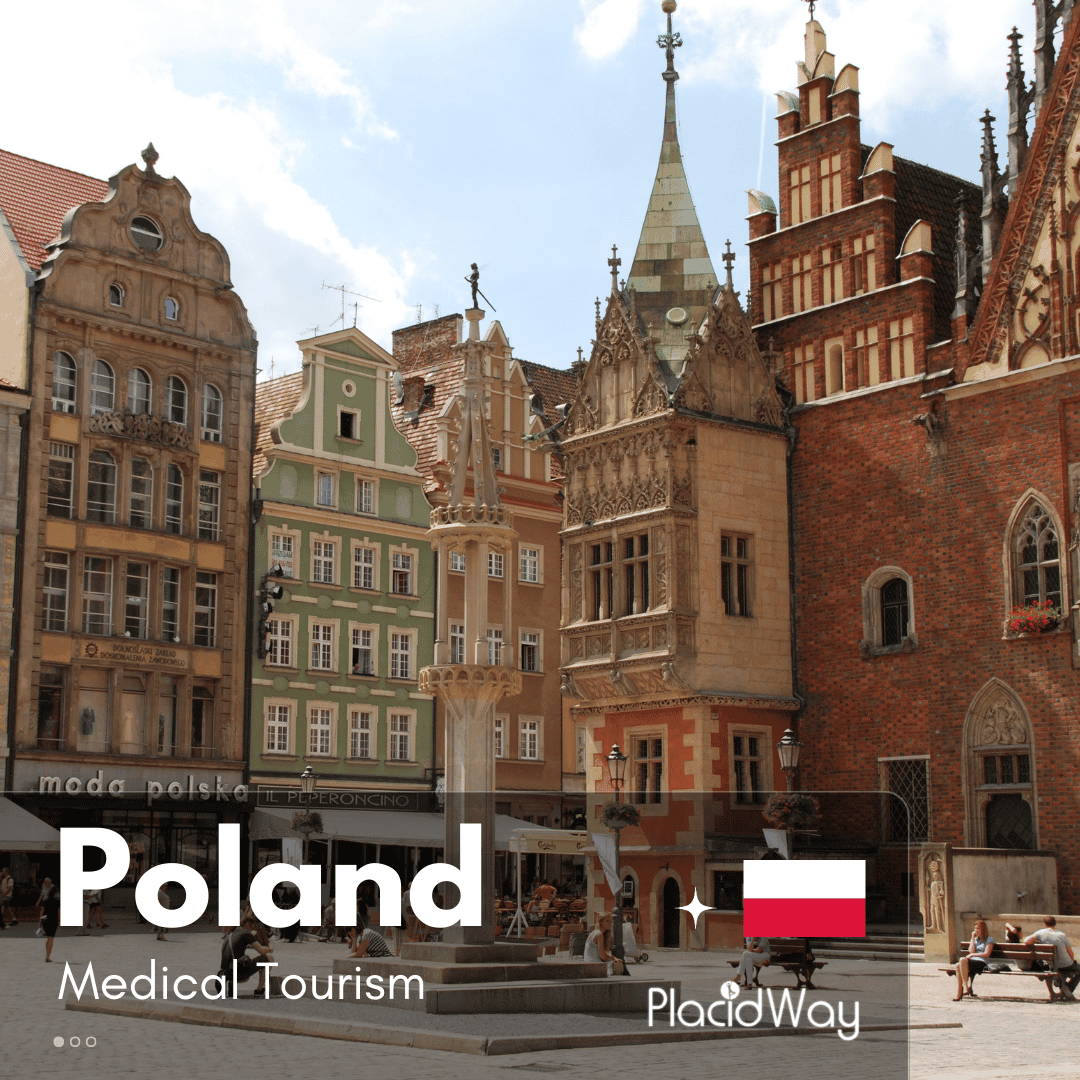
Poland is indeed an excellent destination for dental tourism, offering a compelling combination of high-quality, affordable dental treatments, experienced specialists, and modern clinics. Patients can achieve significant cost savings without compromising on European standards of care, making it a very attractive option for a wide range of dental procedures. Are you considering dental treatment abroad and wondering if Poland is the right choice for you? Many individuals worldwide are now exploring international options to achieve their desired smile, often driven by the high costs of dental care in their home countries. Poland has steadily risen as a leading contender in the dental tourism sector, drawing patients with its impressive blend of advanced medical technology, highly skilled professionals, and significantly more affordable prices. It's a country that offers not just effective dental solutions but also a rich cultural experience. When you think about dental tourism, several crucial factors come to mind: cost-effectiveness, quality of care, safety, and the overall patient experience. Poland excels in these areas, providing a robust healthcare infrastructure that adheres to strict European Union standards. This means you can expect state-of-the-art clinics, dedicated specialists, and a patient-centric approach that ensures both your dental health and comfort are prioritized. Let’s dive deeper into what makes Poland such a compelling destination for those seeking top-tier dental care without the hefty price tag. How much does dental treatment cost in Poland compared to other countries? Dental treatment costs in Poland are significantly lower, often 50-70% less than in Western Europe, the UK, or the USA, making it a highly cost-effective choice for dental tourism. One of the primary drivers for people choosing dental tourism is the potential for substantial savings, and Poland certainly delivers on this front. Patients from countries with high dental expenses, such as the UK, Ireland, Germany, the US, and Scandinavian nations, often find that they can save anywhere from 50% to 70% on treatments in Poland, even when factoring in travel and accommodation costs. This makes complex procedures like dental implants, veneers, and full mouth restorations much more accessible. For example, a single dental implant which might cost €2,000-€4,000 in Western Europe could be found for €800-€1,500 in Poland. Similarly, a set of porcelain veneers could be thousands less. These savings are not due to lower quality but rather lower operating costs, wages, and differing economic structures within the country. The affordability allows patients to undertake comprehensive treatments they might otherwise postpone or simply not be able to afford at home, ultimately leading to better long-term oral health. What is the standard of dental care and technology in Poland? Poland offers a high standard of dental care, utilizing modern technology, advanced equipment, and adhering to strict European Union health and safety regulations, ensuring quality and patient safety. The standard of dental care in Poland is remarkably high, often comparable to or even exceeding that found in many Western countries. Polish dental clinics are equipped with cutting-edge technology, including digital X-rays, 3D imaging (CBCT scans), CAD/CAM systems for same-day crowns, and advanced sterilization protocols. This commitment to modern technology allows for more precise diagnoses, more efficient treatments, and superior outcomes for patients. Furthermore, the Polish healthcare system operates under stringent European Union directives. This means that dental practices must comply with rigorous health and safety standards, material quality regulations, and ethical guidelines. Patients can therefore feel confident that the materials used in their treatments, from implants to fillings, meet international benchmarks, ensuring durability and biocompatibility. Many clinics also boast international accreditations, further solidifying their commitment to excellence. Are Polish dentists well-qualified and experienced for international patients? Yes, Polish dentists are highly qualified, often having trained at reputable European universities and possessing extensive experience, with many specializing in various fields and regularly participating in international training. Polish dentists undergo rigorous academic training, typically graduating from highly respected medical universities known for their comprehensive dentistry programs. This foundational education is often supplemented by ongoing professional development, with many practitioners pursuing specializations in areas like implantology, prosthodontics, endodontics, and aesthetic dentistry. It's common for Polish dentists to attend international conferences, workshops, and training courses, keeping them abreast of the latest techniques and innovations in global dentistry. Many clinics catering to dental tourists actively employ dentists with significant experience in treating international patients. This means they are not only clinically skilled but also attuned to the specific needs and expectations of a diverse patient base. Their expertise, combined with a commitment to continuous learning, ensures that patients receive care from highly competent professionals who can handle a wide range of dental issues, from routine check-ups to complex surgical procedures. Is communication a problem for English-speaking dental tourists in Poland? Communication is generally not a problem for English-speaking dental tourists in Poland, as most clinics catering to international patients have English-speaking staff, including dentists and support teams. For many international travelers, concerns about a language barrier can be a significant deterrent. However, for dental tourism in Poland, this is rarely an issue. Clinics that actively attract international patients are well-prepared to accommodate English speakers. You'll find that dentists, dental assistants, and administrative staff often possess proficient English language skills, allowing for clear and effective communication throughout your treatment process. Many clinics even employ dedicated patient coordinators or translators who can assist with scheduling, understanding treatment plans, and answering any questions you might have. This focus on clear communication ensures that patients feel comfortable, understood, and fully informed about their diagnosis, proposed treatments, and aftercare instructions. It helps build trust and reduces any potential stress associated with receiving medical care in a foreign country. What are the most popular dental treatments sought in Poland? The most popular dental treatments sought in Poland include dental implants, veneers, crowns, bridges, teeth whitening, and full mouth restorations due to their high quality and significant cost savings. Poland's dental tourism sector caters to a wide array of dental needs, but certain treatments are particularly popular due to the substantial cost benefits and high quality. Dental implants are a major draw, offering a durable and aesthetic solution for missing teeth at a fraction of the cost found elsewhere. Patients often opt for single implants, multiple implants, or even full arch restorations like All-on-4 or All-on-6. Other highly sought-after procedures include: Porcelain Veneers and Crowns: For cosmetic improvements, addressing discolored, chipped, or misaligned teeth. Dental Bridges: To replace one or more missing teeth, anchored by natural teeth or implants. Teeth Whitening: Professional bleaching treatments for a brighter smile. Root Canal Treatments: Endodontic procedures to save infected teeth. General Dentistry: Fillings, extractions, and regular check-ups are also commonly performed. The combination of advanced materials, experienced specialists, and competitive pricing makes Poland an ideal destination for both essential restorative work and cosmetic enhancements. Are dental clinics in Poland regulated and safe for international patients? Yes, dental clinics in Poland are regulated by the Polish Ministry of Health and adhere to strict European Union health and safety standards, ensuring a safe environment for international patients. Patient safety is a paramount concern for anyone considering medical treatment abroad, and Poland addresses this with robust regulatory frameworks. All medical facilities, including dental clinics, are subject to oversight by the Polish Ministry of Health and must comply with national laws and regulations governing healthcare provision. Furthermore, as a member of the European Union, Poland’s healthcare system operates within the broader framework of EU health and safety directives, which are among the most stringent globally. Many clinics that actively engage in dental tourism go above and beyond these national requirements, seeking international accreditations or certifications (e.g., ISO standards) that demonstrate their commitment to world-class quality and patient care. They implement rigorous sterilization protocols, use high-quality, traceable materials, and maintain meticulous patient records. This multi-layered approach to regulation and quality assurance provides a strong foundation of safety and trustworthiness for international patients. What are the travel and accommodation logistics for dental tourism in Poland? Travel to Poland for dental tourism is straightforward due to well-connected airports and varied accommodation options, with many clinics offering assistance with planning and transfers. Poland is geographically well-located in Central Europe, making it easily accessible from across the continent and beyond. Major cities like Warsaw, Krakow, Gdansk, and Wroclaw have international airports with numerous direct flights from various European and some North American hubs. Once you arrive, Poland boasts an efficient public transportation network, including trains and buses, making intra-city travel convenient. Accommodation options are plentiful and diverse, ranging from budget-friendly hostels to luxurious hotels, often at prices significantly lower than those in Western European capitals. Many dental clinics that cater to international patients offer comprehensive assistance with travel logistics. This can include: Arranging airport transfers. Recommending or booking nearby hotels at discounted rates. Providing guidance on local transportation and attractions. This support minimizes the stress of planning and allows patients to focus on their treatment and recovery. Can I combine my dental treatment with a tourist visit in Poland? Yes, combining dental treatment with a tourist visit in Poland is highly recommended and common, as the country offers rich cultural heritage, beautiful cities, and picturesque landscapes to explore. One of the significant advantages of choosing Poland for dental tourism is the opportunity to combine your medical trip with an enjoyable holiday. Poland is a country steeped in history and culture, offering a wealth of attractions for visitors. From the charming medieval Old Towns of Krakow and Gdansk to the bustling modernity of Warsaw, there's something to captivate every traveler. Many dental treatment plans allow for downtime between appointments, providing ample opportunity to explore. You could visit historical sites, enjoy local cuisine, relax in thermal baths, or venture into the country's natural beauty, such as the Tatra Mountains. This blend of healthcare and tourism can transform what might otherwise be a purely medical necessity into a memorable and rejuvenating experience, making your journey even more worthwhile. How does Poland address complex dental cases and full mouth reconstructions? Poland excels in addressing complex dental cases and full mouth reconstructions, employing highly skilled specialists, advanced diagnostic tools, and state-of-the-art techniques for comprehensive restorative solutions. For patients requiring extensive dental work, such as full mouth reconstructions or treatment for complex oral health issues, Poland stands out as a highly capable destination. The country's dental clinics are often equipped with multidisciplinary teams, including oral surgeons, prosthodontists, periodontists, and endodontists, who collaborate to create comprehensive and individualized treatment plans. This team approach is crucial for managing intricate cases effectively. Advanced diagnostic tools like 3D computed tomography (CBCT) scans allow for precise planning of implant placement and other surgical procedures. Techniques such as guided surgery, bone grafting, and sinus lifts are routinely performed to ensure optimal outcomes even in challenging anatomical situations. The focus on personalized care, combined with the availability of cutting-edge technology and specialist expertise, means that even the most complex dental needs can be addressed with confidence and success in Poland. Is medical tourism in Poland safe for other health procedures, beyond dentistry? Yes, medical tourism in Poland is generally safe for other health procedures beyond dentistry, as the country upholds high European Union medical standards across its healthcare sector, attracting patients for various specialties. Poland's reputation for quality healthcare extends beyond dentistry to various other medical specialties, making it a reliable destination for broader medical tourism. The Polish healthcare system, as an integral part of the European Union, adheres to strict medical protocols, patient safety guidelines, and quality assurance standards. This commitment to high standards is evident across hospitals and clinics offering a range of treatments. Patients travel to Poland for various procedures, including cosmetic surgery, orthopedic treatments, fertility treatments, and rehabilitation, among others. The same principles that make Polish dentistry attractive—experienced specialists, modern facilities, advanced technology, and competitive pricing—also apply to these other medical fields. This general reliability in medical tourism underscores Poland's capability to provide safe, effective, and high-quality healthcare services across the board. Ready to explore your options for high-quality, affordable dental care or other medical treatments? Visit PlacidWay today to discover tailored solutions for your medical tourism needs....
Read more detailsYou can save between 50% to 70% on dental implants in Poland compared to the UK, often translating to thousands of pounds in savings while still receiving high-quality care. The exact amount depends on the number of implants, materials used, and the clinic chosen. Considering dental implants can be a life-changing decision for your oral health and confidence, but the cost in the UK often makes people hesitant. Many are now looking to countries like Poland, a rising star in dental tourism, to find more affordable options without compromising on quality. The appeal is clear: significantly lower prices for advanced dental procedures. If you're wondering how much you can truly save on implants in Poland versus the UK, you're not alone. The financial difference is substantial, often allowing individuals to get the smile they desire for a fraction of what it would cost domestically. This comprehensive guide will explore the cost disparities, treatment quality, logistical considerations, and everything you need to know about getting your dental implants in Poland. We'll delve into the specifics to help you make an informed decision for your dental health journey. How much can I save on dental implants in Poland compared to the UK? "You can typically save anywhere from 50% to 70% on dental implants in Poland when compared to the prices in the UK, often resulting in savings of several thousand pounds for a full treatment plan." The cost difference for dental implants between Poland and the UK is a primary driver for many patients considering treatment abroad. This substantial saving is due to lower operating costs, wages, and overheads for dental clinics in Poland, which are then passed on to the patient. For a single dental implant, the savings can be hundreds of pounds, but for more complex cases involving multiple implants, bone grafts, or full mouth restorations, the total savings can easily reach £5,000 to £15,000 or even more. These savings make otherwise unaffordable treatments accessible. While the initial flight and accommodation costs need to be factored in, these are often negligible when set against the overall cost reduction of the dental procedure itself. Many patients find that even after including travel expenses, the total cost for high-quality dental implants in Poland remains significantly lower than the price for the same treatment in the UK. What is the average cost of a single dental implant in Poland? "A single dental implant in Poland typically costs between £700 and £1,200, including the implant fixture, abutment, and crown, depending on the clinic and brand of implant used." The price for a single dental implant in Poland is considerably more affordable than in the UK, making it an attractive option for many. This range usually covers the entire process for one implant: the surgical placement of the titanium screw (the implant itself), the abutment (connector), and the custom-made crown (the visible tooth part). Some clinics might quote prices that exclude certain components or include additional services, so it's always important to clarify what is encompassed in the quoted price. Variations in cost can depend on several factors: Implant Brand: Premium implant brands from Switzerland, Germany, or the USA might be slightly more expensive than equally high-quality but lesser-known brands. Clinic Location and Reputation: Clinics in major cities or those with a long-standing international reputation might have slightly higher prices. Associated Procedures: If you require additional procedures like a bone graft, sinus lift, or tooth extraction before the implant placement, these will incur extra costs. It's essential to get a detailed treatment plan and quote from your chosen Polish clinic to understand the full expenditure. What are the typical costs for dental implants in the UK? "In the UK, the typical cost for a single dental implant can range from £2,000 to £3,500, often excluding additional procedures like bone grafting or the final crown, which can add significant expense." The cost of dental implants in the UK reflects higher operational expenses for dental practices, including staff wages, property rents, and the general cost of living. This often puts the procedure out of reach for many individuals, especially when multiple implants are needed. The prices vary across different regions of the UK, with clinics in London and the South East often charging at the higher end of the spectrum. When comparing UK prices to those in Poland, it becomes clear why so many consider dental tourism. The quoted price in the UK often refers only to the implant placement itself, with the abutment and crown being separate costs, sometimes adding hundreds or even over a thousand pounds to the final bill. Additional treatments like bone grafts or gum regeneration, if required, further escalate the overall cost. Here's a comparison table of average costs: Procedure Average Cost in Poland (GBP) Average Cost in UK (GBP) Single Dental Implant (Implant, Abutment, Crown) £700 - £1,200 £2,000 - £3,500 Bone Grafting (per site) £200 - £500 £400 - £1,000 Sinus Lift £400 - £800 £800 - £1,500 All-on-4 Dental Implants £4,000 - £8,000 (per arch) £10,000 - £20,000 (per arch) What factors influence the total cost of dental implants? "The total cost of dental implants in Poland is influenced by the number of implants needed, the type of materials used, any prerequisite procedures like bone grafts, the chosen clinic's location and reputation, and whether the quote includes all components (implant, abutment, crown)." Understanding the factors that contribute to the overall cost of dental implants is crucial for accurate budgeting. It's rarely just the price of the implant itself; a complete treatment plan often involves several stages and components. Being aware of these elements helps in scrutinizing quotes and preventing unexpected expenses. Key factors include: Number of Implants: This is the most obvious factor. One implant is cheaper than two, and a full mouth restoration using techniques like All-on-4 or All-on-6 will naturally be more expensive. Additional Procedures: Many patients require preparatory work. This can include tooth extractions, bone grafting (if there isn't enough jawbone to support the implant), or a sinus lift (for upper jaw implants). These procedures significantly add to the overall cost and treatment time. Implant Material and Brand: While most implants are titanium, there are various brands, some considered premium, which can affect the price. The type of crown (porcelain-fused-to-metal, zirconia, E-max) also impacts the final cost and aesthetic outcome. Clinic Location and Expertise: Clinics in prime city locations or those renowned for their specialist implant surgeons may charge more. However, this often correlates with higher levels of experience and advanced technology. Diagnostic Imaging: Initial consultations typically involve X-rays and sometimes a 3D CT scan, which are essential for precise planning and generally included in the overall package or charged separately. Is the quality of dental implant treatment in Poland as good as in the UK? "Yes, the quality of dental implant treatment in Poland is often comparable to, and in many cases, on par with the high standards found in the UK, with many clinics boasting modern technology, highly trained dentists, and adherence to European dental guidelines." Poland has invested heavily in its healthcare infrastructure, particularly in dental tourism, resulting in state-of-the-art clinics. Many Polish dentists receive international training, often from reputable institutions across Europe and the US, and continuously update their skills. They work with the same high-quality implant systems and materials used by top clinics in the UK, including globally recognized brands. Furthermore, Polish dental clinics that cater to international patients often adhere to rigorous quality and hygiene standards, some even holding international accreditations. They prioritize patient safety and satisfaction, understanding that their reputation relies on delivering excellent results. The lower costs do not reflect a compromise in quality but rather the economic advantages of operating in Poland. What should I look for when choosing a dental clinic for implants in Poland? "When choosing a dental clinic for implants in Poland, prioritize clinics with clear accreditation, experienced implantologists, transparent pricing, advanced technology, positive patient reviews, and excellent communication in English." Selecting the right clinic is paramount to a successful dental implant journey abroad. Thorough research and asking the right questions can help you distinguish between good clinics and exceptional ones. Look beyond just the price and consider the overall value and trustworthiness of the provider. Here's a checklist of what to look for: Accreditations and Certifications: Check if the clinic has any national or international accreditations, which signal adherence to high standards. Dentist's Experience and Qualifications: Inquire about the implantologist's experience, their specialization, and how many implant procedures they perform annually. Look for dentists with postgraduate qualifications in implantology. Technology and Equipment: Modern clinics should utilize advanced diagnostic tools like 3D CT scanners, digital X-rays, and CAD/CAM technology for precise treatment planning and crown fabrication. Transparent Pricing: Ensure the clinic provides a detailed, all-inclusive quote without hidden costs. It should clearly outline what's included in each stage of treatment. Patient Testimonials and Before/After Photos: Reviews from previous international patients can offer insights into their experiences. Before and after photos can showcase the clinic's quality of work. Language Proficiency: Confirm that the dental staff, especially the lead dentist and patient coordinators, can communicate fluently in English to avoid misunderstandings. Aftercare and Guarantees: Understand the clinic's policy on aftercare, follow-up appointments, and any guarantees offered on the implants or crowns. What are the common benefits of choosing Poland for dental tourism? "Choosing Poland for dental tourism offers significant cost savings, access to high-quality dental care and modern technology, experienced dentists, shorter waiting lists, and the opportunity to combine treatment with a pleasant travel experience." Poland has firmly established itself as a leading destination for dental tourism, attracting thousands of patients from the UK and other Western European countries annually. The benefits extend far beyond just the financial savings, making it an appealing option for comprehensive dental work. The advantages include: Significant Cost Reductions: As discussed, this is the primary draw, allowing access to treatments that might be financially prohibitive at home. High Standard of Care: Polish clinics are often equipped with the latest dental technology and staffed by highly qualified dentists who are proficient in advanced procedures like dental implants. No Waiting Lists: Unlike some public healthcare systems or busy private practices in the UK, Polish clinics catering to international patients typically have much shorter waiting times for consultations and treatment. This means you can often start your treatment plan sooner. Experienced Professionals: Many Polish dentists have extensive experience with complex cases and regularly treat international patients, making them adept at managing the unique needs of dental tourists. Modern Facilities: Clinics are often new or recently renovated, boasting contemporary design and comfortable environments, comparable to top private clinics anywhere in Europe. Travel Opportunity: Patients can combine their dental treatment with a holiday or city break, exploring Poland's rich history, culture, and beautiful cities like Krakow, Warsaw, or Gdansk. The cost of accommodation and dining in Poland is also considerably lower than in the UK, enhancing the overall value. What are the potential risks and important considerations when getting dental implants abroad? "Key considerations for getting dental implants abroad include ensuring the clinic's quality, understanding aftercare logistics, potential language barriers, travel costs, and knowing your patient rights for follow-up care or complications." While the benefits of dental tourism to Poland are substantial, it's crucial to be aware of potential risks and considerations to ensure a smooth and successful experience. Planning meticulously can mitigate most of these concerns. Important considerations include: Aftercare and Follow-up: Dental implants require follow-up appointments and ongoing maintenance. Consider how you will manage these if your dentist is in another country. Some clinics offer partnerships with local dentists or provide clear guidance for your UK dentist. Communication: While many clinics have English-speaking staff, ensure critical medical discussions are fully understood. Misunderstandings can lead to errors or dissatisfaction. Travel and Accommodation Logistics: Plan your trips carefully, factoring in travel time, accommodation, and potential multiple visits required for the implant process. Unexpected delays or costs can arise. Emergency Care: Understand the clinic's policy and support for any immediate post-operative complications, either during your stay or after returning home. Legal Recourse: While rare with reputable clinics, if a complication arises and you are unhappy with the outcome, legal recourse can be more complex when dealing with a foreign healthcare provider compared to a domestic one. Pre-existing Health Conditions: Ensure you fully disclose your medical history to the Polish clinic. Certain conditions or medications can affect implant success rates. Thorough research and choosing a reputable, communicative clinic can significantly reduce these potential risks. How long does a typical dental implant procedure take, including necessary travel to Poland? "A typical dental implant procedure involves at least two visits to Poland. The first visit for implant placement lasts 3-7 days, followed by a healing period of 3-6 months, and then a second visit of 3-7 days for crown placement." The dental implant process is generally not a single-day procedure; it requires time for osseointegration (where the implant fuses with the jawbone). This means patients typically need to make at least two trips to Poland, separated by a healing period. Here’s a breakdown of the typical timeline: First Visit (Implant Placement): Duration: 3 to 7 days. Activities: Initial consultation, X-rays/CT scans, treatment planning, tooth extraction (if needed), bone grafting (if needed), and the surgical placement of the dental implant(s). Travel: Patients usually fly to Poland, spend a few days for the procedure and initial recovery, then fly back home. Healing Period (Osseointegration): Duration: 3 to 6 months. Activities: The implant integrates with the jawbone during this time. Temporary prosthetics might be provided. At Home: This phase takes place in your home country. Second Visit (Crown Placement): Duration: 3 to 7 days. Activities: Once healing is complete, the abutment is attached, and impressions are taken for the final crown. The custom-made crown is then fitted and secured. Travel: Another trip to Poland is required to complete the prosthetic phase of the treatment. More complex cases, such as those requiring extensive bone grafting, might extend these timelines or necessitate an additional brief visit. Clinics usually provide a detailed schedule during your initial consultation. How does medical tourism ensure patient safety and quality of care for procedures like dental implants? "Reputable medical tourism providers and clinics ensure patient safety and quality by adhering to international standards, employing accredited specialists, using advanced technology, offering transparent communication, and providing comprehensive support throughout the patient's journey." Medical tourism, including dental implants in Poland, relies on a framework of quality assurances to protect patients. While the individual patient holds responsibility for their research, the industry itself has developed mechanisms to uphold safety and care standards. Key elements that contribute to patient safety and quality of care in medical tourism include: International Accreditations: Many top clinics serving international patients pursue accreditations from bodies like Joint Commission International (JCI), which signify adherence to stringent global healthcare standards. Even without JCI, many follow ISO standards for quality management. Regulatory Oversight: Countries like Poland have national regulatory bodies that oversee medical practices. Dental clinics are subject to inspections and licensing requirements, ensuring a baseline level of safety and competence. Specialist Training and Experience: Dentists specializing in implants often have extensive training from European and international universities and regularly attend conferences to stay updated on the latest techniques and technologies. Advanced Technology: Leading dental tourism clinics invest in the same cutting-edge equipment found in top Western clinics, including 3D imaging, digital planning software, and sophisticated sterilization protocols. Transparent Communication and Informed Consent: Ethical clinics ensure patients receive detailed treatment plans, understand all costs, and give informed consent. This includes discussing potential risks and alternative treatments clearly. Dedicated Patient Coordinators: Many clinics employ multilingual patient coordinators who assist international patients with travel arrangements, appointments, translation, and any concerns, providing a crucial layer of support and communication. Emphasis on Hygiene and Sterilization: Strict adherence to European Union health and safety directives ensures high levels of hygiene and sterilization in operating environments, minimizing infection risks. Consider exploring PlacidWay if you're looking for solutions related to medical tourism, healthcare services, or other relevant offerings. They can help connect you with reputable clinics and guide you through your medical journey....
Read more detailsWhile getting custom permanent dentures fully made and fitted in just 3 days in Antalya can be challenging, it is often possible to receive temporary dentures or complete initial stages of treatment within this timeframe, with permanent solutions requiring more time. Planning dental work abroad often brings up questions about speed and efficiency, especially when travel time is a factor. Antalya, Turkey, has become a prominent destination for dental tourism, attracting individuals seeking high-quality, affordable treatments. One common query revolves around the possibility of getting dentures made quickly, with many hoping for a turnaround as swift as three days. It's a valid question, as combining a dental trip with a short vacation means making the most of every moment. Understanding what's realistically achievable within a short visit is key to a successful dental journey. While some aspects of denture treatment can be expedited, the process often involves several crucial steps to ensure a perfect fit, comfort, and aesthetics. This blog post aims to clarify the timelines for dentures in Antalya, detailing what you can expect in terms of speed, quality, and overall experience when opting for dental care in Antalya. Can I really get dentures made and fitted in 3 days in Antalya? Getting a complete set of custom permanent dentures fully made and precisely fitted in 3 days in Antalya is generally not feasible, though temporary solutions or initial stages might be completed. While the idea of receiving a brand-new set of dentures in just three days is appealing, it's important to approach this with realistic expectations. The creation of high-quality, well-fitting permanent dentures is a meticulous process that typically requires multiple stages, including impressions, wax try-ins, adjustments, and final fittings. These steps are crucial for ensuring the dentures are comfortable, functional, and aesthetically pleasing. However, Antalya's dental clinics are often equipped with advanced technology and highly efficient labs, making them very adept at accelerating the process where possible. What might be achievable in 3 days often includes: Initial consultations and examinations. Taking precise impressions. Fabrication and fitting of immediate or temporary dentures, which can be worn while permanent ones are being made. Planning and starting the process for permanent dentures, requiring a follow-up visit or a longer initial stay. For a full set of permanent dentures, a typical timeframe might range from one to two weeks, sometimes requiring a second visit after a healing period, especially if extractions are involved. Always discuss your specific timeline and expectations with your chosen clinic beforehand. What types of dentures are available for quick fabrication in Antalya? Antalya clinics can quickly fabricate immediate dentures or temporary partial dentures, which serve as a provisional solution while permanent custom dentures are being prepared. When you're on a tight schedule, the type of dentures that can be made quickly usually falls into the category of "immediate" or "temporary" dentures. These are designed to provide a quick solution for aesthetics and basic function, especially after tooth extractions, preventing you from being without teeth. Immediate Dentures: These are custom-made prior to your tooth extractions and inserted immediately after the teeth are removed. This ensures you never go without teeth. However, as the gums heal and shrink over several months, immediate dentures will need to be relined or remade to maintain a proper fit. Temporary Partial Dentures (Flippers): If you only need to replace a few missing teeth, a temporary partial denture, often called a "flipper," can be made relatively quickly. These are usually made from acrylic and are a cost-effective, fast way to fill gaps temporarily. For permanent dentures, which include full conventional dentures or implant-supported dentures, the process involves more stages to ensure long-term stability and comfort. Clinics in Antalya are excellent at streamlining these processes, but some steps simply cannot be rushed without compromising the quality and longevity of the final product. Why is Antalya a popular destination for dental tourism, especially for dentures? Antalya is popular for dental tourism due to its combination of affordable prices, high-quality modern clinics, experienced dentists, and its appeal as a tourist destination. Antalya has firmly established itself as a global hub for medical and dental tourism, and dentures are no exception. Several compelling factors draw international patients to this Mediterranean city: Cost-Effectiveness: Dental treatments in Antalya are significantly more affordable than in many Western countries, often offering savings of 50-70% without compromising on quality. This is a primary driver for patients seeking dentures, which can be a substantial investment elsewhere. High Standards of Care and Technology: Many clinics in Antalya are state-of-the-art, boasting modern equipment, advanced diagnostic tools, and in-house labs that allow for efficient and precise denture fabrication. Dentists are often internationally trained and highly skilled. Experienced Professionals: The competitive dental tourism market in Antalya means clinics employ experienced, English-speaking dentists and support staff who are accustomed to treating international patients. They understand the nuances of various dental procedures, including complex denture cases. Tourism Appeal: Beyond the excellent dental care, Antalya offers a beautiful climate, stunning beaches, historical sites, and vibrant culture, allowing patients to combine their treatment with a relaxing holiday experience. This unique blend makes it an attractive destination for those needing extensive dental work. What is the typical cost of dentures in Antalya compared to other countries? The typical cost of dentures in Antalya can range from €300 to €1500 per arch, offering significant savings compared to Western countries where prices can be 2-4 times higher. The cost of dentures in Antalya is one of its biggest draws. While exact prices vary based on the type of denture, materials used, and the complexity of the case, patients can expect substantial savings. Here’s a general comparison: Denture Type Antalya, Turkey (Approx. Price per Arch) USA/UK/Europe (Approx. Price per Arch) Conventional Full Dentures €300 - €700 €1,500 - €4,000 Partial Dentures (Acrylic) €200 - €500 €800 - €2,500 Partial Dentures (Metal Frame/Flexible) €400 - €800 €1,200 - €3,500 Implant-Supported Overdentures (per arch, excluding implants) €800 - €1,500 €3,000 - €8,000 These prices are estimates and can vary based on the specific clinic, materials (e.g., higher quality acrylics, advanced retention systems), and any additional procedures like extractions or bone grafting that might be necessary. It's always advisable to get a detailed quote from your chosen clinic. What materials are commonly used for dentures in Antalya? Common materials for dentures in Antalya include acrylic resin for bases and teeth, metal alloys (like cobalt-chromium) for partial denture frameworks, and flexible thermoplastic materials. Antalya's dental clinics utilize a range of modern, high-quality materials to create dentures, ensuring both durability and a natural appearance. The choice of material often depends on the type of denture, patient preferences, and budget. Acrylic Resin: This is the most common material for both the base (gum-colored part) and the teeth of conventional full and partial dentures. Acrylic is durable, easy to mold, and can be tinted to match natural gum tissue and tooth shades. Metal Alloys: For partial dentures, a cast metal framework (often made from cobalt-chromium) can be used. This provides a stronger, more rigid, and thinner base compared to an all-acrylic partial, offering better stability and comfort. Flexible Thermoplastics: Materials like Valplast are popular for flexible partial dentures. These are very comfortable, less bulky than acrylic, and blend seamlessly with existing gums, without requiring metal clasps. They are also known for being virtually unbreakable. Porcelain or Composite Resin for Teeth: While acrylic teeth are common, higher-quality dentures might feature teeth made from porcelain or more advanced composite resins for enhanced durability, stain resistance, and a more natural look. Clinics in Antalya work with reputable dental labs that source high-grade materials, ensuring that the dentures produced meet international quality standards. What is the process for getting permanent dentures in Antalya? The process for permanent dentures in Antalya typically involves an initial consultation, taking impressions, wax try-ins, adjustments, and finally, the fitting of the custom-fabricated dentures over several appointments. The journey to receiving permanent dentures in Antalya is a multi-step process designed to achieve optimal fit, function, and aesthetics. While clinics work efficiently, each stage is vital for a successful outcome. Here's a breakdown of the typical process: Initial Consultation and Examination: This involves a comprehensive dental check-up, X-rays, and possibly CT scans to assess your oral health. The dentist will discuss your needs, preferences, and explain the available denture options and materials. Impressions: Highly accurate impressions of your mouth are taken. These models serve as the blueprint for your new dentures. If extractions are needed, these would typically happen before this stage, or immediate dentures would be planned. Bite Registration and Wax Try-in: The dental lab creates a wax model of your future dentures, which you will try on. This stage is crucial for verifying the bite, speech, and overall appearance. Adjustments can be made to the shape, size, and position of the teeth at this point. Fabrication of Final Dentures: Once the wax try-in is perfect, the permanent dentures are fabricated using the chosen materials. This step happens in a specialized dental laboratory. Final Fitting and Adjustments: You'll return to the clinic for the final fitting of your new dentures. The dentist will ensure they fit comfortably and make any necessary minor adjustments for optimal comfort and function. You'll also receive instructions on care and maintenance. This entire process, especially if extractions are involved and healing is required, can span one to two weeks, or sometimes even two separate trips if implant placement is part of the plan for implant-supported dentures. Are there risks associated with getting dentures made quickly? Yes, risks of quickly made dentures include poor fit leading to discomfort and sores, compromised aesthetics, difficulty with speech or eating, and potential need for frequent adjustments or replacements. While efficiency is a hallmark of dental tourism in Antalya, rushing the denture fabrication process can introduce several potential risks. The critical steps involved in making dentures are there to ensure quality and patient satisfaction. If these steps are compressed too much, issues can arise: Poor Fit and Discomfort: Inadequate time for precise impressions, bite registration, and multiple try-ins can lead to dentures that don't fit well. This can cause sore spots, gum irritation, and general discomfort. Compromised Aesthetics: Rushing the aesthetic evaluation stage means the dentist and patient might not have enough time to fine-tune the appearance, leading to dentures that look unnatural or don't match facial features. Functional Problems: An improper bite can lead to difficulties with chewing, speaking, and jaw discomfort. This can also put uneven stress on remaining teeth or gum tissues. Durability Issues: Sometimes, speeding up fabrication can compromise the material curing process or the overall structural integrity, potentially leading to dentures that wear out faster or are more prone to breakage. Need for Frequent Adjustments: Poorly fitted dentures will require more frequent adjustments, which can be challenging if you've already returned home. It's important to balance the desire for speed with the necessity of thorough, high-quality work. Reputable clinics will advise against rushing stages that are essential for long-term success. What considerations should I make when choosing a clinic for dentures in Antalya? When choosing a clinic for dentures in Antalya, consider the dentist's experience, clinic accreditation, patient reviews, communication facilities, and transparent pricing. Selecting the right dental clinic in Antalya is crucial for a successful and satisfactory experience. Given the many options, here are key considerations: Dentist's Experience and Specialization: Look for dentists with extensive experience in prosthodontics (the branch of dentistry dealing with artificial replacements for teeth) and specifically with dentures. Ask about their qualifications and how many denture cases they handle annually. Clinic Accreditation and Standards: Check if the clinic holds international accreditations or adheres to recognized quality standards. This indicates a commitment to high levels of care, hygiene, and patient safety. Patient Reviews and Testimonials: Read reviews from previous international patients, particularly those who have undergone denture procedures. Look for consistent positive feedback regarding results, patient care, and communication. Communication: Ensure the clinic has English-speaking staff, including dentists and patient coordinators, to facilitate clear communication throughout your treatment journey. Transparency in Pricing: Request a detailed quote upfront that includes all costs: consultation, impressions, denture fabrication, fittings, and any post-treatment care. Be wary of hidden fees. Technology and Lab Facilities: Clinics with modern technology and in-house labs can often provide more efficient and precise denture fabrication, allowing for quicker adjustments and better quality control. Aftercare and Follow-up: Inquire about the clinic's policy for aftercare and how they handle potential issues or adjustments once you return home. Thorough research and clear communication will help you choose a clinic that meets your specific needs and expectations for dentures in Antalya. How long should I plan to stay in Antalya for permanent dentures? For permanent dentures in Antalya, it is advisable to plan a stay of at least 5-10 days, with some complex cases potentially requiring two shorter visits or an extended stay. To ensure a high-quality, comfortable, and functional set of permanent dentures, a realistic timeframe for your stay in Antalya is essential. While clinics are efficient, the biological and technical steps involved cannot be overly rushed. Minimum Stay (5-7 days): For straightforward cases where no extractions are needed, or if immediate dentures are planned for insertion after extractions, a 5-7 day stay might be sufficient for the initial fitting of permanent dentures or a temporary set. This allows for impressions, try-ins, and the initial fitting appointment. Ideal Stay (7-10 days): A stay of 7-10 days is often ideal for conventional permanent dentures. This allows for sufficient time for all necessary appointments, including adjustments, and gives you a chance to wear the dentures for a day or two under the dentist's supervision for any final tweaks before you leave. Complex Cases or Implant-Supported Dentures: If you require multiple extractions, bone grafting, or are opting for implant-supported dentures, the process will be longer. This often involves an initial visit for implant placement (5-7 days), followed by a healing period of several months, and then a second visit for denture fabrication and fitting (another 5-10 days). Always consult with your chosen clinic to get a personalized treatment plan and recommended duration of stay, as individual cases vary significantly. What are the benefits of choosing dental tourism in Antalya for dentures? Benefits of dental tourism in Antalya for dentures include significant cost savings, access to advanced facilities and experienced dentists, and the opportunity to combine treatment with a vacation. The growing popularity of Antalya as a dental tourism destination is well-founded, offering several distinct advantages for individuals seeking dentures: Significant Cost Savings: As highlighted earlier, the cost of dentures in Antalya is considerably lower than in many Western countries, making quality dental care accessible to a wider range of budgets. Access to Modern Facilities: Antalya's dental clinics are often equipped with cutting-edge technology, including digital impression systems, CAD/CAM machines, and in-house dental labs, which contribute to precision and efficiency in denture fabrication. Experienced and Skilled Dentists: Many dentists in Antalya are highly trained, often with international education and continuous professional development, ensuring a high standard of care for complex denture cases. Efficiency of Treatment: Clinics catering to international patients are highly organized and efficient, aiming to complete treatments within a reasonable timeframe to accommodate travel schedules. Quality Materials and Aesthetics: Despite lower costs, clinics in Antalya use quality materials for dentures, focusing on natural-looking results that blend seamlessly with your appearance. Combine with a Vacation: Patients can enjoy the beautiful scenery, rich history, and vibrant culture of Antalya, turning a necessary medical trip into an enjoyable holiday. This can significantly reduce stress and contribute to a more positive overall experience. These combined factors make Antalya an attractive option for those looking to invest in new dentures. What kind of aftercare and maintenance is required for dentures obtained in Antalya? Dentures obtained in Antalya require regular cleaning, proper storage, avoiding hard foods, and periodic check-ups with a local dentist to ensure longevity and oral health. Just like any dental prosthesis, dentures require consistent aftercare and maintenance to ensure their longevity, your oral hygiene, and continued comfort. The principles remain the same whether your dentures are made in Antalya or elsewhere. Daily Cleaning: Dentures should be cleaned daily, just like natural teeth, to remove food particles and plaque. Use a soft-bristled brush and a non-abrasive denture cleanser. Avoid regular toothpaste, as it can be too abrasive. Overnight Soaking: Most dentures need to be removed overnight and soaked in a denture cleaning solution or plain water to keep them moist and prevent warping. This also gives your gums a chance to rest. Oral Hygiene for Gums and Remaining Teeth: If you wear partial dentures, ensure you thoroughly clean your natural teeth, gums, and tongue daily. For full denture wearers, gently brush your gums and tongue. Dietary Considerations: Initially, stick to soft foods and gradually introduce harder items. Even with well-fitting dentures, it's wise to avoid extremely hard, sticky, or chewy foods that can dislodge or damage them. Regular Check-ups: Schedule regular dental check-ups with your local dentist (at least once a year). Dentists can check the fit of your dentures, examine your oral tissues for any issues, and perform professional cleanings. Over time, dentures may need relining or re-basing due to changes in your jawbone and gums. Handle with Care: Always handle your dentures over a folded towel or a basin of water to prevent breakage if they are accidentally dropped. Your Antalya clinic will provide detailed instructions on how to care for your specific type of dentures before you return home. Following these guidelines will help ensure your dentures remain in excellent condition for years to come. Ready to explore your options for quality dental care abroad? Visit PlacidWay to connect with top clinics offering a range of healthcare services, including dentures, and find the perfect solution for your needs....
Read more detailsFull-mouth dental implant package deals in Turkey typically include the implants themselves, abutments, prosthetic teeth (crowns/bridges), all necessary consultations, diagnostics like X-rays/CT scans, local anesthesia, and often post-operative care and basic medications. Many clinics also bundle accommodation, airport transfers, and interpreter services to enhance the patient experience. Considering a full smile restoration? Turkey is a top destination for full-mouth dental implants, offering high-quality care at a fraction of the cost. A dental implant package deal in Turkey typically bundles the entire procedure with travel logistics, but it's crucial to understand what's included. What's Included in a Full-Mouth Dental Implant Package in Turkey? A full-mouth dental implant package in Turkey includes all medical necessities: implants, abutments, a full prosthetic bridge (e.g., zirconia), diagnostics, and surgery. Most deals also add hotel accommodation, airport transfers, and interpreter services. A comprehensive package covers all medical necessities: the titanium implants (often 6-8 per jaw), the connecting abutments, and a full arch of prosthetic teeth made from materials like zirconia or porcelain. All diagnostics, such as 3D CT scans, the surgery itself, and a temporary set of teeth are also standard. To simplify the journey for international patients, most deals also include airport transfers, hotel accommodation, and interpreter services. How Much Do Full-Mouth Dental Implants Cost in Turkey? The cost of full-mouth dental implants in Turkey generally ranges from $10,000 to $30,000 for both jaws. This offers a 50-70% savings compared to the US or UK, with the final price depending on implant number and material choice. The primary benefit is the cost. A full-mouth dental implant procedure in Turkey can range from $10,000 to $30,000 for both jaws, which is often 50-70% less than in the US or UK. The final price depends on the number of implants, the material used for the final teeth, and the reputation of the clinic. What is the Timeline for Full-Mouth Dental Implants in Turkey? The timeline for full-mouth dental implants in Turkey requires two visits. The first trip (3-7 days) is for surgery and temporary teeth. After a 3-6 month healing period, a second trip (5-7 days) is needed for fitting the permanent teeth. The process typically requires two visits to ensure proper healing. The first trip, lasting 3-7 days, is for the surgery and placement of a temporary bridge. After a healing period of 3-6 months for the implants to fuse with your jawbone (osseointegration), a second 5-7 day trip is needed to fit your permanent, custom-made teeth. Are Full-Mouth Dental Implants in Turkey Safe and High-Quality? Yes, full-mouth dental implants in Turkey are safe and high-quality when done at a reputable clinic. These clinics use experienced, internationally-trained dentists, modern technology, and top-tier global implant brands like Straumann and Nobel Biocare. Safety and quality are high in reputable Turkish clinics. They employ experienced, internationally-trained dentists, use modern technology like 3D imaging, and utilize top-tier global implant brands such as Straumann and Nobel Biocare. Choosing a clinic that is transparent about its standards and provides a clear warranty is key to ensuring a successful outcome. How Do I Choose the Best Clinic for Dental Implants in Turkey? To choose the best clinic, research the dentist's qualifications and specific experience with full-mouth cases. Read recent patient reviews on independent sites, verify the implant brands used, and demand a detailed, transparent quote and warranty. To find the best clinic for your dental implants in Turkey, thoroughly research the dentist's qualifications and experience with full-mouth cases. Read recent patient reviews on independent sites, verify the implant brands they use, and demand a detailed, transparent quote that outlines all costs and warranty terms before making a commitment. Ready to explore your options for a stunning smile transformation? Visit PlacidWay to connect with leading clinics in Turkey and find the perfect full-mouth dental implant package deal that fits your needs and budget. Your journey to a confident new smile starts here!...
Read more detailsDiscover your treatment options with a free, no-obligation quote!
Get your quote now!The best dentists in Istanbul for cosmetic dentistry are typically found in internationally accredited clinics, known for their specialized expertise, advanced technology, glowing patient testimonials, and comprehensive portfolios of successful smile makeovers. These professionals often possess international training and a focus on personalized aesthetic dental solutions for patients seeking high-quality care. Istanbul has emerged as a global hub for medical tourism, and nowhere is this more evident than in the field of cosmetic dentistry. If you're looking for the best dentists in Istanbul for cosmetic dentistry, you're in for a pleasant surprise. The city boasts a remarkable array of highly skilled professionals and state-of-the-art clinics, drawing patients from all corners of the world seeking transformative smile makeovers. These dental experts are renowned for their precision, artistic eye, and commitment to delivering outstanding results, combining both aesthetic appeal and long-term dental health. Many clinics offer a full spectrum of services, from veneers and implants to teeth whitening and orthodontics, all within a modern, patient-focused environment. Finding the right specialist for your dental needs can feel like a significant task, especially when traveling abroad. However, Istanbul’s leading cosmetic dental practices often cater specifically to an international clientele, ensuring seamless communication and a comfortable experience. These top-tier dentists and clinics are recognized for their commitment to using cutting-edge technology, adhering to strict international hygiene standards, and employing advanced techniques to create beautiful, natural-looking smiles. They understand that a confident smile can significantly impact one's quality of life, and they dedicate themselves to achieving that goal for every patient. This guide aims to shed light on what makes a dentist truly stand out in Istanbul's competitive cosmetic dentistry landscape and answer some of the most pressing questions you might have. How do I find the best cosmetic dentists in Istanbul? "To find the best cosmetic dentists in Istanbul, look for clinics with strong patient reviews, international accreditations, extensive portfolios of before-and-after photos, and specialized dentists with advanced training in cosmetic procedures." Locating the best cosmetic dentists in Istanbul requires careful research and consideration of several key indicators. Start by exploring online platforms that specialize in medical tourism or dental care reviews. Websites featuring patient testimonials, ratings, and detailed clinic profiles can offer valuable insights into a dentist's reputation and quality of service. Pay close attention to feedback regarding the dentist's communication skills, the clinic's hygiene standards, and the overall patient experience. Furthermore, seek out clinics that proudly display international accreditations, such as those from the Joint Commission International (JCI) or ISO certifications. These accreditations signify adherence to global standards of quality and patient safety, providing an extra layer of assurance. Many top clinics in Istanbul will also showcase extensive portfolios of their work, featuring before-and-after photos of various cosmetic procedures. This visual evidence can help you gauge a dentist's aesthetic style and the quality of their results, allowing you to determine if their work aligns with your expectations for your own smile makeover in Istanbul. Finally, consider the dentist's background and specialization. The best cosmetic dentists in Istanbul often have advanced degrees or specialized training in aesthetic dentistry, prosthodontics, or orthodontics. They participate in international conferences and stay updated with the latest techniques and technologies. A direct consultation, often available virtually, can also help you assess their expertise and communication style before making a commitment. What treatments do top cosmetic dentists in Istanbul offer? "Top cosmetic dentists in Istanbul offer a wide range of treatments including porcelain veneers, dental implants, teeth whitening, smile makeovers, dental bonding, gum contouring, and orthodontic solutions like clear aligners." The leading cosmetic dentists in Istanbul provide a comprehensive suite of treatments designed to enhance the aesthetics and health of your smile. These clinics are equipped with modern technology and utilize advanced materials to deliver superior results. Here's a breakdown of common services: Porcelain Veneers: Thin, custom-made shells bonded to the front surface of teeth to improve their appearance, correcting issues like discoloration, chips, gaps, or unevenness. Dental Implants: A permanent solution for missing teeth, involving a titanium post surgically placed into the jawbone, topped with a custom crown. Teeth Whitening: Professional-grade treatments to brighten and whiten discolored teeth, often using advanced laser or LED technology for quick and effective results. Smile Makeovers: A customized treatment plan combining multiple procedures (like veneers, crowns, and gum contouring) to achieve a complete smile transformation tailored to the individual. Dental Bonding: A procedure where a tooth-colored resin material is applied and hardened with a special light, bonding the material to the tooth to restore or improve a person's smile. Gum Contouring: A procedure to reshape the gum line, often used to correct a "gummy smile" or create a more balanced appearance. Orthodontic Solutions: Including traditional braces and increasingly popular clear aligners (like Invisalign) to straighten teeth and correct bite issues for a more aesthetic and functional smile. These procedures are often part of a broader "smile design Istanbul" process, where dentists use digital tools to plan and visualize the final outcome with the patient. This allows for a highly personalized approach, ensuring that the results not only look great but also integrate seamlessly with the patient's facial features and overall dental health. What factors determine the quality of a cosmetic dentist in Istanbul? "The quality of a cosmetic dentist in Istanbul is determined by their experience, specialization in cosmetic procedures, patient testimonials, clinic technology, adherence to international hygiene standards, and transparent pricing." Assessing the quality of a cosmetic dentist in Istanbul involves looking at several crucial factors that collectively indicate their level of expertise and patient care. One of the most important aspects is the dentist's experience, particularly their specialization in cosmetic dentistry. A dentist who regularly performs complex aesthetic procedures, such as full mouth rehabilitations or intricate veneer placements, will likely possess a higher skill set compared to a general dentist. Another significant indicator is patient testimonials and reviews. Genuine feedback from previous patients can provide invaluable insights into the dentist's chair-side manner, the effectiveness of their treatments, and the overall patient satisfaction. A high volume of positive reviews and before-and-after photos often signals a reliable and reputable practice. Furthermore, the technology available at the clinic plays a vital role. Modern dental clinics in Istanbul invest in advanced equipment like digital X-rays, 3D imaging (CBCT scans), CAD/CAM technology for same-day crowns or veneers, and specialized laser tools, all of which contribute to more precise diagnoses, efficient treatments, and superior outcomes. Equally important are adherence to international hygiene and sterilization standards, which ensure a safe treatment environment, and transparent pricing structures. The best cosmetic dentists in Istanbul will provide clear, detailed cost breakdowns without hidden fees, allowing patients to understand the investment involved upfront. This combination of expertise, patient satisfaction, technological advancement, and ethical practices defines a high-quality cosmetic dental experience in Istanbul. How much does cosmetic dentistry cost in Istanbul compared to other countries? "Cosmetic dentistry in Istanbul typically costs significantly less than in Western Europe or North America, often 50-70% less, due to lower operational costs and favorable exchange rates, without compromising quality." One of the primary reasons Istanbul has become a magnet for international dental tourists is the remarkable affordability of cosmetic dentistry procedures. Patients can expect to pay significantly less for treatments in Istanbul compared to countries like the UK, USA, Canada, or Western European nations, often saving between 50% to 70% on total costs. This cost-effectiveness doesn't come at the expense of quality; rather, it's a result of several economic factors unique to Turkey. The lower operational costs for dental clinics, including rent, staff salaries, and laboratory fees, contribute to more competitive pricing. Additionally, the favorable exchange rate of foreign currencies against the Turkish Lira makes treatments even more accessible for international patients. While specific prices vary based on the clinic, the dentist's experience, the complexity of the procedure, and the materials used, the overall value proposition remains exceptionally strong. For example, a full set of porcelain veneers or multiple dental implants, which could cost tens of thousands in Western countries, might be available for a fraction of that price in Istanbul, allowing patients to receive extensive smile transformations that might otherwise be financially out of reach. It is always recommended to request a detailed quote from your chosen clinic after an initial consultation to get an accurate understanding of the total investment for your specific cosmetic dentistry Istanbul plan. Procedure Estimated Cost in Istanbul (USD) Estimated Cost in Western Europe/North America (USD) Porcelain Veneer (per tooth) $250 - $500 $1,000 - $2,500 Dental Implant (per implant, excluding crown) $500 - $1,000 $2,000 - $5,000 Full Smile Makeover (estimate) $5,000 - $15,000+ $15,000 - $50,000+ Teeth Whitening $150 - $400 $400 - $1,000 Are there any English-speaking cosmetic dentists in Istanbul? "Yes, many leading cosmetic dental clinics in Istanbul specifically cater to international patients and employ English-speaking dentists, as well as patient coordinators who assist with communication and logistics." One of the common concerns for international patients seeking dental treatment abroad is the language barrier. Fortunately, when it comes to finding cosmetic dentists in Istanbul, this is rarely an issue. A significant number of top dental clinics in the city are highly accustomed to treating international clients and have made specific provisions to ensure seamless communication. Many of the best cosmetic dentists in Istanbul are fluent in English, having often received part of their education or training internationally. Beyond the dentists themselves, clinics catering to a global clientele often employ dedicated English-speaking patient coordinators or interpreters. These individuals play a crucial role in facilitating communication, answering questions, explaining treatment plans, and assisting with logistics like appointments, accommodation, and airport transfers. Before you commit to a clinic, it's always advisable to confirm their language support. Most reputable clinics will explicitly state that they offer services in English on their websites or during initial inquiries. This ensures that you can clearly communicate your needs, understand the treatment process, and feel completely at ease throughout your smile makeover in Istanbul journey. What should I consider when choosing a dental clinic in Istanbul? "When choosing a dental clinic in Istanbul, consider the dentist's credentials, patient reviews, clinic accreditations, technological equipment, sterilization protocols, transparency in pricing, and aftercare support." Choosing the right dental clinic in Istanbul for your cosmetic needs is a critical decision that impacts both your results and your overall experience. Beyond just finding the best dentists in Istanbul for cosmetic dentistry, it's essential to evaluate the clinic as a whole. Here's a checklist of what to consider: Dentist's Credentials and Expertise: Verify the dentist's qualifications, specialized training in cosmetic dentistry, years of experience, and their portfolio of previous work. Patient Reviews and Testimonials: Look for consistent positive feedback on independent review sites, focusing on aspects like professionalism, results, and patient care. Clinic Accreditations: International certifications (e.g., JCI, ISO) indicate adherence to high standards of quality, safety, and hygiene. Technological Equipment: Modern clinics use advanced tools like digital smile design software, 3D imaging, and CAD/CAM technology for precise and efficient treatments. Sterilization Protocols: Ensure the clinic follows strict international guidelines for sterilization and cross-infection control to guarantee patient safety. Transparency in Pricing: A reputable clinic will provide a clear, itemized quote for your treatment plan, with no hidden costs. Communication and Language Support: Confirm that the dental team, including dentists and coordinators, can communicate effectively in English or your preferred language. Aftercare Support: Inquire about follow-up appointments, warranty policies for treatments like veneers or implants, and how they handle any potential post-treatment concerns. Location and Logistics: Consider the clinic's proximity to your accommodation and ease of access to transportation, especially if you require multiple visits. By thoroughly evaluating these factors, you can confidently select a dental clinic in Istanbul that meets your needs for a high-quality, safe, and satisfying cosmetic dental experience. What is the typical patient experience like for cosmetic dentistry in Istanbul? "Patients undergoing cosmetic dentistry in Istanbul often experience a streamlined process, including initial virtual consultations, airport transfers, hotel arrangements, personalized treatment plans, and comprehensive aftercare, all within a welcoming atmosphere." The patient experience for cosmetic dentistry in Istanbul is typically highly organized and patient-centric, designed to make the process as comfortable and stress-free as possible for international visitors. It often begins even before arrival with a virtual consultation. During this initial contact, patients can discuss their goals, share photos, and receive a preliminary assessment and treatment plan outline from the Istanbul cosmetic dentists. Upon arrival, many top clinics offer complimentary services such as airport transfers and assistance with hotel bookings, ensuring a smooth transition. At the clinic, patients usually undergo a thorough in-person examination, including advanced imaging (X-rays, 3D scans) and a detailed discussion with the dentist to finalize the personalized treatment plan. The actual procedures are performed using modern technology and techniques, often in a single trip for extensive makeovers, thanks to efficient scheduling and in-house labs. Throughout their stay, patients benefit from dedicated patient coordinators who assist with scheduling, language interpretation, and any non-medical needs. Post-procedure, clinics provide comprehensive aftercare instructions and support, including follow-up communication after the patient returns home. This holistic approach, combined with the city's renowned hospitality, ensures that patients not only achieve their desired smile but also enjoy a positive overall experience in Istanbul. What are popular cosmetic dental procedures in Istanbul? "Some of the most popular cosmetic dental procedures in Istanbul include smile makeovers (combining veneers, crowns, and whitening), dental implants, Emax crowns, Zirconium crowns, and professional teeth whitening." Istanbul’s reputation as a leader in aesthetic dentistry is built on the wide array of advanced and popular cosmetic procedures offered by its top dentists. Patients seeking to enhance their smiles have access to a full spectrum of options, each tailored to specific needs and desired outcomes. Here are some of the most sought-after treatments: Smile Makeovers: This is a highly popular option where multiple procedures are combined to completely transform a patient's smile. It can include veneers, crowns, teeth whitening, gum contouring, and even orthodontic adjustments to achieve a harmonious and dazzling result. The comprehensive approach is why many travel for a "smile design Istanbul." Dental Implants: For those with missing teeth, dental implants are a highly durable and natural-looking solution. Istanbul's dentists are experts in placing implants, using high-quality materials and advanced surgical techniques to restore both function and aesthetics. Emax Crowns and Zirconium Crowns: These advanced types of dental crowns are favored for their strength, durability, and superior aesthetic qualities. Emax is a type of all-ceramic crown known for its translucent, natural appearance, making it ideal for front teeth. Zirconium crowns offer exceptional strength and are suitable for both front and back teeth, providing a robust and aesthetically pleasing restoration. Porcelain Veneers and Lumineers: These ultra-thin, custom-made shells are bonded to the front surface of teeth to correct a variety of cosmetic flaws, including discoloration, chips, gaps, and minor misalignments. Lumineers are a thinner, less invasive type of veneer. Professional Teeth Whitening: Utilizing advanced laser or LED technology, professional teeth whitening services are highly effective in brightening smiles, removing stains caused by food, drinks, and aging. These procedures are often performed using digital smile design technology, allowing patients to preview their potential new smile before treatment begins, ensuring satisfaction with the final outcome. The expertise of the Istanbul cosmetic dentists ensures that these popular treatments are delivered with precision and artistry. Ready to explore your options for exceptional cosmetic dentistry? Visit PlacidWay to connect with leading clinics and specialists in Istanbul and other global destinations, and begin your journey towards a confident, radiant smile....
Read more detailsYou can get dental implants in Croatia at numerous highly-regarded dental clinics, particularly in cities like Zagreb, Split, Rijeka, and Zadar, which are popular destinations for dental tourism. These clinics offer advanced procedures and experienced professionals. Are you considering dental implants but finding the costs in your home country prohibitive? You're not alone. Many people are now looking abroad for high-quality, affordable dental care, and Croatia has emerged as a leading destination for this. So, where exactly can you get dental implants in Croatia? The good news is that Croatia boasts a thriving dental tourism sector with numerous modern clinics staffed by highly skilled professionals, ready to help you restore your smile. This beautiful Adriatic nation offers a compelling combination of top-tier dental expertise, state-of-the-art facilities, and significantly lower prices compared to countries like the UK, Ireland, Germany, or the USA. Whether you're looking for a single implant, multiple implants, or a full mouth restoration, Croatian dental clinics provide a wide range of solutions using advanced technology and internationally recognized implant brands. Beyond the excellent medical care, choosing Croatia for your dental treatment also offers the unique opportunity to combine your necessary procedures with a relaxing holiday, exploring its stunning coastlines, historic cities, and vibrant culture. This guide will help you understand all the crucial aspects of getting dental implants in Croatia, from finding the right clinic to understanding costs and procedures, ensuring you make an informed decision for your oral health journey. What is the cost of dental implants in Croatia? The cost of dental implants in Croatia typically ranges from €500 to €1,200 per implant, excluding abutment and crown, making it significantly more affordable than many Western European countries or the USA. The cost of dental implants in Croatia is one of the primary reasons many international patients choose it as their dental tourism destination. While prices can vary based on the clinic, the implant brand, and any additional procedures required, you can generally expect to save a considerable amount compared to other countries. The prices mentioned (€500-€1,200) usually cover the implant fixture itself. However, a complete dental implant solution also includes the abutment (the connector piece) and the dental crown (the visible tooth replacement). When budgeting for dental implants in Croatia, it's important to consider all components. A full single implant procedure, including the implant, abutment, and crown, might range from €800 to €1,800 or more, depending on the materials used for the crown (e.g., porcelain-fused-to-metal, zirconia). Additional procedures like bone grafting or a sinus lift, if necessary to ensure sufficient bone for implant placement, will add to the overall cost. Many clinics offer transparent pricing and package deals, especially for multiple implants or full mouth restorations, so it's always advisable to request a detailed quote after an initial consultation. Here's a general comparison of typical costs for a single dental implant (including implant, abutment, and crown) across different regions: Region/Country Approximate Cost (Single Implant) Croatia €800 - €1,800 USA €3,000 - €6,000+ UK €2,000 - €4,000 Germany €1,800 - €3,500 These figures clearly illustrate the financial advantage of choosing dental implants in Croatia without compromising on quality. What are the best cities for dental implants in Croatia? The best cities for dental implants in Croatia include Zagreb, Split, Rijeka, and Zadar, all offering modern dental facilities, experienced professionals, and excellent patient care, alongside attractive tourist experiences. Croatia's dental tourism is not confined to a single location; several cities stand out as hubs for high-quality dental care, particularly for dental implants. These cities are well-connected, offer excellent accommodation options, and provide a pleasant environment for recovery and relaxation. Zagreb: As the capital and largest city, Zagreb is home to numerous advanced dental clinics. It boasts a higher concentration of specialists and clinics equipped with the latest technology. Patients often appreciate the city's vibrant cultural scene, museums, and gastronomy. Its international airport makes it easily accessible for travelers from across Europe and beyond. Split: Located on the stunning Dalmatian coast, Split offers a unique blend of ancient history and modern amenities. Many dental clinics here are situated with beautiful views, providing a relaxing atmosphere for patients. The city is ideal for those who wish to combine their dental treatment with a seaside holiday, exploring Diocletian's Palace and nearby islands. Rijeka: A major port city in Kvarner Bay, Rijeka has a growing reputation for dental tourism. It's often chosen for its affordability and the quality of its dental services, along with its proximity to picturesque towns and islands. The city is well-connected by road and sea, making it convenient for visitors. Zadar: Further south on the Dalmatian coast, Zadar is another excellent option. It offers a more laid-back atmosphere than Split but still provides top-tier dental clinics. Zadar is known for its Roman and Venetian ruins, unique sea organ, and stunning sunsets, making it a perfect spot for recovery in a tranquil setting. These cities not only excel in providing high-quality dental implants but also offer comprehensive services, including airport transfers, accommodation assistance, and multilingual staff, ensuring a smooth and comfortable experience for international patients. How do I choose a reputable dental clinic in Croatia for implants? When choosing a dental clinic in Croatia for implants, look for international accreditations, read patient reviews, check the dentist's qualifications and experience, and inquire about the types of implants and technology used. Selecting the right clinic is paramount for a successful dental implant procedure. Given the number of options, it's essential to do thorough research. Here are key factors to consider: Accreditations and Certifications: Look for clinics that adhere to international quality standards. While not as common as in some Western countries, some Croatian clinics may have ISO certifications or other quality marks that indicate adherence to strict protocols for hygiene, patient safety, and treatment quality. Dentist's Experience and Specialization: Verify the qualifications and experience of the dentists performing the implant procedures. Look for specialists in oral surgery or implantology who have extensive experience with dental implants. Ask about their training, how many implant procedures they perform annually, and their success rates. Technology and Equipment: Modern dentistry relies heavily on technology. A reputable clinic should use state-of-the-art equipment such as 3D CT scans (CBCT), intraoral scanners, CAD/CAM technology for custom crowns, and advanced sterilization systems. This ensures precise diagnostics, planning, and execution of your dental implant treatment. Implant Brands and Materials: Inquire about the brands of dental implants the clinic uses. Reputable clinics typically work with globally recognized and scientifically proven implant systems like Straumann, Nobel Biocare, Alpha Bio, or Zimmer Biomet. These brands are known for their high quality, long-term success rates, and availability of components worldwide. Patient Reviews and Testimonials: Read reviews and testimonials from previous international patients. Look for consistent positive feedback regarding treatment outcomes, patient care, communication, and overall experience. Online platforms and forums can be valuable resources. Transparency in Pricing: A trustworthy clinic will provide a clear, detailed breakdown of all costs involved, including the implant, abutment, crown, and any additional procedures. Be wary of clinics that offer unusually low prices without explaining what's included. Communication and Language: Ensure the clinic has English-speaking staff, particularly your treating dentist. Clear communication is vital for understanding your treatment plan, asking questions, and feeling comfortable throughout the process. Aftercare and Warranty: Discuss the clinic's aftercare policy and any warranties offered on the dental implants and prosthetics. A good clinic will provide clear instructions for post-operative care and be available for any concerns. By carefully evaluating these aspects, you can confidently choose a reputable dental clinic in Croatia that meets your needs and expectations for your dental implant procedure. What types of dental implants are available in Croatia? In Croatia, you can find various types of dental implants, including conventional two-piece implants, mini implants, and options for All-on-4 or All-on-6 procedures, utilizing reputable brands like Straumann, Nobel Biocare, and Alpha Bio. Croatian dental clinics are well-equipped to offer a comprehensive range of dental implant solutions, catering to different patient needs and bone conditions. The choice of implant type often depends on factors like the number of missing teeth, the quality and quantity of available bone, and the patient's overall health and budget. Common types of dental implants and related procedures available in Croatia include: Standard/Conventional Two-Piece Implants: These are the most common type, consisting of an implant fixture placed into the jawbone and an abutment that attaches to the implant, over which the crown is placed. They are versatile and used for single tooth replacement, multiple teeth, or supporting bridges. Mini Implants: Smaller in diameter than conventional implants, mini implants are typically used to stabilize dentures, especially in cases where there is limited bone available. They are less invasive to place and often involve a shorter healing time. All-on-4 / All-on-6 Implants: These innovative techniques involve replacing a full arch of missing teeth (upper or lower) with a fixed bridge supported by only four or six strategically placed dental implants. This approach often allows for immediate loading, meaning a temporary set of teeth can be attached shortly after implant placement, providing a quick aesthetic and functional solution. Basal Implants (Corticobasal Implants): These are less common but available in some specialized clinics. They are designed for patients with severe bone loss, as they utilize the dense cortical bone layers, often bypassing the need for bone grafting. Immediate Load Implants: In suitable cases, clinics in Croatia can offer immediate load implants, where a temporary crown or bridge is placed on the implant shortly after surgery. This is ideal for patients seeking a quicker aesthetic result, though not all patients are candidates. Reputable clinics consistently use high-quality implant systems from globally recognized manufacturers. These brands are distinguished by their extensive research, high success rates, and the availability of replacement parts if ever needed. Some of the well-known brands you can expect to find include Straumann, Nobel Biocare, Alpha Bio Tec, and Zimmer Biomet. Your Croatian dentist will conduct a thorough examination, including 3D imaging, to determine the most suitable type of implant and treatment plan for your specific situation. What is the typical timeline for dental implant procedures in Croatia? The typical timeline for dental implant procedures in Croatia involves an initial visit for implant placement (1-3 days), followed by a healing period of 3-6 months, and a second visit for crown placement (3-7 days). The dental implant procedure is a multi-stage process designed to ensure the implant fully integrates with your jawbone. While the exact timeline can vary depending on individual patient factors and the complexity of the case, here's a general overview of what to expect when getting dental implants in Croatia: Initial Consultation and Planning (1-2 days, often part of first visit): This involves a thorough examination, including digital X-rays and 3D CT scans (CBCT). The dentist assesses your bone structure, identifies suitable implant sites, and discusses your medical history and treatment goals. A detailed treatment plan and cost estimate are provided. If you require extractions, these can often be done during this initial visit or shortly after. Implant Placement Surgery (1-3 days): During this visit, the titanium implant posts are surgically placed into your jawbone. The procedure is typically performed under local anesthesia, though sedation options may be available. After placement, the gum tissue is usually closed over the implant, and a healing cap might be placed. You will receive post-operative care instructions and medication if needed. Osseointegration (Healing Period - 3 to 6 months): This is the critical phase where the implant fuses with your jawbone. This biological process is known as osseointegration. The duration depends on individual healing capabilities, bone density, and the specific implant type. During this time, you might wear a temporary denture or bridge for aesthetic purposes. No further clinic visits are usually required during this period unless there are complications. Abutment Placement and Impression Taking (Part of second visit, 1-2 days): Once osseointegration is complete, you return for your second visit to Croatia. The dentist will expose the top of the implant and attach a small connector piece called an abutment. Impressions of your mouth are taken to custom-fabricate your permanent dental crown or bridge. Crown/Bridge Placement (Part of second visit, 2-5 days): After your custom crown or bridge is fabricated (which can take a few days), it is permanently attached to the abutment. The dentist will check for proper fit, bite alignment, and aesthetics. Final adjustments are made to ensure comfort and natural appearance. It's important to note that if bone grafting or a sinus lift is necessary before implant placement, this will extend the overall timeline, as these procedures require their own healing periods (typically several months) before implant surgery can proceed. Many Croatian clinics are adept at coordinating these multi-stage treatments efficiently, often assisting with accommodation and travel arrangements to make the process as smooth as possible for international patients. Are dental implants in Croatia safe and reliable? Yes, dental implants in Croatia are generally safe and reliable, as many clinics adhere to high European standards, employ highly trained dentists, and use state-of-the-art technology and certified implant materials. The safety and reliability of dental implants in Croatia are strong selling points for dental tourism. The country's commitment to European Union healthcare standards means that patients can expect a high level of care, similar to what they would find in other EU nations. This includes strict regulations regarding clinic hygiene, equipment sterilization, and the quality of materials used. Several factors contribute to the safety and reliability of dental implants in Croatia: Highly Qualified Professionals: Croatian dentists undergo rigorous training and education, often continuing their professional development with international courses and seminars. Many oral surgeons specializing in implants have extensive experience and are members of international dental associations. Modern Facilities and Technology: Leading Croatian dental clinics invest heavily in modern equipment, including 3D diagnostic imaging (CBCT), digital planning software, and advanced surgical tools. This technology allows for precise implant placement, minimizing risks and improving success rates. Quality Implant Materials: Reputable clinics exclusively use scientifically proven, high-quality dental implant systems from global leaders such as Straumann, Nobel Biocare, and Zimmer Biomet. These implants are made from biocompatible titanium, known for its excellent integration with bone tissue. Strict Hygiene Protocols: Adherence to stringent hygiene and sterilization protocols is standard in Croatian dental practices, ensuring a safe and infection-free environment for all procedures. High Success Rates: The success rate for dental implants in Croatia mirrors international averages, typically ranging from 95% to 98%, demonstrating their long-term reliability when proper care is maintained. While any surgical procedure carries inherent risks, choosing a reputable clinic with experienced professionals significantly minimizes these. It's important for patients to follow all pre- and post-operative instructions provided by their Croatian dentist to ensure optimal healing and long-term success of their dental implants. What should I consider for dental tourism in Croatia? For dental tourism in Croatia, consider travel logistics, accommodation, scheduling appointments to align with your trip, and ensuring you have all necessary travel documents and a clear communication plan with your chosen clinic. Venturing abroad for dental treatment, particularly for significant procedures like dental implants, requires careful planning. Dental tourism in Croatia offers many advantages, but successful planning is key to a smooth experience: Travel Logistics: Flights: Croatia has several international airports (Zagreb, Split, Dubrovnik, Zadar, Pula). Choose an airport closest to your selected clinic. Book flights in advance for better rates. Accommodation: Many clinics offer assistance with booking hotels or apartments, some even have partnerships for discounted rates. Consider options close to the clinic for convenience, especially after surgery. Transportation: Plan how you'll get from the airport to your accommodation and to the clinic. Many clinics offer airport transfer services or assistance with local transport. Appointment Scheduling: Consultation: Often, the initial consultation can involve sending X-rays or diagnostic images from your local dentist to the Croatian clinic for a preliminary assessment and treatment plan. Treatment Duration: Understand the exact number of days required for each stage of your dental implant treatment (e.g., placement, follow-up, crown fitting). Schedule your trip to allow ample time for recovery and any necessary post-procedure checks before you fly home. Follow-up Visits: For a two-stage implant procedure, you'll need two separate trips. Plan these well in advance. Documents and Communication: Passport/Visa: Ensure your passport is valid and check if you need a visa for Croatia (an EU member state). Medical History: Bring relevant medical records, especially if you have chronic conditions or are on medication. Inform your Croatian dentist about all aspects of your health. Insurance: Understand if your travel or health insurance covers dental treatment abroad or complications. It's often advisable to have comprehensive travel insurance. Language: Most reputable clinics catering to international patients will have English-speaking staff. Confirm this before booking. Combining Treatment with Tourism: Croatia is a beautiful country. Plan to enjoy some sightseeing, but schedule these activities either before your procedure or during your recovery when you feel up to it, ensuring you prioritize your dental health. By addressing these considerations, you can maximize the benefits of dental tourism in Croatia, ensuring a stress-free and successful journey to a healthier smile. What are the benefits of getting dental implants in Croatia? The benefits of getting dental implants in Croatia include significant cost savings, access to high-quality dental care from experienced professionals, advanced technology, and the opportunity to combine treatment with a relaxing vacation. Choosing Croatia for your dental implants offers a multitude of advantages that go beyond just receiving a new smile. It's a holistic experience that blends medical excellence with cultural enrichment. Here are the key benefits: Significant Cost Savings: As highlighted earlier, the cost of dental implants in Croatia is considerably lower than in many Western countries. This affordability does not come at the expense of quality but is rather due to lower operating costs and a different economic structure. These savings can make otherwise unattainable treatment accessible. High-Quality Dental Care: Croatian dental clinics adhere to European Union standards, employing highly qualified and experienced dentists, many of whom have international training. They use advanced techniques and top-tier materials, ensuring durable and aesthetically pleasing results for your dental implants. Access to Advanced Technology: Clinics in Croatia are often equipped with the latest dental technology, including 3D imaging, computer-guided implant placement, and CAD/CAM systems for precise crown fabrication. This ensures accurate diagnoses, optimal treatment planning, and efficient procedures. Experienced and Multilingual Professionals: Croatian dentists and support staff frequently cater to international patients. Many are fluent in English and other major European languages, facilitating clear communication and a comfortable patient experience. Reduced Waiting Times: In some countries, there can be long waiting lists for complex dental procedures. Croatia typically offers shorter waiting times, allowing you to schedule your treatment more promptly. Combining Treatment with a Vacation: One of the most attractive benefits is the opportunity to recover in a beautiful, serene environment. Croatia's stunning coastlines, historic cities, national parks, and vibrant culture provide the perfect backdrop for a relaxing holiday, making your dental trip feel less like a medical appointment and more like a rejuvenating escape. Personalized Patient Experience: Many Croatian clinics pride themselves on offering personalized care, often going the extra mile to assist international patients with travel arrangements, accommodation, and local guidance, ensuring a seamless experience from arrival to departure. Ultimately, getting dental implants in Croatia means investing in your oral health and well-being without breaking the bank, all while enjoying the charm and beauty of a remarkable European destination. Ready to restore your smile with high-quality dental implants in Croatia? Explore PlacidWay for a curated selection of reputable clinics, comprehensive packages, and personalized support to plan your dental journey....
Read more detailsMany reputable dental clinics in Izmir, specializing in aesthetic dentistry, offer Emax dental crowns. While specific clinic names and their exact pricing can vary, the general cost for an Emax crown in Izmir typically ranges from $200 to $400 per tooth, depending on the clinic's reputation, the dentist's experience, and included services, providing a highly attractive option for patients seeking quality and affordability. Welcome to a comprehensive guide for anyone considering Emax dental crowns in Izmir, Turkey! If you've been dreaming of a flawless, natural-looking smile, you're not alone. Izmir has emerged as a premier destination for dental tourism, drawing patients from all corners of the globe thanks to its blend of high-quality care, advanced technology, and competitive pricing. This vibrant city offers numerous dental clinics equipped with state-of-the-art facilities and staffed by highly skilled dentists specializing in aesthetic procedures like the application of Emax crowns. Which prominent dental clinics in Izmir offer Emax dental crowns? Numerous reputable clinics in Izmir specialize in aesthetic dentistry and provide Emax dental crowns, including those highly rated by international patients for their advanced technology and experienced dentists. Key indicators of a prominent clinic offering quality Emax dental crowns include: Dentist's Expertise: Look for dentists with extensive experience in cosmetic and restorative dentistry, particularly with Emax materials. Technological Investment: Clinics that invest in CAD/CAM technology, digital impression systems, and in-house labs often provide more precise and quicker results for Emax crowns. Patient Reviews and Testimonials: International patient reviews on platforms and forums can offer valuable insights into a clinic's reputation and service quality. Accreditations and Certifications: These signal adherence to recognized standards of practice and hygiene. Transparent Communication: Clinics that offer detailed consultations, clear treatment plans, and comprehensive cost breakdowns are generally more reliable. What is the typical cost range for an Emax dental crown in Izmir? The cost for an Emax dental crown in Izmir generally ranges from $200 to $400 per tooth, making it a highly competitive option compared to Western countries. One of the most compelling reasons patients choose Izmir for dental treatments is the significant cost advantage without compromising on quality. For an Emax dental crown in Izmir, the price per tooth typically falls within the range of $200 to $400. This is considerably lower than prices found in countries like the UK, USA, Canada, or Western Europe, where a single Emax crown can cost anywhere from $800 to $2,500 or more. How do Emax dental crowns compare to Zirconia crowns in terms of aesthetics and durability? Emax dental crowns are renowned for their superior translucency and natural aesthetics, making them ideal for front teeth, while Zirconia crowns offer exceptional strength, often preferred for molars. When considering full ceramic crowns, patients often weigh the benefits of Emax dental crowns against Zirconia crowns. Both are excellent choices for restorative dentistry, but they excel in different areas, making the selection dependent on the specific tooth location and aesthetic priorities. Feature Emax Dental Crowns Zirconia Crowns Aesthetics Exceptional translucency, closely mimics natural tooth enamel, highly aesthetic. Ideal for visible front teeth. Opaque appearance, less natural translucency than Emax. Good aesthetics but can look less vibrant. Durability/Strength Very strong (lithium disilicate glass-ceramic), strong enough for single anterior and some posterior crowns, and veneers. Extremely strong (zirconium dioxide), highly resistant to fracture, ideal for back teeth and bridges. Material Lithium disilicate glass-ceramic. Zirconium dioxide, a ceramic material. Best Use Front teeth (incisors, canines), veneers, inlays/onlays. Back teeth (molars, premolars), bridges, implant abutments. What is the process for getting Emax dental crowns in Izmir? The process for Emax dental crowns in Izmir typically involves an initial consultation, tooth preparation, impression taking, temporary crown placement, and a final fitting of the custom-made Emax crown over 2-3 visits, usually completed within 5-7 days for dental tourists. Undergoing the procedure for Emax dental crowns in Izmir is a streamlined process designed to be efficient for both local and international patients. While specific timelines can vary slightly, the general steps remain consistent: Initial Consultation and Examination (Day 1): Your journey begins with a comprehensive consultation. The dentist will perform a thorough oral examination, take digital X-rays, and often utilize 3D intraoral scans to assess your dental health and determine if Emax crowns are the right solution for you. You'll discuss your aesthetic goals, and the dentist will explain the treatment plan, including the number of crowns needed, the shade matching process, and the overall timeline. Tooth Preparation (Day 1 or 2): To accommodate the Emax crown, the dentist will gently reshape the affected tooth or teeth. A small amount of enamel is carefully removed to ensure a perfect fit for the crown without adding bulk. If any underlying issues like decay or old fillings are present, these will be addressed before preparation. Local anesthesia is typically used to ensure comfort during this stage. Impressions and Temporary Crowns (Day 1 or 2): Once the tooth is prepared, highly accurate impressions (either traditional putty or digital scans) are taken. These impressions are sent to a dental laboratory where your custom Emax crowns will be fabricated. To protect your prepared teeth and maintain aesthetics, temporary crowns are fitted immediately after impressions are taken. These temporaries will stay in place until your permanent crowns are ready. Emax Crown Fabrication (Lab Work - typically 2-4 days): Dental technicians in a specialized lab use the impressions to design and mill your Emax crowns with precision using CAD/CAM technology. The crowns are then glazed and fired to achieve their final strength, translucency, and desired shade, ensuring they blend seamlessly with your natural teeth. Final Fitting and Bonding (Day 5-7): Once your custom Emax crowns are ready, you'll return to the clinic for the final fitting. The dentist will remove the temporary crowns and carefully place the permanent ones. They will check the fit, bite, and aesthetics, making any minor adjustments necessary. Once you and the dentist are satisfied, the crowns are permanently bonded to your teeth using a strong dental adhesive. The dentist will provide aftercare instructions to ensure the longevity of your new Emax dental crowns. For international patients, this entire process is usually completed within a single trip to Izmir, often spanning 5 to 7 days, allowing ample time for both treatment and recovery, along with some sightseeing. Are Emax crowns a good option for all teeth, or are they better for specific areas? Emax dental crowns are exceptionally well-suited for front teeth due to their outstanding aesthetics and light-transmitting properties, though they can also be used on some back teeth depending on bite forces and individual clinical circumstances. While Emax dental crowns are a versatile solution in modern aesthetic dentistry, they truly shine in specific areas of the mouth where their unique properties can be maximized. Their most significant advantage is their unparalleled aesthetic quality. Is dental tourism in Izmir safe and reliable for Emax crown procedures? Yes, dental tourism in Izmir for Emax crown procedures is generally safe and reliable, with many clinics adhering to international standards, employing highly qualified dentists, and utilizing advanced technology to ensure high-quality care for international patients. The notion of traveling abroad for dental work, or "dental tourism," has become increasingly popular, and Izmir stands out as a reliable and safe destination, particularly for procedures like Emax dental crowns. The safety and reliability of dental tourism in Izmir stem from several key factors that have contributed to its growing reputation: 1. High Standards of Care: Many dental clinics in Izmir, especially those catering to international patients, are committed to upholding high standards of patient care, hygiene, and sterilization. They often follow guidelines similar to those in Western countries, and some even pursue international accreditations to demonstrate their commitment to quality. 2. Highly Qualified Dentists: The dental profession in Turkey is highly respected, and many dentists in Izmir have received extensive training and education, both domestically and internationally. They are often proficient in the latest techniques and technologies, particularly in aesthetic and restorative dentistry, including the application of Emax dental crowns. Many also speak English, facilitating clear communication. 3. Modern Facilities and Technology: Izmir's dental clinics are typically well-equipped with state-of-the-art diagnostic and treatment technology. This includes advanced imaging systems, digital impression scanners, and in-house laboratories utilizing CAD/CAM technology, which contribute to the precision, efficiency, and overall quality of dental treatments. 4. Transparent Processes: Reputable clinics prioritize transparency. They provide detailed treatment plans, explain procedures thoroughly, and offer clear cost breakdowns upfront. This reduces misunderstandings and builds trust with international patients. 5. Established Infrastructure for Tourists: Beyond the dental clinics, Izmir as a city is well-prepared for international visitors. It has a robust tourism infrastructure, including modern airports, a wide range of accommodation options, and transport services, making the overall experience smooth and comfortable for those seeking dental treatment in Izmir. While the vast majority of experiences are positive, it's always recommended for individuals to conduct their own research, read patient reviews, and communicate directly with clinics before making a decision. Choosing a reputable clinic with a proven track record, clear communication, and comprehensive aftercare support further enhances the safety and reliability of your dental tourism experience for Emax dental crowns. Ready to explore your options for Emax dental crowns in Izmir or other dental treatments? Visit PlacidWay to connect with top-rated clinics and explore personalized medical tourism solutions....
Read more detailsDental procedures in Croatia are significantly more affordable than in Western European countries, the UK, or North America, often costing 50-70% less for high-quality treatments like implants, crowns, and veneers, making it an attractive destination for dental tourism. Welcome to our comprehensive guide on understanding dental procedure costs in Croatia. If you're considering dental work and exploring options beyond your home country, Croatia has likely come up on your radar. It’s no secret that dental care expenses can be a significant concern for many, prompting people to seek high-quality yet affordable alternatives. Croatia has rapidly emerged as a leading destination for dental tourism, drawing patients from across Europe, the UK, and even North America, primarily due to its exceptional value for money. This blog post will break down the specific costs of various dental treatments in Croatia, provide insights into what influences these prices, and help you determine if dental work in this beautiful Mediterranean country is the right choice for you. What is the average cost of dental implants in Croatia? "The average cost of dental implants in Croatia typically ranges from €800 to €1,200 per implant, including the implant screw and abutment, but excluding the crown. This represents significant savings compared to Western Europe or North America." Dental implants are a popular and effective solution for replacing missing teeth, offering a permanent and natural-looking restoration. In Croatia, the cost for a single dental implant is highly competitive, often falling between €800 and €1,200. This price usually covers the implant fixture (the screw placed into the jawbone) and the abutment (the connector piece). It’s important to note that the final restoration, such as a porcelain crown, will be an additional cost. How much do dental crowns and veneers cost in Croatia? "Dental crowns in Croatia typically range from €200 to €450, while dental veneers can cost between €300 and €600 per tooth, depending on the material and complexity." Dental crowns and veneers are highly sought-after cosmetic and restorative treatments, transforming smiles and protecting damaged teeth. Croatia offers these procedures at prices that are very appealing to international patients. The cost of a dental crown, which caps an entire tooth, generally ranges from €200 to €450. The price varies based on the material chosen, with porcelain-fused-to-metal (PFM) crowns being more economical, while full ceramic or zirconia crowns, known for their superior aesthetics and durability, are at the higher end. Similarly, dental veneers in Croatia are an excellent option for improving the appearance of front teeth. These thin, custom-made shells are bonded to the front surface of teeth to correct issues like discoloration, chips, gaps, or misalignment. The cost for a veneer typically falls between €300 and €600 per tooth. Porcelain veneers are generally more expensive due to their aesthetic quality and longevity, while composite veneers can offer a more budget-friendly alternative. The number of veneers required and the intricacy of the smile design also influence the total investment. Are dental procedures in Croatia of high quality despite lower costs? "Yes, dental procedures in Croatia maintain high quality despite lower costs. Clinics adhere to strict EU standards, employ highly trained dentists, and use modern equipment and reputable materials." One of the most common concerns for individuals considering dental tourism in Croatia is whether the lower prices come at the expense of quality. The answer is a resounding no. Croatian dental clinics consistently deliver high-quality dental care comparable to, and often exceeding, standards found in many Western European countries and North America. The lower costs are primarily due to lower operating expenses, salaries, and laboratory fees in Croatia, rather than a compromise on the quality of care or materials. Patients can confidently expect excellent results and a positive experience when seeking dental treatment here. Can I combine dental treatment with a vacation in Croatia? "Yes, combining dental treatment with a vacation in Croatia is a popular and practical choice, allowing patients to enjoy sightseeing while benefiting from affordable, high-quality dental care." One of the significant advantages of choosing Croatia for your dental work is the opportunity to combine your treatment with a memorable vacation. This concept, known as "dental tourism," is actively promoted in Croatia, with many clinics and agencies offering tailored packages. Many clinics in cities like Zagreb, Split, Rijeka, and Zadar are well-versed in catering to international patients. They often assist with airport transfers, recommend accommodations, and even help plan local excursions. This integrated approach ensures that your journey to a healthier smile is also a delightful travel experience, allowing you to enjoy Croatia's charm, cuisine, and hospitality while saving money on your dental care. What payment options are available for dental procedures in Croatia? "For dental procedures in Croatia, patients typically pay via cash (Euros), major credit/debit cards, or bank transfers. Some clinics offer installment plans for extensive treatments." Understanding the available payment options is crucial when planning your dental treatment in Croatia. Most clinics are very accommodating to international patients and offer a variety of convenient payment methods to ensure a smooth financial transaction. Dental Procedure Estimated Cost in Croatia (€) Estimated Cost in UK/US (€/$) Savings (%) Composite Filling €30 - €80 €100 - €250 50-70% Professional Teeth Cleaning €50 - €80 €80 - €150 30-50% Tooth Extraction (simple) €40 - €100 €150 - €300 50-70% Root Canal Treatment (single-rooted) €150 - €250 €400 - €800 60-70% Root Canal Treatment (molar) €250 - €350 €700 - €1,200 60-70% Dental Implant (fixture + abutment) €800 - €1,200 €1,800 - €3,500 50-70% Porcelain Fused to Metal Crown €200 - €300 €400 - €700 50-60% Full Zirconia Crown €350 - €450 €600 - €1,200 40-60% Porcelain Veneer €300 - €600 €600 - €1,200 50-60% Professional Teeth Whitening €150 - €300 €300 - €600 50% Traditional Metal Braces (both arches) €1,500 - €3,000 €4,000 - €8,000 60-70% Clear Aligners (e.g., Invisalign) €2,500 - €4,500 €3,500 - €7,000 30-50% Looking for quality and affordable dental solutions? Explore your options for medical tourism and healthcare services with PlacidWay....
Read more detailsIdentifying the exact 'top 10' dentists in Istanbul for patient satisfaction and expertise is complex as rankings vary, but many clinics consistently receive high praise. Factors like patient reviews, international accreditations, and advanced technology are key indicators. Istanbul has emerged as a global hub for dental tourism, attracting thousands of international patients seeking high-quality and affordable dental care. With its blend of advanced technology, highly skilled professionals, and competitive pricing, it's no surprise that people are keen to find the absolute best dentists in Istanbul. However, pinpointing an exact "top 10" list for patient satisfaction and expertise can be challenging, as rankings are often fluid and depend on various subjective and objective factors. Rather than a definitive list, this guide will help you understand what makes a dental professional or clinic stand out, focusing on the criteria that consistently indicate excellence. We'll explore how to identify dentist expertise in Istanbul, assess genuine patient satisfaction Istanbul dentists, and navigate the options to make an informed decision for your dental health. Whether you're considering dental implants, veneers, or a complete smile makeover, understanding these key indicators will empower you to choose a clinic that aligns with your expectations for quality and care. How are the top dentists in Istanbul ranked for patient satisfaction and expertise? The top dentists in Istanbul are ranked for patient satisfaction and expertise based on comprehensive patient reviews, international accreditations, specialized training, and the use of cutting-edge dental technology. There isn't a single official global ranking system for individual dentists in Istanbul or clinics, which makes creating a definitive "top 10" list challenging. Instead, a combination of factors helps patients and industry observers identify leading practitioners. These factors primarily revolve around two core pillars: patient satisfaction and clinical expertise. High levels of patient satisfaction are often reflected in positive feedback across multiple independent platforms, demonstrating a consistent ability to meet and exceed patient expectations regarding care, results, and overall experience. Clinical expertise, on the other hand, is a more objective measure. It encompasses a dentist's qualifications, specialized training, years of experience, and a proven track record of successful treatment outcomes. Clinics that consistently invest in advanced technology, adhere to international hygiene standards, and prioritize continuous professional development for their staff also tend to rank highly. Therefore, when evaluating dentists in Istanbul, it's crucial to look at a holistic picture, combining what patients say with objective indicators of professional capability. What are the key factors determining a dentist's expertise in Istanbul? A dentist's expertise in Istanbul is determined by their educational background, specialized training (e.g., in implantology or cosmetic dentistry), years of experience, continuous professional development, and successful treatment outcomes. When searching for the best dentists in Istanbul, understanding what truly defines their expertise is critical. It begins with a solid educational foundation. Reputable dentists typically graduate from well-regarded dental schools, often followed by postgraduate studies or specializations. Many dentists in Istanbul pursue further education in areas like implantology, orthodontics, periodontics, or cosmetic dentistry, making them experts in specific complex procedures. Beyond formal education, practical experience plays a huge role. A dentist with many years of hands-on experience in various cases tends to develop a deeper understanding and refined skills. Continuous professional development, through attending international conferences, workshops, and staying updated with the latest research and techniques, is also a hallmark of top-tier dentists in Istanbul. Finally, a strong portfolio of successful treatment outcomes, sometimes showcased through before-and-after photos or patient testimonials, provides tangible proof of their capabilities and commitment to achieving excellent results. How can I verify patient satisfaction for dental clinics in Istanbul? You can verify patient satisfaction for dental clinics in Istanbul by checking independent online review platforms, testimonials on clinic websites, social media feedback, and through direct communication with previous patients if possible. Verifying patient satisfaction is a crucial step when choosing among dental clinics in Istanbul. The most reliable sources are often independent online review platforms such as Google Reviews, Trustpilot, WhatClinic, or specialized medical tourism forums. Look for a high volume of reviews, consistently positive ratings, and detailed feedback that mentions specific aspects of their experience, such as the professionalism of the staff, cleanliness of the facility, communication clarity, and the success of the treatment. While clinic websites often feature testimonials, these should be viewed in conjunction with external reviews for a balanced perspective. Social media pages can also offer insights, as patients often share their experiences there. Pay attention to how the clinic responds to both positive and negative feedback; a transparent and responsive approach indicates a commitment to patient care. If possible, engaging with past patients through online communities or forums can provide invaluable firsthand accounts, giving you a clearer picture of their overall patient satisfaction with dentists in Istanbul. What types of dental treatments are Istanbul's top dentists known for? Istanbul's top dentists are renowned for a wide range of dental treatments, including dental implants, veneers, crowns, smile makeovers, orthodontics, and general restorative and cosmetic dentistry. Many of the top dentists in Istanbul offer a comprehensive array of dental services, often specializing in procedures that are highly sought after by both local and international patients. Cosmetic dentistry and reconstructive procedures are particularly popular, reflecting the high level of dentist expertise Istanbul has cultivated. Some of the most common and highly acclaimed dental treatments provided by leading clinics include: Dental Implants: Often the flagship treatment, Istanbul's dentists are known for their proficiency in single, multiple, and full-mouth dental implants using high-quality materials. Porcelain Veneers and Crowns: Custom-designed for aesthetic enhancement and structural restoration, offering natural-looking results for smile makeovers. Smile Makeovers: A combination of procedures tailored to achieve a patient's desired aesthetic outcome, often involving veneers, teeth whitening, and gum contouring. Orthodontics: Including traditional braces and clear aligners like Invisalign, to correct misaligned teeth and bite issues. Root Canal Therapy: Advanced endodontic treatments to save damaged teeth. Teeth Whitening: Professional-grade treatments for brightening smiles. General Dentistry: Routine check-ups, cleanings, fillings, and extractions, performed with precision and care. The ability to provide these complex and varied dental treatments with consistently high success rates underscores the advanced training and specialized skills of Istanbul's top dentists. Are English-speaking dentists readily available among Istanbul's top clinics? Yes, many of Istanbul's top dental clinics, especially those catering to dental tourism, employ English-speaking dentists and support staff to ensure clear communication and a comfortable experience for international patients. For international patients considering dental tourism in Istanbul, language can be a significant concern. The good news is that a vast majority of the leading dental clinics in Istanbul, particularly those with a focus on serving a global clientele, are well-equipped with English-speaking dentists and administrative staff. Many dental professionals in Turkey have received international training or have extensive experience with overseas patients, leading to high proficiency in English. Clear communication is paramount for successful dental treatment and contributes immensely to patient satisfaction. Top clinics understand this and ensure that patients can comfortably discuss their medical history, treatment options, concerns, and aftercare instructions without any language barriers. It's always advisable to confirm the availability of English-speaking staff when booking your consultation to ensure a seamless and stress-free experience from start to finish with your chosen dentists in Istanbul. What is the typical cost of dental treatments with top dentists in Istanbul? The cost of dental treatments with top dentists in Istanbul is significantly lower than in many Western countries, typically ranging from 50% to 70% less for high-quality services like dental implants and veneers. One of the primary reasons for Istanbul's popularity in dental tourism is the highly competitive pricing for high-quality treatments. While the exact cost of dental treatments can vary based on the clinic's reputation, the complexity of the procedure, materials used, and the individual dentist's expertise, patients can generally expect significant savings compared to countries in North America, Western Europe, or Australia. Here’s an approximate comparison for common procedures: Dental Procedure Estimated Cost in Istanbul (USD) Estimated Cost in Western Countries (USD) Dental Implant (per unit) $500 - $1,500 $2,000 - $5,000 Porcelain Veneer (per tooth) $250 - $600 $900 - $2,500 Zirconium Crown (per tooth) $200 - $500 $800 - $2,000 Teeth Whitening $150 - $400 $400 - $1,000 These lower costs do not imply lower quality. The difference often stems from lower overheads, favorable currency exchange rates, and a competitive market that drives prices down while maintaining high standards of care and using internationally recognized materials. Many of the top dentists in Istanbul are committed to providing premium service at accessible prices, making advanced dental treatments achievable for a wider range of patients. Do Istanbul's leading dental clinics use advanced technology? Yes, Istanbul's leading dental clinics often invest in advanced technology, including 3D imaging (CBCT), CAD/CAM systems for same-day restorations, laser dentistry, and digital smile design, enhancing precision and efficiency. To deliver superior results and ensure high patient satisfaction, Istanbul's leading dental clinics frequently adopt the latest in dental technology. This commitment to innovation demonstrates their dedication to both dentist expertise Istanbul and offering the best possible patient experience. Modern equipment allows for more precise diagnostics, minimally invasive treatments, and faster recovery times. Key technologies you'll find in top clinics include: Cone Beam Computed Tomography (CBCT): Provides detailed 3D images of teeth, bone, and soft tissues, essential for accurate diagnosis and precise planning of dental implants and complex procedures. CAD/CAM Technology: Computer-Aided Design/Computer-Aided Manufacturing systems enable dentists to design, mill, and place crowns, veneers, and inlays in a single visit, significantly reducing treatment time. Digital Smile Design (DSD): Software that allows patients to visualize their new smile before treatment begins, ensuring their aesthetic goals are met. Dental Lasers: Used for a variety of procedures, including gum treatments, cavity preparation, and teeth whitening, often reducing pain and speeding up healing. Intraoral Cameras: High-resolution cameras that allow patients to see what the dentist sees, fostering transparency and better understanding of their dental health. This investment in advanced technology not only enhances the quality and efficiency of dental treatments but also signifies the clinic's commitment to maintaining a leading edge in the competitive field of dentistry. How important is international accreditation for dentists in Istanbul? International accreditation is highly important for dentists in Istanbul, as it signifies adherence to global standards of quality, safety, and patient care, building trust and ensuring reliable service for international patients. International accreditation serves as a vital benchmark for quality and safety, especially for dental clinics in Istanbul that cater to international patients. Organizations like the Joint Commission International (JCI) or ISO (International Organization for Standardization) provide rigorous standards for healthcare facilities, covering everything from patient safety protocols to hygiene practices and staff qualifications. When a clinic or dentist holds such accreditation, it provides a strong assurance that they operate at a level comparable to top facilities worldwide. For individuals seeking dental treatments in Istanbul, these accreditations offer peace of mind, knowing that the clinic has undergone thorough external evaluations and consistently meets high global benchmarks. It signifies a commitment to excellence, continuous improvement, and a patient-centered approach. While not all excellent dentists in Istanbul may have international accreditation (some may have strong local recognition), it is a significant factor to consider for those prioritizing verified global standards of care and demonstrating superior dentist expertise Istanbul. What should I look for when choosing a dental clinic for dental tourism in Istanbul? When choosing a dental clinic for dental tourism in Istanbul, look for verified patient reviews, clear pricing, transparent communication, modern facilities, English-speaking dentists, and evidence of specialized expertise and accreditations. Selecting the right dental clinic for dental tourism in Istanbul involves careful consideration to ensure a successful and satisfying experience. Beyond just finding skilled dentists in Istanbul, the overall clinic environment and support services are equally important, especially when traveling from abroad. Here’s a checklist of what to prioritize: Reputation and Reviews: Scrutinize online reviews across multiple platforms. Look for consistent positive feedback regarding patient satisfaction, treatment outcomes, and clinic professionalism. Dentist Qualifications and Experience: Verify the dentists' educational background, specializations, years of experience, and their continuous professional development efforts. Transparency in Pricing: Ensure the clinic provides a clear, itemized treatment plan with no hidden costs. Understand what is included in package deals, if offered. Communication: Confirm the availability of English-speaking dentists and staff. Good communication before, during, and after your treatment is vital. Modern Technology: Look for clinics that invest in advanced technology like CBCT scans, CAD/CAM, and digital smile design for precise and efficient treatments. Hygiene and Safety Standards: Ensure the clinic adheres to international sterilization and hygiene protocols. International Accreditations: While not mandatory, accreditations like JCI or ISO are strong indicators of quality and adherence to global standards. Aftercare and Follow-up: Inquire about post-treatment instructions, remote follow-up options, and warranty policies for procedures like dental implants. Location and Logistics: Consider the clinic’s proximity to your accommodation and its assistance with travel logistics if you're engaging in dental tourism. By focusing on these points, you can significantly increase your chances of finding a top-tier dental clinic in Istanbul that meets your specific needs and ensures a positive dental tourism journey. What kind of aftercare and follow-up can I expect from top Istanbul dentists? Top Istanbul dentists provide thorough aftercare instructions, prescribe necessary medications, and often arrange virtual follow-up consultations, ensuring continuous support even after patients return home. The commitment of top Istanbul dentists to patient satisfaction extends well beyond the completion of the in-clinic treatment. Effective aftercare and follow-up are crucial for the long-term success of any dental procedure, especially for patients traveling for dental tourism. You should expect comprehensive verbal and written aftercare instructions detailing how to care for your new dental work, including oral hygiene practices, dietary recommendations, and any necessary precautions. For procedures like dental implants or extensive cosmetic work, patients might be prescribed antibiotics, pain relievers, or special mouthwashes. Leading dental clinics in Istanbul also often offer remote follow-up options, such as video calls or email consultations, allowing patients to discuss any concerns or questions they might have once they return home. This level of ongoing support demonstrates a clinic's dedication to its patients' well-being and helps to ensure the durability and aesthetic appeal of the dental treatments performed. Ready to explore top-tier dental care options? Visit PlacidWay to connect with leading dental clinics in Istanbul and discover personalized healthcare solutions for your needs....
Read more detailsThere is no official 'top 10' list, but the best dental clinics in Turkey are identified by their international accreditations, teams of specialist dentists, and use of premium brands. Highly-regarded examples include Dentakay, DentaGlobal, and All on Dental in major cities like Istanbul and Antalya. Turkey has cemented its reputation as the world's leading destination for high-quality, affordable dental work. From the bustling metropolis of Istanbul to the beautiful coastal city of Antalya, the country is home to hundreds of state-of-the-art clinics. This abundance of choice leads many prospective patients to ask a crucial question: "What are the top 10 dental clinics in Turkey?" While the desire for a simple, clear ranking is understandable, it's important to know that no single, official "top 10" list exists. This guide, current for September 2025, will not provide a definitive ranking. Instead, it will profile several of the most consistently reputable and highly-rated clinics and teach you exactly what to look for, empowering you to make the best possible choice for your dental tourism Turkey journey. Is There an Official 'Top 10 Dental Clinics in Turkey' List? No, there is no official, medically-recognized ranking of the top 10 dental clinics. A clinic's quality and suitability should be judged on objective factors like their dentists' specializations, in-house technology, use of premium material brands, and independent patient reviews. It's vital to approach any "top 10" list with a critical eye. These are not created by a medical board or an official regulatory body. They are typically compiled by marketing agencies, travel blogs, or aggregator sites. While they can be a starting point for research, they should never be the final word in your decision-making process. A clinic that is "best" for All-on-4 implants might have a different team of specialists than one that is "best" for artistic porcelain veneers. The most empowered approach is to learn the markers of quality and use them to create your own shortlist of clinics that are the best fit for your specific dental needs. What Defines a Top-Tier Dental Clinic in Turkey? A top-tier clinic is defined by having a team of specialized dentists (not just general practitioners), in-house advanced technology like 3D CT scanners and CAD/CAM machines, the exclusive use of globally recognized brands for implants and veneers, and a long track record of positive international patient reviews. When you are vetting a clinic, these are the non-negotiable hallmarks of quality: Specialist Dentists: For implants, you want an implantologist or oral surgeon. For veneers and crowns, you want a prosthodontist. A top clinic has a full team of these specialists, not just general dentists. Advanced In-House Technology: A world-class clinic will have a 3D Cone Beam CT (CBCT) scanner for precise implant planning and in-house CAD/CAM technology to design and mill crowns and veneers on-site for faster, more accurate results. Premium Material Brands: They should be transparent about the brands they use. For implants, look for top Swiss and German brands like Straumann or Nobel Biocare. For veneers, look for E.max or Zirconia. International Accreditations: Look for certifications like ISO 9001, which indicates a commitment to quality management systems. Transparent Guarantees: A reputable clinic will offer a clear warranty on their work, such as a 5-year or lifetime guarantee on implants. Which Clinics are Consistently Recognized as High-Quality? While not a formal ranking, clinics like Dentakay, DentaGlobal, All on Dental (in Istanbul), and Dentalara (in Antalya) are consistently cited by patients as top-tier providers. They are known for their large, modern facilities, specialist teams, and excellent international patient services. Based on patient volume, reviews, and infrastructure, several clinics have established themselves as leaders in the Turkish dental market. Consistently High-Rated Clinic Known For Dentakay Very large, modern facilities with a strong focus on cosmetic dentistry ("Hollywood Smile") and a highly streamlined process for international patients. DentaGlobal A well-established clinic in Istanbul known for its experienced team of surgeons and its expertise in handling complex full-mouth reconstruction and All-on-4/6 implant cases. All on Dental As the name suggests, this Istanbul clinic is highly specialized in full-arch implant solutions like All-on-4. They are praised for their focus and expertise in this specific, complex procedure. Dentalara A leading clinic in Antalya, perfect for patients seeking a "dental vacation." They are known for their high-quality cosmetic work and excellent patient coordination in a beautiful resort city. Which Turkish Cities Are Best for Dental Tourism? Istanbul and Antalya are the two primary hubs for dental tourism in Turkey. Istanbul offers the widest selection of clinics and is a major global travel hub. Antalya combines top-tier dental care with the attractions of a beautiful Mediterranean resort city. Your choice of city depends on your travel preferences. Istanbul is the business and cultural heart of Turkey. It has the highest concentration of large, world-class dental clinics and is easily accessible via its massive international airport. It's the perfect choice for patients who want the most options and enjoy the energy of a historic world city. Antalya, on the other hand, is the capital of the "Turkish Riviera." It's the ideal choice for a "dental vacation," where you can recover on beautiful beaches and at luxury resorts. The clinics in Antalya are equally modern and high-quality, but the overall experience is more relaxed and holiday-oriented. How Do I Verify a Clinic's Credentials and Reviews? Verify a clinic by scheduling a free video consultation to speak directly with a dentist, checking independent review sites like Google and Trustpilot (not just the clinic's website), and asking for before-and-after photos of patients with cases similar to yours. Due diligence is key. Don't just rely on the clinic's own marketing. Have a Video Consultation: This is the most important step. It allows you to meet the team, discuss your case with a real dentist, and assess their professionalism and English proficiency. Read Independent Reviews: Look for the clinic on Google Maps and Trustpilot. Read through dozens of reviews to get a balanced picture. Look for detailed reviews that discuss the entire process. Ask for Specific Proof: Ask the clinic to send you photos of their work on cases like yours. Ask them to confirm the exact brands of implants or veneers they will use and why. A transparent clinic will be happy to provide this information. Finding a trustworthy dental clinic is the key to a successful medical tourism journey. Placidway is a leading medical tourism platform that connects you with a global network of pre-vetted, high-quality dental clinics in Turkey and beyond. Explore your options, get transparent quotes, and plan your new smile with confidence....
Read more detailsThe all-inclusive cost for a single dental implant in Tbilisi, Georgia, typically ranges from $600 to $1,500. This price includes the implant post, abutment, crown, and all surgical fees, making it a fraction of the cost in the US or UK. Tbilisi, the vibrant capital of Georgia, is more than just a beautiful tourist destination; it's a world-class hub for affordable, high-quality dental care. If you're considering a dental implant, the sticker shock in countries like the US or UK can be a major hurdle. That's where Tbilisi shines. The dental implant cost in Tbilisi is so competitive that thousands of people travel there each year to restore their smiles without draining their savings. But what does that price really mean? This comprehensive 2025 guide will break down everything you need to know. We'll explore the average costs, detail exactly what's included in a typical treatment package, explain the factors that cause prices to vary (like implant brands), and cover any potential extra costs you might encounter on your journey to a new smile in the heart of Georgia. What is the Average Dental Implant Cost in Tbilisi? "The average cost for a complete dental implant procedure in Tbilisi is approximately $900. Prices at the lower end, around $600, typically feature reputable mid-range brands, while premium Swiss or German brands are offered for around $1,200 to $1,500." The affordability of dental implants in Tbilisi is the primary draw for international patients. For what you might pay as an insurance co-pay in the United States, you can often get the entire procedure—from surgery to final crown—done in Georgia. This price isn't a gimmick; it's a reflection of the country's lower cost of living and operational expenses for clinics, allowing them to pass those savings directly to you. The price is almost always quoted as an "all-inclusive" package, which simplifies budgeting for your trip. This transparency is a cornerstone of the dental tourism experience in Tbilisi, ensuring you know the full cost of the procedure upfront. What's Typically Included in the Package Price? "A standard dental implant package in Tbilisi is comprehensive, including the implant post, the abutment, the final crown (usually zirconia or PFM), all surgical fees, local anesthesia, and initial diagnostics like a 3D CT scan and X-rays." When you get a quote from a reputable clinic in Tbilisi, you can expect it to cover every essential step of the implant process. This is designed to give you peace of mind and prevent surprise fees. A typical package includes: Initial Consultation and Planning: Your first meeting with the dentist, including a full examination and treatment plan. Diagnostics: This is a key inclusion. Most clinics include a panoramic X-ray and a 3D CT scan, which is crucial for precise implant placement. The Implant Itself: The titanium post that is surgically placed into the jawbone. The Abutment: The connector piece that attaches the implant to the crown. The Final Crown: The custom-made tooth that is visible. High-quality materials like zirconia or porcelain-fused-to-metal (PFM) are standard. Surgical Fees: All costs associated with the placement surgery. Anesthesia: The cost of local anesthetic to ensure a pain-free procedure. How Do Implant Brands Affect the Cost in Tbilisi? "The brand of the dental implant is the biggest factor influencing the cost. Premium brands like Straumann can cost $1,200-$1,500, while high-quality, value-oriented brands like Megagen or Osstem are offered for $600-$900." Reputable clinics in Tbilisi offer a range of internationally recognized implant brands to fit different budgets and clinical needs. The great news is that even the "budget" options are high-quality systems with proven track records. Here’s a breakdown of what to expect: Brand Tier Example Brands Estimated Cost in Tbilisi Premium (Swiss/German) Straumann, Nobel Biocare $1,200 - $1,500 Value (South Korean/Israeli) Megagen, Osstem, Alpha-Bio $600 - $900 Choosing a value brand like Megagen doesn't mean you're compromising on safety or quality. These brands are used successfully in millions of procedures worldwide and offer a fantastic balance of performance and price. Are There Any Potential Additional Costs? "Additional costs are rare but may apply if preparatory procedures are needed. A tooth extraction ($20-$50) or a bone graft ($100-$300) may be required before the implant can be placed. These are also very affordable in Tbilisi." For a patient to be a candidate for a dental implant, they need a healthy foundation. If the tooth has been missing for a long time or there was a severe infection, some preparatory work might be necessary. Fortunately, even these "add-ons" are exceptionally cheap in Tbilisi. Tooth Extraction: If a damaged tooth needs to be removed first, this is a minor additional fee. Bone Grafting: If there isn't enough natural jawbone to secure the implant, a graft is needed. A minor graft in Tbilisi costs a fraction of the $1,000+ it could cost in the US. Sinus Lift: This is a more complex bone graft for the upper jaw. Even this specialized procedure is highly affordable, typically costing between $300 and $600. What is the Cost of Full Mouth Dental Implants in Tbilisi? "A full mouth restoration using the All-on-4 technique in Tbilisi, Georgia, costs between $4,000 and $8,000 per arch. This is a life-changing procedure that can cost upwards of $25,000 for the same arch in the United States." The savings become truly staggering when considering full mouth rehabilitation. The All-on-4 or All-on-6 systems provide a permanent, fixed bridge of teeth supported by just a few implants. For patients who need a full set of new teeth, the dental implant cost in Tbilisi makes this transformative procedure an accessible reality. The final price depends on the implant system used and the material for the final bridge (e.g., acrylic vs. zirconia). Even at the highest end, the cost represents a saving of 70% or more compared to US prices. Ready to explore a high-quality, affordable solution for your missing teeth? The first step is getting personalized information from a trusted source. PlacidWay connects patients with the top-vetted, accredited dental clinics in Tbilisi, Georgia. Contact us today for a free, no-obligation quote and start your journey toward a restored smile....
Read more detailsThe cost of a root canal in Georgia varies dramatically depending on which "Georgia" you mean. In the U.S. state of Georgia, a root canal can cost from $900 to over $2,000 without insurance. In the country of Georgia, the same procedure is significantly cheaper, ranging from approximately $30 to $150. If you're dealing with a painful, infected tooth, a root canal might be the solution. But when you search for the "cost of a root canal in Georgia," the answer can be confusing. Are you looking for prices in the heart of the American South or in the beautiful country at the intersection of Europe and Asia? The price difference is vast, and this guide is here to clear up the confusion. Whether you're in Atlanta or Tbilisi, the need for dental care is universal, but the financial aspect is anything but. This comprehensive 2025 guide will break down the root canal cost in Georgia—both the U.S. state and the country. We will explore the average prices in each location, detail what factors influence that price, and explain the additional costs, like the all-important crown, that you need to budget for. Let's dive into the specifics so you can make an informed decision for your dental health and your wallet. How Much Does a Root Canal Cost in the U.S. State of Georgia? "Without dental insurance, the average cost of a root canal in the U.S. state of Georgia ranges from $900 for a front tooth to over $1,500 for a molar. With dental insurance, patients can expect their out-of-pocket cost to be between $200 and $750." In the United States, dental care costs are significant, and Georgia is no exception. The price of a root canal is not a single flat fee; it's influenced by several critical factors, primarily the location and type of the tooth being treated. The complexity of the procedure dictates the final cost. Molars, the large teeth at the back of your mouth, have multiple canals and are more difficult to treat, placing them at the highest end of the price spectrum. Front teeth (incisors) are simpler, with a single canal, making them the most affordable. Premolars fall somewhere in between. Tooth Type (Georgia, USA) Average Cost (Without Insurance) Average Cost (With Insurance) Anterior (Front) Tooth $900 - $1,100 $180 - $550 Bicuspid (Premolar) $1,000 - $1,300 $200 - $650 Molar $1,200 - $1,800+ $250 - $750+ How Much Does a Root Canal Cost in the Country of Georgia? "In the country of Georgia, the cost of a root canal is dramatically lower, with prices typically ranging from 134 GEL to 400 GEL (approximately $45 to $140 USD). Even at high-end clinics in Tbilisi, the cost is a small fraction of the price in the U.S." For dental tourists or residents of the Caucasus region, the country of Georgia offers high-quality dental care at exceptionally low prices. The lower cost of living, operational expenses, and different economic structure mean that even complex dental procedures are highly affordable. This makes it an attractive destination for those seeking to save money on dental work. The same factors regarding tooth complexity apply, but the financial impact is much smaller. A molar root canal will still cost more than one on a front tooth, but the difference might only be $50 to $100. The procedure is performed using modern equipment and techniques, ensuring a high standard of care despite the low price. Tooth Type (Country of Georgia) Average Cost (in USD) Anterior (Front) Tooth $30 - $50 Bicuspid (Premolar) $30 - $50 Molar $40 - $70 What Additional Costs are Associated with a Root Canal? "The most significant additional cost for a root canal is the final restoration, usually a dental crown, which is necessary to protect the weakened tooth. This can add $800 - $2,500 in the US state of Georgia and $140 - $450 in the country of Georgia." A root canal is not the end of the treatment. The procedure hollows out the tooth, leaving it brittle and prone to fracture. To protect it, a dental crown is almost always required, especially for molars. This is a separate and significant cost that must be factored into your total budget. Other potential costs that are often billed separately include: Initial Consultation & X-rays: This diagnostic phase can cost $100-$350 in the US state of Georgia. In the country of Georgia, it is often much less or included in the treatment price. Core Build-up: If a large part of the tooth is decayed, a core build-up is needed to support the crown, adding a few hundred dollars to the US price. Anesthesia: While local anesthesia is standard, sedation options will increase the cost. Total Estimated Cost (Root Canal + Crown) Georgia (USA): $1,700 - $3,500+ Georgia (Country): $170 - $600+ What Factors Influence the Root Canal Cost in Georgia? "Beyond the location (US vs. country), the main factors influencing the cost are the complexity and location of the tooth (molar vs. front tooth), and whether the procedure is performed by a general dentist or a more expensive specialist known as an endodontist." Several variables can affect the final price tag for your root canal, regardless of which Georgia you are in. Tooth Location: As established, molars are the most expensive due to their multiple roots and canals, while front teeth are the least expensive. Complexity of the Case: A straightforward infection is easier and cheaper to treat than a complex case with curved canals or a severe abscess. If a previous root canal has failed and needs re-treatment, the cost will be significantly higher. General Dentist vs. Endodontist: An endodontist is a specialist in root canal therapy. Their expertise and specialized equipment often lead to higher fees. In the US state of Georgia, seeing an endodontist can add several hundred dollars to the cost. Dental Insurance (Applicable in the US): The type of dental plan you have will heavily influence your out-of-pocket expenses. Coverage for major procedures like root canals can range from 40% to 80% after your deductible is met. Is a Cheaper Root Canal a Good Option? "A cheaper root canal, as found in the country of Georgia, can be an excellent option provided you choose a reputable clinic. The lower cost reflects the local economy, not a lack of quality, technology, or professional skill." The term "cheaper" often raises concerns about quality, but in the context of dental tourism, this is usually a misconception. The vast price difference between the two Georgias is almost entirely due to economic factors. The cost of labor, rent, and education is much lower in the country of Georgia, allowing dentists to charge less while still running a profitable, modern practice. When considering dental work in the country of Georgia, it's crucial to research clinics thoroughly. Look for patient reviews, verify the dentists' credentials, and ensure they use modern equipment and follow international hygiene standards. A well-chosen clinic in Tbilisi can provide a root canal and crown that are equal in quality to what you would receive in Atlanta, but for a mere fraction of the cost. Whether you're in the US state or the country of Georgia, understanding your dental needs and the associated costs is key. For those facing high dental bills in the US, exploring options abroad can be a life-changing decision. PlacidWay can help you connect with highly-vetted, affordable dental clinics in the country of Georgia and other destinations worldwide. Contact us today to learn more and receive a personalized quote for your dental care....
Read more detailsGetting dental implants in Antalya, Turkey, is typically a two-trip process that takes 3 to 6 months to complete. This includes the first trip for implant placement (5-7 days), a healing period at home, and a second trip for fitting the final crowns (6-8 days). So, you're considering getting a dazzling new smile with dental implants, and you've heard amazing things about Antalya, Turkey. It's a fantastic choice! Antalya isn't just a stunning holiday destination; it's a world-class hub for dental tourism, offering top-quality treatments at prices that are hard to beat. But one of the most pressing questions for anyone planning this journey is: "Exactly how long do dental implants take in Antalya?" It's a crucial piece of the puzzle for planning your work, travel, and life around the procedure. You'll be happy to know the process is straightforward and well-established, but it’s not an overnight fix. It’s a journey in two parts. The standard timeline for dental implants in Antalya involves two separate trips. This isn't a logistical hurdle; it's a critical medical requirement to ensure the long-term success of your implants. The entire process, from your first surgical appointment to the moment you walk away with your permanent new teeth, generally spans 3 to 6 months. The long gap between visits is the most important part—it's when the magic of healing happens, allowing the implant to securely bond with your jawbone. This guide will walk you through every step of the 2025 timeline, explaining what happens on each trip, why the healing period is so vital, and what factors might change your personal treatment schedule. Let's dive into the specifics of your smile journey in sunny Antalya. What is the standard timeline for dental implants in Antalya? The standard timeline for getting dental implants in Antalya is a two-trip process spread over 3 to 6 months. The first trip is for implant placement, followed by a healing period at home, and the second trip is for placing the final crowns. This two-stage approach is the gold standard in implantology worldwide, and Turkish clinics are experts at managing this process for international patients. The timeline is designed to maximize the success rate of the implants by allowing for a crucial biological process called osseointegration. Here’s a simple breakdown of the entire journey: Trip 1 (Surgery): 5 to 7 days in Antalya for consultation and implant placement. Healing Period (At Home): 3 to 6 months for the implant to fuse with your jawbone. Trip 2 (Restoration): 6 to 8 days in Antalya to have your permanent crowns or bridges fitted. How long is the first trip for dental implants? Your first trip to Antalya for dental implant surgery typically requires a stay of 5 to 7 days. This allows time for the initial consultation, the surgical procedure, and a post-operative check-up before you fly home. This initial visit is where the foundational work is done. Upon arrival, you will have a detailed consultation, including 3D CT scans, to allow the dentist to create a precise treatment plan. The surgery itself, where the titanium implant posts are placed in your jawbone, usually takes a couple of hours. The following days are for short-term recovery and a final check-up. The dentist will ensure everything is healing properly and provide you with aftercare instructions. For aesthetics, you will be fitted with a temporary denture or bridge to wear during the healing period, so you won't have to live with a gap in your smile. Why is there a 3 to 6-month waiting period between trips? The 3 to 6-month waiting period is essential for osseointegration, the natural process where the jawbone grows into and fuses with the titanium implant. This creates the strong, stable foundation required to support the final crown. This healing phase is the most critical part of the entire implant process and cannot be rushed. The success and longevity of your dental implant depend entirely on this biological bond. The titanium used for implants is biocompatible, meaning your body accepts it and treats it like a natural root. During these months, your jawbone securely anchors the implant in place. The exact duration of this healing period varies from person to person. Factors like your body's healing ability, bone density, and the number of implants placed will influence the timeline. Your dentist in Antalya will give you a more precise timeframe based on your individual case. How long does the second trip for the final crowns take? The second trip to Antalya to have your permanent crowns fitted usually takes 6 to 8 days. This allows enough time for the dentist to place the abutments, take precise impressions, and for the dental lab to craft your custom crowns. When you return to Antalya, your dentist will first verify that the implants have successfully integrated with your jawbone. A small connector post, called an abutment, is then attached to each implant. This abutment will hold the final crown. Next, the dentist takes detailed impressions of your mouth. These are sent to a high-tech dental laboratory where your permanent crowns or bridges are meticulously crafted to match the color, shape, and size of your natural teeth. After a few days, you will have a final fitting appointment where your beautiful new teeth are permanently secured, completing your smile transformation. What factors can extend the dental implant timeline? The most common factor that extends the timeline is the need for a bone graft or sinus lift. If you have insufficient jawbone density, this preliminary procedure requires an additional healing period of 4 to 9 months before the implant can be placed. A successful dental implant needs a solid foundation of bone to anchor into. If your jawbone has lost volume (a common issue after tooth loss), a bone grafting procedure is necessary to rebuild it. This must be done before the implant journey can even begin, adding a significant amount of time to the overall process. Other factors that can affect the timeline include: Tooth Extractions: If you need a tooth extracted, a healing period of 2-4 months may be required before the implant can be placed in that site. Personal Health: Conditions like uncontrolled diabetes or smoking can slow down the healing process and may require a longer osseointegration period. Are there faster options like "Same-Day Implants" in Antalya? Yes, Antalya clinics offer "same-day" or "immediate load" implant solutions like All-on-4. With this method, a full arch of temporary teeth is placed on the same day as the implants. However, the standard 3-6 month healing period is still required before the final, permanent teeth are fitted on a second trip. This is an excellent option for patients needing to replace all of their upper or lower teeth. The great advantage is that you leave your first appointment with a full set of fixed, functional teeth, so you never have to be without a smile. This temporary prosthesis looks great and allows you to eat comfortably while the implants heal underneath. It's crucial to understand that even with this advanced technique, the biological process of osseointegration cannot be skipped. You will still need to return to Antalya after the 3-6 month healing period to be fitted with your stronger, more durable, and permanent set of teeth. How do I know what my personal timeline will be? The only way to know your exact personal timeline is through a consultation. Reputable Antalya clinics offer free remote consultations where you can send a panoramic X-ray of your teeth. Based on this, they can provide a detailed treatment plan, timeline, and price quote. This initial step is easy and can be done from the comfort of your home. The dental team will assess your bone structure, determine if you need any preliminary procedures like bone grafting, and outline a precise schedule for your two trips. This personalized plan will allow you to book your flights and arrange your schedule with confidence, knowing exactly what to expect from your dental implant journey in Antalya. Ready to get a personalized timeline and quote for your dental implant journey in Turkey? Explore PlacidWay to connect with top-rated dental clinics in Antalya and take the first step towards your new smile today....
Read more detailsThinking about getting dental work in Croatia? You're onto something amazing. It's this incredible mix of getting top-tier dental care while recovering on the stunning Adriatic coast. For years, people from the UK, Germany, and all over have been flocking here, and it's not just for the sunshine. They're getting world-class dental implants, veneers, and full smile makeovers for a fraction of what it costs back home. The quality is seriously high, with clinics that look more like futuristic spas and dentists who've trained all over Europe. But let's be real, choosing a dentist in another country can feel like a huge, daunting task. Who do you trust? How do you know if they're any good? It's your health, after all. That's exactly why I've put together this guide. We're going to break it down, step-by-step, so you can feel totally confident in finding the perfect Croatian dentist for your needs. No jargon, no stress—just a clear path to a healthy, beautiful smile. Step 1: Figure Out Exactly What You Need Okay, first things first. Before you even type "dentist in Croatia" into Google, take a moment to think about what you actually need. Are you looking to replace a missing tooth with a dental implant? Or maybe you're dreaming of a complete smile transformation with a full set of porcelain veneers. The treatment you need will really shape your search. Different dentists have different specialties. An oral surgeon who is a wizard with 'All-on-4' implants might not be the top expert in cosmetic dentistry. Make a little list: is it implants, crowns, root canals, teeth whitening, or a full-mouth reconstruction? Knowing this helps you narrow your search to clinics that specialize in your specific requirements. It saves you a ton of time and makes sure you're looking at the right experts from the get-go. Step 2: Dive Deep into Research (Beyond the First Page of Google) Now for the fun part: the research. Start with a broad search for things like "best dental clinics in Croatia" or "dental tourism Split reviews." But don't just click on the first few ads. Look for real clinics with comprehensive websites. More importantly, use resources built for medical travelers. Platforms like PlacidWay are invaluable because they often pre-vet clinics, provide transparent pricing, and feature real patient reviews. Also, check out expat forums and Facebook groups. People in these groups give unfiltered advice and share their personal experiences, which is pure gold. Your goal here is to create a shortlist of 3-5 clinics that look promising. Don't fall in love with the first shiny website you see; play the field a little. Step 3: Verify Every Single Credential and Qualification This step is non-negotiable. You need to be sure the dentist is properly qualified. The good news is that Croatia is in the EU, so their standards for dental education and practice are incredibly high and standardized across the Union. Many Croatian dentists have also pursued further education in Germany, the UK, or the USA. So, what should you look for? Check the clinic's website for an "About Us" or "Our Team" page. Look for the dentists' degrees and any specializations. Crucially, you can check if they are a member of the Croatian Dental Chamber (Hrvatska komora dentalne medicine - HKDM). This is the official governing body, and membership is mandatory to practice in Croatia. Don't be shy about asking the clinic for proof of their qualifications or memberships in international dental associations. A reputable clinic will be proud to show you. Step 4: Become a Detective: Scrutinize Reviews and Testimonials Reviews are your window into the real patient experience. A clinic’s website will always have glowing testimonials, and that's fine, but you need to dig deeper. Look for reviews on independent platforms like Google, Trustpilot, and specialized medical tourism websites. These are much harder to fake. What makes a good review? Detail. "Great service!" is nice, but it's not helpful. Look for reviews that describe the whole process: the initial contact, the treatment itself, the clinic's cleanliness, the staff's friendliness, and the final results. Video testimonials are even better because you can see the person and the results for yourself. Be wary of clinics with only perfect 5-star reviews and nothing else; a mix of overwhelmingly positive reviews with a few slightly less perfect (but still positive) ones is often more realistic and trustworthy. Step 5: Look at the Technology and Materials They Use The best dentists invest in the best technology. It's not just about looking fancy; modern tech leads to more accurate diagnoses, less invasive procedures, and better, longer-lasting results. When you're browsing a clinic's website, look for mentions of specific equipment. Key things to look for include: 3D CBCT scans (essential for implant planning), intraoral scanners (no more goopy impressions), and CAD/CAM systems that allow for same-day crowns. Also, ask what brands of materials they use, especially for implants. Top-tier, globally recognized brands like Nobel Biocare, Straumann, or Astra Tech come with decades of research and a higher success rate. A clinic that uses premium materials is investing in the quality of your outcome. Step 6: Test Their Communication Skills From your very first email, pay attention to how the clinic communicates. You're planning a trip for a medical procedure; you need clear, prompt, and thorough communication. Do they have a dedicated international patient coordinator who speaks fluent English? When you ask questions, do you get detailed answers, or just a generic reply? Send an inquiry to your shortlisted clinics. Tell them what you're looking for and ask a few specific questions about the procedure or their process. A good clinic will respond within 24-48 hours with helpful information and probably ask you for a recent dental X-ray (like a panoramic OPG) to give you a preliminary assessment. If they're slow to respond, vague, or pushy, that's a major red flag. Step 7: Get a Detailed, All-Inclusive Treatment Plan and Quote Once you've sent your dental records, the clinic should provide you with a comprehensive treatment plan and a detailed quote. This document should be crystal clear. It needs to list every single procedure, the material used for each crown or implant, and the cost for each item. There should be no mystery fees. Ask them to clarify what's included. Does the price for an implant also include the abutment and the final crown? Are temporary teeth included? What about X-rays and consultations? Also, ask what's *not* included—flights and accommodation are obvious, but sometimes things like bone grafts or sinus lifts are quoted separately. A transparent, itemized quote is a sign of a professional and trustworthy clinic. Step 8: Ask the Tough Questions About Guarantees and Aftercare This is a big one. What happens if there's a problem after you get home? Before you commit, you must understand the clinic's guarantee policy. How long is the guarantee for different treatments (e.g., 5-10 years for crowns, lifetime for implant screws)? What exactly does it cover? Usually, it covers workmanship or material failure, but not accidental damage or issues from poor oral hygiene. Also, discuss aftercare. While major issues are rare with good clinics, you need a plan. Will they coordinate with a local dentist if you need a minor adjustment? Will they cover the cost of a flight back to Croatia if a significant revision is needed? A great clinic will have clear, fair policies in place and will discuss them with you openly, giving you peace of mind. Frequently Asked Questions (FAQs) 1. How much can I really save on dental work in Croatia? The savings are significant. Patients can typically expect to save anywhere from 50% to 70% compared to prices in the UK, Ireland, or the US. For major procedures like a full set of dental implants (All-on-6) or a smile makeover with veneers, this can translate to savings of thousands, even tens of thousands, of pounds. The lower cost is due to the lower cost of living and operating expenses in Croatia, not a compromise on quality or materials. 2. Is it safe to get dental treatment in Croatia? Absolutely. As a member of the European Union, Croatia adheres to some of the strictest healthcare and safety standards in the world. Dental clinics are modern, hygienic, and equipped with state-of-the-art technology. Dentists are highly educated and regulated by the Croatian Dental Chamber, ensuring they meet rigorous professional standards. 3. Will there be a language barrier? It's highly unlikely. The vast majority of dentists and clinic staff who cater to international patients speak excellent English. Many also speak German or Italian. Communication is rarely an issue, as they are very experienced in explaining complex dental procedures to foreign patients clearly and concisely. 4. What kind of dental procedures are most popular in Croatia? Croatia is a top destination for high-value restorative and cosmetic procedures. The most popular treatments for dental tourists are dental implants (single, multiple, and full-arch restorations like All-on-4), porcelain veneers, dental crowns, and full smile makeovers. These are the procedures that offer the most substantial savings compared to prices in Western European countries. 5. How long will I need to stay in Croatia for my treatment? This completely depends on your treatment plan. For procedures like crowns or veneers, you might need 5-7 days. For dental implants, the process is usually split into two trips. The first trip is for the implant placement (3-4 days), followed by a healing period of 3-6 months back home. The second trip is to fit the final crowns (5-7 days). Your clinic will give you a precise timeline with your treatment plan. 6. Do I need a special visa for dental treatment in Croatia? If you are a citizen of the EU, UK, USA, Canada, Australia, or New Zealand, you do not need a visa for stays of up to 90 days. You can travel to Croatia for your dental treatment with just your passport, making the logistics very straightforward. 7. What happens during the initial online consultation? The online consultation is your first step. You'll contact the clinic and send them a recent panoramic dental X-ray. Their team of dentists will review your case, assess your needs, and prepare a personalized treatment plan. This plan will outline the recommended procedures, the timeline, the total cost, and different material options. It's a no-obligation way to get an expert opinion and a clear price before you even think about booking a flight. Ready to Take the Next Step? Feeling overwhelmed by the options? You don't have to do this alone. At PlacidWay, we specialize in connecting patients like you with Croatia's leading, pre-vetted dental clinics. We've done the hard work of verifying credentials and checking patient reviews so you can choose with confidence. Contact us today for a free, personalized quote from a top-rated dentist in Croatia. Let us help you navigate your journey to a perfect smile with ease and peace of mind. Your dream smile is closer—and more affordable—than you think....
Read more detailsThe cost of dental braces in Croatia typically ranges from €1,000 to €2,000 for traditional metal braces, and €1,500 to €3,500 or more for cosmetic options like ceramic braces or Invisalign. The final price depends on the type of braces, the complexity of the case, and the specific clinic you choose. Croatia has emerged as a popular destination for dental tourism, attracting patients from across Europe and beyond. One of the most sought-after treatments is orthodontics, specifically dental braces. Many people in countries like the UK, Ireland, and Scandinavia face long waiting lists and high costs for orthodontic treatment, making the option of getting braces in Croatia an appealing alternative. Patients are often drawn by the combination of affordable prices and the high quality of dental care provided by clinics equipped with modern technology and staffed by well-trained specialists. However, navigating the cost of dental braces in Croatia requires a clear understanding of the pricing structure. Unlike a single procedure, orthodontic treatment is a long-term process that includes initial consultations, the appliance itself, and a series of follow-up adjustments. This guide will provide a detailed breakdown of the costs for different types of braces in Croatia for 2025. We'll compare prices for traditional metal braces, aesthetic ceramic braces, and clear aligners like Invisalign. We will also address what is included in the price, how the final cost is determined, and what you should expect when considering this dental tourism option. What is the cost of traditional metal braces in Croatia? "The cost of traditional metal braces in Croatia is typically between €1,000 and €2,000 for a full treatment, covering both the upper and lower jaws. Prices can be listed per jaw, ranging from €500 to €1,200, so it is important to confirm the total cost for your full treatment plan." Traditional metal braces are the most common and cost-effective option for straightening teeth. They are highly effective for a wide range of orthodontic issues, from simple alignment to complex bite problems. The price for metal braces is often the most straightforward and provides a baseline for comparing other options. Many clinics offer transparent pricing that includes the initial consultation, the cost of the braces themselves, and the regular monthly adjustments. This all-inclusive approach makes it easier for international patients to budget their entire treatment. How much do ceramic or "clear" braces cost? "Aesthetic options like ceramic braces in Croatia generally cost more than metal braces, with prices typically ranging from €1,300 to €2,500 for a full course of treatment. This higher price reflects the use of tooth-colored or clear materials that are less noticeable than traditional metal." Ceramic braces are a popular choice for patients who want a less visible option. They function in the same way as metal braces but use clear or tooth-colored brackets that blend in with the natural color of your teeth. While they are more discreet, they can sometimes be more fragile and the elastic bands can stain over time. The increased cost is a trade-off for the aesthetic benefit. When getting a quote for ceramic braces, ask if the price includes all follow-up appointments and if there are any extra charges for replacement brackets or stain-resistant ties. What is the price of Invisalign in Croatia? "The cost of Invisalign in Croatia is typically between €2,000 and €4,000 for the full treatment, depending on the complexity of your case. This is a significantly lower price than in many Western countries, where it can cost upwards of €5,000 or more." Invisalign is a series of clear, removable aligners that gradually shift your teeth into position. This is the most popular aesthetic option for orthodontic treatment. The price of Invisalign varies greatly based on the number of aligners required, which is determined by the severity of your dental issues. Clinics often offer different packages, such as: Invisalign Lite: for minor adjustments and fewer aligners. Invisalign Comprehensive: for more complex cases requiring a full set of aligners over a longer period. The final price for Invisalign will also include the initial digital scanning and treatment plan, as well as the fabrication of all necessary aligners. How do braces costs in Croatia compare to other countries? "The cost of dental braces in Croatia is substantially lower than in the United States, the UK, or Australia. Patients can often save 50% to 70% or more on their total orthodontic treatment by choosing a clinic in Croatia, making it a highly attractive option for medical tourists." The financial savings are a primary reason people travel to Croatia for dental work. The cost difference is significant: Country Estimated Cost of Metal Braces (USD/EUR) United States $3,000 - $7,000 United Kingdom £2,000 - £4,000 Australia $4,000 - $8,000 AUD Croatia €1,000 - €2,000 This price difference is due to lower operational costs, lower salaries, and a different healthcare market structure, not a compromise on the quality of care or materials. What factors influence the final cost of braces? "The final cost of braces in Croatia is determined by the specific type of appliance, the total treatment duration, whether the treatment is for one or both jaws, and any additional procedures needed before or during the process, such as extractions or dental fillings." The price quoted for a single jaw of braces can be misleading if your case requires a full arch. It is essential to get a comprehensive quote. Other factors that can affect the final price include: Treatment duration: More complex cases that require a longer treatment period may incur higher costs for more frequent check-ups and adjustments. Additional dental work: If you need teeth extracted, fillings, or a deep cleaning before your braces are fitted, these procedures will be added to the total cost. Retainers: After your braces are removed, you will need to wear a retainer. Both fixed and removable retainers are usually not included in the initial price and will be an extra cost. Always ask for a detailed, itemized quote to understand exactly what you are paying for. Is a flight and accommodation included in the price? "No, the cost of dental braces in Croatia does not include your travel expenses. You will need to budget for your flights, accommodation, and local transportation separately. However, many clinics assist with booking and offer package deals that include a limited number of hotel nights for certain treatments." Since orthodontic treatment requires multiple visits (typically every 4-6 weeks), you must factor in the cost and time of traveling back and forth. For this reason, braces in Croatia are often a better option for people who live in nearby European countries with easier and cheaper travel options. For patients traveling from far away, some clinics may offer treatment plans that require fewer, but longer, visits to minimize travel. What about insurance coverage for braces in Croatia? "Most health and dental insurance policies do not cover dental work performed abroad. Patients should expect to pay for braces in Croatia completely out-of-pocket. It's essential to confirm your specific policy's terms with your insurance provider before making any plans." Since most people seeking dental work abroad are already doing so to avoid high costs and lack of insurance coverage at home, this is often not a significant issue. However, you should not assume your insurance will cover any portion of the treatment. The vast majority of dental clinics in Croatia require full payment at the time of the service, though some may offer installment plans for the duration of the treatment. For a more detailed quote on dental braces in Croatia, or to connect with internationally-accredited clinics and experienced orthodontists, explore the options available through PlacidWay. We can help you find a tailored treatment plan that fits your needs and budget....
Read more detailsBefore visiting Croatia for dental implants, you should know about the significant cost savings, the importance of researching clinics and surgeons, and the necessary travel and logistical preparations to ensure a smooth and successful experience. Dental implants are a life-changing solution for missing teeth, restoring not just your smile but also your confidence and ability to eat and speak normally. However, the high cost in many Western countries can make the procedure feel out of reach. This is why more people are turning to dental tourism, with countries like Croatia emerging as a premier destination. Combining high-quality, modern dental care with a beautiful vacation spot, Croatia offers a compelling alternative. But a trip for a medical procedure abroad requires careful planning. This guide provides 18 essential tips that people who have gone through the process wish they had known beforehand, covering everything from initial research and cost considerations to travel logistics and post-operative care. Our aim is to give you a comprehensive roadmap, so you can focus on the excitement of your new smile without any unexpected surprises. What is the average cost of dental implants in Croatia? The average cost for a single dental implant in Croatia typically ranges from €500 to €1,500, which can be up to 70% less than prices in the UK, USA, or Canada. One of the main draws of dental tourism in Croatia is the incredible savings. A single dental implant, which might cost several thousand dollars in the US or UK, is significantly more affordable here. The lower operational costs and cost of living in Croatia allow clinics to offer top-tier services at a fraction of the price. However, it's crucial to understand that this is often the cost for the implant itself. Additional procedures like abutments, crowns, bone grafts, or sinus lifts will add to the total price. When you get a quote, always ask for a detailed, itemized breakdown to see what is included. How do I find a reputable clinic for dental implants in Croatia? To find a reputable clinic for dental implants in Croatia, look for a clinic with a strong online presence, check for certifications from bodies like the Croatian Dental Chamber, and read a significant number of patient testimonials and reviews on independent platforms. Finding a trustworthy clinic is the most important step. A good clinic will be transparent about its accreditations and the expertise of its staff. Here’s a checklist for your research: Certifications: Ensure the dentists are certified and have memberships in professional organizations. Experience: Look for dentists with extensive experience specifically in implantology, and ask for their success rates. Technology: A modern, high-quality clinic should use advanced technology like 3D CBCT scans, digital X-rays, and CAD/CAM systems. Reviews and Testimonials: Search for reviews on Google, Facebook, and medical tourism forums. Pay close attention to what people say about communication, professionalism, and post-operative care. What is included in a dental implant package in Croatia? A typical package for dental implants in Croatia usually includes the implant, abutment, and crown. Some clinics may offer all-inclusive packages that also cover diagnostics, initial consultation, and even transportation or accommodation. The term "package" can mean different things, so it's essential to get a clear understanding. Some clinics include everything you need for the implant, while others may add perks to attract international patients. Always ask for a detailed list of what is included. For example, some clinics will include a free initial examination, a panoramic X-ray, or airport transfers. This can add significant value and simplify your trip. Be cautious of packages that seem too cheap, as they might not include the full cost of all necessary components. How long does the dental implant procedure take in Croatia? A single dental implant procedure in Croatia is typically a two-trip process: the first trip for implant placement (2-3 days), and a second trip (3-6 months later) for the final crown placement after the implant has fused with the jawbone. The procedure for dental implants is a multi-stage process that requires patience. It's not a one-and-done trip. First Trip: This visit is for the initial consultation, diagnostics, and the surgical placement of the titanium implant. This usually takes between 2 to 3 days. After the procedure, the implant is left to fuse with the jawbone in a process called osseointegration. Healing Period: This crucial period of healing lasts for about 3 to 6 months, depending on your individual healing process and bone density. Second Trip: Once the implant has fully integrated, you will return to the clinic to have the final abutment and crown placed. This visit typically lasts a few days. This staged approach ensures the long-term success of the implant. What are the best cities for dental tourism in Croatia? The best cities for dental tourism in Croatia are Zagreb, the capital, known for its modern clinics; Split, a coastal hub with excellent facilities; and Rijeka, a major port city with a growing reputation for high-quality dental care. Croatia offers a variety of beautiful and accessible cities for dental tourism, each with its own appeal. Zagreb: As the capital, Zagreb has the largest concentration of highly advanced dental clinics, many of which cater specifically to international patients. It's an excellent choice if your primary focus is on top-tier medical facilities. Split: Located on the stunning Dalmatian Coast, Split allows you to combine your dental trip with a relaxing seaside holiday. Many clinics here offer state-of-the-art care and are experienced with foreign patients. Rijeka: Situated on the northern Adriatic, Rijeka is a vibrant city that offers a slightly more relaxed atmosphere than Zagreb or Split, while still providing access to quality dental clinics. The city you choose will depend on your personal travel preferences. Do I need a bone graft for dental implants? You may need a bone graft for dental implants if your jawbone lacks the necessary density or height to support the implant, a common issue after long-term tooth loss. A key factor for a successful dental implant is a strong and healthy jawbone. When a tooth is missing for a long time, the jawbone in that area can begin to recede, or "atrophy." During your initial consultation and examination, which will include a panoramic X-ray or a CBCT scan, your dentist will assess your bone density. If it's insufficient, a bone graft procedure will be necessary before or during the implant placement. This will add to the overall cost and healing time, so it's a crucial thing to be aware of and budget for. Is it common for Croatian dentists to speak English? Yes, most reputable dental clinics in Croatia that serve international patients have dentists and staff who are fluent in English, which minimizes communication barriers. Language barriers are a big concern for anyone considering a medical procedure abroad. Fortunately, many dentists and medical staff in Croatia's major cities and tourist areas have been trained to international standards and are proficient in English. It's a key part of their service to medical tourists. Always confirm this during your initial contact with the clinic. A virtual consultation is a great way to check their English proficiency and your comfort level with their communication style. How should I plan my travel and accommodation? When planning your trip for dental implants in Croatia, book flights to a major city like Zagreb or Split, arrange accommodation near your clinic for convenience, and budget for local transportation, which some clinics may provide. Your travel plan should be carefully coordinated with your dental appointment. Flights: Book your flights in advance to get the best prices. The main international airports are in Zagreb (ZAG), Split (SPU), and Dubrovnik (DBV). Accommodation: Look for a hotel or a short-term rental (like an Airbnb) that is close to your clinic. This will make travel for your appointments much easier, especially right after a procedure. Local Transport: While some clinics offer airport transfers, you should plan for local transportation using taxis or ride-sharing apps. Major cities in Croatia have excellent public transport as well. What should I do to prepare before my trip to Croatia? Before your trip for dental implants in Croatia, you should gather all your existing dental and medical records, get a panoramic X-ray from your local dentist, and confirm your detailed treatment plan and payment schedule with the Croatian clinic. Preparation is key to a stress-free experience. Medical Records: Compile all relevant dental records, including any recent X-rays or CT scans. This helps the Croatian dentist understand your dental history and plan your treatment more efficiently. Pre-Trip X-ray: It’s a good idea to get a panoramic X-ray done at home and send it to the clinic beforehand. This allows them to give you a more accurate quote and treatment plan. Confirm All Details: Double-check your appointment dates, the full cost, and the payment methods accepted by the clinic. Make sure your passport is valid for at least six months beyond your planned return date. Will my local dentist provide follow-up care for implants done in Croatia? This is a critical consideration; while your local dentist might be able to provide routine cleanings, they may be reluctant to offer follow-up care for dental implants placed in another country due to potential liability and unfamiliarity with the specific materials used. After returning home, you will need to maintain your dental implants just like your natural teeth. You should have a conversation with your local dentist beforehand to see if they are willing to perform check-ups and maintenance on the implants. Be aware that some dentists are hesitant to work on procedures done by a different practitioner, particularly from another country. This is a vital point to clarify to ensure you have a long-term care plan for your new teeth. What are the potential risks and how are they managed in Croatia? The risks of dental implants, such as infection or implant failure, are similar to those in other countries. Reputable clinics in Croatia minimize these risks by adhering to strict sterilization protocols, using high-quality materials, and offering warranties on their work. No surgical procedure is without risk, but you can significantly reduce them by choosing a quality clinic. The best clinics in Croatia use the same high-quality implant brands (like Straumann or Nobel Biocare) that are used worldwide. They also follow stringent hygiene and sterilization protocols. Many clinics offer a warranty on their work, covering a new implant or a portion of the cost in case of failure. Always ask about the warranty terms and what happens if a problem arises after you have returned home. Ready to explore your options for dental implants and other healthcare services? Explore PlacidWay's network of world-class clinics and hospitals to find the perfect solution for your needs....
Read more detailsIdentifying the best medical tourism hospital internationally involves thorough research into accreditations, doctor credentials, patient testimonials, cost transparency, and post-operative care options to ensure safety and quality. Medical journey abroad, often referred to as medical tourism, can be a life-changing decision. Whether you're seeking specialized treatment, a more affordable procedure, or a shorter waiting time, choosing the right hospital and healthcare provider is paramount. This process goes beyond simply picking a facility from a list; it requires careful consideration, due diligence, and an understanding of international healthcare standards. Many people wonder how to confidently select a hospital in a foreign country, given the differences in regulations, language, and cultural norms. The goal is to find a facility that not only meets your medical needs but also ensures your safety, comfort, and overall well-being throughout your journey. From verifying a hospital's international accreditation to understanding the qualifications of its medical staff and the clarity of its pricing, every detail matters. This guide will walk you through the essential steps and considerations, answering common questions to empower you with the knowledge needed to make an informed decision for your medical tourism experience. We'll delve into what truly makes an international hospital stand out, ensuring you can identify a trusted and high-quality provider for your healthcare needs. What is the first step in identifying a reliable international medical tourism hospital? The first step is to check for reputable international accreditations, such as Joint Commission International (JCI), which signify a hospital meets global healthcare quality and safety standards. Checking for international accreditations is arguably the most crucial initial step. These accreditations are third-party validations that a hospital adheres to stringent global standards for patient care, safety, and quality. Think of them as a seal of approval from an independent body, indicating that the facility has undergone rigorous evaluation. Joint Commission International (JCI): This is one of the most recognized and respected international accreditations. JCI evaluates and accredits healthcare organizations worldwide, ensuring they meet specific quality and patient safety standards. A JCI-accredited hospital demonstrates a commitment to excellence. Other Recognitions: While JCI is prominent, other reputable international and national accreditations exist. Research the healthcare landscape of your target country to understand their national accreditation bodies and whether they align with international best practices. Verifying these accreditations directly on the accrediting body's website, rather than relying solely on the hospital's claims, provides an extra layer of assurance. This initial check helps filter out less reputable facilities and narrows down your search to institutions committed to high standards. How important are doctor qualifications and experience in international medical tourism? Doctor qualifications and experience are extremely important; patients should verify surgeons' and specialists' credentials, board certifications, years of practice, and specific expertise in their required procedure. The expertise of the medical professionals performing your procedure is just as vital as the hospital's overall accreditation. You are putting your health in their hands, so their qualifications, experience, and specialization are paramount. When researching, focus on: Board Certifications: Do the doctors hold board certifications in their respective specialties? These certifications indicate a high level of training and expertise. Years of Experience: How long has the doctor been practicing, especially in the specific procedure you require? Experience often translates to better outcomes. Specialization: Ensure the doctor has a strong focus and a proven track record in the specific medical field or procedure you need. For instance, if you need cardiac surgery, look for a highly experienced cardiac surgeon. Professional Affiliations: Membership in international or respected national medical associations can indicate a doctor's commitment to ongoing learning and adherence to professional standards. Many reputable hospitals provide detailed profiles of their doctors on their websites, including their education, certifications, and experience. Don't hesitate to request this information if it's not readily available. What role do patient testimonials and reviews play in choosing an overseas hospital? Patient testimonials and reviews offer valuable insights into real patient experiences, service quality, and staff interactions, helping to gauge a hospital's reputation and suitability for medical tourism. While accreditations and doctor qualifications provide a structural overview, patient testimonials and reviews offer a firsthand glimpse into the actual patient experience. These insights can be invaluable in understanding the human element of care, including staff attentiveness, communication, and overall satisfaction. Look for reviews on: Independent Medical Tourism Platforms: Many platforms specialize in connecting patients with international hospitals and often feature verified reviews. Google Reviews and Social Media: Check the hospital's Google Business profile and social media pages for public feedback. Look for patterns in positive or negative comments. Forums and Communities: Online forums dedicated to medical tourism can be a goldmine of information, as patients often share their experiences, both good and bad. Pay attention to recurring themes in reviews, such as consistent praise for a particular aspect (e.g., nursing care, facility cleanliness) or repeated complaints about issues (e.g., hidden costs, communication breakdowns). While individual experiences can vary, a strong pattern often indicates a consistent level of service. How can I ensure cost transparency when considering medical treatment abroad? To ensure cost transparency, request a detailed, itemized breakdown of all potential expenses, including the procedure, accommodation, post-operative care, and any possible additional fees, before committing to treatment. One of the primary drivers for medical tourism is often cost savings. However, it's crucial to ensure that the quoted price is comprehensive and transparent. Hidden fees can quickly inflate the final bill, turning an apparent saving into an unexpected expense. Demand a clear understanding of all costs of medical procedure involved: Detailed Breakdown: Request an itemized quote that includes not just the surgery or procedure fee, but also anesthesia, hospital stay, medications, necessary tests, and follow-up consultations. Accommodation and Travel: Inquire if the package includes or assists with travel and accommodation, and clarify if these are additional costs. Post-operative Care: Understand what post-operative care is included in the price, and if there are any charges for extended stays or additional therapies needed for recovery. Potential Complications: Ask about the financial implications if complications arise or if your stay needs to be extended unexpectedly. A reputable hospital will be upfront about these possibilities. Ensure all financial agreements are in writing. Some hospitals offer all-inclusive medical tourism packages, which can simplify budgeting, but always scrutinize what "all-inclusive" truly covers. What kind of communication and language support should I expect from an international hospital? Expect comprehensive communication and language support, including multilingual staff, professional medical interpreters, and dedicated international patient coordinators to facilitate clear understanding and reduce language barriers. Effective communication is vital for patient safety and satisfaction, especially when receiving medical care in a foreign country. Language barriers can lead to misunderstandings regarding diagnoses, treatment plans, and aftercare instructions. A top-tier international hospital will prioritize clear communication: Multilingual Staff: Many hospitals catering to international patients employ staff who are proficient in multiple languages. Professional Interpreters: Beyond general staff, ensure the hospital provides professional medical interpreters for critical discussions with doctors and during procedures. Avoid relying on family members or casual staff for medical interpretation. International Patient Coordinators: Reputable facilities often have dedicated international patient departments or coordinators. These individuals serve as a single point of contact, assisting with everything from appointments and documentation to logistical support and cultural considerations. Written Information: Confirm that all important medical documents, consent forms, and aftercare instructions can be provided in your native language or English. Before you travel, test the communication channels. Try corresponding with the hospital via email or phone to gauge their responsiveness and clarity in communication. Why is post-operative care important, and how should international hospitals handle it? Post-operative care is critical for successful recovery and complication prevention. International hospitals should offer detailed aftercare plans, follow-up consultations (in-person or remote), and coordinate with local doctors back home. Your medical journey doesn't end when you leave the operating room; effective post-operative care is crucial for a smooth recovery and to prevent complications. When evaluating an international hospital, understand their approach to aftercare: Detailed Aftercare Plan: The hospital should provide a clear, written plan for your recovery, including medication schedules, wound care instructions, activity restrictions, and signs of potential complications to watch for. Follow-up Consultations: Will there be in-person follow-up appointments before you return home? Does the hospital offer telemedicine or remote consultations for post-return check-ups? Coordination with Local Doctors: Ideally, the international hospital should be willing to communicate and share your medical records with your local doctor back home to ensure continuity of care. Rehabilitation Services: If your procedure requires physical therapy or other rehabilitation, inquire if these services are available at the hospital or if they can recommend reputable providers nearby. Discuss the duration of your stay required for initial recovery and how long you should remain in the country for follow-up before it's safe to travel back home. A comprehensive aftercare strategy reflects a hospital's commitment to your long-term health. Should I consider the technological advancements and facilities of the hospital? Yes, consider the hospital's technological advancements and facilities, as state-of-the-art equipment, modern operating rooms, and comprehensive diagnostic tools contribute to safer and more effective treatment outcomes. Modern medicine relies heavily on advanced technology. A hospital equipped with the latest medical technology can offer more precise diagnostics, less invasive procedures, and potentially better outcomes. When assessing a hospital, look into: Diagnostic Equipment: Does the hospital have modern MRI, CT scans, and other imaging technologies? Operating Room Technology: Are operating rooms equipped with advanced surgical tools, robotic-assisted surgery systems (if relevant to your procedure), and integrated navigation systems? Intensive Care Units (ICU): For complex procedures, ensure the hospital abroad has well-equipped and staffed ICUs for critical post-operative care. Specialized Units: If your treatment requires highly specialized care (e.g., a dedicated cardiac unit, oncology center), verify the availability and quality of these specific facilities. While cutting-edge technology is a plus, it should always be accompanied by qualified staff who are expertly trained to use it. A balance between advanced equipment and skilled personnel is key to quality care. Are there legal or ethical considerations I should be aware of in medical tourism? Yes, legal and ethical considerations include understanding local laws regarding medical malpractice, patient rights, data privacy, and consent, as these can differ significantly from your home country. Traveling for medical care introduces legal and ethical complexities that might not be present in your home country. It's important to be informed about these aspects to protect your rights and ensure a safe experience: Patient Rights: Understand your rights as a patient in the destination country. Are they clearly defined and protected by law? Medical Malpractice Laws: Research the legal framework for medical malpractice in that country. What recourse do you have if something goes wrong? Pursuing legal action in a foreign jurisdiction can be challenging. Informed Consent: Ensure you fully understand and consent to all aspects of your treatment. This includes potential risks, alternative treatments, and expected outcomes. The consent form should be in a language you comprehend. Data Privacy: How will your medical data be handled and protected? Understand the local data privacy regulations and ensure your information remains confidential. Ethical Standards: Verify that the hospital and its medical staff adhere to ethical medical practices that align with international norms. Some patients choose to consult with legal counsel specializing in international medical law or use a reputable medical tourism facilitator who can guide them through these considerations. What about travel logistics and accommodation when choosing a medical tourism hospital? Consider travel logistics and accommodation by checking ease of access, proximity to the hospital, and whether the hospital or a facilitator provides assistance with airport transfers, lodging, and visa arrangements. While the medical aspect is primary, practical travel logistics and comfortable accommodation significantly impact your overall experience and recovery. A good medical tourism hospital or facilitator will assist with these elements: Ease of Travel: How easy is it to reach the medical tourism destination city and the hospital itself? Consider flight availability, travel time, and airport proximity. Accommodation Options: Does the hospital offer on-site accommodation for patients and their companions, or do they have partnerships with nearby hotels that cater to medical tourists? Look for options that prioritize comfort and accessibility during recovery. Transportation: Will the hospital arrange airport transfers and transportation between your accommodation and the facility for appointments and procedures? Visa Assistance: For some countries, obtaining a medical visa can be a complex process. Inquire if the hospital or a facilitator can provide the necessary invitation letters or guidance. Local Support: Having access to local support, whether through a patient coordinator or a designated contact person, can be invaluable for navigating unfamiliar surroundings. Planning these logistical details in advance can significantly reduce stress and allow you to focus on your health. When should I consider using a medical tourism facilitator? Consider using a medical tourism facilitator if you need assistance with comprehensive planning, including hospital selection, doctor vetting, travel arrangements, language support, and navigating the entire process seamlessly. A medical tourism facilitator acts as an intermediary, streamlining the entire process for patients. While not always necessary, they can be highly beneficial, especially for first-time medical travelers or those seeking complex procedures. A reputable facilitator will: Provide Vetted Options: They typically have established relationships with a network of accredited hospitals and experienced doctors, simplifying your search. Handle Logistics: They can manage travel arrangements, accommodation, airport transfers, and even visa applications. Facilitate Communication: They often provide language support and ensure clear communication between you and the medical team. Offer Transparent Pricing: Good facilitators will provide comprehensive cost estimates, helping you avoid hidden fees. Support Before and After: They can offer support throughout your journey, from initial inquiry to post-operative follow-up. If you opt for a facilitator, ensure they are reputable, transparent about their fees, and have positive reviews from past clients. They should prioritize your best interests and provide unbiased information. How can I verify the quality of medical equipment and technology used by a hospital? Verify medical equipment quality by checking for accreditations related to technology standards, inquiring about maintenance schedules, and observing the overall modernity of the facilities during a virtual or in-person tour. The quality and modernity of medical equipment directly impact diagnostic accuracy and treatment effectiveness. While you may not be a medical expert, you can still make informed observations and inquiries: Accreditation Beyond JCI: Some specialized accreditations exist for specific medical departments or technologies (e.g., for imaging centers or surgical suites). Hospital Website & Brochures: Look for information detailing their technological investments. Many reputable hospitals proudly showcase their state-of-the-art equipment. Virtual Tours: If available, take a virtual tour of the hospital to see their operating rooms, diagnostic centers, and patient facilities. Ask Specific Questions: Don't hesitate to ask the patient coordinator or medical team about the age of their equipment, their maintenance protocols, and how frequently they upgrade their technology. A commitment to advanced and well-maintained technology is a strong indicator of a hospital's dedication to providing high-quality care. What is the importance of a hospital's reputation and awards? A hospital's reputation and awards signify consistent quality, patient satisfaction, and recognition within the medical community, providing additional assurance of high standards and successful outcomes for medical tourism. Beyond formal accreditations, a hospital's general reputation and any awards it has received can offer valuable insights into its standing within the medical community and among patients. While not the sole deciding factor, they contribute to the overall picture: Industry Awards: Has the hospital received national or international awards for excellence in patient care, specific specialties, or innovation? Public Perception: What is the general public's perception of the hospital, both locally and internationally? This can be gleaned from news articles, professional reviews, and community discussions. Professional Recognition: Are its doctors or departments recognized as leaders in their fields? A strong reputation built on consistent quality and positive patient experiences can be a reliable indicator of a hospital that delivers on its promises. How do I assess the emergency and intensive care facilities of an international hospital? Assess emergency and intensive care facilities by inquiring about the staff-to-patient ratio, available equipment (e.g., ventilators), 24/7 specialist coverage, and emergency protocols for critical situations. For any significant medical procedure, understanding the hospital's emergency and intensive care capabilities is critical. While no one anticipates complications, knowing that robust support is available provides peace of mind: 24/7 Staffing: Confirm that the ICU and emergency department are staffed 24/7 by highly trained critical care specialists, nurses, and support staff. Equipment: Inquire about the availability of essential life-support equipment, such as ventilators, dialysis machines, and advanced monitoring systems. Blood Bank: Does the hospital have an in-house blood bank, especially if your procedure might require blood transfusions? Emergency Protocols: Ask about their protocols for handling medical emergencies, including rapid response teams and access to specialized care. A comprehensive and well-equipped emergency and intensive care infrastructure demonstrates the hospital's readiness for any unforeseen circumstances. What questions should I ask about potential complications and risk management? Ask about the specific risks of your procedure, the hospital's complication rates, how they manage unforeseen issues, and the protocols for extended stays or additional treatment if complications arise. Every medical procedure carries some level of risk. A responsible and ethical hospital will openly discuss potential complications and their strategies for managing them. This transparency builds trust and prepares you for all possibilities: Procedure-Specific Risks: Have an in-depth discussion with your surgeon about the specific risks associated with your particular procedure. Complication Rates: While not always readily available, you can ask if the hospital tracks and can provide data on complication rates for your specific procedure. Management Protocols: Understand how the hospital plans to manage complications if they occur, including the availability of specialists and resources. Financial Implications: Reiterate the earlier point about cost transparency regarding complications. How will additional treatments, extended stays, or re-interventions be billed? Emergency Evacuation: While rare, discuss options for emergency medical evacuation back to your home country if a severe complication requires it, and whether your travel insurance covers this. A hospital that engages in open and honest dialogue about risks demonstrates its commitment to patient safety and informed decision-making. How important is the cultural sensitivity of the hospital staff? Cultural sensitivity of hospital staff is important for a comfortable experience, as it ensures respectful interactions, understanding of patient preferences (e.g., dietary, religious), and a more holistic approach to care. Traveling for medical treatment means immersing yourself in a different culture. A hospital that demonstrates cultural sensitivity can greatly enhance your comfort and overall experience: Respect for Customs: Does the staff show an understanding and respect for diverse cultural, religious, and personal preferences, such as dietary needs, prayer times, or modesty? Patient-Centered Care: Does the hospital focus on a patient-centered approach that considers your individual background and beliefs? Training: Inquire if the staff receives training in cultural competence to better serve international patients. Small gestures of cultural understanding can make a significant difference in a patient's emotional well-being and recovery process. What considerations are there for follow-up care once I return home? For follow-up care upon returning home, ensure the international hospital provides comprehensive medical reports, imaging results, and a clear treatment summary to facilitate seamless transition of care with your local doctors. The continuity of care after you return home is critical. A good medical tourism hospital will facilitate this transition seamlessly: Comprehensive Medical Records: Ensure you receive all your medical records, including diagnostic reports, surgical notes, medication lists, and discharge summaries, in English or your native language. Communication with Home Doctor: The hospital should be willing to communicate with your primary care physician or specialist back home to discuss your treatment and ongoing care needs. Telemedicine Options: If available, inquire about telemedicine options for remote follow-up consultations or to address any post-operative concerns that arise after your return. Proactive planning for post-return care helps ensure your recovery continues without interruption and that your local doctors have all the necessary information. How can I assess the safety and hygiene standards of an international hospital? Assess safety and hygiene standards by confirming international accreditations like JCI, observing cleanliness during virtual tours, inquiring about infection control protocols, and checking for patient reviews mentioning hygiene issues. Patient safety and hygiene are non-negotiable. While international accreditations cover these aspects, it's still wise to be observant: Accreditation Focus: Accreditations like JCI place a heavy emphasis on infection control, patient safety protocols, and overall hygiene. Cleanliness: During virtual tours or if possible, in-person visits, observe the general cleanliness of patient rooms, common areas, and restrooms. Infection Control: Inquire about the hospital's infection control rates and their strategies for preventing healthcare-associated infections. Staff Practices: Note if staff consistently follow hygiene practices, such as handwashing and wearing appropriate personal protective equipment. A clean and well-maintained environment, coupled with robust infection control measures, is fundamental to patient safety. What if I need specialized treatment that is not widely available in my home country? If you need specialized treatment not available at home, identify hospitals internationally that are renowned for that specific expertise, checking their success rates, research contributions, and dedicated departmental resources. Some patients seek medical tourism for highly specialized or experimental treatments that are not readily available or approved in their home countries. In such cases, your search criteria will be even more focused: Specialized Centers of Excellence: Look for hospitals or clinics that are recognized as "centers of excellence" for your specific condition or procedure. These facilities often have dedicated teams, advanced research, and higher volumes of similar cases. Research and Innovation: If the treatment is cutting-edge, inquire about the hospital's involvement in clinical trials or medical research related to your condition. Team Approach: For complex cases, ensure the hospital employs a multidisciplinary team of specialists who collaborate on patient care. For highly specialized needs, directly consulting with leading experts in your home country might provide valuable recommendations for international facilities. How can I verify the reliability of a hospital's testimonials and reviews? Verify testimonial reliability by looking for reviews on independent platforms, checking for consistent themes across multiple sources, observing detailed accounts rather than generic praise, and identifying if reviews seem authentic. While patient testimonials are helpful, it's important to approach them with a discerning eye, as some can be curated or even fabricated. To verify their reliability: Independent Platforms: Prioritize reviews found on independent, third-party medical tourism review sites, Google Reviews, and reputable healthcare forums, rather than just the hospital's own website. Look for Detail: Authentic reviews often contain specific details about the experience, rather than generic praise. For example, a detailed account of a nurse's kindness or a specific aspect of the recovery process can be more trustworthy. Check for Consistency: Look for consistent themes across multiple reviews from different sources. If many patients praise the same aspect, it's likely true. Beware of Overly Positive or Negative Trends: While extreme reviews exist, be cautious of a profile with only 5-star reviews or only 1-star reviews, which might indicate manipulation. Consider Response to Negative Reviews: A hospital that thoughtfully responds to negative feedback, showing a commitment to improvement, can be a positive sign. Combining insights from various sources helps paint a more accurate picture of patient satisfaction. What questions should I ask about the hospital's discharge process? Ask about the hospital's discharge process, including clear instructions for medications, wound care, activity limits, scheduled follow-ups, and the provision of full medical records for your journey home. The discharge process is a critical phase, ensuring you leave the hospital prepared for ongoing recovery. A well-organized discharge plan minimizes confusion and reduces the risk of post-discharge complications: Discharge Instructions: Will you receive clear, written instructions about medications (what, when, how), wound care, dietary restrictions, and physical activity limitations? Medication Supply: Will the hospital provide you with an initial supply of necessary medications, or guide you on where to purchase them locally before your travel? Follow-up Appointments: Clarify any in-country follow-up appointments required before you are cleared for travel home. Medical Records Handover: Ensure all your complete medical records, including diagnostic results, surgical reports, and discharge summaries, are prepared for you to take home or sent electronically to your local doctor. Transportation: Will the hospital assist with transportation from the facility to your accommodation or the airport upon discharge? A thorough discharge process is a hallmark of a hospital committed to comprehensive patient care. How can I assess the convenience and comfort of the patient rooms and amenities? Assess convenience and comfort by checking for private rooms, en-suite bathrooms, Wi-Fi, television, comfortable bedding, and amenities that support a relaxing recovery environment for patients and companions. While medical quality is paramount, your comfort during recovery significantly impacts your experience. When considering an international hospital, assess the patient rooms and amenities: Private Rooms: Are private rooms standard, or an optional upgrade? Private rooms offer more privacy and a quieter environment for healing. En-suite Facilities: Do rooms have private bathrooms? This is often a preference for hygiene and comfort. Comfort and Amenities: Inquire about amenities like comfortable bedding, adjustable beds, Wi-Fi access, television, and in-room temperature control. Companion Accommodation: If a companion will be traveling with you, can they stay in the room or in nearby designated accommodations? Food Services: What are the meal options like? Can they accommodate dietary restrictions or cultural preferences? A comfortable and convenient environment contributes positively to your recovery and overall satisfaction during your medical tourism journey. What security measures should an international hospital have in place for patients? An international hospital should have security measures like 24/7 on-site security personnel, controlled access points, surveillance cameras, and clear visitor policies to ensure patient safety and peace of mind. Your personal safety and security, especially in a foreign country, should be a priority. A reputable international hospital will have robust security measures in place: 24/7 Security: Confirm the presence of round-the-clock security personnel on the hospital premises. Controlled Access: Are entry and exit points monitored and controlled? Do visitors need to register? Surveillance: Is there adequate CCTV surveillance in common areas? Patient and Property Safety: Inquire about measures to protect patients and their personal belongings. Emergency Procedures: Understand the hospital's emergency procedures in case of fire, natural disaster, or other security threats. A safe and secure environment allows you to focus solely on your recovery without undue concern. For seamless guidance on selecting trusted international hospitals and planning your medical journey, explore PlacidWay's comprehensive solutions....
Read more details