
What treatment


10+ Best Clinics for Lumbar Tumor Removal in Mexico
Trusted Medical Tourism Platform Since 2007
What are the best lumbar tumor removal clinics in Mexico?
The best lumbar tumor removal and spine surgery clinics in Mexico include CICOVE (Mexico City), Dra. Brenda Delangel (Tijuana), Spine Clinic Vallarta (Puerto Vallarta), Dr. Jose Orlando Guinto Nava (Cuauhtemoc), Dr. Gustavo Ramirez (Guadalajara), Dr. Maximilian A. Greig (Puerto Vallarta), and Hospital Excel (Tijuana).
These facilities emphasize JCI accreditations and feature CONACEM-certified neurosurgeons and orthopedic specialists. They utilize advanced technologies like intraoperative neuro-monitoring and neuronavigation for precise lumbar tumor resections, spinal fusions, and disc replacements. Comprehensive spine surgery packages range from $8,000 to $21,500 USD, providing highly specialized multidisciplinary oncological care at significantly lower costs than in the United States.
 96.36% Patient Recommend
CICOVE - Spine Center in Mexico City


Overview
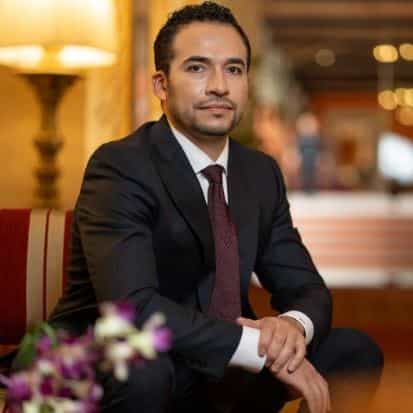
CICOVE (Centro Internacional de Columna Vertebral) is a specialized spine and neurosurgery center in Mexico City, founded by three physicians dedicated to the treatment of complex spinal conditions.
Read more details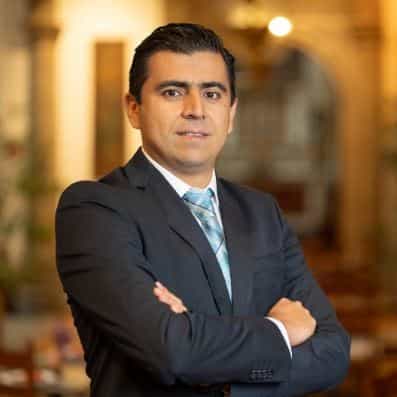


 100.00% Patient Recommend
Ortho Wellness

Overview
Revitalize your health at Tijuana premier orthopedic and stem cell therapy clinic led by Dra Brenda Delangel. Discover healing with expertise.
Read more details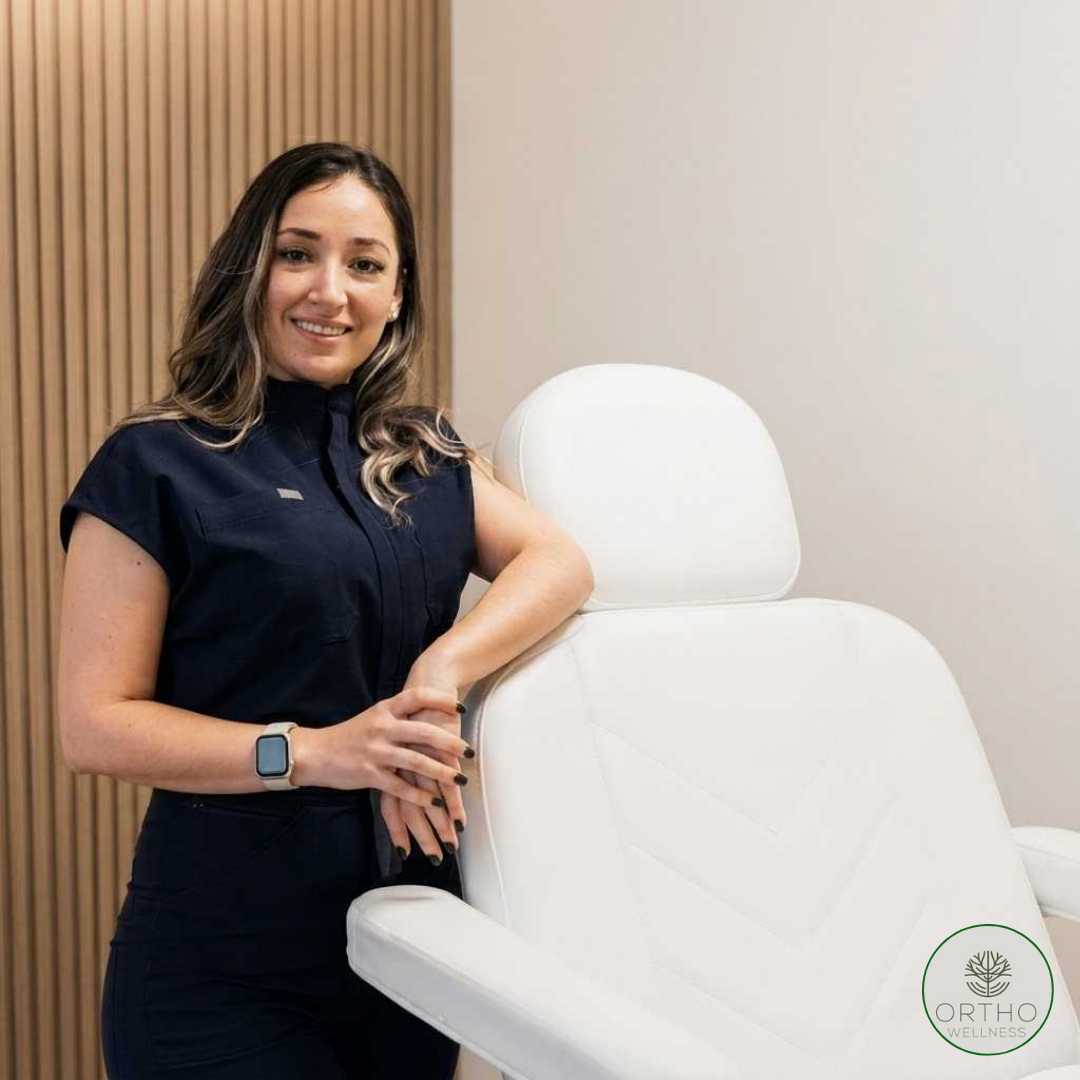


 50.00% Patient Recommend
Spine Clinic Vallarta
Overview
Spine Clinic Vallarta in Mexico offers advanced spine surgeries, including spinal fusion, disc replacement and scoliosis treatment, led by Dr. Gustavo Navarro.
Read more details
 100.00% Patient Recommend
Cabo Orthopaedics Joint Replacement Clinic in Mexico
Overview
Explore orthopedic surgery in Cabo San Lucas, Mexico at Cabo Orthopaedics Joint Replacement Clinic for expert joint replacement and orthopedic care.
Read more detailsDiscover your treatment options with a free, no-obligation quote!
Get your quote now! 100.00% Patient Recommend
Dr. Gustavo Ramirez | Orthopedic Surgeon
Overview
Choose Dr. Gustavo Ramirez Reyna in Guadalajara, Mexico, for orthopedic surgery, joint replacement, and personalized musculoskeletal care.
Read more details
 100.00% Patient Recommend
Dr. Humberto Calvillo Jimenez - Orthopedic Surgery in Puerto Vallarta
Overview
Discover expert orthopedic surgery in Puerto Vallarta, Mexico with Dr. Humberto Calvillo Jimenez for joint care, sports injuries, and mobility restoration.
Read more details
 90.00% Patient Recommend
Dr. Jose Manuel Hernandez - Orthopedic Surgery in Mexico
Overview
Get advanced orthopedic surgery in Puerto Vallarta, Mexico with Dr. Jose Manuel Hernandez for joint, bone, and mobility treatments.
Read more details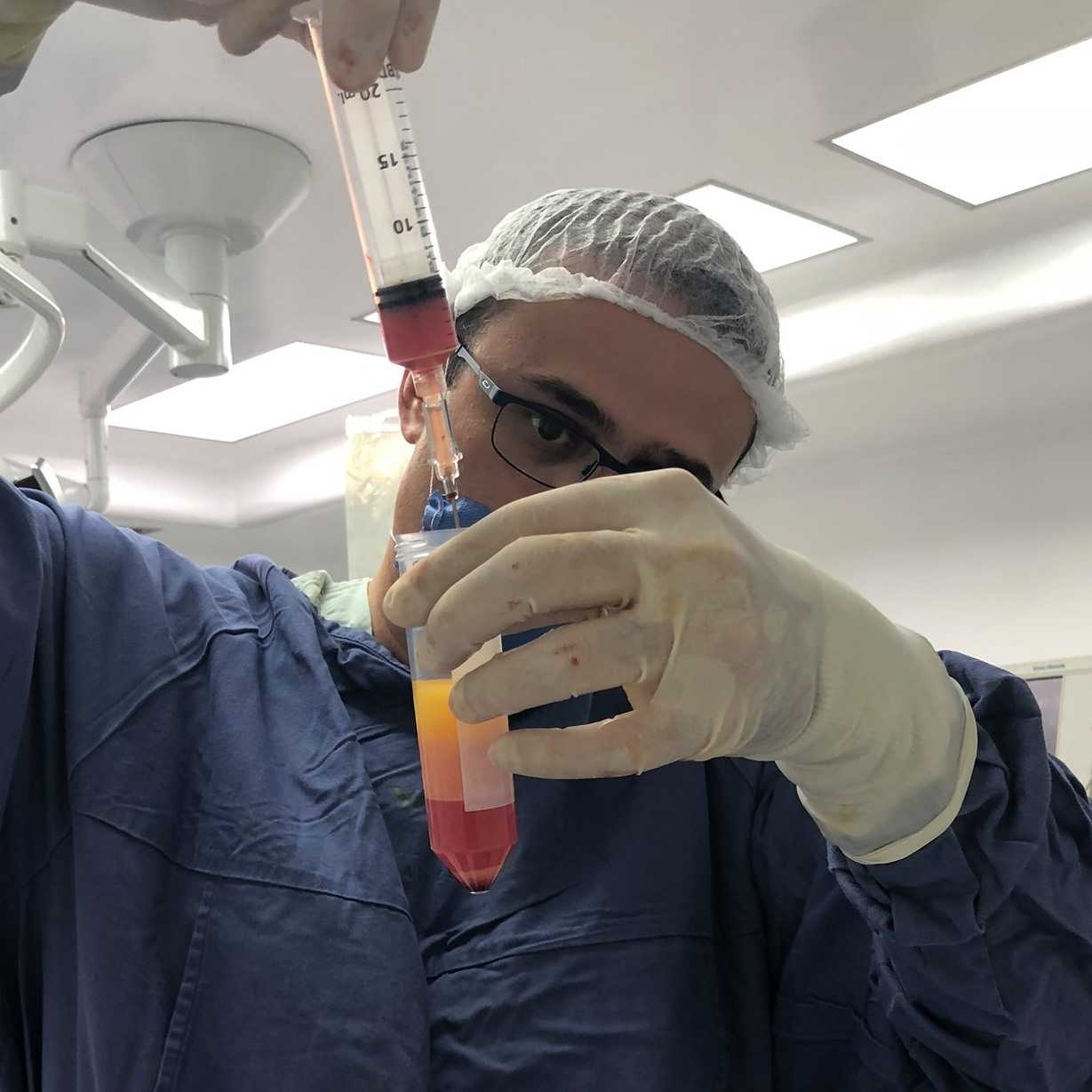
 100.00% Patient Recommend
Dr. Jose Orlando Guinto Nava
Overview
Discover top-notch neurosurgery and spine surgery at Dr. Jose Guinto Nava's clinic in Cuauhtemoc, Mexico. Experience expert care and personalized treatment.
Read more detailsDiscover your treatment options with a free, no-obligation quote!
Get your quote now! 89.47% Patient Recommend
Dr. Maximilian A. Greig - Orthopedic Surgery in Mexico
Overview
Get expert orthopedic surgery in Puerto Vallarta, Mexico with Dr. Maximilian A. Greig for joint replacement, sports injuries, and mobility care.
Read more details


Dr. Raúl López Serna - Orthopedic Surgery in Cancun
Overview
Discover expert orthopedic surgery in Cancun, Mexico with Dr. Raul Lopez Serna for joint care, sports injuries, and orthopedic treatments.
Read more details 100.00% Patient Recommend
Prothesium Medical Devices - Orthopedic Surgery in Mexico City
Overview
Explore orthopedic surgery solutions in Mexico City with Prothesium Medical Devices for joint reconstruction and mobility care.
Read more detailsWhich are the best Lumbar Tumor Removal clinics in Mexico for specific procedures?
For Lumbar Tumor Removal and advanced spine care in Mexico, top-tier clinics include Dra. Brenda Delangel's Orthopedic and Stem Cell Therapy clinic in Tijuana, Spine Clinic Vallarta in Puerto Vallarta for comprehensive spine surgeries, and Dr. Jose Orlando Guinto Nava's practice in Cuauhtemoc, specializing in neurosurgery. Additional highly-rated orthopedic centers are Dr. Gustavo Ramirez's clinic in Guadalajara, Dr. Maximilian A. Greig's practice also in Puerto Vallarta, and Hospital Excel in Tijuana, all known for patient satisfaction in spinal treatments.
When evaluating centers for lumbar tumor removal in Mexico, it's crucial to look for clinics with specialized expertise in neurosurgery and advanced spine care. Dra. Brenda Delangel's clinic in Tijuana offers comprehensive orthopedic and regenerative medicine treatments, often integral to complex spine conditions. Spine Clinic Vallarta in Puerto Vallarta is recognized for its dedication to advanced spine surgeries, including various fusion and disc replacement techniques vital for addressing spinal tumors. Dr. Jose Orlando Guinto Nava provides expert neurosurgical and spine surgery services in Cuauhtemoc, focusing on precise tumor resection and spinal stability. Other reputable options include Dr. Gustavo Ramirez's modern orthopedic clinic in Guadalajara and Dr. Maximilian A. Greig's orthopaedic practice in Puerto Vallarta, both of which consistently receive high patient recommendations for spinal procedures. Hospital Excel in Tijuana also stands out for its orthopedic capabilities pertinent to such specialized care. These clinics are chosen for their strong patient feedback, dedicated specialties, and commitment to high-quality care.
What credentials should I look for in a Lumbar Tumor Removal clinic in Mexico?
When selecting a lumbar tumor removal clinic in Mexico, prioritize facilities with international accreditations like JCI, local certifications from CONACEM-certified specialists, and evidence of extensive experience in complex spine oncology. Look for clinics that emphasize advanced imaging, multidisciplinary teams, and comprehensive post-operative rehabilitation.
To ensure the highest standard of care for lumbar tumor removal, look for clinics in Mexico that possess specific credentials:
- Accreditation: Seek clinics with international accreditations, such as those from the Joint Commission International (JCI), which signify adherence to global safety and quality standards. Local accreditations from Mexican healthcare bodies are also important.
- Specialist Certification: Verify that the neurosurgeons or orthopedic spine surgeons are board-certified by relevant Mexican medical councils, like the Consejo Mexicano de Cirugía Neurológica (Mexican Council of Neurological Surgery) or the Consejo Mexicano de Ortopedia y Traumatología (Mexican Council of Orthopedics and Traumatology).
- Multidisciplinary Team: A reputable clinic will have a team that includes neuro-oncologists, radiation oncologists, pain management specialists, and rehabilitation therapists, ensuring comprehensive care from diagnosis to recovery.
- Advanced Technology: Clinics equipped with state-of-the-art diagnostic imaging (MRI, CT with navigation systems) and surgical technology (intraoperative neuro-monitoring, robotic assistance) are better prepared for complex tumor removals.
- Patient Outcomes and Safety Records: While difficult to access directly, clinics that are transparent about their success rates and patient safety protocols indicate a commitment to quality.
How important is clinic experience with specific types of lumbar tumors?
Clinic experience with specific lumbar tumor types is paramount for optimal outcomes. Specialized clinics like Dr. Jose Orlando Guinto Nava's practice, known for neurosurgery, will have teams accustomed to the nuances of challenging cases, enhancing precision and minimizing risks associated with rare or complex spinal tumors.
The experience a clinic has with your specific type of lumbar tumor (e.g., metastatic, meningioma, schwannoma) is incredibly important. Each tumor type has unique characteristics, requiring tailored surgical approaches and post-operative management.
- Surgical Precision: Surgeons familiar with a particular tumor type are more adept at distinguishing tumor tissue from healthy neural structures, leading to a more complete resection while preserving neurological function.
- Reduced Complications: Expertise in specific tumor types helps the surgical team anticipate and mitigate potential complications, which can vary significantly depending on the tumor's location and invasiveness.
- Optimized Treatment Protocols: Experienced clinics often have established protocols for various tumor types, incorporating the latest advancements in surgical techniques, adjuvant therapies, and rehabilitation strategies.
- Multidisciplinary Planning: Clinics with deep experience tend to have stronger multidisciplinary teams who collaborate effectively to create a personalized treatment plan, considering factors like tumor aggressiveness, patient health, and long-term prognosis.
What are the key factors for patient safety at Mexican Lumbar Tumor Removal centers?
Key factors for patient safety at Mexican Lumbar Tumor Removal centers include sterile operating environments, robust infection control protocols, advanced anesthesia practices, and continuous monitoring by highly trained medical staff throughout your stay. Verification of facility accreditations is also vital.
Patient safety is a top priority in any surgical procedure, especially for complex operations like lumbar tumor removal. When considering clinics in Mexico, prioritize centers that demonstrate excellence in:
- Sterilization and Infection Control: Clinics should adhere to strict international standards for surgical instrument sterilization and overall facility cleanliness to prevent surgical site infections. Inquire about their specific infection rates.
- Anesthesia and Monitoring: A dedicated, board-certified anesthesiologist should be part of the surgical team, providing personalized anesthesia care and continuous physiological monitoring throughout the procedure.
- Emergency Preparedness: Ensure the clinic has comprehensive emergency protocols, including immediate access to intensive care units (ICUs), blood banks, and rapid response teams for any unforeseen complications.
- Qualified Nursing and Support Staff: The quality of nursing care is critical for post-operative recovery and complication prevention. Look for clinics with a high nurse-to-patient ratio and staff experienced in neurosurgical and orthopedic post-op care.
- Technological Maintenance: Confirm that all medical equipment, from diagnostic tools to surgical devices, is regularly maintained and calibrated to ensure accuracy and reliability during your procedure.
How do Mexican clinics ensure comprehensive pre-operative evaluation for lumbar tumors?
Mexican clinics ensure comprehensive pre-operative evaluation through a battery of advanced imaging (MRI, CT), detailed neurological assessments, and multidisciplinary consultations. This thorough process, common at centers like Spine Clinic Vallarta, ensures a precise diagnosis and tailored surgical plan, optimizing treatment for each unique patient.
A thorough pre-operative evaluation is the cornerstone of a successful lumbar tumor removal. Mexican clinics specializing in spine care employ a multi-faceted approach to prepare patients for surgery:
- Advanced Imaging: High-resolution MRI and CT scans are standard, often with contrast agents, to accurately map the tumor's size, location, and relationship to spinal nerves and structures. Functional imaging or PET scans may also be used depending on the tumor type.
- Neurological Assessment: A detailed neurological exam is performed to assess baseline neurological function, identify any existing deficits, and predict potential post-operative changes. This includes motor strength, sensory perception, and reflex testing.
- Medical Clearance: Patients undergo comprehensive blood tests, electrocardiograms (ECGs), and chest X-rays to ensure they are medically fit for surgery and anesthesia. Any pre-existing conditions are carefully managed.
- Multidisciplinary Consultation: The case is often reviewed by a team including neurosurgeons, orthopedic spine surgeons, oncologists, and radiologists to finalize the surgical plan and discuss potential challenges and strategies.
- Patient Education: Patients receive clear explanations of the procedure, potential risks, expected recovery, and pre-operative instructions, empowering them to participate actively in their care.
What kind of post-operative care and rehabilitation can I expect in Mexico after lumbar tumor removal?
After lumbar tumor removal in Mexico, expect comprehensive post-operative care and rehabilitation, including pain management, wound care, and early mobilization supervised by nurses and physical therapists. Clinics like Dra. Brenda Delangel's offer personalized rehabilitation programs to optimize your recovery and regain functional independence.
Effective post-operative care and rehabilitation are vital for a successful recovery following lumbar tumor removal. Mexican clinics specializing in spine care often provide:
- Hospital Stay and Monitoring: Patients typically spend several days in the hospital under close observation, with nurses monitoring vital signs, pain levels, and neurological status.
- Pain Management: Tailored pain management strategies, including oral medications or patient-controlled analgesia (PCA), are implemented to ensure comfort and facilitate early mobilization.
- Wound Care: Nurses provide meticulous wound care to prevent infection and promote proper healing of the surgical incision.
- Early Mobilization and Physical Therapy: Physical therapists often begin working with patients within 24-48 hours post-surgery, guiding them through gentle exercises to restore strength, flexibility, and mobility. This might include walking, sitting, and specific stretches.
- Discharge Planning: Before discharge, patients receive detailed instructions on activity restrictions, wound care, medication schedules, and follow-up appointments. Many clinics also arrange for continued outpatient physical therapy or home care as needed.
- Long-term Rehabilitation: For more extensive procedures, personalized long-term rehabilitation plans are often developed, which may include occupational therapy, aquatic therapy, or specialized exercises to help patients regain full function and quality of life.
How do Mexican clinics handle language barriers for international patients undergoing spine surgery?
Mexican clinics frequently offer bilingual staff, dedicated international patient coordinators, and translation services to address language barriers for international patients undergoing spine surgery. This ensures clear communication, reduces anxiety, and facilitates a smoother healthcare journey from consultation through recovery, making facilities like Hospital Excel accessible.
Recognizing the growing number of international patients, many Mexican clinics have established robust systems to overcome language barriers:
- Bilingual Staff: A significant number of doctors, nurses, and administrative personnel at leading clinics are fluent in English, facilitating direct communication.
- International Patient Coordinators: These dedicated professionals serve as a single point of contact, assisting with everything from initial inquiries and scheduling to translations during appointments and hospital stays. They help navigate the entire medical journey.
- Professional Translation Services: For complex discussions or specific needs, clinics can arrange for certified medical interpreters to ensure accurate communication between patients and their medical teams.
- Translated Documents: Important medical documents, consent forms, and discharge instructions are often available in multiple languages to ensure patients fully understand their treatment plans and post-operative care.
- Technology-Assisted Communication: Some facilities utilize translation apps or video conferencing with remote interpreters to bridge communication gaps instantly.
What advanced technology is used in Lumbar Tumor Removal clinics in Mexico?
Lumbar Tumor Removal clinics in Mexico utilize advanced technology such as intraoperative neuro-monitoring, neuronavigation systems, and specialized microscopic surgical tools. These technologies, found at facilities like Dr. Jose Orlando Guinto Nava's clinic, enhance surgical precision, minimize invasiveness, and improve patient safety during complex spinal procedures.
Modern lumbar tumor removal requires cutting-edge technology to ensure precision, minimize invasiveness, and enhance patient safety. Clinics in Mexico are investing in advanced tools such as:
- Intraoperative Neuro-monitoring (IONM): This technology continuously monitors nerve function during surgery, providing real-time feedback to the surgical team and helping to prevent nerve damage.
- Neuronavigation Systems: Similar to a GPS for the spine, these systems create a 3D map of the patient's anatomy, guiding the surgeon with extreme accuracy to the tumor while avoiding critical structures.
- High-Powered Operating Microscopes: These microscopes provide magnified, illuminated views of the surgical field, allowing for meticulous tumor dissection and preservation of healthy tissues.
- Ultrasonic Aspirators: Devices like the CUSA (Cavitron Ultrasonic Surgical Aspirator) use high-frequency vibrations to emulsify and remove tumor tissue while sparing surrounding vital structures, particularly helpful for softer tumors.
- Minimally Invasive Spine Surgery (MISS) Tools: Endoscopes, tubular retractors, and specialized drills allow for smaller incisions, reduced muscle damage, faster recovery, and less post-operative pain.
- Robotic-Assisted Surgery: Some advanced centers are adopting robotic systems to enhance precision and stability during complex spinal instrumentation and tumor resections.
How do clinics in Mexico evaluate neurological function before and after lumbar tumor surgery?
Clinics in Mexico meticulously evaluate neurological function before and after lumbar tumor surgery through detailed physical examinations, motor and sensory testing, reflex assessments, and advanced nerve conduction studies. This comprehensive approach tracks changes, identifies any deficits, and guides rehabilitation, as seen in specialized spine centers.
Assessing neurological function is critical for patients undergoing lumbar tumor surgery, both to establish a baseline and to monitor for any changes. Clinics in Mexico employ several methods for this:
-
Pre-operative Neurological Examination: This includes a thorough assessment of:
- Motor strength in all muscle groups of the lower limbs.
- Sensory perception (light touch, pain, temperature) across dermatomes.
- Deep tendon reflexes (knee jerk, ankle jerk).
- Gait and balance assessment.
- Intraoperative Neuro-monitoring (IONM): During surgery, this advanced technology continuously monitors the electrical activity of nerves and muscles, alerting the surgical team to any potential compromise and allowing for immediate corrective action.
- Post-operative Neurological Examination: Immediately after surgery and throughout the hospital stay, repeated neurological exams are conducted to detect any new deficits or improvements compared to the pre-operative status.
- Imaging Follow-up: Post-operative MRI or CT scans are used to evaluate the extent of tumor removal and assess spinal stability.
- Rehabilitation Assessment: Physical and occupational therapists conduct ongoing assessments of functional abilities, identifying areas that need improvement and tailoring rehabilitation programs accordingly.
What considerations are important for long-term follow-up care at a Mexican spine clinic?
Long-term follow-up at a Mexican spine clinic for lumbar tumor removal involves regular imaging to monitor recurrence, ongoing physical therapy, and telemedicine options for remote consultations. These services ensure continuous support for recovery and surveillance, which is crucial for managing complex spinal conditions effectively.
Long-term follow-up care is essential after lumbar tumor removal to monitor recovery, detect any recurrence, and manage potential late complications. When choosing a clinic in Mexico, consider their approach to:
- Regular Imaging: Consistent follow-up MRI or CT scans are crucial for surveillance, typically scheduled at intervals determined by the tumor type and individual risk factors.
- Clinical Appointments: Regular check-ups with the spine specialist or neuro-oncologist are necessary to assess neurological function, manage pain, and discuss any new symptoms or concerns.
- Rehabilitation Progress: Continued oversight by physical therapists is often beneficial to ensure optimal functional recovery and address any persistent mobility or strength issues.
- Telemedicine Options: For international patients, clinics offering telemedicine consultations can be incredibly valuable, allowing for convenient remote check-ins with your medical team without the need for frequent travel.
- Coordination with Local Physicians: A good clinic will assist in coordinating care with your local healthcare providers, ensuring a seamless transition and continuity of care once you return home.
- Psychological Support: Dealing with a spinal tumor can be emotionally challenging. Clinics that offer or recommend psychological support services can greatly aid in long-term well-being.
How do clinics in Mexico manage pain after Lumbar Tumor Removal?
Mexican clinics manage post-lumbar tumor removal pain with a personalized, multi-modal approach, including prescription medications, nerve blocks, and physical therapy. Their goal is to control discomfort effectively, facilitating early mobilization and promoting a smoother, more comfortable recovery process for patients.
Effective pain management is a critical component of recovery after lumbar tumor removal. Mexican clinics employ a comprehensive strategy to manage post-operative pain:
- Multimodal Analgesia: This approach combines different types of pain medications, such as opioids, non-steroidal anti-inflammatory drugs (NSAIDs), and nerve pain medications, to target various pain pathways and reduce reliance on any single drug.
- Patient-Controlled Analgesia (PCA): Many patients are given PCA pumps, allowing them to self-administer small doses of pain medication as needed, providing personalized and immediate relief.
- Regional Anesthesia Techniques: In some cases, nerve blocks or epidural analgesia may be used to provide targeted pain relief to the surgical area, reducing systemic medication needs.
- Physical Therapy: Early and gentle mobilization exercises, guided by physical therapists, help reduce stiffness and improve circulation, which can alleviate pain and accelerate healing.
- Pain Specialists: Some clinics have dedicated pain management specialists who oversee patient comfort, especially for complex or persistent pain, and can offer interventional procedures if necessary.
- Holistic Approaches: Complementary therapies like massage, acupuncture, or mindful relaxation techniques may be integrated into the pain management plan for overall well-being.
What support services do Mexican clinics offer for international patients seeking spine care?
Mexican clinics provide extensive support for international spine patients, including dedicated patient coordinators, assistance with travel logistics, accommodation arrangements, and local transportation. Many offer concierge-level services to ensure a stress-free experience, from arrival through recovery, as demonstrated by centers focusing on medical tourism.
For international patients considering lumbar tumor removal in Mexico, clinics often provide a range of support services designed to make their medical journey as smooth and comfortable as possible:
- International Patient Departments: Many top clinics have specialized departments dedicated to assisting foreign patients, offering guidance from the initial inquiry through post-treatment follow-up.
- Patient Coordinators: A personal patient coordinator is typically assigned to help with scheduling appointments, managing medical records, translating communications, and answering non-medical questions.
- Travel and Accommodation Assistance: Clinics often help arrange flights, airport transfers, and recommend suitable accommodations (hotels or recovery homes) that cater to medical tourists, sometimes at discounted rates.
- Visa and Documentation Support: Assistance may be provided for obtaining necessary medical visas and ensuring all required travel documents are in order.
- Local Transportation: Many clinics offer chauffeured services for transport between the airport, clinic, and accommodation, ensuring convenience and safety.
- Financial and Insurance Guidance: While not direct cost coverage, coordinators can help patients understand pricing structures, payment options, and provide necessary documentation for insurance claims.
- Concierge Services: Some facilities go above and beyond by offering concierge services for local tours, dining recommendations, and other personal needs during the patient’s stay.
What questions should I ask a Lumbar Tumor Removal clinic in Mexico during my initial consultation?
During your initial consultation for lumbar tumor removal in Mexico, ask about the surgical team's specific experience with your tumor type, available technologies, expected recovery timeline, and comprehensive follow-up care options. Inquire about patient safety protocols, multidisciplinary team involvement, and support services for international patients to make an informed decision.
Your initial consultation is a crucial opportunity to gather information and assess if a clinic is the right fit for your lumbar tumor removal. Here are some key questions to ask:
- "What is your team's specific experience with my type of lumbar tumor and spinal tumor removal surgeries?"
- "What advanced diagnostic and surgical technologies do you utilize for these procedures (e.g., neuronavigation, intraoperative monitoring)?"
- "Can you explain the typical pre-operative workup and post-operative care plan, including pain management and rehabilitation?"
- "What are your clinic's patient safety protocols and infection control measures?"
- "How do you ensure clear communication and support for international patients, including language services and logistical assistance?"
- "What is the typical recovery timeline, and what kind of long-term follow-up or surveillance is recommended after surgery?"
- "What is the role of the multidisciplinary team (e.g., neuro-oncologists, physical therapists) in my care?"
- "Are there any specific lifestyle adjustments or precautions I should be aware of before and after the procedure?"
- "How do you handle potential complications, and what resources are available if they arise?"
- "What patient testimonials or success stories can you share (anonymously, of course) regarding similar lumbar tumor cases?"
What are the qualifications and specialties of the medical team for Lumbar Tumor Removal in Mexico?
For lumbar tumor removal in Mexico, the medical team typically consists of board-certified neurosurgeons or orthopedic spine surgeons, often with fellowships in spine oncology. They are supported by experienced anesthesiologists, neurologists, neuro-oncologists, and rehabilitation specialists, ensuring comprehensive and specialized patient care for complex spinal conditions.
The success of lumbar tumor removal heavily relies on the expertise of the medical team involved. In Mexico, highly specialized clinics often feature:
- Primary Surgeons: These are typically neurosurgeons or orthopedic spine surgeons who have undergone extensive training and are board-certified in their respective fields. Many also hold fellowships in complex spine surgery, neuro-oncology, or minimally invasive techniques, indicating advanced specialization.
- Anesthesiologists: Board-certified anesthesiologists specializing in neurosurgical or orthopedic procedures are crucial. They manage patient comfort, vital signs, and neurological stability throughout the surgery.
- Neurologists & Neuro-oncologists: These specialists are often involved in the diagnostic phase, pre-operative planning, and post-operative monitoring, especially if the tumor has neurological implications or requires ongoing oncology treatment.
- Physical and Occupational Therapists: Essential for rehabilitation, these therapists are skilled in restoring mobility, strength, and function after spine surgery, providing tailored exercise programs and functional training.
- Oncology Nurses: Nurses with experience in oncology and post-surgical spine care provide critical monitoring, wound management, and patient education during the hospital stay.
- Radiologists: Specialized radiologists with expertise in musculoskeletal and neuroimaging play a key role in accurate diagnosis and surgical planning through advanced imaging interpretation.
How PlacidWay helps individuals access Lumbar Tumor Removal in Mexico?
PlacidWay is your trusted partner in navigating the complex landscape of international healthcare for Lumbar Tumor Removal. We provide detailed, up-to-date information about Lumbar Tumor Removal in Mexico, covering the benefits, potential risks, and expected outcomes, empowering you with knowledge. We help users compare treatment options across various accredited clinics, ensuring you find affordable solutions without compromising on the quality of care or cutting-edge technology. PlacidWay assists you in identifying trusted, internationally accredited clinics and highly experienced medical professionals specializing in Lumbar Tumor Removal in Mexico, matching your specific needs with the best providers. We offer one-on-one consultations to delve into your unique health requirements and preferences, helping you make truly informed decisions about your treatment journey. Our commitment extends beyond the treatment itself, ensuring continued support after the procedure, including facilitating follow-up care and recovery assistance, so you never feel alone in your healing process.
Ready to get Lumbar Tumor Removal in Mexico? Contact us today for a personalized consultation.
Share with AI
Share this page with AI assistants to get summaries and insights


List of Best Lumbar Tumor Removal Clinics in Mexico
Unlock the Best Spine Care Surgery Packages Just for You
Discover the ultimate Spine Care Surgery packages designed to meet your health and wellness goals. Choose the perfect fit for your journey.

Price starting from $9,000
All-Inclusive Spine Surgery Package in Mexico City, Mexico by CICOVE
CICOVE - Spine Center in Mexico City
- Spine Care/Surgery
Mexico City, Mexico
Price starting from $6,500
Affordable Disc Hernia Surgery Package for Tijuana, Mexico
PlacidWay Mexico Medical Tourism
- Orthopedic/Knee Surgery
Tijuana,Mexicali, Mexico

Price starting from $9,500
Spine Herniated Disk Surgery Package in Tijuana, Mexico by Dra. Brenda Delangel
Ortho Wellness
- Orthopedic/Knee Surgery
Tijuana, Mexico

Price starting from $8,000
Spinal Fusion Surgery Package in Puerto Vallarta, Mexico by Spine Clinic Vallarta
Spine Clinic Vallarta
- Spine Care/Surgery
Puerto Vallarta, Mexico
Transformative Spine Care Surgery Experiences: Dive into Procedure Insights
Discover the power of Spine Care Surgery through compelling patient experiences. Uncover detailed insights into procedures, recovery journeys, and life-changing results.

.png)
.png)
Price starting from $8,000
Spine Surgery in Mexico - Your Relief from Back Pain!
- Spine Care/Surgery
Mexico

Explore Spine Care Surgery: Stories, Testimonials, and Procedures
Watch in-depth videos covering everything from Spine Care Surgery success stories to detailed procedure explanations. Learn what to expect and hear from real patients.
Life‑Changing Back Surgery: One Patient’s Puerto Vallarta Journey
Spine Care Surgery
Spine Clinic Vallarta
Mexico

Puerto Vallarta Spine Surgery: Expert Orthopedic Care at Affordable Prices
Spine Care Surgery
Spine Clinic Vallarta
Mexico

Canadians’ Affordable Spine & Back Surgery Solution in Mexico
Spine Care Surgery
Spine Clinic Vallarta
Mexico
Revision Spine Surgery Success in Mexico: Expert Review & Recovery Tips
Spine Care Surgery
Spine Clinic Vallarta
Mexico
Learn More with These Spine Care Surgery Articles
Take a look at these interesting articles, stories and research that will help you learn more about Spine Care Surgery.
.png)
Laminectomy VS Laminoplasty Which One Is Best For Me?
PlacidWay Medical Tourism
- Spine Care/Surgery
Mexico

.png)
Back Surgery in Mexico - Spine Treatment Cost & Clinics
PlacidWay Mexico Medical Tourism
- Spine Care/Surgery
Mexico

Online MRI Review for Spine Surgery in Mexico: What U.S. & Canadian Patients Should Expect
PlacidWay Medical Tourism
- Spine Care/Surgery
Mexico
Spine Care Surgery Solutions Near You: Explore Top Medical Centers
Discover how Spine Care Surgery is transforming lives at leading medical centers in , Mexico. Dive into center profile, specialties, doctors, reviews, etc. and explore the best options tailored to your needs in this region.

Cabo Orthopaedics Joint Replacement Clinic in Mexico
Cabo San Lucas, Mexico

Ortho Wellness
Tijuana, Mexico
Spine Clinic Vallarta
Puerto Vallarta, Mexico
CICOVE - Spine Center in Mexico City
Mexico City, Mexico








Read More