
What treatment


1+ Top Rated Clinics for Minimally Invasive Spine Surgery in Tijuana, Mexico
Compare Trusted Minimally Invasive Spine Surgery Specialists in Tijuana, Mexico and Request a Quote
Trusted Medical Tourism Platform Since 2007

 100.00% Patient Recommend
Ortho Wellness


Overview
Revitalize your health at Tijuana premier orthopedic and stem cell therapy clinic led by Dra Brenda Delangel. Discover healing with expertise.
Read more details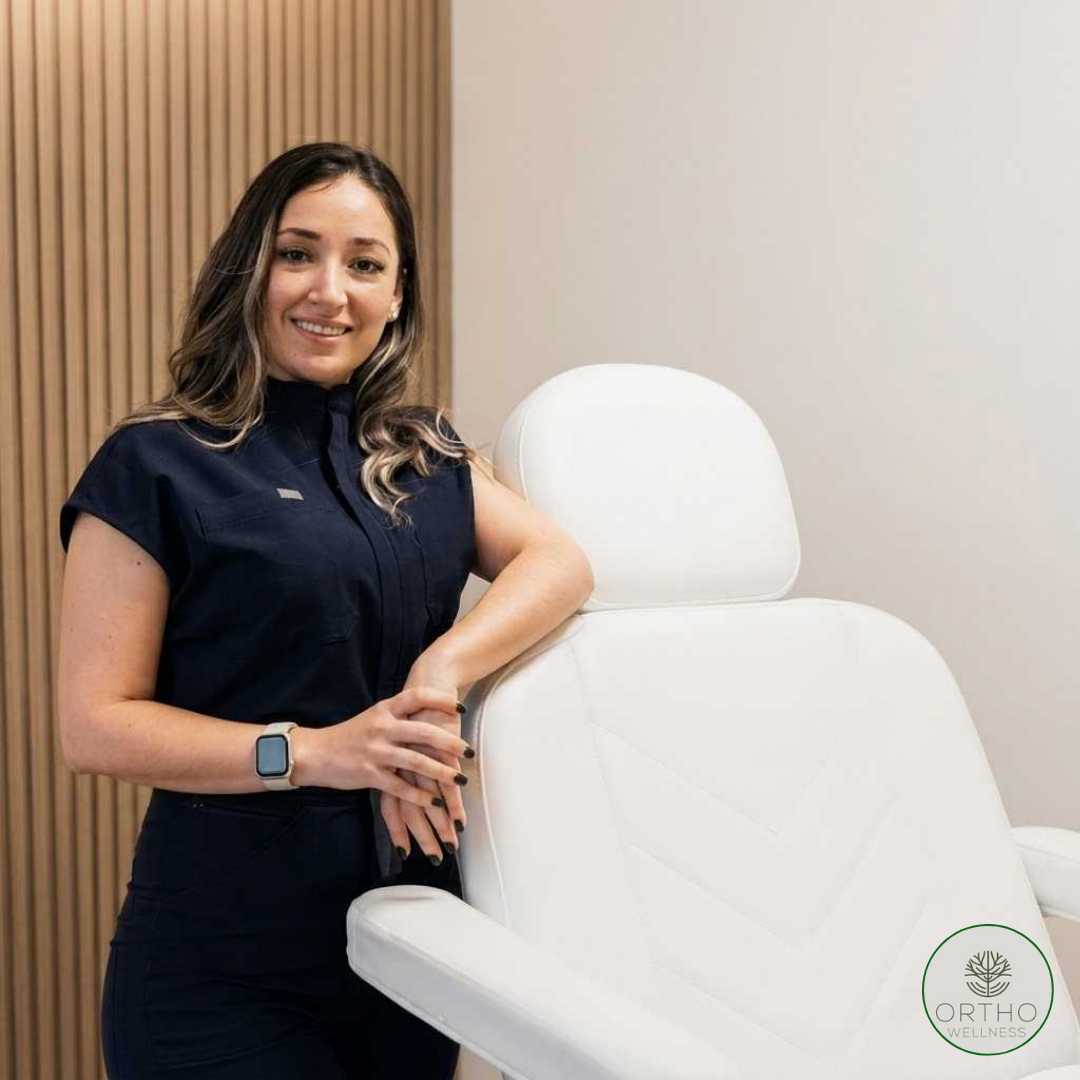


 96.36% Patient Recommend
CICOVE - Spine and Neurosurgery Center in Mexico City
Overview
CICOVE in Mexico City offers expert neurosurgery and spine surgery. Trusted neurosurgeons provide minimally invasive treatments for all spine conditions.
Read more details


 50.00% Patient Recommend
Spine Clinic Vallarta
Overview
Spine Clinic Vallarta in Mexico offers advanced spine surgeries, including spinal fusion, disc replacement and scoliosis treatment, led by Dr. Gustavo Navarro.
Read more details
 100.00% Patient Recommend
Cabo Orthopaedics Joint Replacement Clinic in Mexico
Overview
Explore orthopedic surgery in Cabo San Lucas, Mexico at Cabo Orthopaedics Joint Replacement Clinic for expert joint replacement and orthopedic care.
Read more detailsDiscover your treatment options with a free, no-obligation quote!
Get your quote now! 100.00% Patient Recommend
Dr. Gustavo Ramirez | Orthopedic Surgeon
Overview
Choose Dr. Gustavo Ramirez Reyna in Guadalajara, Mexico, for orthopedic surgery, joint replacement, and personalized musculoskeletal care.
Read more details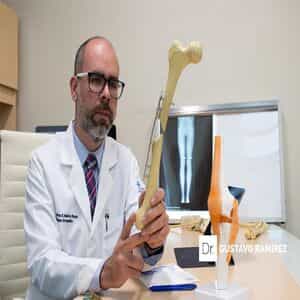
 100.00% Patient Recommend
Dr. Humberto Calvillo Jimenez - Orthopedic Surgery in Puerto Vallarta
Overview
Discover expert orthopedic surgery in Puerto Vallarta, Mexico with Dr. Humberto Calvillo Jimenez for joint care, sports injuries, and mobility restoration.
Read more details
 90.00% Patient Recommend
Dr. Jose Manuel Hernandez - Orthopedic Surgery in Mexico
Overview
Get advanced orthopedic surgery in Puerto Vallarta, Mexico with Dr. Jose Manuel Hernandez for joint, bone, and mobility treatments.
Read more details
 100.00% Patient Recommend
Dr. Jose Orlando Guinto Nava
Overview
Discover top-notch neurosurgery and spine surgery at Dr. Jose Guinto Nava's clinic in Cuauhtemoc, Mexico. Experience expert care and personalized treatment.
Read more detailsDiscover your treatment options with a free, no-obligation quote!
Get your quote now! 89.47% Patient Recommend
Dr. Maximilian A. Greig - Orthopedic Surgery in Mexico
Overview
Get expert orthopedic surgery in Puerto Vallarta, Mexico with Dr. Maximilian A. Greig for joint replacement, sports injuries, and mobility care.
Read more details


Dr. Raúl López Serna - Orthopedic Surgery in Cancun
Overview
Discover expert orthopedic surgery in Cancun, Mexico with Dr. Raul Lopez Serna for joint care, sports injuries, and orthopedic treatments.
Read more details 100.00% Patient Recommend
Prothesium Medical Devices - Orthopedic Surgery in Mexico City
Overview
Explore orthopedic surgery solutions in Mexico City with Prothesium Medical Devices for joint reconstruction and mobility care.
Read more details
Last updated on
Which are the best Minimally Invasive Spine Surgery clinics in Tijuana, Mexico?
When looking for top Minimally Invasive Spine Surgery (MISS) clinics in Tijuana, Mexico, patients often consider facilities renowned for their specialized spine care, advanced technology, and positive patient outcomes. Based on available information, leading options in Tijuana include Dra. Brenda Delangel, Hospital Excel, Dr. Metztli Linette Gomez Espinoza - Orthopedic Clinic, and Advance Health Medical Center. These clinics are recognized for offering cutting-edge surgical techniques and comprehensive rehabilitation programs, catering to various spinal conditions with a focus on patient comfort and recovery.
Tijuana has become a prominent medical tourism destination, particularly for spinal procedures like Minimally Invasive Spine Surgery. When evaluating clinics, it’s essential to look beyond just the names and delve into their specific offerings.
- Dra. Brenda Delangel's clinic: Known for orthopedic and stem cell therapy, suggesting a focus on regenerative approaches alongside surgical interventions for spine issues. Their patient recommendations indicate high satisfaction.
- Hospital Excel: This hospital has a long-standing reputation, established in 1993, and is recognized for its dental and orthopedic surgery services, providing a broader medical infrastructure that can support complex spine surgeries.
- Dr. Metztli Linette Gomez Espinoza - Orthopedic Clinic: Specializes in arthroscopy, knee & hip prosthesis, and joint surgery, indicating a strong foundation in orthopedic procedures which often overlap with spine care.
- Advance Health Medical Center: A versatile facility offering specialized treatments across various surgical fields, including general and plastic surgery, which implies a modern surgical environment capable of handling intricate spine cases.
Choosing the "best" ultimately depends on your individual needs, the specific spinal condition, and your preferences for specialist focus and integrated care services. Always conduct thorough research and consider multiple factors.
What types of spinal conditions are treated with Minimally Invasive Spine Surgery in Tijuana clinics?
Minimally Invasive Spine Surgery (MISS) clinics in Tijuana, Mexico, are equipped to treat a wide array of spinal conditions. These typically include chronic back pain, herniated discs, spinal stenosis, degenerative disc disease, sciatica, and vertebral compression fractures. The minimally invasive approach helps reduce tissue damage, leading to quicker recovery times and less post-operative discomfort compared to traditional open spine surgery. These modern facilities prioritize precise diagnosis and tailored treatment plans for effective relief.
The core advantage of MISS lies in its ability to address common and complex spine problems through smaller incisions, preserving surrounding muscles and soft tissues. This means conditions that once required extensive recovery can now be managed with less invasiveness.
- Herniated Discs: When the soft cushion between vertebrae bulges or ruptures, causing nerve compression. MISS techniques like microdiscectomy effectively remove the herniated portion.
- Spinal Stenosis: Narrowing of the spinal canal, often due to aging, which puts pressure on the spinal cord and nerves. Decompression procedures can alleviate this.
- Degenerative Disc Disease: Age-related wear and tear on spinal discs, leading to pain and instability. MISS can involve discectomy or fusion.
- Sciatica: Pain radiating along the sciatic nerve, usually caused by a herniated disc or bone spur compressing the nerve.
- Vertebral Compression Fractures: Often due to osteoporosis, these fractures can be stabilized with minimally invasive procedures like kyphoplasty or vertebroplasty.
- Spinal Deformities (mild to moderate): Some cases of scoliosis or kyphosis can be treated with MISS, offering correction with less extensive surgery.
Clinics in Tijuana focus on advanced diagnostic tools like MRI and CT scans to accurately pinpoint the issue, ensuring the most appropriate minimally invasive technique is selected for each patient.
How do Tijuana Minimally Invasive Spine Surgery clinics ensure patient safety and quality of care?
Tijuana's Minimally Invasive Spine Surgery clinics prioritize patient safety and quality of care through several key measures. They typically adhere to international medical standards, utilize advanced surgical equipment, and maintain sterile operating environments. Many clinics employ highly trained, board-certified spine specialists with extensive experience in minimally invasive techniques. Furthermore, comprehensive pre-operative evaluations and dedicated post-operative care plans, including physical therapy, are integral to their approach, ensuring thorough recovery and patient well-being.
Patient safety is paramount in any surgical procedure, especially spinal surgeries. Clinics offering Minimally Invasive Spine Surgery in Tijuana implement robust protocols to safeguard patients:
- Accreditation and Certifications: Many reputable clinics strive for international accreditations, demonstrating their commitment to global healthcare standards. This includes certifications for facilities and specific surgical programs.
- Experienced Surgical Teams: Surgeons specializing in MISS often have sub-specialty training and considerable experience with endoscopic and microscopic techniques. They are supported by skilled anesthesiologists, nurses, and technical staff.
- State-of-the-Art Technology: Modern operating rooms equipped with specialized imaging systems (like fluoroscopy and intraoperative navigation), high-definition endoscopes, and specialized microsurgical instruments enhance precision and reduce risks.
- Sterilization Protocols: Strict adherence to sterilization and infection control protocols is crucial to prevent surgical site infections.
- Personalized Treatment Plans: Each patient undergoes a thorough diagnostic process to develop a customized treatment plan, minimizing unnecessary interventions and optimizing outcomes.
- Continuous Monitoring and Follow-up: Patients receive continuous monitoring during and after surgery, followed by structured rehabilitation programs to support a safe and effective recovery.
What are the typical recovery expectations after Minimally Invasive Spine Surgery in Tijuana clinics?
Recovery after Minimally Invasive Spine Surgery (MISS) in Tijuana clinics is generally faster and less painful than traditional open surgery. Patients can often mobilize within hours of the procedure and may be discharged within 1-2 days. Initial pain management is crucial, followed by a tailored rehabilitation program focusing on gentle movement and strengthening. Full recovery can vary, typically ranging from a few weeks to a few months, depending on the specific procedure and individual patient factors.
The primary goal of MISS is to minimize disruption to tissues, which directly translates to a smoother, quicker recovery. Here's what you can generally expect:
- Immediate Post-Op: You'll be carefully monitored as anesthesia wears off. Many patients can get out of bed and walk with assistance a few hours after surgery. Pain will be managed with medication.
- Hospital Stay: Depending on the complexity, most MISS patients stay for only one night, or occasionally two. This is significantly shorter than traditional open surgeries.
- First Few Weeks: You might experience some soreness at the incision site and generalized muscle aches. Pain medication will be prescribed, along with instructions for activity restrictions. Light walking is usually encouraged.
- Rehabilitation: Physical therapy often begins early, focusing on restoring mobility, strength, and function. This is a critical component of successful long-term recovery.
- Return to Activities: Many patients can return to light desk work within 1-2 weeks. More strenuous activities, including lifting and intense exercise, are gradually introduced over several months, usually under the guidance of a physical therapist.
The dedicated support teams at Tijuana's spine clinics will provide detailed post-operative instructions and guide you through each stage of your recovery journey.
Do Minimally Invasive Spine Surgery clinics in Tijuana offer comprehensive pre- and post-operative care?
Yes, reputable Minimally Invasive Spine Surgery (MISS) clinics in Tijuana, Mexico, typically offer comprehensive pre- and post-operative care to ensure optimal patient outcomes. This integrated approach includes thorough diagnostic evaluations, detailed consultations to discuss treatment options and patient expectations, and personalized rehabilitation plans. Post-surgery, patients receive ongoing pain management, physical therapy, and clear instructions for at-home care and follow-up appointments, supporting a smooth recovery and long-term spinal health.
Comprehensive care is a hallmark of quality medical facilities, especially when dealing with specialized procedures like MISS. Here's a closer look at what "comprehensive" often entails:
-
Pre-operative Phase:
- Diagnostic Imaging: Advanced MRI, CT, and X-ray studies to precisely identify the spinal issue.
- Medical History and Physical Exam: A thorough review of your health, medications, and lifestyle.
- Consultation with Spine Specialists: Detailed discussions about your diagnosis, surgical options, potential risks, and expected outcomes.
- Pre-operative Instructions: Guidelines on diet, medication adjustments, and preparations for surgery day.
-
Post-operative Phase:
- Hospital Care: Monitoring vital signs, managing pain, and assisting with early mobilization.
- Discharge Planning: Detailed instructions for wound care, medication, activity restrictions, and signs to watch for.
- Physical Therapy and Rehabilitation: Customized exercises to improve strength, flexibility, and range of motion. This can start very soon after surgery.
- Follow-up Appointments: Scheduled visits with the surgical team to monitor progress and address any concerns.
- Ongoing Support: Access to nursing staff or care coordinators for questions and guidance throughout recovery.
This holistic approach aims to prepare patients adequately for surgery and support them fully through their recovery.
What are the benefits of choosing Minimally Invasive Spine Surgery clinics in Tijuana, Mexico?
Choosing Minimally Invasive Spine Surgery (MISS) clinics in Tijuana, Mexico offers several notable benefits. Patients often experience shorter hospital stays and faster recovery due to smaller incisions and reduced muscle disruption. This typically translates to less post-operative pain, decreased blood loss, and a lower risk of infection. Additionally, Tijuana clinics frequently provide access to advanced surgical technologies and highly experienced spine specialists, all within a more accessible and often more affordable healthcare setting compared to other countries.
The growing popularity of Tijuana as a medical tourism hub for spine surgery isn't just about cost; it's also about the quality and accessibility of care. Here are some specific benefits:
- Reduced Surgical Trauma: Smaller incisions mean less damage to muscles and soft tissues surrounding the spine. This preserves spinal stability and function.
- Less Pain: Patients generally report significantly less post-operative pain, requiring fewer strong pain medications during recovery.
- Quicker Recovery and Rehabilitation: The minimized invasiveness allows for earlier mobilization and faster progression through physical therapy, helping patients return to their daily routines sooner.
- Lower Risk of Complications: Smaller incisions inherently lead to reduced blood loss and a lower risk of infection compared to open surgery.
- Advanced Technology: Many Tijuana clinics invest in cutting-edge equipment, including specialized endoscopes, intraoperative imaging, and robotic assistance, enhancing surgical precision.
- Experienced Surgeons: Patients can find highly skilled spine surgeons who specialize in various MISS techniques, often with international training and certifications.
- Convenient Location: For patients in the Southwestern United States, Tijuana offers easy access across the border.
What advanced technologies are utilized by Minimally Invasive Spine Surgery clinics in Tijuana?
Minimally Invasive Spine Surgery (MISS) clinics in Tijuana leverage advanced technologies to enhance surgical precision, safety, and patient outcomes. Common technologies include specialized endoscopes and microscopes for magnified visualization, intraoperative fluoroscopy or navigation systems for real-time imaging guidance, and specialized instruments designed for small incisions. Some facilities may also utilize robotic assistance or neuromonitoring to protect nerve function during delicate procedures, ensuring highly accurate and less invasive interventions.
The successful implementation of Minimally Invasive Spine Surgery relies heavily on sophisticated tools and imaging. Tijuana clinics are increasingly adopting these innovations to provide top-tier care:
- Endoscopic and Microscopic Systems: These allow surgeons to visualize the surgical area through tiny incisions using high-definition cameras and powerful magnification, significantly improving precision and reducing the need for large open cuts.
- Intraoperative Imaging (Fluoroscopy/Navigation Systems): Real-time X-ray imaging (fluoroscopy) or 3D navigation systems guide the surgeon to the exact location, ensuring accurate placement of implants and precise tissue manipulation. This minimizes errors and enhances safety.
- Specialized Retractors: Tube-like retractors are inserted through small incisions to create a working channel, gently pushing muscles aside rather than cutting them. This leads to less muscle damage and faster recovery.
- High-Speed Drills and Burrs: These fine instruments allow for precise bone removal with minimal surrounding tissue disruption.
- Neuromonitoring: Used during complex spine surgeries, this technology continuously monitors nerve function, alerting the surgical team to any potential nerve irritation or damage, thus reducing neurological complications.
- Radiofrequency Ablation: For certain types of back pain, this technique uses heat to disable nerve fibers that transmit pain signals, often used in conjunction with MISS.
How do I prepare for Minimally Invasive Spine Surgery at a clinic in Tijuana?
Preparing for Minimally Invasive Spine Surgery (MISS) in Tijuana involves several crucial steps to ensure a smooth procedure and recovery. You'll typically undergo a comprehensive medical evaluation, including blood tests and imaging. It’s important to discuss your full medical history and current medications with your surgeon. You may need to stop certain medications, like blood thinners, prior to surgery. Preparing your home for post-operative recovery and arranging for travel and accommodation in Tijuana are also key logistical considerations.
Proper preparation is key to a successful surgical outcome and a comfortable recovery. Here's a detailed guide:
-
Medical Evaluation:
- Diagnostic Tests: Complete all required blood tests, EKGs, and additional imaging (MRI, CT) as instructed by your surgeon.
- Medication Review: Provide a full list of all medications, supplements, and herbal remedies you are taking. Your surgeon will advise which ones to stop and when, especially blood thinners.
- Smoking Cessation: If you smoke, you'll be strongly advised to quit several weeks before surgery, as smoking can significantly impair healing.
- Nutrition: Maintain a healthy diet. You might be advised on specific nutritional guidelines.
-
Logistical Planning:
- Travel and Accommodation: Arrange your flights or ground transportation to Tijuana and book suitable accommodation for your pre- and post-operative stay.
- Companion: Plan to have a trusted companion accompany you, especially for the journey and during the initial recovery period.
- Home Preparation: Prepare your home for your return. This might include arranging for help with daily tasks, setting up a comfortable recovery area, and ensuring essential items are easily accessible.
- Transportation: Arrange for transportation from the airport/border to your clinic/accommodation, and reliable transport for follow-up visits.
-
Mental Preparation:
- Ask Questions: Don't hesitate to ask your medical team any questions about the procedure, recovery, or what to expect.
- Understand the Process: Being well-informed can reduce anxiety and contribute to a more positive experience.
What is the typical duration of stay required for Minimally Invasive Spine Surgery in Tijuana?
For Minimally Invasive Spine Surgery (MISS) in Tijuana, Mexico, the typical duration of stay varies but is generally brief due to the less invasive nature of the procedures. Patients usually spend 1 to 2 nights in the hospital post-surgery. Including pre-operative consultations and initial post-operative follow-ups, most international patients plan for a total stay of 5 to 7 days in Tijuana. This allows for necessary evaluations, the procedure itself, and initial recovery before safe travel.
The exact length of your stay will depend on the specific type of Minimally Invasive Spine Surgery you undergo, your individual healing process, and your surgeon’s recommendations. Here’s a breakdown of what contributes to the overall duration:
- Pre-operative Appointments: You might need to arrive a day or two before your surgery for final consultations, diagnostic imaging, and any last-minute health checks. This ensures you’re fully prepared and any questions are answered.
-
Hospital Stay:
- Day of Surgery: The procedure itself, followed by recovery in the hospital.
- Post-operative Days: 1-2 days are common for observation, pain management, and early mobilization under medical supervision.
-
Initial Recovery Period: After discharge from the hospital, it’s highly recommended to remain in Tijuana for a few extra days. This allows for:
- Follow-up Visits: To ensure proper healing and address any immediate concerns.
- Initial Physical Therapy: Many patients begin gentle physical therapy sessions while still in Tijuana.
- Rest and Recuperation: A few days of comfortable rest outside the hospital environment can significantly aid the early recovery phase before long-distance travel.
Always consult with your chosen clinic to get a personalized estimate for your total stay, including travel recommendations.
What patient support services are available for international patients at Tijuana MISS clinics?
Tijuana's Minimally Invasive Spine Surgery (MISS) clinics often provide a range of patient support services tailored for international patients to ensure a smooth medical journey. These can include assistance with travel logistics like airport transfers and accommodation, dedicated patient coordinators who speak English, and translation services. Many clinics offer virtual consultations for initial assessments and follow-up care. They also provide comprehensive pre- and post-operative instructions to guide patients through every step of their treatment and recovery process.
International patients visiting Tijuana for MISS are generally well-supported to make their experience as stress-free as possible. These services are designed to bridge cultural and logistical gaps:
- Patient Coordinators: Often, a dedicated patient coordinator will be your primary point of contact, assisting with scheduling, answering non-medical questions, and coordinating appointments. They are typically bilingual.
- Translation Services: While many medical professionals in Tijuana speak English, clinics can arrange for professional medical translators if needed, ensuring clear communication.
- Travel Assistance: This can include arranging airport pickups and drop-offs, booking local transportation, and recommending nearby hotels or recovery accommodations suitable for post-surgical needs.
- Visa and Border Crossing Guidance: Clinics can offer advice on necessary travel documents and streamline the border crossing process for medical travelers.
- Telemedicine and Virtual Consultations: Initial consultations and some follow-up appointments can often be conducted remotely, reducing the need for multiple trips.
- Post-Treatment Follow-up: Clinics provide clear guidelines for continued care and contact information for any post-operative questions or concerns once patients return home.
- Financial Counseling: Assistance in understanding treatment packages and payment options.
Are there specific accreditation standards for Minimally Invasive Spine Surgery clinics in Tijuana, Mexico?
Minimally Invasive Spine Surgery clinics in Tijuana, Mexico, often adhere to a mix of national and international accreditation standards to ensure high-quality care. Nationally, they must meet the Mexican Council of General Health (CSG) standards. Internationally, some top clinics pursue recognized accreditations from bodies like the Joint Commission International (JCI), Accreditation Canada International (ACI), or the American Association for Accreditation of Ambulatory Surgery Facilities (AAAASF). These certifications demonstrate a commitment to rigorous patient safety protocols, clinical excellence, and continuous improvement, providing assurance to patients.
When considering a clinic for Minimally Invasive Spine Surgery, verifying its accreditation is a crucial step. Accreditation signifies that a healthcare facility has met specific quality and safety benchmarks.
- National Accreditation (CSG - Consejo de Salubridad General): This is Mexico's highest healthcare accreditation, ensuring hospitals and clinics meet strict national quality and safety standards. Always look for this if possible.
-
International Accreditations:
- Joint Commission International (JCI): A globally recognized standard for healthcare quality and patient safety. Clinics with JCI accreditation demonstrate adherence to stringent international best practices.
- Accreditation Canada International (ACI): Another esteemed international accreditation body, signifying that a clinic meets Canadian healthcare standards.
- American Association for Accreditation of Ambulatory Surgery Facilities (AAAASF): While primarily US-based, some international clinics seek this to show compliance with American standards for outpatient surgical facilities.
- Specialty Board Certifications: Look for surgeons who are board-certified in orthopedic surgery or neurosurgery, ideally with subspecialty training in spine surgery. This ensures expertise in their field.
- Facility Licensing: Ensure the clinic is properly licensed by the local health authorities (COFEPRIS in Mexico).
These accreditations and certifications offer external validation of a clinic's commitment to patient safety, quality management, and continuous improvement, providing an extra layer of confidence for patients.
How do Tijuana Minimally Invasive Spine Surgery clinics personalize treatment plans for patients?
Tijuana's Minimally Invasive Spine Surgery clinics personalize treatment plans by conducting thorough diagnostic assessments and considering each patient's unique medical history, spinal condition, lifestyle, and recovery goals. This involves detailed imaging, comprehensive physical exams, and extensive consultations with spine specialists. Surgeons then tailor the specific MISS technique, hardware, and post-operative rehabilitation program to best suit the individual's needs, aiming for optimal functional improvement and long-term relief from back pain, ensuring a patient-centric approach.
Personalized care is crucial for effective spine treatment, as no two patients or spinal conditions are exactly alike. Here’s how clinics in Tijuana often approach customization:
-
Detailed Diagnosis: This isn't just about an MRI. It includes:
- Comprehensive Imaging: Beyond standard scans, sometimes dynamic X-rays or specialized views are used.
- Physical and Neurological Exams: To assess strength, sensation, reflexes, and range of motion.
- Pain Mapping: Identifying the exact source of pain, which may involve diagnostic injections.
-
Patient-Centric Consultations:
- Understanding Patient Goals: What does the patient hope to achieve? Return to work, hobbies, or simply pain relief?
- Lifestyle Factors: Considering age, activity level, occupation, and overall health to formulate a realistic plan.
- Shared Decision-Making: The surgeon presents all viable options, explaining the pros and cons of each, allowing the patient to participate actively in their treatment choice.
-
Tailored Surgical Approach:
- Choosing the most appropriate MISS technique (e.g., microdiscectomy, laminectomy, fusion, or disc replacement) that directly addresses the patient's specific pathology while minimizing tissue disruption.
- Selecting specific implants or devices best suited for the individual's anatomy and biomechanics.
- Customized Rehabilitation: The post-operative physical therapy and recovery plan are designed to meet individual needs, accounting for their specific surgery, physical condition, and recovery progress.
This ensures that the treatment is not a one-size-fits-all solution, but a carefully considered plan for the best possible outcome.
What makes Minimally Invasive Spine Surgery clinics in Tijuana a popular choice for international patients?
Minimally Invasive Spine Surgery (MISS) clinics in Tijuana have become a popular choice for international patients primarily due to a combination of factors: accessibility, advanced medical expertise, and the opportunity for high-quality care. Many clinics offer state-of-the-art facilities, English-speaking staff, and patient-centric services, including seamless travel coordination. For patients seeking efficient, effective spine care without the lengthy wait times or high costs often found elsewhere, Tijuana presents a compelling and convenient option for their medical journey.
The rise of Tijuana as a destination for MISS is a result of several converging advantages that appeal to patients from across the globe, particularly from the United States and Canada:
- Geographic Proximity and Accessibility: For North American patients, Tijuana is easily accessible by car or a short flight, avoiding the need for long-haul international travel often associated with medical tourism. The close proximity makes pre-operative visits and follow-ups less burdensome.
- Experienced Spine Specialists: Many surgeons in Tijuana have received training in the US, Europe, or other internationally recognized centers, bringing a high level of expertise in advanced MISS techniques.
- Modern Infrastructure: Clinics and hospitals have invested significantly in modernizing their facilities and acquiring the latest surgical technologies, ensuring comparable, if not superior, treatment options.
- Efficiency and Reduced Wait Times: Patients can often schedule their consultations and surgeries much faster than in their home countries, especially for elective procedures.
- Comprehensive Patient Services: Tailored services such as bilingual staff, assistance with travel logistics, and personalized care plans cater specifically to the needs of international patients, enhancing their overall experience.
- Focus on Recovery and Wellness: Tijuana’s medical ecosystem often includes recovery centers and wellness programs that complement surgical treatment, providing a holistic approach to healing.
How PlacidWay helps individuals access Minimally Invasive Spine Surgery in Tijuana, Mexico?
PlacidWay provides detailed, up-to-date information about Minimally Invasive Spine Surgery (MISS), including benefits, risks, and expected outcomes, helping you understand your options fully. We assist users in comparing treatment options across various reputable clinics in Tijuana, ensuring you find affordable options without compromising on quality or safety. Our platform helps you find trusted, accredited clinics and highly qualified medical professionals specializing in MISS in Tijuana, Mexico. We offer one-on-one consultations with our patient advisors to help you make informed decisions about your treatment, ensuring your specific needs and preferences are met. PlacidWay also ensures continued support after your treatment, including guidance on follow-up care and recovery assistance, making your entire medical journey seamless. Ready to get Minimally Invasive Spine Surgery in Tijuana, Mexico? Contact us today for a personalized consultation.Share with AI
Share this page with AI assistants to get summaries and insights


List of Best Minimally Invasive Spine Surgery Clinics in Mexico
Explore Minimally Invasive Spine Surgery: Stories, Testimonials, and Procedures
Watch in-depth videos covering everything from Minimally Invasive Spine Surgery success stories to detailed procedure explanations. Learn what to expect and hear from real patients.

Medical Tourism Mexico: Best Destinations for Medical Travel
Addiction Treatment
PlacidWay Mexico Medical Tourism
Tijuana,Mexicali, Mexico

Canadians’ Affordable Spine & Back Surgery Solution in Mexico
Spine Care/Surgery
Spine Clinic Vallarta
Puerto Vallarta, Mexico

Revision Spine Surgery Success in Mexico: Expert Review & Recovery Tips
Spine Care/Surgery
Spine Clinic Vallarta
Puerto Vallarta, Mexico
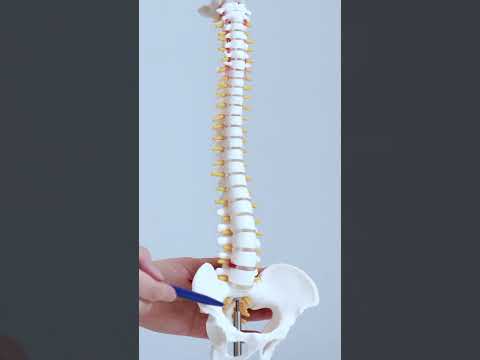
Advanced Spine Care and Customized Treatments at CICOVE – Patient-First Approach in Mexico City, Mexico
Spine Care/Surgery
CICOVE - Spine and Neurosurgery Center in Mexico City
Mexico City, Mexico
Unlock the Best Minimally Invasive Spine Surgery Packages Just for You
Discover the ultimate Minimally Invasive Spine Surgery packages designed to meet your health and wellness goals. Choose the perfect fit for your journey.

Price starting from $9,500
Spine Herniated Disk Surgery Package in Tijuana, Mexico by Dra. Brenda Delangel
Ortho Wellness
- Orthopedic/Knee Surgery
Tijuana, Mexico

Price starting from $25,000
Scoliosis Deformity Correction Package in Jeddah, Saudi Arabia by Andalusia Health Group
Andalusia Health Group in Jeddah, Saudi Arabia
- Spine Care/Surgery
Jeddah, Saudi Arabia
Price starting from $6,500
Best Laminectomy Surgery Package in Tijuana, Mexico
PlacidWay Mexico Medical Tourism
- Orthopedic/Knee Surgery
Tijuana,Mexicali, Mexico

Price starting from $19,500
Spinal Herniated Disk Surgery Package in Puerto Vallarta, Mexico by Dr. Max Greig
Dr. Maximilian A. Greig - Orthopedic Surgery in Mexico
- Orthopedic/Knee Surgery
Puerto Vallarta, Mexico
Transformative Minimally Invasive Spine Surgery Experiences: Dive into Procedure Insights
Discover the power of Minimally Invasive Spine Surgery through compelling patient experiences. Uncover detailed insights into procedures, recovery journeys, and life-changing results.
.png)
Price starting from $8,000
Spine Surgery in Mexico - Your Relief from Back Pain!
- Spine Care/Surgery
Mexico









I had surgery last month with Dr. Gino Perretta and Dr. Brenda Delangel in Tijuana for my bicep tendon, and I couldn’t be happier with the outcome. Both doctors were incredibly attentive and made me feel at ease throughout the entire process. They really went out of their way to accommodate me quickly since I needed the surgery ASAP. Ricardo from PlacidWay was also a huge help in connecting me with them, and he was very efficient and accessible whenever I had questions. Highly recommend!
Read More