
What treatment


1+ Top Rated Clinics for Stem Cell Therapy for Ataxia in Petaling Jaya, Malaysia
Trusted Medical Tourism Platform Since 2007
What are the best stem cell therapy clinics for ataxia in Petaling Jaya, Malaysia?
The top-rated provider for this specialized treatment is Live Stem Cell Asia, located directly in Petaling Jaya. Operating under Malaysia's Ministry of Health regulatory guidelines, this clinic utilizes highly effective Mesenchymal Stem Cells (MSCs) prepared in advanced, GMP-certified laboratories.
In addition to targeted neuro-regenerative care for ataxia, the facility offers comprehensive treatments for anti-aging and longevity. Stem cell therapy packages at this clinic start at $9,500 USD, providing international patients with affordable, personalized care plans that include thorough diagnostic evaluations and integrated post-treatment rehabilitation support.

 100.00% Patient Recommend
Live Stem Cell Asia - Premier Stem Cell Clinic in Malaysia


Overview
Discover advanced stem cell Malaysia treatments at Live Stem Cell Asia, Petaling Jaya. Experience personalized care and innovative regenerative solutions.
Read more details

 100.00% Patient Recommend
FirstCell Malaysia
Overview
FirstCell specialize on cell-based medicine and treatments especially via MSC and NKC to enhance wellness and for targeted treatment modules. We are committed in delivering excellent treatment.
Read more details
Longevity Clinic by Medkos
Overview
Discover personalized longevity programs, stem cell therapy, NK cell therapy, and metabolic optimization at Longevity Clinic Malaysia.
Read more details
Merkel Clinic
Overview
Merkel Clinic is a leading stem cell therapy center, specializing in innovative treatments for various medical conditions using cutting-edge regenerative medicine techniques.
Read more details
Discover your treatment options with a free, no-obligation quote!
Get your quote now!
ZELL-V Wellness Hub - Preventive & Regenerative Medicine Malaysia
Overview
ZELL-V Wellness Hub located in Kuala Lumpur, Malaysia. We offers German & Swiss advanced regenerative medicine, cellular therapy, and wellness programs for health, longevity and vitality.
Read more detailsWhich are the best Stem Cell Therapy for Ataxia clinics in Malaysia?
When seeking Stem Cell Therapy for Ataxia in Malaysia, top clinics include Live Stem Cell Asia in Petaling Jaya, Dr. Ebenezer Abel Paul (Stem Cells in Malaysia) and FirstCell Malaysia, both located in Kuala Lumpur, and Klinik Setia Gemilang in Shah Alam. These centers are recognized for their regenerative medicine focus, often utilizing advanced stem cell protocols to address neurological conditions like Ataxia. They emphasize patient-specific care and integrated treatment approaches.
Choosing the right clinic for a complex condition like Ataxia involves evaluating several key factors. Live Stem Cell Asia, for instance, focuses on advanced stem cell treatments and personalized care in Petaling Jaya. In Kuala Lumpur, Dr. Ebenezer Abel Paul's practice is known for cutting-edge regenerative therapies, while FirstCell Malaysia specializes in cell-based medicine using MSC and NKC therapies. Klinik Setia Gemilang in Shah Alam also stands out for its expertise in stem cell therapy and comprehensive wellness solutions. When considering these top Malaysian clinics, it’s important to research their specific protocols, patient testimonials, and the range of supportive therapies they integrate for optimal patient outcomes.
What should I look for in a Stem Cell Therapy clinic for Ataxia in Petaling Jaya?
When selecting a Stem Cell Therapy clinic for Ataxia in Petaling Jaya, prioritize centers with strong accreditations, a proven track record in neurological conditions, and specialized medical expertise. Look for clinics that offer transparent treatment protocols, comprehensive patient evaluation processes, and integrate supportive therapies like rehabilitation. Patient testimonials and clear communication about expected outcomes are also crucial for making an informed decision.
A reputable Stem Cell Therapy clinic in Petaling Jaya should demonstrate a commitment to patient safety and ethical practices. Key aspects to consider include:
- Clinical Expertise: Ensure the clinic has specialists experienced in regenerative medicine and neurological disorders, specifically Ataxia. Their understanding of the latest research and application techniques is vital.
- Accreditation and Standards: Verify that the clinic adheres to national and international medical standards for stem cell treatments. This indicates a high level of quality and safety.
- Personalized Treatment Plans: Effective Ataxia stem cell therapy often requires a tailored approach. Look for clinics that conduct thorough patient assessments to customize treatment based on individual needs and disease progression.
- Integrative Care: The best clinics often combine stem cell therapy with complementary treatments such as physical therapy, occupational therapy, and nutritional support to maximize recovery and improve quality of life.
- Transparency: A good clinic will openly discuss the types of stem cells used, their sourcing, preparation methods, and potential benefits and risks.
Are stem cell treatments for Ataxia regulated in Malaysia?
Yes, stem cell treatments in Malaysia, including those for Ataxia, are subject to regulatory oversight by the Ministry of Health. Malaysia has implemented guidelines and regulations to ensure the safety, efficacy, and ethical practice of regenerative medicine. Patients should always verify that any clinic offering these therapies is compliant with local health authority requirements and uses approved protocols.
Malaysia's regulatory framework for stem cell therapy is evolving to keep pace with scientific advancements while prioritizing patient safety. The National Stem Cell Registry and guidelines set by the Ministry of Health aim to ensure that:
- Only authorized facilities conduct stem cell research and therapy.
- Stem cell products meet stringent quality and safety standards.
- Clinical trials adhere to ethical considerations and scientific rigor.
- Patients receive adequate information and informed consent before treatment.
What types of stem cells are commonly used for Ataxia treatment in Malaysian clinics?
Malaysian clinics offering Stem Cell Therapy for Ataxia commonly utilize Mesenchymal Stem Cells (MSCs). These stem cells are often sourced from ethically donated umbilical cord tissue, adipose tissue (fat), or bone marrow. MSCs are favored for their regenerative potential, anti-inflammatory properties, and ability to modulate immune responses, which are beneficial for neurological conditions like Ataxia.
Mesenchymal Stem Cells (MSCs) are multipotent stromal cells that can differentiate into various cell types and secrete numerous bioactive factors. Their therapeutic advantages for Ataxia include:
- Neuroprotective Effects: MSCs release factors that help protect existing nerve cells from damage and support their survival.
- Anti-inflammatory Properties: They can reduce inflammation in the central nervous system, which is often implicated in neurodegenerative diseases.
- Immunomodulation: MSCs can help regulate the immune system, potentially slowing the progression of Ataxia, especially in cases with an inflammatory component.
- Promoting Tissue Repair: While direct neuron replacement is complex, MSCs can foster a more conducive environment for the body's natural repair mechanisms.
How do Malaysian clinics assess suitability for Ataxia stem cell therapy?
Malaysian clinics assess suitability for Ataxia stem cell therapy through a comprehensive evaluation process. This typically involves a detailed review of medical history, neurological examinations, diagnostic imaging (like MRI), and sometimes genetic testing to pinpoint the specific type and severity of Ataxia. They consider a patient's overall health, age, and previous treatments to determine if they are an appropriate candidate for regenerative interventions.
The initial assessment is a critical step to ensure that stem cell therapy is both safe and potentially beneficial. Here’s what it usually entails:
- Medical History Review: Gathering information about the onset of symptoms, progression, and any existing comorbidities.
- Neurological Examination: A thorough assessment of motor skills, balance, coordination, reflexes, and sensory functions to quantify the impact of Ataxia.
- Diagnostic Imaging: MRI scans of the brain and spinal cord help identify structural abnormalities or atrophy relevant to Ataxia.
- Laboratory Tests: Blood tests and other biochemical markers might be checked to rule out other conditions or to assess general health.
- Genetic Testing: For inherited forms of Ataxia, genetic testing can confirm the diagnosis and provide insights into disease progression.
- Discussion of Expectations: Clinics engage in open discussions with patients and their families about realistic outcomes, potential risks, and the commitment required for post-treatment rehabilitation.
What post-treatment care is typically offered by Ataxia stem cell clinics in Malaysia?
Post-treatment care at Ataxia stem cell clinics in Malaysia typically emphasizes a holistic approach to support recovery and optimize therapeutic outcomes. This often includes tailored rehabilitation programs, such as physical therapy, occupational therapy, and speech therapy. Clinics also provide detailed guidance on lifestyle adjustments, nutritional support, and schedule follow-up consultations to monitor progress and adjust care plans as needed.
The success of stem cell therapy for Ataxia is often enhanced by a well-structured post-treatment care plan. Key components usually include:
- Rehabilitation Therapy:
- Physical Therapy: To improve balance, coordination, gait, and muscle strength.
- Occupational Therapy: To enhance daily living skills and independence.
- Speech Therapy: To address communication and swallowing difficulties (dysarthria and dysphagia).
- Nutritional Counseling: Guidance on diet to support cellular health and overall well-being.
- Medication Management: Review and adjustment of any existing medications to complement the regenerative therapy.
- Regular Follow-ups: Scheduled appointments, often remotely for international patients, to assess neurological improvements, manage any side effects, and track long-term progress.
- Lifestyle Recommendations: Advice on exercise, rest, and stress management to promote a healthy recovery environment.
What kind of facilities should I expect at a top Stem Cell Ataxia clinic in Malaysia?
A top Stem Cell Ataxia clinic in Malaysia typically offers state-of-the-art medical facilities, including advanced diagnostic equipment and sterile laboratories for stem cell processing. You can expect modern treatment rooms, comfortable recovery areas, and often integrated rehabilitation facilities. These clinics prioritize patient comfort and safety, adhering to high standards of hygiene and technology.
When you visit a leading clinic for Stem Cell Therapy for Ataxia in Malaysia, the environment is designed to support specialized treatment and patient well-being. Look for:
- Advanced Diagnostics: Access to cutting-edge imaging (e.g., high-resolution MRI) and neurological testing equipment for precise diagnosis and monitoring.
- GMP-Certified Laboratories: On-site or affiliated laboratories that comply with Good Manufacturing Practice (GMP) standards for safe and effective stem cell preparation and handling.
- Modern Treatment Suites: Clean, well-equipped treatment rooms for stem cell administration, ensuring a sterile and safe procedure.
- Dedicated Rehabilitation Centers: Facilities that house specialized equipment and trained therapists for physical, occupational, and speech therapy, crucial for post-treatment recovery.
- Comfortable Accommodations: Patient-friendly environments, potentially including private recovery rooms and amenities for family members, especially important for international patients.
- Multilingual Staff: To ensure clear communication and support for patients from diverse backgrounds.
How long is the typical treatment duration for Ataxia stem cell therapy in Malaysian centers?
The typical treatment duration for Ataxia stem cell therapy in Malaysian centers can vary, but generally, the active treatment phase might range from a few days to a couple of weeks. This duration covers the initial assessment, stem cell preparation, administration, and immediate post-procedure monitoring. Long-term follow-up and rehabilitation, however, extend over several months or even years.
The exact timeframe depends on the specific protocol designed for each patient, which considers factors like the type and severity of Ataxia, the stem cell source, and the number of administrations planned.
- Initial Consultation & Evaluation: This can take 1-3 days, involving diagnostic tests and consultations with specialists.
- Stem Cell Preparation: If cells are harvested from the patient (autologous), this might add a day. For allogeneic (donor) cells, preparation is done in advance.
- Administration: The actual stem cell infusions or injections typically occur over several days, often spread out within a week or two.
- Immediate Post-Procedure Monitoring: Patients usually stay for a few days after the last administration for close observation.
Can international patients easily access Ataxia stem cell therapy in Petaling Jaya, Malaysia?
Yes, international patients can generally access Ataxia stem cell therapy in Petaling Jaya, Malaysia quite easily. Malaysia is a prominent medical tourism destination, with clinics accustomed to serving global patients. Many facilities offer comprehensive support, including assistance with travel arrangements, accommodation, language interpretation, and patient coordination services to ensure a smooth treatment journey.
Petaling Jaya, like other major Malaysian cities, provides excellent infrastructure and services tailored for medical tourists. Here's what makes it accessible:
- Medical Tourism Support: Clinics often have dedicated international patient departments or work with medical tourism facilitators to guide patients through the entire process.
- Visa and Travel: Assistance can be provided for visa applications, flight bookings, and ground transportation from the airport.
- Accommodation Options: A wide range of hotels and serviced apartments are available to suit different budgets, often located conveniently near medical facilities.
- Multilingual Services: Staff members, including doctors and nurses, are frequently proficient in English and other international languages. Interpretation services are readily available if needed.
- Streamlined Processes: From initial inquiries to post-treatment follow-ups, procedures are often streamlined to accommodate the needs of patients traveling from abroad.
What are the qualifications of specialists providing Ataxia stem cell therapy in Malaysia?
Specialists providing Ataxia stem cell therapy in Malaysia typically hold qualifications in regenerative medicine, neurology, or related fields from recognized national or international universities. Many have advanced training and certifications in stem cell application techniques and neurorehabilitation. They often have extensive experience in treating complex neurological conditions and are committed to staying updated with the latest research and ethical guidelines in regenerative medicine.
When considering Stem Cell Therapy for Ataxia, understanding the expertise of the medical team is paramount. Here’s what you can generally expect regarding specialist qualifications in Malaysia:
- Board Certification: Physicians are often board-certified in their primary specialty, such as neurology or internal medicine, with additional specialization in regenerative medicine.
- Specialized Training: Many undergo specific training programs or fellowships in stem cell therapy and its application for neurological disorders, sometimes from international institutions.
- Clinical Experience: Look for specialists with a significant track record in managing Ataxia and implementing stem cell protocols. Experience translates to a deeper understanding of patient needs and potential responses to therapy.
- Research & Publications: Active participation in research or publications in the field of regenerative medicine can indicate a specialist's commitment to advancing treatment options and adherence to scientific rigor.
- Multidisciplinary Approach: While a lead specialist will oversee the care, a team of experts including neurologists, physiotherapists, and nurses will often collaborate, all with relevant qualifications and experience.
How PlacidWay helps individuals access Stem Cell Therapy for Ataxia in Malaysia?
PlacidWay provides detailed, up-to-date information about Stem Cell Therapy for Ataxia, including benefits, risks, and expected outcomes, empowering you with knowledge. We help users compare treatment options in various clinics in Malaysia, ensuring affordable choices without compromising on quality or safety. PlacidWay assists users in finding trusted, accredited clinics and medical professionals specializing in Stem Cell Therapy for Ataxia in Malaysia, streamlining your search for expert care. We offer one-on-one consultations to help you make informed decisions about your treatment, ensuring your specific needs and preferences are met. PlacidWay also ensures continued support after your treatment, including follow-up care and recovery assistance, to ensure a comprehensive healing journey. Ready to get Stem Cell Therapy for Ataxia in Malaysia? Contact us today for a personalized consultation.List of Best Stem Cell Therapy for Ataxia Clinics in Malaysia
Unlock the Best Stem Cell Therapy Packages Just for You
Discover the ultimate Stem Cell Therapy packages designed to meet your health and wellness goals. Choose the perfect fit for your journey.

Price starting from $16,200
Stem Cell Therapy for Brain or Neurological Disorders Package in Kuala Lumpur, Malaysia by Merkel Clinic
Merkel Clinic
- Stem Cell Therapy
Kuala Lumpur,Malaysia

Price starting from $14,100
Stem Cell Therapy for Cerebellar Ataxia Package in Bangkok, Thailand by Vega Clinic
Vega Stem Cell Clinic in Bangkok Thailand
- Stem Cell Therapy
Bangkok,Thailand
Price starting from $16,000
Stem Cell Treatment for Autism Package - Malaysia
Dr. Ebenezer Abel Paul - Stem Cells in Malaysia
- Stem Cell Therapy
Dubai,UAE

Price starting from $21,000
Mesenchymal Stem Cell Therapy for Anti Aging
Vanfo Hino Clinic
- Stem Cell Therapy
Kota Iskandar,Johor Bahru
Transformative Stem Cell Therapy Experiences: Dive into Procedure Insights
Discover the power of Stem Cell Therapy through compelling patient experiences. Uncover detailed insights into procedures, recovery journeys, and life-changing results.

Price starting from $12,800
Stem Cell Therapy for Diabetes in Kuala Lumpur, Malaysia
- Stem Cell Treatment for Diabetes,Stem Cell Therapy
Kuala Lumpur,Malaysia
Price starting from $9,800
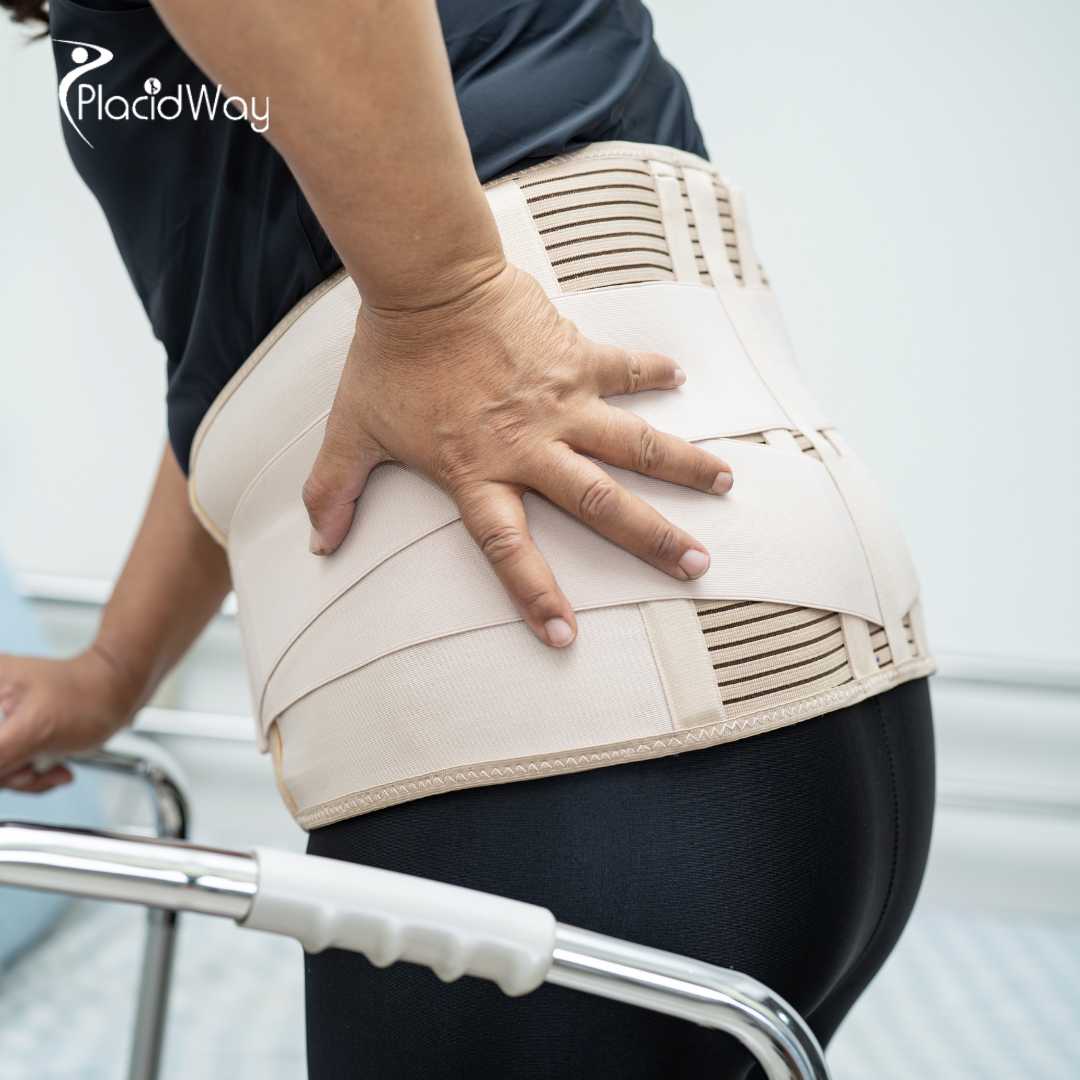
Stem Cell for Spinal Cord Injury in Kuala Lumpur, Malaysia
- Stem Cell Treatment for Spinal Cord Injury,Stem Cell Therapy
Kuala Lumpur,Malaysia

Price starting from $9,800
Stem Cell Therapy for Dementia in Kuala Lumpur, Malaysia
- Stem Cell Therapy
Kuala Lumpur,Malaysia

Price starting from $9,800
Stem Cell for Eye Disorders in Kuala Lumpur, Malaysia
- Stem Cell Treatment for Eye Diseases,Stem Cell Therapy
Kuala Lumpur,Malaysia
Explore Stem Cell Therapy: Stories, Testimonials, and Procedures
Watch in-depth videos covering everything from Stem Cell Therapy success stories to detailed procedure explanations. Learn what to expect and hear from real patients.

Why Leading Medical Centers Choose PlacidWay: The Ultimate Marketing & CRM Solution for Global Patient Engagement
PlacidWay Medical Tourism
Malaysia

Pramod Goel, CEO of PlacidWay Medical Tourism Interview: How AI is Transforming Patient Journeys
PlacidWay Medical Tourism
Malaysia

Going Beyond Medical Tourism: How PlacidWay's Cutting-Edge Technology is Transforming Healthcare Marketing and CRM for Clinics Globally
PlacidWay Medical Tourism
Malaysia

The Future of Medical Tourism: How PlacidWay is Innovating Patient Acquisition for Regenerative Medicine and Orthopedic Clinics
PlacidWay Medical Tourism
Malaysia
Learn More with These Stem Cell Therapy Articles
Take a look at these interesting articles, stories and research that will help you learn more about Stem Cell Therapy.

Stem Cell Therapy in Bangkok: An Australian Patient Planning Story
PlacidWay Medical Tourism
- Stem Cell Therapy
Malaysia

Bangkok's Premier Regenerative Medicine Clinic by Beike Biotechnology
Beike Biotech
- Stem Cell Therapy
Thailand

Stem Cell Therapy Malaysia vs. USA: Your Guide to Regenerative Medicine
PlacidWay Medical Tourism
- Stem Cell Therapy
Malaysia

Is Stem Cell Therapy for Parkinson's Disease in Kuala Lumpur Safe for You? Costs, Credentials, and Patient Suitability
PlacidWay Medical Tourism
- Stem Cell Therapy
Malaysia
Stem Cell Therapy Solutions Near You: Explore Top Medical Centers
Discover how Stem Cell Therapy is transforming lives at leading medical centers in Petaling Jaya, Malaysia. Dive into center profile, specialties, doctors, reviews, etc. and explore the best options tailored to your needs in this region.


Live Stem Cell Asia - Premier Stem Cell Clinic in Malaysia
Petaling Jaya,Malaysia
Dr. Kims Stem Cell Clinic in Seoul, South Korea
Seoul,Gangnam









bjhfjv
Read More