
What treatment


20+ Key FAQs on Stem Cell Therapy in India
Questions About Stem Cell Therapy in India? Start Here
Trusted Medical Tourism Platform Since 2007
.png)
How Effective Is Stem Cell Treatment For Knee Arthritis In India?
Stem cell treatment for knee arthritis in India is highly effective, offering immense pain relief and mobility improvement for up to 80 percent of patients. This regenerative therapy helps many avoid knee replacement surgery while keeping costs affordable. Key Takeaways: Regenerative Knee Joint Therapy High Success Rates: Up to 80 percent of international patients experience significant chronic pain reduction. Cost-Effective Healthcare: Saves 60 to 70 percent compared to Western countries without compromising medical quality. Minimally Invasive Approach: Entirely outpatient medical procedure with quick recovery and minimal physical downtime. Advanced Cellular Technology: Utilizes autologous mesenchymal cells directly from bone marrow or adipose tissue for maximum safety. World-Class Facilities: Internationally accredited orthopedic hospitals ensure absolute top-tier clinical safety standards. What is the exact stem cell treatment for knee arthritis cost in India compared to the US? The financial investment for regenerative joint therapies in Indian medical centers is exceptionally budget-friendly compared to Western healthcare systems. Patients can expect to pay a fraction of the price while receiving identical or superior medical protocols. The average price for this procedure in Indian metropolitan healthcare hubs ranges between $3,000 and $6,000 per knee. In stark contrast, the exact same regenerative protocol in the United States or the United Kingdom typically demands between $10,000 and $25,000 out of pocket since health insurance rarely covers experimental orthobiologics. This massive price disparity does not indicate a reduction in medical quality or clinical safety standards. The lower economic pricing is heavily driven by reduced administrative overhead, significantly lower local living costs, and a highly competitive domestic healthcare market rather than compromised medical resources or inferior technology. When thoroughly factoring in the total travel expenses including flight accommodation and local transit, international patients still easily save up to seventy percent overall. These substantial savings allow patients to access premium regenerative care that might otherwise remain entirely financially out of reach in their home countries. How does a stem cell treatment for knee arthritis clinic in India ensure patient safety and high success rates? Accredited medical facilities across the subcontinent implement rigorous international safety protocols and utilize advanced processing laboratories to guarantee optimal patient outcomes. They focus heavily on maintaining sterile environments and utilizing cutting-edge regenerative cell isolation technology. Global Accreditations: Top-tier medical centers possess prestigious global accreditations like Joint Commission International or National Accreditation Board for Hospitals ensuring strict adherence to global healthcare safety guidelines. Closed-System Processing: Facilities utilize state-of-the-art closed-system centrifuges to process biological material which fundamentally prevents airborne contamination and significantly maximizes cellular viability. Precision Image Guidance: Highly trained orthopedic specialists use advanced ultrasound or fluoroscopic imaging guidance to precisely inject the therapeutic biologicals directly into the damaged cartilage zones. Comprehensive Diagnostics: Thorough pre-procedure screening involves detailed blood panels and magnetic resonance imaging scans to ensure the patient is physically optimized for the complex regenerative process. Strict Post-Op Monitoring: Stringent post-injection monitoring protocols track patient progress meticulously to quickly address any minor joint inflammations and ensure the biological healing trajectory remains highly positive. What makes medical tourism in India the top choice for regenerative joint therapies? The country has rapidly evolved into a premier destination for international patients seeking advanced orthopedic alternatives to highly invasive joint replacement surgeries. This monumental surge is fueled by a unique combination of exceptional medical expertise and highly affordable comprehensive treatment packages. Indian orthopedic surgeons and regenerative medicine specialists are globally recognized for their vast clinical experience and high patient volume. Many of these elite medical professionals have completed rigorous surgical fellowships in the United States or Europe bringing back refined injection techniques and advanced orthobiologic knowledge to their local metropolitan practices. The healthcare infrastructure in major Indian cities features specialized regenerative medicine departments fully equipped with the absolute latest biological processing laboratories. These dedicated clinical units focus entirely on orthopedic rehabilitation utilizing powerful orthobiologics to heal damaged joint tissues naturally without the need for major surgical intervention or general anesthesia. Beyond the sheer medical excellence, international patients benefit tremendously from comprehensive care packages tailored specifically for foreign travelers. English is widely and fluently spoken across all premier medical facilities eliminating frustrating communication barriers and ensuring international patients feel completely understood supported and comfortable throughout their entire healing journey. How long does it take to see results from stem cell treatment for knee arthritis in India? Most international patients begin noticing highly significant reductions in joint pain and vast improvements in physical mobility within four to six weeks following their regenerative injection. The natural biological healing process continues to improve the joint environment steadily over several months. During the initial two to three weeks post-injection patients might experience mild localized swelling or joint stiffness as the injected regenerative cells initiate the natural inflammatory healing cascade. This is a completely normal and highly expected biological response indicating that the therapeutic cells are actively working to repair the damaged cartilage and reduce chronic joint inflammation at a microscopic level. As patients comfortably reach the critical six-week mark they typically report a profound decrease in daily joint pain especially during demanding weight-bearing activities like prolonged walking or climbing steep stairs. The newly introduced cellular agents actively modulate the localized immune system within the knee capsule reducing the hostile destructive enzymes that specifically cause osteoarthritis progression and cartilage degradation. The absolute peak therapeutic benefits usually manifest clearly between three and six months immediately after the outpatient procedure. During this extended period the structural integrity of the treated knee joint is maximally supported by the regenerative cells leading to highly enhanced joint lubrication a noticeably thicker cartilage appearance on diagnostic scans and vastly improved overall physical biomechanical function. Am I a suitable candidate for regenerative stem cell treatment for knee arthritis in India? The ideal candidates are proactive individuals suffering from mild to moderate osteoarthritis who strongly wish to avoid or delay highly invasive total joint replacement surgeries. Medical professionals thoroughly evaluate each prospective patient through advanced imaging and detailed physical assessments to determine precise clinical eligibility. Unresponsive Chronic Pain: Patients experiencing severe chronic daily knee pain that has not responded adequately to standard conservative treatments like ongoing physical therapy or daily oral anti-inflammatory medications are highly prime candidates for this intervention. Moderate Stage Degeneration: Individuals clinically diagnosed with stage two or stage three knee osteoarthritis typically observe the most profound regenerative benefits and experience the longest lasting joint preservation results. Desire for Active Lifestyle: Those who desperately want to maintain a highly active athletic lifestyle and simply cannot afford the extensive lengthy rehabilitation downtime strongly associated with artificial metal or plastic joint implants benefit tremendously from this localized approach. General Systemic Health: Prospective patients must inherently possess a relatively healthy functioning immune system and cannot be actively undergoing harsh treatments for severe systemic autoimmune diseases or battling active blood-borne viral infections. Severe Stage Viability: Severe bone-on-bone stage four arthritis patients might not experience complete miraculous cartilage regrowth but very often still achieve highly significant functional pain relief and vastly improved mechanical joint mobility through the powerful anti-inflammatory properties of the therapy. What biological materials does a stem cell treatment for knee arthritis clinic in India typically utilize? Top medical facilities predominantly utilize autologous mesenchymal cells harvested safely and directly from the patient to completely eliminate any potential risk of immune rejection or external disease transmission. These incredibly powerful regenerative biological cells are usually expertly sourced from either pelvic bone marrow or abdominal adipose fat tissue. Bone marrow aspirate concentrate remains the absolute most widely documented and heavily clinically supported orthobiologic for holistic knee joint repair. Highly trained physicians gently extract nutrient-rich marrow from the patient pelvic bone using powerful local anesthesia then meticulously concentrate the healing cells in a specialized laboratory centrifuge before executing a precise ultrasound-guided reinjection. Adipose-derived cellular therapy effectively utilizes localized fat tissue typically collected carefully from the lower abdominal region through a very minor virtually painless micro-liposuction procedure. Human fat tissue inherently contains a phenomenally highly dense population of active regenerative cells making it an absolutely excellent structural biological matrix to robustly support cartilage healing and profound joint lubrication. In some highly advanced cutting-edge treatment protocols specialists may strategically combine these powerful cellular treatments with specialized platelet-rich plasma derived carefully from the patient own peripheral blood supply. This brilliant biological combination essentially creates a remarkably powerful natural scaffold that dramatically supercharges the localized healing environment and significantly accelerates the holistic regeneration of all damaged internal knee tissues. Is the recovery process painful after undergoing stem cell treatment for knee arthritis in India? The initial rehabilitation phase is generally exceptionally well-tolerated with the vast majority of international patients experiencing only very mild and highly temporary discomfort that completely resolves within a few short days. The entire procedure is entirely outpatient brilliantly allowing treated individuals to physically walk out of the clinic entirely unassisted on the exact same day. Initial Sensations: Patients typically and consistently report a mild dull aching sensation or a noticeable feeling of pressure and fullness inside the treated knee joint lasting specifically for roughly forty-eight to seventy-two hours immediately post-injection. Pain Management: Treating physicians explicitly prescribe basic highly effective over-the-counter pain relievers like simple acetaminophen to easily manage any initial localized soreness while very strictly prohibiting traditional anti-inflammatory medications that could dangerously hinder the vital biological healing cascade. Rest Period: Traveling international patients are heavily advised to rest comfortably and strictly limit any strenuous heavy weight-bearing activities for the first few crucial days perfectly allowing the newly introduced regenerative cells to properly and securely anchor to the damaged joint cartilage. Early Physical Therapy: Extremely gentle localized range-of-motion physical exercises are highly encouraged very early in the initial recovery phase to actively promote highly healthy synovial fluid circulation and actively prevent unwanted joint stiffness or localized muscle atrophy. Rapid Return to Normalcy: Complete unrestricted return to entirely low-impact normal daily physical activities is usually fully permitted safely within one to two short weeks making the overall physical downtime remarkably significantly shorter than any traditional highly invasive orthopedic surgical interventions. How long do the positive effects of this procedure typically last for patients traveling for medical tourism in India? The profound therapeutic benefits are clinically designed to be remarkably long-lasting with many treated individuals happily experiencing profound daily pain relief and vastly enhanced physical mobility for several consecutive years. The exact precise duration inherently depends quite heavily on the initial documented severity of the joint arthritis and the ongoing daily lifestyle habits of the patient strictly post-treatment. Extensive clinical data strongly indicates that a massive vast majority of properly selected patients successfully maintain highly significant noticeable improvements in overall joint function for three to five full years following a single comprehensive regenerative treatment protocol. This highly extended beautiful period of physical relief wonderfully allows formerly restricted individuals to joyfully return to highly active vibrant lifestyles without constantly relying heavily on daily toxic pain medications or damaging repetitive steroid joint injections. The underlying complex biological mechanisms actively at play actually fundamentally alter the hostile degenerative microscopic microenvironment of the damaged knee joint. By heavily suppressing chronic destructive localized inflammation and actively promoting a substantially healthier natural synovial fluid balance the cellular treatment absolutely actively slows down the otherwise relentless natural degenerative progression of severe osteoarthritis. To successfully and drastically maximize the overall longevity of the clinical results leading medical orthopedic specialists universally highly recommend diligently implementing highly supportive daily lifestyle changes. Strictly maintaining a highly healthy optimal body weight consistently engaging in regular safe low-impact physical strengthening exercises and strictly consuming a highly nutritious anti-inflammatory daily diet drastically and successfully extend the overall functional lifespan of the profound regenerative knee treatment. Why choose PlacidWay to organize your stem cell treatment for knee arthritis in India? Our highly dedicated professional medical tourism platform perfectly ensures a remarkably seamless totally stress-free international healthcare journey safely connecting you exclusively with globally accredited elite regenerative orthopedic specialists. We passionately prioritize your absolute physical well-being and total financial peace of mind securely through every single crucial step of the entire clinical process. Rigorous Facility Vetting: We meticulously conduct highly rigorous comprehensive background clinical checks on all potential partner medical facilities firmly ensuring they absolutely strictly adhere to premium international patient safety standards and perfectly utilize totally authentic highly FDA-compliant biological processing protocols. Complete Pricing Transparency: Our highly transparent global platform explicitly provides absolute complete upfront pricing transparency with absolutely zero frustrating hidden clinical or administrative fees perfectly allowing you to incredibly effectively budget for your entire complex regenerative medical procedure totally upfront. Direct Surgeon Consultations: You gracefully receive entirely direct immediate access to incredibly highly experienced fully board-certified international orthopedic surgeons for detailed preliminary virtual online consultations thoroughly ensuring you are absolutely an appropriate clinical candidate long before you commit to the actual medical intervention. Personalized Clinical Coordination: We proudly offer highly dedicated personalized patient clinical coordination services thoughtfully assigning you a completely dedicated personal medical representative who diligently assists with swiftly securing priority medical appointments flawlessly facilitating hospital communications and robustly ensuring proper long-term clinical follow-up. Exclusive Care Packages: Our massively established global healthcare network brilliantly gives you totally priority VIP access to incredibly exclusive fully all-inclusive medical clinical packages that brilliantly bundle your mandatory pre-procedure clinical testing precise cellular joint injections and crucial post-treatment specialist medical reviews into one incredibly highly affordable comprehensive price. Frequently Asked Questions About Regenerative Knee Procedures in India Is regenerative cellular therapy for knee osteoarthritis legally approved by medical authorities in India? Yes regenerative therapies utilizing a patients own biological material are entirely legally permitted and heavily regulated by the Indian Council of Medical Research. Top hospitals strictly follow all national medical guidelines to ensure complete patient safety and high clinical efficacy during these advanced orthopedic interventions. What is the overall clinical success rate of regenerative knee injections in major Indian hospitals? Leading orthopedic centers in major metropolitan hubs report an impressive success rate ranging from seventy to eighty percent for patients with moderate joint degeneration. These patients successfully experience massive reductions in chronic pain and vastly improved mechanical joint flexibility allowing them to avoid major invasive surgeries. Do specialized orthopedic clinics in New Delhi or Mumbai utilize ethically sourced umbilical cord biologicals for joint repair? While some advanced clinics do offer ethically sourced allogeneic products from certified tissue banks the vast majority of leading joint specialists strongly prefer using autologous materials harvested directly from the patient own body. This preferred method completely eliminates any potential risk of immune system rejection or unforeseen allergic reactions. How many total days do I absolutely need to stay in the country for a complete regenerative knee treatment protocol? International patients are generally advised to plan for a brief stay of approximately five to seven days. This perfectly allows sufficient time for comprehensive pre-procedure laboratory testing the actual outpatient cellular injection and a mandatory follow-up medical consultation to ensure the knee is healing optimally before international air travel. Is it safe to board a long haul international flight immediately after receiving cellular knee injections? Medical specialists strongly advise against flying on the exact same day as your joint procedure due to minor swelling and cabin pressure changes. Waiting at least forty-eight to seventy-two hours ensures that the injected biological material settles properly and allows doctors to manage any initial localized joint discomfort effectively. Are the cellular processing laboratories in top Indian medical tourism hospitals internationally certified for safety? Absolutely the premier facilities catering to international travelers maintain highly advanced clean room laboratories that possess strict global ISO certifications. These rigorous standards guarantee that your biological tissues are handled processed and concentrated in a completely sterile environment preventing any possibility of airborne bacterial contamination. Will my domestic health insurance provider reimburse the costs of regenerative joint therapies performed overseas? Because these advanced orthobiologic treatments are often classified as experimental by traditional Western insurance companies they are rarely covered regardless of where the procedure is performed. However the dramatically lower out-of-pocket pricing in Asian medical hubs makes the treatment highly accessible even without insurance assistance. What clinical alternatives exist if my knee osteoarthritis is deemed too severe for biological cellular therapy? If an orthopedic surgeon determines that your joint lacks sufficient remaining cartilage for regeneration to be effective they will typically recommend a highly advanced robotic-assisted partial or total knee replacement. Indian hospitals are world renowned for performing these complex joint replacement surgeries at incredibly affordable international price points. Are there any strict upper age limits preventing older patients from receiving orthobiologic joint treatments? There is no strict absolute maximum age limit for these regenerative therapies however the overall vitality and regenerative potential of biological cells can decrease naturally with advanced age. Doctors rely heavily on detailed individual health assessments rather than just chronological age to definitively determine if an elderly patient will benefit from the procedure. How exactly do premier Indian medical centers actively prevent joint infections during intra-articular cellular injections? Top specialists completely mitigate infection risks by executing the entire procedure inside heavily sterilized hospital operating theaters rather than standard clinic rooms. They utilize advanced image guidance to avoid surrounding tissues employ strict closed-loop cellular processing systems and thoroughly sterilize the entire knee capsule prior to any needle insertion. Start Your Joint Healing Journey Today Do not let severe knee pain control your daily life any longer. PlacidWay connects you securely with globally accredited regenerative orthopedic specialists offering world-class cellular treatments at a fraction of Western prices. Explore your options safely and regain your mobility. Get Your Free Quote * Responses typically within 24 hours. Privacy completely guaranteed....
Read more details

.png)
Is Stem Cell Therapy In India Effective For Cerebral Palsy?
Stem cell therapy in India for cerebral palsy shows high efficacy in improving motor functions and cognitive abilities. Using mesenchymal stem cells, patients often see significant progress in muscle tone and coordination at affordable costs. Key Takeaways: Stem Cell Therapy Efficacy in India High Improvement Rates: Clinical data indicates 70-80% of patients experience significant motor and cognitive gains. Advanced Protocols: Use of Mesenchymal Stem Cells (MSCs) and Bone Marrow Aspirate Concentrate (BMAC). Cost Advantage: Treatment in India is 60-80% more affordable compared to North America or Europe. Holistic Approach: Therapy is usually paired with intensive neuro-rehabilitation and physical therapy. Global Standard: Many clinics are accredited by NABH, ensuring high safety and hygiene protocols. The quest for effective treatments for cerebral palsy (CP) has led many families to explore the frontiers of regenerative medicine. In recent years, stem cell therapy for cerebral palsy in India has emerged as a beacon of hope for parents seeking to improve their child's quality of life. Cerebral palsy, a group of disorders affecting a person's ability to move and maintain balance and posture, is caused by abnormal brain development or damage to the developing brain. While conventional treatments focus on management, stem cell therapy aims to address the underlying neurological damage. India has positioned itself as a global leader in this field, combining cutting-edge research with a compassionate approach to patient care. The country's medical infrastructure has seen a massive upgrade, allowing for the precise isolation and administration of potent stem cells. This article explores why the efficacy of this treatment is drawing thousands of international patients and how medical tourism in India is making life-changing therapy more accessible than ever before. How does stem cell therapy for cerebral palsy in India work? Stem cells work by migrating to damaged brain tissues, releasing growth factors, and promoting neuroplasticity. This process helps repair neural pathways, reduces inflammation, and stimulates the formation of new blood vessels. The mechanism behind stem cell therapy for cerebral palsy in India is rooted in the unique regenerative properties of stem cells. When administered—usually through an intrathecal injection (into the spinal fluid) or intravenously—these cells utilize a process called "homing." They are naturally attracted to the chemical signals released by damaged or inflamed brain tissues. Once they reach the site of injury, they do not necessarily turn into new brain cells; instead, they act as a biological pharmacy. These cells release cytokines and neurotrophic factors that dampen the chronic inflammation often found in CP-affected brains. This environment allows the remaining healthy neurons to form new connections, a process known as neuroplasticity. By improving the oxygenation and blood supply to these areas, the therapy helps "wake up" dormant or stunned brain cells, leading to better signal transmission between the brain and the muscles. Furthermore, the therapy is often integrated with a stem cell therapy clinic in India's intensive rehabilitation program. This synergy is vital; while the stem cells provide the biological potential for repair, specialized exercises and therapies provide the functional stimulus required to map new motor skills. This comprehensive approach ensures that the cellular improvements translate into tangible real-world skills like sitting, standing, or improved speech. Cost Component India (USD) USA/Europe (USD) Standard Stem Cell Cycle $6,000 - $9,000 $25,000 - $40,000 Neuro-Rehabilitation (10 days) Included or ~$1,500 $5,000 - $8,000 Hospital Stay (Luxury/Private) $150 - $300/day $1,500 - $3,000/day What is the success rate of stem cell therapy for cerebral palsy in India? The reported success rate in India ranges from 70% to 85%, depending on the age of the patient and the type of CP. Most patients see improvements in muscle tone, fine motor skills, and social communication. Success in stem cell therapy for cerebral palsy in India is measured using standard clinical tools like the Gross Motor Function Classification System (GMFCS). Most clinics report that the vast majority of their patients show improvement in at least one GMFCS level. For children with spastic CP, the reduction in muscle stiffness is often the first visible sign, typically occurring within a few weeks to months following the first administration. Beyond physical movement, "success" also encompasses cognitive and sensory improvements. Parents frequently report that their children become more alert, show better eye contact, and demonstrate enhanced comprehension. In cases of ataxic CP, balance and coordination improvements are noted. It is important to note that while "cure" is not a word used by ethical specialists, "significant functional improvement" is a very common outcome in the Indian medical landscape. The long-term success is highly dependent on post-procedure care. Indian clinics emphasize that the stem cells create a "window of opportunity" where the brain is highly receptive to learning. Families who commit to the home-based rehabilitation protocols provided by their stem cell therapy clinic in India tend to see the most profound and lasting results, with improvements continuing for up to a year after the procedure. Did You Know? India is one of the few countries that successfully integrates Ayurvedic supportive care and Yoga with modern stem cell protocols. This unique combination helps in managing the mental stress of patients and caregivers, potentially enhancing the overall therapeutic environment. What is the stem cell therapy cost in India for cerebral palsy? The cost typically ranges between $6,500 and $10,000 USD. This covers the cell processing, administration, hospitalization, and initial neuro-rehabilitation sessions. The stem cell therapy cost in India for cerebral palsy is one of the primary drivers for medical travelers. In the United States or Europe, similar protocols—if available—can easily exceed $30,000. India’s affordability is not due to lower quality but rather to lower operational overheads, a favorable exchange rate, and a highly competitive medical market. This allows families to afford multiple cycles if needed, which is often recommended for chronic neurological conditions. When analyzing the cost, one must look at what is included. A standard package in India usually includes the harvesting of the patient's own bone marrow (if using autologous cells), the laboratory processing in a cleanroom environment, the implantation procedure, and a stay in a private hospital room. Many clinics also bundle in daily physical therapy, occupational therapy, and speech therapy, which are essential to maximize the treatment's efficacy. Furthermore, patients should factor in the cost of long-term rehabilitation. Because medical tourism in India is so cost-effective, many families find they have a surplus budget to hire specialized therapists back in their home country or to stay longer in India for an extended three-month rehabilitation program. This financial flexibility is often the difference between a moderate result and a life-changing breakthrough. What types of stem cells are used for cerebral palsy in India? Indian clinics primarily use Autologous Bone Marrow-Derived Mononuclear Cells (BMMNCs) and Umbilical Cord-Derived Mesenchymal Stem Cells (UC-MSCs) for treating cerebral palsy. Choosing the right cell type is a critical decision in stem cell therapy for cerebral palsy in India. Autologous Bone Marrow cells are popular because they come from the patient's own body, eliminating any risk of rejection or ethical concerns. These cells contain a mixture of hematopoietic and mesenchymal stem cells, along with various growth factors that support neural repair. The procedure involves a small aspiration from the hip bone under light sedation. Mesenchymal Stem Cells (MSCs), often derived from umbilical cord tissue, are another mainstay. These are "off-the-shelf" products that do not require a harvesting procedure from the patient. MSCs are prized for their powerful anti-inflammatory and immunomodulatory effects. In many stem cell therapy clinics in India, a combination of both cell types may be used to provide both immediate neuroprotection and long-term regenerative support. The choice often depends on the patient’s health and the severity of the CP. For instance, if a child is too frail for bone marrow aspiration, umbilical cord cells provide a safe and effective alternative. Indian laboratories use advanced flow cytometry to ensure the purity and viability of these cells, ensuring that the patient receives the highest possible dose of active healing agents. Why is India a leading destination for medical tourism in India? India offers a unique blend of world-class surgical expertise, advanced biotechnology, and English-speaking medical professionals, all at a significantly lower price point than Western nations. The rise of medical tourism in India is no accident. The Indian government has actively promoted the sector by streamlining medical visas and encouraging international accreditations. Cities like Delhi, Mumbai, and Bangalore have become global hubs for specialized care. For neurological conditions like CP, India offers a level of focused, multidisciplinary care that is often hard to find elsewhere. In a single facility, a patient can access neurologists, stem cell scientists, pediatricians, and specialized therapists. Beyond the clinics, the ease of communication is a major plus. Almost all medical professionals in India are fluent in English, which is crucial for discussing complex medical protocols and expectations. Furthermore, the Indian culture of "Atithi Devo Bhava" (The Guest is God) translates into a high level of hospitality and personal attention from nursing staff and patient coordinators, which is vital for families dealing with the stress of a child's chronic illness. Finally, the rapid adoption of technology in India means that stem cell therapy for cerebral palsy in India is often more advanced than in more regulated Western markets. Indian scientists are frequently involved in international research collaborations, ensuring that the protocols used in local clinics are based on the latest global findings in regenerative medicine. What is the recovery process after stem cell therapy in India? Recovery is a gradual process involving immediate post-op rest followed by several months of intensive rehabilitation. Most improvements are observed between 3 to 6 months after the procedure. The days immediately following stem cell therapy for cerebral palsy in India are focused on monitoring. Patients usually stay in the hospital for 2-3 days to ensure there are no adverse reactions to the injection. During this time, gentle physical therapy begins to stimulate the nervous system. The goal is not to exhaust the patient but to provide the first functional "cues" to the newly administered stem cells. Once the family returns home, the "real" recovery begins. This is a phase of neuro-rehabilitation that should last at least 6 months. Because the stem cells have reduced inflammation and improved neural signaling, the child's body is more responsive to exercises. Therapies like Aquatic Therapy, Hyperbaric Oxygen Therapy (HBOT), and specialized physiotherapy become more effective than they were before the stem cell administration. Progress is usually observed in stages. First, improvements in autonomic functions like sleep and digestion are often noted. This is followed by a reduction in spasticity (stiffness), which then leads to better motor control. It is a marathon, not a sprint, and the stem cell therapy clinic in India typically stays in touch with the family via video consultations to monitor progress and adjust the exercise regimen as the child reaches new milestones. Is it safe to get stem cell therapy for cerebral palsy in India? Yes, the procedure is considered safe when performed at accredited facilities. Indian clinics follow strict ICMR guidelines, ensuring cell purity and sterile administration protocols to prevent infection. Safety is a paramount concern for any parent. In a reputable stem cell therapy clinic in India, the safety protocols are comparable to those in the West. Clinics that cater to international patients often hold NABH (National Accreditation Board for Hospitals) or JCI (Joint Commission International) accreditations. These bodies mandate strict standards for everything from surgical site sterilization to the air quality in cell-processing laboratories. The biological safety of the cells is also a priority. If using donor cells (umbilical cord), they undergo rigorous screening for infectious diseases and genetic abnormalities. If using the patient's own cells, the risk of rejection is zero. The administration methods—intravenous or intrathecal—are standard medical procedures performed by experienced anesthesiologists and neurologists, minimizing the risk of procedural complications. However, "safety" also depends on choosing the right provider. PlacidWay advises patients to look for clinics that are transparent about their laboratory processes and provide clear data on their patient outcomes. Avoiding "basement clinics" and sticking to established medical institutions ensures that the medical tourism in India experience remains safe, professional, and effective. What should I look for in a stem cell therapy clinic in India? Key factors include government accreditation, the presence of an in-house cleanroom lab, a multidisciplinary team of neurologists, and a transparent history of patient results. Not all clinics are created equal. When searching for a stem cell therapy clinic in India, the first thing to verify is their laboratory facility. A top-tier clinic will have a GMP-certified (Good Manufacturing Practice) laboratory on-site. This ensures that the stem cells are not exposed to contaminants during processing and that the cell count is accurately verified before implantation. Second, look at the medical team. The treatment of cerebral palsy is not just about the injection; it requires a neurologist who understands the complexities of the brain and a rehabilitation team that knows how to handle pediatric patients. A good clinic will offer a detailed pre-consultation where they review the patient's MRI and medical history to provide a realistic assessment of the expected results. Finally, check for testimonials and long-term follow-up policies. A clinic that cares about its patients will have a structured system for tracking progress after the family leaves India. They should be able to connect you with other parents who have undergone the treatment. This community aspect is a hallmark of the best providers involved in stem cell therapy for cerebral palsy in India. Why choose PlacidWay for cerebral palsy treatment in India? PlacidWay acts as a bridge between patients and top-rated Indian clinics, ensuring safety, price transparency, and professional guidance throughout the medical journey. PlacidWay is a global leader in medical tourism, dedicated to making high-quality healthcare accessible to everyone. We understand that traveling to a new country for a medical procedure is a significant decision. Here is why PlacidWay is the preferred partner for families seeking stem cell therapy for cerebral palsy in India: Verified Clinic Network: We only partner with Indian clinics that meet rigorous international standards for safety, laboratory quality, and surgeon expertise. Price Transparency: We provide clear, all-inclusive quotes, helping you avoid hidden costs and ensuring you get the best value for your treatment budget. Specialized Knowledge: Our team has years of experience in the field of regenerative medicine, allowing us to help you choose the right clinic for your specific needs. Global Patient Support: We offer assistance in multiple languages and provide a dedicated coordinator to help with all your medical queries and documentation. Direct Specialist Access: Through PlacidWay, you can get a free initial review of your medical records by the leading Indian stem cell specialists before you book your trip. How long do the results of stem cell therapy last for cerebral palsy? The neurological improvements gained from stem cell therapy are generally permanent, provided they are supported by consistent physical therapy and developmental training. One of the most common questions regarding stem cell therapy for cerebral palsy in India is whether the results will fade. Because the therapy works by facilitating structural changes in the brain and neural pathways, the functional gains are typically lasting. Once a child learns to sit independently or improves their speech comprehension due to better neural signaling, these are "acquired skills" that stay with them. However, CP is a developmental condition. As the child grows, their muscles and bones change, which can sometimes lead to new challenges like contractures. This is why the "results" are not a static outcome but a new, improved trajectory for the child’s development. Regular follow-up sessions and maintaining the physical therapy routine are key to ensuring that the benefits of the stem cell therapy cost in India are maximized throughout the child's life. In some cases, especially for more severe forms of CP, doctors may suggest a "booster" cycle after 12 to 18 months. This is to build upon the gains of the first session. The accumulative effect of multiple treatments, combined with a dedicated home-care plan, offers the best chance for long-term independence and a high quality of life for patients who choose medical tourism in India. Frequently Asked Questions About Stem Cell Therapy for CP in India Is stem cell therapy for cerebral palsy in India FDA approved? While stem cell therapy is widely practiced in India, it is regulated by the ICMR (Indian Council of Medical Research). It is considered an evolving medical procedure rather than a standard FDA-approved treatment, focusing on compassionate use for neurological improvement in cerebral palsy patients. At what age should a child receive stem cell therapy for cerebral palsy in India? Early intervention is generally recommended. Many clinics in India treat children as young as 2 years old, as the brain's neuroplasticity is highest during early childhood, allowing for better integration of the regenerative effects of stem cells. How long do I need to stay for stem cell therapy for cerebral palsy in India? The typical duration for the procedure and initial rehabilitation is 10 to 14 days. This allows for the cell administration and intensive physical therapy sessions that are crucial for the therapy's success. Are there side effects of stem cell therapy for cerebral palsy in India? Most patients experience only mild, temporary side effects such as low-grade fever, headache, or slight pain at the injection site. Serious complications are rare when the procedure is performed at an accredited stem cell therapy clinic in India using sterile protocols. Is stem cell therapy for cerebral palsy in India suitable for adults? Yes, adults with cerebral palsy can benefit from stem cell therapy in India. While the results may be more gradual than in children, adults often report improved muscle tone, reduced spasticity, and enhanced bladder or bowel control. What is the typical success rate of stem cell therapy for cerebral palsy in India? Clinical observations in India suggest that approximately 70% to 80% of patients show varying degrees of improvement in motor functions, cognitive abilities, and social interaction following the therapy and subsequent rehabilitation. How is medical tourism in India beneficial for neurological treatments? Medical tourism in India offers access to high-tech infrastructure, English-speaking medical staff, and advanced cellular therapies at a fraction of the cost found in Western countries, making complex neurological care accessible to global families. Do I need a medical visa for stem cell therapy for cerebral palsy in India? Yes, international patients should apply for an 'e-Medical Visa' or a regular Medical Visa. This requires an invitation letter from the chosen stem cell therapy clinic in India and allows for multiple entries for treatment purposes. Are the stem cells used for cerebral palsy in India ethically sourced? Most reputable clinics in India use autologous bone marrow-derived cells or ethically sourced umbilical cord tissue-derived mesenchymal stem cells, following international ethical guidelines and strict screening processes. Why is Mumbai a hub for stem cell therapy for cerebral palsy in India? Mumbai hosts several world-renowned research institutes and specialized clinics that focus specifically on neuro-regenerative rehabilitation, offering a high concentration of expertise and advanced laboratory facilities for cell processing. Transform Your Child's Future in India Today Don't let distance be a barrier to healing. PlacidWay connects you with India's leading, NABH-accredited regenerative centers. Get a free, expert review of your medical records, receive a personalized treatment plan from board-certified neurologists, and access exclusive medical tourism packages designed for international families. Get Your Free Quote Now * Personalized responses within 24 hours. Secure & Private....
Read more details
Can Stem Cell Therapy Treat Both Type 1 and Type 2 Diabetes in India?
Yes, stem cell therapy in India addresses both Type 1 and Type 2 Diabetes. For Type 1, it helps modulate the immune system to stop attacking pancreatic cells. For Type 2, it reduces insulin resistance and inflammation. India offers these advanced protocols for $4,500 to $8,000 USD, which is 70% cheaper than Western alternatives. Diabetes is often described as a full-time job with no vacation. Whether you are constantly checking your pump for Type 1 or managing medication and diet for Type 2, the mental and physical toll is exhausting. The fear of long-term complications—like neuropathy, kidney failure, or vision loss—is always lurking in the background. While insulin and metformin save lives, they don't fix the underlying problem: a pancreas that isn't working right or a body that ignores the insulin it makes. This is where India is making waves in the medical world. Indian specialists are using Mesenchymal Stem Cells (MSCs) to target the root causes of diabetes, not just the blood sugar spikes. In Type 1, the goal is to calm the immune system; in Type 2, it is to reset the body's metabolism. Patients are flying to New Delhi, Mumbai, and Bangalore to access these regenerative treatments that are often unavailable or prohibitively expensive at home. In this guide, we will break down exactly how this works for each type of diabetes, what you can realistically expect in terms of results, and why India has become a global hub for diabetic stem cell research and treatment. Can stem cells help Type 1 Diabetes? Yes, for Type 1 Diabetes, stem cells act as an immune-modulator. Since Type 1 is an autoimmune condition where the body attacks its own beta cells, stem cells work to "reset" the immune system, halting this attack and preserving any remaining pancreatic function, potentially reducing daily insulin needs. For Type 1 diabetics, the problem is the immune system acting like a sniper, taking out the insulin-producing cells. Stem cell therapy introduces a massive dose of "peacekeeping" cells. These MSCs release signals that tell the immune system to stand down. While it is rare to get a patient completely off insulin forever if they have had the disease for decades, many "honeymoon" patients (recently diagnosed) or those with some residual function see a significant drop in their insulin dosage. The main goal is to stop the disease from progressing further and to stabilize blood sugar levels to prevent crashes. Can stem cells treat Type 2 Diabetes? Yes, stem cell therapy is highly effective for Type 2 Diabetes. It works by reducing systemic inflammation and improving insulin sensitivity. The cells help repair damaged tissues and rejuvenate the pancreas, allowing the body to utilize insulin more effectively and lower HbA1c levels. Type 2 is largely a metabolic and inflammatory disorder. Your cells have locked their doors and won't let insulin in. Stem cells help pick those locks. By reducing the chronic inflammation that causes insulin resistance, they help your body's natural insulin work again. Patients with Type 2 often see better results than Type 1 patients because their pancreas is usually still producing some insulin; the body just isn't using it. After treatment, many patients can reduce their oral medications and report higher energy levels and better weight management. What is the cost of diabetes stem cell therapy in India? The average cost of stem cell therapy for diabetes in India ranges from $4,500 to $8,000 USD. This typically includes a multi-day hospital stay, extensive blood work, the stem cell infusion, and airport logistics. In comparison, similar treatments in Europe or Panama can cost upwards of $20,000. India offers a unique value proposition: high-volume expertise at a low cost. Because diabetes is an epidemic in India itself, doctors there have treated thousands of patients and have refined their protocols. You aren't paying for luxury marketing; you are paying for medical substance. Here is a quick cost comparison: Country Estimated Cost (USD) What's Included? India $4,500 - $8,000 Treatment, Hospital Stay, Tests Mexico $6,000 - $10,000 Treatment only (Outpatient) Panama $20,000 - $30,000 Treatment & Hotel Germany $18,000 - $25,000 Clinic stay & Treatment How is the procedure performed? The standard protocol involves an Intravenous (IV) infusion of stem cells. In some specific cases, doctors may use intrapancreatic injection via catheterization (cath lab) to deliver cells directly to the pancreas, though IV is more common and less invasive. The procedure takes about an hour. Most patients receive a systemic IV drip. It is painless and simple. The stem cells travel through the bloodstream and home in on areas of inflammation—which for diabetics, includes the pancreas, liver, and vascular system. If the doctor opts for the direct pancreatic approach, it is slightly more complex (similar to an angiogram) but ensures a higher concentration of cells hits the target organ immediately. What is the success rate? Success is measured by a reduction in medication and stabilized blood sugar. Approximately 70-80% of patients respond positively, seeing a drop in HbA1c levels and a reduced need for insulin or metformin. Results are typically observed within 2 to 4 months post-treatment. It is important to define "success." It usually doesn't mean eating unlimited cake and never taking a pill again. It means your blood sugar is no longer a rollercoaster. It means your HbA1c drops from a dangerous 9.0 to a manageable 6.5. For many, it means stopping insulin injections and managing solely with diet or mild pills. Are there risks or side effects? The procedure is very safe. Common side effects are mild and include fatigue, headache, or low-grade fever for a day as the immune system reacts. Hypoglycemia (low blood sugar) is a risk immediately following treatment as the body becomes more sensitive to insulin, so monitoring is crucial. The "danger" actually comes from the treatment working too well, too fast. As your insulin sensitivity improves, your usual dose of insulin might be too much, causing your blood sugar to drop. This is why doctors in India will monitor you closely for a few days and adjust your medication dosages in real-time. Why is India a top destination for diabetes treatment? India is known as the "Diabetes Capital of the World," which means its doctors have unmatched experience in treating the condition. Experience matters. An Indian specialist might see more diabetes cases in a month than a Western doctor sees in a year. They understand the nuances of the disease. Furthermore, the stem cell clinics in India are highly advanced, producing high-viability cells that meet international quality standards. What type of stem cells are used? Clinics generally use Umbilical Cord Mesenchymal Stem Cells (UC-MSCs) from healthy donors. These cells are "immune-privileged" (no rejection risk) and are more potent than bone marrow cells. Some clinics may use autologous (your own) bone marrow cells if specifically requested or clinically indicated. Using donor cells from the umbilical cord is preferred because they are young and aggressive healers. A diabetic patient's own stem cells are often "tired" and affected by the high blood sugar environment, making them less effective for therapy. UC-MSCs offer a fresh start. Can it help with diabetic complications? Yes, this is a major benefit. Stem cells improve blood flow and repair damaged nerves, offering relief from diabetic neuropathy (nerve pain), kidney dysfunction, and retinopathy. Many patients seek treatment primarily to stop these complications from worsening. Sometimes the blood sugar number isn't the biggest problem—it's the burning feet or the failing kidneys. Because stem cells travel systemically, they help repair the micro-vasculature (tiny blood vessels) all over the body. Patients often report that the sensation returns to their feet or that their kidney filtration rates (GFR) stabilize after treatment. How long do the results last? Results can last anywhere from 1 to 3 years or longer, depending on lifestyle factors. Diet and exercise are critical. If a patient returns to a high-sugar diet, the benefits will diminish. Periodic "booster" treatments may be recommended to maintain the effects. Stem cells give you a reset, but they don't make you bulletproof. Think of it as fixing the engine of a car. It runs great now, but if you put bad fuel in it (sugar and processed food), it will break down again. The patients who see permanent changes are the ones who use the therapy as a springboard to a healthier lifestyle. Conclusion Stem cell therapy represents a paradigm shift in diabetes care. Instead of just managing the decline, it offers a way to actively repair the damage. India stands at the forefront of this shift, offering accessible, high-quality care for both Type 1 and Type 2 diabetics. While it is not a magic cure that replaces all responsibility, it is a powerful tool that can reduce medication dependence and protect your organs from long-term damage. If you are ready to move beyond just "managing" your diabetes and start treating the root cause, the experts in India are ready to help. Ready to take control of your health? Click here to explore PlacidWay and connect with India's top certified stem cell specialists for diabetes today. Get a Free Quote & Treatment Plan Today...
Read more detailsDiscover your treatment options with a free, no-obligation quote!
Get your quote now!
When Should Huntington’s Patients Consider Stem Cell Therapy in India?
Huntington’s patients should consider stem cell therapy in India during the early to middle stages of the disease, particularly when standard medications fail to control chorea or cognitive decline. India offers advanced, cost-effective protocols that focus on neuroprotection and slowing disease progression through the use of neurotrophic-releasing stem cells. Huntington’s Disease (HD) is a relentless genetic condition that gradually erodes a person's physical and mental capabilities. Families watching their loved ones struggle with involuntary movements and cognitive decline often feel helpless as conventional medicine offers limited solutions. This leads to a critical question: when should Huntington’s patients consider stem cell therapy in India? India has emerged as a beacon of hope in the field of neuro-regenerative medicine, offering supportive therapies that go beyond mere symptom masking. The treatment focuses on using Mesenchymal Stem Cells (MSCs) to create a neuroprotective environment in the brain. Unlike gene editing, which is still in its infancy, stem cell therapy is available now in India to help slow down the rapid degeneration of neurons, potentially buying patients precious time and quality of life. In this guide, we will analyze the optimal timing for this intervention, the biological mechanisms at play, and why India is becoming a preferred destination for families seeking affordable yet advanced neurological care. How does stem cell therapy help Huntington’s Disease? Stem cells do not "cure" the genetic mutation but help by secreting neurotrophic factors (like BDNF) that protect existing neurons from dying. They also reduce neuroinflammation and promote angiogenesis (blood flow), helping to preserve brain volume and slow the worsening of motor and cognitive symptoms. The primary problem in HD is the premature death of brain cells in the striatum. Stem cell therapy in India works on the principle of "neuroprotection." When stem cells are injected, they migrate to areas of damage and release powerful growth factors. These factors act like fertilizer for the brain, strengthening the surviving neurons so they can withstand the toxic effects of the mutant Huntington protein for longer. Additionally, they help dampen the chronic inflammation in the brain that accelerates cell death. When is the right time to start treatment? The ideal time is the "early-symptomatic" stage. Intervention is most effective when the patient still has significant functional ability and brain tissue reserve. Treating late-stage HD is less effective because there are fewer surviving neurons to protect or rescue. Waiting too long is a common mistake. Regenerative medicine works best when there is something left to save. If a patient is already bedridden with severe cognitive loss, stem cells may offer only minimal benefits. However, patients in the early to moderate stages—who are experiencing chorea (jerky movements), balance issues, or mild mood changes—are often the best candidates. The goal is to stabilize these symptoms and prevent the rapid slide into disability. What is the cost of stem cell therapy for Huntington’s in India? The cost of stem cell therapy for Huntington’s Disease in India ranges from $5,000 to $12,000 USD. This comprehensive package often includes hospital stay, MRI scans, physiotherapy, and the stem cell procedure itself—significantly cheaper than experimental options in the US or Europe. India’s cost advantage is massive. In the US or Europe, stem cell treatments for neurological conditions are often unavailable outside of strict clinical trials or cost upwards of $30,000. India offers a regulated environment where these therapies are accessible at a fraction of the price. Below is a cost comparison table for Huntington’s Stem Cell treatments: Region Estimated Cost (USD) Inclusions India (Mumbai/Delhi) $5,000 - $12,000 Treatment + Neuro-Rehab China $20,000 - $30,000 Treatment Only Mexico $10,000 - $18,000 Treatment + limited stay United States N/A (Trials only) Strictly regulated/Unavailable How is the procedure performed? The procedure typically involves Intrathecal Injections (into the spinal fluid) via a lumbar puncture. This allows stem cells to bypass the blood-brain barrier and reach the brain directly. Some protocols also include Intravenous (IV) infusions for systemic support. Administering cells into the bloodstream alone is often insufficient for brain disorders because the blood-brain barrier blocks them. Indian neuro-specialists prioritize the intrathecal route. The procedure is minimally invasive, performed under local anesthesia, and takes about 30-45 minutes. It is generally painless, with patients lying flat for a few hours afterward to ensure the cells circulate effectively to the brain. Why is India a preferred destination for this? India is home to specialized centers that focus exclusively on neurological regeneration. These centers combine stem cell therapy with intensive neuro-rehabilitation (physiotherapy, occupational therapy) to maximize the functional improvements. In India, the treatment is holistic. You don't just get an injection and leave. The best clinics enroll patients in a rigorous rehabilitation program during their stay. This "rehab-plus-cells" approach is crucial because the stem cells open a window of neuroplasticity (brain adaptability), and therapy helps the brain learn how to use that new potential to improve balance and speech. What improvements can be expected? While not a cure, patients often report a stabilization of symptoms. Improvements may include reduced chorea (involuntary movements), better balance, clearer speech, and improved swallowing ability. Psychological symptoms like irritability or depression may also stabilize. Success in HD is often measured by what doesn't happen—slowing the rate of decline. However, many families report "gains" in daily living activities. For example, a patient might regain the ability to feed themselves or walk without assistance. These quality-of-life improvements are significant for families dealing with the daily reality of the disease. Is the treatment safe? Yes, using autologous (patient’s own) bone marrow stem cells or allogeneic umbilical cord cells is generally safe. The risk of rejection or tumor formation is negligible with these cell types. The main risks are minor, related to the lumbar puncture itself (e.g., headache). Safety is a priority in accredited Indian hospitals. They adhere to international standards for cell processing. Because the cells are often adult stem cells (MSCs), they do not carry the ethical or safety concerns associated with embryonic stem cells. Before treatment, patients undergo rigorous screening to ensure they are fit for the procedure. What is the source of the stem cells? Clinics in India primarily use Autologous Bone Marrow Mononuclear Cells (BMMNCs) or Allogeneic Umbilical Cord MSCs. Bone marrow is harvested from the patient's hip bone, while cord cells are sourced from healthy donor banks. Autologous cells are popular because they are the patient's own biological material, eliminating immune rejection risks entirely. However, for older patients or those with advanced disease, Umbilical Cord cells are sometimes preferred because they are younger and biologically more potent. Your doctor will decide the best source based on the patient's age and specific condition. Do I need a medical visa? Yes, international patients must apply for a Medical Visa (M-Visa) to undergo treatment in India. The hospital will provide an official invitation letter to facilitate this process, which is streamlined and can often be done online (e-Medical Visa). Do not travel on a tourist visa for medical treatment; it can lead to legal issues. The Medical Visa allows for a longer stay and permits attendants (family members) to accompany the patient on a Medical Attendant Visa. Indian consulates are generally very supportive of patients seeking medical care, making the approval process quick. How long does the treatment take? A typical protocol lasts 7 to 10 days. This includes pre-treatment evaluation, the stem cell harvesting and injection, and several days of intensive rehabilitation to kickstart the recovery process. This is not a "drive-through" procedure. The hospital stay is vital for monitoring and therapy. Patients usually arrive on a Sunday, have tests on Monday, treatment on Tuesday/Wednesday, and rehab for the rest of the week. This structured approach ensures that the patient is stable and responding well before flying back home. Are the results permanent? No, the results are not permanent because HD is a progressive genetic disorder. Stem cell therapy acts as a buffer. Most patients see benefits for 6 months to 2 years, after which repeat treatments may be considered to maintain the neuroprotective effects. It is crucial to manage expectations. Stem cells cannot fix the DNA mutation causing HD. They manage the damage. Think of it as servicing a car to keep it running longer; you may need to go back for maintenance. Many families plan annual or biennial trips to India to sustain the improvements. How do I choose a clinic in India? Choose a hospital that is NABH accredited (National Accreditation Board for Hospitals) and has a dedicated neuro-regenerative department. Look for published scientific papers by the doctors and video testimonials from other HD patients. India has many world-class hospitals, but also some smaller clinics that may overpromise. Stick to major names in cities like Mumbai, Delhi, or Bangalore. Ask specifically about their experience with neurodegenerative disorders. A clinic that specializes in orthopedic knees may not be the best choice for a complex brain condition like Huntington’s. Slow the Progression of Huntington’s Explore advanced Stem Cell therapy options in India. Get a free medical evaluation and a personalized treatment plan today. Find Treatment on PlacidWay...
Read more details
How Can PCOD/PCOS Stem Cell Therapy Regulate Hormones in India?
Stem cell therapy for PCOD/PCOS in India helps regulate hormones by regenerating damaged ovarian tissue and reducing chronic inflammation. The therapy aims to restore normal ovarian function, balance insulin levels, and promote regular ovulation, addressing the root cause of hormonal imbalance. Polycystic Ovarian Syndrome (PCOS) and PCOD affect millions of women globally, causing hormonal chaos, infertility, and metabolic issues. Many are now asking: how can PCOD/PCOS stem cell therapy regulate hormones in India? India has emerged as a pioneer in affordable and advanced regenerative medicine, offering hope to women where conventional hormonal pills only mask the symptoms. In short, this therapy focuses on healing the ovaries at a cellular level rather than just forcing a bleed. The treatment utilizes Mesenchymal Stem Cells (MSCs) to target the inflammation and fibrosis often found in the ovaries of PCOS patients. By improving blood flow and regenerating healthy tissue, these cells can help the body naturally reset its production of estrogen, progesterone, and insulin. This biological reset offers a potential long-term solution for irregular periods and infertility. In this comprehensive guide, we will explore how this cutting-edge treatment works, breakdown the cost advantages of choosing India, and answer the critical questions you need to consider before traveling for care. What is the mechanism of stem cells in treating PCOS? Stem cells treat PCOS by migrating to the ovaries to repair damaged tissue and reduce oxidative stress. They secrete growth factors that improve vascularization and modulation of the immune system, helping to normalize androgen levels and restore spontaneous ovulation. PCOS is often characterized by a state of chronic low-grade inflammation and hormonal resistance (like insulin resistance). Stem cells, specifically MSCs derived from umbilical cord tissue or bone marrow, act as potent anti-inflammatory agents. When introduced into the body, they home in on the reproductive system. Once there, they release paracrine factors—signaling molecules that tell the ovaries to repair themselves. This process helps break down the thick outer capsule of the ovaries often seen in PCOS, allowing follicles to mature and release eggs normally again. It essentially "wakes up" the ovaries from a dormant or dysfunctional state. Why is India a top destination for this therapy? India is a top destination due to its combination of highly skilled fertility specialists, advanced stem cell research centers, and significantly lower costs compared to the West. Cities like Mumbai, Delhi, and Bangalore host world-class medical facilities. India is unique because it blends deep expertise in infertility (IVF) with emerging regenerative technologies. Many Indian doctors are dual-trained in gynecology and regenerative medicine. This holistic approach ensures that the stem cell therapy is integrated into a broader fertility or hormonal health plan. Furthermore, English is the primary language of medical education in India, ensuring clear communication for international patients. The hospitality and "Atithi Devo Bhava" (Guest is God) culture make the medical journey less stressful. What is the cost of PCOS stem cell therapy in India? The cost of stem cell therapy for PCOS in India typically ranges from $4,000 to $8,000 USD per cycle. This is a fraction of the cost in the US or Europe, where experimental treatments can exceed $20,000 if available. Medical treatments in India are cost-effective due to the lower cost of living and operations, not a compromise in quality. The price usually covers the consultation, the stem cell preparation, the procedure itself, and immediate post-procedure care. Below is a cost comparison table for PCOS stem cell treatments: Country Estimated Cost (USD) Inclusions India (Delhi/Mumbai) $4,000 - $8,000 Treatment, tests, airport transfer United States $20,000+ Clinical trials only (limited access) Mexico $8,000 - $12,000 Treatment & accommodation often Europe (Eastern) $10,000 - $15,000 Treatment only How are the stem cells administered? Administration involves either intravenous (IV) infusion or direct injection into the ovaries via a minimally invasive catheter, similar to an egg retrieval procedure. The direct method ensures maximum cell concentration at the target site. For systemic hormonal balance, an IV drip is often sufficient. However, for patients specifically seeking fertility outcomes, stem cell doctors in India often prefer the localized approach. Using ultrasound guidance, a thin needle delivers the stem cells directly into the ovarian cortex. This procedure is done under light sedation, so it is painless. It takes about 20-30 minutes, and patients can usually leave the clinic after a few hours of observation. Can this therapy cure infertility caused by PCOS? While not a guaranteed cure, stem cell therapy significantly improves fertility outcomes by restoring ovulation and improving egg quality. Many women who failed conventional IVF have successfully conceived naturally or via IVF post-treatment. The goal is to reverse the "ovarian aging" or dysfunction caused by PCOS. By regenerating the ovarian tissue, the follicles can mature properly. This leads to regular menstrual cycles, which is the first step toward natural conception. For those proceeding to IVF, the therapy can improve the response to stimulation drugs, leading to a higher number of quality eggs retrieved. What improvements in symptoms can be expected? Patients often report regulation of menstrual cycles, reduction in acne and hirsutism (excess hair growth), weight loss due to better metabolic function, and stabilized mood. These changes typically appear 3 to 6 months after treatment. Beyond fertility, the metabolic benefits are crucial. Stem cells help combat insulin resistance, which is the root driver of PCOS weight gain. Patients often find it easier to lose weight after therapy because their body is finally processing sugars correctly. The reduction in androgen levels (male hormones) also helps clear up cystic acne and slow down unwanted hair growth, significantly boosting self-esteem. Is the treatment safe? Yes, stem cell therapy using Mesenchymal Stem Cells is considered safe. Indian clinics follow ICMR (Indian Council of Medical Research) guidelines to ensure sterility and ethical sourcing. Adverse reactions are rare and typically mild. Reputable clinics in India use rigorous testing protocols for their cellular products. Whether using autologous cells (from your own bone marrow/fat) or allogeneic (donor cord tissue), the risk of rejection is minimal because MSCs are immune-privileged. The most common side effect is mild cramping or spotting for a day after the ovarian injection, similar to menstrual cramps. Who is the ideal candidate? Ideal candidates are women with confirmed PCOS diagnosis who have failed to respond to lifestyle changes or first-line medications like Metformin or Clomid. It is also suitable for those with Premature Ovarian Insufficiency (POI). Doctors will review your FSH, LH, and AMH levels. If you have "resistant PCOS"—where the ovaries are enlarged but inactive despite medication—you are a strong candidate. It is also a viable option for women who want to avoid the heavy hormonal load of IVF but need assistance to ovulate naturally. How long does the treatment take in India? The entire process usually requires a 3 to 5-day stay in India. Day 1 involves consultation and tests, Day 2 is the procedure, and Day 3 or 4 is for follow-up before flying home. The efficiency of Indian medical centers is high. Pre-arrival communication allows doctors to have everything ready for you. You don't need to take weeks off work. Many patients combine the treatment with a short vacation, visiting the Taj Mahal or Jaipur, as the recovery time is minimal and doesn't restrict light travel. Are there dietary restrictions after therapy? Yes, to maximize results, patients are advised to follow an anti-inflammatory, low-glycemic diet. Avoiding processed sugars and high-carb foods helps the stem cells function better by maintaining a stable metabolic environment. Stem cells are not a magic wand that works in isolation. They need a healthy environment to thrive. Indian dietitians often provide a customized meal plan rich in antioxidants, healthy fats, and fiber. Continuing this lifestyle back home is crucial for maintaining the hormonal balance achieved by the therapy. What is the success rate? Success rates vary, but approximately 60-70% of patients report resumption of regular menstruation. Conception rates vary by age but show promising improvement compared to control groups receiving no treatment. Success is defined differently for each patient. For some, it is getting pregnant. For others, it is simply having a period without pills. Clinical data from India is encouraging, showing significant improvements in ovarian volume and follicle counts. It is important to have a consultation to understand your personal probability of success based on your age and ovarian reserve. Do I need a medical visa for India? Yes, international patients typically require a Medical Visa (M Visa). The hospital will provide a specific invitation letter to facilitate this process, which can often be done online (e-Medical Visa) for many nationalities. India's e-Medical Visa system is streamlined and quick, usually processing within 72 hours. It allows for triple entry, meaning you can return for follow-ups if needed within a year. Ensure you apply for the correct visa category; traveling on a tourist visa for medical procedures is technically not allowed and can cause issues at the hospital. Can stem cell therapy help with weight loss in PCOS? Indirectly, yes. By improving insulin sensitivity and reducing systemic inflammation, stem cell therapy corrects the metabolic roadblocks that make weight loss difficult for PCOS patients. Many women feel they are "fighting their body" when trying to lose weight with PCOS. Stem cells help level the playing field. Once insulin resistance is managed, diet and exercise become much more effective. However, the therapy itself is not a weight-loss procedure like liposuction. It restores the metabolic function that facilitates natural weight management. How do I choose a clinic in India? Look for clinics accredited by the NABH (National Accreditation Board for Hospitals) and those with specific experience in regenerative gynecology. check for patient testimonials and ask to speak with the lead doctor virtually before booking. India has many hospitals, but you need a specialist. Avoid general stem cell clinics that claim to cure everything from autism to knee pain with the same protocol. Seek out fertility centers that have integrated stem cell research into their practice. They will have the specific expertise in ovarian biology needed for this delicate treatment. Is the procedure painful? No, the procedure is minimally invasive and performed under anesthesia or sedation. Patients report little to no pain during the injection, with only mild discomfort or cramping afterwards. The fear of pain shouldn't hold you back. The instruments used are very fine, and anesthesia ensures you sleep through the process. Recovery is comfortable, usually requiring just simple oral pain relievers for a day. You will be walking around and eating normally the same evening. Take Control of Your Hormonal Health Explore leading PCOD/PCOS Stem Cell therapy clinics in India. Get a personalized medical opinion and cost breakdown today. Find Treatment on PlacidWay...
Read more details
How Can Stem Cell Therapy Help Treat Sickle Cell Anemia in India?
Stem cell therapy in India offers a transformative treatment for sickle cell anemia by replacing faulty blood-forming cells with healthy ones. This approach can alleviate symptoms, prevent complications, and potentially provide a cure, utilizing advanced medical facilities and expert care. Sickle cell anemia is a genetic blood disorder that affects millions worldwide, including a significant population in India. For individuals living with this chronic and often debilitating condition, the quest for effective treatment is continuous. While traditional management focuses on symptom control and complication prevention, recent advancements in medical science, particularly stem cell therapy, have emerged as a beacon of hope. In India, the accessibility and expertise in stem cell therapy are growing, offering patients a potentially curative option. This innovative treatment works by replacing the defective bone marrow stem cells responsible for producing abnormal, sickle-shaped red blood cells with healthy ones. Understanding how this therapy functions, its benefits, and what to expect can empower patients and their families in their treatment journey, especially within the context of India's evolving healthcare landscape. What is Sickle Cell Anemia? Sickle cell anemia is a genetic blood disorder where red blood cells become rigid, sticky, and sickle-shaped, blocking blood flow and leading to pain, organ damage, and other severe health problems. Sickle cell anemia is an inherited condition caused by a mutation in the gene that tells your body to make hemoglobin, the iron-rich protein that gives blood its red color and carries oxygen from the lungs to the rest of the body. Normally, red blood cells are flexible and round, moving easily through blood vessels. However, in sickle cell anemia, these cells become crescent-shaped, hard, and sticky. These abnormal sickle cells cannot carry oxygen effectively and tend to clump together, blocking small blood vessels. This blockage can lead to excruciating pain crises, known as vaso-occlusive crises, as well as chronic complications such as stroke, acute chest syndrome, severe infections, organ damage (spleen, kidneys, liver), and anemia. The chronic nature of the disease significantly impacts quality of life and life expectancy. How Does Stem Cell Therapy Work for Sickle Cell Anemia? Stem cell therapy for sickle cell anemia involves replacing a patient's faulty bone marrow, which produces sickle cells, with healthy stem cells from a compatible donor, allowing the body to generate normal, oxygen-carrying red blood cells. Stem cell therapy, specifically hematopoietic stem cell transplantation (HSCT), is the only known curative treatment for sickle cell anemia. The process begins with conditioning, where the patient's existing bone marrow is suppressed using chemotherapy or radiation. This step eliminates the defective stem cells and makes space for the new, healthy ones. Following conditioning, healthy stem cells, typically from a matched donor (often a sibling), are infused into the patient's bloodstream. These stem cells then migrate to the bone marrow, where they engraft and begin to produce normal, healthy red blood cells. Over time, the new healthy cells replace the abnormal sickle cells, resolving the underlying cause of the disease and alleviating its symptoms and complications. Is Stem Cell Therapy a Cure for Sickle Cell Anemia? Yes, stem cell therapy, particularly hematopoietic stem cell transplantation, is considered the only established cure for sickle cell anemia, offering the potential for patients to live free from the disease's symptoms and complications. For many patients, especially children who receive the transplant early in life and have a well-matched donor, stem cell therapy can indeed be a permanent cure for sickle cell anemia. By replacing the genetically faulty stem cells with healthy ones, the body gains the ability to produce normal red blood cells, thereby eliminating the root cause of the disease. This means patients can stop experiencing pain crises, reduce their risk of organ damage, and potentially discontinue many of the lifelong medications associated with managing the condition. While the curative potential is significant, it's important to note that success depends on several factors, including the patient's age and overall health, the degree of disease complications, and the availability of a suitable donor. Despite the challenges, the long-term outcomes for successful transplants are profoundly positive, transforming the lives of individuals with sickle cell anemia. What Types of Stem Cell Transplants Are Used for Sickle Cell Anemia? The primary type of stem cell transplant used for sickle cell anemia is allogeneic hematopoietic stem cell transplantation (HSCT), typically using stem cells from a matched related donor, like a sibling. Allogeneic HSCT involves receiving stem cells from another person (the donor). For sickle cell anemia, the best results are usually achieved with a "matched sibling donor," meaning a brother or sister whose human leukocyte antigen (HLA) tissue type is a perfect or near-perfect match with the patient's. Other donor sources for allogeneic HSCT include: Matched Unrelated Donors (MUD): When a sibling match isn't available, an unrelated donor from a national or international bone marrow registry might be found. Haploidentical Donors: These are half-matched donors, usually parents or other family members, when a fully matched donor isn't available. Advances in this technique have made it a more viable option. Umbilical Cord Blood: Stem cells from umbilical cord blood can also be used if a match is found. Cord blood transplants may have a lower risk of graft-versus-host disease but may take longer to engraft. The choice of donor type depends on availability, patient factors, and the transplant center's expertise. What is the Success Rate of Stem Cell Therapy for Sickle Cell Anemia in India? The success rate of stem cell therapy for sickle cell anemia in India is comparable to international standards, generally ranging from 85% to 95% for matched sibling donor transplants, especially in pediatric patients with minimal prior organ damage. India has established several advanced medical centers specializing in hematopoietic stem cell transplantation, reporting high success rates for sickle cell anemia treatment. For children undergoing transplant from a fully matched sibling donor, the cure rate can be as high as 90-95%. This impressive figure reflects the growing expertise of Indian medical professionals and the quality of facilities available. Factors influencing success rates include the patient's age (younger patients generally have better outcomes), the disease severity and presence of organ damage before transplant, the degree of donor match, and the specific protocols used by the transplant center. While results are highly promising, potential complications like graft-versus-host disease (GVHD) can influence the overall success and recovery process. What is the Cost of Stem Cell Therapy for Sickle Cell Anemia in India? The cost of stem cell therapy for sickle cell anemia in India typically ranges from $20,000 to $50,000 USD, significantly lower than in many Western countries, making it an attractive option for international patients. The cost of stem cell therapy for sickle cell anemia in India is one of its most compelling aspects, particularly for patients from regions where such treatments are prohibitively expensive. While prices can vary based on the hospital, city, type of donor, and duration of stay, the overall cost remains a fraction of what is charged in countries like the United States or the United Kingdom. This estimate generally includes the transplant procedure itself, pre-transplant evaluations, conditioning chemotherapy, donor work-up, hospital stay, post-transplant medications, and follow-up care for a specified period. It's advisable for patients to get a detailed cost breakdown from their chosen medical facility to understand all inclusions and potential additional expenses. What Are the Eligibility Criteria for Stem Cell Therapy for Sickle Cell Anemia? Eligibility for stem cell therapy for sickle cell anemia typically includes having severe disease symptoms, a suitable matched donor (preferably a sibling), being of a younger age, and having minimal or no significant organ damage prior to transplant. Not every patient with sickle cell anemia is a candidate for stem cell therapy. A comprehensive evaluation by a transplant team is essential to determine eligibility. Key criteria often include: Disease Severity: Patients usually have a severe form of sickle cell anemia with recurrent pain crises, acute chest syndrome, or other significant complications. Donor Availability: The presence of a suitable matched donor, ideally an HLA-identical sibling, is crucial. Age: Younger patients (typically under 16-20 years old) tend to have better outcomes, though older patients may also be considered in specific circumstances with reduced-intensity conditioning. Overall Health: Patients must be in relatively good health, with no significant pre-existing organ damage that would make the transplant too risky. Informed Consent: The patient and their family must fully understand the risks and benefits of the procedure. Each case is assessed individually to ensure the potential benefits outweigh the significant risks associated with the transplant. What Are the Risks and Side Effects of Stem Cell Therapy for Sickle Cell Anemia? Risks of stem cell therapy for sickle cell anemia include infection, graft-versus-host disease (GVHD), organ toxicity from chemotherapy, graft failure, and potential infertility, requiring careful monitoring and management. While stem cell therapy offers a cure, it is a complex and intensive procedure with potential risks and side effects. These can be categorized into immediate and long-term concerns: Infections: Due to the suppressed immune system post-chemotherapy, patients are highly susceptible to bacterial, viral, and fungal infections. Graft-versus-Host Disease (GVHD): This occurs when the donor's immune cells attack the patient's tissues, potentially affecting the skin, liver, or gastrointestinal tract. It can be acute or chronic and range from mild to life-threatening. Organ Toxicity: The high doses of chemotherapy or radiation used in conditioning can damage organs like the liver, kidneys, lungs, or heart. Graft Failure: In some cases, the transplanted stem cells may fail to engraft or be rejected by the patient's body. Infertility: Chemotherapy can damage reproductive organs, leading to infertility in some patients. Secondary Cancers: A small risk of developing secondary cancers later in life exists due to the chemotherapy and radiation exposure. Close monitoring and supportive care are critical to manage these risks effectively. Why Consider India for Sickle Cell Anemia Stem Cell Treatment? India offers advanced stem cell therapy for sickle cell anemia at a significantly lower cost than Western countries, with world-class medical facilities, experienced specialists, and a strong track record, making it a leading destination for medical tourism. India has emerged as a preferred destination for medical tourism, particularly for complex procedures like stem cell transplantation. Several factors contribute to its appeal for sickle cell anemia treatment: Cost-Effectiveness: The treatment costs in India are substantially lower without compromising on quality, making life-changing therapies accessible to a wider patient base. Advanced Infrastructure: Many Indian hospitals are equipped with state-of-the-art technology, specialized transplant units, and modern diagnostic facilities. Expert Medical Professionals: India boasts a large pool of highly qualified hematologists, oncologists, and transplant specialists with extensive experience in stem cell therapy. Growing Expertise: Indian medical centers have a strong focus on research and adoption of the latest treatment protocols, leading to excellent clinical outcomes. Support Services: Many hospitals offer comprehensive support for international patients, including language assistance, accommodation arrangements, and travel logistics. These combined advantages make India a compelling choice for those seeking high-quality and affordable stem cell therapy for sickle cell anemia. What Should International Patients Know When Seeking Stem Cell Therapy in India? International patients seeking stem cell therapy in India should research accredited hospitals, inquire about comprehensive treatment packages, understand visa requirements, and plan for an extended stay for both treatment and post-procedure recovery. For international patients considering India for sickle cell anemia stem cell therapy, careful planning and preparation are key: Hospital Selection: Choose hospitals with international accreditations (e.g., JCI, NABH) and a dedicated, experienced transplant team. Treatment Package: Request a detailed breakdown of costs, including pre-transplant tests, the procedure, hospital stay, medications, and follow-up care. Visa and Travel: Understand the specific medical visa requirements for India and plan for necessary travel arrangements. Accommodation: Patients will need to stay in India for an extended period (several weeks to months) for the procedure and initial recovery. Plan for suitable accommodation near the hospital. Communication: Most major hospitals have staff proficient in English, but consider if translation services might be needed for other languages. Post-Procedure Follow-up: Understand the long-term follow-up requirements and how these will be managed once you return home. Engaging with a reputable medical tourism facilitator can help streamline these processes and ensure a smooth experience. If you are exploring stem cell therapy for sickle cell anemia or other complex medical conditions, PlacidWay can connect you with leading healthcare providers and world-class solutions. Discover a path to better health and well-being with our comprehensive medical tourism services. ...
Read more details
What Role Does Stem Cell Therapy Play in Leukemia Treatment in India?
Stem cell therapy in India is a critical treatment for leukemia, primarily through bone marrow transplantation, which replaces diseased blood cells with healthy ones. India offers advanced facilities and experienced specialists, making it a significant hub for this life-saving procedure. Welcome to an insightful discussion about one of the most promising avenues in modern medicine: stem cell therapy. If you or a loved one is battling leukemia, you've likely heard about the profound impact this treatment can have. In India, specifically, stem cell therapy has emerged as a cornerstone in the fight against various forms of leukemia, offering renewed hope and improved outcomes for countless patients. This advanced medical approach is not just a treatment; it's a potential path to recovery, leveraging the body's own regenerative capabilities. Many individuals seeking effective leukemia treatment often explore options globally, and India stands out due to its world-class medical infrastructure, highly skilled healthcare professionals, and relatively affordable costs. We understand you have many questions about how stem cell therapy works, its effectiveness, and what it entails, especially when considering treatment in India. This blog post aims to answer these crucial questions, providing clear, concise information to help you understand the significant role stem cell therapy plays in leukemia treatment in India. What is stem cell therapy for leukemia and how does it work? Stem cell therapy for leukemia involves transplanting healthy blood-forming stem cells into a patient, primarily through a bone marrow transplant, to replace cancer-ridden cells. It works by restoring the body's ability to produce healthy blood cells after high-dose chemotherapy or radiation. Stem cell therapy, often referred to as a bone marrow transplant, is a crucial procedure for leukemia patients. Leukemia is a cancer of the blood-forming tissues, including the bone marrow, lymphatic system, and spleen. The goal of stem cell therapy is to replace the unhealthy, cancerous blood-forming cells with healthy ones. This is achieved by first destroying the patient's existing bone marrow, which contains the cancerous cells, using high doses of chemotherapy and/or radiation. Once the diseased bone marrow is eradicated, healthy blood-forming stem cells are introduced into the patient's bloodstream, typically intravenously. These transplanted stem cells then migrate to the bone marrow, where they begin to multiply and produce new, healthy red blood cells, white blood cells, and platelets. This process, known as engraftment, essentially rebuilds the patient's immune system and blood-producing capabilities, offering a chance at long-term remission or cure for various types of leukemia. How effective is stem cell therapy in treating leukemia in India? Stem cell therapy for leukemia in India has proven highly effective, with success rates comparable to global standards, particularly for suitable candidates. Indian hospitals boast experienced specialists and advanced technology, contributing to successful patient outcomes. The effectiveness of stem cell therapy for leukemia in India is generally very high, especially for patients who are good candidates for the procedure. India has invested significantly in its healthcare infrastructure, establishing numerous state-of-the-art hospitals and cancer centers equipped with advanced technology for stem cell transplants. These facilities are staffed by highly qualified hematologists, oncologists, and transplant specialists with extensive experience in performing these complex procedures. Success rates depend on several factors, including the type and stage of leukemia, the patient's overall health, the source of the stem cells (autologous or allogeneic), and the degree of match between donor and recipient. While outcomes vary, many patients in India experience successful engraftment and significant improvement, leading to long-term remission. The robust medical expertise and commitment to patient care contribute to India's growing reputation as a preferred destination for advanced leukemia treatment. What types of leukemia are typically treated with stem cell therapy? Stem cell therapy is primarily used to treat acute myeloid leukemia (AML), acute lymphoblastic leukemia (ALL), chronic myeloid leukemia (CML), and chronic lymphocytic leukemia (CLL), especially when other treatments fail or for high-risk cases. Stem cell therapy, predominantly in the form of allogeneic (donor) stem cell transplants, is a standard treatment option for several types of leukemia. It is most commonly employed for: Acute Myeloid Leukemia (AML): Often used for patients in remission but at high risk of relapse, or those whose cancer has returned. Acute Lymphoblastic Leukemia (ALL): Frequently recommended for high-risk patients, those with certain genetic mutations, or if the disease relapses after initial chemotherapy. Chronic Myeloid Leukemia (CML): While targeted therapies are the first line of treatment, a stem cell transplant may be considered for patients who don't respond to these drugs or have an aggressive form of the disease. Chronic Lymphocytic Leukemia (CLL): Less common, but can be an option for younger, fitter patients with high-risk CLL who haven't responded to other treatments. The decision to proceed with a stem cell transplant is made after careful consideration of the leukemia type, its prognosis, and the patient's overall health, as it is an intensive procedure with potential side effects. The medical team in India thoroughly evaluates each case to determine the most appropriate course of treatment. What are the different kinds of stem cell transplants used for leukemia? The main types of stem cell transplants for leukemia are allogeneic, using donor cells (matched related or unrelated), and autologous, using the patient's own cells. Allogeneic is more common for leukemia due to its "graft-versus-leukemia" effect. There are two primary types of stem cell transplants utilized in the treatment of leukemia: Allogeneic Transplant: This is the most common type for leukemia. It involves using stem cells from a donor. The donor can be a matched related donor (a sibling with a matching tissue type, called HLA) or a matched unrelated donor found through national or international registries. The advantage of allogeneic transplants is the "graft-versus-leukemia" effect, where the donor's immune cells recognize and attack residual leukemia cells, reducing the risk of relapse. Autologous Transplant: In this procedure, the patient's own stem cells are collected, stored, and then reinfused after high-dose chemotherapy. While it eliminates the risk of graft-versus-host disease (a complication of allogeneic transplants), it doesn't offer the graft-versus-leukemia effect and carries the risk of reinfusing cancerous cells if the original collection wasn't completely free of them. Autologous transplants are less frequently used for leukemia unless specific circumstances warrant it, or for other blood cancers like lymphoma or multiple myeloma. Indian hospitals offer both types of transplants, with extensive networks for finding suitable allogeneic donors, ensuring patients have access to the best possible donor match for their specific condition. What is the typical process for a stem cell transplant for leukemia in India? The typical process for a stem cell transplant in India involves rigorous patient evaluation, donor matching, conditioning (chemotherapy/radiation), stem cell infusion, and a crucial recovery period with close monitoring. The entire process can take several weeks to months. The journey of a stem cell transplant for leukemia in India is a multi-stage process, requiring meticulous planning and execution: Evaluation and Preparation: Patients undergo a comprehensive series of tests to assess their overall health, the extent of their leukemia, and their suitability for transplant. If an allogeneic transplant is planned, extensive donor search and matching (HLA typing) are performed. Patients are also educated about the procedure and potential side effects. Conditioning Regimen: This phase involves high-dose chemotherapy and/or radiation therapy. Its purpose is to destroy the patient's cancerous bone marrow cells and suppress their immune system to prevent rejection of the new stem cells. This is a very intense period, usually lasting several days. Stem Cell Infusion: After conditioning, the healthy stem cells (from the donor or previously collected from the patient) are infused intravenously, much like a blood transfusion. These cells then travel to the bone marrow, where they begin the process of engraftment. Recovery and Post-Transplant Care: This is a critical period where the patient is kept in a sterile environment to prevent infections, as their immune system is severely compromised. They receive supportive care, including blood transfusions, antibiotics, and anti-fungal medications. Regular blood tests monitor engraftment and blood count recovery. Patients typically remain in the hospital for several weeks, followed by an extended outpatient recovery period, where they are closely monitored for complications like graft-versus-host disease. Indian transplant centers provide comprehensive care throughout this demanding process, ensuring patient comfort and safety. What are the advantages of choosing India for leukemia stem cell therapy? Choosing India for leukemia stem cell therapy offers advantages like world-class medical facilities, highly skilled specialists, significantly lower costs compared to Western countries, reduced waiting times, and comprehensive patient support for international visitors. India has emerged as a leading destination for medical tourism, particularly for complex treatments like leukemia stem cell therapy, due to several compelling advantages: Advanced Medical Infrastructure: India boasts numerous JCI-accredited hospitals and specialized cancer centers equipped with cutting-edge technology and infrastructure comparable to the best globally. Expert Medical Professionals: Indian oncologists, hematologists, and transplant surgeons are highly qualified, often trained in Western countries, and possess extensive experience in performing a high volume of complex stem cell transplants. Cost-Effectiveness: A significant draw for international patients is the considerably lower cost of treatment in India compared to North America or Europe, without compromising on quality of care. Reduced Waiting Times: Patients often face shorter waiting periods for consultations and procedures, allowing for timely intervention, which is crucial in cancer treatment. Comprehensive Patient Support: Many Indian hospitals offer dedicated international patient services, assisting with travel, accommodation, language interpretation, and local logistics, making the entire experience smoother for medical tourists. These factors combine to make India an attractive and reliable option for individuals seeking high-quality and affordable stem cell therapy for leukemia. What is the approximate cost of stem cell therapy for leukemia in India? The approximate cost of stem cell therapy for leukemia in India typically ranges from $20,000 to $50,000 USD for an allogeneic transplant, which is significantly lower than in Western countries. This cost can vary based on the hospital, type of transplant, and patient-specific needs. Understanding the financial aspect of such a critical treatment is vital for many patients and their families. The cost of stem cell therapy for leukemia in India is one of its most compelling aspects for international patients. While exact figures can vary widely based on several factors, here's a general overview: Type of Transplant Approximate Cost Range (USD) Allogeneic (Donor) Transplant $20,000 - $50,000 Autologous (Patient's Own) Transplant $15,000 - $35,000 These costs typically include pre-transplant evaluation, the conditioning regimen, the stem cell infusion, hospital stay, medications during hospitalization, and initial follow-up care. Factors influencing the final cost include the specific hospital chosen, the duration of the hospital stay, any complications that may arise, and the need for specialized medications. Even with these variations, the cost remains substantially lower, often one-fifth to one-tenth, of what one might expect in countries like the US or UK, making high-quality treatment accessible to a broader population. What are the potential risks and long-term outcomes of stem cell therapy for leukemia? Stem cell therapy for leukemia carries risks such as infection, graft-versus-host disease (GVHD), organ damage, and relapse. However, long-term outcomes can include complete remission, prolonged survival, and an improved quality of life for many patients, especially with proper post-transplant care. While stem cell therapy offers significant hope for leukemia patients, it is an intensive procedure with potential risks and complications. Understanding these is crucial for informed decision-making: Infection: A major risk due to the severely weakened immune system post-conditioning. Graft-versus-Host Disease (GVHD): A unique complication of allogeneic transplants where donor immune cells attack the recipient's healthy tissues. It can range from mild to severe. Organ Damage: High-dose chemotherapy and radiation can affect organs like the liver, kidneys, lungs, and heart. Relapse: Despite successful engraftment, there is always a risk that the leukemia may return. Other Side Effects: Nausea, fatigue, mouth sores, hair loss, and anemia are common during the initial recovery phase. Despite these risks, the long-term outcomes for successful stem cell therapy can be life-changing. Many patients achieve complete remission and live many years post-transplant, often leading to a cure. The dedicated medical teams in India prioritize patient safety and employ advanced supportive care strategies to manage and mitigate these risks, focusing on improving overall survival and quality of life for patients. Regular follow-up and adherence to post-transplant guidelines are essential for optimal long-term outcomes. How can international patients access stem cell therapy for leukemia in India? International patients can access stem cell therapy in India by contacting hospitals directly or engaging medical tourism facilitators. The process typically involves submitting medical records for evaluation, obtaining a medical visa, and arranging travel and accommodation. For international patients considering stem cell therapy for leukemia in India, the process is streamlined to ensure a smooth and hassle-free experience. Here's a general outline: Initial Consultation and Medical Records Submission: Patients typically begin by sending their detailed medical reports, diagnostic scans, and current treatment history to the international patient department of chosen Indian hospitals or a medical tourism facilitator. This allows the medical team to review the case and provide an initial assessment and treatment plan with estimated costs. Treatment Plan and Visa Assistance: Once a treatment plan is approved, the hospital or facilitator will provide an invitation letter, which is crucial for obtaining a medical visa for India. They often assist with the visa application process, explaining requirements and necessary documents. Travel and Accommodation Arrangements: Patients receive guidance on travel arrangements, including flight bookings and airport transfers. Many hospitals offer or recommend accommodation options, either within the hospital premises or in nearby serviced apartments, suitable for long-term stays. Arrival and Treatment: Upon arrival, patients undergo a final evaluation before beginning the treatment. Dedicated international patient coordinators assist with all logistical needs, including language interpretation, ensuring clear communication with the medical team. Indian hospitals are well-versed in catering to international patients, providing a supportive environment throughout their treatment journey. What post-transplant care and recovery can patients expect in India? Post-transplant care in India involves a crucial isolation period in the hospital, followed by extensive outpatient monitoring, medication management (immunosuppressants, antimicrobials), and regular check-ups to prevent complications and support long-term recovery. The recovery phase after a stem cell transplant is as critical as the transplant itself and requires vigilant care. In India, hospitals ensure comprehensive post-transplant support: Hospital Stay: Immediately after the transplant, patients spend several weeks in a sterile hospital environment, often in isolation, to protect them from infections while their new immune system develops. During this time, they receive supportive care including blood product transfusions, nutrition, and medications to prevent infections and manage side effects. Outpatient Monitoring: Once discharged from the hospital, patients are required to stay in the vicinity of the medical facility for several weeks or even months for close outpatient follow-up. This involves frequent clinic visits for blood tests, medication adjustments, and monitoring for any signs of complications like infection or graft-versus-host disease (GVHD). Medication Management: Patients will be on a regimen of immunosuppressants to prevent GVHD (in allogeneic transplants), antibiotics, antifungals, and antivirals to prevent infections. The medical team provides detailed instructions on medication schedules and potential side effects. Long-Term Follow-up and Rehabilitation: Recovery is a gradual process that can extend for months to years. Patients receive guidance on diet, lifestyle modifications, and rehabilitation to regain strength and resume normal activities. Indian hospitals often provide long-term follow-up plans, ensuring continuous support and monitoring of the patient's health and detection of late complications. The commitment to thorough post-transplant care in India helps ensure the best possible long-term health outcomes for leukemia patients. Looking for advanced medical solutions for leukemia treatment or other healthcare needs? Explore PlacidWay to connect with leading global healthcare providers and find the best options tailored to your requirements. ...
Read more detailsDiscover your treatment options with a free, no-obligation quote!
Get your quote now!
How Effective is Stem Cell Therapy for Lymphoma Treatment in India?
Stem cell therapy for lymphoma in India is a highly effective treatment, particularly for patients with relapsed or refractory disease, offering significant remission rates and improved survival outcomes. India provides advanced medical infrastructure and experienced specialists for these complex procedures. Welcome to a comprehensive guide exploring the efficacy of stem cell therapy for lymphoma treatment in India. If you or a loved one are navigating a lymphoma diagnosis, understanding all available treatment avenues is crucial. India has emerged as a prominent global hub for advanced medical treatments, including specialized oncology care and stem cell transplantation. Stem cell therapy, often referred to as a hematopoietic stem cell transplant, plays a vital role in treating various types of lymphoma. This treatment modality aims to restore the body's ability to produce healthy blood cells after high-dose chemotherapy or radiation, which are used to eradicate cancer cells. In India, patients can access world-class facilities and experienced medical professionals, making it a compelling option for those seeking effective lymphoma treatment. What types of lymphoma can be treated with stem cell therapy? Stem cell therapy, primarily hematopoietic stem cell transplantation, is effective for treating certain types of Hodgkin lymphoma and non-Hodgkin lymphoma, especially in cases of relapse or when initial treatments fail. Stem cell therapy is a crucial treatment option for specific forms of lymphoma, a cancer originating in the lymphatic system. It's not a first-line treatment for all types but becomes a powerful tool in particular scenarios. For Hodgkin Lymphoma, it is often considered when the disease recurs after initial chemotherapy (relapsed Hodgkin lymphoma) or if it doesn't respond to standard treatment (refractory Hodgkin lymphoma). The goal is to use high-dose chemotherapy to eliminate remaining cancer cells, followed by a stem cell transplant to rescue the bone marrow. Similarly, for Non-Hodgkin Lymphoma (NHL), stem cell transplantation is widely used. Aggressive forms of NHL, such as diffuse large B-cell lymphoma (DLBCL), often benefit from this therapy if they relapse. Other types, including mantle cell lymphoma and certain T-cell lymphomas, may also be treated with stem cell transplants, especially if the disease is advanced or unresponsive to conventional approaches. The choice of transplant type (autologous or allogeneic) depends on various factors, including the specific lymphoma type, its stage, and the patient's overall health. What are the success rates of stem cell therapy for lymphoma in India? Success rates for stem cell therapy for lymphoma in India are comparable to international standards, with remission rates often ranging from 40% to 70% or higher, depending on lymphoma type, stage, patient health, and transplant type. The success rates of stem cell therapy for lymphoma in India are highly encouraging and align with global benchmarks for advanced cancer treatment. These rates can vary significantly based on several critical factors, including the specific type and stage of lymphoma, whether it's an autologous transplant (using the patient's own stem cells) or an allogeneic transplant (using donor stem cells), the patient's age and overall health, and their response to previous treatments. For patients with relapsed or refractory Hodgkin lymphoma and aggressive non-Hodgkin lymphoma like DLBCL, autologous stem cell transplantation often yields long-term remission rates. While specific numbers vary by hospital and individual case, many centers report favorable outcomes. Allogeneic transplants, typically used for more advanced or high-risk cases, carry different success rates and risks but can offer a curative potential, especially by leveraging the donor's immune system to fight remaining cancer cells. Indian hospitals are equipped with modern technology and skilled oncologists to optimize these outcomes. What is the procedure for stem cell therapy for lymphoma? The procedure for stem cell therapy for lymphoma involves several stages: conditioning (high-dose chemotherapy/radiation), stem cell infusion, and a recovery period while new blood cells grow. The stem cell therapy procedure for lymphoma, officially known as hematopoietic stem cell transplantation (HSCT), is a complex process divided into several distinct phases. It begins with the collection of stem cells. In an autologous transplant, the patient's own healthy stem cells are collected and stored before high-dose therapy. For an allogeneic transplant, stem cells are collected from a compatible donor, often a sibling or an unrelated donor. Once stem cells are collected, the patient undergoes a "conditioning" regimen, which involves high doses of chemotherapy, sometimes combined with radiation therapy. The primary goal of conditioning is twofold: to destroy as many cancer cells as possible and to create space in the bone marrow for the new stem cells. This phase typically lasts several days and can be quite intense. After conditioning, the stored or donor stem cells are infused into the patient's bloodstream, similar to a blood transfusion. These infused stem cells then travel to the bone marrow, where they begin to engraft and produce new, healthy blood cells. The engraftment period is crucial and requires close monitoring in a sterile environment to manage potential complications. What are the potential side effects and risks of stem cell therapy for lymphoma? Stem cell therapy for lymphoma carries potential side effects and risks, including infections, mucositis, graft-versus-host disease (GVHD in allogeneic transplants), fatigue, and organ toxicity from high-dose conditioning. Stem cell therapy, while life-saving, comes with a range of potential side effects and risks, primarily due to the intense conditioning regimen that precedes the transplant. Because high-dose chemotherapy and radiation destroy both cancer cells and healthy rapidly dividing cells, including bone marrow cells, patients experience a period of severe immunosuppression. During this time, the body is highly vulnerable to infections from bacteria, viruses, and fungi, which can be life-threatening. Patients also commonly experience severe fatigue, nausea, vomiting, mouth sores (mucositis), hair loss, and diarrhea. Beyond these immediate effects, there are specific risks associated with the type of transplant. In allogeneic transplants, a major concern is Graft-versus-Host Disease (GVHD), where the donor's immune cells attack the patient's healthy tissues, potentially affecting the skin, liver, and gastrointestinal tract. GVHD can be acute or chronic and ranges from mild to severe. Other long-term risks for both transplant types can include infertility, thyroid problems, cataracts, lung damage, heart problems, and an increased risk of developing secondary cancers. These risks are carefully managed by transplant teams through supportive care, medications, and vigilant monitoring. How does stem cell therapy for lymphoma differ from traditional chemotherapy? Stem cell therapy for lymphoma involves high-dose chemotherapy followed by stem cell rescue to restore blood production, unlike traditional chemotherapy which uses lower doses without bone marrow replacement. While both stem cell therapy and traditional chemotherapy are vital components of lymphoma treatment, their approaches and objectives differ significantly. Traditional chemotherapy involves using anti-cancer drugs, typically administered in cycles, to kill rapidly dividing cancer cells throughout the body. The doses are carefully calibrated to be toxic to cancer cells while minimizing harm to healthy cells, though side effects like fatigue, nausea, and hair loss still occur due to collateral damage to fast-growing healthy cells (e.g., in bone marrow, hair follicles, gut lining). The primary goal is to induce remission or control disease progression. Stem cell therapy (transplantation), on the other hand, is generally a more intensive treatment. It employs extremely high doses of chemotherapy (and sometimes radiation) specifically designed to eradicate all cancer cells, even those resistant to lower doses. However, these high doses are lethal to the bone marrow, destroying its ability to produce blood cells. The "stem cell" part of the therapy is the crucial rescue mission: after the high-dose conditioning, healthy stem cells (either the patient's own or a donor's) are infused to repopulate the bone marrow, allowing the body to restart healthy blood cell production. Thus, stem cell therapy is not just about killing cancer but also about enabling recovery from aggressive, potentially curative, anti-cancer treatment. What is the cost of stem cell therapy for lymphoma treatment in India? The cost of stem cell therapy for lymphoma treatment in India typically ranges from $20,000 to $60,000 USD, significantly lower than in many Western countries, depending on the type of transplant, hospital, and patient-specific needs. The cost of stem cell therapy for lymphoma treatment in India is a major draw for international patients, offering a significant advantage compared to prices in countries like the United States or Western Europe. While exact figures can vary widely, a general estimate for an autologous stem cell transplant can range from approximately $20,000 to $40,000 USD. For an allogeneic stem cell transplant, which is more complex due to donor matching and increased risk of complications, the cost can range from $35,000 to $60,000 USD, and sometimes even higher depending on the specific donor search and post-transplant care required. These costs typically include the hospital stay, pre-transplant evaluations, the conditioning regimen (chemotherapy/radiation), stem cell collection and infusion, medications, and initial post-transplant monitoring. However, it's important to note that these figures might not cover additional expenses such as extended stays for complications, specific supportive therapies, post-transplant follow-up outside the initial package, travel, or accommodation for family members. Patients should always request a detailed breakdown of costs from the chosen hospital and understand what is included in their treatment package. Is India a good destination for international patients seeking lymphoma stem cell therapy? Yes, India is an excellent destination for international patients seeking lymphoma stem cell therapy, offering high-quality care, experienced specialists, advanced facilities, and significantly lower treatment costs compared to Western nations. India has firmly established itself as a premier destination for medical tourism, particularly for complex treatments like lymphoma stem cell therapy. Several factors contribute to its appeal for international patients. Firstly, Indian hospitals, especially those in major cities like Delhi, Mumbai, Chennai, and Bangalore, are equipped with state-of-the-art medical technology and infrastructure that meet or exceed international standards. Many facilities are accredited by recognized international bodies, ensuring adherence to rigorous quality and safety protocols. Secondly, India boasts a large pool of highly qualified and experienced oncologists and hematologists, many of whom have received training from leading institutions globally. These specialists are adept at performing intricate stem cell transplantation procedures and managing associated complications. Furthermore, the significantly lower cost of treatment, without compromising on quality, makes India an attractive option for patients worldwide. The combination of medical expertise, advanced technology, and cost-effectiveness provides a compelling case for choosing India for lymphoma stem cell therapy. What support services are available for medical tourists undergoing lymphoma treatment in India? Medical tourists undergoing lymphoma treatment in India can access comprehensive support services, including visa assistance, airport transfers, language interpretation, dedicated patient coordinators, accommodation arrangements, and post-treatment follow-up coordination. Recognizing the unique needs of international patients, Indian hospitals and medical tourism facilitators offer an extensive array of support services to ensure a smooth and comfortable experience. Upon arrival, many hospitals provide airport pick-up and drop-off services. Dedicated international patient departments assign a coordinator who acts as a single point of contact, assisting with everything from scheduling appointments and coordinating treatment plans to managing logistics. Language is rarely a barrier, as most medical professionals and staff are fluent in English, and interpreters are often available for other languages. Assistance with medical visas, accommodation for patients and their accompanying family members, and local travel arrangements are also commonly provided. During the treatment period, patients receive holistic care that includes nutritional support, psychological counseling, and access to amenities designed for patient comfort. Post-treatment, follow-up care schedules and communication channels are established to ensure continuous support even after the patient returns home. What factors determine eligibility for stem cell therapy for lymphoma? Eligibility for stem cell therapy for lymphoma is determined by factors like lymphoma type and stage, patient's age, overall health and organ function, previous treatment history, and the availability of a suitable stem cell donor (for allogeneic transplants). Deciding if a patient is eligible for stem cell therapy for lymphoma involves a thorough and multi-faceted evaluation by a transplant team. Several critical factors are considered to ensure the patient can withstand the intensity of the procedure and maximize the chances of a positive outcome. Primarily, the type and stage of lymphoma play a significant role. It is typically reserved for aggressive lymphomas that have relapsed, are refractory to standard treatments, or for certain high-risk first-remission cases. The patient's age and overall health status are paramount. While there's no strict age cut-off, younger patients and those with fewer co-existing medical conditions (comorbidities) generally tolerate the treatment better. Comprehensive evaluations of heart, lung, kidney, and liver function are performed to ensure these organs can handle the high-dose chemotherapy. Furthermore, the patient's previous treatment history and their response to earlier therapies are crucial. For allogeneic transplants, the availability of a suitable stem cell donor, typically a matched sibling or an unrelated donor from a registry, is an absolute requirement. A complete physical examination, blood tests, imaging scans, and bone marrow biopsies are all part of this rigorous assessment process. What is the recovery period after stem cell therapy for lymphoma? The initial recovery period after stem cell therapy for lymphoma, characterized by engraftment and immune system rebuilding, typically lasts 3-4 weeks in the hospital, followed by several months to a year for full recovery. The recovery period following stem cell therapy for lymphoma is a prolonged process that can be divided into immediate and long-term phases. The initial phase, often spent in a specialized transplant unit, typically lasts 3 to 4 weeks. During this time, the primary focus is on managing immediate side effects of the conditioning regimen and awaiting "engraftment," which is when the new stem cells begin to settle in the bone marrow and produce healthy blood cells. Patients are highly susceptible to infection during this period due to a severely weakened immune system and require strict isolation and intensive supportive care, including blood transfusions and anti-infective medications. Once engraftment occurs and the patient's blood counts show signs of recovery, they are usually discharged from the hospital. However, the journey to full recovery extends for several months, often up to a year or even longer. During this long-term recovery, the immune system continues to rebuild and mature, leaving the patient vulnerable to late-onset infections and other complications. Regular follow-up appointments, medication management (especially immunosuppressants for allogeneic transplants), and rehabilitation are essential. Patients gradually regain their strength and energy, but fatigue can persist for some time. Psychological support is also crucial during this challenging recovery phase. Ready to explore advanced treatment options for lymphoma? Visit PlacidWay to connect with leading healthcare providers and discover personalized solutions for your medical journey....
Read more details
Can Stem Cell Therapy Help treat Thalassemia in India?
Yes, stem cell therapy, particularly hematopoietic stem cell transplantation (HSCT), offers a potential cure for thalassemia in India, especially for severe forms. It involves replacing defective bone marrow with healthy stem cells. Thalassemia is a genetic blood disorder that affects millions globally, with a significant prevalence in India. This condition leads to the body producing an abnormal form of hemoglobin, resulting in excessive destruction of red blood cells, which in turn causes anemia. Patients often require lifelong blood transfusions, which can lead to complications like iron overload, impacting organs like the heart and liver. The search for a more permanent solution is constant, and one of the most promising advancements in recent years has been stem cell therapy. In India, the landscape of medical treatment is rapidly evolving, with advanced therapies becoming more accessible. Stem cell therapy has emerged as a beacon of hope for many families grappling with thalassemia. It offers the potential not just for managing symptoms, but for a complete cure, fundamentally altering the patient's genetic predisposition to the disease. Understanding this complex treatment, its effectiveness, costs, and availability in India is crucial for patients and their families seeking the best possible care. What is Thalassemia and How Does it Affect Individuals? "Thalassemia is a genetic blood disorder characterized by the body's inability to produce sufficient healthy hemoglobin, leading to severe anemia and various health complications." Thalassemia is an inherited blood disorder where the body makes an abnormal form of hemoglobin, the protein in red blood cells that carries oxygen. This abnormality leads to an insufficient production of healthy red blood cells, causing anemia, fatigue, weakness, and other serious health problems. It is categorized into alpha-thalassemia and beta-thalassemia, with varying degrees of severity. Individuals with severe forms of thalassemia, such as thalassemia major, often require frequent blood transfusions throughout their lives. While these transfusions are life-sustaining, they can lead to an overload of iron in the body. Iron overload can damage organs like the heart, liver, and endocrine glands, necessitating additional treatments for iron chelation. The chronic nature of the disease significantly impacts the patient's quality of life and longevity. How Does Stem Cell Therapy Work for Thalassemia? "Stem cell therapy for thalassemia primarily involves hematopoietic stem cell transplantation (HSCT), where healthy blood-forming stem cells replace the patient's defective bone marrow, allowing the body to produce normal hemoglobin." The core principle behind stem cell therapy for thalassemia is to replace the faulty blood-forming system in the patient with a healthy one. This is achieved through hematopoietic stem cell transplantation (HSCT), often referred to as a bone marrow transplant. The stem cells used are typically sourced from a compatible donor, often a sibling or an unrelated matched donor. The process generally involves several key steps. First, the patient undergoes a conditioning regimen, usually with chemotherapy, to suppress their existing bone marrow and immune system. This makes space for the new stem cells and reduces the risk of rejection. Next, healthy stem cells from the donor are infused into the patient's bloodstream. These stem cells then migrate to the bone marrow, where they engraft and begin to produce healthy blood cells, including red blood cells with normal hemoglobin. Over time, if successful, the patient's body starts producing sufficient healthy red blood cells, eliminating the need for transfusions. What are the Types of Stem Cell Therapy Used for Thalassemia in India? "In India, the primary type of stem cell therapy for thalassemia is allogeneic hematopoietic stem cell transplantation (HSCT), utilizing stem cells from a matched donor, most commonly from bone marrow, peripheral blood, or umbilical cord blood." The most established and effective type of stem cell therapy for thalassemia in India is allogeneic hematopoietic stem cell transplantation (HSCT). "Allogeneic" means the stem cells come from a donor different from the patient. There are different sources for these donor stem cells: Matched Sibling Donor (MSD): This is considered the best option due to the highest compatibility and lowest risk of complications. Finding a fully matched sibling is ideal. Matched Unrelated Donor (MUD): If a sibling match isn't available, a search is conducted through national and international bone marrow registries to find an unrelated donor with a close genetic match. Haploidentical Donor: This involves a partially matched donor, usually a parent or another family member who shares half of the genetic markers. Advances in medical science have made haploidentical transplants safer and more common, expanding treatment options for patients without a fully matched donor. Umbilical Cord Blood: Stem cells from umbilical cord blood can also be used, especially in younger patients. Cord blood banks store these cells, and they can be a viable option when other donor sources are not available. The choice of donor type depends on availability, patient age, disease severity, and the recommendation of the medical team. Who is an Ideal Candidate for Stem Cell Therapy for Thalassemia? "Ideal candidates for stem cell therapy for thalassemia are typically younger patients with thalassemia major, who have minimal organ damage from iron overload and a fully matched sibling donor." Identifying the right candidate is crucial for the success of stem cell therapy. Generally, younger patients, especially those under 16 years old, tend to have better outcomes. This is because their bodies are more resilient and less likely to have developed significant organ damage due to chronic iron overload from blood transfusions. Key factors for ideal candidacy include: Age: Younger age is strongly correlated with higher success rates and fewer complications. Disease Severity: Patients with thalassemia major, who are transfusion-dependent, are the primary candidates. Organ Health: Minimal or no signs of organ damage (heart, liver, endocrine glands) due to iron overload is critical. This is assessed through various tests like MRI T2* for iron quantification. Availability of a Matched Donor: A fully matched sibling donor offers the best prognosis. If not available, an extensive search for a matched unrelated donor or evaluation for haploidentical transplant is considered. Overall Health: Patients must be in relatively good health to withstand the intense conditioning regimen and recovery process. A thorough pre-transplant evaluation by a multidisciplinary team is essential to determine suitability. What is the Success Rate of Stem Cell Therapy for Thalassemia in India? "The success rate of stem cell therapy for thalassemia in India, particularly for well-selected pediatric patients with a matched sibling donor and minimal iron overload, can range from 80% to over 90% for cure." The success rates for stem cell therapy in treating thalassemia have significantly improved over the years, especially in specialized centers in India. For younger patients (under 7 years) with thalassemia major who receive a transplant from a fully HLA-matched sibling donor and have minimal or no iron overload (Class 1 patients), the success rate, meaning achieving a cure and becoming transfusion-independent, can be as high as 90-95%. However, success rates can vary based on several factors: Donor Type: Matched sibling donors yield the highest success rates. Matched unrelated donors and haploidentical transplants have slightly lower but still significant success rates, thanks to advanced protocols and supportive care. Patient's Pre-transplant Condition: The absence of severe iron overload, liver enlargement, and a young age are strong predictors of a positive outcome. Center Expertise: The experience of the transplant center and the medical team plays a vital role in successful outcomes and managing potential complications. While complete cure is the goal, even partial success, where transfusion requirements are significantly reduced, can vastly improve a patient's quality of life. What are the Potential Risks and Complications of Stem Cell Therapy? "Stem cell therapy for thalassemia carries risks including infection, graft-versus-host disease (GVHD), organ toxicity from conditioning chemotherapy, and graft failure, requiring careful patient monitoring and management." Despite its potential benefits, stem cell therapy is an intensive medical procedure with potential risks and complications. These risks are carefully weighed against the severity of thalassemia and the potential for a cure. Understanding these is important for patients and their families. Major risks include: Infections: The conditioning chemotherapy suppresses the immune system, making patients highly vulnerable to bacterial, viral, and fungal infections. Graft-versus-Host Disease (GVHD): This is a serious complication where the donor's immune cells attack the recipient's body tissues, perceiving them as foreign. It can affect the skin, liver, and gastrointestinal tract and can be acute or chronic. Organ Toxicity: The high-dose chemotherapy used in conditioning can damage organs such as the liver, kidneys, heart, and lungs. Graft Failure: In some cases, the transplanted stem cells may fail to engraft or may be rejected by the recipient's body, leading to a return of the original disease. Infertility: Chemotherapy can impact fertility, which is a significant consideration, especially for adolescent and adult patients. These complications require rigorous monitoring and prompt management by an experienced transplant team to improve patient outcomes. What is the Cost of Stem Cell Therapy for Thalassemia in India? "The cost of stem cell therapy for thalassemia in India typically ranges from $20,000 to $50,000 USD, varying based on the hospital, donor type, duration of stay, and specific treatment protocols." The cost of stem cell therapy for thalassemia in India is significantly lower compared to Western countries, making it an attractive option for many international patients. However, the exact cost can vary widely depending on several factors: Hospital and City: Major metropolitan cities and renowned hospitals often have higher costs. Donor Type: Matched sibling donor transplants are generally less expensive than matched unrelated donor (MUD) or haploidentical transplants, which involve additional costs for donor search, procurement, and specialized processing. Conditioning Regimen: The type and duration of chemotherapy, along with specific medications, influence the overall cost. Duration of Stay: The total hospital stay, which can extend for several weeks or even months post-transplant for monitoring and recovery, contributes significantly to the expenses. Complications: Any complications arising during or after the transplant can lead to increased costs for additional treatments, medications, and extended hospital stays. It's advisable to get a detailed cost breakdown from the chosen hospital, which should include pre-transplant evaluations, the procedure itself, post-transplant care, medications, and potential management of complications. Why Consider India for Stem Cell Therapy for Thalassemia? "India is a preferred destination for stem cell therapy for thalassemia due to its advanced medical infrastructure, highly skilled specialists, favorable success rates, and significantly lower treatment costs compared to many Western nations." India has emerged as a global hub for medical tourism, especially for complex procedures like stem cell therapy. Several factors make it an attractive option for patients seeking treatment for thalassemia: Cost-Effectiveness: As mentioned, the cost of treatment in India is a fraction of what it would be in countries like the US or UK, without compromising on quality. Experienced Medical Professionals: India boasts a large pool of highly qualified and experienced hematologists, oncologists, and transplant specialists who have received training from leading institutions worldwide. State-of-the-Art Facilities: Many Indian hospitals are equipped with advanced technology, modern infrastructure, and dedicated stem cell transplant units that adhere to international standards. High Success Rates: Renowned centers in India report success rates comparable to global benchmarks, especially for well-selected patient groups. Accessibility: The relatively easier visa processes for medical tourists and the availability of English-speaking staff contribute to a smoother experience for international patients. These combined advantages offer a compelling case for choosing India for critical treatments like stem cell therapy for thalassemia. What Should International Patients Know When Planning Stem Cell Therapy in India? "International patients planning stem cell therapy in India should focus on selecting accredited hospitals, understanding visa requirements, arranging accommodation for extended stays, and having support for language barriers." For international patients, planning medical travel to India for stem cell therapy requires careful preparation. Here are some key considerations: Hospital Selection: Research and select hospitals that have NABH (National Accreditation Board for Hospitals & Healthcare Providers) or JCI (Joint Commission International) accreditation, ensuring adherence to high-quality standards. Look for dedicated transplant units and experienced teams. Visa and Travel: Obtain a medical visa for the patient and accompanying family members. This visa typically allows for an extended stay. Plan travel arrangements, including flights and local transportation. Accommodation: Patients will need to stay in India for several weeks or even months (pre-transplant evaluation, transplant, and post-transplant recovery). Plan for accommodation near the hospital, often in serviced apartments or guesthouses. Language and Support: While many medical professionals speak English, having access to interpreters for other languages can be beneficial. Consider engaging medical tourism facilitators who can assist with logistics, appointments, and communication. Follow-up Care: Discuss post-transplant follow-up care and medication requirements with the Indian medical team before returning home, ensuring a smooth transition. Thorough preparation can significantly ease the medical journey and focus on the patient's recovery. Are There Alternatives to Stem Cell Therapy for Thalassemia Management? "Yes, alternatives to stem cell therapy for thalassemia management include regular blood transfusions with iron chelation therapy, folic acid supplementation, and in some cases, splenectomy, focusing on symptom control rather than a cure." While stem cell therapy offers the potential for a cure, it's not suitable or accessible for everyone. For many individuals with thalassemia, management focuses on alleviating symptoms and preventing complications. These conventional treatments include: Regular Blood Transfusions: This is the cornerstone of treatment for thalassemia major. Patients receive transfusions every 2-4 weeks to maintain adequate hemoglobin levels, reduce anemia symptoms, and suppress their own ineffective red blood cell production. Iron Chelation Therapy: Frequent blood transfusions lead to iron overload in the body, which can damage vital organs. Chelation therapy involves medications (oral or injectable) that help remove excess iron from the body. Folic Acid Supplementation: Folic acid is essential for red blood cell production, and supplementation helps support the body's efforts to produce healthy cells. Splenectomy: In some cases, the spleen, which is involved in filtering old red blood cells, can become enlarged and overactive, leading to increased destruction of red blood cells. Surgical removal of the spleen (splenectomy) may be performed to reduce transfusion requirements. Gene Therapy: This is an emerging and experimental treatment approach that aims to correct the genetic defect responsible for thalassemia. While promising, it is currently in clinical trial phases and not widely available as a standard treatment. These alternative treatments aim to manage the disease and improve quality of life, but they do not offer a permanent cure for thalassemia. What is the Recovery Period After Stem Cell Therapy for Thalassemia? "The initial recovery period after stem cell therapy for thalassemia involves a hospital stay of 4-6 weeks for engraftment, with full immune system recovery taking 6-12 months and strict precautions for up to a year." The recovery period following stem cell therapy is a critical phase and requires significant patience and adherence to medical advice. It can be divided into several stages: Initial Hospital Stay (4-6 weeks): After the stem cell infusion, the patient remains in the hospital for several weeks. This period is crucial for engraftment, where the new stem cells settle in the bone marrow and start producing blood cells. During this time, patients are highly susceptible to infections and are monitored closely for complications like GVHD. Immediate Post-Discharge (3-6 months): Once discharged, patients must remain close to the transplant center for frequent follow-up appointments. The immune system is still recovering, and vigilance against infections is paramount. Immunosuppressant medications are typically continued to prevent GVHD. Long-Term Recovery (6-12 months and beyond): Full immune recovery can take anywhere from 6 months to a year, or even longer for some individuals. During this period, patients gradually return to normal activities, but precautions against infections and regular monitoring for late complications, including chronic GVHD, are necessary. Vaccinations are typically re-administered after complete immune recovery. The recovery journey is unique for each patient, influenced by factors like age, overall health, and the presence of complications. A strong support system and diligent follow-up care are essential for optimal outcomes. How to Find a Reputable Center for Stem Cell Therapy in India? "To find a reputable stem cell therapy center in India, look for NABH or JCI accredited hospitals with dedicated transplant units, experienced hematologists, published success rates, and positive patient testimonials." Choosing the right medical facility is paramount for successful stem cell therapy. When searching for a reputable center in India, consider the following: Accreditation: Prioritize hospitals that hold national (NABH) or international (JCI) accreditations. These accreditations signify adherence to high standards of patient care, safety, and quality. Dedicated Transplant Unit: A specialized unit for stem cell transplantation indicates expertise and the necessary infrastructure, including sterile environments and advanced equipment. Team Experience: Look for centers with highly experienced hematologists, oncologists, transplant coordinators, and support staff who have performed a significant number of successful transplants for thalassemia. Success Rates and Outcomes: Inquire about the center's specific success rates for thalassemia transplants, broken down by donor type and patient age. While not always publicly available, reputable centers should be transparent during consultation. Comprehensive Care: A good center offers holistic care, including pre-transplant evaluation, counseling, psychological support, and robust post-transplant follow-up services. Utilizing medical tourism facilitators can also streamline the process of identifying and connecting with reputable hospitals that meet specific needs. What Preparations Are Needed Before Stem Cell Therapy for Thalassemia? "Before stem cell therapy for thalassemia, extensive preparations include thorough medical evaluations, donor matching, psychological counseling, infection screening, and preparing the patient for the conditioning regimen." Preparation for stem cell therapy is comprehensive and critical for a successful outcome. It involves both medical and logistical aspects: Detailed Medical Evaluation: The patient undergoes a battery of tests to assess overall health, organ function (heart, liver, kidneys, lungs), iron overload status, and to screen for any active infections. This includes blood tests, imaging scans (MRI, ECHO), and sometimes biopsies. Donor Search and Matching: If a matched sibling is not available, an intensive search for a matched unrelated donor (MUD) begins through national and international registries. For haploidentical transplants, family members are screened. This process can take several months. Psychological and Financial Counseling: Both the patient and their family receive counseling to understand the complexities, risks, and emotional impact of the procedure. Financial planning is also discussed to manage the costs involved. Pre-Transplant Immunizations: Patients typically receive necessary vaccinations to reduce the risk of certain infections before their immune system is suppressed. Central Venous Catheter Placement: A central line is surgically inserted, usually into a large vein, to facilitate medication administration, blood draws, and the stem cell infusion throughout the treatment period. All these steps ensure the patient is in the best possible condition to receive the transplant and maximize the chances of success. Considering stem cell therapy for thalassemia in India or exploring other advanced medical treatments? Visit PlacidWay to connect with top-tier hospitals and specialists worldwide, and find comprehensive solutions tailored to your healthcare needs. ...
Read more details
What Benefits Does Stem Cell Therapy Offer for ALS (Amyotrophic Lateral Sclerosis) in India?
Stem cell therapy for ALS in India aims to slow disease progression, reduce symptoms like muscle weakness and spasticity, and potentially improve the quality of life for patients. It offers a promising avenue for managing this challenging neurodegenerative condition by promoting neuroprotection and modulating inflammation. Living with Amyotrophic Lateral Sclerosis (ALS), often referred to as Lou Gehrig's disease, presents immense challenges. This progressive neurodegenerative disease impacts nerve cells in the brain and spinal cord, leading to loss of muscle control. For many years, treatment options primarily focused on managing symptoms. However, with advances in medical science, stem cell therapy has emerged as a potential beacon of hope, particularly in countries like India. India has become a significant hub for advanced medical treatments, attracting patients globally due to its blend of cutting-edge technology, skilled medical professionals, and comparatively affordable healthcare. When it comes to ALS, stem cell therapy in India is being explored for its potential to offer benefits beyond traditional care, focusing on improving neurological function, reducing inflammation, and ultimately enhancing the quality of life for individuals grappling with this debilitating condition. This blog post aims to shed light on the various benefits, processes, and considerations surrounding stem cell therapy for ALS in India, addressing the most pressing questions people have. What benefits does stem cell therapy offer for ALS (amyotrophic lateral sclerosis) in India? Stem cell therapy for ALS in India offers benefits such as reduced inflammation, neuroprotection, regeneration of damaged cells, improved motor function, and enhanced quality of life by potentially slowing disease progression and alleviating symptoms. Stem cell therapy for ALS in India focuses on harnessing the regenerative and reparative potential of stem cells to combat the disease's progression. These cells are known for their ability to differentiate into various cell types and secrete growth factors that support cellular health. For ALS patients, these properties can translate into several important benefits: Neuroprotection: Stem cells can release neurotrophic factors and anti-inflammatory molecules that help protect existing motor neurons from further damage, potentially slowing the degeneration process. Reduced Inflammation: Inflammation plays a significant role in ALS pathology. Stem cells, particularly mesenchymal stem cells (MSCs), possess potent immunomodulatory properties that can reduce chronic inflammation in the central nervous system, creating a more favorable environment for neuronal survival. Trophic Support: Stem cells provide essential growth factors and cytokines that support the health and function of surrounding neurons, potentially improving their connectivity and viability. Symptom Management: While not a cure, many patients undergoing stem cell therapy report an improvement in various symptoms. This can include reduced muscle weakness, decreased spasticity, improved swallowing or speech, and enhanced respiratory function, contributing to an overall better quality of life. Potential for Functional Improvement: In some cases, patients may experience improvements in motor function, allowing for greater independence in daily activities. This could involve better control over limbs or improved balance, making routine tasks less challenging. The goal is to provide a supportive environment for the brain and spinal cord, to slow the relentless progression of ALS, and to offer patients a chance at a more comfortable and functional life. How does stem cell therapy work for ALS patients? Stem cell therapy for ALS works by introducing new stem cells into the body that can differentiate into various cell types, promote neuroprotection, modulate the immune response, and release growth factors that support the survival and function of existing motor neurons. The mechanism of stem cell therapy for ALS is multifaceted. Once introduced into the patient's body, usually via intravenous infusion, intrathecal injection (into the spinal fluid), or sometimes directly into specific areas of the brain, stem cells get to work in several ways: Migration and Homing: Stem cells have a natural tendency to migrate towards areas of inflammation and damage. In ALS, they are believed to travel to the affected regions of the brain and spinal cord where motor neurons are degenerating. Paracrine Effects: This is one of the primary mechanisms. Stem cells secrete a rich cocktail of bioactive molecules, including growth factors, cytokines, and exosomes. These substances promote tissue repair, reduce inflammation, inhibit apoptosis (programmed cell death), and stimulate angiogenesis (formation of new blood vessels), all of which can support neuronal survival and function. Immunomodulation: Stem cells can regulate the immune system, reducing the harmful inflammatory responses that contribute to motor neuron degeneration in ALS. They help to shift the immune environment from pro-inflammatory to anti-inflammatory. Differentiation (though less common for therapeutic effect in ALS): While stem cells have the potential to differentiate into various cell types, including neurons or glial cells, their primary therapeutic role in ALS is thought to be through their paracrine and immunomodulatory effects rather than direct replacement of lost motor neurons. By these actions, stem cells aim to create a more hospitable microenvironment for motor neurons, preserving their function for longer and potentially mitigating the rapid progression of the disease. Is stem cell therapy for ALS approved in India? While stem cell therapy for ALS is largely considered experimental globally, clinics in India offer it under specific regulatory frameworks, often as compassionate use or as part of clinical research protocols. Patients should seek treatments from reputable, authorized centers. The regulatory landscape for stem cell therapy for ALS in India, as in many parts of the world, is evolving. Globally, stem cell therapies for neurodegenerative conditions like ALS are still primarily in the clinical trial or experimental phase. In India, the Drug Controller General of India (DCGI) and the Indian Council of Medical Research (ICMR) oversee stem cell research and therapy. While direct, widespread approval for stem cell therapy as a standard treatment for ALS does not exist, clinics in India operate within guidelines that allow for compassionate use or as part of ongoing research. This means treatments may be available to patients who meet specific criteria and understand the experimental nature of the therapy. It is crucial for patients and their families to thoroughly research any clinic offering stem cell therapy. Verify their credentials, ensure they adhere to national guidelines, and confirm they have ethical review board approval if conducting research. Transparency about the treatment protocol, potential benefits, and risks is paramount. Reputable centers will provide comprehensive information and manage expectations realistically, emphasizing that it is a supportive therapy rather than a definitive cure. What types of stem cells are used for ALS treatment in India? In India, mesenchymal stem cells (MSCs) derived from bone marrow or adipose tissue are commonly used for ALS treatment due to their immunomodulatory, anti-inflammatory, and neuroprotective properties. Neural stem cells and hematopoietic stem cells are also explored in some protocols. The most commonly utilized type of stem cells for ALS treatment in India are Mesenchymal Stem Cells (MSCs). These "adult" stem cells are multipotent, meaning they can differentiate into several cell types, but more importantly, they possess powerful immunomodulatory, anti-inflammatory, and neurotrophic properties. MSCs can be sourced from various tissues within the patient's own body (autologous) or from a healthy donor (allogeneic). Common sources for MSCs include: Bone Marrow: Bone marrow-derived MSCs (BM-MSCs) are well-studied and have been used in numerous clinical trials due to their robust regenerative capabilities. Adipose Tissue (Fat): Adipose-derived stem cells (ADSCs) are abundant and relatively easy to harvest through a minimally invasive liposuction procedure. They share similar beneficial properties with BM-MSCs. Umbilical Cord Tissue: Umbilical cord-derived MSCs (UC-MSCs) are often used in allogeneic settings as they are less immunogenic and can be harvested non-invasively at birth. Beyond MSCs, some research and clinical approaches in India also explore the use of Neural Stem Cells (NSCs) or Hematopoietic Stem Cells (HSCs) for their specific properties related to neural tissue regeneration or immune modulation. The choice of stem cell type and source depends on the specific protocol of the treating center and the patient's condition. What are the potential risks and side effects of stem cell therapy for ALS? Potential risks of stem cell therapy for ALS include infection at the injection site, transient fever, headache, immune reactions, and in very rare cases, tumor formation or complications related to cell harvesting. Most side effects are generally mild and temporary. Like any medical procedure, stem cell therapy carries potential risks and side effects, though generally considered low, especially with autologous (patient's own) cells. It is essential for patients to be fully informed about these possibilities: Procedure-Related Risks: These are associated with the harvesting and administration of stem cells. Harvesting (e.g., bone marrow aspiration or liposuction): Pain, bruising, swelling, bleeding, or infection at the collection site. Administration (e.g., injections): Pain, swelling, or infection at the injection site, transient fever, headache, or nausea. For intrathecal injections, there's a small risk of spinal headache or nerve irritation. Immunological Reactions: While less common with autologous cells, allogeneic (donor) stem cell therapies carry a slight risk of immune rejection or graft-versus-host disease, though MSCs are known for their low immunogenicity. Tumor Formation (Teratomas): This is an extremely rare but serious theoretical concern, primarily associated with embryonic or induced pluripotent stem cells (iPSCs) that have not been adequately differentiated. The risk is significantly lower with adult stem cells like MSCs. Other Potential Side Effects: Temporary fatigue, muscle soreness, or mild allergic reactions can occur. Reputable clinics in India follow strict safety protocols, including comprehensive patient screening, sterile procedures, and careful monitoring during and after treatment, to minimize these risks. Patients should discuss all potential risks and benefits with their healthcare provider. How much does stem cell therapy for ALS cost in India? The cost of stem cell therapy for ALS in India can vary significantly, typically ranging from a few thousand to tens of thousands of US dollars per treatment cycle, depending on the type of stem cells, number of sessions, and clinic facilities. One of the primary reasons many international patients consider India for medical treatments, including stem cell therapy for ALS, is the cost-effectiveness compared to Western countries. However, providing an exact figure is challenging as the cost varies widely based on several factors: Factor Affecting Cost Description Type of Stem Cells Whether autologous (from patient) or allogeneic (from donor), and the source (bone marrow, adipose, umbilical cord). Autologous procedures might have separate costs for harvesting. Number of Sessions Many protocols involve multiple rounds of therapy over a period, impacting the total cost. Clinic and Facility Reputation, infrastructure, and technology used by the treating hospital or clinic. Adjunct Therapies Additional treatments like physiotherapy, occupational therapy, or nutritional support often integrated into the comprehensive care plan. Duration of Stay Length of hospitalization and post-treatment monitoring. Generally, a single course of stem cell therapy for ALS in India could range from approximately $5,000 to $25,000 USD, but comprehensive packages involving multiple sessions and rehabilitation can be higher. It is always advisable to obtain a detailed, itemized quote from the chosen clinic after a thorough medical evaluation. What should patients consider when seeking stem cell therapy for ALS in India? Patients seeking stem cell therapy for ALS in India should consider clinic accreditation, doctor's expertise, transparent treatment protocols, comprehensive pricing, patient testimonials, and robust international patient support to ensure a safe and effective medical tourism experience. Choosing to travel abroad for medical treatment, especially for a complex condition like ALS, requires careful consideration. Here are key factors for patients to keep in mind when exploring stem cell therapy in India: Clinic and Hospital Accreditation: Look for hospitals and clinics that are internationally accredited (e.g., JCI - Joint Commission International) or hold national accreditations, signifying adherence to high standards of patient care and safety. Expertise of Medical Team: Ensure the neurologists, stem cell specialists, and support staff have extensive experience in treating ALS and in administering stem cell therapies. Ask about their qualifications and track record. Treatment Protocols: Understand the specific type of stem cells used, their source, method of administration, and the number of sessions planned. A reputable clinic will be transparent about their protocols and the scientific basis behind them. Comprehensive Care Plan: Stem cell therapy should ideally be part of a broader, holistic care plan that includes rehabilitation, nutritional support, and ongoing neurological management. Realistic Expectations: Understand that stem cell therapy for ALS is still considered experimental and not a definitive cure. Be wary of clinics promising miraculous results. Focus on potential benefits like symptom management and slowing progression. Ethical Considerations: Ensure the clinic adheres to ethical guidelines for stem cell research and therapy, especially regarding patient consent and cell sourcing. Thorough due diligence and seeking multiple opinions are critical steps in this journey. What is the process for international patients seeking stem cell therapy for ALS in India? International patients seeking stem cell therapy for ALS in India typically begin by submitting medical records for evaluation, followed by a virtual consultation, visa application assistance, travel arrangements, on-ground logistics support, and a personalized treatment plan upon arrival. For international patients, the process of accessing stem cell therapy for ALS in India is generally streamlined by dedicated international patient departments in major hospitals and medical tourism facilitators. Here’s a typical step-by-step guide: Initial Inquiry and Medical Records Submission: Patients or their representatives contact a chosen clinic or a medical tourism facilitator with their medical history, diagnosis reports, and current condition. Medical Evaluation and Treatment Plan: The medical team in India reviews the submitted documents. Based on the evaluation, they provide a preliminary treatment plan, estimated cost, and an assessment of eligibility for stem cell therapy. A virtual consultation with the treating doctor may be arranged. Travel and Visa Assistance: Once the patient decides to proceed, the clinic or facilitator assists with formal invitation letters for medical visa applications. They can also help with flight bookings, accommodation arrangements, and local transportation. Arrival and Pre-treatment Assessment: Upon arrival in India, the patient undergoes a comprehensive in-person medical assessment, including advanced diagnostics, to confirm the treatment plan and ensure suitability for the procedure. Stem Cell Therapy and Monitoring: The stem cell treatment is administered according to the personalized plan. The patient is closely monitored for any immediate side effects or complications. Post-treatment Care and Follow-up: Patients receive instructions for post-treatment care, including any necessary rehabilitation. Follow-up appointments are scheduled before departure, and arrangements for remote follow-up or reports are often made. Having a clear point of contact throughout this process is crucial for a smooth and stress-free experience. Are there specific outcomes or success stories associated with stem cell therapy for ALS in India? While individual results vary, some patients undergoing stem cell therapy for ALS in India have reported improvements in muscle strength, reduced spasticity, better breathing, and an overall slowing of disease progression, contributing to an enhanced quality of life. It is important to approach the concept of "success stories" for ALS with a balanced perspective. ALS is a relentlessly progressive disease, and stem cell therapy is not considered a cure. However, clinics in India and patient testimonials often report encouraging outcomes, focusing on improving the patient's quality of life and potentially slowing the rate of disease progression. Reported outcomes often include: Stabilization of Symptoms: Many patients experience a period where the progression of muscle weakness, fatigue, and other symptoms slows down or stabilizes, rather than rapidly worsening. Improved Functional Abilities: Some patients report moderate improvements in motor functions such as grip strength, ability to walk short distances, or improved control over daily tasks. Reduction in Spasticity and Cramps: A common and distressing symptom of ALS, spasticity and muscle cramps, can sometimes be alleviated, leading to greater comfort. Better Respiratory Function: For some, there might be slight improvements in breathing capacity, which is a critical aspect of ALS management. Enhanced Quality of Life: Even minor improvements in symptoms or stabilization of the disease can significantly impact a patient's emotional well-being and overall quality of life, allowing them to maintain independence for a longer period. These reports, while promising, underscore the need for more large-scale, placebo-controlled clinical trials to definitively establish the efficacy and long-term benefits of stem cell therapy for ALS. Individual responses can vary greatly based on the stage of the disease, patient's overall health, and specific treatment protocol. How does India's medical infrastructure support stem cell therapy for ALS? India's medical infrastructure supports stem cell therapy for ALS with modern hospitals, skilled neurologists and stem cell specialists, advanced diagnostic capabilities, and dedicated departments for international patient care, making it an attractive destination for advanced treatments. India has rapidly emerged as a global leader in medical tourism, underpinned by a robust and continuously evolving healthcare infrastructure. This strong foundation is particularly beneficial for specialized and advanced treatments like stem cell therapy for ALS. Key aspects of India's medical infrastructure that support these therapies include: State-of-the-Art Hospitals: Many hospitals in major Indian cities are equipped with world-class facilities, comparable to those in developed nations. These include advanced operating theaters, intensive care units, and specialized laboratories for stem cell processing and storage. Highly Qualified Medical Professionals: India boasts a large pool of highly trained and experienced neurologists, neurosurgeons, stem cell specialists, and rehabilitation therapists. Many have international training and experience, ensuring high standards of care. Advanced Diagnostic Capabilities: Accurate diagnosis and continuous monitoring are crucial for ALS. Indian hospitals offer cutting-edge diagnostic tools, including advanced MRI, CT scans, EMG (electromyography), and nerve conduction studies. Research and Development: India is actively involved in medical research, including stem cell biology. This fosters an environment where innovative treatments are explored and refined, often within ethical and regulatory frameworks. Dedicated International Patient Departments: Most large hospitals have specialized departments to cater to the needs of international patients. These departments assist with everything from initial consultations and treatment planning to visa assistance, accommodation, language services, and post-treatment follow-up. Cost-Effectiveness: While maintaining high-quality care, the cost of medical procedures, including stem cell therapy, in India is significantly lower than in many Western countries, making advanced treatments accessible to a wider patient base. This comprehensive support system ensures that international patients receiving stem cell therapy for ALS in India benefit from integrated care, advanced technology, and skilled medical expertise. If you are exploring advanced treatment options like stem cell therapy for ALS, or considering medical travel to India, PlacidWay can help you navigate your choices. Contact us today to learn more about how we can assist you in finding reputable healthcare solutions worldwide....
Read more details
Can Stem Cell Therapy Assist in Treating Muscular Dystrophy in India?
Yes, stem cell therapy is being explored in India as a potential therapeutic option for muscular dystrophy. While not a definitive cure, it aims to reduce disease progression and improve muscle function through regenerative approaches. Muscular dystrophy is a group of genetic disorders that cause progressive weakness and loss of muscle mass. It's a challenging condition that significantly impacts daily life, and for many, the search for effective treatments is ongoing. India has emerged as a hub for advanced medical research and treatments, including regenerative medicine, prompting many to wonder about the role of stem cell therapy in managing muscular dystrophy. The prospect of using stem cells to repair damaged muscle tissue and potentially slow the progression of muscular dystrophy offers a glimmer of hope. While still largely considered experimental for this specific condition, research in India, alongside global efforts, is exploring how these remarkable cells could be harnessed. This article aims to provide a clear understanding of where stem cell therapy stands in treating muscular dystrophy in India, addressing common questions and what patients might expect. How does stem cell therapy work for muscular dystrophy? Stem cell therapy for muscular dystrophy typically involves introducing stem cells into the patient's body to repair damaged muscle tissue, reduce inflammation, and promote new muscle growth. The mechanism behind stem cell therapy for muscular dystrophy revolves around the unique properties of stem cells to self-renew and differentiate into various cell types. In this context, certain types of stem cells, particularly mesenchymal stem cells (MSCs), are often used. These cells are introduced into the body, either intravenously or directly into affected muscles. Once administered, these stem cells are believed to contribute to muscle regeneration by: Replacing Damaged Cells: Potentially differentiating into new muscle cells (myocytes) or contributing to their formation. Anti-inflammatory Effects: Releasing molecules that reduce inflammation in damaged muscle tissues, which is a significant factor in disease progression. Growth Factor Secretion: Secreting growth factors that support the survival and proliferation of existing muscle cells and satellite cells (adult stem cells in muscles). Immunomodulation: Modulating the immune system to prevent further muscle damage. This multi-pronged approach aims to create a more conducive environment for muscle repair and slow the degeneration process. What types of muscular dystrophy might benefit from stem cell therapy? Stem cell therapy is being investigated for various types of muscular dystrophy, including Duchenne Muscular Dystrophy (DMD) and Becker Muscular Dystrophy (BMD), as well as limb-girdle types. While research is broad, a significant focus of stem cell therapy for muscular dystrophy is on Duchenne Muscular Dystrophy (DMD) due to its severe and progressive nature, primarily affecting young boys. DMD involves a deficiency in dystrophin, a protein crucial for muscle integrity. Other forms of muscular dystrophy being explored include: Becker Muscular Dystrophy (BMD): A milder form of DMD, also related to dystrophin deficiency. Limb-Girdle Muscular Dystrophy (LGMD): A group of disorders that primarily affect voluntary muscles, particularly those around the hips and shoulders. Facioscapulohumeral Muscular Dystrophy (FSHD): Characterized by progressive muscle weakness in the face, shoulders, and upper arms. The effectiveness can vary depending on the specific type of muscular dystrophy, the stage of the disease, and the individual patient's response to the therapy. Each type presents unique challenges that researchers are working to address with targeted stem cell approaches. Is stem cell therapy for muscular dystrophy legally approved in India? In India, stem cell therapy for muscular dystrophy is largely considered an experimental treatment and is not routinely approved as a standard clinical practice, requiring careful ethical and regulatory oversight. India's regulatory landscape for stem cell therapy, particularly for conditions like muscular dystrophy, is overseen by the Indian Council of Medical Research (ICMR) and the Central Drugs Standard Control Organization (CDSCO). While stem cell research is actively encouraged, the use of unproven stem cell therapies outside of approved clinical trials is a significant concern. Currently, stem cell therapy for muscular dystrophy is primarily available under clinical trial protocols or within research settings, meaning it is not yet recognized as a standard, approved medical treatment. Patients considering these therapies should ensure they are participating in ethically approved and scientifically rigorous clinical trials to ensure safety and potential efficacy. It is crucial to verify that any clinic offering such treatments adheres strictly to national guidelines and regulations. What is the typical cost of stem cell therapy for muscular dystrophy in India? The cost of stem cell therapy for muscular dystrophy in India can vary significantly, often ranging from INR 5,00,000 to INR 15,00,000 or more, depending on the clinic, protocol, and number of cycles. The cost of stem cell therapy for muscular dystrophy in India is highly variable because it is an experimental treatment, and there is no standardized protocol or pricing. Several factors contribute to the overall expenditure: Type and Source of Stem Cells: Whether autologous (from the patient) or allogeneic (from a donor), and the specific type of cells used (e.g., MSCs from bone marrow, adipose tissue, or umbilical cord). Number of Treatment Cycles: Patients often require multiple sessions over several months to achieve potential benefits. Clinic and Facilities: Reputable clinics with advanced facilities and experienced specialists typically have higher costs. Ancillary Services: This may include diagnostic tests, hospital stays, post-treatment care, rehabilitation, and medication. It's vital for patients and their families to obtain a detailed cost breakdown from any prospective clinic and understand what is included in the quoted price. While India offers these treatments at a fraction of the cost in Western countries, due diligence regarding the clinic's credentials and treatment approach remains paramount. What are the potential risks and side effects of stem cell therapy for muscular dystrophy? Potential risks of stem cell therapy for muscular dystrophy include infection, immune rejection, tumor formation, and adverse reactions from the procedure itself, though serious complications are rare in controlled settings. As with any medical procedure, especially experimental ones, stem cell therapy carries potential risks and side effects. It is essential to discuss these thoroughly with healthcare providers before considering treatment. The primary risks include: Infection: Any invasive procedure carries a risk of infection at the injection site or systematically. Immune Reaction/Rejection: While less common with autologous (patient's own) cells, allogeneic (donor) cells can potentially trigger an immune response. Tumor Formation (Teratomas): A rare but serious concern, especially with certain types of pluripotent stem cells, though less common with adult mesenchymal stem cells typically used. Adverse Reactions: Potential side effects could include fever, pain, headaches, or allergic reactions to the cell culture media. Procedural Risks: Risks associated with cell harvesting (e.g., bone marrow aspiration) or injection procedures. Choosing a reputable clinic that follows strict sterility protocols and has experienced medical staff can significantly mitigate many of these risks. Comprehensive patient evaluation before therapy is also crucial to assess individual suitability and minimize potential complications. How can international patients access stem cell therapy for muscular dystrophy in India? International patients seeking experimental stem cell therapy for muscular dystrophy in India often connect with specialized medical tourism facilitators who assist with clinic selection, travel arrangements, and treatment coordination. For international patients considering stem cell therapy for muscular dystrophy in India, navigating the process can seem complex. Medical tourism facilitators play a crucial role in simplifying this journey. These facilitators act as intermediaries, connecting patients with accredited clinics and experienced medical professionals in India. Their services typically include: Clinic and Doctor Selection: Helping patients choose clinics that specialize in regenerative medicine and have a good track record. Travel Logistics: Assisting with visa applications, flight bookings, airport transfers, and local transportation. Accommodation: Arranging suitable lodging options, from hotels to serviced apartments, often close to the treatment facility. Language Support: Providing interpreters if needed, though many medical professionals in India speak English. Treatment Coordination: Scheduling appointments, managing medical records, and ensuring a smooth communication flow between the patient and the medical team. It is advisable to choose a facilitator with a strong reputation and clear communication channels to ensure a safe and well-organized medical journey. What should patients consider when choosing a stem cell clinic in India for muscular dystrophy? Patients should consider a clinic's accreditation, physician expertise, published research, patient testimonials, and adherence to ethical guidelines when choosing a stem cell clinic for muscular dystrophy in India. Selecting the right stem cell clinic is paramount, especially for an experimental treatment like muscular dystrophy. Patients and their families should conduct thorough research and consider several critical factors: Accreditation and Licensing: Ensure the clinic is officially recognized and adheres to national and international healthcare standards. Look for accreditations from bodies like NABH (National Accreditation Board for Hospitals & Healthcare Providers). Physician Qualifications and Experience: Verify the qualifications, experience, and specialization of the doctors and medical team involved in stem cell therapy. Transparency and Ethical Practices: The clinic should provide clear, realistic information about the treatment, potential benefits, risks, and costs, without making exaggerated claims of cure. Research and Clinical Trials: Inquire if the clinic is involved in ongoing, peer-reviewed clinical trials for muscular dystrophy and if their treatment protocols are evidence-based. Patient Testimonials and Reviews: While anecdotal, reviews can offer insights into patient experiences, but should not be the sole basis for decision-making. Post-Treatment Care: Understand what follow-up care and rehabilitation services are provided after the stem cell treatment. A reputable clinic will prioritize patient safety and ethical guidelines above all else. Are there clinical trials for stem cell therapy for muscular dystrophy ongoing in India? Yes, several clinical trials investigating various stem cell types for muscular dystrophy are ongoing or have been conducted in India, contributing to the global research efforts in this field. India is an active participant in global regenerative medicine research, and as such, there are indeed clinical trials for stem cell therapy for muscular dystrophy being conducted within the country. These trials are essential for rigorously testing the safety and efficacy of new treatments under controlled conditions. They often involve different types of stem cells, varying administration methods, and different stages or types of muscular dystrophy. Participation in a clinical trial can offer access to cutting-edge treatments that are not yet widely available. However, it also means that the outcomes are not guaranteed, and patients must meet specific eligibility criteria. Interested individuals should consult with their doctors and explore databases like the Clinical Trials Registry - India (CTRI) or international registries to find information on ongoing or upcoming trials. Why is India becoming a popular destination for medical tourism for muscular dystrophy treatments? India is becoming a popular destination for medical tourism for muscular dystrophy treatments due to its advanced medical infrastructure, skilled specialists, competitive costs, and a growing focus on regenerative medicine research. India's rise as a global medical tourism destination is attributed to a combination of factors that make it attractive for patients seeking a range of treatments, including experimental therapies for conditions like muscular dystrophy. These factors include: Cost-Effectiveness: Medical procedures and treatments in India are significantly more affordable compared to Western countries, without compromising on quality. Advanced Medical Facilities: India boasts state-of-the-art hospitals and clinics equipped with modern technology and infrastructure. Highly Skilled Medical Professionals: Many Indian doctors and surgeons are internationally trained, experienced, and proficient in English, facilitating easier communication with international patients. Growing Expertise in Regenerative Medicine: India has made substantial investments in research and development in stem cell therapy and other regenerative treatments, leading to a growing pool of specialists. Comprehensive Support Services: The presence of an established medical tourism industry ensures that patients receive end-to-end support, from travel arrangements to post-treatment care. These elements combine to offer a compelling option for those exploring alternative or experimental treatments for muscular dystrophy outside their home countries. If you or a loved one are exploring advanced treatment options for muscular dystrophy, including potential stem cell therapies, consider connecting with PlacidWay. We specialize in connecting patients with reputable global healthcare providers and medical tourism solutions, helping you navigate complex medical journeys with confidence. ...
Read more details
Can Stem Cell Therapy be Used to Treat Paralysis in India?
Yes, stem cell therapy is being explored in India as a promising treatment for paralysis, particularly for spinal cord injuries and other neurological conditions. While still largely considered experimental, research and clinical trials are ongoing to assess its safety and efficacy in restoring motor function and sensation. When someone faces paralysis, it profoundly impacts their life, limiting mobility and independence. For years, conventional treatments have focused on managing symptoms and rehabilitation. However, modern medicine continues to seek more restorative solutions, and stem cell therapy has emerged as a beacon of hope for many. In India, a country known for its medical advancements and growing healthcare sector, the potential of stem cell therapy to treat paralysis is a frequently discussed topic. India's medical landscape has embraced research and innovation in regenerative medicine, positioning itself as a destination where advanced therapies are investigated. While it's crucial to understand that stem cell therapy for paralysis is largely in its investigational stages rather than a universally approved standard treatment, many clinics and research institutions in India are actively involved in clinical trials and compassionate use programs. This commitment offers a glimpse into a future where damaged neural pathways might be repaired, offering new possibilities for individuals living with paralysis due to spinal cord injuries, stroke, or other neurological conditions. Is stem cell therapy for paralysis approved in India? In India, stem cell therapy for paralysis is primarily available under clinical trials or as part of compassionate use protocols, as it is not yet fully approved as a standard treatment due to its experimental status. The regulatory landscape for stem cell therapy in India is overseen by the Indian Council of Medical Research (ICMR) and the Drug Controller General of India (DCGI). Currently, stem cell therapy for paralysis is not granted full marketing approval as a routine treatment. Instead, it is primarily conducted within the framework of approved clinical trials designed to rigorously evaluate its safety and efficacy. This means that patients may access these treatments only if they meet specific criteria for participation in ongoing research studies. Some institutions also offer stem cell therapies under "compassionate use" guidelines for patients with life-threatening or debilitating conditions who have exhausted conventional treatment options, provided there is sufficient scientific rationale and ethical oversight. It is important for patients and their families to verify the regulatory status of any proposed stem cell treatment and ensure it is offered by a credible institution adhering to ethical guidelines and national regulations. How does stem cell therapy work for paralysis? Stem cell therapy for paralysis aims to repair damaged neural tissue, reduce inflammation, and promote regeneration by introducing new cells that can differentiate into various cell types, potentially restoring function. The fundamental principle behind stem cell therapy for paralysis lies in the unique properties of stem cells. These are undifferentiated cells that have the remarkable ability to develop into many different cell types, including nerve cells, and can self-renew. When introduced into the body, particularly near damaged areas in the spinal cord or brain, they can contribute to healing in several ways: Differentiation: Stem cells can potentially replace damaged or lost neurons and glial cells, which are crucial for nerve function and support. Neuroprotection: They release growth factors and other molecules that protect existing nerve cells from further damage and promote their survival. Immunomodulation: Stem cells can modulate the immune response, reducing inflammation that often exacerbates injury and hinders recovery in conditions like spinal cord injury. Angiogenesis: They can stimulate the formation of new blood vessels, improving blood flow and nutrient supply to the injured tissue, which is vital for repair and regeneration. The most commonly used types of stem cells in paralysis research include mesenchymal stem cells (MSCs), often derived from bone marrow or adipose tissue, and neural stem cells or induced pluripotent stem cells (iPSCs). These cells are typically administered via injection directly into the spinal fluid, the injury site, or intravenously, depending on the specific protocol and type of paralysis. What types of paralysis can stem cell therapy potentially treat? Stem cell therapy in India shows potential for treating paralysis primarily caused by spinal cord injuries, stroke, cerebral palsy, and other neurodegenerative diseases, aiming to improve nerve function and recovery. Stem cell therapy holds promise for a range of conditions that lead to paralysis. The primary focus areas in India and globally include: Spinal Cord Injury (SCI): This is one of the most significant areas of research. Stem cells are investigated for their ability to repair damaged neural pathways, reduce scar tissue formation, and promote nerve regeneration following traumatic injuries to the spinal cord, which often result in paraplegia or quadriplegia. Stroke: Paralysis resulting from a stroke is due to damage to brain tissue. Stem cells are being studied for their potential to replace damaged brain cells, reduce inflammation, and improve functional recovery in stroke survivors. Cerebral Palsy: For children with cerebral palsy, which affects muscle movement and coordination, stem cell therapy is explored to potentially improve motor function by repairing or replacing damaged brain cells and reducing inflammation. Neurodegenerative Diseases: Conditions like Multiple Sclerosis (MS) and Amyotrophic Lateral Sclerosis (ALS) can also lead to paralysis. Stem cell research for these diseases aims to slow disease progression, protect nerve cells, and improve neurological function. It's important to note that the effectiveness varies significantly depending on the underlying cause, severity, and duration of paralysis. Patients with incomplete injuries, where some nerve connections remain, often show more promising responses compared to those with complete spinal cord transections. What are the benefits of stem cell therapy for paralysis? Potential benefits of stem cell therapy for paralysis include improved motor function, enhanced sensation, reduced spasticity, better bladder and bowel control, and an overall improvement in quality of life for patients. While the benefits are still largely observed in clinical trial settings and individual patient experiences can vary, the potential advantages of stem cell therapy for paralysis are compelling: Improved Motor Function: Patients might experience partial restoration of movement in paralyzed limbs, leading to increased independence. Enhanced Sensation: A return of feeling, including touch and temperature, can be a significant improvement, offering better awareness and safety. Reduced Spasticity: Many individuals with paralysis suffer from muscle spasticity. Stem cells may help reduce this, leading to greater comfort and easier rehabilitation. Better Bladder and Bowel Control: Autonomic functions are often affected by paralysis. Improvements in these areas can drastically enhance daily living and quality of life. Pain Reduction: Neuropathic pain is common in paralysis. Stem cell therapy might help in reducing chronic pain. Overall Quality of Life: Even minor improvements in function or sensation can have a profound positive impact on a patient's psychological well-being and ability to participate in daily activities. These potential benefits underscore why stem cell therapy remains a highly sought-after area of research and treatment for those affected by paralysis, offering hope where traditional methods have limitations. What are the risks and side effects of stem cell therapy? Risks associated with stem cell therapy for paralysis can include infection at the injection site, immune rejection, tumor formation, and potential adverse reactions, though serious side effects are rare in controlled settings. As with any medical procedure, stem cell therapy carries potential risks and side effects. It's crucial for patients to be fully informed before considering any treatment: Infection: Any invasive procedure, especially involving injections, carries a risk of infection at the site of administration or, in rare cases, systemic infection. Immune Rejection: If allogeneic (donor) cells are used, there is a risk of the recipient's immune system rejecting the foreign cells, leading to inflammation or failure of the treatment. Autologous (patient's own) cells significantly reduce this risk. Tumor Formation (Teratomas): While rare, particularly with adult mesenchymal stem cells, some types of pluripotent stem cells have a theoretical risk of forming tumors if not properly controlled and differentiated before transplantation. Adverse Reactions: Patients might experience short-term side effects such as fever, headache, nausea, or localized pain at the injection site. Ineffectiveness: There is always a possibility that the treatment may not yield the desired therapeutic benefits, particularly for conditions where research is still early. Choosing a reputable clinic that follows strict sterile protocols and uses ethically sourced, quality-controlled stem cells is paramount to minimizing these risks. Transparency about potential side effects and thorough patient screening are also essential components of responsible stem cell therapy. How much does stem cell therapy for paralysis cost in India? The cost of stem cell therapy for paralysis in India can vary significantly, typically ranging from $5,000 to $20,000 or more per treatment cycle, depending on the type of cells, facility, and duration of therapy. India is renowned for offering high-quality medical treatments at a fraction of the cost found in many Western countries, making it a popular destination for medical tourism. However, the cost of stem cell therapy for paralysis can fluctuate widely based on several factors: Type of Stem Cells: The source of stem cells (e.g., bone marrow, adipose tissue, umbilical cord) and the complexity of their processing and preparation can influence the cost. Number of Sessions: Often, multiple treatment cycles are required, and the total cost will depend on the recommended number of sessions. Clinic and Location: Prestigious hospitals or specialized stem cell centers in major cities may have higher costs compared to smaller facilities. Included Services: The price typically covers the stem cell procedure itself, but it's important to clarify if it includes pre-treatment diagnostics, post-treatment care, rehabilitation, accommodation, and consultation fees. While costs are generally lower than in North America or Europe, patients should always request a detailed breakdown of expenses and understand what is included in the package. It's crucial to prioritize quality and safety over just the lowest price. What should international patients know about seeking stem cell therapy for paralysis in India? International patients considering stem cell therapy for paralysis in India should research accredited clinics, understand regulatory status, verify doctor credentials, and plan for comprehensive travel and post-procedure care. India has emerged as a significant hub for medical tourism, attracting patients globally seeking advanced and affordable healthcare. For those considering stem cell therapy for paralysis, several key points are essential: Research and Accreditation: Seek clinics and hospitals that are internationally accredited (e.g., JCI - Joint Commission International) or nationally recognized (e.g., NABH - National Accreditation Board for Hospitals & Healthcare Providers). This ensures adherence to high standards of patient care and safety. Regulatory Understanding: Be aware that while India is progressive in stem cell research, therapy for paralysis is often experimental. Verify that the chosen clinic operates within the established regulatory guidelines for clinical trials or compassionate use. Doctor's Credentials: Ensure that the medical team, especially the neurologists and stem cell specialists, have appropriate qualifications, experience, and are board-certified. Travel Logistics: Plan for visa requirements, accommodation, and local transport. Many medical tourism facilitators can assist with these arrangements. Post-Procedure Care and Rehabilitation: Understand the follow-up care plan, including the need for intensive physiotherapy and rehabilitation, which is critical for maximizing potential outcomes. Factor in the duration of stay required for these services. Open communication with the medical team about expectations, potential outcomes, and the full scope of treatment is vital for a positive experience. How do I find a reputable stem cell clinic for paralysis treatment in India? To find a reputable stem cell clinic for paralysis treatment in India, look for facilities with national accreditations, transparent clinical trial participation, experienced neurologists and stem cell specialists, and clear patient testimonials. Identifying a reputable clinic is paramount when considering advanced treatments like stem cell therapy. Here's a guide to help your search in India: Accreditation: Prioritize facilities accredited by national bodies like NABH (National Accreditation Board for Hospitals & Healthcare Providers) or international organizations like JCI (Joint Commission International). These accreditations signify adherence to strict quality and patient safety standards. Transparency in Research: Reputable clinics will be transparent about their participation in clinical trials, the types of stem cells they use, their sourcing, and the scientific rationale behind their treatments. They should readily provide information on past research and outcomes, avoiding exaggerated claims. Specialized Medical Team: Look for clinics that employ a multidisciplinary team, including neurologists, neurosurgeons, rehabilitation specialists, and experienced stem cell biologists. Their expertise is crucial for comprehensive care. Ethical Practices: Ensure the clinic follows ethical guidelines for stem cell research and therapy, especially regarding patient consent and regulatory compliance. Patient Testimonials and Reviews: While individual results vary, positive testimonials and genuine patient reviews can offer insights into the clinic's quality of care and patient experience. Look for consistent feedback, but be wary of overly optimistic or unrealistic claims. Always ask detailed questions about the treatment protocol, potential risks, expected outcomes, and the clinic's success rates for similar cases. A reputable clinic will provide clear, evidence-based answers. What is the typical recovery process after stem cell therapy for paralysis? The recovery process after stem cell therapy for paralysis involves initial monitoring, followed by intensive rehabilitation and physiotherapy, which are crucial for maximizing potential functional improvements over several months. The journey after receiving stem cell therapy for paralysis is not instantaneous; it's a process that requires patience and dedication. The typical recovery involves several stages: Immediate Post-Procedure: Patients are typically monitored for a few days to ensure there are no immediate adverse reactions and to manage any discomfort. Depending on the method of stem cell delivery (e.g., intrathecal, intravenous), recovery from the procedure itself is usually swift. Intensive Rehabilitation: This is a critical component of the recovery process. Stem cells are thought to create an environment conducive to healing and regeneration, but physical and occupational therapy are essential to "retrain" the nervous system and muscles. This can include targeted exercises, hydrotherapy, gait training, and electrostimulation. Long-Term Follow-up: Functional improvements, if they occur, can be gradual and may take several months to a year or even longer to become evident. Regular follow-up appointments with the medical team are necessary to monitor progress, adjust rehabilitation plans, and address any concerns. Success depends not only on the stem cell treatment but significantly on the patient's commitment to rehabilitation. A multidisciplinary approach involving doctors, physiotherapists, occupational therapists, and even psychologists is often recommended to support the patient holistically. Are there alternatives to stem cell therapy for paralysis in India? Yes, alternatives and complementary therapies for paralysis in India include intensive physiotherapy, occupational therapy, assistive devices, surgical interventions for spinal stabilization, and pharmacological treatments. While stem cell therapy offers a potential new avenue, a range of established and evolving treatments exist for paralysis in India. These conventional approaches are often the first line of treatment and remain vital for managing the condition and improving quality of life: Intensive Rehabilitation: Physiotherapy, occupational therapy, and speech therapy are cornerstones of paralysis management. They help patients regain strength, improve motor skills, learn compensatory strategies, and enhance independence in daily activities. Assistive Devices: Wheelchairs, braces, walkers, and other adaptive equipment play a crucial role in mobility and functionality. Advanced neuroprosthetics and robotic exoskeletons are also becoming more accessible. Surgical Interventions: For cases of spinal cord compression or instability, surgical procedures may be performed to decompress the spinal cord, stabilize the spine, or repair nerve damage. Pharmacological Treatments: Medications are used to manage symptoms such as spasticity, neuropathic pain, bladder dysfunction, and bowel issues, significantly improving comfort and function. Complementary Therapies: Approaches like acupuncture, yoga, and meditation are sometimes integrated into care plans for pain management, stress reduction, and overall well-being. A comprehensive treatment plan often combines several of these approaches, tailored to the individual's specific type and cause of paralysis, aiming to optimize functional recovery and enhance their quality of life. Considering advanced treatment options or medical tourism for paralysis or other complex conditions? Explore PlacidWay's network of world-class healthcare providers and personalized solutions to find the right path for your health journey. ...
Read more details
How Can Stem Cell Therapy Treat Back Pain in India?
Stem cell therapy in India offers a promising non-surgical approach to treating chronic back pain by promoting tissue repair and reducing inflammation. It utilizes the body's natural healing mechanisms to regenerate damaged spinal structures, providing long-term relief. Back pain is a pervasive issue that affects millions worldwide, often severely impacting daily life and limiting mobility. While traditional treatments like medication, physical therapy, and surgery offer relief, they sometimes fall short or come with significant side effects and recovery times. If you're struggling with persistent back pain and looking for an advanced solution, you might be considering cutting-edge options like stem cell therapy, which is gaining significant traction in India. India has emerged as a leading destination for advanced medical treatments, including regenerative medicine. Stem cell therapy in India provides a revolutionary alternative that targets the root cause of back pain by stimulating the body's natural healing processes. This innovative approach holds the potential to repair damaged tissues, reduce inflammation, and offer sustained relief, helping patients regain their quality of life without invasive surgery. What is Stem Cell Therapy for Back Pain? Stem cell therapy for back pain involves injecting a patient's own (autologous) or donor (allogeneic) stem cells into damaged spinal areas to repair tissues, reduce inflammation, and alleviate pain. Stem cell therapy is a form of regenerative medicine that utilizes the body's own powerful healing cells to repair and replace damaged tissues. For back pain, this typically involves using mesenchymal stem cells (MSCs), which are known for their ability to differentiate into various cell types, including cartilage, bone, and muscle. These cells also possess strong anti-inflammatory and immunomodulatory properties, making them ideal for treating chronic pain conditions. The primary goal of stem cell therapy for back pain is to address the underlying cause of discomfort, rather than just masking symptoms. Whether the pain is due to degenerative disc disease, facet joint arthritis, or ligament injuries, stem cells can be injected directly into the affected area. Once delivered, they work to: Reduce inflammation: By releasing anti-inflammatory factors. Promote tissue regeneration: By stimulating the growth of new, healthy cells. Modulate the immune response: Helping to create a more healing-friendly environment. Prevent further degeneration: By supporting the health of existing tissues. How effective is stem cell therapy for back pain in India? Stem cell therapy for back pain in India shows significant promise, with many patients reporting reduced pain, improved mobility, and enhanced quality of life by addressing the underlying cause of their discomfort. The effectiveness of stem cell therapy for back pain in India is a subject of growing interest and positive outcomes. While individual results can vary based on the patient's specific condition, age, and overall health, many clinics in India report encouraging success rates. Patients often experience a noticeable reduction in pain levels, improved flexibility, and greater functional capacity, allowing them to resume activities they once found challenging. Research and clinical experience indicate that stem cells, particularly mesenchymal stem cells, can contribute to the regeneration of damaged spinal structures. For instance, in cases of degenerative disc disease, stem cells may help in restoring disc height, improving hydration, and repairing the annulus fibrosis (the outer layer of the disc). This regenerative potential goes beyond symptomatic relief, aiming to heal the actual source of the pain. The success of these treatments is often attributed to the advanced protocols followed by Indian medical facilities and the expertise of their regenerative medicine specialists. Post-treatment, patients typically follow a rehabilitation program to maximize the therapeutic benefits, leading to sustained improvements over several months. What types of back pain can stem cell therapy treat? Stem cell therapy primarily targets chronic back pain stemming from degenerative disc disease, facet joint arthritis, mild disc herniations, and ligament injuries in the spine. Stem cell therapy is particularly well-suited for treating chronic back pain conditions that involve tissue degeneration and inflammation. It's not a universal cure for all types of back pain, but it offers a powerful option for specific diagnoses where tissue repair is beneficial. Common conditions treated with stem cell therapy include: Degenerative Disc Disease (DDD): This is one of the most common causes of chronic low back pain, where the intervertebral discs lose hydration and integrity. Stem cells can potentially help regenerate disc tissue, improving cushioning and reducing pain. Facet Joint Arthritis: The facet joints connect the vertebrae and allow for spinal movement. When these joints become arthritic, they cause pain and stiffness. Stem cells can reduce inflammation and help repair damaged cartilage in these joints. Mild Disc Herniations or Bulges: While severe herniations might still require surgical intervention, stem cells can be used for milder cases to reduce inflammation and support the healing of the annulus fibrosis. Ligament and Tendon Injuries: Sprains or tears in the ligaments and tendons supporting the spine can cause chronic pain. Stem cells can accelerate the healing and strengthening of these connective tissues. What is the procedure for stem cell therapy for back pain in India? The procedure for stem cell therapy for back pain in India typically involves harvesting stem cells from the patient, processing them in a lab, and then precisely injecting them into the affected spinal region under imaging guidance. The process of undergoing stem cell therapy for back pain in India is meticulously planned and executed by specialized medical teams. It is generally a minimally invasive procedure performed on an outpatient basis. Here’s a typical outline of the steps involved: Consultation and Diagnosis: The first step involves a comprehensive evaluation by a specialist. This includes reviewing your medical history, performing a physical examination, and analyzing imaging studies such as MRI or X-rays to accurately diagnose the cause of your back pain and determine if you are a suitable candidate for stem cell therapy. Stem Cell Harvesting: Once candidacy is confirmed, stem cells are harvested from the patient. The most common sources are: Both methods are relatively quick and cause minimal discomfort. Bone Marrow Aspiration: Stem cells are typically extracted from the posterior iliac crest (pelvic bone) under local anesthesia. Adipose (Fat) Tissue Extraction: Stem cells can also be harvested from fat tissue, usually from the abdomen or thigh, through a mini-liposuction procedure. Cell Processing: The harvested tissue is then sent to a specialized laboratory. Here, the stem cells are isolated, concentrated, and sometimes expanded to achieve the optimal therapeutic dose. This process ensures that a potent and purified sample of stem cells is prepared for injection. Injection into the Affected Area: The concentrated stem cell solution is then carefully injected into the specific area of the spine causing pain. This is typically done under live imaging guidance (such as fluoroscopy or ultrasound) to ensure precise placement into the degenerated disc, arthritic facet joint, or damaged ligament. This precision is crucial for maximizing the effectiveness of the treatment. Post-Procedure Care and Recovery: After the injection, patients usually experience minimal downtime. They are advised to rest for a short period and follow specific post-procedure instructions, which may include avoiding strenuous activities for a few weeks. A rehabilitation program, including physical therapy, is often recommended to support the healing process and optimize outcomes. The entire procedure is generally completed within a day, allowing international patients to manage their travel schedules effectively. The body’s healing response is gradual, with noticeable improvements often observed over several weeks to months as the stem cells work to repair and regenerate tissues. What are the benefits of choosing India for stem cell therapy for back pain? India offers high-quality stem cell therapy for back pain at significantly lower costs than Western countries, coupled with experienced specialists, advanced facilities, and a supportive medical tourism infrastructure. India has rapidly gained recognition as a premier destination for medical tourism, especially for advanced treatments like stem cell therapy for back pain. Several compelling factors draw international patients to India: Cost-Effectiveness: One of the most significant advantages is the substantial cost savings. Stem cell therapy in India can be considerably more affordable than in countries like the United States, Canada, or Europe, often without compromising on quality. This makes high-end treatments accessible to a broader range of patients. Expert Medical Professionals: India boasts a large pool of highly qualified and experienced doctors, surgeons, and specialists in regenerative medicine. Many have received training from leading institutions globally and are adept at using the latest techniques and technologies. Advanced Infrastructure: Indian hospitals and clinics offering stem cell therapy are often equipped with state-of-the-art technology, modern laboratories for cell processing, and dedicated facilities for regenerative treatments. They adhere to international standards of care and safety. Accessibility and Language: English is widely spoken in medical settings across India, facilitating easy communication between international patients and their healthcare providers. Additionally, many hospitals offer dedicated international patient services to assist with travel, accommodation, and appointments. Holistic Approach: Beyond the medical procedure, India often provides a holistic healing environment. Many patients find the cultural experience, warm hospitality, and the option to combine treatment with recovery in a serene environment appealing. For these reasons, India stands out as an attractive option for those seeking effective and affordable stem cell therapy for chronic back pain. What is the cost of stem cell therapy for back pain in India? The cost of stem cell therapy for back pain in India typically ranges from $5,000 to $10,000 per treatment cycle, varying based on the clinic, type of cells used, and complexity of the condition. The cost of stem cell therapy for back pain in India is a major factor for many international patients, and it's generally much lower than in many Western countries. However, it's important to understand that the exact price can vary significantly based on several factors: Type of Stem Cells Used: Autologous (from the patient's own body) therapies might have a different cost structure than allogeneic (from a donor) therapies, if available. Source of Stem Cells: Whether the cells are harvested from bone marrow or adipose tissue can influence the procedure's complexity and thus the cost. Number of Injections/Treatment Cycles: Some conditions may require multiple injections or treatment cycles, which will increase the overall cost. Clinic and Specialist Fees: Reputable clinics with highly experienced specialists may charge more than smaller, less established centers. Pre- and Post-Procedure Diagnostics: The cost may include initial consultations, diagnostic imaging (MRI, X-rays), laboratory tests, and follow-up appointments. Hospital Stay (if any): While often an outpatient procedure, any overnight stay or additional medical services will add to the total. To give a general idea, the price for a single treatment cycle of stem cell therapy for back pain in India usually falls within the range of $5,000 to $10,000 USD. This often includes the harvesting, processing, and injection of the stem cells. In comparison, similar treatments in the United States or Europe can range from $10,000 to $25,000 or even higher. Patients are always advised to get a detailed quote from their chosen clinic, which should itemize all anticipated costs to avoid any surprises. Are there any risks or side effects of stem cell therapy for back pain? Stem cell therapy for back pain is generally considered safe, with minimal risks, which may include temporary localized pain, swelling, or minor bruising at the injection or harvest site. Serious complications are rare. Like any medical procedure, stem cell therapy carries some potential risks and side effects, though it is generally considered safe, especially when using autologous (patient's own) cells. The risks are typically minimal and temporary: Localized Pain and Swelling: It's common to experience some discomfort, swelling, or bruising at the site where stem cells were harvested (e.g., hip for bone marrow, abdomen for fat) and at the injection site in the back. This usually subsides within a few days. Infection: As with any injection or invasive procedure, there's a small risk of infection. Medical facilities follow strict sterile protocols to minimize this risk. Bleeding: Minor bleeding at the harvest or injection site can occur. Nerve Damage: Although rare, there is a theoretical risk of nerve irritation or damage during the injection, especially if not performed under proper imaging guidance by an experienced practitioner. Allergic Reaction: While very rare with autologous cells, an allergic reaction to local anesthetic or other materials used during the procedure is possible. For allogeneic (donor) stem cell therapies, there could be a slightly increased risk of immune reaction, though these cells are often "immune-privileged," meaning they are less likely to trigger a strong immune response. It is crucial to choose a reputable clinic that adheres to strict safety guidelines, employs experienced practitioners, and uses properly processed stem cells to further minimize any potential risks. How long does recovery take after stem cell therapy for back pain? Recovery after stem cell therapy for back pain typically involves a gradual process, with most patients resuming light activities within a few days and experiencing noticeable improvement over several weeks to months as cells regenerate tissues. The recovery process after stem cell therapy for back pain is generally progressive and not as immediate as some other treatments. Since the therapy works by stimulating the body's natural healing and regenerative processes, it takes time for the cells to integrate and repair damaged tissues. Here's a general timeline: Immediate Post-Procedure: Patients can usually go home the same day. There might be some soreness or mild pain at the harvest and injection sites for a few days, managed with over-the-counter pain relievers. First Few Weeks: Light activities can typically be resumed within a few days to a week. Strenuous activities, heavy lifting, and intense exercise are usually restricted for several weeks to allow the injected cells to settle and begin their work without disruption. 1-3 Months: Initial improvements, such as reduced pain and increased mobility, may start to become noticeable during this period. The regenerative effects are gradually taking hold. Physical therapy may be recommended to support the healing and strengthening of the spinal structures. 3-6 Months and Beyond: The full benefits of stem cell therapy often become more apparent over several months, as the cells continue to repair and regenerate tissue. Patients typically experience significant pain reduction and functional improvement during this phase. Long-term follow-ups are crucial to monitor progress. Adherence to post-procedure guidelines, including any recommended physical therapy, is essential for optimal recovery and achieving the best possible long-term outcomes. Patience is key, as cellular regeneration is a biological process that unfolds over time. How does stem cell therapy compare to traditional back pain treatments? Unlike traditional back pain treatments such as medication, physical therapy, or surgery, stem cell therapy aims to repair the underlying damaged tissue rather than just masking symptoms or surgically removing parts. Stem cell therapy represents a paradigm shift from many traditional back pain treatments by focusing on regeneration and repair rather than just symptom management or structural alteration. Here's a comparison: Treatment Type Mechanism of Action Pros Cons Medications (NSAIDs, muscle relaxants) Reduce inflammation and pain symptoms. Quick symptom relief, non-invasive. No structural repair, potential side effects with long-term use, pain often returns. Physical Therapy Strengthens muscles, improves flexibility, posture, and body mechanics. Addresses functional limitations, empowers patients. May not repair significant tissue damage, requires consistent effort, can be slow. Steroid Injections Strong anti-inflammatory effect to reduce local pain and swelling. Effective for acute pain relief, minimally invasive. Temporary relief, does not address underlying damage, limited number of injections due to side effects. Surgery (Fusion, Discectomy) Removes damaged tissue or stabilizes the spine. Effective for severe structural issues, can provide significant relief. Invasive, long recovery, risks of complications (infection, nerve damage, failed back surgery syndrome), alters spinal mechanics. Stem Cell Therapy Regenerates damaged tissue, reduces inflammation, and modulates the immune response. Minimally invasive, aims to heal underlying cause, potentially long-lasting results, natural healing. Results are gradual, not always covered by insurance, newer therapy so long-term data is still evolving, effectiveness can vary. Stem cell therapy stands out because it aims to provide a more fundamental solution by facilitating the body's natural healing capabilities, offering a promising alternative for those who have not found lasting relief from conventional methods. What should international patients consider when seeking stem cell therapy for back pain in India? International patients seeking stem cell therapy for back pain in India should research accredited clinics, verify doctor credentials, understand treatment protocols, and arrange for travel, accommodation, and post-procedure support. For international patients considering stem cell therapy for back pain in India, careful planning and research are crucial to ensure a smooth and successful medical journey. Here are key considerations: Clinic Accreditation and Reputation: Research clinics that are accredited by recognized international or national bodies. Look for reviews, testimonials, and evidence of successful outcomes. Verify the clinic's specialization in regenerative medicine for spinal conditions. Doctor's Credentials and Experience: Ensure the treating physicians are highly qualified, experienced in stem cell therapy for back pain, and board-certified in relevant specialties (e.g., orthopedics, pain management, regenerative medicine). Treatment Protocols: Understand the specific type of stem cell therapy offered (e.g., autologous, allogeneic, source of cells), the number of injections, processing methods, and expected timeline. Ask about the scientific basis and any clinical trials supporting their approach. Visa and Travel Arrangements: Research India's medical visa requirements well in advance. Plan for flights, local transportation, and accommodation that suits your needs, especially considering any post-procedure mobility limitations. Cost Transparency: Obtain a detailed, itemized cost estimate that covers all aspects of the treatment, including consultations, diagnostics, the procedure itself, cell processing, and follow-up care. Clarify what is and isn't included. Language and Communication: While many medical professionals in India speak English, confirm that the clinic provides language support if needed to ensure clear communication throughout your treatment. Post-Procedure Support and Follow-up: Discuss the post-treatment care plan, including physical therapy recommendations and how follow-up will be managed once you return home. Understand how progress will be monitored from a distance. Medical Facilitators: Consider using reputable medical tourism facilitators like PlacidWay. They can assist with clinic selection, travel logistics, appointments, and provide comprehensive support, making the process much easier for international patients. By thoroughly addressing these points, international patients can make informed decisions and have a positive experience seeking stem cell therapy for back pain in India. Considering stem cell therapy for your back pain? PlacidWay connects you with world-class clinics and specialists offering advanced regenerative treatments in India and globally. Explore your options for lasting pain relief and improved quality of life today. ...
Read more details
How Effective is Stem Cell Therapy for Rheumatoid Arthritis in India?
Stem cell therapy for rheumatoid arthritis in India shows promising results in clinical studies and practice, aiming to reduce inflammation, modulate immune response, and promote tissue repair, offering an alternative for patients unresponsive to conventional treatments. Rheumatoid arthritis (RA) is a challenging autoimmune disease that causes chronic inflammation, primarily affecting the joints but capable of impacting various other organs. For many individuals living with RA, conventional treatments like disease-modifying antirheumatic drugs (DMARDs) and biologics help manage symptoms and slow disease progression. However, a significant number of patients either don't respond adequately to these therapies or experience undesirable side effects, leading them to explore advanced and alternative treatments. This is where regenerative medicine, specifically stem cell therapy, has emerged as a topic of great interest. India has become a notable destination for various medical treatments, including cutting-edge regenerative therapies like stem cell therapy for rheumatoid arthritis. People are often curious about how effective this innovative approach truly is, what the process involves, and what outcomes they can realistically expect when considering treatment in India. Let's delve into these questions to provide a clear understanding of stem cell therapy's role in managing RA in India. How does stem cell therapy work for rheumatoid arthritis? Stem cell therapy for rheumatoid arthritis works by utilizing the regenerative and immunomodulatory properties of cells, typically mesenchymal stem cells (MSCs), to reduce inflammation, regulate the immune system, and promote tissue healing in affected joints. Stem cell therapy primarily targets the underlying mechanisms of rheumatoid arthritis: inflammation and immune system dysfunction. Mesenchymal stem cells (MSCs), which are most commonly used, possess unique capabilities to influence the body's response. When introduced into the body, MSCs can migrate to sites of inflammation and injury, where they begin to exert their therapeutic effects. The main ways MSCs work against RA include: Immunomodulation: MSCs can regulate the overactive immune system responsible for RA. They suppress the activity of pro-inflammatory immune cells and promote the production of anti-inflammatory cells, helping to restore immune balance. Anti-inflammatory Effects: These cells release various growth factors and cytokines that have powerful anti-inflammatory properties, directly reducing the painful swelling and redness characteristic of RA. Tissue Repair and Regeneration: While RA primarily causes damage, MSCs also have the potential to differentiate into various cell types, theoretically aiding in the repair of damaged cartilage and other joint tissues, though this aspect is still under active research for RA. By addressing inflammation and immune dysregulation, stem cell therapy aims not just to mask symptoms but to modify the disease process itself, potentially leading to longer-lasting relief and improved joint function. What is the current effectiveness of stem cell therapy for rheumatoid arthritis in India? The current effectiveness of stem cell therapy for rheumatoid arthritis in India, as observed in clinical settings, often includes significant reductions in pain, swelling, and disease activity, leading to improved quality of life for many patients, particularly those who haven't responded to conventional therapies. In India, clinical experience with stem cell therapy for rheumatoid arthritis suggests positive outcomes for many patients. While it is often considered an experimental or advanced treatment, particularly in cases where standard medications have failed, preliminary results from various Indian clinics and studies indicate its potential to significantly alleviate symptoms and enhance patient well-being. Observed benefits often include: Reduced Disease Activity: Patients frequently report a decrease in inflammatory markers and clinical signs of RA, such as joint tenderness and swelling. Pain Relief: A substantial number of individuals experience a significant reduction in chronic pain, which is a primary complaint for RA sufferers. Improved Joint Function: Enhanced mobility and flexibility in affected joints are commonly reported, allowing patients to perform daily activities with greater ease. Lowered Medication Dependency: Some patients may be able to reduce their reliance on conventional RA medications, potentially decreasing associated side effects. It's important to understand that while encouraging, results can vary between individuals, and long-term data is continuously being gathered. Indian medical facilities offering these treatments adhere to specific protocols, often focusing on patient safety and comprehensive follow-up care. What types of stem cells are commonly used in RA treatment in India? In India, the most commonly used stem cells for rheumatoid arthritis treatment are Mesenchymal Stem Cells (MSCs), primarily derived from adipose tissue (fat) or bone marrow due to their regenerative and immunomodulatory properties. Mesenchymal Stem Cells (MSCs) are the workhorses of regenerative medicine for autoimmune conditions like rheumatoid arthritis. These multipotent stromal cells can be isolated from various tissues in the body, making them a versatile option for therapeutic applications. Their ability to modulate the immune system and promote tissue repair makes them particularly suitable for addressing the inflammatory and degenerative aspects of RA. The primary sources for MSCs in India typically include: Adipose-Derived Stem Cells (ADSCs): These are harvested from a patient's own fat tissue, usually through a minimally invasive liposuction procedure. Adipose tissue is an abundant source of MSCs, and the collection process is generally well-tolerated. Bone Marrow-Derived Stem Cells (BM-MSCs): These MSCs are extracted from a patient's bone marrow, often from the hip bone. Bone marrow has been a traditional source for stem cells and is known for its rich cellular content. Both ADSCs and BM-MSCs have been studied for their effectiveness in RA, with research indicating similar therapeutic potential. The choice between these sources often depends on the specific clinic's expertise, patient suitability, and accessibility of the tissue. What is the procedure for receiving stem cell therapy for rheumatoid arthritis in India? The procedure for stem cell therapy for rheumatoid arthritis in India typically involves an initial consultation, stem cell harvesting from the patient's own body (adipose or bone marrow), laboratory processing and expansion, and finally, intravenous or intra-articular administration of the cells. The process of undergoing stem cell therapy for RA in India is usually structured to ensure patient safety and optimal results. It generally begins with a thorough evaluation to determine if the patient is a suitable candidate for the therapy. This includes reviewing medical history, current RA status, and previous treatments. Once deemed eligible, the procedure typically follows these steps: Stem Cell Harvesting: Adipose Tissue: A small amount of fat is extracted from the patient's abdomen or thigh using a liposuction technique under local anesthesia. Bone Marrow: Bone marrow is typically aspirated from the patient's hip bone (iliac crest) under local or general anesthesia. Laboratory Processing and Expansion: The harvested tissue or bone marrow is sent to a specialized laboratory. Here, the mesenchymal stem cells are isolated, purified, and then cultured to multiply into the required therapeutic quantity. This process can take several weeks. Administration: Once the cells are ready, they are administered back into the patient. This can be done through: Intravenous (IV) Infusion: The most common method, allowing the cells to circulate throughout the body and home in on areas of inflammation. Intra-articular Injection: In some cases, especially for specific affected joints, the cells might be injected directly into the joint space. Patients are monitored post-treatment, and follow-up care is scheduled to assess their response to the therapy. The entire process is performed under strict sterile conditions by trained medical professionals. What are the potential benefits and expected outcomes of this therapy? Potential benefits of stem cell therapy for rheumatoid arthritis include reduced joint pain and swelling, improved mobility and function, decreased disease activity, and potentially a reduction in the need for conventional medications, leading to an enhanced quality of life. For patients suffering from rheumatoid arthritis, stem cell therapy offers a hopeful alternative, particularly when traditional treatments have not provided sufficient relief. The primary goal of this therapy is to improve the patient's overall condition by targeting the root causes of RA. Expected outcomes often include: Significant Symptom Improvement: Many patients experience a noticeable reduction in their RA symptoms, including joint pain, stiffness, and swelling. This can translate to greater comfort in daily life. Enhanced Physical Function: With reduced pain and inflammation, patients often report improved range of motion and overall physical function, allowing them to engage in activities they previously found difficult. Modulation of Immune Response: The immunomodulatory effects of stem cells can lead to a more balanced immune system, potentially slowing the progression of the disease and preventing further joint damage. Potential for Disease Remission: While not guaranteed for all, some patients may achieve a state of low disease activity or even remission, significantly improving their long-term prognosis. Improved Quality of Life: Ultimately, the combination of reduced pain, better function, and decreased disease activity contributes to a significantly enhanced quality of life for individuals receiving this therapy. It is important to manage expectations, as individual responses to stem cell therapy can vary, and it is not a guaranteed cure. However, for many, it provides a valuable option for managing a challenging chronic condition. Are there risks or side effects associated with stem cell therapy for RA in India? Like any medical procedure, stem cell therapy for rheumatoid arthritis carries some potential risks and side effects, primarily related to the harvesting and administration processes, which are generally minimal and can include temporary pain, swelling, infection at the injection site, or allergic reactions. While stem cell therapy is generally considered safe, particularly when using autologous cells (from the patient's own body), it is important to be aware of potential risks and side effects. These are typically associated with the procedural aspects rather than the stem cells themselves. Potential risks and side effects include: Procedure-Related Risks: Pain or Discomfort: At the site of stem cell harvesting (e.g., liposuction or bone marrow aspiration) or at the injection site. This is usually temporary and managed with standard pain relief. Infection: Any invasive procedure carries a risk of infection, although strict sterile techniques are employed to minimize this. Bleeding or Bruising: At the harvesting or injection sites. Systemic Reactions: Fever or Chills: Some patients may experience a mild, temporary fever or flu-like symptoms after cell administration. Allergic Reaction: Though rare with autologous cells, allergic reactions to components used in cell processing can occur. Reputable clinics in India prioritize patient safety by adhering to strict protocols for cell harvesting, processing, and administration. A thorough pre-treatment evaluation helps identify any contraindications or specific patient risks, and post-treatment monitoring ensures any adverse events are promptly addressed. What is the cost of stem cell therapy for rheumatoid arthritis in India? The cost of stem cell therapy for rheumatoid arthritis in India typically ranges from $5,000 to $15,000 or more per cycle, depending on the clinic, the number of cells required, the source of the cells, and the complexity of the treatment plan. India is known for offering high-quality medical treatments at a fraction of the cost compared to Western countries, making it an attractive destination for medical tourism. The cost of stem cell therapy for rheumatoid arthritis can vary significantly based on several factors, but it remains a more affordable option for many international patients. Factors influencing the cost include: Clinic Reputation and Facilities: Established clinics with state-of-the-art labs and experienced medical teams may have higher fees. Type and Source of Stem Cells: Whether adipose-derived or bone marrow-derived cells are used, and the complexity of their extraction and processing. Number of Treatment Cycles: Some patients may require multiple infusions or injections, which adds to the overall cost. Ancillary Services: This might include pre-treatment diagnostics, post-treatment follow-up consultations, rehabilitation, and accommodation for international patients. It is essential for prospective patients to obtain a detailed cost breakdown from their chosen provider, ensuring transparency and understanding what is included in the package. While the upfront cost might seem substantial, it can be a valuable investment in managing a chronic condition and improving quality of life. What should international patients consider when seeking stem cell therapy for RA in India? International patients seeking stem cell therapy for RA in India should consider clinic accreditation, doctor experience, transparent treatment protocols, comprehensive cost breakdowns, travel logistics, and post-treatment follow-up to ensure a safe and effective medical journey. India has emerged as a global hub for medical tourism, attracting patients for advanced treatments due to its competitive pricing, skilled medical professionals, and modern infrastructure. For international patients considering stem cell therapy for rheumatoid arthritis, several key factors should be carefully evaluated to ensure a positive and safe experience. Key considerations include: Accreditation and Standards: Verify that the chosen clinic or hospital is accredited by recognized national or international bodies, ensuring adherence to high standards of care, safety, and ethics. Medical Team Expertise: Research the qualifications, experience, and specialization of the doctors and medical staff involved in stem cell therapy. Look for teams with a strong background in rheumatology and regenerative medicine. Treatment Transparency: Ensure the clinic provides clear and comprehensive information about the proposed treatment plan, including the type of stem cells used, the procedure, expected outcomes, and potential risks. Logistics and Support: Consider logistical aspects such as visa requirements, accommodation, local transport, and whether the clinic offers assistance with these arrangements. Many medical tourism facilitators can help streamline this process. Post-Treatment Care: Understand the follow-up plan, including how progress will be monitored and any recommended rehabilitation or ongoing care, especially upon returning home. Choosing a reputable facility and understanding all aspects of the treatment journey are crucial for international patients to have a successful and reassuring experience. How do Indian regulations impact stem cell therapy for rheumatoid arthritis? Indian regulations classify stem cell therapy as a form of "investigational new drug" for conditions like rheumatoid arthritis, meaning treatments must be conducted within approved clinical trials or under specific regulatory oversight to ensure safety and ethical practices. The regulatory landscape for stem cell therapy in India has evolved to ensure patient safety and ethical practice, particularly for conditions that are not yet fully established standard treatments. The Indian Council of Medical Research (ICMR) and the Central Drugs Standard Control Organization (CDSCO) are the primary bodies overseeing these therapies. Key aspects of Indian regulations include: Clinical Trial Focus: For many conditions, including rheumatoid arthritis, stem cell therapy is primarily permitted within the framework of approved clinical trials. This ensures that treatments are conducted under rigorous scientific protocols, with careful monitoring of efficacy and safety. Investigational Status: Treatments for non-approved indications are often categorized as "investigational new drugs," requiring specific permissions and adherence to strict guidelines before they can be offered to patients. Ethical Oversight: All stem cell research and therapy in India must undergo review by an Institutional Ethics Committee (IEC) to ensure ethical considerations are met and patient rights are protected. Patients seeking stem cell therapy in India should inquire whether the treatment they are considering is part of an approved clinical trial or if it is being offered under specific regulatory permissions, ensuring they receive care within the legal and ethical framework established by the Indian government. Who is eligible for stem cell therapy for rheumatoid arthritis in India? Eligibility for stem cell therapy for rheumatoid arthritis in India is determined by a thorough medical evaluation, typically for patients who have not responded adequately to conventional treatments, are in relatively good overall health, and do not have contraindicating medical conditions or active infections. The decision to undergo stem cell therapy for rheumatoid arthritis is not taken lightly and involves a comprehensive assessment by a medical team. Not everyone with RA will be an ideal candidate, and eligibility criteria are in place to maximize the chances of a positive outcome while minimizing risks. General eligibility criteria often include: Unresponsive to Conventional Therapies: Patients who have tried and failed to achieve satisfactory results with standard RA treatments (e.g., DMARDs, biologics) are often considered. Relatively Stable Health: Candidates should generally be in good overall health, without severe co-morbidities that could complicate the procedure or recovery. Absence of Active Infections: Patients must not have any active infections or uncontrolled severe medical conditions at the time of treatment. Specific RA Disease Activity: The stage and activity level of RA are evaluated. Sometimes, patients in earlier stages of disease with persistent inflammation might be considered, while those with very advanced joint destruction might have different expectations. Psychological Preparedness: Patients should have a clear understanding of the treatment, its potential benefits, and risks, and maintain realistic expectations. A detailed consultation, including a review of medical history, physical examination, and various diagnostic tests, will ultimately determine a patient's suitability for stem cell therapy in India. Ready to explore advanced treatment options for rheumatoid arthritis? PlacidWay helps connect you with leading global healthcare providers offering innovative solutions. Discover your possibilities with PlacidWay today....
Read more details
Can Stem Cell Therapy Assist in Treating Crohns Disease in India?
Yes, stem cell therapy shows promising potential to assist in treating Crohn’s disease in India by helping to reduce inflammation and promote tissue repair, offering a new avenue for patients seeking relief from this chronic condition. Living with Crohn's disease can be incredibly challenging, impacting daily life with its chronic inflammation and often debilitating symptoms. For many years, treatment options have primarily focused on managing symptoms and reducing inflammation, but a new horizon of hope is emerging: stem cell therapy. This innovative approach is gaining traction globally, and India is increasingly becoming a recognized destination for its application in various conditions, including Crohn's disease. The prospect of finding more effective, long-term solutions is vital for those affected by Crohn’s. Stem cell therapy for Crohn's disease in India offers a unique mechanism that goes beyond traditional symptom management, aiming to address the underlying issues by modulating the immune system and promoting regeneration. As interest grows, understanding how this therapy works, its potential benefits, and what to expect, especially when considering medical care abroad, becomes crucial for patients exploring all available options. What is Crohn's Disease and its Current Treatments? "Crohn's disease is a chronic inflammatory bowel disease (IBD) that causes inflammation of the digestive tract, leading to symptoms like abdominal pain, severe diarrhea, fatigue, weight loss, and malnutrition. Current treatments primarily focus on reducing inflammation and managing symptoms." Crohn's disease is a type of inflammatory bowel disease (IBD) that can affect any part of the gastrointestinal tract, from the mouth to the anus, but most commonly impacts the small intestine and the beginning of the large intestine. The inflammation often spreads deep into the layers of affected bowel tissue, leading to a range of severe and often persistent symptoms. Traditional treatments for Crohn's disease typically involve a multi-faceted approach. Medications are central, including anti-inflammatory drugs like aminosalicylates and corticosteroids, immune system suppressors, and biologics, which target specific proteins involved in inflammation. In some cases, surgery may be necessary to remove damaged portions of the digestive tract or to close fistulas and drain abscesses. While these treatments can effectively manage symptoms for many, they often come with significant side effects and may not provide long-term remission for all patients, highlighting the need for alternative and advanced therapies. How Does Stem Cell Therapy Work for Crohn's Disease? "Stem cell therapy for Crohn's disease primarily works by utilizing the regenerative and immunomodulatory properties of stem cells to reduce inflammation, repair damaged tissues, and regulate the overactive immune response characteristic of the condition." The mechanism behind stem cell therapy for Crohn's disease is rooted in the unique capabilities of stem cells. These are unspecialized cells that have the ability to differentiate into various cell types and to self-renew. More importantly for Crohn's, they possess potent anti-inflammatory and immunomodulatory effects. When introduced into the body, particularly mesenchymal stem cells (MSCs), they can migrate to areas of inflammation and tissue damage. Once at the site, these stem cells release various growth factors and anti-inflammatory molecules. This helps to calm the excessive immune response that drives Crohn's disease, thereby reducing inflammation in the gut. Furthermore, they contribute to the repair and regeneration of damaged intestinal lining and other tissues, which is crucial for healing the lesions and fistulas often associated with severe Crohn's. By modulating the immune system and fostering regeneration, stem cell therapy aims to offer a more fundamental treatment approach than merely suppressing symptoms. Is Stem Cell Therapy Effective for Crohn's Disease? "While still considered an experimental treatment, clinical studies and anecdotal evidence suggest that stem cell therapy can be effective in reducing inflammation, promoting healing of fistulas, and improving the quality of life for certain Crohn's disease patients, particularly those with refractory forms." The effectiveness of stem cell therapy for Crohn's disease is a subject of ongoing research and clinical trials worldwide. Current findings suggest promising outcomes, especially for patients who have not responded well to conventional treatments, often referred to as refractory Crohn's disease. One of the most significant areas of success has been in the treatment of perianal fistulizing Crohn's disease, where stem cell injections have shown encouraging results in promoting fistula closure and reducing recurrence. Beyond fistulas, studies indicate that stem cell therapy may contribute to mucosal healing and a reduction in disease activity more broadly within the digestive tract. Patients have reported improvements in symptoms such as abdominal pain, diarrhea, and overall quality of life. It's important to note that while the potential is significant, outcomes can vary between individuals, and it is not yet a universally approved first-line treatment. Nevertheless, for many patients seeking new avenues, the reported benefits offer a compelling reason to explore this option. What are the Types of Stem Cells Used for Crohn's Disease? "For Crohn's disease, the most commonly used stem cells are Mesenchymal Stem Cells (MSCs), which can be sourced from a patient's own bone marrow, adipose tissue (fat), or umbilical cord blood/tissue, due to their potent immunomodulatory and regenerative properties." Mesenchymal Stem Cells (MSCs) are the primary type of stem cells utilized in the context of Crohn's disease due to their unique properties. These multipotent stromal cells can differentiate into various cell types, but their key role in treating autoimmune and inflammatory conditions like Crohn's lies in their ability to modulate immune responses and promote tissue repair. MSCs can be obtained from several sources: Autologous MSCs: These are stem cells derived from the patient's own body, typically from bone marrow or adipose (fat) tissue. Using autologous cells minimizes the risk of immune rejection, making them a preferred choice for many. Allogeneic MSCs: These are stem cells sourced from a donor, often from umbilical cord blood or tissue. Allogeneic MSCs can be administered to a wider patient population without requiring extensive matching, as they possess low immunogenicity. Both autologous and allogeneic MSCs are considered for their potential to reduce inflammation and foster healing in the gut, offering flexibility in treatment approaches based on patient suitability and clinical protocols. What are the Benefits of Stem Cell Therapy for Crohn's Disease? "The potential benefits of stem cell therapy for Crohn's disease include reducing chronic inflammation, promoting healing of intestinal fistulas and ulcers, modulating an overactive immune system, and potentially leading to longer periods of remission and improved quality of life." Stem cell therapy for Crohn's disease offers several compelling potential benefits that distinguish it from conventional treatments. One of the most significant advantages is its ability to address the root causes of the disease rather than just managing symptoms. By regulating the immune system, stem cells can reduce the chronic inflammation that characterizes Crohn's, potentially leading to more profound and lasting relief. Key benefits often reported or observed in clinical settings include: Anti-inflammatory Effects: Stem cells actively suppress inflammatory responses in the gut, helping to calm the diseased areas. Tissue Repair and Regeneration: They promote the healing of damaged mucosal lining, ulcers, and complex fistulas, which are common and debilitating complications of Crohn's. Immune System Modulation: By rebalancing the immune response, stem cells can help prevent the immune system from mistakenly attacking healthy gut tissue. Potential for Remission: For some patients, stem cell therapy may extend periods of remission, reducing the frequency and severity of flare-ups. Improved Quality of Life: Reduced symptoms, less reliance on corticosteroids, and improved gut health can significantly enhance a patient's overall well-being. Are There Risks Associated with Stem Cell Therapy for Crohn's Disease? "Like any medical procedure, stem cell therapy for Crohn's disease carries potential risks, including infection at the injection site, adverse reactions to cell administration, or very rarely, immune rejection, though MSCs are generally considered safe due to their low immunogenicity." While stem cell therapy holds great promise, it is essential to be aware of the potential risks and side effects, though they are generally considered to be low, especially with MSCs. Most procedures are minimally invasive, but any medical intervention carries inherent risks. Potential risks can include: Infection: As with any procedure involving injections or cell manipulation, there is a minor risk of infection at the site of cell extraction or administration. Allergic Reactions: Though rare, some individuals may experience an allergic reaction to the cellular product or the substances used in its preparation. Temporary Side Effects: Patients might experience temporary discomfort, swelling, or bruising at the injection site. Mild fever or fatigue can also occur post-treatment. Tumor Formation: This is a theoretical concern, particularly with embryonic stem cells, but it has not been a significant issue with adult mesenchymal stem cells used in Crohn's therapy, which have shown a strong safety profile in numerous studies. It's crucial for patients to have a thorough discussion with their healthcare providers to understand all potential risks and benefits specific to their individual health profile and the type of stem cell therapy being considered. Why Consider India for Stem Cell Therapy for Crohn's Disease? "India has emerged as a preferred destination for stem cell therapy for Crohn's disease due to its combination of advanced medical infrastructure, highly skilled specialists, competitive treatment costs, and a growing reputation for medical tourism excellence." India has rapidly become a significant hub for medical tourism, attracting patients from around the globe seeking advanced treatments, including stem cell therapy for Crohn's disease. Several factors contribute to its appeal: Advanced Medical Facilities: Many Indian hospitals and clinics are equipped with state-of-the-art technology and adhere to international standards of care, offering cutting-edge stem cell research and application. Experienced Medical Professionals: India boasts a large pool of highly qualified doctors, surgeons, and stem cell specialists who have received training from prestigious institutions worldwide and possess extensive experience in various medical fields. Cost-Effectiveness: A major draw is the significantly lower cost of treatment compared to Western countries, often without compromising on quality. This makes advanced therapies more accessible to a wider range of patients. Ease of Travel and Communication: India's well-developed medical tourism infrastructure, including facilitated travel, accommodation, and the widespread use of English, makes it easier for international patients to navigate their treatment journey. These combined advantages make India a compelling option for those exploring stem cell therapy for complex conditions like Crohn's disease. What is the Cost of Stem Cell Therapy for Crohn's Disease in India? "The cost of stem cell therapy for Crohn's disease in India typically ranges from $5,000 to $15,000, varying based on the type of stem cells used, the number of treatment cycles required, the clinic's facilities, and additional medical services." One of the primary reasons patients consider India for advanced medical treatments, including stem cell therapy for Crohn's disease, is the affordability. The cost structure in India is significantly lower than in many Western countries, often representing a fraction of the price for comparable quality and technology. However, it's important to understand that the exact cost can vary. Factors influencing the total expenditure include: Factor Description Type of Stem Cells Autologous (patient's own) vs. Allogeneic (donor) cells can affect processing and sourcing costs. Number of Cycles Some protocols may require multiple sessions over time, increasing overall costs. Clinic and Location High-end facilities in major cities might charge more than smaller clinics. Ancillary Services Pre-treatment evaluations, post-treatment care, medications, and rehabilitation services can add to the total. Patients are advised to request a comprehensive quote that includes all aspects of the treatment plan to avoid unexpected expenses. What Should a Patient Expect During Stem Cell Therapy for Crohn's Disease in India? "Patients undergoing stem cell therapy for Crohn's disease in India can expect an initial consultation, comprehensive evaluations, stem cell extraction (if autologous), laboratory processing, and the actual cell administration, often followed by a period of observation and post-treatment care." The journey for stem cell therapy in India typically follows a structured process designed to ensure patient safety and optimize treatment outcomes. Understanding this process can help patients prepare for their medical travel. Here’s a general overview of what to expect: Initial Consultation & Evaluation: This typically starts remotely, where medical records are reviewed. Upon arrival, a detailed in-person consultation, physical examination, and diagnostic tests (blood tests, imaging, endoscopy) are performed to confirm suitability for the therapy. Stem Cell Procurement (if autologous): If using the patient's own cells, a minor surgical procedure will be performed to extract stem cells, usually from bone marrow (hip bone) or adipose tissue (fat). This is generally done under local anesthesia. Laboratory Processing: The extracted cells are then transported to a specialized lab where they are processed, isolated, expanded (if necessary), and prepared for transplantation under sterile conditions. Cell Administration: The prepared stem cells are administered to the patient. This can be done intravenously (IV drip), through direct injection into affected areas (e.g., perianal fistulas), or via endoscopy, depending on the specific protocol and the disease's manifestation. Post-Treatment Care & Follow-up: Patients usually remain under observation for a short period after administration. A personalized post-treatment care plan will be provided, along with instructions for follow-up appointments, which might be conducted remotely once the patient returns home. The entire process, from arrival to departure, can range from a few days to a couple of weeks, depending on the specific treatment protocol and individual patient needs. How to Choose a Reliable Clinic for Stem Cell Therapy in India for Crohn's Disease? "To choose a reliable clinic for stem cell therapy for Crohn's disease in India, look for facilities with strong accreditations, experienced specialists, transparent treatment protocols, a history of positive patient outcomes, and comprehensive pre- and post-treatment support services." Selecting the right clinic for stem cell therapy is paramount to ensuring safety and increasing the likelihood of successful outcomes. Given the growing number of facilities, diligent research is essential. Consider the following factors when making your choice: Accreditation and Certification: Look for clinics and hospitals that are internationally accredited (e.g., JCI) or recognized by national medical bodies. This indicates adherence to high standards of patient care and safety. Expertise of Specialists: Research the qualifications and experience of the medical team, particularly their background in gastroenterology and stem cell therapy. Ensure they have a strong track record in treating conditions like Crohn's disease. Transparency in Protocols: A reputable clinic will be transparent about their specific stem cell sources, processing methods, administration techniques, and the scientific rationale behind their chosen protocol. They should openly discuss potential risks and expected outcomes. Patient Testimonials and Outcomes: Seek out genuine patient testimonials or case studies that reflect positive experiences and measurable improvements. While individual results vary, a consistent pattern of positive outcomes is a good indicator. Comprehensive Support: Evaluate the level of support offered, including assistance with travel arrangements, accommodation, language interpretation, and thorough pre-treatment evaluations and post-treatment follow-up plans. Thorough due diligence and asking pertinent questions will help ensure you choose a facility that aligns with your medical needs and safety expectations. If you or a loved one are exploring advanced treatment options like stem cell therapy for Crohn's disease and considering medical travel to India, PlacidWay can help guide you through available healthcare solutions and connect you with reputable facilities....
Read more details
Can Stem Cell Therapy Help Treat Lupus in India?
Stem cell therapy in India offers a promising, advanced treatment option for lupus patients, particularly those with severe, refractory forms of the disease. While still largely considered experimental or in clinical trials for widespread use, it aims to reset the immune system and reduce inflammation, providing a potential path to remission. Systemic Lupus Erythematosus (SLE), commonly known as lupus, is a chronic autoimmune disease where the body's immune system mistakenly attacks its own tissues and organs. This can affect joints, skin, kidneys, blood cells, brain, heart, and lungs, leading to a wide range of symptoms from fatigue and joint pain to more severe organ damage. For many years, conventional treatments like corticosteroids and immunosuppressants have been the cornerstone of lupus management, helping to control symptoms and prevent flare-ups. However, these treatments often come with significant side effects and may not be effective for all patients, particularly those with severe or refractory lupus. In recent years, the field of regenerative medicine has opened new avenues for treating complex conditions like lupus. Among these, stem cell therapy has emerged as a groundbreaking approach, offering hope for patients who have exhausted traditional treatment options. India, with its rapidly advancing healthcare infrastructure and skilled medical professionals, has become a notable destination for those exploring innovative therapies. This blog post delves into how stem cell therapy can potentially help treat lupus in India, addressing common questions and providing comprehensive insights into this evolving treatment landscape. Can stem cell therapy help treat lupus in India? Yes, stem cell therapy holds significant promise for treating lupus in India, especially for patients who haven't responded well to conventional treatments. It aims to modulate or reset the immune system, reducing inflammation and potentially leading to disease remission. Stem cell therapy represents a paradigm shift in the treatment of autoimmune diseases like lupus. Instead of merely managing symptoms, this therapy seeks to address the root cause of the disease by modulating or even resetting the dysfunctional immune system. The underlying principle involves using stem cells – which have the unique ability to differentiate into various cell types and produce immunomodulatory factors – to restore immune tolerance and reduce inflammation. For lupus patients, particularly those with severe forms unresponsive to standard medications, stem cell therapy offers a potential path to prolonged remission. In India, various institutions are exploring these advanced treatments, providing access to cutting-edge medical care. While it’s an evolving field, early clinical results suggest that stem cell therapy can significantly improve patient outcomes, reduce disease activity, and enhance overall quality of life. What types of stem cell therapy are used for lupus? For lupus, the primary types of stem cell therapy explored are hematopoietic stem cell transplantation (HSCT) and mesenchymal stem cell (MSC) therapy, each with distinct mechanisms to modulate the immune system and promote healing. There are two main types of stem cell therapy being investigated for lupus: hematopoietic stem cell transplantation (HSCT) and mesenchymal stem cell (MSC) therapy. Each has a different approach to immune modulation. Hematopoietic Stem Cell Transplantation (HSCT): This is an intensive procedure, typically autologous, meaning it uses the patient's own stem cells. The process involves high-dose chemotherapy to eliminate the faulty immune system, followed by the infusion of previously harvested healthy hematopoietic stem cells. These cells then rebuild a new, tolerant immune system. HSCT is generally reserved for severe, life-threatening cases of lupus that have failed all other treatments. Mesenchymal Stem Cell (MSC) Therapy: MSCs are adult stem cells found in various tissues, such as bone marrow, adipose (fat) tissue, and umbilical cord blood. They are known for their strong immunomodulatory and anti-inflammatory properties, meaning they can regulate immune responses and reduce inflammation. MSC therapy for lupus usually involves infusing these cells (either from the patient themselves or from a healthy donor) to help calm the overactive immune system, promote tissue repair, and suppress autoimmune reactions. This approach is generally less intensive than HSCT. Is stem cell therapy for lupus approved in India? While specific regulatory frameworks for stem cell therapy in India are evolving, hematopoietic stem cell transplantation (HSCT) for certain autoimmune conditions is recognized, but mesenchymal stem cell (MSC) therapy for lupus is often considered under clinical trial or compassionate use protocols. In India, the regulatory landscape for stem cell therapies is dynamic and continuously evolving. The Indian Council of Medical Research (ICMR) and the Central Drugs Standard Control Organization (CDSCO) are the primary bodies overseeing these treatments. Autologous HSCT for certain severe autoimmune diseases is generally recognized and practiced in specialized centers with appropriate ethical oversight. However, the widespread commercial use of MSC therapy for lupus as a standard treatment is still under careful scrutiny. Many applications of MSCs for conditions like lupus are primarily conducted within the framework of clinical trials to gather robust evidence of their safety and efficacy. Patients considering MSC therapy should ensure they are participating in an approved clinical trial or receiving treatment under compassionate use guidelines from a reputable institution that adheres strictly to ethical and regulatory standards. What are the benefits of stem cell therapy for lupus? The benefits of stem cell therapy for lupus can include prolonged remission, reduced reliance on immunosuppressant drugs, improved quality of life, and the potential to halt organ damage caused by the disease. Stem cell therapy offers several significant potential benefits for individuals battling lupus, particularly those with difficult-to-treat forms. One of the most compelling advantages is the possibility of achieving a prolonged, drug-free remission. By resetting or modulating the immune system, the therapy aims to stop the autoimmune attack, allowing the body to heal and recover without the constant need for immunosuppressive medications. Other key benefits include a potential reduction in the side effects associated with long-term conventional treatments, which can often be debilitating. Patients may experience an improved quality of life, marked by reduced fatigue, joint pain, and other lupus symptoms. Furthermore, by addressing the underlying immune dysfunction, stem cell therapy holds the potential to prevent or slow down progressive organ damage, which is a major concern in lupus. What are the risks and side effects of stem cell therapy for lupus? Potential risks of stem cell therapy for lupus include infection, graft-versus-host disease (primarily with allogeneic HSCT, less common with autologous), organ toxicity, and short-term side effects like nausea and fatigue, similar to intensive chemotherapy. Like any advanced medical procedure, stem cell therapy carries potential risks and side effects, which vary depending on the type of therapy. For hematopoietic stem cell transplantation (HSCT), the risks are primarily associated with the intensive conditioning chemotherapy used to suppress the immune system. These can include a heightened risk of infection due to a severely weakened immune system, nausea, vomiting, hair loss, and fatigue. While autologous HSCT minimizes the risk of graft-versus-host disease (GVHD), which is common in allogeneic transplants, patients still need careful monitoring. Mesenchymal stem cell (MSC) therapy is generally considered to have a more favorable safety profile. The most common side effects are usually mild and temporary, such as fever, chills, and headache following infusion. More serious risks, though rare, could include allergic reactions or, theoretically, the promotion of tumor growth, though studies generally show MSCs to be safe in this regard. Careful patient selection and rigorous pre-screening are crucial to minimize complications for both types of therapy. How much does stem cell therapy for lupus cost in India? The cost of stem cell therapy for lupus in India can range significantly, typically from $10,000 to $50,000 USD or more, depending on the type of therapy (HSCT is generally more expensive), hospital facility, duration of stay, and specific patient needs. India has emerged as a preferred destination for medical tourism due to its high-quality healthcare services offered at a fraction of the cost compared to Western countries. For stem cell therapy for lupus, the cost can vary widely based on several factors. Hematopoietic Stem Cell Transplantation (HSCT), being a more complex and intensive procedure involving hospitalization, chemotherapy, and extensive follow-up, tends to be at the higher end of the spectrum. Mesenchymal Stem Cell (MSC) therapy, often an outpatient or short-stay procedure, might be less expensive. The total cost encompasses not only the procedure itself but also pre-treatment evaluations, stem cell harvesting and processing, post-therapy medications, hospital stay, and rehabilitation. Patients traveling to India for treatment should also factor in travel expenses, accommodation, and local transportation. Despite these considerations, the overall expense for advanced stem cell therapy in India remains significantly more affordable than in countries like the United States or Europe, making it an attractive option for international patients seeking quality care. What is the success rate of stem cell therapy for lupus? Success rates for stem cell therapy in lupus vary, with studies on hematopoietic stem cell transplantation (HSCT) showing remission rates of 50-70% in carefully selected patients, though long-term data for mesenchymal stem cell (MSC) therapy is still emerging. Defining "success" in lupus treatment can encompass various outcomes, from complete remission to significant reduction in disease activity and improved quality of life. For autologous HSCT in severe, refractory lupus, clinical trials have shown promising results, with reported remission rates ranging from 50% to 70% in carefully selected patient populations. Many patients have been able to discontinue immunosuppressive medications for extended periods post-treatment, sometimes for several years. For mesenchymal stem cell (MSC) therapy, the data on long-term success rates for lupus is still accumulating, as it is a newer approach. Initial studies and clinical trials have indicated that MSCs can reduce disease activity, improve symptoms, and decrease inflammation in some patients. However, complete and sustained remission rates for MSCs are still being thoroughly investigated. It is crucial for patients and their families to have realistic expectations and to understand that individual results can vary based on disease severity, patient age, overall health, and the specific protocol used. How do I find a reputable clinic for stem cell therapy for lupus in India? To find a reputable clinic for stem cell therapy for lupus in India, look for institutions with international accreditations, experienced multidisciplinary teams, transparent patient outcomes, and adherence to national and international ethical guidelines for regenerative medicine. Choosing the right clinic for stem cell therapy in India is paramount for patient safety and effective treatment. When considering medical tourism for lupus treatment, it's essential to perform thorough due diligence. Reputable clinics will typically possess international accreditations such as Joint Commission International (JCI) or national accreditations like NABH (National Accreditation Board for Hospitals & Healthcare Providers), which signify adherence to global standards of patient care and safety. Look for facilities with a team of experienced specialists, including rheumatologists, immunologists, hematologists, and stem cell therapy experts. Transparency regarding treatment protocols, potential outcomes, risks, and costs is a hallmark of a trustworthy institution. They should be able to provide clear information on the regulatory status of their therapies and demonstrate a commitment to ethical practices. Additionally, considering clinics that actively participate in clinical trials or have published research in the field of lupus and stem cells can indicate their expertise and dedication to advancing patient care. What are the eligibility criteria for stem cell therapy for lupus? Eligibility for stem cell therapy for lupus typically includes severe, refractory disease unresponsive to conventional treatments, good overall organ function, and absence of active infections or certain other serious comorbidities, determined by a comprehensive medical evaluation. Not all lupus patients are candidates for stem cell therapy. The eligibility criteria are stringent to ensure patient safety and optimize the chances of a successful outcome. Generally, patients considered for HSCT are those with severe, active lupus that has proven resistant to multiple lines of conventional immunosuppressive therapies and poses a significant threat to organ function or life. They typically must have good overall organ function (heart, lungs, kidneys, liver) to withstand the intensive conditioning regimen. For MSC therapy, the criteria might be broader, but still require a thorough assessment. In both cases, patients must not have active infections, uncontrolled hypertension, severe cardiovascular disease, or certain types of cancer. Age can also be a factor, with younger patients often being better candidates due to their higher physiological reserve. A comprehensive medical evaluation, including extensive laboratory tests, imaging, and consultations with a multidisciplinary team of specialists, is always necessary to determine suitability for stem cell therapy. Are there specific post-therapy care instructions for lupus patients in India? Post-therapy care for lupus patients undergoing stem cell treatment in India involves rigorous monitoring for infections, careful management of immunosuppression, regular follow-up appointments, and adherence to a personalized rehabilitation plan to ensure long-term recovery and prevent complications. Post-therapy care is a critical component of successful stem cell treatment for lupus, particularly for patients who have undergone HSCT. Immediately after HSCT, patients will spend time in a sterile environment to minimize the risk of infection while their new immune system develops. This period requires meticulous monitoring for any signs of infection, fever, or other complications. Blood counts and immune function will be regularly checked. Patients will also receive supportive care, which may include intravenous fluids, nutrition, and blood transf. For both HSCT and MSC therapy, long-term follow-up is essential. This involves regular appointments with the treating physician to monitor disease activity, assess the function of the new immune system (in HSCT), adjust medications if necessary, and screen for any late-onset complications. Patients are typically given detailed instructions on lifestyle modifications, including diet, exercise, and avoiding exposure to infectious agents. Vaccination schedules may need to be adjusted or re-administered. Adherence to these personalized post-care instructions, whether at home or during extended stays in India, is vital for achieving and maintaining the benefits of stem cell therapy. For those exploring advanced treatment options like stem cell therapy for lupus in India or seeking other specialized healthcare services globally, PlacidWay can connect you with accredited facilities and expert care. Explore your options and start your journey towards better health with PlacidWay today. ...
Read more details
Can Motor Neuron Disease Stem Cell Therapy Slow Progression in India?
Yes, Motor Neuron Disease Stem Cell Therapy in India can help slow progression by protecting neurons, reducing inflammation, and promoting tissue repair. Treatment costs range from $6,000 to $12,000, offering hope for improved quality of life. Key Takeaways: MND Regenerative Care in India Therapeutic Goal: Focuses on disease modification, reducing neuroinflammation, and enhancing cellular survival. Cost Efficiency: Average treatment prices represent a fraction of the cost compared to North American healthcare systems. Advanced Protocols: Utilizes minimally invasive intrathecal injections to bypass the blood-brain barrier effectively. Quality Standards: High-end medical facilities comply strictly with international laboratory and cleanroom guidelines. Comprehensive Packages: International programs integrate regenerative injections with targeted neuro-rehabilitation. How does Motor Neuron Disease Stem Cell Therapy in India work for patients? Stem cells target damaged neurological areas to secrete neurotrophic factors. This protects surviving motor neurons and decreases toxic neuroinflammation in the spinal cord. Motor Neuron Disease involves the progressive degeneration of nerve cells in the brain and spinal cord, leading to severe muscle atrophy and weakness. Motor Neuron Disease Stem Cell Therapy in India introduces concentrated, highly viable regenerative cells directly into the central nervous system. Once these cells are administered, usually via a precise lumbar puncture, they migrate toward areas of neurological damage through a biological process known as homing. Instead of merely replacing dead cells, which is highly complex in mature neurological tissue, these introduced cells act as powerful biological modulators. They release vital proteins and growth factors, including Brain-Derived Neurotrophic Factor and Glial Cell Line-Derived Neurotrophic Factor. These specialized proteins create a supportive microenvironment that shields existing motor neurons from further rapid degeneration and oxidative stress. Furthermore, this advanced therapy offers profound immunomodulatory benefits. In patients suffering from this condition, the bodys immune system often triggers excessive, chronic inflammation within the central nervous system, accelerating nerve death. The regenerative cells suppress these aggressive immune responses, significantly calming the neuroinflammation and allowing the body to focus on cellular repair and stabilization. What is the average Motor Neuron Disease Stem Cell Therapy cost in India? The Motor Neuron Disease Stem Cell Therapy cost in India ranges between $6,000 and $12,000. This is significantly more affordable than similar treatments offered in Western nations. One of the primary reasons international patients travel globally is the financial accessibility of world-class medical treatments. The Motor Neuron Disease Stem Cell Therapy cost in India provides a remarkable economic advantage without compromising on laboratory protocols or medical expertise. While comparable therapies in the United States or Europe can easily exceed $30,000 per session, Indian medical centers offer comprehensive regenerative packages at a fraction of that price. This substantial cost difference is not due to inferior quality. Instead, it is driven by Indias lower overall cost of living, favorable currency exchange rates, and highly efficient medical infrastructure. The quoted packages typically encompass much more than just the cellular injection. They often cover detailed pre-operative neurological testing, the complex laboratory processing of the cells, hospital stay, local transportation, and initial post-treatment physical therapy sessions. Patients are advised to request a transparent, itemized quote before traveling. High-quality centers will clearly outline what is included in the financial package, ensuring there are no unexpected hospital fees. This transparent approach allows patients to budget accurately for their medical journey and focus entirely on their neurological recovery. Country Estimated Therapy Cost (USD) Package Inclusions India $6,000 - $12,000 Therapy, Lab Processing, Hospital Stay, Rehab United States $25,000 - $40,000+ Therapy Only (Outpatient) United Kingdom $20,000 - $35,000 Therapy, Basic Monitoring How to choose a reliable Motor Neuron Disease Stem Cell Therapy clinic in India? Selecting a top Motor Neuron Disease Stem Cell Therapy clinic in India requires verifying hospital accreditations, analyzing laboratory standards, and reviewing ethical medical protocols. Verify Institutional Accreditations: Ensure the facility holds certifications from recognized medical bodies, such as the National Accreditation Board for Hospitals and Healthcare Providers. This guarantees strict adherence to clinical safety and patient care protocols. Evaluate Cleanroom Laboratory Standards: The processing of regenerative cells must occur in Good Manufacturing Practice certified laboratories. This prevents contamination and ensures the maximum viability and potency of the cells before injection. Research the Neurological Team: A reputable Motor Neuron Disease Stem Cell Therapy clinic in India will employ specialized neurologists who have specific, documented experience in managing complex neurodegenerative conditions and administering advanced therapeutics. Demand Treatment Transparency: High-quality medical centers will openly discuss the limitations of the therapy. They will provide realistic expectations regarding disease stabilization rather than making unethical promises of a complete biological cure. Assess Post-Treatment Rehabilitation: Regenerative medicine is most effective when paired with physical therapy. Choose a clinic that features an in-house neuro-rehabilitation department dedicated to stimulating the newly introduced cells through targeted exercises. What specific stem cells are utilized for Motor Neuron Disease Stem Cell Therapy in India? Medical experts primarily use Mesenchymal Stem Cells derived from bone marrow, adipose tissue, or umbilical cords due to their potent regenerative and immunomodulatory properties. The foundation of effective regenerative medicine lies in selecting the correct cellular source. In the context of neurological conditions, Mesenchymal cells are universally considered the gold standard by leading researchers. Depending on the specific protocol of the medical facility, these cells can be autologous, meaning they are harvested directly from the patients own body, typically from the hip bone marrow or abdominal fat tissue. Once harvested, these biological materials are rushed to a sterile laboratory. Here, technicians isolate the purest regenerative cells and cultivate them to multiply their numbers significantly. This processing phase is critical because injecting a high volume of highly viable cells directly correlates with a stronger therapeutic response within the patients central nervous system. Alternatively, many advanced protocols now utilize allogeneic cells, specifically those sourced from donated umbilical cord Wharton's Jelly. These neonatal cells are highly prized because they are biologically younger, possess robust multiplication capabilities, and produce an exceptional volume of anti-inflammatory proteins. Furthermore, they are immune-privileged, allowing them to be safely administered to any patient without the need for complex tissue matching. Did You Know? Mesenchymal cells possess a unique biological ability called homing. When introduced into the cerebrospinal fluid, they act like microscopic paramedics, detecting chemical distress signals emitted by dying motor neurons and traveling directly to those precise areas to begin their repair work. What outcomes can patients expect from Motor Neuron Disease Stem Cell Therapy in India? Patients frequently report a stabilization of their neurological condition, slower progression of muscle weakness, improved swallowing capabilities, and enhanced overall energy levels. It is vital for patients and their families to approach regenerative medicine with scientifically grounded expectations. The primary clinical objective of Motor Neuron Disease Stem Cell Therapy in India is to alter the trajectory of the disease. While individual responses vary based on age, genetics, and disease duration, the most common positive outcome is a noticeable deceleration in the rate of neurological decline. Many patients experience subtle but deeply impactful functional improvements in the months following the procedure. These can manifest as reduced muscle spasticity, making daily movements less painful and rigid. Some individuals report improved bulbar function, meaning they experience less difficulty with swallowing and speaking, which drastically enhances their daily quality of life and nutritional intake. Furthermore, patients frequently note an increase in overall stamina and a reduction in chronic fatigue. It is important to understand that the cellular repair process is gradual. Biological changes at the microscopic level take time to translate into physical improvements, with most patients observing the peak benefits between three and six months post-injection, particularly when they adhere strictly to their rehabilitation regimens. How does medical tourism in India benefit international neurology patients? The rapidly expanding sector of medical tourism in India offers comprehensive care packages. These combine advanced neurological treatments with dedicated international patient support teams. The landscape of global healthcare has shifted dramatically, and medical tourism in India stands at the forefront, particularly for complex neurological procedures. International patients are drawn not only by the technological advancements but by the holistic, patient-centric approach provided by top-tier hospitals. These facilities have established dedicated international wings staffed by fluent English-speaking coordinators who manage every aspect of the patients medical journey. When an international patient arrives for treatment, they bypass the lengthy waitlists commonly experienced in national healthcare systems like those in the UK or Canada. Indian medical centers prioritize rapid, comprehensive evaluations. A patient can undergo advanced MRI diagnostics, specialized blood panels, and neurological consultations within a matter of days, leading to an immediate commencement of their customized therapeutic protocol. Furthermore, the cultural emphasis on hospitality ensures that patients and their traveling companions feel deeply supported. Specialized packages often include comfortable accommodations designed for individuals with mobility challenges, custom dietary planning, and seamless airport logistics. This stress-free environment allows the patient to focus their vital energy entirely on their medical treatment and subsequent physical rehabilitation. Is the Motor Neuron Disease Stem Cell Therapy in India a painful process? The extraction and delivery procedures are minimally invasive. They are performed under local anesthesia or mild sedation to ensure patients experience absolute minimal discomfort throughout. Painless Extraction Methods: If autologous cells are used, the bone marrow aspiration or mini-liposuction is conducted using potent local anesthetics and twilight sedation. Patients typically report feeling slight pressure rather than sharp pain during the brief harvesting process. Use of Allogeneic Alternatives: For patients who are too frail to undergo cellular extraction, clinics utilize pre-processed umbilical cord cells. This completely eliminates the need for any surgical harvesting, making the procedure incredibly gentle. Precision Intrathecal Administration: The actual delivery of the cells is typically performed via a standard lumbar puncture in the lower back. Highly experienced anesthesiologists perform this procedure using fine-gauge needles to minimize tissue trauma. Short Procedure Duration: The injection phase of the therapy is incredibly swift, usually taking less than thirty minutes to complete safely. Post-Procedural Comfort: After the lumbar puncture, patients rest flat on their backs for a few hours to prevent minor spinal headaches. Any mild discomfort at the injection site is easily managed with standard, over-the-counter analgesics. What is the recovery protocol after Motor Neuron Disease Stem Cell Therapy in India? Post-treatment recovery involves a short clinical observation period. This is immediately followed by an intensive, customized neuro-rehabilitation program including daily physiotherapy. Recovery from the biological administration of the therapy is generally rapid. Patients are monitored in a comfortable clinical suite for a few days to ensure vital signs remain stable and no adverse immune reactions occur. During this initial phase, medical staff prioritize hydration and rest to allow the newly introduced cells to adapt to the central nervous system environment. However, the true recovery process relies heavily on physical activation. High-quality centers providing Motor Neuron Disease Stem Cell Therapy in India integrate immediate neuro-rehabilitation into their protocols. Physiotherapy is essential because it stimulates the nervous system, effectively training the new regenerative cells to establish functional connections with existing muscle tissues and nerve pathways. Before returning to their home countries, patients receive a comprehensive, long-term rehabilitation blueprint. This personalized guide details daily exercises, dietary recommendations rich in neuro-protective antioxidants, and strategies for managing energy levels. Compliance with this home-based recovery program is often the deciding factor in maximizing and sustaining the long-term benefits of the regenerative procedure. Expert Insight Regenerative injections act as the biological seeds for healing, but physical therapy is the water and sunlight required for growth. We heavily emphasize to our international patients that cellular therapy is a partnership between advanced clinical science and their dedication to daily rehabilitation. Why Choose PlacidWay for Motor Neuron Disease Stem Cell Therapy in India? PlacidWay empowers patients by connecting them with certified medical centers. We offer transparent pricing and comprehensive medical coordination without the stress of navigating foreign systems. Organizing complex neurological treatments internationally requires precision and trusted networks. PlacidWay serves as your dedicated healthcare advocate, ensuring your journey toward regenerative medicine is safe, transparent, and professionally managed. Here is why patients globally trust PlacidWay for their medical requirements: Rigorous Facility Vetting: We conduct thorough evaluations of clinic accreditations, laboratory certifications, and historical safety records to ensure you only consult with top-tier medical providers. Remote Pre-Evaluations: PlacidWay facilitates direct digital access to board-certified neurologists. This allows your existing medical records to be reviewed securely before you make any financial or logistical commitments. Transparent Financial Planning: We specialize in providing clear, all-inclusive medical package pricing. Our team ensures that hospital fees, laboratory costs, and medical consultations are fully outlined with absolutely zero hidden fees. Dedicated Patient Advocacy: Navigating complex medical terminology is challenging. Our patient communication specialists act as a bridge between you and the medical team, ensuring all your clinical questions are answered thoroughly. Post-Treatment Care Coordination: Our commitment does not end when the procedure is complete. We assist in scheduling and coordinating essential post-treatment virtual follow-ups to monitor your neurological progress continuously. Frequently Asked Questions About Motor Neuron Disease Stem Cell Therapy in India How long do the effects of Motor Neuron Disease Stem Cell Therapy in India last? The duration of improvements following Motor Neuron Disease Stem Cell Therapy in India varies significantly among patients. While some individuals experience sustained benefits and stabilized symptoms for several years, others may notice the therapeutic effects beginning to plateau after twelve to eighteen months. Medical professionals often recommend periodic evaluations to determine if booster sessions are necessary to maintain optimal neurological function. Can Motor Neuron Disease Stem Cell Therapy in India completely cure the condition? Currently, Motor Neuron Disease Stem Cell Therapy in India is not classified as a definitive cure for the condition. The primary objective of this advanced regenerative treatment is disease modification. By protecting existing motor neurons and reducing neuroinflammation, the therapy aims to slow the progression of the disease, alleviate severe symptoms, and significantly improve the overall quality of life for the patient. Are there age limits for Motor Neuron Disease Stem Cell Therapy in India? While there is no strict upper age limit for Motor Neuron Disease Stem Cell Therapy in India, patient eligibility is highly individualized. Medical specialists conduct comprehensive pre-treatment assessments focusing on the patients overall cardiovascular health, organ function, and the stage of the disease rather than chronological age alone. This ensures the treatment is both safe and potentially efficacious for the specific individual. What medical records are needed before booking Motor Neuron Disease Stem Cell Therapy in India? To secure an accurate medical evaluation for Motor Neuron Disease Stem Cell Therapy in India, international patients must provide comprehensive neurological records. This typically includes recent MRI scans of the brain and spine, Electromyography reports, detailed clinical progression notes from a primary neurologist, and recent comprehensive blood work. These documents allow the medical team in India to customize the regenerative protocol accurately. How soon can a patient fly back home after Motor Neuron Disease Stem Cell Therapy in India? Following Motor Neuron Disease Stem Cell Therapy in India, patients are generally advised to remain in the country for seven to ten days. This crucial window allows the medical staff to monitor the patient for any immediate physiological reactions, administer the initial phase of neuro-rehabilitation, and ensure the patient is physically stable enough to endure a long-haul international flight comfortably. What are the side effects of Motor Neuron Disease Stem Cell Therapy in India? Motor Neuron Disease Stem Cell Therapy in India is generally well-tolerated, with severe adverse reactions being exceptionally rare. Mild, transient side effects may include temporary low-grade fever, mild headache, or slight localized pain at the injection or extraction site. These minor symptoms are typical immune responses to the introduction of regenerative cells and usually resolve independently within twenty-four to forty-eight hours. Is a medical visa required for Motor Neuron Disease Stem Cell Therapy in India? Yes, international patients seeking Motor Neuron Disease Stem Cell Therapy in India must apply for an official Indian Medical Visa. To facilitate this process, the chosen accredited medical facility will issue a formal visa invitation letter once the preliminary medical evaluation is approved. This specialized visa ensures patients legally receive medical care and can stay for the duration of their prescribed treatment. Can advanced stage patients benefit from Motor Neuron Disease Stem Cell Therapy in India? Patients in the advanced stages of the disease can sometimes undergo Motor Neuron Disease Stem Cell Therapy in India, though the expected outcomes are carefully managed. In late-stage cases, the therapy focuses heavily on palliative benefits, such as reducing severe spasticity, managing pain, and attempting to marginally slow further deterioration, rather than expecting significant functional recovery. Are umbilical cord cells safe for Motor Neuron Disease Stem Cell Therapy in India? Umbilical cord-derived mesenchymal cells used in Motor Neuron Disease Stem Cell Therapy in India are considered highly safe. These cells are ethically sourced from healthy, full-term pregnancies and undergo rigorous laboratory screening for genetic abnormalities, infectious diseases, and viability. Because they are immune-privileged, they pose an extremely low risk of graft-versus-host disease or bodily rejection. Do centers providing Motor Neuron Disease Stem Cell Therapy in India offer remote follow-up? Top-tier facilities offering Motor Neuron Disease Stem Cell Therapy in India prioritize comprehensive continuity of care. They routinely schedule remote video consultations at regular intervals, such as one, three, and six months post-treatment. This allows the medical team to monitor neurological improvements, adjust rehabilitation strategies, and collaborate seamlessly with the patients local healthcare providers. Explore Regenerative Solutions for MND Today Take proactive steps toward neurological stabilization. PlacidWay connects you with globally recognized, fully accredited regenerative medicine centers in India. Request your free medical consultation, receive a customized therapy blueprint, and access transparent pricing packages designed to support your journey to improved health. Get Your Free Quote...
Read more details
What Are the Benefits of Avascular Necrosis Stem Cell Therapy in India?
The primary benefits of Avascular Necrosis Stem Cell Therapy in India include rapid pain relief, effective joint preservation, and bone tissue regeneration. Patients access advanced regenerative care at highly affordable costs, preventing surgery. Key Takeaways: Joint Preservation in India Non-Surgical Healing: Utilizes the natural regenerative power of the body to repair deteriorating bone structure. Exceptional Affordability: Treatments cost significantly less than comparable procedures in North America or Europe. Rapid Rehabilitation: Minimally invasive techniques allow for faster recovery compared to total joint replacements. World-Class Infrastructure: Access to internationally accredited medical centers featuring cutting-edge biomedical laboratories. Holistic Care Models: Seamless integration of advanced medical procedures with specialized orthopedic physiotherapy. How does Avascular Necrosis Stem Cell Therapy in India heal bone death without surgery? Regenerative treatments utilize the natural healing properties of the human body to repair damaged bone tissue and restore blood supply. This approach effectively halts the progression of bone death without requiring invasive joint replacements. The core mechanism behind this progressive treatment is known as angiogenesis, which is the physiological process through which new blood vessels form from pre-existing vessels. When a specialized medical team injects concentrated cellular material into the necrotic lesion of the bone, these powerful cells immediately begin to signal the surrounding tissue to develop new capillary networks. Restoring localized blood flow is the absolute most critical step in treating bone death, as it delivers essential oxygen and nutrients to the starving joint tissue. Following the restoration of blood supply, the process of osteogenesis takes place. The introduced cellular material possesses a remarkable capability to differentiate into osteoblasts, which are the specialized biological cells responsible for synthesizing bone mineralization. Over a period of several months, these newly formed osteoblasts actively reconstruct the deteriorating structural matrix of the hip or shoulder joint, significantly improving bone density and mechanical strength. Furthermore, these advanced cellular injections provide profound anti-inflammatory benefits. Avascular necrosis is typically accompanied by severe localized inflammation that exacerbates daily pain and limits physical mobility. The regenerative cells release high concentrations of cytokines and growth factors that naturally modulate the immune response, swiftly reducing swelling within the joint capsule and providing patients with substantial pain relief shortly after the procedure. Did You Know? Many orthopedic surgeons combine cellular therapy with a minimally invasive technique called core decompression. By drilling a tiny channel into the dead bone to relieve internal pressure, they create a perfect biological pathway to implant the regenerative cells directly into the center of the damage. What is the Avascular Necrosis Stem Cell Therapy cost in India compared to other nations? The Avascular Necrosis Stem Cell Therapy cost in India ranges between $4,000 and $8,000, which is significantly lower than Western countries. This exceptional affordability includes comprehensive medical care and advanced clinical facilities. One of the most compelling reasons international patients seek treatment on the subcontinent is the immense financial advantage. In nations like the United States or the United Kingdom, regenerative orthopedic procedures remain largely uncovered by public health insurance because they are classified as progressive treatments. Consequently, patients are forced to pay astronomical out-of-pocket fees. In contrast, the robust healthcare infrastructure in India allows top-tier hospitals to offer identical, globally standardized procedures at a fraction of the price. The lower Avascular Necrosis Stem Cell Therapy cost in India is not a reflection of reduced clinical quality. Instead, it is the result of favorable currency exchange rates, lower domestic administrative costs, and government initiatives designed to heavily subsidize the importation of advanced biomedical technology. This economic environment ensures that international patients receive care from internationally trained specialists using cutting-edge medical equipment without facing financial ruin. When budgeting for your medical journey, it is vital to understand what these costs encompass. Comprehensive treatment packages typically cover initial specialist consultations, advanced MRI diagnostics, laboratory processing fees for the cellular material, the image-guided injection procedure, and immediate post-operative care. Below is an approximate comparison highlighting the immense savings available to global travelers. Country Estimated Cost Range (USD) Cost Savings United States $20,000 - $35,000 Baseline United Kingdom $15,000 - $25,000 Moderate Australia $18,000 - $28,000 Moderate India $4,000 - $8,000 Up to 80% Savings How do patients choose a reliable Avascular Necrosis Stem Cell Therapy clinic in India? Finding a premium Avascular Necrosis Stem Cell Therapy clinic in India requires evaluating international accreditations and verifiable patient success rates. Top tier facilities always prioritize advanced laboratory standards and comprehensive orthopedic care. Selecting the right medical institution is the most crucial step in your healthcare journey. The safest approach is to look for hospitals that hold prestigious international certifications, such as the Joint Commission International accreditation or the National Accreditation Board for Hospitals and Healthcare Providers. These rigorous certifications guarantee that the clinical facility strictly adheres to the highest global standards for patient safety, sterile environments, and clinical governance. Equally important is the technological capability of the medical center. A premier Avascular Necrosis Stem Cell Therapy clinic in India will feature dedicated on-site regenerative laboratories equipped with Good Manufacturing Practice certified cleanrooms. This ensures that the cellular materials extracted from your body are processed in a highly sterile, controlled environment using specialized centrifuge technology, which maximizes cell viability and prevents any risk of biological contamination. Finally, prospective patients should thoroughly investigate the specific expertise of the orthopedic specialists operating within the clinic. Look for board-certified orthopedic surgeons who have completed specialized fellowships in regenerative medicine and joint preservation. High-quality clinics are always fully transparent, willing to provide detailed case studies, discuss their specific clinical success rates, and connect you with former international patients who can share their firsthand recovery experiences. Expert Insight When evaluating medical facilities abroad, always inquire about their specific diagnostic imaging capabilities. Top orthopedic centers use high-resolution 3 Tesla MRI machines to accurately map the exact size and location of the necrotic lesion before planning any cellular injection, ensuring absolute precision during the procedure. What is the recovery timeline for Avascular Necrosis Stem Cell Therapy in India? Patients typically experience a gradual reduction in pain within the first three to four weeks post procedure. Complete structural healing and functional restoration usually require three to six months of guided physical rehabilitation. The immediate post-operative phase focuses entirely on protecting the newly treated joint and managing minor discomfort. For the first few days following the injection, patients are generally advised to rest and utilize mobility aids such as crutches to maintain a non-weight-bearing status. This critical period allows the introduced cells to settle into the damaged bone matrix without being subjected to immense mechanical stress. Indian medical teams provide comprehensive pain management protocols to ensure patient comfort during this initial phase. As patients transition into the intermediate recovery phase, spanning weeks two through six, the focus shifts toward gentle mobilization. Specialized orthopedic physiotherapists design customized rehabilitation programs featuring passive range-of-motion exercises and aquatic therapy, which are highly popular in Indian wellness centers. These controlled movements stimulate blood circulation around the joint, delivering oxygen to the regenerating tissues while actively preventing joint stiffness and muscular atrophy. The long-term healing phase extends from three to six months and is characterized by the actual structural rebuilding of the bone. During this period, patients gradually transition from partial to full weight-bearing activities under medical supervision. Follow-up MRI scans are typically scheduled around the six-month mark to visually confirm the increase in bone density and the successful revascularization of the necrotic lesion. Strict adherence to prescribed physiotherapy during this timeline is vital for achieving permanent functional restoration. Who is the ideal candidate for Avascular Necrosis Stem Cell Therapy in India? The most successful candidates are individuals in the early to moderate stages of joint degeneration where the bone structure has not entirely collapsed. Early intervention is critical for maximizing tissue regeneration and preventing complete joint failure. Orthopedic specialists universally utilize the Ficat and Arlet staging system to determine patient eligibility for cellular joint preservation. The absolute ideal candidates are those diagnosed with Stage I or Stage II avascular necrosis. In these early phases, the blood supply has been compromised and bone death has commenced, but the spherical shape of the femoral head or joint structure remains fully intact. Introducing regenerative cells at this critical juncture can effectively reverse the damage before catastrophic structural failure occurs. Age and overall physiological health also play significant roles in determining candidacy. Younger patients naturally possess a higher concentration of robust, metabolically active progenitor cells in their bone marrow and adipose tissue, which translates to a more vigorous healing response. However, active older adults without severe underlying autoimmune conditions or active infections can also achieve excellent outcomes. Comprehensive blood panels and health screenings are conducted to ensure the body is capable of supporting the cellular regeneration process. Conversely, patients whose condition has advanced to Stage III or Stage IV are generally not considered viable candidates for standalone injection therapy. Once the necrotic bone has structurally collapsed and led to severe secondary osteoarthritis, the mechanical damage is simply too extensive for cellular repair alone. In such advanced scenarios, Indian specialists will ethically advise patients to explore alternative interventions such as total joint arthroplasty, ensuring that medical expectations align with clinical realities. How does medical tourism in India support Avascular Necrosis patients? Engaging in medical tourism in India provides international patients with streamlined access to elite healthcare infrastructure and specialized orthopedic wellness programs. The ecosystem is explicitly designed to handle complex international medical journeys seamlessly. The landscape of medical tourism in India has evolved into a highly sophisticated ecosystem dedicated to global patient care. Leading hospitals have established specialized international patient departments staffed by native English-speaking coordinators. These dedicated professionals handle every logistical detail of the clinical experience, from scheduling complex multi-disciplinary medical consultations to coordinating pre-operative diagnostic imaging, ensuring that language barriers never impede the delivery of world-class healthcare. Beyond the hospital walls, the country offers an unparalleled holistic recovery environment. Many international orthopedic patients choose to recover in specialized luxury wellness retreats situated near major hospital hubs. These facilities blend modern physical therapy protocols with traditional Ayurvedic practices, providing customized anti-inflammatory diets, therapeutic massage treatments, and serene environments that dramatically reduce physiological stress and promote rapid cellular healing. Furthermore, the Indian government actively supports global healthcare seekers by streamlining administrative processes. The implementation of specialized medical visas ensures fast-tracked entry into the country for patients requiring urgent orthopedic intervention. This governmental backing, combined with the availability of highly affordable luxury accommodations, transforms what could be a stressful medical emergency into a comfortable, deeply supported healing journey. What are the risks of Avascular Necrosis Stem Cell Therapy in India? While generally considered highly safe because they use the autologous cells of the patient, potential risks include minor infection at the injection site or temporary joint stiffness. Serious adverse reactions are extremely rare when performed under strict sterile conditions. The primary reason cellular joint therapies boast an exceptional safety profile is the utilization of autologous tissue. This means the medical team harvests the regenerative materials directly from your own body, typically from your pelvic bone marrow or abdominal adipose tissue. By utilizing your own biological material, the risk of tissue rejection, severe allergic reactions, or disease transmission is virtually eliminated, making it significantly safer than traditional surgical implants. Despite the high safety margins, it is a medical procedure, and patients should be aware of minor, temporary side effects. Following the bone marrow extraction and the subsequent joint injection, it is perfectly normal to experience localized soreness, mild bruising, and temporary joint stiffness. These symptoms are part of the natural inflammatory healing response initiated by the body and typically resolve on their own within a week, aided by simple over-the-counter analgesics prescribed by your physician. The only notable clinical risk associated with intra-articular injections is the potential for localized infection. However, premium medical institutions in India mitigate this risk entirely by performing all extraction and injection procedures inside advanced sterile operating theaters using fluoroscopic or ultrasound guidance. Adherence to strict international sanitization protocols ensures that instances of joint infection are exceedingly rare and statistically negligible. How long do the results of Avascular Necrosis Stem Cell Therapy in India last? Clinical studies indicate that successful bone regeneration can provide long lasting relief spanning many years or even permanently halting disease progression. Long term success heavily depends on patient compliance with weight management and physical therapy. The ultimate goal of regenerative joint therapy is not merely temporary symptom management, but actual disease modification. By stimulating angiogenesis and repairing the structural integrity of the necrotic lesion, the treatment aims to permanently halt the progression of bone death. For patients treated during the critical early stages of the disease, clinical follow-ups frequently demonstrate that the structural repair can last for decades, effectively allowing them to completely avoid total joint replacement surgery for the rest of their lives. Medical professionals gauge the longevity of the results through objective radiological evidence. Annual follow-up MRI diagnostics often reveal sustained or increased bone density within the previously damaged areas, proving that the cellular regeneration has created enduring structural changes. As long as the newly formed blood vessels remain healthy and patent, the bone tissue will continue to receive the nourishment it requires to survive and function normally. However, the sustained longevity of the procedure is deeply intertwined with patient lifestyle choices following recovery. To protect the newly regenerated joint tissue, patients must commit to long-term joint health strategies. This includes maintaining a healthy body mass index to reduce mechanical stress on the hips and knees, participating in low-impact cardiovascular exercises like swimming to maintain surrounding muscle strength, and strictly avoiding excessive corticosteroid use or high alcohol consumption, which are known primary catalysts for bone death. Why Choose PlacidWay for Avascular Necrosis Stem Cell Therapy in India? PlacidWay serves as your premier global healthcare companion, connecting you directly with accredited medical centers and highly vetted regenerative medicine specialists. We prioritize patient safety, absolute pricing transparency, and unparalleled clinical quality. Navigating the complex landscape of international healthcare can be an overwhelming endeavor, particularly when seeking specialized progressive treatments. PlacidWay eliminates the stress and uncertainty by serving as your dedicated patient advocate. We empower you to make highly informed medical decisions through our extensive network of elite global healthcare providers. Here is exactly why thousands of patients trust PlacidWay for their complex orthopedic needs: Strict Evaluation of Medical Accreditations: We continuously monitor our partner facilities, ensuring they possess and maintain prestigious international healthcare certifications that guarantee uncompromising patient safety and sterile clinical environments. Comprehensive Medical Record Reviews: Our platform facilitates the secure transfer of your diagnostic imaging and medical history directly to specialized orthopedic surgeons for thorough pre-consultation reviews, ensuring you are a viable clinical candidate before making any commitments. Absolute Pricing Transparency: We engage in direct pricing negotiations with top medical centers to provide you with comprehensive, all-inclusive treatment quotes, entirely eliminating the risk of hidden international healthcare fees and surprise medical bills. Dedicated Clinical Patient Advocacy: Our support teams remain entirely focused on maximizing your clinical outcomes, acting as an active liaison between you and the hospital administration to guarantee your medical needs are prioritized. Facilitation of Independent Medical Opinions: We actively encourage and assist our patients in obtaining multiple independent medical opinions from different board-certified regenerative specialists, empowering you with diverse clinical perspectives to make the safest possible choice. Frequently Asked Questions About Joint Regeneration in India Is regenerative therapy for bone death painful when performed in Indian hospitals? The procedure is generally well-tolerated and involves minimal discomfort. Indian orthopedic specialists utilize advanced local anesthesia and mild sedation during the extraction of bone marrow or adipose tissue. The actual injection into the affected joint is performed under precise image guidance, ensuring minimal trauma to surrounding tissues. Post-procedure soreness is common but easily managed with standard oral analgesics prescribed by your physician. Which Indian cities are recognized as premier hubs for joint preservation procedures? Major metropolitan areas such as New Delhi, Mumbai, Chennai, and Bangalore are considered the primary destinations for advanced orthopedic care. These cities house highly accredited medical institutions equipped with state-of-the-art regenerative laboratories and comprehensive international patient support centers. Choosing a major hub ensures access to the highest concentration of specialized medical talent and seamless connectivity through international airports. How long should international patients plan to stay in India for joint regeneration treatments? International patients are typically advised to plan for a stay ranging from ten to fourteen days. This timeline accommodates comprehensive pre-operative diagnostic imaging, the actual minimally invasive procedure, and a critical initial observation period. Remaining in the country for this duration allows your medical team to monitor your early recovery phase and initiate guided physical therapy before you undertake a long-distance flight home. Do Indian medical centers utilize bone marrow or adipose tissue for treating joint degeneration? Top tier medical facilities in India utilize both bone marrow and adipose tissue, depending on the specific clinical requirements of the patient. Bone marrow aspirate concentrate is frequently preferred for avascular necrosis due to its high concentration of osteogenic precursors necessary for bone healing. However, adipose-derived tissue is also highly effective for joint inflammation and cartilage support, and specialists often combine these approaches for optimal structural regeneration. Are the regenerative medicine laboratories in India compliant with international safety standards? Yes, premium healthcare facilities catering to international patients maintain regenerative laboratories that strictly adhere to global Good Manufacturing Practice standards. These specialized cleanrooms utilize advanced HEPA filtration and strict sterilization protocols to process human tissue safely. Such rigorous adherence to international biomedical guidelines ensures that the risk of contamination or infection is virtually eliminated during cellular processing. What happens if my hip has already collapsed; can Indian specialists still use regenerative methods? If avascular necrosis has progressed to the point of severe structural collapse and secondary osteoarthritis, standalone regenerative injections may not provide sufficient mechanical support. In such advanced cases, Indian orthopedic surgeons may recommend combining cellular therapy with surgical interventions like core decompression or bone grafting. This integrative approach helps stimulate healing in the newly grafted bone, offering a customized solution even for late-stage degeneration. Will international health insurance policies cover the cost of regenerative joint procedures in India? Coverage for regenerative medicine varies significantly among international insurance providers. Because cellular therapies are often classified as progressive treatments, many standard policies may not offer direct billing. However, the exceedingly affordable out-of-pocket costs in India often make the procedure highly accessible regardless of insurance status. Patients are always encouraged to request detailed medical codes from their chosen facility to petition their insurers for partial reimbursement. Can patients combine traditional Indian Ayurvedic therapies with modern regenerative treatments during recovery? A unique advantage of traveling to the subcontinent is the ability to integrate traditional holistic wellness practices with advanced allopathic procedures. Many premium medical centers collaborate with certified Ayurvedic practitioners to offer customized anti-inflammatory diets, therapeutic massage, and specialized herbal applications that complement the cellular healing process. This holistic approach supports systemic wellness and can accelerate overall physical rehabilitation. How soon can patients safely fly back to their home country after receiving joint injections in India? Most orthopedic specialists clear patients for international air travel approximately five to seven days after the procedure, provided there are no complications. During the flight, patients are strictly advised to wear medical grade compression stockings, stay adequately hydrated, and perform seated ankle exercises to mitigate the risk of deep vein thrombosis. Your medical team will provide specific travel clearance certificates and detailed in-flight mobility guidelines. How do Indian orthopedic specialists monitor the success of the treatment after patients return home? Continuity of care is managed through robust telemedicine platforms established by top Indian healthcare providers. Patients are scheduled for routine virtual consultations at specific intervals, such as three, six, and twelve months post-procedure. During these video calls, specialists review new MRI scans taken in the patient home country to objectively measure bone density improvements and adjust ongoing physical therapy protocols accordingly. Start Your Joint Preservation Journey Today Do not let bone degeneration dictate your quality of life. PlacidWay connects you with globally accredited orthopedic clinics specializing in regenerative medicine. Get a free, no-obligation clinical evaluation, receive personalized treatment protocols from board-certified specialists, and access exclusive medical wellness packages designed to restore your mobility. Get Your Free Quote...
Read more details
How Does Parkinson’s Disease Stem Cell Therapy Work in India?
Stem cell therapy for Parkinson’s in India works by injecting Mesenchymal Stem Cells (MSCs) to regenerate damaged neurons and reduce neuroinflammation. The cost typically ranges from $6,800 to $13,000. Dealing with Parkinson’s disease can feel like an uphill battle, not just for the person diagnosed but for their entire family. As conventional medications like Levodopa often lose effectiveness over time, many people are starting to look for alternative solutions. You might have heard about stem cell therapy for Parkinson's disease in India and wondered if it’s a viable option for you or your loved one. India has emerged as a significant hub for regenerative medicine, offering advanced treatments at a fraction of the cost found in Western countries. But it's not just about the price tag; it's about the potential to improve quality of life. The main goal of this therapy is to address the root cause of the motor symptoms—the loss of dopamine-producing cells—rather than just masking them. In this guide, we will walk you through everything you need to know, from the biological mechanism and legal status to the costs and recovery process, helping you make an informed decision. What is the mechanism of stem cell therapy for Parkinson's in India? “The therapy primarily uses Mesenchymal Stem Cells (MSCs) to secrete neurotrophic factors that protect existing neurons, reduce brain inflammation, and potentially stimulate the regeneration of damaged tissues.” The mechanism of stem cell therapy for Parkinson’s focuses on neuroprotection and immunomodulation. When stem cells are introduced into the body, they migrate to the site of injury or degeneration in the brain. Once there, they don't just "turn into" new brain cells immediately; instead, they act like a "drug store," releasing powerful growth factors and proteins that help survive the remaining dopamine-producing neurons. This "paracrine effect" is crucial. By reducing neuroinflammation—which is a major driver of Parkinson's progression—these cells create a healthier environment in the brain. This allows for better communication between neurons and can lead to a reduction in symptoms like tremors and rigidity. While the complete replacement of dead neurons is the ultimate long-term goal of research, the current clinical success in India is largely attributed to this protective and restorative capability of the injected cells. How much does stem cell therapy for Parkinson's cost in India? “The cost of stem cell therapy for Parkinson’s disease in India typically ranges between $6,800 and $13,000 USD, depending on the hospital, the number of sessions, and the type of room selected.” One of the most compelling reasons international patients choose India is the affordable cost of stem cell therapy. In countries like the USA, similar experimental protocols can cost upwards of $40,000 to $50,000. In India, you can access high-quality medical care for a quarter of that price without compromising on safety or hygiene standards. The price variation usually depends on the protocol complexity. A basic protocol involving a single injection might be on the lower end, while a comprehensive package that includes extensive physiotherapy, multiple intrathecal injections, and a longer hospital stay will be on the higher end. Most packages in India are all-inclusive, covering the procedure, hospital stay, medications, and airport transfers. What is the success rate of Parkinson's stem cell treatment in India? “While not a cure, success rates in India are measured by symptom management, with approximately 60-70% of patients reporting improvements in motor skills, balance, and reduced medication dosage.” It is vital to manage expectations regarding the success rate of stem cell therapy. It is not a magic bullet that will cure Parkinson's overnight. However, clinical data and patient testimonials from top Indian hospitals suggest that a significant majority of patients experience a noticeable improvement in their quality of life. This often manifests as better balance, reduced tremors, and a "smoothing out" of the on-off fluctuations caused by medication. The degree of success varies based on the patient's age, the severity of the disease, and their overall health. Improvements typically begin to appear 3 to 6 months after the procedure. Some patients find they can lower their dosage of traditional Parkinson's medications, which significantly reduces the unpleasant side effects like dyskinesia. Is stem cell therapy for Parkinson's legal in India? “Stem cell therapy is regulated by the ICMR and CDSCO; while not approved as a standard 'drug' for commercial sale, it is permitted under strict medical guidelines and clinical trial protocols at licensed centers.” The legal landscape for stem cell therapy in India is governed by the Indian Council of Medical Research (ICMR) and the Central Drugs Standard Control Organization (CDSCO). Currently, stem cells are categorized as "new drugs," meaning they cannot be sold over the counter or marketed as a guaranteed cure. However, the use of autologous stem cells (from the patient's own body) is permitted under "minimally manipulated" guidelines for specific indications or within the framework of clinical studies. Patients must ensure they are seeking treatment at accredited hospitals or research centers that follow these ethical guidelines. Avoid clinics that promise 100% cures or use unverified sources of cells. Reputable hospitals in India operate with full transparency, often having their protocols reviewed by institutional ethics committees. What types of stem cells are used for Parkinson's in India? “The most common type used is autologous Mesenchymal Stem Cells (MSCs) derived from the patient's own bone marrow or adipose tissue, ensuring zero risk of rejection.” Indian clinics primarily focus on autologous Mesenchymal Stem Cells (MSCs). "Autologous" means the cells are harvested from your own body, usually from the bone marrow (hip bone) or adipose tissue (belly fat). This is the safest method because it eliminates the risk of immune rejection and graft-versus-host disease, which can occur with donor cells. Some advanced centers also utilize Umbilical Cord Stem Cells (Allogeneic) derived from healthy donors. These cells are "immunonaive," meaning they rarely cause a reaction, and they are often more potent than older autologous cells. Your doctor will decide the best source based on your age and medical history. How is the stem cell procedure performed for Parkinson's patients? “The procedure involves three steps: harvesting bone marrow or fat under local anesthesia, separating/expanding the stem cells in a lab, and re-injecting them via lumbar puncture (intrathecal) and IV.” The stem cell procedure is minimally invasive and generally painless. It starts with the extraction phase, where a doctor collects a small amount of bone marrow from the hip or fat from the abdomen. This is done under local anesthesia, so you are awake but feel no pain. These samples are then sent to a high-tech laboratory. In the lab, the stem cells are isolated and sometimes "expanded" (multiplied) to reach a therapeutic count, often ranging from 50 million to 200 million cells. Finally, the cells are administered back to the patient. For Parkinson's, the most effective route is usually intrathecal administration (into the spinal fluid) to ensure the cells bypass the blood-brain barrier and reach the brain directly, often supplemented by an intravenous (IV) injection for systemic benefits. How long is the hospital stay for stem cell therapy in India? “Patients typically require a short hospital stay of 1 to 3 days for the procedure, though some comprehensive rehabilitation packages may require a stay of 5 to 7 days.” The procedure itself is quick, but the hospital stay is designed to ensure safety and monitoring. Most patients are admitted one day prior to the procedure for pre-operative tests (blood work, MRI, etc.). The harvesting and injection often happen on the same day or over two consecutive days. After the injection, doctors monitor the patient for any immediate reactions, such as fever or headache, which are rare but possible. Many international patients choose to stay in India for an extra week to undergo physiotherapy and neuro-rehabilitation, which significantly boosts the effectiveness of the stem cell treatment by "training" the brain to use the new neural pathways. Are there any side effects of stem cell therapy for Parkinson's? “Side effects are generally minor and temporary, including headache, low-grade fever, or mild pain at the injection site, typically resolving within 24 to 48 hours.” Safety is a primary concern, and fortunately, autologous stem cell therapy has a high safety profile. Because the cells are your own, there is no risk of your body rejecting them. The most common side effect reported is a "spinal headache" caused by the lumbar puncture, which can be managed with hydration and rest. Serious complications like infection or meningitis are extremely rare when the procedure is performed in a sterile, accredited environment. However, it is crucial to disclose your full medical history to the doctors to prevent contraindications. Indian hospitals adhere to strict sterility protocols to minimize any risk of infection during the cell processing and administration phases. Can stem cells cure Parkinson's disease completely? “No, there is currently no cure for Parkinson's disease; stem cell therapy is a regenerative management tool aimed at slowing progression and improving quality of life.” It is important to be realistic: stem cell therapy is not a cure. Parkinson's is a progressive neurodegenerative disorder, and while stem cells can repair damage and slow down the degeneration, they cannot currently stop the disease entirely or reverse decades of damage perfectly. The goal is "regression of symptoms" and "stabilization." Think of it as turning back the clock a few years. Patients may regain the ability to walk without support, button their shirts, or speak more clearly. These improvements can last for several years, but the underlying disease process may eventually continue. Repeat treatments are often an option to maintain the benefits over time. Who is the ideal candidate for stem cell therapy in India? “Ideal candidates are those in the early to moderate stages of Parkinson's (Hoehn and Yahr stages 1-3) who are responsive to Levodopa but struggling with side effects or reduced efficacy.” Not everyone is a candidate. The best results are seen in patients who are in the earlier stages of the disease and are physically strong enough to undergo the procedure. If the disease has progressed to a very advanced stage where the brain has suffered massive atrophy, the potential for regeneration is limited. Doctors will evaluate your medical history and MRI scans before approving you for travel. Patients with active infections, cancer, or severe bleeding disorders are typically excluded. Being responsive to dopamine medication is a good sign, as it indicates that the dopamine receptors in the brain are still functional and can benefit from the therapy. How does India compare to the USA and UK for stem cell cost? “India offers savings of 60-80% compared to the US and UK, providing similar medical standards and expertise for $6,800–$13,000 versus $35,000–$60,000 in Western nations.” When you look at the numbers, the value proposition of India is undeniable. Below is a detailed cost comparison table showing the estimated price of Stem Cell Therapy for Parkinson's in major medical tourism destinations for 2025. Country Estimated Cost (USD) Notes India $6,800 - $13,000 Includes hospital stay & airport transfer USA $35,000 - $60,000+ Often excludes hospital stay UK $26,000 - $60,000+ Limited availability for PD Germany $16,000 - $23,000 High regulation costs Mexico $10,000 - $18,000 Popular for US patients Thailand $7,100 - $15,000 Strong medical tourism hub While the cost is lower, the quality of care in accredited Indian hospitals is comparable to Western standards, with many doctors having trained in the UK or US. What documents are required for international patients visiting India? “You will need a valid Medical Visa (e-Medical Visa is available), a passport valid for 6 months, recent medical reports, and an invitation letter from the Indian hospital.” Traveling to India for medical treatment is streamlined thanks to the e-Medical Visa system. Once you confirm your appointment, the hospital will send you a "Medical Visa Invitation Letter." You upload this letter on the official Indian government visa portal, and approvals are usually granted within 48 to 72 hours. You should also carry hard copies of your MRI scans, recent blood tests, and a list of current medications. It is advisable to bring a companion or attendant with you to assist during the travel and recovery period, although hospital staff are very supportive. How many stem cell sessions are needed for Parkinson's? “Most protocols involve a single intensive treatment cycle, but some patients may benefit from a second cycle or booster injection 12 to 18 months later depending on progress.” The standard protocol usually involves one trip to India. During this trip, you might receive multiple injections (e.g., one intrathecal and one IV) over the course of a few days. This is considered one treatment cycle. Follow-up is crucial. Doctors will track your progress remotely. If you show good improvement that eventually plateaus or begins to fade after a year or two, a repeat session might be recommended. Stem cell therapy is flexible, and treatment plans are highly personalized based on how your body responds to the initial infusion. Does insurance cover stem cell therapy for Parkinson's in India? “Generally, no; international health insurance policies rarely cover stem cell therapy for Parkinson's as it is still classified as an experimental or elective procedure.” Patients should be prepared to pay out-of-pocket. Since regulatory bodies globally (like the FDA and EMA) still view stem cell therapy for Parkinson's as investigational, insurance companies almost universally deny coverage. However, some costs related to the hospital stay, diagnostic tests, or physiotherapy might be reimbursable depending on your specific policy terms regarding overseas medical care. It is best to check with your provider beforehand, but plan financially for a self-pay procedure. What improvements can patients expect after treatment? “Patients often report improved gait (walking), reduced tremors, better balance, clearer speech, and a boost in energy levels and mood.” The improvements can be quite broad. Physically, the most common report is a reduction in rigidity; patients feel "looser" and can move with more fluidity. Freezing episodes (where feet feel stuck to the floor) may decrease in frequency. Non-motor symptoms often improve as well. Many patients report better sleep, reduced constipation, and improved mental clarity or mood. These quality-of-life improvements are significant, as they allow patients to regain independence in daily activities like eating, dressing, and bathing. How do I choose the right hospital for stem cell therapy in India? “Look for hospitals with NABH or JCI accreditation, a dedicated regenerative medicine department, and transparent protocols that include ethics committee approval.” Choosing the right provider is critical for safety. You should prioritize hospitals that are JCI (Joint Commission International) or NABH (National Accreditation Board for Hospitals) accredited. These seals ensure the hospital meets rigorous international standards for hygiene and patient safety. Ask questions before you go: Do they have an in-house lab? Is the lab GMP (Good Manufacturing Practice) certified? How many Parkinson's patients have they treated? A reputable provider will be happy to share this information and even connect you with past patients for references. What is the recovery time after the procedure? “Recovery is rapid; patients are typically discharged within 24 hours of the final injection and can return to normal non-strenuous activities almost immediately.” Because the procedure does not involve major surgery (like Deep Brain Stimulation), the recovery time is minimal. You might feel a bit of soreness at the bone marrow harvest site (the hip) for a few days, similar to a bruise. Doctors advise avoiding heavy lifting or strenuous exercise for about a week. However, walking and light physiotherapy are encouraged immediately. The "internal recovery"—where the cells start working—takes longer, with clinical benefits usually becoming apparent gradually over the weeks following your return home. Are there age restrictions for this treatment? “There is no strict upper age limit, but patients over 75 or those with significant frailty may be evaluated more strictly to ensure they can handle the travel and procedure.” Age is just a number, but physiological health matters. While most patients are between 50 and 75, older patients have successfully undergone treatment in India. The key factor is overall physical condition rather than chronological age. For older patients, doctors might prefer using Allogeneic (Donor) cells (like umbilical cord cells) instead of autologous bone marrow cells. This is because our own stem cells age as we do, losing some of their potency. Donor cells from a newborn source are young, vibrant, and potentially more effective for elderly patients. Can I travel immediately after stem cell therapy? “Yes, most patients are fit to fly back home 2 to 3 days after the procedure, provided there are no complications like severe headache or fever.” One of the conveniences of this therapy is the quick turnaround. You do not need to stay in India for months. Once the final injection is done and you have been observed for 24 hours, you are generally cleared to fly. However, doctors usually recommend keeping your travel itinerary flexible. Ideally, stay for a few days of rest and sightseeing to ensure you are fully recovered from any immediate procedural fatigue before embarking on a long-haul flight. The hospital will provide a "Fit to Fly" certificate if required by your airline. Ready to Explore Stem Cell Therapy Options? Finding the right hospital and understanding the costs can be overwhelming. Let us help you navigate your journey to recovery. Contact PlacidWay Medical Tourism today for a free consultation and personalized quote for Stem Cell Therapy in India. Get a Free Quote from PlacidWay...
Read more details
Is Stem Cell Therapy Safe for Motor Neuron Disease in India?
Yes, stem cell therapy for Motor Neuron Disease (MND) in India is considered generally safe when performed in accredited centers using autologous cells (the patient's own), with minimal side effects and a focus on slowing disease progression. Motor Neuron Disease (MND), encompassing conditions like ALS (Amyotrophic Lateral Sclerosis), is a devastating diagnosis. As the disease progressively affects the nerves that control movement, patients often feel like they are in a race against time. With conventional medicine currently offering limited options to halt progression, many patients and their families are turning their eyes toward India. The burning question on everyone's mind is: "Is stem cell therapy safe for MND in India, and can it really make a difference?" India has carved out a niche as a global leader in neurological rehabilitation and regenerative medicine. Specialized institutes in Mumbai, Delhi, and Bangalore are combining autologous stem cell transplants with intensive neuro-rehabilitation to try and stabilize this aggressive condition. Unlike the "wild west" scenarios often feared in medical tourism, top Indian clinics operate under strict ethical guidelines and have published extensively on their safety data. In this guide, we will provide an honest look at the safety profile of these treatments, the potential for slowing disease progression, the costs involved compared to Western trials, and how to navigate the legal landscape of receiving stem cell treatment in India. How safe is the procedure in India? The procedure is highly safe because it typically uses autologous bone marrow stem cells, eliminating rejection risks, and is performed by specialized neurosurgeons in sterile, hospital-grade environments. Safety is the primary concern for any patient considering overseas treatment. In India, the standard protocol for MND uses autologous stem cells, meaning the cells are harvested from your own body (usually bone marrow from the hip bone). Because the biological material is yours, there is virtually zero risk of immune rejection or graft-versus-host disease. Leading Indian institutes follow rigorous safety protocols. The most common side effects reported are minor and temporary, such as pain at the bone marrow harvest site, a mild headache (if cells are injected into the spinal fluid), or low-grade fever for 24 hours. Serious adverse events are extremely rare in accredited facilities. It is crucial, however, to choose a clinic that is NABH accredited and has a documented track record in neurology. What improvements can MND patients expect? While not a cure, therapy aims to slow disease progression and improve quality of life, with many patients reporting better speech clarity, reduced drooling, improved swallowing, and stabilization of limb strength. It is vital to manage expectations: stem cell therapy is currently not a cure for MND/ALS. The primary goal is to slow down the progression of the disease and extend the patient's quality of life. The stem cells work by releasing neurotrophic factors (growth factors) that protect existing motor neurons from dying and reduce neuro-inflammation. Clinical data from India indicates that approximately 60-70% of patients experience a "stabilization period" where their symptoms do not worsen as rapidly as expected. Specific improvements often cited include clearer speech (dysarthria), easier swallowing (dysphagia), reduced muscle stiffness (spasticity), and better trunk balance. These "small" victories can significantly impact daily independence. What is the cost of stem cell therapy for MND in India? The cost of stem cell therapy for MND in India typically ranges from $4,000 to $12,000 USD, which is significantly more affordable than the $30,000+ often charged for similar experimental treatments in other countries. India offers one of the most cost-effective options for this therapy globally. A comprehensive package usually includes hospital stay (often 5-7 days), the stem cell procedure (harvesting and transplantation), extensive neuro-rehabilitation (physiotherapy, occupational therapy, speech therapy), and nursing care. In contrast, seeking similar experimental treatments in countries like China, Panama, or Eastern Europe can cost three to four times as much. The lower cost in India is due to lower operational expenses and the exchange rate, not a lack of medical sophistication. In fact, many Indian neuro-specialists are trained in the UK or USA. Cost Comparison: India vs. Other Regions Treatment Component Cost in USA/Europe (if avail) Cost in India Stem Cell Protocol $25,000 - $50,000 $4,000 - $8,000 Neuro-Rehabilitation (1 week) $5,000 - $10,000 Included or ~$1,000 Hospitalization & Nursing $2,000+ per day Included in Package Estimated Total $30,000 - $60,000+ $5,000 - $12,000 Is stem cell therapy legal for MND in India? Stem cell therapy is permitted in India but is highly regulated by the ICMR; it is generally offered under "compassionate use" or clinical research protocols for conditions like MND where no other cure exists. The regulatory landscape in India is overseen by the Indian Council of Medical Research (ICMR). While stem cell therapy is not yet approved as a standard-of-care drug for MND, it is permitted to be administered by registered medical practitioners in licensed hospitals, often under the umbrella of clinical research or experimental therapy. Hospitals must adhere to strict ethical guidelines regarding patient consent and cell processing. Patients should be wary of clinics making guaranteed claims of a cure. Reputable Indian hospitals will be transparent about the experimental nature of the treatment and will require you to sign detailed informed consent forms acknowledging that outcomes can vary. How is the treatment administered? The most effective method involves injecting stem cells directly into the spinal fluid (Intrathecal injection) to bypass the blood-brain barrier and reach the motor neurons, often combined with Intravenous (IV) infusion. Since MND affects the central nervous system, simply injecting cells into the blood (IV) is often insufficient because the blood-brain barrier blocks them. Indian protocols typically use Intrathecal Administration. This involves a lumbar puncture (spinal tap) where cells are injected into the cerebrospinal fluid, allowing them to circulate directly around the brain and spinal cord. Some clinics also inject cells into specific muscle groups (Intramuscular) to support the neuromuscular junctions. The combination of these delivery routes ensures the maximum number of regenerative cells reach the targeted damage sites. What is the success rate? Data from leading Indian institutes suggests a 60-70% success rate in terms of stabilizing disease progression and improving functional scores over a 6 to 12-month period. "Success" in MND is hard to define. It rarely means a reversal of the disease. Instead, Indian doctors look for a slowing of the decline. For example, if a patient was losing 10% of their function every month, reducing that loss to 2% is considered a success. Published studies from Indian centers have shown that patients who undergo stem cell therapy combined with rehabilitation show statistically significant improvements in the ALSFRS-R (ALS Functional Rating Scale) compared to those who do not. However, the disease is relentless, and the benefits may plateau after 6-12 months, leading some patients to return for "maintenance" doses. Why is rehabilitation important? Stem cells act as the "seeds" for repair, but rehabilitation acts as the "water/fertilizer"; intensive therapy helps retrain the brain and strengthens the new neural pathways created by the stem cells. One of the distinct advantages of treatment in India is the integration of intensive rehabilitation. You don't just get an injection and leave. Most protocols involve 4-6 hours of daily therapy, including physiotherapy to maintain muscle bulk, occupational therapy for daily tasks, and speech therapy. This "activity-dependent plasticity" is crucial. The physical activity signals the new stem cells where they are needed most. Indian hospitals often provide a home exercise plan for patients to continue after they return to their home country, which is essential for maintaining the benefits. Ready to explore options for slowing MND progression with PlacidWay Medical Tourism? Get a Free Quote from PlacidWay...
Read more detailsShare with AI
Share this page with AI assistants to get summaries and insights


Table of Contents
- How Effective Is Stem Cell Treatment For Knee Arthritis In India?
- Is Stem Cell Therapy In India Effective For Cerebral Palsy?
- Can Stem Cell Therapy Treat Both Type 1 and Type 2 Diabetes in India?
- When Should Huntington’s Patients Consider Stem Cell Therapy in India?
- How Can PCOD/PCOS Stem Cell Therapy Regulate Hormones in India?
Unlock the Best Stem Cell Therapy Packages Just for You
Discover the ultimate Stem Cell Therapy packages designed to meet your health and wellness goals. Choose the perfect fit for your journey.

Price starting from $8,400
Stem Cell Therapy for Alzheimers & Dementia Package in India by Dr. Pravin Patel
Dr. Pravin Patels Innovative Hospital & Research Center
- Stem Cell Therapy
Vadodara, India

Price starting from $4,000
Stem Cell Therapy for Shoulder Pain Package in India by Giostar Bengaluru
GIOSTAR Hospital Bengaluru
- Stem Cell Therapy
Bengaluru, India
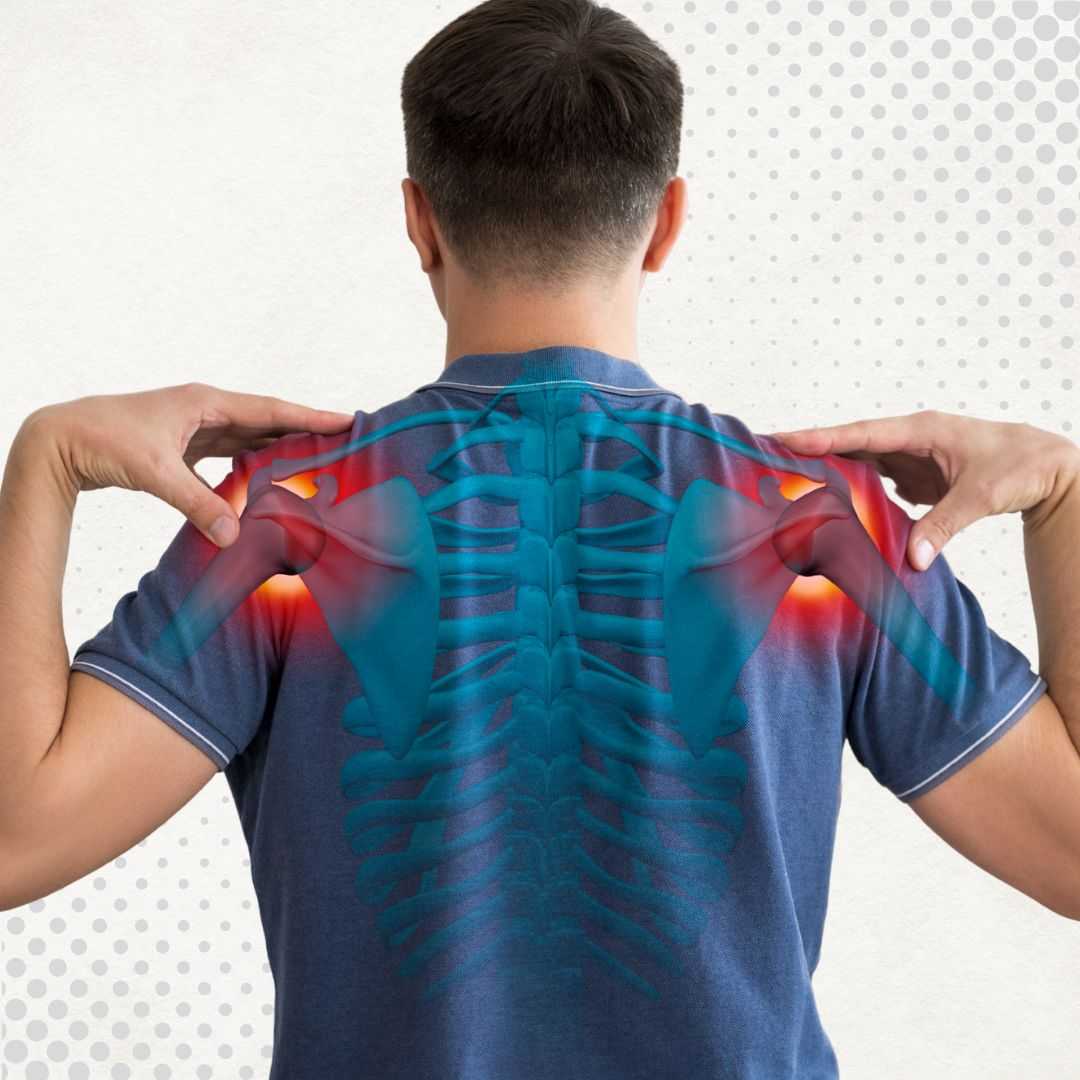
Price starting from $9,300
Stem Cell Therapy for Shoulder Pain Package in Vadodara, India by Dr. Pravin Patel
Dr. Pravin Patels Innovative Hospital & Research Center
- Stem Cell Therapy
Vadodara, India

Price starting from $8,400
Stem Cell Therapy for Huntington’s Disease Package in India by Dr. Pravin Patel
Dr. Pravin Patels Innovative Hospital & Research Center
- Stem Cell Therapy
Vadodara, India
Transformative Stem Cell Therapy Experiences: Dive into Procedure Insights
Discover the power of Stem Cell Therapy through compelling patient experiences. Uncover detailed insights into procedures, recovery journeys, and life-changing results.
.png)
Price starting from $9,800
Stem Cell Therapy for Osteoarthritis in Kuala Lumpur, Malaysia
- Stem Cell Therapy for Osteoarthritis, Stem Cell Therapy
Kuala Lumpur, Malaysia
.png)
Price starting from $9,800
Stem Cell Therapy for Brain Injury in Kuala Lumpur, Malaysia
- Stem Cell Therapy for Brain Injury, Stem Cell Therapy
Kuala Lumpur, Malaysia
.png)
Price starting from $2,250
Stem Cell Therapy for Meniscus Tear in Bangkok, Thailand
- Stem Cell Therapy for a Meniscus Tear, Stem Cell Therapy
Bangkok, Thailand
.png)
Price starting from $9,800
Stem Cell for Spinal Cord Injury in Kuala Lumpur, Malaysia
- Stem Cell Treatment for Spinal Cord Injury, Stem Cell Therapy
Kuala Lumpur, Malaysia
