
What treatment


9+ Best Clinics for Osteoporosis Percutaneous Vertebroplasty PVP in Mexico
Trusted Medical Tourism Platform Since 2007
What are the best clinics for Osteoporosis Percutaneous Vertebroplasty (PVP) and spine surgery in Mexico?
The top spine care clinics in Mexico include CICOVE (Mexico City), Dra. Brenda Delangel (Tijuana), Spine Clinic Vallarta (Puerto Vallarta), Dr. Gustavo Ramirez Orthopedic Clinic (Guadalajara), Dr. Jose Guinto Nava (Cuauhtemoc), and Dr. Maximilian A. Greig (Puerto Vallarta).
These facilities adhere to rigorous global safety standards, including JCI accreditation, and utilize advanced technology to perform procedures like percutaneous vertebroplasty, spinal fusion, disc replacement, laminectomy, and microdiscectomy. Comprehensive spine surgery packages range from $6,500 to $23,500 USD, offering international patients high-quality care, inclusive rehabilitation services, and significantly reduced wait times.
 96.36% Patient Recommend
CICOVE - Spine Center in Mexico City


Overview
CICOVE (Centro Internacional de Columna Vertebral) is a specialized spine and neurosurgery center in Mexico City, founded by three physicians dedicated to the treatment of complex spinal conditions.
Read more details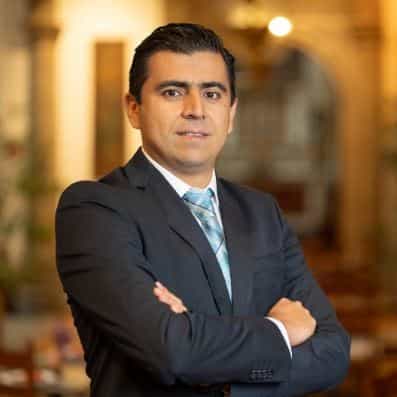


 100.00% Patient Recommend
Ortho Wellness

Overview
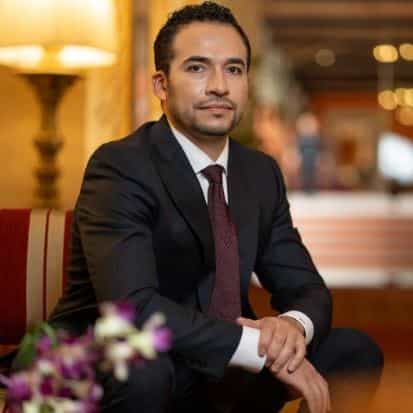
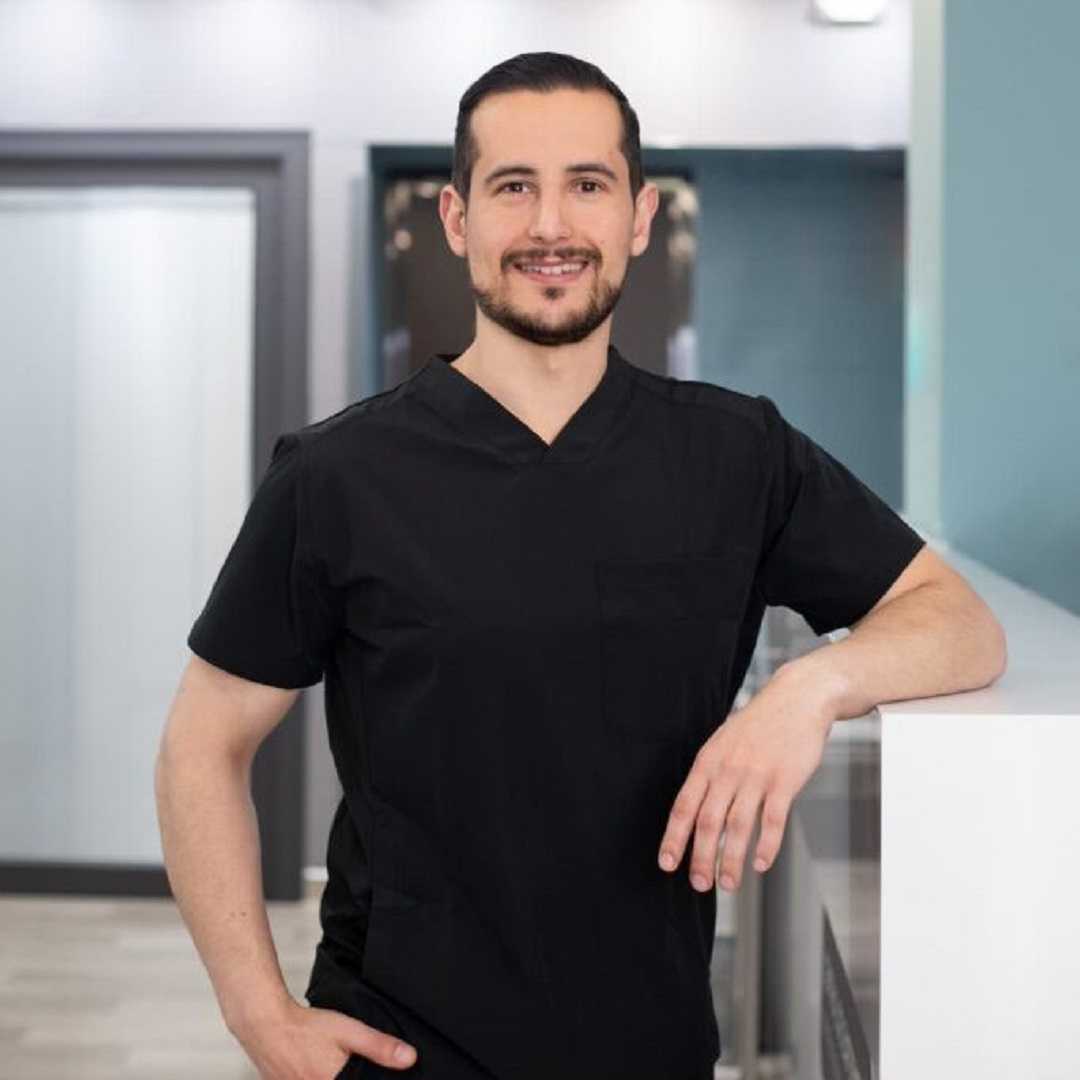
Revitalize your health at Tijuana premier orthopedic and stem cell therapy clinic led by Dra Brenda Delangel. Discover healing with expertise.
Read more details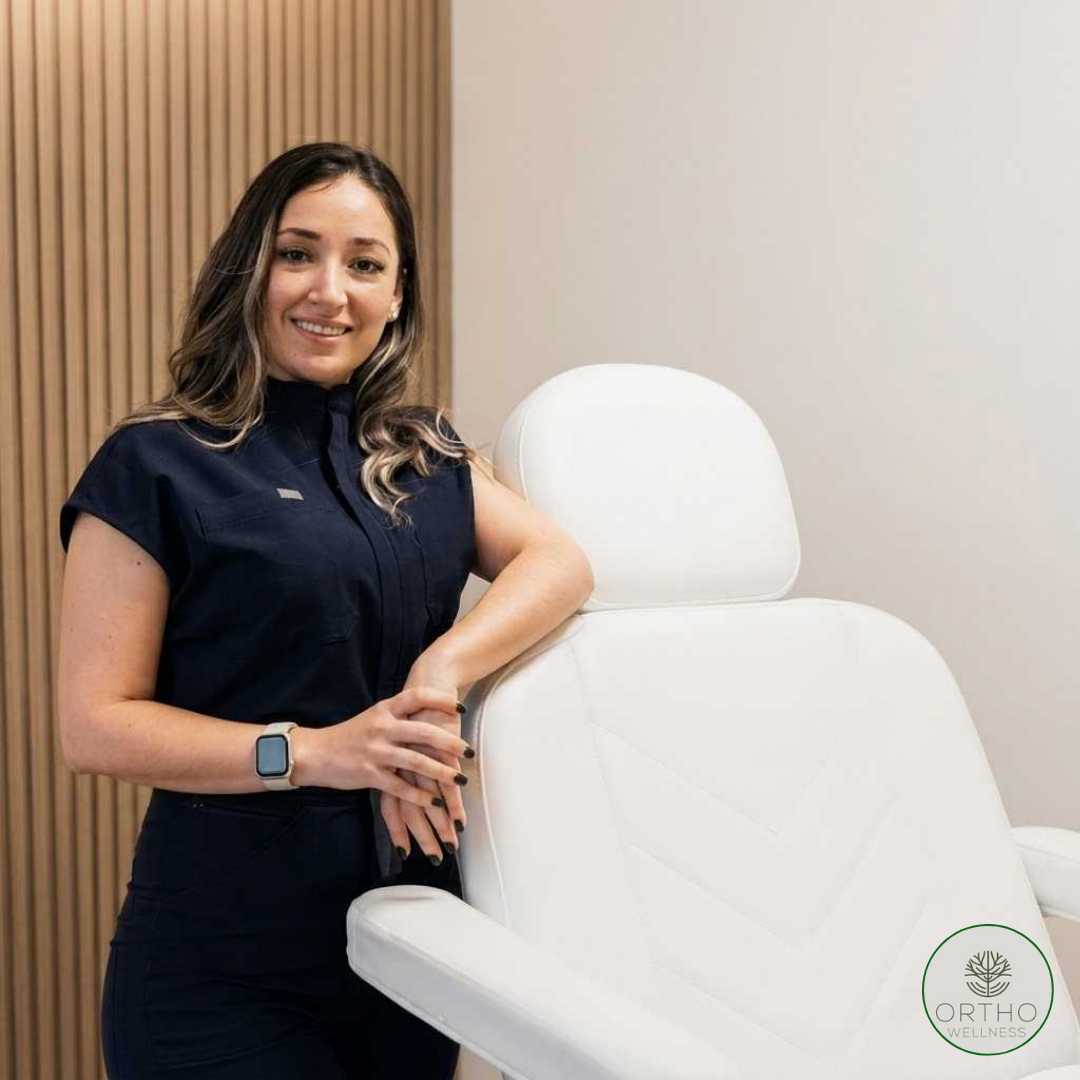


 50.00% Patient Recommend
Spine Clinic Vallarta
Overview
Spine Clinic Vallarta in Mexico offers advanced spine surgeries, including spinal fusion, disc replacement and scoliosis treatment, led by Dr. Gustavo Navarro.
Read more details
 100.00% Patient Recommend
Cabo Orthopaedics Joint Replacement Clinic in Mexico
Overview
Explore orthopedic surgery in Cabo San Lucas, Mexico at Cabo Orthopaedics Joint Replacement Clinic for expert joint replacement and orthopedic care.
Read more detailsDiscover your treatment options with a free, no-obligation quote!
Get your quote now! 100.00% Patient Recommend
Dr. Gustavo Ramirez | Orthopedic Surgeon
Overview
Choose Dr. Gustavo Ramirez Reyna in Guadalajara, Mexico, for orthopedic surgery, joint replacement, and personalized musculoskeletal care.
Read more details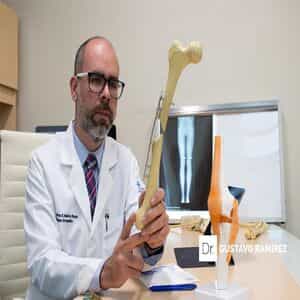
 100.00% Patient Recommend
Dr. Humberto Calvillo Jimenez - Orthopedic Surgery in Puerto Vallarta
Overview
Discover expert orthopedic surgery in Puerto Vallarta, Mexico with Dr. Humberto Calvillo Jimenez for joint care, sports injuries, and mobility restoration.
Read more details
 90.00% Patient Recommend
Dr. Jose Manuel Hernandez - Orthopedic Surgery in Mexico
Overview
Get advanced orthopedic surgery in Puerto Vallarta, Mexico with Dr. Jose Manuel Hernandez for joint, bone, and mobility treatments.
Read more details
 100.00% Patient Recommend
Dr. Jose Orlando Guinto Nava
Overview
Discover top-notch neurosurgery and spine surgery at Dr. Jose Guinto Nava's clinic in Cuauhtemoc, Mexico. Experience expert care and personalized treatment.
Read more detailsDiscover your treatment options with a free, no-obligation quote!
Get your quote now! 89.47% Patient Recommend
Dr. Maximilian A. Greig - Orthopedic Surgery in Mexico
Overview
Get expert orthopedic surgery in Puerto Vallarta, Mexico with Dr. Maximilian A. Greig for joint replacement, sports injuries, and mobility care.
Read more details


Dr. Raúl López Serna - Orthopedic Surgery in Cancun
Overview
Discover expert orthopedic surgery in Cancun, Mexico with Dr. Raul Lopez Serna for joint care, sports injuries, and orthopedic treatments.
Read more detailsWhich are the top-rated clinics for Osteoporosis Percutaneous Vertebroplasty (PVP) and Spine Care Surgery in Mexico?
Mexico offers several highly-rated clinics for Osteoporosis Percutaneous Vertebroplasty (PVP) and comprehensive spine care, with facilities known for patient satisfaction and specialized services. Top options include Dra. Brenda Delangel in Tijuana, Spine Clinic Vallarta in Puerto Vallarta, and Dr. Gustavo Ramirez's Orthopedic Clinic in Guadalajara, among others providing advanced spinal treatments.
When seeking specialized care for osteoporosis or complex spine conditions in Mexico, patients often look for reputable clinics with strong patient reviews and a focus on advanced procedures. Based on patient feedback and reported specializations, some of the top options include:
- Dra. Brenda Delangel in Tijuana: Renowned for orthopedic and stem cell therapies.
- Spine Clinic Vallarta in Puerto Vallarta: Offers diverse spine surgeries like spinal fusion and disc replacement.
- Dr. Gustavo Ramirez | Orthopedic Surgeon in Guadalajara: Provides high-quality orthopedic care.
- Dr. Jose Orlando Guinto Nava in Cuauhtemoc: Specializes in neurosurgery and spine surgery.
- Dr. Maximilian A. Greig | Orthopaedic Surgeon in Puerto Vallarta: Focuses on advanced orthopedic surgery.
- Hospital Excel in Tijuana: A well-established facility offering dental and orthopedic surgery.
- Dr. Metztli Linette Gomez Espinoza - Orthopedic Clinic in Tijuana and Ensenada: Specializes in arthroscopy, knee & hip prosthesis, and joint surgery.
- Hospital de la Familia | Spanish Patient Center in Mexicali: Offers a range of surgeries including orthopedics.
- Maria Auxiliadora Hospital in Guadalajara, Ajijic: A renowned medical center with high standards.
- Advance Health Medical Center in Tijuana: Provides specialized treatments in general surgery, including urology and gynecology, often encompassing spinal issues.
What is Osteoporosis Percutaneous Vertebroplasty (PVP) and how is it performed in Mexican clinics?
Osteoporosis Percutaneous Vertebroplasty (PVP) is a minimally invasive procedure offered in Mexican spine clinics to treat painful vertebral compression fractures. Doctors inject bone cement into the fractured vertebra, stabilizing it and reducing pain. This procedure helps restore spinal integrity and improve patient mobility efficiently.
Percutaneous Vertebroplasty (PVP) is a precise medical procedure specifically designed to relieve pain and stabilize vertebral compression fractures, which are commonly caused by osteoporosis. In advanced spine clinics across Mexico, this treatment is performed with a focus on patient comfort and efficacy. The process typically involves:
- Preparation: The patient is positioned, and the area around the fractured vertebra is numbed with a local anesthetic. Sedation might be offered to ensure comfort.
- Needle Insertion: Under continuous imaging guidance (fluoroscopy or X-ray), a spinal care specialist carefully inserts a thin needle through a small incision in the skin into the fractured vertebra. The real-time imaging ensures precise placement without damaging surrounding tissues.
- Cement Injection: Once the needle is accurately positioned, a specialized medical-grade bone cement (polymethylmethacrylate, or PMMA) is slowly injected into the fractured bone. The cement fills the cracks and voids within the bone.
- Stabilization: The injected cement hardens quickly, usually within minutes, providing immediate internal support and stability to the fractured vertebra. This rapid hardening is key to alleviating pain.
What surgical spine procedures are available at specialized clinics in Mexico?
Specialized spine clinics in Mexico offer a wide range of advanced surgical procedures to address various spinal conditions. These include spinal fusion, disc replacement, laminectomy, microdiscectomy, and minimally invasive spine surgery techniques. These treatments aim to alleviate pain, restore function, and improve overall spinal health.
Mexican spine clinics are well-equipped to handle a comprehensive array of complex spinal conditions through various surgical interventions. Patients can find advanced treatments for common issues like herniated discs, spinal stenosis, degenerative disc disease, and more complex conditions such as scoliosis. Key surgical procedures typically offered include:
- Spinal Fusion: This procedure joins two or more vertebrae permanently to stabilize the spine, reducing pain caused by motion. It's often used for conditions like spinal instability, scoliosis, or severe degenerative disc disease.
- Disc Replacement Surgery: An artificial disc replaces a damaged one, aiming to preserve spinal motion that fusion might restrict, particularly beneficial for cervical or lumbar disc issues.
- Laminectomy/Laminotomy: These surgeries involve removing part or all of the vertebral lamina to decompress spinal nerves, often performed to treat spinal stenosis.
- Microdiscectomy: A minimally invasive surgery to remove herniated disc material that is pressing on a nerve root, commonly used for sciatica relief.
- Kyphoplasty: Similar to PVP, this procedure also stabilizes vertebral compression fractures but includes a balloon inflation step to restore vertebral height before cement injection.
How can international patients ensure quality of care at Mexican spine clinics?
International patients can ensure high-quality care at Mexican spine clinics by researching accreditations, checking patient reviews, and verifying the specialists' credentials. Seeking clinics with international certifications, transparent communication, and comprehensive pre- and post-operative support is crucial for a safe experience.
Ensuring a high standard of care is a primary concern for international patients considering spine treatment, such as Percutaneous Vertebroplasty (PVP) or spine surgery, in Mexico. To confidently choose a clinic, consider these steps:
- Accreditation Verification: Look for clinics that hold international accreditations, such as Joint Commission International (JCI). These certifications indicate adherence to rigorous global standards for patient safety and quality of care.
- Patient Testimonials and Reviews: Reviewing authentic patient feedback from platforms like Trustpilot or Google can provide valuable insights into actual patient experiences, satisfaction levels, and outcomes.
- Specialist Credentials: Inquire about the qualifications, board certifications, and extensive experience of the spine specialists or neurosurgeons who will be performing your procedure. Reputable clinics will readily share this information.
- Facility Standards: Assess the modernity of the clinic's equipment, hygiene protocols, and overall infrastructure. Many clinics catering to international patients offer virtual tours or detailed facility information.
- Transparent Communication: Opt for clinics that provide clear, concise communication regarding treatment plans, potential risks, expected outcomes, and all-inclusive package details, often with English-speaking staff.
- Comprehensive Support: Ensure the clinic offers robust pre- and post-operative support, including assistance with travel logistics, accommodation, language services, and a detailed recovery plan. By taking these proactive measures, international patients can make informed decisions and experience high-quality spine care in Mexico.
- Specialized Expertise: Confirm that the clinic and its medical team have extensive experience and a proven track record in the specific type of spine procedure you need. Look for spine surgeons, neurosurgeons, and orthopedic specialists with deep knowledge in spinal conditions.
- Accreditations and Certifications: Prioritize facilities holding international accreditations, such as JCI, or those recognized by national medical boards for adhering to high standards of patient safety and quality.
- Advanced Technology: Modern diagnostic and surgical equipment significantly impacts treatment precision and success rates. Inquire about technologies used for imaging, surgical navigation, and minimally invasive techniques.
- Comprehensive Care Approach: A good clinic offers integrated care, including thorough diagnostic evaluations, personalized treatment plans, and robust rehabilitation services to support your recovery.
- Patient Support Services: For international patients, evaluate services like language support, assistance with travel and accommodation, and dedicated patient coordinators who can guide you through the entire process.
- Patient Testimonials: Reading reviews and testimonials from previous patients can offer valuable insights into the clinic's patient experience and overall effectiveness. Considering these aspects will help you find a trustworthy and effective spine clinic in Mexico.
- Physical Therapy: Structured exercise regimens focused on strengthening core muscles, improving spinal flexibility, increasing range of motion, and restoring proper posture. Therapists use various techniques, including manual therapy, therapeutic exercises, and modalities like heat/cold therapy or electrostimulation.
- Occupational Therapy: Helps patients re-learn and adapt daily activities, ensuring they can perform tasks safely and independently, such as dressing, bathing, or performing work-related movements.
- Pain Management: Specialists work to control post-operative discomfort through various techniques, which might include medication, nerve blocks, or other non-pharmacological methods to minimize reliance on opioids.
- Patient Education: Guidance on proper body mechanics, posture, and strategies to prevent future spinal issues.
- Physical Therapy: Tailored exercise programs to strengthen spinal support muscles, improve flexibility, enhance posture, and educate patients on proper body mechanics.
- Medication Management: Prescription of various medications, such as non-steroidal anti-inflammatory drugs (NSAIDs), muscle relaxants, or neuropathic pain medications, to control pain and inflammation.
- Spinal Injections: Targeted injections like epidural steroid injections to reduce inflammation around compressed nerve roots, facet joint injections to relieve arthritis pain in the spine, or nerve blocks for specific nerve-related pain.
- Regenerative Therapies: Some advanced clinics offer treatments such as Platelet-Rich Plasma (PRP) injections or stem cell therapy, aiming to promote natural tissue healing and regeneration in damaged discs, ligaments, or joints.
- Chiropractic Care: Manual adjustments to correct spinal alignment and improve nervous system function.
- Acupuncture: An ancient practice involving fine needles to stimulate specific points, helping to alleviate pain and promote healing.
- Advanced Imaging Systems: Real-time fluoroscopy (a type of X-ray imaging) is standard for procedures like PVP, allowing spine specialists to accurately guide needles and ensure precise bone cement injection. High-resolution MRI and CT scans are routinely used for detailed pre-operative planning and diagnosing complex spinal conditions.
- Surgical Navigation Systems: For more involved spine surgeries, clinics often employ advanced navigation systems. These systems provide surgeons with a 3D view of the patient's anatomy, enhancing surgical accuracy and minimizing the risk of complications, especially in delicate spinal regions.
- Minimally Invasive Surgical Instruments: Specialized tools and endoscopes enable surgeons to perform complex procedures through smaller incisions, leading to less tissue damage, reduced blood loss, faster recovery times, and decreased post-operative pain.
- Intraoperative Neuromonitoring (IONM): This technology monitors nerve function during surgery, providing real-time feedback to the surgical team and helping to prevent nerve damage.
- Expert Medical Professionals: Mexico boasts a growing number of highly skilled spine specialists, neurosurgeons, and orthopedic surgeons, many of whom have received international training and are proficient in advanced surgical techniques.
- State-of-the-Art Facilities: Many clinics catering to international patients are equipped with modern medical technology, including advanced imaging systems, surgical navigation, and minimally invasive tools, adhering to international safety and quality standards.
- Reduced Wait Times: Unlike healthcare systems in some other countries, Mexican clinics often offer shorter waiting periods for consultations and procedures, allowing patients to access timely treatment.
- Personalized Patient Care: Clinics frequently provide a patient-centered approach, offering individualized treatment plans and attentive care from dedicated medical staff and patient coordinators.
- Comprehensive Support Services: International patients benefit from extensive support, including English-speaking staff, assistance with travel logistics, accommodation arrangements, and guidance throughout their medical journey.
- Recovery Environment: Mexico's pleasant climate and beautiful locations can contribute positively to the healing and recovery process. These benefits collectively make Mexican clinics an attractive option for high-quality, efficient, and supportive spine care.
- Telemedicine Consultations: Many clinics offer virtual follow-up appointments via video calls with the treating spine specialist. This allows doctors to monitor the patient's progress, answer questions, assess recovery, and make any necessary adjustments to the treatment or rehabilitation plan remotely.
- Detailed Post-Operative Instructions: Patients are provided with extensive written and sometimes video-based instructions covering wound care, medication schedules, activity restrictions, and a progressive rehabilitation exercise regimen.
- Coordination with Home Healthcare Providers: Clinics often facilitate communication and transfer of medical records to the patient’s primary care physician or local physical therapist. This collaboration ensures that ongoing care and rehabilitation can be seamlessly continued in the patient's home country.
- Dedicated Patient Coordinators: A patient coordinator often serves as a single point of contact, assisting international visitors with any concerns or questions that arise during their post-treatment recovery period. They can help bridge communication gaps and facilitate further appointments if needed.
- Access to Medical Records: Patients typically receive digital copies of all medical records, including surgical reports, imaging results, and discharge summaries, for their personal use and to share with local healthcare providers. This comprehensive follow-up system is designed to provide peace of mind and ensure a smooth, supported recovery for international patients, optimizing the long-term success of their spinal treatment.
What should I consider when choosing a clinic for spine treatment in Mexico?
When selecting a spine clinic in Mexico, consider the medical team's expertise, the clinic's accreditations, available technology, and patient support services. Prioritize facilities specializing in spine care, with modern equipment, comprehensive rehabilitation, and clear communication to ensure personalized and effective treatment.
Choosing the optimal clinic for your spine treatment, whether it’s for Percutaneous Vertebroplasty (PVP), spinal fusion, or other complex spine care surgeries, requires careful evaluation of several factors:
Do Mexican clinics offer rehabilitation services after spine surgery or PVP?
Yes, many specialized spine clinics in Mexico provide extensive rehabilitation services post-surgery or PVP to ensure optimal recovery. These services typically include physical therapy, pain management, and occupational therapy tailored to individual patient needs, helping them regain strength and mobility.
For patients undergoing spine surgery or Percutaneous Vertebroplasty (PVP) in Mexico, a crucial part of the recovery process is comprehensive rehabilitation. Many leading spine care facilities in the country understand this need and offer dedicated rehabilitation programs. These programs are often customized to each patient's specific procedure and recovery goals, typically involving:
What non-surgical treatments for back pain are available in Mexican spine clinics?
Mexican spine clinics offer diverse non-surgical back pain treatments, including physical therapy, injections (epidural, nerve block), medication management, and regenerative therapies. These conservative approaches aim to alleviate discomfort, improve function, and avoid surgery for various spinal conditions.
Mexican spine clinics provide a wide array of non-surgical options for managing chronic back pain and other spinal conditions. These conservative treatments are often the preferred initial approach, especially for patients who may not yet require surgery or are seeking less invasive solutions. Common non-surgical therapies include:
How do Mexican clinics utilize advanced technology in spine care and PVP procedures?
Mexican clinics frequently employ advanced technology in spine care and Percutaneous Vertebroplasty (PVP) to enhance precision, safety, and patient outcomes. This includes using sophisticated imaging (like fluoroscopy and MRI), navigation systems for surgical accuracy, and specialized instruments for minimally invasive techniques.
Leading spine clinics throughout Mexico are increasingly integrating cutting-edge technology into their diagnostic and treatment protocols, both for complex spine surgeries and minimally invasive procedures like Percutaneous Vertebroplasty (PVP). This technological advancement significantly contributes to enhanced precision, improved patient safety, and better treatment outcomes:
What are the benefits of choosing a Mexican clinic for Percutaneous Vertebroplasty (PVP) and spine surgery?
Choosing a Mexican clinic for Percutaneous Vertebroplasty (PVP) and spine surgery offers benefits like access to highly qualified specialists, state-of-the-art facilities, and personalized care. Patients also experience shorter wait times and comprehensive support services, ensuring a convenient and high-quality medical journey for spinal treatment.
Patients increasingly opt for Mexican clinics for specialized spinal procedures like Percutaneous Vertebroplasty (PVP) and other spine surgeries due to several significant advantages:
How do Mexican spine clinics handle patient follow-up care for international visitors?
Mexican spine clinics prioritize robust follow-up care for international patients, often including virtual consultations, detailed recovery plans, and coordination with local healthcare providers. They ensure continuous support through telemedicine, instructional materials, and dedicated patient coordinators, promoting smooth post-treatment recovery for optimal spinal health.
For international patients undergoing Percutaneous Vertebroplasty (PVP) or other spine surgeries in Mexico, ensuring comprehensive follow-up care is a critical aspect that reputable clinics prioritize. Their approach often involves a multi-faceted strategy to maintain continuity of care once patients return home:
How PlacidWay helps individuals access Osteoporosis Percutaneous Vertebroplasty (PVP) + Spine Care Surgery in Mexico?
PlacidWay provides detailed, up-to-date information about Osteoporosis Percutaneous Vertebroplasty (PVP) and Spine Care Surgery, including benefits, risks, and expected outcomes, empowering you to understand your options fully. We help users compare treatments across various accredited clinics in Mexico, ensuring you find affordable options without compromising on quality or safety. PlacidWay assists you in identifying trusted, internationally accredited clinics and highly qualified medical professionals specializing in spinal procedures throughout Mexico. We offer one-on-one consultations to guide you through the decision-making process, ensuring your specific health needs and preferences are met with personalized advice. Furthermore, PlacidWay ensures continued support after your treatment, including coordinating follow-up care, rehabilitation, and recovery assistance, for a seamless and worry-free experience. Ready to get Osteoporosis Percutaneous Vertebroplasty (PVP) + Spine Care Surgery in Mexico? Contact us today for a personalized consultation.Share with AI
Share this page with AI assistants to get summaries and insights


List of Best Osteoporosis Percutaneous Vertebroplasty PVP Clinics in Mexico
Unlock the Best Spine Care Surgery Packages Just for You
Discover the ultimate Spine Care Surgery packages designed to meet your health and wellness goals. Choose the perfect fit for your journey.

Price starting from $8,000
Spinal Fusion Surgery Package in Puerto Vallarta, Mexico by Spine Clinic Vallarta
Spine Clinic Vallarta
- Spine Care/Surgery
Puerto Vallarta, Mexico

Price starting from $9,000
All-Inclusive Spine Surgery Package in Mexico City, Mexico by CICOVE
CICOVE - Spine Center in Mexico City
- Spine Care/Surgery
Mexico City, Mexico

Price starting from $9,500
Spine Herniated Disk Surgery Package in Tijuana, Mexico by Dra. Brenda Delangel
Ortho Wellness
- Orthopedic/Knee Surgery
Tijuana, Mexico
Price starting from $6,500
Affordable Disc Hernia Surgery Package for Tijuana, Mexico
PlacidWay Mexico Medical Tourism
- Orthopedic/Knee Surgery
Tijuana,Mexicali, Mexico
Transformative Spine Care Surgery Experiences: Dive into Procedure Insights
Discover the power of Spine Care Surgery through compelling patient experiences. Uncover detailed insights into procedures, recovery journeys, and life-changing results.
.png)
.png)
.png)
Price starting from $8,000
Spine Surgery in Mexico - Your Relief from Back Pain!
- Spine Care/Surgery
Mexico

Explore Spine Care Surgery: Stories, Testimonials, and Procedures
Watch in-depth videos covering everything from Spine Care Surgery success stories to detailed procedure explanations. Learn what to expect and hear from real patients.

Puerto Vallarta Spine Surgery: Expert Orthopedic Care at Affordable Prices
Spine Care Surgery
Spine Clinic Vallarta
Mexico

Canadians’ Affordable Spine & Back Surgery Solution in Mexico
Spine Care Surgery
Spine Clinic Vallarta
Mexico
Revision Spine Surgery Success in Mexico: Expert Review & Recovery Tips
Spine Care Surgery
Spine Clinic Vallarta
Mexico

Life‑Changing Back Surgery: One Patient’s Puerto Vallarta Journey
Spine Care Surgery
Spine Clinic Vallarta
Mexico
Learn More with These Spine Care Surgery Articles
Take a look at these interesting articles, stories and research that will help you learn more about Spine Care Surgery.
.png)
Back Surgery in Mexico - Spine Treatment Cost & Clinics
PlacidWay Mexico Medical Tourism
- Spine Care/Surgery
Mexico
.png)
Laminectomy VS Laminoplasty Which One Is Best For Me?
PlacidWay Medical Tourism
- Spine Care/Surgery
Mexico


Online MRI Review for Spine Surgery in Mexico: What U.S. & Canadian Patients Should Expect
PlacidWay Medical Tourism
- Spine Care/Surgery
Mexico
Spine Care Surgery Solutions Near You: Explore Top Medical Centers
Discover how Spine Care Surgery is transforming lives at leading medical centers in , Mexico. Dive into center profile, specialties, doctors, reviews, etc. and explore the best options tailored to your needs in this region.

Ortho Wellness
Tijuana, Mexico

Cabo Orthopaedics Joint Replacement Clinic in Mexico
Cabo San Lucas, Mexico
CICOVE - Spine Center in Mexico City
Mexico City, Mexico
Spine Clinic Vallarta
Puerto Vallarta, Mexico








Read More