
What treatment


20+ Key FAQs on Stem Cell Therapy in Germany
Questions About Stem Cell Therapy in Germany? Start Here
Trusted Medical Tourism Platform Since 2007
Which clinics offer the best stem cell therapy in Germany
The best facilities for stem cell therapy in Germany are strictly regulated by the Paul-Ehrlich-Institut and located in major medical hubs. Finding the right provider requires evaluating their specialized credentials and regulatory compliance. If you are exploring advanced regenerative medicine, finding a reputable stem cell therapy clinic in Germany requires careful research. Germany is renowned worldwide for its stringent medical standards and highly trained specialists, making medical tourism in Germany a frequent choice for international patients seeking innovative care. Because treatments are highly specialized, evaluating your options for stem cell therapy in Germany involves understanding the local regulatory environment, the medical protocols used, and the estimated stem cell therapy cost in Germany so you can make an informed healthcare decision. Key Takeaways German medical facilities operate under strict regulations governed by the Paul-Ehrlich-Institut, ensuring high safety standards. Treatments primarily utilize adult stem cells, such as mesenchymal stem cells (MSCs) harvested from the patient's own body. Suitability for treatment depends heavily on an individualized medical assessment, and results can vary significantly between patients. International patients should expect to travel with comprehensive medical records and coordinate local follow-up care for when they return home. Costs fluctuate based on the complexity of the condition, the type of cells used, and the specific geographic location within the country. How are stem cell clinics regulated in Germany? Stem cell therapies in Germany are heavily regulated by the Paul-Ehrlich-Institut (PEI) and the European Medicines Agency (EMA), ensuring that facilities adhere to strict safety and ethical standards. The regulatory landscape in this country is one of the most rigorous in the world. The Paul-Ehrlich-Institut acts as the federal institute for vaccines and biomedicines. Before any facility can process or administer advanced therapy medicinal products (ATMPs), which include many types of stem cell treatments, they must secure specific manufacturing and clinical licenses. This strict oversight is designed to protect patients from unproven or dangerous procedures. The regulations require rigorous clinical data, ethical sourcing of biological materials, and adherence to Good Manufacturing Practice (GMP) standards. Because of these stringent laws, treatments involving embryonic stem cells are highly restricted, and the focus remains heavily on adult stem cell applications. What types of stem cell treatments are offered in Germany? Most regenerative medicine specialists in Germany utilize autologous adult stem cells, primarily mesenchymal stem cells (MSCs) derived from the patient's own bone marrow or adipose (fat) tissue. The specific type of cellular therapy recommended will depend entirely on the medical condition being managed. Specialists commonly focus on: Bone Marrow Aspirate Concentrate (BMAC): Harvested from the hip bone, this fluid is rich in stem cells and growth factors, often used for orthopedic issues. Adipose-Derived Stem Cells: Extracted through a minor liposuction procedure, these cells are frequently utilized in regenerative and anti-aging therapies. Peripheral Blood Stem Cells: Collected from the circulating blood, typically used in conjunction with specific oncological or hematological treatments. By relying primarily on autologous cells (cells taken from your own body), providers minimize the risk of immune rejection and disease transmission. In certain highly specialized, heavily regulated clinical trials, some facilities may also explore allogeneic (donor-derived) cells for specific systemic conditions. What conditions may benefit from stem cells in Germany? While individual outcomes vary, stem cell therapies in Germany are often sought to help manage symptoms of orthopedic injuries, degenerative joint diseases, and certain autoimmune conditions. Regenerative medicine is not a cure-all, and ethical medical providers will clarify that treatments are aimed at symptom management, tissue repair, and improving quality of life. Common areas of application include osteoarthritis, cartilage defects, and chronic tendon injuries, where localized injections may help reduce inflammation and promote natural healing. Additionally, some advanced facilities offer supportive treatments for autoimmune disorders, neurological conditions, and cardiovascular diseases. However, the evidence supporting these applications varies. It is crucial to have a thorough consultation with a qualified specialist who can realistically assess whether the available medical evidence supports using stem cells for your specific diagnosis. How much does stem cell therapy cost in Germany? The estimated stem cell therapy cost in Germany typically ranges from €5,000 to €25,000 or more, depending on the complexity of the procedure, the number of sessions required, and the medical facility. Financial planning is a major consideration for international patients. Because these therapies are highly individualized, providing a flat rate is difficult. A localized joint injection for osteoarthritis will sit at the lower end of the pricing spectrum, while complex intravenous protocols requiring multi-day hospital stays, extensive laboratory processing, and specialized multidisciplinary teams will cost significantly more. Factor Influencing Cost Impact on Final Price Cell Source Bone marrow extraction typically requires different surgical interventions than adipose tissue extraction. Laboratory Processing Culturing and expanding cells over several weeks adds substantial laboratory fees. Facility Fees Inpatient hospital stays cost more than outpatient visits. Patients should always request a comprehensive, itemized estimate before traveling. This estimate should clarify what is included, such as pre-treatment diagnostics, the procedure itself, medical staff fees, and post-treatment observation. What should I look for in a stem cell therapy clinic in Germany? When evaluating a stem cell therapy clinic in Germany, prioritize facilities that demonstrate transparent regulatory compliance, employ multidisciplinary specialists, and clearly outline potential risks and realistic outcomes. Finding a trustworthy provider requires looking beyond marketing materials. You should verify that the facility holds the necessary permits from the Paul-Ehrlich-Institut for cell processing. Ethical providers will never guarantee a 100% success rate or claim their treatments are completely risk-free. Important Consideration: A reputable facility will require your detailed medical history and often request consultations with your home-country physicians before accepting you as a patient. Additionally, look for clinical teams that include specialists relevant to your condition—such as orthopedic surgeons for joint issues or neurologists for nervous system conditions—rather than general practitioners applying stem cells for a wide variety of unrelated diseases. Is stem cell treatment in Germany safe? When performed by qualified professionals under German medical regulations, stem cell therapies are generally considered safe; however, no medical procedure is entirely without risk. Patient safety is the primary reason many choose this destination for care. Strict adherence to Good Manufacturing Practices ensures that cellular products are processed in sterile environments, minimizing the risk of contamination. Using a patient's own cells also significantly reduces the risk of adverse immune reactions. Despite these safeguards, potential risks remain. Depending on the extraction and administration methods, complications can include infection at the injection site, bleeding, temporary pain, or unexpected immune responses. You should have a frank discussion with your medical provider about the specific contraindications and potential complications related to your unique health profile. Am I a suitable candidate for regenerative therapy? Suitability for treatment depends on your exact diagnosis, overall health, age, and medical history, requiring a thorough evaluation by a qualified regenerative medicine specialist. Not everyone is a viable candidate for these procedures. Providers will evaluate your medical records, recent blood tests, and imaging studies (such as MRIs or X-rays) to determine if cellular therapy is appropriate. For instance, patients with active infections, severe blood disorders, or certain active cancers may be disqualified from receiving treatment. Furthermore, lifestyle factors can impact eligibility and outcomes. Smoking, excessive alcohol consumption, and certain medications (like long-term corticosteroid use) can impair stem cell function and hinder the body's healing response. A comprehensive pre-assessment ensures that the treatment aligns with your biological capability to heal. What happens during a typical stem cell procedure? A typical procedure involves three main phases: harvesting the cells from your body, processing them in a sterile laboratory, and administering them back into the targeted area or bloodstream. The timeline and exact steps vary. If you are receiving autologous treatments, the first step is extraction. This is typically done under local anesthesia, where bone marrow is drawn from the pelvis or fat is collected via mini-liposuction. Once harvested, the biological material is sent to a specialized laboratory. In the lab, technicians isolate and concentrate the stem cells, often utilizing centrifuges to separate them from other cellular debris. Finally, the concentrated cells are administered to the patient. For orthopedic issues, this usually involves a direct, ultrasound-guided injection into the affected joint. For systemic conditions, the cells may be delivered intravenously. How long is the recovery period after receiving stem cells? Initial recovery from the physical procedure typically takes a few days to a week, but the biological healing and regenerative effects can take several weeks or months to manifest fully. Directly following the procedure, patients often experience localized soreness, mild swelling, or bruising at the extraction and injection sites. Medical professionals usually advise resting and avoiding strenuous physical activity for a specified period. Pain management during this time typically avoids non-steroidal anti-inflammatory drugs (NSAIDs), as inflammation is a necessary part of the initial healing cascade. Long-term recovery and symptom relief vary. Stem cells function by signaling the body's repair mechanisms and reducing inflammation, a biological process that takes time. Patients are normally advised to engage in guided physical therapy or rehabilitation after returning home to maximize the functional benefits of the treatment. Why is medical tourism in Germany popular for regenerative treatments? Patients choose medical tourism in Germany because the country offers a combination of highly trained specialists, transparent medical regulations, and advanced healthcare infrastructure. Navigating healthcare across borders is a complex undertaking, but Germany’s reputation for precision medicine provides reassurance to international patients. The clinical infrastructure includes state-of-the-art diagnostic imaging, high-grade laboratories, and modern clinical facilities designed for patient comfort and safety. Furthermore, medical professionals in this country undergo rigorous training and ongoing education. Multidisciplinary approaches are standard practice, meaning patients often benefit from the collective expertise of surgeons, hematologists, and physical therapists working together. This structured, evidence-based approach is a strong draw for patients seeking reliable, ethical medical care abroad. Why Choose PlacidWay for Medical Tourism in Germany? Planning international healthcare requires access to clear, organized information. PlacidWay assists patients in exploring their global healthcare options through a structured approach: Global Network Access: Provides access to a wide directory of international medical facilities and healthcare providers. Information Gathering: Offers educational resources to help patients understand various medical procedures and regenerative medicine options. Facilitated Communication: Helps establish initial contact between patients and English-speaking representatives at international facilities. Cost Comparison: Allows patients to request and compare initial estimates to aid in financial planning. Patient Autonomy: Supports education and informed decision-making without pressuring patients into pursuing specific medical treatments. Frequently Asked Questions Can I fly immediately after receiving stem cells in Germany? Flying immediately after treatment is typically discouraged. Medical professionals usually recommend staying in Germany for a few days to a week for observation, as changes in cabin pressure and prolonged sitting may increase the risk of blood clots or discomfort after certain procedures. Are stem cell treatments in Germany covered by international health insurance? Most international health insurance plans do not cover stem cell therapies, categorizing them as experimental or elective. Patients traveling for these treatments should expect to pay out-of-pocket and should clarify financial responsibilities directly with the facility. Do German clinics provide English-speaking medical staff? Yes, facilities that regularly treat international patients typically employ English-speaking medical professionals and patient coordinators. Some also provide translation services for other languages upon request. What is the difference between autologous and allogeneic stem cells? Autologous stem cells are harvested from your own body, such as from bone marrow or adipose tissue, reducing the risk of rejection. Allogeneic stem cells come from a carefully screened donor and are usually reserved for specific conditions like leukemia. How long do the effects of stem cell therapy typically last? The longevity of results varies widely based on the treated condition, the patient's overall health, and lifestyle factors. Some patients experience relief for several years, while others may require subsequent evaluations and maintenance therapies. Can I combine stem cell therapy with traditional medical treatments? Regenerative medicine is often integrated into a broader treatment plan. However, you must disclose all traditional medications and therapies to your specialist, as some medications like NSAIDs or blood thinners may interfere with stem cell function. What happens if I experience a complication after returning home? Before leaving Germany, you should establish a follow-up plan. If complications arise after returning home, you must consult a local healthcare provider immediately and share the detailed medical records and discharge summaries provided by your German specialist. Will I need multiple stem cell sessions in Germany? Treatment protocols are individualized. While some orthopedic conditions may only require a single targeted injection, systemic or chronic conditions often involve a series of administrations over days or weeks. Do I need a referral from my local doctor to visit a German clinic? While a formal referral is not always legally required for international private patients, German specialists will require comprehensive medical records, imaging, and a diagnosis from your local primary care physician to determine if you are a suitable candidate. Are there specific medical visas required for treatment in Germany? Depending on your country of origin, you may need a standard Schengen visa or a specific medical treatment visa. Facilities often provide documentation to support your visa application once a treatment plan is established. Compare Treatment Options Explore detailed information regarding your healthcare choices. Connect with international facilities to understand protocols, estimated costs, and medical requirements. Request Treatment Information References Advanced Therapy Medicinal Products (ATMP) Regulations – Paul-Ehrlich-Institut (PEI) Advanced Therapy Medicinal Products Overview – European Medicines Agency (EMA) Patient Resources on Stem Cell Treatments – International Society for Stem Cell Research (ISSCR) Medical Guidelines and Ethical Standards – German Medical Association (Bundesärztekammer) Stem Cell Basics and Research – National Institutes of Health (NIH) Global Perspectives on Regenerative Medicine – World Health Organization (WHO) Medical Disclaimer: The information provided in this article is for educational and informational purposes only and does not constitute medical advice, diagnosis, or treatment recommendations. Suitability for stem cell therapy and regenerative medicine varies significantly depending on individual health conditions. Always consult with a qualified healthcare professional or appropriately board-certified specialist before making any medical decisions, traveling for healthcare, or altering an existing medical treatment plan....
Read more details

What is the Prevalence of Osteoarthritis in Germany
In Germany, osteoarthritis is highly prevalent, affecting approximately 20% of women and 14% of men. This joint condition primarily impacts older adults, driving continuous demand for advanced orthopedic care and specialized medical management. The high prevalence of joint degradation among aging populations has positioned the country as a focal point for advanced orthopedic care. With millions of residents managing joint pain and stiffness, the medical infrastructure has heavily adapted to offer comprehensive diagnostics, conservative management, and surgical interventions. For many international patients, accessing osteoarthritis treatment in Germany provides an opportunity to benefit from this extensive national experience. Osteoarthritis (OA) is characterized by the progressive breakdown of joint cartilage and underlying bone. As the most common joint disorder globally, its prevalence in European nations heavily influences healthcare policies. The sheer volume of cases treated annually in German facilities means that specialists often handle complex presentations, ranging from early-stage cartilage wear to severe structural deformities requiring total joint arthroplasty. Key Takeaways Osteoarthritis affects roughly a fifth of the adult female population and slightly fewer men in Germany. Options for care range from non-invasive physical therapy to complex total joint replacements. International patients frequently travel for care due to the country's structured orthopedic rehabilitation programs. Medical clearance and individualized assessment are necessary before any surgical intervention. Successful recovery requires dedicated post-operative physical therapy and local follow-up. 1. Why do international patients seek osteoarthritis treatment in Germany? Many international patients choose Germany for orthopedic care because the country offers advanced medical infrastructure, experienced specialists handling high case volumes, and comprehensive rehabilitation programs. The high domestic prevalence of osteoarthritis has resulted in a healthcare system uniquely equipped to manage joint degradation. Hospitals and specialized centers routinely perform thousands of joint-related procedures annually. This high volume often translates to refined surgical techniques, optimized patient pathways, and clinical routines that aim to reduce complication rates and improve functional outcomes. Additionally, the broader landscape of medical tourism in Germany is well-established. Facilities accustomed to treating international visitors frequently feature dedicated coordination offices. These departments help navigate medical record translations, facilitate communication between the patient and the surgical team, and coordinate the necessary administrative steps for receiving medical care as a non-resident. Beyond the surgical intervention itself, the emphasis on structured, immediate post-operative rehabilitation—known locally as "Reha"—is a major draw. Rather than discharging patients to manage recovery independently, the integrated approach focuses on mobilizing the joint safely under professional supervision. 2. What types of osteoarthritis treatments are available in Germany? Patients can access a wide spectrum of care, ranging from conservative therapies like specialized physiotherapy and medication management to advanced surgical interventions such as joint replacement. Treatment pathways are typically tailored to the severity of the disease and the specific joint affected. For early-stage osteoarthritis, conservative management is prioritized. This includes customized physical therapy regimens, weight management strategies, and orthotics designed to offload stress from the affected joint. Pharmacological treatments, such as non-steroidal anti-inflammatory drugs (NSAIDs) or intra-articular injections (like hyaluronic acid or corticosteroids), are also utilized to manage inflammation and pain. When conservative measures no longer provide adequate relief, surgical options are evaluated. Joint-preserving surgeries, such as osteotomies (realigning the bone to shift weight away from damaged cartilage), may be appropriate for younger patients. For more advanced degeneration, partial or total joint arthroplasty (replacement) is standard. German facilities utilize various implant materials and often employ computer-assisted or robotic-assisted navigation systems during surgery to enhance the precision of implant placement. Did You Know? Germany has one of the highest rates of hip and knee replacements per capita in the world, largely driven by the high prevalence of osteoarthritis and an aging demographic. This volume contributes heavily to ongoing clinical research in implant longevity. 3. What is the typical osteoarthritis treatment cost in Germany? Treatment costs vary widely depending on the chosen procedure, ranging from several hundred euros for conservative management plans to higher amounts for complex total joint replacement surgeries. Estimating the osteoarthritis treatment cost in Germany requires a clear understanding of the medical plan. Conservative treatments involving diagnostic imaging (MRI/X-rays), specialist consultations, and a series of physical therapy sessions typically require a lower financial commitment. In contrast, surgical interventions represent a significant investment due to hospital stays, surgical team fees, anesthesia, and the cost of the prosthetic implant. For those considering arthroplasty, it is common for the total financial package to include not just the operation, but also a required inpatient hospital stay of 5 to 10 days, followed by several weeks of inpatient rehabilitation. Prices fluctuate based on the specific hospital, the region in Germany, the complexity of the patient's medical history, and the type of materials used for the joint prosthesis. Patients should always request a detailed, itemized estimate prior to committing to treatment. 4. How do you choose an osteoarthritis treatment clinic in Germany? Selecting a clinic involves researching facility accreditations, reviewing the orthopedic department's surgical volume, and ensuring they offer comprehensive pre-operative screening and post-operative care. Finding an appropriate osteoarthritis treatment clinic in Germany involves looking beyond basic marketing materials. The German healthcare system includes specialized certification programs, such as "EndoCert," which identifies facilities that meet strict criteria for performing joint replacements. These certified centers (Endoprothetikzentren) must demonstrate a minimum number of procedures per year, adhere to specific quality management protocols, and participate in national joint registries. When evaluating a facility, prospective patients should inquire about the multidisciplinary nature of the care team. A well-equipped clinic will provide access to orthopedic surgeons, anesthesiologists, internal medicine specialists for preoperative clearance, and dedicated physiotherapists. Furthermore, for international patients, it is highly beneficial if the clinic has an established international office capable of handling medical records in English and assisting with administrative requirements. 5. What are the common risks associated with osteoarthritis procedures? While orthopedic treatments aim to improve mobility and reduce pain, surgical interventions carry inherent risks such as infection, deep vein thrombosis, implant loosening, and adverse reactions to anesthesia. No medical procedure is devoid of risk, and joint surgery is a major physiological event. One of the primary concerns following arthroplasty is the risk of deep vein thrombosis (DVT) or pulmonary embolism. Patients are typically prescribed blood-thinning medications and encouraged to mobilize early to mitigate this risk. Infection at the surgical site or deep around the implant is another serious complication that, while relatively uncommon, may necessitate prolonged antibiotic therapy or revision surgery. Long-term risks involve the mechanical failure or aseptic loosening of the implant over time. Although modern prostheses are highly durable, they are subject to wear and tear. Furthermore, conservative treatments also carry risks; long-term use of NSAIDs can lead to gastrointestinal or cardiovascular issues, and repeated joint injections may carry a small risk of joint infection or cartilage degradation if overused. Individualized risk assessment by a qualified medical professional is mandatory. 6. How does medical tourism in Germany cater to orthopedic patients? The healthcare system supports international patients by providing coordinated care services, facilitating English-speaking medical consultations, and integrating complex treatments with comprehensive rehabilitation. Medical travel for orthopedic conditions requires significant logistical coordination. German facilities catering to international patients often streamline this process. They typically require patients to submit their medical history, recent X-rays, or MRI scans for preliminary remote evaluation. This allows the medical team to determine preliminary eligibility and formulate a potential treatment plan before the patient commits to traveling. Upon arrival, patients benefit from a continuum of care. The hospital manages the acute surgical phase, and coordination offices help transition the patient into appropriate post-operative rehabilitation centers. These specialized rehab facilities are designed to help patients regain mobility in a medically supervised environment, reducing the immediate burden of recovery before undertaking the journey back home. Important Consideration Traveling abroad for major joint surgery requires careful planning for the return trip. Sitting in cramped airplane seats for extended periods shortly after surgery increases the risk of blood clots. Medical clearance to fly is a critical step in the recovery process. 7. What is the expected recovery time after joint treatments? Recovery timelines depend heavily on the specific treatment; conservative therapies may yield gradual improvements, while total joint replacements often involve several months of structured rehabilitation. For patients undergoing conservative management, recovery is often viewed as a continuous process of symptom management and functional improvement rather than a distinct timeline. However, for surgical patients, recovery happens in distinct phases. Following a major joint replacement, patients typically remain in the acute care hospital for several days to manage pain and ensure the incision is healing properly. The second phase usually involves an intensive rehabilitation program lasting 3 to 4 weeks. During this time, patients focus on regaining range of motion, rebuilding muscle strength, and relearning how to perform daily activities safely. While many patients achieve functional independence within a few months, full internal tissue healing and the final maturation of the surgical site can take up to a year. Adherence to physical therapy protocols is vital for optimizing these outcomes. 8. Who is an ideal candidate for surgical osteoarthritis intervention? Suitable candidates are typically individuals experiencing severe, chronic joint pain and mobility loss that significantly impairs daily life and has not responded adequately to conservative medical treatments. Surgery is generally viewed as a last resort in osteoarthritis management. An ideal candidate has verifiable structural joint damage visible on imaging, correlating directly with their clinical symptoms. They must also have exhausted non-surgical options, including physical therapy, lifestyle modifications, and medication, without achieving satisfactory pain relief or functional improvement. Additionally, candidates must undergo thorough medical screening. Severe underlying health conditions, such as uncontrolled cardiovascular disease, active infections, or extreme obesity, may increase surgical risks and could act as contraindications. A surgeon will evaluate bone density, muscular health around the joint, and the patient's psychological readiness to commit to a rigorous post-operative rehabilitation schedule. 9. What alternatives exist before considering joint replacement surgery? Before proceeding to surgery, physicians often recommend a combination of weight management, targeted physical therapy, pain relief medications, and intra-articular joint injections to manage symptoms. Medical guidelines strongly advocate for a step-wise approach to osteoarthritis. The foundation of conservative care often begins with biomechanical adjustments. Losing excess body weight significantly reduces the mechanical load placed on weight-bearing joints like the hips and knees. This is frequently combined with physical therapy designed to strengthen the muscles surrounding the joint, thereby providing better stability and shock absorption. Medical management includes topical and oral analgesics or anti-inflammatories to control pain flares. In certain cases, physicians may administer injections directly into the joint space. Corticosteroid injections can provide temporary relief from severe acute inflammation, while hyaluronic acid injections aim to supplement joint lubrication. These alternatives are intended to delay the need for surgery and maintain joint function for as long as safely possible. 10. How should you plan for post-treatment care after returning home? Patients must coordinate with their local healthcare providers prior to travel to ensure a smooth transition of care, ongoing physical therapy, and appropriate long-term monitoring of the treated joint. A successful medical trip does not end upon flying home; it requires robust continuity of care. Before traveling to Germany, patients should establish an agreement with a local primary care physician or orthopedic specialist who is willing to take over post-operative monitoring. This local physician will be responsible for checking the healing process, managing any ongoing medication needs, and identifying potential delayed complications. Furthermore, it is essential to obtain all medical records, surgical notes, implant details (including the specific brand and model of any prostheses), and imaging from the treating clinic before leaving. These documents should ideally be translated into English or the patient's native language. Patients will also need to schedule ongoing outpatient physical therapy in their home country to continue building strength and mobility in the months following their return. Why Choose PlacidWay for Medical Tourism? PlacidWay is an educational and facilitation platform that helps patients explore global healthcare options. Here are several facts about the platform: Global Network Access: PlacidWay provides directory listings for numerous clinics and hospitals across multiple countries, including those in Europe. Educational Resources: The platform offers articles and guides regarding various medical conditions and treatment pathways available internationally. Cost Comparison: Users can request informational estimates to compare the potential costs of treatments across different facilities and regions. Multilingual Platform: The website is accessible in several languages, aiding patients in navigating initial medical inquiries. Direct Communication Facilitation: PlacidWay allows patients to submit their inquiries directly to medical centers to begin consultations regarding their specific health needs. Frequently Asked Questions Is osteoarthritis completely curable? Osteoarthritis is a chronic, progressive condition and currently has no absolute cure. Treatments focus on managing symptoms, slowing progression, improving joint mobility, and enhancing the patient's overall quality of life. Are there age limits for joint replacement in Germany? There is no strict upper age limit for joint replacement surgery. Suitability is based on a patient's overall health, bone quality, and ability to undergo anesthesia and rehabilitation safely, rather than chronological age alone. Do German clinics offer rehabilitation programs? Yes, rehabilitation is deeply integrated into the German healthcare system. Many facilities offer post-operative 'Reha' programs that include intensive physical therapy, either as an inpatient immediately following surgery or on an outpatient basis. What is the most common joint affected by osteoarthritis? The knee is the most commonly affected joint, frequently leading to a diagnosis of gonarthrosis. The hip, spine, and hands are also highly susceptible to osteoarthritic changes over time. Can I fly immediately after joint surgery? Flying immediately after major joint surgery is generally discouraged due to the increased risk of deep vein thrombosis (DVT) and blood clots. Patients are typically advised to wait several weeks and consult their surgeon before undertaking long-haul flights. Will my local insurance cover treatment in Germany? Coverage depends entirely on your specific health insurance policy. Some international or cross-border EU insurance plans may cover certain procedures, but many international patients pay out-of-pocket for medical tourism services. How long do joint implants typically last? Modern joint implants often last between 15 to 20 years, and sometimes longer. Longevity depends on factors such as the patient's activity level, weight, age at the time of surgery, and adherence to physical therapy. What should I do if I experience pain after returning home? If you experience unusual pain, swelling, redness, or fever after returning home, you should immediately contact your local primary care physician or orthopedic specialist to rule out complications such as infection or implant issues. Are regenerative therapies standard for osteoarthritis? Regenerative therapies, such as PRP (Platelet-Rich Plasma) or stem cell injections, are available in some facilities but are often considered experimental or supplementary. They are not yet universal standard-of-care replacements for established conservative or surgical treatments. Do I need a referral to see a specialist in Germany? While domestic patients often use a referral system, international private patients can usually contact specialist clinics directly to request a consultation, though providing existing medical records and imaging is heavily advised. Explore Your Medical Options If you are researching joint care and wish to compare international healthcare facilities, request more information to understand the options available for your specific medical needs. Request Treatment Information References Journal of Health Monitoring: Osteoarthritis Prevalence – Robert Koch Institute (RKI) Osteoarthritis Fact Sheet – World Health Organization (WHO) Guidelines for the Non-Surgical Management of Knee, Hip, and Polyarticular Osteoarthritis – Osteoarthritis Research Society International (OARSI) Recommendations for the Management of Osteoarthritis – European Alliance of Associations for Rheumatology (EULAR) Certification System for Arthroplasty Centers – EndoCert Germany Total Joint Arthroplasty Trends in Germany – PubMed / National Institutes of Health (NIH) Medical Disclaimer: The information provided in this article is for educational and informational purposes only and does not constitute medical advice, diagnosis, or treatment planning. Osteoarthritis progression, treatment suitability, and surgical risks vary significantly by individual. Always consult directly with a qualified healthcare professional or orthopedic specialist to determine the most appropriate care plan for your medical condition. PlacidWay does not endorse specific medical facilities or guarantee treatment outcomes....
Read more details
What is Stem cell Therapy with SVF in Germany and How Does it Work?
Stem cell therapy with SVF (Stromal Vascular Fraction) in Germany is a regenerative treatment using cells extracted from a patient's own fat tissue. It aims to reduce inflammation and promote tissue repair for orthopedic and chronic conditions. Regenerative medicine continues to evolve, offering new approaches for patients managing chronic pain, joint degeneration, and inflammatory conditions. Among the most discussed advancements is stem cell therapy with SVF in Germany. By utilizing the body's own biological materials, this therapy aims to modulate inflammation and support tissue healing without the need for extensive surgical interventions. Germany has established itself as a prominent destination for advanced medical treatments, supported by rigorous regulatory frameworks and high clinical standards. If you are exploring this treatment, it is vital to understand the science behind Stromal Vascular Fraction (SVF), how the procedure is performed, and what to expect regarding safety and recovery. Key Takeaways Autologous Source: SVF uses your own adipose (fat) tissue, minimizing the risk of allergic reactions or immune rejection. Rich Cell Composition: The fraction contains mesenchymal stem cells (MSCs), growth factors, and immune cells that support healing. Minimally Invasive: The procedure involves a minor liposuction step followed by immediate processing and injection. Strict Regulations: German authorities, such as the Paul-Ehrlich-Institut, tightly regulate tissue extraction and processing facilities. Individualized Outcomes: Results can vary widely, and SVF is a supportive treatment rather than a guaranteed cure. What exactly is the Stromal Vascular Fraction (SVF)? The Stromal Vascular Fraction (SVF) is a concentrated mixture of various regenerative cells, including mesenchymal stem cells, obtained by processing adipose (fat) tissue. When fat is harvested from the body, it consists of mature fat cells (adipocytes) and a supportive matrix. Once the fat cells are separated and removed, what remains is the SVF. This fraction is highly valued in regenerative medicine because it is biologically diverse. SVF typically contains: Mesenchymal stem cells (MSCs): Cells capable of differentiating into bone, cartilage, and fat cells, while also secreting healing proteins. Endothelial cells: Cells that line blood vessels and are crucial for forming new blood supplies (angiogenesis). Fibroblasts: Cells responsible for producing collagen and extracellular matrix. Immune cells: Macrophages and lymphocytes that help regulate the local immune response and reduce inflammation. How is SVF extracted and prepared during the procedure? SVF is extracted through a minimally invasive mini-liposuction under local anesthesia, after which the tissue is processed in a laboratory to isolate the regenerative cells for immediate reinjection. The procedure is typically performed in an outpatient clinical setting and involves three main steps: Harvesting: A doctor administers local anesthesia to a specific area with excess fat, usually the abdomen or flanks. A small cannula is used to extract a small volume of fat (typically 50 to 100 milliliters). Processing: The harvested fat is transferred to a specialized centrifuge or processing device. In Germany, strict protocols dictate how this is handled. Depending on the method, enzymes or mechanical forces are used to separate the mature fat cells from the vascular and stromal cells. Application: The resulting SVF concentrate is drawn into a syringe. The physician then carefully injects this fluid into the targeted area, such as an arthritic knee or damaged tendon, often using ultrasound guidance to ensure precise placement. How does SVF therapy promote healing in the body? SVF promotes healing primarily through paracrine signaling, where the injected cells release growth factors and anti-inflammatory cytokines that instruct surrounding tissues to repair themselves. Historically, it was believed that injected stem cells would directly replace damaged tissue by transforming into new cartilage or bone cells. Current medical understanding suggests a more complex process. The cells within the SVF act as microscopic biological factories. Once introduced to a site of injury or degeneration, these cells release specific proteins that alter the local environment. They can suppress abnormal immune responses, decrease chronic inflammation, and stimulate the patient's existing local cells to begin the repair process. This immunomodulatory effect is why SVF is often explored for conditions characterized by excessive inflammation. Expert Insight: Because the body's natural healing response takes time, the therapeutic effects of SVF are generally gradual. Patients typically do not experience immediate pain relief as they might with a corticosteroid injection; instead, improvements unfold over weeks or months. What medical conditions are typically treated with SVF in Germany? SVF therapy is most commonly utilized for orthopedic conditions like osteoarthritis and tendon injuries, though it is also being investigated for certain autoimmune and chronic inflammatory disorders. Physicians in Germany often consider SVF for patients who have not responded adequately to conservative treatments like physical therapy or pain medications, but who are trying to delay or avoid major surgery. Orthopedics: Mild to moderate osteoarthritis of the knee, hip, and shoulder; partial tendon tears; cartilage defects. Wound Healing: Difficult-to-heal ulcers and chronic skin conditions, where new blood vessel formation is critical. Autoimmune Support: While more experimental, the immunomodulatory properties of SVF are sometimes explored for specific autoimmune disorders, though this requires careful patient selection and specialized medical oversight. It is important to understand that SVF is not appropriate for every condition. It cannot regenerate a completely worn-away joint (bone-on-bone osteoarthritis), and a thorough evaluation by a qualified specialist is necessary to determine if you are a viable candidate. Why do patients choose Germany for stem cell treatments? Germany offers a combination of highly trained medical professionals, advanced technological infrastructure, and a strict regulatory environment that prioritizes patient safety and procedural hygiene. Unlike some regions where stem cell therapies are largely unregulated, Germany oversees cellular therapies through the Paul-Ehrlich-Institut (PEI) and the Federal Institute for Drugs and Medical Devices (BfArM). These bodies enforce strict rules regarding how human tissue can be extracted, processed, and applied. Clinics operating in Germany must adhere to precise laboratory standards to prevent contamination during the processing of the SVF. This regulatory oversight gives many international patients a sense of security when traveling abroad for complex medical care. How much does stem cell therapy with SVF cost in Germany? The cost of SVF therapy in Germany is typically treated as an out-of-pocket expense, with estimates generally ranging from €5,000 to €15,000, depending on the complexity of the condition and the clinic. Because treatments are highly individualized, there is no single fixed price for stem cell therapy with SVF cost in Germany. When requesting estimates from a clinic, the quoted price usually reflects several factors: Cost Factor Description Number of Areas Treated Treating a single knee joint will cost less than treating multiple joints simultaneously. Laboratory Processing The methods used to isolate the SVF (enzymatic vs. mechanical) carry different equipment and material costs. Pre-treatment Diagnostics Comprehensive blood panels, MRIs, or X-rays required prior to approval. Doctor's Fees Costs vary based on the experience and specialty of the treating physician. International patients must also account for the costs of flights, accommodation, local transport, and translation services if they do not speak German. Is SVF therapy safe, and what are the potential risks? Because the therapy uses a patient's own tissue, the risk of immune rejection is very low; however, it still carries standard medical risks such as infection, bleeding, or lack of treatment efficacy. Safety is a primary concern for any medical procedure. The autologous nature (using your own body's material) of SVF makes it generally well-tolerated. It does not carry the ethical concerns or rejection risks associated with embryonic or donor stem cells. Nevertheless, patients should be aware of potential risks: Harvest site complications: Bruising, swelling, or localized pain where the fat was extracted. Injection site complications: Temporary increased pain or stiffness in the treated joint or tissue. Infection: Any breach of the skin carries a minor risk of infection, though strict sterile protocols in German clinics mitigate this. Ineffectiveness: The treatment may not yield the desired results, and some patients may ultimately still require surgery. Who is a suitable candidate for a stem cell therapy clinic in Germany? Ideal candidates are generally healthy adults facing moderate tissue degeneration or inflammation who have sufficient body fat for extraction and have realistic expectations about outcomes. A reputable stem cell therapy clinic in Germany will conduct a rigorous screening process before accepting a patient. Not everyone is a candidate for SVF therapy. Medical professionals typically exclude patients who: Have active cancer or a recent history of malignancies. Suffer from active, systemic infections. Have severe bleeding disorders or take high-dose blood thinners that cannot be paused. Possess end-stage organ disease or complete joint deterioration (where surgical replacement is the only viable option). What should I expect during recovery after an SVF procedure? Recovery involves managing mild soreness at the liposuction and injection sites for a few days, followed by a gradual return to normal activities and recommended physical therapy. Because the procedure is minimally invasive, the downtime is significantly shorter compared to traditional surgery. In the first 24 to 48 hours, patients often experience tenderness around the abdomen or flanks where the fat was harvested. The treated joint may also feel tight or swollen. Doctors usually advise against strenuous exercise or heavy lifting for several weeks to allow the injected cells time to integrate and begin the healing process. Low-impact mobility exercises are often encouraged to maintain joint function. Your medical team will provide specific aftercare instructions, and it is crucial to arrange for local follow-up care with your primary physician once you return to your home country. How does medical tourism in Germany work for international patients? International patients traveling to Germany for treatment must plan for medical record translation, potential visa requirements, and ensuring continuous care between their local doctor and the German clinic. Navigating medical tourism in Germany requires careful planning. Germany operates within the Schengen Area, meaning many non-EU patients will need to apply for a medical visa, which requires an official invitation letter from the treating clinic and proof of sufficient funds. Before traveling, you will be asked to share your comprehensive medical history, recent MRI or X-ray imaging, and blood tests. This allows the German specialists to confirm your eligibility before you incur travel costs. Additionally, many clinics that cater to international patients provide English-speaking coordinators, but it is always helpful to verify language support for all medical consultations. Why Choose PlacidWay for Medical Tourism Research? When considering medical care abroad, thorough research and careful comparison are essential. PlacidWay serves as an educational and connecting platform for patients exploring global healthcare options. Global Directory: PlacidWay provides access to a large directory of medical facilities and providers worldwide, allowing patients to view various international options. Direct Connections: The platform facilitates direct communication between patients and international clinics, streamlining the process of asking questions and requesting initial consultations. Educational Resources: PlacidWay offers articles, guides, and information regarding different types of procedures and destination countries. Clinic Comparisons: Patients can use the platform to compare facility credentials, facility focuses, and general treatment information side-by-side. International Focus: The platform highlights facilities and providers that specifically cater to the needs, logistics, and languages of international patients. Frequently Asked Questions Is SVF therapy approved in Germany? Yes, but it is strictly regulated. The extraction and processing of autologous stem cells fall under the guidelines of the Paul-Ehrlich-Institut (PEI) and the German Medicines Act (AMG). Clinics must meet rigorous laboratory and clinical standards to offer these therapies legally. How long does the SVF treatment take? The entire procedure is typically completed in a single day. The fat extraction (liposuction) usually takes about 30 to 45 minutes, processing the tissue takes 1 to 2 hours, and the final injection takes a few minutes, making it an outpatient procedure. Will I need multiple SVF sessions? Many patients undergo a single session, as the concentrated SVF contains a high volume of regenerative cells. However, depending on the severity of the condition and the patient's response, a doctor may recommend follow-up treatments months or years later. Is the fat extraction process painful? The mini-liposuction is performed under local anesthesia, so you should not feel sharp pain during the extraction. Patients often report feeling pressure or mild discomfort, followed by soreness and bruising at the harvest site for a few days to a week afterward. How long does it take to see results from SVF? SVF therapy is not a quick fix. Because it relies on biological healing processes, patients typically begin to notice reduced pain or improved function within 4 to 12 weeks. Full effects may take several months to develop as tissue remodeling continues. Can SVF therapy cure my condition? No, SVF therapy is not a cure for chronic conditions like severe osteoarthritis or autoimmune diseases. It is a management tool that aims to reduce inflammation, alleviate pain, and potentially slow disease progression or improve quality of life. Are there age restrictions for SVF treatments in Germany? While there is no strict upper age limit, treatment is generally reserved for adults. Older patients can still be candidates, but doctors will evaluate overall health, bone density, and the viability of adipose tissue before recommending the procedure. What is the difference between SVF and bone marrow stem cells? SVF is derived from fat (adipose) tissue, whereas bone marrow aspiration extracts cells from the hip bone. Adipose tissue typically yields a significantly higher concentration of mesenchymal stem cells per milliliter compared to bone marrow, and the extraction is generally considered less invasive. Can I fly home immediately after the procedure? While it is technically an outpatient procedure, medical professionals typically advise international patients to stay in Germany for 3 to 5 days. This allows for a post-operative check-up, ensures there are no immediate complications, and prevents issues related to prolonged sitting on a flight right after treatment. Will my insurance cover SVF therapy in Germany? In most cases, SVF therapy is considered an elective, out-of-pocket expense. Standard international health insurance and public health systems rarely cover regenerative stem cell therapies, though some private supplemental plans might offer partial reimbursement. You should verify this directly with your provider. Explore Regenerative Medicine Options Today Gather information, compare international medical facilities, and learn more about whether stem cell therapy is right for you. Connect with providers for an initial consultation. Request Treatment Information References Adipose-Derived Stromal Vascular Fraction in Regenerative Medicine – National Center for Biotechnology Information (NCBI) Regulatory Framework for Advanced Therapy Medicinal Products (ATMPs) – Paul-Ehrlich-Institut (PEI) Guidelines on Advanced Therapy Medicinal Products – European Medicines Agency (EMA) Clinical Efficacy of Stromal Vascular Fraction in Osteoarthritis – National Institutes of Health (NIH) Guidelines for the Non-Surgical Management of Knee Osteoarthritis – Osteoarthritis Research Society International (OARSI) Patient Safety and Medical Tourism Guidelines – Centers for Disease Control and Prevention (CDC) Medical Disclaimer: The information provided in this article is for educational and informational purposes only and does not constitute medical advice. Stem cell therapies, including SVF, are rapidly evolving fields and their efficacy, safety, and suitability vary significantly from patient to patient. Always consult with a qualified, appropriately licensed healthcare provider in your local area before making any medical decisions or pursuing treatments abroad. Prices, recovery times, and regulations are estimates and are subject to change....
Read more detailsDiscover your treatment options with a free, no-obligation quote!
Get your quote now!
How Effective is Stem Cell Therapy for Knee Osteoarthritis in Germany?
The effectiveness of stem cell therapy for knee osteoarthritis in Germany varies. Many patients experience reduced pain and improved joint mobility, though it is not a guaranteed cure and outcomes heavily depend on the severity of cartilage damage. Key Takeaways Cellular treatments serve as a minimally invasive option for appropriate candidates seeking alternatives to immediate surgery. German specialists primarily utilize autologous (your own) cells harvested from bone marrow or fat tissue. Success heavily relies on the stage of osteoarthritis; early to moderate cases typically see better outcomes than severe bone-on-bone degradation. Procedures are strictly regulated by the Paul-Ehrlich-Institut (PEI), enforcing high standards for hygiene and processing. Symptom relief generally develops gradually over several weeks to months as the joint environment stabilizes. Managing chronic joint pain requires careful consideration of available medical interventions. For many patients, standard treatments like corticosteroid injections or physical therapy may eventually lose their effectiveness, leading individuals to explore regenerative options. Stem cell therapy for knee osteoarthritis in Germany has emerged as an option for patients looking to modify their joint pain without immediately resorting to total knee arthroplasty. Because cellular medicine is complex, prospective patients often have detailed questions regarding how these treatments function, who is eligible, and what the clinical journey entails. Understanding the nuances of this procedure—from biological mechanisms to estimated costs—can help you make an informed decision alongside your healthcare provider. How do stem cells work to treat knee osteoarthritis? Stem cells are introduced into the knee joint where they primarily work by releasing anti-inflammatory proteins and growth factors, potentially altering the degenerative environment of the joint. Osteoarthritis is characterized by the progressive breakdown of cartilage and chronic inflammation within the joint capsule. When mesenchymal stem cells (MSCs) are injected into an arthritic knee, they do not necessarily turn into new cartilage to replace what was lost. Instead, current medical understanding suggests they act as powerful signaling centers. These cells secrete a variety of cytokines and growth factors that communicate with surrounding joint tissues. This process, known as the paracrine effect, helps to dial down localized inflammation and may stimulate the body's native repair mechanisms. By changing the toxic, inflammatory environment inside a degraded joint, the therapy aims to reduce pain and improve mechanical function. What types of stem cells are used for knee treatments in Germany? German medical guidelines prioritize the use of autologous (self-derived) adult stem cells, which are safely harvested directly from a patient’s own bone marrow or adipose (fat) tissue. To adhere to stringent European regulations regarding biologics, doctors focus on point-of-care treatments where tissues are harvested, processed, and reinjected on the same day. The two primary methods include: Bone Marrow Aspirate Concentrate (BMAC): Bone marrow is drawn usually from the back of the pelvis (iliac crest) using a specialized needle. The liquid is then centrifuged in a laboratory to concentrate the stem cells, platelets, and growth factors before being injected into the knee. Stromal Vascular Fraction (SVF): A mini-liposuction procedure removes a small amount of fat from the abdomen or thighs. The fat is processed to isolate the stromal vascular fraction, which contains a rich supply of mesenchymal stem cells. Both methods utilize your own genetic material, virtually eliminating the risk of tissue rejection or disease transmission associated with donor cells. Who is an ideal candidate for this knee treatment? Ideal candidates are individuals suffering from mild to moderate knee osteoarthritis who continue to experience pain despite conservative treatments, yet still have some remaining cartilage in the joint. Patient selection is a critical factor in determining the potential effectiveness of cellular therapies. A qualified physician will evaluate your medical history, physical mobility, and recent imaging (such as MRIs or X-rays) to grade your joint degeneration. Treatment is often most effective for patients in the earlier stages (Kellgren-Lawrence grades II or III). Patients with severe, bone-on-bone osteoarthritis (grade IV) frequently have significant structural deformities and mechanical issues that cellular injections cannot correct. For these advanced cases, orthopedic surgeons typically recommend joint replacement surgery. Additionally, patients with active infections, bloodborne diseases, or certain active cancers may be contraindicated for this procedure. What is the typical stem cell therapy for knee osteoarthritis cost in Germany? The stem cell therapy for knee osteoarthritis cost in Germany generally ranges from €4,000 to €8,000 per joint, depending on the extraction method and the complexity of the clinic's processing protocol. While prices can fluctuate based on geographic location within Germany and the specific technologies utilized, it is helpful to understand what contributes to the overall estimate. Factors influencing the final price include: The cell harvesting technique (BMAC vs. SVF, as fat processing can sometimes require different specialized equipment). Pre-procedure diagnostics, including orthopedic consultations, blood panels, and MRI reviews. The use of image guidance, such as ultrasound or fluoroscopy, to ensure precise needle placement inside the joint capsule. Whether one or both knees are being treated simultaneously. Because this treatment is often classified as an elective procedure, international patients should be prepared to cover the costs out-of-pocket, as standard medical insurance policies rarely cover cellular therapies abroad. Important Consideration: Always request a comprehensive, written estimate prior to traveling. Ensure the quote explicitly details what is included (e.g., facility fees, anesthesia, follow-up consultations) to avoid unexpected expenses during your trip. How long does it take to see results from the procedure? Patients typically do not experience immediate relief; gradual improvements in pain and mobility often begin four to twelve weeks post-injection, with continued progress over several months. Unlike corticosteroid injections, which offer rapid but temporary anti-inflammatory relief, cellular therapy relies on biological processes that take time. The initial phase following the injection may actually involve a mild increase in swelling and stiffness as the body reacts to the localized procedure. As the localized inflammatory response settles, the paracrine signaling begins to modulate the joint environment. Most physicians advise patients to assess their functional improvements at the three-month and six-month marks. It is crucial to set realistic expectations: while some patients achieve substantial pain reduction, others may experience more modest benefits or, in some cases, no significant change. Are there any risks or side effects associated with joint injections? While using autologous cells minimizes rejection risks, potential side effects include temporary pain at the injection and harvest sites, joint stiffness, and a small risk of localized infection. No medical procedure is entirely risk-free. Because the therapy involves puncturing the skin and entering a sterile joint capsule, there is always a baseline risk of infection (septic arthritis), bleeding, or nerve irritation. Harvesting bone marrow or adipose tissue also carries surgical risks, including bruising, hematoma, and soreness that can last for several days. To mitigate these risks, German medical facilities follow strict hygienic protocols. Patients should carefully monitor their symptoms upon returning home. If you experience severe, worsening pain, excessive heat around the joint, or a fever, you must seek immediate medical attention, as these can be signs of a serious complication requiring prompt intervention. How does stem cell therapy compare to knee replacement surgery? Stem cell therapy aims to preserve the natural joint and manage symptoms through biological means, whereas knee replacement involves surgically removing damaged tissue and inserting artificial implants. These two approaches serve very different patient populations and stages of disease. Cellular injections are considered joint-preserving treatments. They are minimally invasive, require no hospitalization, and involve a relatively short initial recovery period. However, they cannot fix mechanical misalignments, remove bone spurs, or reconstruct heavily damaged joints. Total knee arthroplasty (knee replacement) is a major surgical procedure reserved for end-stage osteoarthritis. It offers a more predictable structural correction for severe degeneration but comes with the risks of major surgery, potential implant wear over time, and a rigorous, months-long physical rehabilitation process. A thorough evaluation by an orthopedic specialist is necessary to determine which pathway aligns with your specific pathology. What should patients expect during the recovery period? Post-procedure recovery typically involves a few days of localized rest, bracing, or crutch use, followed by a transition into a structured physical therapy program to support joint function. Immediately following the treatment, your medical team may ask you to limit weight-bearing activities. This brief off-loading phase allows the biological agents to settle within the joint capsule without being subjected to mechanical stress. Patients often use crutches for 24 to 72 hours. Following the initial rest period, movement becomes crucial. Doctors generally prescribe specific rehabilitative exercises designed to improve range of motion and strengthen the supporting muscles around the knee (such as the quadriceps and hamstrings). Patients are typically advised to avoid high-impact activities like running or jumping for several weeks to months, favoring low-impact movements like swimming or stationary cycling to maintain cardiovascular health without stressing the newly treated joint. How are German regulations ensuring patient safety? Cellular treatments in Germany are tightly controlled under European and national laws, overseen by the Paul-Ehrlich-Institut (PEI), which strictly regulates the processing of biological materials. Patients participating in medical tourism in Germany often choose the destination because of its strong international reputation for rigorous healthcare standards. The German Medicines Act (Arzneimittelgesetz) and directives regarding Advanced Therapy Medicinal Products (ATMPs) dictate how human cells can be extracted, handled, and administered. By enforcing these rules, the health authorities ensure that clinics maintain sterile environments, use validated equipment, and prevent the unauthorized expansion (culturing) of cells outside of highly specialized, licensed laboratory conditions. This regulatory framework aims to protect patients from unproven or unsafe biological manipulation, ensuring that treatments adhere to established safety protocols. How do I find a reputable stem cell therapy for knee osteoarthritis clinic in Germany? Selecting a trusted stem cell therapy for knee osteoarthritis clinic in Germany requires evaluating the provider's orthopedic credentials, the facility's adherence to national regulations, and the transparency of their clinical outcomes. When evaluating international options, focus on clinics where the treatments are administered by board-certified orthopedic surgeons or specialized sports medicine physicians. A reputable provider will prioritize a thorough remote consultation, reviewing your imaging files before confirming if you are a suitable candidate. Avoid facilities that promise guaranteed cures, use high-pressure sales tactics, or offer to treat multiple unrelated systemic diseases with a single injection. A responsible clinical team will always outline the potential risks, explain the scientific limitations of the procedure, and provide a clear, itemized breakdown of costs. Why Choose PlacidWay for Medical Tourism in Germany? Navigating international healthcare options can be complex. PlacidWay provides informational resources to help patients explore medical opportunities abroad. Global Network Access a wide directory of international healthcare facilities and registered medical providers across Europe. Comparison Tools Utilize digital platforms to compare estimated costs, facility profiles, and medical specialties in one place. Educational Resources Read detailed articles, destination guides, and procedural overviews to better understand elective treatments. Multilingual Support Overcome language barriers by accessing information and initial communication assistance in multiple languages. Streamlined Inquiries Easily request information and initial quotes directly from international clinics through centralized forms. Frequently Asked Questions Is stem cell therapy for knees painful? The procedure involves local anesthesia, so the extraction and injection processes are usually well-tolerated. Patients may experience mild to moderate discomfort, swelling, or stiffness in the knee for a few days following the injection as the local anesthetic wears off. Can stem cell therapy regrow lost knee cartilage? Stem cell therapy is not proven to regrow thick, healthy hyaline cartilage in bone-on-bone osteoarthritis. Instead, it primarily works by reducing inflammation, modifying the joint environment, and potentially stimulating the repair of minor surface defects. How many stem cell injections will I need for my knee? Many protocols involve a single injection procedure per joint. However, depending on the severity of the osteoarthritis and the specific clinic's protocol, a physician may recommend a follow-up treatment or maintenance injections months or years later. Will my insurance cover stem cell therapy in Germany? Most international health insurance plans and national health services consider stem cell therapy for osteoarthritis to be elective or investigational, meaning patients typically pay out-of-pocket for these procedures. Can I travel immediately after receiving stem cell knee injections? While you can technically travel, doctors usually recommend resting locally for a few days to monitor for any rare complications like infection, and to avoid the stiffness that comes from prolonged sitting on long flights immediately after treatment. Are donor stem cells used for osteoarthritis treatments in Germany? Under strict German and European regulations, orthopedic treatments predominantly utilize autologous cells—meaning they are harvested from your own body rather than from a donor—to minimize the risk of rejection and comply with safety laws. How long do the effects of stem cell therapy last? Symptom relief varies widely. Some patients report reduced pain and improved mobility lasting one to three years, while others may not experience long-term benefits. The longevity of results depends heavily on lifestyle, joint stress, and the initial stage of degeneration. Can I have both knees treated during the same trip? Yes, bilateral treatment is possible and often requested by international patients to consolidate travel. However, treating both knees simultaneously may make the first few days of recovery more challenging since you will not have a "good" leg to bear full weight. What happens if the stem cell treatment does not work? If cellular therapy does not provide sufficient relief, patients can usually still pursue other conventional treatments. Options may include hyaluronic acid injections, physical therapy, or eventually undergoing a partial or total knee replacement. Do I need an MRI before traveling to Germany for this procedure? Yes, German orthopedic specialists typically require recent MRI scans and X-rays prior to your arrival. These images allow the medical team to accurately grade your osteoarthritis and determine if you are a medically appropriate candidate for cellular therapy. Explore Your Treatment Options Connect with qualified facilities and request more information regarding procedures, facility accreditations, and estimated costs in Germany. Request Treatment Information Medical Disclaimer: The information provided in this article is for educational purposes only and does not constitute medical advice, diagnosis, or treatment planning. Stem cell therapies for osteoarthritis are often considered investigational and are not universally recognized as standard care by all orthopedic associations. Outcomes, risks, and recovery timelines vary significantly based on individual patient health and the specific protocols utilized. Always consult with a qualified, board-certified healthcare professional to discuss your unique medical history, potential contraindications, and appropriate treatment alternatives before making any medical travel decisions. References Mesenchymal stem cell therapy for osteoarthritis: current perspectives – National Institutes of Health (NIH) / PubMed Advanced Therapy Medicinal Products (ATMP) – Paul-Ehrlich-Institut (PEI) Orthobiologics – American Academy of Orthopaedic Surgeons (AAOS) Advanced Therapy Medicinal Products Overview – European Medicines Agency (EMA) Osteoarthritis Guidelines – Osteoarthritis Research Society International (OARSI) Osteoarthritis Diagnosis and Treatment – Mayo Clinic...
Read more details
Is Stem Cell Therapy available in Germany for Multiple Sclerosis?
Yes, stem cell therapy for multiple sclerosis in Germany is available for eligible patients. Specialized medical centers offer advanced protocols, including Hematopoietic Stem Cell Transplantation (HSCT), under rigorous national regulations aimed at managing highly active forms of the disease. Multiple Sclerosis (MS) is a complex, chronic autoimmune condition that affects the central nervous system. For patients whose disease remains highly active despite standard disease-modifying therapies (DMTs), finding alternative options becomes a priority. Germany has emerged as a prominent destination for advanced medical research and biotechnology, leading many patients to inquire about the availability and safety of cellular therapies there. Understanding the clinical landscape is crucial before making international healthcare decisions. Treatment for MS is highly individualized, and while cellular therapies show promise in halting disease progression in specific patient groups, they are not a definitive cure. This comprehensive guide explores the types of procedures available, patient eligibility, regulatory standards, and what to expect when considering medical care in Germany. Key Takeaways Stem cell protocols, specifically AHSCT (Autologous Hematopoietic Stem Cell Transplantation), are available in Germany for carefully selected MS patients. Treatment aims to "reboot" the immune system to halt disease progression; it is not proven to repair existing permanent nerve damage. The German regulatory body, Paul-Ehrlich-Institut, strictly monitors the manufacturing and application of cellular biological therapies. Ideal candidates are typically those with highly active Relapsing-Remitting MS who have not responded to conventional medications. Traveling for such treatments requires extensive preparation, including securing local follow-up care in your home country. How does stem cell therapy work for MS? Stem cell therapy for MS primarily works by attempting to reset the patient's malfunctioning immune system, aiming to stop it from attacking the central nervous system. In Multiple Sclerosis, the immune system mistakenly targets myelin, the protective sheath covering nerve fibers. The most scientifically supported cellular therapy for MS is Autologous Hematopoietic Stem Cell Transplantation (AHSCT). This intensive procedure involves extracting the patient's own blood-forming stem cells, freezing them, and then administering chemotherapy to deplete the overactive, myelin-attacking immune cells. Once the immune system is suppressed, the previously harvested stem cells are infused back into the bloodstream. These cells migrate to the bone marrow and begin generating a new, "naive" immune system. The goal is that this newly developed immune system will no longer recognize the central nervous system as a threat, thereby halting the formation of new lesions and preventing further clinical relapses. Another approach being investigated involves Mesenchymal Stem Cells (MSCs). These cells, often derived from fat tissue or bone marrow, are believed to possess immunomodulatory and anti-inflammatory properties. While MSC therapy does not involve the aggressive immune system ablation of HSCT, its long-term efficacy in altering the course of MS is still under active clinical research. What types of stem cells are used for MS treatment in Germany? German medical facilities strictly use autologous stem cells—cells harvested from the patient's own body—to minimize the risk of rejection and immune complications. There are two primary categories of autologous cells utilized depending on the clinical protocol: Hematopoietic Stem Cells (HSCs): Found in the bone marrow and peripheral blood, these cells are capable of creating all types of blood and immune cells. They are the foundation of the HSCT procedure aimed at immune system replacement. Mesenchymal Stem Cells (MSCs): Sourced primarily from bone marrow or adipose (fat) tissue, these cells are utilized for their potential to secrete factors that reduce inflammation and modulate immune responses, rather than replacing the immune system entirely. Regulatory frameworks in Germany heavily restrict the use of allogeneic cells (from a donor) or embryonic stem cells for MS treatments due to significant safety, ethical, and immunological risks. Using a patient's own cells eliminates the risk of graft-versus-host disease (GVHD), a severe complication where donor cells attack the recipient's body. Who is a suitable candidate for this treatment? Suitable candidates are typically individuals with highly active Relapsing-Remitting MS (RRMS) who experience rapid decline and new MRI lesions despite utilizing standard MS medications. Because cellular therapies, particularly HSCT, carry substantial physical demands and risks, they are not appropriate for everyone. Medical teams perform rigorous evaluations before accepting a patient. Eligibility criteria generally include: Disease Type: Patients with active RRMS tend to respond best. Those with Secondary Progressive (SPMS) or Primary Progressive (PPMS) without active inflammatory lesions are often less likely to benefit from immune-resetting therapies. Age and Health: Candidates are usually younger (often under 50) and must have healthy organ function (heart, liver, lungs, kidneys) to withstand the rigors of chemotherapy. Disability Level: Patients typically must have an Expanded Disability Status Scale (EDSS) score within a specific range (often between 2.0 and 6.0). Once irreversible nerve damage and severe disability have occurred, resetting the immune system cannot reverse it. Treatment History: Patients usually must demonstrate "breakthrough disease," meaning they have continued to relapse or develop new lesions while on high-efficacy disease-modifying therapies. What is the typical stem cell therapy cost in Germany for MS? The stem cell therapy cost in Germany varies significantly based on the specific protocol, ranging from estimated out-of-pocket costs of €15,000 for MSC therapies to upwards of €50,000–€80,000+ for inpatient HSCT. Pricing for these complex medical interventions is not one-size-fits-all. The financial investment depends heavily on the intensity of the treatment required. It is important to note that these figures are general estimates; exact quotes can only be provided by a medical facility after a comprehensive review of the patient's medical records. Cost Factor Description Type of Procedure HSCT requires intensive chemotherapy, isolation rooms, and long hospital stays, making it significantly more expensive than outpatient MSC infusions. Inpatient vs. Outpatient Extended hospitalization in specialized immunocompromised wards dramatically increases the total cost. Pre-Treatment Diagnostics Comprehensive blood panels, cardiac testing, and high-resolution MRIs are required before approval. International patients must also account for additional expenses outside of the clinical fees. These include international flights, long-term accommodation for a companion, medical visas, translation services, and post-treatment follow-up care back home, which is rarely covered by standard insurance for treatments performed abroad. Important Consideration: Insurance Coverage Because HSCT for MS is often classified as a third-line or experimental procedure depending on your home country's guidelines, public health insurance policies rarely cover cross-border stem cell treatments. Patients engaging in medical tourism must typically secure private funding. Are there risks or side effects associated with the procedure? Yes, cellular therapies carry significant, sometimes life-threatening risks. These range from temporary fatigue and MS flare-ups to severe infections and secondary conditions caused by chemotherapy. Patient safety is the paramount concern when discussing advanced medical interventions. The risks vary depending on whether the patient receives HSCT or MSC therapy. HSCT carries the highest risk profile because it intentionally obliterates the immune system before rebuilding it. Common and severe risks associated with HSCT include: Severe Infections: During the period when the immune system is depleted (neutropenia), patients are highly vulnerable to bacterial, viral, and fungal infections, some of which can be life-threatening. Chemotherapy Toxicity: Drugs used for conditioning can cause nausea, hair loss, organ toxicity (heart, liver, kidneys), and long-term issues like infertility. Bleeding Disorders: A drop in blood platelets can lead to excessive bruising or dangerous internal bleeding. Secondary Autoimmune Diseases: In some cases, resetting the immune system can inadvertently trigger a different autoimmune condition, such as thyroid disease. While MSC therapy does not involve chemotherapy and generally has a milder side-effect profile (such as mild fever, headache, or localized pain at the injection site), no medical procedure is completely risk-free. A thorough risk-benefit analysis with a qualified neurologist is mandatory. What is the standard treatment timeline and recovery period? The timeline depends on the therapy type. HSCT requires 4 to 8 weeks of intensive hospital care and months of at-home recovery, whereas MSC treatments may only require a few days to a week. For patients undergoing HSCT, the commitment to recovery is extensive. The process generally follows these steps: Mobilization and Harvesting (1-2 weeks): The patient receives medication to stimulate stem cell production, which are then collected from the blood and frozen. Conditioning (Several days): Chemotherapy is administered to suppress the existing immune system. Transplantation and Isolation (2-4 weeks): The thawed stem cells are infused. The patient remains in a highly sterile isolation room while waiting for the new immune system to engraft and produce sufficient white blood cells to fight everyday infections. Long-term Recovery (3-12 months): After returning home, the patient remains immunocompromised for months. They often must avoid crowds, undercooked foods, and public transport while gradually regaining strength. Proper recovery requires a dedicated caregiver and close coordination with a local medical team capable of managing post-transplant care and urgent complications. How does Germany regulate stem cell therapies for patient safety? Any stem cell clinic in Germany must comply with stringent regulations enforced by the Paul-Ehrlich-Institut (PEI) and the European Medicines Agency (EMA) to ensure maximum patient safety. Germany is renowned for its strict adherence to medical standards. Cellular therapies are classified as Advanced Therapy Medicinal Products (ATMPs). This classification means they are regulated just as rigorously as traditional pharmaceuticals. The Paul-Ehrlich-Institut is the German Federal Institute for Vaccines and Biomedicines. It oversees the clinical trials, manufacturing, and application of biologic medicines, including stem cells. Medical facilities must possess specialized manufacturing licenses to harvest, process, and administer these cells. The laboratories operate under Good Manufacturing Practice (GMP) guidelines, ensuring that biological products are consistently produced and controlled according to strict quality standards. For international patients, this regulatory environment provides a layer of clinical assurance regarding how the biological materials are handled. However, regulation of the *product* does not guarantee clinical *success*. Patients must still rely on the expertise of their treating physicians to determine if the intervention is medically appropriate. What should international patients know about traveling to Germany for care? Participating in medical tourism in Germany requires meticulous planning for medical visas, language barriers, extensive travel logistics, and securing continuous post-treatment care at home. Traveling abroad for complex medical care is vastly different from a typical vacation. If you are considering Germany for MS treatment, several logistical factors must be addressed well in advance: Visas and Documentation: Non-EU residents typically require a Schengen visa. For extended hospital stays, a specific medical treatment visa may be necessary, requiring an official invitation letter from the treating hospital and proof of financial means to cover the treatment. Travel Accommodations: MS symptoms can be exacerbated by the stress and physical toll of long-haul flying. Patients may require wheelchair assistance, specific seating arrangements, and a travel companion. Language and Translation: While many German doctors speak excellent English, medical contracts, consent forms, and nursing interactions may occur in German. Ensuring the facility provides medical interpreters is vital for informed consent. Continuity of Care: The most critical aspect of traveling for treatment is what happens when you return home. You must have a local neurologist who supports your decision and is willing to take over post-transplant monitoring, blood tests, and MRI follow-ups. How long does it take to see potential results? Patients should not expect immediate improvements. It typically takes 6 to 12 months post-treatment to evaluate whether disease progression has been successfully halted based on follow-up MRI scans. Managing expectations is a vital part of the treatment journey. Cellular therapies are not quick fixes. In the immediate weeks following HSCT, patients often feel significantly worse due to the toxicity of chemotherapy, experiencing severe fatigue and weakness. The primary metric of success is NEDA (No Evidence of Disease Activity). This means no new clinical relapses, no new or enlarging lesions on an MRI, and no worsening of disability. Some patients do report improvements in certain symptoms—such as fatigue or mobility—as the central nervous system inflammation subsides. However, doctors evaluate the true efficacy of the treatment through comparative MRI imaging at the 6-month and 1-year marks. It is crucial to understand that results vary widely; some patients achieve long-term remission, while others may experience a return of disease activity years later. Why Choose PlacidWay for Medical Tourism in Germany? Navigating international healthcare options can be overwhelming, especially when managing a chronic condition. PlacidWay acts as an informational resource to help patients explore global medical possibilities. Global Medical Directory: Access detailed profiles of medical facilities in Germany and worldwide offering advanced neurological and autoimmune treatments. Educational Resources: Utilize an extensive library of articles and guides regarding procedures, estimated costs, and international patient experiences. Direct Communication: PlacidWay provides a platform for patients to submit inquiries directly to medical centers to request initial consultations and pricing estimates. Multilingual Support: The platform helps coordinate communication between international patients and foreign clinics to bridge potential language gaps. Comparison Tools: Patients can compare facility profiles, clinical approaches, and estimated treatment costs across different European destinations. Frequently Asked Questions Do German clinics offer allogeneic or autologous stem cells for MS? Medical facilities in Germany primarily utilize autologous stem cells (harvested from the patient's own body) for Multiple Sclerosis treatments, as this significantly reduces the risk of immune rejection and graft-versus-host disease. Is HSCT for MS approved by public health insurance in Germany? While standard MS treatments are covered, HSCT for MS is often considered an off-label or compassionate-use therapy. International patients traveling for care generally pay out-of-pocket or through private medical tourism financing. Will I need chemotherapy before the stem cells are administered? If you are undergoing Hematopoietic Stem Cell Transplantation (HSCT), a conditioning phase involving chemotherapy is required to suppress your existing immune system before the stem cells are reintroduced. Mesenchymal Stem Cell (MSC) therapies typically do not require chemotherapy. Can patients with Primary Progressive MS (PPMS) get treated in Germany? Patients with PPMS are evaluated on a case-by-case basis. Current medical evidence suggests that stem cell therapies are generally most effective for highly active relapsing-remitting MS (RRMS) that features active inflammation, rather than progressive forms without active lesions. How long must I stay in Germany after the procedure? The required stay depends on the specific protocol. An outpatient MSC procedure may require a stay of 1 to 2 weeks, while a comprehensive inpatient HSCT protocol may require 4 to 6 weeks or more to safely monitor your immune system's recovery. Are stem cell therapies in Germany considered experimental? HSCT is a standard, established treatment for certain blood cancers but is still considered an investigational or third-line therapy for MS. All advanced therapy medicinal products (ATMPs) are strictly regulated by German health authorities. What happens if I experience a complication after returning home? It is critical to have a local neurologist and healthcare team established in your home country before you travel. You will need routine blood tests, MRI scans, and immediate care access should post-treatment complications like infections arise. Can stem cell therapy repair existing nerve damage from MS? The primary goal of therapies like HSCT is to halt further disease progression and prevent new lesions. While some patients report symptom improvement as inflammation subsides, stem cell therapy is not proven to reverse long-standing, permanent nerve damage. Do I need a medical visa to travel to Germany for MS treatment? Depending on your country of citizenship, you may need to apply for a Schengen Medical Visa. This typically requires an official letter of invitation from the German medical facility confirming your treatment plan and estimated duration of stay. Are initial consultations available before traveling to Europe? Yes, reputable medical facilities in Germany routinely offer telemedicine consultations. They will review your recent MRI scans, Expanded Disability Status Scale (EDSS) score, and complete medical history to determine if you are a suitable candidate before you travel. Explore Your Medical Options in Germany Connecting with international healthcare providers requires careful consideration. Request information to learn more about treatment availability, facility profiles, and estimated costs to discuss with your local neurologist. Request Treatment Information References aHSCT (Autologous Hematopoietic Stem Cell Transplantation) – National Multiple Sclerosis Society Advanced Therapy Medicinal Products (ATMPs) – Paul-Ehrlich-Institut (PEI) Stem Cell Therapy – MS Trust UK Advanced Therapy Medicinal Products Overview – European Medicines Agency (EMA) Autologous Hematopoietic Stem Cell Transplantation for Multiple Sclerosis (Clinical Review) – PubMed / National Institutes of Health (NIH) Visa for Medical Treatment in Germany – Federal Foreign Office, Germany Medical Disclaimer: The information provided in this article is for educational and informational purposes only and does not constitute medical advice, diagnosis, or treatment recommendations. Stem cell therapy for Multiple Sclerosis, including HSCT, carries significant risks and is not suitable for all patients. Outcomes vary considerably, and treatment may not halt disease progression or reverse existing nerve damage. Always consult with a qualified, board-certified neurologist or healthcare professional regarding your individual medical history, eligibility, and the potential risks and benefits of any medical procedure. PlacidWay does not endorse specific medical facilities, guarantee treatment outcomes, or provide medical diagnoses....
Read more details
Which Are the Best Stem Cell Therapy Hospitals in Europe?
For patients seeking advanced regenerative medicine, Europe has become a global hub for stem cell therapy. With world-class hospitals, strict medical regulations, and highly skilled specialists, the continent offers some of the best stem cell therapy hospitals in Europe combining safety, innovation, and exceptional patient care. From treating complex neurological conditions to repairing orthopedic injuries, European hospitals are redefining what’s possible through regenerative science. This guide explores the top stem cell therapy hospitals in Europe, the leading countries for treatment, common conditions addressed, and expert tips to help you choose the right facility for your medical journey. Why Choose Europe for Stem Cell Therapy? Europe has earned its global reputation for excellence in regenerative medicine thanks to a unique combination of quality, innovation, and patient safety. Here’s why so many patients travel here for care: Advanced Medical Infrastructure European countries offer some of the most advanced healthcare systems in the world, featuring modern hospitals, cutting-edge laboratories, and state-of-the-art research centers. Strict Regulatory Standards Most European stem cell clinics operate under European Medicines Agency (EMA) and Good Manufacturing Practice (GMP) standards ensuring safety, purity, and traceability of all stem cell treatments. Leadership in Research and Innovation Europe is home to leading clinical research institutions and ongoing stem cell trials, giving patients access to the latest medical advancements and therapies not widely available elsewhere. Highly Experienced Specialists European doctors and researchers are internationally recognized experts in regenerative and cellular medicine, many with decades of clinical experience and global training backgrounds. Top Countries for Stem Cell Therapy in Europe While many nations offer excellent medical care, a few stand out as global leaders for stem cell treatment based on innovation, reputation, and patient satisfaction. Germany Germany is renowned for its precision medicine, advanced clinical standards, and regulatory excellence. Hospitals here offer treatments for orthopedic, neurological, and autoimmune conditions, using state-of-the-art cell processing technologies. Popular hospitals: Dr. Gerald Zimmerman Switzerland Switzerland combines medical innovation with luxury healthcare. It’s a top destination for anti-aging, orthopedic, and personalized regenerative treatments, focusing on cellular rejuvenation and longevity therapies. Popular hospitals: LaCLINIQUE of Switzerland Spain Spain’s progressive approach to stem cell research and therapy has made it a European hotspot for regenerative treatments. Clinics in Barcelona and Madrid specialize in neurological, orthopedic, and wellness therapies. Popular hospitals: DR. ZACARIAS GALO SANCHEZ SANCHEZ Eastern Europe (Bulgaria, Serbia, Slovakia) Eastern European nations have emerged as affordable alternatives for stem cell therapy in Europe. They offer advanced treatments with experienced specialists at lower costs than Western Europe. Popular hospitals: CellCenter (Slovakia) Common Conditions Treated at the Best Stem Cell Therapy Hospitals in Europe European hospitals use stem cell therapy to target a wide range of chronic and degenerative conditions by repairing, replacing, and regenerating damaged tissues. Orthopedic & Joint Disorders: Osteoarthritis, sports injuries, knee and shoulder degeneration, and back pain. Neurological Disorders: Multiple sclerosis (MS), Parkinson’s disease, stroke recovery, ALS, and spinal cord injuries. Autoimmune Diseases: Lupus, Crohn’s disease, and rheumatoid arthritis, where the therapy helps regulate immune response and promote tissue repair. Developmental & Pediatric Conditions: Autism Spectrum Disorder (ASD) and cerebral palsy, with therapies designed to improve neural and behavioral function. Anti-Aging & Wellness: Facial rejuvenation, energy enhancement, and longevity-focused regenerative programs. Ready to Explore Your Options? Get a FREE, no-obligation quote from a top-rated stem cell therapy hospital in Europe. Request a Free Quote Cost of Stem Cell Therapy in Europe The cost of treatment depends on the country, medical condition, and therapy complexity. Below are general price ranges across the best stem cell therapy hospitals in Europe: Type of Treatment Estimated Cost (EUR) Localized Orthopedic Treatment €3,000 – €8,000 Neurological / Autoimmune Therapy €10,000 – €20,000 Full-Body Anti-Aging Program €12,000 – €25,000 Hematopoietic Stem Cell Transplant (HSC) €20,000 – €35,000+ Tip: Always request a personalized quote based on your diagnosis, number of sessions, and treatment protocol. How to Choose the Best Stem Cell Therapy Hospital in Europe Selecting the right facility can make all the difference in your treatment success. Here’s what to look for: 1. Accreditations and Certifications Prioritize hospitals with JCI, ISO, or GMP accreditation. These confirm that the clinic adheres to global medical and laboratory standards. 2. Expert Physicians Check the credentials and specialization of the doctors. Reputable specialists in regenerative medicine often have published research or clinical trial experience. 3. Transparent Treatment Details The hospital should clearly explain: The type of stem cells used (e.g., mesenchymal, hematopoietic) Their source (e.g., bone marrow, adipose tissue, umbilical cord) The treatment protocol and expected outcomes 4. Evidence-Based Practice The best stem cell therapy hospitals in Europe actively participate in clinical trials, publish data, and maintain a record of patient outcomes demonstrating scientific credibility. Frequently Asked Questions (FAQs) What types of stem cells are used in European hospitals? Most hospitals use Mesenchymal Stem Cells (MSCs) from bone marrow, adipose tissue, or umbilical cords. For blood-related disorders, Hematopoietic Stem Cells (HSCs) are commonly used. Is stem cell therapy a cure? No. Stem cell therapy promotes tissue regeneration and symptom improvement, but it’s not considered a permanent cure. Reliable hospitals never guarantee results. How safe is stem cell therapy in Europe? Extremely safe when conducted in regulated facilities using sterile, accredited laboratories. European regulations are among the strictest in the world. Do European hospitals treat international patients? Yes. Most of the best hospitals have international patient departments that assist with travel arrangements, language interpretation, and accommodation. Start Your Regenerative Health Journey Today Choosing one of the best stem cell therapy hospitals in Europe gives you access to world-class medical expertise, advanced technology, and proven regenerative treatments. Whether you’re seeking relief from a chronic condition or looking to rejuvenate your health, Europe offers safe, effective, and innovative options. Contact PlacidWay today to connect with accredited hospitals and specialists offering personalized stem cell therapy in Europe. Take the next step toward a healthier, more vibrant life....
Read more details
What Stem Cell Therapy Options Exist For Autism Treatment In Germany?
Stem cell therapy options for autism in Germany primarily include autologous mesenchymal stem cells (sourced from the patient's bone marrow or fat) and allogeneic umbilical cord tissue. These experimental treatments are strictly regulated and aim to help manage symptoms. Autism Spectrum Disorder (ASD) is a complex neurodevelopmental condition that affects communication, behavior, and social interaction. Standard management typically involves behavioral therapies, educational support, and sometimes medication to help manage specific symptoms. However, as families explore alternative and supportive interventions, many begin researching stem cell therapy for autism in Germany. Germany is recognized globally for its advanced biotechnology sector and rigorous medical regulations. While stem cell interventions for autism remain highly experimental and are not approved as a standard cure, certain specialized facilities offer these procedures under strict regulatory frameworks. Understanding the types of cells used, the biological theories behind the treatment, and the associated medical realities is crucial for any family considering this path. Key Takeaways Stem cell therapy for ASD is an experimental approach, not an established cure. Options in Germany typically involve Mesenchymal Stem Cells (MSCs) from autologous or allogeneic sources. The primary goal of the therapy is to address potential neuroinflammation and support immune regulation. German regulatory bodies, such as the Paul-Ehrlich-Institut, strictly monitor biological and cell-based treatments. Comprehensive neurological and medical evaluations are required before any treatment can be authorized. Outcomes vary significantly between individuals, and some patients may experience no clinical improvement. How does stem cell therapy approach autism symptoms? Stem cell therapy approaches autism by utilizing the potential immunomodulatory and anti-inflammatory properties of stem cells. The experimental theory suggests these cells may help reduce neuroinflammation in the brain, potentially alleviating certain behavioral symptoms. The core scientific rationale behind investigating cell therapies for ASD revolves around the immune system and inflammation. Some medical researchers hypothesize that individuals with autism may experience chronic neuroinflammation or immune system dysregulation. Mesenchymal Stem Cells (MSCs) are often studied because they possess unique immunomodulatory properties—meaning they may have the ability to calm an overactive immune response and reduce inflammation in the body. When administered, these cells are theorized to release specialized proteins and growth factors. This process, known as the paracrine effect, aims to promote tissue repair, improve blood flow, and potentially support neural connectivity. It is highly important to understand that this mechanism is still being studied in clinical trials. The therapy is not designed to alter a person's genetics or "erase" autism, but rather to see if managing underlying physiological inflammation can lead to improvements in speech, social interaction, or repetitive behaviors. What types of stem cells are used for autism in Germany? Providers in Germany typically utilize Mesenchymal Stem Cells (MSCs) which are sourced either autologously from the patient’s own body or allogeneically from donated, ethically sourced umbilical cord tissue. When families research stem cell therapy for autism in Germany, they will find that medical teams usually focus on two primary sources of adult stem cells. The choice of cell type depends on the specialized facility's protocols and the patient’s specific medical evaluation. Cell Type Source Characteristics Autologous MSCs Patient's own bone marrow or adipose (fat) tissue Eliminates the risk of immune rejection since the cells belong to the patient. Requires a minor surgical extraction procedure. Allogeneic MSCs Donated umbilical cord tissue (Wharton's Jelly) Rich in robust, youthful stem cells. Sourced from healthy donors post-birth. Highly regulated for safety and infectious diseases. Embryonic stem cells are strictly prohibited for this type of treatment in Germany due to complex ethical and medical regulations. The focus remains entirely on adult and perinatal MSCs, which have a more established safety profile in experimental settings. Are these autism stem cell treatments scientifically proven? Stem cell treatments for autism are currently experimental and are not universally proven or approved as standard medical therapies. While clinical trials are ongoing to assess their safety and potential efficacy, conclusive evidence is still being gathered. Major medical organizations, including the International Society for Stem Cell Research (ISSCR), emphasize that stem cell therapies for neurological conditions like autism are still in the investigational stages. The European Medicines Agency (EMA) and the U.S. FDA have not approved stem cells as a standard treatment protocol for ASD. Early-phase clinical trials published in peer-reviewed journals have demonstrated that MSC infusions are generally well-tolerated and safe in monitored settings. Some of these studies report subjective improvements in behavior, social communication, and a reduction in lethargy among certain participants. However, medical experts caution that results are inconsistent. The placebo effect, variations in study design, and the diverse nature of the autism spectrum make it difficult to draw absolute conclusions. Families must approach this option with realistic expectations, understanding that it may not work for everyone. What is the estimated stem cell therapy for autism cost in Germany? The estimated stem cell therapy for autism cost in Germany generally ranges from $12,000 to $25,000. This estimate depends heavily on the specific cell type used, the number of necessary infusions, and comprehensive medical evaluations. Because the procedure is classified as experimental, health insurance plans virtually never cover the costs, leaving families to finance the procedure out of pocket. The financial commitment encompasses much more than just the cell infusion itself. The total estimated cost often reflects the high standards of German medical infrastructure. It typically includes extensive pre-treatment neurological and immunological testing, cell processing in specialized, highly sterile laboratories, physician fees, and immediate post-procedure monitoring. Autologous procedures, which require a bone marrow or fat extraction, may carry different costs compared to treatments utilizing processed allogeneic umbilical cord tissue. Families must also factor in the added expenses of international travel, extended accommodations, and food while staying in Europe. How is stem cell therapy for autism regulated in Germany? Germany regulates cell-based interventions through the Paul-Ehrlich-Institut (PEI) and European medicinal laws. Facilities must comply with strict Advanced Therapy Medicinal Products (ATMP) guidelines to ensure patient safety and biological quality. Germany is known for having some of the most rigorous medical and pharmaceutical regulations in the world. Stem cells that are extracted, processed in a laboratory, and reintroduced into a patient are classified under European law as Advanced Therapy Medicinal Products (ATMPs). The Paul-Ehrlich-Institut, Germany's federal institute for vaccines and biomedicines, oversees the clinical application of these living therapies. This strict oversight means that specialized facilities offering these treatments must meet high standards for cell cultivation, sterility, and patient monitoring. They often operate under specific hospital exemption rules or authorized clinical trial protocols. For families considering treatment abroad, Germany’s regulated environment often provides peace of mind compared to destinations with minimal medical oversight, though it does not eliminate the inherent risks of experimental therapies. Who might be a suitable candidate for this treatment? Candidacy is determined on an individual basis by specialized medical professionals. Patients must undergo extensive medical, neurological, and physical evaluations to determine if the potential benefits outweigh the experimental risks. Not every individual with an autism diagnosis is considered an appropriate candidate for cell-based therapies. Medical teams conduct thorough reviews of the patient's comprehensive medical history, previous interventions, and current health status. Individuals with certain pre-existing conditions, active infections, severe genetic anomalies, or specific immunological disorders may be contraindicated for this procedure. The medical team will also consider the patient's ability to tolerate the required medical procedures, such as IV placements or mild sedation. Families must collaborate closely with their local pediatricians and neurologists to gather necessary medical records and make an informed, cautious decision alongside the evaluating physicians abroad. What happens during a typical treatment session at a stem cell therapy for autism clinic in Germany? Treatment at a stem cell therapy for autism clinic in Germany typically involves a multi-day process including medical clearance, the potential extraction of cells (if autologous), and the careful administration of stem cells via intravenous (IV) infusion. The journey usually begins with an in-depth consultation and physical examination upon arriving at the facility. Blood tests and other diagnostic evaluations ensure the patient is in stable health to proceed. If the protocol uses autologous cells, the patient will undergo a minor surgical procedure—often under mild sedation or local anesthesia—to harvest bone marrow or adipose tissue. The tissue is then transported to a specialized laboratory for processing and cell isolation. If allogeneic umbilical cord cells are used, the extraction step is bypassed. The actual administration of the cells is most commonly performed through an intravenous (IV) drip. This process is closely monitored by nursing staff and physicians to watch for any immediate adverse reactions. Patients usually remain in the facility for a few hours of observation post-infusion before being cleared to return to their local accommodation. What are the potential risks and side effects? While MSC infusions are often reported as well-tolerated in clinical settings, potential risks include fever, fatigue, injection site reactions, infection, and rare immune responses or unforeseen long-term cellular complications. Patient safety is the most critical consideration when evaluating experimental medical procedures. The most frequently observed short-term side effects include a low-grade fever, mild fatigue, and temporary soreness or bruising at the IV or extraction site. These symptoms are typically mild and resolve within a few days. However, more serious risks must be acknowledged. Any procedure that introduces biological material into the body carries a risk of infection or an unexpected immune reaction. Because this therapy is still largely investigational, the long-term safety profile of introduced stem cells over many years is not fully documented. It is imperative that patients have access to emergency medical care both during their stay in Europe and after returning home, should any complications arise. How long does it take to observe potential improvements? If clinical improvements do occur, they are typically noticed gradually over a period of three to six months following the procedure. Results vary widely, and it is important to note that some patients experience no noticeable changes. The biological processes involved in cell therapy—such as reducing inflammation and supporting cellular repair—take time. Changes are rarely immediate. Parents who report improvements often note gradual shifts in behavior, increased eye contact, better sleep patterns, or enhanced focus over several months. Because outcomes are highly individualized, medical professionals emphasize that stem cell therapy should never replace standard supportive treatments. Upon returning home, patients should continue their established routines of occupational therapy, speech therapy, and behavioral interventions. Continued local medical follow-up is essential to track progress and manage overall health. Why do families choose medical tourism in Germany for cell therapies? Families exploring medical tourism in Germany often do so because of the country’s strong reputation for rigorous clinical standards, state-of-the-art biotechnology, and strict adherence to European medical safety regulations. Traveling abroad for medical care involves significant planning and research. Germany attracts international patients due to its highly developed healthcare infrastructure. The medical professionals involved in advanced therapies in this region often work within multidisciplinary teams, ensuring that patients receive comprehensive evaluations before any experimental procedure is considered. Furthermore, Germany's commitment to scientific research and stringent oversight provides a structured medical environment. While no regulations can completely eliminate the risks associated with experimental treatments, the enforced standards regarding clinical hygiene, cell processing, and patient rights offer a level of assurance to international patients navigating the complexities of advanced cell interventions. Why Choose PlacidWay for Medical Tourism Information? Navigating the complex landscape of international medical procedures requires reliable information. PlacidWay assists patients by: Connecting patients with a diverse network of international healthcare options and specialized facilities. Providing access to detailed information regarding advanced medical procedures around the world. Allowing families to compare estimated treatment costs and facility credentials across different regions. Offering extensive educational resources to help patients better understand their global healthcare choices. Facilitating the initial communication steps between international patients and overseas medical teams. Frequently Asked Questions Does health insurance cover stem cell therapy for autism in Germany? Because this procedure is classified as experimental and investigational, standard health insurance plans rarely cover the costs. Families typically pay out of pocket for the treatment, travel, and accommodation. Can stem cell therapy cure Autism Spectrum Disorder? No. Stem cell therapy is not a cure for autism. It is an experimental approach that aims to manage certain symptoms, such as inflammation, which may potentially improve behavior or cognitive function in some patients. Are umbilical cord stem cells safe for autism treatment? While mesenchymal stem cells derived from umbilical cord tissue have shown a favorable safety profile in early clinical trials, risks such as immune reactions, infection, and unforeseen long-term complications still exist. How many treatment sessions are typically required? The number of sessions varies depending on the specific clinic's protocol and the patient's individual response. Some patients undergo a single infusion, while others may receive multiple administrations over several months. What age is most appropriate for this therapy? There is no universally established ideal age, though many clinical trials have focused on young children and adolescents. Medical professionals evaluate candidacy based on the individual's specific health profile rather than age alone. How long do patients need to stay in Germany for the procedure? Patients usually need to stay in Germany for one to two weeks. This timeframe allows for comprehensive initial medical evaluations, the therapy itself, and a period of immediate post-procedure observation. Can routine medications be taken alongside stem cell therapy? This depends heavily on the specific medications being taken. A specialized medical team must carefully review all current prescriptions and supplements to prevent adverse interactions during the procedure. Are there specific dietary requirements before the procedure? Some medical teams may suggest an anti-inflammatory diet or specific nutritional guidelines leading up to the procedure, but you should always strictly follow the customized medical instructions provided by the evaluating physician. What kind of follow-up care is necessary back home? Patients must continue their standard supportive care, such as occupational, speech, and behavioral therapies, while maintaining regular check-ups with their local pediatrician or neurologist to monitor progress and health. Is this treatment available in every German city? No. Due to strict regulations surrounding advanced cell therapies, these procedures are typically only available in specialized medical or biotechnology hubs that meet stringent federal regulatory standards. Explore Your Medical Options Abroad Gather the information you need to make educated decisions about experimental healthcare options and international facilities. Request Treatment Information References Advanced Therapy Medicinal Products Overview – European Medicines Agency (EMA) Advanced Therapy Medicinal Products (ATMP) – Paul-Ehrlich-Institut (PEI) Clinical Trials for Autism and Mesenchymal Stem Cells – ClinicalTrials.gov Patient Guide to Stem Cell Treatments – International Society for Stem Cell Research (ISSCR) Autism Spectrum Disorders Fact Sheet – World Health Organization (WHO) What is Autism Spectrum Disorder? – Centers for Disease Control and Prevention (CDC) Stem cell therapy for autism spectrum disorder: a systematic review – National Institutes of Health (NIH) / PubMed Medical Disclaimer: The information provided in this article is for educational and informational purposes only and does not constitute medical advice, diagnosis, or treatment. Stem cell therapy for Autism Spectrum Disorder is considered experimental and investigational. Results, risks, and recovery vary significantly by individual. Always consult with a qualified, licensed healthcare provider or neurologist before making any decisions regarding medical conditions or experimental therapies....
Read more detailsDiscover your treatment options with a free, no-obligation quote!
Get your quote now!
How Does Stem Cell Therapy in Germany Help in Osteoarthritis Treatment?
Stem cell therapy in Germany utilizes specialized biological cells to help reduce joint inflammation, manage chronic pain, and potentially support tissue repair. This treatment aims to improve mobility and slow disease progression in suitable osteoarthritis patients. Living with osteoarthritis can be highly restrictive, making simple daily movements feel difficult and painful. As cartilage gradually wears down, the resulting joint inflammation often leads patients to seek alternatives beyond standard painkillers and physical therapy. Many are now looking into regenerative medicine options available internationally. This comprehensive guide explores how this specific treatment works, who it may benefit, estimated costs, and what you need to know if you are considering traveling for joint care. Key Takeaways The therapy typically uses mesenchymal stem cells (MSCs) harvested from your own fat or bone marrow. It focuses on modulating the immune response in the joint to reduce inflammation rather than completely regrowing new cartilage. Outcomes vary widely; it is not a definitive cure but may delay the need for invasive joint replacement in suitable candidates. Germany offers strict medical regulations, ensuring highly controlled laboratory processing and advanced orthopedic facilities. Patients should undergo a thorough evaluation, as severe bone-on-bone osteoarthritis is generally not treatable with injections alone. What exactly is stem cell therapy for osteoarthritis? This therapy involves extracting, concentrating, and injecting stem cells directly into an osteoarthritic joint to help calm inflammation and encourage a more balanced, healing joint environment. Osteoarthritis creates a toxic, inflammatory environment inside the joint capsule, which accelerates the breakdown of cartilage. Stem cells—specifically mesenchymal stem cells (MSCs)—are unique because they act as signaling centers. When injected into a damaged joint, they release growth factors, cytokines, and exosomes. These signaling molecules communicate with the surrounding tissues. Rather than functioning like "seeds" that grow into brand new cartilage, they work primarily by altering the microenvironment. They can help suppress the destructive inflammatory proteins causing pain and degradation. By calming this chronic inflammation, the therapy aims to preserve the remaining cartilage, reduce swelling, and significantly decrease pain. This can lead to a wider range of motion and an improved ability to participate in physical rehabilitation. How does the treatment process work in German clinics? The procedure typically entails a medical evaluation, extracting cells from your own body, isolating the stem cells in a highly regulated lab, and injecting them into the joint using imaging guidance. The journey usually begins with a thorough diagnostic review, including physical examinations and MRI or X-ray assessments. Once cleared for the procedure, the actual treatment is normally performed on an outpatient basis over a single day. First, the doctor administers a local anesthetic to keep you comfortable. Tissue is then harvested—most commonly from the back of the pelvis (bone marrow) or the abdomen/flanks (adipose or fat tissue). This extraction takes just a few minutes. The collected sample is immediately processed using specialized centrifugation and filtration equipment to isolate and concentrate the regenerative cells. Finally, the orthopedic specialist uses real-time ultrasound or fluoroscopy to ensure the concentrated cell mixture is injected with pinpoint accuracy directly into the damaged joint capsule. Who is generally considered an ideal candidate? Suitable candidates are typically individuals with mild to moderate osteoarthritis who experience persistent joint pain that has not responded well to standard conservative treatments. Mild to moderate joint damage: Patients who still have some viable joint space and cartilage tend to see the best results. Failed conservative therapies: Those who have tried physical therapy, weight management, or cortisone injections without lasting relief. Generally healthy individuals: Patients without active systemic infections, certain autoimmune disorders, or recent cancer diagnoses. Realistic expectations: Patients who understand this is a management tool for pain and function, not a structural cure for a severely degenerated joint. Not suitable for severe cases: Individuals with advanced, bone-on-bone osteoarthritis are usually better candidates for surgical joint replacement. What types of stem cells are primarily used? Orthopedic doctors in Germany primarily utilize autologous adult mesenchymal stem cells (MSCs), which are safely harvested directly from the patient’s own bone marrow or fat tissue. Using a patient’s own (autologous) cells is the gold standard for this type of orthopedic care. It eliminates the risk of transmissible diseases from donors and ensures that your body will not reject the cells, which can sometimes happen with foreign biological materials. Bone marrow aspirate concentrate (BMAC) is highly favored for joint applications because it is rich in MSCs and supportive growth factors. The marrow is usually taken from the iliac crest (hip bone). Alternatively, adipose-derived treatments use a mini-liposuction technique to draw fat from the belly or flanks. Fat tissue holds a surprisingly dense concentration of MSCs. The doctor will discuss which source is most medically appropriate for your specific joint issue, age, and physical condition. What is the estimated stem cell therapy cost in Germany for joint treatments? The estimated financial investment for this procedure typically ranges from $5,000 to $12,000 USD per joint, though exact pricing depends heavily on individual medical needs and facility protocols. When planning for the stem cell therapy cost in Germany, it is vital to understand that regenerative medicine pricing is not standardized. The total expense can fluctuate based on the specific city you visit, the reputation and specialization of the clinic, and the complexity of your diagnosis. Typically, a comprehensive treatment package may include initial specialist consultations, the review of medical imaging (like MRIs), the cell extraction procedure, laboratory processing fees, and the image-guided injection itself. Keep in mind that these estimates rarely include travel expenses, accommodation, or post-treatment physical therapy once you return home. Because this is generally considered an elective procedure, patients should be prepared to cover the costs out-of-pocket, as health insurance providers rarely cover international regenerative treatments. How long does recovery take after the procedure? Initial soreness usually subsides within a few days, allowing for a return to light activities, while deeper biological healing and noticeable joint improvements can take two to three months. Immediately following the injection, it is very common to experience a temporary flare-up in the joint. You may notice increased swelling, stiffness, and discomfort for 48 to 72 hours as the body initiates a local healing response. During this brief period, rest is highly encouraged. Over the next few weeks, you will gradually resume normal daily activities. However, doctors advise against high-impact exercises (like running or heavy lifting) during the first month to allow the cells to integrate effectively into the joint environment. Physical therapy is often a crucial component of the recovery timeline. Engaging in prescribed, low-impact physical rehabilitation helps strengthen the muscles supporting the joint, maximizing the potential benefits of the injection over the ensuing months. What are the potential risks and side effects? While using your own cells lowers rejection risks, potential complications include injection site pain, bruising, a temporary joint flare-up, infection, or the possibility of no clinical improvement. Harvest site discomfort: Mild pain or bruising at the site where bone marrow or fat was extracted is common and usually resolves quickly. Joint inflammation: The treated joint may swell and become stiff for a few days post-injection. Infection risk: As with any procedure that breaks the skin, there is a small risk of infection at the harvest or injection site. Nerve or tissue damage: Though rare when performed by experienced professionals using imaging guidance, accidental injury to surrounding structures can occur. Variable outcomes: The most significant risk is financial—there is no guarantee the therapy will effectively reduce pain or improve mobility for every patient. How long can patients expect the results to last? Symptom relief and functional improvement can last anywhere from six months to several years, though outcomes vary widely based on the individual's baseline joint health and lifestyle. It is important to approach this therapy with realistic expectations. Stem cells do not offer a permanent cure for osteoarthritis, as the condition is fundamentally a progressive, degenerative disease. The goal of the treatment is to manage symptoms and slow deterioration. For many suitable candidates, a successful injection can provide profound pain relief that lasts between one and three years. During this time, the improved mobility often allows patients to exercise, lose weight, and build muscle—lifestyle changes that further support joint longevity. Eventually, as the natural aging process continues, the symptoms of osteoarthritis may return. At that point, patients may consult with their orthopedic specialist to determine if a repeat injection is appropriate or if alternative interventions, such as surgery, are required. How do I choose a reliable stem cell therapy clinic in Germany? Patients should research facilities that adhere strictly to local medical regulations, employ board-certified orthopedic specialists, and operate highly controlled, sterile laboratory environments. Selecting the right stem cell therapy clinic in Germany requires careful consideration of the facility's credentials. Biological treatments are highly regulated in Europe, and reputable clinics will operate transparently regarding their adherence to the standards set by bodies like the Paul-Ehrlich-Institut (PEI). Look for clinics where the procedures are performed by specialized orthopedic physicians rather than general practitioners. Experience with joint injections and the use of modern imaging technology (ultrasound or fluoroscopy) are crucial for ensuring the cells are delivered precisely where they are needed. Furthermore, a trustworthy clinic will always conduct a thorough remote or in-person evaluation before accepting you as a patient. They should openly discuss the potential risks, provide a clear breakdown of estimated costs, and never promise guaranteed outcomes or permanent cures. Why is medical tourism in Germany popular for orthopedic treatments? Germany is frequently chosen by international patients due to its robust medical infrastructure, rigorous clinical safety standards, and advanced research in the field of regenerative orthopedics. The landscape of medical tourism in Germany is largely driven by the country's reputation for precision medicine and high-quality care. For orthopedic patients, access to modern clinical technologies and highly trained specialists makes it an attractive destination. The regulatory environment in Germany strikes a balance between advancing medical research and prioritizing patient safety. Clinical laboratories that handle human cells must comply with strict hygiene and processing protocols, offering patients peace of mind regarding the safety of their biological samples. Additionally, many German clinics that cater to international visitors provide bilingual medical staff and comprehensive medical reports in English, which makes coordinating follow-up care with your local physician back home much easier. Why Choose PlacidWay for Medical Tourism Information? PlacidWay is a global medical tourism platform designed to help patients navigate international healthcare options. When researching treatments abroad, PlacidWay offers several informational benefits: Provides access to educational resources and profiles on various medical facilities internationally. Allows patients to review and compare estimated procedural costs across different global providers. Helps facilitate initial communication between patients and international medical centers. Offers a centralized platform to view clinic accreditations, facility details, and provider backgrounds. Supports individuals in gathering the necessary data to make their own informed decisions alongside their local healthcare providers. Frequently Asked Questions Is stem cell therapy approved for osteoarthritis in Germany? Yes, autologous stem cell treatments are permitted in Germany when performed by qualified physicians under the strict regulatory oversight of organizations like the Paul-Ehrlich-Institut, though they are often considered an elective or alternative therapy rather than a first-line standard of care. Do I need to stay in the hospital for the stem cell procedure? Most stem cell injections for joint pain are performed on an outpatient basis. Patients typically arrive at the clinic, undergo the cell extraction and injection process over a few hours, and can return to their accommodation the same day. Can I travel back home immediately after the injection? While some patients travel a day or two after the procedure, doctors generally advise staying locally for 3 to 7 days. This allows the medical team to monitor your initial recovery, manage any joint flare-ups, and clear you for air travel. Does German health insurance cover stem cell therapy for international patients? No. International patients traveling for medical care must typically pay out-of-pocket. Stem cell therapy is usually classified as an elective regenerative treatment and is rarely covered by international or local statutory health insurance. Will I need multiple stem cell injections in Germany? Many patients receive a single, concentrated injection per affected joint. However, depending on the severity of your osteoarthritis and how your body responds, your specialist may recommend a follow-up treatment plan months or years later. How do German clinics ensure the stem cells are safe before injection? Clinics in Germany operate under stringent hygiene and laboratory standards (often Good Manufacturing Practice or GMP guidelines). The cells are processed in specialized sterile environments to minimize any risk of contamination before being reintroduced into your body. Can stem cell therapy in Germany replace the need for knee surgery? Stem cell therapy cannot replace surgery for patients with severe, bone-on-bone joint destruction. However, for those with mild to moderate osteoarthritis, it may help manage symptoms and potentially delay the need for joint replacement surgery. What joints are most commonly treated with stem cells in Germany? The knee is the most frequently treated joint, followed closely by the hips, shoulders, and sometimes smaller joints in the hands or ankles, depending on the patient's specific osteoarthritis diagnosis. Are umbilical cord stem cells used for osteoarthritis in Germany? For orthopedic conditions like osteoarthritis, German specialists primarily use autologous cells (harvested from your own body) rather than donor or umbilical cord cells, as this eliminates the risk of tissue rejection and aligns with current European safety regulations. What should I do if I experience complications after returning home? Before leaving Germany, you should receive a detailed medical report. If you experience unexpected swelling, severe pain, or signs of infection back home, you should immediately consult a local doctor or emergency room and share your German treatment records with them. Ready to Explore Your Joint Care Options? Review clinic details, compare estimated costs, and request informational materials about treating osteoarthritis internationally. Request Treatment Information References Osteoarthritis Research Society International (OARSI) Patient Guidelines Paul-Ehrlich-Institut (PEI) – Federal Institute for Vaccines and Biomedicines, Germany International Society for Stem Cell Research (ISSCR) - Patient Handbook PubMed - Efficacy of Mesenchymal Stem Cells for Knee Osteoarthritis European Medicines Agency (EMA) - Advanced Therapy Medicinal Products Arthritis Foundation - Regenerative Medicine for Joint Pain Medical Disclaimer: The information provided in this article is for educational and informational purposes only and does not constitute medical advice, diagnosis, or treatment recommendations. Stem cell therapy is an elective procedure with varying risks and outcomes. Suitability for treatment can only be determined by a qualified healthcare professional after a comprehensive medical evaluation. Always consult with your primary care physician or a board-certified orthopedic specialist before deciding to undergo any medical procedure or traveling internationally for healthcare....
Read more details
How Much Does Stem Cell Therapy Cost in Germany?
The stem cell therapy cost in Germany generally ranges between $8,000 and $25,000. This estimate varies significantly based on the specific medical condition, the type and volume of cells administered, and the facility's clinical protocols. Key Takeaways: Regenerative Medicine in Germany Prices are reflective of Germany's stringent regulatory standards and advanced laboratory processing techniques. The Paul-Ehrlich-Institut heavily regulates biological therapies to ensure high levels of patient safety and cell viability. Treatments often focus on orthopedic conditions, sports injuries, and certain neurological protocols, though results vary. Procedures primarily utilize mesenchymal stem cells (MSCs) sourced from bone marrow, adipose tissue, or ethically harvested cord tissue. Comprehensive pre-treatment screening is mandatory to determine if a patient is a suitable candidate for cellular therapy. What is included in the average stem cell therapy cost in Germany? A typical treatment package encompasses the initial physician consultation, cellular harvesting and laboratory expansion, the clinical infusion procedure, and immediate post-treatment observation. When evaluating the overall stem cell therapy cost in Germany, international patients must carefully review what is—and isn't—included in their quoted price. Because treatment protocols are highly individualized, package inclusions can differ from one facility to another. Transparency in medical billing is a hallmark of reputable institutions, so patients should always request an itemized estimate. In most instances, the baseline fees cover the extensive laboratory work required to process the biological material. Cultivating cells in clean-room environments under European standards requires specialized equipment and highly trained personnel, which forms a significant portion of the total expense. Furthermore, the cost typically includes the administration of the cells, whether via localized joint injection, intravenous drip, or intrathecal delivery. Patients should be aware that ancillary expenses are rarely included in the initial quote. Diagnostic imaging (such as advanced MRIs), extended hospital stays, and comprehensive physical therapy regimens often incur additional charges. Travel expenses and local accommodations also need to be factored into the patient's private budget. Service Component Typical Inclusion Status Pre-Therapy Medical Consultation Included Laboratory Cell Cultivation/Processing Included Specialized Diagnostic Imaging (MRI/CT) Usually Additional Post-Treatment Physiotherapy Usually Additional Which medical conditions are often treated with stem cell therapy in Germany? Physicians frequently utilize these therapies to address orthopedic issues, such as severe osteoarthritis and sports injuries, alongside specific, heavily monitored protocols for certain neurological or autoimmune conditions. Patients seeking stem cell therapy in Germany present with a wide variety of medical backgrounds. The most common application of this technology is within orthopedics. Individuals suffering from degenerative joint diseases, such as osteoarthritis of the knees, hips, or shoulders, often seek cellular therapy in an attempt to delay or avoid invasive joint replacement surgeries. In these cases, cells are typically injected directly into the affected joint to potentially reduce inflammation and support local tissue repair. Another significant area of application involves sports medicine. Professional athletes and active individuals travel for treatments aimed at accelerating the healing of torn ligaments, severe tendonitis, and muscle injuries. The immunomodulatory properties of mesenchymal stem cells may create a more favorable environment for the body's natural healing processes. It is crucial to note that while some facilities offer treatments for complex neurological conditions (such as Multiple Sclerosis or Parkinson's disease), these applications are often considered experimental. They require rigorous patient screening and are managed under strict institutional guidelines. Regenerative medicine is not universally recognized as a cure for these chronic diseases, and outcomes vary significantly among patients. Expert Insight: Medical professionals emphasize that stem cell therapies are most effective when utilized as part of a comprehensive treatment plan that includes physical rehabilitation, lifestyle adjustments, and proper nutritional support. How do strict regulations affect a stem cell therapy clinic in Germany? Stringent oversight by bodies like the Paul-Ehrlich-Institut ensures that clinics maintain exceptional laboratory standards, ethical sourcing, and rigorous patient safety protocols, which contributes to higher treatment costs. A defining characteristic of choosing a stem cell therapy clinic in Germany is the intense regulatory environment. The country adheres strictly to the advanced therapy medicinal products (ATMP) guidelines set forth by the European Medicines Agency (EMA). Furthermore, the Paul-Ehrlich-Institut (PEI), the German Federal Institute for Vaccines and Biomedicines, oversees the clinical application of biological products. These regulations mean that clinics cannot legally operate without demonstrating continuous adherence to Good Manufacturing Practices (GMP). Laboratories that handle cellular cultivation are subjected to rigorous, unannounced inspections to verify sterility, cell viability tracking, and proper biomedical waste disposal. This high barrier to entry prevents sub-standard facilities from offering therapies. While this intense regulation provides a profound layer of safety and quality assurance for the patient, it directly impacts the price. Maintaining certified clean rooms, employing highly specialized biotechnologists, and navigating lengthy compliance audits require significant financial investment from the clinics, which is reflected in the final cost of care. What variables impact the final price of the procedure? The final price is heavily influenced by the cell dosage required, the complexity of the harvesting procedure, the necessity of laboratory expansion, and the specific medical specialists involved. Because no two patients are alike, the stem cell therapy cost in Germany cannot be reduced to a single, flat fee. One of the primary variables is the number of cells needed for the treatment. A minor joint injection may require a relatively small volume of cells, whereas systemic therapies for complex autoimmune disorders may demand millions of cells cultured over several days or weeks. The method of obtaining the cells also alters the price. Minimally invasive adipose (fat) tissue extraction is generally less complicated than a bone marrow aspiration. If the protocol requires sending the patient's harvested cells to an external, specialized laboratory to multiply them (expansion), the cost increases dramatically due to the time and highly specialized equipment required. Additionally, the involvement of multidisciplinary medical teams affects the bill. A procedure overseen by a single orthopedic surgeon will cost less than a complex protocol requiring consultations with an endocrinologist, an immunologist, and a specialized anesthesiologist. Facility fees also play a role, as treatment in a private luxury hospital naturally commands a premium over a standard clinical setting. Are autologous or allogeneic cells preferred for treatments? Autologous cells (from the patient's own body) are frequently preferred to minimize rejection risks, though allogeneic cells (from healthy donors) may be utilized when a patient's own cells are not medically viable. When exploring stem cell therapy in Germany, patients will encounter two primary classifications of cellular material. Autologous treatments involve harvesting stem cells directly from the patient usually via a mini-liposuction for adipose tissue or from the iliac crest for bone marrow. Because the biological material belongs to the patient, the risk of an immunological rejection or disease transmission is exceptionally low. Conversely, allogeneic treatments utilize cells collected from healthy donors, commonly sourced from ethically donated umbilical cord tissue following a healthy birth. These younger cells often possess robust proliferative capabilities. They are rigorously screened for genetic abnormalities and infectious diseases prior to clinical use in a stem cell therapy clinic in Germany. The choice between autologous and allogeneic therapy is a clinical decision made by the attending physician. If a patient is elderly or suffers from a chronic illness that compromises the quality of their own stem cells, the physician may recommend an allogeneic approach. Both methods have distinct protocols and pricing structures based on the required laboratory processing. Who is an appropriate candidate for these regenerative procedures? Appropriate candidates are medically stable individuals with realistic expectations who do not have contraindications such as active malignancies, severe systemic infections, or advanced organ failure. Before traveling for treatment, patients must undergo stringent medical screening. Not everyone who applies for therapy will be accepted. Ideal candidates are those who have exhausted standard conservative treatments (such as physical therapy or basic medications) but wish to explore alternative options before committing to invasive surgery. Physicians carefully evaluate a patient's medical history to rule out contraindications. Patients actively undergoing treatment for cancer, those with severe blood clotting disorders, or individuals suffering from active, uncontrolled infections are typically disqualified. The goal is to ensure the body's immune system is in a stable enough state to process and utilize the regenerative cells. Psychological readiness is also a factor. Medical teams stress that regenerative medicine is not a miraculous, overnight cure. Candidates must possess realistic expectations, understanding that results can take months to manifest and that success rates vary. A commitment to post-procedure lifestyle modifications—such as weight management and targeted physiotherapy is often required. What does the typical recovery timeline look like? Immediate recovery is usually brief, allowing patients to travel within a few days, but the biological regeneration process occurs gradually over three to six months following the infusion. Because the procedures are generally minimally invasive, the acute recovery phase is manageable for most international patients. Following a joint injection or intravenous infusion, patients might experience localized soreness, mild swelling, or general fatigue. These symptoms typically resolve within 24 to 72 hours. Clinics generally advise patients to rest and avoid strenuous physical activity during this immediate window. Despite the quick initial recovery, the actual biological work is just beginning. Mesenchymal stem cells require time to communicate with the body's immune system, secrete growth factors, and influence cellular repair. Patients rarely feel dramatic improvements in the first few weeks. The modulation of inflammation and potential tissue healing is a slow, methodical process. Most physicians schedule follow-up assessments at the three-month and six-month marks. During these evaluations, imaging and patient feedback are used to gauge the therapy's effectiveness. Depending on the outcome, some patients may be advised to undergo a localized booster injection to further support the ongoing regenerative process. Important Consideration: Patients engaging in medical travel should always coordinate post-procedure care with their local primary care physician or specialist back home to ensure continuity of care and proper monitoring. How does medical tourism in Germany benefit international patients? International patients benefit from Germany's globally recognized healthcare infrastructure, access to highly specialized medical expertise, and stringent European safety protocols. The landscape of medical tourism in Germany is built upon the country's historic reputation for medical and engineering precision. International patients often choose this destination not for the lowest price, but for the highest perceived value regarding safety, technological integration, and physician expertise. German medical specialists undergo some of the most rigorous medical training in the world. Furthermore, facilities catering to international patients are well-equipped to handle the unique needs of medical travelers. Many renowned clinics maintain dedicated international patient departments. These teams assist with medical record translation, coordinate complex scheduling to minimize the patient's time away from home, and ensure clear communication with English-speaking medical staff. While the stem cell therapy cost in Germany may be higher than in some developing nations, patients are paying for clinical peace of mind. The assurance that a clinic is strictly monitored by European health authorities provides a level of ethical and medical security that is often the deciding factor for patients seeking complex biological treatments. Why Choose PlacidWay for your medical journey? PlacidWay empowers patients by providing a comprehensive platform to research specialized international clinics, review provider credentials, and compare medical options efficiently. Organizing healthcare across international borders involves careful planning and thorough research. PlacidWay serves as a centralized informational resource, helping patients navigate their options within the global regenerative medicine landscape. Extensive Provider Network: Access detailed profiles of clinics specializing in regenerative therapies across Europe and globally. Credential Visibility: Review available information regarding facility accreditations and the professional backgrounds of medical staff. Price Transparency: Obtain initial cost estimates and tailored quotes to help you build an accurate medical budget. Direct Communication: Connect with medical teams directly to ask clinical questions and clarify treatment protocols prior to making any commitments. Patient Education: Utilize a wide array of articles and guides designed to help you understand complex medical procedures and international healthcare standards. Frequently Asked Questions (FAQs) Is stem cell therapy legal and regulated in Germany? Yes, regenerative medicine is highly regulated in the country. Facilities must adhere to strict guidelines set by the European Medicines Agency (EMA) and the Paul-Ehrlich-Institut (PEI) to ensure patient safety and biological product quality. Do international insurance plans cover treatments in Germany? Most standard domestic or international health insurance plans do not cover regenerative therapies, as they are often classified as elective or experimental procedures. Patients should anticipate paying out-of-pocket. How long do I need to stay in Germany for the therapy? The required length of stay varies from 3 to 14 days, depending on whether the cells are harvested from your own body (which requires processing time) or if the protocol utilizes prepared donor cells. What types of stem cells are most commonly used by German specialists? Specialists typically utilize adult mesenchymal stem cells (MSCs) sourced from the patient's own bone marrow or adipose (fat) tissue, though ethically sourced umbilical cord tissue may also be used in specific regulated protocols. Are the results of regenerative medicine permanent? Results are not guaranteed and vary widely among patients. While some individuals experience long-term relief from inflammation or joint pain, degenerative conditions may require follow-up treatments in the future. Do I need a visa to receive medical care in Germany? Citizens of the US, Canada, and many other nations can enter the Schengen Area for up to 90 days without a visa for medical tourism. However, entry requirements strictly depend on your passport nationality. What happens during the initial consultation? The physician will review your medical history, analyze recent diagnostic imaging or blood work, discuss your expectations, and determine if you are a medically suitable candidate for the proposed procedure. Can elderly patients safely undergo these procedures? Age alone is not necessarily a disqualifying factor, but elderly patients undergo rigorous cardiovascular and systemic health screenings to ensure their bodies can tolerate the cell harvesting and infusion processes safely. Are there risks or side effects associated with the infusion? While considered generally well-tolerated, potential risks include infection at the injection site, localized swelling, transient fever, fatigue, or mild immunological reactions. Comprehensive medical screening helps mitigate these risks. How do I verify the credentials of a German medical facility? Patients should look for international accreditations (such as ISO or JCI), verify the physicians' board certifications within Germany, and confirm the clinic's compliance with Paul-Ehrlich-Institut regulations. Take the Next Step in Your Healthcare Journey Research clinical options, evaluate pricing, and connect directly with verified medical professionals in Germany to discover if regenerative therapy aligns with your health goals. Request Treatment Information Medical & Pricing Disclaimer: The information contained herein is for educational and research purposes only. It does not replace professional medical advice. Cost estimates vary depending on specific clinical protocols, individual patient health, and facility locations. Always seek guidance from a qualified healthcare professional. References Advanced Therapy Medicinal Products (ATMPs) – European Medicines Agency (EMA) Clinical Application of Mesenchymal Stem Cells in Orthopedics – National Institutes of Health (NIH) / PubMed Central Patient Safety and Clinical Standards – World Health Organization (WHO) Medical Tourism Safety Guidelines – Centers for Disease Control and Prevention (CDC)...
Read more details
What Is The Current State Of Germany’s Stem Cell Therapy Market?
The stem cell therapy cost in Germany typically ranges between $8,000 and $25,000. The market operates under strict regulations governed by the Paul-Ehrlich-Institut, ensuring high laboratory standards and robust patient safety protocols. Medical Disclaimer: All provided figures are estimates. Actual costs vary based on case complexity, individual patient requirements, and facility policies. This content is for informational purposes and does not replace professional medical advice. Key Takeaways The Advanced Therapy Medicinal Products framework dictates all regenerative cellular procedures within the national healthcare system. Prices fluctuate significantly based on whether the medical protocol targets localized joints or systemic neurological conditions. Most standard health insurance policies classify these cellular treatments as investigational, requiring complete out-of-pocket patient funding. Facilities operating legally often utilize the hospital exemption clause to provide individualized patient care under strict specialist supervision. Comprehensive pre-treatment diagnostics and post-procedure observation periods are mandatory components of the clinical timeline. How Are Regulations Managed For Stem Cell Therapy In Germany? The Paul-Ehrlich-Institut serves as the higher federal authority overseeing all regenerative medical protocols. They enforce the Advanced Therapy Medicinal Products guidelines to mandate exceptional manufacturing and clinical administration standards. The national regulatory environment is widely recognized as one of the most robust and structured in the world. Rather than allowing unregulated clinical applications, the government classifies manipulated biological materials under the highly controlled Advanced Therapy Medicinal Products framework. This classification ensures that any biological product administered to a patient meets the identical purity, sterility, and efficacy standards expected of traditional pharmaceutical medications. A central pillar of this regulatory landscape involves the hospital exemption clause found within the national Medicinal Products Act. This specific legal provision permits authorized medical facilities to prepare custom, non-routine cellular treatments for individual patients. This exemption prevents mass-market commercialization while allowing skilled physicians to provide personalized regenerative care under strict professional medical supervision. For individuals evaluating a stem cell clinic in Germany, this extensive oversight provides a high degree of clinical confidence. Facilities must undergo rigorous periodic inspections, maintain comprehensive adverse event reporting systems, and ensure all laboratory staff hold specialized certifications. This federal dedication to scientific rigor heavily influences why the nation remains a leading destination for complex biological medicine. What Factors Influence The Stem Cell Therapy Cost In Germany? The final financial estimate depends primarily on the cellular extraction method, the total volume of biological material required, and the specific disease pathology. Complex systemic protocols naturally demand greater laboratory resources and specialist involvement. The primary driver of the stem cell therapy cost in Germany stems from the laboratory cultivation process. Autologous treatments, where material is harvested directly from the patient via bone marrow or adipose tissue, require specialized surgical extraction time and localized anesthesia. In contrast, utilizing ethically sourced allogeneic donor cells requires advanced third-party infectious disease screening and extended sterile laboratory expansion, which commands a premium price. Additionally, the total cellular volume dictated by the medical protocol heavily alters the budget. Treating a localized sports injury may require a fraction of the viable cells needed to address a systemic autoimmune condition. Expanding millions of cells in a certified cleanroom involves expensive sterile consumables, highly trained technicians, and multi-day quality control viability testing before clinical administration. Finally, the administrative and facility fees associated with the medical center contribute to the overall package. Clinics that maintain their own in-house Good Manufacturing Practice certified laboratories often have higher operational overhead than those outsourcing cell processing. Furthermore, the inclusion of supportive therapies, advanced diagnostic imaging, and extended post-procedure observation periods will proportionately increase the comprehensive medical invoice. Expert Insight: Patients should always request a fully itemized clinical quote prior to traveling. Understanding exactly how much of the budget is allocated to cellular processing versus facility administration helps patients compare international options objectively. Which Medical Conditions Can Be Addressed By A Stem Cell Clinic In Germany? Specialists primarily focus on orthopedic joint degeneration, specific autoimmune disorders, and targeted neurological challenges. Every prospective patient must undergo individual medical vetting to determine if biological intervention is clinically appropriate. Orthopedic medicine represents one of the most established avenues for regenerative procedures. Physicians frequently evaluate patients suffering from severe osteoarthritis, chronic cartilage defects, and complex sports injuries. In suitable candidates, specialized intra-articular injections aim to modulate localized joint inflammation and potentially support the natural tissue healing environment, often delaying the need for highly invasive joint replacement surgeries. Beyond musculoskeletal issues, specialized clinics address various systemic autoimmune and neurological conditions. Protocols targeting multiple sclerosis, Parkinson disease progression, and systemic lupus involve complex intravenous infusions designed to attempt immune system modulation. It is critical to understand that these applications are highly individualized, and clinical outcomes fluctuate dramatically based on patient baseline health and disease progression. Furthermore, some facilities offer comprehensive cellular wellness and longevity protocols. These specific regimens focus on reducing generalized systemic inflammation and promoting overall cellular vitality. Because the clinical efficacy of anti-aging cellular therapy remains under continuous scientific study, patients must approach these specific interventions with realistic expectations regarding long-term physiological changes. What Is The Difference Between Orthopedic And Neurological Treatment Costs? Orthopedic localized treatments generally sit at the lower end of the pricing spectrum, while systemic neurological interventions require significantly higher cellular volumes, pushing them into the highest pricing tiers. Condition Category Estimated Cost Range (USD) Primary Administration Route Orthopedic / Joint Degeneration $8,000 - $15,000 Localized Intra-articular Injection Autoimmune Disorders $12,000 - $20,000 Systemic Intravenous Infusion Neurological Challenges $15,000 - $25,000+ Systemic IV / Specialized Delivery The substantial price gap directly relates to laboratory processing demands. A single knee injection requires a concentrated but relatively low volume of biological material. The extraction, rapid processing, and immediate administration can often occur within a single outpatient clinical day, which keeps facility utilization fees manageable and limits extended specialist involvement. Conversely, neurological challenges demand advanced clinical strategies. Attempting to influence systemic inflammation or cross the blood-brain barrier requires tens of millions of viable cells. Cultivating this massive volume requires extended multi-day laboratory expansion, advanced sterility testing, and highly specialized multi-disciplinary medical teams to oversee the intravenous administration safely. Because neurological care packages often mandate extended pre-treatment diagnostics and prolonged post-infusion observation periods, the associated clinical overhead rises sharply. Patients planning for systemic interventions must ensure they hold adequate financial reserves to accommodate these inherently complex medical requirements. What Protocols Must Patients Follow For Medical Tourism In Germany? Engaging in medical tourism in Germany requires meticulous preliminary medical record reviews, securing appropriate travel visas, and planning for an extended in-country post-treatment observation period. The journey begins long before the patient boards a flight. Reputable facilities require prospective international candidates to submit comprehensive medical histories, recent laboratory blood panels, and current diagnostic imaging for preliminary remote review. Physicians meticulously analyze these documents to determine if the patient is a viable candidate, preventing individuals from traveling for treatments that offer no clinical merit. Logistical preparation represents the next critical phase. Citizens of many nations must secure a short-term Schengen visa, which occasionally requires a formal letter of invitation from the treating medical facility. Additionally, patients must independently budget for international flights, flexible ticketing, and specialized travel health insurance to cover unexpected non-procedure related emergencies. Upon arrival, the clinical timeline dictates the schedule. The patient typically undergoes immediate in-person diagnostic confirmation before any cellular processing begins. Following the administration, clinics strictly mandate a localized observation window spanning several days. This ensures the medical team can monitor for any rare adverse reactions and confirm patient stability before authorizing return international air travel. Important Consideration: Never book non-refundable travel arrangements until the specific medical facility has issued formal, written preliminary approval for the intended cellular protocol based on individualized medical records. How Do Cell Cultivation Methods Impact The Final Financial Estimate? Adhering to Good Manufacturing Practice standards and maintaining accredited sterile cleanrooms requires immense capital investment. These exceptional laboratory safety protocols directly elevate the baseline cost of care. The environment where biological materials are processed is arguably the most critical component of patient safety. Any stem cell clinic in Germany operating legally must utilize laboratories that adhere strictly to Good Manufacturing Practice standards. These highly regulated cleanrooms feature specialized air filtration, strictly controlled environmental parameters, and rigorous daily sterility testing. Some prominent medical facilities also hold independent accreditations, such as JACIE certification, which specifically monitors quality management systems in cellular therapy. Maintaining these elite international credentials requires continuous staff training, expensive specialized equipment calibration, and routine external audits, all of which contribute to higher operational overhead. While these stringent cultivation methods undeniably increase the financial burden on the patient, they provide an invaluable safeguard. Properly cultivated biological material vastly reduces the risk of contamination, ensures higher cellular viability upon administration, and maximizes the overall safety profile of the clinical intervention. Are These Advanced Regenerative Treatments Covered By Health Insurance? Major international health insurance networks generally classify these specialized regenerative protocols as experimental or investigational, meaning standard policies rarely provide financial reimbursement for the procedures. Navigating the financial realities of biological medicine often proves frustrating for insured individuals. Despite extensive clinical research, standard health insurance providers strictly rely on traditional, long-established institutional treatment algorithms. Consequently, therapies targeting joint degeneration or autoimmune conditions utilizing customized cellular protocols almost uniformly face coverage denials. Even for patients residing within the European Union, cross-border healthcare directives rarely apply to treatments operating under hospital exemption frameworks. Therefore, individuals choosing to travel for these specific interventions must prepare to fund the entire clinical package out of their personal savings or secure specialized independent medical financing. It remains vital, however, to inform primary insurance providers of the intended procedure. While they will not fund the cellular administration, having the event noted in the patient file ensures continuity of care if traditional medical interventions are required upon returning home. Furthermore, securing robust international travel medical coverage remains essential for logistical peace of mind. What Are The Risks And Potential Complications Of Cellular Medicine? While utilizing heavily regulated laboratories minimizes danger, patients may still experience localized site pain, temporary fatigue, rare immune reactions, or a complete lack of measurable clinical improvement. No medical procedure exists entirely without risk, and biological therapies require serious consideration. The most common adverse events relate directly to the administration method. Patients receiving intra-articular joint injections frequently report temporary localized swelling, mild stiffness, or injection site discomfort lasting several days as the body processes the biological influx. Systemic intravenous infusions carry distinct systemic risks. Individuals may experience temporary fatigue, low-grade fever, or mild flu-like symptoms during the immediate post-procedure window. While severe infections or graft-versus-host complications are exceptionally rare when utilizing properly screened allogeneic materials in certified facilities, the possibility of unforeseen immune reactions always persists. The most significant clinical risk remains a lack of efficacy. Reputable physicians cannot guarantee specific outcomes, and some patients may invest significant financial resources only to experience minimal or transient symptom relief. Honest clinical consultations that transparently discuss both potential benefits and the realistic possibility of failure are the hallmark of ethical regenerative medicine. Why Choose PlacidWay For Finding Regenerative Healthcare Options? PlacidWay provides a structured informational platform designed to help patients evaluate complex global healthcare options, compare transparent clinical pricing, and connect directly with verified international medical teams. Transparent Pricing Comparisons: Users can easily access and evaluate baseline cost estimates for various medical protocols across multiple highly regulated global regions. Detailed Provider Profiles: The platform offers comprehensive overviews of facility certifications, clinical specialties, and physician credentials to support informed decision-making. Streamlined Clinic Communication: Patients can utilize secure channels to share preliminary medical histories and request direct consultations with international specialists efficiently. Educational Patient Resources: A robust library of articles and procedure guides helps users understand complex medical terminology and procedural expectations before committing to care. Global Facility Connections: The network encompasses established clinical centers worldwide, allowing individuals to research medical environments that best align with their specific healthcare requirements. Frequently Asked Questions Is stem cell therapy legal and regulated in Germany? Yes, regenerative cellular procedures are strictly regulated by the Paul-Ehrlich-Institut under the Advanced Therapy Medicinal Products framework to ensure exceptional laboratory safety and clinical compliance. How long do I need to stay in the country for treatment? Patients typically remain locally available for seven to fourteen days. This window allows for initial diagnostic consultations, the cellular administration, and mandatory preliminary observation before medical travel clearance is granted. Do German medical facilities use ethically sourced biological materials? Yes, facilities operating legally under national regulations utilize ethically sourced donor materials that undergo rigorous third-party infectious disease screening and strict quality control viability testing. Can I combine my regenerative treatment with standard rehabilitation? Many physicians encourage combining cellular interventions with specialized physical therapy. However, all complementary protocols must be individually assessed to ensure they do not interfere with cellular integration. Are consultations conducted in English at major medical centers? Major medical facilities catering to international visitors maintain bilingual staff or provide professional medical translators to guarantee clear communication regarding informed consent and post-procedure protocols. How soon can patients observe changes following the procedure? Clinical outcomes fluctuate significantly among individuals. Some suitable patients report gradual improvements over several weeks to months, while others may experience minimal therapeutic changes depending on their baseline health. Do I need a referral from my primary physician to seek treatment abroad? While a formal referral is not strictly mandatory for private clinics, providing comprehensive medical records, recent diagnostic imaging, and detailed physician notes is critical for determining preliminary clinical eligibility. What is the hospital exemption rule in German healthcare? The hospital exemption allows specialized medical facilities to prepare and administer non-routine advanced therapy medicinal products for individual patients under the strict professional supervision of a licensed physician. Are there specific age restrictions for receiving cellular therapies? Age limitations are entirely dependent on the specific clinical protocol and the overall health baseline of the patient. Physicians evaluate organ function and existing comorbidities individually before granting procedural approval. Will my local doctor be able to provide follow up care? Patients must securely transfer their international treatment records to their local primary care providers to facilitate ongoing health monitoring and manage any potential long-term recovery needs safely. Explore Your Medical Options Evaluate global clinical facilities, review detailed pricing estimates, and request transparent information to support your healthcare journey. Request Treatment Information References Advanced Therapy Medicinal Products Overview – European Medicines Agency (EMA) Guidelines for Stem Cell Research and Clinical Translation – International Society for Stem Cell Research (ISSCR) Mesenchymal Stem Cells: Clinical Applications and Biological Properties – National Institutes of Health (NIH) Medical Tourism Safety Guidelines – Centers for Disease Control and Prevention (CDC) Patient Safety and Quality of Care – World Health Organization (WHO)...
Read more details
What Types of Stem Cell Procedures Are Available in Germany for Age-Related Degenerative Diseases?
Germany primarily offers autologous adult stem cell therapies (derived from the patient's own bone marrow or fat) and secretome/exosome therapies for age-related conditions, such as osteoarthritis, Parkinson’s disease, and general anti-aging treatments. These procedures are strictly regulated under the German Drug Act (AMG) to ensure high safety standards. Germany stands as a global fortress of medical innovation, particularly in the field of regenerative medicine. If you are researching solutions for age-related degenerative diseases, you have likely encountered conflicting information about what is actually allowed and available. In Germany, the answer is defined by high scientific standards and strict ethical boundaries. For patients facing conditions like osteoarthritis, Parkinson's disease, or general frailty, Germany offers specialized treatments that focus on Adult Stem Cells, specifically Mesenchymal Stem Cells (MSCs). Unlike clinics in less regulated regions that might promise overnight cures with unverified methods, German centers operate under federal oversight, prioritizing safety and "Individual Curative Attempts." This guide breaks down exactly what procedures are available, how they work, and the investment required. What stem cell therapies are legally authorized in Germany? "Legally authorized therapies in Germany focus on autologous adult stem cells (from your own body) and minimally manipulated preparations. The German clinic strictly oversees these procedures to prevent the use of unsafe, unproven cellular products." Germany’s regulatory framework is one of the strictest in the world, governed by the German Drug Act (AMG). This safeguards patients from "cowboy clinics" often seen in other jurisdictions. The primary legal avenue for treatment is the use of autologous cells, meaning cells harvested from the patient's own body. These cells must be processed in a way that is considered "minimal manipulation," ensuring they retain their original biological characteristics without being chemically altered in a risky manner. Clinics operating legally usually hold a manufacturing license for Tissues and Cells or operate under the "Individual Curative Attempt" exemption. This exemption allows doctors to produce and administer a cell product for a specific patient when standard therapies have failed. This high bar for entry means that while fewer clinics exist compared to countries like Mexico or Panama, the ones that do exist are typically attached to high-level university research or specialized private centers with GMP (Good Manufacturing Practice) laboratories. Can stem cells treat osteoarthritis and joint degeneration effectively? "Yes, Mesenchymal Stem Cells (MSCs) are widely used in Germany to treat osteoarthritis. They work by reducing inflammation and stimulating the repair of damaged cartilage tissue, offering a viable alternative to joint replacement surgery." Osteoarthritis is the leading reason medical tourists seek regenerative care in Germany. As we age, the cartilage cushioning our joints wears down, leading to bone-on-bone friction. German orthopedists utilize stem cells not just to mask pain, but to address the root cause: tissue degeneration. The procedure typically involves harvesting stem cells from the patient’s bone marrow or adipose tissue (fat). These cells are then concentrated and injected directly into the affected knee, hip, or shoulder. Once inside the joint, the MSCs signal local repair mechanisms and drastically lower inflammation levels. Patients often report significant pain reduction and improved mobility within 3 to 6 months, potentially delaying or eliminating the need for invasive metal joint replacements. Are there stem cell options for Parkinson’s and Alzheimer’s in Germany? "Yes, specialized German centers offer regenerative protocols for neurodegenerative diseases like Parkinson’s and Alzheimer’s, often utilizing exosomes (secretomes) or stem cells to protect neurons and modulate the immune system." Neurodegenerative diseases are notoriously difficult to treat, but German research has pushed the envelope with regenerative approaches. For conditions like Parkinson’s Disease and early-stage Alzheimer’s, therapies focus on neuroprotection and immunomodulation. The goal is not necessarily to regrow the entire brain, but to stop the immune system from attacking neural tissue and to support the survival of remaining neurons. Recent advances in Germany have shifted focus toward Secretome or Exosome therapy (discussed further below). Instead of just injecting cells, doctors use the "signaling packets" released by stem cells, which can cross the blood-brain barrier more easily. These treatments are generally administered intravenously or, in some specific cases, via lumbar puncture, always under strict medical supervision. How does Adipose-Derived Stem Cell therapy work? "Adipose-derived therapy involves a mini-liposuction to extract fat tissue, which is rich in mesenchymal stem cells. This tissue is processed to isolate the Stromal Vascular Fraction (SVF), which is then re-injected into the patient." Fat tissue is one of the richest sources of adult stem cells in the human body, yielding up to 500 times more mesenchymal stem cells per volume than bone marrow. In Germany, this procedure is highly refined. It begins with a gentle, manual liposuction (usually from the abdomen) performed under local anesthesia. This ensures the cells are not damaged by high-pressure machines. The fat is then processed—often using mechanical separation rather than enzymatic digestion to comply with strict regulations—to isolate the Stromal Vascular Fraction (SVF). This "soup" contains stem cells, pre-adipocytes, and endothelial cells. It is a potent regenerative cocktail used for both orthopedic joint issues and systemic anti-aging applications. What is Bone Marrow Aspirate Concentrate (BMAC) therapy? "BMAC is a procedure where bone marrow is drawn from the iliac crest (pelvis), concentrated in a centrifuge to maximize stem cell count, and injected into damaged joints. It is considered the gold standard for orthopedic regeneration." Bone Marrow Aspirate Concentrate (BMAC) has a long track record of safety and efficacy. In this procedure, a doctor uses a needle to withdraw marrow blood from the back of the patient's hip bone. While it sounds intimidating, it is a routine procedure done with local anesthesia and typically causes only minor soreness. The marrow is spun in a specialized centrifuge to separate the red blood cells from the nucleated cells (stem cells) and platelets. The resulting concentrate is rich in hematopoietic and mesenchymal stem cells. German surgeons prefer BMAC for treating deep cartilage defects, avascular necrosis (bone death), and non-healing fractures because bone marrow cells have a natural affinity for bone and cartilage repair. Is PRP considered a stem cell procedure in Germany? "No, Platelet-Rich Plasma (PRP) is not a stem cell therapy; it utilizes growth factors from blood platelets. However, it is frequently used in conjunction with stem cells to enhance their activity and survival." Patients often confuse PRP with stem cell therapy, but they are distinct. PRP involves drawing standard blood from the arm and concentrating the platelets. Platelets are responsible for clotting and contain growth factors that signal the body to heal. They act like the "construction managers" of the body. Stem cells, on the other hand, are the "bricks and mortar" that can actually turn into new tissue. In German regenerative clinics, PRP is rarely used alone for severe degenerative diseases. Instead, it is used as a booster or "fertilizer" alongside stem cell injections. The growth factors in PRP help the injected stem cells survive the transfer and start working faster. What is the cost of stem cell therapy in Germany? "The cost of stem cell therapy in Germany generally ranges from €8,500 to over €25,000, depending on the complexity of the condition, the source of cells (bone marrow vs. fat), and the number of treatment sessions required." Germany is not a "budget" medical destination; it is a premium destination known for quality and safety. The costs reflect the high standards of GMP laboratory processing, the expertise of the medical team, and the strict regulatory compliance required. Insurance rarely covers these procedures as they are often elective or "individual curative attempts." Below is a detailed cost estimation for various procedures: Procedure Type Target Condition Estimated Cost (EUR) Estimated Cost (USD) Orthopedic Injection (BMAC) Knee/Hip Osteoarthritis (1 Joint) €8,500 - €12,000 $9,000 - $13,000 Adipose Stem Cell Therapy Multiple Joints / Systemic Anti-Aging €14,000 - €18,000 $15,000 - $19,500 Neuro-Regenerative Therapy Parkinson's, Alzheimer's, MS €18,000 - €26,000 $19,500 - $28,000 Secretome / Exosome Therapy Anti-Aging, Immune Modulation €12,000 - €16,000 $13,000 - $17,500 Combination Therapy Stem Cells + Physiotherapy + Detox €20,000+ $21,500+ How does Germany’s "Embryo Protection Act" affect treatment options? "The Embryo Protection Act strictly forbids the creation of embryonic stem cells in Germany. This ensures that all available treatments use ethically non-controversial adult stem cells, prioritizing patient safety and moral standards." If you are looking for embryonic stem cell treatments, you will not find them in Germany. The country has a unique historical and ethical sensitivity regarding the manipulation of human life. The Embryo Protection Act (Embryonenschutzgesetz) criminalizes the use of fertilized human eggs for research or therapy. While this might seem restrictive, it has actually pushed German science to become a world leader in Adult Stem Cell and iPSC (Induced Pluripotent Stem Cell) technologies. By focusing on cells that come from the patient's own body (somatic cells), German clinics avoid the risks of tumor formation (teratomas) and ethical controversies often associated with embryonic cells in other countries. What is "Secretome" or "Exosome" therapy? "Secretome therapy uses the bioactive molecules and exosomes released by stem cells, rather than the cells themselves. It is a cell-free therapy gaining popularity in Germany for its ability to reduce inflammation and regulate the immune system." One of the most exciting developments in German regenerative medicine is the shift toward cell-free therapies. Scientists realized that stem cells often work by "paracrine signaling"—sending chemical messages to nearby cells to repair themselves. Exosomes are tiny vesicles (bubbles) released by stem cells that contain these messages (mRNA, proteins, growth factors). In Secretome therapy, these exosomes are concentrated and administered to the patient. Because there are no live cells involved, the risk of rejection or unwanted cell growth is virtually zero. This therapy is particularly popular for anti-aging and managing chronic inflammation associated with age-related diseases. What is the success rate for age-related degenerative diseases? "Success rates vary by condition; orthopedic treatments for knees and hips see high satisfaction (75-85%) in pain reduction. Neurodegenerative treatments focus on stabilization rather than a cure, with varying degrees of symptomatic improvement." It is vital to manage expectations. For orthopedic conditions like osteoarthritis, the success rate is high. Most patients experience significant pain relief and improved function that can last for years. It is a well-established alternative to surgery. For systemic degenerative diseases like Parkinson's or ALS, the definition of "success" is different. These conditions currently have no known cure. German clinics aim to "halt the progression" or improve quality of life (better sleep, reduced tremors, improved energy). While many patients report positive outcomes, these treatments should be viewed as supportive and experimental therapies that aim to manage the condition rather than reverse it completely. How long does the treatment process take? "Most stem cell procedures in Germany are completed within 2 to 5 days. This includes the initial consultation, harvesting of cells, laboratory processing (which may take 24 hours), and the final infusion or injection." Efficiency is a hallmark of the German medical system. A typical itinerary for an international patient looks like this: Day 1: Arrival, detailed medical consultation, blood work, and imaging (MRI/X-ray). Day 2: Harvesting of tissue (Bone marrow aspiration or mini-liposuction). The tissue is sent to the clean-room lab for processing. Day 3/4: Re-administration of the concentrated stem cells or secretome. Adjunct therapies (like ozone therapy or physiotherapy) may be included. Day 5: Final check-up and discharge. Some complex neurodegenerative protocols may require a slightly longer stay (up to 10 days) for observation and multiple infusion sessions. Are there risks or side effects to German stem cell treatments? "Risks are minimal with autologous treatments, primarily limited to injection site soreness, minor swelling, or bruising. Because the cells are your own, there is practically no risk of allergic reaction or rejection." Safety is the primary advantage of choosing Germany. Because the cells are autologous (your own), your immune system recognizes them, eliminating the risk of Graft-versus-Host Disease (GVHD). The strict "minimal manipulation" rules also prevent the cells from mutating during processing. Common side effects are related to the procedure itself rather than the cells: temporary pain at the harvest site (hip or abdomen) and swelling at the injection site (knee or spine). Serious complications like infection are extremely rare in Germany due to the mandatory high-hygiene standards required for clinic certification. What is the difference between Autologous and Allogeneic stem cells? "Autologous means the cells come from the patient's own body (safest, most common in Germany). Allogeneic means they come from a donor (e.g., umbilical cord), which is more strictly regulated and typically reserved for specific research protocols." In many countries, "off-the-shelf" stem cells from umbilical cords (allogeneic) are heavily marketed. In Germany, the focus remains heavily on autologous treatments. The philosophy is that your own body is the safest biological source. However, some German centers do use allogeneic cells (often from healthy donors) for specific applications where the patient's own cells might be too old or weak (senescent). These procedures are subject to even tighter scrutiny, requiring rigorous donor screening for viruses and genetic defects. If a clinic offers you donor cells, ensure they explain exactly how they screen for safety, as this carries a slightly higher risk of immune reaction compared to using your own cells. Do German insurance companies cover these procedures? "Generally, no. Statutory health insurance in Germany considers these treatments 'experimental' or 'individual curative attempts.' Patients, including German citizens, typically pay out-of-pocket." It is important to understand that even for German citizens, regenerative medicine is largely a self-pay market. The public health system covers standard-of-care treatments (like pain medication or joint replacement surgery). Stem cell therapy is viewed as an innovative, elective alternative. For international patients, this means you will be treated as a "private patient." You will receive a transparent cost estimate (Heil- und Kostenplan) before travel. Payment is usually required upfront. However, some private international health insurance plans may cover part of the diagnostic or hospital stay costs, so it is worth checking with your provider. How do I prepare for stem cell therapy in Germany? "Preparation involves detoxifying the body (avoiding alcohol/smoking), stopping blood thinners (under doctor advice), and providing complete medical records and imaging to the clinic beforehand." To get the best results, your body needs to be a receptive host for the stem cells. German doctors often recommend a "pre-treatment" phase. This includes stopping smoking and alcohol at least two weeks prior, as these toxins can kill stem cells. You may also be advised to take specific supplements (like Vitamin D or C) to boost your immune system. Logistically, preparation involves gathering your MRI scans and medical history. German doctors rely heavily on data; they will not treat you without a clear diagnosis. Ensure all your documents are translated into English or German to facilitate a smooth review process before you even book your flight. How do German clinics ensure safety and quality? "Clinics must adhere to GMP (Good Manufacturing Practice) guidelines, undergo regular inspections by state authorities, and comply with the German Medical Devices Act, ensuring the highest level of sterility and process control." The "Made in Germany" label applies to medical quality just as it does to cars. Clinics performing stem cell procedures must operate clean-room laboratories that meet GMP standards. This means the air quality, equipment sterility, and cell processing techniques are monitored constantly. Furthermore, medical liability laws in Germany are strict. Doctors are personally liable for malpractice, which creates a culture of extreme caution and diligence. Unlike "stem cell tourism" hotspots where clinics might disappear overnight, German medical centers are usually established institutions with long-term reputations to protect. Ready to explore regenerative options in Europe? Finding the right clinic and navigating the strict regulations can be complex. If you are looking for trusted medical providers for stem cell therapy, PlacidWay can help you connect with certified German clinics, compare costs, and organize your medical journey safely. Ready to Explore Stem Cell Options in Germany? Navigating the regulations and finding the right clinic can be overwhelming. Let us help you connect with MHLW-approved providers. ...
Read more details
How Effective is Knee Joint Stem Cell Therapy in Germany?
Knee joint stem cell therapy in Germany is highly effective for reducing pain and regenerating cartilage in early to mid-stage osteoarthritis, with success rates often exceeding 75% due to advanced technology and strict medical regulations. Chronic knee pain can feel like a life sentence, slowly robbing you of the ability to hike, run, or even just walk up the stairs without wincing. For many, the standard medical advice—"take painkillers until you need a total knee replacement"—is simply not good enough. This is why thousands of patients are looking towards Germany, a global powerhouse in regenerative medicine, for a better solution. Germany combines rigorous scientific standards with cutting-edge biotechnology to offer stem cell treatments that are often years ahead of what is widely available elsewhere. Whether you are a professional athlete trying to save your career or an active senior wanting to avoid surgery, knee joint stem cell therapy in Germany offers a promising alternative. In this guide, we will explore the effectiveness of these treatments, the costs involved, and introduce you to leading specialists like Dr. Markus Klingenberg in Bonn who are at the forefront of this medical revolution. How effective is stem cell therapy for knee joints? “Clinical studies and patient outcomes in Germany show that stem cell therapy can significantly reduce knee pain and improve function in 70-80% of patients with mild to moderate osteoarthritis.” The effectiveness of stem cell therapy for knees lies in its ability to address the biological root of the problem: inflammation and tissue loss. Unlike cortisone shots that merely mask pain, stem cells—specifically Mesenchymal Stem Cells (MSCs)—act as a regenerative engine. When injected into the knee, they release potent anti-inflammatory factors and stimulate the body's repair mechanisms. In Germany, doctors use advanced imaging and processing techniques to ensure high cell viability. This results in significant improvements in pain scores (often dropping by 50-70%) and mobility. While it cannot fully regrow a completely worn-away meniscus or bone-on-bone joint (Grade 4 arthritis), it is exceptionally effective for Grades 2 and 3, often delaying the need for artificial joint replacement by years or even decades. Patients typically report feeling "lighter" and more mobile within weeks, with structural improvements in cartilage quality often visible on MRI scans after 6 to 12 months. Who is Dr. Markus Klingenberg? “Dr. Markus Klingenberg is a leading German sports medicine specialist and orthopedist in Bonn, renowned for his expertise in non-surgical joint preservation and regenerative therapies.” When choosing a destination for such a specialized treatment, the doctor's expertise is everything. Dr. Markus Klingenberg is not just a doctor; he is a specialist in "Biological Joint Reconstruction." Based at the Beta Klinik in Bonn, he has built a reputation for treating high-performance athletes and complex orthopedic cases. His background includes extensive training in sports medicine, chirotherapy, and emergency medicine, combined with international experience. Dr. Klingenberg does not just inject and hope for the best; he employs a holistic approach that includes functional movement analysis to ensure that the mechanical causes of your knee pain are addressed alongside the biological treatment. He is the medical force behind the popular Stem Cell Germany: Knee Joint Therapy Package in Bonn by Dr. Markus Klingenberg, which attracts patients from all over the world seeking top-tier German engineering for their biological health. What is included in the Knee Joint Therapy Package in Bonn? “The package typically includes a comprehensive MRI review, stem cell harvesting from fat or bone marrow, precise ultrasound-guided injection, and a personalized rehabilitation plan.” The Knee Joint Therapy Package in Bonn is designed to be a comprehensive "pit stop" for your joints. It starts with a rigorous diagnosis. Dr. Klingenberg is known for spending time to understand exactly *why* your knee is failing—is it just wear and tear, or is it a muscle imbalance? The core of the treatment involves harvesting autologous cells (from your own body), usually from adipose (fat) tissue or bone marrow. These are processed in a closed system to concentrate the regenerative cells. The injection is then performed under high-resolution ultrasound guidance to ensure the cells are placed exactly into the damaged cartilage or torn meniscus. Uniquely, this package often includes a "Return to Sport" or activity plan, ensuring you know exactly how to move during your recovery to maximize the results. How much does stem cell therapy cost in Germany? “Stem cell therapy packages for the knee in Germany start around $1,850 for basic treatments, with comprehensive protocols ranging from $2,750 to $8,500 depending on complexity.” Germany offers a unique value proposition: premium quality at transparent prices. While not "cheap" in the sense of some developing nations, it is often significantly more affordable than the US, where similar treatments can exceed $10,000 to $20,000. For Dr. Klingenberg’s specific Knee Joint Therapy Package, prices often start at a competitive $1,850 for simpler single-joint injections. However, for a full regenerative protocol involving high-dose stem cells (like SVF - Stromal Vascular Fraction) and extensive diagnostics, you might look at a range between $3,000 and $9,000. It's important to note that German medical billing is strictly regulated by government fee schedules (GOÄ), so you are protected from arbitrary "foreigner pricing." Why choose Germany for knee stem cell therapy? “Germany offers a combination of strict safety regulations, world-class medical technology, and highly trained specialists, ensuring one of the safest and most effective treatment environments globally.” Germany is synonymous with quality, and this extends to its medical sector. The regulatory environment here is one of the strictest in the world. Stem cell treatments are governed by the Paul-Ehrlich-Institut and the German Medicines Act, which ensures that only safe, proven methods are used. You won't find "cowboy clinics" here. Furthermore, German clinics like the Beta Klinik in Bonn are equipped with state-of-the-art diagnostic tools (like 3 Tesla MRIs) under one roof. This integration means diagnosis, processing, and treatment happen seamlessly, often in a single day. The "German standard" also means hygiene and sterility are non-negotiable, giving international patients immense peace of mind regarding infection risks. What is the recovery process like? “Recovery is swift; patients typically walk out of the clinic the same day, with mild soreness for 2-3 days and a return to full non-impact sporting activities within 4-6 weeks.” One of the biggest advantages of regenerative orthopedics over surgery is the downtime—or lack thereof. Because the procedure is minimally invasive (just needle punctures), there are no large incisions to heal. Most patients experience a feeling of pressure or fullness in the knee for about 48 hours. Dr. Klingenberg typically advises "relative rest" for the first week—moving around is good, but no marathons. By week two, most patients are back to cycling or swimming. The real magic happens over the next 3 to 6 months as the cells work to repair the tissue. You will likely have follow-up video consultations to track your progress and adjust your rehabilitation exercises. Are there any risks or side effects? “Risks are minimal since the treatment uses your own cells; the most common side effects are temporary swelling or bruising at the injection or harvest site.” Because the treatment uses autologous cells (your own), there is virtually no risk of allergic reaction or rejection. The primary risks are those associated with any injection: infection or bleeding, both of which are extremely rare in high-standard German clinics. Some patients might experience a temporary "flare-up" of pain for a day or two after the injection. This is actually a positive sign—it means the immune system has been triggered to start the healing process. Ready to walk pain-free again? Germany offers a path to knee pain relief that avoids the knife and embraces the future of medicine. With experts like Dr. Klingenberg, your knees are in the best possible hands. Explore specialized knee therapy packages in Germany on PlacidWay Medical Toursim today and take the first step towards active living! Get a Free Quote for Knee Stem Cell Therapy in Germany...
Read more details
Where Can I Get Wrist Joint Stem Cell Therapy in Germany?
You can get high-quality wrist joint stem cell therapy from leading specialists in Germany, such as Dr. med. Markus Klingenberg in Bonn. He operates under strict German medical laws, offering safe, regulated, and minimally invasive treatments for joint preservation. Wrist pain from arthritis or old injuries can be notoriously difficult to treat. The complex network of small bones and ligaments often leaves patients with limited options: live with the pain or undergo fusion surgery that permanently restricts movement. However, Stem Cell Therapy in Germany has emerged as a global leader in a third option: regenerative medicine. German clinics are at the forefront of using stem cells to repair cartilage and reduce inflammation in small joints like the wrist. Known for their precision engineering in all fields, German medical specialists apply this same rigor to orthobiologics, operating under some of the strictest safety regulations in the world. In this guide, we will explore where you can find these treatments, how much they cost compared to other countries, and what legal protections ensure your safety as a patient in Germany. Why choose Germany for wrist stem cell therapy? “Germany offers a unique combination of advanced medical technology and strict legal oversight. Clinics use highly purified, autologous stem cells (from your own body) to ensure safety, avoiding the regulatory gray areas found in other countries.” Germany is synonymous with quality, and its medical sector is no exception. Unlike some destinations where stem cell therapy is largely unregulated, German laws (specifically the Medicinal Products Act and the Transfusion Act) strictly control how stem cells are processed and administered. For wrist patients, this means: Precision: German clinics often use advanced imaging (like arthro-MRI) to guide injections into the tiny joint spaces of the wrist with sub-millimeter accuracy. Purity: Labs are certified to high GMP (Good Manufacturing Practice) standards, ensuring the cells you receive are viable and free from contaminants. Innovation: Institutes like ANOVA are pioneering "Stem Cell 2.0" or Secretome therapy, which uses the healing factors released by stem cells for potentially more targeted results. What clinics offer this treatment? “A top recommendation for international patients is Dr. med. Markus Klingenberg in Bonn. He is a renowned specialist in sports medicine and regenerative orthopedics, known for his expertise in non-surgical joint preservation.” Finding the right specialist is crucial. In Germany, regenerative medicine is often practiced by highly specialized orthopedists rather than in general hospitals. Key Specialist to Consider: Dr. med. Markus Klingenberg (Bonn): A leading expert in sports medicine and orthopedics, Dr. Klingenberg specializes in using advanced stem cell protocols to treat complex joint issues, including wrist injuries. His clinic focuses on helping patients return to an active lifestyle without invasive surgery, utilizing state-of-the-art diagnostics and autologous cell therapies. How much does wrist stem cell therapy cost in Germany? “The cost typically ranges from €8,500 to €16,500 (approx. $9,000 - $18,000 USD). This is higher than in countries like Mexico or India but reflects the high regulatory standards and advanced technology used.” Germany is a premium medical destination. The cost includes not just the procedure, but the sophisticated lab work required to process your cells legally and safely. Cost Breakdown: Consultation & Diagnostics: €500 - €1,000 (often involves specialized MRI). Procedure (Harvesting & Injection): €8,000 - €15,000 depending on the cell source (bone marrow vs. fat) and if Secretome therapy is added. Follow-up: Included in most packages for a set period. Is stem cell therapy legal in Germany? “Yes, but it is strictly regulated. The use of Embryonic Stem Cells is generally banned. Clinics primarily use Autologous Adult Stem Cells (from your own body), which are permitted under strict processing guidelines.” Germany's strict bioethics laws are a double-edged sword: they limit the types of cells available (no embryonic cells) but ensure that available treatments are incredibly safe. Under the German Drug Act (AMG), stem cell preparations are often classified as "Advanced Therapy Medicinal Products" (ATMPs). This means clinics must have a manufacturing license to process these cells, ensuring a level of sterility and quality control that is rare in other parts of the world. As a patient, you can be confident that you are not receiving an unregulated "experimental" cocktail. What is the success rate for wrist arthritis? “Clinics report success rates of 75-82% for joint preservation. Patients typically see a significant reduction in pain and improved grip strength within 3-6 months, often avoiding fusion surgery.” Wrist arthritis is challenging because the joint space is small. However, studies and clinical data from Germany suggest that stem cells can effectively reduce inflammation and stimulate cartilage repair even in these tight spaces. Success is defined as: Pain Reduction: Able to perform daily tasks (typing, lifting) without sharp pain. Function: Improved range of motion and grip strength. Longevity: Effects can last for years, delaying the need for radical surgery. What is the procedure like? “It is a minimally invasive, outpatient procedure. Cells are harvested (usually from hip bone marrow or abdominal fat) under local anesthesia, processed in a lab, and injected into the wrist on the same day.” The German protocol emphasizes precision and patient comfort. You will likely walk out of the clinic the same day. Harvesting: The doctor extracts a small amount of bone marrow or fat. This is done under local sedation and is generally not painful. Processing: The sample is spun in a centrifuge or processed to isolate the stem cells and growth factors. Injection: Using fluoroscopy (real-time X-ray) or ultrasound, the concentrated cells are injected precisely into the damaged areas of the wrist. Recovery: You may wear a splint for a few days, but gentle movement is encouraged soon after to stimulate the cells. Are there real patient reviews? “Yes, patients often praise the professionalism and thoroughness of German doctors. Reviews highlight the detailed diagnostics (like extensive MRIs) and the personalized care plans that are rare in high-volume medical tourism hubs.” International patients frequently comment on the "scientific" approach of German clinics. Rather than a "one-size-fits-all" injection, doctors spend time analyzing the specific biomechanics of your wrist injury. While the bedside manner can be more formal than in the US, the level of medical competence is consistently rated as world-class. Save Your Wrist from Surgery Explore the precision and safety of German regenerative medicine. Don't settle for living with pain. Explore PlacidWay Medical Tourism to connect with certified German clinics, view detailed treatment packages, and get a personalized quote. Get a Free Consultation...
Read more details
How Does Stem Cell Therapy Work for Osteoarthritis in Germany?
Stem cell therapy for osteoarthritis in Germany works by harvesting the patient's own mesenchymal stem cells (from fat or bone marrow), concentrating them, and injecting them into the affected joint to reduce inflammation, stop cartilage degradation, and stimulate natural tissue repair without surgery. Germany is globally recognized for its precision engineering, and this philosophy extends to its medical field. When it comes to treating osteoarthritis—a degenerative joint disease that affects millions—German specialists are at the forefront of "biological reconstruction." If you are asking, "How does stem cell therapy work for osteoarthritis in Germany?" you are likely looking for a scientifically backed alternative to knee or hip replacement surgery. The approach in Germany is distinct: it combines strict regulatory safety standards with advanced regenerative techniques. Instead of masking pain with medication or replacing the joint with metal and plastic, German protocols aim to restore the joint's natural environment. In this guide, we will break down the biological mechanism of this therapy, the specific details of Dr. Klingenberg’s package in Bonn, and the costs associated with receiving this world-class care. What is the biological mechanism of stem cell therapy? The therapy relies on the "paracrine effect," where injected stem cells release potent growth factors and anti-inflammatory signaling proteins that switch the joint environment from a state of destruction to a state of repair. The science behind stem cell therapy for osteoarthritis is fascinating. It isn't just about the cells turning into new cartilage (though that can happen to a degree); it's largely about signaling. When you have osteoarthritis, your joint is in a constant state of low-grade inflammation that eats away at cartilage. When concentrated Mesenchymal Stem Cells (MSCs) are injected into this environment, they act like a construction manager arriving at a chaotic building site. They release bioactive molecules (cytokines and growth factors) that: Inhibit inflammation: They drastically reduce the inflammatory enzymes attacking the joint. Prevent cell death: They signal existing cartilage cells (chondrocytes) to survive and function better. Stimulate regeneration: They recruit the body's own local repair cells to heal micro-tears in the cartilage surface. What is the Germany Stem Cell Therapy Package by Dr. Med. Markus Klingenberg? The "Germany Stem Cell Therapy Package for Osteoarthritis by Dr. Med. Markus Klingenberg" is a comprehensive outpatient protocol in Bonn that includes advanced diagnostics, adipose or bone marrow stem cell harvesting, and precision-guided injections. Dr. Med. Markus Klingenberg is a renowned specialist in sports medicine and orthopedics based in Bonn, Germany (often associated with the Beta Klinik). His Germany Stem Cell Therapy Package for Osteoarthritis is designed to be a "one-stop" solution for international patients. This package is unique because it emphasizes customization. Depending on your specific condition (e.g., bone marrow edema vs. cartilage wear), Dr. Klingenberg may use: SVF (Stromal Vascular Fraction): Stem cells derived from your own fat tissue, which is incredibly rich in regenerative cells. BMC (Bone Marrow Concentrate): Stem cells taken from the hip bone, often better for bone-related issues. ACP (Autologous Conditioned Plasma): A super-charged version of PRP used to nourish the stem cells. How much does stem cell therapy cost in Germany? Treatment with Dr. Klingenberg typically starts at €2,750 (approx. $3,000 USD) for a single joint using adipose stem cells, which is significantly more affordable than similar treatments in the US or UK. Germany offers a surprising value proposition: top-tier medical quality at prices often lower than the US. While the cost can vary based on the complexity (e.g., treating both knees or adding PRP), the pricing structure is transparent. Here is an estimated cost breakdown for Dr. Klingenberg's services: Treatment Option Estimated Cost (EUR) Estimated Cost (USD) Single Joint (Adipose/SVF) €2,750 ~$3,000 Multiple Joints (up to 4) €3,500 - €4,000 ~$3,850 - $4,400 PRP/ACP Add-on (per joint) ~€350 ~$385 Comparison: US Cost - $15,000 - $25,000 Why is the harvesting method important? Dr. Klingenberg uses specialized harvesting techniques like "micro-liposuction" or minimally invasive bone aspiration to ensure the highest viability of cells while minimizing patient discomfort. The success of the therapy depends on the quality of the cells. Dr. Klingenberg often prefers Adipose (fat) tissue because it contains a much higher concentration of mesenchymal stem cells than bone marrow—sometimes up to 500 times more. The procedure is minimally invasive. Under local anesthesia, a small amount of fat is harvested (usually from the belly or flank). This fat is then mechanically processed (not chemically, to adhere to German regulations) to isolate the regenerative cellular mix (SVF). This "liquid gold" is then immediately injected into the joint. Are there strict regulations in Germany? Yes, Germany enforces the strict "Arzneimittelgesetz" (AMG) laws, ensuring that all stem cell treatments are safe, autologous (your own cells), and minimally manipulated, preventing the use of unsafe or unproven "cultivated" cell cocktails. One reason patients choose Germany is safety. The regulatory environment is rigorous. Clinics cannot just inject anything; they must adhere to high standards of sterility and processing. In Germany, "point-of-care" treatments (where cells are harvested and reinjected in the same surgical setting without being sent away to a lab for weeks) are the standard. This ensures you are receiving fresh, live cells with no risk of contamination from external culturing processes. It guarantees that the treatment you receive is pure and compliant with European medical laws. What diagnostics are included in the package? The package emphasizes precise diagnosis using high-resolution MRI and functional movement analysis to ensure stem cells are the right solution for your specific stage of osteoarthritis. Dr. Klingenberg believes that "an injection without a diagnosis is malpractice." Before any needle touches your skin, you will likely undergo a high-resolution MRI (often available on-site at the Beta Klinik facility). This allows the doctor to map the joint damage. If the bone underneath the cartilage is damaged (bone marrow edema), injecting cells only into the joint space won't work. Dr. Klingenberg might use a technique called Intraosseous Bioplasty (IOPB) to inject stem cells directly into the bone, treating the root cause of deep ache pain. Who is the ideal candidate for this treatment? Ideal candidates are active individuals with Grade 2-3 osteoarthritis who want to avoid joint replacement, or younger patients with sports injuries looking to preserve their natural joints for as long as possible. This therapy is not for everyone. If you have Grade 4 osteoarthritis (complete loss of cartilage with severe deformity), stem cells may reduce pain but likely won't regrow a new joint. In such cases, Dr. Klingenberg might recommend alternative options. However, for the vast majority of patients with moderate wear and tear who suffer from pain, stiffness, and reduced activity, this therapy offers a chance to halt the progression. It is particularly popular among former athletes, hikers, and people who want to stay active without the limitations of an artificial joint. How long is the recovery? The procedure is outpatient; patients can walk immediately (though rest is recommended for a few days) and typically return to light sports like cycling or swimming within 2-3 weeks. Unlike surgery, which requires months of rehab, stem cell therapy allows for a "walking recovery." You will walk out of the clinic the same day. You may experience some swelling or pressure for 48 hours, but this is manageable. Dr. Klingenberg provides a detailed aftercare plan, often including specific physiotherapy exercises to help distribute the cells within the joint and stimulate the cartilage to absorb them. Most patients report a significant reduction in pain within 4 to 6 weeks, with improvements continuing for up to a year. Why choose Dr. Klingenberg in Bonn? Dr. Klingenberg combines specialized expertise in sports medicine with a state-of-the-art facility, offering a personalized, scientifically grounded approach that treats the patient, not just the X-ray. Dr. Markus Klingenberg is not just a doctor; he is an athlete and a specialist who understands the desire to keep moving. His clinic in Bonn is equipped with the latest technology, and his approach is holistic. He doesn't just inject and say goodbye; he looks at your biomechanics, nutrition, and training load to ensure the best possible outcome. Choosing this package means choosing German precision, safety, and a doctor who is personally invested in your return to an active life. If you are ready to explore German medical excellence for your joints, PlacidWay Medical Tourism can connect you directly with Dr. Markus Klingenberg. Get a Free Quote & Treatment Plan Today...
Read more details
What Results can Ankle Recovery Stem Cell Therapy Provide in Germany?
Stem cell therapy in Germany for ankle recovery primarily provides significant pain reduction, improved joint stability, and the regeneration of damaged cartilage and ligaments, leading to enhanced mobility and reduced reliance on pain medication. The ankle is a complex joint critical for mobility, and chronic pain or instability due to ligament damage or cartilage wear can severely restrict daily life. While conventional treatment often involves surgery or long-term physical therapy, regenerative medicine, specifically stem cell therapy, offers a sophisticated solution focused on biological repair. Germany is renowned globally for its advanced medicine, particularly in orthopedics and stem cell therapy. Procedures performed here adhere to rigorous standards, offering patients access to cutting-edge technology and highly specialized medical expertise. In this comprehensive FAQ, we will explore the mechanisms, efficacy, and practical details of stem cell therapy for ankle recovery in Germany. We'll answer the most critical questions regarding treatment outcomes, typical costs, and the expertise involved, including the role of leading physicians, providing clear, trustworthy information for those considering this path. What results can ankle recovery stem cell therapy provide in Germany? Stem cell therapy in Germany for ankle recovery primarily provides significant pain reduction, improved joint stability, and the regeneration of damaged cartilage and ligaments, leading to enhanced mobility and reduced reliance on pain medication. The primary goal of stem cell therapy in the ankle is not temporary pain relief, but promoting lasting biological change. Patients seeking regenerative medicine in Germany typically achieve functional improvements beyond what is possible with traditional injections. Key results include: Cartilage Repair: Stem cells, often Mesenchymal Stem Cells (MSCs), help regenerate damaged articular cartilage within the ankle joint (osteochondral defects). Ligament/Tendon Reinforcement: The cells stimulate the repair of microtears in ankle ligaments (e.g., following chronic sprains) and tendons (e.g., Achilles tendinopathy). Reduced Inflammation: Significant reduction in chronic pain and swelling caused by arthritis or persistent joint inflammation. This comprehensive structural healing contributes to long-term stability and function, essential for athletes and individuals with active lifestyles. How effective is stem cell treatment for chronic ankle pain and instability? The therapy is highly effective for chronic ankle instability and pain related to cartilage defects or tendinopathy, often providing long-lasting functional improvement by addressing the underlying structural damage rather than just the symptoms. Chronic ankle instability, often resulting from repeated sprains, occurs because the ligaments are stretched and damaged. Traditional methods struggle to return these ligaments to their optimal length and strength. Stem cell therapy delivers powerful growth factors that trigger localized healing and remodeling of these connective tissues. In cases of early to moderate osteoarthritis, where pain is caused by cartilage thinning and bone friction, MSCs work to inhibit further cartilage loss and actively promote new tissue growth. When the structural integrity of the joint is improved, the pain naturally subsides, leading to a much more stable and reliable ankle joint over time. What is the typical cost of stem cell therapy for ankle recovery in Germany? The cost of stem cell therapy for ankle recovery in Germany typically ranges from €6,000 to €15,000 EUR (approximately $6,500 to $16,000 USD), depending on the cell source, complexity, and whether one or both ankles are treated. While Germany is known for world-class medical quality, the cost of stem cell therapy reflects the highly regulated environment and use of sophisticated lab technology for cell processing. The final price varies based on key factors: Cell Source: Autologous treatments (using the patient's own fat or bone marrow cells) require a harvesting procedure, which adds to the cost compared to simple allogeneic injections (if available and utilized). Procedure Complexity: Treating a small isolated cartilage defect costs less than treating diffuse osteoarthritis across the entire joint. Ancillary Therapies: The inclusion of Platelet-Rich Plasma (PRP) or other growth factors alongside the stem cells will influence the final cost. The price typically includes the specialist consultation, imaging guidance, cell procurement, lab processing, and the injection itself. Detailed Cost Comparison for Ankle Stem Cell Protocols in Germany Protocol Feature Common Price Range (EUR) Factors Affecting Cost Single Joint/Minor Tendinopathy (Autologous) €6,000 – €9,000 Focus on one area, usually using bone marrow concentrate (BMSC) or adipose tissue for simple injuries. Osteoarthritis/Cartilage Defect Repair €9,000 – €12,500 Treatment of complex defects (osteochondral) requiring higher cell counts and precise injection techniques under fluoroscopy/ultrasound guidance. Complex/Advanced Regeneration (Multiple Sites) €12,500 – €15,000+ Treating the ankle and mid-foot simultaneously, or involving multi-step protocols like matrix-enhanced cell implantation. What types of ankle issues are treated with regenerative medicine in Germany? Commonly treated conditions include chronic sprains, osteochondral defects (cartilage damage), Achilles tendinopathy, and early to moderate ankle osteoarthritis. Regenerative medicine is particularly well-suited for injuries in the ankle due to the joint's specific structure and load-bearing role. The ankle suffers from poor natural healing capacity, making targeted biological intervention highly valuable. Key treatable pathologies include: Osteoarthritis: Reducing inflammation and regenerating lost cartilage in the talocrural joint. Ligament Instability: Repairing chronic lateral ligament sprains where the tissue has failed to properly tighten. Tendon Issues: Chronic, painful Achilles tendinosis or posterior tibial tendon dysfunction. Osteochondral Defects (OCDs): Repairing localized areas of damaged cartilage and underlying bone, which often occurs after a severe sprain or trauma. The procedure aims to interrupt the cycle of chronic deterioration caused by these injuries. What is the role of specialized orthopedic surgeons like Dr. Markus Klingenberg? Specialized physicians like Dr. Markus Klingenberg ensure the precise harvesting (if autologous) and image-guided injection of stem cells directly into the ankle joint or damaged ligament, optimizing cell placement and therapeutic outcomes. In Germany, orthopedic stem cell therapy requires highly specialized training, often from surgeons focused on sports medicine and biological joint reconstruction. A physician like Dr. Markus Klingenberg brings this expertise to the procedure, ensuring that the critical steps are performed with maximal accuracy. Their role involves: Accurate Diagnosis: Confirming the pathology via advanced imaging before deciding on the proper protocol. Precision Injection: Using ultrasound or X-ray guidance to ensure the cells are delivered to the exact, targeted site of damage within the complex ankle structure. Protocol Design: Selecting the optimal cell source (e.g., Bone Marrow Aspirate Concentrate, or Adipose-derived Stem Cells) and concentration required for the specific ankle injury. This specialized orthopedic oversight is a key differentiator of the quality and safety of treatment in Germany. Is stem cell therapy for joints highly regulated in Germany? Yes, stem cell treatments in Germany are subject to stringent regulations under the German Drug Act, ensuring that procedures related to cell processing and application meet some of the highest quality standards globally. Germany is known for its rigorous adherence to medical standards. The use of stem cell therapy falls under strict legal frameworks. For treatments involving autologous cells (cells taken from and immediately reintroduced into the patient's body in a closed system, without extensive manipulation), the process is closely monitored to ensure safety and quality control. Clinics must demonstrate impeccable adherence to sterility and laboratory procedures. This high level of regulation provides an assurance of safety and quality for patients seeking regenerative medicine for ankle recovery in Germany. The emphasis is on precise, evidence-based orthopedic application. How long is the recovery and functional improvement timeline for the ankle? Initial pain relief may be felt within weeks, but structural regeneration and full functional improvement for the ankle typically take 3 to 9 months, requiring a committed, post-procedure rehabilitation program. It is essential to distinguish between pain relief and true structural healing. Early Phase (2-6 Weeks): Reduction in pain and inflammation is often the first benefit, thanks to the anti-inflammatory signaling from the stem cells. Mid-Phase (3-6 Months): This is when cellular differentiation and tissue remodeling accelerate. During this period, the ankle ligaments and cartilage begin to consolidate and strengthen. Physical therapy is crucial here to ensure proper tissue alignment and loading. Late Phase (6-9 Months+): Maximum functional improvement is usually achieved as the treated tissues reach their greatest strength and stability. A dedicated rehabilitation program, often guided by the treating physician like Dr. Markus Klingenberg, is non-negotiable for maximizing the long-term success of the stem cell therapy. Ready to explore regenerative medicine options for chronic ankle pain and ligament repair? Discover trusted, internationally accredited centers and customized stem cell therapy in Germany protocols by exploring PlacidWay Medical Tourism today. Your path to better health management is waiting. Get a Free Consultation...
Read more details
How is Osteoarthritis Treated in Germany?
Osteoarthritis, a degenerative joint disease, can significantly impact one's quality of life, causing pain, stiffness, and reduced mobility. If you're exploring treatment options, you may have heard about the high standard of medical care in Germany. For decades, Germany has been a global leader in orthopedics, offering a wide spectrum of treatments for osteoarthritis that are both effective and innovative. The German approach to osteoarthritis is holistic, focusing not just on treating the symptoms but on preserving joint function and improving the patient's overall well-being. This commitment to quality and patient-centric care is why so many international patients choose Germany for their osteoarthritis treatment. From the moment you begin your journey, you'll find that German clinics prioritize a thorough diagnosis to create a personalized treatment plan. This plan may include a combination of non-surgical therapies, such as physiotherapy and advanced injections, or, if necessary, state-of-the-art surgical interventions like minimally invasive joint replacement. The country's medical facilities are equipped with cutting-edge technology and staffed by highly experienced and specialized orthopedic surgeons. This guide will walk you through the various aspects of osteoarthritis treatment in Germany, from the types of therapies available to the costs and what to expect from the top orthopedic clinics. What are the common non-surgical treatments for osteoarthritis in Germany? Common non-surgical treatments for osteoarthritis in Germany include physiotherapy, pain management with medication, hyaluronic acid injections, PRP therapy, and lifestyle modifications. In Germany, the approach to treating osteoarthritis often begins with a conservative, non-surgical route, especially in the early stages of the disease. The goal is to alleviate pain, improve joint function, and slow the progression of the condition. Physiotherapy is a cornerstone of this approach. A tailored exercise program can help strengthen the muscles around the affected joint, which in turn provides better support and reduces stress on the joint. German physiotherapists are highly trained and work closely with orthopedic specialists to develop individualized plans. Pain management is another critical component. While over-the-counter pain relievers may be sufficient for mild symptoms, German doctors may prescribe stronger anti-inflammatory medications for more severe pain. However, there is a strong emphasis on minimizing the long-term use of these drugs. Instead, they are often used to manage pain to a level where the patient can effectively participate in physiotherapy. Additionally, lifestyle modifications, such as weight management and adopting a joint-friendly diet, are strongly encouraged. Manual Therapy: This involves hands-on techniques to mobilize the joints and soft tissues to reduce stiffness and improve range of motion. Orthopedic Aids: Braces, splints, or shoe inserts may be recommended to provide support and correct alignment issues that can exacerbate osteoarthritis. Patient Education: German clinics place a strong emphasis on educating patients about their condition so they can actively participate in their own care. What surgical options are available for osteoarthritis in Germany? Surgical options for osteoarthritis in Germany range from minimally invasive arthroscopic procedures to partial and total joint replacements, performed with high precision and advanced technology. When non-surgical treatments are no longer effective, or for advanced cases of osteoarthritis, surgery may be recommended. Germany is renowned for its expertise in orthopedic surgery, with a focus on preserving as much of the natural joint as possible. Arthroscopy, a minimally invasive procedure, is often used for diagnostic purposes and to treat minor cartilage damage. During an arthroscopy, a small camera is inserted into the joint, allowing the surgeon to see the extent of the damage and, in some cases, to clean out debris or repair torn cartilage. For more severe osteoarthritis, joint replacement surgery is a common and highly successful option. German surgeons are skilled in both partial and total joint replacements. A partial joint replacement, or unicompartmental knee replacement, is an option when the damage is confined to one part of the joint. This procedure is less invasive than a total joint replacement and often results in a quicker recovery. A total joint replacement, or arthroplasty, involves replacing the entire joint with a prosthesis. German clinics use high-quality, durable implants and often employ computer-assisted and robotic-arm-assisted surgical techniques to ensure precise placement and a long-lasting result. Another surgical option, particularly for younger, active patients, is an osteotomy. This procedure involves cutting and reshaping the bone to shift weight from the damaged part of the joint to a healthier area. This can delay the need for a joint replacement for several years. Is stem cell therapy for osteoarthritis available in Germany? Yes, stem cell therapy for osteoarthritis is available in Germany at specialized clinics. It is considered an innovative, regenerative treatment option, particularly for early to moderate stages of the disease. Germany is at the forefront of regenerative medicine, and stem cell therapy is an increasingly popular treatment for osteoarthritis. This innovative therapy uses the body's own stem cells to promote the healing of damaged cartilage. The stem cells are typically harvested from the patient's own bone marrow or adipose (fat) tissue. Once harvested, the stem cells are concentrated and then injected directly into the affected joint. The theory behind stem cell therapy is that these cells can differentiate into new cartilage cells, and they also release anti-inflammatory proteins that can reduce pain and swelling. While still considered a relatively new treatment, the results from German clinics have been promising, with many patients experiencing significant pain relief and improved joint function. It's important to note that stem cell therapy is most effective for patients with mild to moderate osteoarthritis, as it is less likely to be successful in cases of severe, bone-on-bone arthritis. What is the role of PRP therapy in treating osteoarthritis in Germany? PRP (Platelet-Rich Plasma) therapy is used in Germany as a non-surgical treatment to reduce pain and inflammation in osteoarthritic joints by using the patient's own blood platelets to stimulate healing. PRP therapy is another regenerative treatment offered in Germany for osteoarthritis. This procedure involves drawing a small amount of the patient's blood and spinning it in a centrifuge to separate the platelets. The resulting platelet-rich plasma is then injected into the affected joint. Platelets are known for their role in blood clotting, but they also contain growth factors that can stimulate tissue repair and reduce inflammation. PRP therapy is considered a safe and minimally invasive treatment option. It is often used for patients who are not yet candidates for surgery or who want to avoid more invasive procedures. The treatment is typically administered in a series of injections over several weeks. Many patients report a significant reduction in pain and an improvement in their ability to perform daily activities. Like stem cell therapy, PRP is most effective in the earlier stages of osteoarthritis. How much do hyaluronic acid injections for osteoarthritis cost in Germany? The cost of a single hyaluronic acid injection in Germany typically ranges from €150 to €350, with a full course of treatment often requiring multiple injections. Hyaluronic acid injections, also known as viscosupplementation, are a common treatment for osteoarthritis of the knee in Germany. Hyaluronic acid is a natural component of the synovial fluid that lubricates the joints. In people with osteoarthritis, the concentration of hyaluronic acid in the joint fluid is often lower than normal. These injections are designed to supplement the natural hyaluronic acid, thereby improving lubrication and reducing pain. The cost of hyaluronic acid injections can vary depending on the specific product used and the clinic. A single injection can cost between €150 and €350. A full course of treatment may involve one to five injections, administered over several weeks. While not a permanent solution, many patients experience pain relief for several months to a year after treatment. What is the approximate cost of osteoarthritis surgery in Germany? The cost of osteoarthritis surgery in Germany varies by procedure, with knee arthroscopy starting around €5,000, and total knee or hip replacement typically ranging from €15,000 to €25,000. The cost of osteoarthritis surgery in Germany is influenced by several factors, including the type of surgery, the complexity of the procedure, the hospital, and the surgeon's fees. While the costs may be higher than in some other countries, they reflect the high quality of care, advanced technology, and expertise of the medical teams. Here is a general overview of the approximate costs for common osteoarthritis surgeries in Germany: Surgical Procedure Approximate Cost Range (in Euros) Knee Arthroscopy €5,000 - €8,000 Partial Knee Replacement €12,000 - €18,000 Total Knee Replacement €15,000 - €25,000 Total Hip Replacement €15,000 - €25,000 It's important to get a detailed cost estimate from the clinic before making a decision. This estimate should include all associated costs, such as the surgeon's fee, hospital stay, anesthesia, and any necessary pre-operative tests. What does rehabilitation for osteoarthritis in Germany involve? Rehabilitation for osteoarthritis in Germany is a comprehensive, multi-disciplinary program that includes physiotherapy, occupational therapy, and patient education to restore function and improve quality of life. Rehabilitation is a crucial part of osteoarthritis treatment in Germany, both before and after surgery. The goal of rehabilitation is to restore joint function, reduce pain, and help patients return to their normal activities. German rehabilitation centers are known for their comprehensive and individualized programs. A typical rehabilitation program may include: Physiotherapy: To improve strength, flexibility, and range of motion. Occupational Therapy: To help patients with daily activities and recommend any necessary assistive devices. Pain Management: Using a variety of techniques, including medication, massage, and hydrotherapy. Patient Education: To teach patients how to manage their condition long-term. For patients who have undergone surgery, rehabilitation typically begins within a day or two of the procedure. The length of the rehabilitation program can vary depending on the individual's needs but often lasts for several weeks. What is the process for international patients seeking osteoarthritis treatment in Germany? The process for international patients typically involves an initial online consultation, a review of medical records, a detailed treatment plan and cost estimate, and assistance with travel and accommodation arrangements. German clinics are well-equipped to handle international patients and often have dedicated international offices to assist with the process. The first step is usually to make an initial inquiry, which can often be done online. You will be asked to provide your medical records, including any X-rays or MRI scans, for review by the orthopedic specialists. Once your records have been reviewed, you will receive a detailed treatment plan and a cost estimate. If you decide to proceed with treatment, the international office will assist you with all the necessary arrangements, including scheduling appointments, arranging for a medical visa if required, and providing recommendations for travel and accommodation. Many clinics also offer translation services to ensure clear communication between you and your medical team. What are the benefits of choosing Germany for osteoarthritis treatment? The main benefits of choosing Germany for osteoarthritis treatment are access to high-quality medical care, experienced specialists, advanced technology, a wide range of treatment options, and a strong focus on patient safety and satisfaction. There are many reasons why Germany is a top destination for osteoarthritis treatment. The country's healthcare system is consistently ranked among the best in the world, and its orthopedic clinics are known for their excellence. The high standards of medical training and the rigorous certification process for doctors ensure that you will be treated by highly skilled and experienced specialists. Furthermore, German clinics are early adopters of new technologies and treatment methods. This means that you will have access to the latest and most effective treatments available. The comprehensive and patient-centered approach to care, from diagnosis to rehabilitation, ensures that you will receive the best possible outcome for your condition. Ready to explore your options for osteoarthritis treatment in Germany? Explore PlacidWay for access to top-rated clinics and personalized treatment packages....
Read more details
What is the Success Rate of Stem Cell Therapy for Hip Osteoarthritis in Germany?
Hip osteoarthritis is a degenerative joint disease that causes pain, stiffness, and reduced mobility, significantly impacting quality of life. Traditional treatments range from medication and physical therapy to surgical interventions like total hip replacement. However, newer, less invasive options are continually being explored, with stem cell therapy emerging as a promising alternative. Germany has established itself as a leading destination for advanced medical treatments, including regenerative medicine for conditions like hip osteoarthritis. This blog post will delve into the effectiveness of stem cell therapy for hip osteoarthritis in Germany, addressing common questions and providing detailed insights to help you understand this innovative treatment. What is Stem Cell Therapy for Hip Osteoarthritis? "Stem cell therapy for hip osteoarthritis involves injecting a patient's own (autologous) stem cells, typically derived from bone marrow or fat tissue, directly into the affected hip joint to promote cartilage regeneration and reduce inflammation." Stem cell therapy is a groundbreaking approach in regenerative medicine that harnesses the body's natural healing capabilities. For hip osteoarthritis, mesenchymal stem cells (MSCs) are often used. These are multipotent cells that have the ability to differentiate into various cell types, including chondrocytes (cartilage cells), and also possess strong anti-inflammatory and immunomodulatory properties. The goal of injecting these cells into the arthritic hip joint is to repair damaged cartilage, reduce pain, and improve the overall function of the joint, potentially delaying or even avoiding the need for invasive surgery like a hip replacement. The process typically involves extracting the stem cells from the patient, processing them to concentrate the therapeutic cells, and then injecting them into the hip. How Do Stem Cells Help with Hip Osteoarthritis? "Stem cells help with hip osteoarthritis by promoting the regeneration of damaged cartilage, reducing inflammation, modulating the immune response, and releasing growth factors that support tissue repair." When injected into the hip joint, mesenchymal stem cells exert several beneficial actions. Firstly, they have the potential to differentiate into new cartilage cells, directly contributing to the repair and regeneration of the worn-down articular cartilage. Secondly, stem cells release various growth factors and cytokines that have powerful anti-inflammatory effects. This helps to reduce the pain and swelling commonly associated with hip osteoarthritis. Thirdly, they can modulate the local immune response within the joint, creating a more favorable environment for healing. Finally, stem cells can stimulate the body's own existing cells to participate in the repair process, fostering a more holistic healing response. This multi-faceted action makes stem cell therapy an attractive option for addressing the underlying pathology of osteoarthritis rather than just managing symptoms. What is the Success Rate of Stem Cell Therapy for Hip Osteoarthritis in Germany? "While specific, unified statistical data for stem cell therapy solely for hip osteoarthritis across all German clinics is still evolving, many reputable clinics in Germany report success rates for general arthritis treatment, including hip, knee, and shoulder, ranging from 70% to 80% in terms of pain reduction and functional improvement." The success of stem cell therapy for hip osteoarthritis can be measured by various factors, including pain reduction, improved mobility, and the delay or avoidance of hip replacement surgery. While the field is still considered somewhat experimental by some conventional medical bodies, many German clinics specializing in regenerative medicine have gathered extensive clinical experience. They often highlight significant improvements in patient-reported outcomes. It's crucial to understand that individual results can vary based on the severity of the osteoarthritis, the patient's overall health, the specific stem cell source used (e.g., bone marrow, adipose tissue), and the treatment protocol. German clinics are known for their high standards and often employ sophisticated techniques for cell isolation and administration, contributing to their reported positive outcomes. Patients frequently report a noticeable decrease in pain and an increased ability to perform daily activities. Are Dental Implants in Turkey Safe? "Yes, dental implants in Turkey are generally safe, as many clinics are internationally accredited and follow high standards of care." Turkey has become a popular destination for dental tourism, offering competitive prices for high-quality procedures. Many dental clinics in Turkey adhere to strict international standards and regulations, often holding accreditations from organizations like the Joint Commission International (JCI). These accreditations indicate a commitment to patient safety, quality of care, and infection control. Furthermore, Turkish dentists providing dental implant procedures are often highly trained and experienced, with many having received education and training from prestigious international institutions. However, as with any medical procedure abroad, it is crucial to research the clinic and the dentist thoroughly, check for patient reviews, and verify their credentials to ensure a safe and successful outcome. What are the Typical Costs of Stem Cell Therapy for Hip Osteoarthritis in Germany? "The cost of stem cell therapy for hip osteoarthritis in Germany typically ranges from €7,000 to €15,000, depending on the clinic, the type of stem cells used, the number of injections required, and any additional related treatments or post-procedure care." Stem cell therapy is a specialized and often personalized treatment, and its cost can vary significantly. Factors influencing the price include the source of the stem cells (e.g., bone marrow-derived stem cells or adipose-derived stem cells), the complexity of the extraction process, the laboratory processing involved, and the number of injections needed to achieve the desired therapeutic effect. Some clinics may offer comprehensive packages that include initial consultations, diagnostic imaging, the procedure itself, and follow-up appointments, while others may itemize each service. Patients considering this treatment should inquire about a detailed breakdown of all associated costs to avoid surprises. While the initial investment might seem substantial, many patients consider it a worthwhile alternative to more invasive and costly surgical procedures like hip replacement, which often entail lengthy rehabilitation and potential complications. How Long Does the Stem Cell Therapy Procedure for Hip Osteoarthritis Take? "The stem cell therapy procedure for hip osteoarthritis itself, from cell extraction to injection, typically takes a few hours, though the overall process including initial consultations and recovery can span several days." The exact duration depends on the source of the stem cells. If adipose-derived stem cells are used, a mini-liposuction procedure is performed to extract fat tissue, which is then processed to concentrate the stem cells. This part of the procedure can take about 1-2 hours. For bone marrow-derived stem cells, bone marrow aspiration is performed, usually from the hip bone, which also takes a similar amount of time. The concentrated stem cells are then immediately injected into the affected hip joint, a procedure that is relatively quick. Patients usually remain in the clinic for observation for a short period after the injection. While the actual procedure is relatively short, patients should factor in time for initial assessments, potential pre-procedure preparations, and a brief recovery period. Many patients can return to light activities within a day or two, though a full recovery and assessment of the treatment's effects will take weeks to months. What Should I Expect During the Stem Cell Therapy Consultation in Germany? "During the stem cell therapy consultation in Germany, you can expect a thorough medical evaluation, including a review of your medical history, physical examination, and assessment of imaging (like X-rays or MRI), followed by a detailed discussion of your treatment options, expected outcomes, and costs." A comprehensive consultation is a crucial first step in stem cell therapy for hip osteoarthritis. The German clinics are known for their meticulous approach to patient care. During this consultation, the medical team will take a detailed medical history, including your osteoarthritis symptoms, previous treatments, and overall health. They will likely perform a physical examination to assess your hip joint's range of motion, stability, and tenderness. Imaging studies, such as recent X-rays or an MRI of your hip, will be reviewed to determine the severity of your osteoarthritis and identify any other underlying issues. The doctor will then explain the different stem cell therapy options available, discuss the potential benefits and risks, and outline a personalized treatment plan tailored to your specific condition. This is also the time to ask any questions you have about the procedure, recovery, and financial aspects. Are There Any Risks or Side Effects of Stem Cell Therapy for Hip Osteoarthritis? "Stem cell therapy for hip osteoarthritis is generally considered safe, with potential risks being minimal and often associated with the injection procedure itself, such as temporary pain, swelling, or bruising at the injection site, and a very low risk of infection." As with any medical procedure, there are potential risks, though stem cell therapy, especially when using autologous cells (from the patient's own body), carries a very low risk of immune rejection or allergic reactions. The most common side effects are mild and temporary, including localized pain, swelling, or bruising at the site of cell extraction (e.g., hip bone for bone marrow, or abdomen/thigh for fat) and at the injection site in the hip joint. There is also a small risk of infection, as with any injection. Reputable German clinics adhere to stringent sterilization protocols to minimize this risk. Serious complications are rare, but patients should always discuss all potential risks with their doctor before undergoing treatment. What Kind of Stem Cells Are Used for Hip Osteoarthritis? "For hip osteoarthritis, mesenchymal stem cells (MSCs) are primarily used, which can be harvested from the patient's own bone marrow (bone marrow aspirate concentrate - BMAC) or adipose tissue (fat)." Mesenchymal stem cells are favored due to their ability to differentiate into cartilage cells, suppress inflammation, and secrete growth factors beneficial for tissue repair. Bone Marrow-Derived Mesenchymal Stem Cells (BM-MSCs): These are collected from the patient's bone marrow, usually from the posterior iliac crest (hip bone), through a procedure called bone marrow aspiration. The aspirate is then processed to concentrate the MSCs before injection. BM-MSCs have been extensively studied and are widely used in orthopedic regenerative medicine. Adipose-Derived Stem Cells (ADSCs): These stem cells are found in abundance in fat tissue. They are obtained through a mini-liposuction procedure, typically from the abdomen or thigh. ADSCs are often preferred due to the relative ease of harvesting a large quantity of cells and their potent regenerative properties. Both sources have shown promising results in treating osteoarthritis, and the choice between them may depend on the clinic's expertise, the patient's specific condition, and the doctor's recommendation. How Effective is Stem Cell Therapy in Reducing Pain from Hip Osteoarthritis? "Stem cell therapy is often effective in significantly reducing pain associated with hip osteoarthritis by targeting inflammation and promoting tissue repair, with many patients reporting substantial pain relief within weeks to months after treatment." Pain relief is one of the primary goals and reported benefits of stem cell therapy for hip osteoarthritis. By introducing stem cells into the joint, the inflammatory environment, which is a major contributor to pain in osteoarthritis, is modulated and reduced. As the stem cells work to repair damaged cartilage and create a healthier joint environment, the mechanical pain stemming from bone-on-bone friction can also decrease. Patients often experience a gradual reduction in pain, leading to improved comfort and a greater ability to participate in daily activities without discomfort. While individual responses vary, the general trend observed in clinical practice is a positive impact on pain levels. Can Stem Cell Therapy Help Avoid Hip Replacement Surgery? "Stem cell therapy for hip osteoarthritis holds the potential to postpone or potentially avoid the need for total hip replacement surgery, especially in earlier stages of the disease, by addressing the underlying cartilage damage and inflammation." For many patients, especially those who wish to avoid major surgery or who are not yet candidates for hip replacement, stem cell therapy offers a viable alternative. By promoting cartilage regeneration and reducing inflammation, the therapy aims to slow down the progression of osteoarthritis and improve joint function, thereby delaying or eliminating the need for a prosthetic joint. While it may not be a permanent solution for every patient, particularly those with very advanced degeneration, it can provide significant relief and extend the life of the natural joint. This can be particularly beneficial for younger patients who might face the prospect of multiple revision surgeries over their lifetime if they opt for a hip replacement at an early age. What is the Recovery Process After Stem Cell Therapy for Hip Osteoarthritis? "The recovery process after stem cell therapy for hip osteoarthritis is typically minimally invasive, involving a short period of rest and limited activity immediately after the procedure, followed by a gradual return to normal activities and often includes a tailored physical therapy program." Immediately after the stem cell injection into the hip, patients are usually advised to rest the joint for a day or two. Some mild soreness or swelling at the injection and extraction sites is common and can be managed with over-the-counter pain relievers. Patients are typically encouraged to gradually increase their activity levels over the following weeks, avoiding strenuous activities or heavy impact on the hip. Many German clinics recommend a personalized physical therapy program to optimize the healing process and improve joint strength and flexibility. The full benefits of the stem cell therapy may take several weeks to months to become apparent as the cells work to regenerate tissue and reduce inflammation. Follow-up appointments are usually scheduled to monitor progress and assess the overall outcome. What are the Long-Term Outcomes of Stem Cell Therapy for Hip Osteoarthritis in Germany? "The long-term outcomes of stem cell therapy for hip osteoarthritis in Germany are continually being studied, with current evidence suggesting sustained pain reduction and functional improvement for several years in many patients, though individual results can vary." While stem cell therapy for osteoarthritis is a relatively newer field compared to traditional treatments, ongoing research and clinical experience in Germany show promising long-term results. Many patients experience lasting relief from pain and improved mobility, potentially for several years. The effectiveness and durability of the results depend on factors such as the severity of the osteoarthritis at the time of treatment, the patient's lifestyle, and adherence to post-procedure recommendations. German clinics often emphasize a holistic approach to joint health, combining stem cell therapy with lifestyle modifications, physical therapy, and nutritional guidance to maximize and prolong the therapeutic benefits. Regular follow-up with the treating physician is important to monitor the long-term effects and address any new concerns. What Other Orthopedic Conditions Can Be Treated with Stem Cells in Germany? "In addition to hip osteoarthritis, stem cell therapy in Germany is also used to treat a range of other orthopedic conditions, including knee arthritis, shoulder arthritis, cartilage defects, tendon injuries, and some cases of osteonecrosis." Germany's expertise in regenerative medicine extends beyond hip osteoarthritis. Stem cell therapy is increasingly applied to various musculoskeletal issues where tissue repair and inflammation reduction are beneficial. This includes: Knee osteoarthritis and cartilage damage: Similar to the hip, stem cells can help regenerate knee cartilage and reduce inflammation. Shoulder osteoarthritis: For degenerative changes in the shoulder joint, stem cells can alleviate pain and improve range of motion. Tendon and ligament injuries: Chronic tendonitis (e.g., Achilles tendinitis, rotator cuff tears) and ligament sprains can benefit from the regenerative properties of stem cells to accelerate healing. Osteonecrosis: In cases where bone tissue dies due to lack of blood supply, stem cells can help regenerate bone and prevent joint collapse. Non-healing bone fractures (Pseudarthrosis): Stem cells can promote bone healing in fractures that fail to unite. This broad application highlights Germany's position at the forefront of regenerative orthopedic medicine. How to Choose a Reputable Clinic for Stem Cell Therapy in Germany? "To choose a reputable stem cell therapy clinics in Germany, look for clinics with international accreditations, highly qualified and experienced orthopedic specialists, transparent communication about treatment plans and costs, positive patient testimonials, and a focus on evidence-based practices." Selecting the right clinic is paramount for a safe and effective stem cell therapy experience. Here are some key considerations: Accreditation and Certification: Look for clinics with national or international accreditations (e.g., KTQ certification in Germany) that signify high standards of quality and patient safety. Expertise of Doctors: Research the qualifications, experience, and specialization of the orthopedic surgeons and regenerative medicine specialists. They should have a strong background in treating hip osteoarthritis and performing stem cell procedures. Transparency: A reputable clinic will be transparent about their treatment protocols, the source of their stem cells, the expected outcomes, and all associated costs. Patient Reviews and Testimonials: Look for authentic patient reviews and success stories to gauge the experiences of others. Technology and Facilities: Consider clinics that utilize advanced technologies for cell processing and sterile facilities. Personalized Treatment Plans: A good clinic will offer a personalized approach, tailoring the treatment to your specific condition and needs. Follow-up Care: Inquire about the post-treatment care and follow-up protocols. By carefully evaluating these factors, you can make an informed decision and choose a clinic that prioritizes your safety and optimal outcomes. Explore PlacidWay for solutions related to medical tourism, healthcare services, or other relevant offerings....
Read more detailsTable of Contents
- Which clinics offer the best stem cell therapy in Germany
- What is the Prevalence of Osteoarthritis in Germany
- What is Stem cell Therapy with SVF in Germany and How Does it Work?
- How Effective is Stem Cell Therapy for Knee Osteoarthritis in Germany?
- Is Stem Cell Therapy available in Germany for Multiple Sclerosis?
- Which Are the Best Stem Cell Therapy Hospitals in Europe?
Unlock the Best Stem Cell Therapy Packages Just for You
Discover the ultimate Stem Cell Therapy packages designed to meet your health and wellness goals. Choose the perfect fit for your journey.
Price starting from $1,761
Best Stem Cell Therapy in Frankfurt, Germany
Center for Advanced Medicine in Frankfurt, Germany
- Stem Cell Therapy
Frankfurt, Germany

Price starting from $4,400
Adult Stem Cell Therapy Package in Hamburg, Germany by Asklepios Kliniken Hamburg
Asklepios Kliniken Hamburg - Multispecialty Hospital in Germany
- Stem Cell Therapy
Hamburg, Germany

Price starting from $15,000
Stem Cell Therapy for Cerebral Palsy Package in Munich, Germany
PlacidWay Germany Medical Tourism
- Stem Cell Therapy
Frankfurt,Mannheim,Bonn, Germany

Price starting from $6,000
Best Spinal Cord Injury Rehabilitation Centers in Europe
PlacidWay Europe Medical Tourism
- Stem Cell Therapy
Florence, Italy
Stem Cell Therapy Solutions Near You: Explore Top Medical Centers
Discover how Stem Cell Therapy is transforming lives at leading medical centers in , Germany. Dive into center profile, specialties, doctors, reviews, etc. and explore the best options tailored to your needs in this region.
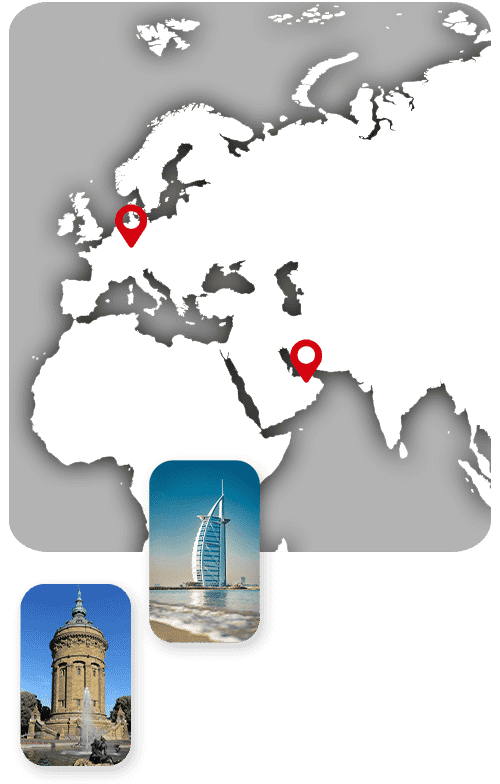
CellReg Institute Mannheim
Mannheim, Germany

Asklepios Kliniken Hamburg - Multispecialty Hospital in Germany
Hamburg, Germany

Stroke Recovery Treatment Center in Germany
Munich, Germany

Center for Advanced Medicine in Frankfurt, Germany
Frankfurt, Germany
Transformative Stem Cell Therapy Experiences: Dive into Procedure Insights
Discover the power of Stem Cell Therapy through compelling patient experiences. Uncover detailed insights into procedures, recovery journeys, and life-changing results.


Stem Cell Therapy for Parkinson's Disease in Germany
- Stem Cell Treatment for Parkinsons Disease, Stem Cell Therapy
Germany

Stem Cell Treatment for Cerebral Palsy in Germany, Europe
- Stem Cell Treatment for Cerebral Palsy, Stem Cell Therapy
Germany
Explore Stem Cell Therapy: Stories, Testimonials, and Procedures
Watch in-depth videos covering everything from Stem Cell Therapy success stories to detailed procedure explanations. Learn what to expect and hear from real patients.

Emily's Journey with Stem Cell Treatments for Alzheimer's in the Heart of Europe
Stem Cell Therapy
PlacidWay Europe Medical Tourism
Germany
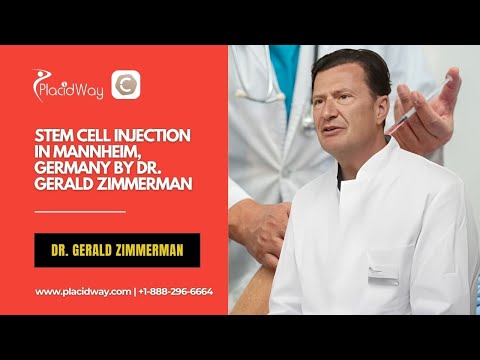
Experience Effective Care at Dr. Gerald Zimmerman Stem Cell Injection Germany
Stem Cell Therapy
CellReg Institute Mannheim
Germany
Umbilical Cord Blood Stem Cell Therapy in Munich, Germany
Stem Cell Therapy
PlacidWay Medical Tourism
Germany
Learn More with These Stem Cell Therapy Articles
Take a look at these interesting articles, stories and research that will help you learn more about Stem Cell Therapy.

Evaluating Stem Cell Therapy in Germany: Treatment Safety, Costs, and Patient Suitability
PlacidWay Medical Tourism
- Stem Cell Therapy
Germany

Affordable Stem Cell Therapy for Knee Pain in Germany for UK Patients from London
PlacidWay Medical Tourism
- Stem Cell Therapy
Germany

The Training Bag Stayed Packed: A UAE Patient’s Sports Injury Stem Cell Therapy in Frankfurt
PlacidWay Medical Tourism
- Sports Recovery & Injury Treatment
Germany

Stem Cell Therapy for Knee Osteoarthritis in Germany for Bristol, UK Patients
PlacidWay Medical Tourism
- Stem Cell Therapy
Germany







