
What treatment


1+ Best Clinics for Kidney Transplantation Surgery in Germany
Trusted Medical Tourism Platform Since 2007
What are the best kidney transplantation surgery clinics in Germany?
The leading medical centers for kidney transplantation and specialized urology in Germany are Masculine by Dr. Med. Aref Elseweifi (Berlin) and IMC Intermed-Consult (Frankfurt).
These facilities adhere to strict German Medical Association and Eurotransplant safety guidelines. They specialize in comprehensive pre-transplant evaluations, living donor laparoscopic surgeries, advanced immunological tissue matching, and post-operative rehabilitation programs. While specific kidney transplant costs vary based on organ availability and medical urgency, urological and transplant-related procedures range from $2,247 to $25,000 USD. These clinics feature multidisciplinary surgical teams and provide dedicated medical interpreters for international patients.

 91.67% Patient Recommend
Masculine by Dr. Med. Aref Elseweifi


Overview
Masculine is a leading urology center in Berlin, Germany, specializing in implantation of penile prosthesis, prostatectomy, genital surgery and laser procedures by Dr. Med. Aref Elseweifi.
Read more details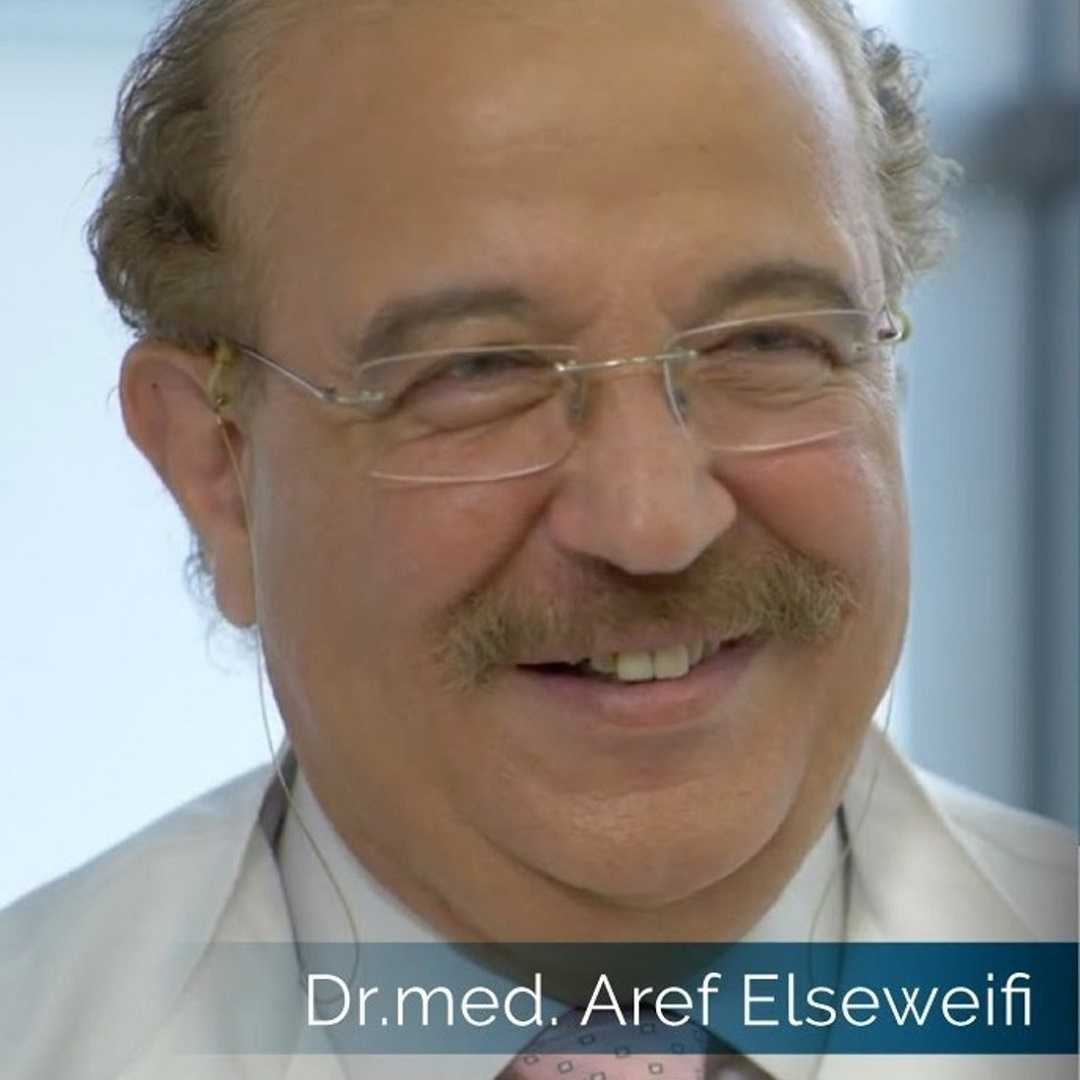

Which are the best Kidney Transplantation Surgery clinics in Germany?
When seeking top-tier Kidney Transplantation Surgery clinics in Germany, patients often look for facilities known for advanced surgical techniques, high success rates, and comprehensive patient care. Based on available data, two notable facilities identified in Germany, specializing in broader urological and general medical services that could support kidney transplantation pathways, are Masculine by Dr. Med. Aref Elseweifi in Berlin and IMC Intermed-Consult in Frankfurt. These clinics are well-regarded for their patient-focused approach and medical expertise within their respective fields.
Germany is renowned for its excellent healthcare system, particularly in specialized fields like organ transplantation. While specific rankings for individual kidney transplant clinics can vary and are often complex, patients should prioritize certain factors. Look for clinics with:
- Accreditation and Certifications: Ensure the facility holds national and international accreditations relevant to transplant surgery and patient safety.
- Specialized Transplant Teams: A dedicated team including transplant surgeons, nephrologists, immunologists, and coordinators is crucial.
- High Volume and Success Rates: Clinics performing a higher number of transplants often demonstrate greater experience and potentially better outcomes.
- Comprehensive Support Services: This includes pre-transplant evaluations, psychological support, and extensive post-operative care and rehabilitation programs.
What criteria should I consider when choosing a kidney transplant clinic in Germany?
When selecting a kidney transplant clinic in Germany, critical factors include the clinic's specialized experience in transplantation, its multidisciplinary team approach, comprehensive pre- and post-operative care programs, and established success rates. Accreditation, patient safety protocols, and robust support for international patients, including language services, are also essential to ensure a smooth and effective treatment journey.
Choosing the right clinic for kidney transplantation is a deeply personal and significant decision. Beyond basic medical qualifications, consider these aspects:
- Specialization and Expertise: Look for clinics with a long-standing history and extensive experience specifically in kidney transplantation, not just general urology or surgery. The team should include specialized transplant nephrologists, surgeons, and nurses.
- Program Volume and Outcomes: Higher volume programs often correlate with greater expertise. Inquire about the clinic's transplant volume and patient survival rates for both recipients and grafts.
- Comprehensive Care Pathway: A robust program should offer thorough pre-transplant evaluation, detailed surgical planning, and structured post-transplant follow-up, including medication management and lifestyle guidance.
- Technological Capabilities: Access to advanced diagnostic tools, modern surgical equipment, and innovative immunosuppression therapies can be beneficial.
- Patient Support Services: Especially for international patients, services like multilingual staff, assistance with accommodation, and patient testimonials are valuable.
- Accreditation: Check for national certifications or international accreditations that affirm the clinic's adherence to high standards of care and safety.
What are the typical waiting times for a kidney transplant in Germany?
Typical waiting times for kidney transplantation in Germany largely depend on factors like blood group compatibility, tissue characteristics, the severity of the patient's condition, and the availability of donor organs, both deceased and living. For non-urgent cases, the wait can range from several months to several years, reflecting Germany's strict ethical standards and allocation systems.
In Germany, donor organ allocation is managed by Eurotransplant, an international organization responsible for eight European countries. The waiting time for a kidney transplant is influenced by several factors:
- Organ Availability: The number of deceased donors varies, directly impacting how quickly a suitable organ becomes available.
- Patient Characteristics: Blood type, tissue matching (HLA antigens), body size, and age all play a role in finding a compatible donor kidney. Rare blood types or unique tissue characteristics might lead to longer waits.
- Medical Urgency: Patients with a higher medical urgency or those with a very rare tissue type might be prioritized.
- Living Donation: If a patient has a compatible living donor (e.g., a family member), the waiting period can be significantly reduced or even eliminated, as the surgery can be scheduled.
Do German kidney transplant clinics offer pre-transplant evaluation services?
Yes, leading kidney transplant clinics in Germany provide extensive pre-transplant evaluation services. These crucial assessments determine a patient's medical suitability for surgery, identify any potential risks, and prepare them physically and mentally for the transplantation process. This thorough evaluation ensures the best possible outcome and long-term success.
Pre-transplant evaluation is a cornerstone of kidney transplantation in Germany, ensuring that every candidate is thoroughly assessed for their readiness for surgery and long-term success. These evaluations typically include:
- Medical History Review: A detailed look at the patient's past and current health conditions, including any comorbidities that might affect the transplant.
- Comprehensive Diagnostic Tests: This involves a battery of tests such as blood tests (including blood group and tissue typing), urine tests, imaging (ultrasound, CT scans, MRI of the kidneys and surrounding structures), and cardiac evaluations (ECG, echocardiogram) to assess overall organ function and health.
- Immunological Assessment: Crucial for predicting the likelihood of rejection, these tests analyze antibodies in the patient's blood that could react against a donor organ.
- Psychosocial Evaluation: A mental health professional assesses the patient's psychological stability, understanding of the transplant process, and ability to adhere to complex post-transplant medication regimens and lifestyle changes.
- Nutritional Assessment: To ensure the patient is in optimal physical condition for surgery and recovery.
- Infectious Disease Screening: Testing for various infections to prevent complications post-transtransplant, where immunosuppression might reactivate latent infections.
What post-operative care and follow-up support do clinics in Germany provide after kidney transplantation?
German kidney transplant clinics offer comprehensive post-operative care and rigorous follow-up support crucial for patient recovery and graft longevity. This includes intensive monitoring, personalized immunosuppressive medication management, regular check-ups, dietary and lifestyle counseling, and dedicated patient education programs to ensure patients successfully manage their health long-term.
After a kidney transplant, patients receive extensive post-operative care and follow-up support to ensure successful recovery and prevent complications. This includes:
- Immediate Post-Op Monitoring: Patients spend time in an intensive care unit (ICU) for close monitoring of vital signs, kidney function, and potential complications like bleeding or infection.
- Immunosuppressive Medication Management: A cornerstone of post-transplant care, these medications prevent organ rejection. The dosage is carefully adjusted and monitored, often for the patient's lifetime. Patients receive thorough education on their importance and potential side effects.
- Regular Clinic Visits and Tests: Frequent follow-up appointments with the transplant team, including nephrologists and transplant coordinators, are scheduled. These involve blood tests to check kidney function, drug levels, and overall health, along with imaging studies as needed.
- Infection Prevention: Due to immunosuppression, patients are at higher risk of infection. Clinics provide guidelines for prevention, symptom recognition, and prompt treatment.
- Dietary and Lifestyle Counseling: Nutritionists and physiotherapists offer guidance on a healthy diet, exercise, and maintaining an active lifestyle to optimize health and prevent weight gain, diabetes, and cardiovascular issues.
- Psychosocial Support: Support groups and counseling services are often available to help patients cope with the emotional and psychological aspects of living with a transplant.
- Emergency Contact and Support: Patients typically have access to a dedicated transplant coordinator or hotline for urgent concerns, ensuring continuous support.
Are there specialized centers for pediatric kidney transplants in Germany?
Yes, Germany has highly specialized centers dedicated to pediatric kidney transplants, often located within university hospitals. These centers cater specifically to the unique physiological and developmental needs of children and adolescents, providing expert care from diagnosis and pre-transplant evaluation through surgery and long-term follow-up.
Germany's healthcare system includes several specialized pediatric kidney transplant centers, primarily integrated within larger university medical facilities. These centers are crucial because pediatric kidney transplantation involves distinct challenges compared to adult transplants:
- Age-Specific Expertise: Teams include pediatric nephrologists, pediatric surgeons specializing in transplantation, child psychologists, and child life specialists who understand children's unique medical and emotional needs.
- Growth and Development Considerations: The treatment plans account for the child's ongoing growth and development, aiming to optimize graft function while minimizing impact on their overall well-being.
- Smaller Body Size: Surgical techniques are adapted for smaller patients, and medication dosages are carefully calibrated based on weight and age.
- Family-Centered Care: These centers emphasize involving the family in every step of the process, providing education and support to parents and caregivers who play a vital role in the child's long-term care and adherence to treatment.
- Long-Term Follow-up: Pediatric transplant patients require lifelong monitoring, often transitioning to adult transplant care as they reach adulthood. These specialized centers facilitate this transition smoothly.
What language support is available at kidney transplant clinics in Germany for international patients?
German kidney transplant clinics generally offer extensive language support for international patients, often including English-speaking medical staff and dedicated international patient departments. Many facilities also provide professional medical interpreters for various languages or can arrange such services to ensure clear communication and a comfortable experience throughout the treatment process.
Recognizing Germany's role as a global medical tourism destination, many kidney transplant clinics, especially those catering to international patients, prioritize robust language support:
- English-Speaking Staff: A significant number of doctors, nurses, and administrative staff at major clinics and university hospitals are proficient in English.
- International Patient Offices: Dedicated departments exist in many hospitals to assist foreign patients. These offices often have multilingual staff who can help with appointments, logistical arrangements, and communication with the medical team.
- Professional Medical Interpreters: For patients speaking languages other than English, clinics can arrange for certified medical interpreters. These interpreters ensure accurate communication of complex medical information, diagnoses, and treatment plans.
- Translation of Documents: Assistance with translating medical records, consent forms, and other essential documents may also be provided or arranged.
- Multilingual Patient Information: Some clinics offer informational materials about kidney transplantation and the hospital in multiple languages.
What advanced technologies or surgical techniques are used in German kidney transplant clinics?
German kidney transplant clinics utilize cutting-edge technologies and advanced surgical techniques to optimize patient outcomes. This includes minimally invasive laparoscopic surgery for living donors, advanced imaging for precise diagnostics, sophisticated tissue typing methods to minimize rejection, and innovative immunosuppressive therapies tailored to individual patient needs for improved graft survival.
German kidney transplant clinics are at the forefront of adopting advanced technologies and surgical techniques to enhance safety and efficacy:
- Minimally Invasive Surgery for Living Donors: Many centers perform laparoscopic or robot-assisted nephrectomy for living kidney donors. This reduces post-operative pain, shortens hospital stays, and accelerates recovery for the donor.
- Advanced Imaging and Diagnostics: High-resolution CT scans, MRI, and specialized ultrasound techniques are used for precise donor and recipient evaluation, aiding in surgical planning and early detection of complications.
- Sophisticated Immunological Assessment: State-of-the-art tissue typing (HLA matching) and cross-matching technologies are employed to identify the most compatible donor-recipient pairs, significantly reducing the risk of acute and chronic rejection.
- Personalized Immunosuppression: Clinics utilize advanced immunological monitoring to tailor immunosuppressive drug regimens to each patient, optimizing drug levels to prevent rejection while minimizing side effects.
- Perfusion Technology for Organ Preservation: Some centers use advanced perfusion machines to preserve donor kidneys outside the body, potentially improving organ viability and allowing for more extensive assessment before transplantation.
- Transplant Pathology and Research: German clinics often have robust pathology departments and research programs dedicated to studying transplant immunology, rejection mechanisms, and developing new therapeutic strategies.
How do German clinics ensure patient safety and quality of care in kidney transplantation?
German clinics uphold stringent patient safety and quality standards in kidney transplantation through adherence to strict national regulations, continuous quality management systems, and mandatory participation in national transplant registries. They deploy highly skilled multidisciplinary teams, utilize advanced medical technologies, and implement rigorous infection control protocols to ensure optimal patient outcomes and safety.
Ensuring patient safety and high-quality care is paramount in German kidney transplant clinics, driven by a deeply regulated and ethically focused healthcare system:
- Strict Regulatory Oversight: Kidney transplantation in Germany is governed by stringent national laws (e.g., the German Organ Transplantation Act) and guidelines from organizations like the German Medical Association. These regulations cover donor selection, allocation, surgical procedures, and follow-up care.
- Quality Management Systems: Clinics implement comprehensive internal quality management systems. These systems involve regular audits, process optimization, and performance monitoring to ensure consistent high standards.
- Multidisciplinary Teams: Care is delivered by highly specialized teams including transplant surgeons, nephrologists, anesthesiologists, immunologists, pathologists, nurses, and support staff, ensuring holistic patient management.
- Advanced Infrastructure and Technology: State-of-the-art operating rooms, intensive care units, and diagnostic imaging technologies minimize risks and support precise procedures.
- Infection Control Protocols: Given the immunosuppression required post-transplant, rigorous infection prevention and control measures are strictly enforced to protect vulnerable patients.
- Patient Education and Empowerment: Comprehensive patient education ensures patients understand their treatment plan, medication adherence, and how to recognize and report potential complications. This active involvement is key to long-term success.
- Continuous Training and Research: Medical staff undergo continuous education and participate in research, keeping abreast of the latest advancements and best practices in transplant medicine.
What are the rehabilitation programs offered by kidney transplant clinics in Germany?
Kidney transplant clinics in Germany typically offer structured rehabilitation programs designed to facilitate a smooth and effective recovery for patients. These programs often include physical therapy to regain strength, nutritional counseling for a healthy diet, psychological support to address emotional well-being, and patient education to promote long-term graft health and overall quality of life.
Rehabilitation after a kidney transplant is vital for patients to regain their strength, adapt to their new health status, and ensure the long-term success of the transplant. German clinics often provide tailored programs that cover several aspects:
- Physical Therapy:
- Early Mobilization: Starting gentle exercises soon after surgery to prevent complications like deep vein thrombosis and muscle atrophy.
- Gradual Exercise Programs: Personalized plans focusing on improving cardiovascular fitness, muscle strength, and flexibility, adjusted to the individual's recovery pace.
- Nutritional Counseling:
- Dietary Guidance: Education on a kidney-friendly diet that supports optimal graft function and manages potential side effects of medications, such as weight gain or diabetes.
- Fluid Intake Management: Specific recommendations for fluid intake to support the new kidney.
- Psychological Support:
- Counseling Services: Addressing emotional challenges like anxiety, depression, or body image concerns that may arise after transplantation.
- Support Groups: Opportunities to connect with other transplant recipients, sharing experiences and coping strategies.
- Medication Management Education:
- Adherence Training: Reinforcing the critical importance of taking immunosuppressive and other medications exactly as prescribed.
- Side Effect Management: Educating patients on potential side effects and how to manage them.
- Lifestyle Adjustments: Guidance on returning to work, travel, and other daily activities, while being mindful of infection risks and overall health maintenance.
How PlacidWay helps individuals access Kidney Transplantation Surgery in Germany?
PlacidWay simplifies your journey to Kidney Transplantation Surgery in Germany by providing detailed, up-to-date information on the procedure, including benefits, risks, and expected outcomes. We help you compare treatment options across various accredited clinics, ensuring you find affordable choices without compromising on quality. PlacidWay assists in identifying trusted, certified clinics and experienced medical professionals specializing in Kidney Transplantation Surgery in Germany. Our platform offers one-on-one consultations to guide you in making informed decisions tailored to your specific needs. Furthermore, we ensure continued support after your treatment, including follow-up care and recovery assistance. Ready to get Kidney Transplantation Surgery in Germany? Contact us today for a personalized consultation.List of Best Kidney Transplantation Surgery Clinics in Germany
Unlock the Best Urology Packages Just for You
Discover the ultimate Urology packages designed to meet your health and wellness goals. Choose the perfect fit for your journey.

Price starting from $4,500
Varicose Vein Removal Package in Istanbul, Turkey by Assoc. Prof. Dr. Zulfu Sertkaya
Assoc. Prof. Dr. Zülfü Sertkaya - Dr Hardrock Men's Health Excellence Center Urology in Istanbul, Turkey
- Urology
Istanbul,Turkey

Price starting from $2,247
Hymen Restoration Package in Berlin, Germany by Masculine
Masculine by Dr. Med. Aref Elseweifi
- Urology
Berlin,Germany

Price starting from $7,000
Penile Implant Package in Berlin, Germany by Masculine
Masculine by Dr. Med. Aref Elseweifi
- Urology
Berlin,Germany

Price starting from $1,832
Transurethral Prostate Hyperthermia in Frankfurt Germany
Center for Advanced Medicine in Frankfurt, Germany
- Urology
Frankfurt,Germany
Transformative Urology Experiences: Dive into Procedure Insights
Discover the power of Urology through compelling patient experiences. Uncover detailed insights into procedures, recovery journeys, and life-changing results.




Explore Urology: Stories, Testimonials, and Procedures
Watch in-depth videos covering everything from Urology success stories to detailed procedure explanations. Learn what to expect and hear from real patients.
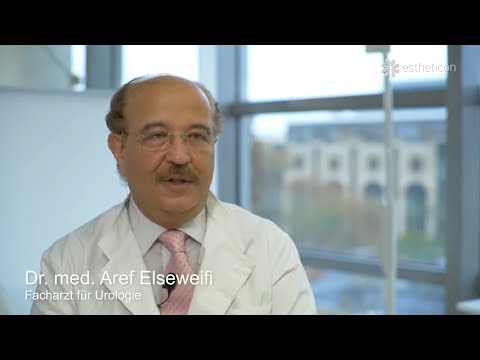
Expert Urology Care in Berlin, Germany: Dr. Aref El-Seweifi at Masculine Clinic
Urology
Masculine by Dr. Med. Aref Elseweifi
Germany

Ejaculation Duration Explained: Clinical Thresholds and Treatment Realities
Urology
Assoc. Prof. Dr. Zülfü Sertkaya - Dr Hardrock Men's Health Excellence Center Urology in Istanbul, Turkey
Turkey
Urological Surgery in Hamburg, Germany by Asklepios: How the da Vinci Robot Is Used in Surgery
Urology
Asklepios Kliniken Hamburg - Multispecialty Hospital in Germany
Germany
Learn More with These Urology Articles
Take a look at these interesting articles, stories and research that will help you learn more about Urology.

Evaluating Erectile Dysfunction Treatment in Germany: Specialist Credentials, Advanced Options, and Patient Costs
PlacidWay Medical Tourism
- Urology
Germany

Erectile Dysfunction Treatment in Berlin, Germany: Advanced Options, Costs, and How to Choose a Specialist
PlacidWay Medical Tourism
- Urology
Germany


Thinking About Vasectomy Reversal in Germany? A Patient Guide to Costs, Success Rates, and Expert Microsurgeons
PlacidWay Medical Tourism
- Urology
Germany
Urology Solutions Near You: Explore Top Medical Centers
Discover how Urology is transforming lives at leading medical centers in , Germany. Dive into center profile, specialties, doctors, reviews, etc. and explore the best options tailored to your needs in this region.

Academic Hospital
Istanbul,Turkey

Masculine by Dr. Med. Aref Elseweifi
Berlin,Germany

ACIBADEM Bayındır Hospital
Istanbul,Ankara
Liv Bona Dea Hospital in Baku, Azerbaijan
Baku,Azerbaijan









My worst experience was with Placid Way. I got no response from you.
Read More