
What treatment


Most Asked Questions About Medical Treatments Abroad
Read Helpful Answers on Various Treatments Questions
Trusted Medical Tourism Platform Since 2007

Which Breast Implant Brand Is Better in Korea?
There is no single best breast implant brand in Korea, as the ideal choice depends on your body type and aesthetic goals. Motiva and Mentor are highly popular among patients and surgeons due to their safety profiles, natural feel, and regulatory approvals. When considering breast implants in Korea, one of the first questions patients ask is which brand will provide the safest and most natural-looking results. South Korea is globally recognized for its advanced aesthetic medical industry, attracting thousands of international patients each year. However, navigating the diverse range of implant options in a foreign country requires careful research. Because every patient's anatomy, skin elasticity, and aesthetic preference is unique, what works perfectly for one person may not be ideal for another. Understanding the differences between leading implant brands, the associated costs, and what to expect from the procedure is essential for making an informed, medically responsible decision. Key Takeaways Motiva, Mentor, and Sebbin are among the most frequently utilized implant brands in South Korean clinics. Brand choice should be based on chest dimensions, existing breast tissue, and surgical recommendations, not just popularity. Implant procedures always carry medical risks, including capsular contracture and potential need for future revision surgery. International patients should plan to stay in Korea for 7 to 14 days to ensure proper initial recovery and post-operative monitoring. Pricing can vary widely depending on the chosen implant technology, clinic reputation, and surgical complexity. What are the most popular breast implant brands used in Korea? The most frequently requested breast implant brands in South Korea are Motiva, Mentor, and Sebbin. These brands are selected for their extensive safety data, high-quality silicone cohesion, and diverse size ranges. South Korean plastic surgery clinics typically offer a curated selection of premium implant brands sourced globally. Mentor, a Johnson & Johnson company based in the United States, has been a staple in breast augmentation for decades and holds rigorous FDA approval. Motiva, manufactured by Establishment Labs, has gained massive popularity in Asia over the last several years due to its innovative nano-textured surface and highly elastic gel. Sebbin, a European brand, is also commonly available and respected for its strict quality control and natural feel. The availability of these premium brands means that patients traveling for aesthetic procedures have access to the same, if not a broader, range of options as they would in North America or Europe. When evaluating these options, it is important to remember that popularity does not equate to a universal recommendation. A thorough consultation with a qualified medical professional is required to determine which specific brand and model aligns safely with your physical characteristics. How do Motiva and Mentor implants compare for Korean patients? Motiva is often favored for its ergonomic gel that shifts naturally with movement, while Mentor is widely trusted due to its long-term clinical history and US FDA approval. The choice between Motiva and Mentor is one of the most common debates among patients seeking aesthetic enhancement. Motiva implants utilize a highly cohesive silicone gel designed to act dynamically—meaning it maintains a round shape when lying down but assumes a more anatomical, teardrop shape when standing. Additionally, Motiva features a "SmoothSilk" nano-textured surface that is intended to minimize inflammation and reduce the risk of capsular contracture, though no implant is entirely risk-free. Mentor implants, on the other hand, boast a track record spanning decades with robust clinical data supporting their safety. Mentor offers both saline and silicone options, including their MemoryGel line, which provides a predictable, soft feel that closely mimics natural breast tissue. Mentor’s strict FDA approval provides significant peace of mind for many international patients. Movement: Motiva is designed to shift shape dynamically; Mentor offers highly stable shape retention. Surface: Motiva is known for its proprietary nano-texture; Mentor offers traditional smooth and textured options. Incisions: Motiva's highly elastic shell may allow for slightly smaller incision sites during surgery. Are breast implants used in South Korea safely regulated? Yes, reputable clinics use implants that are rigorously regulated by the Korean Ministry of Food and Drug Safety (MFDS), and most top-tier brands also carry approvals from the US FDA or European CE marks. Patient safety is paramount when undergoing any surgical procedure. In South Korea, medical devices, including breast implants, must pass strict regulations enforced by the MFDS before they can be legally used in clinical settings. Furthermore, because the medical tourism industry heavily caters to international standards, most recognized clinics deliberately stock brands that have secured approvals from stringent international bodies like the FDA or have CE certification. It is highly recommended that you ask your surgeon to provide the product's official certification and registration card after the surgery. This document contains the serial number, lot number, and exact specifications of the medical device placed in your body, which is vital for your long-term medical records back home. How much does breast implant surgery typically cost in Korea? The breast implant cost in Korea typically ranges from $5,000 to $10,000 USD, depending heavily on the brand of implant chosen, the complexity of the surgery, and the clinic's location. Pricing for cosmetic procedures can vary significantly. Traditional smooth silicone implants like Mentor tend to fall on the lower end of the pricing spectrum, often ranging between $5,000 and $7,000 USD. Premium, newer-generation implants such as Motiva or those requiring specialized surgical techniques often range from $7,000 to $10,000 USD. When reviewing an estimate, you should ask what is included in the package. A comprehensive quote for medical tourism in Korea will usually cover: The surgeon’s fee and anesthesiologist charges. The cost of the implants themselves. Pre-operative lab tests and post-operative medications. Compression garments and follow-up consultation fees. Be aware that these figures are estimates. Your final cost may be different based on individual medical needs, such as combining the procedure with a breast lift. What shapes and textures of implants are available in Korean clinics? Patients can typically choose between round and anatomical (teardrop) shapes, with surface options including smooth, traditional textured, and advanced nano-textured shells. The profile and shape of the implant dictate the final visual outcome. Round implants generally provide more upper pole fullness (cleavage), which is a common aesthetic goal. Anatomical or teardrop implants hold less volume at the top and slope down to a fuller bottom, mimicking the natural slope of a biological breast. Surface texture is another critical medical decision. Smooth implants are mobile within the breast pocket and generally feel very soft. Traditional textured implants were designed to grip the surrounding tissue to prevent rotation (crucial for teardrop shapes) and lower the rate of capsular contracture. However, due to concerns linking highly textured implants to Breast Implant-Associated Anaplastic Large Cell Lymphoma (BIA-ALCL), many surgeons now prefer smooth or nano-textured options. Nano-texturing aims to provide a biocompatible surface that reduces inflammation while avoiding the deep crevices of macro-texturing. What are the potential risks and complications of breast implants? Like all surgical procedures, breast augmentation carries risks including capsular contracture, implant rupture, infection, hematoma, and changes in nipple or breast sensation. It is vital to approach cosmetic surgery with a clear understanding of the medical realities. Implants are not lifetime devices, and a significant percentage of patients will require revision surgery at some point in their lives due to complications or aesthetic changes. The most common complication is capsular contracture, where the body's natural scar tissue forms too tightly around the implant, causing pain and distorting the breast shape. Other risks include implant rupture or deflation, poor wound healing, and asymmetry. Additionally, there is a recognized, albeit low, risk of BIA-ALCL, a rare cancer of the immune system that can develop in the scar tissue capsule surrounding the implant. Discussing your full medical history with a qualified professional is critical to mitigating these risks. How long is the recovery period after breast augmentation in Korea? Most patients require one to two weeks of initial downtime, but complete healing and the final settling of the implants into their natural position can take three to six months. The immediate post-operative phase typically involves soreness, swelling, and a feeling of tightness across the chest. Surgeons often prescribe pain medication and muscle relaxants to manage discomfort during the first few days. Patients are advised to sleep on their backs at an elevated angle to minimize swelling. While you may feel well enough to resume light, desk-bound work within a week, heavy lifting, strenuous exercise, and raising your arms above your head must be avoided for at least four to six weeks. For those participating in medical tourism, it is generally recommended to remain near your surgical team for at least 7 to 10 days to ensure any early signs of complication, such as infection or fluid buildup, can be promptly addressed. Am I a suitable candidate for breast augmentation in South Korea? Ideal candidates are physically healthy non-smokers with realistic aesthetic expectations, seeking to enhance breast volume, correct asymmetry, or restore volume lost due to weight changes or pregnancy. Suitability for surgery is determined through a comprehensive medical evaluation. Conditions that may contraindicate surgery include active infections, untreated breast cancer or pre-malignant conditions, severe bleeding disorders, or autoimmune diseases that could impair healing. Furthermore, smoking significantly impedes blood flow and increases the risk of serious complications, including tissue necrosis and severe scarring. Surgeons universally require patients to cease smoking and nicotine use for several weeks before and after the procedure. An individualized assessment by a qualified doctor is the only way to confirm if the procedure is safe for you. How do I choose the right breast implant size and profile? Selecting the right implant involves in-depth measurements of your chest base width, existing breast tissue volume, skin elasticity, and a discussion of your lifestyle and visual goals with your surgeon. Choosing an implant is not as simple as picking a cup size. Implants are measured in cubic centimeters (cc), and how a 300cc implant looks on one person will be entirely different from how it looks on another due to varying chest wall dimensions. Surgeons evaluate your base width (the horizontal measurement of your breast) to ensure the implant does not protrude unnaturally into your underarm or merge in the center. The "profile" of the implant—how far it projects outward from the chest wall—is also crucial. Low profile implants offer a wider, flatter look, while high profile implants provide more forward projection on a narrower base. How do I choose a breast implant clinic in Korea? When selecting a clinic, prioritize facilities with board-certified plastic surgeons, dedicated anesthesiologists, transparent safety protocols, and comprehensive aftercare support for international patients. The quality of your medical facility plays a massive role in patient safety. Ensure that the clinic employs surgeons who are fully certified by recognized national plastic surgery boards. Furthermore, the presence of an in-house anesthesiologist monitoring you throughout the entire procedure is a non-negotiable safety standard. When evaluating clinics from abroad, consider their communication standards. They should be able to answer medical questions clearly, provide realistic assessments of risks, and not pressure you into immediate decisions. Establish a clear plan for follow-up care, both during your stay in Korea and once you return to your home country. Why Choose PlacidWay for Medical Tourism in South Korea? Planning medical treatment abroad can be overwhelming. PlacidWay serves as a valuable educational resource for patients exploring global healthcare options. Information Access: PlacidWay provides detailed profiles of medical facilities and providers to help you conduct thorough research. Cost Transparency: Patients can review comprehensive pricing estimates to better understand the financial scope of their treatment. Global Network: The platform connects you with accredited medical centers across South Korea and around the world. Educational Resources: PlacidWay offers articles, guides, and patient resources focused on safety, preparation, and international healthcare standards. Direct Communication: The platform facilitates direct contact with international patient coordinators at medical facilities, allowing you to ask medical questions directly to the providers. Frequently Asked Questions (FAQs) Do breast implants need to be replaced after 10 years? Breast implants are not considered lifetime devices, but they do not automatically expire at the 10-year mark. While the risk of rupture or complication increases over time, many patients keep their implants for 15 to 20 years without issues. Replacement is usually only recommended if a complication like rupture or capsular contracture occurs, or if your aesthetic goals change. Can I fly home immediately after breast surgery in Korea? No, it is not advisable to fly immediately after surgery. Most surgeons recommend staying in South Korea for at least 7 to 10 days post-operation. This allows time for initial healing, drain removal if used, and a follow-up assessment to ensure it is safe for you to endure cabin pressure and travel. Will breast implants affect my ability to breastfeed? Many women with breast implants breastfeed successfully. However, the risk of breastfeeding difficulties depends on the incision site and implant placement. Periareolar incisions (around the nipple) have a slightly higher risk of interfering with milk ducts or nerves compared to inframammary (under the breast crease) incisions. Do Korean clinics offer fat transfer breast augmentation instead of implants? Yes, many clinics in Korea offer autologous fat transfer for patients seeking a modest increase in breast size (usually about one cup size). This method uses your own body fat removed via liposuction and transfers it to the breasts, offering an alternative for those who prefer not to use silicone implants. How often should I get my breast implants checked? The FDA currently recommends that patients with silicone gel-filled breast implants receive MRI or ultrasound screenings to check for silent ruptures starting 5 to 6 years after the initial surgery, and then every 2 to 3 years thereafter. Is it safe to get breast implants if I have a family history of breast cancer? Having a family history of breast cancer does not automatically disqualify you from getting implants. However, it requires a thorough discussion with your doctor. Implants can sometimes make mammograms more challenging to read, though specialized displacement techniques can be used during screening. Will I lose sensation in my nipples after getting implants? Changes in nipple sensation, including temporary numbness or hypersensitivity, are common immediately following surgery. For most patients, normal sensation returns within a few months. However, in some rare cases, changes in sensation can be permanent. What happens if a breast implant ruptures? If a saline implant ruptures, it will deflate quickly, and the body will safely absorb the saline. If a silicone implant ruptures, it is often a silent rupture, meaning you may not notice it immediately. The silicone usually remains within the scar tissue capsule. In either case, surgical removal and replacement of the implant are typically required. How long do I need to stay in Korea for follow-up appointments? Medical tourists should plan to stay in Korea for approximately 7 to 14 days. This window allows the medical team to monitor your initial recovery, remove stitches or drains, and provide clearance before you return home. Can I exercise normally with breast implants? Once you have fully recovered and received clearance from your surgeon—usually around 6 to 8 weeks post-surgery—you can return to normal exercise routines. Wearing a highly supportive sports bra is strongly recommended during vigorous activities. Compare Treatment Options Connect with accredited clinics and gather the information you need to make a medically responsible decision. Request Treatment Information References Breast Implants – U.S. Food and Drug Administration (FDA) Breast Augmentation Safety and Risks – American Society of Plastic Surgeons (ASPS) Breast Augmentation Procedure Details – Mayo Clinic Global Survey on Aesthetic/Cosmetic Procedures – International Society of Aesthetic Plastic Surgery (ISAPS) Risks and Complications of Breast Implants – U.S. Food and Drug Administration (FDA) Surface Topography of Breast Implants and Risk of Complications – Aesthetic Surgery Journal Medical Disclaimer: The information provided in this article is for educational and informational purposes only and does not constitute medical advice. Treatment outcomes, recovery times, and risks vary by patient. Always consult with a qualified, board-certified healthcare provider to discuss your personal medical history and determine if cosmetic surgery is appropriate for you. Mention of any specific brand does not constitute an endorsement or a guarantee of safety....
Read more details

How Many Days Do You Need in Croatia for Dental Implants, Crowns or Veneers?
When planning a trip for dental implants, crowns or veneers in Croatia, one of the most common questions patients have involves the expected timeframe. Because traveling abroad for dental care requires time away from work and careful logistical planning, understanding the precise number of days you need to spend in-country is essential for a smooth experience. Direct Answer: For dental implants in Croatia, you typically need two trips: 3–5 days for the initial surgery, followed by a 3–6 month healing period, and a second trip of 5–7 days for final crowns. For dental crowns or veneers alone, expect a single trip lasting 5–7 days. Key Takeaways Dental implants generally require two separate visits spaced several months apart to allow the jawbone to heal. Restorative work like crowns and veneers can usually be completed during a single 5 to 7-day visit. Advanced in-house technology (like CAD/CAM milling) may shorten wait times for specific types of crowns. You should always schedule a buffer day at the end of your trip for final bite adjustments before flying home. Personal healing rates, required extractions, and the need for bone grafting can extend the overall treatment timeline. Why do dental implants require two separate trips to Croatia? Standard dental implants require two trips because the titanium implant post must fuse with your natural jawbone over several months—a biological process known as osseointegration. Unlike regular fillings or single crowns, placing a traditional dental implant is a surgical procedure. During the first visit, the dentist places the titanium post into the jawbone. If a permanent crown were attached immediately, the pressure from chewing could cause the implant to shift, leading to a high risk of failure. Osseointegration typically takes between three to six months, depending on your body's natural healing capacity and whether the implant was placed in the upper or lower jaw. Once the bone has solidly locked the implant in place, you return for your second visit to have the final, permanent crown attached. This phased approach is standard practice globally, ensuring the long-term stability of the restoration. How long is the first visit for dental implant surgery? You should plan to stay in Croatia for 3 to 5 days during your first visit for dental implant surgery, which includes consultation, surgery, and a post-operative check. The first phase of the implant process is highly focused on assessment and surgical placement. Even if you have shared dental X-rays or CBCT scans with the clinic beforehand, the dental team will conduct an in-person examination upon your arrival. Day 1: Initial consultation, 3D imaging, and finalizing the surgical plan. Day 2: The surgical placement of the implants. Day 3: Rest and initial recovery. Day 4-5: A follow-up visit to check the surgical site, remove stitches (if non-dissolvable ones are used), and provide clearance to fly home. While the surgery itself may only take a few hours, staying a couple of extra days is crucial. This window allows your dentist to monitor initial healing, manage any unexpected swelling, and ensure no immediate complications arise before you board a plane. What happens during the second implant trip and how long does it take? The second trip typically requires a stay of 5 to 7 days to uncover the implant, take impressions, wait for the lab to fabricate the crown, and make final adjustments. After you have spent a few months healing at home, you will return to your chosen dental clinic in Croatia for the restorative phase. During this trip, the dentist will expose the healed implant and attach an abutment (the connector piece). Impressions or digital scans of your mouth are then taken and sent to the dental laboratory. Because the permanent crown must be custom-made to perfectly match the color, shape, and bite of your natural teeth, fabrication usually takes a few days. Once the crown is ready, it is fitted and secured. The 5 to 7-day window provides enough time for the lab work and allows for necessary bite adjustments before you leave. How many days should I plan for dental veneers? For a set of custom porcelain veneers, patients generally need to stay in Croatia for 5 to 7 days, completing the entire process in a single trip. Getting veneers involves careful cosmetic planning. On your first day, the dentist will prepare your natural teeth by removing a very thin layer of enamel, take impressions, and fit you with temporary veneers. The impressions are then sent to a dental ceramist. Crafting high-quality porcelain veneers is a meticulous process that often takes 3 to 5 days, depending on how many teeth are being treated. Once the lab finishes the permanent veneers, you will return to the clinic for a bonding appointment. Giving yourself a full 7 days ensures there is ample time for the dentist to make slight aesthetic or functional tweaks if the new veneers do not feel perfectly aligned immediately after bonding. How long does it take to get dental crowns fitted? Similar to veneers, traditional dental crowns usually require a 5 to 7-day stay. However, if the clinic utilizes CAD/CAM technology, a crown might be completed in 1 to 2 days. If you are traveling to replace old crowns or protect weakened teeth, the timeframe heavily depends on the technology used by the clinic and the materials you choose. Traditional porcelain-fused-to-metal (PFM) or layered ceramic crowns require the expertise of an external dental laboratory, necessitating a 5 to 7-day stay. Alternatively, many modern clinics utilize computer-aided design and manufacturing (CAD/CAM) systems. This technology allows the dentist to take a digital scan of your tooth, design the crown on a computer, and mill it from a solid block of ceramic directly in the office. In these specific cases, a crown can sometimes be prepped and placed on the very same day. However, it is always recommended to stay an extra day or two to ensure your bite is comfortable. Can I get "teeth in a day" or immediate load implants in Croatia? Yes, immediate load systems like All-on-4 are available, but you still need to stay in Croatia for 5 to 7 days for the initial surgery and placement of temporary fixed teeth, followed by a second trip months later. The concept of "teeth in a day" often refers to full-arch restorations where implants and a temporary fixed denture are placed on the same day as tooth extractions. While you leave the clinic with a functional, fixed set of teeth, the overall trip still requires several days. The dentist needs time to evaluate the initial healing, adjust the temporary prosthesis, and ensure the implants are stable. It is important to note that the teeth you receive on this first trip are usually temporary acrylic prosthetics. Because the gums and bone will shrink and change shape as they heal, you must return for a second trip (usually 4 to 6 months later) to receive your final, permanent bridge made of more durable materials like zirconia. Therefore, when evaluating the overall dental implants cost in Croatia for full-arch restorations, factor in the travel expenses for both necessary trips. What factors can extend my dental treatment timeline? Complex extractions, active infections, sinus lifts, and bone grafting procedures can significantly alter your timeline, sometimes requiring an entirely separate preliminary trip. Not every patient is immediately ready for dental implants. Upon examination, your dentist may discover issues that need to be addressed before implant surgery can proceed safely. Common timeline extenders include: Bone Grafting: If your jawbone lacks the density to support an implant, a graft is required. This can add 3 to 6 months to your overall timeline before the implant can even be placed. Sinus Lifts: Similar to bone grafting, lifting the sinus cavity to make room for upper jaw implants requires months of healing prior to implant placement. Infection Control: Active periodontal (gum) disease or severe tooth abscesses must be treated and fully resolved before restorative or surgical work begins. To minimize surprises, it is highly recommended to provide current panoramic X-rays to your chosen clinic for a preliminary remote consultation before you book your flights. Should I include extra days for recovery before flying home? Yes, adding 1 to 2 buffer days at the end of your trip is highly recommended to allow for necessary rest, last-minute bite adjustments, and medical clearance to fly. Rushing straight from the dentist's chair to the airport is never advisable. Following surgical procedures like implants or extractions, patients may experience swelling, mild bleeding, or discomfort, which can be exacerbated by the changes in cabin air pressure during a flight. Even for non-surgical treatments like crowns and veneers, a buffer day is vital. After the numbing agent wears off and you eat your first few meals, you might notice that a crown feels slightly too high or a veneer feels rough on one edge. An extra day allows you to pop back into the clinic for a quick, 10-minute adjustment, ensuring your bite is perfect before you leave the country. How do I handle dental follow-ups once I return home? You should establish a relationship with a local dentist who is willing to perform routine cleanings, take check-up X-rays, and monitor your international dental work. Participating in medical tourism in Croatia means you will receive excellent care while abroad, but continuity of care at home remains your responsibility. After returning from your procedure, you will still need regular dental check-ups every six months. Before traveling, it can be helpful to speak with a local dentist to ensure they are comfortable maintaining your implants or veneers. If a minor issue arises at home—such as a loose temporary crown or minor gum irritation—you need a professional you can visit immediately, rather than waiting for a return trip to Europe. Ensure you leave your overseas clinic with full medical records, noting the exact brands and sizes of implants or materials used, to share with your local provider. Why Choose PlacidWay for Medical Tourism in Croatia? Navigating the options for international dental care can be overwhelming. PlacidWay serves as a comprehensive resource for patients looking to research and connect with healthcare facilities around the globe. Access to Clinic Profiles: PlacidWay provides detailed profiles of various medical and dental centers, helping you evaluate your options in Croatia. Direct Communication: The platform facilitates direct connection between you and the healthcare teams, allowing you to ask clinical questions and request preliminary treatment plans. Facility Comparisons: Patients can easily compare clinic credentials, spoken languages, available technologies, and facility standards. Educational Resources: PlacidWay offers an extensive library of articles and patient guides regarding different dental procedures and global destinations. Broad Network: Beyond standard dentistry, the platform provides information across a wide spectrum of medical specialties for those considering comprehensive healthcare travel. Frequently Asked Questions Is it safe to fly immediately after dental implant surgery in Croatia? It is usually recommended to wait at least 24 to 48 hours after dental implant surgery before flying. Changes in cabin pressure can cause discomfort, and resting helps minimize swelling and bleeding. Always follow your specific dentist's clearance. Do I need a visa for my dental trip to Croatia? Croatia is part of the Schengen Area. Citizens of the US, UK, Canada, and Australia generally do not need a visa for short medical or tourist stays up to 90 days. Always check current entry requirements before booking your travel. How long does a bone graft add to my implant timeline? A bone graft can extend the overall treatment timeline by 3 to 6 months or more, as the new bone must fully heal and integrate before it can safely support a dental implant. Your initial visit may just be for the graft itself. Can I combine my dental recovery with sightseeing in places like Split or Dubrovnik? While light walking is generally fine, strenuous activities, heavy lifting, or swimming should be avoided immediately after oral surgery. If you plan to sightsee, do so before your procedure or keep your post-operative days very relaxed. Are temporary teeth provided between implant trips? Yes, in most cases, a temporary denture, flipper, or temporary crown can be provided so you do not have to return home without teeth. These temporaries protect the surgical site and provide aesthetic relief during the healing months. What happens if I have a complication after returning home? It is crucial to have a local dentist at home who knows you have traveled for care. If you experience severe pain, swelling, or signs of infection after returning home, you should seek immediate evaluation from a local dental professional. How long do dental veneers typically last? With proper oral hygiene and regular dental check-ups, porcelain veneers can often last 10 to 15 years, sometimes longer. However, they may eventually need replacement due to normal wear, chipping, or gum recession. Can I get all my dental work done in Zagreb? Yes, Zagreb is a major hub for dental care and hosts numerous facilities equipped for complex procedures like implants and veneers. Other popular cities for dental care include Split, Rijeka, and Dubrovnik. Does the type of crown material affect how long I need to stay? Yes. Zirconia or ceramic crowns milled in-house using CAD/CAM technology might be ready in a single day. Conversely, traditional porcelain-fused-to-metal (PFM) crowns or highly customized layered ceramics usually require an external lab, taking several days. What medical conditions might delay dental implant treatment? Conditions such as uncontrolled diabetes, autoimmune disorders, active gum disease, or a history of radiation therapy to the head/neck can affect healing. Your dentist must evaluate your full medical history to determine if you are a suitable candidate. Compare Treatment Options Take the next step in researching your dental care journey. Connect with healthcare providers to gather information, compare timelines, and understand your personalized treatment options. Request Treatment Information References Implants - American Dental Association (ADA) Dental Implant Surgery: What to Expect - Mayo Clinic Dental Treatments (Crowns, Veneers, Implants) - National Health Service (NHS) Dental Implants: What You Should Know - U.S. Food and Drug Administration (FDA) Medical Tourism Travel Guidelines - Centers for Disease Control and Prevention (CDC) The Dental Implant Process - American Academy of Implant Dentistry (AAID) Medical Disclaimer: The information provided in this article is for educational and informational purposes only and does not constitute medical or dental advice. Treatment timelines, results, and recovery processes vary significantly by individual based on medical history, oral health, and anatomical differences. Always consult with a qualified healthcare or dental professional to discuss your specific needs, eligibility, and potential risks before undergoing any procedure....
Read more details
What Hidden Costs Should You Expect With IVF in Mexico?
When planning IVF in Mexico, expect hidden costs beyond the base package, including specialized fertility medications, pre-treatment diagnostic testing, embryo freezing and storage, ICSI, blastocyst culturing, and extended travel accommodations. Many individuals and couples explore cross-border care to manage the high expenses associated with fertility treatments. While the advertised IVF cost in Mexico is often significantly lower than in the United States or Canada, patients frequently encounter unexpected expenses along the way. Navigating these out-of-pocket variables is an essential part of your financial planning. Before you book consultations or arrange travel, it helps to understand exactly how fertility clinics structure their pricing. A standard package might cover the physician's time, the egg retrieval procedure, and the embryo transfer. However, the true final price tag relies heavily on your specific medical protocol, laboratory needs, and logistical arrangements. Key Takeaways Base IVF packages frequently exclude stimulation medications, which can add substantial expense to your total bill. Pre-cycle screenings, bloodwork, and pelvic ultrasounds are often billed separately from the main procedure. Advanced laboratory techniques such as ICSI, assisted hatching, or genetic testing (PGT) usually carry independent fees. Preserving remaining embryos involves initial cryopreservation costs plus ongoing annual storage fees. Patients must budget carefully for flights, lodging, meals, and potential cycle delays during medical tourism in Mexico. Are fertility medications included in the standard IVF cost? Fertility medications are almost never included in a base IVF package because dosages vary drastically from patient to patient. You should expect medication costs to add a significant amount to your overall budget. During an In Vitro Fertilization cycle, injectable hormones (gonadotropins) are used to stimulate the ovaries to produce multiple eggs. Because every patient responds differently based on age, ovarian reserve, and body mass index, doctors cannot predict the exact amount of medication required until the cycle is underway. You may also need medications to prevent premature ovulation, a trigger shot to mature the eggs, and progesterone supplements to support the uterine lining after transfer. While buying these prescriptions at a pharmacy near an IVF clinic in Mexico is typically more affordable than in the US, it is still a separate expense that patients must plan for in advance. What additional laboratory procedures might increase my bill? Advanced embryology techniques such as Intracytoplasmic Sperm Injection (ICSI), blastocyst culturing, and assisted hatching are often billed as add-on services. These are recommended based on specific male or female infertility factors. ICSI (Intracytoplasmic Sperm Injection): Often necessary for severe male-factor infertility or when using frozen sperm. Instead of mixing eggs and sperm in a dish, the embryologist injects a single sperm into each egg. Blastocyst Culturing: Growing embryos in the lab for five to six days (rather than three) requires specialized culture media and extended monitoring by lab staff. Assisted Hatching: A procedure where a small hole is made in the embryo's outer shell to help it implant in the uterus, sometimes recommended for older patients or those with previous failed transfers. When reviewing a quote, check carefully to see if these technologies are bundled into the primary fee or if they will be added later if your doctor deems them medically necessary. Important Consideration: Cycle Cancellation Fees Occasionally, an IVF cycle must be canceled before egg retrieval due to poor ovarian response or unexpected medical issues. Ask your clinic how billing is handled in these scenarios and what portion of your payment is non-refundable. Do initial consultations and diagnostic tests cost extra? Yes, the preliminary testing required to design your treatment protocol is usually a separate expense. This includes infectious disease screenings, hormone panels, semen analysis, and pelvic ultrasounds. Before a doctor can safely prescribe stimulation medications or clear you for surgery, both partners must undergo comprehensive medical screening. For the female partner, this often includes testing for AMH (Anti-Müllerian Hormone), TSH (thyroid function), and a baseline transvaginal ultrasound to check resting follicle counts. Male partners typically require an updated semen analysis. Depending on your travel arrangements, you may choose to have this diagnostic testing done in your home country and send the results to your clinic abroad. While this saves time, your local health insurance may or may not cover the costs, meaning it could still represent an out-of-pocket expense. Usually Included in Base Package Often Billed as Hidden/Extra Costs Egg retrieval procedure Stimulation medications Standard laboratory fertilization Pre-cycle bloodwork & ultrasounds One fresh embryo transfer Embryo freezing & ongoing storage Physician cycle management ICSI or PGT-A genetic testing What are the costs for embryo freezing and annual storage? If your IVF cycle produces more healthy embryos than you transfer, cryopreservation (freezing) is an additional upfront cost, followed by annual maintenance fees for storage. Many patients successfully generate several viable blastocysts during a single cycle. It is standard medical practice to freeze these extra embryos for potential future family building or in case the first transfer is unsuccessful. The initial act of vitrification (rapid freezing) requires specific lab materials and embryologist time. While some clinics might include the first year of storage in their cryopreservation fee, patients will be responsible for a recurring annual bill thereafter to keep the embryos safely frozen in liquid nitrogen. Be sure to ask how much this yearly fee is before committing to treatment. How does preimplantation genetic testing (PGT) affect the total price? Preimplantation Genetic Testing (PGT) is a highly specialized, optional add-on that significantly increases the cost of IVF due to the required embryo biopsy and external genetic lab analysis. PGT-A (testing for aneuploidy) checks embryos for the correct number of chromosomes, which can lower the risk of miscarriage and improve transfer success rates in suitable patients. PGT-M is used to screen for specific inherited monogenic diseases. Because PGT involves a delicate biopsy of the embryo on day 5 or 6, followed by sending the cells to a specialized genetics laboratory, the costs are substantial. Clinics usually charge a base fee for the biopsy process, plus a per-embryo fee charged by the genetics lab. Additionally, opting for PGT always requires a "freeze-all" cycle, meaning you will incur costs for freezing the embryos while waiting for the test results. Will I need to pay for frozen embryo transfers (FET) separately? Most base packages only cover a fresh embryo transfer. If you require a Frozen Embryo Transfer (FET) later, or if your doctor recommends a freeze-all cycle for safety reasons, the FET will be a separate charge. There are several medical reasons why a fresh transfer might not occur. If a patient is at high risk for Ovarian Hyperstimulation Syndrome (OHSS), the safest protocol is to freeze all embryos and allow the ovaries to recover. Furthermore, if you elect to use PGT genetic testing, a fresh transfer is impossible because the embryos must be frozen while waiting for the genetic results. A subsequent Frozen Embryo Transfer cycle requires its own protocol of endometrial preparation medications, additional ultrasound monitoring, and the physical thawing and transfer procedure. Patients should budget for this distinct phase of treatment. How do donor eggs or sperm impact the overall expenses? Using third-party reproduction dramatically changes the cost structure. Patients must pay for donor agency fees, donor medical screening, legal documentation, and donor compensation. Donor Sperm: Purchasing vials from a sperm bank involves the cost of the vials themselves plus specialized shipping to the clinic in Mexico. Donor Eggs: Egg donation cycles are considerably more expensive than standard IVF. The costs cover the donor's stimulation medications, her egg retrieval procedure, and her compensation for time and effort. Legal and Agency Fees: Coordinating with anonymous or known donors requires administrative and legal frameworks to secure parental rights, adding indirect costs to the medical process. What travel and accommodation costs should patients anticipate? Medical travelers must budget for 14 to 21 days of lodging, international flights, ground transportation, and meals. Flexibility is crucial, as biological responses to medication can delay procedures. While many destinations offer affordable tourism infrastructure, staying in a hotel or short-term rental for two to three weeks adds a large sum to the total IVF cost in Mexico. Patients need to be near the clinic for frequent monitoring appointments every few days leading up to the egg retrieval. It is important to buy flexible flights or budget for change fees. Biology is not always predictable; follicles may take a few extra days to mature, pushing back the surgery date. Furthermore, after an embryo transfer, doctors often recommend a day or two of limited activity before flying home. How can I accurately compare quotes from an IVF clinic in Mexico? To avoid surprises, request a detailed, itemized breakdown from every clinic rather than accepting a generalized package price. Ask specifically what is omitted from the quote. When evaluating different providers, it can feel like comparing apples to oranges. One clinic might present a low base price that excludes anesthesia, facility fees, and ICSI. Another clinic might offer a higher quote that is comprehensive. Always ask for a written document detailing the financial policies for medications, bloodwork, cryopreservation, and cycle cancellation. Knowing the worst-case scenario financially allows you to prepare adequately and reduces stress during an already emotionally demanding process. Why Choose PlacidWay for Medical Tourism in Mexico? Navigating international healthcare requires thorough research. PlacidWay serves as a comprehensive platform for patients exploring fertility options abroad. Here is how the platform can support your journey: Access to Provider Profiles: PlacidWay offers detailed profiles of various medical facilities, allowing you to review clinic backgrounds, available technologies, and specialized services. Streamlined Comparisons: The platform enables patients to easily compare treatment programs, available procedures, and estimated pricing structures across multiple destinations. Direct Information Requests: Patients can use the platform to send inquiries directly to international healthcare teams, facilitating early communication regarding protocols and costs. Educational Resources: PlacidWay provides articles, patient guides, and informational content to help you better understand the medical tourism landscape. Global Network Connection: The service connects individuals with international patient facilitators who specialize in coordinating communications between patients and foreign clinics. Frequently Asked Questions Is IVF legally regulated in Mexico? Yes, assisted reproductive technologies are regulated in Mexico. Clinics and medical facilities must adhere to standards set by COFEPRIS (the Federal Commission for the Protection against Sanitary Risk), which oversees health and safety regulations nationwide. How long will I need to stay in Mexico for a full IVF cycle? Patients typically need to stay in Mexico for 14 to 21 days for a standard IVF cycle. This timeline allows for ovarian stimulation, egg retrieval, embryo development, and the eventual embryo transfer, though protocols can vary by individual. What happens if I experience complications after returning home? Before traveling, it is strongly advised to establish a relationship with a local obstetrician or fertility specialist in your home country. If complications like OHSS or early pregnancy issues arise, you will need immediate local care. Can I buy my IVF medications in my home country instead? Yes, you can often purchase fertility medications at a local pharmacy using a prescription provided by your clinic. However, prices in the US or Canada are frequently higher than in Mexico, so many patients choose to buy them at their destination. Does insurance cover any part of medical tourism in Mexico for IVF? Most standard domestic health insurance plans do not cover international medical treatments. However, your insurance might cover some preliminary diagnostic blood tests or ultrasounds performed in your home country before you travel. Are multiple IVF cycles usually discounted? Some facilities offer multi-cycle programs or shared-risk packages that provide a discount if a second or third cycle is needed. These programs have strict medical eligibility requirements and should be reviewed carefully. What is the difference between ICSI and standard IVF costs? Standard IVF involves placing eggs and sperm together in a dish to fertilize naturally. ICSI involves the delicate process of injecting a single sperm directly into an egg, requiring advanced embryology skills and specialized equipment, which increases the cost. Are success rates guaranteed if I pay for premium packages? No medical procedure can be guaranteed. IVF success rates depend on many biological factors, including maternal age, egg quality, sperm health, and underlying medical conditions, regardless of the financial package chosen. What should I ask the clinic before signing a financial agreement? Request a comprehensive, itemized list of what is included and excluded. Ask specifically about costs for medications, bloodwork, anesthesia, ICSI, embryo freezing, annual storage fees, and cycle cancellation policies. Can I use a credit card for IVF treatments in Mexico? Most major clinics accept international credit cards. However, patients should be aware of potential foreign transaction fees charged by their bank, as well as possible processing surcharges added by the clinic. Compare Treatment Options Gather detailed information, compare clinic profiles, and request a personalized overview of expected fertility treatment costs. Request Treatment Information References Assisted Reproductive Technology (ART) Data – Centers for Disease Control and Prevention (CDC) In Vitro Fertilization (IVF) – American Society for Reproductive Medicine (ASRM) Treating Infertility – American College of Obstetricians and Gynecologists (ACOG) Infertility Fact Sheet – World Health Organization (WHO) Costs of Treatment – Society for Assisted Reproductive Technology (SART) Clinical Practice Guidelines in Reproduction – European Society of Human Reproduction and Embryology (ESHRE) Medical Disclaimer: The information provided in this article is for educational and informational purposes only and does not constitute medical advice, diagnosis, or treatment planning. In vitro fertilization (IVF) involves specific medical risks, physical demands, and varying success rates depending on individual health factors. Always seek the advice of a qualified healthcare provider, such as a reproductive endocrinologist, regarding any medical conditions or prior to making medical decisions. Treatment outcomes are never guaranteed, and potential complications require appropriate local follow-up care....
Read more detailsDiscover your treatment options with a free, no-obligation quote!
Get your quote now!
How Can You Pay for Bariatric Surgery Without Insurance?
If you do not have health insurance, you can pay for bariatric surgery through self-pay discounts, specialized medical loans, healthcare credit cards, payment plans, borrowing from retirement funds, or by traveling abroad for medical tourism. Navigating the financial landscape of healthcare can feel overwhelming, especially when you learn that your health insurance policy excludes weight loss procedures or you currently lack coverage. Without insurance, patients must explore alternative funding methods to access metabolic and bariatric care. From negotiating directly with hospitals to considering international healthcare options, various pathways exist to help make treatment attainable for suitable candidates. Key Takeaways Self-pay packages often bundle surgical, anesthesia, and facility fees into one discounted price. Medical loans and healthcare credit cards provide flexible monthly financing options. Traveling abroad offers a cost-effective alternative for uninsured patients. Patients can sometimes use HSA or FSA funds if the procedure treats a specific medical condition. Budgeting must include long-term aftercare, vitamins, and local follow-up visits. What Are the Most Common Self-Pay Options for Weight Loss Surgery? Paying completely out of pocket often involves utilizing personal savings, liquidating assets, or arranging a dedicated self-pay package directly with a healthcare provider. Many hospitals and independent surgical centers offer specialized self-pay or cash-pay packages specifically designed for uninsured patients. These packages typically bundle the surgeon’s fee, anesthesiology costs, operating room time, and a brief hospital stay into a single, predictable upfront price. By paying in full before the procedure, you save the facility the administrative burden of billing and collections, which often results in a significantly discounted rate. When requesting a self-pay quote, you should ask the billing department for a comprehensive, itemized list of what the price includes. Clarify whether pre-operative consultations, nutritional assessments, and routine post-operative visits are part of the bundle, or if those services will be billed separately. Can I Get Medical Financing or Loans for Bariatric Procedures? Yes, many patients use specialized third-party medical loans, personal bank loans, or healthcare credit cards to finance their procedure over a period of months or years. If paying a lump sum is not feasible, financing breaks the large expense into manageable monthly payments. Several established financial institutions offer loans dedicated specifically to medical expenses. Some healthcare credit cards offer promotional periods with zero or low interest if the balance is paid in full within a specific timeframe. Financing Type Typical Use Case Considerations Medical Credit Cards Domestic clinic payments May offer deferred interest; requires good credit. Personal Unsecured Loans Broad medical expenses, travel Fixed monthly payments; interest rates vary widely. In-House Payment Plans Direct hospital billing Often shorter terms; may not cover independent surgical fees. Securing these financing options relies heavily on your personal credit score and debt-to-income ratio. If your credit history presents a challenge, you might need a co-signer to qualify for a competitive interest rate. How Does Medical Tourism Make Bariatric Surgery More Affordable? Traveling abroad for care often reduces procedure costs by 50% to 70% due to lower living costs, reduced administrative overhead, and different healthcare pricing structures in destination countries. For patients who cannot afford domestic out-of-pocket rates, international healthcare has become a highly utilized alternative. By pursuing medical tourism in Mexico or similar destinations, uninsured individuals can access accredited facilities and experienced bariatric surgeons at a fraction of the cost found in the United States or Canada. The price difference does not inherently mean a reduction in medical quality. Instead, the savings reflect regional economic factors, lower malpractice insurance premiums for doctors, and streamlined administrative processes. Many international facilities cater specifically to foreign patients, employing bilingual staff and adhering to international safety protocols. What Should I Know About the Bariatric Surgery Cost in Mexico Compared to the US? While US self-pay prices can exceed $15,000 to $25,000, the overall estimate for self-pay treatment abroad is often significantly lower, making it a viable alternative for many. The bariatric surgery cost in Mexico typically ranges between $4,000 and $8,000, depending heavily on the specific procedure type (such as a gastric sleeve or gastric bypass) and the chosen facility. In contrast, patients paying out of pocket in the United States often face estimates ranging from $15,000 to over $25,000. When comparing prices, evaluate what is included in the provided estimates. Many international packages bundle hotel accommodations, ground transportation between the airport and the clinic, pre-operative testing, and the hospital stay into the total price. However, you will still need to budget for international airfare, passports, and long-term aftercare once you return home. Important Consideration: All medical procedures carry risks such as infection, bleeding, blood clots, and adverse reactions to anesthesia. Outcomes and recovery periods vary widely by patient. Traveling for surgery adds unique elements, such as the risks associated with flying shortly after a major operation. Always discuss these factors with a qualified medical professional. How Do I Choose a Safe Bariatric Surgery Clinic in Mexico if I Travel Abroad? Selecting a safe facility requires verifying international accreditations, checking the surgeon’s specific board certifications, and understanding the clinic's emergency protocols. Researching a bariatric surgery clinic in Mexico requires the same diligence you would apply domestically. You should look for facilities accredited by recognized organizations, such as the Joint Commission International (JCI) or the Mexican General Health Council (CSG). These accreditations indicate that the hospital adheres to strict international safety and hygiene standards. Additionally, verify the credentials of the operating surgeon. Many leading international bariatric surgeons are members of prominent professional bodies, such as the American Society for Metabolic and Bariatric Surgery (ASMBS) or the International Federation for the Surgery of Obesity and Metabolic Disorders (IFSO). Reviewing a surgeon’s specialized training, case volume, and complication rates can help you make an informed, medically sound decision. Are There Grants or Charitable Programs for Bariatric Surgery? A few non-profit organizations and foundations offer limited grants to help cover the costs of weight loss surgery for patients who demonstrate severe financial need and medical necessity. Some charitable organizations aim to increase access to metabolic surgery for marginalized or uninsured populations. These foundations occasionally provide partial or full grants to approved applicants. The application process is highly competitive, usually requiring extensive documentation of your medical history, proof of financial hardship, and evidence that you have attempted other medically supervised weight loss methods. Because funding relies entirely on donations, the number of grants awarded each year is quite low. While this avenue is worth exploring, patients often pursue grants alongside other funding strategies, such as financing or self-pay discounts, in case they are not selected. Can I Use My HSA or FSA to Pay for Weight Loss Surgery? If the surgery is deemed medically necessary to treat a specific obesity-related condition, you can often use funds from a Health Savings Account (HSA) or Flexible Spending Account (FSA). The Internal Revenue Service (IRS) often considers bariatric surgery a qualified medical expense if it is performed to treat a specific disease, such as hypertension, severe sleep apnea, or type 2 diabetes, rather than solely for general health improvement or cosmetic reasons. Using tax-advantaged accounts like an HSA or FSA allows you to pay for the procedure with pre-tax dollars, effectively reducing your overall financial burden. To use these funds compliantly, you typically need a Letter of Medical Necessity from your primary care physician outlining why the surgery is an essential treatment for your diagnosed condition. Always consult your plan administrator or a tax professional to ensure you meet all specific documentation requirements. What Hidden Costs Should I Budget for When Paying Out of Pocket? When paying without insurance, you must budget for pre-operative testing, post-surgery nutritional supplements, long-term follow-up visits, travel expenses, and potential complication care. The surgical fee represents only one part of the total bariatric journey. Without insurance coverage for obesity treatments, you will likely pay out of pocket for specialized bariatric vitamins and protein supplements, which are required daily for the rest of your life to prevent malnutrition. Additionally, you must account for specialized post-operative care. This includes routine bloodwork to check for nutrient deficiencies, consultations with a registered dietitian, and psychological support. If you experience unexpected complications, such as strictures, dehydration, or infections, standard health insurance may not cover the emergency care, especially if the original procedure was performed internationally. Purchasing specialized medical tourism complication insurance is an option some patients explore to mitigate this financial risk. Is It Possible to Negotiate the Cost of Bariatric Surgery Directly With a Hospital? Many domestic hospitals and surgical centers are open to negotiating their self-pay rates or offering significant cash discounts if you can pay the full amount upfront. Hospital billing departments frequently work with uninsured individuals to establish a realistic payment structure. The "chargemaster" prices—the initial rates billed to insurance companies—are rarely the prices self-pay patients actually pay. By communicating openly with the financial counselor at your chosen facility, you can request a cash discount. You can also contact multiple facilities within your region to compare their self-pay estimates. Providing a competitive quote from a nearby hospital can sometimes encourage a clinic to match or lower their initial offer. Transparency about your financial limitations can often lead to a more manageable pricing agreement. How Does Choosing Bariatric Surgery in Mexico Impact My Aftercare? Having your procedure abroad means you will need to establish a relationship with a local primary care physician or bariatric specialist back home to manage your long-term follow-up care. Opting for bariatric surgery in Mexico requires proactive planning for your return home. Because your operating surgeon will be in another country, routine physical examinations and essential follow-up lab work must be handled locally. Before you travel, secure a commitment from a local healthcare provider who is willing to take over your post-operative monitoring. Bariatric surgery permanently alters your digestive system, making lifelong monitoring for vitamin deficiencies, bone density loss, and metabolic changes critical to your overall health and success. Why Choose PlacidWay for Medical Tourism in Mexico? Researching international healthcare options involves evaluating multiple clinics, locations, and treatment details. PlacidWay serves as an educational resource to help patients navigate this process. Connects patients with an extensive network of internationally accredited medical facilities. Provides transparent pricing estimates to help uninsured individuals plan their budgets. Offers access to detailed profiles of board-certified bariatric specialists across the globe. Supplies educational resources, patient testimonials, and clinic data to support informed decision-making. Allows users to easily compare multiple treatment centers and available procedures in one centralized platform. Frequently Asked Questions Is bariatric surgery cheaper in Mexico than in the United States? Yes, patients paying out of pocket often find that bariatric surgery in Mexico costs 50% to 70% less than domestic self-pay rates, primarily due to lower regional costs of living and different administrative pricing structures. Can I use a medical loan to pay for surgery in another country? Certain specialized medical lenders and personal bank loans allow you to use the funds for international healthcare. Always confirm with the specific lender that the loan can be applied to medical tourism expenses. Does self-pay bariatric surgery include follow-up care? Self-pay packages may include immediate post-operative care while you remain at the surgical facility. Long-term follow-up care, routine lab work, and nutritional counseling often require separate budgeting, especially if you travel abroad for the procedure. Are financing options available directly through international clinics? Some international clinics partner with third-party financing companies to help patients pay for their procedure over time. These options depend heavily on the clinic and your personal credit history. What happens if I need complication care back home after paying out of pocket? If complications arise after returning home, you will need to seek care from a local medical provider or emergency department. Since standard insurance might not cover complications from a self-pay international surgery, you may be responsible for these costs or need specialized medical tourism complication insurance. Can I borrow from my retirement account to pay for bariatric surgery? Some retirement plans allow for hardship withdrawals or loans to cover significant medical expenses. This can carry substantial tax penalties and long-term financial consequences, so consulting a financial advisor beforehand is highly recommended. Will my regular health insurance cover routine blood work after self-pay surgery abroad? Standard health insurance policies often cover routine diagnostic lab work ordered by your local primary care physician, even if the primary weight loss surgery was performed out of pocket abroad. Coverage varies by provider and individual plan details. How much does a gastric sleeve typically cost without insurance in Mexico? Estimated out-of-pocket costs for a gastric sleeve procedure in Mexico typically range between $4,000 and $6,000. These estimates can fluctuate based on the clinic's location, the surgeon's experience, and the specific inclusions of the treatment package. Do medical tourism facilitators charge patients extra fees? Reputable facilitators typically receive compensation directly from their network providers rather than charging patients extra fees. It remains highly recommended to review all financial agreements carefully to understand exactly what is included in your quoted price. Are there any tax deductions for paying for bariatric surgery out of pocket? In certain jurisdictions, if weight loss surgery is prescribed to treat a specific obesity-related illness, the out-of-pocket expenses may qualify as a deductible medical expense on your taxes. You should consult a certified tax professional to verify your eligibility. Compare Treatment Options Explore global healthcare facilities, review pricing estimates, and connect with experienced medical providers to make an informed decision about your care. Request Treatment Information References Bariatric Surgery Procedures – American Society for Metabolic and Bariatric Surgery (ASMBS) Bariatric Surgery – National Institute of Diabetes and Digestive and Kidney Diseases (NIDDK) Medical Tourism: Travel to Another Country for Medical Care – Centers for Disease Control and Prevention (CDC) Medical and Dental Expenses (Publication 502) – Internal Revenue Service (IRS) Obesity and Overweight – World Health Organization (WHO) Bariatric Surgery Overview, Risks, and Results – Mayo Clinic Medical Disclaimer: The information provided in this article is for educational and informational purposes only and does not constitute medical advice, diagnosis, or treatment planning. Weight loss surgery carries inherent risks and complications, and individual results, recovery times, and eligibility vary significantly. Costs are estimates and can fluctuate based on location, facility, and personal medical needs. Always consult with a qualified, board-certified healthcare professional to discuss your specific medical condition, suitability for surgery, and comprehensive aftercare requirements before pursuing any medical treatment or traveling abroad for healthcare....
Read more details
How Many Trips to Mexico Does All-on-4 Treatment Take?
Getting All-on-4 dental implants in Mexico typically requires two separate trips. The first trip involves implant placement and attaching temporary teeth. The second trip, usually four to six months later, involves fitting your permanent custom teeth. For patients looking to restore their smiles, traveling abroad for dental care has become an increasingly popular option. When researching All-on-4 in Mexico, one of the most common questions revolves around the treatment timeline. Because this procedure involves surgical intervention followed by a biological healing process, it cannot be safely completed in a single afternoon. Understanding the logistical requirements of cross-border dental care helps patients plan their time away from work, manage travel budgets, and set realistic expectations for their recovery. The standard protocol involves a two-trip process, though individual anatomical factors can occasionally alter this timeline. Key Takeaways Standard Timeline: The process generally requires exactly two trips. First Trip (3–7 Days): Includes consultation, extractions, implant surgery, and placement of temporary acrylic teeth. Healing Phase (4–6 Months): The time spent back home allowing the jawbone to fuse with the titanium implants. Second Trip (3–5 Days): Focuses on taking new impressions and securing the final, permanent teeth. Exceptions: Patients with severe bone loss may require a preliminary trip for bone grafting. What Happens During the First Trip for All-on-4? Your first trip focuses on the surgical phase of the treatment. During this visit, the dentist extracts any remaining failing teeth, places the four titanium implants into your jawbone, and attaches a fixed, temporary set of teeth. The first visit is the most intensive part of the process. It begins with a comprehensive consultation where a dental team takes 3D CBCT scans to evaluate your jawbone density and map out the exact placement of the implants. If you are deemed a suitable candidate, the surgery is scheduled, often for the following day. During the surgery, the dentist will remove any unsalvageable teeth, clean the surgical sites, and precisely place the implants. In the All-on-4 technique, two straight anterior implants and two tilted posterior implants are used to maximize existing bone. Following the surgery, a specialized lab crafts a temporary acrylic bridge, which is usually attached to your implants within 24 hours. How Long Do I Need to Stay in Mexico for the First Trip? Patients should plan to stay in the country for four to seven days during their initial trip. This allows enough time for the initial consultation, the surgery itself, the fabrication of the temporary teeth, and follow-up adjustments. While the actual surgery may only take a few hours per arch, the surrounding logistical steps require a multi-day stay. When visiting an All-on-4 clinic in Mexico, you cannot fly in, have surgery, and fly out the same day. The on-site or partner dental lab needs time to adjust your temporary prosthesis so that it fits perfectly on your newly placed implants. Additionally, dentists require a post-operative checkup a day or two after the temporary teeth are attached. This checkup ensures that your bite is aligned correctly and that there is no uneven pressure on the fresh implants. Proper bite alignment is critical to prevent early implant failure. Why Is a Second Trip Necessary for This Procedure? A second trip is required because the jawbone needs several months to heal and biologically fuse with the titanium implants. Only after this fusion occurs can the implants safely support the heavier, permanent final teeth. The biological process of bone fusing to the implant is known as osseointegration. When implants are first placed, they are held in by mechanical friction—like a screw in wood. Over time, living bone cells grow around the microscopic threads of the titanium, locking it permanently in place. This healing period cannot be rushed. Placing the final, highly durable materials (such as zirconia or porcelain) immediately after surgery is generally avoided. These materials are heavy and rigid. If a patient chews forcefully on permanent materials before the bone has fully integrated, the micro-movements can disrupt the healing process, potentially causing the implants to loosen and fail. What Is the Recovery Period Between the Two Trips? The standard healing phase between your first and second trip ranges from four to six months. This timeframe varies based on individual bone density, natural healing capabilities, and whether upper or lower jaws are being treated. The lower jaw (mandible) is typically denser and may heal closer to the four-month mark. The upper jaw (maxilla) is generally softer and often requires a full six months to integrate fully. During this waiting period, you will wear your temporary acrylic bridge, which looks like natural teeth but is lighter in weight. Your lifestyle and health conditions play a significant role in this timeline. Factors such as smoking, uncontrolled diabetes, or certain medications can slow down blood flow and bone regeneration, potentially extending the wait time before the second trip can be scheduled. What Happens During the Second Trip to Mexico? The second trip focuses on the restorative phase. The dentist removes your temporary teeth, checks the stability of the implants, takes final impressions, and permanently attaches your custom-made, durable final prosthesis. Because no surgery is involved, the second trip is much less physically demanding. Upon arrival, your dentist will unscrew the temporary bridge and test the torque of each implant to ensure osseointegration was successful. Once confirmed, they will take fresh physical or digital impressions of your healed gums. A dental lab then creates your final prosthesis, usually milled from a block of strong zirconia or reinforced porcelain. This fabrication process typically takes a few days. Once ready, the new teeth are screwed into place, the bite is meticulously adjusted, and the screw holes are sealed. Patients usually stay in the country for three to five days for this final visit. Are Three Trips Ever Required for All-on-4? Yes, three trips may be necessary for patients with severe bone loss who require extensive bone grafting prior to implant placement. In these cases, the initial trip is solely for building up the bone structure. While the All-on-4 technique is specifically designed to bypass the need for bone grafts by utilizing angled implants, it is not a solution for everyone. If the jawbone has severely deteriorated due to long-term tooth loss or periodontal disease, there may not be enough foundation to anchor even tilted implants. In such scenarios, the timeline shifts: Trip 1: Extraction of teeth and extensive bone grafting. Healing: 4 to 6 months for the graft to solidify. Trip 2: Implant placement and temporary teeth attachment. Healing: 4 to 6 months for osseointegration. Trip 3: Placement of final permanent teeth. Can I Get the Entire Procedure Done in One Trip? No, it is not medically advisable or standard practice to complete the entire surgical and final restorative process in a single trip. Marketing phrases like "Teeth in a Day" refer only to receiving temporary teeth, not the final product. A common point of confusion in dental implant marketing is the phrase "Teeth in a Day." This simply means that you will not leave the clinic without teeth after your extractions. You walk in with bad teeth and walk out with a temporary acrylic bridge on the same day or the day after. However, no reputable dental professional will place a final, permanent zirconia prosthesis immediately after surgery. The gums shrink and reshape as they heal from the extractions and surgery. If a permanent bridge were fitted on day one, a gap would eventually form between the gums and the prosthesis, creating a trap for food and bacteria. How Does Travel Planning Factor Into the Overall Process? When evaluating the overall All-on-4 cost in Mexico, patients must factor in the price of two separate round-trip flights, accommodations for roughly ten days total, and local transportation. Even with travel expenses factored in, many patients find that participating in medical tourism in Mexico offers significant financial benefits compared to local treatment. However, budget planning must be thorough. You will need to arrange flights, hotels, and meals for both the surgical trip and the restorative trip months later. Depending on the location of the facility, some patients choose border towns (such as Los Algodones or Tijuana) where they can drive across or take a short shuttle, minimizing airfare costs. Others fly into interior hubs (like Cancun or Mexico City), which requires budgeting for international flights twice. What Should I Do If Complications Occur Between Trips? If you experience severe pain, signs of infection, or damage to your temporary teeth while back home, you must seek prompt care. You can either return to your overseas provider or visit a local dentist for emergency stabilization. While rare, complications such as peri-implantitis (infection around the implant), a fractured temporary bridge, or a loose implant can occur during the months between your trips. Minor issues, such as a chipped temporary tooth, might wait or be smoothed by a local dentist. However, infection requires immediate antibiotic treatment and professional evaluation. It is wise to establish a relationship with a local dentist before you travel. Explain your plans and ask if they are willing to assist with maintenance or minor emergencies during your healing phase. Keep in mind that local clinics will charge their standard rates for any emergency interventions required. Why Choose PlacidWay for Medical Tourism in Mexico? Navigating cross-border healthcare requires careful research and planning. PlacidWay acts as a medical tourism portal that helps patients connect with healthcare facilities globally. Here are a few ways PlacidWay can assist in your search: Comprehensive Directories: Provides access to listings of international dental clinics, outlining their focus areas and available treatments. Information Gathering: Allows patients to review profiles, facility descriptions, and physician backgrounds in one centralized location. Direct Communication: Facilitates initial contact between patients and international clinics to ask specific questions about treatment timelines and capabilities. Global Reach: Features clinics across multiple regions in Mexico, from border towns to popular interior destinations. Cost Transparency: Helps patients request estimates directly from clinics to better understand potential treatment expenses. Frequently Asked Questions (FAQs) Do I need a passport for multiple trips to Mexico? Yes, if you are traveling from the United States, Canada, or other countries, you will need a valid passport to cross the border into Mexico and to return home, whether you are flying or driving. Is the temporary denture comfortable between trips? The temporary acrylic teeth are designed to be functional and aesthetically pleasing. While they may feel slightly bulky or different at first, most patients adjust to them within a few weeks. They are fixed in place, meaning they do not slip like traditional removable dentures. Can I fly immediately after implant placement? Dentists typically recommend waiting at least 24 to 48 hours after implant surgery before flying. Changes in cabin pressure can sometimes cause discomfort in the sinuses, especially if implants were placed in the upper jaw. What food can I eat during the healing phase back home? During the four to six months between your trips, you must stick to a soft-food diet. Avoid hard, crunchy, or chewy foods (like nuts, ice, or tough meats) to prevent excessive pressure on the healing implants, which could cause them to fail. Do Mexican clinics use the same implant materials as in the US? Many dental clinics catering to international patients use internationally recognized implant brands and materials identical to those used in the US and Canada. You should always ask your chosen facility which specific brands they utilize. Can I switch clinics for my second trip? While technically possible, switching clinics midway through treatment is highly discouraged. The second dentist would need to work with the specific implant system and placement angles chosen by the first dentist, which can complicate the fabrication of your final teeth. Will my speech be affected between the two trips? You may experience a slight lisp or changes in your speech immediately following the placement of your temporary teeth. This is normal as your tongue adapts to the new structure, and speech typically returns to normal within a few days to a couple of weeks. How do I clean my temporary teeth during the waiting period? You will need to brush your temporary teeth gently with a soft-bristled toothbrush and use a water flosser on a low setting to remove food particles trapped underneath the bridge. Your dentist will provide specific oral hygiene instructions before you leave. Is it safe to travel to Mexico twice for dental care? Many popular border towns and medical tourism hubs in Mexico accommodate thousands of international patients safely each year. However, standard travel precautions should always be taken, and you should review current travel advisories from your local government. Are there payment plans available that span both trips? Payment structures vary by facility. Often, patients pay a portion of the total cost during the first trip to cover the surgery and temporary teeth, and pay the remaining balance during the second trip when the final permanent teeth are placed. Compare Treatment Options Gather the information you need to make an informed decision about your dental care abroad. Connect with facilities and request detailed treatment timelines today. Request Treatment Information Medical Disclaimer: The information provided in this article is for educational purposes only and does not substitute for professional medical or dental advice, diagnosis, or treatment. Always seek the advice of a qualified healthcare provider with any questions you may have regarding a medical condition or treatment plan. Outcomes, healing times, and eligibility vary by individual. References Parameters of Care – American College of Prosthodontists Travelers' Health: Mexico – Centers for Disease Control and Prevention (CDC) Dental Implants: What You Should Know – U.S. Food and Drug Administration (FDA) Types of Implants and Techniques – American Academy of Implant Dentistry (AAID) Dental Implant Surgery Overview – Mayo Clinic Osseointegration: An Update – National Institutes of Health (NIH / PubMed Central) Implants Overview – American Dental Association (MouthHealthy)...
Read more details
What Heart Screening Do You Need Before Ibogaine Treatment?
Before undergoing ibogaine therapy, patients must have a thorough cardiovascular evaluation. This usually includes a 12-lead EKG to check for QT prolongation, alongside metabolic panels to verify electrolyte and liver health. Exploring ibogaine treatment in Mexico requires a deep understanding of the medical preparations involved. While this alternative therapy draws individuals seeking relief from substance use disorders or mental health challenges, it carries profound and well-documented risks to the cardiovascular system. Ibogaine is known to affect how the heart's electrical system recharges between beats, making pre-treatment cardiac screening not just a formality, but a critical life-saving necessity. Because the regulatory environment surrounding alternative therapies varies greatly, patients traveling abroad must advocate for their own safety. Knowing exactly which tests are needed, why they matter, and how medical professionals use this data can help you make informed decisions about your health and eligibility. Key Takeaways A 12-lead resting EKG is the absolute minimum requirement to measure your QT interval. Comprehensive metabolic blood panels are required to check potassium and magnesium levels. Patients over 40 or those with a history of heart issues may need stress tests or echocardiograms. Pre-existing structural heart disease or arrhythmias usually disqualify patients from safely receiving therapy. Continuous cardiac monitoring during the active treatment phase is crucial for detecting sudden rhythm changes. Why is heart screening mandatory before taking ibogaine Heart screening is essential because ibogaine blocks specific potassium channels in the heart, potentially altering electrical signaling and leading to life-threatening arrhythmias if not carefully managed. To understand the necessity of these tests, it is helpful to look at how ibogaine interacts with the body. Medical research has shown that ibogaine affects the human ether-a-go-go-related gene (hERG) potassium channels. These microscopic channels are responsible for regulating the electrical currents that coordinate your heartbeat. When ibogaine blocks these channels, it slows down the heart's ability to reset itself after each contraction. If the heart takes too long to reset, a condition can develop that triggers abnormal, chaotic rhythms in the lower chambers of the heart. The most severe of these is called Torsades de Pointes, which can rapidly degenerate into ventricular fibrillation and sudden cardiac arrest. By conducting strict heart screenings beforehand, doctors can identify individuals whose hearts already take slightly longer to reset, meaning the addition of ibogaine would push them into a dangerously unsafe zone. What specific cardiovascular tests will an ibogaine clinic in Mexico require Most medically responsible facilities require a recent 12-lead EKG, a comprehensive metabolic panel, a complete blood count, and sometimes a stress test or echocardiogram for older patients. When you contact an ibogaine clinic in Mexico, their medical team should provide a strict list of mandatory prerequisites. A standard screening protocol usually includes: 12-Lead Electrocardiogram (EKG/ECG): Captures the electrical activity of your heart from multiple angles to measure intervals and detect arrhythmias. Comprehensive Metabolic Panel (CMP): Measures liver and kidney function, as well as crucial electrolytes that support heart health. Echocardiogram: An ultrasound of the heart that may be requested if your primary doctor hears a murmur or if you have a history of structural heart disease. Exercise Stress Test: Often required for patients over a certain age to see how the heart behaves under physical exertion. Holter Monitor: A wearable device that tracks your heart rhythm over 24 to 48 hours, sometimes required if your resting EKG shows intermittent irregularities. How does ibogaine affect the QT interval and heart rhythm Ibogaine often induces bradycardia (a slowed heart rate) and delays the time it takes for the heart ventricles to repolarize, which is medically referred to as QT prolongation. When you look at an EKG readout, you will see a series of peaks and valleys labeled with letters from P to U. The QT interval represents the time it takes for the lower chambers of the heart (the ventricles) to contract and then fully relax. Because heart rates naturally speed up and slow down, doctors use a mathematical formula to calculate the corrected QT interval, known as the QTc. During the administration of ibogaine, the QTc interval almost universally lengthens. In patients with healthy, robust cardiovascular systems, this lengthening may remain within a tolerable threshold. However, if a patient begins treatment with a borderline or prolonged QTc interval, the medication can push the interval past the critical danger point. This is the primary reason why continuous, real-time EKG monitoring during the active phase of the treatment is emphasized in published clinical safety guidelines. Can I undergo ibogaine treatment in Mexico if I have a pre existing heart condition Patients with a history of heart disease, arrhythmias, prolonged QT syndrome, or structural heart defects are generally contraindicated and should avoid this therapy due to extreme cardiovascular risks. Safety must always precede the desire for alternative therapies. If you are considering ibogaine treatment in Mexico, you must disclose your full medical history transparently. Conditions that typically disqualify a person from safely receiving this treatment include a history of myocardial infarction (heart attack), heart failure, cardiomyopathy, congenital heart defects, and chronic arrhythmias like atrial fibrillation. Even conditions that seem unrelated to the heart, such as chronic kidney disease or severe liver impairment, can be disqualifying. The liver is responsible for breaking down the substance, and the kidneys help clear it from your system. If these organs are compromised, the drug and its metabolites stay in the bloodstream longer, exposing the heart to prolonged stress. Discussing your medical history with an independent cardiologist before pursuing treatment abroad is a highly recommended step. Important Consideration: Never withhold medical information or medication history from a treatment center. Combining certain prescription drugs—especially SSRIs, methadone, or antipsychotics—with ibogaine drastically multiplies the risk of fatal cardiac events. Are blood tests and electrolyte screenings part of the cardiac workup Yes, checking liver function and testing electrolyte levels particularly magnesium and potassium is a critical part of cardiac screening, as deficiencies can severely increase the risk of heart arrhythmias. Your heart relies on a delicate balance of minerals to conduct electrical impulses smoothly. Potassium, magnesium, calcium, and sodium all play distinct roles in muscle contraction and relaxation. Individuals dealing with chronic substance use disorders, eating disorders, or poor nutrition often suffer from severe electrolyte imbalances without realizing it. Low potassium (hypokalemia) and low magnesium (hypomagnesemia) are notorious for prolonging the QT interval even before any medication is introduced. If blood tests reveal deficiencies, a supervising physician will typically require a period of supplementation and stabilization. They will then order a repeat blood test to confirm that electrolyte levels have returned to a safe range before authorizing the commencement of any therapy. Does the ibogaine treatment cost in Mexico typically include these medical screenings The base cost of treatment often covers on-site EKGs and basic bloodwork, but patients usually need to pay out-of-pocket for preliminary cardiac tests required by their primary doctor before traveling. When budgeting for your trip, it is helpful to clarify what is included in the ibogaine treatment cost in Mexico. Most well-equipped facilities wrap the cost of admission bloodwork and the on-site baseline EKG into their overall package. However, responsible facilities will ask you to complete these tests in your home country before booking flights, ensuring you are a viable candidate before you spend money on travel. If your local doctor orders an EKG, stress test, or echocardiogram, those expenses will likely fall under your standard domestic health insurance or require separate out-of-pocket payments. Furthermore, if you arrive at the destination and your on-site EKG shows unexpected anomalies, you may be required to see a local specialist or cardiologist for clearance, which often incurs additional fees not covered by the standard treatment package. Who reviews my heart screening results before the procedure Your cardiac screening results should be thoroughly reviewed by a licensed medical doctor, often an emergency medicine physician or cardiologist affiliated with the treatment center, prior to approval. Interpreting a 12-lead EKG requires significant medical training. It is not sufficient for a facility administrator, therapist, or intake coordinator to glance at the readout. A qualified, board-certified physician must analyze the waveforms, calculate the QTc interval accurately, and review the nuances of the T-waves and PR intervals to rule out silent ischemia or blockages. Before committing to a facility, ask specific questions about their medical team. Find out if the person reviewing your labs is a licensed medical doctor (MD) or osteopathic doctor (DO). Inquiring about the medical director's credentials is a standard and expected part of vetting healthcare options abroad. What happens if my EKG shows an abnormality before admission If your preliminary EKG shows a prolonged QT interval or other dangerous irregularities, medically responsible clinics will deny admission or require comprehensive evaluation by a cardiologist. Discovering a heart abnormality can be disappointing, especially if you have pinned your hopes on this specific treatment. However, an admission denial based on cardiovascular risk is a sign that a clinic prioritizes patient safety over financial gain. Proceeding with treatment despite an abnormal EKG carries an unacceptably high risk of severe complications or death. If your EKG is flagged, your next step should be consulting a local cardiologist. They can help determine if the abnormality is a permanent structural issue, a genetic trait, or a temporary condition caused by medications, drug use, or electrolyte imbalances. In some instances, after proper medical intervention and a supervised medication washout period, the EKG may normalize, potentially allowing for reassessment in the future. Is continuous heart monitoring provided during the actual treatment During the acute phase of administration, patients should be continuously monitored using a telemetry machine or bedside EKG to track heart rate and electrical rhythms in real time. Pre-screening is only the first layer of cardiac safety. Because the drug actively alters the heart's electrical pathways during the "flood dose" phase, continuous monitoring is universally recommended by clinical safety advocates. Medical staff should place EKG leads on your chest that connect to a monitor, allowing them to watch for bradycardia, skipped beats, or dangerous lengthening of the QT interval as the medication reaches its peak concentration. Additionally, the room where treatment takes place should function much like a medical observation bay. Medically responsible facilities ensure that staff trained in Advanced Cardiovascular Life Support (ACLS) are present in the room for the duration of the acute phase, equipped with emergency cardiac drugs, oxygen, and an external defibrillator in the rare event of an emergency. How does medical tourism in Mexico regulate cardiac safety protocols for ibogaine Because ibogaine operates in a legally ambiguous and largely unregulated space, cardiac safety protocols vary widely between clinics, making rigorous independent research and medical consultation vital. When participating in medical tourism in Mexico for alternative therapies, it is crucial to understand that there is no centralized governing body enforcing uniform safety protocols across all ibogaine clinics. Some facilities operate as fully equipped boutique hospitals with emergency room physicians on staff, while others function in residential settings with minimal medical oversight. This lack of standardization places the burden of due diligence squarely on the patient. You must actively investigate the clinic's emergency action plan. Find out how close they are to a major hospital, what specific medical equipment they keep on-site, and whether their medical staff are legally licensed to practice medicine in that jurisdiction. Relying solely on marketing materials or online reviews without verifying medical credentials can expose you to unnecessary risk. Why Choose PlacidWay for Medical Tourism? Navigating the complex landscape of international healthcare can be challenging. PlacidWay serves as a comprehensive medical tourism platform designed to help you gather information effectively. Consider these facts when researching options through PlacidWay: Extensive Provider Network: PlacidWay offers access to a directory of clinics and medical centers across numerous global destinations, allowing you to explore diverse treatment locations. Direct Clinic Communication: The platform enables you to contact medical providers directly to ask specific questions about their safety protocols, emergency equipment, and EKG requirements. Information Gathering: You can request detailed profiles, physician credentials, and facility backgrounds to aid in your independent research. Cost Comparisons: PlacidWay allows users to compare estimated treatment costs, inclusions, and preliminary testing requirements across different facilities. Educational Focus: The platform emphasizes providing resources and information, encouraging patients to consult with their primary care doctors before making healthcare decisions. Frequently Asked Questions How long before my trip to Mexico should I get my EKG? Most medical professionals recommend getting a baseline EKG within 30 days of your planned travel. However, medically responsible clinics will typically perform another EKG upon your arrival to ensure no recent changes have occurred in your heart rhythm. Can certain medications affect my EKG results before ibogaine? Yes, many medications can prolong the QT interval, including certain antidepressants, methadone, anti-nausea drugs, and antibiotics. You must disclose all medications to your supervising physician, as a supervised washout period may be necessary. Do I need an echocardiogram in addition to an EKG? An echocardiogram is not always mandatory for young, healthy individuals. However, older patients, or those with a history of hypertension, murmurs, or structural heart disease, may be asked to provide one to evaluate the heart's pumping capability. What is considered a normal QTc interval for ibogaine therapy? While standards vary slightly by medical institution, a corrected QT (QTc) interval below 430 milliseconds for men and 450 milliseconds for women is typically considered normal. Intervals approaching or exceeding 450-470 ms often disqualify patients from ibogaine treatment. Will my primary care doctor approve of these heart screenings? Your primary care doctor can easily order standard cardiac screenings like an EKG and metabolic panel. However, because ibogaine is experimental and unregulated in many countries, your doctor may caution you about the inherent risks of the treatment itself. How does liver health affect my heart during ibogaine treatment? The liver metabolizes ibogaine into its active metabolite, noribogaine, primarily through the CYP2D6 enzyme. Poor liver function can cause these substances to build up to toxic levels, drastically increasing the burden on your heart and the risk of arrhythmias. What emergency cardiac equipment should a clinic in Mexico have? A responsible facility should be equipped with a crash cart, an automated external defibrillator (AED) or manual defibrillator, supplemental oxygen, emergency cardiac medications, and continuous telemetry monitoring devices. Can severe anxiety or withdrawal affect my pre-treatment heart screening? Yes, extreme anxiety or active substance withdrawal can temporarily elevate your heart rate and alter blood pressure. If this occurs, medical staff may need to stabilize your symptoms and re-administer the EKG before clearing you for treatment. Is a cardiac stress test required for patients over 40? Age policies vary by provider, but many clinics strongly recommend or require a cardiac stress test for patients over the age of 40 or 45 to rule out underlying coronary artery disease that might not appear on a resting EKG. What post-treatment heart screenings are recommended? Because noribogaine can remain in your system for several days or weeks, some doctors recommend a follow-up EKG a few days after treatment. If you experience palpitations, fainting, or chest pain after returning home, you should seek immediate emergency medical care. Compare Treatment Options and Providers Explore medical tourism destinations, compare clinic prerequisites, and request factual information to help you make an informed decision about your healthcare journey. Request Treatment Information References Cardiac toxicities of ibogaine – Clinical Toxicology Journal Drug-Induced Arrhythmias and QT Prolongation – American Heart Association Ibogaine Therapy and Clinical Research Guidelines – Multidisciplinary Association for Psychedelic Studies (MAPS) Cardiovascular effects of ibogaine and noribogaine – Journal of Cardiovascular Pharmacology Research on Ibogaine and Complex Alkaloids – National Institute on Drug Abuse (NIDA) The hERG Potassium Channel and Drug-Induced Long QT Syndrome – National Institutes of Health Medical Disclaimer: The information provided in this article is for educational and informational purposes only and does not constitute medical advice. Ibogaine is an experimental, highly potent alkaloid associated with significant and potentially fatal cardiovascular risks. It is illegal or strictly controlled in many jurisdictions, including the United States. Always consult with a licensed physician or cardiologist before considering this treatment. Outcomes, risks, and eligibility vary by patient. Do not use this content to diagnose or treat any medical condition....
Read more details
How Do You Check if a Stem Cell Clinic in Mexico Is COFEPRIS-Licensed?
To check a stem cell clinic's COFEPRIS license in Mexico, ask the facility for their official license number and a copy of their certificate. You can then verify this data directly on the Mexican government website or by contacting COFEPRIS. Finding a reliable stem cell clinic in Mexico requires careful research, primarily because medical regulations differ significantly from those in the United States, Canada, and Europe. The Federal Commission for the Protection against Sanitary Risk (COFEPRIS) oversees healthcare facilities in Mexico, similar to how the FDA operates in the United States. Verifying that a facility holds the appropriate authorizations is a critical step for anyone considering cellular therapies abroad. Navigating foreign regulatory frameworks can feel overwhelming, especially when managing language differences and complex medical terminology. However, understanding how to validate these credentials helps you make more informed decisions about your care. This guide walks you through the actionable steps to ensure the facility you are evaluating adheres to the legal requirements established by Mexican health authorities. Key Takeaways COFEPRIS is the official Mexican regulatory body responsible for licensing and inspecting healthcare facilities. Clinics offering cellular therapies require specific, specialized licenses beyond a standard medical office permit. You should always request the physical license documentation and cross-reference the registration numbers online. Independent verification of both the facility's license and the physician's professional credentials is a vital safety measure. A license confirms legal compliance but does not eliminate the inherent risks of medical treatments. What is COFEPRIS and why does it matter for regenerative medicine? COFEPRIS is Mexico's national health regulatory agency that evaluates, licenses, and monitors medical facilities to ensure they meet established hygiene, structural, and operational standards. The Federal Commission for the Protection against Sanitary Risk (COFEPRIS) operates under the Mexican Secretariat of Health. Any clinic offering invasive medical procedures must register with this agency to practice legally. For complex treatments like cellular therapies, COFEPRIS imposes strict rules designed to protect patients from unsafe processing and administration practices. When a clinic holds valid authorization, it indicates that the facility has passed physical inspections and has documented its protocols. The agency checks that the clinic has appropriate sterile environments, emergency equipment, and properly trained medical staff. Without this oversight, a facility operates outside the law, drastically increasing the risks associated with treatment. What specific licenses should a cellular therapy facility hold? A legitimate facility needs an establishment license for general medical services and a highly specific authorization for regenerative medicine or cellular therapy applications. Medical licensing in Mexico is tiered. A general practitioner’s office requires different permits than an operating room or a tissue bank. If you are researching stem cell therapy in Mexico, you need to look for specific documentation. A standard sanitary notice (Aviso de Funcionamiento) is required for all medical buildings, but it is not sufficient on its own for advanced cellular treatments. If the facility harvests, processes, or expands cells on-site, they must possess a distinct license for tissue processing or a blood bank permit. Often, clinics partner with off-site, licensed laboratories to handle the cellular material. In such cases, the clinic should be able to provide both their own administration permit and the laboratory's processing license. License Type Purpose Required For Aviso de Funcionamiento Basic sanitary notice for physical premises. All medical facilities. Licencia Sanitaria (Regenerative) Permits the administration of specialized cellular therapies. Clinics administering treatments. Tissue/Blood Bank License Authorizes the processing and storage of biological materials. Labs processing cellular material. How can patients verify a Mexican clinic’s license online? You can cross-reference the license number provided by the clinic on the official government registry at gob.mx or by submitting an inquiry through Mexico's transparency platform. The first step in verification is asking the clinic directly for their COFEPRIS registration number (Número de Licencia). Once you have this number, you can visit the digital portals managed by the Mexican government. The search functions often require navigating Spanish-language menus, so using a browser with an automated translation feature can be quite helpful. If you cannot locate the license via public databases, Mexico offers a transparency system (Plataforma Nacional de Transparencia) where individuals can formally request public records. While this process can take several weeks, it provides definitive, government-backed confirmation of a facility's legal standing. What red flags indicate a facility might be unlicensed? Warning signs include a refusal to share license numbers, claims of guaranteed cures, aggressive sales tactics, or operating out of hotel rooms and converted houses rather than medical centers. Transparency is a hallmark of compliant medical practice. If a clinic becomes evasive when you request their regulatory paperwork, consider it a significant warning sign. Legitimate healthcare providers understand why international patients need reassurance and typically make their licensing information readily available on their websites or upon initial consultation. Furthermore, be highly skeptical of facilities that promise guaranteed outcomes, risk-free procedures, or treatments for an extensive list of unrelated severe diseases using the exact same protocol. Proper medical care involves thorough evaluations, and ethical doctors will openly discuss the potential risks, complications, and the possibility that the treatment may not yield the desired results. Important Consideration: A professional medical facility will require your complete medical history, existing test results, and a comprehensive consultation before confirming if you are a suitable candidate for any intervention. Does a COFEPRIS license guarantee the safety and success of the treatment? No. A license confirms that the facility meets foundational legal and structural requirements, but it does not guarantee outcomes, efficacy, or immunity from medical complications. It is crucial to distinguish between legal compliance and medical certainty. COFEPRIS authorization means the facility has the appropriate infrastructure, sterile environments, and legally recognized doctors to perform specific services. However, all medical procedures carry inherent risks, including infection, adverse reactions, or failure to improve your condition. Your suitability for treatment depends heavily on your unique medical history, the stage of your condition, and underlying health factors. A licensed status should be your baseline requirement for considering a clinic, but it must be followed by detailed conversations with your home country physician and the treating medical team regarding potential benefits and risks. How do you check the credentials of the doctors administering the therapy? You can verify a doctor's medical degree and specialization by requesting their "Cédula Profesional" and looking it up on the Mexican Secretariat of Public Education (SEP) website. A clinic’s physical license is only half of the equation; the individuals administering the care must also be properly qualified. In Mexico, legally practicing physicians must hold a professional license known as a Cédula Profesional. You can request this number from the clinic's medical director and the specific doctor who will treat you. By entering the Cédula number into the National Registry of Professionals managed by the SEP (Secretaría de Educación Pública), you can confirm the doctor's name, the university they attended, the year their degree was issued, and whether they hold recognized specializations. Specialists in regenerative medicine often hold backgrounds in hematology, immunology, orthopedics, or specific surgical disciplines depending on the treatment area. Are there different licenses for processing cellular material versus administering it? Yes. Mexican regulations separate the physical handling and cultivation of cellular material from the clinical act of injecting or administering it into a patient. Processing biological material requires highly controlled laboratory environments to prevent contamination. Facilities that isolate, culture, or expand cells must adhere to stringent protocols and hold specific permits related to tissue banking and cellular manipulation. These laboratories are subject to intense scrutiny regarding their sterilization and storage capabilities. Many clinics focus solely on patient care and choose to purchase processed cells from large, centrally regulated laboratories. If your chosen clinic operates this way, they should transparently disclose the name of their laboratory partner. You can then request the laboratory's COFEPRIS registration to ensure the entire supply chain meets legal standards. What role does a clinic's general sanitary notice play in these treatments? An "Aviso de Funcionamiento" is the baseline notice required for any physical medical space, proving the building meets fundamental hygiene and infrastructure codes for public health. Every medical establishment in Mexico, from dental offices to large hospitals, must display their Aviso de Funcionamiento. This document confirms that health authorities are aware of the facility's existence and that it complies with basic sanitary laws. It covers aspects like proper waste disposal, clean water access, and emergency exits. However, patients exploring medical tourism in Mexico must understand that this basic notice does not permit the clinic to perform advanced or invasive therapies. A clinic displaying only an Aviso de Funcionamiento while offering cellular infusions is likely operating outside of its legal scope. Always look for the specialized therapeutic licenses in addition to the basic sanitary notice. What should you do if a facility refuses to provide their documentation? If a clinic avoids sharing its registration numbers or professional credentials, you should halt all communications and seek treatment at a more transparent facility. There is no valid reason for a medical facility to hide its legal licensing. Compliant clinics proudly share this information because they have invested significant time and resources to meet government standards. If you encounter pushback, delays, or excuses when requesting license numbers, it is a strong indicator of potential regulatory issues. Patients traveling internationally are already in a vulnerable position. Relying on an opaque clinic unnecessarily compounds the risks of misdiagnosis, poor hygiene, and ineffective or unsafe treatment. Always prioritize your physical safety over convenience or aggressive marketing claims. How does international guidance impact your decision? Agencies like the FDA and organizations like the ISSCR advise patients to exercise extreme caution, emphasizing that foreign regulations and safety profiles may differ from home country standards. While a Mexican clinic may be fully compliant with COFEPRIS, it is important to recognize that legal standards vary by country. The International Society for Stem Cell Research (ISSCR) frequently advises patients to seek independent medical advice before pursuing unproven therapies abroad. The U.S. FDA also issues consumer warnings about the risks associated with traveling for treatments not approved domestically. These warnings exist because the global landscape of regenerative medicine is complex. By verifying COFEPRIS licenses and checking doctors' credentials, you mitigate certain administrative and sanitary risks. However, you must also consider the need for post-treatment follow-up once you return home. Discuss travel plans with your primary care physician to establish an aftercare strategy should complications arise. Why Choose PlacidWay for Medical Tourism Research? Planning international healthcare requires comprehensive research and clear information. PlacidWay serves as an educational platform to assist patients in understanding their options abroad. Extensive Directory: PlacidWay offers access to a broad database of international medical centers and clinics. Focus on Education: The platform provides informative resources regarding treatments, destinations, and healthcare systems. Provider Information: Clinic profiles often include details about facility accreditations and doctor qualifications for patient review. Direct Communication: Patients can use the platform to connect directly with clinics to ask questions and request documentation. Cost Clarity: PlacidWay helps users gather estimates to better understand the potential financial aspects of medical care abroad. Frequently Asked Questions Are stem cell treatments legally regulated in Mexico? Yes, they are highly regulated. The General Health Law in Mexico dictates that cellular therapies, tissue processing, and regenerative medicine practices require specific licensing and oversight by COFEPRIS to legally operate. Can I call COFEPRIS directly if I do not speak Spanish? While COFEPRIS is a Mexican government entity and primarily operates in Spanish, you may be able to request assistance through your country's consulate or work with a bilingual patient advocate to help facilitate communications. How often do COFEPRIS licenses need to be renewed? Sanitary licenses and specific operational permits in Mexico generally require periodic renewal and undergo random inspections to ensure ongoing compliance with health and safety standards. What is the typical stem cell therapy cost in Mexico? Costs vary widely based on the specific type of cells, treatment complexity, and facility location. Estimates can range from several thousand to tens of thousands of dollars. Always request a detailed breakdown of fees before committing. Do licensed clinics have to report adverse events? Yes, under Mexican health regulations, medical facilities are required to monitor patients and report significant adverse events or complications to health authorities for investigation. Can a clinic use a hospital's COFEPRIS license? If a clinic is physically located within a larger hospital, it might operate under the hospital's overarching license, but it still requires specific authorization for specialized cellular therapies. Independent clinics must hold their own licenses. Are all types of stem cells approved by COFEPRIS? No. COFEPRIS evaluates specific protocols, cellular types, and sources (such as bone marrow or umbilical cord tissue) individually. A license for one specific protocol does not permit the clinic to offer experimental or unapproved cellular therapies. What happens if a COFEPRIS-licensed clinic violates regulations? If an inspection reveals violations, COFEPRIS has the authority to issue fines, temporarily suspend operations, or permanently revoke a facility's medical and sanitary licenses. Should I hire a third-party agency to verify a clinic's license? While not strictly required, some patients choose to use specialized legal or medical tourism consultants to assist in verifying foreign credentials, especially if they face language barriers or complex regulatory documents. Is medical tourism in Mexico safe for cellular therapies? Safety depends heavily on the individual facility, the medical team's qualifications, and your personal health profile. Choosing a properly regulated clinic reduces risk, but no medical procedure is entirely without risk. Compare Treatment Options Gather educational information, review clinic profiles, and learn more about international healthcare options to make an informed decision about your care. Request Treatment Information References Official Portal of COFEPRIS – Government of Mexico National Registry of Professionals – Secretariat of Public Education (SEP) Patient Resources on Stem Cell Treatments – International Society for Stem Cell Research (ISSCR) FDA Warns About Stem Cell Therapies – U.S. Food and Drug Administration Medical Tourism Guidelines – Centers for Disease Control and Prevention (CDC) National Transparency Platform – INAI Mexico Medical Disclaimer: The information provided in this article is for educational and informational purposes only and does not constitute medical or legal advice. Regulatory frameworks, clinical availability, and legal standards are subject to change. Always consult with a qualified healthcare professional regarding any medical condition or proposed treatment. Verification of medical licenses and clinic credentials remains the sole responsibility of the patient. Outcomes, risks, and recovery times vary significantly by individual, and no medical procedure is entirely risk-free....
Read more detailsDiscover your treatment options with a free, no-obligation quote!
Get your quote now!
How Long Should You Stay in Mexico to Recover After a Tummy Tuck?
Most surgeons recommend staying in Mexico for 10 to 14 days after a tummy tuck. This initial recovery period allows your medical team to monitor your healing, remove drains, and ensure you are cleared for safe travel before heading home. Deciding to undergo a tummy tuck in Mexico involves careful planning, particularly regarding your travel itinerary. Because abdominoplasty is a major surgical procedure that removes excess skin and tightens abdominal muscles, the initial recovery phase requires strict rest, limited mobility, and close medical supervision. Traveling long distances too soon can introduce unnecessary risks, making a well-planned extended stay vital for your health. Understanding the exact timeline for healing, drain management, and follow-up care can help you arrange appropriate accommodations and time off from work. In this guide, we explore the physiological reasons behind the recommended stay, the dangers of early travel, and what you can expect during those crucial first two weeks post-operation. Key Takeaways Plan for a 10 to 14-day stay: This timeframe is medically necessary for safe monitoring and drain removal. Medical clearance is required: Most airlines and surgeons require explicit medical approval before you can fly home. DVT is a primary concern: Long-distance travel must be delayed to mitigate the risk of deep vein thrombosis and blood clots. Restricted mobility: You will need to walk bent at the waist for the first week to avoid tension on the incision. A companion is highly recommended: Having a trusted adult to assist with basic daily tasks is crucial for a safe early recovery. Why is a 10 to 14-day stay necessary after abdominoplasty? A 10 to 14-day stay allows your body to progress through the most vulnerable phase of healing while remaining close to your surgical team for necessary interventions and drain removal. An abdominoplasty is not a minor cosmetic tweak; it involves incisions that span from hip to hip, the suturing of abdominal wall muscles (muscle repair), and the repositioning of the umbilicus (belly button). In the days immediately following the procedure, your body is managing significant tissue trauma, fluid accumulation, and inflammation. Staying near your surgeon during this time allows them to assess your incision sites for early signs of infection, monitor fluid output, and ensure adequate blood supply to the healing skin flaps. Furthermore, early post-operative complications, such as hematomas (blood collection under the skin) or seromas (fluid accumulation), most frequently occur within the first seven to ten days. Being in the same city as your operating surgeon means that if a complication arises, it can be treated immediately in a clinical setting by the professional who performed the surgery. Traveling home before this window closes leaves you vulnerable to seeking emergency care from local doctors who are unfamiliar with the specific nuances of your operation. When is it medically safe to fly home after surgery? Most patients are cleared to fly home between 10 and 14 days post-surgery, provided their drains have been removed and they are mobile enough to walk through an airport. Surgeon's clearance: You must attend a final post-operative appointment where the surgeon officially clears you for travel, often providing a fit-to-fly certificate. Drain removal: Airlines and medical professionals generally prohibit flying with surgical drains still in place due to the risk of cabin pressure affecting fluid dynamics. Mobility requirements: You need to be able to stand, walk short distances, and navigate an airport without risking a fall or excessive strain on your abdomen. Pain management: You should be transitioning away from heavy prescription narcotics before flying, as these can impair your coordination and breathing during the journey. Incision stability: The initial healing of the primary incision must be stable enough to withstand the seated position required during a flight. What are the risks of traveling too soon after a tummy tuck? Traveling too early dramatically increases the risk of Deep Vein Thrombosis (DVT), pulmonary embolism, wound dehiscence (opening of the incision), and severe infection. The most critical danger of flying or taking a long car ride immediately after abdominal surgery is Deep Vein Thrombosis (DVT). Surgery naturally triggers the body's clotting mechanisms. When you combine this physiological response with immobility in a cramped airplane seat, dehydration, and lower cabin oxygen levels, the risk of a blood clot forming in the legs increases substantially. If a clot breaks loose and travels to the lungs, it causes a pulmonary embolism, which is a life-threatening medical emergency. Beyond vascular risks, traveling too soon puts mechanical stress on your healing body. Hauling luggage, sitting upright at a rigid 90-degree angle for hours, or navigating crowded transport hubs can cause the surgical sutures to tear. This can lead to wound dehiscence, where the incision opens up, inviting severe infection and necessitating additional surgery to correct. Important Consideration: DVT Prevention Even when cleared to fly at day 10 or 14, you should wear medical-grade compression socks, stay well-hydrated, and perform seated leg exercises or walk the airplane aisle every hour to maintain healthy blood circulation. What happens during the first week of recovery in Mexico? Your first week involves transitioning from hospital care to hotel recovery, managing intense swelling, monitoring surgical drains, and learning to walk in a bent position. Recovery Day Typical Milestones Days 1-2 Overnight hospital stay. Intravenous pain management, vital sign monitoring, and assisted early walking to prevent clots. Days 3-5 Discharge to accommodation. Managing oral pain medications, emptying surgical drains, and strict bed rest in a flexed "V" position. Days 6-8 First major follow-up appointment. Surgeon checks incision integrity and assesses fluid output to determine if drains can be removed. Days 9-14 Drain removal (if fluid is low enough). Gradual improvement in mobility and pain. Final clearance for travel home. Throughout this first week, you will not be able to stand up straight. Because the abdominal skin has been pulled tight and the underlying muscles repaired, stretching out can tear the internal or external sutures. You will walk bent at the waist, which can cause secondary lower back pain. You will also wear a firm compression garment around your midsection 24 hours a day to minimize swelling and support the newly contoured tissues. Will I need a companion to help me during my stay? Yes, having a dedicated travel companion is strongly advised because your mobility will be highly restricted, making independent self-care practically impossible for the first several days. Following a tummy tuck, engaging your core muscles causes intense discomfort and poses a risk to your internal sutures. Simple tasks such as sitting up in bed, getting onto the toilet, showering, and preparing food become monumental challenges. A companion is necessary to help you physically maneuver, track your medication schedules, empty and record fluid from your surgical drains, and assist with hygiene. If you cannot bring a friend or family member, some patients opt for specialized recovery houses. These facilities cater specifically to post-operative plastic surgery patients, providing 24-hour nursing care, prepared meals tailored to recovery, and transportation to follow-up appointments. Whether relying on a personal companion or professional staff, you should not attempt to recover alone in a hotel room. How should I prepare my recovery accommodation? Your recovery space needs to facilitate sleeping in a reclined, flexed position and offer easy access to bathrooms without requiring you to climb stairs or bend over deeply. Sleeping arrangements: You must sleep with your upper body elevated and your knees bent to remove tension from the abdomen. If the hotel does not have a recliner chair, you will need a wedge pillow system or plenty of extra firm pillows to prop you up in bed. Accessibility: Ensure your room is on the ground floor or that the building has a reliable elevator. You should not be climbing stairs during the first two weeks. Bathroom setup: A walk-in shower is preferable to a bathtub. You may not be allowed to shower until your drains are removed, but once cleared, stepping over a high tub wall can be dangerous. Supplies in reach: Water, medications, healthy snacks, and a phone should be kept on a nightstand at waist level so you do not have to stretch or bend to retrieve them. How does the drain removal process dictate my travel schedule? Surgical drains must be removed by a medical professional before you can fly, and they cannot be taken out until your fluid output drops below a specific safe threshold, usually around day 7 to 10. Abdominoplasty creates a large space between the skin and the abdominal muscle wall. The body naturally fills this void with inflammatory fluid as it attempts to heal. Surgical drains—small silicone tubes placed under the skin—prevent this fluid from building up and causing seromas or infections. Surgeons measure the daily fluid output, and they will only pull the drains once the body is producing minimal fluid (typically less than 25-30cc over a 24-hour period). Every patient heals at a different rate. While one patient may be ready for drain removal on day 7, another might need them until day 12. Because it is highly dangerous to fly with drains in place, and risky to have a local, unfamiliar doctor remove them at home, your travel itinerary must remain flexible enough to accommodate the fluid output timeline dictated by your own body. What should I expect regarding the tummy tuck cost in Mexico and extended stays? When budgeting for your procedure, you must factor in the cost of 10 to 14 nights of accommodation, meals, and potential companion travel expenses alongside the primary surgical fees. The overall tummy tuck cost in Mexico is often significantly lower than in the United States or Canada, which attracts many patients. However, to ensure a safe recovery, you cannot evaluate the cost based on the surgical fee alone. An extended stay of two weeks requires a comprehensive budget. Patients should accurately estimate the daily rates for recovery houses or accessible hotel rooms. Additionally, you will need to account for pharmacy costs for post-operative medications, special compression garments, meals (including room service or grocery delivery), and local transportation between your hotel and the clinic for follow-up appointments. Cutting your trip short to save money on hotel nights directly compromises your safety and the final aesthetic outcome of the surgery. What happens if complications arise before I leave Mexico? If you experience complications such as excessive bleeding, infection, or wound separation while still in Mexico, your surgeon can provide immediate, targeted intervention to stabilize your condition. This is the primary reason for staying the recommended 10 to 14 days. Complications like hematomas (which require surgical draining) or localized infections around the incision site usually manifest within the first week. If you are still close to your clinic, you can be readmitted or treated in-office by the medical team that performed the surgery. Your operating surgeon knows precisely how they repaired your muscles and sutured your incisions, making them the most qualified professional to address any setbacks. If a complication arises and delays your healing, they may advise you to extend your stay in Mexico by a few extra days until you are medically cleared as fit to fly. How do I manage aftercare once I return home? Upon returning home, you must continue wearing compression garments, restrict physical activity, and establish contact with a local primary care physician for long-term monitoring. Your recovery does not end when you board the plane. While the acute medical risks diminish after the first two weeks, it takes six to eight weeks for the internal muscle repair to stabilize, and up to a year for all residual swelling to resolve and scars to mature. You will likely be instructed to wear a compression garment day and night for four to six weeks to support the abdominal contour. Before traveling for surgery, it is prudent to inform your local primary care doctor about your plans. Once home, if you develop an unexpected fever, worsening pain, or delayed wound healing, you should consult your local doctor immediately while keeping your international surgeon updated via telemedicine or email. Continuing a healthy diet, avoiding nicotine entirely, and slowly increasing your walking routine will support the final stages of your healing process. Why Choose PlacidWay for Medical Tourism in Mexico? Navigating international healthcare options requires careful research. PlacidWay assists patients in exploring medical tourism in Mexico through an accessible, informative platform. Extensive Network: Connects patients with a wide variety of medical facilities and specialized surgeons located across different regions of Mexico. Informative Profiles: Provides detailed provider profiles, highlighting medical credentials, clinic accreditations, and available treatments to aid your research. Transparent Estimates: Offers access to cost estimates and package inclusions so patients can budget effectively for both the procedure and the necessary extended stay. Direct Communication: Facilitates direct inquiries and communication between you and the international medical teams to discuss suitability and travel requirements. Educational Resources: Empowers patients with guides, articles, and checklists to help them make informed decisions regarding international medical care. Frequently Asked Questions Can I drive across the border instead of flying home? Yes, driving across the border is possible and often preferred by patients living in border states, as it avoids cabin pressure changes. However, you still need to wait for medical clearance, usually 7 to 10 days, because prolonged sitting in a car increases DVT risk and puts pressure on your incision. You must have someone else drive while you recline, and you should stop every hour to walk. Do I need to stay in a hospital the entire time? No, you typically only stay in the hospital or surgical facility for 1 to 2 nights immediately following the surgery. After you are discharged, you will spend the remainder of your 10 to 14-day stay recovering in a suitable hotel or a specialized post-operative recovery house. Is it safe to recover in a standard hotel room? Recovering in a standard hotel is common, provided it has appropriate amenities. The room should have a recliner or plenty of extra pillows to help you sleep in a flexed position, accessible bathroom facilities, room service, and an elevator if it is not on the ground floor. Can I combine a tummy tuck with a vacation in Mexico? A tummy tuck is a major surgical procedure that requires significant rest and limits mobility. While you will be in a foreign destination, your time will be spent resting indoors, managing drains, and attending follow-up appointments. It should not be treated as a traditional sightseeing or beach vacation. How long will the swelling last after I return home? While the most acute swelling subsides within the first month, it is normal to experience mild to moderate swelling for three to six months. Compression garments help manage this, and swelling often fluctuates based on your daily activity levels. What type of medical clearance do airlines require? Many airlines require a fit-to-fly certificate from your surgeon after a major operation like an abdominoplasty. This document confirms that your risk for in-flight complications is managed and that your surgical drains have been safely removed. Will a tummy tuck clinic in Mexico provide local transportation? Many clinics that cater to international patients arrange private, comfortable transportation between the airport, the clinic, and your hotel. You should confirm these logistical details with your chosen provider before traveling. How soon can I return to work after traveling back? Most patients need a total of two to three weeks away from work. If you work a sedentary desk job, you may be able to return shortly after arriving home. Jobs requiring physical labor or prolonged standing will require a longer absence, typically four to six weeks. What if I develop a fever after returning home? A fever can be an early sign of an infection. If you develop a fever, increased pain, or unusual redness after returning home, you should immediately contact your local primary care physician or visit an urgent care center, and also notify your operating surgeon. Can I bring my children with me during recovery? It is highly discouraged to bring young children with you. During the first two weeks of recovery, you cannot lift anything heavier than 5 to 10 pounds, and you will require significant rest. Managing childcare while recovering from major abdominal surgery is not medically advisable. Ready to Explore Your Options? Compare treatment options, review provider credentials, and request detailed information to help you plan a safe and informed medical journey. Request Treatment Information References Tummy Tuck Recovery – American Society of Plastic Surgeons (ASPS) Blood Clots and Travel: What You Need to Know – Centers for Disease Control and Prevention (CDC) Patient Safety and Medical Travel Guidelines – International Society of Aesthetic Plastic Surgery (ISAPS) Abdominoplasty Aftercare – MedlinePlus, National Institutes of Health (NIH) Venous Thromboembolism Prophylaxis in Plastic Surgery – Aesthetic Surgery Journal (ASJ) Air Travel Advice and Health Risks – World Health Organization (WHO) Medical Disclaimer: The information provided in this article is for educational and informational purposes only and does not constitute medical advice. Every patient's medical history, condition, and recovery timeline is unique. Always consult with a qualified, board-certified healthcare provider to discuss whether a medical procedure is appropriate for you, understand the potential risks and complications, and receive individualized travel and recovery recommendations....
Read more details
How Can You Verify a Stem Cell Clinic Is Licensed in Dubai?
To ensure safety, you can verify a stem cell clinic is licensed in Dubai by searching the official Dubai Health Authority (DHA) or Dubai Healthcare City (DHCC) online registries to confirm both the facility and doctors hold active credentials. Seeking regenerative medicine is a significant health decision, and ensuring the safety of your treatment environment is critical. If you are exploring stem cell therapy in Dubai, one of the most vital steps you can take is verifying that the facility operates within the strict legal and medical frameworks established by the local government. The United Arab Emirates has cultivated a highly regulated healthcare sector to protect both residents and international visitors. Navigating the requirements of medical tourism in Dubai means you must look beyond modern aesthetics and marketing claims. A legitimate clinic will always be transparent about its accreditations, practitioner credentials, and the specific regulatory approvals it holds for handling human cellular materials. This guide will walk you through the exact steps and considerations necessary to confidently verify a clinic's medical license. Key Takeaways Always utilize official government portals like the DHA or DHCR to verify active facility licenses. Check that individual medical practitioners are independently licensed for their specific medical specialty. Understand that not all cellular therapies are globally approved; many remain experimental. Legitimate clinics will transparently provide their regulatory registration numbers upon request. Avoid facilities that guarantee specific medical outcomes or pressure you into immediate treatment. Why is it crucial to verify the licensing of a stem cell clinic in Dubai? Verifying a clinic's license protects you from unproven, potentially dangerous treatments and ensures the facility adheres to the strict sterilization, ethical, and medical protocols mandated by the UAE government. Regenerative medicine involves extracting, processing, and reintroducing living cells into the human body. When this process is performed in an unregulated environment, the risks of severe complications—such as life-threatening infections, immune rejection, or the development of unwanted cellular growths—increase substantially. Licensed facilities are subject to rigorous inspections that ensure their laboratories and operating rooms meet international safety standards. Furthermore, a verified stem cell clinic in Dubai operates under continuous oversight. This means they must regularly prove their staff is qualified, their equipment is properly maintained, and their protocols follow evidence-based guidelines. Attempting to bypass these regulatory safeguards by choosing an unverified clinic puts your health at immediate and long-term risk. Which government authorities regulate stem cell facilities in Dubai? Depending on the clinic's specific location within the emirate, they are regulated by the Dubai Health Authority (DHA), the Dubai Healthcare City Authority (DHCR), or the overarching UAE Ministry of Health and Prevention (MOHAP). Understanding which authority has jurisdiction over a clinic is essential for your verification process. The majority of hospitals and clinics in the city fall under the purview of the Dubai Health Authority (DHA). The DHA sets comprehensive standards for clinical practice, patient safety, and medical ethics, ensuring that healthcare providers maintain high levels of competence. However, Dubai also features specialized healthcare free zones, most notably Dubai Healthcare City (DHCC). Clinics operating within this zone are regulated by the Dubai Healthcare City Authority - Regulatory (DHCR). Both the DHA and DHCR maintain robust, publicly accessible databases where patients can search for and verify the active standing of both facilities and individual medical professionals. What steps can you take to check a medical facility's license online? You can verify a clinic by visiting the official DHA or DHCR websites, navigating to their public registry sections, and entering the clinic's name or provided license number. The verification process is straightforward and designed with patient transparency in mind. If you are considering a specific clinic, ask their administration for their official facility license number. Legitimate institutions will readily provide this information. Once you have the name or number, follow these general steps: Identify the jurisdiction: Ask the clinic if they are licensed by the DHA or DHCR. Visit the official portal: Go to the official DHA or DHCC website and locate the "Search for a Facility" or "Professional Registry" tool. Search the database: Input the facility's exact legal name or license number. Review the status: Ensure the license status is marked as "Active" rather than expired or suspended. Verify the scope: Check if the facility is explicitly licensed to provide specialized cellular or regenerative therapies. What credentials should specialists performing cellular therapies hold? Practitioners should hold an active local medical license from the DHA or DHCR, backed by internationally recognized board certification in specialties relevant to the condition being treated, such as hematology, immunology, or orthopedics. A clinic is only as safe as the medical professionals working within it. In the UAE, doctors must undergo primary source verification, meaning their foreign degrees and past certifications are heavily scrutinized before they can legally practice. However, simply being a licensed doctor is not enough; the practitioner must have specialized training appropriate for the procedures they are offering. For example, if you are seeking therapy for a joint condition, the attending physician should ideally be a board-certified orthopedic specialist with supplemental, documented training in regenerative medicine. During your consultation, you have the right to ask for the doctor's full name and professional licensing number so you can independently verify their credentials on the same government portals used to check the clinic. Important Consideration: Regenerative medicine is a highly specialized field. Be cautious of practitioners offering cellular therapies for a wide, unrelated variety of conditions (e.g., treating both neurological disorders and cosmetic issues) without the corresponding distinct medical specialty backgrounds. Are all types of stem cell treatments legally permitted in Dubai? No. While treatments for certain blood and immune disorders are standard and approved, many other applications remain strictly experimental and can only be performed within officially sanctioned clinical trials. A common misconception among patients is that if a clinic is licensed, all the treatments it offers are globally approved and universally effective. The scientific consensus and regulatory stance on cellular therapies are that only a narrow range of treatments—such as hematopoietic (blood-forming) stem cell transplants for conditions like leukemia or lymphoma—are standard medical practice. Many clinics worldwide offer therapies for conditions like autism, multiple sclerosis, or chronic joint pain. In highly regulated environments like the UAE, unproven therapies are typically confined to rigorous clinical trials. If a clinic offers treatment for a complex systemic disease, you must verify whether the protocol is part of a sanctioned trial approved by the UAE Ministry of Health, or if it is being marketed outside of standard medical guidelines. How does medical tourism in Dubai impact international patients? Dubai’s status as a medical tourism hub means clinics are accustomed to international patients, but it also places the responsibility on patients to carefully verify credentials and plan for long-term aftercare upon returning home. Participating in medical tourism in Dubai offers access to advanced facilities and highly trained specialists from around the globe. The city's healthcare infrastructure is specifically designed to accommodate visitors, often providing streamlined processes for medical visas and patient support services. However, traveling abroad for medical care introduces unique challenges. The most critical is continuity of care. Regenerative therapies often require monitoring for weeks or months after the procedure. International patients must ensure they have a clear, documented plan for follow-up care with their primary physician in their home country. A reputable, licensed clinic will insist on collaborating with your local healthcare providers rather than sending you home without a medical discharge plan. What red flags indicate a clinic might be operating outside guidelines? Warning signs include guaranteeing absolute cures, minimizing potential risks, failing to provide official license numbers, and aggressive, high-pressure sales tactics urging immediate payment. When assessing a clinic, your safety relies as much on recognizing warning signs as it does on verifying licenses. The International Society for Stem Cell Research (ISSCR) frequently warns patients against clinics that use patient testimonials as their primary proof of effectiveness, rather than peer-reviewed medical data. You should be highly cautious of facilities that claim their therapies carry zero risk, are completely painless, or act as a "miracle cure" for incurable diseases. Responsible medical professionals will always provide a balanced view, openly discussing the potential for failure, the risk of infection, and the physical demands of recovery. If a clinic's marketing feels more like a timeshare presentation than a medical consultation, it is best to walk away. What are the estimated stem cell therapy cost in Dubai considerations? Costs can range significantly based on the complexity of the procedure, laboratory processing fees, and specialist consultations; these prices are estimates and vary widely between licensed facilities. Understanding the financial aspect is a practical part of planning your medical journey. The stem cell therapy cost in Dubai is influenced by several crucial factors, primarily the strict regulatory compliance required for laboratory standards. Processing human cells in specialized, sterile environments (often requiring cleanrooms) is an expensive endeavor, and these operational costs are reflected in the treatment price. Additionally, the cost will fluctuate depending on whether the cells are autologous (harvested from your own body) or sourced from an ethical donor bank, as well as the specific medical condition being addressed. Because outcomes and treatment durations vary by patient, reputable clinics will only provide customized cost estimates after a thorough clinical evaluation. Be extremely wary of clinics offering prices that seem unusually low compared to local market averages, as this could indicate compromised laboratory standards or a lack of proper licensing. What should you ask the medical team during your initial consultation? You should ask detailed questions regarding the source of the cells, the specific biological mechanisms of the proposed therapy, and the documented evidence supporting its use for your exact condition. The consultation is your opportunity to advocate for your health. Do not hesitate to ask direct, challenging questions. A licensed and ethical medical professional will welcome your inquiry and take the time to ensure you fully understand the procedure. Consider asking the following questions: What specific type of cells are being used, and where do they come from? Has this specific treatment protocol been approved by the DHA or MOHAP for my condition? What are the potential complications, both short-term and long-term? What happens if I experience an adverse reaction after returning to my home country? Can you provide literature from peer-reviewed medical journals supporting this approach? What happens if you need follow-up care after returning home? A responsible, licensed clinic will provide detailed medical records and post-treatment guidelines to share with your local physician, ensuring you receive appropriate care if complications arise. Continuity of care is arguably the most vulnerable phase of traveling abroad for healthcare. Even with perfectly executed procedures in highly regulated clinics, the human body can react unpredictably. You may require physical therapy, medication adjustments, or urgent care for unexpected swelling or infection once you are back home. Before agreeing to any treatment, confirm that the clinic provides comprehensive medical documentation in English (or your native language) detailing the exact nature of the cells used, the procedure notes, and a clear aftercare protocol. You should establish an open line of communication with your local primary care doctor before traveling, informing them of your plans so they are prepared to assist you upon your return. Why Choose PlacidWay for Medical Tourism? Navigating international healthcare options can be complex. PlacidWay serves as an educational resource to help patients explore healthcare providers globally. Global Provider Network PlacidWay offers access to a wide directory of international healthcare facilities, allowing you to explore options across multiple continents. Information Gathering The platform helps patients gather initial information regarding facility capabilities, available treatments, and estimated pricing structures. Direct Communication Patients can utilize the platform to send inquiries directly to clinics, facilitating preliminary discussions before making medical decisions. Educational Resources PlacidWay provides articles and guides focused on helping patients understand different medical procedures and international healthcare systems. Comparative Tools The directory allows users to compare different medical centers based on their specialties, public credentials, and patient services. Frequently Asked Questions Is stem cell therapy legally approved in the UAE? Yes, certain types of stem cell therapies, particularly hematopoietic stem cell transplants for specific blood and immune disorders, are legally approved and heavily regulated by health authorities in the UAE. However, many other regenerative applications remain restricted to clinical trials or are considered experimental. Can the Dubai Health Authority verify international medical credentials? Yes, the DHA requires primary source verification for all international credentials submitted by physicians seeking to practice in Dubai. This process ensures that foreign degrees, board certifications, and previous licenses are legitimate. How often are medical clinics inspected in Dubai? Health regulatory bodies in Dubai conduct both scheduled and unannounced inspections of licensed medical facilities. These inspections routinely check compliance with hygiene, equipment maintenance, practitioner licensing, and patient safety protocols. Can I get a tourist visa for medical purposes in Dubai? Yes, the UAE offers specific medical treatment visas for international patients. These are typically sponsored by the licensed medical facility where you will be receiving treatment, ensuring proper documentation of your visit. Are patient reviews a reliable way to verify a clinic's safety? While patient reviews can provide insight into customer service and facility environment, they are not a reliable measure of medical safety or regulatory compliance. Official government registries should always be your primary source for verifying clinical safety. Do licensed clinics in Dubai use ethical sources for stem cells? Licensed facilities operating under DHA or MOHAP guidelines are required to adhere to strict ethical and medical standards regarding the sourcing, processing, and storage of cellular materials, typically utilizing autologous (patient's own) cells or highly regulated donor registries. What is the difference between a DHA license and DHCC license? The Dubai Health Authority (DHA) regulates medical facilities throughout the wider emirate of Dubai, while the Dubai Healthcare City Authority (DHCR) specifically oversees clinics and professionals operating within the Dubai Healthcare City (DHCC) free zone. Will my health insurance cover licensed stem cell treatments in Dubai? Insurance coverage varies significantly by provider and the specific condition being treated. Standard approved therapies for blood disorders may be covered, whereas treatments considered experimental for orthopedic or aesthetic purposes are typically out-of-pocket expenses. Are experimental stem cell therapies allowed in licensed UAE facilities? Experimental therapies are strictly regulated. They can typically only be administered within the framework of formally approved clinical trials that have passed rigorous ethical and safety reviews by federal and emirate-level health authorities. How long does a clinic's medical license remain valid before renewal? Medical facility and professional licenses in the UAE are typically valid for one year. Clinics and practitioners must undergo an annual renewal process that requires proving ongoing compliance with medical regulations and continuous medical education requirements. Compare Treatment Options Take the next step in your healthcare journey by gathering more information. Request details about medical facilities, potential options, and necessary steps to make an informed decision. Request Treatment Information References Dubai Health Authority (DHA) Official Portal – Dubai Health Authority Ministry of Health and Prevention (MOHAP) – United Arab Emirates Dubai Healthcare City Authority (DHCA) – Dubai Healthcare City Patient Guide to Stem Cell Treatments – International Society for Stem Cell Research (ISSCR) FDA Warns About Stem Cell Therapies – U.S. Food and Drug Administration (FDA) Medical Tourism and Patient Safety – World Health Organization (WHO) Medical Disclaimer: The information provided in this article is for educational and informational purposes only and does not constitute professional medical advice, diagnosis, or treatment. Regenerative medicine and cellular therapies carry inherent risks, and outcomes vary significantly based on individual health conditions. Many stem cell treatments are considered experimental and lack universal regulatory approval. Always seek the advice of your physician or other qualified health providers with any questions you may have regarding a medical condition or treatment plan. Never disregard professional medical advice or delay in seeking it because of something you have read in this article....
Read more details
What Should Parents Ask Before Considering Stem Cell Therapy for Autism?
When seeking new ways to support a child's development, parents often research various emerging and alternative treatments. One path that frequently captures attention is stem cell therapy for autism abroad. Because this approach is not legally approved for autism in many home countries, families sometimes look to international destinations. However, this is a highly experimental field with significant medical, financial, and logistical variables. Before booking a consultation or planning a trip, it is vital to know exactly what questions to ask to protect your child's health and safety. Before considering stem cell therapy for autism, parents should ask about the treatment's experimental status, potential side effects, the specific type of stem cells used, clinical evidence, and the medical team's qualifications. Key Takeaways Stem cell therapy for autism remains an unproven, experimental procedure and is not a guaranteed cure. Parents must rigorously vet international clinics for safety protocols, sanitation, and physician credentials. The procedure involves substantial out-of-pocket costs, as insurance does not cover experimental therapies. Maintaining standard behavioral and developmental therapies is critical, even if pursuing alternative options. Always consult with your child's primary pediatrician or neurologist before traveling for medical procedures. 1. Is stem cell therapy a proven treatment or cure for autism? No, stem cell therapy is not a proven treatment or cure for autism and remains highly experimental. Major health organizations have not approved its use for this condition. Autism Spectrum Disorder (ASD) is a complex neurodevelopmental condition with no known medical cure. While researchers are currently exploring how stem cells might affect neuroinflammation or immune system regulation, these studies are still in early, investigational phases. There is no widespread clinical consensus that stem cells can alter the core traits of autism. When speaking with any medical provider, it is crucial to ask them to clarify the experimental nature of their work. If a facility presents the therapy as a routine, fully proven solution, this should be viewed with extreme caution. Transparent healthcare professionals will clearly explain that outcomes are unpredictable and that the scientific community is still working to understand if and how this intervention works in autistic children. 2. What type of stem cells are typically used in these experimental treatments? Clinics typically use Mesenchymal Stem Cells (MSCs) derived from human umbilical cord tissue or the patient's own bone marrow. Understanding the source and type of stem cells is critical for evaluating safety. Broadly, stem cells fall into two categories for this purpose: autologous (harvested from the child's own body, such as bone marrow) and allogeneic (harvested from a donor, often umbilical cord tissue). You must ask the facility exactly where they source their cells. If they use allogeneic cells, ask about their donor screening processes. How do they test for communicable diseases? What are their laboratory standards for cell expansion and storage? The viability and safety of biological materials depend entirely on strict, highly regulated laboratory environments. Poorly handled stem cells carry severe risks, including dangerous bacterial infections. Expert Insight: The International Society for Stem Cell Research (ISSCR) frequently warns patients about unproven stem cell therapies. They advise patients to look for clinical trials registered with official government health bodies rather than paying for unproven commercial therapies. 3. What are the potential risks and side effects of the procedure? Potential risks include acute infection, immune rejection, adverse reactions to administration, fever, and unknown long-term complications. No medical procedure is entirely safe, and experimental treatments carry unique uncertainties. Ask the medical team to provide a detailed, written list of potential adverse events. Common side effects reported during the infusion process include fever, nausea, fatigue, or localized pain at the injection site. More severe risks depend on the method of administration. Intravenous (IV) infusions carry the risk of systemic infection or immune reactions. Some clinics utilize intrathecal administration (injecting into the spinal fluid), which carries elevated risks of meningitis, nerve damage, or severe spinal headaches. Parents must weigh these physical risks against the theoretical and unproven benefits of the therapy. 4. How much does stem cell therapy for autism cost abroad? Treatment costs typically range from $10,000 to $30,000 per session, excluding flights, accommodations, and long-term aftercare. Financial transparency is a crucial factor when researching your options. Because this is an experimental therapy, traditional health insurance providers will not cover the procedure, meaning families bear the entire financial burden out-of-pocket. Ask the facility for an itemized estimate. When calculating the stem cell therapy for autism cost abroad, you must also factor in the logistics of international travel. This includes passports, visas, airfare, hotel stays (often for a week or more), local transportation, and specialized meals for your child. Furthermore, some clinics recommend multiple treatment sessions over several years, which can rapidly multiply the total expenditure. 5. How do we choose a safe stem cell therapy for autism clinic abroad? Parents should verify the clinic's medical accreditations, the physicians' board certifications, the facility's emergency protocols, and their cell-processing laboratory standards. Not all international facilities adhere to the same regulatory standards. When evaluating a stem cell therapy for autism clinic abroad, ask to see their specific healthcare accreditations. Recognized international standards, such as Joint Commission International (JCI) accreditation, indicate a basic level of facility safety and hygiene, though they do not validate the efficacy of experimental treatments. Additionally, ask about the medical team's specific background. Are they pediatric neurologists? Do they have anesthesiologists on staff in case a child requires sedation? A reputable facility will have comprehensive emergency response equipment and protocols in place, should a child experience an adverse reaction during treatment. 6. What medical tests or evaluations are required before treatment? Responsible providers require extensive medical histories, comprehensive blood tests, neurological assessments, and sometimes genetic screening to determine eligibility. A rigorous screening process is a sign of a medically responsible facility. Before accepting a patient, the clinical team should deeply review the child's diagnostic history, current medications, and past medical complications. Ask what specific biomarkers or physical health indicators they are looking for. Certain conditions may disqualify a child from receiving stem cells, such as active viral infections, severe immune deficiencies, or specific genetic syndromes. If a clinic offers to treat a child with minimal to no preliminary medical testing, this is a significant red flag regarding their commitment to patient safety. 7. What does the post-treatment care and monitoring involve? Post-treatment care involves tracking a child's temperature, watching for signs of infection, and continually monitoring behavioral or developmental milestones over several months. The medical journey does not end when you board the plane to go home. Ask the treating physician what specific signs of complication you should look out for in the days and weeks following the procedure. You need to know when a symptom, such as a mild fever, is an expected reaction versus a medical emergency requiring immediate hospitalization. You should also ask how the clinic plans to follow up with you. Reputable research-focused clinics will have a structured follow-up protocol, typically requesting standardized behavioral assessments or video check-ins at specific intervals (e.g., 3, 6, and 12 months) to track the child's progress safely and objectively. Important Consideration: Always request a full, translated copy of all medical records, laboratory reports, and discharge summaries from the international clinic. Your doctors at home will need these documents in the event of an emergency. 8. Will local doctors coordinate care if we travel for medical tourism abroad? Many domestic pediatricians may hesitate to formally coordinate experimental care, making it essential to have an open, honest discussion with them before traveling. One of the primary challenges of medical tourism abroad for experimental treatments is bridging the gap between international providers and your home medical team. Because stem cell therapy for autism is not standard care, your local pediatrician may advise against it or state they cannot officially prescribe follow-up tests related to the procedure. Despite potential disagreement, you must inform your primary care doctor of your plans. If your child develops an infection or an immune complication after returning home, your local doctors need to know exactly what was introduced into the child's body so they can administer the correct emergency treatment. 9. What alternative therapies should be continued alongside this treatment? Standard, evidence-based therapies such as Applied Behavior Analysis (ABA), speech therapy, and occupational therapy must remain the foundation of the child's care plan. Ask the international clinic about their stance on standard behavioral interventions. Medically responsible providers will insist that you continue all current occupational, speech, and behavioral therapies. Experimental biomedical interventions are not a substitute for the consistent, day-to-day educational and developmental support that autistic children require. Discontinuing standard therapies in favor of an unproven treatment can lead to developmental regression. Any holistic care plan should integrate ongoing behavioral support, dietary management, and specialized education programs tailored to the child's specific needs. 10. How is success measured in experimental treatments for autism? Success is typically measured through parent-reported observations and standardized developmental questionnaires, though establishing a direct cause-and-effect relationship is highly difficult. When asking a clinic about their success rates, it is vital to ask how they define "success." In the context of autism, changes in behavior are highly subjective. Parents often report improvements in eye contact, sleep patterns, or verbal attempts. However, it is challenging to know if these changes are due to the stem cells, concurrent behavioral therapies, or simply the child maturing over time. Furthermore, ask for published, peer-reviewed clinical data rather than relying solely on marketing testimonials. While some children may show subjective improvements, many others show no change at all. Understanding this variability will help set realistic, grounded expectations. Why Choose PlacidWay for Medical Tourism Research? Navigating the complexities of international healthcare requires thorough research and transparent information. PlacidWay serves as an informational platform to help patients explore their global healthcare options. Here are five facts about using PlacidWay: Extensive Directory: PlacidWay provides access to a large global network of clinics and hospitals offering various medical treatments. Direct Communication: The platform allows families to contact international medical facilities directly to ask detailed clinical questions. Cost Comparisons: Users can request and compare estimated treatment costs across multiple destinations, helping families plan their budgets. Facility Profiles: PlacidWay offers detailed profiles of healthcare providers, outlining their accreditations, facility amenities, and medical teams. Informational Resources: The service provides guides and articles about medical tourism destinations to assist patients in understanding cross-border healthcare logistics. Frequently Asked Questions Is stem cell therapy FDA-approved for autism? No. The U.S. Food and Drug Administration (FDA) has not approved stem cell therapy as a treatment or cure for autism. It is currently considered an experimental procedure. What is the typical duration of a stem cell treatment trip? Medical trips for this procedure usually last between 5 to 14 days, depending on the clinic's protocol, the number of infusions required, and necessary pre-treatment evaluations. Can stem cell therapy replace behavioral therapies for autism? No. Experimental treatments should never replace evidence-based, standard-of-care therapies such as Applied Behavior Analysis (ABA), speech therapy, and occupational therapy. How are stem cells typically administered to a child? Administration routes vary by clinic but most commonly involve intravenous (IV) infusions or, in some cases, intrathecal injections (into the spinal canal), which carry higher risks. What age is considered appropriate for experimental stem cell therapy? There is no universally accepted appropriate age, as the treatment is unproven. Clinics have varying guidelines, often requiring children to be at least 2 to 3 years old, but parents must consult their local pediatrician first. Are there specific contraindications for stem cell therapy in autistic children? Yes. Children with active infections, certain autoimmune disorders, severe bleeding disorders, or compromised immune systems may not be suitable candidates for these experimental procedures. How long does it take to observe any potential changes after treatment? Because outcomes vary widely and are not guaranteed, any parent-reported changes are typically noted anywhere from a few weeks to several months post-treatment, though many see no change at all. Do insurance companies cover stem cell therapy for autism abroad? No. Health insurance companies do not cover stem cell therapy for autism because it is classified as an experimental and unproven medical procedure. What should we do if our child experiences a reaction after returning home? Seek immediate medical attention from your local pediatrician or an emergency department. Always bring full documentation of the procedure performed abroad to inform local doctors. How often do international clinics recommend repeating the procedure? Some international clinics may suggest follow-up treatments every 6 to 12 months. However, there is no standardized clinical consensus on the safety or efficacy of repeated experimental infusions. Compare Treatment Options Gather detailed information, compare estimated costs, and connect with international providers to make informed, carefully researched healthcare decisions. Request Treatment Information References FDA Warns About Stem Cell Therapies – U.S. Food and Drug Administration Patient Resources on Stem Cell Treatments – International Society for Stem Cell Research (ISSCR) Medical Tourism: Travel for Medical Care – Centers for Disease Control and Prevention (CDC) Clinical Trials for Autism and Stem Cells – ClinicalTrials.gov (National Institutes of Health) Identification, Evaluation, and Management of Children With Autism – American Academy of Pediatrics (AAP) Autism Spectrum Disorders Fact Sheet – World Health Organization (WHO) Medical Disclaimer: The information provided in this article is for educational and informational purposes only and does not constitute professional medical advice, diagnosis, or treatment. Stem cell therapy for autism is currently an experimental and unapproved procedure. Outcomes, risks, and suitability vary significantly by patient. Always seek the advice of your pediatrician, neurologist, or other qualified healthcare provider with any questions you may have regarding a medical condition or treatment plan. Never disregard professional medical advice or delay in seeking it because of something you have read in this article....
Read more details
How Do Stem Cells Compare to PRP and Knee Replacement for Knee Arthritis?
Stem cells and PRP are minimally invasive injections that may reduce inflammation and relieve pain in mild-to-moderate knee arthritis. Knee replacement is a major surgery replacing the joint, typically reserved for severe, end-stage arthritis. Living with knee osteoarthritis can severely limit your daily activities, leaving you searching for the most effective way to restore your mobility. When conservative treatments like physical therapy and medication no longer provide relief, patients often face a critical decision: should they explore regenerative medicine or opt for joint replacement surgery? Understanding how these treatments differ is essential for making an informed healthcare choice. As out-of-pocket medical expenses rise, an increasing number of patients are researching options like stem cell therapy in Mexico alongside traditional surgical interventions. This guide breaks down the mechanisms, ideal candidates, recovery timelines, and realities of stem cells, Platelet-Rich Plasma (PRP), and total knee replacement. Key Takeaways PRP utilizes your own blood platelets to calm inflammation and is often best for early-stage osteoarthritis. Stem cell therapy uses specialized cells to modulate joint inflammation but is generally not proven to regrow lost cartilage. Total Knee Replacement (TKA) is a definitive surgical structural repair for severe, bone-on-bone arthritis. Regenerative injections require little downtime, whereas knee replacement involves months of intensive physical therapy. Cost and insurance limitations in North America lead many patients to explore international options for regenerative care. What is the main difference between stem cell therapy, PRP, and knee replacement? PRP and stem cells are biological injections aimed at altering the joint's environment to reduce pain, while knee replacement is a mechanical surgery that physically removes and replaces the diseased joint. To understand the differences, it helps to look at the mechanism of action for each treatment. Platelet-Rich Plasma (PRP) involves drawing a small amount of your own blood, spinning it in a centrifuge to concentrate the platelets, and injecting it back into the knee. These platelets release growth factors that can temporarily calm inflammation and support tissue health in the joint space. Stem cell therapy, often using Mesenchymal Stem Cells (MSCs) derived from bone marrow, fat tissue, or umbilical cord tissue, works slightly differently. These cells act as signaling coordinators. When injected into an arthritic knee, they may release powerful anti-inflammatory proteins and exosomes that alter the harsh chemical environment of the arthritic joint. However, they are still considered investigational by many medical boards. Total knee replacement, or arthroplasty, abandons the biological approach. An orthopedic surgeon removes the damaged cartilage and a small amount of underlying bone, replacing it with artificial metal and plastic components. This mechanically eliminates the painful friction of bone-on-bone arthritis. Which treatment is best for mild to moderate knee arthritis? PRP and stem cell injections are typically evaluated for patients with mild to moderate arthritis who still have some intact cartilage and wish to delay surgical intervention. When osteoarthritis is in its early or intermediate stages, the primary issues are usually inflammation, episodic swelling, and pain with activity. Because the joint still possesses structural integrity and joint space, invasive surgery is rarely recommended. Instead, the focus is on preserving the joint for as long as possible. For these patients, regenerative injections often present a logical step after corticosteroid injections or hyaluronic acid fail to provide lasting relief. By introducing concentrated growth factors (PRP) or immunomodulatory cells (stem cells) into the joint capsule, physicians aim to disrupt the cycle of chronic inflammation. This can result in significant pain reduction and improved function, allowing patients to participate comfortably in physical therapy and weight management programs, which further benefit the knee. When is a total knee replacement strictly necessary? Knee replacement is typically necessary when osteoarthritis progresses to the severe, "bone-on-bone" stage, causing debilitating pain, joint deformity, and a loss of basic mobility. Regenerative medicine has distinct limitations. If the cartilage has completely worn away, resulting in severe narrowing of the joint space and the formation of large bone spurs (osteophytes), injections are unlikely to provide meaningful or lasting relief. The mechanical damage is simply too extensive for biological signaling to overcome. Orthopedic surgeons usually recommend a knee replacement when: Pain persists during rest, including at night, severely disrupting sleep. Mobility is compromised to the point where walking, climbing stairs, or getting out of a chair is incredibly difficult. The knee has begun to bow in or out (valgus or varus deformity). All conservative treatments, including weight loss, physical therapy, and injections, have failed to improve quality of life. How do the recovery times compare between these three options? PRP and stem cell injections involve minimal downtime, often allowing a return to normal daily activities within days. Knee replacement requires months of intensive rehabilitation and physical therapy. The disparity in recovery times is one of the most significant factors patients weigh when comparing these treatments. With PRP and stem cell injections, the procedure is performed on an outpatient basis. Patients might experience increased soreness and swelling in the knee for 3 to 7 days as the body mounts a mild inflammatory response. Doctors typically advise avoiding NSAIDs (like ibuprofen) and strenuous exercise for a few weeks, but basic walking and daily tasks can resume almost immediately. Conversely, a total knee replacement is major orthopedic surgery. While modern protocols often have patients walking with a walker the same day as surgery, the full recovery process is demanding. Patients usually require a walker or cane for several weeks. Intensive physical therapy is mandatory to regain range of motion and prevent scar tissue formation. It can take 3 to 6 months to feel "normal" again, and up to a full year for all residual swelling and tightness to resolve. Important Consideration While recovery from injections is fast, the pain-relieving effects are not immediate. It may take 4 to 8 weeks for patients to notice an improvement in their knee arthritis symptoms following PRP or stem cell therapy. Can stem cell therapy or PRP completely regrow knee cartilage? No. Current clinical evidence does not support the claim that PRP or stem cell injections can completely regrow or restore worn-away cartilage in an arthritic knee. A common misconception is that injecting stem cells into a knee will prompt those cells to magically multiply and rebuild the missing meniscus and cartilage. While this is the ultimate goal of regenerative medicine research, current commercially available treatments do not achieve massive structural regrowth. Instead, these therapies work on a biochemical level. The cells and growth factors release cytokines that can slow down cartilage degradation, stimulate the joint's lining to produce healthier lubricating fluid, and calm the nerve endings that transmit pain signals. Patients may feel significantly better and experience enhanced function, but post-treatment MRI scans rarely show a new, thick layer of cartilage. Patients must maintain realistic expectations regarding what these biological therapies can physically achieve. What are the primary risks associated with each knee arthritis treatment? Injections carry minor risks such as temporary pain and a low chance of infection, while knee replacement carries standard surgical risks including blood clots, implant failure, and deep joint infection. Every medical procedure carries some degree of risk, and assessing these risks is vital for patient safety. Risks of PRP and Stem Cells: Because these are minimally invasive needle procedures, the physical risks are quite low. The most common side effects are temporary localized pain, stiffness, and minor swelling. There is a very small risk of joint infection. If autologous cells (from your own body) are used, there is virtually no risk of rejection. The primary "risk" with regenerative medicine is financial—the possibility that the treatment may not work for your specific degree of arthritis. Risks of Knee Replacement: As a major operation, surgery risks include adverse reactions to anesthesia, Deep Vein Thrombosis (blood clots in the leg), and pulmonary embolism. There is also a risk of the artificial implant loosening over time, nerve damage, or a deep joint infection, which can be a devastating complication requiring the removal of the implant. How does the cost of these treatments compare for patients? Knee replacements are generally covered by insurance but may have high deductibles. PRP and stem cells are typically out-of-pocket expenses, leading many patients to compare domestic costs against international options. Financial considerations play a massive role in knee arthritis treatment. In countries like the US and Canada, total knee replacements are considered standard of care and are broadly covered by health insurance and Medicare. However, patients may still face substantial out-of-pocket costs related to deductibles, copays, hospital stays, and months of physical therapy. Conversely, because the FDA and similar health agencies often view PRP and stem cell therapies for arthritis as investigational, insurance rarely covers them. Patients usually pay entirely out-of-pocket. The high domestic price of these injections is a primary driver for patients exploring options abroad. For example, comparing the stem cell therapy cost in Mexico to prices in the United States often reveals significant differences, prompting individuals to travel for care. Estimates for regenerative treatments can range from a few hundred dollars for simple PRP to several thousands for advanced cellular therapies, depending on the clinic and location. Who is an ideal candidate for regenerative knee injections? Ideal candidates are generally younger to middle-aged adults with mild to moderate arthritis, a healthy BMI, and realistic expectations regarding symptom management rather than an anatomical cure. Determining eligibility requires a thorough medical evaluation by a qualified orthopedic specialist or sports medicine doctor. The best responders to PRP or stem cells generally fall into the following categories: Mild to Moderate Disease: Grades 2 or 3 on the Kellgren-Lawrence scale of osteoarthritis, where joint space is narrowed but not eliminated. Healthy Lifestyles: Patients with a lower Body Mass Index (BMI) typically put less mechanical stress on the knee, allowing the anti-inflammatory properties of the injections a better chance to work. Surgical Ineligibility: Patients who have underlying health conditions that make them poor candidates for the anesthesia or trauma of a major knee replacement surgery may be considered for safer, minimally invasive injections. Why do patients consider medical tourism in Mexico for knee arthritis treatments? Patients often travel abroad due to the lower cost of care, access to specific cellular therapies restricted in their home countries, and the availability of specialized regenerative clinics. The rise of regenerative medicine has fundamentally shifted how patients approach joint pain, leading to a surge in medical tourism in Mexico. One of the primary reasons is the regulatory environment. In the United States, the FDA heavily restricts how stem cells can be processed, expanded, or manipulated in a laboratory before being injected. In contrast, patients may seek out a stem cell therapy clinic in Mexico because local regulations may allow for the expansion of mesenchymal stem cells (growing millions of cells in a lab over days or weeks) to achieve higher cell counts per injection. Additionally, the overall cost of healthcare—from physician fees to facility costs—is often notably lower. However, traveling for medical care requires diligent research. Patients must ensure the facilities adhere to stringent safety, ethical, and sanitary standards, and they should plan for how they will manage follow-up care once they return home. How long do the effects of stem cells and PRP last compared to a knee implant? Knee replacements provide long-term, definitive relief lasting 15 to 20 years. The pain-relieving effects of PRP and stem cells are temporary, typically lasting anywhere from 6 months to a few years. Longevity is a crucial metric when choosing a treatment. Because osteoarthritis is a progressive, degenerative disease, there is currently no biological cure. The relief provided by PRP often lasts between 6 and 12 months, after which patients may require booster injections. Stem cell therapy can sometimes offer a longer duration of relief—often estimated between 1 to 3 years—but results vary dramatically based on the patient's joint health, activity levels, and age. A total knee replacement offers a much more permanent solution. By completely replacing the diseased biological tissue with durable medical-grade plastics and titanium or cobalt-chromium alloys, the joint can function smoothly for decades. Clinical data shows that the vast majority of knee implants are still functioning well 15 to 20 years post-surgery. Therefore, injections are often viewed as a way to delay—rather than permanently avoid—an eventual knee replacement. Why Choose PlacidWay for Medical Tourism in Mexico? If you are exploring cross-border healthcare options for knee arthritis, finding accurate information can be overwhelming. PlacidWay is a leading medical tourism resource designed to help patients navigate international healthcare. Here are five factual ways PlacidWay assists patients: Comprehensive Provider Directories: PlacidWay offers an extensive database of clinics and hospitals globally, allowing patients to view facility profiles and medical offerings in one place. Direct Clinic Communication: The platform facilitates direct communication between patients and international healthcare providers for personalized treatment inquiries. Access to Provider Credentials: Patients can review available details regarding the accreditations, certifications, and affiliations of international clinics and physicians. Multilingual Support: PlacidWay provides multilingual customer support teams to help bridge language barriers between international patients and foreign medical staff. Educational Resources: The platform publishes guides, articles, and frequently asked questions to help medical travelers understand their treatment options and the realities of traveling for care. Frequently Asked Questions 1. Is PRP or stem cell therapy better for knee arthritis? Neither is universally "better." PRP is often recommended for milder inflammation and early cartilage wear, while stem cell therapy is sometimes explored for moderate arthritis due to its broader regenerative signaling potential. A doctor must evaluate your specific joint condition to recommend the appropriate option. 2. Can stem cells prevent the need for knee replacement surgery? Stem cells may help delay surgery by reducing pain and improving joint function in some patients, but they cannot cure severe, bone-on-bone arthritis or structurally rebuild a destroyed joint. Severe cases typically still require surgical intervention. 3. Are regenerative knee injections painful? Patients typically experience mild to moderate discomfort during the injection, followed by a few days of localized swelling and soreness. Local anesthetics are usually used to minimize pain during the procedure. 4. Does insurance cover stem cell therapy for knees? In the United States and Canada, health insurance rarely covers stem cell therapy or PRP for knee arthritis, as these treatments are often still classified as experimental or investigational by regulatory bodies. 5. How long after a PRP injection can I walk normally? Most patients can walk immediately after a PRP injection, though doctors often recommend resting the joint and avoiding strenuous activities for several days to a few weeks to allow the inflammation to subside. 6. Is it safe to get stem cell therapy for knees abroad? Safety depends heavily on the destination, the clinic, and the regulatory environment. Patients must research facility accreditations, physician credentials, and the source of the stem cells, and consult their primary doctor before traveling. 7. What is the success rate of a total knee replacement? Total knee replacement has a highly documented success rate, with most orthopedic registries showing that over 90% of implants still function well 15 years after the surgery, providing significant pain relief. 8. Can I have PRP and stem cells at the same time? Yes, many clinics combine PRP and stem cell injections. The growth factors in PRP are believed to help stimulate and support the mesenchymal stem cells, potentially enhancing the overall anti-inflammatory effect. 9. How long do knee replacements typically last? Modern knee implants are designed to be durable, and research shows they frequently last 15 to 20 years, or sometimes longer, depending on the patient's age, weight, and activity level. 10. Why is stem cell therapy for arthritis often performed in Mexico? Mexico has different regulatory frameworks allowing the expansion and use of certain stem cell types that are restricted in the US. Additionally, lower healthcare costs make the treatment more affordable for international patients. Explore Your Knee Arthritis Treatment Options Whether you are considering regenerative injections or preparing for a joint replacement, gathering accurate information is your first step. Compare clinics, review options, and find the right path for your joint health. Request Treatment Information References FDA Warns About Stem Cell Therapies – U.S. Food and Drug Administration Total Knee Replacement – American Academy of Orthopaedic Surgeons (AAOS) Knee Replacement Surgery – Arthritis Foundation Knee Replacement Risks and Recovery – Mayo Clinic Platelet-Rich Plasma in Osteoarthritis Treatment – National Center for Biotechnology Information (NCBI) Medical Tourism: Travel to Another Country for Medical Care – Centers for Disease Control and Prevention (CDC) Medical Disclaimer: The information provided in this article is for educational and informational purposes only and does not constitute medical advice, diagnosis, or treatment planning. Regenerative treatments, including stem cell therapy and PRP, may be considered investigational or experimental by regulatory bodies in various jurisdictions. Outcomes, risks, and recovery times vary significantly by patient, and these treatments are not appropriate for everyone. Always consult with a licensed, board-certified orthopedic specialist or healthcare provider to determine the best treatment plan for your specific medical history and condition before pursuing any medical procedure domestically or abroad....
Read more details
What Does Recovery Look Like at Home After Hip Replacement in Mexico?
Recovering at home after a hip replacement in Mexico typically involves physical therapy, managing surgical pain, and gradually increasing mobility. Patients usually transition from a walker to a cane within three to six weeks of returning home. Undergoing orthopedic surgery abroad requires careful planning, not just for the trip itself, but for the crucial healing phase that follows. While the surgical procedure is the most intensive step, the effort you put into your at-home recovery often dictates the final success of your new joint. Patients who commit to a structured rehabilitation plan can expect to regain their independence, though the timeline and experience can vary significantly from person to person. Key Takeaways Establish a relationship with a local orthopedic provider before leaving for surgery. Physical therapy is essential and should begin shortly after you arrive home. Home modifications, like installing grab bars, prevent falls during early recovery. Strictly follow your surgeon's deep vein thrombosis (DVT) prevention protocols during your return flight. Full recovery can take up to a year, though daily activities often resume in 4 to 6 weeks. How Soon Can I Travel Back Home from Mexico After Hip Surgery? Patients are usually cleared to fly home 7 to 14 days after surgery, depending on their healing progress and the surgeon's clearance. Ensuring proper mobility and pain control is mandatory before undertaking international travel. Traveling too soon after a major orthopedic procedure can pose risks, particularly the development of blood clots or Deep Vein Thrombosis (DVT). A standard flight involves prolonged periods of sitting in cramped spaces, which can impede blood flow in the legs. For this reason, many international patients choose to stay in a hotel near their treatment center for a week or two to complete the initial, most vulnerable phase of recovery. When your medical team finally clears you for the journey home, you will need to take specific precautions. These often include wearing medical-grade compression stockings, taking prescribed blood thinners, and doing ankle pump exercises while seated. It is also highly recommended to arrange for wheelchair assistance at the airport to avoid exhausting yourself traversing long terminals. What Medical Arrangements Should I Make Before Returning Home? Before flying back, you must secure a complete copy of your medical records, operative notes, and specific details about the implant hardware used during your procedure. Transitioning your care across borders requires clear communication. Do not leave the country without physical and digital copies of your discharge summary, recent X-rays, and the manufacturer information for your hip implant. If you face any complications months or years down the line, a local doctor will need these precise details to offer appropriate care. Important Consideration: Local Doctor Alignment Many local orthopedic surgeons may be hesitant to take on a patient immediately following a surgery performed elsewhere. It is critical to secure a local physician willing to manage your follow-up care before you depart for your procedure. How Do I Manage Pain Once I Leave the Hip Replacement Clinic in Mexico? Pain management at home typically involves a scheduled regimen of over-the-counter pain relievers and short-term prescription medications. You will need to coordinate with a local doctor to refill prescriptions, as foreign prescriptions are often invalid at local pharmacies. In the first few weeks at home, you will likely experience surgical pain and muscle soreness as your body adjusts to the new joint. The goal is to keep pain manageable so you can actively participate in physical therapy, which is vital for restoring joint function. Often, surgeons recommend taking pain medication 30 to 45 minutes before a physical therapy session to ensure you can complete the required movements comfortably. You should also utilize non-pharmacological methods to manage discomfort. Applying ice packs wrapped in a towel for 15 to 20 minutes several times a day can significantly reduce swelling and soothe aching muscles around the incision site. Always ensure the incision area remains dry during icing. What Does Physical Therapy Look Like During At-Home Recovery? At-home physical therapy usually involves daily prescribed exercises focusing on restoring range of motion, rebuilding muscle strength, and improving gait. A licensed physical therapist will typically guide your regimen. A successful hip replacement is highly dependent on your commitment to physical therapy. While you will learn basic exercises before being discharged, your formal outpatient therapy typically begins within the first week of returning home. The exercises often start gently and progress in difficulty. Ankle Pumps: To promote blood circulation in the lower legs. Gluteal Sets: Tightening the buttock muscles to build core strength. Heel Slides: Bending the hip and knee while keeping the heel on the bed. Standing Exercises: Gradually transferring weight and performing partial knee bends while holding onto a steady surface. Overexertion can cause setbacks, so it is important to follow the therapist's instructions rather than pushing through intense pain. Consistency is more valuable than intensity during the early healing phase. How Can I Safely Navigate My House After Returning? Creating a safe environment means removing fall hazards like loose rugs, setting up a recovery station on the ground floor, and utilizing mobility aids such as walkers or crutches to prevent putting unapproved stress on the new joint. Preparation is the best way to ensure a smooth transition to your house. Before you travel abroad for surgery, you should assess your living space. If your bedroom is on the second floor, consider setting up a temporary bed on the ground floor to avoid climbing stairs multiple times a day. In the bathroom, a raised toilet seat can prevent you from bending your hip past 90 degrees—a common restriction particularly after the posterior approach to hip surgery. A shower chair and non-slip mats can mitigate the risk of falling while bathing. In the kitchen, move frequently used items to waist height so you do not have to bend down or reach up unnecessarily. What Signs of Complications Should I Watch For at Home? Patients must actively monitor their incision and overall health for signs of infection or blood clots. Redness, increasing pain, severe swelling, and fever require immediate medical attention. While complications are uncommon, being far away from your original surgical team means you must be extra vigilant. If an issue arises, you must contact your pre-arranged local physician or visit an emergency room promptly. Warning signs that warrant urgent evaluation include: A sudden increase in pain, redness, or heat around the surgical incision. Pus, foul-smelling drainage, or wound separation. A persistent fever over 101°F (38.3°C) or experiencing chills. Swelling, tenderness, or pain in the calf muscle of either leg (potential DVT). Shortness of breath or chest pain (potential pulmonary embolism). When Can I Return to Work and Driving After My Return? Most patients can resume driving within four to six weeks if they are off narcotic pain medications and have regained sufficient reflex speeds. Return to work depends on the job's physical demands, ranging from four weeks for desk jobs to several months for manual labor. Driving safely requires the ability to move your foot rapidly from the gas pedal to the brake without hesitation or pain. If your surgery was on your right hip, it may take longer to gain clearance for driving than if it were on your left hip (assuming an automatic transmission). Always wait for formal clearance from a doctor before getting behind the wheel. When planning your return to work, factor in how much walking, lifting, or prolonged sitting is required. Even a sedentary desk job can be challenging initially, as sitting in one position for long hours can cause stiffness. When you do return, take frequent breaks to stand up, stretch, and perform short walks to keep the joint mobile. How Do I Handle Long-Term Follow-Up Care With a Local Doctor? Long-term monitoring involves periodic check-ups and X-rays at intervals such as six weeks, six months, and one year post-surgery to ensure the implant remains stable and is integrating well with the bone. Because you traveled for surgery, you will not have the standard in-person check-ups with your original surgeon, although many international clinics offer telehealth consultations. For physical examinations and X-rays, you will rely on the local orthopedic doctor you established a relationship with prior to travel. Your local doctor will evaluate your gait, check for leg-length discrepancies, and examine imaging to verify that the prosthesis is securely fixed and that there are no signs of loosening or unusual wear. Adhering to these follow-up milestones is crucial for the long-term longevity of the implant. Does the Hip Replacement Cost in Mexico Cover My At-Home Physical Therapy? The surgical package price paid abroad generally only covers the medical services provided while you are in the destination country. You will need to budget separately for at-home physical therapy, medications, and local follow-up appointments. When calculating the total financial commitment for your procedure, it is vital to account for the post-operative phase. While the primary medical expenses—surgeon fees, anesthesia, facility costs, and the implant itself—are covered in the initial package, local care upon returning home is your responsibility. Check with your domestic health insurance provider before your trip. While they may not cover the international surgery, many plans will cover domestic physical therapy and follow-up consultations once you are back home, provided the providers are in-network and the therapy is deemed medically necessary. Why Do Patients Combine Medical Tourism in Mexico With a Supervised Recovery Phase? Many patients choose to stay in dedicated recovery retreats or hotels with nursing assistance in Mexico for one to two weeks before flying home. This allows them to undergo the acute healing phase near their surgeon. Traveling immediately after a major joint replacement can be stressful and physically demanding. By extending their stay, patients can begin their physical therapy under the direct supervision of the clinic's affiliated therapists. This also means if any immediate post-surgical complications arise, the original surgical team is readily available to address them. These supervised recovery programs often include nursing checks, physical therapy sessions, wound care, and specialized transportation. Once patients feel stronger and their pain is well controlled, they are in a much safer and more comfortable position to undertake the flight back home. Why Choose PlacidWay for Medical Tourism in Mexico? Navigating healthcare options abroad requires reliable information and access to appropriate facilities. PlacidWay serves as a global medical resource, assisting patients in gathering the information they need to make educated decisions regarding their orthopedic care. Facility Information PlacidWay provides detailed profiles of accredited hospitals and specialized orthopedic clinics, allowing patients to review credentials and services. Direct Communication The platform facilitates direct contact between patients and international medical providers to discuss treatment plans and suitability. Pricing Transparency Patients can access estimated treatment costs across different clinics, helping them budget effectively for their medical journey. Educational Resources The platform offers comprehensive guides on procedures, recovery expectations, and travel considerations for healthcare abroad. Global Provider Network PlacidWay connects individuals with a diverse network of healthcare facilities, providing numerous choices tailored to specific medical needs. Frequently Asked Questions How long does a total hip replacement last? While longevity varies by patient activity and materials used, modern hip implants can typically last 15 to 20 years, and sometimes longer, before requiring revision surgery. Can I fly home alone after a hip replacement in Mexico? It is highly recommended that you travel with a companion. You will have limited mobility, require assistance with luggage, and may need help navigating the airport safely. What is the standard hospital stay for hip replacement in Mexico? Most patients stay in the hospital for two to four days following the procedure to monitor initial recovery and ensure pain is well controlled before moving to a hotel or flying home. How soon can I shower after arriving home? You can usually shower once the surgical wound is fully closed and dry, or if you have a waterproof dressing. Always follow your surgeon's specific wound care instructions. Will my local doctor accept me as a patient if I had surgery in Mexico? Many local orthopedic doctors will provide follow-up care, but it is essential to arrange this before you travel abroad so that you are not left without a physician upon your return. Is it safe to climb stairs during the first week at home? Stair climbing is often possible but should be kept to a minimum initially. You should use the "up with the good, down with the bad" technique and always hold onto a sturdy handrail. Do I need to buy special medical equipment for my home? Yes, most patients require a walker, crutches, or a cane, along with a raised toilet seat and potentially a shower chair, to ensure safety and prevent excessive hip bending. How long will the swelling last after I fly back? Mild to moderate swelling in the operative leg can last for three to six months. Elevating your leg and wearing prescribed compression stockings can help manage this. What sleeping positions are safe during early recovery? Sleeping on your back with a pillow between your legs is typically the safest position early on to prevent the new hip joint from crossing the midline of your body and risking dislocation. How do I transition from a walker to walking independently? Transitioning usually happens gradually under the guidance of your physical therapist, moving from a walker to a cane, and eventually walking unassisted as your strength and balance improve. Compare Treatment Options Discover more about medical facilities, potential recovery timelines, and procedural details by exploring comprehensive clinic profiles. Request Treatment Information References Activities After Hip Replacement – American Academy of Orthopaedic Surgeons (AAOS) Hip Replacement: What to Expect – Mayo Clinic Medical Tourism Guidelines – Centers for Disease Control and Prevention (CDC) Total Hip Replacement Information – American Association of Hip and Knee Surgeons (AAHKS) Recovering from Hip Replacement Surgery – Arthritis Foundation Travel and Health – World Health Organization (WHO) Medical Disclaimer: The information provided in this article is for educational and informational purposes only and does not constitute medical advice. Outcomes, recovery times, risks, and post-operative requirements vary by individual and surgical technique. Always consult with a qualified, licensed healthcare professional or orthopedic surgeon for accurate diagnoses, personalized treatment planning, and medical clearance before deciding on or traveling for any surgical procedure....
Read more details
Which Breast Implants Should You Choose in Colombia: Silicone or Saline?
When choosing breast implants in Colombia, patients usually weigh the natural feel of silicone against the easier rupture detection of saline. Your choice depends on your body type, aesthetic goals, and your surgeon's medical assessment. Making the decision to undergo body contouring is highly personal, and selecting the right implant material is one of the most important choices you will make. As you explore the possibility of getting breast implants in Colombia, you will find that local board-certified plastic surgeons typically offer both silicone and saline options. Colombia has grown into a major hub for aesthetic medicine, drawing international patients who seek experienced providers and modern surgical techniques. Choosing between silicone and saline involves looking closely at your natural anatomy, understanding how different materials interact with your body over time, and factoring in the logistics of traveling for surgery. Let us walk through the essential details to help you hold an informed, productive conversation with your chosen medical provider. Key Takeaways Silicone implants typically provide a softer, more natural tissue feel, while saline implants allow for smaller surgical incisions. Both materials are widely utilized by reputable surgeons in Colombia and are approved by major international health regulators. Proper medical evaluation is required; your existing breast tissue and body frame heavily influence which implant works best. Ruptures behave differently depending on the material, making long-term monitoring essential regardless of your choice. Planning for an adequate recovery period in Colombia before flying home is critical to minimize postoperative risks. What are the main differences between silicone and saline implants? Silicone implants are pre-filled with a cohesive gel that mimics natural tissue, whereas saline implants are inserted empty and filled with sterile saltwater during surgery. The primary distinction between the two types comes down to what is inside the silicone shell. Saline implants contain sterile saltwater. Because they are filled after being placed in the breast pocket, they require a noticeably smaller incision. If your goal is to minimize surgical scarring as much as possible, this can be an appealing characteristic. However, because the liquid moves more freely, they can sometimes ripple or feel slightly firmer than natural breast tissue. Silicone implants, on the other hand, are pre-filled with a highly cohesive, viscous silicone gel. Modern silicone implants are often referred to as "gummy bear" implants because the gel holds its shape even if the outer shell is compromised. This material closely replicates the density and movement of natural breast tissue. Because they are inserted fully formed, your surgeon will need to make a slightly larger incision to place them properly. Your surgeon will explain how these differences interact with your body. For instance, if you have very little natural breast tissue, silicone might be recommended to avoid the visible rippling that saline can sometimes cause. Why do patients travel for breast implants in Colombia? Many individuals pursue medical tourism in Colombia because the country provides access to highly experienced, board-certified plastic surgeons operating in modern facilities at competitive price points. Over the last decade, cities like Bogotá, Medellín, and Cali have become prominent destinations for medical travel. The appeal goes beyond simply reducing costs. Many Colombian plastic surgeons complete extensive specialized training, and a significant number participate in international medical societies, ensuring they stay current with global safety and surgical standards. Patients also appreciate the comprehensive care models often found in Colombian clinics. It is common for facilities catering to international patients to offer structured recovery protocols, including lymphatic drainage massages, nutritional guidance, and dedicated nursing care during the crucial early days of healing. This holistic approach helps patients feel supported while navigating their recovery far from home. Are silicone implants safe for medical tourists? Silicone implants used by reputable surgeons are approved by major health regulatory bodies and are generally considered safe for suitable candidates who pass a thorough medical evaluation. Safety is a valid concern for anyone undergoing surgery, especially when traveling abroad. High-quality silicone implants manufactured by leading global brands are routinely used in Colombia. These medical devices undergo rigorous testing and clinical trials to ensure their safety and durability in the human body. The introduction of highly cohesive gel has significantly improved the safety profile of silicone options compared to older generations. However, safety relies not just on the implant, but on the patient and the provider. Before you are approved for surgery, a responsible doctor will review your complete medical history, screen for autoimmune conditions, and order preoperative blood work. Furthermore, flying adds an element of risk, such as deep vein thrombosis (DVT). You must follow your surgeon's strict timeline for when it is safe to board an airplane after your procedure. How much do silicone and saline breast implants cost in Colombia? The estimated breast implants cost in Colombia generally ranges from $3,500 to $5,000, depending heavily on the implant material, the surgeon's experience, and the facility's amenities. Financial considerations often play a role in the decision-making process. Typically, silicone implants carry a higher price tag than saline implants because the manufacturing process for cohesive gel is more complex and expensive. When reviewing quotes from clinics, it is important to understand exactly what is included. A comprehensive estimate should cover the surgeon’s fee, anesthesiology, facility costs, the implants themselves, and often postoperative garments. While these estimated prices are notably lower than those often found in North America or Western Europe, patients should prioritize credentials over bargains. Prices that seem excessively low can sometimes indicate hidden fees, counterfeit materials, or surgeons lacking the proper board certification. Always request an itemized breakdown before committing financially. How do saline implants feel compared to silicone? Saline implants generally feel firmer and slightly less like natural breast tissue than silicone, though they still provide excellent shape and volume enhancement. The tactile difference between the two materials is one of the most common reasons patients lean toward silicone. Because saline is a fluid, it behaves differently inside the breast pocket. In women with very thin skin or minimal existing breast tissue, saline implants can sometimes exhibit visible rippling or wrinkling along the edges of the breast. They can also feel slightly heavier or firmer to the touch. However, many patients and surgeons still achieve beautiful, natural-looking results with saline. If a patient has a good amount of native breast tissue to cover the implant, the difference in feel is much less noticeable. During your consultation, your surgeon may have sample implants for you to hold, allowing you to feel the difference in density and texture yourself. What happens if a silicone or saline implant ruptures? A saline rupture deflates rapidly as the body safely absorbs the saltwater, while a silicone rupture may be "silent," requiring an MRI to detect since the cohesive gel largely stays in place. Implant ruptures are a reality that all patients must consider, as implants are not indestructible. If a saline implant tears, the sterile saltwater leaks out immediately. The body absorbs and naturally excretes the water harmlessly. The visual result is sudden—the affected breast will deflate entirely, alerting you instantly that a replacement or removal surgery is needed. Silicone ruptures behave differently. Because the gel is thick and cohesive, it usually stays within the implant shell or the surrounding scar tissue capsule even if a tear occurs. This is known as a silent rupture because you might not notice any changes in breast shape or feel. Due to this, the FDA recommends regular MRI screenings for patients with silicone implants to check for silent ruptures over the lifespan of the device. If a silicone implant ruptures, it must be surgically removed and the breast pocket thoroughly cleaned. How do I choose the right breast implants clinic in Colombia? Selecting a reputable breast implants clinic in Colombia requires verifying surgeon credentials, checking facility accreditations, and ensuring strict adherence to safety and hygiene protocols. Your safety and results depend entirely on the skill of your provider and the quality of their facility. Begin by ensuring the doctor is a certified plastic surgeon recognized by the Colombian Society of Plastic, Aesthetic and Reconstructive Surgery (SCCP). Many top surgeons are also international members of organizations like the American Society of Plastic Surgeons (ASPS) or the International Society of Aesthetic Plastic Surgery (ISAPS). Beyond the surgeon, evaluate the clinic itself. The facility should be equipped with modern surgical technology and have clear protocols for handling medical emergencies. Ask questions during your virtual consultation about their infection rates, their specific postoperative care plans, and what brand of implants they use. Transparency is a hallmark of a trustworthy medical provider. How long do both types of breast implants typically last? Neither silicone nor saline implants are lifetime devices; they generally need to be replaced or removed after 10 to 15 years due to natural wear, changing body aesthetics, or complications. A common misconception is that breast augmentation is a one-time procedure. While modern implants are highly durable, the risk of rupture or complications like capsular contracture increases by roughly one percent for every year the implant is in the body. Consequently, most patients will undergo at least one revision surgery during their lifetime. Additionally, your body will change over time due to aging, gravity, weight fluctuations, or pregnancy. Even if the implant itself remains intact, you may decide after a decade or so to replace the implants, change their size, or combine a replacement with a breast lift to maintain your desired aesthetic. Planning for future revision surgeries is an important part of the long-term financial and physical commitment of breast augmentation. What should I expect during recovery in Colombia before flying home? Patients typically need to stay in Colombia for 7 to 10 days post-surgery to attend crucial follow-up appointments, manage initial pain, and receive medical clearance for air travel. The immediate days following surgery involve significant rest and careful management of swelling and discomfort. Your surgeon will likely prescribe pain medication and antibiotics to prevent infection. You will also be required to wear a specialized surgical compression bra to support the implants as they begin to settle into their new pockets. During this time, your mobility will be restricted, particularly regarding raising your arms or lifting anything heavier than a few pounds. It is crucial not to rush your departure. Air travel involves prolonged sitting, cabin pressure changes, and carrying luggage—all of which pose risks to a healing body. Your surgeon will monitor your incisions during follow-up visits and will only provide clearance to fly when they are confident that your initial healing phase is progressing without complications like hematoma or severe inflammation. Can my medical history affect which implant material I can get? Yes, underlying health conditions, previous breast surgeries, and your unique anatomical structure can significantly influence whether your surgeon safely recommends silicone or saline. A responsible medical assessment is the foundation of a successful procedure. If you have a history of autoimmune disease, your surgeon may discuss specific risks related to silicone implants, as some patients report systemic symptoms (often referred to colloquially as Breast Implant Illness). While major medical organizations have not definitively linked silicone to autoimmune diseases, a conservative approach is always warranted for patients with pre-existing conditions. Furthermore, previous surgeries, radiation therapy, or significant chest wall asymmetries may dictate not only the implant material but also its profile (how far it projects) and placement (above or below the pectoral muscle). Honest communication about your complete medical history, lifestyle, and medications is vital to ensure you are a safe candidate for surgery. Why Choose PlacidWay for Medical Tourism in Colombia? Navigating healthcare options in a foreign country can feel overwhelming. PlacidWay serves as an informational resource to assist patients in understanding their choices. Here is how PlacidWay supports individuals looking into medical travel: Educational Resources: PlacidWay offers detailed guides, cost estimates, and procedure information to help patients research treatments abroad. Global Network: The platform connects patients with medical facilities and clinics across Colombia and the world. Provider Transparency: Patients can review clinic profiles, read about surgeon credentials, and view facility accreditations. Direct Communication: The service facilitates initial contact, allowing patients to ask direct questions to international medical teams. Comparative Tools: PlacidWay allows individuals to compare different clinics, procedures, and estimated pricing structures to make informed decisions. Frequently Asked Questions Is it safe to fly back home after getting breast implants in Colombia? Flying is usually permissible once your surgeon gives you medical clearance, which is often 7 to 10 days after surgery. Air travel too soon after surgery can increase the risk of deep vein thrombosis (DVT) and exacerbate swelling. You must adhere to your surgeon's specific timeline. Do clinics in Colombia use FDA-approved implants? Reputable clinics in Colombia use breast implants manufactured by well-known global brands that hold approvals from major health regulatory bodies, including the US FDA and European CE marks. Always ask your provider which specific brands they utilize. Will getting breast implants in Colombia affect my future mammograms? Both silicone and saline implants can obscure some breast tissue during a mammogram. You must inform your radiologist about your implants so they can use specialized imaging techniques, known as implant displacement views, to examine the breast tissue properly. How soon can I exercise after breast augmentation in Colombia? Light walking is encouraged immediately to promote circulation, but strenuous exercise, heavy lifting, and intense upper body workouts are usually restricted for at least 4 to 6 weeks to allow the incisions to heal and the implants to settle. Do silicone implants weigh more than saline implants? Silicone implants are slightly heavier than saline implants of the exact same volume because the cohesive silicone gel is denser than sterile saltwater. However, most patients do not notice a significant difference in daily life. Can I breastfeed after getting breast implants? Many women successfully breastfeed after augmentation. However, depending on the incision site (especially periareolar incisions around the nipple) and implant placement, there is a risk that milk ducts or nerves could be altered, which may affect milk supply. What is capsular contracture and does the implant type matter? Capsular contracture occurs when the natural scar tissue around the implant hardens and squeezes the implant. It can happen with both silicone and saline implants, though surgical technique and implant placement play a larger role in prevention than the material itself. Are there age restrictions for getting breast implants in Colombia? Ethical surgeons in Colombia require patients to be adults. For saline implants, the FDA recommends patients be at least 18 years old, and for silicone implants, the recommendation is typically 22 years old for aesthetic augmentation, as breast development must be fully complete. Can I combine breast implants with other procedures in Colombia? Yes, many patients choose to combine augmentation with a breast lift, liposuction, or other contouring procedures. Your surgeon will evaluate your health to determine if a combined, longer surgery is safe for you, keeping in mind the increased recovery demands. How do I handle follow-up care once I return to my home country? Before leaving Colombia, your surgeon should provide a detailed discharge summary. You will need to establish care with a local physician or plastic surgeon in your home country to monitor your long-term healing, manage any delayed complications, and perform routine check-ups. Explore Your Options for Breast Augmentation Connect with accredited clinics, compare treatment options, and gather the information you need to make an educated decision about your medical journey. Request Treatment Information References Risks and Complications of Breast Implants – U.S. Food and Drug Administration (FDA) Breast Augmentation Implant Types – American Society of Plastic Surgeons (ASPS) Breast Implants: Saline vs. Silicone – Mayo Clinic Medical Tourism Safety and Travel Risks – Centers for Disease Control and Prevention (CDC) Patient Safety Guidelines for Medical Travelers – International Society of Aesthetic Plastic Surgery (ISAPS) Comparing Silicone and Saline Implants – Breastcancer.org Medical Disclaimer: The information provided in this article is for educational and informational purposes only and does not constitute medical advice, diagnosis, or treatment recommendations. Surgery carries inherent risks, including infection, anesthesia complications, and unsatisfactory results. Outcomes and recovery times vary significantly by individual. Always consult directly with a qualified, board-certified healthcare professional regarding your specific health condition and eligibility for any medical procedure....
Read more details
What Types of Stem Cells Are Used for Treatment in Mexico?
Medical Disclaimer: The information provided in this article is for educational purposes only and does not constitute medical advice, diagnosis, or treatment. Stem cell therapies are complex, and outcomes vary by individual. Always consult with a qualified healthcare provider before pursuing medical treatments at home or abroad. In Mexico, clinics primarily use mesenchymal stem cells (MSCs) sourced from umbilical cord tissue (Wharton's jelly). Other common types include autologous stem cells derived from a patient's own bone marrow or adipose (fat) tissue. Finding the right regenerative medicine option can feel overwhelming. Many patients exploring stem cell treatment in Mexico want to understand exactly what types of cells are utilized and how they function. Clinics south of the U.S. border generally utilize adult stem cells, focusing on either autologous (your own cells) or allogeneic (donated cells) sources. By understanding the differences between these cell types, you can have more informed conversations with healthcare providers and make better decisions regarding your medical care. Key Takeaways Mesenchymal stem cells (MSCs) from donated umbilical cord tissue are the most widely used allogeneic option in Mexico. Autologous therapies use cells harvested from the patient's own adipose (fat) tissue or bone marrow. Treatments rely exclusively on adult stem cells; reputable clinics do not use embryonic stem cells. The ability to legally culture and expand stem cells in labs is a primary reason patients seek treatment in Mexico. Safety, regulatory oversight, and laboratory standards can vary significantly from one clinic to another. Where Do the Stem Cells Used in Mexico Come From? Stem cells used in Mexican clinics typically come from either the patient’s own body (adipose tissue or bone marrow) or from ethically donated human umbilical cords obtained after healthy, full-term births. When you undergo treatment using your own cells, the physician will perform a minor extraction procedure. For adipose-derived cells, a small liposuction procedure is performed, usually on the abdomen or flank. For bone marrow-derived cells, the physician extracts marrow from the hip bone using a specialized needle. Once collected, these tissues are processed in a laboratory to isolate and concentrate the stem cells before they are reintroduced into the patient's body. Alternatively, many clinics use allogeneic cells, which are donated. The most common source is Wharton’s jelly, a gelatinous substance found within the umbilical cord. These cords are collected from healthy mothers who have undergone extensive medical screening and given full consent after a normal, full-term delivery. No fetuses or embryos are harmed in this process. What Is the Difference Between Autologous and Allogeneic Stem Cells? Autologous stem cells are extracted from your own body, while allogeneic stem cells are provided by a healthy, medically screened donor. Choosing between autologous and allogeneic cells is a decision that should be made alongside a qualified medical doctor based on your specific health condition. Autologous Cells: Because these are your own cells, there is virtually zero risk of immune rejection or disease transmission from a donor. However, as we age, our stem cells also age, which may reduce their vitality and regenerative potential. Furthermore, getting autologous cells requires you to undergo an extraction procedure, which carries mild surgical risks. Allogeneic Cells: These donated cells (like those from an umbilical cord) are considered "day zero" cells, meaning they are young, robust, and highly active. Because they lack certain markers on their surface, they are generally considered immune-privileged, meaning they rarely trigger an immune response. They are ready to use upon arrival at the clinic, sparing the patient an extraction procedure. Are Mesenchymal Stem Cells (MSCs) the Most Common Type Used? Yes, Mesenchymal Stem Cells (MSCs) are the most frequently used cell type in Mexican clinics due to their potent anti-inflammatory properties and ability to differentiate into various tissue types. MSCs are multipotent adult stem cells. This means they have the ability to develop into multiple different cell types, including bone, cartilage, muscle, and fat cells. This versatility makes them highly sought after for a variety of regenerative therapies. Beyond their ability to become different tissues, MSCs are highly valued for their immunomodulatory properties. They naturally secrete specialized proteins and growth factors that help reduce inflammation, modulate immune system responses, and promote the natural healing of damaged tissues. In Mexico, these cells are predominantly sourced from Wharton’s jelly, though they can also be isolated from bone marrow and dental pulp. How Much Does stem cell treatment cost in Mexico Compared to the US? The estimated cost for stem cell therapy in Mexico generally ranges from $3,000 to $8,000, which is often 50% to 70% lower than the cost for similar, permitted treatments in the United States. Pricing is rarely a flat fee. The final cost depends heavily on several variables, including the type of stem cells used, the necessary dosage (cell count), the method of administration, and the specific condition being addressed. For example, a localized joint injection for osteoarthritis will typically cost less than a comprehensive systemic IV infusion aimed at addressing an autoimmune condition. It is important to understand that these prices are estimates. When receiving quotes, patients should ask exactly what is included. You need to know if the quoted price covers the laboratory blood work, medical consultations, the cells themselves, and follow-up care. Because insurance rarely covers these therapies, patients usually pay out-of-pocket. How Are Stem Cells Administered During Treatment? Stem cells are usually administered through intravenous (IV) infusion, localized intra-articular (joint) injections, or intrathecal (spinal canal) injections, depending entirely on the targeted medical condition. The delivery method is chosen by the physician to ensure the cells reach the areas of the body that require tissue repair or inflammation reduction. Intravenous (IV) Infusion: This is common for systemic issues, such as autoimmune diseases or general anti-aging protocols. The cells are introduced directly into the bloodstream, where they can circulate and home in on areas of inflammation. Intra-articular Injections: Used primarily for orthopedic conditions like osteoarthritis, sports injuries, or joint degeneration. The cells are injected directly into the affected knee, shoulder, or hip. Intrathecal Injections: Typically reserved for neurodegenerative conditions. The cells are injected into the spinal canal to bypass the blood-brain barrier and access the central nervous system. This carries higher risks and requires specialized medical expertise. What Medical Conditions Are Stem Cells Commonly Used For? Mexican clinics often utilize stem cell therapies to address orthopedic joint issues, autoimmune disorders, and certain neurodegenerative conditions, though individual outcomes vary widely by patient. Patients pursue regenerative medicine for a wide spectrum of health challenges. The most common applications involve orthopedic medicine, where MSCs are used to potentially reduce pain and improve mobility in patients suffering from osteoarthritis, cartilage wear, and ligament tears. Additionally, because of the immunomodulatory effects of MSCs, clinics frequently offer treatments for autoimmune conditions like rheumatoid arthritis, lupus, and multiple sclerosis. Some facilities also attempt to address complex neurodegenerative disorders such as Parkinson's or Alzheimer's. However, it is crucial to note that many of these applications are still considered experimental by major global health organizations. Stem cells are not a guaranteed cure for any condition, and patients must have a thorough, realistic discussion with a medical provider about what benefits can reasonably be expected. Important Consideration Suitability for stem cell therapy depends heavily on your current health status, existing conditions, and medical history. Patients with active cancers or active infections are generally contraindicated for regenerative therapies. Always undergo a comprehensive evaluation by an independent physician before booking travel. What Are the Risks and Safety Concerns of Stem Cell Therapy? Potential risks include infection at the injection site, allergic or immune reactions, unintended cell multiplication, and the reality that many therapies lack long-term clinical trial validation. While adult stem cell treatments are often marketed as natural and minimally invasive, they are still medical procedures carrying inherent risks. Any injection or IV infusion carries a risk of localized infection, bleeding, or bruising. More severely, improper handling of cells in unregulated laboratories can lead to bacterial contamination, causing systemic infections. Furthermore, because the U.S. FDA does not regulate clinics in Mexico, patients must rely on Mexican health authorities (COFEPRIS). While COFEPRIS enforces safety standards, regulatory enforcement can vary. If complications arise after you return home, your local primary care doctor may struggle to manage issues stemming from an experimental procedure performed abroad. Always discuss a post-treatment follow-up plan with both your international provider and your home physician. How Should I Choose a stem cell treatment clinic in Mexico? Patients should verify that the clinic holds current COFEPRIS licenses, utilizes certified laboratories, and employs specialized, board-certified medical doctors to oversee treatments. Research is your most critical tool when seeking medical care abroad. Start by asking the clinic for proof of their COFEPRIS licensing, which permits them to administer cellular therapies legally. You should also inquire about the laboratory where the cells are processed. Reputable clinics will provide a Certificate of Analysis (CoA) from a third-party lab detailing the cell count, viability, and purity of the batch being used for your treatment. Avoid clinics that make absolute guarantees about curing a disease or those that employ high-pressure sales tactics. Your initial consultations should be with licensed medical professionals, not just marketing coordinators. Ask questions about the specific type of cells being used, how they are stored, and what protocols are in place for medical emergencies. Why Do Patients Travel for medical tourism in Mexico? Many patients travel to Mexico because local regulations allow authorized laboratories to culture and expand stem cells in larger quantities than is currently permitted in the United States. In the U.S., the FDA heavily restricts the manipulation of stem cells. Currently, U.S. clinics are generally only allowed to extract cells, perform minimal processing (like spinning them in a centrifuge), and immediately reinject them during the same surgical visit. They are largely prohibited from culturing the cells to multiply them. In contrast, Mexican regulations allow licensed laboratories to expand these cells over several weeks. This means a patient might receive millions of highly concentrated cells in a single dose, which many physicians believe may improve the potential therapeutic effects for chronic conditions. Combined with lower overhead costs and close geographic proximity to the U.S. and Canada, this regulatory difference makes Mexico a primary destination for regenerative medical travel. Why Choose PlacidWay for Medical Tourism? Navigating international healthcare requires access to clear, organized information. Here is how PlacidWay assists patients researching medical treatments abroad: Global Network Access: PlacidWay connects patients with a wide directory of internationally accredited medical facilities and clinics around the world. Educational Resources: The platform provides extensive articles, clinic profiles, and provider backgrounds to help patients understand different medical treatments abroad. Direct Communication: PlacidWay facilitates initial contact and communication between patients and international medical providers, allowing you to ask clinical questions directly. Transparent Pricing Estimates: Patients can review estimated costs for various procedures, helping them budget accurately before committing to treatment. Informed Decision Making: By offering a platform to compare clinics, read reviews, and verify certifications, PlacidWay supports patients in making health decisions without guaranteeing specific medical outcomes. Frequently Asked Questions Are embryonic stem cells used in Mexican clinics? No, reputable clinics in Mexico do not use embryonic stem cells. Treatments rely exclusively on adult stem cells, such as those derived from bone marrow, fat tissue, or donated umbilical cords. Is stem cell therapy in Mexico approved by the FDA? No. The U.S. Food and Drug Administration (FDA) only has jurisdiction within the United States. In Mexico, medical treatments and biological products are regulated by COFEPRIS (Federal Commission for the Protection against Sanitary Risk). Do umbilical cord stem cells cause immune rejection? Mesenchymal stem cells (MSCs) from umbilical cords are considered immune-privileged, meaning they typically have a very low risk of triggering an immune response or rejection, though individual reactions can still occur. Can I have a consultation before traveling to Mexico? Yes. Most clinics offer telemedicine consultations where a medical professional reviews your medical history, imaging, and test results to determine if you are a suitable candidate before you travel. How many stem cells will I receive during treatment? The dosage varies significantly depending on the medical condition, the type of cells used, and the doctor's protocol. Dosages can range from millions to over a hundred million cells per treatment. Are stem cells legally expanded or cultured in Mexico? Yes. Under Mexican regulations, authorized laboratories are permitted to culture and expand stem cells in a lab to achieve higher cell counts before administering them to the patient. How long does the actual treatment process take? The procedure itself is typically done on an outpatient basis over one to three days, depending on whether cells need to be harvested from your body or if pre-screened allogeneic cells are being used. Will my health insurance cover stem cell therapy in Mexico? Generally, no. Most health insurance providers in the U.S. and Canada consider these therapies experimental or investigational and do not cover medical treatments received abroad. What exactly is COFEPRIS? COFEPRIS is the Mexican government’s health regulatory agency. It oversees and licenses medical facilities, laboratories, and treatments, functioning similarly to the FDA in the United States. Can I fly home immediately after receiving stem cell injections? Many patients can travel within a day or two after treatment. However, if you receive specialized injections like intrathecal (spinal) administration, your doctor may require you to rest locally for several days before flying. Compare Treatment Options Gather all the facts before making a decision about your health. Connect with licensed clinics to request detailed treatment information, verify credentials, and receive customized cost estimates for regenerative therapies. Request Treatment Information References FDA Warns About Stem Cell Therapies – U.S. Food and Drug Administration Stem cells: What they are and what they do – Mayo Clinic Patient Handbook on Stem Cell Therapies – International Society for Stem Cell Research (ISSCR) Mesenchymal Stem Cells: Clinical Applications and Biological Characterization – National Institutes of Health (NIH) Medical Tourism: Travel for Medical Care – Centers for Disease Control and Prevention (CDC) Federal Commission for the Protection against Sanitary Risk (COFEPRIS) – Government of Mexico...
Read more details
Which Tummy Tuck Do You Need in Mexico: Mini, Full or Extended?
Choosing the right tummy tuck depends on your anatomy. A mini tummy tuck targets lower belly fat, a full tummy tuck addresses the whole abdomen and repairs muscles, while an extended tummy tuck removes excess tissue from the flanks and lower back. Deciding to undergo an abdominoplasty is a highly personal journey. When exploring a tummy tuck in Mexico, one of the most common questions prospective patients have is which specific technique will best address their concerns. The procedure is not a one-size-fits-all solution. Depending on your body’s unique changes following pregnancy, aging, or significant weight loss, a board-certified plastic surgeon will recommend a specific approach to help you achieve your goals safely. Key Takeaways A mini tummy tuck focuses strictly on the area below the belly button and involves a shorter incision. A full tummy tuck addresses the entire abdominal wall, repairs muscle separation, and repositions the belly button. Extended tummy tucks are often recommended for individuals who have lost a massive amount of weight and have excess skin extending to the sides or back. A thorough consultation with a qualified medical professional is essential to determine the safest surgical path. Patients traveling internationally must plan for adequate post-operative recovery time before flying home. What is a mini tummy tuck and who is an ideal candidate? A mini tummy tuck addresses minor loose skin and fat located solely beneath the navel. The ideal candidate has good muscle tone and minimal sagging isolated to the lower abdomen. The mini abdominoplasty is the least invasive of the tummy tuck variations. The incision is typically placed low on the abdomen, similar to a C-section scar, allowing it to be easily concealed beneath undergarments or swimwear. Because the procedure focuses only on the lower belly, the surgeon usually does not need to detach or reposition the belly button (umbilicus). This approach is typically suitable for individuals who maintain a stable, healthy weight but struggle with a small "pooch" or minor skin laxity that diet and exercise cannot resolve. It is relatively common for women who have had one pregnancy or a C-section and only need a modest amount of correction. While the recovery period for a mini tummy tuck may be slightly shorter than that of a full procedure, it still requires anesthesia, downtime, and careful adherence to post-operative instructions. Muscle repair can sometimes be performed during a mini tummy tuck, but it is strictly limited to the lower abdominal muscles. When is a full tummy tuck typically recommended? A full tummy tuck is recommended for patients with widespread abdominal skin laxity and muscle separation (diastasis recti), which is often seen after multiple pregnancies or moderate weight loss. The full tummy tuck is the traditional and most frequently performed abdominoplasty. The surgeon makes an incision that typically runs horizontally from hipbone to hipbone. A second incision is made around the belly button to free it from the surrounding tissue. During the operation, the surgeon lifts the skin to reveal the underlying abdominal muscles. If these muscles have separated—a common condition known as diastasis recti—the surgeon will suture them back together, effectively tightening the inner abdominal wall. The skin is then pulled downward, excess tissue is excised, and a new opening is created for the belly button before the incisions are closed. This procedure is well-suited for patients who experience sagging both above and below the navel. A full tummy tuck provides comprehensive contouring of the anterior (front) abdominal area, often restoring a firmer and flatter profile. How does an extended tummy tuck differ from other options? An extended tummy tuck involves a longer incision that wraps around the flanks to the lower back, targeting excess skin across a much larger area of the lower torso. For patients who have undergone significant weight loss, such as after bariatric surgery, a traditional tummy tuck may not be sufficient. Massive weight loss often leaves heavy folds of loose skin that extend past the front of the abdomen and onto the hips, flanks, and lower back. Key differences of an extended tummy tuck include: Incision length: The scar typically extends past the hipbones and around to the sides or lower back. Tissue removal: It allows for the removal of a much larger volume of skin and fat. Flank improvement: The procedure actively contours the waistline and hips, improving the silhouette from multiple angles. Recovery: Because a larger surface area is treated, the recovery time is often longer, and patients require careful monitoring for fluid retention and wound healing. Type of Tummy Tuck Incision Placement Primary Focus Area Muscle Repair Mini Short, low abdomen (bikini line) Below the belly button Rarely, or lower only Full Hipbone to hipbone + around navel Entire front abdomen Typically yes (upper & lower) Extended Wraps around to flanks/lower back Abdomen, waist, hips, and flanks Typically yes How do I know which type of tummy tuck is right for my body? Only a thorough physical examination by a board-certified plastic surgeon can accurately determine the specific abdominoplasty technique suitable for your skin elasticity, muscle laxity, and fat distribution. While researching online can help you understand the basics, diagnosing your own surgical needs is virtually impossible. A surgeon assesses several physical factors that you cannot measure at home. They will evaluate your skin’s elasticity to see how well it might retract after surgery and measure the extent of your muscle separation. During a consultation, you should clearly articulate your goals. The surgeon will gently pinch your skin to assess tissue laxity both above and below your navel. If you have significant skin drooping above the belly button, a mini tummy tuck will not yield satisfactory results, as pulling that skin tightly would pull your belly button abnormally low. Be prepared to discuss your medical history, any previous abdominal surgeries, and whether you plan to have more children. A tailored surgical plan minimizes complications and maximizes the likelihood of a positive cosmetic outcome. What does a tummy tuck cost in Mexico on average? The average tummy tuck cost in Mexico is generally estimated to be between $4,000 and $7,000 USD, though prices vary widely based on the technique used, the specific clinic, and the geographic location. The financial aspect is a significant driver for individuals exploring medical tourism in Mexico. While prices are often notably lower compared to the United States or Canada, the final bill depends on multiple variables. A mini tummy tuck will typically sit at the lower end of the pricing spectrum due to reduced operating time, while an extended tummy tuck requires more surgical resources and will cost more. When reviewing estimates for a procedure, ensure you understand what is included. A comprehensive quote should clearly break down: The primary surgeon’s professional fee The anesthesiologist's fee Operating room and facility charges Pre-operative lab work and cardiovascular evaluations Post-operative compression garments Prescription medications for pain and infection prevention Important Consideration: Never choose a clinic based solely on the lowest price. Unusually low costs may indicate compromised safety protocols, inexperienced staff, or hidden fees that emerge after you arrive. How should I prepare for a tummy tuck in Mexico? Preparation involves achieving a stable weight, ceasing all nicotine use weeks before surgery, arranging medical clearance tests in your home country, and planning your travel logistics carefully. Preparing for international surgery requires more logistical planning than a local procedure. Medical optimization is your first priority. Your body mass index (BMI) should ideally be under 30 to reduce surgical risks and improve aesthetic outcomes. Weight fluctuations after the procedure can compromise your results. Nicotine use is strictly contraindicated before and after a tummy tuck. Nicotine constricts blood vessels, severely reducing blood flow to the surgical site. This can lead to delayed wound healing, severe infections, and tissue death (necrosis). Most surgeons require patients to be entirely nicotine-free for at least four to six weeks prior to surgery. Additionally, you will need to coordinate with a local physician to undergo preoperative tests—such as a complete blood count (CBC), metabolic panel, and electrocardiogram (EKG)—and send those results to your surgical team in Mexico for approval before booking your flights. Can I combine a tummy tuck with other procedures in Mexico? Yes, a tummy tuck is frequently combined with liposuction or breast surgeries (often termed a Mommy Makeover), provided the patient is healthy enough to endure longer anesthesia times safely. Combining procedures can be cost-effective and reduces the need for multiple recovery periods. It is very common to combine an abdominoplasty with liposuction of the flanks or back to achieve a more cohesive contour. Breast augmentation, lifts, or reductions are also frequently performed concurrently. However, safety must always dictate the surgical plan. Combining surgeries increases the time you spend under general anesthesia, which inherently raises the risk of complications such as deep vein thrombosis (DVT) and excessive blood loss. A responsible surgeon will evaluate your overall health, age, and risk factors to determine if a combined approach is medically appropriate. In some cases, they may recommend staging the procedures months apart for your safety. What is the typical recovery time before traveling home? Patients are generally required to remain in Mexico for 7 to 14 days after a tummy tuck to attend follow-up appointments and receive medical clearance before they can safely fly. Recovery from an abdominoplasty is a significant process. You will not be able to stand up completely straight for the first week or two, as doing so puts excessive tension on your healing incisions. You will need to sleep on your back with your upper body and knees elevated. Traveling too soon after surgery poses severe risks. Prolonged sitting in an airplane or car increases the likelihood of developing blood clots in the legs (DVT), which can break loose and travel to the lungs (pulmonary embolism). Therefore, your surgeon will require you to stay locally until your surgical drains are removed and they are confident your early healing phase is progressing without complications. When you do travel home, you should arrange for wheelchair assistance at the airport, wear prescribed compression socks, stay hydrated, and walk the aisles if cleared by your doctor. How do I find a qualified tummy tuck clinic in Mexico? To find a qualified tummy tuck clinic in Mexico, thoroughly research the facility's accreditations and verify the surgeon's board certification, specifically looking for membership in recognized plastic surgery associations. Safety should be your primary concern when pursuing healthcare abroad. Begin by verifying the credentials of the surgeon. In Mexico, reputable plastic surgeons are certified by the Mexican Council of Aesthetic and Reconstructive Plastic Surgery (CMCPER) and are often members of the Mexican Association of Aesthetic and Reconstructive Plastic Surgery (AMCPER). Many also hold international affiliations, such as membership in the International Society of Aesthetic Plastic Surgery (ISAPS) or the American Society of Plastic Surgeons (ASPS). Equally important is the facility itself. Ensure the clinic or hospital is accredited by the Mexican General Health Council (CSG) or international bodies like the Joint Commission International (JCI). These accreditations indicate that the facility adheres to rigorous standards for hygiene, emergency protocols, and patient care. Do not hesitate to ask prospective clinics about their complication rates, how they handle surgical emergencies, and what support they offer if you experience complications after returning to your home country. What are the common risks and medical considerations? Like all major surgeries, a tummy tuck carries risks including infection, poor wound healing, seromas (fluid buildup), changes in skin sensation, and adverse reactions to anesthesia. An abdominoplasty is an invasive procedure that alters a large portion of your tissue and blood supply. It is vital to enter the process fully aware of potential complications. While many patients experience smooth recoveries, adverse events can happen even when the procedure is performed by a highly skilled surgeon. Common risks include: Seroma or Hematoma: Fluid or blood can accumulate under the skin, which may require draining. Poor Wound Healing: The incision line can heal slowly or partially separate, a risk much higher in smokers and diabetics. Asymmetry: The final contour or the placement of the belly button may not be perfectly symmetrical. Numbness: Cutting abdominal nerves can lead to temporary or permanent numbness in the lower belly. Scarring: Scars are permanent and, in some patients, can become thick (hypertrophic) or raised (keloid). You must have a clear plan for post-operative care once you return home. Establish a relationship with a local healthcare provider who is aware of your international surgery and can monitor you for late-stage complications or remove sutures if needed. Why Choose PlacidWay for Medical Tourism in Mexico? Navigating the global healthcare landscape can be overwhelming. For individuals considering medical treatment abroad, PlacidWay serves as a comprehensive resource to help you research and plan your care. Access to Information: PlacidWay provides detailed directories of international clinics, hospitals, and medical professionals. Educational Resources: Patients can access articles, guides, and comparative information regarding various medical procedures. Facility Transparency: The platform highlights the accreditations, certifications, and specialties of different healthcare facilities. Direct Connections: PlacidWay allows patients to request direct consultations and information from multiple international providers to compare their options. Global Network: The platform features medical centers from dozens of countries, supporting varied healthcare needs. Frequently Asked Questions Is a tummy tuck considered a weight-loss procedure? No, a tummy tuck is a body contouring procedure, not a weight-loss surgery. It is designed to remove excess skin and tighten muscles after weight loss or pregnancy. Patients should be at or near their ideal body weight before undergoing the procedure. Will a tummy tuck remove my stretch marks? A tummy tuck can remove stretch marks that are located on the areas of excess skin being excised, typically below the belly button. Stretch marks outside this area may appear flatter but will not be removed. How long do the results of an abdominoplasty last? The results of a tummy tuck can be long-lasting if you maintain a stable weight. Significant weight fluctuations or future pregnancies can stretch the abdominal tissues and alter your surgical results. Can I get pregnant after having a tummy tuck? Yes, it is medically possible to get pregnant after a tummy tuck. However, most surgeons advise waiting until you have finished building your family, as pregnancy can stretch the repaired muscles and skin, potentially reversing the benefits of the surgery. What is the difference between liposuction and a tummy tuck? Liposuction only removes excess fat deposits and relies on the skin's natural elasticity to retract. A tummy tuck primarily removes loose, sagging skin and tightens the underlying abdominal muscles, though liposuction is often used alongside it. Do I need medical clearance before traveling to Mexico for surgery? Yes, thorough medical clearance from your local primary care physician is highly recommended before traveling abroad for surgery. This usually involves blood tests, an EKG, and an assessment of your fitness for general anesthesia. Are drains always used during tummy tuck recovery? While many surgeons use small temporary drains to prevent fluid accumulation (seroma) after a tummy tuck, some employ 'drainless' techniques using progressive tension sutures. The approach depends on your specific anatomy and the surgeon's preferred method. When can I shower after tummy tuck surgery? Most surgeons clear patients to take a light sponge bath immediately and a brief shower 48 hours after surgery, provided there are no complications. You will typically be instructed not to submerge your incisions in a bath or pool for several weeks. Can a tummy tuck fix a diastasis recti (muscle separation)? Yes, a full or extended tummy tuck frequently involves plication, a technique where the surgeon stitches the separated abdominal muscles back together. This helps create a firmer abdominal wall and can improve core stability. How long will the tummy tuck scar take to fade? Tummy tuck scars are permanent, but they usually flatten and fade significantly over 12 to 18 months. Following your surgeon's scar care instructions, such as using silicone sheets and avoiding sun exposure, can help optimize healing. Compare Treatment Options Gather the information you need to make an educated decision about your healthcare journey. Contact us to learn more about clinic options, procedures, and resources available for medical travelers. Request Treatment Information References American Society of Plastic Surgeons (ASPS) – Tummy Tuck (Abdominoplasty) Overview Mayo Clinic – Tummy Tuck: About the Procedure, Risks, and Results International Society of Aesthetic Plastic Surgery (ISAPS) – Abdominoplasty Cleveland Clinic – Abdominoplasty (Tummy Tuck) Recovery and Details Centers for Disease Control and Prevention (CDC) – Medical Tourism Travel Health Guidelines National Center for Biotechnology Information (NCBI) – Complications and Safety of Abdominoplasty Medical Disclaimer: The information provided in this article is for educational and informational purposes only and does not constitute medical advice. Treatment outcomes, suitability, and risks vary by individual patient. Always consult with a qualified, board-certified healthcare professional before making any decisions regarding medical procedures. Never disregard professional medical advice or delay in seeking it because of something you have read in this article....
Read more details
Who Is a Good Candidate for Ovarian Rejuvenation?
A good candidate for ovarian rejuvenation is typically a woman experiencing diminished ovarian reserve, premature ovarian failure, or perimenopause, who wishes to improve her natural fertility or IVF response using her own eggs. Navigating fertility challenges can be deeply emotional, especially when facing a diagnosis related to declining egg reserves. If you are exploring alternative or supportive treatments, you may have come across the concept of injecting platelet-rich plasma (PRP) into the ovaries. Naturally, one of the first questions patients ask is whether they are eligible for this procedure. Seeking ovarian rejuvenation in Mexico has become an increasingly considered option for women looking for accessible fertility treatments combined with experienced specialist care. This article explores exactly who might benefit from this procedure, the medical criteria specialists use to determine eligibility, and what you should know if you are considering traveling for fertility care. Key Takeaways The ideal candidates are women with Diminished Ovarian Reserve (DOR), Premature Ovarian Insufficiency (POI), or those in the perimenopausal phase. The treatment uses your body’s own Platelet-Rich Plasma (PRP) to potentially stimulate dormant ovarian follicles. It is often used as a supportive therapy prior to In Vitro Fertilization (IVF) in patients with a history of poor ovarian response. While it may improve egg quantity for some, it does not correct age-related chromosomal abnormalities in the eggs. Comprehensive blood tests and pelvic ultrasounds are required to determine if the procedure is medically appropriate for you. What medical conditions make someone a suitable candidate for ovarian rejuvenation? Suitable candidates generally include women diagnosed with Diminished Ovarian Reserve (DOR), Primary Ovarian Insufficiency (POI), or early menopause who wish to attempt conception with their own genetic material. The primary goal of PRP therapy in the ovaries is to awaken dormant follicles that are no longer responding to natural hormonal signals. Women with Diminished Ovarian Reserve (DOR) often have low Anti-Müllerian Hormone (AMH) levels and high Follicle-Stimulating Hormone (FSH) levels, indicating that the ovaries are struggling to produce mature eggs. In these cases, rejuvenation therapy may help coax the remaining follicles into development. Similarly, women facing Primary Ovarian Insufficiency (sometimes called premature ovarian failure) experience a loss of normal ovarian function before the age of 40. For these patients, traditional IVF stimulation often yields poor results because the ovaries do not respond to medications. PRP therapy is considered by some specialists as a way to temporarily alter the microenvironment of the ovary, potentially allowing for a brief window where eggs can be retrieved. Candidates are usually those who strongly prefer to use their own biological eggs rather than moving directly to donor eggs, and who understand that the procedure is designed to optimize their remaining reserve rather than create new eggs from scratch. Can women going through menopause undergo ovarian rejuvenation? Yes, women in perimenopause or early menopause can sometimes undergo the procedure, as it may temporarily restart menstrual cycles and assist in retrieving a small number of viable eggs. Menopause is clinically defined as going 12 consecutive months without a menstrual period. However, the period leading up to it—perimenopause—can last for years, characterized by irregular cycles and fluctuating hormones. Women in perimenopause are often considered excellent candidates for PRP therapy because they still possess ovarian tissue containing dormant follicles. For women who have recently entered menopause, some fertility specialists may still offer the procedure. The growth factors in the concentrated platelets are thought to promote tissue regeneration and improve blood flow, which in some clinical observations has led to a temporary resumption of menses and improved estrogen production. It is important to have realistic expectations. The longer a woman has been in menopause, the lower the likelihood of successfully retrieving viable eggs. A fertility specialist will carefully evaluate your timeline and hormone panels to determine if the treatment has a reasonable chance of providing clinical benefit. How does maternal age affect eligibility for this procedure? While age is a significant factor in fertility, there is no strict upper limit for eligibility; however, candidates are most commonly in their late 30s to late 40s. Age directly influences both the quantity and quality of a woman's eggs. As a woman ages, the likelihood of chromosomal abnormalities in her eggs increases, which can lead to lower fertilization rates, higher miscarriage rates, and increased risks of genetic conditions. PRP therapy is designed to address quantity (by waking up dormant follicles) rather than quality. Therefore, while a woman in her late 40s may be eligible to receive the injection, she must be informed that the eggs retrieved will still correspond to her chronological age biologically. A good candidate is one who understands this distinction. The procedure might help retrieve an egg that would otherwise have remained dormant, but it cannot reverse the aging process of the DNA inside that egg. Important Consideration: Many clinics will perform a thorough consultation to ensure patients understand that while age does not strictly disqualify them, it does significantly impact the statistical probability of taking home a baby. Are patients with previous failed IVF cycles good candidates? Yes, patients categorized as "poor responders" in previous IVF cycles are among the most common candidates, using the procedure to potentially improve outcomes in subsequent attempts. A "poor responder" is a patient who undergoes the intense hormonal stimulation of an IVF cycle but produces very few follicles, often resulting in canceled cycles or no viable embryos. For these women, simply repeating the same IVF protocol often yields the same disappointing results. Ovarian rejuvenation is frequently utilized as a preparatory step. By undergoing PRP injections a few months prior to a new IVF cycle, the goal is to improve the ovarian environment. The concentrated platelets release cytokines and growth factors that may encourage cell growth, increase blood supply to the ovaries, and reduce local inflammation. Candidates in this category typically undergo regular monitoring after the PRP procedure. Once blood tests show an improvement in AMH levels or an ultrasound reveals a better resting follicle count, the specialist will initiate the IVF stimulation phase to capitalize on this temporary boost. What factors might disqualify a woman from ovarian rejuvenation? Women with a history of ovarian cancer, severe bleeding disorders, active pelvic infections, or a complete surgical absence of ovarian tissue are not candidates for this procedure. Patient safety is the primary concern for any medical intervention. Because PRP contains potent growth factors designed to stimulate cell proliferation, it is contraindicated in patients who have or have had ovarian cancer, or other reproductive cancers, as there is a theoretical risk of stimulating malignant cells. Additionally, the procedure involves passing a needle through the vaginal wall into the ovaries. Therefore, women with severe bleeding disorders or those on strong blood-thinning medications that cannot be paused may be disqualified due to the risk of internal bleeding. Active pelvic inflammatory disease or severe, untreated endometriosis might also require resolution before the procedure can be safely performed. Finally, a patient must have some remaining ovarian tissue. If a woman has undergone a bilateral oophorectomy (surgical removal of both ovaries), she cannot undergo ovarian rejuvenation. How is platelet-rich plasma (PRP) used for fertility? PRP is created by drawing the patient's own blood, isolating the platelet-rich portion in a centrifuge, and injecting it directly into the ovaries under ultrasound guidance. The process is relatively straightforward and utilizes autologous material, meaning it comes from your own body, heavily reducing the risk of allergic reaction or rejection. It begins with a standard venous blood draw, similar to what you experience during routine lab work. The blood is then placed in a centrifuge machine, which spins at high speeds to separate the red and white blood cells from the plasma and platelets. Platelets are cell fragments that play a crucial role in healing and tissue regeneration throughout the body. Once the highly concentrated PRP is prepared, the patient is usually given light sedation. Using a transvaginal ultrasound for guidance—the exact same technique used during an IVF egg retrieval—the physician carefully injects a small amount of the PRP directly into multiple areas of each ovary. The entire procedure is minimally invasive and typically completed in less than an hour. Is ovarian rejuvenation safe for international patients? The procedure is generally considered safe and minimally invasive, making it a viable option for international patients participating in medical tourism in Mexico. Traveling for medical care requires careful planning, but ovarian PRP therapy is particularly well-suited for international patients because of its minimal recovery time. Most women can walk out of the clinic shortly after the procedure and resume normal, non-strenuous activities the next day. However, safety relies heavily on thorough pre-screening. International patients are typically asked to send their medical records, recent hormone panels, and ultrasound results to the overseas clinic before booking their travel. This ensures that the patient is genuinely a good candidate before making the journey. It is also crucial to plan for follow-up care. While the injection itself happens abroad, the subsequent monitoring of hormone levels and follicle growth will likely take place with your local gynecologist or fertility specialist back home. Clear communication between your overseas provider and your local doctor is essential for a safe and effective treatment plan. What should patients consider regarding ovarian rejuvenation cost in Mexico? Patients should consider that while the procedure is often more affordable in Mexico than in the US or UK, the total expense will depend on clinic fees, travel, and whether it is bundled with IVF. Understanding the ovarian rejuvenation cost in Mexico requires looking at the broader picture of your fertility journey. The standalone price for the PRP preparation and injection is typically a fraction of what it might cost in North America or Europe. This price difference is driven by lower overhead and operational costs in the destination country, not necessarily a difference in the quality of technology used. However, patients must factor in the costs of flights, accommodation, ground transportation, and meals. Furthermore, PRP therapy is rarely the final step. If the procedure is successful in stimulating follicle growth, you will likely need to undergo an IVF cycle (medications, retrieval, fertilization, and transfer) shortly afterward. Many clinics offer package deals that combine PRP therapy with a subsequent IVF cycle. Always ask clinics for a transparent breakdown of costs. Confirm whether the quoted price includes the initial consultation, blood work, ultrasound, anesthesia, the PRP preparation, and the injection procedure itself. How do I find a reputable ovarian rejuvenation clinic in Mexico? Finding a reputable facility requires researching the clinic's accreditations, verifying the board certifications of their fertility specialists, and looking for transparent communication about potential outcomes. Choosing an ovarian rejuvenation clinic in Mexico is a critical decision. You should prioritize facilities that specialize specifically in reproductive endocrinology and infertility (REI). The procedure should be performed by an experienced fertility doctor, not a general practitioner, because the precise injection into the ovary requires high-level ultrasound skills. Look for clinics that hold national or international accreditations and whose doctors are members of recognized reproductive medicine societies. A reputable clinic will never guarantee a pregnancy or make absolute claims about the success of PRP therapy, as it is still considered an emerging treatment by many medical boards. During your initial virtual consultation, evaluate how the staff handles your questions. They should willingly discuss the risks, explain the scientific limitations of the procedure, and provide clear instructions on how they coordinate care with your local doctors. What medical tests are required before traveling for treatment? Patients must typically provide recent blood tests measuring AMH, Day 3 FSH, and Estradiol, along with a transvaginal ultrasound for an antral follicle count, and standard infectious disease screenings. To confirm that you are a good candidate, specialists require a clear picture of your current baseline fertility. Anti-Müllerian Hormone (AMH) provides insight into your remaining egg supply, while Day 3 Follicle-Stimulating Hormone (FSH) and Estradiol help evaluate how hard your body is working to stimulate the ovaries naturally. A recent transvaginal ultrasound is also mandatory. The doctor needs to assess the size, position, and accessibility of your ovaries, as well as perform an Antral Follicle Count (AFC) to see if there are any resting follicles present. They will also check for the presence of large cysts or other anatomical issues that could complicate the injection. Finally, like all fertility procedures, you will be required to undergo infectious disease screening (such as HIV, Hepatitis B and C, and Syphilis) to ensure safety protocols are maintained within the clinic's laboratory and surgical environments. Why Choose PlacidWay for Medical Tourism in Mexico? Planning international fertility treatment involves significant research. PlacidWay serves as a comprehensive medical tourism platform designed to help patients navigate their healthcare options abroad. Here is what PlacidWay provides: Extensive Network: Access to a wide directory of fertility clinics and healthcare providers across Mexico. Educational Resources: Detailed information about various fertility procedures, including emerging treatments like PRP therapy. Facility Comparisons: The ability to compare different clinics based on their listed amenities, accreditations, and patient reviews. Direct Connections: A platform that allows you to request information and initiate consultations directly with medical centers. Transparent Information: Access to clinic profiles that outline provider credentials and available fertility services, helping you make an informed decision. Frequently Asked Questions How long does the ovarian rejuvenation procedure take? The actual procedure typically takes about 20 to 30 minutes, though you should expect to spend a few hours at the clinic for preparation, blood drawing, and brief recovery. Is the injection into the ovaries painful? Most patients report minimal discomfort rather than severe pain. The procedure is usually performed under light sedation or local anesthesia, making it very similar to the experience of an IVF egg retrieval. How soon after the procedure can I try to conceive? Many fertility specialists recommend waiting one to three months after the procedure before attempting natural conception or starting an IVF cycle, as it takes time for dormant follicles to develop. Does ovarian rejuvenation guarantee a successful pregnancy? No. While ovarian rejuvenation may help improve hormone levels or stimulate follicle growth in some patients, it cannot guarantee egg retrieval, fertilization, or a successful pregnancy. Are there strict age limits for ovarian rejuvenation in Mexico? While there is no universally enforced age limit, many clinics evaluate patients on a case-by-case basis. Women in their late 30s to late 40s are the most common candidates, though success rates decline with advanced maternal age. Can PRP therapy cure premature ovarian failure (POF)? PRP therapy is not a cure for premature ovarian failure. It may temporarily stimulate dormant follicles and improve hormone profiles for a short window, but it does not permanently reverse the condition. What are the potential risks of ovarian PRP injections? Risks are generally low but can include mild pelvic cramping, minor bleeding, or a slight risk of infection at the injection site. Because it uses your own blood, allergic reactions to the PRP itself are exceedingly rare. Will I need multiple ovarian rejuvenation sessions? Most patients begin with a single session. Depending on how your ovaries respond over the following months, your specialist might discuss the potential benefit of a second procedure, though one is often sufficient for a treatment cycle. Do I need to stay in Mexico long for the procedure? Patients typically need to stay for just a few days. The schedule usually involves an initial consultation, the procedure the following day, and a brief follow-up before traveling home. Can ovarian rejuvenation restore natural hormone balance? Some women experience a temporary restoration of menstrual cycles and improved estrogen levels following the procedure, which can help alleviate certain symptoms of early menopause, though results vary significantly by individual. Explore Your Fertility Treatment Options Connect with specialized clinics to request more information about eligibility, procedures, and estimated costs for fertility care. Request Treatment Information References Practice Committee Guidelines – American Society for Reproductive Medicine (ASRM) Platelet-rich plasma (PRP) in ovarian rejuvenation: an update – PubMed / National Institutes of Health Ovarian Reserve Testing – American College of Obstetricians and Gynecologists (ACOG) Intraovarian injection of platelet-rich plasma in assisted reproduction – PubMed / NIH Guidelines on Ovarian Stimulation – European Society of Human Reproduction and Embryology (ESHRE) Medical Tourism Safety and Planning – Centers for Disease Control and Prevention (CDC) Medical Disclaimer: The information provided in this article is for educational and informational purposes only and does not constitute medical advice, diagnosis, or treatment. Ovarian PRP therapy is considered an emerging or experimental procedure by some major medical societies, and results vary significantly from patient to patient. Always consult with a qualified reproductive endocrinologist or healthcare provider to discuss your medical history, eligibility, and the potential risks and benefits before making any decisions regarding fertility treatments or medical travel....
Read more details
How Long Is Recovery After Herniated Disc Surgery in Puerto Vallarta?
Recovery after herniated disc surgery in Puerto Vallarta usually requires a 1-2 night hospital stay and 5-7 days of local rest before flying home. Light activities can often resume in 4-6 weeks, while complete healing typically takes about 12 weeks. Dealing with chronic nerve pain and limited mobility can be exhausting, leading many to explore herniated disc surgery in Puerto Vallarta as a pathway to relief. Combining quality surgical care with the calm environment of a coastal destination can offer a more relaxed healing experience. However, planning a medical trip requires a clear understanding of the recovery timeline, especially when international travel is involved. Whether you undergo a microdiscectomy, laminectomy, or artificial disc replacement, your body needs time to heal before you can safely navigate airports and return to your daily routine. Because medical tourism in Puerto Vallarta involves unique logistical steps—like staying in a hotel during early recovery and flying internationally—understanding what to expect week by week is essential for a safe and successful outcome. Key Takeaways Expect to stay in Puerto Vallarta for 7 to 10 days total to allow for hospital time, initial rest, and a follow-up consultation. Air travel requires careful planning, including aisle seating, frequent movement, and carrying luggage assistance. Adhere strictly to the "BLT" rule: No Bending, Lifting, or Twisting for the first several weeks. Full return to strenuous sports or heavy physical labor may take up to 12 weeks or longer, depending on your surgeon's advice. Consistent post-operative physical therapy in your home country is often key to achieving long-term spinal stability. What is the initial recovery timeline before flying home? You will typically spend 1 to 2 nights in the hospital, followed by 5 to 7 days resting in your hotel before it is safe to fly home. The first few days after spinal surgery are critical for monitoring your neurological function and managing post-operative pain. After waking up from anesthesia, medical staff will encourage you to walk within a few hours to promote blood circulation. Once your surgical team is satisfied with your stability, pain management, and incision site, you will be discharged to your local accommodation. During the 5 to 7 days spent resting at a hotel in Puerto Vallarta, your focus should be entirely on gentle walking and resting. You may have a post-operative check-up scheduled during this window to ensure the incision is healing without signs of infection. Attempting to fly before this clearance window can significantly increase the risk of complications, such as blood clots or increased swelling around the spinal nerves. How does the flight back from Puerto Vallarta affect recovery? Sitting in an airplane seat can compress the spine and increase the risk of blood clots, so preparation and frequent movement are vital during the flight. Flying shortly after back surgery requires a strategic approach. The pressurized cabin and prolonged sitting can cause discomfort at the surgical site. To mitigate these risks, it is usually advised to book an aisle seat with extra legroom or upgrade to a business-class seat if possible. This allows you to recline slightly, taking pressure off your lumbar spine, and makes it easier to stand up frequently. Medical professionals typically recommend the following flight precautions: Wearing medical-grade compression socks to prevent deep vein thrombosis (DVT). Standing up and walking the aisle every 45 to 60 minutes. Staying well-hydrated by drinking plenty of water and avoiding alcohol. Placing a small lumbar roll or rolled-up jacket behind your lower back for support. Using airport wheelchair assistance to avoid prolonged standing in security or customs lines. When can I return to work and normal activities? Most patients can return to desk work within 2 to 4 weeks, while jobs requiring physical labor may require 8 to 12 weeks of recovery. Your return to work depends entirely on the physical demands of your occupation. If you work remotely or at a desk, you may feel well enough to resume part-time duties a few weeks after returning home from Mexico. However, sitting for long stretches can still be uncomfortable, so an ergonomic setup and frequent breaks are necessary. If your job requires standing for long periods, bending, or lifting (such as construction, nursing, or retail), you must coordinate with your doctor for clearance. Rushing back to physical labor before the spine has adequately healed can result in a re-herniation of the disc, which may require a secondary, more complex operation. What physical restrictions should I expect after surgery? You will need to follow the strict "BLT" restrictions—no Bending, Lifting, or Twisting—for the first 4 to 6 weeks. Protecting the surgical site is your primary responsibility once you leave your herniated disc surgery clinic in Puerto Vallarta. The disc wall is still fragile and healing, meaning any sudden or extreme spinal movements can compromise the repair. The "BLT" rule is a standard medical guideline designed to prevent post-operative complications. During the first six weeks, you should not lift anything heavier than a gallon of milk (about 8 pounds). When picking items up from the floor, you should learn to squat with your legs while keeping your back straight, rather than bending at the waist. Twisting movements, such as reaching behind you in a car or aggressively swinging a golf club, must also be completely avoided until cleared by a medical professional. Important Consideration: Even when pain subsides significantly, the internal tissues are still healing. Never interpret a lack of pain as permission to break your post-operative lifting or movement restrictions early. Will I need physical therapy after returning home? Yes, formal physical therapy is typically recommended starting 4 to 6 weeks after surgery to strengthen core muscles and restore flexibility. While surgery removes the immediate pressure on the spinal nerve, rehabilitation is required to prevent future back problems. When you return home, you should establish care with a local physical therapist who can review the surgical notes provided by your team in Mexico. Initially, physical therapy will focus on gentle stretching and nerve-gliding exercises to prevent scar tissue from tethering the spinal nerves. As weeks progress, the focus shifts to core strengthening. A strong abdominal and lumbar core acts as an internal corset, taking daily pressure off your spinal discs and helping to ensure long-term success of the procedure. What are the risks of traveling during spinal recovery? Travel risks include deep vein thrombosis (DVT), incision infection, increased spinal inflammation, and the potential for accidental injury while navigating transit. All surgical procedures carry inherent risks, including infection, bleeding, and nerve damage. When you add international travel to the equation, specific travel-related risks must be managed. Deep Vein Thrombosis—a blood clot in the leg that can travel to the lungs—is a notable risk due to the combination of recent surgery, reduced mobility, and long flights. Infection control is another concern during travel. Airports and airplanes are high-traffic areas. You must keep your incision site clean, dry, and securely bandaged. It is also important to consider the physical toll of traveling; unexpected delays, turbulence, or jostling in crowds can lead to sudden muscle spasms or pain flare-ups. Planning ahead with pain medication and mobility assistance is crucial. Why do patients choose Puerto Vallarta for this procedure? Patients often select Puerto Vallarta for its modern medical infrastructure, access to experienced spine specialists, and the ability to recover in a calm, comfortable environment. Medical tourism continues to grow as patients seek accessible, high-quality healthcare options. Puerto Vallarta features modern hospitals equipped with the diagnostic imaging and surgical technology required for precise spine care. Many surgeons practicing in this region have trained internationally and participate in global medical boards. Furthermore, the destination provides a tranquil setting for the initial, highly vulnerable days of recovery. Rather than returning immediately to a busy household, patients can spend their first week resting in comfortable accommodations, often with supportive services readily available, allowing them to focus entirely on healing. How much does herniated disc surgery cost in Puerto Vallarta? The herniated disc surgery cost in Puerto Vallarta generally ranges from $6,000 to $12,000, depending on the surgical technique and individual patient needs. Understanding the financial aspects of medical travel is an important part of the decision-making process. The costs are typically presented as comprehensive packages that may include the surgeon's fees, anesthesiologist fees, operating room charges, and the initial hospital stay. These estimated prices are often noticeably lower than uninsured or out-of-pocket costs in the United States or Canada. However, prices vary based on whether a simple microdiscectomy is sufficient or if a more complex stabilization is required. When budgeting for your trip, remember to account for additional expenses such as flights, hotel stays for recovery, meals, and any required post-operative medications or support braces. How do I prepare my home for recovery after traveling? Prepare your home before you leave by moving daily essentials to waist height, securing loose rugs, and arranging for help with household chores. Because you will return home with lifting and bending restrictions, preparing your living space in advance is highly recommended. You will likely be tired from traveling and will need a safe, accessible environment to continue your rehabilitation. Before you depart for Mexico, consider making the following adjustments: Place pots, pans, plates, and frequently used toiletries on countertops so you do not have to bend down to reach them. Purchase a raised toilet seat or install grab bars in the bathroom to make sitting and standing easier. Remove trip hazards, such as electrical cords or loose throw rugs, to prevent accidental falls. Stock your freezer with pre-made meals or arrange for a meal delivery service for the first two weeks back. When should I seek emergency care after returning from Mexico? Seek immediate local medical attention if you experience a high fever, sudden loss of bowel/bladder control, severe worsening pain, or calf swelling. Once you are back in your home country, you must monitor your body closely for signs of delayed complications. While rare, certain symptoms require immediate evaluation by a local emergency department or healthcare provider. Never wait to see if these symptoms improve on their own. Red flag symptoms include a fever above 101°F (38.3°C), increasing redness, heat, or drainage at the incision site, which can indicate an infection. Sudden numbness in the groin area or loss of bowel or bladder control is a medical emergency known as cauda equina syndrome. Additionally, localized pain, swelling, or redness in your calf or thigh could be a sign of a deep vein thrombosis and requires immediate ultrasound evaluation. Why Choose PlacidWay for Medical Tourism in Puerto Vallarta? Navigating international healthcare options can be complex. When considering treatments abroad, utilizing an informational resource can help you understand your options better. Here are some factual ways PlacidWay assists patients researching medical care: Clinic Profiles: PlacidWay provides access to detailed profiles of medical facilities and internationally accredited hospitals. Provider Credentials: The platform lists the educational backgrounds, specialties, and professional memberships of treating physicians. Direct Communication: Patients can use the platform to facilitate direct communication and consultation with overseas clinics. Transparent Estimates: PlacidWay helps users obtain clear, itemized cost estimates prior to making healthcare decisions. Multilingual Support: The platform offers multilingual customer support teams to help bridge communication gaps between patients and international clinics. Frequently Asked Questions How soon can I swim in the ocean in Puerto Vallarta after spinal surgery? You should strictly avoid swimming in oceans, pools, or hot tubs until your surgeon confirms your surgical incision is completely closed and healed. This typically takes at least 4 to 6 weeks. Submerging a healing wound in water increases the risk of severe bacterial infection. Can I sit on the beach during my initial recovery in Mexico? While you can enjoy the view from a stable, supportive chair in a shaded area, you should avoid sitting on soft sand or low beach loungers. Sinking into soft surfaces makes standing up difficult and can strain your recovering spine. Walking on uneven sand is also generally discouraged in the early weeks. Do I need a companion to travel with me for disc surgery? Yes, it is highly recommended to bring a companion. After spinal surgery, you will have strict lifting restrictions (usually no more than 5 to 10 pounds) and may experience limited mobility. A travel partner can handle luggage, assist with daily tasks, and provide support during your flight home. What happens if I experience complications on the flight home? If you experience severe pain, shortness of breath, chest pain, or sudden numbness during the flight, notify the flight attendants immediately. They are trained to handle in-flight medical situations and can contact ground medical support or arrange for emergency medical services to meet the plane upon landing. Will my local doctor accept my post-operative reports from Mexico? Most local healthcare providers will accept international medical records, provided they are legible and clearly detail the surgical notes, imaging, and discharge instructions. It is helpful to request all your medical records in English from your clinic in Puerto Vallarta before you depart. How do I get my pain medication for the flight back from Puerto Vallarta? Your surgical team in Mexico will typically prescribe and help you obtain the necessary pain management medications before you leave the hospital or clinic. Ensure you keep these medications in their original, clearly labeled prescription bottles in your carry-on luggage to comply with airport security and customs. Is it safe to ride in a taxi on cobblestone streets after spine surgery? Puerto Vallarta is known for its cobblestone streets, which can cause bumpy rides. In the days immediately following surgery, this jolting can be uncomfortable or painful. It is often recommended to ask your driver to proceed very slowly or to stay on paved main roads as much as possible. What type of back brace is typically recommended during travel? If your surgeon recommends a brace, it is usually a soft lumbar corset or a rigid lumbar orthosis, depending on the exact procedure performed. The brace helps stabilize your spine and limits accidental twisting or bending, which is especially useful when navigating busy airports. Can I drink tap water in Puerto Vallarta while taking post-op antibiotics? To prevent gastrointestinal illness—which can interfere with your recovery and antibiotic absorption—it is advised to drink only bottled or purified water. Avoid tap water, even for brushing your teeth, while you are recovering in your hotel. How long do I need to avoid lifting heavy luggage after this procedure? Patients are generally instructed to avoid lifting anything over 5 to 10 pounds for at least 4 to 6 weeks after herniated disc surgery. This means you must not lift your own suitcase during your return travel; you will need to rely on a companion or airport assistance. Compare Treatment Options Request educational information and compare clinical options to make an informed decision about your spinal health. Request Treatment Information References Diskectomy - Mayo Clinic Herniated Disk in the Lower Back - American Academy of Orthopaedic Surgeons (AAOS) Herniated Lumbar Disc - North American Spine Society (NASS) Deep Vein Thrombosis and Pulmonary Embolism Related to Travel - Centers for Disease Control and Prevention (CDC) Postoperative Care for Lumbar Microdiscectomy Surgery - Spine-Health Travel and Health: Medical Tourism - World Health Organization (WHO) Medical Disclaimer: The information provided in this article is for educational and informational purposes only and does not constitute medical advice, diagnosis, or treatment recommendations. Spinal conditions, treatments, risks, and recovery timelines vary significantly from patient to patient. Always seek the advice of a qualified and properly licensed physician or healthcare provider regarding any medical condition or before making decisions about traveling for medical procedures. Do not disregard professional medical advice or delay seeking it because of something you have read here....
Read more details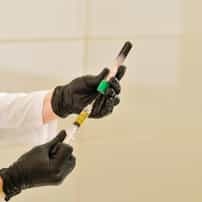
How Many PRP Sessions Do You Need for Hair Loss?
Most patients require an initial series of 3 to 4 PRP sessions for hair loss, spaced 4 to 6 weeks apart. After this foundational treatment, maintenance sessions are typically recommended every 4 to 6 months to help sustain the results. Dealing with thinning hair can be frustrating, leading many people to seek out modern regenerative treatments. If you are exploring PRP for hair loss in Turkey, you likely have questions about the treatment timeline, how the process unfolds, and what kind of commitment is required. Platelet-Rich Plasma (PRP) therapy utilizes the growth factors found in your own blood to potentially stimulate hair follicles, encourage thicker growth, and slow down excessive shedding. Because hair grows in distinct cycles, a single treatment is rarely enough to produce visible changes. Understanding the structured timeline of multiple sessions helps manage expectations and allows you to plan your trips effectively. Below, we explore the typical session requirements, maintenance needs, and variables that might affect your personal treatment plan. Key Takeaways A standard initial protocol consists of 3 to 4 sessions spaced roughly a month apart. Maintenance treatments are usually needed once or twice a year to preserve improvements. PRP is most effective for individuals in the early stages of hair thinning with active follicles. Results are not immediate; visible improvements typically appear 3 to 6 months after the first round. Individual health factors, genetics, and platelet quality influence the total number of visits required. 1. How long does a standard PRP treatment plan take to complete? A typical foundational PRP treatment plan takes about three to four months to complete, as it usually involves three to four separate sessions spaced four to six weeks apart. The human hair growth cycle is complex, consisting of growth, transition, and resting phases. Because follicles are not all in the same phase at the same time, spacing the injections over several months ensures that a larger percentage of follicles receives the growth factors when they are most receptive. Injecting the plasma too frequently does not necessarily speed up the results and may just lead to unnecessary discomfort. During the first few months of this schedule, your provider will monitor how your scalp is responding. The initial goal is usually to halt excessive shedding before noticeable thickening begins. Patients traveling abroad for care must plan for either an extended stay or multiple short trips to fulfill this foundational timeline. Treatment Phase Session Number Typical Timing Foundational Session 1 Initial visit (Month 0) Foundational Session 2 4-6 weeks after Session 1 Foundational Session 3 4-6 weeks after Session 2 Maintenance Follow-ups Every 4-6 months thereafter 2. Who is a suitable candidate for PRP hair therapy in Turkey? Ideal candidates are individuals in the early stages of hair thinning or those experiencing androgenetic alopecia who still have functioning hair follicles on their scalp. Not everyone experiencing hair loss will benefit equally from this procedure. The treatment relies heavily on stimulating existing follicles. If an area of the scalp has been completely bald for years, the follicles there have likely shrunk and become dormant. In these cases, concentrated platelets cannot bring dead follicles back to life, and a hair transplant might be a more appropriate recommendation. Additionally, medical history plays a crucial role in candidacy. Your doctor will likely review your overall health to ensure the treatment is safe and worthwhile. Conditions that might limit eligibility include: Active scalp infections or severe skin diseases. Underlying blood disorders or platelet dysfunction syndromes. Heavy smoking, which can restrict blood flow and degrade platelet quality. The use of blood-thinning medications that cannot be temporarily paused. Hair loss caused by certain medications, like chemotherapy, where PRP is usually ineffective. 3. How long after your PRP sessions will you see visible results? Most patients begin to notice a reduction in hair shedding and potential improvements in hair thickness approximately three to six months after completing their initial round of sessions. Patience is heavily required when undergoing any hair restoration therapy. Hair naturally grows at a rate of roughly half an inch per month. Because the injected plasma works at the cellular level to prolong the active growth (anagen) phase of the follicle, the physical manifestation of that cellular change takes time to become visible to the naked eye. Often, the first sign that the therapy is working is a decrease in daily hair shedding. You might notice fewer hairs on your pillow or in the shower drain after the second or third session. Increased hair density and improved shaft thickness usually follow in the subsequent months. It is highly recommended to take standardized photographs before starting the process so you and your clinician can objectively evaluate the gradual changes. 4. Do you need ongoing maintenance sessions for PRP hair treatment? Yes, because PRP does not cure the underlying genetic causes of hair loss, patients typically need one or two maintenance sessions per year to help sustain the initial improvements. While the growth factors in the plasma stimulate the follicles, they do not alter your genetics. If you suffer from male or female pattern baldness (androgenetic alopecia), your body will continue to produce the hormones that trigger follicle miniaturization over time. Without continued support, the positive effects of the initial treatments will gradually fade, and the hair thinning will resume its natural course. The frequency of maintenance visits depends heavily on how aggressive your hair loss is and how your body metabolizes the treatment. Some patients find that a single booster shot every six to eight months keeps their hair looking dense. Others may require a visit every four months. Your provider will help you establish a long-term schedule based on your clinical follow-ups. 5. What factors can affect the number of PRP sessions you need? The total number of sessions depends on the severity of your hair loss, your age, your genetic profile, and how well your individual hair follicles respond to the concentrated platelets. Because the therapy relies entirely on your body's own biological material, outcomes are highly individualized. The concentration of platelets and the specific growth factors present in your blood vary from person to person. A younger patient with minor thinning might achieve their desired outcome after just three sessions, while an older patient with more advanced thinning might require five or six initial sessions to see similar progress. Lifestyle factors also play a significant part in the efficacy of the sessions. A diet rich in nutrients, adequate hydration, and a healthy cardiovascular system can improve the quality of your blood plasma. Conversely, high stress levels, poor sleep, and nutritional deficiencies can hinder the body's ability to repair and grow new tissue, potentially necessitating a longer treatment protocol. 6. Can you combine PRP sessions with hair transplants in Turkey? Many surgeons recommend integrating PRP therapy alongside a hair transplant to potentially encourage faster healing and support the survival rate of the newly implanted grafts. In many modern clinics, these two therapies are viewed as highly complementary. A hair transplant physically moves healthy follicles to thinning areas, while the plasma injections provide a biological boost to the surrounding tissue. Surgeons often administer the first plasma injection directly into the scalp during the transplant surgery itself. Following the surgery, patients are frequently advised to undergo a series of follow-up sessions over the next few months. This post-operative care may help reduce the severity of "shock loss"—the temporary shedding of native hair that often occurs after the trauma of surgery. Combining the therapies can offer a more comprehensive approach to scalp coverage, though it does add to the overall time and financial commitment. 7. What is the typical PRP for hair loss cost in Turkey? The estimated cost of PRP therapy depends on the number of sessions required, the technology used to prepare the plasma, and the geographic location and reputation of the facility. Many international patients choose to travel for this procedure because the multi-session structure can become quite expensive in North America or Western Europe. In specialized medical hubs, providers often bundle the foundational three or four sessions into a comprehensive package, which can lower the per-session cost significantly compared to paying for each visit individually. When evaluating costs, you should clarify exactly what is included in the quoted price. Some clinics use specialized centrifuge kits that yield a much higher concentration of platelets, which may cost slightly more but could potentially improve the clinical outcome. Always remember that extremely low prices may reflect the use of basic laboratory equipment rather than specialized medical-grade preparation kits. 8. How should you prepare for your PRP for hair loss clinic in Turkey? Prior to your session, you should hydrate well, eat a nutritious meal, and avoid anti-inflammatory medications or supplements that could thin your blood or affect platelet function. Preparation begins a few days before you step foot in the facility. Because the procedure relies on drawing your blood, arriving well-hydrated makes the blood draw easier and can improve the volume of plasma collected. Eating a balanced meal beforehand helps prevent the lightheadedness that some people experience during blood draws. Your doctor will provide specific guidelines regarding medications. You will typically be asked to pause non-steroidal anti-inflammatory drugs (NSAIDs) like ibuprofen, as they can interfere with normal platelet function and suppress the inflammatory response that the treatment intentionally triggers to promote healing. You should also restrict alcohol and nicotine consumption in the days leading up to your visit, as both can negatively impact blood circulation. 9. Are there any risks or side effects between PRP sessions? PRP is generally well-tolerated since it uses your own blood, but patients may experience temporary mild swelling, redness, or tenderness at the injection sites for a few days. Because the material being injected is autologous (derived from your own body), the risk of an allergic reaction or rejection is incredibly low. This makes it an attractive option for individuals who prefer to avoid synthetic chemicals or who have experienced adverse reactions to topical medications in the past. However, any procedure involving needles carries some minor inherent risks. Common side effects observed between sessions include pinpoint bleeding immediately after the injections, slight bruising, or a mild headache that usually resolves within a day. A very rare risk is localized infection at the injection site. To mitigate this, treatments should always be performed in a sterile clinical environment by a trained medical professional using strict hygiene protocols. 10. What does the recovery look like after each PRP session? Recovery from a PRP session is usually minimal, allowing most patients to resume normal daily activities immediately, though vigorous exercise and hair washing should be avoided for 24 hours. The downtime is one of the most appealing aspects of this therapy. You can typically walk out of the clinic and continue your day with very few restrictions. If you are traveling, you are usually clear to enjoy sightseeing or even fly home the very next day. The scalp may feel slightly tight or numb if a local anesthetic was used, but this fades quickly. To protect the injected plasma and avoid introducing bacteria to the tiny puncture wounds, you will be advised not to touch, rub, or massage your scalp for the rest of the day. Hot showers, saunas, heavy sweating, and the application of styling products or harsh shampoos should be paused for at least 24 to 48 hours. After this brief window, you can resume your regular hair care routine until your next scheduled session. Why Choose PlacidWay for Medical Tourism in Turkey? Navigating the options for medical tourism in Turkey can feel overwhelming due to the sheer number of facilities available. PlacidWay serves as a comprehensive platform to help you make informed healthcare decisions abroad. Extensive Global Directory: PlacidWay offers access to a large network of international healthcare providers, allowing you to view clinics side-by-side. Educational Resources: The platform provides detailed articles and guides to help patients understand different procedures and what to expect. Direct Communication: Patients can use the system to send inquiries directly to clinics, facilitating clear and straightforward communication. Provider Transparency: Clinic profiles display available information regarding doctor credentials, facility certifications, and spoken languages. Comparison Tools: You can easily compare treatment approaches and estimated costs across various international destinations. Frequently Asked Questions Is the PRP injection process painful? Most patients report only mild discomfort during the injections. Clinics often apply a topical numbing cream to the scalp prior to the procedure to minimize any pain. Can female patients receive PRP for hair thinning in Turkey? Yes, women experiencing hair thinning, particularly female pattern hair loss, are often suitable candidates for PRP therapy, as it can help stimulate dormant follicles regardless of gender. Will health insurance cover my PRP sessions abroad? PRP for hair loss is typically considered a cosmetic procedure. Therefore, standard health insurance plans rarely cover the costs, whether performed domestically or internationally. How exactly is the plasma prepared during the appointment? A standard blood draw is taken from your arm. The blood is then placed into a centrifuge, which spins at high speeds to separate the platelet-rich plasma from the red and white blood cells. Is it safe to fly immediately after a scalp PRP session? Yes, flying is generally safe after a PRP session. However, you should stay hydrated, avoid touching your scalp, and follow any specific travel guidelines provided by your clinician. Will platelet-rich plasma work on completely bald areas? PRP relies on stimulating existing, active hair follicles. It is usually ineffective on completely bald areas where the follicles are entirely dormant or scarred. How long do you spend in the clinic for one session? A single session usually takes about 45 to 60 minutes from start to finish. This includes the blood draw, centrifugation process, and the scalp injections. Are there specific age limits for receiving this treatment? While there is no strict upper age limit, the treatment tends to be most effective for adults in the earlier stages of hair loss. A medical evaluation is necessary to determine individual suitability. Can I continue using topical minoxidil between appointments? Many providers encourage the continued use of topical treatments like minoxidil to support hair growth, but you should confirm the exact restart timeline with your treating professional. What happens if I delay my scheduled maintenance session? Delaying a maintenance session may cause the supportive effects of the plasma to diminish. You might experience a temporary increase in hair shedding until your next treatment. Compare Treatment Options Discover more about international hair restoration therapies, read clinic profiles, and gather the information you need to make an informed decision. Request Treatment Information References Thinning hair and hair loss: Could PRP help? – American Academy of Dermatology (AAD) Platelet-Rich Plasma (PRP) – International Society of Hair Restoration Surgery (ISHRS) Platelet-Rich Plasma in Androgenic Alopecia: Myth or an Effective Tool – National Center for Biotechnology Information Hair loss - Diagnosis and treatment – Mayo Clinic Platelet-Rich Plasma (PRP) – Cleveland Clinic The effect of platelet-rich plasma in hair regrowth: a randomized placebo-controlled trial – PubMed Platelet-Rich Plasma for Treating Androgenetic Alopecia: A Systematic Review – PubMed Medical Disclaimer: The information provided in this article is for educational and informational purposes only and does not constitute medical advice. Hair restoration outcomes vary significantly based on individual health, genetics, and adherence to aftercare protocols. PRP therapy is not guaranteed to be effective for everyone and carries potential risks. Always consult with a qualified, board-certified healthcare professional to determine if a specific treatment is safe and appropriate for your individual medical history....
Read more details
Which Dental Crown Material Is Best in Costa Rica: Zirconia, E-max or PFM?
The ideal dental crown material depends on your clinical needs. E-max provides outstanding aesthetics for front teeth, Zirconia offers maximum durability for heavy-chewing back teeth, and PFM remains a reliable, balanced option. Restoring a damaged tooth often requires placing a protective cap over it to restore its shape, strength, and function. When planning to get dental crowns in Costa Rica, one of the most critical decisions you and your dentist will make is selecting the right material. The options can seem overwhelming, with modern dentistry offering a variety of ceramics, metals, and hybrid combinations. Because every patient has unique oral health needs, bite forces, and aesthetic goals, there is no single "best" material for everyone. Choosing between Zirconia, E-max (lithium disilicate), and Porcelain-Fused-to-Metal (PFM) involves weighing the pros and cons of each in relation to which tooth needs repairing. Understanding these materials can help you have a more informed conversation with your chosen provider during your restorative dental journey. Key Takeaways Zirconia is highly valued for its exceptional strength and durability, making it an excellent choice for molars. E-max mimics the translucency of natural enamel, making it a popular recommendation for highly visible front teeth. PFM offers a traditional balance of a strong metal core and a tooth-colored exterior, though aesthetics may decline over time. Material selection should always be guided by a dental professional based on your bite force, tooth location, and oral health. Local follow-up care is essential to ensure the longevity of any dental restoration received abroad. What are the main differences between Zirconia, E-max, and PFM crowns? Each material offers distinct advantages: Zirconia is known for extreme strength, E-max for highly natural aesthetic translucency, and PFM for combining a durable metal base with a tooth-colored exterior. To make an informed choice, it helps to understand what these materials are made of and how they behave in the mouth. Zirconia is a type of crystal (zirconium dioxide) that is exceptionally hard and resistant to wear. It is milled directly from a solid block, making it less prone to chipping or cracking. E-max, on the other hand, is a brand name for lithium disilicate glass-ceramic. It is slightly less robust than Zirconia but offers superior light-transmitting properties, allowing it to blend seamlessly with natural teeth. Porcelain-Fused-to-Metal (PFM) is a hybrid approach. It features a metal alloy thimble that fits over the tooth, which is then layered with tooth-colored porcelain. While the metal provides structural integrity, the porcelain layer can sometimes chip, and the metal base can occasionally show through as a dark shadow near the gums. Material Primary Advantage Primary Drawback Best Suited For Zirconia Maximum strength and fracture resistance Can be slightly opaque compared to natural teeth Molars and patients who clench/grind E-max Excellent, natural-looking translucency Not as strong as Zirconia; can fracture under heavy force Incisors, canines, and visible front teeth PFM Reliable strength with tooth-colored appearance Metal margin may become visible over time Posterior teeth, cost-conscious restorations Is Zirconia the most durable crown material available? Zirconia is widely considered one of the strongest and most durable non-metal crown materials used in modern restorative dentistry. Because it is incredibly resistant to biting forces, Zirconia is frequently the material of choice for restoring posterior teeth (back molars) which do the heavy lifting when you chew. In its monolithic form (solid Zirconia without a porcelain overlay), it is highly resistant to chipping, making it an excellent option for patients who suffer from bruxism (teeth grinding). However, durability does not mean indestructible. While the crown itself may not break easily, improper placement or an unpolished surface can cause excessive wear on the opposing natural teeth. A skilled dentist will ensure the Zirconia crown is perfectly shaped and polished to prevent this. Furthermore, layered Zirconia—where porcelain is baked onto a Zirconia core to improve aesthetics—can be prone to porcelain chipping, similar to a PFM crown. Why might a dentist recommend E-max crowns for front teeth? E-max crowns are often recommended for visible front teeth because their lithium disilicate ceramic composition closely replicates the natural light-reflecting qualities of human enamel. When you smile, light passes partially through your natural front teeth, giving them a lifelike, slightly translucent appearance. Many dental materials, including metal and certain types of Zirconia, block light completely, resulting in a flat or opaque look. E-max crowns excel in aesthetic zones because they mimic natural translucency beautifully. While E-max is strong enough for biting into food with front teeth (incisors and canines), it typically does not possess the sheer compressive strength of Zirconia. Therefore, dentists may caution against using E-max for second or third molars, especially in patients with a heavy bite. For the front of the mouth, however, E-max is often the preferred choice for those seeking cosmetic excellence. Important Consideration Regardless of how aesthetically pleasing a material is, the skill of the dental lab technician creating the crown plays a massive role in the final result. Shaping, color-matching, and texturing are artistic processes that bring a ceramic tooth to life. Are PFM crowns still a viable option for dental tourists? Yes, Porcelain-Fused-to-Metal (PFM) crowns remain a reliable, time-tested, and cost-effective choice for many patients, particularly for restoring back teeth. Before the widespread adoption of modern ceramics, PFM was the gold standard for blending strength with a tooth-colored appearance. The metal substructure provides excellent support, allowing PFM crowns to withstand significant chewing forces over many years. They are still widely used globally and have a very long track record of clinical success. The main drawbacks of PFM crowns are mostly aesthetic. To mask the dark metal core, a layer of opaque porcelain must be used, which can make the tooth look slightly chalky or dull compared to E-max. Furthermore, as gums naturally recede with age, the metal rim of the crown can become exposed, leaving a dark line near the gumline. For patients prioritizing budget and strength over perfect aesthetics, PFM remains a highly viable option. How does the dental crown cost in Costa Rica vary by material? The dental crown cost in Costa Rica varies based on the chosen material, with PFM typically being the most affordable, followed by Zirconia, while E-max often sits at the higher end of the spectrum. Patients exploring medical tourism in Costa Rica often do so because the cost of dental treatments can be notably lower than in the United States or Canada. However, pricing is never uniform. It depends on the clinic's location, the technology used, and the specific material selected. Generally, PFM crowns require less advanced milling technology, contributing to a lower estimated cost. Zirconia and E-max crowns often rely on sophisticated CAD/CAM (Computer-Aided Design and Computer-Aided Manufacturing) technology and high-quality raw materials, which can increase the price. It is important to request a detailed estimate from your chosen clinic that clearly outlines the material costs, preparation fees, and any necessary temporary crowns. How long does the crown procedure take at a dental clinic in Costa Rica? Getting a traditional dental crown typically takes a few days to a week, generally requiring at least two visits to your dental clinic in Costa Rica. During the first appointment, the dentist will numb the area, reshape the tooth by shaving down the enamel to make room for the cap, and take impressions (either traditional molds or digital scans). A temporary crown is usually placed over the prepared tooth to protect it while the permanent restoration is being fabricated in a dental laboratory. A few days later, once the laboratory has crafted the permanent crown, you will return for the second visit. The dentist will remove the temporary crown, check the fit, color, and bite alignment of the new permanent crown, and then securely cement it into place. This timeline requires patients traveling abroad to plan their trip duration carefully, often staying in the country for 5 to 8 days. Can I get same-day crowns during my medical tourism trip? Many modern clinics offer same-day crowns using CAD/CAM technology, which allows them to digitally scan, mill, and place ceramic or Zirconia crowns in a single visit. Systems like CEREC (Chairside Economical Restoration of Esthetic Ceramics) have revolutionized restorative dentistry. Instead of sending impressions to an off-site laboratory, the dentist uses a digital wand to take a 3D image of the prepared tooth. This image is sent to an in-house milling machine that carves the crown out of a solid block of ceramic or Zirconia right before your eyes. While same-day crowns offer incredible convenience for travelers—eliminating the need for a temporary crown and a second visit—they are not suitable for every situation. Highly complex cases, severe bite realignments, or specific material requirements (like PFM) may still necessitate traditional laboratory fabrication. You should confirm with the clinic beforehand if same-day technology is appropriate for your specific clinical needs. What should I consider before choosing a material for my dental crowns? Your choice should depend on the tooth's location in your mouth, your bite force, aesthetic expectations, budget, and the clinical recommendations of a qualified dental professional. Attempting to self-diagnose and demand a specific material can lead to suboptimal outcomes. A thorough examination by a dentist, including X-rays and bite analysis, is crucial. If you have a history of breaking teeth or restorations, your dentist may advise against E-max on a molar, even if you prefer its appearance. Additionally, if you have metal allergies, you must communicate this clearly. While high-noble alloys (containing gold or platinum) are generally well-tolerated, some PFM crowns utilize base metals (like nickel or beryllium) that can cause allergic reactions in sensitive individuals. In such cases, all-ceramic or Zirconia crowns are often recommended as biocompatible alternatives. What are the potential risks of getting dental crowns abroad? As with any dental procedure, risks include infection, tooth sensitivity, improper fit, or nerve damage, which can be complicated by the logistics of receiving care far from home. Medical treatments carry inherent risks regardless of location. The preparation of a tooth for a crown can sometimes traumatize the underlying nerve, leading to pulpitis (inflammation of the pulp). If this occurs, a root canal may be necessary down the road. Furthermore, if a crown does not fit perfectly, it can alter your bite, cause jaw pain, or allow bacteria to seep underneath, leading to decay. The unique challenge of receiving care abroad is follow-up. If a complication arises weeks or months after you have returned home, you will likely need to seek care from a local dentist. Local providers can adjust bites or re-cement crowns, but they may charge standard local rates for these interventions, which should be factored into your overall risk assessment. How do I care for and maintain my new dental crowns once I return home? Maintaining your crowns requires the same diligent oral hygiene as natural teeth, including brushing twice daily, flossing gently, and visiting your local dentist for regular cleanings. While the crown material itself cannot decay, the natural tooth structure underneath it absolutely can. Decay often starts at the margin where the crown meets the tooth root if plaque is allowed to accumulate. Therefore, meticulous flossing and brushing are non-negotiable for the long-term success of the restoration. To prevent fracturing your crowns (especially E-max or the porcelain on a PFM crown), you should avoid biting into excessively hard objects, such as ice, hard candies, or using your teeth as tools to open packaging. If you are known to grind your teeth at night, ask your local dentist to fit you for a custom nightguard. A nightguard can significantly extend the lifespan of both your new crowns and your natural teeth by distributing pressure and preventing physical wear. Why Choose PlacidWay for Medical Tourism? Navigating healthcare options abroad can be complex. PlacidWay offers a platform designed to help patients research and compare their options globally. Extensive Network: Connects patients with internationally accredited dental and medical facilities around the world. Detailed Information: Provides access to comprehensive clinic profiles, including dentist credentials and facility capabilities. Educational Resources: Offers objective, educational materials to help patients understand various procedures and treatments. Direct Communication: Facilitates direct communication lines between patients and international clinics for clear consultations. Comparison Tools: Helps patients compare estimated treatment costs, available materials, and clinic specialties to make informed decisions. Frequently Asked Questions How long do Zirconia crowns typically last? With proper oral hygiene and regular dental check-ups, Zirconia crowns can typically last 10 to 15 years, and sometimes longer. Their lifespan depends heavily on your biting habits and how well you maintain them. Can E-max crowns stain over time? E-max crowns are highly resistant to staining compared to natural tooth enamel. However, the dental cement used or the edges of the crown can sometimes accumulate plaque or surface stains if not cleaned properly. Will the metal base of a PFM crown show? Over time, if your gums recede, the metal substructure of a Porcelain-Fused-to-Metal (PFM) crown may become visible as a dark line near the gumline. This is a primary reason patients sometimes choose all-ceramic options for front teeth. Is the dental crown procedure painful? The procedure is typically performed under local anesthesia, so you should not feel pain while the tooth is being prepared. You may experience some mild sensitivity or soreness in the gums for a few days after the anesthesia wears off. Do I need a root canal before getting a crown in Costa Rica? Not necessarily. A root canal is only required if the tooth's pulp (nerve) is infected, inflamed, or damaged. Many teeth receive crowns for structural support without needing root canal therapy. How soon can I eat after my new crown is cemented? Dentists usually recommend waiting at least an hour before eating to allow the permanent cement to fully set. It is also advisable to avoid sticky or overly hard foods for the first 24 hours. What happens if my temporary crown falls out while I am traveling? If a temporary crown falls out, you should contact your clinic immediately. Many pharmacies sell over-the-counter temporary dental cement that you can use to gently place it back on until you can see your dentist. Can a dental clinic in Costa Rica replace my old, worn-out crowns? Yes, clinics frequently replace old, damaged, or aesthetically displeasing crowns. The dentist will remove the old crown, assess the underlying tooth structure, and take new impressions for the replacement. How does bruxism affect my choice of crown material? If you grind or clench your teeth (bruxism), your dentist will likely recommend a highly durable material like Zirconia for back teeth, as it is less prone to chipping or fracturing under extreme pressure than E-max. Will my local dentist be able to adjust my Costa Rican crown if needed? Yes, a licensed local dentist can typically perform minor bite adjustments on crowns placed abroad. However, they may not be able to honor any warranties provided by your overseas clinic. Compare Treatment Options If you are considering dental crowns and want to explore clinic options, materials, and estimated costs, request more information today. Request Treatment Information References Crowns – American Dental Association (MouthHealthy) Dental Crowns: Purpose, Procedure, Complications, Care – Cleveland Clinic Zirconia in Dentistry: A Review – National Center for Biotechnology Information (NCBI) Bruxism (Teeth Grinding) Diagnosis and Treatment – Mayo Clinic Dental Crowns: What Are They, Types, Procedure & Care – WebMD Clinical Evaluation of Lithium Disilicate (E-max) Crowns – National Center for Biotechnology Information (NCBI) Medical Disclaimer: The information provided in this article is for educational and informational purposes only and does not constitute medical or dental advice. Individual suitability for dental materials varies based on personal oral health, medical history, and clinical evaluation. Outcomes, risks, and longevity of dental crowns are not guaranteed and depend heavily on individual factors and aftercare. Always consult with a licensed, qualified dental professional for a personalized assessment before undergoing any dental procedure or traveling for medical care....
Read more details
Which Is Better in Turkey: LASIK, SMILE or PRK?
No single procedure is "better" for everyone. LASIK offers rapid recovery, SMILE suits higher myopia and dry eyes, and PRK is often safer for thin corneas. The best option depends entirely on your specific eye anatomy and prescription. If you are tired of relying on glasses or contact lenses, you are likely exploring options for vision correction. Choosing to undergo LASIK, SMILE, or PRK in Turkey involves understanding the unique benefits and limitations of each technique. Every year, thousands of international patients combine advanced medical care with travel by opting for vision correction abroad. However, selecting the right surgical method requires a careful evaluation of your eye health, corneal thickness, and lifestyle needs. While all three procedures use advanced laser technology to reshape the cornea and improve how light focuses on the retina, their surgical approaches differ significantly. Below, we explore how these treatments compare, helping you have a more informed conversation with a qualified ophthalmologist. Key Takeaways LASIK offers fast visual recovery and effectively treats a wide range of refractive errors. SMILE is a minimally invasive, flapless option frequently recommended for patients prone to dry eyes. PRK avoids flap creation entirely, making it a viable alternative for individuals with thinner corneas. Estimated procedure costs in Turkey are often more affordable than in North America or Western Europe. Only a comprehensive eye exam with an ophthalmologist can determine your specific medical eligibility. What are the main differences between LASIK, SMILE, and PRK? LASIK creates a corneal flap to access underlying tissue, SMILE uses a tiny keyhole incision to remove a precise layer of tissue, and PRK removes the outer corneal layer completely before reshaping the eye. The primary distinction among these three popular procedures lies in how the surgeon accesses the stroma, the middle layer of the cornea. During LASIK (Laser-Assisted In Situ Keratomileusis), a surgeon uses a femtosecond laser to create a hinged flap on the surface of the eye. This flap is lifted, an excimer laser reshapes the tissue underneath, and the flap is gently placed back to heal. SMILE (Small Incision Lenticule Extraction) is newer and relies solely on a femtosecond laser. Instead of a flap, the laser creates a small disc of tissue (a lenticule) inside the cornea, which the surgeon then extracts through a very small incision. PRK (Photorefractive Keratectomy), the oldest of the three, involves gently brushing away the entire outer layer of the cornea (epithelium) before the excimer laser does its work. The epithelium then naturally grows back over several days. How much does laser eye surgery cost in Turkey? The estimated laser eye surgery cost in Turkey typically ranges from $1,200 to $2,800 for both eyes, depending on the specific procedure, the technology utilized, and the clinic's location. Cost is a major factor driving international patients to seek treatment abroad. Generally, PRK and standard LASIK are at the lower end of this pricing spectrum, while SMILE—which requires highly specialized, expensive laser equipment—tends to sit at the higher end. Even at the higher end, these estimates are frequently lower than out-of-pocket expenses in countries like the United States or the United Kingdom. It is crucial to remember that prices vary widely based on individual needs. When requesting quotes, ask clinics if their estimates include pre-operative screenings, post-operative medications, and follow-up consultations. Some facilities offer packages specifically tailored for international visitors, though travel and accommodation should be budgeted separately. Who is the best candidate for LASIK in Turkey? Ideal candidates for LASIK have a stable vision prescription, healthy eyes, adequate corneal thickness to safely support a flap, and do not suffer from severe chronic dry eye. LASIK is incredibly versatile and can correct nearsightedness, farsightedness, and astigmatism. Because it provides rapid visual recovery with minimal post-operative discomfort, it remains the most commonly performed refractive surgery worldwide. To be eligible, your prescription must typically have remained stable for at least one to two years. During a comprehensive pre-operative exam, your ophthalmologist will measure your corneal thickness using corneal topography. Because creating a flap requires a certain amount of tissue depth, individuals with naturally thin corneas may not be suitable candidates for LASIK, as it could compromise the structural integrity of the eye over time. When might a surgeon recommend SMILE over LASIK? SMILE is often recommended for patients who have higher degrees of nearsightedness, lead active lifestyles involving contact sports, or are predisposed to dry eye symptoms. Because SMILE does not involve creating a large corneal flap, more corneal nerves remain intact during the procedure. Severing fewer nerves typically results in a lower risk of post-operative dry eye, making SMILE an attractive alternative for patients who already experience mild dryness or work in environments that exacerbate dry eyes. Additionally, the absence of a flap eliminates the risk of flap-related complications later in life. This makes SMILE a preferred option for military personnel, martial artists, and anyone whose activities carry a higher risk of physical trauma to the eye. It is important to note that SMILE is primarily used to treat myopia and astigmatism; patients with hyperopia (farsightedness) may need to look toward LASIK or PRK. Why would someone choose PRK instead of LASIK or SMILE? PRK is highly beneficial for patients who have unusually thin corneas, slightly irregular corneal surfaces, or specific occupational hazards where a corneal flap would be unsafe. Before LASIK and SMILE existed, PRK was the gold standard. It remains highly relevant today for patients who do not qualify for the newer procedures. By removing the surface epithelium completely, the surgeon preserves more of the deeper corneal tissue for the laser reshaping process. This makes it safer for eyes that cannot afford the tissue loss required by a flap. While the visual outcomes of PRK are comparable to those of LASIK and SMILE, the journey to clear vision is different. Because the outer layer of the eye must regenerate naturally, the initial healing period is longer and typically more uncomfortable. However, for many patients, this temporary inconvenience is a worthwhile trade-off for safely achieving clear vision. Important Consideration Do not base your decision solely on online research. Certain medical conditions, such as autoimmune diseases, uncontrolled diabetes, or glaucoma, may contraindicate laser vision correction altogether. Always undergo a professional evaluation. How does the recovery time compare for these three procedures? LASIK and SMILE usually offer rapid visual recovery within 24 to 48 hours. In contrast, PRK recovery is more gradual, often taking one to two weeks for initial visual clarity. With LASIK and SMILE, many patients notice improved vision almost immediately, and they can typically return to work and light activities within a day or two. You may experience minor scratchiness, light sensitivity, or watering during the first few hours, but these symptoms usually subside quickly. The healing process is quite fast because the surface of the eye remains largely intact. PRK requires a different timeline. After the procedure, the surgeon places a soft bandage contact lens over the eye to protect it while the epithelial cells regenerate over 3 to 5 days. During this time, patients often experience noticeable discomfort, light sensitivity, and blurry vision. Full visual stabilization for PRK can take a few months, requiring patience from the patient. What are the potential risks of laser eye surgery? Common risks include temporary dry eye, glare, or halos at night. Rare complications include infection, under- or over-correction requiring an enhancement, and flap issues with LASIK. No surgical procedure is without risk, and vision correction is no exception. The most common side effect across all three methods is dry eyes, which can persist for weeks or months and is usually managed with artificial tears. Visual disturbances, such as seeing halos around headlights at night, are also common during the initial healing phase but typically resolve over time. Rare but serious complications can include corneal ectasia (a weakening and bulging of the cornea) or infections. With LASIK, there is a small risk that the flap could shift or develop microscopic wrinkles (striae) that may require surgical smoothing. This underscores why choosing an experienced medical team and undergoing rigorous pre-operative testing is essential to minimize risks. How do I choose the right eye surgery clinic in Turkey? When looking for a laser eye surgery clinic in Turkey, prioritize facilities with recognized international accreditations, highly experienced ophthalmologists, and strict hygiene protocols. With many facilities catering to international patients, thorough research is necessary. Look for clinics that hold accreditations from bodies like the Joint Commission International (JCI), which signifies adherence to global healthcare standards. Review the credentials of the ophthalmologists—check where they trained, their specific experience with the procedure you are considering, and whether they are active in professional ophthalmological societies. A reputable clinic will never pressure you into surgery. They should provide a transparent explanation of the risks, a comprehensive screening process to ensure you are a suitable candidate, and a clear breakdown of costs. Pay attention to the technology they use; modern, well-maintained femtosecond and excimer lasers contribute significantly to surgical precision. Is it safe to travel for medical tourism in Turkey after eye surgery? Participating in medical tourism in Turkey for eye surgery can be safe, provided you follow your surgeon's specific post-operative rules regarding flying, hygiene, and local activities. Traveling after eye surgery requires extra care. The dry, recirculated air inside an airplane cabin can severely irritate newly operated eyes, so you must use prescribed lubricating drops frequently during your flight home. Surgeons typically recommend waiting a few days after surgery before flying to allow the initial healing phase to begin and to attend crucial early follow-up appointments. While recovering in Turkey, it is important to avoid environments that could introduce bacteria to your healing eyes. This means avoiding swimming pools, hot tubs, and the sea, as well as steering clear of dusty or smoky areas. Once you return to your home country, you should schedule a follow-up appointment with a local eye care professional to monitor your long-term healing. Why Choose PlacidWay for Medical Tourism in Turkey? Navigating healthcare options abroad can be overwhelming. PlacidWay acts as a medical tourism resource, helping patients explore treatment possibilities globally. Here is how they assist individuals seeking healthcare in Turkey: Broad Network: Connects patients with a wide directory of international medical centers and hospitals. Information Access: Provides educational resources regarding various treatment methods and estimated international costs. Facilitated Communication: Helps establish initial contact between patients and healthcare providers abroad. Transparency: Offers a platform where patients can review the credentials, specialties, and accreditations of different facilities. Decision Support: Assists patients in gathering the information they need to make informed choices about their healthcare journey. Frequently Asked Questions Can I have LASIK, SMILE, or PRK on both eyes on the same day in Turkey? Yes, ophthalmologists in Turkey typically perform laser vision correction on both eyes during the same surgical appointment, provided you are a suitable candidate and there are no contraindications. Are the results of laser eye surgery permanent? The physical reshaping of the cornea is permanent. However, your eyes can still undergo natural age-related changes, such as presbyopia (difficulty seeing close objects as you age) or cataract formation later in life. Will I experience pain during the laser eye surgery procedure? The procedure itself is typically not painful. Surgeons use numbing eye drops before the surgery begins. You may feel some mild pressure or discomfort, particularly during the creation of a flap in LASIK, but acute pain is rare. How long do I need to stay in Turkey for laser eye surgery? Patients are usually advised to stay in Turkey for about 4 to 7 days. This allows time for the initial preoperative consultation, the surgery, and the crucial early follow-up appointments before flying home. Is SMILE surgery available for farsightedness (hyperopia)? Historically, SMILE was only approved for myopia (nearsightedness) and astigmatism. While new applications are being developed and tested for hyperopia, LASIK and PRK remain the more common choices for farsighted patients at this time. Can I wear makeup after having laser eye surgery? Surgeons generally advise against wearing eye makeup (such as mascara or eyeliner) for at least one to two weeks following surgery. This precaution helps prevent infection and keeps debris out of the healing eye. Does insurance cover laser eye surgery in Turkey? Because laser eye surgery is almost always considered an elective procedure, most standard health insurance plans do not cover the cost, whether performed locally or in Turkey. Patients typically pay out of pocket. What happens if I blink during the laser procedure? You do not need to worry about blinking. The surgeon uses a small, gentle device called an eyelid speculum to keep your eye open safely. Modern lasers also feature advanced eye-tracking technology that adjusts to any minor eye movements. Can astigmatism be treated with PRK? Yes, PRK can effectively treat astigmatism along with nearsightedness and farsightedness. The excimer laser smoothly reshapes the irregular curvature of the cornea that causes astigmatism. How soon can I use screens after LASIK or SMILE? Many patients can resume using smartphones, computers, and televisions within 24 to 48 hours after LASIK or SMILE. However, you should take frequent breaks and use lubricating drops, as screens can exacerbate post-operative dry eyes. Compare Treatment Options in Turkey Discover more about clinics, estimated costs, and vision correction availability. Request information to help guide your decision. Request Treatment Information References LASIK — American Academy of Ophthalmology (AAO) Photorefractive Keratectomy (PRK) — American Academy of Ophthalmology (AAO) Small Incision Lenticule Extraction (SMILE) — American Academy of Ophthalmology (AAO) LASIK Basics — U.S. Food and Drug Administration (FDA) LASIK Eye Surgery Overview — Mayo Clinic Refractive Errors — National Eye Institute (NEI) Comparison of SMILE and LASIK — National Center for Biotechnology Information (NCBI) Medical Disclaimer: The information provided in this article is for educational and informational purposes only and does not constitute medical advice. Treatment outcomes, recovery times, risks, and eligibility vary significantly from patient to patient. Estimates of cost and procedure details are subject to change. Always consult with a qualified, board-certified ophthalmologist or healthcare professional before making any medical decisions or pursuing elective surgery abroad....
Read more detailsTable of Contents
- Which Breast Implant Brand Is Better in Korea?
- How Many Days Do You Need in Croatia for Dental Implants, Crowns or Veneers?
- What Hidden Costs Should You Expect With IVF in Mexico?
- How Can You Pay for Bariatric Surgery Without Insurance?
- How Many Trips to Mexico Does All-on-4 Treatment Take?
- What Heart Screening Do You Need Before Ibogaine Treatment?
Unlock the Best Packages Just for You
Discover the ultimate packages designed to meet your health and wellness goals. Choose the perfect fit for your journey.

Price starting from $2,500
IntimiPlasty(TM) Aesthetic Gynecology - Labiaplasty, Vaginoplasty & Vaginal Rejuvenation
Dr. Ashraf Sabry Fertility & OBGYN Clinic in Cairo, Egypt
- Cosmetic/Plastic Surgery
Cairo,Egypt

Price starting from $7,999
All-on-4 in Costa Rica with Final Zirconia | OG Center
OG Center in San Jose, Costa Rica
- Dentistry
San Jose,Costa Rica
Price starting from $9,105
Paquete VIP de trasplante capilar en Monterrey, México, ofrecido por Hair in 1 Day.
Hair in 1 Day - Hair Transplant Clinic in Monterrey
- Hair Transplantation
Monterrey,Mexico

Price starting from $4,458
16 Premium Lava™ Plus 3M Zirconia Dental Crowns Package in Hanoi, Vietnam by WinSmile
WinSmile Dental Clinic Vietnam
- Dentistry
Ho Chi Minh City,Vietnam
Solutions Near You: Explore Top Medical Centers
Discover how is transforming lives at leading medical centers in , . Dive into center profile, specialties, doctors, reviews, etc. and explore the best options tailored to your needs in this region.
Hospital CYNTAR in Tijuana, Mexico
Tijuana,Mexico
CellCenter - Stem Cell Therapy in Bratislava and Malacky, Slovakia
Bratislava,Malacky

Transformative Experiences: Dive into Procedure Insights
Discover the power of through compelling patient experiences. Uncover detailed insights into procedures, recovery journeys, and life-changing results.

Price starting from $400
Dental Veneers in Los Algodones, Mexico
- Dental Veneers,Dentistry
Los Algodones,Mexico

Price starting from $18,995
Breast Cancer Immunotherapy Tijuana, Mexico
- Breast Cancer,Cancer Treatment
Tijuana,Mexico

Price starting from $6,500
IVF with Gender Selection in Tbilisi, Georgia
- IVF with Gender Selection,Fertility Treatment
Tbilisi,Georgia
Price starting from $10,000
Stem Cell Therapy for Parkinson’s Disease in Japan
- Stem Cell Treatment for Parkinsons Disease,Stem Cell Therapy
Japan
Explore : Stories, Testimonials, and Procedures
Watch in-depth videos covering everything from success stories to detailed procedure explanations. Learn what to expect and hear from real patients.

Holding on to Hope for Better Hearing: Stem Cell Therapy for Hearing Loss in Seoul, South Korea
Dr. Kims Stem Cell Clinic in Seoul, South Korea
South Korea

Looking Beyond the Diagnosis: Stem Cell Therapy for Multiple Sclerosis in Seoul, South Korea
Dr. Kims Stem Cell Clinic in Seoul, South Korea
South Korea
Seeking a New Path Beyond Chronic Pain: Stem Cell Therapy for CRPS in Seoul, South Korea
Dr. Kims Stem Cell Clinic in Seoul, South Korea
South Korea
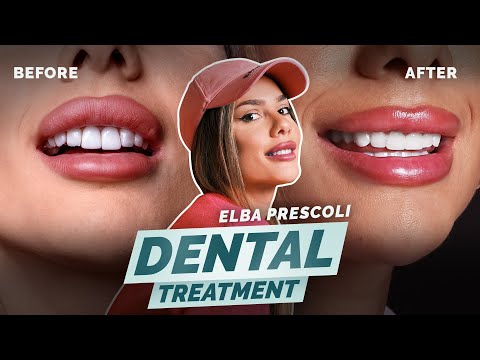
A Smile Worth Sharing: Elba Prescoli's Porcelain Veneers Experience in Istanbul, Turkey
Natural Clinic - Aesthetics, Dental & Hair Clinic in Istanbul
Turkey
Learn More with These Articles
Take a look at these interesting articles, stories and research that will help you learn more about .

Dental Implants from Toronto to Los Algodones, Mexico – Save Big on Quality Dental Care
PlacidWay Medical Tourism
- Dentistry
Mexico
Multiple Sclerosis Treatment in Mexico vs USA - A Comparative Guide to Your Best Options
PlacidWay Medical Tourism
- Stem Cell Therapy
Mexico

Gastric Sleeve vs. Gastric Bypass in Mexico: Which Weight Loss Surgery Is Right for Canadian Patients?
PlacidWay Medical Tourism
- Obesity/Bariatric Surgery
Mexico

How to Get a Facelift in Mexico City Mexico: A Step by Step Guide for New Yorkers
PlacidWay Medical Tourism
- Cosmetic/Plastic Surgery
Mexico








