
What treatment


Most Asked Questions About Medical Treatments Abroad
Read Helpful Answers on Various Treatments Questions
Trusted Medical Tourism Platform Since 2007

PTSD Treatment in Mexico: Where are the Best Ibogaine Centers for Effective Relief
PTSD treatment in Mexico typically includes intensive psychotherapy, medication management, and residential wellness programs. Costs generally range from $4,000 to $12,000 per month, offering a more affordable option for international patients seeking professional psychiatric care in a focused, away-from-home environment. Post-Traumatic Stress Disorder (PTSD) is a complex mental health condition that requires specialized, compassionate, and evidence-based care. For individuals seeking intensive therapy, stepping away from daily triggers can be a crucial part of the healing process. In recent years, many patients have looked beyond their local healthcare systems to explore residential and outpatient programs abroad. Navigating the options for trauma recovery requires careful consideration of facility standards, therapy modalities, and individual medical needs. This guide explores what you can expect when considering treatment south of the border, focusing on clinical standards, estimated expenses, and how to approach recovery safely and responsibly. Key Takeaways Treatment typically combines evidence-based therapies, such as Cognitive Behavioral Therapy (CBT) and EMDR, with holistic recovery practices. Residential programs often estimate costs at roughly 40% to 60% less than equivalent facilities in the US or Canada. Many specialized clinics cater specifically to English-speaking international patients, providing bilingual medical staff. Treatment durations usually range from 14 to 90 days, depending on the severity of symptoms and psychiatric recommendations. Comprehensive aftercare planning and local follow-up are critical for maintaining long-term recovery upon returning home. What exactly does a PTSD treatment program involve? A comprehensive PTSD treatment program involves psychological evaluation, individualized psychotherapy, coping skill development, and sometimes medication management, all delivered in a structured environment. When you enter a reputable clinical program, the process begins with an in-depth psychiatric and medical assessment. This evaluation helps the medical team understand your specific trauma history, identify any co-occurring conditions (such as depression, anxiety, or substance use disorders), and tailor a treatment plan specifically for you. Daily routines in a residential setting are highly structured. Patients typically participate in individual therapy sessions, group counseling, and psychoeducation classes. Evidence-based therapies focus on helping the brain process traumatic memories, reducing hyperarousal, and managing the physical and emotional responses to stress triggers. Additionally, medical staff will review any current psychiatric medications. Depending on your symptoms, a psychiatrist may adjust dosages, introduce new medications to help manage severe anxiety or sleep disturbances, or help you safely taper off medications that are no longer serving you well. How much does a PTSD treatment cost in Mexico? Residential PTSD treatment in Mexico typically costs between $4,000 and $12,000 per month, depending on the facility's amenities, geographical location, and the intensity of clinical care provided. Cost is frequently a primary factor for individuals exploring international healthcare options. In North America, a 30-day stay at a private residential mental health facility can easily range from $15,000 to over $40,000, often placing it out of reach for those without extensive insurance coverage. The lower cost of living, reduced administrative overhead, and different healthcare economics in Mexico allow facilities to offer similar clinical services at a reduced price. However, prices vary widely. A basic clinical setting will fall on the lower end of the spectrum, while luxury facilities offering private suites, gourmet meals, and extensive holistic therapies will be priced at the higher end. Treatment Type (30 Days) Estimated Cost in US/Canada Estimated Cost in Mexico Standard Residential Program $15,000 - $25,000 $4,000 - $7,000 Luxury/Executive Residential $30,000 - $60,000+ $8,000 - $12,000+ Intensive Outpatient (IOP) $3,000 - $8,000 $1,500 - $3,500 Note: The prices listed above are estimates. Actual costs vary based on individualized treatment plans, medication needs, and specific facility fee structures. What types of therapies are available for trauma in Mexico? Facilities generally offer a blend of traditional evidence-based modalities, such as EMDR and CBT, alongside holistic therapies designed to regulate the nervous system. Effective trauma recovery requires a multifaceted approach. Reputable clinics will focus heavily on recognized psychotherapeutic modalities: Eye Movement Desensitization and Reprocessing (EMDR): A highly regarded therapy that helps patients reprocess traumatic memories, reducing their lingering emotional impact. Cognitive Behavioral Therapy (CBT): Focuses on identifying and changing negative thought patterns and behaviors linked to trauma. Dialectical Behavior Therapy (DBT): Often used to teach emotional regulation, distress tolerance, and mindfulness, which are critical for trauma survivors. Somatic Experiencing: A body-focused therapy that helps release trauma energy trapped in the nervous system. Because trauma affects both the mind and the body, many programs also incorporate supplementary approaches such as art therapy, equine therapy, and somatic movement. These should complement, rather than replace, clinical psychological care. How do I choose a reputable PTSD treatment clinic in Mexico? Selecting a trusted clinic requires verifying the credentials of the psychiatric staff, confirming facility accreditations, and ensuring the program employs evidence-based, trauma-informed care. Not all facilities offer the same level of care. When researching options, it is vital to distinguish between a "wellness retreat" and a licensed clinical facility. A true mental health treatment center will be licensed by Mexican health authorities, such as COFEPRIS (Federal Commission for the Protection against Sanitary Risk). Ask prospective clinics direct questions about their staff. You should confirm that therapy is provided by licensed psychologists and that medical care is overseen by board-certified psychiatrists. Request information on staff-to-patient ratios, emergency protocols, and their specific experience in treating complex trauma rather than just general mental health or addiction. Important Consideration Be wary of facilities promising rapid "cures" or heavily promoting experimental therapies without appropriate psychiatric supervision. True trauma recovery is a gradual process that requires professional, evidence-based management. Are mental health facilities in Mexico safe for international patients? Reputable clinics catering to international patients generally maintain high safety standards, secure private environments, and 24/7 medical supervision to ensure patient well-being. Patient safety is a natural concern when traveling abroad for healthcare. High-quality residential centers in popular medical destinations (such as Baja California, Jalisco, or Quintana Roo) are typically located in secure, gated environments designed to provide a peaceful setting for recovery. Clinically, safety means having nurses available around the clock, psychiatric oversight for medication management, and strict protocols for mental health crises. Before committing to a program, verify that the facility has direct partnerships with local hospitals in case of physical medical emergencies. Will language barriers affect my therapy sessions in Mexico? Many private mental health centers focused on international patients employ bilingual or native English-speaking therapists and psychiatrists to ensure clear communication. Psychotherapy relies entirely on nuance, emotional expression, and deep communication. Undertaking trauma therapy with a language barrier would be highly ineffective and potentially frustrating. Fortunately, clinics that specialize in treating Americans and Canadians proactively staff their facilities with fluent English speakers. During your initial consultation, you will likely speak with the intake coordinator or lead therapist. This is an excellent time to gauge their communication skills and ensure you feel comfortable and understood. All medical documents, consent forms, and treatment plans should also be provided in your native language. How long should I stay at a residential trauma center? Most mental health professionals recommend a minimum stay of 28 to 30 days for residential treatment, though intensive outpatient options or longer 90-day programs may be suggested based on individual needs. Trauma recovery is not an overnight process. A 30-day program is often the baseline required to complete a thorough psychiatric evaluation, safely adjust medications, and begin the intensive work of processing trauma in a stabilized environment. For individuals with complex PTSD, long-standing symptoms, or co-occurring substance use disorders, a 60- to 90-day stay may be more appropriate. Longer stays provide the time necessary to practice emotional regulation skills and build resilience before returning to the stresses of daily life. Can I combine psychiatric care with alternative wellness therapies? Yes, a major appeal of seeking care in Mexico is the availability of integrated programs that combine clinical psychiatry with supportive holistic practices like yoga, meditation, and nutritional counseling. Many patients find that clinical therapy alone can feel overwhelming. Integrated treatment centers blend traditional medical care with wellness practices designed to soothe the nervous system. You may participate in morning yoga, mindfulness meditation, breathwork classes, or acupuncture alongside your daily psychotherapy sessions. It is important to remember that these wellness practices are supplementary. While they can greatly enhance your overall well-being and help manage anxiety symptoms, they do not replace the need for professional psychiatric care and evidence-based trauma processing. How does medical tourism in Mexico work for mental health? Traveling for mental healthcare involves coordinating treatment plans in advance, arranging secure transport, and committing to an intensive away-from-home healing environment. Unlike traveling for a brief dental procedure, mental health tourism requires significant planning and commitment. The process usually begins with virtual consultations, where you will discuss your medical history and treatment goals with the facility's clinical team. Once accepted into a program, the clinic will guide you through the preparation process. Reputable clinics often assist with logistics, such as arranging private, secure transportation from the nearest international airport directly to the facility. This ensures a smooth, stress-free transition from the moment you arrive in the country until you are settled into your therapeutic environment. What happens when I return home after residential PTSD treatment? Returning home requires a robust aftercare plan, including continued outpatient therapy, local psychiatric follow-ups, and support group integration to maintain the progress achieved abroad. Discharge from a residential program is a transition, not a finish line. The clinical team in Mexico should work with you during your final weeks to develop a comprehensive aftercare strategy. Returning to the environment where the trauma occurred or where stress triggers exist can be challenging. Before you leave, you should have appointments scheduled with a local therapist and a psychiatrist in your home country. Some facilities in Mexico offer virtual step-down programs or alumni support groups, allowing you to stay connected with your primary therapist via telehealth while you transition back to daily life. Why Choose PlacidWay for Medical Tourism in Mexico? Researching international mental healthcare options can be complex. PlacidWay serves as a resource for patients exploring treatments abroad by offering the following educational services: Global Network Access: PlacidWay connects patients with a wide directory of international healthcare facilities, including mental health and wellness centers in Mexico. Facility Information: The platform provides details on clinic accreditations, available treatments, and staff credentials to help you research options. Comparison Tools: Patients can review different programs side-by-side to understand variations in amenities, therapeutic approaches, and estimated costs. Consultation Facilitation: PlacidWay helps initiate direct communication between you and international healthcare providers to discuss your specific needs. Multilingual Resources: Information and support resources are available to help international patients navigate their healthcare journey clearly. Frequently Asked Questions Is EMDR available at Mexican mental health clinics? Yes, many reputable mental health clinics in Mexico offer Eye Movement Desensitization and Reprocessing (EMDR) therapy, as it is a globally recognized, evidence-based treatment for trauma and PTSD. Do Mexican rehabs treat complex PTSD (C-PTSD)? Many residential facilities in Mexico specialize in treating complex trauma and dual-diagnosis conditions. However, patients should verify that a clinic has licensed psychiatric staff experienced specifically with C-PTSD before enrolling. Can I use my health insurance for mental health treatment in Mexico? Most international patients pay out-of-pocket for treatment in Mexico. While some specific PPO insurance plans may offer partial reimbursement for out-of-network international care, this is rare and requires pre-approval from your provider. What is the difference between a wellness retreat and a clinical PTSD program? A clinical program is overseen by licensed medical professionals, psychiatrists, and psychologists providing evidence-based therapies and medication management. A wellness retreat focuses on relaxation and holistic practices (like yoga and meditation) but does not provide clinical psychiatric care. Are psychiatric medications prescribed in Mexico the same as in the US? The active pharmaceutical ingredients are generally the same, though medications may be sold under different brand names. A licensed psychiatrist in Mexico will review your current prescriptions and manage your medication during your stay. How quickly can I be admitted to a treatment program? Admission timelines vary by facility. Once an initial virtual assessment and medical clearance are completed, patients can often be admitted within a few days to a few weeks, depending on bed availability. Can family members accompany me during treatment? This depends on the facility's policies. Some inpatient programs require patients to focus entirely on themselves initially, while others offer designated family therapy weeks or allow loved ones to stay nearby in outpatient settings. What if I experience a mental health crisis while traveling? Reputable clinical facilities are equipped with 24/7 medical and psychiatric staff to handle crises. If an emergency occurs during transit, patients should seek immediate help at the nearest emergency room or contact local emergency services. Do I need a visa to enter Mexico for a 30-day treatment? Citizens of the United States and Canada typically do not need a visa for stays up to 180 days. They are usually granted a tourist permit (FMM) upon arrival, which covers short-term medical travel. How do I transition back to work after a residential program? A successful return to work usually involves a comprehensive aftercare plan. This often includes stepping down to an intensive outpatient program (IOP), engaging in regular therapy, and sometimes requesting workplace accommodations or a phased return. Compare Treatment Options Explore facility options, compare estimated costs, and gather the information you need to make an informed decision about your mental healthcare. Request Treatment Information References Clinical Practice Guideline for the Treatment of Posttraumatic Stress Disorder (PTSD) – American Psychological Association (APA) Post-Traumatic Stress Disorder – National Institute of Mental Health (NIMH) Medical Tourism: Travel for Medical Care – Centers for Disease Control and Prevention (CDC) Mental Health and Trauma – World Health Organization (WHO) About EMDR Therapy – EMDR International Association Post-Traumatic Stress Disorder (PTSD) and Complementary Health Approaches – National Center for Complementary and Integrative Health (NCCIH) Medical Disclaimer: The information provided in this article is for educational and informational purposes only and does not constitute medical or psychiatric advice. Mental health treatment, including psychotherapy and psychiatric medication management, requires careful evaluation by a qualified healthcare professional. Outcomes, recovery timelines, and suitability for treatment abroad vary significantly depending on the individual's specific condition and medical history. Never disregard professional medical advice or delay in seeking it because of something you have read here. Always consult with a licensed psychiatrist or physician to discuss your options, risks, and required aftercare before making decisions regarding mental health treatment....
Read more details

How Much is Ibogaine Treatment in Mexico for PTSD? Price Details and What's Included
The Ibogaine treatment cost in Mexico for PTSD typically ranges from $5,000 to $12,000. This price generally covers extensive medical screening, physician-supervised administration, psychological integration, and luxury accommodation for a 5 to 10-day stay. Key Takeaways: Cost and Care Details Comprehensive Packages: Costs are generally all-inclusive, covering medical, therapeutic, and hospitality needs. Medical Oversight: Prices reflect the presence of cardiologists and emergency-trained medical teams. Integration Support: Quality programs dedicate significant resources to pre- and post-session psychotherapy. Facility Tiers: Pricing varies largely based on whether the facility is a clinical hospital setting or a luxury wellness resort. Tailored Protocols: Trauma-specific dosing regimens differ from severe addiction protocols, often influencing the final cost. What exactly is included in the Ibogaine treatment cost in Mexico for PTSD? The comprehensive fee covers pre-treatment cardiological exams, the active medicine, 24-hour medical monitoring, specialized psychotherapy, private lodging, and carefully curated nutrition designed to support neurogenesis. When you invest in this profound therapeutic journey, you are not simply paying for the plant derivative itself. A reputable Ibogaine treatment clinic in Mexico structures its pricing to reflect a highly controlled, medically intensive environment. The largest portion of your fee ensures that licensed doctors, emergency responders, and experienced integration coaches are entirely dedicated to your case throughout the active experience and recovery phase. Below is a detailed breakdown of what standard luxury packages include to help you understand the value behind the investment. It is crucial to remember that cutting costs in this specific field often means compromising on vital safety measures. Service Component Cost Status Description Medical Diagnostics Included Comprehensive EKGs, liver function tests, and blood chemistry panels. Clinical Supervision Included Continuous heart rate monitoring by ACLS-certified medical staff. Psychotherapy Included Pre-session intention setting and post-session trauma integration. Hospitality & Nutrition Included Private suites and brain-boosting organic meals prepared by chefs. Why do patients choose Ibogaine treatment in Mexico for trauma and PTSD? Patients travel south because the therapy is unregulated and legally accessible, allowing world-class medical professionals to administer the treatment openly. It offers a profound neurological reset that traditional talk therapy and SSRIs often fail to achieve. Post-traumatic stress disorder creates deep, rigid neural pathways that keep the brain trapped in a state of hyperarousal and constant threat detection. Many individuals spend years trying conventional psychiatric medications and cognitive behavioral therapies with limited success. The decision to seek out Ibogaine treatment in Mexico stems from the medicine's unique ability to interrupt these rigid pathways and promote rapid neuroplasticity. The core active alkaloid interacts with multiple neurotransmitter systems simultaneously. It promotes the release of glial cell line-derived neurotrophic factor, essentially acting as a fertilizer for new, healthy neural connections. Patients frequently report that the experience allows them to view their traumatic memories objectively, stripping away the visceral emotional pain associated with the past events. Furthermore, the geographical proximity to the United States and Canada makes it highly convenient. The growing infrastructure supporting medical tourism in Mexico ensures that visiting patients have access to internationally accredited safety standards, English-speaking clinical staff, and tranquil environments highly conducive to profound emotional healing. Did You Know? Many combat veterans who suffer from treatment-resistant trauma describe the experience as packing ten years of intensive psychotherapy into a single night. The process allows them to process grief and survivor guilt from a state of deep emotional detachment. How does a standard Ibogaine treatment clinic in Mexico ensure patient safety? Top-tier clinics mandate rigorous pre-screening, employ licensed cardiologists, and utilize continuous telemetry monitoring during the active phase. Emergency protocols and advanced life support equipment are always physically present in the treatment room. Safety is the most critical component of this intensive protocol. The root alkaloid can temporarily slow the heart rate and affect the electrical rhythm of the heart. To mitigate these risks, an elite Ibogaine treatment clinic in Mexico operates more like a boutique intensive care unit than a traditional spiritual retreat. Patient safety protocols begin weeks before arrival with comprehensive medical questionnaires and local blood testing. Once on-site, the physical environment is strictly controlled. Patients are connected to continuous EKG monitors, and intravenous lines are established prior to medicine administration. This allows the medical team to maintain hydration, balance electrolytes, and have immediate access for emergency medications should the patient experience any rare cardiovascular anomalies. Additionally, psychological safety is prioritized just as highly. The altered state of consciousness can be incredibly intense. Trained psychiatric nurses and experienced sitters remain by the bedside without interruption, providing grounding techniques and emotional reassurance to prevent panic or distress while the patient navigates their traumatic memories. What medical tests are required before undergoing Ibogaine treatment in Mexico? Patients must pass a comprehensive cardiovascular and metabolic screening. Mandatory tests include a resting 12-lead EKG, a complete metabolic panel, a complete blood count, and extensive liver and kidney function tests. Electrocardiogram Evaluation: A detailed EKG is the absolute non-negotiable requirement. Doctors specifically analyze the QT interval to ensure the heart rhythm is perfectly stable before administration. Complete Metabolic Panel: This test checks crucial electrolyte levels like potassium and magnesium, which must be perfectly balanced to prevent arrhythmias during the deep therapeutic state. Hepatic Function Panel: Because the liver metabolizes the plant medicine into its active secondary metabolite, doctors must confirm optimal liver health for safe processing and clearance. Substance Screening: Patients must be completely free of certain psychiatric medications like SSRIs and specific stimulants, requiring a carefully managed tapering process prior to admission. Psychological Assessment: Clinical psychologists conduct thorough evaluations to ensure the patient possesses the mental resilience necessary for the profound introspective journey ahead. How does the price of PTSD therapy compare to traditional medical tourism in Mexico? Unlike standard dental or cosmetic tourism which focuses on singular procedures, this therapy is an intensive multi-day residential program. The higher cost reflects the continuous psychiatric care, luxury room and board, and specialized physiological monitoring. When individuals research standard medical tourism in Mexico, they often expect massive cost savings compared to northern healthcare systems. While the Ibogaine treatment cost in Mexico is certainly more accessible than private luxury rehabs in the US or Europe, it remains a significant financial investment. The fundamental difference lies in the length and intensity of the required care. A typical cosmetic procedure involves a few hours in an operating room followed by hotel recovery. In contrast, trauma healing protocols demand a highly specialized team working around the clock for a week or more. The overhead costs for maintaining emergency medical equipment, a full staff of doctors and therapists, and organic culinary teams at a private retreat center are substantial. Furthermore, because the legal status allows these clinics to operate openly, they heavily invest in creating serene, high-end environments. The price incorporates the value of a distraction-free, profoundly supportive sanctuary where patients can focus entirely on rebuilding their psychological foundations without the stress of conventional hospital environments. Expert Insight Providers often note that treating trauma requires a distinctly different dosing strategy compared to opioid detox. The therapeutic goal is deep emotional unblocking rather than chemical receptor reset, which requires highly refined medicine purity and expert clinical pacing. What is the psychological integration process like at an Ibogaine treatment clinic in Mexico? Integration involves structured therapeutic sessions where patients analyze the visions and insights gained during the experience. Counselors help translate these profound neurological shifts into sustainable, healthy behavioral changes. The active hallucinogenic phase is merely the surgical intervention; integration is the physical therapy that follows. An elite Ibogaine treatment clinic in Mexico places immense emphasis on the days immediately following the medicine administration. The brain enters a highly neuroplastic state, creating a rare window of opportunity to establish new cognitive habits and dismantle trauma triggers. During the gray day (the day of profound physical fatigue post-treatment), patients rest while processing raw emotions. The subsequent days are filled with one-on-one sessions with trauma-informed therapists. They utilize techniques like somatic experiencing and cognitive reframing to help patients make logical sense of the abstract or intensely emotional visions they encountered. Without proper integration, the afterglow effect can fade, and old neural pathways can reassert themselves. The Ibogaine treatment cost in Mexico almost always includes comprehensive post-care planning. Clinics provide tools for mindfulness, emotional regulation, and ongoing virtual support networks to ensure the profound breakthroughs achieved in the clinical setting permanently transform the patient's daily life. Are there different facility tiers affecting the Ibogaine treatment cost in Mexico? Yes, prices vary significantly between standard clinical settings ($5,000 range) and luxury resort-style sanctuaries ($10,000+ range). The variance depends entirely on accommodation lavishness, privacy levels, and holistic add-ons. Standard Medical Tier: These facilities prioritize clinical excellence over lavish decor. You receive top-tier medical safety, shared or basic private rooms, and standard therapeutic care at the lower end of the pricing spectrum. Boutique Wellness Tier: Mid-range options often provide private beachfront or mountain suites, enhanced privacy, and a more intimate staff-to-patient ratio for deeply personalized emotional support. Executive Luxury Tier: Catering to high-net-worth individuals, these centers offer massive private villas, personal chefs, equine therapy, private yoga instructors, and extended integration programs. Complementary Therapies: Premium tiers often include advanced holistic bio-hacking tools like NAD+ IV drips, hyperbaric oxygen chambers, and customized peptide therapies to accelerate brain healing. Aftercare Duration: Higher costs frequently reflect extended post-treatment virtual counseling, sometimes providing weekly integration therapy for months after returning home. How long does the therapeutic effect of Ibogaine treatment in Mexico last for PTSD? The profound neuroplastic window generally lasts for three to six months post-treatment. However, with dedicated integration work and lifestyle changes, the psychological relief from trauma symptoms can become permanent. The immediate aftermath of the therapy is often described as an afterglow phase. The active metabolite, noribogaine, remains in the body for several weeks, continuing to elevate mood and stabilize the central nervous system. During this period, patients report a drastic reduction in hypervigilance, night terrors, and intrusive trauma memories. However, the medicine is a powerful catalyst, not a magic cure. The longevity of the results depends heavily on the patient's commitment to the integration process. Because the brain is highly malleable in the months following a visit to an Ibogaine treatment clinic in Mexico, establishing healthy routines, engaging in continued talk therapy, and practicing mindfulness are essential to cementing the new neural pathways. For individuals who utilize this neuroplastic window effectively, the resolution of severe PTSD symptoms can be lifelong. Many veterans and trauma survivors consider a single profound session as the definitive turning point in their lives, finally allowing them to process the past without being emotionally hijacked by it. Why Choose PlacidWay for booking your Ibogaine treatment in Mexico? PlacidWay serves as your premier medical tourism advocate, connecting you strictly with comprehensively vetted, medically supervised centers while guaranteeing price transparency and exceptional patient communication. Navigating the complex landscape of alternative medicine abroad requires profound due diligence. PlacidWay removes the uncertainty by thoroughly evaluating facilities against strict global safety standards. Here is why patients trust our platform for their trauma healing journey: Rigorous Facility Vetting: We partner exclusively with centers that employ board-certified doctors, licensed psychotherapists, and maintain fully equipped emergency response capabilities on-site. Transparent Price Negotiation: We ensure you receive a clear, all-inclusive cost breakdown upfront, preventing any hidden fees for medical screening, therapies, or mandatory aftercare protocols. Secure Medical Record Transfer: Our platform facilitates the highly confidential and efficient exchange of your pre-treatment EKGs, blood panels, and psychological assessments directly to the lead clinicians. Dedicated Patient Advocacy: From the initial consultation request to post-treatment follow-ups, our communication team acts as a liaison, ensuring you fully understand the medical protocols and expectations. Focus on Specialized Protocols: We uniquely identify clinics that specialize specifically in complex trauma and PTSD, ensuring you receive customized psychiatric dosing rather than generalized substance recovery care. Frequently Asked Questions About PTSD Therapy in Mexico Is it legal to undergo Ibogaine therapy for PTSD in Mexico? Yes, utilizing this plant medicine is unregulated and fully legal in the country. This regulatory environment allows medical professionals to operate specialized facilities and administer the medicine legally under strict clinical supervision, unlike in many Northern countries where it remains classified as a schedule one substance. How long should I stay in the country for a complete PTSD program? For severe trauma and psychological reset, a minimum stay of seven to ten days is highly recommended. This duration ensures ample time for pre-treatment cardiovascular testing, the active medicine day, and several crucial days of psychological integration before you return to your normal environment. Does health insurance cover alternative PTSD therapies abroad? Traditional health insurance providers currently do not cover psychedelic or alternative therapies administered internationally. Patients must cover the expenses out of pocket, which is why transparent pricing and all-inclusive packages are vital when planning your therapeutic journey. What is the difference between standard retreats and medical facilities? Standard retreats often focus heavily on the spiritual aspect with minimal medical oversight. A certified clinical facility employs cardiologists, emergency response teams, and licensed psychotherapists who monitor your vital signs continuously, ensuring maximum safety alongside profound psychological healing. Can I combine other holistic therapies with my primary protocol? Absolutely. Many premier centers incorporate complementary modalities such as hyperbaric oxygen therapy, equine therapy, sound healing, and specialized nutritional infusions. These additions help stabilize the nervous system and enhance neuroplasticity following the primary intervention. Are there specialized centers focusing only on trauma rather than addiction? Yes, while many facilities focus on substance detox, a growing number of specialized centers cater exclusively to veterans, first responders, and individuals suffering from complex post-traumatic stress. These programs utilize lower dosing protocols specifically tailored for emotional processing rather than severe withdrawal management. How do cardiovascular risks impact eligibility for this therapy? The medicine naturally lowers the resting heart rate and can prolong the QT interval, making cardiovascular health the most critical eligibility factor. Comprehensive clinics require extensive pre-arrival electrocardiograms and metabolic panels to definitively rule out arrhythmias or heart conditions. What happens if I experience anxiety during the active medicine phase? It is completely normal to experience challenging emotions during the peak phase. Professional facilities have specialized psychological sitters and medical staff beside your bed the entire time to provide grounding techniques, reassurance, and if absolutely necessary, medical intervention to keep you comfortable. Is post-care counseling provided after returning home from the center? Premium centers prioritize aftercare by offering virtual integration sessions for several weeks or months post-treatment. Integration counselors help you unpack the profound realizations gained during your stay and translate them into actionable, healthy lifestyle changes in your daily routine. How has alternative healthcare impacted local wellness hubs like Tijuana and Cancun? The influx of international patients seeking alternative psychological treatments has transformed regions like Baja California and the Riviera Maya into sophisticated medical hubs. These areas now boast state-of-the-art hospitals, specialized holistic centers, and infrastructure entirely dedicated to providing world-class care to international visitors. Begin Your Path to Psychological Healing Do not let complex trauma dictate your future. PlacidWay connects you with elite, medically supervised centers dedicated to profound emotional resets. Request a free, transparent quote today to connect with clinical specialists and review premium treatment packages tailored for trauma recovery. Get Your Free Quote * Responses typically within 24 hours. Medical confidentiality strictly guaranteed....
Read more details
How Much Does Shoulder Replacement Cost in Guadalajara, Mexico?
The shoulder replacement cost in Guadalajara, Mexico typically ranges from $8,500 to $11,500, depending on the procedure type, surgeon, hospital, implant, and package inclusions. Key Takeaways Total expenses encompass surgeon fees, operating room charges, prosthetic components, and hospital stays. Patients must plan for an extended stay of ten to fourteen days to manage initial recovery and travel clearance. Verifying hospital accreditations and surgeon credentials is essential for medical tourism safety. Continuity of care with a local rehabilitation provider back home must be established prior to departure. Surgical methods significantly impact both the overall price and the post-operative recovery experience. What factors influence the shoulder replacement cost in Guadalajara, Mexico? The financial commitment depends heavily on the chosen prosthetic design, implant brand selection, hospital tier, and the inclusion of comprehensive post-operative physical therapy support. When evaluating financial estimates for shoulder replacement in Guadalajara, you need to examine what is included in the initial quote. Comprehensive packages often cover hospital accommodation, nursing care, routine medications, and airport transfers, while specialized physical therapy or extended monitoring may incur separate charges. The choice of surgical method plays a major role in pricing. Whether you require an anatomic total shoulder replacement or a reverse total shoulder replacement affects the cost of the specialized titanium and plastic prosthetic components. It is crucial to request an itemized billing breakdown from your chosen shoulder replacement clinic in Mexico to avoid unexpected out-of-pocket costs. Additionally, regional economic factors and currency exchange fluctuations contribute to lower operational expenses compared to North American healthcare systems. However, you should prioritize clinical quality and safety protocols over seeking the lowest price point. Expense Category Estimated Cost Range Key Characteristics and Variables Total Shoulder Replacement $8,500–11,500 Implant, surgeon, hospital stay, and package inclusions may vary Reverse Shoulder Replacement Varies by provider Specialized implant and surgical approach; confirm the exact package Additional Outlays Varies Travel, accommodation, physical therapy, and other services may be separate How does medical tourism in Mexico support orthopedic joint patients? The structured ecosystem for international patients provides dedicated coordination, multilingual support, and modern clinical facilities equipped for complex orthopedic joint procedures. Participating in medical tourism in Mexico offers access to internationally accredited medical centers that feature advanced surgical suites and specialized orthopedic units. Many hospitals in Guadalajara maintain partnerships with global healthcare networks, ensuring standardized sterilization and patient safety protocols. International patient departments help navigate logistical hurdles by managing medical record translations, scheduling consultations, and organizing accommodation near the treatment center. This administrative support reduces the stress of planning major orthopedic surgery abroad. Nevertheless, you must perform independent research to verify that the chosen facility adheres to rigorous clinical standards. Reviewing institutional accreditations and speaking directly with medical coordinators helps establish transparency before departure. Expert Insight Always request written confirmation detailing whether your quoted medical package covers unexpected revisions, extended hospital stays, or emergency medication requirements. What preoperative evaluations are required before scheduling joint replacement? Comprehensive diagnostic testing is mandatory to assess bone quality, rotator cuff integrity, joint alignment, and overall physiological fitness for general anesthesia. High-resolution X-rays and MRI scans to evaluate cartilage wear, bone spurs, and rotator cuff tendon condition. Comprehensive blood panels to screen for infection status, coagulation profiles, and systemic health conditions. Cardiovascular assessments, including electrocardiograms, to ensure the heart can safely tolerate anesthesia. Endocrinology or internal medicine clearances if you manage chronic conditions like diabetes or hypertension. Detailed physical examinations by the orthopedic surgeon to measure joint range of motion and muscle strength. What are the potential risks and complications of shoulder arthroplasty? Like all major orthopedic interventions, shoulder replacement carries inherent medical risks that require careful monitoring, infection control, and strict adherence to physical therapy protocols. Infection at the surgical site or joint capsule represents a notable concern requiring prompt antibiotic treatment or secondary intervention. Blood clots, such as deep vein thrombosis, can develop during immobilization and demand adherence to preventive protocols. Other potential issues include component loosening, shoulder instability, or nerve irritation around the incision area. Physical therapy plays a vital role in preventing permanent stiffness and restoring functional strength. Selecting a highly experienced surgeon and using FDA-cleared or internationally recognized prosthetic components helps mitigate these mechanical risks. You must acknowledge that commitment to rehabilitation dictates long-term success. Did You Know? Reverse shoulder replacement alters the mechanics of the joint, allowing the deltoid muscle to take over the work of a damaged rotator cuff when lifting the arm. How should patients plan for post-surgical recovery and travel? A structured recovery timeline is vital. Medical guidelines strictly prohibit immediate air travel, requiring patients to remain near their surgical center for at least ten to fourteen days. The initial days post-surgery involve acute pain management, sling immobilization, and supervised physical therapy sessions to preserve passive joint mobility. Patients typically reside in specialized recovery hotels or apartments near the hospital during this phase. Before boarding a return flight, your operating surgeon must perform a clinical and radiographic evaluation to provide formal travel clearance. Travelers should ensure appropriate assistance is arranged for airport navigation and luggage handling. Establishing ongoing rehabilitation with a local physical therapist in your home country ensures continuous progress through the strengthening phase and reduces the likelihood of permanent stiffness. Why Choose PlacidWay? PlacidWay provides an informative platform designed to help patients research global healthcare providers and compare medical options objectively. Provider Directories Access structured databases of international hospitals and specialized orthopedic centers for independent review. Cost Comparison Review estimated pricing structures across different global regions to manage healthcare budgets responsibly. Direct Communication Connect directly with hospital representatives to ask clinical questions and request detailed treatment estimates. Accreditation Review Evaluate facility credentials and safety standards to support informed medical travel decisions. Educational Resources Explore guides detailing surgical preparation, recovery timelines, and continuity of care requirements. Frequently Asked Questions Are orthopedic surgeons in Guadalajara, Mexico board certified? Many orthopedic specialists in Guadalajara hold board certifications from the Mexican Board of Orthopedics and Traumatology and often complete international fellowships. You should always verify an individual surgeon's credentials and state license through official medical registries before scheduling treatment. Is physical therapy included in shoulder replacement packages in Mexico? Initial inpatient physical therapy during your hospital stay is typically included in standard surgical packages. However, extended outpatient rehabilitation sessions required after discharge usually require separate financial arrangements, so you must clarify this directly with your chosen healthcare provider. Can I fly home immediately after shoulder replacement surgery? Medical guidelines strictly advise against taking long flights immediately following major joint arthroplasty due to the elevated risk of deep vein thrombosis and cabin pressure discomfort. Patients generally need to remain in the destination country for ten to fourteen days before receiving formal travel clearance. What happens if complications arise after returning home from Mexico? You must establish a relationship with a local orthopedic specialist in your home country prior to traveling. Having your complete medical records translated and transferred ensures seamless continuity of care if postoperative issues arise after your return. Are English-speaking medical staff available in Guadalajara hospitals? Private medical facilities that cater to international patients usually employ English-speaking physicians, nurses, and dedicated patient coordinators. These professionals ensure clear communication regarding medical instructions, informed consent, and postoperative care. How long does the actual shoulder replacement procedure take? The surgical procedure itself generally lasts between one and two hours. Additional time is required for preoperative preparation, anesthesia administration, and immediate postoperative monitoring in the recovery unit. Do I need a medical visa to travel for orthopedic treatment in Mexico? Visa requirements depend entirely on your citizenship and current national entry regulations. Many travelers crossing into Mexico for short-term medical care use standard tourist entry documents, which should be verified well in advance of your travel dates. What is the difference between an anatomic and a reverse shoulder replacement? An anatomic replacement mimics the natural shoulder anatomy by placing a plastic cup on the socket and a metal ball on the arm bone. A reverse replacement switches these positions, placing the ball on the socket and the cup on the arm bone, which is typically used when the rotator cuff is severely damaged. What pain management protocols are utilized postoperatively? Hospitals typically employ a multimodal pain management approach, combining regional nerve blocks, oral analgesics, and intravenous medications to keep patients comfortable and facilitate early mobilization. When can a patient resume normal arm movement after surgery? Active arm movement is restricted initially to protect the healing tissues. While passive assisted movement begins early, returning to unassisted daily tasks and light lifting typically takes several weeks to months of dedicated physical therapy. Compare Treatment Options Review accredited facilities, compare estimates, and connect with medical providers to make an informed decision regarding your healthcare journey. Request Treatment Information References Total Shoulder Replacement – American Academy of Orthopaedic Surgeons Shoulder Replacement Overview – Mayo Clinic Medical Tourism Safety Guidelines – Centers for Disease Control and Prevention Patient Safety and Quality Care – World Health Organization International Healthcare Accreditation Standards – ISQua Planning for Joint Surgery Abroad – Arthritis Foundation...
Read more detailsDiscover your treatment options with a free, no-obligation quote!
Get your quote now!
Comparing PRP vs. Stem Cell Knee Treatments in Japan: Which Works Better?
Regenerative Orthopedics · Japan Guide Comparing PRP vs. Stem Cell Knee Treatments in Japan: Which Works Better? PRP therapy is generally better for mild osteoarthritis and costs between $350 and $1,700 in Japan. Stem cell therapy is superior for moderate to severe joint damage, utilizing cultured cells to actively repair tissue, with costs ranging from $7,000 to $17,000. Japan has quietly become a global powerhouse for regenerative medicine. If you are struggling with knee pain, you might be wondering if you should fly to Tokyo or Osaka for treatment. The options can be confusing: essentially, you have Platelet-Rich Plasma (PRP), which is like a natural booster shot for your joints, and Stem Cell Therapy, which is a more intensive cellular repair process. The choice isn't just about price; it's about the severity of your condition and what you hope to achieve. In Japan, regulations allow for advanced cell processing that isn't available in the US or Canada, making it a unique destination for these therapies. This guide breaks down exactly how they compare, what they cost, and which one is the right fit for your knees. What is the main difference between PRP and Stem Cell therapy? "The main difference is that PRP uses growth factors from your blood to signal healing, while Stem Cell therapy uses live cells from your fat or bone marrow to actively regenerate tissue and modulate the immune system." Think of PRP (Platelet-Rich Plasma) as the construction manager. It screams at your body to "come fix this!" by releasing growth factors. It doesn't build anything itself, but it directs your body's existing repair mechanisms to work harder. This makes it excellent for reducing inflammation and managing pain in joints that still have some healthy cartilage left. Stem Cell Therapy, on the other hand, provides the actual construction workers. In Japan, these treatments often use Mesenchymal Stem Cells (MSCs) derived from your own fat. These cells have the unique ability to calm down the immune system's attack on your joint (anti-inflammatory) and can potentially differentiate into cartilage-like cells. While PRP gives your body a nudge, stem cells provide new biological building blocks to help repair damaged tissue. Which treatment is better for severe knee osteoarthritis? "Stem cell therapy is significantly better for severe osteoarthritis (Grade 3 or 4) because it offers potent anti-inflammatory effects and regenerative potential that PRP cannot match." If your doctor has told you that you are "bone-on-bone" or have Grade 4 osteoarthritis, PRP will likely offer only temporary relief, if any. The signaling power of PRP isn't strong enough to reverse severe degeneration. In these cases, cultured stem cell therapy is the superior choice. In Japan, clinics are legally allowed to "culture" (expand) your stem cells in a lab for several weeks. This means instead of injecting a few thousand cells, they can inject hundreds of millions. This massive dose of cells creates a powerful "paracrine effect" that can significantly alter the environment of a severely damaged knee, reducing pain and improving function where PRP would fail. What is the cost of PRP knee injections in Japan? "PRP knee injections in Japan typically cost between ¥50,000 and ¥150,000 ($350–$1,000) per session, while advanced Freeze-Dried PRP (PFC-FD) can cost up to ¥250,000 ($1,700)." The price of PRP in Japan is quite competitive. A standard PRP treatment, where blood is drawn and spun in a centrifuge while you wait, usually starts around ¥50,000 ($350 USD) at smaller clinics but can go up to ¥150,000 ($1,000 USD) at premium orthopedic centers in Tokyo. However, Japan also offers a next-generation version called PFC-FD (Platelet-Derived Factor Concentrate - Freeze Dry). This involves processing your blood in a specialized lab to remove cellular debris and concentrate the growth factors even further. This freeze-dried powder can be stored and injected later. Because of the lab processing involved, this advanced form of PRP costs more, typically ranging from ¥200,000 to ¥250,000 ($1,350–$1,700 USD) per knee. What is the cost of Stem Cell knee therapy in Japan? "Stem cell therapy in Japan generally ranges from ¥1,000,000 to ¥2,500,000 ($7,000–$17,000), depending on the number of cells cultured and the clinic's prestige." Stem cell therapy is a significant financial investment compared to PRP. The higher cost is due to the complex laboratory work required. In Japan, the standard protocol involves harvesting a small amount of fat, sending it to a government-approved Cell Processing Center (CPC), and growing the cells for 3 to 4 weeks. For a treatment involving around 100 million stem cells (a standard high therapeutic dose), you can expect to pay between $7,000 and $12,000 USD. Some premium packages that include multiple injections or higher cell counts (200 million+) can reach up to $17,000 USD. While expensive, this reflects the cost of rigorous safety testing and cell culture technologies that are not available in countries offering cheaper, "same-day" stem cell procedures. Comparison Table: PRP vs. Stem Cell Therapy in Japan "A quick comparison shows that while PRP is affordable and quick, Stem Cell therapy offers deeper repair for more serious conditions at a higher price point." Here is a detailed breakdown to help you compare the two options side-by-side: Feature Platelet-Rich Plasma (PRP) Cultured Stem Cell Therapy Primary Mechanism Signaling (Growth Factors) Regeneration & Immune Modulation Best For Mild to Moderate Arthritis, Tendonitis Moderate to Severe Arthritis, Cartilage Loss Procedure Time 1 Hour (Same Day) 2 Visits (Harvest + Injection 4 weeks later) Cost (Approx.) $350 – $1,700 $7,000 – $17,000 Recovery Time 1-2 Days 3-5 Days (due to liposuction) Japan Regulation Class III (Low Risk) Class II (Medium Risk) Cell Source Patient's Blood Patient's Fat (Adipose Tissue) How does the Japanese regulatory framework protect patients? "Patients in Japan are protected by the 'Act on the Safety of Regenerative Medicine,' which requires all clinics to be licensed and all cell processing to occur in government-certified facilities." One of the biggest reasons to choose Japan is safety. In 2014, Japan enacted the Act on the Safety of Regenerative Medicine (ASRM). This law classifies regenerative treatments into three risk levels. PRP is classified as Class III (Low Risk), while cultured stem cell therapy is Class II (Medium Risk). Under this law, a clinic cannot just buy a centrifuge and start injecting stem cells. They must submit a detailed treatment plan to a government-certified committee for approval. Furthermore, the expansion of stem cells must be done in a designated Cell Processing Center (CPC) that meets strict sterility and safety standards. This eliminates the "wild west" nature of stem cell clinics found in some other countries. How long is the recovery time for each procedure? "PRP recovery is immediate with mild soreness for 24 hours, whereas stem cell therapy requires a few days of recovery from the mini-liposuction used to harvest the fat." PRP Recovery: This is a "lunch break" procedure. You might feel some stiffness or "fullness" in the knee immediately after the injection, and doctors usually recommend resting the joint for 24 hours. However, you can walk out of the clinic and resume light daily activities immediately. Stem Cell Recovery: This is a two-step process. The first step involves a mini-liposuction to harvest fat (usually from the belly or thigh). This area will be bruised and sore for about 3 to 5 days, similar to a hard workout. The second step—the injection of the cells into the knee—is just as simple as PRP, with minimal downtime. Most patients are back to full normal activity within a week. Can I combine PRP and Stem Cell therapy? "Yes, many Japanese doctors recommend combining treatments, using PRP as a 'fertilizer' to create a supportive environment for the injected stem cells." Combining these therapies is a common strategy in Japan. The logic is simple: Stem cells are the "seeds," and PRP is the "fertilizer." By injecting PRP alongside stem cells (or a few weeks prior), doctors create a nutrient-rich environment inside the joint. This approach can improve the survival rate of the injected stem cells. Since the interior of an arthritic knee is often hostile and inflamed, the growth factors in PRP help to "clean up" the neighborhood before the new residents (the stem cells) move in. While this increases the total cost, it often yields superior results for patients with advanced degeneration. How many sessions are required for best results? "PRP usually requires a series of 3 injections spaced weeks apart, while cultured stem cell therapy is often a one-time potent treatment that lasts for years." For PRP: A single shot is rarely enough. Most clinical protocols in Japan recommend a series of 3 injections spaced 2 to 4 weeks apart. The effects are cumulative, meaning the second and third shots build upon the first to achieve maximum inflammation reduction. For Stem Cells: Because the cells are cultured to such high numbers (often 100 million+), a single injection is usually sufficient to produce long-lasting results. The high volume of cells continues to work inside the joint for months. However, some patients with severe conditions may choose to bank their cells (freeze them) for a "booster" injection a year or two later. Why choose Japan for these treatments over other countries? "Japan allows for the culture and expansion of stem cells to high therapeutic doses (100M+ cells), whereas US regulations typically restrict treatments to low-dose, same-day procedures." This is the most critical factor for medical tourists. In the United States, the FDA generally restricts stem cell treatments to "minimal manipulation." This means doctors can only extract your cells and put them back in immediately. They cannot grow them. As a result, a US stem cell treatment might contain only 50,000 to 500,000 viable stem cells. In Japan, the law allows clinics to culture your cells. They take that same sample and grow it in a lab until there are 100 million to 200 million cells. This is a dose that is 200 to 1,000 times more potent than what is legally available in many Western countries. When it comes to repairing tissue, cell count matters, and Japan is one of the few safe jurisdictions where high-dose therapy is standard. Are these treatments covered by insurance in Japan? "No, both PRP and Stem Cell therapy are considered 'private practice' treatments in Japan and are not covered by National Health Insurance." Regenerative medicine is classified as advanced medical care that falls outside the public insurance system (National Health Insurance or NHI) in Japan. This means that whether you are a Japanese resident or a medical tourist, you will have to pay 100% of the cost out-of-pocket. Some private international travel insurance policies might cover a portion of the treatment if it is deemed medically necessary for an injury, but this is rare for degenerative conditions like osteoarthritis. You should always assume these are cash-pay procedures. What are the side effects of PRP vs. Stem Cells? "Side effects are minimal for both since they use your own body's material; risks include temporary swelling, minor pain at the injection site, or bruising from the fat harvest." Because both treatments are autologous (meaning they come from your own body), the risk of rejection or allergic reaction is virtually zero. You aren't introducing any foreign chemicals or drugs into your system. For PRP, the main side effect is a temporary flare-up of pain in the knee that lasts about 24 hours. This is actually a sign that the inflammatory healing response has been triggered. For Stem Cells, the risks are mostly related to the harvesting procedure—minor bruising or tenderness in the abdomen where the fat was taken. Infection is a theoretical risk for any injection, but Japan's strict sterility laws make this extremely rare. Who is the ideal candidate for PRP? "The ideal PRP candidate is someone with mild to moderate knee pain, early-stage arthritis, or sports injuries like tendonitis who wants a quick, affordable recovery." PRP is perfect for the "weekend warrior" or the person who is just starting to feel knee pain. If you have Grade 1 or 2 osteoarthritis, meniscus tears, or chronic tendonitis (jumper's knee), PRP can be incredibly effective. It works best when there is still plenty of healthy cartilage left to preserve. It is also a great option for those who cannot afford the higher price tag of stem cell therapy but still want to avoid surgery. Who is the ideal candidate for Stem Cell therapy? "The ideal stem cell candidate is a patient with moderate to severe osteoarthritis who wants to avoid knee replacement surgery and requires significant tissue repair." Stem cell therapy is the "big gun" of regenerative medicine. It is designed for patients who have tried physical therapy, medication, and perhaps even PRP with little success. If you have Grade 3 or 4 osteoarthritis and are looking for a biological alternative to a total knee replacement, this is your best option. It is also suitable for younger patients with significant cartilage damage who are too young for knee replacement surgery. By introducing a massive dose of regenerative cells, the goal is to stabilize the joint, reduce pain for the long term (3-5 years or more), and improve function significantly. Stem Cell Gallery at Cell Grand Clinic Clinical Cases Knee Pain Cases Official Awards and Certificates Cell Grand Clinic has earned international recognition for its leadership in regenerative medicine and commitment to advancing patient-centered care. The clinic's founder, Dr. Yuichi Wakabayashi, was featured in the Business section of The Wall Street Journal, highlighting his pioneering work and innovative vision in the field of regenerative medicine. Further demonstrating its dedication to clinical excellence, the clinic's leadership holds the prestigious American Board of Regenerative Medicine Certificate, reinforcing its reputation as an Advanced Stem Cell Clinic in Japan. Adding to these achievements, Cell Grand Clinic was recognized by Healthcare Business Review APAC as a Top Regenerative Medicine Solution in APAC for 2026, reflecting its growing influence and excellence in delivering cutting-edge regenerative healthcare solutions. Recognized by Healthcare Business Review APAC as a Top Regenerative Medicine Solution in APAC (2026). The Wall Street Journal Feature Dr. Yuichi Wakabayashi Peer-Reviewed Publication Reflecting this commitment to transparency, Dr. Wakabayashi’s one-year outcome report on adipose-derived stem cell therapy for knee osteoarthritis was published in the peer-reviewed medical journal Cureus in 2026 (DOI: 10.7759/cureus.113830), adding independently verifiable clinical documentation to the clinic’s growing body of research. Symptomatic Improvement Following Intra-articular Injection of Cultured Autologous Adipose-Derived Mesenchymal Stem Cells in Kellgren-Lawrence Grade 3 Knee Osteoarthritis: A Case Report With One-Year Follow-Up Page 1 Page 2 Page 3 Page 4 Page 5 Author: Yuichi Wakabayashi Affiliation: Regenerative Medicine, Cell Grand Clinic, Osaka, Japan Journal: Cureus Year: 2026 Volume/Issue: 18(8) Article: e113830 DOI: 10.7759/cureus.113830 Ready to Find the Best Knee Treatment in Japan? Navigating the options for regenerative medicine can be overwhelming, especially in a foreign country. Whether you need the quick relief of PRP or the advanced repair of Stem Cell therapy, we can help you find certified, top-rated clinics in Japan. Explore your options for safe, legal, and effective knee treatment today. Find Knee Treatment Options with PlacidWay References: Pharmaceuticals and Medical Devices Agency (PMDA) Japan - Regenerative Medicine Safety Act Guidelines Ministry of Health, Labour and Welfare (MHLW) Japan - Act on the Safety of Regenerative Medicine (ASRM) International Society for Stem Cell Research (ISSCR) - Patient Handbook on Stem Cell Therapies American Academy of Orthopaedic Surgeons (AAOS) - Biologics in Orthopedics Research PubMed Central (PMC) - Comparative Efficacy of PRP vs. Cultured Stem Cell Therapy in Joint Degeneration Cureus Journal of Medical Science - One-Year Follow-Up Studies on Intra-Articular Cell Injections in Japan Cell Grand Clinic Profile Cell Grand Clinic - Japan's Best Stem Cell Clinic Cell Grand Clinic Treatment Packages Stem Cell Therapy for Erectile Dysfunction in Osaka Japan by Cell Grand Clinic Anti Aging Stem Cell Treatment in Osaka Japan: GOLD Regenerative Medicine Package by Cell Grand Clinic Stem Cell Therapy for Knee Osteoarthritis in Osaka Japan by Cell Grand Clinic AGA/FAGA Stem Cell Therapy for Hair Loss Package in Osaka, Japan by Cell Grand Clinic Cell Grand Clinic Doctor Dr. Yuichi Wakabayashi Cell Grand Clinic Videos Stem Cell Therapy for Knee Osteoarthritis | Non-Surgical Knee Treatment in Japan Diabetes Stem Cell Treatment in Japan: Beyond Insulin for Diabetes and Complications Beyond the Blue Pill: The Latest Drug-Free ED Treatment in Japan to Restore Your Natural Power Stem Cell Therapy in Japan by Dr. Yuichi Wakabayashi: Why Patients Prefer Cell Grand Clinic Osaka Patient Testimonials How Laura Bennett Found Relief through Stem Cell Therapy for Knee Pain in Osaka, Japan by Cell Grand Clinic Reclaiming My Confidence: A Pragmatic Australian's Journey with Stem Cell Hair Therapy in Osaka, Japan at Cell Grand Clinic A Singaporean Patient's ED & Anti-Aging Treatment Experience in Osaka, Japan at Cell Grand Clinic Why We Chose Japan's Premium Safety Over Cheaper Options: A Hong Kong Couple's Anti-Aging Journey at Cell Grand Clinic...
Read more details
Can Stem Cell Therapy in Japan Treat Liver Conditions?
Cell Grand Clinic · Osaka & Tokyo Protocols Stem Cell Therapy for Liver Cirrhosis in Japan: Reversing Damage & Restoring Function Stem Cell Therapy in Japan helps regenerate damaged liver tissue and reduces inflammation in cirrhosis patients. While it cannot entirely reverse severe scarring, it effectively halts disease progression and can delay or prevent a liver transplant. Cell Grand Clinic (Osaka) is directed by Dr. Yuichi Wakabayashi, MD, PhD, American Board of Regenerative Medicine (ABRM) board certified, with more than 3,000 autologous stem cell treatments for patients from about 20 countries. The clinic operates under 15 MHLW-notified regenerative medicine treatment plans and uses only the patient's own adipose-derived stem cells (no donor cells, no batch pooling). Osaka is about 50 minutes from Kansai International Airport. Key Takeaways: Liver Regeneration in Japan Cellular Repair: Mesenchymal cells target hepatic inflammation and encourage natural tissue remodeling. Transplant Alternative: Early intervention can preserve organ function and potentially eliminate the need for major surgery. Regulatory Safety: Japanese protocols are strictly governed by the Ministry of Health, ensuring maximum clinical safety. Minimally Invasive: Procedures are conducted on an outpatient basis utilizing simple intravenous infusions. Holistic Recovery: Programs integrate cellular medicine with comprehensive metabolic and lifestyle monitoring. How do stem cells regenerate damaged liver tissue in cirrhosis patients? Stem cells target liver damage by releasing anti-inflammatory factors and differentiating into hepatocyte-like cells. This process stimulates the natural healing mechanisms of the body to repair fibrotic tissue and restore metabolic balance. When administered into the bloodstream, mesenchymal stem cells migrate directly to the injured liver tissue through a sophisticated biological process known as homing. The inflamed hepatic environment emits specific chemical distress signals that these introduced cells easily recognize. Once they reach the damaged area, they begin secreting essential growth factors and cytokines that suppress the chronic immune system overreaction responsible for relentless cirrhosis progression. Furthermore, these powerful biological agents help break down existing scar tissue by modifying the surrounding fibrotic environment. They support angiogenesis, which is the formation of new blood vessels. This critical vascular growth ensures that the remaining healthy liver cells receive the adequate oxygen and vital nutrients required for rapid cellular division and sustained natural regeneration without the interference of heavy scarring. Over time, this biological repair mechanism dramatically improves overall liver function markers such as albumin production and bilirubin clearance. Many patients pursuing stem cell therapy in Japan report enhanced physical energy levels, visibly reduced jaundice, and a significant improvement in their overall quality of life as their organ regains its metabolic efficiency. Did You Know? The liver is the only internal human organ capable of natural regeneration. As little as twenty-five percent of the original liver mass can regenerate back to its full size. Regenerative medicine simply provides the biological tools necessary to restart this stalled natural process in cirrhotic patients. What is the average stem cell therapy cost in Japan for liver diseases? The stem cell therapy cost in Japan for liver conditions typically ranges from $15,000 to $35,000 per comprehensive treatment cycle. This price fluctuates based on the required cell count and the specific clinical protocol utilized. Understanding the financial investment required for regenerative medicine is crucial for international patients. The comprehensive pricing structures found in major Asian medical hubs usually encompass several vital phases of the treatment journey. Here is what is generally included in the cost: Initial Medical Diagnostics: Comprehensive medical evaluations including extensive blood panels, hepatic ultrasound imaging, and consultations to establish a clear baseline of your liver health. Cellular Cultivation Processes: The highly specialized harvesting, isolation, and expansion of mesenchymal stem cells conducted within strict, government-regulated laboratory cleanrooms. Clinical Administration: The actual intravenous infusion procedures meticulously monitored by board-certified regenerative medicine specialists to guarantee complete patient safety. Post-Treatment Monitoring: Dedicated post-procedure consultations and follow-up testing schedules designed to precisely track hepatic enzyme improvements over several months. Adjunct Supportive Therapies: Many packages include supplementary vitamin infusions or hyperbaric oxygen sessions formulated to enhance cellular engraftment and maximize healing. Global Region Estimated Cost Range (USD) Regulatory Status United States $25,000 - $50,000+ Heavily restricted clinical trials Western Europe $20,000 - $40,000 Strict EMA regulations Japan $15,000 - $35,000 Approved accelerated pathways Who is an ideal candidate for liver cirrhosis stem cell treatment? Ideal candidates are individuals in the early to moderate stages of liver cirrhosis who maintain stable overall bodily health. Patients must not possess active liver cancer or severe uncontrolled systemic infections to qualify for the procedure. Medical professionals comprehensively evaluate every single patient to verify they can safely receive and benefit from regenerative treatments. Those diagnosed with compensated cirrhosis, where the liver still performs basic essential functions despite the presence of scarring, typically experience the most profound clinical responses. The primary objective of the therapy is to vigorously preserve this remaining biological function and actively prevent the dangerous transition into decompensated cirrhosis. Patients actively seeking viable alternatives to highly invasive liver transplant surgeries frequently explore this regenerative route. A reputable stem cell therapy clinic in Japan will strictly require recent medical records, including detailed hepatic blood panels and elastography ultrasound results, to accurately determine if the patient retains sufficient viable liver tissue for the introduced stem cells to effectively stimulate. It is exceptionally crucial to understand that individuals suffering from end-stage liver failure accompanied by massive fluid retention or severe hepatic encephalopathy might require immediate traditional emergency hospital interventions. The strategic goal of stem cell intervention is proactive disease management and gradual tissue regeneration rather than acute emergency medical rescue. What happens during a typical stem cell therapy procedure in Tokyo? The procedure involves extracting adipose tissue or bone marrow, expanding the cellular yield in a sterile laboratory, and reintroducing the cells intravenously. The entire clinical process is minimally invasive and performed on an outpatient basis. The healing journey begins with a remarkably minor extraction procedure where specialized doctors harvest a very small sample of abdominal fat or pelvic bone marrow under localized anesthesia. This precious biological sample is promptly and securely transported to a certified laboratory. There, specialized biotechnology technicians isolate the mesenchymal stem cells and culture them over several days to achieve a massive therapeutic quantity suitable for medical intervention. Once the cellular cultures reach the optimal numerical threshold and pass extremely strict governmental quality control viability tests, the patient returns to the medical center for the infusion phase. The highly concentrated stem cells are slowly and comfortably administered directly into the bloodstream through a standard intravenous drip. This systemic method allows the circulating cells to naturally home in on the specific inflamed hepatic tissues calling for biological repair. Throughout the duration of the infusion, patients relax in a deeply comfortable, spa-like setting while dedicated medical staff continuously monitor their vital signs to ensure perfect safety. Reputable institutions, such as HELENE - Stem Cell Clinic in Tokyo, Japan, ensure a remarkably seamless clinical experience, and patients can typically return to their private hotel accommodations shortly after the painless session entirely concludes. How soon can patients see improvements in their liver function tests? Patients often begin to notice distinct clinical improvements within three to six months following their final infusion. However, internal cellular repair mechanisms and structural tissue regeneration continue to progress steadily for up to a full year. The timeline for hepatic healing varies per individual, but clinical observations highlight a consistent pattern of systemic recovery. Patients undergoing stem cell therapy for liver cirrhosis in Japan generally experience the following progressive milestones: Weeks 1 to 4: An initial massive reduction in systemic biological inflammation often leads to vastly improved daily energy levels, better sleep patterns, and sharply decreased chronic fatigue. Months 2 to 3: Routine blood testing protocols commonly begin to reveal stabilizing levels of AST and ALT liver enzymes, indicating that active cellular damage has been effectively halted. Months 4 to 6: Measurable improvements in synthetic liver function, such as normalized serum albumin levels and better prothrombin blood clotting times, develop gradually as new tissue matures. Months 6 to 9: A visible clinical reduction in frustrating cirrhosis-related complications like ascites or minor fluid retention becomes highly noticeable as the liver becomes metabolically efficient again. One Year Mark: Long-term elastography imaging studies frequently demonstrate a complete halt in fibrosis progression and a potential softening of previously rigid scarred liver segments. What makes a stem cell therapy clinic in Japan superior for treatments? Japan enforces some of the strictest regenerative medicine laws globally, ensuring unparalleled patient safety and clinical efficacy. Clinics must absolutely pass rigorous government health inspections to cultivate and administer cellular material legally. The landmark Act on the Safety of Regenerative Medicine mandates that every single operating stem cell therapy clinic in Japan functions under heavy, unyielding oversight from the Japanese Ministry of Health, Labour and Welfare. This robust legislative framework securely guarantees that all complex laboratory processes, ranging from initial cell harvesting to specialized expansion and delicate cryopreservation, consistently meet the highest international medical standards available today. Furthermore, distinguished Japanese medical institutions exclusively utilize cutting-edge biotechnology equipment and pristine, hospital-grade cleanroom facilities. The nation stands proudly as a global pioneer in advanced stem cell research. This prestigious standing means international patients directly benefit from innovative protocols developed by leading scientific minds who continually refine their clinical treatments to achieve maximum cellular viability and profound therapeutic impact. For discerning international patients actively seeking advanced stem cell treatments for liver cirrhosis in Tokyo, this impeccably regulated medical environment provides immense psychological peace of mind. Patients rest assured knowing they are receiving unadulterated, highly potent cellular treatments without facing the significant ethical dilemmas or severe physical safety risks sometimes associated with less thoroughly regulated global medical destinations. Are there any risks associated with adult stem cell liver treatments? Adult cellular therapy is exceptionally safe primarily because it typically utilizes the cellular biological material of the patient. The main risks involve minor temporary discomfort at the physical extraction site rather than systemic tissue rejection. Because the advanced procedure utilizes autologous cells harvested directly from the body of the patient, the terrifying risk of immune system rejection or severe allergic reaction is virtually eliminated entirely. The human body readily recognizes the newly introduced concentrated cells as its own natural material, allowing them to seamlessly integrate and function without the absolute need for harsh, immune-suppressing medications that are always required after traditional organ transplants. The most frequently reported clinical side effects are remarkably mild and highly temporary in nature. Patients might experience very slight dermal bruising or muscular soreness precisely where the fat tissue or bone marrow was medically extracted. Immediately following the intravenous fluid infusion, a very low-grade fever or mild physical fatigue can occasionally occur. Medical professionals view this simply as a positive indication that the stem cells are biologically active and the body is actively responding to the complex regenerative process. Severe clinical complications are incredibly rare when the entire procedure is meticulously conducted within a fully certified, high-tier medical facility. Unwavering strict adherence to sterile laboratory cultivation practices absolutely prevents bacterial contamination, making these revolutionary regenerative therapies a highly secure, low-risk option for individuals desperately managing chronic, life-altering liver conditions. How long should I stay for medical tourism in Japan during my treatment? Most international patients should purposefully plan a medical stay of seven to fourteen days to thoroughly complete all necessary evaluations and infusions. This timeline provides adequate space for proper rest and vital follow-up consultations. Properly planning your travel itinerary is vital for a stress-free medical journey. A standard structured timeline for patients engaging in medical tourism in Japan typically unfolds smoothly across a well-organized two-week period: Days 1 to 2: Initial arrival and dedicated consultation days involve comprehensive medical screenings, advanced bloodwork, and highly detailed preparatory discussions with your designated regenerative medicine specialist. Day 3: The physical tissue extraction procedure strictly requires a short morning clinic visit, immediately followed by a day or two of highly recommended light rest in your private accommodation. Days 4 to 10: A necessary waiting period occurs while your specific cells are meticulously cultured in the laboratory. Patients frequently use this downtime to gently explore local cultural sights at a deeply relaxed pace. Day 11: The actual therapeutic infusion day involves spending a few comfortable hours at the clinic for the intravenous drip and the mandatory immediate post-treatment clinical observation period. Days 12 to 14: Final comprehensive follow-up appointments ensure your body is responding perfectly well, rendering the entire medical journey deeply reassuring before your scheduled flight home. Why choose PlacidWay for your stem cell liver treatment journey? PlacidWay directly connects you with globally accredited regenerative clinics while ensuring absolute complete transparency in financial pricing and clinical protocols. We strictly prioritize your bodily safety and ultimate medical success above all else. Navigating the complex landscape of international regenerative medicine requires a highly trustworthy and exceptionally knowledgeable partner. PlacidWay removes the intense anxiety from this vital process by providing unparalleled patient advocacy. Here is why discerning patients continually select our dedicated services: Rigorous Facility Vetting: We conduct incredibly stringent, continuous background checks on all partner medical facilities to absolutely ensure they hold current, verifiable government certifications for advanced regenerative medicine. Absolute Financial Transparency: Our dedicated team clearly provides straightforward, transparent pricing structures so you comprehensively understand exactly what the clinical procedures entail without ever facing hidden medical fees. Direct Specialist Access: We seamlessly facilitate direct, confidential communication between you and highly esteemed board-certified regenerative specialists to thoroughly review your complex medical history prior to any financial commitment. Data-Driven Decisions: Our comprehensive platform proudly offers immediate access to verified patient reviews and documented clinical success rates to effectively help you make highly informed, confident healthcare decisions. Medical Record Integration: We actively assist in securely acquiring, professionally translating, and rapidly transferring your localized medical records and complex diagnostic images directly to the international medical teams for accurate assessment. Stem Cell Gallery at Cell Grand Clinic Official Awards and Certificates Cell Grand Clinic has earned international recognition for its leadership in regenerative medicine and commitment to advancing patient-centered care. The clinic's founder, Dr. Yuichi Wakabayashi, was featured in the Business section of The Wall Street Journal, highlighting his pioneering work and innovative vision in the field of regenerative medicine. Further demonstrating its dedication to clinical excellence, the clinic's leadership holds the prestigious American Board of Regenerative Medicine Certificate, reinforcing its reputation as an Advanced Stem Cell Clinic in Japan. Adding to these achievements, Cell Grand Clinic was recognized by Healthcare Business Review APAC as a Top Regenerative Medicine Solution in APAC for 2026, reflecting its growing influence and excellence in delivering cutting-edge regenerative healthcare solutions. Recognized by Healthcare Business Review APAC as a Top Regenerative Medicine Solution in APAC (2026). The Wall Street Journal Feature Dr. Yuichi Wakabayashi Peer-Reviewed Publication Reflecting this commitment to transparency, Dr. Wakabayashi’s one-year outcome report on adipose-derived stem cell therapy for knee osteoarthritis was published in the peer-reviewed medical journal Cureus in 2026 (DOI: 10.7759/cureus.113830), adding independently verifiable clinical documentation to the clinic’s growing body of research. Symptomatic Improvement Following Intra-articular Injection of Cultured Autologous Adipose-Derived Mesenchymal Stem Cells in Kellgren-Lawrence Grade 3 Knee Osteoarthritis: A Case Report With One-Year Follow-Up Page 1 Page 2 Page 3 Page 4 Page 5 Author: Yuichi Wakabayashi Affiliation: Regenerative Medicine, Cell Grand Clinic, Osaka, Japan Journal: Cureus Year: 2026 Volume/Issue: 18(8) Article: e113830 DOI: 10.7759/cureus.113830 Frequently Asked Questions Is stem cell therapy legal for international patients in Tokyo? Yes, international patients can legally receive regenerative treatments in Tokyo. The Japanese government heavily regulates these procedures under the Act on the Safety of Regenerative Medicine, ensuring that all facilities meet rigorous ethical and medical standards before treating global visitors. This precise regulation protects patients from unproven or experimental dangers. Can stem cells cure hepatitis C induced liver cirrhosis? While regenerative treatments cannot cure the underlying hepatitis C virus, they are highly effective at repairing the liver damage caused by the infection. Patients typically undergo antiviral treatments to clear the virus first, followed by cellular therapies to regenerate the fibrotic tissue and restore hepatic function to healthy baseline levels. Do I need to stop taking my regular liver medications before treatment? You should never stop prescribed medications without consulting your specialist. During your initial consultation, the medical team will review your pharmacological history. Some blood-thinning medications or strong immunosuppressants might need to be adjusted temporarily, but standard liver support supplements are usually continued safely throughout the entire clinical process. How successful is regenerative medicine for alcoholic liver disease? Cellular treatments show significant promise for alcoholic liver disease provided the patient has completely abstained from alcohol consumption for a sustained period. The introduced cells can aggressively target the chronic inflammation associated with alcohol toxicity, helping to rebuild the healthy hepatic cellular structure once the toxic environmental trigger is permanently removed. What type of stem cells are best for liver regeneration? Mesenchymal stem cells derived from either adipose tissue or bone marrow are considered the gold standard for hepatic regeneration. These specific cells possess powerful immunomodulatory properties and have a unique ability to differentiate into hepatocyte-like cells, which are the primary functional cells of the human liver responsible for metabolic clearing. Will my domestic health insurance cover treatments in Tokyo? Domestic health insurance plans typically do not cover elective regenerative therapies performed abroad. Patients usually pay out-of-pocket for these advanced treatments. However, many find that the comprehensive pricing in Asia is far more manageable than the out-of-pocket expenses associated with lifelong conventional care and eventual transplant surgeries in Western countries. Are mesenchymal stem cells safe for elderly liver patients? Age alone is not a disqualifying factor for regenerative medicine. Because the procedures use autologous cells and are minimally invasive, they are generally very safe for senior patients. A thorough pre-treatment cardiac and pulmonary evaluation ensures that the elderly patient can comfortably handle the minor extraction process without facing surgical cardiovascular risks. How many treatment sessions are required for liver cirrhosis? The number of required sessions depends entirely on the severity of the cirrhosis and the individual patient response. Many patients achieve significant stabilization with a single comprehensive protocol, while those with more advanced fibrosis might benefit from a secondary booster infusion scheduled six to twelve months later to maximize the ongoing regenerative momentum. Does this cellular therapy improve portal hypertension? Yes, reducing portal hypertension is one of the key clinical benefits of this advanced treatment. By actively breaking down rigid scar tissue and promoting the growth of new, healthy blood vessels inside the liver, the therapy steadily reduces the internal vascular resistance that causes portal hypertension, thereby decreasing the dangerous risk of variceal bleeding. What lifestyle changes boost treatment efficacy after the procedure? To maximize the regenerative outcome, patients must actively adopt a strict liver-friendly lifestyle. This directly includes absolute abstinence from all alcohol, maintaining a low-sodium and nutrient-dense diet, engaging in moderate daily physical exercise, and strictly avoiding unnecessary over-the-counter medications that place undue metabolic stress on the newly regenerating hepatic tissues. Start Your Liver Regeneration Journey Today Do not wait until a transplant is your only remaining option. PlacidWay meticulously connects you with Japan's top-rated, government-accredited regenerative medicine clinics. Get a completely free, no-obligation clinical evaluation, receive a highly personalized treatment plan from board-certified specialists, and safely unlock exclusive medical tourism packages designed specifically for your hepatic recovery. Get Your Free Medical Quote References: Ministry of Health, Labour and Welfare (MHLW), Japan Pharmaceuticals and Medical Devices Agency (PMDA), Japan International Society for Cell & Gene Therapy (ISCT) Cureus Journal of Medical Science Journal of Nuclear Medicine International Society for Stem Cell Research (ISSCR) World Health Organization (WHO) Cell Grand Clinic Profile Cell Grand Clinic - Japan's Best Stem Cell Clinic Cell Grand Clinic Treatment Packages Stem Cell Therapy for Erectile Dysfunction in Osaka Japan by Cell Grand Clinic Anti Aging Stem Cell Treatment in Osaka Japan: GOLD Regenerative Medicine Package by Cell Grand Clinic Stem Cell Therapy for Knee Osteoarthritis in Osaka Japan by Cell Grand Clinic AGA/FAGA Stem Cell Therapy for Hair Loss Package in Osaka, Japan by Cell Grand Clinic Cell Grand Clinic Doctor Dr. Yuichi Wakabayashi Cell Grand Clinic Videos Stem Cell Therapy for Knee Osteoarthritis | Non-Surgical Knee Treatment in Japan Diabetes Stem Cell Treatment in Japan: Beyond Insulin for Diabetes and Complications Beyond the Blue Pill: The Latest Drug-Free ED Treatment in Japan to Restore Your Natural Power Stem Cell Therapy in Japan by Dr. Yuichi Wakabayashi: Why Patients Prefer Cell Grand Clinic Osaka Patient Testimonials How Laura Bennett Found Relief through Stem Cell Therapy for Knee Pain in Osaka, Japan by Cell Grand Clinic Reclaiming My Confidence: A Pragmatic Australian's Journey with Stem Cell Hair Therapy in Osaka, Japan at Cell Grand Clinic A Singaporean Patient's ED & Anti-Aging Treatment Experience in Osaka, Japan at Cell Grand Clinic Why We Chose Japan's Premium Safety Over Cheaper Options: A Hong Kong Couple's Anti-Aging Journey at Cell Grand Clinic...
Read more details
How Much Does Stem Cell Therapy Cost in Japan?
Investment & Financial Overview Stem Cell Therapy Cost in Japan: Comprehensive Guide The stem cell therapy cost in Japan typically ranges from $10,000 to $40,000 per treatment. This pricing depends on the specific condition, cellular protocol, and the stem cell therapy clinic in Japan administering care. Cell Grand Clinic (Osaka) is directed by Dr. Yuichi Wakabayashi, MD, PhD, American Board of Regenerative Medicine (ABRM) board certified, with more than 3,000 autologous stem cell treatments for patients from about 20 countries. The clinic operates under 15 MHLW-notified regenerative medicine treatment plans and uses only the patient's own adipose-derived stem cells (no donor cells, no batch pooling). Osaka is about 50 minutes from Kansai International Airport. Medical Disclaimer: All provided figures are estimates. Actual costs vary based on case complexity, individual patient requirements, and facility policies. This content is for informational purposes and does not replace professional medical advice. Key Takeaways Treatments in East Asia are heavily regulated, ensuring high laboratory standards and procedural safety. Autologous treatments and allogeneic cord cell therapies carry distinct financial and medical profiles. Systemic intravenous infusions generally demand a significantly higher budget than localized joint injections. Patients must account for airfare, lodging, and extended observation periods when planning their trip. Comprehensive pre-treatment evaluation is mandatory before any clinical facility approves an international candidate. What Factors Influence The Stem Cell Therapy Cost In Japan? The stem cell therapy cost in Japan depends on the condition being treated, the source of the biological material, and the laboratory processing time required. Complex systemic therapies naturally incur higher expenses. Cellular source plays a significant role in determining the final price. Autologous treatments using a patient own adipose tissue or bone marrow require specialized surgical extraction procedures. Conversely, allogeneic therapies utilizing donor cells involve rigorous third-party laboratory screening and advanced cultivation techniques, which also command a premium. The total cell count administered acts as another primary driver of the financial estimate. Treating localized joint degeneration requires fewer cells than addressing systemic autoimmune or neurological conditions. Producing tens of millions of viable, high-quality cells demands extended sterile laboratory time and sophisticated equipment, which naturally increases the overall investment. Finally, the specific stem cell therapy clinic in Japan chosen by the patient influences the budget. Facilities maintaining in-house certified cell processing centers or partnering with highly accredited external laboratories often charge higher fees reflecting their elevated safety and strict quality control standards. How Do Prices Differ Between Joint Injections And Systemic Stem Cell Therapy In Japan? Localized joint injections generally cost between $6,500 and $13,000, while systemic intravenous protocols often range from $20,000 to over $40,000. This variance reflects the differing cellular volumes required. Orthopedic procedures targeting a single knee or shoulder use smaller cellular volumes, keeping laboratory processing costs on the lower end of the spectrum. Systemic therapies for neurological or autoimmune challenges require massive cellular expansion to attempt system-wide immune modulation. Intravenous infusions demand advanced monitoring and sometimes multi-day administration protocols, increasing facility and medical staff fees. Joint injections are often completed in a single outpatient visit, minimizing the total time spent in the clinical setting. Comprehensive multi-session packages for severe chronic conditions consistently sit at the highest tier of the pricing scale. Treatment Category Estimated JPY Estimated USD Localized Joint Injection (Single) ¥1,000,000 - ¥1,500,000 $6,500 - $9,700 Localized Joint Injection (Bilateral) ¥1,400,000 - ¥2,000,000 $9,000 - $13,000 Systemic IV Infusion (Neurological) ¥3,000,000 - ¥6,000,000 $20,000 - $40,000+ Which Conditions Are Commonly Treated By A Stem Cell Therapy Clinic In Japan? A qualified stem cell therapy clinic in Japan typically addresses osteoarthritis, various autoimmune disorders, and specific neurological challenges. Treatment eligibility depends entirely on thorough individual medical evaluation. Orthopedic applications remain highly sought after by international patients. Physicians frequently utilize regenerative protocols to address knee osteoarthritis, cartilage degeneration, and sports-related joint injuries, aiming to reduce localized inflammation and promote natural tissue repair in suitable candidates. Neurological and autoimmune conditions represent another major focus for these specialized centers. While outcomes vary significantly from patient to patient, clinics offer targeted systemic protocols for individuals facing chronic degenerative diseases, seeking to modulate the immune system and potentially slow symptom progression. Additionally, numerous facilities provide comprehensive anti-aging and longevity therapies. These systemic wellness protocols focus on cellular rejuvenation and generalized inflammatory reduction across the body. However, these complex preventative regimens often represent the highest tier of the stem cell therapy cost in Japan. Did You Know? The nation has established specialized regulatory tracks to accelerate the safe clinical application of regenerative technologies, placing it at the global forefront of biological medicine research. What Types Of Cells Are Utilized For Stem Cell Therapy In Japan? Medical professionals primarily utilize adipose-derived, bone marrow-derived, or umbilical cord tissue cells. The exact cellular selection depends entirely on the patient diagnosis, age, and clinical protocol. Adipose-derived cells are harvested directly from the patient fat tissue through a minor surgical procedure. This autologous approach is highly popular because it typically yields a robust number of viable cells and eliminates the risk of tissue rejection, making it suitable for various orthopedic and systemic applications. Bone marrow extraction serves as another autologous option. While the harvesting procedure from the hip bone is slightly more invasive than fat extraction, bone marrow contains specialized cells that physicians often prefer for specific orthopedic repairs and complex bone-related regenerative treatments. Umbilical cord-derived cells offer an allogeneic alternative. These donated cells are ethically sourced from healthy, full-term pregnancies. They are heavily screened for safety and disease, providing a potent treatment option without requiring the patient to undergo an invasive extraction procedure. How Does The Act On The Safety Of Regenerative Medicine Impact Stem Cell Therapy In Japan? The Act on the Safety of Regenerative Medicine establishes strict regulatory frameworks for every stem cell therapy clinic in Japan. It mandates rigorous safety measures, ethical considerations, and clinical reporting. Implemented to promote safe cellular therapies, this comprehensive legislation classifies biological procedures into distinct risk categories. High-risk and moderate-risk protocols require extensive prior review and approval by certified regenerative medicine committees before any facility can legally offer them to patients. The law also heavily regulates the cultivation of biological materials. Facilities must either process cells in strictly audited in-house laboratories or outsource to state-certified cell processing centers. This dual-pathway requirement ensures all cellular materials meet exceptional sterility and viability standards. For individuals pursuing medical tourism in Japan, this robust legal framework offers significant peace of mind. The mandatory continuous reporting of adverse events to the Ministry of Health ensures a highly monitored, transparent, and patient-focused clinical environment. Are There Hidden Expenses When Planning Medical Tourism In Japan? While medical quotes cover the clinical procedure, patients must independently budget for international airfare, extended lodging accommodations, specialized dietary needs, and ground transportation during their stay. When calculating the total stem cell therapy cost in Japan, travel logistics represent a substantial secondary budget. Flights to major hubs like Tokyo or Osaka fluctuate heavily based on the season, and patients should strongly consider flexible ticketing in case their physical recovery timeline shifts slightly. Accommodation is another critical financial factor. Because many regenerative protocols require a multi-day observation period after the infusion, securing a comfortable, accessible hotel near the facility is essential. Major city hospitality can be expensive, so early booking and budget planning are highly recommended. Patients must also account for specialized travel health insurance. Standard domestic health policies do not cover international care, and a dedicated medical travel policy provides vital financial protection against unexpected logistical disruptions or non-related health emergencies during the trip. Important Consideration: Always request an itemized clinical quote before traveling. Clarify whether pre-procedure diagnostic blood panels or specialized imaging scans are included in the bundled price or billed separately. Does Health Insurance Cover The Stem Cell Therapy Cost In Japan? Major health insurance networks and national programs typically classify these cellular procedures as investigative. Consequently, patients almost always pay the entire stem cell therapy cost in Japan out of pocket. Navigating insurance for regenerative medicine remains challenging globally. Most standard North American and European health insurance policies explicitly deny coverage for cellular therapies targeting joints, aging, or neurological conditions, viewing them as falling outside standard institutional care protocols. Even when engaging in medical tourism in Japan, international medical insurance rarely absorbs the clinical fees associated with the primary therapy. Patients must arrange alternative funding, utilize personal savings, or secure specialized medical financing before committing to an international treatment plan. However, patients should still maintain robust international travel health insurance. While it will not fund the cellular procedure itself, it remains crucial for covering standard medical emergencies, sudden accidents, or unavoidable travel interruptions while navigating a foreign healthcare system. What Recovery Protocols Are Required After Stem Cell Therapy In Japan? Post-procedure care typically involves mandated physical rest, temporary activity restrictions, and a monitored clinical observation period before the patient receives medical clearance to travel home. Following localized joint injections, physicians consistently instruct patients to avoid bearing heavy weight on the treated area. Systemic intravenous treatments often require aggressive hydration and prolonged rest to manage temporary mild fatigue. Most clinics mandate a follow-up consultation a few days post-procedure to accurately assess initial healing and stability. Patients must generally avoid standard anti-inflammatory medications unless explicitly approved by their treating specialist. Prematurely stressing the body can severely compromise the potential biological benefits of the entire cellular investment. What Makes Medical Tourism In Japan Favorable For Stem Cell Therapy? Medical tourism in Japan offers access to highly regulated clinical environments, advanced laboratory technology, and renowned medical expertise, making it a premier destination for complex cellular care. The country consistently stands at the forefront of global regenerative research. Supported by aggressive government initiatives and strict health ministry oversight, a stem cell therapy clinic in Japan operates under some of the most rigorous safety and quality control standards existing in the world today. Beyond clinical excellence, the nation offers an exceptionally safe and highly hospitable environment for international visitors. The national infrastructure is highly efficient, public transportation is pristine, and major medical centers frequently provide professional translation services to ensure clear patient communication. Ultimately, patients choose this destination because it combines cutting-edge biological science with unparalleled procedural safety frameworks. While the stem cell therapy cost in Japan may be higher than in some developing nations, the regulatory guarantees provide invaluable clinical confidence. Why Choose PlacidWay For Finding A Stem Cell Therapy Clinic In Japan? Navigating international healthcare requires reliable information and structured, factual guidance. PlacidWay connects patients with verified medical options worldwide through a transparent, informational framework. Access to Transparent Pricing Structures PlacidWay provides clear, upfront pricing estimates for various procedures, helping patients compare the stem cell therapy cost in Japan without encountering hidden clinical fees during their initial research. Detailed Provider Profiles The platform offers extensive digital profiles on international facilities, allowing users to review physician credentials, verify facility certifications, and explore specific medical specialty areas. Streamlined Clinic Communication PlacidWay facilitates the initial communication channels between patients and international medical teams, making it significantly easier to request specific medical consultations and share basic health histories. Educational Patient Resources Users gain immediate access to a comprehensive library of informative articles, detailed treatment explanations, and procedural expectations to support an empowered, knowledgeable decision-making process. Global Facility Connections The network includes connections to established medical centers across numerous highly regulated countries, giving patients the complete freedom to evaluate different regional clinical environments safely. Stem Cell Gallery at Cell Grand Clinic Clinical Cases Treatment Cases AGA Cases - Before-and-After Images Diabetes DM Cases Knee Pain Cases Skin Cases Official Awards and Certificates Cell Grand Clinic has earned international recognition for its leadership in regenerative medicine and commitment to advancing patient-centered care. The clinic's founder, Dr. Yuichi Wakabayashi, was featured in the Business section of The Wall Street Journal, highlighting his pioneering work and innovative vision in the field of regenerative medicine. Further demonstrating its dedication to clinical excellence, the clinic's leadership holds the prestigious American Board of Regenerative Medicine Certificate, reinforcing its reputation as an Advanced Stem Cell Clinic in Japan. Adding to these achievements, Cell Grand Clinic was recognized by Healthcare Business Review APAC as a Top Regenerative Medicine Solution in APAC for 2026, reflecting its growing influence and excellence in delivering cutting-edge regenerative healthcare solutions. Recognized by Healthcare Business Review APAC as a Top Regenerative Medicine Solution in APAC (2026). The Wall Street Journal Feature Dr. Yuichi Wakabayashi Peer-Reviewed Publication Reflecting this commitment to transparency, Dr. Wakabayashi’s one-year outcome report on adipose-derived stem cell therapy for knee osteoarthritis was published in the peer-reviewed medical journal Cureus in 2026 (DOI: 10.7759/cureus.113830), adding independently verifiable clinical documentation to the clinic’s growing body of research. Symptomatic Improvement Following Intra-articular Injection of Cultured Autologous Adipose-Derived Mesenchymal Stem Cells in Kellgren-Lawrence Grade 3 Knee Osteoarthritis: A Case Report With One-Year Follow-Up Page 1 Page 2 Page 3 Page 4 Page 5 Author: Yuichi Wakabayashi Affiliation: Regenerative Medicine, Cell Grand Clinic, Osaka, Japan Journal: Cureus Year: 2026 Volume/Issue: 18(8) Article: e113830 DOI: 10.7759/cureus.113830 Frequently Asked Questions Is stem cell therapy in Japan safe for international patients? Patient safety is highly prioritized. The government heavily regulates every stem cell therapy clinic in Japan through the Act on the Safety of Regenerative Medicine, ensuring strict compliance with laboratory sterility and clinical protocols. How long do I need to stay for medical tourism in Japan? Treatment timelines vary significantly by protocol. Most individuals engaging in medical tourism in Japan stay between five to ten days to allow for initial consultations, the procedure, and post-treatment observation. What is the average recovery time for stem cell therapy in Japan? Recovery fluctuates based on the specific condition and cellular administration route. Localized joint treatments may require weeks of physical restriction, while systemic infusions usually involve only a few days of mild fatigue. Are umbilical cord cells legal for stem cell therapy in Japan? Yes, the use of ethically sourced, heavily screened allogeneic cord cells is permitted when administered by licensed professionals under the strict regulatory frameworks managed by the local health ministries. How soon can I see results from a stem cell therapy clinic in Japan? Clinical outcomes remain highly individualized. Some patients report gradual improvements in mobility or energy levels over several months, while others may experience minimal clinical changes following their procedure. Is English spoken widely during medical tourism in Japan? Major medical centers catering to international visitors typically employ bilingual staff or utilize professional medical translators to ensure clear communication regarding care and informed consent. Do I need a special visa for a stem cell therapy clinic in Japan? Citizens of many North American and European countries can enter on a standard short-term visitor visa. However, verifying exact entry requirements based on nationality before booking is essential. Are there age limits for stem cell therapy in Japan? Age limitations depend entirely on the clinical protocol and the overall health baseline of the patient. Facilities evaluate each candidate individually, assessing organ function before granting approval. Can I combine other treatments with stem cell therapy in Japan? Combining therapies depends entirely on medical compatibility. Clinicians generally advise against simultaneous intensive procedures to avoid overwhelming the immune system during the cellular integration phase. What is the success rate for stem cell therapy in Japan? Success rates fluctuate heavily based on the specific condition, patient health, and cellular quality. No reputable facility can guarantee a specific medical outcome, and results vary significantly among suitable patients. Compare Regenerative Care Options Review verified international clinical facilities, access transparent pricing estimates, and request factual information to support your medical journey. Request Treatment Information References Act on the Safety of Regenerative Medicine – Japanese Law Translation Regenerative Medical Products Guidelines – Pharmaceuticals and Medical Devices Agency (PMDA) Japan FDA Warns About Unapproved Therapies – U.S. Food and Drug Administration Medical Tourism Safety Guidelines – Centers for Disease Control and Prevention Mesenchymal Stem Cells: Clinical Applications – National Institutes of Health Stem Cells: What They Are and What They Do – Mayo Clinic Patient Safety and Quality of Care – World Health Organization Cell Grand Clinic Profile Cell Grand Clinic - Japan's Best Stem Cell Clinic Cell Grand Clinic Treatment Packages Stem Cell Therapy for Erectile Dysfunction in Osaka Japan by Cell Grand Clinic Anti Aging Stem Cell Treatment in Osaka Japan: GOLD Regenerative Medicine Package by Cell Grand Clinic Stem Cell Therapy for Knee Osteoarthritis in Osaka Japan by Cell Grand Clinic AGA/FAGA Stem Cell Therapy for Hair Loss Package in Osaka, Japan by Cell Grand Clinic Cell Grand Clinic Doctor Dr. Yuichi Wakabayashi Cell Grand Clinic Videos Stem Cell Therapy for Knee Osteoarthritis | Non-Surgical Knee Treatment in Japan Diabetes Stem Cell Treatment in Japan: Beyond Insulin for Diabetes and Complications Beyond the Blue Pill: The Latest Drug-Free ED Treatment in Japan to Restore Your Natural Power Stem Cell Therapy in Japan by Dr. Yuichi Wakabayashi: Why Patients Prefer Cell Grand Clinic Osaka Patient Testimonials How Laura Bennett Found Relief through Stem Cell Therapy for Knee Pain in Osaka, Japan by Cell Grand Clinic Reclaiming My Confidence: A Pragmatic Australian's Journey with Stem Cell Hair Therapy in Osaka, Japan at Cell Grand Clinic A Singaporean Patient's ED & Anti-Aging Treatment Experience in Osaka, Japan at Cell Grand Clinic Why We Chose Japan's Premium Safety Over Cheaper Options: A Hong Kong Couple's Anti-Aging Journey at Cell Grand Clinic...
Read more details
What’s the Difference Between Type 1 & Type 2 Diabetes Treatments in Japan?
Japan Medical Guide · Diabetes Management In Japan, Type 1 diabetes is treated primarily with advanced insulin therapies and glucose monitoring tech covered by insurance, whereas Type 2 focus is often on DPP-4 inhibitors, strict dietary education (Shokuiku), and sometimes regenerative therapies. Navigating a chronic condition like diabetes is challenging enough at home, but understanding how it is managed in a different country adds a layer of complexity. If you are looking into healthcare options in East Asia, understanding the nuances of diabetes treatment in Japan is crucial. Japan is renowned for its high life expectancy and advanced medical technology, but the approach to managing blood sugar here can differ significantly from what you might be used to in the West. The core biological differences between the conditions remain the same globally: Type 1 diabetes is an autoimmune reaction requiring insulin, while Type 2 diabetes is a metabolic disorder often tied to lifestyle and insulin resistance. However, the Japanese medical system handles these with a unique blend of cutting-edge technology and deeply ingrained cultural practices regarding diet and hospitalization. For instance, the use of certain medication classes like DPP-4 inhibitors is much more common for Type 2 diabetes in Japan than in the US or Europe due to genetic differences in how Japanese patients produce insulin. In this guide, we will break down exactly how treatments differ, from the availability of insulin pumps to the unique "educational hospitalization" system. Whether you are an expat living in Tokyo or a medical tourist considering advanced diabetes therapies, this breakdown will provide the clarity you need. What is the standard approach to Type 1 diabetes treatment in Japan? The standard approach for Type 1 diabetes in Japan involves intensive insulin therapy using pens or pumps (CSII), often paired with Continuous Glucose Monitoring (CGM) systems, which are fully reimbursed under National Health Insurance. For patients with Type 1 diabetes, the Japanese healthcare system prioritizes strict glycemic control to prevent complications. The standard of care is shifting rapidly from multiple daily injections (MDI) toward technology-assisted management. Japanese endocrinologists are highly trained in utilizing Continuous Subcutaneous Insulin Infusion (CSII), or insulin pumps. While American brands are available, Japan also utilizes domestic medical technology for precise insulin delivery. A significant aspect of treatment here is the integration of Continuous Glucose Monitoring (CGM). Devices like the FreeStyle Libre and Dexcom are widely available and, crucially, are covered by Japanese National Health Insurance (NHI) for Type 1 patients. This accessibility allows for real-time tracking of glucose levels, reducing the need for finger-prick tests. Doctors in Japan will typically schedule monthly visits to review this data, which is more frequent than the quarterly standard seen in many Western nations. Furthermore, Japanese physicians emphasize "Self-Monitoring of Blood Glucose" (SMBG) as a strict discipline. Patients are expected to keep detailed logs—often digital now, but traditionally in notebooks—which serves as a communication tool between the patient and the doctor. This collaborative, data-heavy approach ensures that insulin ratios are adjusted with high precision. How does Type 2 diabetes medication in Japan differ from the West? Japan relies heavily on DPP-4 inhibitors for Type 2 diabetes rather than high-dose Metformin, as Japanese patients often have lower insulin secretion capacities compared to Western patients with high insulin resistance. If you are managing Type 2 diabetes, you might find your prescription looks different in Japan. In many Western countries, Metformin is the absolute first-line defense, often prescribed in high doses. However, in Japan, DPP-4 inhibitors (drugs that help the body produce more insulin when needed and reduce glucose production by the liver) are the most frequently prescribed class of drugs. This is because East Asian populations often develop Type 2 diabetes at a lower Body Mass Index (BMI) and struggle more with insulin secretion rather than just insulin resistance. Additionally, Japan has been a leader in adopting SGLT2 inhibitors. These medications, which help the kidneys excrete sugar through urine, are popular not just for blood sugar control but also for their cardiovascular and renal benefits. Japanese doctors are proactive in prescribing these to protect heart and kidney health early in the disease progression. Another distinct difference is the dosage. Approved maximum dosages for many oral hypoglycemic agents in Japan are often lower than in the US or Europe. This "low and slow" approach is designed to minimize side effects, as Japanese patients typically have a lower body weight and different metabolic rates compared to Western counterparts. What is "Educational Hospitalization" (Kyoiku Nyuin) for diabetes? Educational Hospitalization is a unique Japanese practice where diabetes patients stay in a hospital for 1 to 2 weeks to learn diet management, glucose monitoring, and insulin administration under strict medical supervision. One of the most unique aspects of diabetes care in Japan is the concept of Kyoiku Nyuin, or educational hospitalization. Unlike in many countries where you receive a diagnosis and a pamphlet during a 15-minute consultation, Japanese doctors often recommend a short hospital stay immediately following diagnosis or if control worsens. This applies to both Type 1 and Type 2 patients. During this one or two-week stay, you are not just "treated"; you are a student of your own physiology. You eat hospital-prepared meals to understand exact portion sizes (caloric restriction is a major focus), attend classes on nutrition, learn how to inject insulin or take medication correctly, and monitor how your blood sugar responds to exercise. It acts as a "reset" button for your lifestyle. While this might seem drastic to foreigners, it is highly effective. It creates a structured environment where the patient builds habits without the distractions of daily life. For Type 2 diabetes patients specifically, this period often proves that diet and exercise alone can significantly lower blood glucose, sometimes reducing the immediate need for heavy medication. Are regenerative medicine and stem cell therapies available for diabetes in Japan? Yes, Japan is a global leader in regenerative medicine, offering stem cell therapies under the "Act on the Safety of Regenerative Medicine" which allows clinics to provide advanced treatments for diabetes complications and pancreatic function support. Japan is at the forefront of regenerative medicine. The country has established a unique regulatory framework that accelerates the approval and safety monitoring of cell therapies. For diabetes, this involves using Mesenchymal Stem Cells (MSCs) usually derived from adipose (fat) tissue or the umbilical cord. These therapies are primarily targeted at Type 2 diabetes patients to improve insulin sensitivity and reduce inflammation, though research for Type 1 is ongoing. It is important to note that while these treatments are available, they are typically considered "advanced medical care" and are not covered by standard National Health Insurance. Patients seeking stem cell therapy for diabetes often do so to manage severe complications, such as diabetic neuropathy (nerve damage) or nephropathy (kidney disease), or to attempt to reduce their reliance on exogenous insulin. Clinics offering these services must be licensed by the Ministry of Health, Labour and Welfare. This ensures a level of safety and quality control that is hard to find in other regions offering medical tourism for stem cells. The goal of these therapies is often to repair damaged pancreatic beta cells, though results can vary from patient to patient. How much does diabetes treatment cost in Japan? With Japanese insurance, patients pay 30% of costs, averaging $50-$100 monthly for Type 2 and $100-$300 for Type 1; however, full costs for medical tourists or uninsured patients are significantly higher. The cost of diabetes treatment in Japan depends entirely on your insurance status. Residents paying into the National Health Insurance (NHI) system generally pay a 30% co-pay on all medical bills, with a monthly cap on total spending based on income. However, for medical tourists or those seeking advanced private treatments, the costs are out-of-pocket. For Type 1 diabetes, the costs are higher due to the hardware involved. Insulin pumps, reservoirs, infusion sets, and CGM sensors add up. A monthly supply of insulin and sensor technology can range from $300 to $500 without insurance. For Type 2 diabetes, the cost is generally lower, centered around oral medications and doctor's consultation fees. Below is a detailed cost comparison for diabetes services in Japan (Estimated without insurance vs. with 30% co-pay): Treatment / Service Estimated Full Cost (Uninsured) Cost with NHI (30% Co-pay) Initial Consultation & Blood Work $100 - $200 $30 - $60 Monthly Type 2 Meds (Oral) $50 - $150 $15 - $45 Monthly Type 1 Supplies (Insulin + CGM) $400 - $800 $120 - $240 Educational Hospitalization (1 week) $2,000 - $3,500 $600 - $1,000 (capped) Stem Cell Therapy (Per session) $5,000 - $15,000 Not Covered Can foreigners bring their own insulin and medication into Japan? Yes, foreigners can bring up to a one-month supply of prescription medication and insulin; for larger amounts, you must apply for a "Yakkan Shoumei" (import certificate) in advance. Japan has strict drug laws, and this applies to diabetes medications. If you are traveling to Japan or moving there, you are allowed to bring a one-month supply of your prescription drugs and injectables (like pre-filled insulin pens) without special paperwork, provided they are for personal use. However, you should always carry a copy of your prescription and a letter from your doctor explaining the necessity of the medication. If you need to bring more than a one-month supply, or if you are bringing medical devices (like certain pump supplies) that might be scrutinized, you must apply for a Yakkan Shoumei. This is an import certificate issued by the Ministry of Health, Labour and Welfare. The process is done by mail or email and should be completed weeks before your trip. Failure to do this can result in your life-saving medication being confiscated at customs. It is also vital to check if your specific brand of insulin is available in Japan. While major brands like Novo Nordisk, Sanofi, and Eli Lilly are present, the specific trade names or delivery devices (pen vs. cartridge) might differ. Knowing the generic names of your insulin is essential. How does the Japanese diet impact diabetes management? The Japanese diet, which emphasizes fish, vegetables, and soy, is generally beneficial, but the high consumption of white rice and hidden sugars in sauces requires careful management for diabetics. The traditional Japanese diet (Washoku) is often cited as one of the healthiest in the world, which is a significant advantage for managing diabetes. The focus on fatty fish (rich in Omega-3s), tofu, seaweed, and a variety of vegetables provides high nutritional value without excessive saturated fats. Portion sizes in Japanese restaurants and homes are also significantly smaller than in the West, aiding in weight control for Type 2 patients. However, there are pitfalls. White rice is a staple and a major source of refined carbohydrates, which can cause sharp spikes in blood glucose. Patients in Japan are often taught the concept of "veggie first" eating—consuming dietary fiber (vegetables) before rice to dampen the insulin spike. Additionally, many Japanese sauces (like teriyaki or sweet miso) contain hidden sugars. Dietary education in Japan is extremely detailed. Nutritionists work closely with patients to calculate "units" of food (where 1 unit = 80 kcal), a system used almost exclusively in Japan. Understanding this unit system is key if you are receiving nutritional counseling within the country. Are insulin pumps and CGMs easily accessible in Japan? Yes, insulin pumps (like MiniMed) and CGMs (like Dexcom and Libre) are accessible and covered by insurance for Type 1 patients, though approval for the newest models may lag slightly behind the US. Japan is a tech-forward nation, and this extends to diabetes hardware. Insulin pumps (CSII) have been reimbursed by insurance since the 1980s. Currently, models from Medtronic are widely used, and the country is seeing an increase in "patch pumps" (tubeless pumps) as well. For Type 1 diabetics, getting approved for a pump is relatively straightforward if your doctor deems it necessary for glycemic control. Continuous Glucose Monitoring (CGM) usage has exploded in recent years. The FreeStyle Libre is particularly popular because it is categorized slightly differently than full real-time CGMs in some reimbursement structures, making it very accessible. Japan also has specific reimbursement codes for "Sensor Augmented Pump" (SAP) therapy. However, a minor drawback is the "device lag." Sometimes, the very latest model released in the US might take an extra year or two to gain regulatory approval in Japan. Patients accustomed to the absolute newest version of a device might find they have to use the previous generation model while in Japan. What are the diagnostic standards for diabetes in Japan (HbA1c)? Japan uses the international NGSP standard for HbA1c now, but older records or doctors may reference JDS units, which are approximately 0.4% lower than the international standard. If you are transferring your medical records to a Japanese clinic, you need to be aware of how HbA1c is measured. For many years, Japan used "JDS" (Japan Diabetes Society) units, which were calculated differently from the international "NGSP" (National Glycohemoglobin Standardization Program) units used in the US and Europe. A JDS value of 6.1% was roughly equivalent to an NGSP value of 6.5%. Since 2013, Japan has officially adopted the international NGSP standard for daily clinical practice to align with global research. However, in some rural clinics or older medical literature, you might still see references to JDS numbers. It is vital to clarify with your doctor which standard they are using to avoid confusion regarding your control levels. Diagnostic criteria for Type 2 diabetes in Japan typically include a fasting plasma glucose of ≥126 mg/dL or an HbA1c of ≥6.5% (NGSP), which aligns with global standards. However, doctors may intervene with medication at lower thresholds due to the higher risk of complications in Asian populations at lower glucose levels. Is bariatric surgery common for Type 2 diabetes in Japan? Bariatric surgery is less common in Japan than in the West but is available and covered by insurance for patients with a BMI over 35 (or over 32 with diabetes) who fail to improve with other treatments. In Western countries, metabolic surgery (bariatric surgery) is a common intervention for Type 2 diabetes in obese patients. In Japan, because extreme obesity is rare, these surgeries are performed much less frequently. However, the medical community recognizes "metabolic surgery" as a valid treatment for diabetes remission. Laparoscopic sleeve gastrectomy is the most common procedure. Insurance coverage is strict: it is generally reserved for patients with a BMI over 35, or those with a BMI over 32 who have diabetes complications that are difficult to control. This is a much lower BMI threshold than in the West (usually BMI 40+), acknowledging that Asians suffer metabolic consequences at lower weights. For medical tourists, paying out of pocket for this surgery in Japan ensures high-quality surgical precision, but it may be more expensive than in other Asian medical tourism hubs like Thailand or India. How do Japanese doctors handle diabetes complications? Japanese healthcare emphasizes preventative screening, with rigorous annual checks for kidney function (nephropathy), eye health (retinopathy), and nerve damage to catch and treat complications early. The Japanese medical philosophy is heavily preventive. For diabetes complications, this translates to a rigorous schedule of screenings. It is standard for diabetics to visit an ophthalmologist at least once a year, even if they have no vision symptoms, to check for diabetic retinopathy. Japan has ample specialized clinics for dialysis, as diabetic nephropathy is a leading cause of kidney failure, and the standard of dialysis care is among the best in the world. For neuropathy (nerve damage), treatments often include specific vitamin B12 derivatives and aldose reductase inhibitors, a class of drugs used more commonly in Japan and India than in the US. These drugs are believed to delay the progression of nerve damage by blocking a specific pathway in glucose metabolism. Additionally, foot care (podiatry) is gaining traction. While not as established as in the US, major hospitals now have "Foot Care Outpatient" units specifically designed to prevent diabetic ulcers and amputations, reflecting a holistic approach to patient welfare. Can I communicate with doctors in English? Major university hospitals and international clinics in Tokyo and Osaka have English-speaking endocrinologists, but in rural areas, language barriers can be significant, requiring a medical interpreter. Language can be the biggest barrier to effective diabetes treatment in Japan. In major metropolitan hubs like Tokyo, Osaka, and Kyoto, there are international clinics and large university hospitals (e.g., St. Luke’s International Hospital, University of Tokyo Hospital) where many doctors have studied abroad and speak fluent English. However, diabetes management requires nuanced communication regarding diet, feelings of hypoglycemia, and lifestyle habits. In local clinics (shopping mall doctors or neighborhood practitioners), English proficiency varies wildly. For long-term care, it is highly advisable to find a designated "English-speaking" facility or hire a medical interpreter for critical appointments. Prescriptions and medicine guides (Yakuzai Joho) are increasingly available in English, but the default is Japanese. Ensuring you understand your dosage instructions is non-negotiable for safety. What support systems exist for pediatric diabetes (Type 1 in children)? Japan offers strong support for pediatric Type 1 diabetes through the "Special Chronic Disease" subsidy which covers most costs, and schools generally have nurses trained to assist with insulin and monitoring. For children with Type 1 diabetes, Japan offers a robust support network. Medically, these cases are often classified under "Specific Chronic Pediatric Diseases," which means the government subsidizes the vast majority of medical costs, regardless of the parents' income level. This relieves the financial burden of pumps and sensors for families. Socially, schools are generally accommodating. School nurses (Yogo Kyoyu) play a vital role in helping young children manage injections and monitoring during the school day. There are also numerous summer camps tailored for Type 1 children, organized by patient advocacy groups, to help them build community and learn independence. Transition care—moving from pediatric to adult endocrinology—is a focus area in Japan, ensuring that young adults don't "fall through the cracks" of the healthcare system once they age out of pediatric subsidies at age 20. How does emergency care for Diabetes work in Japan? Emergency care is efficient; ambulances are free, and hospitals are well-equipped to treat Ketoacidosis (DKA) or severe hypoglycemia, though you should carry a medical ID card in Japanese. In the event of a diabetic emergency, such as Diabetic Ketoacidosis (DKA) or severe hypoglycemia resulting in unconsciousness, the Japanese emergency medical system is reliable. Ambulances can be called by dialing 119. Notably, ambulance transport is free in Japan, though you will be charged for the treatment received at the hospital. It is crucial for foreigners to carry a medical ID card or wear a medical alert bracelet that states they have diabetes in Japanese ("Tonyobyo"). If you are found unconscious, this allows paramedics to check your blood sugar immediately. Most emergency rooms have rapid protocols for stabilizing glucose levels. For patients prone to severe lows, Glucagon emergency kits are available by prescription. Nasal Glucagon (Baqsimi) has also been approved in Japan, offering a needle-free rescue option that is easier for bystanders or family members to administer. Is there a focus on holistic or Kampo medicine for diabetes? Kampo (traditional Japanese herbal medicine) is frequently prescribed alongside Western medicine to help manage symptoms like neuropathy and improve circulation, covered by insurance. Japan is unique in that it integrates Kampo (traditional herbal medicine) into the modern medical system. Unlike in the West, where herbal remedies are considered "alternative," Kampo prescriptions in Japan are regulated, standardized, and covered by insurance. Doctors often prescribe Kampo formulas alongside standard diabetes medications. While Kampo does not replace insulin or hypoglycemic drugs, it is often used to treat the subjective symptoms associated with diabetes complications. For example, Gosha-jinki-gan is a famous herbal formula used to alleviate numbness and pain in the extremities caused by diabetic neuropathy. Hachimi-jio-gan is another formula often used for elderly patients with thirst and urinary issues related to high blood sugar. This integrative approach allows patients to feel that their overall well-being and comfort are being addressed, rather than just their numerical blood sugar values. Stem Cell Gallery at Cell Grand Clinic Clinical Cases Diabetes DM Cases Official Awards and Certificates Cell Grand Clinic has earned international recognition for its leadership in regenerative medicine and commitment to advancing patient-centered care. The clinic's founder, Dr. Yuichi Wakabayashi, was featured in the Business section of The Wall Street Journal, highlighting his pioneering work and innovative vision in the field of regenerative medicine. Further demonstrating its dedication to clinical excellence, the clinic's leadership holds the prestigious American Board of Regenerative Medicine Certificate, reinforcing its reputation as an Advanced Stem Cell Clinic in Japan. Adding to these achievements, Cell Grand Clinic was recognized by Healthcare Business Review APAC as a Top Regenerative Medicine Solution in APAC for 2026, reflecting its growing influence and excellence in delivering cutting-edge regenerative healthcare solutions. Recognized by Healthcare Business Review APAC as a Top Regenerative Medicine Solution in APAC (2026). The Wall Street Journal Feature Dr. Yuichi Wakabayashi Peer-Reviewed Publication Reflecting this commitment to transparency, Dr. Wakabayashi’s one-year outcome report on adipose-derived stem cell therapy for knee osteoarthritis was published in the peer-reviewed medical journal Cureus in 2026 (DOI: 10.7759/cureus.113830), adding independently verifiable clinical documentation to the clinic’s growing body of research. Symptomatic Improvement Following Intra-articular Injection of Cultured Autologous Adipose-Derived Mesenchymal Stem Cells in Kellgren-Lawrence Grade 3 Knee Osteoarthritis: A Case Report With One-Year Follow-Up Page 1 Page 2 Page 3 Page 4 Page 5 Author: Yuichi Wakabayashi Affiliation: Regenerative Medicine, Cell Grand Clinic, Osaka, Japan Journal: Cureus Year: 2026 Volume/Issue: 18(8) Article: e113830 DOI: 10.7759/cureus.113830 Are you looking for advanced diabetes care or specialized medical treatment abroad? Explore PlacidWay today to connect with top-tier medical providers, compare costs globally, and find the right healthcare solution for your needs. Explore PlacidWay for Diabetes Care Trusted Sources & References Ministry of Health, Labour and Welfare (MHLW, Japan) Japan Diabetes Society (JDS) National Center for Global Health and Medicine (NCGM, Japan) World Health Organization (WHO) International Diabetes Federation (IDF) Pharmaceuticals and Medical Devices Agency (PMDA, Japan) Cell Grand Clinic Profile Cell Grand Clinic - Japan's Best Stem Cell Clinic Cell Grand Clinic Treatment Packages Stem Cell Therapy for Erectile Dysfunction in Osaka Japan by Cell Grand Clinic Anti Aging Stem Cell Treatment in Osaka Japan: GOLD Regenerative Medicine Package by Cell Grand Clinic Stem Cell Therapy for Knee Osteoarthritis in Osaka Japan by Cell Grand Clinic AGA/FAGA Stem Cell Therapy for Hair Loss Package in Osaka, Japan by Cell Grand Clinic Cell Grand Clinic Doctor Dr. Yuichi Wakabayashi Cell Grand Clinic Videos Stem Cell Therapy for Knee Osteoarthritis | Non-Surgical Knee Treatment in Japan Diabetes Stem Cell Treatment in Japan: Beyond Insulin for Diabetes and Complications Beyond the Blue Pill: The Latest Drug-Free ED Treatment in Japan to Restore Your Natural Power Stem Cell Therapy in Japan by Dr. Yuichi Wakabayashi: Why Patients Prefer Cell Grand Clinic Osaka Patient Testimonials How Laura Bennett Found Relief through Stem Cell Therapy for Knee Pain in Osaka, Japan by Cell Grand Clinic Reclaiming My Confidence: A Pragmatic Australian's Journey with Stem Cell Hair Therapy in Osaka, Japan at Cell Grand Clinic A Singaporean Patient's ED & Anti-Aging Treatment Experience in Osaka, Japan at Cell Grand Clinic Why We Chose Japan's Premium Safety Over Cheaper Options: A Hong Kong Couple's Anti-Aging Journey at Cell Grand Clinic...
Read more detailsDiscover your treatment options with a free, no-obligation quote!
Get your quote now!
Which Clinic is the Best for Stem Cell Therapy in Japan
Japan Medical Guide · Regenerative Medicine Navigating Stem Cell Therapy in Japan: Standards, Regulations, and Patient Insights When searching for a Stem Cell Therapy Clinic in Japan, many patients look for a singular, definitive recommendation. However, due to the highly regulated nature of the country's healthcare system, finding the optimal facility is about understanding strict national standards and matching a clinic's specialized expertise with your specific medical needs. Important Consideration: There is no single best clinic for stem cell therapy in Japan. The most reliable facilities are those officially certified by the Ministry of Health, Labour and Welfare (MHLW), offering highly regulated, transparent, and individualized medical care rather than universal guarantees. Key Takeaways Japan requires all regenerative medicine facilities to hold specific certifications and undergo rigorous government auditing. Choosing a reputable provider involves verifying their official MHLW notification numbers and clinical expertise. Outcomes from regenerative treatments vary by individual, and procedures should never be viewed as a guaranteed cure. International patients must plan carefully for medical translation, travel logistics, and long-term follow-up care in their home countries. Proper medical evaluation is required to determine if you are a suitable candidate for cellular treatments. What makes Japan a leading destination for stem cell treatments? Japan is globally recognized for regenerative medicine because of its progressive yet highly structured legal framework that prioritizes clinical safety and cellular research. Unlike regions with loosely monitored medical sectors, Japan established the Act on the Safety of Regenerative Medicine (ASRM) to control how cellular therapies are administered. This legislation ensures that all clinics offering stem cell therapy in Japan adhere to strict quality control, ethical guidelines, and patient safety protocols. Furthermore, Japanese medical institutions often utilize highly advanced Cell Processing Centers (CPCs). These specialized laboratories maintain rigorous clean-room environments to culture cells safely, significantly reducing the risk of contamination. This dedication to precision and safety attracts individuals from around the world who are seeking carefully monitored cellular therapies. How do Japanese regulations protect international patients? The Japanese government requires every clinic providing regenerative treatments to undergo strict auditing by institutional review boards and obtain formal approval from the Ministry of Health, Labour and Welfare. The ASRM categorizes regenerative medicine into three distinct classes based on the level of risk associated with the procedure. Class I involves high-risk, newly developed therapies; Class II covers medium-risk procedures like culturing a patient's own somatic stem cells; and Class III handles low-risk procedures involving non-cultured cells. For a clinic to legally operate, they must submit detailed treatment plans to a Certified Special Committee for Regenerative Medicine. Only after this committee evaluates the scientific rationale, safety protocols, and ethical considerations can the clinic apply to the MHLW for final authorization. This multi-layered oversight provides international patients with a structured safety net that is often absent in lesser-regulated medical markets. Did You Know? The Pharmaceuticals and Medical Devices Agency (PMDA) in Japan also plays a critical role in reviewing the safety and efficacy of medical devices and cellular products used during these procedures. What criteria define a reputable stem cell therapy clinic in Japan? When evaluating a stem cell therapy clinic in Japan, you should verify their official government certifications, the quality of their cell processing facilities, and the specialized credentials of their medical staff. MHLW Notification Number Legitimate clinics publicly display their official notification numbers for the specific class of regenerative medicine they provide. Certified Cell Processing Center The clinic should either have an in-house CPC or partner with an off-site laboratory that holds a valid manufacturing license from the government. Specialized Medical Teams Doctors administering the treatments should be board-certified in relevant fields, such as orthopedic surgery or neurology, depending on the condition being treated. Transparent Consultations Reputable clinics openly discuss potential risks, contraindications, and the reality that results vary significantly among patients. International Patient Support High-quality facilities offer structured support for global patients, including precise medical translation and assistance with sharing medical records. What types of stem cells are legally used in Japanese clinics? Most approved Japanese clinics focus on autologous adult stem cells, particularly mesenchymal stem cells (MSCs) derived from a patient's own fat tissue or bone marrow, as they present a lower risk of immune rejection. Autologous means the cells are harvested directly from your own body. Because the biological material belongs to you, the risk of graft-versus-host disease or allergic reactions is significantly minimized. Once harvested, these cells are isolated and typically cultivated over several weeks to multiply their numbers before being reintroduced into the targeted area of the body. The choice of cell source depends heavily on the patient's age, overall health, and the specific condition being addressed. The treating physician will recommend the most appropriate cellular source after a thorough review of your diagnostic imaging and medical history. Cell Source Harvesting Method Common Clinical Characteristics Adipose (Fat) Tissue Minimally invasive lipoaspiration (usually from the abdomen) Often yields a high initial volume of mesenchymal stem cells; generally considered a less painful extraction process. Bone Marrow Aspiration from the iliac crest (hip bone) Contains a rich mix of various progenitor cells; extraction can cause localized soreness for a few days. Which medical conditions are commonly addressed by these clinics? Clinics typically provide interventions for orthopedic joint degeneration, sports injuries, and certain neurological or autoimmune conditions, though clinical outcomes are highly individualized. In orthopedics, patients often seek therapy for osteoarthritis of the knee or hip. The goal of administering stem cells into a damaged joint is to potentially modulate inflammation and promote a healthier joint environment. While some patients report reduced pain and improved mobility, it is crucial to understand that stem cell therapy cannot regenerate a completely worn-away cartilage layer or reverse severe structural damage. Additionally, some authorized clinics conduct therapies aimed at systemic wellness, autoimmune modulation, or post-stroke rehabilitation. However, patients must approach these treatments with realistic expectations. Many of these applications are still under ongoing clinical observation, and success relies heavily on the patient's baseline health, disease progression, and adherence to physical rehabilitation. What is the average stem cell therapy cost in Japan? The stem cell therapy cost in Japan generally ranges from $10,000 to $30,000 USD, though prices can fluctuate based on the required cell cultivation time, treatment complexity, and the specific facility. Because stem cell procedures for international patients are usually classified as elective medical care, they are not covered by standard health insurance policies. The estimated price often includes the initial medical evaluation, the cell harvesting procedure, laboratory cultivation fees, and the final administration of the cells. When budgeting for care, patients must also factor in external costs. These include international flights, accommodation for potentially extended stays, medical translation services, and any necessary pre-treatment diagnostic imaging (such as MRIs or blood panels) required by the clinic. Are stem cell treatments in Japan safe? While Japan maintains some of the world's highest safety standards for cell cultivation, all medical procedures carry inherent risks, and stem cell therapy is not completely risk-free. Autologous stem cell therapy generally presents a favorable safety profile since the cells originate from the patient's own body. However, complications can still arise. Common mild side effects include temporary pain, swelling, or bruising at the extraction and injection sites. There is also a small risk of infection associated with any procedure that breaks the skin. Patient eligibility is a critical component of safety. Individuals with active infections, severe blood coagulation disorders, or a history of certain active malignancies may be contraindicated for cellular therapies. A responsible clinic will conduct exhaustive blood tests and medical screenings to ensure that the treatment poses no unnecessary danger to your health. How does the medical consultation and treatment process work? The process typically spans several weeks, involving remote initial consultations, an in-person medical evaluation, tissue harvesting, laboratory cell expansion, and finally, the targeted injection. 01. Initial Review You will submit your medical records and recent imaging for the medical team to review remotely. 02. In-Person Assessment Upon arriving at the clinic, a doctor conducts a physical examination and final blood tests to confirm eligibility. 03. Cell Harvesting The doctor extracts a small sample of fat or bone marrow using a minimally invasive procedure under local anesthesia. 04. Cell Cultivation The sample is sent to a clean-room laboratory where stem cells are isolated and cultured for 3-4 weeks. 05. Administration Once the desired cell count is reached, you return to the clinic for cells to be administered via injection or infusion. Can I incorporate medical tourism in Japan with my recovery? Many patients successfully combine their treatment with medical tourism in Japan, though it is crucial to prioritize physical rest and strictly follow the doctor's activity restrictions during recovery. Cities like Tokyo, Osaka, and Kyoto offer excellent infrastructure, clean environments, and world-class hospitality, making them comfortable locations for medical recovery. Because there is a waiting period of several weeks between cell harvesting and cell administration, patients often face a choice: either return home and fly back for the second appointment, or stay in Japan for an extended period. If you choose to stay, you can enjoy gentle sightseeing, but strenuous activities must be avoided. For instance, orthopedic patients are typically advised to refrain from heavy walking, lifting, or vigorous exercise immediately following their joint injections to give the cells the best environment to function. Important Consideration: Always clear your travel itinerary with your treating physician. Long-haul flights shortly after medical procedures can sometimes increase the risk of deep vein thrombosis (DVT), so adequate hydration and mobility are vital. How do I ensure proper follow-up care after returning home? A responsible clinic will provide comprehensive post-treatment documentation and expect you to coordinate closely with your local primary care physician or specialist for ongoing monitoring. Because the biological effects of stem cell therapy develop gradually over months, long-term follow-up is essential to track your progress and identify any delayed adverse reactions. Before leaving Japan, request your complete medical records, including details of the cell counts, cultivation methods, and exact injection protocols, translated into English or your native language. Once home, you should schedule a follow-up appointment with your local doctor. Should you experience any unusual symptoms, such as persistent swelling, fever, or severe localized pain, you must seek medical attention immediately in your home country rather than waiting to consult with the overseas clinic. Why Choose PlacidWay for Medical Tourism in Japan? Navigating international healthcare systems can be complex, particularly when dealing with specialized treatments and language barriers. PlacidWay provides resources to help patients make informed decisions regarding their medical journeys. Global Directory Access: PlacidWay offers an extensive database of international medical centers, allowing patients to view clinic locations and specialties. Educational Resources: The platform provides informational guides on various medical procedures and destinations to help you understand your options. Facility Profiles: Patients can review transparent information regarding clinic certifications, available technologies, and the credentials of medical staff. Direct Communication: PlacidWay facilitates initial contact between international patients and overseas medical providers. Comparison Tools: The platform allows users to evaluate multiple healthcare facilities based on their stated expertise and estimated pricing structures. Stem Cell Gallery at Cell Grand Clinic Clinical Cases Treatment Cases AGA Cases - Before-and-After Images Diabetes DM Cases Knee Pain Cases Skin Cases Official Awards and Certificates Cell Grand Clinic has earned international recognition for its leadership in regenerative medicine and commitment to advancing patient-centered care. The clinic's founder, Dr. Yuichi Wakabayashi, was featured in the Business section of The Wall Street Journal, highlighting his pioneering work and innovative vision in the field of regenerative medicine. Further demonstrating its dedication to clinical excellence, the clinic's leadership holds the prestigious American Board of Regenerative Medicine Certificate, reinforcing its reputation as an Advanced Stem Cell Clinic in Japan. Adding to these achievements, Cell Grand Clinic was recognized by Healthcare Business Review APAC as a Top Regenerative Medicine Solution in APAC for 2026, reflecting its growing influence and excellence in delivering cutting-edge regenerative healthcare solutions. Recognized by Healthcare Business Review APAC as a Top Regenerative Medicine Solution in APAC (2026). The Wall Street Journal Feature Dr. Yuichi Wakabayashi Peer-Reviewed Publication Reflecting this commitment to transparency, Dr. Wakabayashi’s one-year outcome report on adipose-derived stem cell therapy for knee osteoarthritis was published in the peer-reviewed medical journal Cureus in 2026 (DOI: 10.7759/cureus.113830), adding independently verifiable clinical documentation to the clinic’s growing body of research. Symptomatic Improvement Following Intra-articular Injection of Cultured Autologous Adipose-Derived Mesenchymal Stem Cells in Kellgren-Lawrence Grade 3 Knee Osteoarthritis: A Case Report With One-Year Follow-Up Page 1 Page 2 Page 3 Page 4 Page 5 Author: Yuichi Wakabayashi Affiliation: Regenerative Medicine, Cell Grand Clinic, Osaka, Japan Journal: Cureus Year: 2026 Volume/Issue: 18(8) Article: e113830 DOI: 10.7759/cureus.113830 Frequently Asked Questions Is stem cell therapy legally approved in Japan? Yes, regenerative medicine is legally permitted in Japan, provided the clinic complies with the Act on the Safety of Regenerative Medicine (ASRM) and is certified by the Ministry of Health, Labour and Welfare (MHLW). How long do I need to stay in Japan for treatment? Because cell cultivation often takes three to four weeks, international patients typically make two separate short trips or plan an extended stay of about a month, depending on the clinic's specific protocol. Can anyone receive stem cell therapy in Japanese clinics? No. Eligibility depends on a thorough medical evaluation. Patients with active infections, severe blood disorders, or a history of certain cancers may be medically disqualified for their own safety. Do Japanese clinics provide services in English? Many facilities that welcome international patients have English-speaking staff or coordinate with professional medical translation services to ensure clear communication throughout the process. Will my health insurance cover stem cell treatments in Japan? Most international health insurance policies consider stem cell therapy elective or investigational, meaning patients usually pay out-of-pocket for treatments received abroad. What is the difference between bone marrow and adipose-derived stem cells? Adipose-derived cells are extracted from fat tissue through a minimally invasive lipoaspiration, while bone marrow cells are drawn from the hip bone. Both are common sources of mesenchymal stem cells, but the choice depends on your specific medical condition and the doctor's recommendation. Are results from stem cell therapy immediate? No, results are not immediate. It typically takes weeks to months for cellular regeneration and inflammation reduction to occur, and outcomes vary widely among individuals. Can stem cell therapy cure osteoarthritis? Stem cell therapy is not a cure for osteoarthritis. While it may help manage symptoms, reduce pain, and improve joint function in some patients, it does not permanently reverse joint degeneration. Is there an age limit for receiving regenerative treatments in Japan? While there is no universal legal age limit, older patients often have fewer viable stem cells, which can affect cultivation success. Clinics evaluate each patient individually to determine if treatment is medically appropriate. What happens if I experience complications after leaving Japan? You should seek immediate medical attention from your local healthcare provider. Reputable Japanese clinics provide detailed discharge summaries and treatment records to facilitate safe handovers to your home country doctors. Explore Your Medical Options Gather information, compare treatment options, and learn more about navigating international healthcare facilities. Request Treatment Information References Regenerative Medicine Regulatory Framework – Ministry of Health, Labour and Welfare (Japan) Cellular and Tissue-based Products – Pharmaceuticals and Medical Devices Agency (PMDA) Patient Guide to Stem Cell Treatments – International Society for Stem Cell Research (ISSCR) Mesenchymal Stem Cells: Clinical Applications and Biological Characterization – National Institutes of Health (NIH) Health Information for Travelers to Japan – Centers for Disease Control and Prevention (CDC) Medical Travel Guidelines – World Health Organization (WHO) Medical Disclaimer: The information provided in this article is for educational purposes only and does not constitute medical advice, diagnosis, or treatment recommendations. Stem cell therapy is a complex medical procedure with potential risks and contraindications. Outcomes vary by individual, and treatments are not guaranteed to be effective or a cure for any condition. Always consult with a qualified healthcare professional or board-certified physician to determine if cellular therapy is appropriate for your specific medical history before traveling abroad for care. Cell Grand Clinic Profile Cell Grand Clinic - Japan's Best Stem Cell Clinic Cell Grand Clinic Treatment Packages Stem Cell Therapy for Erectile Dysfunction in Osaka Japan by Cell Grand Clinic Anti Aging Stem Cell Treatment in Osaka Japan: GOLD Regenerative Medicine Package by Cell Grand Clinic Stem Cell Therapy for Knee Osteoarthritis in Osaka Japan by Cell Grand Clinic AGA/FAGA Stem Cell Therapy for Hair Loss Package in Osaka, Japan by Cell Grand Clinic Cell Grand Clinic Doctor Dr. Yuichi Wakabayashi Cell Grand Clinic Videos Stem Cell Therapy for Knee Osteoarthritis | Non-Surgical Knee Treatment in Japan Diabetes Stem Cell Treatment in Japan: Beyond Insulin for Diabetes and Complications Beyond the Blue Pill: The Latest Drug-Free ED Treatment in Japan to Restore Your Natural Power Stem Cell Therapy in Japan by Dr. Yuichi Wakabayashi: Why Patients Prefer Cell Grand Clinic Osaka Patient Testimonials How Laura Bennett Found Relief through Stem Cell Therapy for Knee Pain in Osaka, Japan by Cell Grand Clinic Reclaiming My Confidence: A Pragmatic Australian's Journey with Stem Cell Hair Therapy in Osaka, Japan at Cell Grand Clinic A Singaporean Patient's ED & Anti-Aging Treatment Experience in Osaka, Japan at Cell Grand Clinic Why We Chose Japan's Premium Safety Over Cheaper Options: A Hong Kong Couple's Anti-Aging Journey at Cell Grand Clinic...
Read more details
What is the Age Limit for IVF in Egypt?
The practical age limit for IVF in Egypt usually ranges between 45 and 47 years old. Since Egyptian law and ethical guidelines strictly prohibit egg donation, treatment is naturally restricted to the end of a woman's own reproductive years. When considering fertility treatments abroad, understanding local laws and medical guidelines helps you make informed choices. Pursuing IVF in Egypt offers access to experienced specialists and modern facilities, but it operates under a very specific legal and ethical framework. Unlike some countries that set a hard legal age cap for fertility treatments, Egypt's age limit is largely determined by biology and the country's strict prohibition on third-party reproduction. Because couples can only use their own genetic material, the viability of in vitro fertilization naturally ends when a woman's ovarian reserve is depleted. This guide covers how maternal age impacts treatment, what local clinics require, and how you can prepare for fertility care in North Africa. Key Takeaways Egypt does not enforce a strict statutory maximum age for IVF, but clinics typically stop treatment between ages 45 and 47. Egg donation, sperm donation, and surrogacy are universally illegal under Egyptian law. Treatment relies solely on the woman's own eggs, making natural ovarian reserve the deciding factor for eligibility. All couples must present a legally authenticated marriage certificate prior to starting any fertility treatment. Comprehensive medical screenings are required to ensure the physical safety of patients undergoing treatment at advanced ages. 1. How Does Egyptian Law Affect the Age Limit for IVF? Egyptian law does not mandate a specific numerical age cap, but its strict prohibition of donor eggs naturally restricts IVF to women who still have a viable natural ovarian reserve. The legal framework surrounding reproductive medicine in Egypt is deeply influenced by Islamic ethical guidelines and national health regulations. A core pillar of this framework is the absolute ban on third-party reproduction. This means that a husband and wife can only conceive using his sperm and her eggs. Donor sperm, donor eggs, and gestational surrogacy are illegal and strictly forbidden across all medical facilities. Because women cannot turn to younger donor eggs once their own supply diminishes, the "age limit" becomes a medical rather than purely legal boundary. Once a woman enters menopause or her ovarian reserve is too low to produce viable eggs during stimulation, IVF is no longer an option. For most women, this biological threshold occurs between the ages of 45 and 47. 2. Why Do Fertility Clinics Restrict IVF After Age 45? Clinics generally stop offering IVF around age 45 because the quality and quantity of a woman's own eggs decline significantly, dramatically lowering success rates and increasing health risks. Medical professionals base their age limits on patient safety, ethics, and the likelihood of a positive outcome. As women age, especially after 40, the number of eggs in their ovaries decreases rapidly. More importantly, the quality of remaining eggs declines, which significantly increases the risk of chromosomal abnormalities (aneuploidy) in the resulting embryos. Beyond the chances of conception, advanced maternal age introduces higher risks during pregnancy. Women over 45 face increased rates of gestational diabetes, preeclampsia, high blood pressure, and premature birth. Any reputable IVF clinic in Egypt will perform a thorough ethical and medical evaluation. If a specialist determines that the chances of success are extremely low, or that the physical stress of pregnancy poses a severe danger, they will politely decline to proceed with treatment. 3. What Are the Medical Requirements for IVF in Egypt? To qualify for treatment, patients must undergo comprehensive fertility testing, verify their overall health, and present a legally recognized marriage certificate. Before you can begin an IVF cycle, you will need to meet specific clinical criteria. Specialists use these tests to map out a personalized treatment plan and ensure you are a safe candidate for hormone stimulation and potential pregnancy. Typical requirements include: Ovarian Reserve Testing: Blood tests for Anti-Müllerian Hormone (AMH) and Follicle Stimulating Hormone (FSH) help gauge the remaining egg supply. Pelvic Ultrasound: An antral follicle count (AFC) is performed via ultrasound to visually assess the ovaries. Semen Analysis: The male partner must provide a sample to check sperm count, motility, and morphology. General Health Clearance: Cardiovascular evaluations, blood pressure monitoring, and metabolic panels may be required, particularly for women over 40. Legal Documentation: An official, translated, and notarized marriage certificate is mandatory. 4. Can Older Women Use Egg Donors in Egypt? No, egg donation, sperm donation, and surrogacy are universally banned in Egypt by both national health laws and prevailing religious guidelines. For international patients researching options abroad, this is perhaps the most critical factor to understand about the Egyptian medical system. In many European and North American countries, women over the age of 45 routinely achieve pregnancy using eggs donated by younger women. This effectively bypasses the biological age limit. However, Egypt strictly prohibits all forms of third-party reproduction. The Ministry of Health mandates that any embryo created in a laboratory must be formed exclusively from the sperm of the husband and the egg of the wife. Clinics face severe legal penalties, including loss of their operating licenses, for violating these rules. Therefore, if you require donor eggs due to advanced age or diminished ovarian reserve, Egypt will not be a suitable destination for your care. Important Consideration: The ban on third-party reproduction applies to all patients treated within the country, regardless of their nationality, citizenship, or personal religious beliefs. 5. How Does Maternal Age Impact IVF Success Rates? Age is the most critical variable in IVF success, with live birth rates dropping sharply for women using their own eggs after the age of 40. Because IVF in Egypt relies solely on autologous (own) eggs, understanding how age affects your chances is essential for managing expectations. During a woman’s late 20s and early 30s, the chances of a live birth per IVF cycle are relatively high. However, as age increases, the probability steadily declines. Outcomes vary widely among individuals based on genetics, lifestyle, and underlying health conditions. By age 43 or 44, the chance of achieving a successful pregnancy using one's own eggs typically drops below 5 percent per cycle. This rapid decline is why many specialists encourage couples to seek consultation early and why clinics eventually implement a practical age cutoff. Age Group Impact on Ovarian Reserve General Likelihood of IVF Success (Own Eggs) Under 35 Optimal egg quantity and quality. Highest statistical chances of a live birth. 35 to 39 Gradual decline in reserve and quality. Moderate chances; may require more stimulation medication. 40 to 42 Significant decrease in viable eggs. Noticeably reduced chances; risk of aneuploidy increases. 43 to 45+ Critically low reserve; high chromosomal risk. Very low likelihood of success; frequently nearing clinical age limits. 6. Are There Age Limits for Men Undergoing Fertility Treatment? While clinics generally do not impose strict age limits on men, advanced paternal age can negatively impact sperm quality and reduce overall embryo viability. Historically, fertility discussions focused almost entirely on maternal age. However, modern reproductive science recognizes that paternal age also plays a vital role. While men continue to produce sperm throughout their lives, the quality of that sperm degrades over time. Advanced paternal age—typically defined as over 45 or 50—is linked to increased DNA fragmentation within the sperm. High DNA fragmentation can lead to lower fertilization rates, poorer embryo development, and an increased risk of miscarriage, even when the female partner is young. Most specialists in Egypt will carefully evaluate the male partner's sperm health. Technologies like Intracytoplasmic Sperm Injection (ICSI) are commonly used to assist with male-factor infertility, but they cannot entirely reverse the effects of significant age-related cellular damage. 7. What Alternative Options Exist if You Exceed the IVF Age Limit? If a woman exceeds the practical age limit for autologous IVF, options within Egypt are confined to adoption, while donor treatments must be sought in other countries. Receiving news that you have exceeded a clinic's age limit or that your ovarian reserve is too low for IVF can be emotionally challenging. Because Egypt's legal framework does not permit egg donation or surrogacy, alternative medical pathways within the country do not exist for advanced-age patients. Couples in this situation generally have two paths. Some choose to explore domestic or international adoption to grow their families. Others opt to continue their medical tourism journey by seeking treatment in countries where egg donation is legal and safely regulated, such as Greece, Spain, or the Czech Republic. It is highly recommended to seek professional counseling to help navigate the emotional complexities of these alternative family-building options. 8. How Much Does IVF Cost in Egypt for International Patients? The estimated cost of a standard IVF cycle in Egypt typically ranges from $1,500 to $3,000, varying based on medication requirements and specialized laboratory techniques. Cost is a major factor for anyone planning healthcare abroad. The IVF cost in Egypt is generally much lower than in North America or Western Europe, often making it an accessible option for self-paying patients. The baseline price usually includes consultations, monitoring ultrasounds, egg retrieval, fertilization, and embryo transfer. However, older patients often require higher doses of hormone stimulation medications, which can increase the overall price. Additional techniques commonly recommended for older couples—such as ICSI or Preimplantation Genetic Testing (PGT) to screen embryos for chromosomal abnormalities—will also add to the final bill. Always request a detailed, itemized estimate from your chosen facility before beginning treatment, and keep in mind that travel, accommodation, and food are separate expenses. 9. Is Medical Tourism in Egypt a Good Option for Fertility Care? Combining fertility treatments with travel to Egypt can be a cost-effective choice for couples needing autologous IVF, provided they understand and meet the local legal requirements. Medical tourism in Egypt has grown significantly, driven by the presence of highly trained specialists and modern medical infrastructure in cities like Cairo and Alexandria. Many fertility doctors in the country have completed fellowships or certifications internationally and are accustomed to treating international patients. Facilities frequently offer English-speaking staff and high standards of laboratory hygiene. The primary consideration for international patients is ensuring they align with the country's ethical and legal rules. If you are a legally married couple intending to use only your own eggs and sperm, Egypt provides an affordable, professional environment. The warm climate and rich cultural history also offer a relaxing backdrop during what can often be a stressful medical process. 10. How Should Patients Prepare for IVF Treatment in Egypt? Preparation involves organizing authenticated legal documents, undergoing required health screenings at home, and planning for a multi-week stay during the treatment cycle. Proper planning is essential for a smooth medical tourism experience. Because of the strict marriage requirement, you must bring a marriage certificate. This document usually needs to be translated into Arabic and authenticated by the Egyptian embassy or consulate in your home country before you travel. Medically, you can often save time by completing initial diagnostic tests (like AMH levels and semen analysis) with your local physician before flying. Share these results with your Egyptian specialist so they can outline a preliminary protocol. Finally, an IVF cycle requires time; you should plan to stay in the country for approximately three to four weeks to complete the monitoring, retrieval, and transfer phases without feeling rushed. Why Choose PlacidWay for Medical Tourism? Navigating international fertility options requires access to clear, organized information. PlacidWay provides a structured platform to help you evaluate healthcare options globally: Extensive Global Network: Access a comprehensive directory of registered healthcare facilities and fertility clinics worldwide. Educational Resources: Utilize informative guides that compare international healthcare systems, procedures, and general estimated costs. Detailed Clinic Profiles: Review facility credentials, available treatments, and the languages spoken by medical teams. Direct Communication: Connect easily with international patient coordinators to ask specific questions about treatments. Independent Planning: Use an intuitive platform designed to help you research and organize medical care abroad on your own terms. Frequently Asked Questions Is a marriage certificate required for all IVF patients in Egypt? Yes. Egyptian law strictly requires all couples undergoing IVF to present a valid, legally authenticated marriage certificate before any treatment can begin. Is gender selection during IVF legal in Egypt? Yes, gender selection through Preimplantation Genetic Testing (PGT) is typically permitted in Egypt for married couples for medical reasons or family balancing. Can single women freeze their eggs in Egypt? Yes. While single women cannot undergo IVF, social and medical egg freezing is permitted for unmarried women who wish to preserve their fertility for the future. How long do international patients need to stay in Egypt for an IVF cycle? International patients typically need to stay in Egypt for about 3 to 4 weeks to complete ovarian stimulation, egg retrieval, and embryo transfer. Are IVF clinics in Egypt regulated? Yes. Fertility clinics in Egypt are regulated by the Egyptian Ministry of Health and must adhere to guidelines set by the Egyptian Medical Syndicate. Can I use imported donor sperm at an Egyptian clinic? No. The use of donor sperm, whether domestic or imported, is strictly illegal in Egypt under both civil law and religious guidelines. Does health insurance cover IVF for tourists in Egypt? Travel or international health insurance rarely covers elective fertility treatments like IVF. Most medical tourists pay for these procedures out-of-pocket. What happens to unused embryos in Egypt? Unused embryos can be frozen and stored for the couple's future use. However, they cannot be donated to another couple or used for research. Are there specific BMI restrictions for IVF in Egypt? While there is no strict legal BMI limit, clinics may require patients to have a healthy Body Mass Index to minimize anesthesia risks and improve treatment outcomes. Can non-Muslim couples undergo IVF in Egypt? Yes. The same legal framework, including the requirement for a valid marriage certificate and the ban on third-party reproduction, applies to all patients regardless of religion. Explore Your Fertility Options Compare international clinics, review credentialed specialists, and gather the information you need to make an informed decision about your healthcare journey. Request Treatment Information References Female Age-Related Fertility Decline – American Society for Reproductive Medicine (ASRM) Infertility Fact Sheet – World Health Organization (WHO) Pregnancy at Age 35 Years or Older – American College of Obstetricians and Gynecologists (ACOG) Guidelines and Legal Framework for ART – European Society of Human Reproduction and Embryology (ESHRE) Islamic Bioethics and Reproductive Technologies – National Institutes of Health (NIH) Assisted Reproductive Technology (ART) Data – Centers for Disease Control and Prevention (CDC) Medical Disclaimer: The content provided in this article is for informational and educational purposes only and should not be considered as medical or legal advice. Fertility treatments, including IVF, carry inherent medical risks and chances of complication. Outcomes vary widely among individuals based on age, health status, and other factors. Treatment regulations and costs may change. Always consult with a qualified healthcare professional and legal advisor in your target destination before making any decisions regarding medical procedures or travel....
Read more details
What is the Cost of Rhinoplasty in Thailand
The estimated rhinoplasty cost in Thailand typically ranges from $1,500 to $4,500. This price usually includes the surgeon's fee, operating room costs, and basic anesthesia, though complex revisions or specialized techniques may increase the total. Many patients considering cosmetic enhancement explore rhinoplasty in Thailand due to the availability of modern facilities and experienced medical professionals. Whether you are looking to refine the shape of your nose for aesthetic reasons or need to correct a functional breathing issue, understanding the financial and medical aspects of the journey is an essential first step. Traveling abroad for surgery requires careful planning. You have to consider not only the surgical expenses but also the safety standards, the recovery timeline, and the logistics of seeking healthcare in another country. Below, we break down what you need to know about the procedure, the factors influencing the price, and how to approach this decision safely. Key Takeaways Prices for primary nose reshaping in Thailand typically range between $1,500 and $4,500, varying by technique and facility. The total cost depends heavily on whether you need a closed, open, or revision procedure, as well as the materials used. Patients should plan to stay in the country for at least 7 to 10 days post-surgery for safe monitoring and splint removal. While medical travel can offer financial flexibility, patients must prioritize board-certified providers and international safety standards. Individual results, risks, and recovery times vary, making a thorough medical consultation crucial before finalizing any travel plans. What factors influence the final price of nose reshaping in Thailand? The final price depends on the complexity of the surgery, the surgeon's experience, the type of anesthesia used, and the materials required for grafting or augmentation. When reviewing a quote for your procedure, you will find that several variables can shift the overall expense. Primary rhinoplasty—a first-time surgery—is usually less expensive than a revision surgery, which requires navigating scar tissue and correcting previous alterations. The technique also plays a role; procedures utilizing autologous grafts (cartilage taken from your own ear or rib) take more time in the operating room and often cost more than those using synthetic silicone implants. Other factors that impact the quote include: Facility Fees: Treatment at an internationally accredited hospital typically costs more than at a smaller, specialized private clinic. Anesthesia: General anesthesia requires a specialized anesthesiologist and incurs higher fees than local anesthesia with sedation. Pre-operative Testing: Blood tests, chest X-rays, and physical examinations are necessary for safety and add to the initial expenses. Post-operative Care: Medications, follow-up visits, and recovery garments are usually factored into comprehensive packages, but you should always verify what is included. How does an open rhinoplasty differ from a closed procedure? An open rhinoplasty involves a small external incision between the nostrils for better visibility, while a closed procedure keeps all incisions hidden inside the nasal cavity. The choice between an open and closed approach depends largely on your anatomy and the specific changes you hope to achieve. During an open rhinoplasty, the surgeon makes an incision across the columella (the narrow strip of tissue separating the nostrils). This allows the skin to be lifted, giving the surgeon an unobstructed view of the underlying bone and cartilage. This method is often preferred for complex reshaping, significant asymmetry corrections, or intricate tip work. Conversely, a closed rhinoplasty involves incisions made entirely within the nostrils. Because there is no external incision, there is no visible scarring on the outside of the nose. This approach typically results in less post-operative swelling and a slightly faster initial recovery. However, it restricts the surgeon's visibility and maneuvering space, making it better suited for more straightforward adjustments, such as removing a small dorsal hump. Your surgeon will recommend the best approach based on a physical examination. Is it safe to travel to Thailand for cosmetic surgery? Traveling for surgery can be safe if you choose appropriately accredited facilities and board-certified surgeons, though all surgery carries inherent risks that travel can complicate. The landscape of medical tourism in Thailand is well-established, with many hospitals catering specifically to international patients. Several facilities hold accreditation from organizations like the Joint Commission International (JCI), which indicates adherence to rigorous global safety and quality standards. Many surgeons practicing in these centers have undergone international training and are members of recognized professional organizations. However, traveling for surgery introduces unique considerations. Long-distance air travel shortly before or after a major procedure can increase the risk of deep vein thrombosis (DVT) and pulmonary embolism. You also have to consider the logistics of continuity of care. Once you return to your home country, managing unexpected complications requires access to local medical professionals who are familiar with post-operative care. It is highly advisable to discuss your travel plans with your primary care physician before booking a trip. Important Consideration: Always ensure you have a clear plan for post-operative follow-up care in your home country, as complications can occasionally arise weeks or months after you have left the surgical destination. What is the typical recovery timeline after nose surgery? Most patients can return to non-strenuous work within 10 to 14 days, but residual swelling can take up to a full year to completely subside. Recovery from rhinoplasty is a gradual process. Immediately following the procedure, you will have a splint taped to the outside of your nose to support its new shape, and possibly soft packing inside the nostrils. During the first few days, you can expect noticeable swelling, bruising around the eyes, and a feeling of congestion. Pain is generally manageable with prescribed medications, and sleeping with your head elevated helps minimize fluid accumulation. Around day seven, your surgeon will typically remove the external splint and any non-dissolvable sutures. At this point, you will get the first glimpse of your new nose, though it will still be quite swollen. By the end of the second week, most of the severe bruising usually fades, allowing many patients to feel comfortable returning to social settings. However, strenuous exercise, heavy lifting, and activities that pose a risk of impact to the face must be avoided for at least four to six weeks. The final, subtle refinement of the nasal tip can take 12 to 18 months to fully manifest. Who is a suitable candidate for rhinoplasty? Ideal candidates are healthy individuals whose facial growth is complete, who do not smoke, and who hold realistic expectations about the surgical outcomes. Suitability for surgery goes beyond just wanting a change in appearance. A qualified surgeon will evaluate your physical health to ensure you can safely undergo anesthesia and heal properly. Conditions such as uncontrolled high blood pressure, bleeding disorders, or severe cardiovascular issues may preclude you from safely having the operation. Additionally, patients who smoke are often required to quit several weeks before and after surgery, as nicotine constricts blood vessels and significantly impairs the healing process. Age is also a critical factor. Surgeons typically require patients to wait until their nasal bone growth is complete—usually around age 16 for females and slightly older for males. Psychological readiness is just as important as physical health. Good candidates seek improvement rather than absolute perfection and understand that while surgery can enhance facial harmony, it will not completely alter their underlying identity or solve personal issues. What should I expect during the initial consultation? A consultation involves a comprehensive review of your medical history, an examination of your nasal structure, and a discussion of your aesthetic goals and potential risks. If you are planning to travel, your first consultation may happen virtually. During a video call, the surgeon will ask about your medical background, previous surgeries, current medications, and any breathing difficulties. You will discuss what you dislike about your current nose and what changes you desire. It is helpful to provide clear, well-lit photographs from multiple angles beforehand. Once you arrive at the clinic for your in-person evaluation, the surgeon will perform a physical examination of your skin thickness, cartilage strength, and internal nasal structures. Many modern facilities utilize 3D imaging software to create a digital simulation of your potential results. This tool helps align your expectations with what is surgically possible. The surgeon will also explain the specific technique they recommend, detail the surgical plan, and review the potential complications. How do revision rhinoplasty costs compare to primary procedures? Revision surgeries are consistently more expensive than primary procedures due to the increased complexity, longer operating times, and frequent need for tissue grafting. If you have previously had nose surgery and are dissatisfied with the functional or aesthetic outcome, you may be considering a revision procedure. Patients often find that quotes for a secondary surgery are significantly higher. This price difference reflects the highly complex nature of operating on a nose that has already been structurally altered. Scar tissue from the previous surgery makes dissection more difficult and unpredictable, requiring a high level of surgical expertise. Furthermore, revision cases often suffer from a lack of structural support. Surgeons frequently have to rebuild the nasal framework, which usually involves harvesting cartilage from the patient's ear or rib. This adds another surgical site, prolongs the time spent under anesthesia, and necessitates advanced techniques, all of which contribute to the higher overall expense. Because outcomes are harder to predict in secondary surgeries, careful selection of a highly specialized surgeon is paramount. What are the potential risks and complications of nose reshaping? Risks can include bleeding, infection, adverse reactions to anesthesia, breathing difficulties, poor wound healing, and aesthetic dissatisfaction requiring further surgery. Like any major surgical procedure, rhinoplasty carries inherent risks that you must weigh against the potential benefits. General surgical risks include infection at the incision sites, excessive bleeding, and the potential for a negative reaction to anesthesia. Following your surgeon's pre-and post-operative care instructions meticulously can help mitigate, though not entirely eliminate, these risks. Specific to nasal surgery, patients may experience prolonged numbness in the skin, temporary or permanent changes in their sense of smell, or the development of a septal perforation (a hole in the nasal septum). There is also the possibility of functional issues, such as new or worsened breathing difficulties caused by structural shifts during healing. Aesthetically, healing is unpredictable; asymmetrical results, contour irregularities, or excessive scar tissue can occur, occasionally necessitating a subsequent revision surgery. How long should I stay in Thailand after the surgery? Patients are generally advised to stay in the destination country for at least 7 to 10 days post-surgery to allow for proper medical monitoring and the safe removal of splints and sutures. Planning your travel itinerary requires factoring in adequate recovery time before you can safely board an airplane. Most surgeons require you to remain nearby for immediate post-operative check-ups. During the first week, your medical team will monitor your healing progress, check for early signs of infection, and ensure that your breathing is not compromised by swelling or blood clots. Around the one-week mark, you will typically have an appointment to remove the cast, splints, and any non-dissolvable stitches. Flying before this appointment is strongly discouraged, as the pressurized cabin environment can exacerbate swelling, cause severe discomfort, and increase the risk of nosebleeds. Even after receiving medical clearance to fly, you should plan for a relaxed journey home and arrange for assistance with heavy luggage to avoid straining yourself. How do I evaluate a rhinoplasty clinic in Thailand? You should verify the surgeon's board certification, assess the facility's international accreditations, review past patient outcomes, and ensure they have robust emergency protocols. Choosing the right rhinoplasty clinic in Thailand requires thorough independent research. Start by verifying the credentials of the operating surgeon. Look for formal training in plastic and reconstructive surgery or otolaryngology (ENT), and check if they hold active memberships in respected national or international medical boards. A reputable surgeon will be transparent about their qualifications and the volume of nasal surgeries they perform annually. Next, evaluate the facility itself. Clinics and hospitals that carry international accreditations, such as JCI, undergo regular audits for patient safety, hygiene standards, and equipment quality. Ask the clinic about their emergency transfer protocols in case complications arise during surgery that require intensive care. Finally, carefully review before-and-after portfolios of patients with similar baseline anatomy to yours, but remember that these photos represent best-case scenarios and do not guarantee your individual outcome. Why Choose PlacidWay for Medical Tourism in Thailand? Navigating international healthcare options can feel overwhelming. PlacidWay serves as a global medical tourism platform designed to help patients make informed, educated decisions about their healthcare journey. Broad Information Access: Explore detailed profiles of internationally recognized medical centers and clinics located throughout Thailand. Easy Comparisons: Evaluate different facilities, compare estimated treatment costs, and review provider credentials all in one centralized place. Educational Resources: Access comprehensive guides, articles, and patient resources about medical procedures and healthcare destinations. Direct Connections: Utilize the platform to send inquiries and request preliminary consultations directly with healthcare providers abroad. Global Network: PlacidWay connects patients with a wide network of healthcare options, fostering transparency and expanding choices for elective procedures. Frequently Asked Questions (FAQs) How long does the actual rhinoplasty surgery take? A standard primary rhinoplasty typically takes between 1.5 to 3 hours to complete. More complex procedures, such as revision surgeries or those requiring extensive cartilage grafting, can take 4 hours or longer. What type of anesthesia is used for nose reshaping in Thailand? Surgeons typically use general anesthesia for rhinoplasty, meaning you will be completely asleep. In some minor reshaping cases, local anesthesia with intravenous sedation may be offered as an alternative. Is it safe to fly shortly after having nose surgery? Flying immediately after surgery is generally discouraged due to cabin pressure changes and the risk of bleeding. Most surgeons recommend waiting at least 7 to 10 days, typically after your splint and stitches are removed, before taking a flight. Will my health insurance cover cosmetic nose surgery abroad? Health insurance usually does not cover procedures performed strictly for cosmetic reasons, whether at home or abroad. If the surgery corrects a documented functional breathing issue, your provider might cover a portion, but international coverage varies heavily by policy. What is the difference between silicone implants and autologous grafts? Silicone implants are synthetic devices used to augment the nasal bridge, commonly used in Asian rhinoplasty. Autologous grafts use your body's own tissue, such as cartilage from the ear or ribs, which may reduce the risk of long-term rejection or infection. How long will the swelling last after my procedure? Noticeable swelling and bruising typically peak within the first 72 hours and mostly subside after two to three weeks. However, subtle swelling, especially around the nasal tip, can take up to a full year to completely resolve. Can I wear glasses after having a rhinoplasty? You should avoid resting glasses directly on the bridge of your nose for at least four to six weeks following surgery, as the bones and cartilage are still healing. You can use tape to suspend your glasses from your forehead or wear contact lenses during this time. Are the results of nose surgery permanent? While rhinoplasty permanently alters the bone and cartilage structure of your nose, natural aging and changes to your skin will continue to affect your facial appearance over time. What happens if I experience complications after returning home? If you experience urgent complications like severe bleeding or signs of infection after returning home, you should seek immediate care at a local emergency room or consult a local board-certified plastic surgeon or ENT specialist. Do surgeons in Thailand perform ethnic rhinoplasty? Yes, many cosmetic surgeons in Thailand have extensive experience performing rhinoplasty on diverse facial structures, balancing structural enhancement while respecting and preserving the patient's natural ethnic features. Ready to Explore Your Options? Compare medical centers, review provider credentials, and gather detailed information to help you make an informed decision about your healthcare journey. Request Treatment Information References Rhinoplasty Overview – American Society of Plastic Surgeons (ASPS) Facial Surgery: Rhinoplasty – International Society of Aesthetic Plastic Surgery (ISAPS) Rhinoplasty: Risks, Preparation, and Results – Mayo Clinic Traveler's Health: Thailand – Centers for Disease Control and Prevention (CDC) Medical Tourism Guidelines – Centers for Disease Control and Prevention (CDC) Complications in Rhinoplasty – National Institutes of Health (NIH) / PubMed Central Quality and Patient Safety Standards – Joint Commission International (JCI) Medical Disclaimer: The information provided in this article is for educational and informational purposes only and does not constitute medical advice, diagnosis, or treatment recommendations. Prices mentioned are estimates and can vary widely based on individual circumstances, chosen facilities, and medical needs. Outcomes, risks, and recovery times for rhinoplasty vary by patient. Always consult with a qualified, board-certified healthcare professional to determine if a specific medical procedure is appropriate for you. Do not disregard professional medical advice or delay seeking it because of something you have read here....
Read more details
How much is a tummy tuck in Dominican Republic
The estimated tummy tuck cost in Dominican Republic typically ranges from $3,500 to $6,500. This often includes surgeon fees, facility costs, and anesthesia. Final expenses vary based on individual medical needs and surgical complexity. Many patients seeking body contouring consider traveling abroad to access more affordable care. If you are looking into getting a tummy tuck in Dominican Republic, understanding the financial breakdown, safety considerations, and recovery process is essential for making an informed decision. While the prospect of combining a tropical destination with medical care is appealing, it requires thorough preparation and a clear understanding of what the procedure involves. Key Takeaways The average estimated cost ranges between $3,500 and $6,500, depending on the extent of the surgery. Ideal candidates are at a stable weight and in good physical health. Safety relies heavily on choosing board-certified surgeons and accredited facilities. Patients should plan to stay in the country for 10 to 14 days post-surgery for safe recovery and follow-up care. Additional costs such as travel, recovery houses, and medical insurance must be factored into your budget. What is included in the cost of a tummy tuck? The quoted price for abdominoplasty usually covers the primary surgeon’s fee, anesthesia, and operating room charges. However, preoperative tests and post-surgical garments are sometimes billed separately. When you consult with a tummy tuck clinic in Dominican Republic, the initial price estimate they provide is usually a package rate. It helps to ask for an itemized list so you know exactly what your money is paying for. Every clinic structures its pricing differently, and assuming everything is included can lead to unexpected out-of-pocket expenses. A comprehensive surgical quote will typically include the facility fee for the operating room and the cost of the anesthesiologist. The expertise and time of the plastic surgeon make up a significant portion of the total. Many facilities also include the initial post-operative follow-up appointments in this baseline cost. You may need to budget separately for prescription medications like painkillers and antibiotics, compression garments required for healing, and mandatory preoperative blood work or cardiovascular evaluations. Always clarify these details during your initial consultation. Who is generally considered a suitable candidate for abdominoplasty? Suitable candidates are non-smokers in good overall health who have excess, sagging abdominal skin that does not respond to diet or exercise. This is a body contouring procedure, not a weight-loss solution. Stable Weight: Patients should be at or near their ideal body weight for at least six months prior to surgery. Significant weight fluctuations after the procedure can negatively alter the results. Post-Pregnancy: Women who have finished having children often seek this procedure to repair separated abdominal muscles (diastasis recti) and remove stretched skin. Significant Weight Loss: Individuals who have lost a massive amount of weight often have excess skin hanging from the abdomen that can only be removed surgically. General Health: Candidates must be free from chronic medical conditions that could impair healing or increase surgical risks, such as uncontrolled diabetes or severe cardiovascular disease. Non-Smokers: Smoking severely restricts blood flow and increases the risk of tissue necrosis and poor wound healing. Patients are usually required to stop smoking weeks before and after the surgery. What types of tummy tuck procedures are available? Surgeons generally offer mini, standard, and extended abdominoplasty. The type recommended depends on the amount of excess skin, muscle separation, and the patient's individual anatomy. A mini tummy tuck focuses exclusively on the area below the navel. It requires a smaller incision and does not typically involve repositioning the belly button. This option is often suited for individuals who have a small amount of stubborn skin or fat isolated to the lower abdomen. The standard, or full, tummy tuck is the most common approach. It involves a horizontal incision between the hip bones and an incision around the navel. The surgeon removes excess skin across the entire abdominal area, tightens the underlying abdominal muscles, and repositions the belly button for a natural look. An extended tummy tuck is designed for patients with substantial excess skin, often following massive weight loss. The incision extends further around the flanks to the lower back, allowing the surgeon to address loose skin on the sides of the body in addition to the front. Are there hidden costs when planning a medical trip for body contouring? While the surgery itself may cost less abroad, patients must account for travel, extended lodging, specialized medical insurance, and potential complication management. These are not hidden, but they are often overlooked. Engaging in medical tourism in Dominican Republic means budgeting for more than just the clinic's invoice. Airfare can fluctuate based on the season and your departure city. Furthermore, because you cannot fly home immediately, you will need to pay for accommodation for roughly two weeks. Many patients opt to stay in "recovery houses"—specialized facilities that provide meals, transportation to clinical check-ups, and post-operative assistance. The fees for these houses range from affordable to luxury pricing. It is important to vet these facilities carefully to ensure they maintain strict hygiene standards. You should also factor in the cost of medical tourism insurance. Standard domestic health insurance rarely covers complications that arise from elective surgery performed in another country. Specialized insurance policies can help protect you financially if you require extended hospital care due to unforeseen surgical complications. Important Consideration: Always calculate the total cost of the trip, including a contingency fund for emergencies, before deciding if traveling for surgery is the right financial choice for you. How safe is it to get plastic surgery in the Dominican Republic? The safety of your procedure heavily depends on selecting an accredited facility and a board-certified plastic surgeon. All surgeries carry inherent risks, which can be amplified by travel. The Dominican Republic has a thriving medical tourism industry with many highly skilled, internationally trained surgeons. However, as with any popular destination, the quality of care can vary. Verifying that a surgeon is a member of the Dominican Society of Plastic Surgery (SODOCIPRE) is a crucial step in ensuring they have the proper training and credentials. Every surgical procedure involves risks such as infection, bleeding, adverse reactions to anesthesia, and poor scarring. Medical tourism adds the specific risk of deep vein thrombosis (DVT) and pulmonary embolism associated with flying too soon after surgery. Taking steps to mitigate these risks—such as walking shortly after surgery and waiting for medical clearance before your flight—is vital. You should also ensure the clinic operates under the regulations of the Ministry of Public Health (MISPAS) and look for facilities that hold international accreditations. Never choose a provider based on cost alone; prioritizing safety and hygiene standards is paramount. What is the typical recovery timeline after an abdominoplasty? Initial recovery involves 2 to 3 weeks of significant downtime, during which patients must rest, manage drains, and avoid strenuous activity. Full tissue healing and final results can take up to a year. Days 1-3: This is the most uncomfortable phase. You will likely have surgical drains in place to remove excess fluid. Pain and swelling will be at their peak, managed by prescribed medication. Days 4-14: You will remain in your destination country. Drains are typically removed within the first week. You will begin to walk around gently to promote blood circulation, though you will need to walk slightly bent over to protect the incision. Weeks 3-4: Most patients are cleared to fly home and return to light desk work. You will still need to wear a compression garment around the clock to minimize swelling and support the healing tissues. Weeks 6-8: Strenuous exercise and heavy lifting can usually be gradually reintroduced, pending clearance from your doctor. Months 6-12: Swelling will continue to subside slowly. The scar will begin to mature and fade, and you will be able to see the final contour of your abdomen. Can I combine a tummy tuck with other cosmetic procedures? Yes, abdominoplasty is often combined with procedures like liposuction or breast surgery, commonly known as a "Mommy Makeover." However, combining surgeries increases time under anesthesia and prolongs recovery. Combining procedures is a popular choice for patients traveling abroad, as it allows them to address multiple areas of concern during a single trip and a single recovery period. The most common combination involves adding liposuction to the flanks or back to better contour the waistline alongside the tummy tuck. While convenient, combining surgeries means the body undergoes more trauma at once. This translates to a longer time under general anesthesia, which inherently carries more risk. It also means you may experience more postoperative pain and swelling, making the initial recovery phase more challenging. Your surgeon will assess your health, age, and body mass index (BMI) to determine if it is safe to combine procedures. In some cases, a surgeon may advise breaking up multiple procedures into separate trips to prioritize your safety and ensure the best aesthetic outcomes. How should I prepare for a medical tourism trip to the Caribbean? Preparation requires obtaining medical clearance from your local doctor, ceasing certain medications, securing a travel companion, and organizing all logistical details well in advance. Medical Clearance: Visit your primary care physician at home for a full check-up, blood work, and an ECG if required by your chosen surgeon. Medication Adjustments: You will typically need to stop taking blood-thinning medications, aspirin, certain anti-inflammatory drugs, and herbal supplements weeks before surgery to reduce bleeding risks. Travel Companion: It is highly recommended to travel with a friend or family member. You will be physically restricted after surgery and will need assistance with basic tasks. Documentation: Ensure your passport is up to date, print all medical records, pack your surgeon's contact information, and organize your recovery house itinerary. Pack Appropriately: Bring loose, comfortable clothing that opens at the front, slip-on shoes, and any specific medical supplies your clinic has recommended. What happens if I experience a complication after returning home? If complications arise after you return home, you must seek immediate care from a local medical professional. Establishing a relationship with a local doctor willing to provide post-operative care is highly recommended before you travel. One of the primary challenges of receiving surgery abroad is managing aftercare once you return to your home country. While your foreign surgeon can offer guidance via telehealth, they cannot physically examine an infection, treat a wound opening, or manage a severe complication from afar. Before leaving the clinic, ensure you receive a complete copy of your medical records and surgical notes translated into English. These documents are vital for any local doctor treating you. If you experience signs of infection, severe pain, shortness of breath, or excessive swelling upon returning home, go to an emergency room or urgent care facility immediately. Keep in mind that local healthcare systems and private doctors may be hesitant to treat complications arising from international surgeries unless it is an emergency. Proactively finding a local practitioner willing to assist with suture removal and routine post-op checks can alleviate a lot of stress during your recovery. Why Choose PlacidWay for Medical Tourism in the Dominican Republic? Navigating international healthcare options can feel overwhelming. PlacidWay serves as a resource for patients looking to research and compare medical tourism destinations. Here are some ways the platform assists patients: 1. Global Network Access PlacidWay provides users with access to an extensive directory of medical centers and clinics worldwide, including the Dominican Republic. 2. Cost Estimations The platform offers baseline pricing information, allowing patients to estimate the potential costs of procedures across different countries. 3. Provider Comparisons Patients can browse facility profiles, read about the available treatments, and compare different providers in one centralized location. 4. Direct Communication PlacidWay facilitates the initial contact between patients and international medical facilities to ask questions and request custom quotes. 5. Educational Resources The site offers informational articles, guides, and overviews of various procedures to help patients make educated healthcare choices. Frequently Asked Questions Is it cheaper to get a tummy tuck in the Dominican Republic than in North America? Yes, patients typically find that procedure costs are lower in the Dominican Republic compared to the US or Canada. However, you must factor in travel, accommodation, and potential recovery house fees to determine your true total expenses. How long do I need to stay in the country after surgery? Most surgeons recommend staying in the Dominican Republic for at least 10 to 14 days following an abdominoplasty. This allows for initial recovery, drain removal, follow-up appointments, and a reduction in the risk of deep vein thrombosis (DVT) before flying. Do Dominican plastic surgeons speak English? Many medical professionals working in major cities and popular medical tourism hubs are bilingual and speak English. It is always wise to confirm language capabilities with your chosen clinic beforehand. Will my health insurance cover a tummy tuck abroad? Health insurance rarely covers abdominoplasty because it is generally considered an elective cosmetic procedure. Even in cases where it might be deemed medically necessary, most domestic insurance plans do not cover treatments performed internationally. What is a recovery house? A recovery house is a specialized accommodation common in the Dominican Republic where post-operative patients stay while healing. These facilities often provide meals, transportation to appointments, and basic nursing assistance. How do I verify a surgeon's credentials in the DR? You can verify a surgeon's qualifications by checking if they are a registered member of the Dominican Society of Plastic Surgery (SODOCIPRE) and looking for international affiliations, such as ISAPS. Can I fly immediately after my procedure? No. Flying shortly after major surgery significantly increases the risk of developing blood clots (DVT). You must wait until your surgeon officially clears you for air travel, which is typically around two weeks post-surgery. Will I have a permanent scar after abdominoplasty? Yes, a tummy tuck results in a permanent scar. Surgeons typically place the incision low on the abdomen so that it can be concealed by most types of underwear or swimwear, and the appearance often fades over time. What is the difference between a mini and full tummy tuck? A mini tummy tuck addresses only the area below the belly button and involves a smaller incision. A full tummy tuck addresses the entire abdominal profile, often involves repositioning the belly button, and repairs separated abdominal muscles. Are there age limits for an abdominoplasty? There is no strict upper age limit for the procedure, provided the patient is in excellent overall health and cleared for surgery. However, patients must be adults whose bodies have fully developed. Ready to Compare Treatment Options? Connect with global clinics and request treatment information to help you make an informed decision. Request Treatment Information References Tummy Tuck Guide – American Society of Plastic Surgeons (ASPS) Medical Tourism Safety Information – Centers for Disease Control and Prevention (CDC) Abdominoplasty Overview – International Society of Aesthetic Plastic Surgery (ISAPS) Member Directory and Credentials – Dominican Society of Plastic Surgery (SODOCIPRE) Tummy Tuck (Abdominoplasty) Risks and Results – Mayo Clinic Tummy Tuck (Abdominoplasty) Information – National Health Service (NHS) Abdominoplasty Medical Encyclopedia – MedlinePlus Medical Disclaimer: The information provided in this article is for educational and informational purposes only and does not constitute medical advice. Treatment outcomes, recovery times, and eligibility vary by individual. Prices mentioned are estimates and subject to change. Always consult with a qualified healthcare professional or a board-certified plastic surgeon to determine if a procedure is appropriate for your specific medical needs....
Read more details
Who is a good candidate for Kidney Transplant in Turkey
A good candidate for a kidney transplant in Turkey is an international patient with end-stage renal disease who is healthy enough for major surgery and can bring a medically compatible, legally approved living donor from their home country. When facing end-stage renal disease (ESRD), finding timely and effective care is a priority for patients and their families. Many individuals explore international options due to long waiting lists or treatment limitations in their home countries. Understanding whether you are a suitable candidate for a kidney transplant in Turkey involves navigating a combination of medical requirements, strict legal regulations, and logistical considerations. Turkey has developed a robust healthcare infrastructure with highly experienced transplant teams. However, pursuing international transplant surgery is a complex medical decision. Before seeking a transplant evaluation, patients must understand the specific clinical parameters they need to meet, as well as the unique laws governing organ donation for foreign nationals. This guide outlines the essential criteria to help you and your medical team determine if this pathway is a viable option for your health. Key Takeaways Living Donor Requirement: International patients cannot receive deceased (cadaveric) organs in Turkey and must bring their own living donor. Medical Eligibility: Candidates generally have Stage 5 Chronic Kidney Disease (CKD) or ESRD and are currently on, or approaching the need for, dialysis. Surgical Fitness: Patients must have strong enough cardiovascular and pulmonary health to safely withstand major surgery and general anesthesia. Commitment to Aftercare: Successful candidacy requires a lifelong commitment to taking immunosuppressant medications and attending regular medical follow-ups. Ethics Committee Approval: Non-related living donors must pass a stringent legal and ethical review by the Turkish Ministry of Health to prevent organ trafficking. What are the legal requirements for international transplant patients in Turkey? By Turkish law, international patients cannot be placed on the national deceased donor waitlist. You must bring a willing, medically suitable living donor from your home country to proceed with surgery. The legal framework in Turkey is designed to prioritize domestic patients for deceased donor organs while maintaining strict ethical standards for international living donor transplants. This means that medical tourism for organ transplantation in Turkey relies entirely on living donation. If you do not have a living donor, you cannot receive a transplant in the country. Furthermore, the relationship between the recipient and the donor is legally scrutinized. Donors who are relatives up to the fourth degree (such as parents, siblings, children, grandparents, aunts, uncles, and first cousins) or legally married spouses are generally processed directly by the hospital after verifying official documentation. If the donor is a non-relative—such as a close friend—the pair must undergo a rigorous evaluation by the regional Ethics Committee of the Ministry of Health. This committee conducts interviews to confirm that the relationship is genuine, long-standing, and that no financial transaction or coercion has taken place. Approval is never guaranteed and is decided on a case-by-case basis. What medical conditions qualify you for a kidney transplant? Patients with End-Stage Renal Disease (ESRD) or Stage 5 Chronic Kidney Disease (typically with a Glomerular Filtration Rate below 20 ml/min) are the primary medical candidates for a transplant. A kidney transplant is not a first-line treatment for early-stage kidney disease. It is reserved for patients whose kidneys have irreversibly failed or are very close to failing. Many candidates are already undergoing hemodialysis or peritoneal dialysis, though "pre-emptive" transplants (before dialysis begins) are often preferred if a living donor is available, as they generally yield better long-term outcomes. To be considered a suitable medical candidate, your underlying condition must be one that is well-managed and unlikely to immediately destroy the new kidney. Common causes of ESRD that lead to transplantation include: Diabetic nephropathy (kidney damage from diabetes) Hypertensive nephrosclerosis (damage from uncontrolled high blood pressure) Glomerulonephritis (inflammation of the kidney's filtering units) Polycystic kidney disease (a genetic disorder causing cysts) Your nephrologist will evaluate whether your primary disease is stable enough for transplantation. Certain autoimmune diseases may require periods of remission before a transplant can be safely performed to minimize the risk of the disease recurring in the transplanted organ. Who can act as your living kidney donor in Turkey? Your living donor must be a consenting adult in excellent physical and mental health, with compatible blood and tissue typing, and a legally verifiable relationship to you. Finding a suitable living donor is often the most challenging aspect of preparing for a transplant. Medically, the donor must have two perfectly functioning kidneys and no history of conditions that could lead to kidney disease later in life, such as diabetes, uncontrolled high blood pressure, or cancer. They must also pass comprehensive psychological evaluations to ensure they fully understand the risks and are donating voluntarily. In terms of compatibility, the donor and recipient traditionally need compatible blood types. However, some advanced facilities offer ABO-incompatible transplants, which involve extensive medical preparation to prevent organ rejection. Additionally, tissue typing (HLA typing) and crossmatching are performed to check how the recipient's immune system reacts to the donor's cells. A positive crossmatch usually means the transplant cannot proceed directly, though paired exchange programs might be an alternative option. Which medical conditions might disqualify you from receiving a transplant? Active infections, recent or untreated malignancies, severe heart or lung disease, and active substance abuse are typical contraindications that can disqualify a patient from transplant surgery. Because kidney transplantation is a major surgical procedure followed by a lifetime of medically induced immunosuppression, candidates must be healthy enough to survive the surgery and thrive afterward. Immunosuppressant medications, which prevent organ rejection, also lower the body's ability to fight off infections and can accelerate the growth of cancer cells. You may not be eligible, or you may be asked to delay the procedure, if you have: Active or recently treated cancer (waiting periods vary by cancer type) Severe cardiovascular disease that makes anesthesia life-threatening Active, untreated infections (such as tuberculosis or severe dental infections) Irreversible liver disease (unless considered for a dual organ transplant) Severe psychiatric illnesses that prevent adherence to a strict medication regimen Every patient's medical history is reviewed comprehensively. Conditions that once ruled out a transplant may now be manageable, so individualized assessment by an appropriately qualified healthcare professional is crucial. How does age affect your eligibility for a kidney transplant? There is no strict upper age limit for a kidney transplant, but older adults are evaluated based on their overall biological health and presence of other medical conditions rather than chronological age alone. Age is a factor in transplant candidacy, but it is rarely the sole deciding factor. While pediatric and younger adult patients are common recipients due to the long-term benefits of receiving a kidney, older adults in their 60s and 70s routinely receive transplants if they are otherwise in good health. The primary concern for older candidates is the presence of comorbidities, particularly cardiovascular disease. Older patients typically undergo more rigorous cardiac screening, including stress tests and echocardiograms, to ensure their heart can handle the stress of surgery and the fluctuating fluid volumes that occur during and immediately after the procedure. The decision ultimately comes down to "physiological age" versus "chronological age." If a senior patient has strong cardiovascular health, no active malignancies, and a good support system, they may be considered an excellent candidate and experience significantly improved quality of life compared to remaining on dialysis. What medical tests are required before approval at a kidney transplant clinic in Turkey? Candidates must undergo an exhaustive evaluation including blood typing, tissue matching, cardiovascular screening, imaging studies, and comprehensive cancer screenings to ensure surgical safety. Before being accepted by any kidney transplant clinic in Turkey, you and your donor will undergo a thorough, multi-day medical evaluation. Even if you have had tests in your home country, the surgical team in Turkey will usually require up-to-date testing at their facility to ensure accuracy and meet legal protocols. The standard pre-transplant workup typically includes: Immunological Testing: Blood typing, HLA (Human Leukocyte Antigen) typing, and crossmatching to predict the likelihood of organ rejection. Cardiopulmonary Exams: Electrocardiogram (ECG), echocardiogram, chest X-rays, and possibly pulmonary function tests. Imaging: Ultrasounds of the abdomen and pelvis to examine the blood vessels where the new kidney will be attached. Cancer Screenings: Depending on age and gender, this may include mammograms, Pap smears, colonoscopies, and PSA tests. Infectious Disease Screening: Testing for HIV, Hepatitis B and C, Cytomegalovirus (CMV), and Epstein-Barr virus (EBV). How does BMI impact your candidacy for transplant surgery? A high Body Mass Index (BMI) can increase surgical risks and the likelihood of complications, prompting many clinics to prefer candidates with a BMI below 35 or 40. Body Mass Index (BMI) is an important consideration in transplant surgery. Severe obesity can complicate the surgical procedure itself, as the new kidney is usually placed in the lower abdomen. A higher BMI increases the risk of prolonged surgery times, poor wound healing, surgical site infections, and complications like deep vein thrombosis or hernias. Different transplant centers have varying policies regarding weight limits. Some may require patients to lose weight before being officially approved for surgery, often setting a target BMI below 35. This is not meant to be punitive but rather a necessary step to ensure the highest possible chance of a successful surgery and recovery. If weight loss is recommended, patients are often guided by dietitians who specialize in renal diets, as losing weight while managing ESRD or navigating dialysis requires careful nutritional management to avoid malnutrition. Why do international patients choose medical tourism in Turkey for renal care? Patients often choose Turkey due to its highly experienced transplant surgeons, advanced medical infrastructure, and the ability to schedule surgery without the multi-year waits common in their home countries. The rise of medical tourism in Turkey is largely driven by the combination of clinical expertise and accessibility. Turkish transplant surgeons often perform a high volume of living donor kidney and liver transplants, which contributes to their extensive experience in complex cases, including paired exchanges and minimally invasive donor nephrectomies (removing the kidney from the donor using laparoscopic techniques). Additionally, many private hospitals in Turkey are accredited by international organizations like the Joint Commission International (JCI). These facilities often feature dedicated international patient departments that assist with language translation, medical record transfers, and local coordination, making the daunting process of seeking healthcare abroad more manageable. For many patients, the primary motivator is time. In regions where the waitlist for a deceased donor organ spans five to ten years, the ability to travel abroad and receive a transplant promptly—provided they have a healthy, willing living donor—can significantly improve their prognosis and quality of life. What is the typical kidney transplant cost in Turkey compared to other countries? The estimated cost for a kidney transplant in Turkey typically ranges from $15,000 to $25,000, which is often significantly lower than uninsured or out-of-pocket prices in the United States or Western Europe. Financial considerations are a major factor for candidates considering international treatment. The kidney transplant cost in Turkey is generally lower than the cost of equivalent procedures in the US or UK, largely due to differences in living costs, healthcare economics, and favorable exchange rates. When comparing costs, it is vital to understand what is included in the estimate. A comprehensive transplant package typically covers the recipient's surgery, the donor's surgery (nephrectomy), hospital stays for both individuals, standard pre-operative testing upon arrival, and immediate post-operative medications. Potential Cost Factors Description Medical Complexity ABO-incompatible transplants require extra treatments (e.g., plasmapheresis), increasing the cost. Length of Stay Complications requiring extended ICU stays will result in additional medical fees. Travel & Accommodation Flights, visas, and hotels for the 4-6 week recovery period in Turkey must be budgeted. Prices are estimates and can vary by clinic and individual medical needs. Patients should also carefully budget for their lifelong post-operative medications, which will need to be purchased in their home country upon return. What post-operative commitments must a candidate be willing to make? A successful candidate must be fully committed to taking daily immunosuppressant medications for life and attending frequent medical follow-ups to monitor kidney function and prevent organ rejection. The surgery is only the first step in the transplant journey. To be a good candidate, you must demonstrate the willingness and capability to adhere strictly to a demanding post-operative medical regimen. The new kidney requires daily immunosuppressive drugs to prevent your immune system from attacking it. Missing even a few doses can trigger acute rejection and lead to organ failure. Before traveling to Turkey, patients must establish a relationship with a nephrologist in their home country. The Turkish surgical team will manage your immediate recovery, but your local doctor will take over your long-term care. This involves frequent blood tests (initially weekly, then monthly) to monitor drug levels, kidney function, and signs of infection. Candidates must also commit to lifestyle changes. This includes maintaining a healthy diet, staying hydrated, avoiding certain foods or supplements (like grapefruit) that interact with anti-rejection medications, and taking serious precautions to avoid infections, especially in the first few months when immunosuppressant doses are highest. Why Choose PlacidWay for Medical Tourism in Turkey? Navigating international healthcare options requires careful research. PlacidWay serves as a resource for patients seeking medical treatments abroad, offering several informational benefits: Access to Information: PlacidWay provides details on numerous internationally recognized hospitals and specialized transplant clinics in Turkey. Provider Comparisons: The platform allows patients to review facility credentials, medical team qualifications, and available technologies in one place. Direct Communication: Patients can use the platform to initiate contact with international patient departments for preliminary consultations. Treatment Insights: PlacidWay offers educational content regarding procedure expectations, legal requirements, and estimated care packages. Global Network: Patients can explore a broad directory of medical centers, allowing them to gather comprehensive information before making healthcare decisions. Frequently Asked Questions How long do I need to stay in Turkey after a kidney transplant? International patients are typically advised to stay in Turkey for 3 to 6 weeks after hospital discharge. This allows your medical team to closely monitor your kidney function, adjust your immunosuppressant medications, and ensure you are stable enough for international travel. Can my spouse donate a kidney to me in Turkey? Yes, a spouse can act as a living donor for a kidney transplant in Turkey, provided you can present legally valid marriage certificates to prove the relationship. The spouse must also pass all medical and psychological evaluations to ensure they are a suitable match and healthy enough to donate. Do Turkish hospitals perform ABO-incompatible kidney transplants? Some highly specialized transplant centers in Turkey do perform ABO-incompatible (blood type incompatible) kidney transplants. This requires advanced medical protocols, including desensitization treatments like plasmapheresis before the surgery, to prevent your body from rejecting the incompatible kidney. What happens if my donor and I are not a compatible match? If you and your donor are incompatible, some Turkish transplant programs offer paired kidney exchange (cross-over transplant). In this system, you and your donor are paired with another incompatible donor-recipient pair, allowing you both to receive compatible kidneys. Are pediatric kidney transplants performed in Turkey? Yes, several major hospitals in Turkey have specialized pediatric nephrology and transplant surgery departments that perform kidney transplants on children. The donor requirements remain strict, and the child's parents or close relatives typically act as living donors. Is it safe to travel back home after kidney transplant surgery? Flying home is generally safe once your transplant team officially clears you for travel. You will need to take precautions against infections, stay hydrated, and move regularly during the flight to prevent blood clots. You must also have your local nephrologist appointment scheduled before you leave. What languages do transplant coordinators speak in Turkish clinics? Most international patient departments in Turkey employ transplant coordinators who speak fluent English. Many clinics also provide professional interpreters for Arabic, Russian, French, German, and other languages to ensure clear medical communication. Can a friend be my kidney donor in Turkey? Yes, a friend can potentially be a donor, but it is heavily regulated. Non-related donors must be thoroughly evaluated and approved by the Turkish Ministry of Health's regional Ethics Committee to prove there is a genuine, long-standing relationship and absolutely no financial exchange involved. How is the living donor evaluated before the transplant? The donor undergoes extensive medical and psychological screening. This includes blood and tissue typing, advanced imaging of the kidneys, cardiovascular testing, cancer screenings, and psychological evaluations to confirm they are healthy, willing, and understand the risks of donation. What documents do I need to bring for an ethics committee review? If using a non-related donor, you will typically need translated and notarized documents such as passports, detailed personal statements, joint photographs spanning several years, and official affidavits proving your relationship, all prepared according to the clinic's specific legal guidelines. Compare Treatment Options Take the next step in gathering information about medical requirements, facility options, and care packages for international patients. Request Treatment Information References Organ Donation and Transplantation – World Health Organization (WHO) Kidney Transplant Overview – National Kidney Foundation Global Transplantation Guidelines – International Society of Nephrology (ISN) Kidney Transplantation Policies – Organ Procurement and Transplantation Network (OPTN) Kidney Transplant for Kidney Failure – National Institute of Diabetes and Digestive and Kidney Diseases Medical Tourism Safety Guidelines – Centers for Disease Control and Prevention (CDC) Medical Disclaimer: The information provided in this article is for educational and informational purposes only and does not constitute medical advice, diagnosis, or treatment planning. Eligibility for a kidney transplant depends on complex, individualized medical and psychological assessments. Laws regarding medical tourism and organ donation are subject to change. Always consult directly with a qualified nephrologist, transplant surgeon, or relevant healthcare provider regarding your specific health condition, treatment options, and travel risks. Outcomes, risks, and recovery times vary significantly by patient....
Read more details
Where is the best place to get a mommy makeover in Mexico
The best places for a mommy makeover in Mexico include Tijuana for US border proximity, Cancun for relaxing recovery, and Mexico City or Guadalajara for advanced medical infrastructure. Your ideal location depends on your travel needs. Choosing to undergo a mommy makeover in Mexico involves more than just selecting a procedure; it requires picking a destination that aligns with your travel capabilities, budget, and recovery preferences. Because a mommy makeover combines multiple major surgeries—typically involving the abdomen, breasts, and body contouring—the environment in which you recover plays a significant role in your overall experience. Different cities cater to different types of international patients. Some regions focus on border convenience, allowing patients to drive across rather than fly, while others offer serene, resort-like atmospheres for extended healing. Understanding the unique characteristics of these medical hubs can help you narrow down the best location for your specific situation. Key Takeaways Tijuana is highly favored for its close proximity to the US border and robust infrastructure for international patients. Cancun provides a peaceful, resort-based recovery environment with easy direct flights from many major cities. Mexico City and Guadalajara offer large metropolitan medical districts with highly specialized, board-certified surgeons. Recovery from a combined surgery requires staying in your destination city for roughly 10 to 14 days before flying home. Choosing a location should prioritize your safety, surgical needs, and access to proper post-operative care over tourism activities. What makes Tijuana a popular destination for this procedure? Tijuana stands out primarily due to its immediate proximity to San Diego, California, making it highly accessible for North American patients seeking cross-border medical care. For many patients, the logistics of travel heavily influence their choice of destination. Tijuana has built a massive healthcare infrastructure specifically designed to accommodate international visitors. The medical district features numerous specialized centers focusing heavily on bariatric and cosmetic procedures. Because it is located right on the border, patients can fly into San Diego International Airport and arrange for ground transportation across the border, often using dedicated medical lanes that expedite the crossing process. This eliminates the need for long international flights immediately following a major surgery, which can be a significant advantage when trying to minimize the risk of blood clots during recovery. Furthermore, because the local medical economy relies heavily on international patients, many providers and support staff speak fluent English. Hotels in the medical district frequently offer specialized recovery floors featuring nursing assistance, specialized diets, and accessible transportation to and from follow-up appointments. Why do patients choose Cancun for mommy makeover recovery? Cancun appeals to patients who prefer a calm, resort-style atmosphere away from bustling city centers to rest during their extended recovery period. A mommy makeover requires significant downtime. Patients are often dealing with multiple incisions, surgical drains, and restricted mobility. Because of this, some prefer to spend their two-week post-operative stay in a tropical setting. Cancun offers a distinct contrast to border cities by providing a more tranquil environment. While you cannot swim, use hot tubs, or spend time in direct sunlight after major surgery, the availability of comfortable resorts with comprehensive room service and attentive staff makes the healing process less stressful. Many medical facilities in Cancun are integrated into or located near recovery houses that manage medication schedules, drain care, and lymphatic drainage massages. Additionally, Cancun International Airport serves as a major hub with direct flights to cities across the United States, Canada, and Europe. This connectivity makes it relatively easy for patients living further away from the US-Mexico border to reach their destination without multiple layovers. Are Mexico City and Guadalajara good options for cosmetic surgery? Yes, both Mexico City and Guadalajara are exceptional options, offering large-scale academic hospital systems and highly experienced specialists. While border towns and coastal resorts often dominate the conversation surrounding medical tourism in Mexico, the major metropolitan areas hold significant advantages. Mexico City and Guadalajara are home to some of the country’s most prestigious medical universities and large teaching hospitals. Patients who choose these cities often do so to access specialized surgeons who have extensive backgrounds in complex reconstructive and aesthetic procedures. Because these cities serve massive local populations in addition to medical tourists, their healthcare infrastructure is deeply rooted and highly advanced. One trade-off is that these cities are busy, sprawling metropolises. Navigating traffic and urban environments can be more challenging during recovery compared to a quiet recovery house in a smaller town. However, for patients prioritizing access to major multidisciplinary hospitals, these cities are often considered the top choice. How should I choose the right location in Mexico for my needs? Selecting a location involves balancing your travel threshold, need for a companion, budget, and preference between a specialized surgical center or a full-scale hospital. When deciding where to travel, consider the following factors to ensure you prioritize your safety and comfort: Location Type Travel Logistics Ideal Patient Profile Border Cities (Tijuana, Mexicali) Drive across or short flight to a nearby US airport. Minimal flying post-op. Patients seeking convenience, shorter travel times, and specialized medical tourist infrastructure. Resort Towns (Cancun, Puerto Vallarta) Direct international flights. Requires flying home after recovery. Patients willing to stay 10-14 days who want a quiet, service-oriented recovery environment. Metropolises (Mexico City, Guadalajara) Major international airports. Urban navigation required. Patients prioritizing large academic hospitals and highly specialized surgical teams. What procedures are typically included in a mommy makeover? A mommy makeover is not a single set operation; it is a personalized combination of surgeries generally involving breast rejuvenation, abdominal contouring, and liposuction. The term is used to describe a restorative plan designed to address the physical changes that commonly occur after pregnancy and breastfeeding. Because every body changes differently, your surgeon will tailor the procedures to your specific anatomy. Commonly included procedures are: Abdominoplasty (Tummy Tuck): Removes excess skin and repairs separated abdominal muscles (diastasis recti) to restore a firmer midsection. Breast Surgery: Depending on volume loss or sagging, this may involve a breast lift (mastopexy), breast augmentation with implants, or a combination of both. Some patients opt for a breast reduction instead. Liposuction: Used to remove localized fat deposits from areas like the flanks, thighs, or back to improve overall body contour. Important Consideration: Combining multiple procedures increases the total time under general anesthesia. Your surgeon must evaluate your health status to ensure you can safely tolerate a lengthy combined surgery. What are the typical costs for this surgery in different Mexican cities? Estimated prices typically range from $6,000 to $10,000 depending on the city, the number of procedures performed, and the type of medical facility. When researching the mommy makeover cost in Mexico, you will find variations across different regions. Resort destinations like Cancun may have slightly higher package costs due to the inclusion of luxury recovery accommodations, while border cities might offer more competitive pricing due to the high density of specialized centers. It is crucial to understand what is included in any initial estimate. A comprehensive quote should transparently outline the surgeon's fee, anesthesiologist fee, operating room costs, medical supplies, overnight hospital stays, and required post-operative garments. Prices can also fluctuate based on whether you choose saline or silicone implants, or if advanced techniques like high-definition liposuction are utilized. Keep in mind that travel expenses, passports, necessary companion travel, and post-operative medications are often not included in surgical quotes and must be factored into your overall budget. How do I evaluate a mommy makeover clinic in Mexico? Evaluating a facility requires verifying the surgeon’s board certifications, checking the clinic’s safety accreditation, and asking detailed questions during virtual consultations. Selecting a mommy makeover clinic in Mexico demands rigorous research. Do not rely solely on social media before-and-after photos or marketing materials. Look for surgeons certified by the Mexican Council of Plastic, Aesthetic and Reconstructive Surgery (CMCPER). This certification indicates that the surgeon has completed rigorous specialty training and adheres to national safety standards. Additionally, ask where the surgery will be performed. Major combination surgeries should take place in an accredited hospital or a fully equipped ambulatory surgical center, not in an office setting. The facility must have an intensive care unit (ICU) or a transfer agreement in place in the event of an emergency. During your consultation, ask about their complication rates, how they handle post-operative emergencies, and what kind of local follow-up care is required before you are cleared to travel. What is the standard recovery timeline before traveling home? Patients are typically required to stay in their destination city for 10 to 14 days after a mommy makeover before being medically cleared to travel. Recovery from a combined surgery is intensive. In the first few days, you will likely be hunched over due to abdominal tightness, have limited use of your arms from the breast surgery, and require surgical drains to manage fluid buildup. You will need a companion to assist with sitting up, walking, and basic hygiene. Surgeons require patients to stay locally so they can monitor the initial healing phase, remove drains, and check for any signs of early infection or poor wound healing. Traveling too soon, especially flying, poses significant risks. Sitting in confined spaces for extended periods after pelvic or abdominal surgery increases the likelihood of developing deep vein thrombosis (DVT). Once you return home, you will still be in the recovery phase. Strenuous activities and heavy lifting are usually restricted for six to eight weeks. What are the potential risks of having cosmetic surgery abroad? Risks include surgical complications like infection and blood clots, as well as travel-related risks and difficulties accessing care if complications arise after you return home. All surgical procedures carry inherent risks, including adverse reactions to anesthesia, bleeding, delayed wound healing, asymmetric results, and changes in skin sensation. Because a mommy makeover involves extensive tissue alteration, the physical toll on the body is significant. When adding international travel to the equation, patients must consider what happens once they leave the destination city. If you develop an infection or require revision surgery weeks after returning home, you will need to seek care from a local medical provider. Domestic insurance policies often do not cover complications arising from elective surgeries performed outside the country. It is vital to have an honest conversation with your local primary care physician before traveling. They can evaluate your fitness for surgery, discuss how your medical history might impact recovery, and potentially agree to provide basic post-operative monitoring once you return. Why Choose PlacidWay for Medical Tourism in Mexico? Extensive Provider Database: PlacidWay offers a directory of clinics and hospitals across various Mexican cities, allowing you to research multiple options. Educational Resources: The platform provides information on different procedures, what to expect during recovery, and general guidelines for international medical travel. Cost Comparison: Patients can request and compare estimated quotes from different facilities to better understand regional pricing differences. Communication Assistance: PlacidWay helps facilitate the initial contact between international patients and medical providers, streamlining the inquiry process. Multilingual Support: The platform offers customer support in multiple languages to help patients navigate the initial stages of researching healthcare abroad. Frequently Asked Questions Am I a good candidate for a mommy makeover? Suitable candidates are typically individuals in good general health, at a stable weight, who have finished having children, and do not smoke. A qualified surgeon must evaluate your medical history to determine if combined surgeries are appropriate for your body. Can I break up my mommy makeover into multiple surgeries? Yes. While a mommy makeover traditionally combines procedures into one operation to consolidate recovery time, splitting them into separate surgeries can reduce time under anesthesia and lower certain surgical risks. Discuss this approach with your surgeon. How long should I wait after having children to get a mommy makeover? Most surgeons recommend waiting at least six months to a year after childbirth or after you have completely stopped breastfeeding. This allows your body to fully recover and your weight and breast tissue to stabilize. Will I need someone to travel with me to Mexico? It is highly recommended to bring a traveling companion. You will have limited mobility, be on pain medication, and need help with daily tasks, lifting your luggage, and moving safely during the initial days of recovery. Is it safe to fly after abdominal and breast surgery? Flying too soon after major surgery increases the risk of deep vein thrombosis (DVT) and blood clots. Surgeons generally require patients to stay in the destination for 10 to 14 days before being cleared for air travel, depending on the extent of the surgery. How do I communicate if I do not speak Spanish? Many surgeons and medical staff who frequently work with international patients speak English. Clinics often provide dedicated bilingual patient coordinators to assist with translations during consultations, pre-op testing, and post-op care. What happens if I experience a complication after returning home? Before traveling, you should have a plan for local aftercare. If a complication arises after returning home, you will need to seek care from a local healthcare provider or emergency room. Your domestic insurance may not cover complications from elective surgery performed abroad. Do I need a passport to travel to Mexico for surgery? Yes, international patients traveling to Mexico by air must have a valid passport. If crossing by land borders like Tijuana, a valid passport or an approved WHTI-compliant document (such as a passport card) is required to re-enter your home country. Can I enjoy the beach in Cancun after my surgery? You will not be able to swim, sunbathe, or exert yourself on the beach during your recovery. Incisions must be kept clean, dry, and out of direct sunlight to heal properly and minimize scarring. Any beach time must be limited to resting in shaded, climate-controlled environments. How long will the results of my mommy makeover last? The physical changes are meant to be long-lasting, but they are not immune to aging, gravity, or future weight fluctuations. Maintaining a stable weight and a healthy lifestyle helps preserve the surgical outcomes over the years. Compare Treatment Options in Mexico Gather information and explore facility options to make an educated decision about your healthcare journey. Request Treatment Information References Medical Tourism – Centers for Disease Control and Prevention (CDC) Yellow Book Mommy Makeover Overview – American Society of Plastic Surgeons (ASPS) Patient Safety Guidelines for International Travel – International Society of Aesthetic Plastic Surgery (ISAPS) Mommy Makeover Guide – American Board of Cosmetic Surgery Tummy Tuck (Abdominoplasty) Risks and Recovery – Mayo Clinic Optimizing Postpartum Care – American College of Obstetricians and Gynecologists (ACOG) Medical Disclaimer: The information provided in this article is for educational purposes only and does not constitute medical advice, diagnosis, or treatment planning. Any surgical procedure, especially combination surgeries abroad, carries significant risks. Prices, recovery timelines, and travel regulations are estimates and vary widely. Always consult directly with a board-certified healthcare professional and your local primary care physician to determine if you are a safe candidate for a mommy makeover....
Read more details
What are the Most Effective Treatments for Alcohol Addiction in Spain
Effective treatments for alcohol addiction in Spain typically combine medically supervised detoxification, residential rehabilitation, cognitive behavioral therapy (CBT), and customized aftercare to support long-term recovery. Seeking help for alcohol dependency is a courageous and life-changing decision. For many individuals, pursuing alcohol addiction treatment in Spain offers a unique combination of high-quality medical care, strict privacy, and a therapeutic environment conducive to healing. Recognizing that alcohol use disorder is a complex, chronic medical condition, top treatment centers utilize a combination of evidence-based medical and psychological interventions. Because addiction affects the brain's chemistry and behavioral patterns, a one-size-fits-all approach is rarely effective. Professional clinics evaluate each patient's medical history, severity of dependence, and co-occurring mental health conditions to formulate a personalized care plan. Below, we explore the comprehensive treatments and therapeutic methodologies that make rehabilitation programs effective for those seeking recovery. Key Takeaways Medically supervised detoxification is usually the vital first step to safely manage potentially dangerous withdrawal symptoms. Residential (inpatient) rehabilitation provides a trigger-free, highly structured environment essential for early recovery. Evidence-based therapies, particularly Cognitive Behavioral Therapy (CBT), help patients identify triggers and develop healthy coping mechanisms. Dual-diagnosis care addresses co-occurring mental health conditions like depression and anxiety alongside addiction. International patients often choose Spain for its adherence to EU medical standards, strict privacy laws, and serene climate. What are the standard phases of alcohol addiction treatment in Spain? Comprehensive alcohol rehab usually involves three main phases: medical detoxification to clear the substance, intensive therapeutic rehabilitation to address psychological dependence, and structured aftercare planning for relapse prevention. Recovery from alcohol addiction is a phased process that requires careful medical and psychological management. The initial phase is intake and assessment. During this time, a multidisciplinary team of doctors, psychiatrists, and addiction counselors evaluates the patient's physical health, psychological state, and history of substance use. This comprehensive assessment dictates the customized treatment plan. Following assessment, the patient typically enters the detoxification phase. Once the body is safely cleared of alcohol, the core of the treatment begins: active rehabilitation. This phase shifts the focus from physical stabilization to psychological healing. Patients participate in a rigorous schedule of individual therapy, group counseling, psychoeducation, and behavioral therapies designed to uncover the root causes of their addiction. The final, yet ongoing, phase is aftercare or continuing care. Because addiction is a chronic condition, completing a residential program is not the end of the journey. Effective clinics dedicate significant time to helping patients develop a robust relapse prevention plan, which may include connecting them with support groups, outpatient therapists, or alumni networks in their home country. Is medical detoxification always required before starting rehab? Medical detoxification is highly recommended for individuals with moderate to severe alcohol dependence to safely manage potentially dangerous physical withdrawal symptoms under clinical supervision. Alcohol withdrawal can be physically severe and, in some cases, life-threatening. When an individual who drinks heavily suddenly stops, their central nervous system, which has adapted to the depressive effects of alcohol, becomes hyperactive. Symptoms can range from mild anxiety and tremors to severe complications such as seizures and Delirium Tremens (DTs). Because of these risks, attempting to detoxify at home without medical oversight is strongly discouraged by medical professionals. In a specialized clinical setting, medical staff monitor vital signs 24/7. They can administer specific medications, often benzodiazepines, to ease withdrawal symptoms, prevent seizures, and ensure the patient is as comfortable and safe as possible during this vulnerable time. While not every individual with mild alcohol misuse issues will require a full, intensive medical detox, an initial medical evaluation is always necessary to determine the appropriate level of care. Detoxification solely addresses the physical dependence; it is a critical preparatory step that allows the patient to engage clearly and effectively in the psychological therapies that follow. How do residential rehab programs in Spain work? Residential rehab provides a secure, trigger-free environment where patients reside full-time at the clinic, participating in a highly structured daily routine of therapies, counseling, and holistic care. Residential, or inpatient, rehabilitation removes the individual from their daily environment, which is often filled with the stressors, triggers, and social circles that reinforce drinking behavior. By stepping away from their usual life, patients can dedicate 100% of their energy to their recovery. This immersive approach is often considered the gold standard for severe alcohol use disorders. A typical day in a residential program is highly structured. Patients follow a schedule that may include morning meditation, individual psychotherapy sessions, group therapy, educational workshops on addiction science, and dedicated time for physical fitness or recreational activities. This structure helps individuals rebuild healthy habits and routines that were lost to addiction. Furthermore, residential care provides round-the-clock support. If a patient experiences a severe craving or emotional distress outside of normal therapy hours, trained staff are immediately available to intervene and provide support. This constant safety net is crucial during the fragile early stages of sobriety. Important Consideration: Residential programs require a significant time commitment away from work and family. Patients should work closely with the clinic's admissions team to prepare for their absence and ensure a smooth transition into care. What role does medication-assisted treatment play in recovery? Medication-assisted treatment (MAT) utilizes specific, doctor-prescribed medications to reduce alcohol cravings, block the rewarding effects of drinking, or deter alcohol use, combining these with counseling for optimal outcomes. Medication-assisted treatment is an evidence-based approach that integrates pharmacological medications with counseling and behavioral therapies. It is not meant to replace therapy, but rather to support it by stabilizing brain chemistry and reducing the physiological urges to drink, making psychological therapies more effective. Several medications may be prescribed by doctors depending on the patient's specific medical profile: Naltrexone: Helps reduce the rewarding effects of alcohol, making drinking less pleasurable and often reducing cravings. Acamprosate: Assists in restoring the natural balance of chemicals in the brain that are altered by long-term alcohol abuse, helping to reduce protracted withdrawal symptoms like insomnia or restlessness. Disulfiram: Acts as a physical deterrent by causing severe, unpleasant reactions (such as nausea and palpitations) if the person consumes even a small amount of alcohol. Eligibility for MAT requires a thorough medical evaluation, as these medications have specific contraindications and potential side effects. They are most effective when utilized as part of a comprehensive, medically supervised treatment plan. Which therapies are most effective for alcohol addiction? Cognitive Behavioral Therapy (CBT), Motivational Interviewing (MI), and Dialectical Behavior Therapy (DBT) are widely recognized by medical professionals as highly effective modalities for treating alcohol use disorders. Therapy is the cornerstone of addiction treatment, focusing on the psychological and behavioral aspects of the disease. Cognitive Behavioral Therapy (CBT) is one of the most widely used methods. It helps patients identify the negative thought patterns and emotional triggers that lead to drinking. By recognizing these patterns, patients learn to develop healthier coping strategies to manage stress and avoid relapse. Motivational Interviewing (MI) is often utilized early in treatment. It is a collaborative, patient-centered approach designed to strengthen the individual's own motivation for change. Instead of confronting or forcing the patient, the therapist helps them resolve their ambivalence about quitting alcohol and commit to the recovery process. Other vital therapeutic approaches include family therapy, which aims to repair damaged relationships and establish a supportive home environment, and group therapy, which provides peer support. In group settings, individuals share their experiences, reducing feelings of isolation and building a community of mutual accountability. How are co-occurring mental health disorders (dual diagnosis) handled? Dual-diagnosis programs concurrently treat both the alcohol addiction and any co-occurring mental health conditions—such as depression, trauma, or anxiety—to provide comprehensive healing and reduce relapse risks. It is incredibly common for individuals struggling with alcohol addiction to also suffer from psychiatric conditions. Often, people use alcohol to self-medicate the symptoms of undiagnosed or untreated depression, anxiety, PTSD, or bipolar disorder. Conversely, prolonged alcohol abuse can induce or worsen mental health symptoms. This complex interplay is known as a dual diagnosis or co-occurring disorder. Treating only the alcohol addiction while ignoring the underlying mental health condition often leads to relapse, as the untreated psychiatric symptoms will eventually drive the individual back to drinking. Effective treatment centers employ psychiatrists and specialized therapists who address both conditions simultaneously. A dual-diagnosis approach might involve adjusting psychiatric medications, providing trauma-informed care (such as EMDR therapy for PTSD), and utilizing integrated therapies that help the patient understand how their mental health and substance use are connected. This comprehensive approach is vital for achieving lasting stability. What is the typical duration of an alcohol rehab program? While treatment length depends on individual clinical needs, standard residential programs typically run from 28 to 90 days, with addiction specialists often noting that longer stays correlate with better long-term outcomes. The length of time a patient spends in a rehabilitation center can vary significantly based on the severity of the addiction, the presence of co-occurring disorders, and the individual's rate of progress. A standard, short-term residential program usually lasts about 28 to 30 days. This duration provides enough time to complete medical detox and begin foundational psychological therapies. However, many medical professionals and addiction organizations recommend longer stays of 60 to 90 days, or even longer for severe cases. Overcoming a deeply ingrained addiction requires substantial time to rewire brain chemistry, establish new behavioral patterns, and practice relapse prevention skills in a safe environment. Longer programs allow for deeper psychological work and a more gradual, supported transition back into daily life. Upon completing an inpatient program, the recovery journey continues. Patients are typically advised to transition into outpatient therapy, sober living environments, or continuous aftercare counseling, extending the active treatment phase for several months to a year or more. What is the estimated alcohol addiction treatment cost in Spain? The estimated alcohol addiction treatment cost in Spain typically ranges between €4,000 and €15,000 per month, varying widely based on the facility’s luxury amenities, medical services, and location. The financial investment required for rehab in Spain can vary significantly. Factors influencing the total cost include the duration of the stay, the intensity of medical care required (such as complex detoxification), and the specific therapies included in the program. Standard, high-quality private clinics offering comfortable accommodations, medical staff, and evidence-based therapies generally fall into the mid-range of pricing. These facilities focus heavily on clinical excellence and essential patient comforts. On the other end of the spectrum are luxury or executive rehab centers. These facilities command higher prices, often exceeding €15,000 to €25,000 per month. The increased costs reflect exclusive amenities, such as highly private single-occupancy suites, gourmet chefs, personal trainers, extensive holistic therapies (acupuncture, equine therapy), and prime locations along the coast or in secluded natural settings. Patients are encouraged to request detailed, itemized treatment plans from clinics to understand exactly what services are included in the quoted price. Why do international patients choose an alcohol addiction clinic in Spain? Many individuals choose an alcohol addiction clinic in Spain due to the combination of excellent EU-regulated medical standards, strict patient privacy, and a serene, therapeutic climate away from daily triggers. The rise of medical tourism in Spain for addiction treatment is driven by several compelling factors. First and foremost is the quality of care. Spain boasts a highly developed healthcare infrastructure that adheres to strict European Union medical standards. Patients have access to highly qualified psychiatrists, addiction specialists, and modern medical facilities. Privacy and confidentiality are also massive draws for international patients. Traveling abroad for treatment allows individuals—particularly professionals, executives, or public figures—to seek help far from the scrutiny of their local communities or professional circles. This geographic distance provides a "clean break" from a toxic environment and allows patients to focus entirely on their recovery without fear of stigma. Finally, the environment plays a supportive role in healing. Spain offers a mild, sunny climate and beautiful natural surroundings, whether coastal or mountainous. Many therapeutic programs incorporate outdoor activities, which can significantly improve mood, reduce stress, and aid in the physical and mental recovery process. Why Choose PlacidWay for Medical Tourism? Navigating international healthcare options can be overwhelming, especially when seeking specialized care like addiction treatment. PlacidWay serves as a comprehensive medical tourism resource to help patients research their options globally. Extensive Directory PlacidWay offers access to a large global network of medical centers, allowing patients to explore clinics across multiple countries and specialties. Detailed Provider Profiles Patients can review comprehensive information about clinics, including the types of treatments offered, facility amenities, and available care programs. Educational Resources The platform provides informative articles and guides to help individuals understand medical procedures, treatment phases, and what to expect abroad. Objective Comparisons Users can compare different medical facilities, treatment methodologies, and estimated costs side-by-side to make informed healthcare decisions. Patient Empowerment By providing centralized information, PlacidWay empowers patients to take an active role in researching and selecting the right medical care for their needs. Frequently Asked Questions Can I receive treatment in English at a Spanish alcohol rehab center? Yes, many clinics catering to international patients offer programs entirely in English. These facilities often employ bilingual or multinational medical staff and therapists to ensure clear communication and provide a comfortable environment for expatriates and medical tourists. What happens if I experience severe alcohol withdrawal symptoms in a Spanish clinic? Reputable residential clinics in Spain are equipped to handle withdrawal through medically supervised detoxification. Doctors and nurses monitor vital signs around the clock and may administer appropriate medications to safely manage severe symptoms, such as tremors, seizures, or delirium tremens. Are family members allowed to visit during residential rehab in Spain? Most clinics encourage family involvement as it can be crucial for long-term recovery. However, visitation policies vary. Many facilities restrict visits during the initial detox or early therapy phases to allow the patient to focus entirely on recovery, introducing family therapy and visitation later in the program. How successful is alcohol addiction treatment? Treatment success depends on various factors, including the severity of the addiction, the individual's commitment, the presence of co-occurring disorders, and the quality of aftercare. Addiction is a chronic condition, and while rehab provides the tools for sobriety, long-term success requires ongoing maintenance and support. Is outpatient treatment for alcohol addiction available in Spain? Yes, outpatient programs are available and can be effective for individuals with mild to moderate alcohol use disorder or those transitioning from residential care. However, for international patients traveling to Spain specifically for treatment, intensive inpatient or residential rehab is typically the preferred and more practical option. What amenities are common in Spanish luxury rehab centers? Luxury rehab centers in Spain often feature private en-suite rooms, swimming pools, fitness centers, gourmet nutritious meals, and holistic therapies such as yoga, meditation, and equine therapy. These amenities aim to provide a stress-free environment that supports holistic healing. Do Spanish clinics offer specialized aftercare programs for international patients? Many international clinics in Spain provide structured aftercare planning that includes ongoing virtual counseling, online support groups, and coordination with local therapists in the patient's home country to help prevent relapse after returning home. How soon can I travel back home after completing inpatient rehab in Spain? Travel clearance depends on your medical and psychological stability. Most patients can travel immediately upon successfully discharging from a residential program. However, clinical teams usually recommend having a solid aftercare plan and supportive travel arrangements in place before leaving the facility. What should I pack for a 30-day rehab stay in Spain? Patients are generally advised to pack comfortable clothing, appropriate activewear for fitness or holistic sessions, basic personal toiletries (non-alcoholic), and any necessary prescription medications. Clinics usually provide a specific list of prohibited items, which typically includes alcohol-based products, unapproved medications, and sometimes electronic devices. Will my health records remain confidential if I seek addiction treatment abroad? Yes, medical facilities in Spain are strictly bound by the General Data Protection Regulation (GDPR) and national healthcare privacy laws. Your medical records, treatment details, and presence at the clinic remain highly confidential and cannot be shared without your explicit consent. Explore Your Treatment Options Gather information, compare reputable facilities, and take the next step toward understanding your options for comprehensive care abroad. Request Treatment Information References Alcohol Overview – World Health Organization (WHO) Treatment for Alcohol Problems: Finding and Getting Help – National Institute on Alcohol Abuse and Alcoholism (NIAAA) Principles of Effective Treatment – National Institute on Drug Abuse (NIDA) Medications for Substance Use Disorders – Substance Abuse and Mental Health Services Administration (SAMHSA) Alcohol Use Disorder: Diagnosis & Treatment – Mayo Clinic Cognitive-Behavioral Therapy for Substance Use Disorders – PubMed Central Medical Disclaimer: The information provided in this article is for educational and informational purposes only and does not constitute medical advice, diagnosis, or treatment recommendations. Addiction treatment requires personalized evaluation by a qualified healthcare professional. Outcomes, risks, and recovery experiences vary significantly by individual. Always consult with a licensed medical provider before making any decisions regarding addiction treatment, detoxification, or medication....
Read more details
What is the cost of Knee Arthroscopic Washout Procedure in Puerto Vallarta Mexico
The estimated Knee Arthroscopic Washout Procedure cost in Puerto Vallarta Mexico typically ranges from $3,500 to $5,500. This estimate generally covers the surgeon's fees, anesthesia, and facility charges, though individual needs vary. Key Takeaways The procedure utilizes minimally invasive techniques to flush out the knee joint. Costs in Mexico are often significantly lower than the out-of-pocket prices in the United States or Canada. Medical clearance and diagnostic imaging are required before scheduling surgery abroad. Patients typically need to plan for a 7 to 10-day stay in the destination to ensure safe early recovery. Follow-up care back home is a vital part of long-term joint health and rehabilitation. Navigating joint pain can be a frustrating journey, especially when conservative treatments stop providing relief. For some patients, orthopedic specialists may suggest exploring minimally invasive surgical options. Traveling abroad for healthcare has become an increasingly popular choice for patients looking for accessible care without the high out-of-pocket expenses often found in their home countries. By exploring the Knee Arthroscopic Washout Procedure in Puerto Vallarta Mexico, patients can combine a recovery-friendly coastal environment with skilled medical attention. This comprehensive guide explores everything you need to know about this specific orthopedic intervention. From understanding the medical nuances of the surgery to evaluating financial estimates, safety considerations, and the logistics of traveling for healthcare, this information aims to help you make well-informed decisions regarding your joint health. What is a knee arthroscopic washout and who might need it? A knee arthroscopic washout is a minimally invasive surgery where a camera and sterile fluids are used to flush debris from the joint. It is primarily recommended for patients with specific mechanical joint issues or infections. During this procedure, an orthopedic surgeon creates tiny incisions around the knee. They insert an arthroscope—a thin tube equipped with a light and a high-definition camera—allowing them to visualize the internal structures of the joint on a monitor. The surgeon then pumps sterile saline solution through the area to wash out inflammatory fluids, loose cartilage fragments, or bone spurs that may be causing pain or mechanical catching. It is highly advisable to undergo a thorough medical evaluation before pursuing this treatment. Current medical guidelines often caution against using a simple washout for general, age-related osteoarthritis unless there are clear mechanical symptoms, such as the knee locking or giving way. The procedure is most successful in suitable patients dealing with sudden loose bodies in the joint, crystal arthropathies like severe gout, or as an emergency intervention for a joint infection (septic arthritis). Important Consideration: Always have an independent local orthopedist review your MRI and X-rays to confirm that a washout is the appropriate surgical path for your specific underlying diagnosis. How much does a Knee Arthroscopic Washout Procedure cost in Puerto Vallarta Mexico? Patients can typically expect to pay between $3,500 and $5,500 for a Knee Arthroscopic Washout Procedure cost in Puerto Vallarta Mexico. This represents a significant potential savings compared to standard US pricing. Healthcare costs vary dramatically across the globe. In the United States, an uninsured or underinsured patient might face hospital and surgical bills ranging from $7,000 to over $15,000 for arthroscopic knee surgery, depending on the facility and the region. By crossing the border, patients can often access the exact same technology and surgical techniques at a fraction of the price. The estimated price provided by clinics in Mexico generally bundles several key components of the surgery. Most standard quotes will include the primary surgeon's fee, the anesthesiologist's fee, the cost of operating room time, and basic surgical supplies. However, patients should always request a detailed, itemized quote during their initial consultation to ensure they understand exactly what is—and isn't—covered in the baseline price. Location Estimated Cost Range (USD) United States (Uninsured) $7,000 - $15,000+ Canada (Private/Out-of-pocket) $6,000 - $10,000+ Puerto Vallarta, Mexico $3,500 - $5,500 What factors influence the final price of the surgery? The final price you pay can fluctuate based on the specific hospital chosen, the complexity of your joint issues, and the need for additional pre-operative testing. While the baseline estimates give you a solid starting point, medical treatments are highly individualized. No two knees are identical, and surgical requirements can shift once the surgeon evaluates your imaging. Several variables will dictate your final bill: Surgical Complexity: If the surgeon discovers complex meniscus tears or extensive cartilage damage that requires repair alongside the washout, the procedure will take longer and cost more. Facility Type: Procedures performed in large, internationally accredited multi-specialty hospitals tend to cost slightly more than those done in smaller, specialized ambulatory surgical centers. Diagnostic Testing: If you arrive without recent MRI scans or require updated blood work and electrocardiograms (EKGs) for anesthesia clearance, these tests will add to the overall cost. Post-Operative Gear: Depending on the clinic's policy, you may need to purchase crutches, knee braces, or specific compression garments separately. Medications: While medications administered during the surgery are typically included, prescription painkillers and antibiotics for your hotel recovery period are usually an additional, out-of-pocket pharmacy expense. Is getting joint surgery safe for international patients in Mexico? Many private healthcare facilities in Mexico maintain strict safety standards and employ board-certified surgeons, making the procedure generally safe for carefully screened international patients. Patient safety is a natural concern when crossing international borders for medical care. The private healthcare sector in Mexico often mirrors the standards found in the United States and Canada. Many surgeons practicing in private facilities have completed fellowships or supplementary training internationally and hold active memberships in respected global medical boards. Safety heavily depends on patient diligence. You should ensure that the facility you select is well-equipped to handle emergencies, maintains stringent sterilization protocols, and is transparent about their infection rates. Accreditation by national bodies, such as the General Health Council in Mexico (CSG), indicates that a hospital complies with rigorous safety and quality-of-care guidelines. However, safety is a shared responsibility. Patients must honestly disclose their entire medical history, including all current medications, previous surgeries, and underlying health conditions like diabetes or heart disease. Omitting details to secure approval for surgery can lead to severe anesthetic complications. How should you prepare for orthopedic surgery abroad? Preparation involves organizing your medical records, securing travel logistics, and conditioning your body physically before the flight. Proper planning minimizes stress and supports smoother healing. Preparing for surgery in another country requires more logistical foresight than visiting a local hospital. Long before you board a plane, you will engage in remote consultations with your chosen surgical team. They will instruct you on how to transmit your medical records and imaging securely. From a physical standpoint, your surgeon may ask you to stop taking certain medications. Blood thinners, anti-inflammatory drugs (NSAIDs like ibuprofen), and certain herbal supplements can increase the risk of bleeding during surgery and usually must be paused days or weeks prior. If you smoke, you will be strongly advised to quit, as nicotine significantly impairs tissue healing and increases infection risk. Logistically, plan to arrive a day or two before your scheduled procedure. This buffer time allows you to settle into your accommodation, attend your in-person pre-surgical consultation, and undergo any final laboratory tests. Ensure your hotel room is easy to navigate, preferably on the ground floor or with reliable elevator access, as mobility will be limited immediately after the washout. What actually happens during the arthroscopic washout? The procedure is typically performed under regional or general anesthesia. The surgeon makes small incisions to insert a camera, then flushes the joint with sterile fluid to remove debris and loose fragments. On the day of surgery, you will meet with the anesthesiologist to discuss your sedation options. Depending on your health profile and the surgeon's preference, you may receive general anesthesia (where you are completely asleep) or regional anesthesia (like a spinal block, which numbs the lower half of your body) combined with a sedative. Once the anesthesia takes effect, the surgeon creates two or three small incisions, known as portals, around the kneecap. The joint is expanded by filling it with a clear, sterile saline solution. This fluid expansion creates room for the surgeon to navigate and provides a clear view for the arthroscopic camera. As the fluid circulates, it washes out inflammatory enzymes, microscopic cartilage wear particles, and blood. The surgeon carefully inspects the entire joint cavity, identifying and removing larger loose bodies using tiny specialized surgical instruments. After the thorough cleaning is complete, the fluid is drained, and the portals are closed with stitches or surgical tape before a protective dressing is applied. What is the typical recovery timeline for this procedure? Initial recovery involves resting the joint for several days, followed by physical therapy. Most patients can return to light desk work within a week, but full physical recovery may take four to six weeks. Arthroscopic procedures boast a much faster recovery timeline than open knee surgeries, but they still demand a dedicated rehabilitation period. Following the washout, you will likely spend a few hours in the recovery room before being discharged to your hotel. You will need a travel companion or a medical transport service to help you get back to your accommodation safely. For the first 48 to 72 hours, the primary focus is managing swelling and discomfort. You will be instructed to rest, ice the knee regularly, compress the joint with bandages, and elevate the leg above heart level (the RICE protocol). You may be provided with crutches to assist with walking and to prevent you from placing your full body weight on the healing joint too soon. Physical therapy typically begins shortly after the surgery. Gentle range-of-motion exercises are crucial to prevent the knee from becoming stiff. Most patients can transition from crutches to unassisted walking within a week or two, in suitable patients, but high-impact activities like running or heavy lifting must be avoided until cleared by a medical professional. What are the potential risks and complications? While minimally invasive, risks include infection, blood clots, persistent stiffness, and the possibility that the washout may not fully relieve your joint pain. No surgical procedure is entirely risk-free. Although the complication rate for knee arthroscopy is historically low, patients must be aware of potential adverse outcomes. Infection at the incision site or deep within the joint is a rare but serious risk that requires prompt antibiotic intervention or further surgery. Blood clots, particularly deep vein thrombosis (DVT), are a distinct concern for medical tourists. The combination of surgery, decreased mobility, and sitting in a confined space on an airplane increases DVT risk. You must adhere to your surgeon's guidelines regarding post-operative travel wait times, and you may be advised to wear compression stockings or take blood-thinning medication before your flight home. Another risk to consider is the possibility of unresolved symptoms. A washout addresses mechanical debris but does not regenerate lost cartilage or cure the underlying degenerative process of osteoarthritis. Some patients may find their pain returns after the initial post-operative period, eventually requiring more extensive interventions like a partial or total knee replacement. Why is medical tourism in Puerto Vallarta Mexico popular for orthopedics? The destination offers an appealing combination of accessible private healthcare facilities, experienced medical professionals, lower procedural costs, and a relaxing coastal environment conducive to early recovery. Puerto Vallarta has cultivated a strong reputation as a premier destination for healthcare travelers. The city boasts several modern hospitals equipped with advanced imaging technology and surgical theaters specifically designed for orthopedic and specialized procedures. Accessibility is a major driving factor. The local international airport receives frequent direct flights from major hubs across the United States and Canada, reducing the physical strain of travel for patients dealing with joint pain. The local infrastructure is highly accustomed to international visitors, with widespread English proficiency among medical professionals, hospitality staff, and local transport networks. Furthermore, the environment plays a psychological role in the healing process. Recovering from surgery in a warm, coastal setting often feels less clinical and stressful than convalescing in a typical urban hospital environment. Many hotels in the area offer amenities suited for recovering patients, such as flat walking paths, accessible rooms, and robust room service options. How do you find a reputable Knee Arthroscopic Washout Procedure clinic in Puerto Vallarta Mexico? Finding a reliable clinic involves verifying hospital accreditations, checking the surgeon's board certifications, reviewing transparent pricing, and evaluating the quality of their pre- and post-operative communication. Researching medical facilities abroad demands careful attention to detail. Start by identifying clinics or hospitals that focus specifically on orthopedics or cater largely to international patients. Look for facilities that hold domestic accreditations (like the CSG) or international markers of quality (such as the Joint Commission International, though this is less common in smaller clinics). When evaluating a surgeon, look beyond marketing materials. Ask for their medical license number (Cédula Profesional in Mexico) and verify their specialization. Surgeons who belong to respected organizations, such as the Mexican Federation of College of Orthopedics and Traumatology (FEMECOT) or international orthopedic societies, demonstrate a commitment to ongoing medical education and peer review. Expert Insight: Pay close attention to how the clinic handles your initial inquiry. A reputable provider will ask detailed questions about your medical history, request diagnostic imaging, and offer a consultation with the surgeon before making any promises about your eligibility for the procedure. Why Choose PlacidWay for Medical Tourism in Puerto Vallarta? Organizing healthcare across international borders can feel overwhelming. PlacidWay serves as a global medical tourism platform designed to help patients navigate their healthcare options abroad through a centralized system. Extensive Provider Network: PlacidWay offers access to a broad database of registered medical centers, clinics, and orthopedic specialists in Mexico. Educational Resources: The platform provides detailed articles, cost comparisons, and procedural guides to help patients research treatments before making a decision. Direct Communication Facilitation: Patients can use the platform to send inquiries, request quotes, and arrange initial consultations directly with international healthcare providers. Profile Transparency: Clinic profiles often include facility credentials, doctor qualifications, and available amenities to assist in the evaluation process. Customized Information Gathering: Patients can request specific information regarding treatment plans tailored to their unique medical needs and budget constraints. Frequently Asked Questions How long should I stay in Puerto Vallarta after knee arthroscopy? Most surgeons recommend staying in the area for 7 to 10 days post-surgery. This allows time for your initial follow-up appointment, wound evaluation, and clearance to fly home safely without an elevated risk of blood clots. Can I fly home immediately after knee washout surgery? Flying immediately after joint surgery is not recommended due to the increased risk of deep vein thrombosis (DVT). You should wait until your treating physician gives you specific medical clearance to travel by air. Will my domestic health insurance cover surgery in Mexico? Standard US or Canadian health insurance policies rarely cover planned medical procedures abroad. You will likely need to pay out-of-pocket, though some specialized medical tourism insurance policies may offer specific coverage. Do I need a passport to travel to Puerto Vallarta for surgery? Yes, international patients traveling from the United States, Canada, or other countries need a valid passport to enter Mexico by air. Ensure your passport is valid for at least six months beyond your planned date of return. Will there be a language barrier with the medical staff? Many private facilities catering to international patients in Puerto Vallarta employ bilingual doctors and nursing staff. However, it is always wise to confirm the availability of English-speaking staff or medical translators before booking. Is a knee washout an effective treatment for osteoarthritis? Current clinical guidelines generally do not recommend arthroscopic washout solely for the treatment of primary knee osteoarthritis. It is typically reserved for cases involving joint infection or mechanical issues like loose bone fragments. How painful is the recovery from a knee washout? Post-operative pain is typically moderate and manageable with prescribed oral analgesics. Because the procedure uses small incisions, discomfort is generally less severe than with traditional open knee surgery. Will I need to use crutches after the procedure? You may need crutches for a few days to a week to keep excess weight off the joint while it heals. Your orthopedic surgeon will provide a specific timeline based on the complexity of your washout. Are medical records from my home country required? Yes, your Mexican orthopedic team will need your previous medical records, imaging (like MRI or X-rays), and detailed medical history to confirm you are a suitable candidate for the procedure. What happens if I experience complications after returning home? Before traveling, you should establish a relationship with a local healthcare provider willing to handle your post-operative care. If complications arise at home, you will need to seek treatment from your local medical network. Compare Treatment Options Gather the information you need to make an informed choice about your orthopedic care abroad. Request Treatment Information References Clinical Practice Guidelines on Osteoarthritis of the Knee – American Academy of Orthopaedic Surgeons (AAOS) Knee Arthroscopy Details and Recovery – Mayo Clinic Medical Tourism Guidelines and Risks – Centers for Disease Control and Prevention (CDC) Knee Surgery Options and Alternatives – Arthritis Foundation Patient Education: Knee Arthroscopy – OrthoInfo (AAOS) Osteoarthritis Fact Sheet – World Health Organization (WHO) Medical Disclaimer: The information provided in this article is intended for general educational purposes only and should not be construed as medical advice, diagnosis, or a recommendation for any specific treatment or surgery. Outcomes, risks, and recovery times vary significantly by individual patient. Always consult with a qualified, licensed healthcare professional or orthopedic surgeon before making any decisions regarding medical travel or surgical procedures....
Read more details
Who is the Best Dentist in Mexico for Dental Crowns
Because there is no single "best" dentist for everyone, finding the ideal provider for dental crowns in Mexico involves checking for specialized credentials, verifying international board certifications, and reviewing patient safety protocols. When searching for restorative dental care abroad, many patients find themselves asking who the top provider is. Because every patient has unique oral health needs, there is no universal answer. However, understanding how to evaluate providers can help you confidently seek dental crowns in Mexico. By focusing on education, clinic technology, specialized training, and transparent communication, you can narrow down your options to highly qualified professionals who align with your specific treatment goals. Key Takeaways The "best" dentist is highly subjective; prioritize specialists in prosthodontics or cosmetic dentistry for crowns. Look for verifiable credentials, continuing education, and memberships in recognized international dental organizations. High-quality providers offer various material options, including zirconia, E-max, and porcelain-fused-to-metal (PFM). Lower overhead and administrative costs contribute to the affordability of care, rather than a reduction in material quality. Careful planning, thorough research, and understanding the risks are essential parts of any medical travel journey. How do I choose the right dentist for my dental crowns in Mexico? The right provider depends on your individual clinical needs, so focus on dentists with specialized training in prosthodontics, a transparent approach to treatment planning, and modern diagnostic equipment. Selecting a dentist abroad requires careful research. Rather than looking for a single name, you should look for specific indicators of quality. A dentist who focuses heavily on restorative dentistry or prosthodontics—the branch of dentistry dealing with the replacement of teeth—is often better suited for placing crowns than a general practitioner. Communication is another vital factor. You want a provider who takes the time to explain your options, discusses the pros and cons of different materials, and answers your questions clearly. Many clinics catering to international patients offer remote consultations via video call or email. This initial contact is an excellent opportunity to gauge their professionalism, language proficiency, and willingness to accommodate your concerns. Additionally, reviewing independent patient testimonials and asking for before-and-after photos of previous crown procedures can provide valuable insight into the dentist's skill level. What specific credentials indicate a highly qualified dentist? Look for formal dental degrees from recognized universities, additional specialized certifications in prosthodontics, and active memberships in reputable organizations like the American Dental Association (ADA) or the Mexican Dental Association (ADM). Credentials serve as a foundational benchmark for any healthcare provider. In Mexico, dentists must complete an accredited university program to earn their degree (often listed as DDS or DMD equivalents). However, those who excel in restorative work usually undergo additional years of specialized training. When reviewing a dentist's profile, look for postgraduate certificates or diplomas in prosthodontics, cosmetic dentistry, or implantology. Professional affiliations also demonstrate a commitment to staying current with global dental standards. Many leading dentists maintain active memberships in international organizations. These memberships typically require ongoing continuing education, meaning the dentist is regularly updating their knowledge on the latest restorative techniques and materials. Do not hesitate to ask a clinic to verify their dentists' qualifications prior to booking an appointment. Which dental crown materials are commonly used by top providers? High-quality clinics typically offer a range of internationally recognized materials, including durable zirconia, highly aesthetic E-max (lithium disilicate), and traditional porcelain-fused-to-metal (PFM). The type of material used for your crown significantly impacts its longevity, strength, and appearance. Because different teeth endure different levels of bite force, your dentist should recommend a material tailored to your specific situation. Material Best Suited For Key Characteristics Zirconia Molars and heavy biters Exceptionally strong, highly durable, metal-free. E-max (Lithium Disilicate) Front teeth (incisors/canines) Superior aesthetics, closely mimics natural tooth translucency. Porcelain-Fused-to-Metal (PFM) Back or front teeth Strong metal core with tooth-colored exterior; an older but reliable standard. Full Metal / Gold Out-of-sight molars Requires minimal tooth removal, extremely long-lasting, visible color. Established providers use materials from globally recognized dental brands. You can always ask your dentist which brand of zirconia or porcelain they utilize to ensure it meets international quality standards. What should I expect regarding the dental crown cost in Mexico? While prices vary based on the chosen material and treatment complexity, the dental crown cost in Mexico is generally a fraction of the cost in the US or Canada due to lower national overhead and administrative expenses. Cost is frequently the primary driver for patients seeking care abroad. It is helpful to understand that lower prices do not automatically equate to lower quality care. The cost differences are largely driven by the broader economic environment. Real estate, staffing, utility costs, and the administrative burdens of complex insurance systems are significantly lower south of the border. Furthermore, many dental professionals graduate with far less student debt compared to their North American counterparts. When budgeting for your trip, remember that the quote for the crown itself may not encompass all associated expenses. You should ask your clinic for a comprehensive treatment plan that outlines potential additional costs, such as x-rays, panoramic imaging, diagnostic consultations, temporary crowns, and potential root canal therapy if the tooth's nerve is compromised. Getting these estimates in writing helps avoid unexpected expenses during your trip. What is the typical process for getting dental crowns abroad? The traditional process usually involves an initial evaluation, tooth preparation, impression taking, placement of a temporary crown, and a return visit several days later to cement the permanent crown. Understanding the clinical steps can help you plan your travel itinerary. During the first visit, the dentist will examine the affected tooth, take x-rays, and determine if the underlying root and bone structure are healthy. If the tooth is deemed suitable for a crown, local anesthesia is administered, and the tooth is gently reshaped to create space for the restorative material. Once the tooth is prepared, the dentist takes impressions. Many modern clinics now use digital intraoral scanners instead of traditional messy putty, which often results in a more precise fit. A temporary crown is then placed to protect the tooth. Over the next few days, a dental laboratory crafts your custom crown. Finally, you will return to the clinic for the removal of the temporary crown and the fitting and cementation of your permanent restoration. The dentist will check your bite and make any necessary minor adjustments. What makes a dental crown clinic in Mexico safe and reliable? A reputable dental crown clinic in Mexico strictly follows international infection control protocols, utilizes modern sterilization equipment, and maintains transparent patient care policies. Patient safety must always be the top priority. Reliable clinics mimic or exceed the safety standards expected in the US and Canada. This includes the use of medical-grade autoclaves for instrument sterilization, adherence to cross-contamination prevention protocols, and the use of modern diagnostic tools like CBCT (Cone Beam Computed Tomography) scanners when necessary. Before committing to a clinic, inquire about their sterilization processes. Many facilities are proud to show patients their sterilization rooms and explain their safety measures. A trustworthy clinic will also conduct a thorough review of your medical history, current medications, and existing health conditions to identify any contraindications that might affect your suitability for treatment or local anesthesia. Important Consideration: Always inform your dentist about any underlying medical conditions, such as diabetes, heart disease, or bleeding disorders, as these can impact your healing process and treatment eligibility. How long do dental crowns usually last? Depending on the material used, your oral hygiene habits, and regular dental visits, high-quality crowns can typically last anywhere from 5 to 15 years, and in suitable patients, sometimes longer. While crowns are durable, they are not permanent structures that can be neglected. The longevity of your restoration depends heavily on how well you care for it. The underlying tooth structure is still susceptible to decay at the gum line, and the surrounding gum tissue can develop periodontal disease without proper hygiene. To maximize the lifespan of your crown, you should brush twice daily, floss gently around the crown margins, and attend routine professional cleanings. Furthermore, habits such as teeth grinding (bruxism), chewing ice, or biting on hard objects like pens can chip or fracture materials like porcelain and E-max. If you are known to grind your teeth at night, your dentist may recommend wearing a custom night guard to protect your new restorations. What are the potential risks, and how can they be minimized? Risks include temporary temperature sensitivity, allergic reactions to materials, decay under the crown, or the need for a future root canal if the tooth nerve becomes inflamed. As with any medical or dental procedure, placing a crown carries inherent risks. Some patients experience mild discomfort or sensitivity to hot and cold foods immediately following the procedure; this typically subsides within a few weeks. In some instances, the preparation of the tooth can traumatize the inner nerve, which may eventually require root canal therapy to resolve. A poorly fitted crown can alter your bite, leading to jaw pain or excessive wear on opposing teeth. This underscores the importance of choosing an experienced provider who meticulously checks your occlusion (bite) before final cementation. Minimizing these risks starts with thorough diagnostic imaging, honest communication about your symptoms, and closely following your dentist's aftercare instructions. Should severe pain or swelling occur after returning home, it is vital to seek prompt evaluation from a local dental professional. How should I plan my medical tourism in Mexico trip for dental care? Successful medical tourism in Mexico requires researching destinations, organizing travel logistics, understanding border crossing requirements, and allowing adequate time for treatment and recovery. The logistics of your trip will depend largely on whether you choose a border town or a resort destination. Border cities are often favored by patients who wish to drive or walk across the border for day trips, returning to the US or Canada to sleep. Conversely, interior resort destinations may require flights and hotel accommodations, but they offer the opportunity to combine dental care with a vacation environment. When planning, avoid scheduling your return travel too tightly. Unforeseen clinical factors, such as a temporary crown falling off or a lab requiring an extra day for a color adjustment, can delay the final placement. It is generally advisable to add a buffer day to your itinerary. Additionally, check current passport requirements and government travel advisories to ensure a safe and smooth journey. Why Choose PlacidWay for Medical Tourism? Navigating international healthcare options can feel overwhelming. PlacidWay is a medical tourism platform designed to help patients research and explore their healthcare options abroad. We aim to support your decision-making process through education and transparency. Facilitates Connections: We help connect patients with healthcare providers and dental clinics globally, simplifying the initial contact process. Educational Resources: Our platform provides informational articles, treatment guides, and destination insights to help you understand your choices. Comparison Tools: Patients can review clinic profiles, read available credentials, and compare different international facilities in one place. Transparent Information: We emphasize providing clear, accessible information regarding potential treatments and global healthcare environments. Patient-Centered Approach: Our focus is on empowering you to make your own informed healthcare decisions without pressure. Frequently Asked Questions Do dentists in Mexico generally speak English? Many dentists who frequently treat international patients in popular medical tourism destinations are bilingual and speak fluent English. Clinic staff often include English-speaking patient coordinators to assist with communication. Will my home dental insurance cover crowns in Mexico? Some dental insurance plans may reimburse a portion of out-of-network or international care, but it varies widely by provider. You typically need to pay upfront and submit itemized receipts and x-rays to your insurance company for potential reimbursement. Do I need a passport to travel to Mexico for dental care? Yes, international travel requirements apply. US and Canadian citizens typically need a valid passport to enter Mexico and to return to their home countries, even when crossing via land borders. Can I get a root canal and a crown during the same trip? It is often possible to receive a root canal and a crown in the same trip, provided there is sufficient time for the custom crown to be fabricated. However, severe infections may require healing time before a permanent crown can be safely placed. What happens if I experience complications after returning home? If complications arise after returning home, you should consult a local dentist immediately to address the issue. Some international clinics may offer to fix the work if you return to them, but local emergency care is vital for sudden pain or infection. Are the crown materials used in Mexico the same as those in the US? Reputable clinics typically use the same internationally recognized brands and high-quality materials, such as E-max, zirconia, and porcelain, that are standard in the United States and Canada. Is it safe to travel to border towns for dental work? Many patients safely visit border towns for dental care by sticking to established tourist and medical districts, traveling during daylight, and following general travel safety advisories issued by their home governments. How do I know if I need a dental crown or just a filling? Only a qualified dentist can determine the appropriate treatment after examining your tooth and reviewing x-rays. Crowns are typically recommended when a tooth is heavily decayed, fractured, or has undergone a root canal. Can I travel alone for a dental crown procedure? Getting a crown usually involves local anesthesia, so traveling alone is generally manageable for many patients. However, having a companion can provide comfort and logistical support during international travel. Do Mexican dental clinics offer warranties on their crowns? Some clinics provide limited warranties or guarantees on their restorative work, covering material failures under normal use. Terms and conditions vary greatly, so patients should request warranty details in writing prior to treatment. Compare Treatment Options Take the next step in your healthcare journey. Request educational materials, compare clinics, and explore potential options for your restorative dental needs. Request Treatment Information References Dental Materials – American Dental Association (ADA) Medical Tourism Guidelines – Centers for Disease Control and Prevention (CDC) Cavities/Tooth Decay Treatment – Mayo Clinic Dental Crowns Overview – Cleveland Clinic Tooth Decay and Restorations – National Institute of Dental and Craniofacial Research Oral Health Fact Sheet – World Health Organization (WHO) Medical Disclaimer: The information provided in this article is for educational and informational purposes only and does not constitute medical advice, diagnosis, or treatment planning. Dental outcomes, recovery times, and risks vary significantly based on individual health conditions and clinical complexities. Always consult with a qualified, appropriately licensed dental professional to discuss your specific medical history and determine if you are a suitable candidate for any restorative procedure....
Read more details
How Much Does Spine Arthritis Surgery Cost in Turkey
The estimated spine arthritis surgery cost in Turkey typically ranges from $6,500 to $15,000. This price depends heavily on the specific procedure required, such as a laminectomy or spinal fusion, as well as your individual medical condition. Navigating the options for treating severe back pain can be overwhelming, especially when considering treatment abroad. Spine arthritis surgery in Turkey has become a notable option for patients seeking comprehensive care. When conservative measures like physical therapy, lifestyle modifications, and medication no longer provide relief, surgical intervention may be discussed. Because healthcare expenses can vary widely across the globe, understanding the spine arthritis surgery cost in Turkey is a crucial first step for anyone exploring this path. This guide is designed to help you understand the variables that influence pricing, the types of procedures available at a typical spine arthritis surgery clinic in Turkey, and the important considerations involved in medical tourism in Turkey for orthopaedic and neurological care. Key Takeaways Estimated costs range from $6,500 to $15,000, depending on the complexity of the surgery. Common procedures include spinal decompression (laminectomy) and spinal fusion. Surgery is typically only recommended when conservative treatments fail to relieve severe symptoms. Medical tourists must factor in travel, accommodation, and the need for a travel companion. Post-operative care and long-term physical therapy in your home country are essential for recovery. What types of spine arthritis surgery are available in Turkey? Common surgeries include laminectomy (to relieve pressure on nerves) and spinal fusion (to stabilize the spine). The specific procedure depends on where your arthritis is located and the severity of your symptoms. Spinal osteoarthritis, also known as spondylosis, causes the cartilage between the facet joints to break down. Over time, this can lead to the formation of bone spurs (osteophytes) that narrow the spinal canal or the openings where nerves exit. The surgical approach chosen by your medical team will focus on alleviating these specific anatomical problems. Decompression surgeries, such as a laminectomy or foraminotomy, involve removing the bone spurs, thickened ligaments, or parts of the bone that are pressing on the spinal cord or nerve roots. This type of surgery aims to relieve pain, numbness, and weakness in the arms or legs, but it does not stop the progression of the arthritis itself. If the arthritis has caused significant instability in the spine, or if a decompression procedure would render the spine unstable, a spinal fusion may be necessary. This involves joining two or more vertebrae together using bone grafts and hardware like screws and rods. While fusion eliminates movement at the painful joint, it requires a longer recovery period and alters the natural mechanics of your back. What factors influence the total price of this procedure? The total cost is shaped by the type of surgery, the need for surgical implants, the length of your hospital stay, and any required pre-operative testing. No two spinal procedures are exactly alike, which is why estimates can vary so significantly. A straightforward single-level decompression will be at the lower end of the cost spectrum, whereas a multi-level spinal fusion utilizing specialized hardware will be more expensive. The cost of materials, such as titanium screws, rods, or interbody cages, forms a substantial portion of the overall hospital bill. Pre-operative diagnostics also play a role. Even if you bring medical records from home, surgeons often require fresh MRI or CT scans prior to operating to ensure they have the most current view of your spinal anatomy. Additionally, the length of time you need to spend in the intensive care unit (ICU) or a standard hospital room will affect the final total. When requesting estimates from a clinic, it is vital to ask for an itemized breakdown. Understand whether the quote includes anesthesia fees, surgeon's fees, operating room charges, basic in-hospital physical therapy, and post-operative medications. Unforeseen complexities during surgery can also lead to additional costs. How does the cost in Turkey compare to other countries? Patients often find that out-of-pocket estimates for spine surgery in Turkey are lower than uninsured or private costs in the US, UK, or parts of Europe, largely due to differences in the cost of living and operational expenses. For individuals without comprehensive health insurance, or those facing exceptionally long wait times in their home countries, the financial aspect of medical travel is often a primary consideration. Healthcare operational costs, including staffing and facility maintenance, are generally lower in Turkey compared to North America or Western Europe, which translates to lower out-of-pocket costs for patients. However, comparing base medical fees provides only a partial picture. The true cost of undergoing surgery abroad must factor in international flights for you and a companion, hotel accommodations for the recovery period before you are cleared to fly, and travel insurance. You also need to budget for meals, ground transportation, and potential translation services. It is important to evaluate the overall value rather than just looking for the lowest price. Researching the facility’s accreditation, the surgeon's experience with spinal arthritis, and the standard of care provided is crucial. A lower initial price tag should never come at the expense of patient safety or quality of medical care. Important Consideration: Travel Logistics When planning a medical trip for spine surgery, remember that you will have restricted mobility for several weeks. Ensure your accommodation has elevators or ground-floor access, and arrange for a support person to assist you with daily activities. Am I a suitable candidate for spinal arthritis surgery? Suitability is determined by an orthopaedic surgeon or neurosurgeon. Surgery is typically reserved for patients whose symptoms significantly impair their quality of life and have not responded to conservative treatments. Not everyone with spinal arthritis requires surgery. In fact, most people manage their symptoms through non-surgical methods. A surgeon will typically only consider an operation if you have completed a dedicated course of physical therapy, tried anti-inflammatory medications, or received spinal injections without achieving adequate relief. Surgical intervention is more strongly considered when patients exhibit neurological symptoms. If bone spurs are compressing spinal nerves—causing severe radiating pain, numbness, tingling, or weakness in the arms or legs—surgery may be necessary to prevent permanent nerve damage. Symptoms that interfere with basic daily functions, such as walking or sleeping, are major factors in this decision. Your overall health is also a critical component of your eligibility. Conditions such as severe osteoporosis, uncontrolled diabetes, cardiovascular disease, or obesity can increase the risks associated with surgery and anesthesia. A thorough medical evaluation, often involving consultations with cardiologists and internal medicine specialists, is required to determine if your body can tolerate the stress of a major spinal operation. What are the potential risks and complications of spine surgery? Like all major operations, spine surgery carries risks such as infection, bleeding, blood clots, nerve injury, and the possibility that the surgery may not fully relieve your pain. Understanding the risks is a fundamental part of the informed consent process. General surgical risks apply, including adverse reactions to anesthesia, deep vein thrombosis (DVT), and wound infections. Traveling shortly after surgery can further increase the risk of blood clots, which is why surgeons mandate a specific waiting period before you can fly home. Specific to spinal surgery, there is a risk of dural tears (leakage of spinal fluid), nerve root damage which can lead to new or worsening weakness, and hardware failure if screws or rods shift before the bone has properly healed. In cases of spinal fusion, there is also the risk of non-union, meaning the vertebrae fail to fuse together solidly, which may necessitate a second surgery. Another important consideration is "failed back surgery syndrome." Surgery can successfully address the anatomical issue (like removing a bone spur), but the patient may still experience lingering pain. Furthermore, a spinal fusion places additional stress on the vertebrae above and below the fused segment, potentially accelerating arthritis in those areas over time—a condition known as adjacent segment disease. How long is the typical recovery after spinal arthritis surgery? Recovery varies widely by procedure. A simple decompression may require a few weeks of recovery, while a spinal fusion can take several months to a year for the bones to heal completely. The immediate post-operative period involves managing pain and carefully beginning movement. Most patients are encouraged to sit up and take short walks with assistance within 24 hours of surgery. The first few weeks at home (or at your recovery accommodation) will require limiting activities; you will need to avoid bending, lifting, and twisting (the "BLT" restrictions). If you undergo a decompression procedure without fusion, you may be able to return to desk work and light activities within four to six weeks. However, a spinal fusion requires the bone to grow and solidify. While you may feel better sooner, the actual biological fusion process takes anywhere from three to twelve months. During this time, you may need to wear a back brace to restrict movement. Physical therapy is a cornerstone of spinal recovery. Once your surgeon clears you, a guided physical therapy program will help strengthen the core muscles supporting your spine and improve your flexibility safely. Committing to this rehabilitation is often just as important to the final outcome as the surgery itself. What should I expect during my hospital stay in Turkey? Patients typically stay in the hospital for 3 to 5 days following spine surgery, depending on the complexity of the operation and how quickly they achieve basic mobility. Immediately after the procedure, you will likely spend time in a recovery room before being moved to an inpatient ward. During this time, the medical staff will closely monitor your vital signs, neurological function (such as sensation and movement in your limbs), and pain levels. Intravenous (IV) pain medications are usually provided initially, transitioning to oral medications as you improve. The focus during your hospital stay will be on preventing complications. Nurses and physical therapists will instruct you on how to log-roll out of bed to protect your spine. You may have surgical drains to remove excess fluid from the incision site, and a urinary catheter, both of which are usually removed within a day or two. Before discharge, the medical team will ensure you can walk short distances, navigate a few stairs (if necessary for your accommodation), and manage your pain with oral medication. They will also provide detailed instructions on wound care, signs of infection to watch for, and activity restrictions for the coming weeks. How do I prepare for spine surgery abroad? Preparation requires compiling thorough medical records, obtaining local medical clearance, adjusting medications, and planning the logistics of an extended stay with a companion. Medical Documentation: Gather all relevant health records, including recent MRI or CT scans, X-rays, and notes from your local doctors detailing your medical history and previous treatments. Medication Management: You will likely need to pause certain medications, especially blood thinners or anti-inflammatory drugs (NSAIDs), several days or weeks before surgery to reduce bleeding risks. Always do this under a doctor's supervision. Local Medical Support: Establish contact with a physician in your home country who is willing to take over your post-operative care once you return. Travel Companion: Arrange for a family member or friend to accompany you. You will need physical assistance and emotional support during the immediate recovery phase. Home Preparation: Before you leave, set up your home for your return. Move essential items to waist height, clear tripping hazards, and prepare a comfortable recovery space. Will I need follow-up care after returning home? Yes, ongoing follow-up care in your home country is absolutely essential. You will need suture removal, routine imaging to check healing, and extensive physical therapy. Medical tourism does not end when you board the flight home. Spine surgery requires long-term monitoring. Depending on the closure method used, you may need a local nurse or doctor to remove stitches or staples one to two weeks after the operation. Your surgical wounds will also need to be checked to ensure they are healing without infection. For procedures like spinal fusion, local orthopaedic follow-up is critical. You will require periodic X-rays over the first year to confirm that the bone graft is successfully fusing the vertebrae together. If you experience any new symptoms, severe pain, or a fever, you must have a local healthcare provider to consult immediately. Finally, as mentioned earlier, physical therapy is a vital component of your recovery. You will need to arrange for outpatient physical therapy sessions in your local community. Having a seamless transition of care from your surgical team in Turkey to your local healthcare providers ensures the safest and most effective recovery process. Why Choose PlacidWay for Medical Tourism? PlacidWay is a comprehensive medical tourism platform designed to help patients research and compare healthcare options globally. Extensive Directory: Access information on medical facilities and providers across numerous countries. Educational Resources: Read detailed articles, guides, and overviews to better understand various medical procedures. Direct Connections: Use the platform to send inquiries directly to clinics to ask about their services and protocols. Cost Estimates: Gather preliminary pricing information to help you evaluate the financial aspects of care abroad. Informed Decision Making: Compare different international healthcare options in one centralized location before making a choice. Frequently Asked Questions (FAQs) Can spinal arthritis be cured completely with surgery? No, surgery cannot cure arthritis. Spinal osteoarthritis is a progressive condition. Surgery aims to relieve symptoms, such as nerve compression and severe pain, and to stabilize the spine, but it does not reverse the underlying joint wear. Is it safe to fly after spine surgery in Turkey? Flying shortly after spine surgery increases the risk of blood clots (DVT) and can be uncomfortable. Surgeons typically recommend waiting 10 to 14 days before taking a short flight, and potentially longer for long-haul flights. You must get clearance from your operating surgeon before traveling. Do clinics in Turkey use standard spinal implants? Major medical facilities in Turkey generally utilize spinal implants and hardware that are CE-marked or FDA-approved. It is advisable to ask your prospective clinic about the specific brands and materials they use for fusions or disc replacements. What is the main difference between spinal fusion and decompression? Decompression (like a laminectomy) removes bone or tissue pressing on nerves to relieve pain. Spinal fusion permanently joins two or more vertebrae together to stop painful motion and stabilize the spine. They are often performed together. Does the estimated cost usually include physical therapy? Estimates often cover basic inpatient physical therapy to help you get out of bed and walk before discharge. However, long-term outpatient rehabilitation, which is crucial for recovery, is usually an additional cost and is typically done in your home country. How soon after spinal surgery can I walk? In many cases, physical therapists will help you stand and take a few steps the day after surgery. Early mobilization is encouraged to prevent blood clots and improve recovery, though the pace depends on the specific procedure and your overall health. Are there age limits for undergoing spine arthritis surgery? There is no strict upper age limit. Eligibility is based on biological age, overall health, bone density, and the presence of co-existing medical conditions rather than chronological age alone. A thorough medical evaluation is required. Can I travel alone for spine surgery? Traveling alone for major orthopaedic or neurosurgery is highly discouraged. You will need assistance with luggage, mobility, and personal care during the early stages of recovery and your flight home. Having a companion is strongly recommended. What happens if I experience complications back home? If you experience complications such as fever, severe pain, or signs of infection after returning home, you should immediately seek care from a local emergency room or spine specialist. This is why having a local doctor aware of your medical travel is important. How long do spinal implants last? Spinal hardware (screws, rods, cages) used in fusion is typically designed to stay in the body permanently. While the implants themselves rarely fail, the segments of the spine adjacent to the fusion can experience accelerated wear over time. Compare Treatment Options Gather more information about spine care abroad and connect with medical facilities. Request Treatment Information References Osteoarthritis of the Spine – American Academy of Orthopaedic Surgeons (AAOS) Lumbar Spinal Stenosis Treatment – North American Spine Society (NASS) Spinal Fusion Overview – Mayo Clinic Lumbar Decompression Surgery – National Health Service (NHS) Medical Tourism Travel Information – Centers for Disease Control and Prevention (CDC) Patient Safety Guidelines – World Health Organization (WHO) Medical Disclaimer: The information provided in this article is for educational and informational purposes only and does not constitute medical advice. Treatment options, risks, suitability, and costs vary significantly based on individual health conditions. Always consult with a qualified and licensed healthcare provider for medical diagnosis and to determine if a specific treatment plan is appropriate for you....
Read more details
Can Osteoarthritis be Cured with Stem Cell Therapy in Thailand
Currently, there is no absolute cure for osteoarthritis. While stem cell therapy in Thailand cannot cure the condition, it is used by many patients to help manage joint pain, reduce inflammation, and potentially improve mobility. Living with osteoarthritis can be an exhausting journey. As the protective cartilage that cushions the ends of your bones wears down over time, the resulting friction leads to chronic pain, swelling, and stiffness. Many individuals looking for alternatives to joint replacement surgery are turning their attention to regenerative medicine, specifically stem cell therapy in Thailand. Thailand has established itself as a major hub for international healthcare, offering advanced medical technologies combined with renowned hospitality. However, when exploring treatments abroad, it is vital to separate medical reality from promotional claims. Regenerative medicine offers exciting possibilities for symptom management, but it is essential to understand what these treatments can and cannot achieve for degenerative joint diseases. Key Takeaways Stem cell therapy is an investigational approach for symptom management, not a definitive cure for osteoarthritis. The treatment primarily aims to modulate joint inflammation and may help preserve existing cartilage in suitable patients. Thailand offers a regulated environment for regenerative medicine, attracting thousands of international patients annually. Outcomes vary widely depending on the patient's age, weight, and the severity of joint degeneration. It is crucial to be evaluated by a board-certified orthopedic specialist to determine if you are an appropriate candidate. How Does Stem Cell Therapy for Osteoarthritis Work? Stem cell therapy works by injecting concentrated mesenchymal stem cells (MSCs) into the arthritic joint to release anti-inflammatory proteins and growth factors, aiming to alter the degenerative environment. Osteoarthritis is characterized by a toxic, inflammatory environment inside the joint that breaks down cartilage faster than the body can repair it. The rationale behind introducing stem cells into this environment is not simply to "build new cartilage," but rather to act as cellular managers. Mesenchymal stem cells (MSCs) have potent immunomodulatory properties. When injected into a knee, hip, or shoulder, they communicate with the surrounding tissues. These cells secrete specialized proteins called cytokines and growth factors. This process, known as the paracrine effect, is believed to help quiet the chronic inflammation that drives osteoarthritis pain. By changing the chemical makeup of the joint fluid, the therapy aims to slow down the progression of cartilage degradation and encourage the body's natural healing mechanisms. While some preclinical studies have shown potential for modest tissue regeneration, clinical outcomes in human patients predominantly focus on pain reduction and functional improvement. It is important to view this mechanism as a biological intervention to manage the disease process, rather than a mechanical fix like a joint replacement. What Types of Stem Cells are Used for Joint Treatments in Thailand? Orthopedic specialists in Thailand typically utilize autologous stem cells, which are harvested directly from the patient’s own bone marrow or adipose (fat) tissue, ensuring a high safety profile. When you seek treatment at a stem cell therapy clinic in Thailand, the medical team will usually recommend using your own body's cells. This is known as autologous therapy. Because the cells belong to you, the risk of immune rejection or disease transmission is virtually eliminated. There are two primary sources for these cells: Bone Marrow Aspirate Concentrate (BMAC): A doctor extracts bone marrow, usually from the back of the pelvis (iliac crest), using a specialized needle. The marrow is spun in a centrifuge to isolate the stem cells and growth factors before being injected into the joint. Adipose-Derived Stem Cells: Fat tissue is harvested, typically from the abdomen or thighs, via a mini-liposuction procedure. Fat contains a dense population of mesenchymal stem cells, which are then separated and processed for injection. Some facilities may also discuss allogeneic (donor) cells, such as those derived from umbilical cord tissue. However, patients should approach donor cells with caution and ensure the clinic strictly adheres to the regulations set by the Thai Food and Drug Administration regarding biological products. Am I a Good Candidate for Stem Cell Treatment? Ideal candidates are generally younger to middle-aged adults suffering from mild to moderate osteoarthritis who have not found adequate relief from conservative treatments like physical therapy or medications. Stem cell therapy is not a one-size-fits-all solution, and careful patient selection is a hallmark of a responsible medical provider. A thorough evaluation, including physical examinations and recent MRI or X-ray imaging, is required to determine candidacy. Patients who often see the most benefit are those in the earlier stages of joint degeneration (Kellgren-Lawrence grades 2 or 3). At these stages, there is still a viable matrix of cartilage remaining for the stem cells to interact with. Conversely, individuals with severe, end-stage (grade 4) "bone-on-bone" osteoarthritis are rarely good candidates. When the joint space is completely gone and severe bone spurs have formed, biological injections cannot reverse the mechanical damage, and surgical options are usually necessary. Other factors that can influence candidacy include body mass index (BMI), active infections, blood disorders, and a history of certain cancers. A responsible specialist will review your full medical history before recommending treatment. What is the Typical Success Rate for Managing OA Symptoms? While individual outcomes vary, many suitable patients report a significant reduction in pain and improved joint function lasting anywhere from 6 to 24 months, though some may experience little to no benefit. Because stem cell therapy for osteoarthritis is still considered investigational by many major global health bodies, long-term, standardized success rates can be difficult to pinpoint. However, numerous clinical studies and patient registries indicate that a substantial percentage of properly selected patients experience meaningful relief. Success in this context is usually defined by validated scoring systems measuring pain reduction (like the VAS score) and functional improvement (like the WOMAC score). Patients often find that they can return to low-impact activities—such as walking, swimming, or cycling—with much greater ease. The need for daily non-steroidal anti-inflammatory drugs (NSAIDs) frequently decreases as well. It is crucial to maintain realistic expectations. The therapy does not provide a permanent fix. Because the underlying mechanics of your joint and your genetic predispositions remain unchanged, the osteoarthritis will eventually continue to progress over time, though perhaps at a slower rate. How Much Does stem cell therapy cost in Thailand? The estimated stem cell therapy cost in Thailand generally ranges from $4,000 to $10,000 USD, depending on the number of joints treated, the cell source, and the clinic's location and reputation. One of the primary reasons patients explore options abroad is the potential for cost savings without compromising on medical technology. In Western countries like the United States or the United Kingdom, complex regenerative treatments can easily exceed $15,000, and they are rarely covered by insurance. In contrast, Thailand offers more accessible pricing. Several variables influence the final estimate you will receive from a facility: Cell Source and Processing: Bone marrow extraction may be priced differently than adipose tissue harvesting due to the different processing equipment required. Number of Injections: Treating a single knee will be less expensive than treating both knees, hips, or shoulders simultaneously. Facility Type: Premium international hospitals in central Bangkok may charge more than specialized standalone clinics in other regions. Adjunct Therapies: If the specialist recommends combining stem cells with Platelet-Rich Plasma (PRP) or hyaluronic acid, costs will increase. When comparing prices, always ensure you understand what is included in the quote, such as pre-procedure imaging, blood tests, specialist consultation fees, and post-procedure follow-ups. What Are the Risks and Side Effects of Joint Injections? While using autologous stem cells is generally considered safe, potential risks include temporary pain and swelling at the injection site, infection, nerve damage, and the possibility that the treatment may not work. No medical procedure is entirely without risk. Because autologous stem cell therapy uses your own biological material, the risk of allergic reaction or systemic immune rejection is incredibly low. The primary risks are associated with the mechanical aspects of the extraction and injection procedures. Common, mild side effects include bruising, soreness, and stiffness at the site where the cells were harvested (the hip or abdomen) and within the treated joint itself. This discomfort typically peaks within the first 48 hours and gradually subsides over the following week. More severe, though rare, complications can include joint infections (septic arthritis), damage to surrounding blood vessels or nerves, or bleeding. Furthermore, a significant "risk" patients must consider is financial—investing in a procedure that ultimately does not provide the desired level of pain relief. Discussing your specific risk profile with a qualified physician is a mandatory step before proceeding. Important Consideration: Always ensure the clinic you choose utilizes image guidance (such as ultrasound or fluoroscopy) during the injection. Blind injections significantly reduce the accuracy of cell placement and increase the risk of complications. How Long Does the Treatment and Recovery Take? The procedure itself is typically completed in a few hours on an outpatient basis. Initial recovery involves a few days of rest, while full structural and functional improvements may take several weeks to months to become apparent. For patients engaging in medical tourism in Thailand, understanding the timeline is vital for travel planning. The entire process—from cell extraction to processing and the final joint injection—is usually completed within a single day. You will likely walk out of the clinic, though you may require crutches or a brace temporarily to minimize weight-bearing on the treated joint. In the first 2 to 3 days, rest and ice are typically recommended to manage post-procedure inflammation. Physicians strongly advise against using NSAIDs (like ibuprofen) during this period, as they can interfere with the stem cells' desired inflammatory response pathways. Patients are usually advised to avoid strenuous activities, heavy lifting, or high-impact sports for at least 4 to 6 weeks. A gentle, guided physical therapy program is often introduced after the first week to maintain joint mobility and strengthen the supporting muscles. Do not expect overnight miracles; the biological processes initiated by the stem cells take time, and patients typically start noticing gradual improvements between 4 and 12 weeks post-injection. How is medical tourism in Thailand Regulated for Regenerative Medicine? Regenerative medicine in Thailand is overseen by the Thai Ministry of Public Health and the Medical Council of Thailand, which set guidelines to ensure treatments meet safety and ethical standards. Thailand takes its reputation as a global medical destination seriously. To protect patients and maintain high standards of care, the country has implemented regulatory frameworks governing the use of cell therapies. The Thai Food and Drug Administration (FDA) monitors the processing and use of biological products, while the Medical Council of Thailand oversees physician licensing and ethical practices. However, the global landscape of regenerative medicine is complex, and regulations can vary significantly. While autologous therapies (using your own cells) are widely practiced under established medical guidelines, treatments involving manipulated or donor cells face stricter scrutiny. As an international patient, you bear a responsibility to perform due diligence. Do not rely solely on marketing materials. Verify that the medical facility is appropriately licensed by the Thai Ministry of Public Health and look for international accreditations, such as those from the Joint Commission International (JCI), which indicate a hospital meets rigorous global safety and quality standards. Can I Combine Stem Cell Therapy with Other Osteoarthritis Treatments? Yes, stem cell therapy is often most effective when integrated into a comprehensive osteoarthritis management plan that includes Platelet-Rich Plasma (PRP), targeted physical therapy, and lifestyle modifications. Regenerative injections should not be viewed in isolation. They are part of a broader strategy to manage joint health. Specialists frequently combine stem cells with Platelet-Rich Plasma (PRP). PRP is derived from your own blood and is rich in growth factors. When injected alongside stem cells, PRP acts as a biological catalyst, potentially enhancing the survival and activity of the stem cells within the joint space. Beyond injections, the mechanical forces on your joint play a massive role in osteoarthritis progression. Physical therapy is almost always recommended to correct gait abnormalities, improve joint stability, and strengthen the muscles supporting the affected joint (such as the quadriceps for knee osteoarthritis). Additionally, weight management is critical. For every pound of body weight lost, there is a significant reduction in the compressive load placed on the knees and hips during daily activities. Combining regenerative therapies with healthy lifestyle changes offers the best chance for sustained symptomatic relief. How Should I Choose a stem cell therapy clinic in Thailand? Selecting a reputable clinic involves verifying facility accreditations, ensuring the treating physician is a board-certified orthopedic specialist, and demanding transparency regarding treatment protocols and potential outcomes. When searching for a provider, prioritize medical expertise over luxurious amenities. While Thailand is famous for excellent hospitality, your primary concern should be safety and clinical competence. Start by researching the specific physician who will perform the procedure. They should be a board-certified orthopedic surgeon, rheumatologist, or sports medicine specialist with documented training in regenerative therapies. A reputable clinic will be transparent about their methods. Ask detailed questions during your initial consultation: What method is used to extract and process the cells? Do they use image guidance (ultrasound) for the injection? Can they provide data or peer-reviewed literature supporting their specific protocol? What is their protocol if a complication arises? Avoid any facility that promises a 100% cure, guarantees outcomes, or pressures you into making immediate financial commitments. Ethical medical providers will explain the limitations of the therapy as clearly as the potential benefits. Why Choose PlacidWay for Medical Tourism in Thailand? Navigating international healthcare can be complex. PlacidWay acts as an informational resource to help patients research their options globally. Here are a few factual ways PlacidWay can assist your journey: Global Network Access: PlacidWay provides directories of healthcare facilities and clinics across Thailand and worldwide. Provider Profiles: Patients can view the accreditations, specialties, and facility details of various international medical centers. Cost Comparisons: The platform allows you to compare estimated pricing structures for regenerative treatments across different regions. Educational Resources: PlacidWay publishes informative guides and articles to help patients understand complex medical tourism concepts. Direct Connections: The service facilitates initial communication, allowing you to ask questions directly to international medical teams before making any commitments. Frequently Asked Questions (FAQs) Will my home health insurance cover stem cell therapy in Thailand? Most standard health insurance policies consider stem cell therapy for osteoarthritis to be investigational and typically do not cover the cost of the procedure, especially when performed abroad. Patients should expect to pay out-of-pocket and should contact their provider for specific policy details. Do I need a special visa to travel to Thailand for this joint treatment? Depending on your nationality and the length of your intended stay, you may be able to enter Thailand on a standard tourist visa or a visa exemption. For longer treatments, Thailand offers specific medical visas (such as the Non-Immigrant O-Medical visa). Always check current regulations with the Thai embassy in your home country. Can both knees be treated during the same visit to Thailand? Yes, bilateral treatments (treating both knees at the same time) are frequently performed if deemed medically appropriate by your orthopedic specialist. This can save on travel time and overall procedure costs, though it may make the initial few days of recovery slightly more challenging. How soon after a stem cell joint injection can I fly back home? Most physicians recommend waiting at least 3 to 7 days after the injection before taking a long-haul flight. This allows the medical team to monitor for any immediate adverse reactions or infections and gives the initial joint swelling time to subside. Is the stem cell extraction and injection process painful? The procedure is typically performed under local anesthesia, sometimes with mild sedation. While you should not feel sharp pain during the extraction (from bone marrow or fat) or the joint injection, patients often report a feeling of pressure, followed by soreness and stiffness for a few days post-procedure. How many stem cell injections are typically required for osteoarthritis? Many protocols involve a single, concentrated injection of stem cells into the affected joint. In some cases, a physician might recommend a follow-up injection or combine the treatment with Platelet-Rich Plasma (PRP) sessions. Treatment plans are highly individualized. What happens if I experience a complication after returning home? Before traveling, you should establish a relationship with a local healthcare provider or orthopedic specialist who knows you are undergoing this procedure. If you develop a fever, severe swelling, or intense pain back home, you must seek immediate medical attention locally. Does stem cell therapy completely regrow lost cartilage in the knee? No. While stem cell therapy aims to promote a healthier joint environment and may encourage modest tissue repair, there is currently no reliable evidence that it can completely regenerate or replace a heavily degraded cartilage pad back to its youthful state. Can severe, bone-on-bone osteoarthritis be treated with stem cells? Patients with severe, end-stage (bone-on-bone) osteoarthritis are generally not considered ideal candidates for stem cell therapy. In these advanced cases, the structural damage is usually too extensive, and joint replacement surgery is often the more appropriate and effective recommendation. Are umbilical cord stem cells legally used for joint treatments in Thailand? The regulatory landscape for allogeneic (donor) cells, such as umbilical cord-derived mesenchymal stem cells, is strict in Thailand. While some facilities may offer them, autologous treatments (using your own bone marrow or fat) are generally more established and standard. Patients must ensure any clinic they choose complies fully with the Thai Food and Drug Administration and Medical Council guidelines. Compare Treatment Options for Osteoarthritis Explore reputable clinics, review estimated costs, and gather the information you need to make an informed decision about your joint health. Request Treatment Information References Stem Cell Therapy for Arthritis – Arthritis Foundation FDA Warns About Stem Cell Therapies – U.S. Food and Drug Administration Osteoarthritis Diagnosis and Treatment – Mayo Clinic Efficacy of Mesenchymal Stem Cells in the Treatment of Knee Osteoarthritis – National Center for Biotechnology Information (NCBI) Patient Handbook on Stem Cell Therapies – International Society for Stem Cell Research (ISSCR) Guidelines for the Non-Surgical Management of Knee Osteoarthritis – Osteoarthritis Research Society International (OARSI) Orthobiologics and Stem Cells – American Academy of Orthopaedic Surgeons (AAOS) Medical Disclaimer: The information provided in this article is for educational and informational purposes only and does not constitute medical advice, diagnosis, or treatment planning. Stem cell therapy for osteoarthritis is widely considered an investigational treatment, and outcomes vary significantly between individuals. Always consult with a qualified, board-certified healthcare professional to determine if a specific medical procedure is safe and appropriate for your individual medical condition....
Read more details
Which clinics offer the best stem cell therapy in Germany
The best facilities for stem cell therapy in Germany are strictly regulated by the Paul-Ehrlich-Institut and located in major medical hubs. Finding the right provider requires evaluating their specialized credentials and regulatory compliance. If you are exploring advanced regenerative medicine, finding a reputable stem cell therapy clinic in Germany requires careful research. Germany is renowned worldwide for its stringent medical standards and highly trained specialists, making medical tourism in Germany a frequent choice for international patients seeking innovative care. Because treatments are highly specialized, evaluating your options for stem cell therapy in Germany involves understanding the local regulatory environment, the medical protocols used, and the estimated stem cell therapy cost in Germany so you can make an informed healthcare decision. Key Takeaways German medical facilities operate under strict regulations governed by the Paul-Ehrlich-Institut, ensuring high safety standards. Treatments primarily utilize adult stem cells, such as mesenchymal stem cells (MSCs) harvested from the patient's own body. Suitability for treatment depends heavily on an individualized medical assessment, and results can vary significantly between patients. International patients should expect to travel with comprehensive medical records and coordinate local follow-up care for when they return home. Costs fluctuate based on the complexity of the condition, the type of cells used, and the specific geographic location within the country. How are stem cell clinics regulated in Germany? Stem cell therapies in Germany are heavily regulated by the Paul-Ehrlich-Institut (PEI) and the European Medicines Agency (EMA), ensuring that facilities adhere to strict safety and ethical standards. The regulatory landscape in this country is one of the most rigorous in the world. The Paul-Ehrlich-Institut acts as the federal institute for vaccines and biomedicines. Before any facility can process or administer advanced therapy medicinal products (ATMPs), which include many types of stem cell treatments, they must secure specific manufacturing and clinical licenses. This strict oversight is designed to protect patients from unproven or dangerous procedures. The regulations require rigorous clinical data, ethical sourcing of biological materials, and adherence to Good Manufacturing Practice (GMP) standards. Because of these stringent laws, treatments involving embryonic stem cells are highly restricted, and the focus remains heavily on adult stem cell applications. What types of stem cell treatments are offered in Germany? Most regenerative medicine specialists in Germany utilize autologous adult stem cells, primarily mesenchymal stem cells (MSCs) derived from the patient's own bone marrow or adipose (fat) tissue. The specific type of cellular therapy recommended will depend entirely on the medical condition being managed. Specialists commonly focus on: Bone Marrow Aspirate Concentrate (BMAC): Harvested from the hip bone, this fluid is rich in stem cells and growth factors, often used for orthopedic issues. Adipose-Derived Stem Cells: Extracted through a minor liposuction procedure, these cells are frequently utilized in regenerative and anti-aging therapies. Peripheral Blood Stem Cells: Collected from the circulating blood, typically used in conjunction with specific oncological or hematological treatments. By relying primarily on autologous cells (cells taken from your own body), providers minimize the risk of immune rejection and disease transmission. In certain highly specialized, heavily regulated clinical trials, some facilities may also explore allogeneic (donor-derived) cells for specific systemic conditions. What conditions may benefit from stem cells in Germany? While individual outcomes vary, stem cell therapies in Germany are often sought to help manage symptoms of orthopedic injuries, degenerative joint diseases, and certain autoimmune conditions. Regenerative medicine is not a cure-all, and ethical medical providers will clarify that treatments are aimed at symptom management, tissue repair, and improving quality of life. Common areas of application include osteoarthritis, cartilage defects, and chronic tendon injuries, where localized injections may help reduce inflammation and promote natural healing. Additionally, some advanced facilities offer supportive treatments for autoimmune disorders, neurological conditions, and cardiovascular diseases. However, the evidence supporting these applications varies. It is crucial to have a thorough consultation with a qualified specialist who can realistically assess whether the available medical evidence supports using stem cells for your specific diagnosis. How much does stem cell therapy cost in Germany? The estimated stem cell therapy cost in Germany typically ranges from €5,000 to €25,000 or more, depending on the complexity of the procedure, the number of sessions required, and the medical facility. Financial planning is a major consideration for international patients. Because these therapies are highly individualized, providing a flat rate is difficult. A localized joint injection for osteoarthritis will sit at the lower end of the pricing spectrum, while complex intravenous protocols requiring multi-day hospital stays, extensive laboratory processing, and specialized multidisciplinary teams will cost significantly more. Factor Influencing Cost Impact on Final Price Cell Source Bone marrow extraction typically requires different surgical interventions than adipose tissue extraction. Laboratory Processing Culturing and expanding cells over several weeks adds substantial laboratory fees. Facility Fees Inpatient hospital stays cost more than outpatient visits. Patients should always request a comprehensive, itemized estimate before traveling. This estimate should clarify what is included, such as pre-treatment diagnostics, the procedure itself, medical staff fees, and post-treatment observation. What should I look for in a stem cell therapy clinic in Germany? When evaluating a stem cell therapy clinic in Germany, prioritize facilities that demonstrate transparent regulatory compliance, employ multidisciplinary specialists, and clearly outline potential risks and realistic outcomes. Finding a trustworthy provider requires looking beyond marketing materials. You should verify that the facility holds the necessary permits from the Paul-Ehrlich-Institut for cell processing. Ethical providers will never guarantee a 100% success rate or claim their treatments are completely risk-free. Important Consideration: A reputable facility will require your detailed medical history and often request consultations with your home-country physicians before accepting you as a patient. Additionally, look for clinical teams that include specialists relevant to your condition—such as orthopedic surgeons for joint issues or neurologists for nervous system conditions—rather than general practitioners applying stem cells for a wide variety of unrelated diseases. Is stem cell treatment in Germany safe? When performed by qualified professionals under German medical regulations, stem cell therapies are generally considered safe; however, no medical procedure is entirely without risk. Patient safety is the primary reason many choose this destination for care. Strict adherence to Good Manufacturing Practices ensures that cellular products are processed in sterile environments, minimizing the risk of contamination. Using a patient's own cells also significantly reduces the risk of adverse immune reactions. Despite these safeguards, potential risks remain. Depending on the extraction and administration methods, complications can include infection at the injection site, bleeding, temporary pain, or unexpected immune responses. You should have a frank discussion with your medical provider about the specific contraindications and potential complications related to your unique health profile. Am I a suitable candidate for regenerative therapy? Suitability for treatment depends on your exact diagnosis, overall health, age, and medical history, requiring a thorough evaluation by a qualified regenerative medicine specialist. Not everyone is a viable candidate for these procedures. Providers will evaluate your medical records, recent blood tests, and imaging studies (such as MRIs or X-rays) to determine if cellular therapy is appropriate. For instance, patients with active infections, severe blood disorders, or certain active cancers may be disqualified from receiving treatment. Furthermore, lifestyle factors can impact eligibility and outcomes. Smoking, excessive alcohol consumption, and certain medications (like long-term corticosteroid use) can impair stem cell function and hinder the body's healing response. A comprehensive pre-assessment ensures that the treatment aligns with your biological capability to heal. What happens during a typical stem cell procedure? A typical procedure involves three main phases: harvesting the cells from your body, processing them in a sterile laboratory, and administering them back into the targeted area or bloodstream. The timeline and exact steps vary. If you are receiving autologous treatments, the first step is extraction. This is typically done under local anesthesia, where bone marrow is drawn from the pelvis or fat is collected via mini-liposuction. Once harvested, the biological material is sent to a specialized laboratory. In the lab, technicians isolate and concentrate the stem cells, often utilizing centrifuges to separate them from other cellular debris. Finally, the concentrated cells are administered to the patient. For orthopedic issues, this usually involves a direct, ultrasound-guided injection into the affected joint. For systemic conditions, the cells may be delivered intravenously. How long is the recovery period after receiving stem cells? Initial recovery from the physical procedure typically takes a few days to a week, but the biological healing and regenerative effects can take several weeks or months to manifest fully. Directly following the procedure, patients often experience localized soreness, mild swelling, or bruising at the extraction and injection sites. Medical professionals usually advise resting and avoiding strenuous physical activity for a specified period. Pain management during this time typically avoids non-steroidal anti-inflammatory drugs (NSAIDs), as inflammation is a necessary part of the initial healing cascade. Long-term recovery and symptom relief vary. Stem cells function by signaling the body's repair mechanisms and reducing inflammation, a biological process that takes time. Patients are normally advised to engage in guided physical therapy or rehabilitation after returning home to maximize the functional benefits of the treatment. Why is medical tourism in Germany popular for regenerative treatments? Patients choose medical tourism in Germany because the country offers a combination of highly trained specialists, transparent medical regulations, and advanced healthcare infrastructure. Navigating healthcare across borders is a complex undertaking, but Germany’s reputation for precision medicine provides reassurance to international patients. The clinical infrastructure includes state-of-the-art diagnostic imaging, high-grade laboratories, and modern clinical facilities designed for patient comfort and safety. Furthermore, medical professionals in this country undergo rigorous training and ongoing education. Multidisciplinary approaches are standard practice, meaning patients often benefit from the collective expertise of surgeons, hematologists, and physical therapists working together. This structured, evidence-based approach is a strong draw for patients seeking reliable, ethical medical care abroad. Why Choose PlacidWay for Medical Tourism in Germany? Planning international healthcare requires access to clear, organized information. PlacidWay assists patients in exploring their global healthcare options through a structured approach: Global Network Access: Provides access to a wide directory of international medical facilities and healthcare providers. Information Gathering: Offers educational resources to help patients understand various medical procedures and regenerative medicine options. Facilitated Communication: Helps establish initial contact between patients and English-speaking representatives at international facilities. Cost Comparison: Allows patients to request and compare initial estimates to aid in financial planning. Patient Autonomy: Supports education and informed decision-making without pressuring patients into pursuing specific medical treatments. Frequently Asked Questions Can I fly immediately after receiving stem cells in Germany? Flying immediately after treatment is typically discouraged. Medical professionals usually recommend staying in Germany for a few days to a week for observation, as changes in cabin pressure and prolonged sitting may increase the risk of blood clots or discomfort after certain procedures. Are stem cell treatments in Germany covered by international health insurance? Most international health insurance plans do not cover stem cell therapies, categorizing them as experimental or elective. Patients traveling for these treatments should expect to pay out-of-pocket and should clarify financial responsibilities directly with the facility. Do German clinics provide English-speaking medical staff? Yes, facilities that regularly treat international patients typically employ English-speaking medical professionals and patient coordinators. Some also provide translation services for other languages upon request. What is the difference between autologous and allogeneic stem cells? Autologous stem cells are harvested from your own body, such as from bone marrow or adipose tissue, reducing the risk of rejection. Allogeneic stem cells come from a carefully screened donor and are usually reserved for specific conditions like leukemia. How long do the effects of stem cell therapy typically last? The longevity of results varies widely based on the treated condition, the patient's overall health, and lifestyle factors. Some patients experience relief for several years, while others may require subsequent evaluations and maintenance therapies. Can I combine stem cell therapy with traditional medical treatments? Regenerative medicine is often integrated into a broader treatment plan. However, you must disclose all traditional medications and therapies to your specialist, as some medications like NSAIDs or blood thinners may interfere with stem cell function. What happens if I experience a complication after returning home? Before leaving Germany, you should establish a follow-up plan. If complications arise after returning home, you must consult a local healthcare provider immediately and share the detailed medical records and discharge summaries provided by your German specialist. Will I need multiple stem cell sessions in Germany? Treatment protocols are individualized. While some orthopedic conditions may only require a single targeted injection, systemic or chronic conditions often involve a series of administrations over days or weeks. Do I need a referral from my local doctor to visit a German clinic? While a formal referral is not always legally required for international private patients, German specialists will require comprehensive medical records, imaging, and a diagnosis from your local primary care physician to determine if you are a suitable candidate. Are there specific medical visas required for treatment in Germany? Depending on your country of origin, you may need a standard Schengen visa or a specific medical treatment visa. Facilities often provide documentation to support your visa application once a treatment plan is established. Compare Treatment Options Explore detailed information regarding your healthcare choices. Connect with international facilities to understand protocols, estimated costs, and medical requirements. Request Treatment Information References Advanced Therapy Medicinal Products (ATMP) Regulations – Paul-Ehrlich-Institut (PEI) Advanced Therapy Medicinal Products Overview – European Medicines Agency (EMA) Patient Resources on Stem Cell Treatments – International Society for Stem Cell Research (ISSCR) Medical Guidelines and Ethical Standards – German Medical Association (Bundesärztekammer) Stem Cell Basics and Research – National Institutes of Health (NIH) Global Perspectives on Regenerative Medicine – World Health Organization (WHO) Medical Disclaimer: The information provided in this article is for educational and informational purposes only and does not constitute medical advice, diagnosis, or treatment recommendations. Suitability for stem cell therapy and regenerative medicine varies significantly depending on individual health conditions. Always consult with a qualified healthcare professional or appropriately board-certified specialist before making any medical decisions, traveling for healthcare, or altering an existing medical treatment plan....
Read more details
What is the recovery process for Roux en Y in Mexico
The typical recovery process for Roux en Y in Mexico takes 4 to 6 weeks. Patients generally spend 2 to 3 days in the hospital, followed by 2 to 3 days in a nearby hotel for monitored rest before flying home. The process involves walking shortly after surgery and following a strict, multi-stage liquid-to-solid diet. If you are planning to travel abroad for weight loss surgery, understanding the timeline and recovery process for Roux en Y in Mexico is essential for a safe experience. Recovering in a different country means you must carefully coordinate your post-operative timeline, travel arrangements, and transition back to your home healthcare system. Gastric bypass is a major surgical procedure that alters how your digestive system processes food. Because of this, the healing journey involves immediate hospital care, a short convalescence period in your destination city, a carefully planned flight home, and several weeks of dietary adjustments. The outcome of your surgery depends heavily on how closely you follow your post-operative guidelines. Key Takeaways Expect to stay in Mexico for a total of 5 to 7 days to allow for hospital observation and initial recovery. Early mobilization (walking) is critical on the first day to minimize complications like blood clots. The post-operative diet spans four distinct phases, starting with clear liquids and slowly progressing to soft foods. Local medical follow-up in your home country is necessary for long-term health and nutritional monitoring. Recovery outcomes vary by patient; following your medical team's specific guidelines is vital for a safe healing process. How long do I need to stay in Mexico after Roux-en-Y surgery? You will typically need to stay in Mexico for a total of 5 to 7 days, which includes both your hospital admission and a short period of local hotel recovery. The timeline for medical tourism in Mexico is structured to monitor your early healing stages before you are cleared to travel. You will usually arrive one day prior to surgery for pre-operative consultations and blood tests. After the procedure, the standard protocol includes a hospital stay, followed by an additional period resting at a nearby hotel. This buffer time at the hotel allows the surgical team to remain close by in case you experience early complications, severe nausea, or issues staying hydrated. Before you leave, your surgeon will perform a final evaluation. Only when you are consuming sufficient liquids, managing pain with oral medication, and walking comfortably will you be cleared to board a plane or take a long drive back home. What is the typical hospital recovery timeline for gastric bypass? Most patients remain in the hospital for 2 to 3 days immediately following the procedure for pain management, IV hydration, and monitoring. The first 48 to 72 hours are crucial for your safety. During this time, nurses will administer pain relievers and anti-nausea medications directly through an IV, as your newly reduced stomach cannot yet handle pills or significant fluid volumes. Important milestones during your hospital stay typically include: Early Walking: Nurses will assist you out of bed within hours of surgery to walk the hospital corridors. This is vital for reducing trapped surgical gas and preventing deep vein thrombosis (DVT). Leak Testing: Before you are allowed to drink, the medical team usually performs a swallow study (often using a contrast dye) to ensure there are no leaks in your new stomach pouch or intestinal connections. Starting Liquids: Once the leak test is cleared, you will be given small, one-ounce cups of water or clear broth to sip slowly. What are the dietary stages during Roux-en-Y recovery? Your digestive system requires time to heal, meaning you will progress through four strict dietary phases: clear liquids, full liquids, pureed foods, and soft foods. Adhering to the dietary guidelines is arguably the most challenging and important aspect of recovery. Eating solid foods too early can stretch your pouch, cause severe nausea, or even rupture the staple lines. Every clinic has slight variations in their protocols, but the typical progression looks like this: Dietary Phase Timeline Examples of Allowed Items Phase 1: Clear Liquids Days 1 to 7 Water, clear broth, sugar-free gelatin, decaffeinated tea. Phase 2: Full Liquids Weeks 2 to 3 Protein shakes, Greek yogurt, strained soups, skim milk. Phase 3: Pureed Foods Weeks 3 to 4 Blended scrambled eggs, cottage cheese, pureed soft fish. Phase 4: Soft Solids Weeks 5 to 6 Soft cooked vegetables, soft ground meats, flaky fish. How much pain is normal during gastric bypass recovery? Post-operative pain is usually moderate but manageable with prescription medications, often resolving into mild soreness within the first seven to ten days. Pain experiences vary by patient, but most individuals report that the most uncomfortable sensation is not from the incisions themselves, but from trapped surgical gas. During laparoscopic surgery, the abdomen is inflated with carbon dioxide gas to give the surgeon room to work. This gas can linger in the body, causing referred pain in the chest and shoulders. While recovering in the hospital, IV pain medications will keep you comfortable. Upon discharge to your hotel, you will transition to liquid oral pain relievers. The most effective way to reduce gas pain and speed up healing is to walk frequently. Warm compresses applied to your shoulders can also help alleviate the referred gas discomfort. When can I safely return to work and normal activities? Most patients can return to desk jobs or light duties within 2 to 3 weeks, while strenuous jobs and heavy lifting usually require 4 to 6 weeks of recovery. Your energy levels will likely be quite low during the first month. This fatigue is a natural response to the physical trauma of surgery, combined with your dramatically reduced calorie intake on the liquid diet. As you begin introducing pureed and soft proteins, you should notice a steady increase in your stamina. In terms of physical activity, light walking can and should be done daily from the very beginning. However, you must refrain from lifting anything heavier than 10 to 15 pounds for at least four weeks to prevent abdominal hernias. Wait for clearance from your local physician before returning to the gym, swimming, or engaging in intense cardiovascular workouts. What are the potential risks and complications to watch for? Patients must watch for signs of severe complications, such as internal leaks, infections, blood clots, and dehydration, which require immediate medical intervention. While laparoscopic gastric bypass is generally considered safe for eligible patients, it remains a major surgical procedure. Because you are recovering from a surgery performed abroad, you must be extremely vigilant about your symptoms once you return home. Do not ignore unusual pain. Seek emergency medical care locally if you experience any of the following symptoms: A persistent fever above 101°F (38.3°C). Severe, escalating abdominal pain that does not improve with medication. Inability to keep liquids down for more than 24 hours (risk of severe dehydration). Redness, excessive warmth, or foul-smelling drainage from your incision sites. Sudden shortness of breath or chest pain (potential sign of a pulmonary embolism). How is post-operative care and follow-up managed internationally? After returning home, you must establish a relationship with a local healthcare provider to monitor your healing, conduct routine blood work, and manage your long-term nutrition. One of the primary challenges of medical tourism is the gap in long-term, in-person follow-up. While a good surgical team in Mexico will offer telemedicine support and answer your questions via phone or email, they cannot physically examine you or order local lab tests if something goes wrong. Before traveling, it is highly recommended to speak with your local primary care physician or a bariatric specialist in your home country. Let them know you are planning to have surgery abroad. You will need them to run blood tests every 3 to 6 months during the first year to check for vitamin deficiencies, anemia, and to monitor your overall metabolic health. What should I know about Roux en Y cost in Mexico and recovery inclusions? The estimated Roux en Y cost in Mexico often encompasses not just the surgery, but also the essential early recovery expenses such as hospital days, hotel stays, and local transportation. When planning your budget, understanding what is included in your surgical package helps reduce stress during recovery. Many providers structure their pricing as comprehensive packages. While estimates vary widely depending on the facility, these packages typically cover the pre-operative tests, surgeon fees, anesthesiology, and the 2-to-3-day hospital stay. Additionally, these packages often include post-operative hotel accommodations and ground transfers between the airport, hotel, and hospital. However, patients should always budget for extra, out-of-pocket recovery expenses such as flights, companion food, local pharmacy prescriptions, and long-term bariatric vitamins back home. How do I find a reliable Roux en Y clinic in Mexico for my recovery needs? Choosing a safe Roux en Y clinic in Mexico involves verifying surgeon credentials, checking facility accreditations, and ensuring they have a clear, structured post-operative protocol. Your safety during the critical days following surgery depends on the quality of the facility you choose. Look for clinics that operate within full-service hospitals rather than isolated outpatient surgery centers. A full hospital has intensive care units (ICUs) and blood banks available should an unexpected emergency occur during your recovery. Additionally, evaluate the facility's credentials. Hospitals holding accreditations from organizations such as the Joint Commission International (JCI) or the Mexican General Health Council (CSG) are held to rigorous safety and sanitation standards. Finally, ensure the clinic provides a dedicated patient coordinator who speaks your language fluently to prevent any miscommunication during your vulnerable recovery period. What supplements and lifestyle changes are required long-term? Successful long-term recovery demands a lifelong commitment to taking specialized bariatric vitamins, prioritizing daily protein intake, eating small portions, and exercising regularly. Because the Roux-en-Y procedure bypasses a portion of your small intestine, your body will permanently absorb fewer nutrients and calories. While this aids in weight loss, it places you at a high risk for malnutrition if you do not follow medical advice. You will need to take daily bariatric multivitamins, along with specific supplements like calcium citrate, vitamin B12, and iron, for the rest of your life. Furthermore, eating habits must permanently change; meals should be small, eaten slowly, and chewed thoroughly. You must also separate your fluid intake from your meals—typically waiting 30 minutes before and after eating to drink fluids—to avoid flushing food too quickly into the intestines. Why Choose PlacidWay for Medical Tourism in Mexico? Navigating the options for medical care abroad can be overwhelming. PlacidWay helps patients research and connect with international medical providers. Here are a few facts about the platform: Established Directory: PlacidWay has been connecting patients with international healthcare options since 2007. Global Network: The platform features a wide network of medical centers across numerous countries, including Mexico. Educational Resources: Patients can access informative articles, cost estimates, and procedure guides to help them make educated healthcare decisions. Provider Information: The platform displays details regarding clinic accreditations, surgeon qualifications, and facility capabilities. Direct Communication: PlacidWay facilitates initial contact, allowing patients to ask questions and request information directly from international medical teams. Frequently Asked Questions How soon can I walk after Roux-en-Y in Mexico? Most patients are encouraged to walk within a few hours after waking up from surgery. Early, gentle walking helps prevent blood clots, reduces gas pain, and promotes healthy circulation during your initial hospital stay. Can I bring a companion to stay with me in Mexico? Yes, many patients bring a travel companion. Most bariatric packages in Mexico accommodate a plus-one in your hotel room, and some hospitals allow companions to stay in the patient suite during the initial recovery period. What happens if I experience a complication after returning home? If you experience severe pain, fever, vomiting, or signs of infection after returning home, you should immediately go to your local emergency room. Do not wait to contact your international surgeon; prioritize immediate local medical care. Is it safe to drink the tap water in Mexico during my recovery? You should avoid drinking tap water while in Mexico to prevent gastrointestinal illness, which can be particularly dangerous right after stomach surgery. Always drink bottled, purified water, which your hotel and hospital will provide. How long will I need to take off work? The time off work depends on your profession. Individuals with desk jobs often return to work within 2 to 3 weeks, while those with physically demanding jobs may require 4 to 6 weeks of rest before resuming full duties. When can I resume exercise after returning from Mexico? Light walking is encouraged immediately. However, heavy lifting, strenuous cardio, and core exercises should typically be avoided for 4 to 6 weeks, or until your local physician clears you. Are bariatric vitamins available in Mexico, or should I bring them? While you can purchase specific bariatric vitamins in Mexico, it is often easier to buy them at home before your trip. This ensures you have the correct brand and formulation ready for when you begin the vitamin phase of your diet. What is dumping syndrome and when does it occur? Dumping syndrome happens when food moves too quickly from the stomach into the small intestine, often triggered by high-sugar or high-fat foods. Symptoms include nausea, sweating, and dizziness, and usually begin during the later stages of dietary recovery. Will I need to have my stitches removed back home? Most bariatric surgeons use absorbable internal sutures and surgical glue or steri-strips on the external incisions, which do not require manual removal. If non-dissolvable stitches or staples are used, your local primary care doctor can remove them typically 10 to 14 days post-op. Can I drive while recovering in Mexico? You will not be able to drive while recovering in Mexico. Bariatric packages usually include a driver for airport and hospital transfers. You also should not drive back home until you are completely off prescription pain medication. Compare Treatment Options for Your Procedure Find detailed information on clinic availability, medical teams, and estimated costs to help you make an informed decision regarding your healthcare. Request Treatment Information References Bariatric Surgery Procedures – American Society for Metabolic and Bariatric Surgery (ASMBS) Bariatric Surgery – National Institute of Diabetes and Digestive and Kidney Diseases (NIDDK) Gastric Bypass Surgery (Roux-en-Y) – Mayo Clinic Gastric Bypass Surgery – MedlinePlus Medical Encyclopedia Traveler's Health: Mexico – Centers for Disease Control and Prevention (CDC) Bariatric Surgery Patient Education – American College of Surgeons (ACS) Medical Disclaimer: The information provided in this article is for educational and informational purposes only and does not constitute medical advice. Recovery timelines, costs, and surgical outcomes vary by individual. Bariatric surgery involves significant risks and long-term lifestyle changes. Always consult with a qualified, licensed healthcare professional in your home country before making decisions about traveling abroad for medical treatments or altering your healthcare regimen....
Read more detailsTable of Contents
- PTSD Treatment in Mexico: Where are the Best Ibogaine Centers for Effective Relief
- How Much is Ibogaine Treatment in Mexico for PTSD? Price Details and What's Included
- How Much Does Shoulder Replacement Cost in Guadalajara, Mexico?
- Comparing PRP vs. Stem Cell Knee Treatments in Japan: Which Works Better?
- Can Stem Cell Therapy in Japan Treat Liver Conditions?
- How Much Does Stem Cell Therapy Cost in Japan?
Unlock the Best Packages Just for You
Discover the ultimate packages designed to meet your health and wellness goals. Choose the perfect fit for your journey.

Price starting from $7,000
Standard Chemotherapy (Per Cycle) Package in Riyadh, Saudi Arabia at KFSHRC
King Faisal Specialist Hospital and Research Centre (KFSHRC) in Jeddah, Saudi Arabia
- Cancer Treatment
Jeddah, Saudi Arabia
Price starting from $2,900
All-on-4 Dental Implants Package in Wuhan, China
Qinghua Sunshine Dentistry - Dental Clinic in Wuhan, China
- Dentistry
Wuhan, China
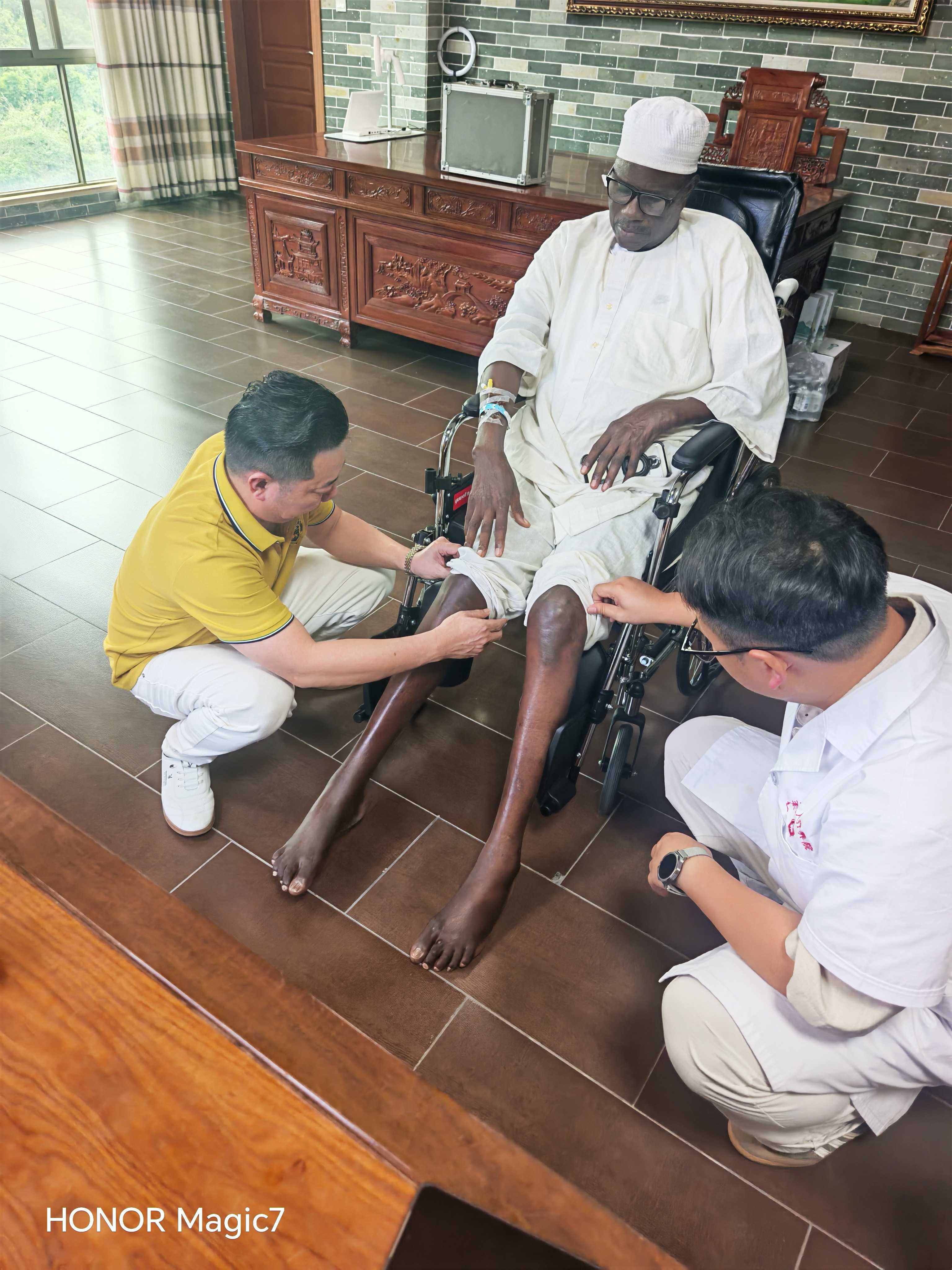
Price starting from $11,800
Spine & Joint System Rehabilitation by Guangzhou Cihua Hospital in China
Guangzhou Cihua Hospital - Orthopedic Rehab in China
- Chinese Medicine
Guangzhou, China
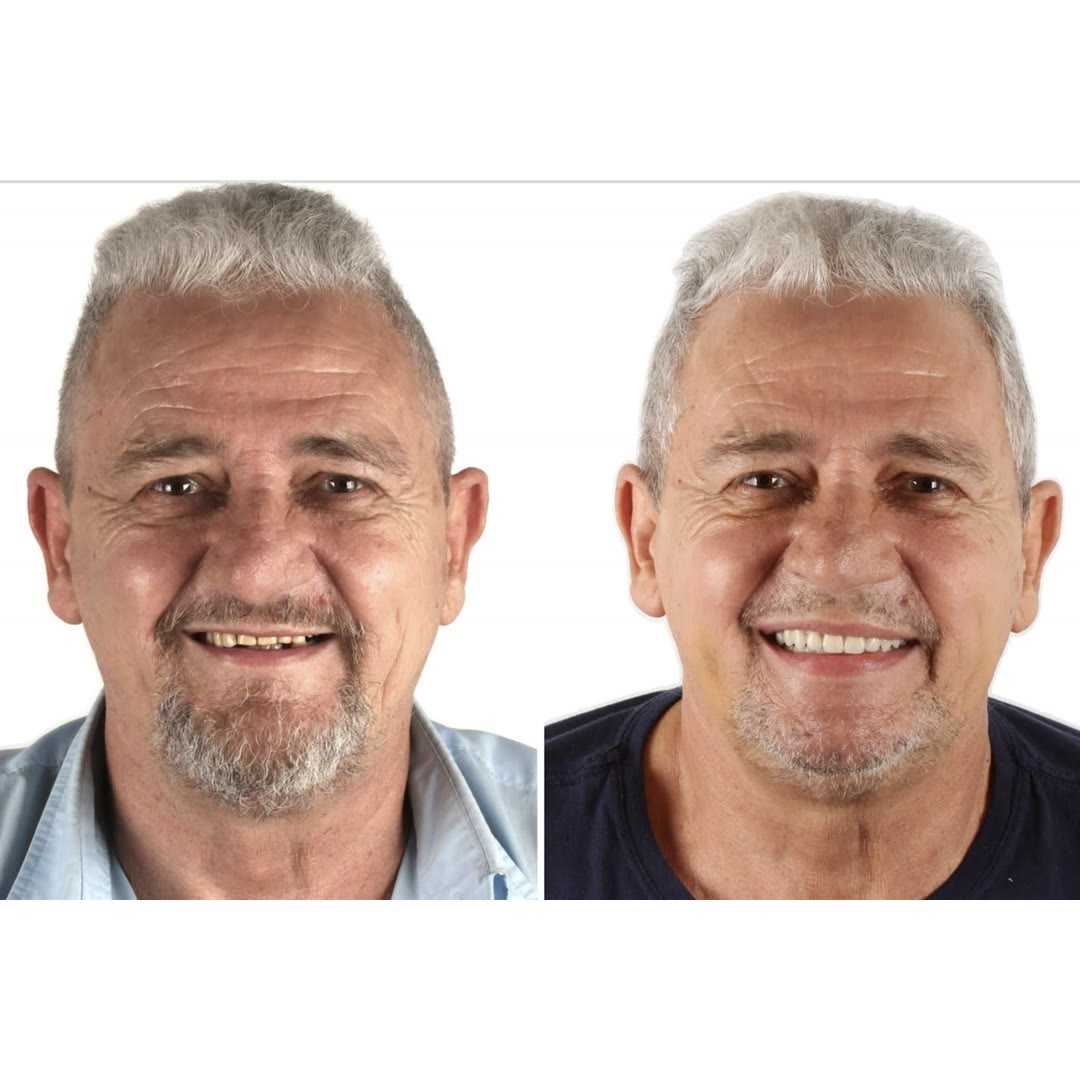
Price starting from $12,000
Zygomatic Implants Full Arch Package in Blumenau, Brazil
Clinica Dr. Fernando Giovanella in Blumenau, Brazil
- Dentistry
Blumenau, Brazil
Solutions Near You: Explore Top Medical Centers
Discover how is transforming lives at leading medical centers in , . Dive into center profile, specialties, doctors, reviews, etc. and explore the best options tailored to your needs in this region.
CellsTime Clinique Guadalajara
Guadalajara, Mexico
CellCenter - Stem Cell Therapy in Bratislava and Malacky, Slovakia
Bratislava,Malacky, Slovakia

Helene Clinic - Stem Cell Therapy in Tokyo, Japan
Tokyo, Japan
Hospital CYNTAR in Tijuana, Mexico
Tijuana, Mexico
Transformative Experiences: Dive into Procedure Insights
Discover the power of through compelling patient experiences. Uncover detailed insights into procedures, recovery journeys, and life-changing results.
Price starting from $50,000
Spinal Fusion Surgery in Saudi Arabia
- Spinal Fusion Surgery, Spine Care/Surgery
Saudi Arabia

Price starting from $28,000
Spinal Decompression Surgery in Saudi Arabia
- Spinal Decompression, Spine Care/Surgery
Saudi Arabia

Price starting from $28,000
Prostate Cancer Surgery in Saudi Arabia
- Prostate Cancer, Cancer Treatment
Saudi Arabia

Price starting from $40,000
Lung Cancer Surgery in Saudi Arabia
- Lung Cancer, Cancer Treatment
Saudi Arabia
Explore : Stories, Testimonials, and Procedures
Watch in-depth videos covering everything from success stories to detailed procedure explanations. Learn what to expect and hear from real patients.

Stem Cell Therapy Testimonial of Mike M. for Back Pain in Punta Cana
Stem Cell Therapy
La Vida Regenerative Medicine in Dominican Republic
Dominican Republic


What Is Venous Leak? Difficulty Maintaining an Erection and Treatment Options
Urology
Assoc. Prof. Dr. Zülfü Sertkaya - Dr Hardrock Men's Health Excellence Center Urology in Istanbul, Turkey
Turkey
Cervical Stem Cell Therapy for C4–C6 Arthrosis in Punta Cana
Stem Cell Therapy
La Vida Regenerative Medicine in Dominican Republic
Dominican Republic
Learn More with These Articles
Take a look at these interesting articles, stories and research that will help you learn more about .

Preserving the Dream of Motherhood: Gynecological Surgery in Saudi Arabia for Adenomyosis
King Faisal Specialist Hospital and Research Centre (KFSHRC) in Riyadh, Saudi Arabia
- Gynecology Treatment
Saudi Arabia

Lost Weight With Ozempic or Mounjaro: Why Patients Are Considering Body Contouring in Mexico?
PlacidWay Medical Tourism
- Obesity/Bariatric Surgery
Mexico
A New Hope for Patients: Advanced Gene Therapy for Sickle Cell Disease in Saudi Arabia
King Faisal Specialist Hospital and Research Centre (KFSHRC) in Riyadh, Saudi Arabia
- Cancer Treatment
Saudi Arabia

Kidney Transplantation in Saudi Arabia Through Paired Kidney Donation: Turning Donor Incompatibility into Hope
King Faisal Specialist Hospital and Research Centre (KFSHRC) in Riyadh, Saudi Arabia
- Organ Transplant
Saudi Arabia







