
What treatment


6+ Best Clinics for Surrogacy in Turkey
Trusted Medical Tourism Platform Since 2007
What are the best surrogacy and fertility treatment clinics in Turkey?
The top surrogacy and fertility treatment clinics in Turkey include: Prof. Dr. Nilgun Turhan Fertility Clinic (Istanbul), Memorial Hospital Group (Istanbul), Emsey Hospital (Istanbul), Fertillife Cevre Hospital (Istanbul), Sezar Hospital (Adana), and Sezgin Dursun Clinic (Istanbul).
Many of these top facilities are JCI-accredited and specialize in advanced reproductive technologies, including In Vitro Fertilization (IVF), ICSI, Intrauterine Insemination (IUI), pre-implantation genetic testing (PGT), and egg or sperm freezing. Standard fertility procedure costs range from $700 to $2,900 USD, offering international patients access to world-class, highly-regulated reproductive care at a fraction of standard US prices.

Sezgin Dursun Clinic - Gynecology Clinic in Istanbul

Overview
Sezgin Dursun Clinic offers expert gynecology, pregnancy care, ultrasound, and aesthetic gynecology services by an experienced gynecologist in Istanbul Turkey.
Read more details

 100.00% Patient Recommend
Prof. Dr. Nilgun Turhan Fertility Clinic


Overview
Prof. Dr. Nilgun Turhan has been working in Obstetrics and Gynaecology and IVF for over 30 years. She is a renowned expert in the field of infertility and assisted reproductive technologies (IVF). Key procedures include Infertility, Monitoring, Intrauterine, Insemination, Egg Freezing, Sperm Freezing, and more.
Read more details 83.33% Patient Recommend
Emsey Hospital

Overview
Emsey Hospital is the Best Hospital in Istanbul Turkey that has won JCI International Accreditation, and has the most complete medical facilities and experienced medical staff.
Read more details
Lokman Hekim Health Group - Multispecialty Hospital in Istanbul
Overview
Discover advanced healthcare services at Lokman Hekim Health Group, a trusted multispecialty hospital in Istanbul, Turkey.
Read more detailsDiscover your treatment options with a free, no-obligation quote!
Get your quote now! 83.33% Patient Recommend
Private Lokman Hekim Esnaf Hospital in Fethiye Turkey
Overview
Explore quality healthcare at Private Lokman Hekim Esnaf Hospital, a trusted multispecialty hospital in Fethiye, Turkey.
Read more details
Memorial Hospital Group
Overview
Memorial, with 12 hospitals & 8000+ staffs, treats over 85,000 patients from 170 countries. As Turkeys first JCI-accredited hospital, we set the gold standard for international medical care.
Read more detailsInternational Multispecialty Hospital in Istanbul, Turkey
Find international multispecialty hospital care in Istanbul, Turkey, with comprehensive medical treatments and services for overseas patients.


 100.00% Patient Recommend
Dr. Nazli Korkmaz Clinic

Overview
Dr. Korkmaz Clinic in Istanbul is one of the best clinics in Turkey that has set a benchmark with its ultimate cosmetic, aesthetic solutions.
Read more details
Discover your treatment options with a free, no-obligation quote!
Get your quote now! 100.00% Patient Recommend
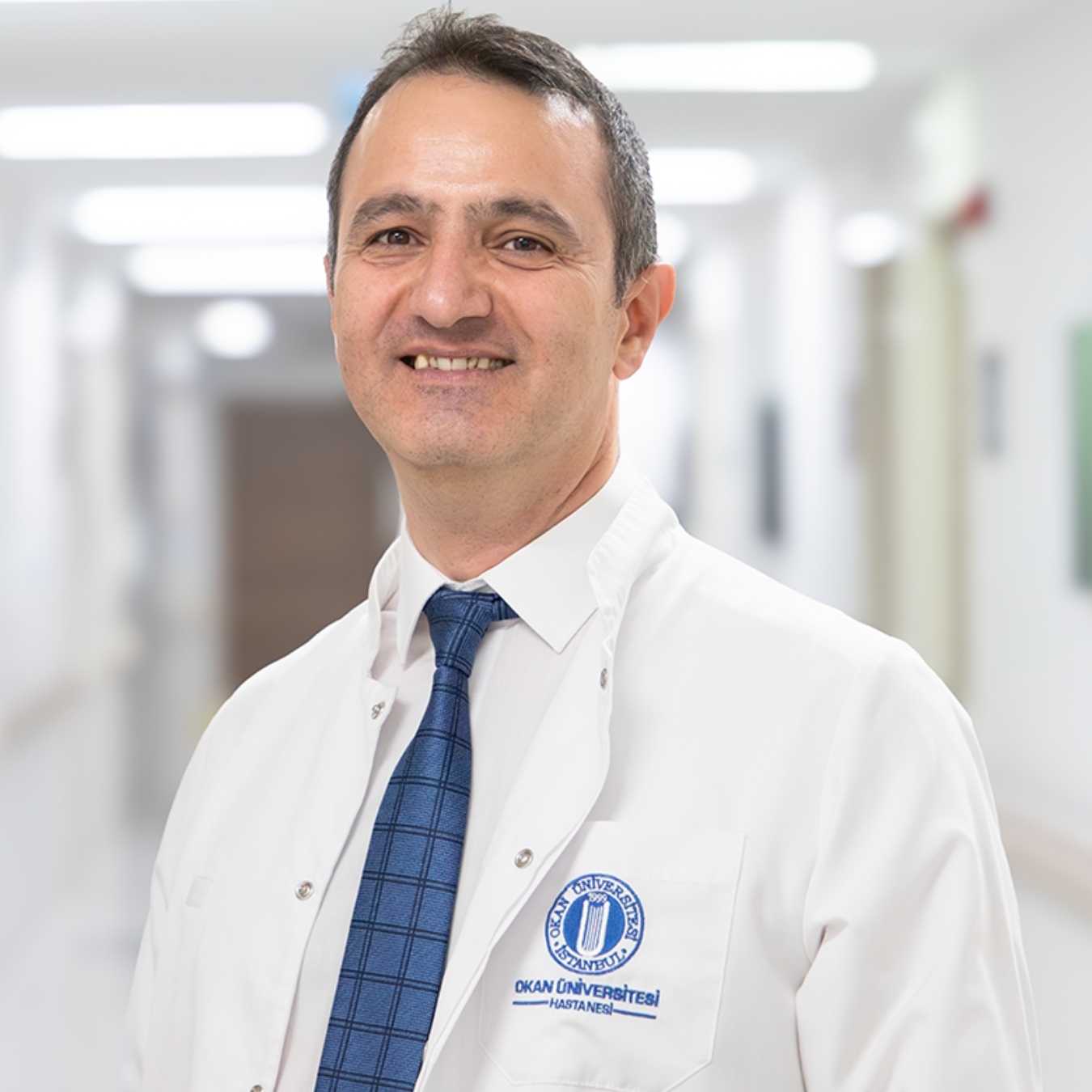
Istanbul Okan University Hospital
Overview
Explore comprehensive healthcare services at Istanbul Okan University Hospital, a leading multispecialty hospital in Turkey.
Read more details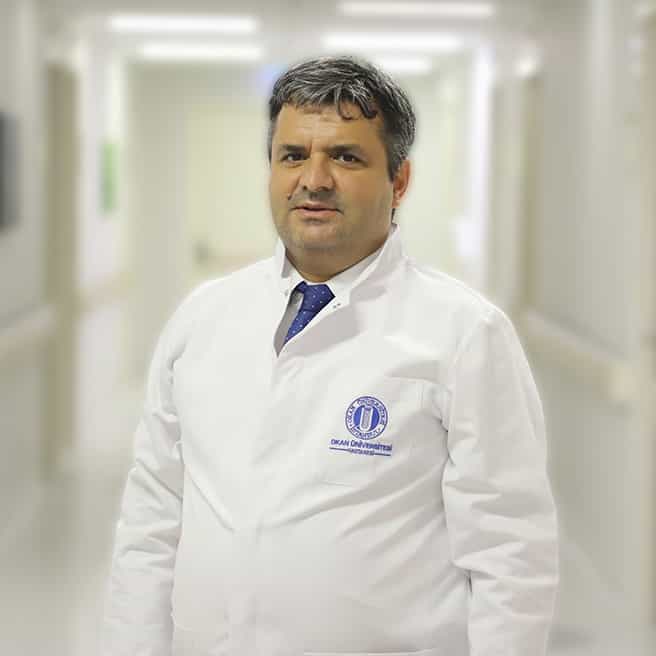
Medicana International IVF Center
Overview
Medicana International IVF Center, is a renowned fertility clinic in Istanbul, Turkey, with extensive experience with In Vitro Fertilization. Most fertility specialists at this center have been educated and trained in the EU or the USA, and have many years of experience working with foreign couples. The center offers the latest Assisted Reproductive Technologies such as ICSI, IMSI, PGD, IVF and ma
Read more details 100.00% Patient Recommend
ADATIP Hospital Group
Overview
Discover ADATIP Hospital, the leading healthcare facility in Istanbul, Turkey, renowned for its excellence in IVF, orthopedic, and cosmetic surgery.
Read more details 90.91% Patient Recommend
Group Florence Nightingale Hospitals in Istanbul Turkey
Overview
Explore advanced healthcare at Group Florence Nightingale Hospitals, a leading multispecialty hospital in Istanbul, Turkey for global patients.
Read more details 100.00% Patient Recommend
HUMA Hospital
Overview
Experience top-notch healthcare at Huma Hospital Kayseri. Specializing in cosmetic procedures, gynecology, and IVF treatments in Turkey.
Read more details 100.00% Patient Recommend
Irfan Tarhan Klinik
Overview
Irfan Tarhan Klinik offers IVF in Istanbul, Turkey, along with labiaplasty, vaginoplasty, vaginal rejuvenation, ovulation induction, and fertility treatments.
Read more details
 100.00% Patient Recommend
Jinepol IVF Clinic
Overview
Jinepol IVF Clinic provides best IVF Treatment in Istanbul Turkey. Book online now ICSI, IUI, and Egg Freezing at PlacidWay.
Read more details 100.00% Patient Recommend
Medicana Health Group in Istanbul Turkey
Overview
Discover Medicana Health Group in Istanbul, Turkey, offering advanced medical care, specialized treatments, and international patient services.
Read more details 100.00% Patient Recommend
Medipol Bahcelievler Hospital
Overview
Discover premier cancer treatment & heart surgery at Medipol Bahcelievler Hospital in Istanbul, Turkey. Trust in our expertise for your healthcare needs.
Read more details 100.00% Patient Recommend
Private Koru Ankara Hospital
Overview
Experience advanced Robotic Bariatric Surgery & Heart Surgery at Private Koru Ankara Hospital in Turkey. Exceptional care and cutting-edge technology.
Read more details
Memorial Hizmet Hastanesi
Overview
ISO belgelendirme ve hastalar ilk sloganı hizmet kaydı ile ultra modern hastane, Hizmet Hastanesi birçok diğer hizmetler arasında obezite cerrahisi, organ nakli, plastik cerrahi, kalp ameliyatları, ortopedik ameliyatlar sunmaktadır.
Read more details
The LifeCo
Overview
Rejuvenate at The LifeCo, Bodrum, Turkey. Discover holistic wellness programs for optimal well-being. Get free quote now at PlacidWay Medical Tourism!
Read more detailsWhy Turkey is a Leading Global Destination for Advanced Fertility Treatment
Turkey has established itself as an international powerhouse for reproductive medicine, combining cutting-edge embryology laboratories, world-renowned fertility specialists, and highly competitive pricing. Patients from across Europe, the Middle East, and North America travel here to achieve their dreams of parenthood.
World-Class Embryology Labs
Turkish fertility clinics host state-of-the-art laboratories equipped with the latest micro-manipulation technology, time-lapse embryo imaging (Embryoscope), and advanced pre-implantation genetic screening (PGT-A/PGT-M). This infrastructure directly translates to higher clinical pregnancy rates for complex infertility cases.
Globally Recognized Reproductive Endocrinologists
Fertility specialists in Turkey are highly accomplished, with many holding certifications and memberships in prestigious international organizations like the European Society of Human Reproduction and Embryology (ESHRE) and the American Society for Reproductive Medicine (ASRM), ensuring global medical standards.
Substantial Cost Reductions
An IVF cycle or advanced reproductive treatment protocol in Turkey costs a fraction of the price charged in the US or UK. Even when factoring in accommodation and medication, patients can save upwards of 70% while receiving care at fully accredited, modern hospitals.
Strict Quality Regulation
The Turkish Ministry of Health tightly monitors and regulates fertility clinics, enforcing rigorous safety protocols, laboratory clean-room standards, and ethical medical practices. This robust oversight provides international patients with reassurance regarding safety and quality.
Fertility Treatment Costs in Turkey vs. US and UK
Compare estimated 2026 pricing for comprehensive fertility treatments. Turkish clinics offer highly competitive, transparent packages that provide substantial savings without compromising medical safety or success rates.
| Procedure | Turkey Price | US / UK Price | You Save | Savings % |
|---|---|---|---|---|
| Standard IVF Cycle | $3,000–$4,500 | $12,000–$18,000 | $9,000+ | 75% |
| IVF with ICSI | $3,500–$5,000 | $15,000–$20,000 | $11,500+ | 76% |
| IVF with PGT-A Genetic Screening | $5,000–$7,500 | $18,000–$25,000 | $13,000+ | 72% |
| Oocyte Cryopreservation (Egg Freezing) | $2,500–$3,800 | $8,000–$12,000 | $5,500+ | 68% |
* Prices are 2026 estimates based on verified PlacidWay partner clinics in Turkey. Total costs vary depending on diagnostic requirements, specific medication dosages, embryology laboratory techniques utilized, and storage durations. Contact us for a personalized quote.
Top Turkish Cities for Advanced Reproductive Care
Turkey offers several distinct medical hubs, each featuring highly accredited reproductive health centers. Explore which destination aligns best with your treatment goals.
Istanbul
The Global Fertility Junction
Istanbul hosts the highest concentration of JCI-accredited fertility centers and world-class laboratory facilities in the region. It is the premier choice for complex genetic diagnosis, micro-TESE, and patients seeking the most experienced clinical specialists.
Ankara
Capital-Grade Research Centers
As Turkey’s capital, Ankara is renowned for its highly academic, university-affiliated reproductive health institutions. Ideal for patients requiring highly specialized interdisciplinary care, rare genetic workups, and deeply studied clinical approaches.
Antalya
Coastal Medical Sanctuary
Antalya perfectly blends cutting-edge fertility treatments with the relaxing, low-stress environment of a Mediterranean resort city. This stress-free setting is favored by patients who want to focus entirely on wellness during their cycle.
Izmir
Aegean Coast Serenity
Izmir offers premier boutique clinics with a highly personalized touch and outstanding privacy. Known for its gentle clinical approach and slower, scenic coastal pace, it is highly attractive for couples prioritizing a quiet journey.
Comprehensive Fertility Treatments in Turkey
From routine IVF protocols to advanced laboratory diagnostics, partner clinics in Turkey provide high-precision clinical options to address diverse fertility challenges.
Intracytoplasmic Sperm Injection (ICSI)
$3,500 – $5,000A high-precision technique where a single high-quality sperm is injected directly into a mature egg. This approach is highly recommended for overcoming severe male factor infertility, including low sperm count or motility issues.
Save up to 76% vs. US costs
Standard IVF (In Vitro Fertilization)
$3,000 – $4,500The foundational treatment involving controlled ovarian hyperstimulation, precise egg retrieval under mild sedation, laboratory fertilization, and careful embryo cultivation before transferring the embryo back to the uterus.
Save up to 75% vs. US costs
Preimplantation Genetic Testing (PGT-A/M)
$1,500 – $3,000 (Add-on)Advanced genetic screening of embryo biopsies prior to transfer. This identifies chromosomal abnormalities (aneuploidy) or specific single-gene disorders, significantly improving implantation rates and preventing genetic diseases.
Highly cost-efficient genetic laboratory rates
Oocyte Cryopreservation (Egg Freezing)
$2,500 – $3,800For women wishing to preserve their fertility for social or medical reasons. Oocytes are retrieved and preserved using vitrification (ultra-rapid freezing) to maintain egg viability for future use.
Save up to 68% vs. UK costs
How to Choose a Premier Fertility Clinic in Turkey
Ensure a safe, seamless, and successful journey by evaluating your prospective clinic against these five crucial benchmarks.
Verify Laboratory Certifications
Confirm that the embryology laboratory holds national and international accreditations, such as ISO 15189 or JCI certifications. Advanced labs should utilize clean-room class ISO 5/6 technology to maximize embryo development.
Check the Specialist's Experience
Research the clinical credentials of the primary reproductive endocrinologist. Look for active memberships in ESHRE or ASRM, and verify that they have at least 10+ years of dedicated clinical practice in reproductive medicine.
Clarify Regulatory & Legal Permissibility
Understand the regulatory framework of the country. For instance, Turkish law permits IVF and ICSI for legally married heterosexual couples using their own genetic material, but prohibits third-party egg/sperm donation and commercial surrogacy on Turkish soil.
Inquire About Success Rates by Age Group
Avoid accepting generalized "pregnancy rates." Ask the clinic for their verified blastocyst transfer success rates categorized specifically by your maternal age cohort, and ask if they track live birth rates.
Use a Pre-Screened Platform
Simplify your journey by researching through PlacidWay. We verify clinic credentials, facility standards, and specialist board certifications, ensuring you are connected with the most reliable, top-tier medical centers in Turkey.
Your Path to Fertility Success in Turkey
An organized reproductive journey helps alleviate anxiety. Here is what to expect from your initial medical consultation to your return home.
Step 1: Diagnostic Assessment & Remote Consultation
Submit your previous fertility test records, semen analyses, and hormone panels to PlacidWay. Turkish specialists will review your clinical history, arrange a virtual video consultation, and design a customized hormonal stimulation protocol.
Step 2: Stimulation Phase & Local Monitoring
Depending on your plan, you may begin ovarian stimulation medications at home or travel to Turkey on Day 2 of your menstrual cycle. Regular ultrasound scans and blood tests are performed to monitor follicle development carefully.
Step 3: Egg Retrieval & Fertilization
Once follicles reach optimal size, a trigger injection is administered. Egg retrieval is performed 36 hours later under light sedation. At the same time, the male partner provides a semen sample, and fertilization is executed via ICSI in the lab.
Step 4: Embryo Cultivation & Genetic Testing
The fertilized embryos are monitored in advanced incubators for 3 to 5 days until they reach the blastocyst stage. If requested, a biopsy is performed for pre-implantation genetic testing (PGT-A/M) to ensure only highly viable, healthy embryos are chosen.
Step 5: Embryo Transfer & Post-Treatment Care
The selected healthy embryo is transferred into the uterus under ultrasound guidance—a quick, painless procedure requiring no anesthesia. After 1 to 2 days of rest, you can return home and perform your pregnancy test 10 to 12 days later.
Turkey Fertility Treatment and IVF Care FAQ
Get answers to key clinical and legal questions regarding fertility care, IVF protocols, and surrogacy parameters in Turkey.
What Patients Say About Their Fertility Journeys in Turkey
Read authentic testimonials from families who successfully navigated their fertility care in Turkey through our partner networks.
"After three failed IVF attempts in London, we were emotionally exhausted and financially drained. Deciding to travel to Istanbul was the best choice we ever made. The clinic's attention to detail, advanced ICSI procedures, and customized stimulation protocol resulted in our beautiful baby boy. The standard of care was simply exceptional."
"We needed PGT-M screening due to a genetic condition in our family. The costs in the US were completely out of reach. We coordinated our cycle in Turkey through PlacidWay. The doctors were brilliant, and the laboratory clean-room standards were incredibly impressive. We are now pregnant with a healthy, screened baby!"
Why Trust PlacidWay with Your Fertility Journey?
Reproductive medicine requires extreme accuracy and sensitivity. As an experienced independent facilitator, PlacidWay securely connects you with Turkey’s top fertility centers.
Vetted Reproductive Centers
We continuously pre-screen fertility hospitals and boutique clinics in Turkey, verifying their JCI accreditations, laboratory certifications, success histories, and clinical safety standards.
Direct Access to Specialists
Skip the intermediaries. We establish direct communication channels between you and the primary Turkish reproductive endocrinologist, allowing for clear, early diagnostic evaluations.
Independent Coordination
As a dedicated facilitator, our primary focus is your safety and medical outcome. We provide objective clinical choices, empowering you to make informed decisions for your family.
Comprehensive Patient Support
From assisting with initial medical record collection and clinic transfers to organizing post-treatment diagnostic guidelines, we advocate for you every single step of the way.
Begin Your Path to Parenthood Today
Take the first step toward building your family. Access world-class IVF, advanced genetics, and premier reproductive endocrinology in Turkey at up to 75% savings. Connect with our dedicated team today.
Get Free QuoteDisclaimer: PlacidWay is a medical tourism facilitator and does not provide medical advice, diagnosis, or treatment. We connect patients with independently verified medical centers. Always consult with your primary healthcare provider regarding your specific reproductive health plans.
Unlock the Best Fertility Treatment Packages Just for You
Discover the ultimate Fertility Treatment packages designed to meet your health and wellness goals. Choose the perfect fit for your journey.

Price starting from $68,000
North Cyprus IVF Bring Gestational Surrogacy Package in Nicosia Cyprus
North Cyprus IVF
- Fertility Treatment
Nicosia, Cyprus
.png)
Price starting from $7,015
Surrogacy in Tbilisi: Affordable Packages by InvitroLife Georgia
InvitroLife - Best IVF Clinic in Georgia
- Fertility Treatment
Tbilisi, Georgia

Price starting from $45,000
Cost-Effective Package for Surrogacy in Tbilisi Georgia
PlacidWay Georgia Medical Tourism
- Fertility Treatment
Tbilisi, Georgia

Price starting from $45,000
Guarantee Surrogacy with Egg Donor Package in Tbilisi, Georgia by European Fertility Clinic
Top IVF Center - European Fertility Clinic
- Fertility Treatment
Tbilisi, Georgia
Transformative Fertility Treatment Experiences: Dive into Procedure Insights
Discover the power of Fertility Treatment through compelling patient experiences. Uncover detailed insights into procedures, recovery journeys, and life-changing results.
.png)

.png)
Price starting from $7,015
Surrogacy in Tbilisi, Georgia
- Surrogacy, Fertility Treatment
Tbilisi, Georgia
.png)
Price starting from $25,000
Surrogacy in Tbilisi, Georgia
- Surrogacy, Fertility Treatment
Tbilisi, Georgia
Explore Fertility Treatment: Stories, Testimonials, and Procedures
Watch in-depth videos covering everything from Fertility Treatment success stories to detailed procedure explanations. Learn what to expect and hear from real patients.

Modern Perspective on the Genital Aesthetics Procedure in Istanbul, Turkey
Fertility Treatment
Dr. Nazli Korkmaz Clinic
Turkey

Comprehensive Vaginismus Treatment with Botox in Istanbul, Turkey
Fertility Treatment
Dr. Nazli Korkmaz Clinic
Turkey
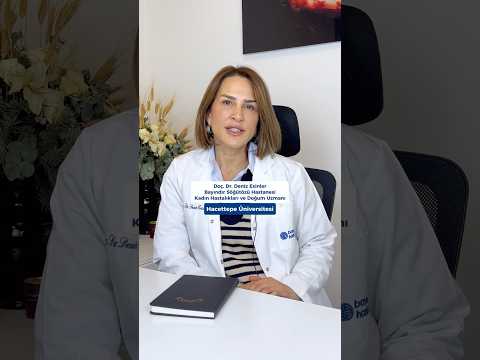
Expert Perinatology and High-Risk Pregnancy Care in Ankara, Turkey
Fertility Treatment
ACIBADEM Bayındır Hospital
Turkey

Navigating a Safe Water Birth Procedure in Istanbul, Turkey After High-Risk Diagnoses
Fertility Treatment
Dr. Nazli Korkmaz Clinic
Turkey
Learn More with These Fertility Treatment Articles
Take a look at these interesting articles, stories and research that will help you learn more about Fertility Treatment.

How Ankara Surgeons are Solving Fertility Issues Previously Requiring Surrogacy?
PlacidWay Medical Tourism
- Fertility Treatment
Turkey
.jpg)
Surrogacy in Tbilisi, Georgia: Understanding Costs, Legal Requirements, and Safety for International Parents
PlacidWay Georgia Medical Tourism
- Fertility Treatment
Georgia

10 Steps to Find the Best Fertility Treatment in Europe
PlacidWay Cyprus Fertility Treatment
- Fertility Treatment
Turkey
.jpg)
Planning Surrogacy with Egg Donation in Tbilisi, Georgia: Costs, Laws, and Clinic Selection
PlacidWay Georgia Medical Tourism
- Fertility Treatment
Georgia
Fertility Treatment Solutions Near You: Explore Top Medical Centers
Discover how Fertility Treatment is transforming lives at leading medical centers in , Turkey. Dive into center profile, specialties, doctors, reviews, etc. and explore the best options tailored to your needs in this region.

Lokman Hekim Health Group - Multispecialty Hospital in Istanbul
Istanbul,Ankara, Turkey

Sezgin Dursun Clinic - Gynecology Clinic in Istanbul
Istanbul, Turkey

Emsey Hospital
Istanbul, Turkey

Private Lokman Hekim Esnaf Hospital in Fethiye Turkey
Fethiye, Turkey









The success of Nilgün and her team in the work they did in Muğla brought great happiness to our lives. I had 2 attempts to vaccinate in a different hospital but had a negative result. We are very pleased that his attitude is also smiling. Absolutely reliable, experienced and successful ... a Dr. ENDLESS THANKS NİLGÜN HANIM
Read More