
What treatment


5+ Best Clinics for Stem Cell Treatment for Diabetes in Turkey
Trusted Medical Tourism Platform Since 2007
What are the best stem cell treatment for diabetes clinics in Turkey?
The leading stem cell treatment for diabetes clinics in Turkey include Medical Park Hospitals Group (Istanbul), Memorial Hospital Group (Istanbul), Emsey Hospital (Istanbul), You Clinic (Izmir), Geneis Genetik Hastal?klar Merkezi (Mugla), and Fizikon Medical Center (Konya).
These facilities hold prestigious JCI accreditations and Turkish Ministry of Health approvals, operating under strict GMP standards. They utilize advanced mesenchymal and adipose-derived stem cells to treat Type 1 and Type 2 diabetes, autism, Alzheimer's, Parkinson's, and multiple sclerosis. Comprehensive treatment packages generally range from $2,800 to $13,000 USD, providing highly affordable regenerative care for international medical tourists.
 100.00% Patient Recommend
Medical Park Hospitals Group in Istanbul, Turkey


Overview
Medical Park Hospital Istanbul offers advanced healthcare services, and modern facilities for international patients seeking quality treatment in Turkey.
Read more details

Memorial Hospital Group
Overview
Memorial, with 12 hospitals & 8000+ staffs, treats over 85,000 patients from 170 countries. As Turkeys first JCI-accredited hospital, we set the gold standard for international medical care.
Read more details 100.00% Patient Recommend
Biruni University Hospital in Istanbul Turkey
Overview
Explore advanced treatments at Biruni University Hospital, a leading multispecialty hospital in Istanbul, Turkey, serving local and international patients.
Read more details
 83.33% Patient Recommend
Emsey Hospital
Overview
Emsey Hospital is the Best Hospital in Istanbul Turkey that has won JCI International Accreditation, and has the most complete medical facilities and experienced medical staff.
Read more detailsDiscover your treatment options with a free, no-obligation quote!
Get your quote now!
Geneis Genetik Hastalıklar Merkezi
Overview
Geneis has been providing advanced genetic diagnosis and treatment services since 2006. With our personalized,preventive,and regenerative medicine solutions,we take a holistic approach to your health.
Read more details
You Clinic
Overview
Discover You Clinic in Izmir, Turkey, offering advanced stem cell treatments for autism, Alzheimer, cerebral palsy, diabetes, Parkinson, and MS.
Read more details
 98.39% Patient Recommend
Turan Turan Robotic Surgery Center and Orthopedic Clinic in Turkey
Overview
Get expert orthopedic surgery in Bursa, Turkey at Turan Turan Robotic Surgery Center with advanced robotic joint replacement and sports injury care.
Read more details
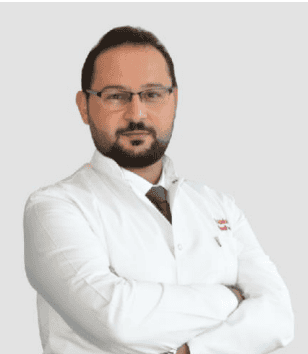
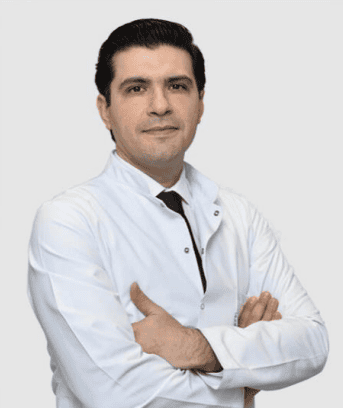
Elos Klinik
Overview
Elos Clinic offers hair transplantation services along with stem cell therapy, vitiligo treatment, surgical procedures such as liposuction, and various dermatological treatments, led by our doctors.
Read more detailsDiscover your treatment options with a free, no-obligation quote!
Get your quote now!
Pendik Bolge Hospital in Istanbul Turkey
Overview
Explore comprehensive medical care at Pendik Bolge Hospital, a leading multispecialty hospital in Istanbul, Turkey.
Read more details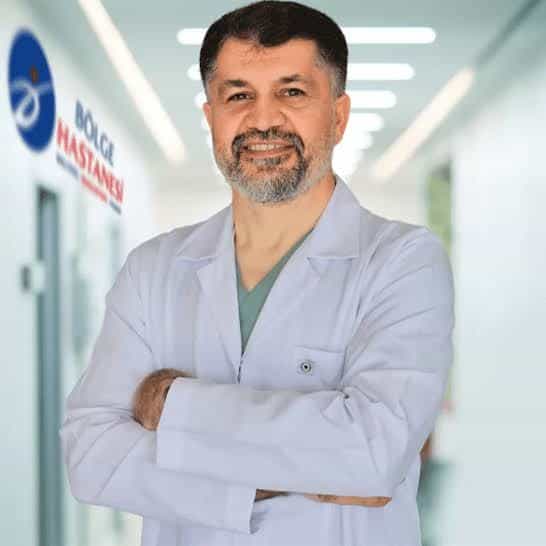
Why Turkey is a Leading Global Destination for Diabetes Stem Cell Therapy?
Turkey has emerged as a premier hub for regenerative medicine, blending state-of-the-art biotechnology with world-renowned medical expertise. Patients seeking advanced stem cell protocols for Type 1 and Type 2 diabetes choose Turkey to access innovative treatments that target pancreatic function and systemic inflammation.
State-of-the-Art GMP Certified Laboratories
Turkey is home to highly advanced, government-regulated stem cell laboratories operating under strict international Good Manufacturing Practice standards. These facilities cultivate high-viability mesenchymal stem cells (MSCs) derived from umbilical cord matrix (Wharton's Jelly) and autologous tissue, ensuring maximum therapeutic potential. The strict regulatory oversight guarantees safe, sterile, and highly concentrated cell counts for patient administration.
Renowned Endocrinology & Cellular Specialists
Turkish medical teams consist of collaborative groups of clinical endocrinologists, immunologists, and molecular biologists working in unison. These specialists possess extensive experience in using cellular therapy to address beta-cell dysfunction, improve insulin sensitivity, and mitigate diabetic neuropathy. Their comprehensive care models combine traditional diabetes management with pioneering regenerative protocols.
Strategic Location & World-Class Hospitals
Positioned at the crossroads of Europe and Asia, Turkey offers JCI-accredited clinical environments that feature advanced diagnostic imaging and intensive care capabilities. Patients can undergo their diagnostic evaluations and cell infusions in highly modern, luxurious hospital settings. This infrastructure ensures that diabetes-related metabolic monitoring is handled with the highest degree of clinical safety.
Substantial Financial Accessibility
Advanced regenerative treatments can cost tens of thousands of dollars in the US or UK, often pricing out those who need them. Turkey offers access to equivalent or superior laboratory standards and specialist expertise at a fraction of the cost. This makes multi-dose protocols and comprehensive metabolic therapies financially viable for international patients.
Diabetes Stem Cell Therapy Costs in Turkey vs. United States & United Kingdom (2026)
Compare the projected 2026 pricing for metabolic regenerative protocols. Turkey's specialized cellular programs provide transparent, clinical-grade pricing tailored to the patient's diabetic profile, cell volume requirements, and systemic evaluation.
| Procedure / Protocol | Turkey Price | US / UK Price | You Save | Savings % |
|---|---|---|---|---|
| Type 1 Diabetes Immunomodulation Protocol (100M MSCs) | $9,500–$12,000 | $30,000–$45,000 | $20,500+ | 68% |
| Type 2 Diabetes Pancreatic Regeneration Protocol (150M MSCs) | $11,000–$14,500 | $35,000–$50,000 | $24,000+ | 69% |
| Stem Cell + Targeted Exosome Therapy Booster | $12,500–$16,000 | $40,000–$55,000 | $27,500+ | 69% |
| Diabetic Neuropathy & Vascular Repair Stem Cell Protocol | $8,500–$11,000 | $25,000–$35,000 | $16,500+ | 66% |
* Prices are 2026 estimates based on verified partner laboratories and clinics in Turkey. Actual cost varies based on total cell counts administered (millions of cells), clinical source of stem cells (umbilical cord Wharton’s Jelly vs. bone marrow), and personal medical complications. Request a free quote for customized therapeutic packages.
Comparing Medical Hubs in Turkey for Diabetes Stem Cell Therapy
Turkey hosts several world-class cities specializing in biological medicine. Here is how the key clinical destinations compare for your regenerative journey.
Istanbul
The Biotech Epicenter
As the central medical hub of the country, Istanbul hosts the majority of Turkey's licensed GMP laboratories and stem cell research centers. It provides patients with unmatched access to the highest-density cell lines and renowned academic endocrinologists under one roof.
Ankara
The Regulatory & University Core
The nation's capital is characterized by its high concentration of medical research universities and academic hospitals. Ankara is highly suited for patients with complex diabetic conditions who require extensive multi-specialist diagnostic workups and clinical trial-grade treatment protocols.
Antalya
Mediterranean Healing Environment
Known for luxury thermal resorts and specialized wellness facilities, Antalya combines stem cell infusions with relaxing Mediterranean recovery programs. It is an excellent option for diabetic patients focused on stress reduction and systemic lifestyle rehabilitation alongside cellular treatments.
Izmir
The Quiet Wellness Destination
Izmir offers modern boutique private clinics that excel in personalized cellular medicine. It provides a highly individualized, slower-paced medical experience far from the bustle of larger cities, backed by exceptional regional medical universities.
Stem Cell Diabetes Protocols in Turkey
From advanced cellular immunomodulation to targeted vascular and exosome therapies, Turkish clinics customize protocols to support pancreatic islet function and control overall metabolic dysfunction.
Allogeneic Umbilical Cord Wharton’s Jelly MSC Protocol
$9,500 – $12,500Using highly potent, ethically sourced mesenchymal stem cells from umbilical cord tissue, this protocol targets autoimmune islet cell destruction in Type 1 diabetes. It works to calm the immune system's hyper-reactive response, preserving remaining beta cells.
Save $20,000+ vs. US/UK prices
Autologous Adipose-Derived / Bone Marrow Stem Cell Protocol
$8,000 – $11,500This method harvests the patient's own adult stem cells, which are then processed, concentrated, and re-administered. Often selected for Type 2 diabetes, this treatment aims to restore systemic insulin sensitivity, enhance glucose uptake, and support tissue health.
Save $17,000+ vs. US/UK prices
Pancreatic Target & Intravenous Combined Infusion
$11,000 – $15,000Combining systemic intravenous delivery with targeted pancreatic arterial infusion, this advanced treatment delivers high concentrations of stem cells directly toward the islet microenvironment. This direct approach optimizes biological cell engraftment.
Save $25,000+ vs. US/UK prices
Stem Cell & Exosome Metabolic Combination Therapy
$12,500 – $16,500This premium protocol pairs standard mesenchymal stem cells with specialized clinical-grade exosomes. The nanovesicles provide concentrated signaling proteins to reduce peripheral insulin resistance and accelerate systemic vascular repair.
Save $30,000+ vs. US/UK prices
How to Safely Choose a Diabetes Stem Cell Clinic in Turkey?
Ensure a safe, high-quality treatment outcome by carefully screening your regenerative provider. Follow this five-step clinical checklist.
Confirm Turkish Ministry of Health Licensing
Verify that the clinic and the partnering stem cell laboratory are directly licensed by the Turkish Ministry of Health. This ensures the facility meets strict biosafety guidelines and handles biological products legally.
Analyze Cell Types & Viability Certification
Ask the clinic for a certified laboratory report stating the origin of the stem cells (autologous vs. donor allogeneic), total cell counts (typically 100M+ MSCs), and cell viability rates prior to administration.
Evaluate Multi-Specialty Clinical Support
Diabetes treatment requires thorough metabolic assessment. Choose clinics that feature integrated medical teams including experienced clinical endocrinologists, cardiologists, and neurologists to ensure overall safety.
Inquire About Post-Treatment Monitoring Protocols
Islet restoration and metabolic changes require careful ongoing management. Select a medical team that provides a structured, multi-month remote monitoring plan to track HbA1c levels, insulin usage, and C-peptide levels.
Work with a Trusted Global Facilitator
Using PlacidWay simplifies the vetting process. We verify licensing, confirm hospital safety credentials, and coordinate communication with Turkey's top regenerative medical professionals.
Your Diabetes Stem Cell Treatment Journey in Turkey
An overview of the clinical milestones involved in your medical treatment, from initial metabolic assessment to long-term follow-up.
Step 1: Virtual Case Evaluation & Diagnostic Submission
Prior to traveling, you submit your recent medical records—including C-peptide levels, HbA1c history, autoantibody panels, and daily insulin logs—for comprehensive evaluation by our Turkish partner specialists.
Step 2: On-Site Metabolic & Laboratory Assessment
Upon arrival, you undergo a comprehensive, in-person consultation with your medical team. This includes extensive metabolic profiling, vascular ultrasound, and a thorough assessment of any microvascular complications to ensure a safe treatment process.
Step 3: Customized Stem Cell Administration
The stem cells are prepared in the GMP laboratory and administered via intravenous infusion, with targeted localized options as needed. The procedure is non-surgical, takes approximately 1 to 2 hours, and is performed in a comfortable, modern setting.
Step 4: Clinical Monitoring & Lifestyle Guidance
You spend 48 to 72 hours under post-infusion monitoring. During this time, you will work with clinical nutritionists to design a customized dietary and glucose-management program designed to support cell survival and overall healing.
Step 5: Post-Treatment Monitoring & Support
After returning home, you will participate in a structured, multi-month remote tracking program. This includes regular sharing of your lab reports and glucose levels to help optimize and adjust your daily insulin protocols safely.
Turkey Stem Cell Diabetes Therapy FAQ
Get answers to common clinical questions regarding cellular diabetes treatments in Turkey.
What Patients Say About Diabetes Stem Cell Therapy in Turkey
Read firsthand accounts from international patients who chose Turkey for their metabolic cellular treatments.
"Managing my Type 2 diabetes had become a constant struggle despite taking multiple daily medications. Traveling to Turkey for the umbilical cord stem cell protocol was a turning point for me. Six months after the infusion, my HbA1c has dropped to 5.9, my daily insulin sensitivity has improved significantly, and I feel more energetic than I have in years."
"As a Type 1 diabetic, I was primarily looking for a way to stabilize my fluctuating blood sugar levels. The medical team in Istanbul was incredibly thorough, guiding me through a combined IV and pancreatic targeting protocol. Today, my daily insulin requirements are lower, my blood sugar levels are much more stable, and my C-peptide levels show a clear positive trend."
Why Coordinate Your Stem Cell Therapy Through PlacidWay?
Navigating international cellular medicine requires trusted guidance. As an independent medical tourism facilitator, PlacidWay helps you find and connect with leading, verified regenerative programs in Turkey.
Vetted Laboratories & Clinics
We partner exclusively with clinics that utilize certified laboratories licensed by the Turkish Ministry of Health, ensuring high viability and strict safety protocols for every cell dose.
Transparent, Lab-Direct Pricing
We help secure direct, all-inclusive pricing with no hidden hospital or administrative fees, allowing you to access cost-effective care without sacrificing quality.
Direct Specialist Consultations
We coordinate secure, direct virtual consultations with leading Turkish endocrinologists and stem cell experts, giving you the opportunity to ask questions before you travel.
Dedicated Medical Advocacy
Our specialized coordination team supports you through every step of your journey, from initial medical record transfers to long-term post-treatment follow-up.
Take Control of Your Metabolic Health
Explore advanced stem cell diabetes treatments in Turkey and save up to 70% compared to local clinical prices. Connect with verified medical specialists today.
Get Free QuoteDisclaimer: PlacidWay is a medical tourism facilitator and does not provide medical advice, diagnosis, or treatment. We connect patients with independently verified clinics abroad. Always consult with a qualified healthcare provider regarding your specific medical condition.
Share with AI
Share this page with AI assistants to get summaries and insights


List of Best Stem Cell Treatment for Diabetes Clinics in Turkey
Unlock the Best Stem Cell Therapy Packages Just for You
Discover the ultimate Stem Cell Therapy packages designed to meet your health and wellness goals. Choose the perfect fit for your journey.
.png)
Price starting from $18,000
Stem Cell Therapy for Type1 Diabetes & Type 2 in Germany
Center for Advanced Medicine in Frankfurt, Germany
- Stem Cell Therapy
Frankfurt, Germany

Price starting from $9,500
Stem Cell for Diabetes Package in Ukraine and Poland
Mediland Clinic
- Chronic Diseases
Kyiv, Ukraine

Price starting from $14,000
Stem Cell Therapy for Diabetes in Lenggries, Germany
PlacidWay Germany Medical Tourism
- Stem Cell Therapy
Frankfurt,Mannheim,Bonn, Germany

Price starting from $12,000
Best Stem Cell Therapy for Diabetes Package in Vienna, Austria
PlacidWay Austria Medical Tourism
- Stem Cell Therapy
, Austria
Transformative Stem Cell Therapy Experiences: Dive into Procedure Insights
Discover the power of Stem Cell Therapy through compelling patient experiences. Uncover detailed insights into procedures, recovery journeys, and life-changing results.
.png)
Price starting from $18,000
Stem Cell Therapy for Diabetes in Germany
- Stem Cell Treatment for Diabetes, Stem Cell Therapy
Germany

Price starting from $11,000
Stem Cell Treatment for Autism in Turkey
- Stem Cell Treatment for Autism, Stem Cell Therapy
Turkey

Price starting from $8,300
Stem Cell Treatment for Autism in Slovakia
- Stem Cell Treatment for Autism, Stem Cell Therapy
Slovakia
.png)
Price starting from $8,700
Amyotrophic Lateral Sclerosis Stem Cell Therapy at CellCenter, Malacky
- Stem Cell Treatment for ALS, Stem Cell Therapy
Slovakia
Explore Stem Cell Therapy: Stories, Testimonials, and Procedures
Watch in-depth videos covering everything from Stem Cell Therapy success stories to detailed procedure explanations. Learn what to expect and hear from real patients.

Why Leading Medical Centers Choose PlacidWay: The Ultimate Marketing & CRM Solution for Global Patient Engagement
Stem Cell Therapy
PlacidWay Medical Tourism
Turkey

The Future of Medical Tourism: How PlacidWay is Innovating Patient Acquisition for Regenerative Medicine and Orthopedic Clinics
Stem Cell Therapy
PlacidWay Medical Tourism
Turkey
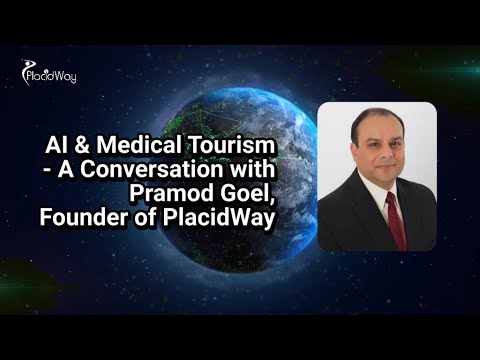
Pramod Goel, CEO of PlacidWay Medical Tourism Interview: How AI is Transforming Patient Journeys
Stem Cell Therapy
PlacidWay Medical Tourism
Turkey

Going Beyond Medical Tourism: How PlacidWay's Cutting-Edge Technology is Transforming Healthcare Marketing and CRM for Clinics Globally
Stem Cell Therapy
PlacidWay Medical Tourism
Turkey
Learn More with These Stem Cell Therapy Articles
Take a look at these interesting articles, stories and research that will help you learn more about Stem Cell Therapy.

DACH Region Patients Turn to Bratislava for Cost-Effective Stem Cell Diabetes Treatments
PlacidWay Medical Tourism
- Stem Cell Therapy
Slovakia

Turkey Set to Dominate the Middle East Market as Saudi Arabian Patients Seek Advanced Stem Cell Therapy for Diabetes
PlacidWay Medical Tourism
- Stem Cell Therapy
Turkey

Italy’s Rising Demand for Diabetic Foot Regeneration Meets Slovakia's World-Class Stem Cell Tourism
PlacidWay Medical Tourism
- Stem Cell Therapy
Slovakia

The Insulin Independence Movement: How Ankara is Pioneering Stem Cell Research for Type 2 Diabetes
PlacidWay Medical Tourism
- Stem Cell Therapy
Turkey
Stem Cell Therapy Solutions Near You: Explore Top Medical Centers
Discover how Stem Cell Therapy is transforming lives at leading medical centers in , Turkey. Dive into center profile, specialties, doctors, reviews, etc. and explore the best options tailored to your needs in this region.
Emsey Hospital
Istanbul, Turkey
Medical Park Hospitals Group in Istanbul, Turkey
Istanbul, Turkey
Memorial Hospital Group
Istanbul, Turkey
Biruni University Hospital in Istanbul Turkey
Istanbul, Turkey








Excellent! I can't wait for my turn. treatment.
Read More